Capsule delivery of fecal microbiota transplant has similar effectiveness to transplant by colonoscopy

Recently published in Clinical Gastroenterology and Hepatology, researchers from the University of Minnesota Medical School found that Fecal Microbiota Transplant (FMT) using capsules containing freeze-dried microbes taken orally has similar safety and effectiveness to colonoscopic administration of liquid FMT for treating recurrent Clostridioides difficile infection (CDI).
Every year in the United States, approximately 500,000 people develop CDI — which is typically a complication of antibiotics. Antibiotics are also used to treat CDI, which further damage the intestinal microbiota. The U of M research team developed standardized FMT preparations — which are composed of intestinal microbes that can restore a healthy intestinal microbiota. This strategy repairs the damage caused by antibiotics and restores resistance against CDI.
“Capsule FMT can avoid complications of colonoscopy and facilitate access to this potentially life-saving therapy,” said Byron Vaughn, MD, MS, associate professor in the Medical School and gastroenterologist at M Health Fairview.
In this multicentered, national prospective study, 301 FMTs were performed in 269 patients. Two-thirds of the procedures were capsule FMT. CDI cure rates were 86% at one month and 81% at two months. There was no difference in the one-month or two-month cure rate between capsule and colonoscopic FMT.
While highly effective overall, the research team says patient selection is a key factor to optimizing FMT success. Older age, hemodialysis and post-FMT antibiotics were associated with lower cure rates. Further research is suggested to identify patients that do not have a successful FMT and understand why they don’t respond to the therapy.
This work was supported by Achieving Cures Together, a nonprofit organization dedicated to advancing microbiome-based research.
Story Source:
Materials provided by University of Minnesota Medical School. Original written by Alex Smith. Note: Content may be edited for style and length.

Read more →

Lipids in blood predict nerve damage risk among patients with type 2 diabetes

Of the 37 million Americans with diabetes, up to 50% may end up with nerve damage, or diabetic neuropathy, that can be painful and disabling.
While some medications can reduce pain, scientists continue searching for factors that cause patients to develop diabetic neuropathy — to identify ways to reduce the risk of harmful symptoms.
One study at Michigan Medicine finds multiple lipid biomarkers are linked to the development of neuropathy in patients with type 2 diabetes.
Researchers examined serum samples from nearly 70 members of the Gila River Indian community with type 2 diabetes who were tested for neuropathy 10 years later. They analyzed 435 different species of lipids, which are organic compounds composed of fats and oils.
Results published in the Annals of Clinical and Translational Neurology reveal that participants with high scores for diabetic neuropathy had changes in lipids reflecting impaired energy metabolism.
“We have the potential to test for these lipid biomarkers in patients with type 2 diabetes to identify those with the highest risk of developing peripheral neuropathy and facilitate more focused management of those patients,” said senior author Eva L. Feldman, M.D., Ph.D., James W. Albers Distinguished Professor at U-M and the Russell N. DeJong Professor of Neurology and director of the NeuroNetwork for Emerging Therapies at Michigan Medicine.
While there were differences between basic lipid profiles of participants with and without neuropathy, researchers found a pattern in blood lipid profiles 10 years prior to a person developing neuropathy that showed signaling dysfunction in a critical pathway called b-oxidation. This pathway converts lipids into sources of nerve energy, and, when impaired, energy-starved nerves undergo damage, leading to neuropathy.
“As we learn more about the relationship between serum lipid species and neuropathy, it will open up the possibility of targeted therapeutic treatment, both with drugs and lifestyle interventions,” Feldman said. “Our findings support the concept that unsaturated healthy fats are a better source of energy for nerves that highly saturated fats. We strongly recommend a Mediterranean-type diet to maintain a healthy nervous system.”
Feldman also advocates exercise, which increases the efficiency of the b-oxidation pathway. “Engaging in a healthy diet and exercise program is the key to preventing neuropathy,” she said.
Additional authors include Farsad Afshinnia M.D., Evan L. Reynolds Ph.D., Thekkelnaycke Rajendiran, Ph.D., Tanu Soni B.S., Jaeman Byun Ph.D., Masha G. Savelieff Ph.D., Brian C. Callaghan M.D., Subramaniam Pennathur M.D., all of University of Michigan, Helen C. Looker Ph.D., Robert G. Nelson M.D., both of the National Institute of Diabetes and Digestive and Kidney Diseases, George Michailidis Ph.D., University of Florida.
This study was funded by the National Institute of Diabetes and Digestive and Kidney Diseases from grants R 24 DK082841 and K99 DK129785.
Story Source:
Materials provided by Michigan Medicine – University of Michigan. Original written by Noah Fromson. Note: Content may be edited for style and length.

Read more →

Cancer biomarker data is not diverse, with implications for immunotherapy patients from underrepresented groups

High tumor mutational burden — the number of mutations found inside cancer cells — may not generalize as an accurate biomarker across diverse cancer patient populations, researchers report on September 29 in the journal Cancer Cell. The results could have important implications for clinical decision-making regarding treatment with immune checkpoint inhibitors (ICIs), a type of immunotherapy.
“The study identified potential technical issues with high tumor mutational burden (TMB) as a biomarker in diverse populations that had not been previously appreciated,” says co-senior study author Alexander Gusev of the Dana-Farber Cancer Institute and Harvard Medical School. “Biomarker studies of under-represented populations are critical to ensure that disparities are minimized in the era of precision medicine.”
Recently, the ICI pembrolizumab received approval by the U.S. Food and Drug Administration for the treatment of solid tumors with high TMB. As TMB is adopted in clinical decision-making, its generalizability to diverse real-world settings is a prerequisite for its validity and utility as a biomarker. Separate from the question of accurate TMB estimation, it is critical to understand the generalizability of TMB as a biomarker in diverse patient cohorts, as the TMB-high cutoff is established in studies of primarily white patients with European ancestry. Yet the extent to which the TMB-high classification generalizes as an accurate biomarker in diverse patient populations is largely unknown.
To address this knowledge gap, Gusev and co-senior study author Jian Carrot-Zhang of the Memorial Sloan Kettering Cancer Center analyzed the genetic ancestry of more than 2,000 ICI-treated patients with common solid tumor types. They assessed clinical outcomes such as overall survival and time to ICI failure. “To our knowledge, this is the largest analysis of the interplay between genetic ancestry, TMB, and immunotherapy outcomes,” Gusev says.
In two independent clinical cohorts, TMB estimates from commonly used tumor-only sequencing panels substantially overclassified individuals into the TMB-high group, especially in non-Europeans. This bias was particularly pronounced in patients with Asian or African ancestry. Based on the results, TMB-high misclassifications would be expected to impact 21% of patients of European ancestry, compared to 37% and 44% of patients of Asian or African descent, respectively.
“If this holds in the general patient population, it will have a substantial impact on treatment selection for many patients,” Gusev says. “It’s important to note that this is a purely technical bias. The study proposes a computational approach to correct tumor-only TMB estimates and an approach to calculating the correction that should be broadly applicable.”
As a proof-of-concept, the authors next applied their TMB recalibration method to ICI-treated patients with non-small cell lung cancer. The TMB-high classification was significantly associated with improved outcomes only in European ancestries, warranting validation in non-European ancestry populations. “This does not mean TMB should not be used as a biomarker for non-European ancestry individuals, but it does mean that much more study and data collection is needed to determine the precise thresholds to be used to optimize the treatment outcome,” Gusev says. “We also hope this emphasizes the broader importance of evaluating biomarker accuracy in diverse populations.”
Additional analyses revealed that MGA gene alterations were associated with longer overall survival and time to ICI failure in Europeans, were not associated with outcomes in Africans, and were associated with worse outcomes in Asians. “We observed ancestry-specific effects at some individual driver genes, suggesting that this phenomenon may not be unique to TMB, but also hold for individual mutations and have implications for other targeted therapies,” Gusev says.
An important study limitation includes the small sample size of non-Europeans in both cohorts. “It is critical to accelerate the collection of data and outcomes from these populations so that we can better understand how effectively TMB and other biomarkers generalize to all patients,” Gusev says. “The sample size constrained our ability to investigate more cancer types, individual genomic alterations, and more granular population-specific effects — all of which could yield important additional insights.”
Story Source:
Materials provided by Cell Press. Note: Content may be edited for style and length.

Read more →

Cancer: Dual-targeting CAR NK cells can prevent cell dysfunction and tumor escape

Researchers at The University of Texas MD Anderson Cancer Center have developed a new approach to engineering natural killer (NK) cells with a second chimeric antigen receptor (CAR) to act as a logic gate, requiring two signals to eliminate a target cell. In preclinical studies, these next-generation CAR NK cells improved tumor specificity and enhanced anti-tumor activity by overcoming a process that contributes to NK cell dysfunction and tumor relapse.
This study, published today in Nature Medicine, demonstrated that a normal physiological process called trogocytosis contributes to tumor escape and poor responses after CAR NK cell therapy by causing tumor antigen loss, NK cell exhaustion and fratricide — the killing of sibling CAR NK cells.
“We identified a novel mechanism of relapse following CAR NK cell therapy, and we also have developed a strategy to mitigate this process,” said corresponding author Katy Rezvani, M.D., Ph.D., professor of Stem Cell Transplantation & Cellular Therapy. “We engineered CAR NK cells with dual-targeting CARs that are able to ignore tumor antigens on the surface of their sibling NK cells acquired as a result of trogocytosis and selectively eliminate tumor cells.”
Rezvani and Ye Li, M.D., a graduate student in the Rezvani Lab, led the study.
During trogocytosis, surface proteins from a target cell are transferred to the surface of an immune cell, such as an NK cell or T cell, in order to regulate their activity. Using preclinical models, Li and colleagues showed that CAR activation promotes trogocytosis, resulting in the transfer and expression of tumor antigens on CAR NK cells.
This results in both a decrease of target antigens on tumor cells as well as CAR NK cell fratricide, in which the engineered cells target one another rather than the tumor. Self-targeting leads to NK cell exhaustion, metabolic dysfunction and a weakened anti-tumor response.
By studying clinical samples from patients with lymphoid malignancies treated with anti-CD19 CAR NK cells on a clinical trial, the researchers confirmed that higher levels of the CD19 antigen on CAR NK cells were associated with lower levels of CD19 on tumor cells and a higher probability of relapse.
To stop this process from occurring, the researchers added an inhibitory CAR designed to recognize a marker unique to NK cells, resulting in CAR NK cells receiving a ‘don’t kill me’ signal when interacting with their siblings, even if they have the tumor antigen on their surface. In preclinical models, these logic-gated CAR NK cells were better able to focus on and attack only the tumor cells, reducing the frequency of NK cell exhaustion and fratricide, and improving anti-tumor activity.
“It’s important to prevent tumor escape following CAR NK therapy because that has led to relapse in some patients. By preventing exhaustion and fratricide in CAR NK cells, we can further improve their activity and function,” Rezvani said. “We are excited to translate this research to the clinic, as this is something that could be applied to any CAR NK cell therapy.”
The study builds on previous work from the Rezvani Lab to advance and improve CAR NK cell therapies, including a clinical trial for patients with leukemia and lymphoma as well as preclinical studies to engineer CAR NK cells that can overcome immune suppression in glioblastoma. This research provides a further understanding of CAR NK biology and suggests that clinical evaluation of the dual-CAR strategy is warranted.
A full list of collaborating authors and their disclosures can be found with the full paper here. The research was supported by MD Anderson’s Moon Shots Program®, the Sally Cooper Murray Endowed Chair in Cancer Research, and the National Institutes of Health (NIH) (1 R01 CA211044-01, 5 P01CA148600-03, P50CA100632-16, R01GM143243, P50CA100632, P30 CA016672).

Read more →

Make cooking safe for all — including those in developing countries, say indoor air pollution experts

Developing countries should focus on keeping unnecessary occupants, such as children, out of kitchens during cooking to help reduce their exposure to dangerous levels of air pollution, recommends a study by the University of Surrey.
Researchers from Surrey’s Global Centre for Clean Air Research (GCARE) also highlighted the benefits of using cleaner fuels and electric appliances that help reduce carbon dioxide levels within a kitchen by more than 32 per cent, compared to the use of polluting fuels.
Professor Prashant Kumar, lead author and the Founding Director of GCARE at the University of Surrey, said:
“We appreciate some of our recommendations might be less feasible for low-income households in studied countries — but we felt it critical to arm people with the knowledge and awareness to encourage governments and aid organisations to directly support more sustainable and higher impact interventions.
“As a result, we hope that decision-makers in many of these countries would now begin the foundational work of promoting cleaner fuels for cooking and safer habits within kitchens.”
The study is the first to monitor 60 low-income kitchens across Asia, South America, the Middle East and Africa for carbon dioxide exposure, ventilation and thermal comfort.

Read more →

A New Approach to Spotting Tumors: Look for Their Microbes

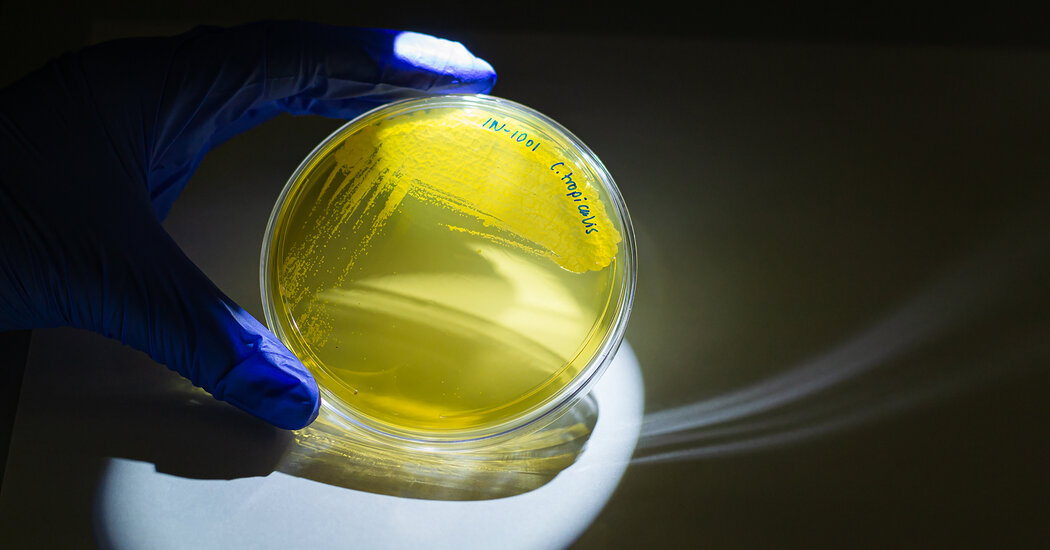
New research is revealing that cancer is rife with bacteria and fungi — a rich ecosystem that scientists call the tumor microbiome.Look up an image of a tumor on Google, and you’ll probably end up with a brightly colored cluster of cancer cells on a drab background of healthy tissue. But for Lian Narunsky Haziza, a cancer biologist at the Weizmann Institute of Science in Israel, the picture looks very different. A tumor may also contain millions of microbes, representing dozens of species.“I think this is an ecosystem,” she said. “It means the cancer cells are not alone.”Scientists have long known that our bodies are home to microbes, but have tended to treat tumors as if they were sterile. In recent years, however, researchers have laid that notion to rest, demonstrating that tumors are rife with microbes.In 2020, several research teams showed that tumors are home to various blends of bacteria. And on Thursday, two studies published in the journal Cell found that tumors are also home to many species of fungi.This so-called tumor microbiome is proving so distinctive in each type of cancer that some scientists hope to find early signs of hidden tumors by measuring the microbial DNA they shed into the blood. And some research hints that microbes may make tumors more aggressive or resistant to treatments. If that proves to be the case, it may be possible to fight cancer by attacking a tumor’s microbiome along with the tumor itself.“We need to re-evaluate almost everything we know about cancer through the lens of the tumor microbiome,” said Ravid Straussman, a cancer biologist at Weizmann who collaborated with Dr. Narunsky Haziza on one of the new studies.Over the past two decades, scientists have charted the microbes in the human body by fishing for their DNA in mouth swabs, skin scrapings and stool. These surveys have identified thousands of species that live harmlessly in a healthy person, totaling some 38 trillion cells. Many organs once thought to be sterile turned out to have their own microbiomes.While researchers explored the healthy microbiome, cancer remained mostly terra incognita. No one knew if the millions of cells that make up tumors provided another habitat where microbes might live.In 2017, Dr. Straussman and his colleagues stumbled across bacteria living inside pancreatic tumors. They made the discovery while puzzling over how some tumors managed to resist a chemotherapy drug. It turned out that a species of bacteria that could block the drug was living inside them.Fungal and immune cells in human breast cancer, with the fungal cells stained in pink and the human cell nuclei in blue.Deborah Nejman and Nancy GavertThat finding led Dr. Straussman and his colleagues to do a large-scale survey of bacteria in more than 1,000 tumors from seven kinds of cancer. In 2020, they reported finding bacteria lurking in all seven types.Around the same time, a team of researchers at the University of California, San Diego, carried out their own search using a huge database of DNA gathered from different types of cancer in the early 2000s.The project, called the Cancer Genome Atlas, was intended to help scientists find mutations in tumor genes that make cancer cells grow uncontrollably. But the San Diego team recognized that the raw data might also contain DNA from bacteria in the tumors.Unfortunately, that meant sifting through the six trillion genetic fragments in the atlas for snippets of bacterial DNA.“It’s like trying to find needles in a haystack, when there are more straws of hay than there are stars in the Milky Way,” said Gregory Sepich-Poore, a member of the team.The search took years, but it paid off. Dr. Sepich-Poore and his colleagues found that a small percentage of the DNA fragments in 32 types of cancer belonged to bacteria, not humans.After the researchers published their study in 2020, they joined forces with Dr. Straussman’s team to see whether the tumors contained fungi as well.Fungi are one of the great success stories in the history of evolution, with an estimated 6.2 million species. They include the mushrooms that grow in forests, the yeasts that ferment bread and beer, and the mold that brought us penicillin.Among the hallmarks that all fungi share is the way they eat. They squirt out enzymes to break down nearby organic material and then soak it in. Fungi can also produce vast number of spores, which can survive in all sorts of extreme conditions for years.We are constantly being exposed to fungi, whether by picking up spores on our skin or eating food on which fungi are hitchhiking. Most of them won’t take up residence in our bodies.“A lot is just passing through,” said Iliyan Iliev, an immunologist at Weill Cornell Medicine in New York.But some species have adapted to live inside us. Skin fungi break down oils we make. Others feed on the sugars in our mouths and digestive tracts. Scientists have also found other fungi in our bodies whose lives remain a mystery. “We really don’t know that much,” Dr. Iliev said.A section of a human lung tumor, in turquoise, with fungi stained in black.Lian Narunsky Haziza and Nancy GavertThe San Diego and Weizmann researchers looked for fungi in tumors in much the same way they looked for bacteria, diving back into the galaxy of DNA fragments in the Cancer Genome Atlas. Only this time, they looked for fungal genes. And they also inspected Dr. Straussman’s collection of tumors.All the types of tumors the scientists examined — from 35 different types of cancer — contained fungi, and each type had a distinctive combination of fungal species, as they reported in one of studies released on Thursday.In the other new report, Dr. Iliev and his colleagues independently found fungi in tumors from seven parts of the body: mouth, esophagus, stomach, colon, rectum, breasts and lungs.Deepak Saxena, a microbial ecologist at New York University who was not involved in either study, was surprised at the sheer scale of the findings. “I was not expecting this amount of fungus in cancer,” he said. “This will change the way we think about it.”Dr. Sepich-Poore and some of his colleagues in San Diego have founded a company called Micronoma to turn their research into a blood test for cancer. By looking at the DNA shed by fungi and bacteria in a tumor, they say they can accurately predict what kind of cancer the microbes came from.They don’t know why the test works. Geography may be part of the answer: A lung tumor will tend to attract microbes already in the lung. But some microbes manage to move to new organs to get inside tumors. It’s possible that the particular chemistry inside a tumor, such as its level of oxygen, helps determine which microbes will thrive there.Both new studies found microbes that appeared to be associated with worse outcomes from cancer. For example, Dr. Iliev and his colleagues found that people were more likely to die of stomach cancer if their tumors contained a species of fungus called Candida tropicalis.It’s possible that some microbes don’t just take up residence in tumors but help them grow. They may cloak the tumor from the immune system, neutralize drugs or help tumors spread through the body.Jessica Galloway-Peña, a microbiologist at Texas A&M University who was not involved in the new studies, cautioned that this research alone could not establish if a microbe had any such effect. Scientists will need to conduct experiments on cancer cells in a dish or in animals.“OK, it’s associated with a specific tumor type, but does that just mean that it’s living hunky-dory with the tumor, or is it actually causing the tumor to get bigger and progress?” Dr. Galloway-Peña asked. “You just don’t know at this point.”

Read more →

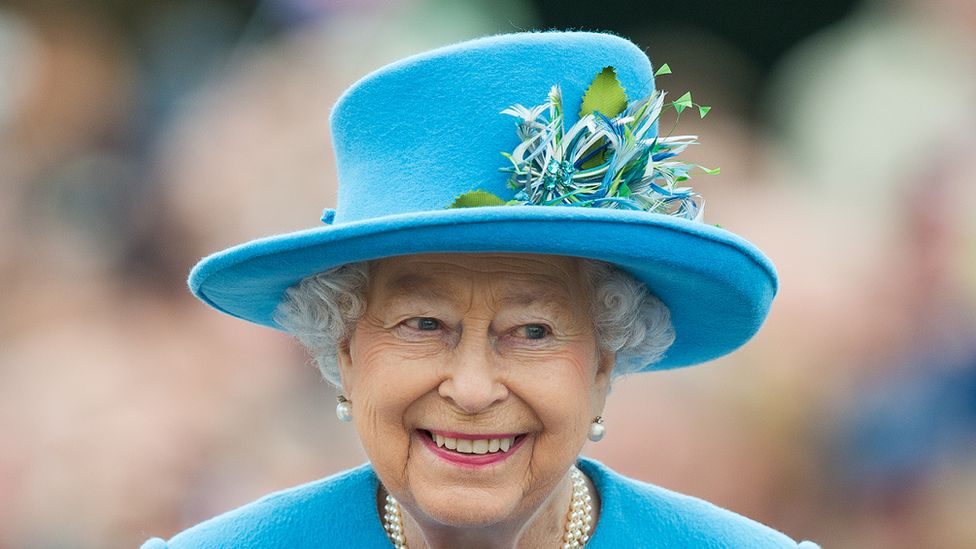
Queen's cause of death given as 'old age' on death certificate

Published15 hours agoSharecloseShare pageCopy linkAbout sharingImage source, Getty ImagesQueen Elizabeth II died of “old age”, according to her death certificate, which has been released by the National Records of Scotland.The certificate records the Queen died at 15:10 on 8 September in Balmoral Castle, at the age of 96.Princess Anne is recorded as the person providing the information about the Queen’s death.For “occupation” of the deceased, the official form says: “Her Majesty the Queen.”The doctor who certified the death at Balmoral in Aberdeenshire was Douglas Glass, who Buckingham Palace says was an “apothecary to the Queen”.When she was alive there was a curtain of privacy around the Queen’s health, and in her death there remains some restraint.Her cause of death is recorded as “old age”, without any further details.”Old age” is only usually given as the sole cause of death in very limited circumstances.This would be where the certifying doctor has personally cared for someone over a long period; where a gradual decline has been observed and where a doctor is not aware of any identifiable disease or injury contributing to a death.But the timing of the Queen’s death does confirm more about what happened during the day of 8 September, when so much attention was being paid to reports of her ill health.Buckingham Palace had formally announced the Queen’s death at 18:30, with news organisations around the world immediately relaying the announcement that: “The Queen died peacefully at Balmoral this afternoon.”There were subsequent reports that the Prime Minister Liz Truss had been privately notified earlier at 16:30.This death certificate shows the Queen had died at 15:10, more than three hours before the news was publicly released.During that afternoon, following earlier reports of concern about the Queen’s health, her children and grandchildren had rushed to Balmoral.’It’s important we see the Queen’s last resting place’This was history – solemn, spectacular and intenseSpecial stamps issued in memory of the QueenObituary: A long life marked by a sense of dutyBuckingham Palace had confirmed in a statement of 12:32 that there were health concerns – but that the Queen was “comfortable” and “under medical supervision”. King Charles – then Prince Charles – and his sister Princess Anne had already been in Scotland. But other members of the Royal Family travelled by air that afternoon, including Prince William.The timings would now suggest that their flight was still on its way to Aberdeen airport at the time of the Queen’s death.After the drive from the airport, Prince William, Prince Andrew and Prince Edward and his wife Sophie arrived at Balmoral at about 17:00.The stark details of the death certificate record the Queen’s status as “widowed” and give some family details.It requires the names and occupations of parents – her father formally recorded as Albert Frederick Arthur George Windsor, whose occupation was King George VI, her mother as Elizabeth Angela Marguerite Bowes-Lyon, who was Queen Elizabeth the Queen Mother.The death had been recorded by the local registrar in Aberdeenshire on 16 September, when the Queen was lying in state in Westminster Hall in London.The Queen’s death certificate was released on the same day that the public was able to see her final resting place for the first time.Hundreds queued outside Windsor Castle to view the King George VI memorial chapel, inside St George’s Chapel, where a ledger stone inscribed with the late monarch’s name lies.

Read more →

Young non-smokers told not to take up vaping by experts

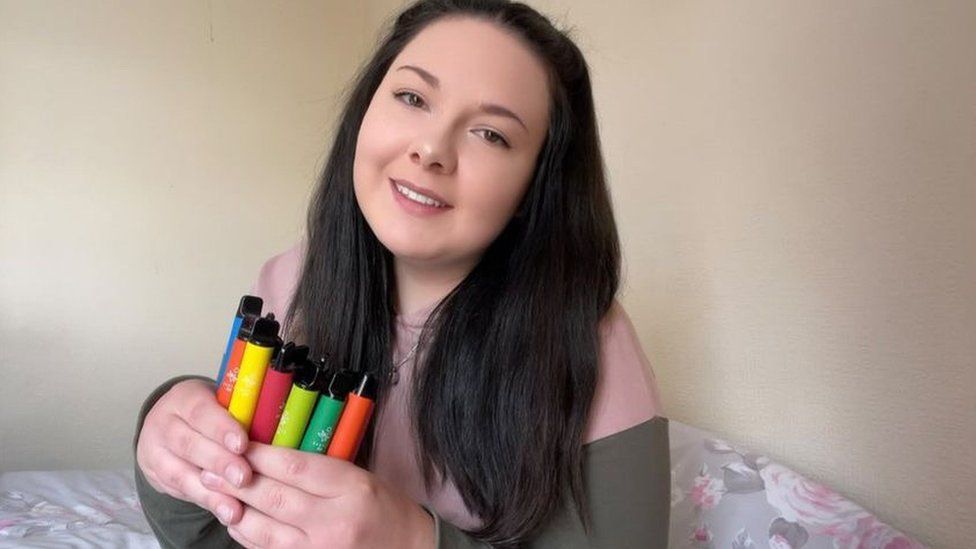
Published24 minutes agoSharecloseShare pageCopy linkAbout sharingImage source, Chloe HarvattYoung non-smokers are being advised not to take up vaping. Researchers looked at the evidence and say while vaping is far safer than cigarettes, the long-term effects of vapes are still unknown.Vaping causes less exposure to harmful toxins than smoking, say the experts, who were tasked by the government with looking at the issue. In recent years there’s been a rise in vaping, particularly in young people.A recent survey by Action on Smoking and Health (ASH) found vaping in people aged 11-18 had doubled from 4% in 2020 to 8.6% in 2022. However, smoking figures for the same age-group had gone down slightly from 6.7% in 2020 to 6.0% in 2022.Overall, there are believed to be around six million smokers in England, and nearly four million vapers.The Institute of Psychiatry, Psychology and Neuroscience team were commissioned by the Department of Health and Social Care to undertake the biggest review of its kind on vaping in England. The findings confirm: Cigarettes are dangerous because they contain toxicants, which are found in tobacco smoke and promote cancer, lung disease and cardiovascular diseaseVaping products, including disposable e-cigarettes and reusable kits still contain nicotine, which is advertised on packaging due to its addictive natureThere is no significant evidence that short-term and medium-term vaping causes health problems, but the long-term effects are unknownLead author of the study, Prof Ann McNeill, who specialises in tobacco addiction, said vaping is “very unlikely to be risk-free” as the continual inhaling of vape fluid into the lungs would have some effect.”We strongly discourage anyone who has never smoked from taking up vaping or smoking,” she said. Vaping – is it a risk-free option?Underage teens sold e-cigarettes and vape liquidHow safe are e-cigarettes?The researchers say more needs to be done to stop children from taking up vaping.Part of the study found that local authority trading standards efforts “have been scaled down, and compliance with regulations is not enough to prevent underage sales and access to illicit products”.Disposable single-use vaping products like elf and geek bars are more popular with young people, but did not form a major part of this study.The researchers added that “more frequent surveillance of single-use disposable vaping products” is now needed.The popularity of disposable vapes in young people has been linked to social media, with TikToks of people trying out new flavours of vapes or using them as a fashion accessory being blamed.The bars, which can often be bought in corner shops or off-licences, can cost around £5.Different flavours Chloe Harvatt is 23 and has been using disposable vapes for around a year.”I’m vaping a full bar every day, whereas before I would smoke around five or six cigarettes a day. “I can get through seven, maybe eight, disposables a week,” she told the BBC.Chloe says she’s “never had an addiction so bad” and doesn’t go more than an hour without vaping, and often falls asleep at night with a vape in her hand. “My vape is constantly in my mouth so I’m getting nicotine rushes and if I can’t find it I end up having a panic attack.” She says she always keeps several in the house and likes to try out all the different flavours: “The taste is brilliant compared to cigarettes.”Chloe says she worries about the longer-term effects of vaping: “The thing that scares me the most is that there isn’t enough research on the long-term effects they are going to have on us – I’m terrified”.More on this storyUnderage teens sold e-cigarettes and vape liquid14 FebruaryHow safe are e-cigarettes?26 June 2019Vaping – is it a risk-free option?24 June

Read more →

Physician Burnout Has Reached Distressing Levels, New Research Finds

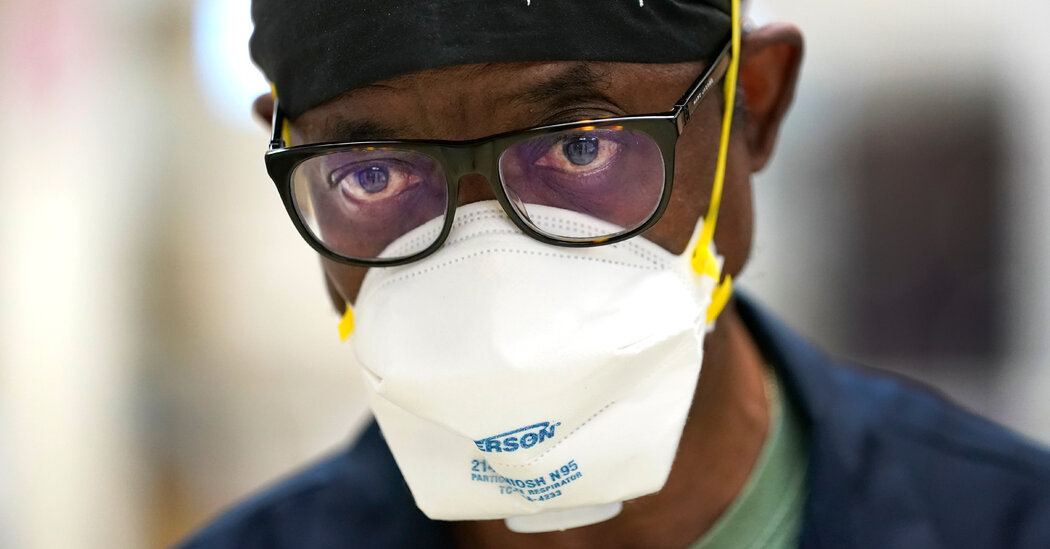
Nearly two-thirds of doctors are experiencing at least one symptom of burnout, a huge increase from before the pandemic. But the situation is not irreparable, researchers say.Ten years of data from a nationwide survey of physicians confirm another trend that’s worsened through the pandemic: Burnout rates among doctors in the United States, which were already high a decade ago, have risen to alarming levels.Results released this month and published in Mayo Clinic Proceedings, a peer-reviewed journal, show that 63 percent of physicians surveyed reported at least one symptom of burnout at the end of 2021 and the beginning of 2022, an increase from 44 percent in 2017 and 46 percent in 2011. Only 30 percent felt satisfied with their work-life balance, compared with 43 percent five years earlier.“This is the biggest increase of emotional exhaustion that I’ve ever seen, anywhere in the literature,” said Bryan Sexton, the director of Duke University’s Center for Healthcare Safety and Quality, who was not involved in the survey efforts.The most recent numbers also compare starkly with data from 2020, when the survey was run during the early stages of the pandemic. Then, 38 percent of doctors surveyed reported one or more symptoms of burnout while 46 percent were satisfied with their work-life balance.“It’s just so stark how dramatically the scores have increased over the last 12 months,” said Dr. Tait Shanafelt, an oncologist at Stanford University who has led the research efforts.Burnout among physicians has been linked to higher rates of alcohol abuse and suicidal ideation, as well as increased medical errors and worse patient outcomes. In May, the U.S. Surgeon General, Dr. Vivek Murthy, issued an advisory.“Covid-19 has been a uniquely traumatic experience for the health work force and for their families,” he said, adding, “if we fail to act, we will place our nation’s health at risk.”Dr. Shanafelt noted that most of the studies on burnout among physicians and health care workers at this stage of the pandemic have been focused on certain specialties and geographic hot spots, not on the profession as a whole. With the new data set, he said, “We have, for the first time, real context.”While the idea of burnout has become ubiquitous, the condition has a definition in medical literature. The Maslach Burnout Inventory, first published in 1981, measures burnout on three dimensions: emotional exhaustion, depersonalization from work and sense of personal accomplishment.When the metric was first proposed, a widely held belief was that burnout could be blamed on the dispositions of individual physicians — “that these are just weaklings,” explained Dr. Colin West, a physician at the Mayo Clinic who helped conceive of the survey efforts. Over time, though, the problem persisted and that belief became outdated.“This couldn’t just be pawned off as a handful of people who couldn’t handle the career,” Dr. West said.In 2019, the National Academy of Medicine released a 312-page report on physician burnout, carefully laying out the current understanding of the issue and steps that people in the medical profession could take to address it. Dr. Shanafelt, who helped write the report, said that evidence suggested that many doctors’ dissatisfaction with their work could be caused by an incongruence between what they cared about and what they were incentivized to do by the health care system.“We cared about quality of patients’ experience, building relationships with them, and then there were all these things we got paid for,” Dr. Shanafelt said. A doctor may stop looking forward to patient visits if each one is accompanied by a large amount of paperwork; they may feel as if their time is being wasted by an inefficient process.“Even something that was once a good thing can become tarnished,” he added.The survey showed that some physicians were at higher risk of burnout, including those practicing emergency medicine, family medicine and pediatrics, as well as women physicians in general.Erin Schaff/The New York TimesThe researchers noted that the most recent survey’s broad scope has limitations. About 2,500 physicians participated by responding to a mass email, a fraction of the estimated one million practicing physicians in the United States. And the factors that might lead someone to complete a survey on burnout — such as the need for an outlet to express frustration or the lack of time to complete one — could have had complicating effects.Doctors also exist within an ecosystem of other health workers. Dr. Sexton published a study of more than 70 hospitals this month that showed burnout is often a local phenomenon. “A lot of a person’s exhaustion score is connected to who they work with,” he said. “There’s a social contagion in burnout. If your colleagues are fried and you’re not, give it six months and you’ll look just like them.”Doctors were unevenly affected by the early stages of the pandemic. While emergency physicians and family physicians worked around the clock, constantly exposed to Covid-19, many physicians in other specialties were able to reach their patients through telehealth appointments and spend more time with their families. Combined with a possible optimism that the worst of the pandemic was over, the rise of remote work might explain why emotional exhaustion rates actually fell among surveyed physicians in mid-2020 to the lowest point since the survey began in 2011.But two and a half years into the pandemic, the most recent survey pointed to an overall decline in mental health.The survey also suggested that some physicians were at higher risk of burnout, including those practicing emergency medicine, family medicine and pediatrics, as well as women physicians in general. Dr. Shanafelt said this might be because of the shortage of mental health services. “They’ve got 10 minutes to take care of their patients. There’s no psychiatrist or therapist to refer them to because our health care system is overwhelmed,” he said.The increase in burnout is most likely a mix of new problems and exacerbated old ones, Dr. Shanafelt said. For instance, the high number of messages doctors received about patients’ electronic health records was closely linked to increased burnout before the pandemic. After the pandemic, the number of messages from patients coming into physicians’ In Baskets, a health care closed messaging system, increased by 157 percent.And physicians pointed to the politicization of science, labor shortages and the vilification of health care workers as significant issues. In one survey published in 2021, 23 percent of physicians reported being bullied, threatened or harassed by their patients at work in the past year.Dr. Sexton added: “On a hopeful note, we know that there are simple interventions that can have as much a positive effect on well-being as the pandemic had a negative effect. So, yes, things are worse during the pandemic, but they’re not so bad that we don’t know how to fix it.”Dr. West, who has done research on how to combat burnout among health care workers, said that “all the solutions run through a common pathway”: They connect people with their most meaningful activities.“What that means is it’s less important what the specific tactic is,” he said, “and more important to make sure that, whatever the solution is, it’s aligned with our basic, fundamental goals.”But Dr. West emphasized the need for data to know the prevalence of burnout and how to combat it.“This really provides a 30,000-foot view pulse check,” he said of the survey. “So that we’re not just guided by our feelings and our intuition.”

Read more →

How McKinsey Got Into the Business of Addiction

The consulting firm’s work with opioid makers is well known, but for decades McKinsey worked with Big Tobacco and has also advised Juul, the e-cigarette company.When McKinsey & Company, the global consulting giant, sat down with executives of Juul Labs in late 2017, the vaping company was well on its way to becoming a sensation among teenagers eager to latch on to the latest fad — inhaling flavored, supercharged nicotine vapor through a sleek new device easily hidden from parents and teachers.With grand ambitions, Juul needed marketing advice from McKinsey, the most respected voice in consulting, to help it on its way to a valuation greater than the Ford Motor Company. For less than two years of work, McKinsey billed Juul $15 million to $17 million.But the client came with a reputational risk, and McKinsey preferred to keep the arrangement secret. Although its product was conceived as a way to help adults stop smoking, Juul stood accused of marketing nicotine to teenage nonsmokers, addicting a new generation in much the same way the cigarette industry hooked their parents. This month, several years after McKinsey took the company as a client, Juul agreed to pay $438.5 million to settle government investigations into its marketing practices, though it did not acknowledge wrongdoing in the settlement. Those marketing practices had included using young models, social media and flavored nicotine.McKinsey, which was not involved in the settlement, said its work with Juul had focused on youth vaping prevention. That work was just the latest in a decades-long history of consulting for companies that sell addictive products. The full story of McKinsey’s role in advising these companies — while also consulting for their government regulators — has never been told. Last year, McKinsey agreed to pay more than $600 million to settle state investigations into its role in helping Purdue Pharma and other drugmakers fuel the opioid epidemic. And for decades, McKinsey has helped manufacturers boost sales of the most lethal consumer product in American history — cigarettes.As recently as 2016, more than 50 years after the surgeon general confirmed the link between smoking and cancer, McKinsey still saw merit — and profits — in continuing to help companies sell more cigarettes.In a slide deck prepared for Altria, formerly Philip Morris, McKinsey offered ideas for how the tobacco company could keep customers and lure new smokers. It presented a mock-up of what a Marlboro smartphone app would look like, complete with a way for loyal smokers to win points redeemable for small prizes.McKinsey felt comfortable proposing ways for the manufacturer of Marlboro cigarettes to sell more of them.Dolly Faibyshev for The New York TimesMcKinsey’s most important work for Juul Labs involved responding to an F.D.A. crackdown on youth vaping.Caroline Tompkins for The New York Times“We are one team, working side-by-side,” McKinsey wrote in a slide deck prepared for Altria, illustrated with photos of cigarettes. McKinsey also advised Altria on marketing e-cigarettes, with the goal of making one of its products the “Nespresso of e-vapor” and stopped advising tobacco companies only last year.McKinsey’s services are highly valued; its clients include many of the most respected blue-chip companies as well as governments around the world. For companies selling addictive products it also offered deep ties to the Food and Drug Administration, a regulatory agency vital to their survival. In four years under President Donald J. Trump, McKinsey took in $77 million in consulting contracts with the F.D.A.McKinsey’s vaunted value system points to why a company so widely admired could end up working so long for tobacco companies. On one hand, McKinsey used those values to recruit the best and brightest students by suggesting that a job there means more than a big paycheck — it also offers the possibility of doing good, of helping those most in need. Yet McKinsey’s overriding value, No. 1 on its list — to put client interests first — created an environment in which client service sometimes trumped its own moral code.McKinsey denies any wrongdoing in helping to market opioids, vaping and cigarettes — its trifecta of addiction clients — or that its F.D.A. contracts posed a conflict of interest, because it never advised the agency on any specific drug, a McKinsey spokesman said in a written response.McKinsey agreed last year to pay more than $600 million to settle state investigations into its role in the opioid epidemic.Carolyn Kaster/Associated PressSeth Green, a former McKinsey consultant who worked at the firm for two years and is now a dean at the University of Chicago, questioned the wisdom of rigidly adhering to the client-first dictum. “If we don’t bring a moral purpose to these businesses, then the purpose inevitably becomes the client and whatever the client is trying to achieve,” Mr. Green said.Even if that means consulting for Big Tobacco.Teenagers’ Favorite FlavorsAlfonso Pulido, a McKinsey partner, arrived at the San Francisco offices of the Covington & Burling law firm on a mid-October morning last year to do something antithetical to the firm’s strict code of secrecy: talk about McKinsey’s work with clients, specifically Juul and Altria.Mr. Pulido was there to give a deposition in connection with an unresolved product liability case filed in a federal court in California. In the deposition, marked highly confidential, Mr. Pulido said McKinsey first discussed doing business with Juul in 2015 when it proposed doing a risk assessment of Juul’s tentative plan to enter the marijuana market.McKinsey chose not to do the study, Mr. Pulido said, because marijuana “was not regulated or legal at the time.”It wasn’t until 2017 that the consultancy performed a pricing study for Juul’s vaping device. Afterward, McKinsey offered advice on branding, organization, retail, flavor evaluation, youth vaping prevention and regulatory issues. The company also consulted for Altria, which was trying to muscle into the vaping business.Flavored nicotine had become highly controversial because health care experts blamed Juul for using flavors that appealed to young people.Mr. Pulido acknowledged that McKinsey had surveyed teenagers as young as 13, asking them to rank flavor names in order of preference, though he emphasized that no sensory testing had taken place.Esfand Nafisi, a lawyer representing clients who had sued Juul for marketing to children, pressed him on that answer.“Did anyone at McKinsey stop and say, ‘Hey, maybe we shouldn’t be helping tobacco companies study teenagers’?”“The stated objectives were to help inform youth prevention activity as well as responsibly introduce a flavor that was appealing to adult smokers,” Mr. Pulido responded.“In retrospect, does McKinsey think this survey was appropriate?” Mr. Nafisi asked several minutes later.“I don’t have an opinion on it,” Mr. Pulido responded. But he added that it “feels correct.”The survey found that the favorite flavor name among ages 13 to 21 was mint, Mr. Pulido said.“Did you know that mint would go on to become an incredibly popular flavor with teens a year after this Power Point deck was presented?” Mr. Nafisi asked.“No, I was not aware of that.”McKinsey records show that Bob Sternfels played an administrative role on the Juul team. McKinsey says he did not work on the account.Singapore Press, via Associated PressThe work with Juul attracted interest at the highest levels inside the firm. Bob Sternfels, now McKinsey’s managing partner, played an administrative role on the Juul account, an internal document shows. (A McKinsey spokesman said that while Mr. Sternfels knew a senior Juul executive, he had not worked on that account.)McKinsey’s most important work for Juul involved responding to the F.D.A.’s crackdown on youth vaping. With the F.D.A. circling, demanding answers as to why teenagers were so attracted to Juul, the company asked McKinsey to help prepare a defense and respond to the agency’s inquiry.The nature of that work remains a secret, because for those services McKinsey was paid through Juul’s law firm, Sidley Austin, allowing Mr. Pulido to claim lawyer-client privilege. “I know in some instances we are retained through legal counsel as part of privilege,” Mr. Pulido said.At least one McKinsey partner, Michael Chui, grew concerned watching vaping spike in popularity, though it was not at all clear that he knew McKinsey had Juul as a client. (Consulting teams are not allowed to share information.)“In just a few years, vaping has wiped out two decades of work getting teens to quit (or never start) cigarette smoking,” Mr. Chui wrote in a public comment on a magazine article about Juul.Mr. Pulido said McKinsey stopped work with Juul in 2019 because of “increasing regulatory uncertainty and increased awareness of youth use.”McKinsey and the Tobacco IndustryVaping became popular as smoking rates across the nation began to decline in response to a drumbeat of scientific findings that cigarettes are highly addictive and deadly, facts that the companies knew but kept secret, choosing deception over disclosure.McKinsey began counseling the tobacco industry in 1956, when researchers had already reported data suggesting that smoking appeared to cause cancer. Back then, Philip Morris hired McKinsey to conduct a wall-to-wall examination of its manufacturing operation. This was no cursory walk-through. Consultants visited plants, interviewed managers and studied sales figures.In a subsequent study, McKinsey recommended how the company should set up its research department. The report was significant for another reason: It foreshadowed the industry’s transformation from selling a largely agricultural product to a scientifically engineered cigarette with fine-tuned nicotine levels. It cited the development of “reconstituted tobacco,” a manufacturing process that in subsequent years was shown to help achieve nicotine levels that researchers considered sufficient to ensure addiction.Surgeon General Luther Terry, center, settled questions over the dangers of smoking when he announced to the nation that studies had confirmed the link between cigarettes and cancer.Getty ImagesIn 1964, Surgeon General Luther L. Terry settled questions over the dangers of smoking when he announced to the nation that studies had confirmed the link between cigarettes and cancer. Dr. Terry made his announcement on a weekend to minimize its impact on stock prices.McKinsey now had another reason to back away from Big Tobacco. But the tobacco companies wanted to keep selling cigarettes, so McKinsey stayed to help them do just that. In addition to Philip Morris, the firm’s clients included R.J. Reynolds, Lorillard, Brown & Williamson, British American Tobacco and Japan Tobacco International.More health warnings followed.In 1992, the federal judge H. Lee Sarokin became so outraged reading internal industry documents produced in a liability lawsuit that he cast aside judicial restraint when he wrote: “Who are these persons who knowingly and secretly decide to put the buying public at risk solely for the purpose of making profits and who believe that illness and death of consumers is an appropriate cost of their own prosperity!”In response to mounting criticism, in 1993 Lorillard’s chief executive, Andrew Tisch, asked employees to cooperate with McKinsey, assuring them that the consultants were “renowned for their ability to solve problems and create opportunity.”By taking on Lorillard, McKinsey agreed to help a company whose best-selling cigarette by far was Newport, with its high nicotine content and menthol flavor. Menthol masked the harsh taste of burning tobacco, making it appealing for novice smokers. Nicotine took care of the rest, turning them into repeat customers.McKinsey did allow employees to opt out of helping Big Tobacco, or any other industry they found objectionable, but finding replacements eager to impress senior partners critical to their advancement was usually easy.In 2006, a federal judge, Gladys Kessler, delivered the harshest condemnation yet of cigarette makers, branding them civil racketeers, saying the industry had “marketed and sold their lethal product with zeal, with deception, with a single-minded focus on their financial success, and without regard for the human tragedy or social costs that success extracted.”Ten years later, McKinsey still felt comfortable proposing ways for the manufacturer of Marlboro cigarettes to sell more of them.‘Startled and Surprised’Senator Christopher Dodd speaking in 2009 after Congress authorized the F.D.A. to regulate tobacco products. For advice, the agency subsequently went to McKinsey.Susan Walsh/Associated PressAfter Congress gave the F.D.A. the authority to regulate tobacco products in 2009, the agency sought McKinsey’s wisdom on a variety of issues, though its leaders apparently were unaware that the firm had been guiding Big Tobacco’s development for decades. In subsequent years, the agency awarded the consultancy $11 million for advice on tobacco regulation and for organizing the F.D.A. office that includes tobacco regulation.“We have served the F.D.A. on over 30 initiatives,” McKinsey wrote in securing $1.1 million to advise the agency’s Center for Tobacco Products about, among other things, “risk identification and mitigation” as well as “influencing the behaviors, opinions and practices that are contrary to the goals and objectives” of tobacco regulators. Presumably that included cigarettes.Eric N. Lindblom, former director of the Office of Policy for the Center of Tobacco Products, said he was “startled and surprised” to learn of these apparent conflicts. “We didn’t think, duh, they are also going to serve the industry,” he said.Dr. Lawrence Deyton, a physician and the tobacco center’s first director, said he had also been unaware of McKinsey’s work for cigarette companies. “That should have been disclosed,” he said. As late as 2019, McKinsey’s roster of tobacco clients included not just Altria but also Imperial Brands, British American Tobacco and Japan Tobacco International.From 2018 through early 2020, McKinsey made at least $45 million in fees from these four companies, including more than $30 million from Altria alone, according to McKinsey billing records. This summer, the F.D.A., after years of criticism for not doing enough to protect the public from nicotine addiction, issued two major directives: It ordered Juul off the market over questions of safety, and proposed reducing nicotine in cigarettes to levels where consumers might no longer buy them. Although the decision affecting Juul has been stayed, the actions showed how seriously the agency now views the health risks of both products.McKinsey declined to answer certain questions about its tobacco work. In a written response, McKinsey said: “Like many other companies and industries, our approach to working on tobacco-related issues has changed significantly over the years. We have imposed ever-stricter limitations on our work in this space until last year, when we ceased tobacco-related work entirely. We ceased all work with the vaping industry in 2020.”Left unanswered were a host of questions. Among them: How could McKinsey, with its booming health care practice, justify advising hospitals and government agencies on how to reduce health care costs and improve medical outcomes when for years its tobacco clients were filling hospital beds with the sick and dying at an enormous cost to society?McKinsey also did not explain why it continued to advise cigarette companies long after it was well known and widely reported that their products are harmful and addictive.With the book “When McKinsey Comes to Town” about to be published, Mr. Sternfels sent a note to veterans of the firm.“We will not let the fear of criticism, or the possibility that we’ll make mistakes in the future, stop us from trying to help our clients take on tough challenges and make a positive difference through our work.”

Read more →