COVID-19: Boosting with an mRNA vaccine offers better protection in people who received two doses of CoronaVac

One year after mass vaccination against COVID-19 was launched, inactivated virus vaccines accounted for half of the doses administered worldwide. Now, a large observational study performed in Brazil and co-led by Fiocruz and the Barcelona Institute for Global Health (ISGlobal), an institution supported by ” la Caixa” Foundation, shows that, in people who initially received two doses of the inactivated CoronaVac vaccine, an mRNA boost offers considerably better protection against mild and severe COVID-19 than a boost with the same vaccine. These findings, published in Nature Communications, have important implications for guiding boosting strategies in countries where most of the population received inactivated virus vaccines.
Vaccination against COVID-19 has proved to be highly effective in protecting against severe disease and death. However, the effectiveness of primary vaccination (i.e. the two initial doses) was decreased upon the arrival of new variants of concern, particularly Omicron, justifying the administration of a booster dose.
Most studies on vaccine effectiveness have focused on mRNA and adenoviral vaccines, even though inactivated virus vaccines have been widely used particularly in low and middle-income countries. In fact, as of January 2022, they represent half of the doses administered worldwide. “Knowing the effectiveness of boosters in populations that received inactivated virus vaccines is critical for guiding future vaccination strategies in these countries” says Otavio Ranzani, ISGlobal researcher and first author of the study.
To boost with the same vaccine or with a different one?
In this study, Ranzani and his colleagues evaluated the effectiveness of boosting with an inactivated virus vaccine (CoronaVac) or with an mRNA vaccine (Pfizer) among Brazilian adults who initially received two doses of CoronaVac. The analysis, which included almost 1.4 million case-control pairs, was performed between December 2021 and April 2022, a time in which Omicron BA.1 was predominant, and compared to a period when Delta was dominant.
“The strength of our observational study is the large sample size and geographical coverage, covering each one of the 5,570 Brazilian municipalities” says Julio Croda, researcher at Fiocruz and Yale School of Public Health, and senior co-author of the study.
Results show that primary vaccination with two doses of the CoronaVac vaccine provided almost no protection against symptomatic disease by Omicron, and 40-50% protection against severe disease. Boosting with CoronaVac conferred no additional protection against symptomatic disease, and moderate additional protection against severe disease (74% and down to 40-50% for people aged over 75). Furthermore, this protection seemed to wane over the following four months. In contrast, an mRNA booster conferred higher protection against both symptomatic and severe disease (56.8% and 86%, respectively), and appeared to last for at least four months.
“Our findings have immediate implications for booster administration strategies in the context of the Omicron variant,” says Ranzani. They show that, in individuals who initially received inactivated vaccines, heterologous boosting (in this case, with an mRNA vaccine) offers a substantial increase in protection, even in the elderly.
Story Source:
Materials provided by Barcelona Institute for Global Health (ISGlobal). Note: Content may be edited for style and length.

Read more →

Schizophrenia may increase dementia risk by 2.5 times

People with psychotic disorders such as schizophrenia are 2.5 times more likely than those without a psychotic disorder to eventually develop dementia, according to a review of evidence led by UCL researchers.
The new systematic review and meta-analysis, published in Psychological Medicine, found that psychotic disorders may have a stronger link with dementia than other mental health disorders like depression or anxiety.
Senior author Dr Jean Stafford (MRC Unit for Lifelong Health & Ageing at UCL) said: “We found that having a diagnosis of a psychotic disorder is linked to a much higher risk of developing dementia later in life.
“Our findings add to evidence that protecting people’s mental health throughout life could help to prevent dementia.”
The study is the first high-quality systematic review looking at a range of psychotic disorders and their association with dementia risk. Schizophrenia and other related psychotic disorders are severe illnesses that involve symptoms such as hallucinations and delusions, and social withdrawal. Many people also experience impairments in cognitive and functional skills.
The researchers pulled together evidence from 11 studies from nine countries on four continents, which included close to 13 million participants in total.

Read more →

We must challenge 'doctor knows best' attitude, bereaved mother says

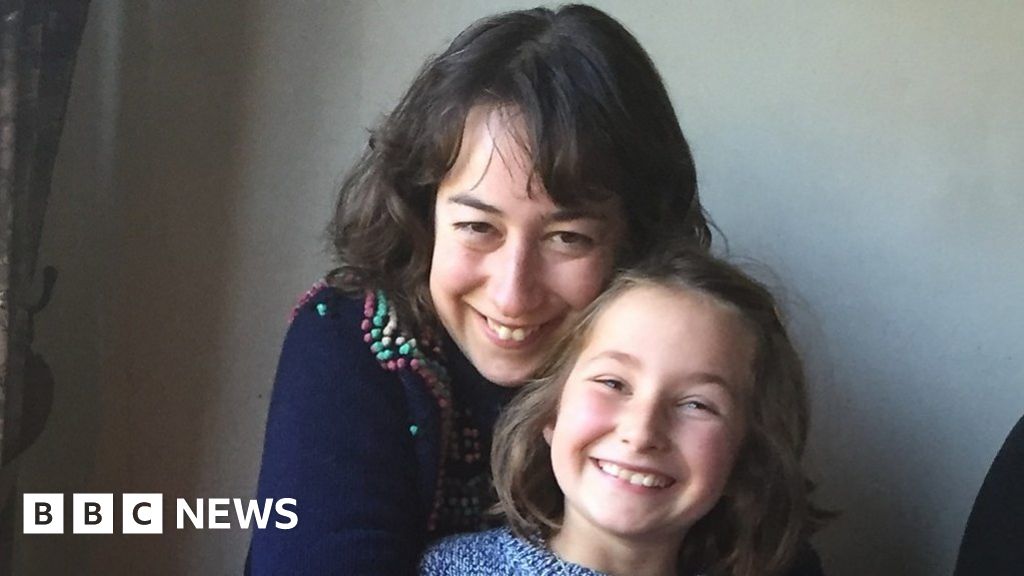
Merope Mills, an editor at the Guardian, has questioned doctors’ attitudes after her 13-year-old daughter Martha’s preventable death in hospital.Martha had sustained a rare pancreatic trauma after falling off a bike on a family holiday, and spent weeks in a specialist unit where she developed sepsis.An inquest concluded that her death was preventable, and the hospital apologised.Ms Mills said her daughter would be alive today if doctors had not kept information from the parents about her condition, because they would have demanded a second opinion.She added that doctors’ attitudes “reeked of misogyny”, citing a moment when her “anxiety” was used as an argument to not send critical care to Martha.”Martha was warm, she was witty, she was bright and she was determined,” she said. “But above all, she had so much joy in the world.”In a statement, Prof Clive Kay, chief executive of King’s College Hospital NHS Foundation Trust said he was “deeply sorry that we failed Martha when she needed us most”.”Our focus now is on ensuring the specific learnings from her case are used to improve the care our teams provide – and that is what we are committed to doing.”Listen to Merope Mills’ only broadcast interview on Woman’s Hour.Read her Guardian article about the hospital errors that led to Martha’s death.

Read more →

A Father Chose to End His Life at 92. His Daughter Hit Record.

To cope with the impending loss of the family patriarch, who decided on medically assisted suicide, Ondi Timoner did what she knows best: She made a movie.TELLURIDE, Colo. — Signs of him are everywhere. The documentary filmmaker Ondi Timoner sees her late father, Eli Timoner, in the bit of white fluff that lands in her hand from a cottonwood tree while she sits in the Colorado sunshine. She sees him in the shooting star — the first she’d ever witnessed — that arced across the Los Angeles sky the day she finished editing the memorial video for his funeral. And she sees him in the peacock with the epic tail feathers that stood sentry in her front yard while she sat shiva inside. She was so confident it was her father standing guard she named the bird Eli.“Dad said he was going to watch over us, so we have to at least give him the benefit of the doubt,” Timoner said in an interview, cupping the white fluff like a fragile baby chick.This may all sound a little woo-woo, but once you meet Ondi and the rest of the Timoner clan it makes sense. This tight-knit group of intellectuals made up of Rachel, a Brooklyn-based rabbi; David, a Los Angeles-based film editor; and Lisa, their dutiful mother, (along with their spouses and children) engaged in the extraordinary: They honored their 92-year-old terminally ill father’s wish to die through the California End of Life Option Act. They consulted the doctors. They followed the 15-day process. They asked him all their questions, arranged farewell Zooms with his far-flung friends and said their goodbyes. Then they mixed the medicines that ultimately stopped his heart.Ondi documented it all.The film is called “Last Flight Home” (in theaters Oct. 7), and in addition to recording Eli’s final days in early 2021, it provides a chronicle of a man who thrived during the first half of his life and struggled for the second, leaving an indelible mark on those around him despite significant personal challenges.The filmmaker with her father in a scene from “Last Flight Home.”MTV Documentary FilmsThe Telluride Film Festival described the documentary as “an emotionally devastating film, one in which every tear is a prism of joy.” Variety deemed it “a tribute, a grappling with mortality, an exercise in self-surveillance, a messy home movie, a brief account of aviation history and a lesson in letting go and grief.”Eli was a businessman who founded Air Florida in the 1970s, offering inexpensive flights along the Eastern Seaboard, and a philanthropist who raised millions of dollars for the Greater Miami Jewish Federation. Photographed with prime ministers, princes and senators, including President Biden, and interviewed on “Good Morning America,” Eli was a pillar of the community. Lisa called their early days “idyllic years, probably too good for any two people.”It all disappeared in 1982, when Eli, at 53, suffered a debilitating stroke that left him paralyzed on his left side. He was forced out of the company he founded by the board of directors he assembled because they believed leaving a disabled man in charge was bad for business, according to the film. The next four decades were a financial struggle with deals gone bad and debts left unpaid. Eli may have been surrounded by a loving wife, three successful children and five doting grandchildren, but the pain of disappointing them financially was never far from the surface.Shot primarily in the living room of Eli and Lisa’s modest bungalow in Pasadena, Calif., with the detritus of the sick in full display, “Last Flight Home” wasn’t supposed to be a film at all. But Ondi, 49, often uses her camera to venture into worlds not normally accessible to her.In “Dig!,” she documented the friendship and rivalry of once-promising bands the Brian Jonestown Massacre and the Dandy Warhols; in “We Live in Public,” she explored the loss of privacy through the life of internet pioneer Josh Harris. (Both films won the grand jury prize at Sundance.) The unknown presented by her father’s desire to die proved to be the most foreign world of all.“I panicked,” she said. “I just was so scared to lose the most important person, the greatest person I’d ever known. He was my rock.”Lisa, at first, found the cameras in her living room “totally inappropriate.” David felt “slightly annoyed” about them but not surprised. “She’s kind of a compulsive documentarian,” he said. Rachel warmed to them once she saw that her father didn’t mind — he mic’d up every day at Ondi’s request. At first, it was just about preserving her father: “I wanted to bottle him up,” Ondi said. “I was terrified to not hear his voice again.”Family photo albums capture Eli Timoner’s life as an airline executive.Brad Torchia for The New York TimesWhat was initially supposed to be a family archive became a 32-minute memorial video. “I just couldn’t stop editing. He was alive in the Avid,” Ondi said, referring to the editing system.All along, as she edited, her mother watched, soothing her grief with repeat viewings. Soon the filmmaker realized she had a feature film on her hands, one brimming with humanity and the deep questions of life and death. “It was pretty clear that she had managed to capture something very special,” David said. “Sort of lightning in a bottle.”Eli passed away more than a year ago and still Lisa watches the film four times a week. It’s on her computer. She lives alone, and “late at night, when I miss him,” she said through tears, “I turn on the film and it makes me feel better. He’s with me and he’s funny and sweet.”Rachel was less sanguine about turning the footage into a feature film for all the reasons you could imagine: It was private. It was intimate. And the endeavor contradicted Jewish law, both the edict to preserve the dignity of the deceased and the belief, even in Reform circles, that hastening someone’s death is the equivalent of murder. But seeing the public response to the film, first at Sundance where it premiered earlier this year, then at Telluride in September, has changed her mind.“I saw people crying so deeply, and it made me realize that if my father’s death could help other people approach their living and their dying in a way that could be redemptive, that’s worth a lot,” Rachel said. “And then there is the idea that this film could change laws. If that’s possible, this is OK. I’m a little uncomfortable. It’s not what I would choose. But it’s worth it.”Before the Sundance premiere, Rachel explained in the Jewish publication Forward her new position on the controversial issue, documenting the circumstances that led her to her father’s deathbed, as his daughter and his rabbi. She has since become an advocate for the New York Medical Aid in Dying Act, a bill in the Health Committee now.“Last Flight Home” screened for the state’s legislators in May, and she and Ondi participated in a question-and-answer session with them. In August, the Central Conference of American Rabbis, an influential group in the Reform movement, changed its position on medical aid in dying. It now supports the current law in Canada because the country has universal health care, eliminating the chance that people would make the decision to end their life because they didn’t have health care as could be the case in the United States.Lisa and Eli Timoner in 1979 with their children, from left, David, Ondi and Rachel.MTV Documentary Films“This is a big shift for the Reform movement,” Rachel said.A remarkable moment occurs in the film when Rachel ministers the confessional prayer, the vidui, at Eli’s bedside. It’s a moment of revelation and acceptance, allowing a dying person to rid himself of regrets and the perceived wrongdoings he committed during his life. Rachel knew her father carried a lot of shame, primarily over his inability to provide for his family financially, but she was still stunned by his level of regret. In the film he calls himself a schmuck. He believes himself to be a failure yet finally, with two days to live, we witness him let go of the shame and see his life from a different perspective.“Now, I want so many people to see this movie,” Rachel said. “What about all the people who might see it and think, ‘Oh my gosh, I’m also walking around beating myself up because I don’t have enough ‘worth’ when actually I have inalienable, inherent, God-given worth.’ If people get that from this film, then I have no reservations anymore. I want people to see it and feel that for themselves and not have to wait until the last day of their lives.”The Timoner clan gathered in Telluride to celebrate the film and to celebrate their father. At a dining room table in their rental house above the mountain town, the brood began discussing the afterlife. Jews, Rachel explained, don’t believe in hell, but they do believe in Olam Haba, which translates to “a world after death.” To this family, there is no question that Eli is still present and that the film has made his presence even larger, because now, according to them, he lives inside the audience, too.As a fitting end to this emotional journey, Rachel officiated at the wedding of Ondi and her partner, Morgan Doctor, the composer of the film, mere hours after our interview ended. In an email sent two weeks after the big day, Ondi reaffirmed her belief.“I did feel Dad smiling across the sky when we were standing in the meadow and Rachel was marrying us.”

Read more →

WHO alert over India-made cough syrups after deaths in The Gambia

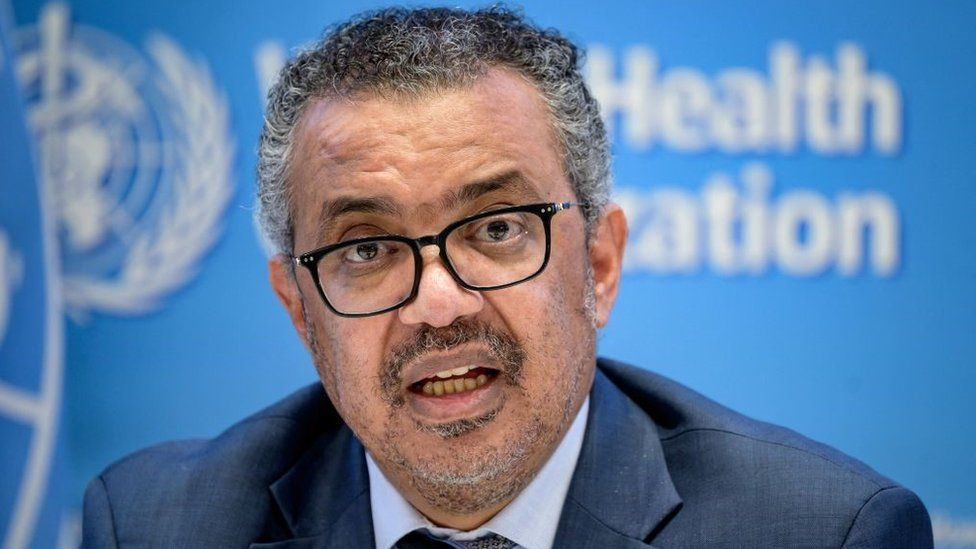
Published1 hour agoSharecloseShare pageCopy linkAbout sharingImage source, Getty ImagesA global alert has been issued over four cough syrups after the World Health Organization (WHO) warned they could be linked to the deaths of 66 children in The Gambia. The syrups have been “potentially linked with acute kidney injuries and 66 deaths among children”, it said. The products were manufactured by an Indian company, Maiden Pharmaceuticals, which had failed to provide guarantees about their safety, the WHO added.The firm has not yet commented.The BBC has contacted Maiden Pharmaceuticals for comment.The WHO identified the medicines as Promethazine Oral Solution, Kofexmalin Baby Cough Syrup, Makoff Baby Cough Syrup and Magrip N Cold Syrup. The four products had been identified in The Gambia, but “may have been distributed, through informal markets, to other countries or regions”, the WHO added, in the alert published on its website.It warned that their use may result in serious injury or death, especially among children.The WHO’s intervention came after medical authorities in The Gambia – a popular tourist destination – detected an increase in cases of acute kidney injury among children under the age of five in late July.The Gambia’s government has since suspended the use of all paracetamol syrups and has urged people to use tablets instead.The WHO said that laboratory analysis of samples of the products “confirms that they contain unacceptable amounts of diethylene glycol and ethylene glycol as contaminants.”The substances were toxic, and their effects “can include abdominal pain, vomiting, diarrhoea, inability to pass urine, headache, altered mental state and acute kidney injury which may lead to death,” it added. The Gambia’s health officials said last month that dozens of children had died, without giving an exact number.Speaking in Geneva on Wednesday, WHO chief Tedros Ghebreyesus said: “The loss of these young lives is beyond heart-breaking for their families.” The WHO said that India’s Central Drugs Standard Control Organisation indicated that the manufacturer may have only supplied the contaminated medications to The Gambia, AFP news agency reports, quoting an email from the UN health agency.But the WHO said that “global exposure” was possible as the “manufacturer may have used the same contaminated material in other products and distributed them locally or exported” them, the agency reports. You may want to watch:This video can not be playedTo play this video you need to enable JavaScript in your browser.

Read more →

HIV: How 175 British children were infected with disease

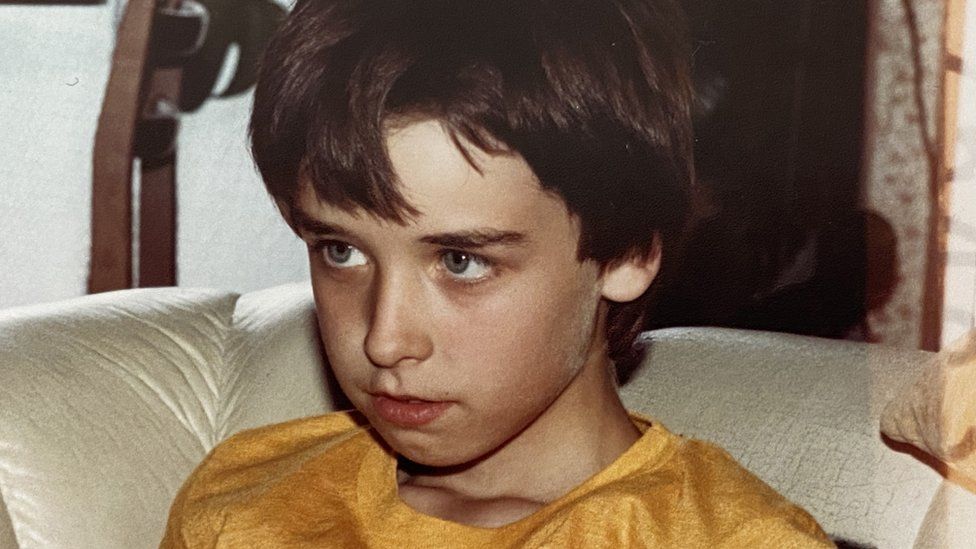
Published8 hours agoSharecloseShare pageCopy linkAbout sharingImage source, Family photoBy Jim ReedHealth reporterOne hundred and seventy-five children with the blood disorder haemophilia were infected with HIV in the 1980s, according to documents from the national archives seen by BBC News. Some of the families affected are giving evidence at a public inquiry into what has been called the worst treatment disaster in the history of the NHS.It was almost 36 years ago – in late October 1986 – but Linda will never forget the day she was told her son had been infected. She had been called into a consulting room in Birmingham Children’s Hospital, with 16-year-old Michael. As a toddler, he had been diagnosed with haemophilia, a genetic disorder that stopped his blood clotting properly. Linda assumed the meeting was to discuss moving his care to the main Queen Elizabeth Hospital in the city.”It was so routine that my husband stayed in the car outside,” she says. “Then, all of a sudden, the doctor said, ‘Of course, Michael is HIV positive,’ and he came out with it like he was talking about the weather outside. My stomach just fell.”We got in the car, I told my husband and we were silent all the way home. We never spoke – it was such a shock.”Tested positiveIt was still early in the Aids crisis – a few months before the government’s Don’t Die of Ignorance TV campaign brought the illness into every British living room. But the stigma of the disease was already very real.In 1985, dozens of parents had taken their children out of a primary school in Hampshire after a nine-year-old pupil – also a haemophiliac – had tested positive for Aids antibodies, as HIV was then known.Michael did not want his friends or family told. “That’s the way he coped with it – he kept it to himself,” Linda says.”He never told his friends or anything because he just wanted to feel normal.”Between 1970 and 1991, 1,250 people with blood disorders were infected with HIV in the UK after taking Factor VIII – a new treatment that replaced the clotting protein missing from their blood.Now, documents from the National Archives reveal that included at least 175 children who were given the medication by NHS doctors in hospitals, schools or haemophilia clinics.Tens of thousands of others are believed to have been exposed to hepatitis C, which can cause liver failure and cancer, either through the same treatment or a blood transfusion.About half of those infected with HIV died of an Aids-related illness before life-saving antiretroviral drugs became available. Drug usersAt that time, the UK was not self-sufficient in blood products, so Factor VIII was imported from the United States. Each batch was made from the pooled, or mixed, blood plasma of thousands of donors. If just one of those donors was HIV positive, then the virus could be passed on. Drug companies in the US paid individuals to donate – including some in high-risk groups, such as prisoners and drug users. Linda remembers being first told about Aids at a presentation at Birmingham Children’s Hospital in 1984 and warned to look out for certain symptoms. But she says the family were never made fully aware of the dangers – at one point, she was told by a nurse not to worry as “Michael was fine”. Through this whole time, her son continued to be treated with the same American medication. In his late teens, Michael started having health problems – from night sweats to glandular fever to a bad bout of flu.But he continued to live life to the full – travelling, listening to music and supporting West Bromwich Albion football club.”There was a big match at Wembley and he was very, very poorly,” Linda says. “So we decorated all the car up and he met his friends down there. It didn’t matter how he felt, if he could get there he would.”Later in his life, as his immune system started to break down, Michael lost weight and experienced fatigue and memory loss.Image source, family photoHe was transferred to Heartlands Hospital, in Birmingham, where Linda, who gave up her job as a cook in a care home, helped nurse him though the last few months of his life. “He said to me, ‘Mum, you’re never going to be a nan,’ and I just said, ‘Don’t worry about it.’ That’s all I could think of saying,” Linda says.Michael developed meningitis and pneumonia – both caused by the HIV he was infected with as a child. He died on May 26, 1995, exactly a week before his 26th birthday. Special sessionAlmost three decades later, Linda is giving evidence to the long-running public inquiry into the treatment disaster. She will appear alongside other parents, in a special session about the experiences of families whose children were infected in the 1970s and 80s. “I felt as though I needed to do it because I want to help get to the bottom of it,” she says. “We all want to know why it was allowed to happen and to keep on happening as well.”Linda asked that her surname be withheldYou can follow Jim on Twitter.More on this storyInfected blood transfusions killed 1,820 – study17 September’I’ve been a carer rather than a daughter’17 August’I’ll keep fighting until everyone is compensated’17 August

Read more →

How 175 British children were infected with HIV

Published6 October 2022Shareclose panelShare pageCopy linkAbout sharingImage source, Family photoBy Jim ReedHealth reporterAt least 175 children with the blood disorder haemophilia were infected with HIV in the 1980s, according to documents from the national archives seen by BBC News. Some of the families affected are giving evidence at a public inquiry into what has been called the worst treatment disaster in the history of the NHS. It was almost 36 years ago – in late October 1986 – but Linda will never forget the day she was told her son had been infected. She had been called into a consulting room in Birmingham Children’s Hospital, with 16-year-old Michael. As a toddler, he had been diagnosed with haemophilia, a genetic disorder that stopped his blood clotting properly. Linda assumed the meeting was to discuss moving his care to the main Queen Elizabeth Hospital in the city.”It was so routine that my husband stayed in the car outside,” she says. “Then, all of a sudden, the doctor said, ‘Of course, Michael is HIV positive,’ and he came out with it like he was talking about the weather outside. My stomach just fell.”We got in the car, I told my husband and we were silent all the way home. We never spoke – it was such a shock.”Tested positiveIt was still early in the Aids crisis – a few months before the government’s Don’t Die of Ignorance TV campaign brought the illness into every British living room. But the stigma of the disease was already very real.In 1985, dozens of parents had taken their children out of a primary school in Hampshire after a nine-year-old pupil – also a haemophiliac – had tested positive for Aids antibodies, as HIV was then known.Michael did not want his friends or family told. “That’s the way he coped with it – he kept it to himself,” Linda says.”He never told his friends or anything because he just wanted to feel normal.”Between 1970 and 1991, 1,250 people with blood disorders were infected with HIV in the UK after taking Factor VIII – a new treatment that replaced the clotting protein missing from their blood.Now, documents from the National Archives reveal that included at least 175 children who were given the medication by NHS doctors in hospitals, schools or haemophilia clinics.Tens of thousands of others are believed to have been exposed to hepatitis C, which can cause liver failure and cancer, either through the same treatment or a blood transfusion.About half of those infected with HIV died of an Aids-related illness before life-saving antiretroviral drugs became available. Drug usersAt that time, the UK was not self-sufficient in blood products, so Factor VIII was imported from the United States. Each batch was made from the pooled, or mixed, blood plasma of thousands of donors. If just one of those donors was HIV positive, then the virus could be passed on. Drug companies in the US paid individuals to donate – including some in high-risk groups, such as prisoners and drug users. Linda remembers being first told about Aids at a presentation at Birmingham Children’s Hospital in 1984 and warned to look out for certain symptoms. But she says the family were never made fully aware of the dangers – at one point, she was told by a nurse not to worry as “Michael was fine”. Through this whole time, her son continued to be treated with the same American medication. In his late teens, Michael started having health problems – from night sweats to glandular fever to a bad bout of flu.But he continued to live life to the full – travelling, listening to music and supporting West Bromwich Albion football club.”There was a big match at Wembley and he was very, very poorly,” Linda says. “So we decorated all the car up and he met his friends down there. It didn’t matter how he felt, if he could get there he would.”Later in his life, as his immune system started to break down, Michael lost weight and experienced fatigue and memory loss.Image source, family photoHe was transferred to Heartlands Hospital, in Birmingham, where Linda, who gave up her job as a cook in a care home, helped nurse him though the last few months of his life. “He said to me, ‘Mum, you’re never going to be a nan,’ and I just said, ‘Don’t worry about it.’ That’s all I could think of saying,” Linda says.Michael developed meningitis and pneumonia – both caused by the HIV he was infected with as a child. He died on May 26, 1995, exactly a week before his 26th birthday. Special sessionAlmost three decades later, Linda is giving evidence to the long-running public inquiry into the treatment disaster. She will appear alongside other parents, in a special session about the experiences of families whose children were infected in the 1970s and 80s. “I felt as though I needed to do it because I want to help get to the bottom of it,” she says. “We all want to know why it was allowed to happen and to keep on happening as well.”A Department of Health and Social Care Spokesperson said: “The infected blood tragedy should never have happened and the ongoing public inquiry was set up to get to the truth and give families the answers they deserve.”We are committed to co-operating fully with the inquiry and will carefully consider any recommendations.”Linda asked that her surname be withheldYou can follow Jim on Twitter.More on this storyInfected blood transfusions killed 1,820 – studyPublished17 September 2022’I’ve been a carer rather than a daughter’Published17 August 2022’I’ll keep fighting until everyone is compensated’Published17 August 2022

Read more →

Referrals to long COVID clinic fall by 79% following roll-out of the vaccine

Referrals to Cambridge’s long COVID clinic fell dramatically in the period August 2021 to June 2022, which researchers say is likely due to the successful rollout of the vaccine.
According to the Office of National Statistics, in July this year an estimated 2 million people in the UK were living with self-reported long COVID — that is, symptoms continuing for more than four weeks after their first suspected coronavirus (COVID-19) infection. Patients report symptoms including fatigue, muscle aches, memory problems and shortness of breath more than six months post-acute COVID-19, and a significant number of patients have not fully recovered two years since the initial infection.
Two recent studies have suggested that vaccination strongly reduced long COVID symptoms one-to-three months after infection, but another study using a cohort of US Army Veterans suggested a more modest, 15% reduction at six months.
In May 2020, Addenbrooke’s Hospital, part of Cambridge University Hospitals NHS Foundation Trust (CUH), set up a long COVID clinic, with patients referred to the clinic based on a number of criteria, one of which is symptoms duration of at least five months. These patients tend to be those on the severe end of the symptom spectrum, having been referred following assessment by a team that includes a GP, mental health practitioners, physio and occupational therapists amongst other specialists.
Researchers at the Cambridge Institute of Therapeutic Immunology & Infectious Disease (CITIID) at the University of Cambridge and CUH, analysed data from the clinic and found a 79% drop in the number of patients being referred to the clinic from August 2021 to June 2022, compared to August 2020 to July 2021. The decrease began five months after people started receiving second doses of COVID-19 vaccines.
Six-month moving averages fell from around 10 referrals per month to just one or two referrals per month. This effect has so far been sustained until at least June 2022, despite four times more cases per month of acute COVID-19 in England across the same time periods.

Read more →

Survival is a mixed matter for deadliest of pancreatic cancers

Pancreatic ductal adenocarcinoma (PDAC) is the most common and most lethal form of pancreatic cancer. The overall 5-year survival for patients with PDAC is just 7.1 percent.
All cancers are different. A unique feature of PDAC is extensive tumor desmoplasia or fibrous connective tissue within the tumor, which is caused by infiltration of the tumor mass by fibroblasts and the extracellular matrix they secrete. The main component of the matrix is type I collagen or Col 1, a protein broadly used in the body to form the basic structure of bone, skin, blood vessels and connective tissues.
The effect of Col 1 on PDAC development and its response to therapy has been a matter of intense debate among researchers, with some arguing that Col 1 promotes tumor growth and spread and others contending that it restricts tumor growth and protects the cancer cells from immune attack.
In a new study, published October 5, 2022, in Nature, co-first authors Hua Su, PhD, a postdoctoral fellow in the lab of senior author Michael Karin. PhD, Distinguished Professor of Pharmacology and Pathology at University of California San Diego School of Medicine, and Fei Yang, PhD, a scientist working with Beicheng Sun, MD, PhD, at Nanjing University School of Medicine, settle the debate by showing that it is not the amount of Col 1 present in the tumor that matters, but its quality and nature.
Specifically, they report that Col 1 that has been cleaved by matrix metalloproteases (enzymes that break down matrix proteins, such as collagen) stimulates tumor growth while intact and non-cleaved Col 1 inhibits tumor growth.
“Moreover,” said Su, “cleaved Col 1 activates a signaling pathway that stimulates energy production in pancreatic cancer cells by binding to a receptor protein called DDR1. Non-cleaved Col 1 inhibits this pathway by inducing the degradation of DDR1.”
The research was conducted using mice models and a novel culture system in which PDAC cells were plated on extracellular matrix that contained either cleaved or non-cleaved Col 1.

Read more →

Genes that modulate aging, lifespan

Scientists led by the University of Tennessee Health Science Center (UTHSC) and the École Polytechnique Fédérale de Lausanne (EPFL) in Switzerlandare exploring the elaborate interplay between genes, sex, growth, and age and how they influence variation in longevity. Their findings, which are being published in the peer-reviewed journal Science, are an important step in understanding why some people live longer than others and provide a basis for future studies to improve healthspan.
Robert Williams, PhD, chair of the Department of Genetics and Genomics in UTHSC’s College of Medicine, along with Johan Auwerx, MD, PhD, professor and director of the Laboratory for Integrated and Systems Physiology at EPFL, started a program in 2016 to define genetic factors underlying aging and lifespan. “Finding common molecular pathways that control differences in rate of aging is critical to our understanding of how individuals differ in their health and lifespan,” Dr. Williams said. “Such insights may help us work out ways to intervene rationally.”
Drs. Williams and Auwerx worked with colleagues at the National Institute on Aging’s Interventions Testing Program (ITP), which donated DNA of over 12,000 mice to the project. ITP mice are genetically heterogeneous. Each of the 27,574 mice studied is a full sibling, sharing half its genetic inheritance with each other mouse in the program, and each has a known lifespan, making them an ideal system to study.
EPFL and UTHSC researchers measured the genetic makeup of more than 3,000 mice, all of them genetic brothers or sisters. The mice were then genotyped and allowed to live until their natural death. The researchers then explored the relationship between DNA difference and differences in the lifespan of each mouse. This genetic mapping allowed the teams to define stretches of DNA in genomes that affect longevity. The results show the DNA segments, or loci, associated with longevity are largely specific to sex, with females having a region in chromosome 3 that affects lifespan. When the males who died early due to non-aging-related reasons were removed from the analysis, additional genetic signals started to emerge, suggesting some genetic variations only affect lifespan after a certain age.
In addition to finding genetic determinants of longevity, the researchers explored other contributors. In general, bigger mice die younger. The researchers found that some, but not all, of the genetic effects on longevity are through effects on growth. One of the non-genetic effects may be how early access to food affects growth. They observed that mice from smaller litters tended to be heavier adults and live shorter lives. Mice from larger litters that had to share their mother’s milk with more siblings, grew more slowly and lived longer on average. The researchers corroborated these trends of early growth versus longevity in large human datasets with hundreds of thousands of participants.
Beyond characterizing how longevity is affected, the researchers worked to find genes most likely to play a role in longevity determination. They measured the effect of DNA variation on how genes are expressed and compared their analyses with multiple human and non-human databases. From this they nominated a few genes likely to modulate aging rates. They then tested the effects of manipulating these genes in roundworms and found that a subset of gene perturbations did in fact affect the lifespan. The results of this study will be a rich resource of aging genes that will hopefully guide the design of therapies that not only extend lifespan, but also healthspan.
Story Source:
Materials provided by University of Tennessee Health Science Center. Original written by Lee Ferguson. Note: Content may be edited for style and length.

Read more →