Researchers improve vehicle for delivering gene therapies to the central nervous system

The blood-brain barrier (BBB) is an imposing foe for gene therapy. Formed of cells wedged tightly together, the BBB keeps toxins and pathogens that may be present in the blood from entering brain tissue, but it also keeps out potential treatment for diseases that affect the central nervous system (CNS). Researchers have discovered some delivery vehicles — known as adeno-associated viruses (AAV) — that can cross the barrier under certain circumstances, but most of the time, AAVs are inefficient at ferrying gene therapies across. Investigators from Brigham and Women’s Hospital, a founding member of the Mass General Brigham healthcare system, are working to optimize AAVs as gene delivery vehicles, improving their efficiency and their potential to deliver drugs to treat brain cancers such as glioblastoma and genetic diseases that affect the central nervous system. In a paper published in Nature Biomedical Engineering, the research team reports on a new AAV variant tested in preclinical models that is significantly more efficient than previously developed delivery vehicles.
“Our study is exciting because it shows that we are one step closer to being able to deliver gene therapy across the blood-brain barrier in humans,” said Fengfeng Bei, PhD, of the Brigham’s Department of Neurosurgery. “Our findings demonstrate that AAVs could provide a valuable tool for developing systemic gene therapies against glioblastoma and other diseases where CNS delivery is required.”
AAVs are small, non-disease-causing viruses that can be engineered to carry and deliver DNA sequences to targeted cells. Previous studies have found them to be safe delivery vehicles for gene therapy, which aims to directly modify genes in cells to treat disease.
Recent advancements have led to the discovery of a new generation of AAVs that can penetrate the BBB in mouse models, but most AAVs identified to date are not efficient enough to be considered for use in clinical settings. To improve upon existing AAVs, Bei and colleagues turned to cell-penetrating peptides — a group of short peptides that are known to be able to cross biological membranes like the BBB. The team collected about 100 of these peptides and inserted them into a variety of AAVs and tested them one by one to look for the most efficient.
“We got lucky,” said Bei. “We got a hit right around number 16.”
The team tested out their finding in preclinical models, looking in both mice and non-human primates. While the AAV they identified — lucky number AAV.CPP.16 — showed a significant enhancement of delivery efficiency across the blood brain barrier than previously tested AAVs, Bei’s lab is looking to make further improvements.
“We’d like to develop a version that is even more efficient and more restricted to the central nervous system. Our studies to date tell us we’re headed in the right direction,” he said.
These data suggest the novel vector could be used to treat genetic diseases in which turning on protein production in a specified number of cells could reverse a disease. Yulia Grishchuk, PhD, who leads a lab in the Center for Genomic Medicine at Massachusetts General Hospital, recently collaborated with Bei and sees potential disease applications for his research team’s laboratory-based advancements.
“New treatments are urgently needed for neurometabolic diseases, lysosomal storage diseases and other diseases that affect both CNS tissue and other tissues in the body,” said Grishchuk. “What is exciting here is that this work could represent a way to treat a broad spectrum of CNS disorders that are hard to target with current treatment approaches.”
Story Source:
Materials provided by Brigham and Women’s Hospital. Note: Content may be edited for style and length.

Read more →

Patterns of underlying health issues linked to poorer outcomes after fractures in older adults

Having specific combinations of underlying health issues is a significant risk for poorer health outcomes in older adults who’ve had a fracture, a new study from the Garvan Institute of Medical Research shows.
The study was conducted on more than 300,000 Danish people aged 50 or older who had sustained a fracture. In patients with fractures closer to the centre of the body (for example, in the hip, spine, upper arm or leg), the researchers found a higher mortality rate than expected for the general population of the same age. If those people with fractures also had multiple or complex health conditions, the mortality risk was higher again.
The researchers found that certain clusters of conditions were associated with increased mortality rates, suggesting this information could be used by clinicians to highlight patients who may require more intensive medical care.
“This is an important study that could really change the way in which we provide medical treatment to older adults,” says Professor Jacqueline Center, Head of the Clinical Studies and Epidemiology lab and lead author of the study. “It can potentially be a new way of thinking about how we view people with fractures, considering the site of fracture in light of their specific underlying health conditions.”
The new study is published in the journal JAMA Network Open.
Typically, management of health conditions like osteoporosis, heart disease or diabetes is considered in terms of the individual disease. However, these new findings suggest that looking at clusters of underlying conditions could indicate someone is at high risk of poorer outcomes, over and above the risk from the condition being treated.

Read more →

Self-teaching AI uses pathology images to find similar cases, diagnose rare diseases

Rare diseases are often difficult to diagnose and predicting the best course of treatment can be challenging for clinicians. Investigators from the Mahmood Lab at Brigham and Women’s Hospital, a founding member of the Mass General Brigham healthcare system, have developed a deep learning algorithm that can teach itself to learn features which can then be used to find similar cases in large pathology image repositories. Known as SISH (Self-Supervised Image search for Histology), the new tool acts like a search engine for pathology images and has many potential applications, including identifying rare diseases and helping clinicians determine which patients are likely to respond to similar therapies. A paper introducing the self-teaching algorithm is published in Nature Biomedical Engineering.
“We show that our system can assist with the diagnosis of rare diseases and find cases with similar morphologic patterns without the need for manual annotations, and large datasets for supervised training,” said senior author Faisal Mahmood, PhD, in the Brigham’s Department of Pathology. “This system has the potential to improve pathology training, disease subtyping, tumor identification, and rare morphology identification.”
Modern electronic databases can store an immense amount of digital records and reference images, particularly in pathology through whole slide images (WSIs). However, the gigapixel size of each individual WSI and the ever-increasing number of images in large repositories, means that search and retrieval of WSIs can be slow and complicated. As a result, scalability remains a pertinent roadblock for efficient use.
To solve this issue, researchers at the Brigham developed SISH, which teaches itself to learn feature representations which can be used to find cases with analogous features in pathology at a constant speed regardless of the size of the database.
In their study, the researchers tested the speed and ability of SISH to retrieve interpretable disease subtype information for common and rare cancers. The algorithm successfully retrieved images with speed and accuracy from a database of tens of thousands of whole slide images from over 22,000 patient cases, with over 50 different disease types and over a dozen anatomical sites. The speed of retrieval outperformed other methods in many scenarios, including disease subtype retrieval, particularly as the image database size scaled into the thousands of images. Even while the repositories expanded in size, SISH was still able to maintain a constant search speed.
The algorithm, however, has some limitations including a large memory requirement, limited context awareness within large tissue slides and the fact that it is limited to a single imaging modality.
Overall, the algorithm demonstrated the ability to efficiently retrieve images independent of repository size and in diverse datasets. It also demonstrated proficiency in diagnosis of rare disease types and the ability to serve as a search engine to recognize certain regions of images that may be relevant for diagnosis. This work may greatly inform future disease diagnosis, prognosis, and analysis.
“As the sizes of image databases continue to grow, we hope that SISH will be useful in making identification of diseases easier,” said Mahmood. “We believe one important future direction in this area is multimodal case retrieval which involves jointly using pathology, radiology, genomic and electronic medical record data to find similar patient cases.”
Story Source:
Materials provided by Brigham and Women’s Hospital. Note: Content may be edited for style and length.

Read more →

Previously deployed military personnel show retained dust in lungs

Military personnel who were deployed in Afghanistan and Iraq may have been exposed to significant amounts of dust and other respiratory hazards, leading to persistent respiratory symptoms and diseases like asthma and bronchiolitis. Researchers from the U.S. Geological Survey (USGS) and National Jewish Health teamed up to investigate lung disease seen in previously deployed military personnel.
Heather Lowers, a research geologist at the USGS, will present findings looking at the characteristics of dust retained in the lungs of previously deployed military personnel Monday at the GSA Connects 2022 meeting in Denver.
“I never in my career thought I would be looking at human lung tissue,” said Lowers. “Through some previous work that we had done looking at first responders to the World Trade Center, we were connected with a team of pulmonologists and lung pathologists who were trying to better understand how inhaled particulate matter could cause lung injury. Several of my co-authors at National Jewish Health have a Department of Defense grant to look at what is causing some of the unexpected lung injury in people that were deployed to Iraq and Afghanistan.”
With funding support from the Department of Defense, National Jewish Health has built a clinic to evaluate previously deployed military personnel who were experiencing symptoms of lung injury. Lowers’ job as geologist on the project was to develop a method to extract and analyze particulate matter found in the lungs. Using techniques to produce high-resolution images of microscopic particles and characterize their elemental composition, Lowers evaluated the composition and size of inorganic particles found in the lungs.
Of the 250 deployers who came to the National Jewish Health clinic, 65 had a surgical lung biopsy as part of their clinical care, and 24 gave permission for their lung biopsy to be studied for this research. The lung biopsies of the 24 deployers were compared to 11 civilian control samples from donated lung specimens that matched the age and smoking history of the deployers.
“We found that generally speaking, the military deployers did have more retained dust in their lungs per cubic centimeter of tissue that we looked at compared to the controls. And the particles generally seemed to be a smaller size as well, compared to the dust that was retained in the control group,” said Lowers.
They also found that both deployers who reported low/no sandstorm exposure or medium-high sandstorm exposure had higher amounts of dust in their lungs than the control samples.
“In general, even when there are no dust storms, soldiers work in a pretty dusty environment. So we were looking at a culmination of all that would have been inhaled during their deployment,” said Lowers. “Even driving a truck across the desert floor, you’re going to kick up dust and breathe it in.”
While these analyses provide helpful insight into the lung injury seen in previously deployed military personnel, Lowers hopes that more samples can be studied to more fully evaluate the characteristics of retained dust in the lungs.
“One of the challenges I’ve learned working with human subjects is that it’s very difficult to get enough people enrolled in these studies. So, while we’re generally seeing differences between the controls and the deployers, the number of samples are limited,” said Lowers.
Based on the increased amount of dust that is found in the lungs of previously deployed military personnel, useful mitigation strategies will be needed to reduce deployers’ exposure to dust.
Story Source:
Materials provided by Geological Society of America. Note: Content may be edited for style and length.

Read more →

‘A New Frontier’ for Hearing Aids

Over-the-counter hearing aids are coming at long last. But lower prices and greater accessibility may take time to materialize.The world of hearing health will change on Oct. 17, when the Food and Drug Administration’s new regulations, announced in August, will make quality hearing aids an over-the-counter product.It just won’t transform as quickly or as dramatically, at least at first, as advocates, technology and consumer electronics companies and people with mild to moderate hearing loss have been hoping.“It finally, actually happened after all these years,” said Dr. Frank Lin, the director of the Johns Hopkins Cochlear Center for Hearing and Public Health and a longtime supporter of the regulations, which Congress authorized five years ago.“Ninety-plus percent of adults with hearing loss have needs that can be served by over-the-counter hearing aids,” he said. For decades, the sale of hearing aids was restricted to licensed audiologists and other professionals; that has kept prices high — prescription hearing aids can cost $4,000 to $5,000 — and access limited. In contrast, the regulations provide “a clear glide path for new companies to enter this field,” Dr. Lin said.But, he quickly added, “it may be the Wild West for the next few years.”Barbara Kelley, the executive director of the Hearing Loss Association of America, concurred: “It’s a new frontier, and it is confusing. We need time to see how the market settles out.”In an ideal scenario, a person would be able to walk into almost any pharmacy or big-box store and buy a sophisticated pair of hearing aids for a few hundred dollars, no prescription required. But the shift won’t materialize right away, experts say.In 2017, Congress granted the F.D.A. three years to develop standards for safe and effective over-the-counter hearing aids. The agency took five years instead, and the long delay and continued industry opposition made manufacturers skittish about investing, Dr. Lin said.Pandemic-related shortages and supply chain snafus have not helped.So far, manufacturers and retailers have said little about new products, prices and distribution. But some details have emerged.Best Buy, for instance, will open hearing centers in more than 300 stores by late October. Customers will be able to use an online hearing assessment tool and choose from nine over-the-counter brands with help from sales staff members, who will undergo specialized training. Prices will range from $200 to $3,000, the company said.Sony has announced a partnership with WS Audiology Denmark, one of the big five hearing aid manufacturers, but has not revealed specifics. Bose Corporation and Lexie Hearing will introduce a new self-fitted over-the-counter aid for about $900, well below traditional prices but “still a price point people will think twice about,” Ms. Kelley said.Prices are likely to fall over time, “like everything else in consumer electronics,” especially as competition increases, Dr. Lin said. For now, many of the available over-the-counter products have already been offered online, but companies are likely to unveil new devices in January at the Consumer Electronics Show in Las Vegas.The potential market is enormous. Self-perceived mild to moderate hearing loss, the condition that these devices are designed to address, affects about one-quarter of people in their 60s, half of those in their 70s and three-quarters of those over 80.People with mild to moderate hearing loss may experience problems understanding conversations when they are in groups, when there is background noise and when they are on the phone; they may have to ask others to speak louder or repeat themselves, and turn up the television volume.Untreated hearing loss can increase the risks of social isolation and depression and contribute to falls. The Lancet Commission on Dementia Prevention, Intervention and Care identified it as the single greatest potentially modifiable risk factor for dementia.Yet, a 2018 study of Americans over 70 found that although hearing aid use had increased over several years, only 18.5 percent owned and used them, with still lower rates among low-income and Black respondents.Price has been a major obstacle, although not the only one. Traditional Medicare does not cover hearing aids; Medicare Advantage plans usually include some hearing coverage, yet beneficiaries still wind up paying 79 percent of their costs out of pocket.Expanding traditional Medicare to include hearing, vision and dental benefits was part of the Biden administration’s Build Back Better Act, which was passed by the House of Representatives last year but scuttled in the Senate.So the eventual advent of an array of lower-cost hearing aids, available without gatekeepers, presents opportunities for millions of people. Some devices will require smartphones and Bluetooth technology to customize their functions; others will be simpler, with preset amplification options. Most will be rechargeable, largely eliminating the need to fumble with tiny batteries.“I’m very enthusiastic about this,” said Jan Blustein, a health policy professor at New York University and an author of a recent overview in The Journal of the American Geriatrics Society. “The barriers in the current system are too great. People need access to devices.”But in these early months, she and other advocates warned, consumers should maintain realistic expectations and proceed with caution. Contrary to the widely used analogy, acquiring hearing aids is not like buying eyeglasses.Most aging eyes have not suffered any damage; they simply no longer bend light as effectively. Corrective lenses solve the problem and, with the correct prescription, often provide near-perfect vision. But with hearing in older adults, “there’s been damage to the inner ear with age and noise exposure,” Dr. Lin said. “The cells that send sounds to the brain die off and can’t regenerate.”With the appropriate aids, “your hearing will improve,” Dr. Blustein said. “But don’t expect you’ll go back to the way it was before you developed hearing problems.”Moreover, finding the right device and adjusting it to the correct “acoustic fit” — boosting whichever frequencies a user needs amplified — may take several tries. “It’s not climbing Mount Everest, but it’s complicated,” said Dr. Blustein, who uses hearing aids. “You really have to persevere.”That makes return policies important. The F.D.A. disappointed consumer advocates by not mandating them, leaving it to states, manufacturers and retailers to set their own. But the agency did require that return policies be clearly specified on the package. Since a user’s brain can take several weeks to adapt to amplified sound, consumers should look for at least a 30-day return policy.It remains to be seen how audiologists will adapt. For many, hearing-aid sales have been their primary source of income. How readily will they alter their practices to mainly provide testing, education, counseling and support, while customers purchase devices over the counter?Some users will feel comfortable self-fitting their new aids using online tools, but others will want guidance on choosing, fitting and learning to live with their devices. They may need help as problems arise, such as ear wax blockage and device repair. And since hearing aids have a three- to five-year life span, Dr. Lin said, users will eventually need to go through the process again, perhaps several times.Some companies selling directly to consumers, like Eargo, provide extensive support services remotely, but will that satisfy most older buyers? Dr. Lin said he hoped that “a lot of audiologists will see patients, spend time testing and counseling and educating them, and not have to sell them a $4,000 device.”To help consumers navigate the new terrain, the Hearing Loss Association of America has published a tip sheet. Wirecutter has published a useful guide to over-the-counter hearing aids and updates it frequently. (Wirecutter is a product recommendation service owned by The New York Times Company.) Hearing Tracker, a website published by the audiologist Abram Bailey, will assess over-the-counter devices as well.Last month, the Johns Hopkins Bloomberg School of Public Health created HearingNumber.org to help people determine their level of hearing loss and learn about treatment options. For now, its assessment tool requires an Apple smartphone or tablet.But as with almost everything else involved with this expected transformation, that will change in the next few months, Dr. Lin said. Give it a little time.

Read more →

Brazilian Butt Lift can be made safer say surgeons

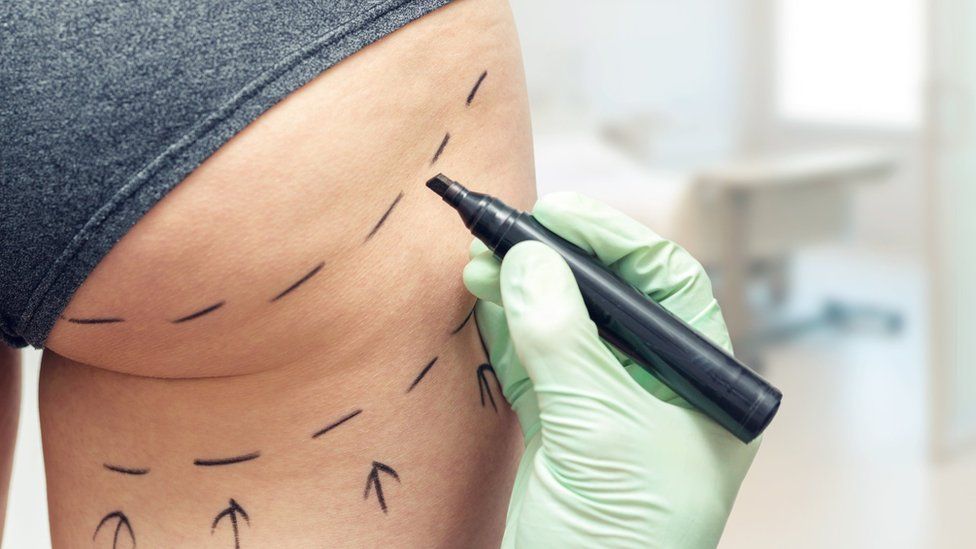
Published46 minutes agoSharecloseShare pageCopy linkAbout sharingImage source, Getty ImagesBy Michelle RobertsDigital health editorUK plastic surgeons have released new guidelines to try to make Brazilian Butt Lift (BBL) procedures safer for people who desire a bigger bottom. Some women have died from the operation, which involves sucking out fat from elsewhere – such as the belly – and injecting it into butt cheeks. The British Association of Plastic Surgeons (BAAPS) says the injections should not go very deep. That should help avoid complications such as dangerous clots, they say. According to the NHS, it has the highest death rate of all cosmetic procedures, and the risk of death from BBL surgery is at least 10 times higher than many other procedures.A major concern is that the injected fat can cause a blockage in a blood vessel in the lungs – called a pulmonary embolism – which can be fatal.Image source, Scott FranksThis happened to Leah Cambridge, a beautician and mother of three from Leeds. She suffered a massive pulmonary embolism during the operation at a private hospital in Turkey in 2018, a coroner found.’Butt lift’ victim may not have known risksThe BAAPS says part of the problem with the fat-grafting procedure is when the injections go deep and into the muscle. Surgeons should insert the needle less far in, so the injection goes just under the skin, into the subcutaneous layer. They should use an ultrasound scan to guide them while they are doing it, to ensure the shot stays in the correct zone. This is no guarantee that procedures will be entirely risk free, however. BAAPS president Marc Pacifico told the BBC: “Unfortunately we don’t know how many people have been going for these risky BBL procedures. We have been recommending against it for a number of years after seeing quite a frightening death rate associated with it. But people have been going abroad to get it done.”He said the NHS was sometimes left to pick up the pieces of botched surgery from overseas.He said anyone seeking cosmetic surgery should thoroughly research the procedure, the clinic and the surgeon. “Make sure you ask if the surgeon will be using ultrasound for gluteal fat grafting. We are recommending that surgeons should only perform this with real time ultrasound guidance as the only way to ensure the procedure is performed superficially and safely.”What can go wrong? The procedure is used to make buttocks bigger, more rounded or liftedSurgeons may insert silicone-filled implants and/or inject fat transferred from other parts of the body, including the stomach and backIn the UK it tends to cost between £2,000 and £7,000, depending on the clinic, and on whether additional work is neededAfter surgery, patients are likely to have some pain, bruising and discomfort over the area of the implant for a few weeks and are advised not to sit on their buttocks directly for three weeksComplications can include wound infection, rupture of prosthetic implants and fat embolus, where fat can enter the bloodstream and block vesselsAny type of surgery carries risks. Cosmetic surgery can sometimes go wrong and the results may not be what you expected.If you notice any problems during your recovery, such as signs of a possible infection (increasing swelling, redness or pain), go back to the surgeon who treated you.If you are not happy with the results, or think the procedure was not carried out properly, you should take up the matter with your surgeon through the hospital or clinic where you were treated.The Care Quality Commission regulates certain cosmetic treatments carried out in England, while the General Medical Council lists the training and registration status of doctors. More on this storyIs ‘Brazilian butt lift’ surgery a risk worth taking?22 November 2019Around the BBCHow the risky ‘Brazilian butt lift’ hit the big time – BBC ReelRelated Internet LinksSurgical fat transfer – NHSThe BBC is not responsible for the content of external sites.

Read more →

After Giving Up on Cancer Vaccines, Doctors Start to Find Hope

Encouraging data from preliminary studies are making some doctors feel optimistic about developing immunizations against pancreatic, colon and breast cancers.It seems like an almost impossible dream — a cancer vaccine that would protect healthy people at high risk of cancer. Any incipient malignant cells would be obliterated by the immune system. It would be no different from the way vaccines protect against infectious diseases.However, unlike vaccines for infectious diseases, the promise of cancer vaccines has only dangled in front of researchers, despite their arduous efforts. Now, though, many hope that some success may be nearing in the quest to immunize people against cancer.The first vaccine involves people with a frightening chance of developing pancreatic cancer, one of the most difficult cancers to treat once it is underway. Other vaccine studies involve people at high risk of colon and breast cancer.Of course, such research is in its early days, and the vaccine efforts might fail. But animal data are encouraging, as are some preliminary studies in human patients, and researchers are brimming with newfound optimism.“There is no reason why cancer vaccines would not work if given at the earliest stage,” said Sachet A. Shukla, who directs a cancer vaccine program at MD Anderson Cancer Center. “Cancer vaccines,” he added, “are an idea whose time has come.” (Dr. Shukla owns stock in companies developing cancer vaccines.)That view is a far cry from where the field was a decade ago, when researchers had all but given up. Studies that would have seemed like a pipe dream are now underway.“People would have said this is insane,” said Dr. Susan Domchek, the principal investigator of a breast cancer vaccine study at the University of Pennsylvania.Now, she and others foresee a time when anyone with a precancerous condition or a genetic predisposition to cancer could be vaccinated and protected.“It’s super aspirational, but you’ve got to think big,” Dr. Domchek said.A Less Grim PrognosisDr. Elizabeth Jaffee, deputy director of the Sidney Kimmel Cancer Center at Johns Hopkins University, in 2019.Nina Westervelt for The New York TimesMarilynn Duker knew her family tree was dotted with relatives who had cancer. So when a genetic counselor offered her testing to see if she had any of 30 cancer-causing gene mutations, she readily agreed.The test found a mutation in the gene CDKN2A, which predisposes people who carry it to pancreatic cancer.“They called and said, ‘You have this mutation. There really is nothing you can do,’” recalled Ms. Duker, who lives in Pikesville, Md., and is chief executive of a senior living company.She began having regular scans and endoscopies to examine her pancreas. They revealed a cyst. It has not changed in the past several years. But if it develops into cancer, treatment is likely to fail.Patients like Ms. Duker don’t have many options, noted Dr. Elizabeth Jaffee, deputy director of the Sidney Kimmel Comprehensive Cancer Center at Johns Hopkins University. A person with more advanced cysts could avoid cancer by having their pancreas removed, but that would immediately plunge them into a realm of severe diabetes and digestive problems. The drastic surgery might be worthwhile if it saved their lives, but many precancerous lesions never develop into cancer if they are simply left alone. Yet if the lesions turn into cancer — even if the cancer is caught at an early stage — the prognosis is grim.But it also offers an opportunity to make and test a vaccine, she added.In pancreatic cancer, Dr. Jaffee explained, the first change in normal cells on the path to malignancy almost always is a mutation in a well-known cancer gene, KRAS. Other mutations follow, with six gene mutations driving the cancer’s growth of pancreatic cancer in the majority of patients. That insight allowed Hopkins researchers to devise a vaccine that would train T cells — white blood cells of the immune system — to recognize cells with those mutations and kill them.Their first trial, a safety study, was in 12 patients with early stage pancreatic cancer who already had been treated with surgery. Although their cancer was caught soon after it had emerged and despite the fact that they were treated, pancreatic cancer patients typically have a 70 percent to 80 percent chance of having a recurrence in the next few years. When pancreatic cancer returns, it is metastatic and fatal.Two years later, those patients have not yet had a recurrence.Now, Ms. Duker and another patient have been vaccinated to try to prevent a tumor from starting in the first place.“I am really excited about this opportunity,” she said.The vaccine seems safe, and it has elicited an immune response against the common mutations in this cancer.“So far, so good,” Dr. Jaffee said.But only time will tell if it prevents cancer.‘We Have to Look at Different Patients’Dr. Olivera Finn, a professor in the departments of immunology and surgery at University of Pittsburgh School of Medicine.Tom Altany/University of PittsburghIn a sense, the search for cancer vaccines started with Dr. Olivera Finn, a distinguished professor in the departments of immunology and surgery at University of Pittsburgh School of Medicine.She began in 1993 with a vaccine directed at the core of a molecule, muc1. In normal cells, the molecule is invisible to the immune system because it is covered in a bush of sugar molecules. But in colon, breast and pancreatic cancers, it can become visible to the immune system. That made it seem like a perfect vaccine target because it could allow the immune system to attack only cancer cells.“We had this trial, 63 patients, Stage 4 cancer. They had failed all therapies,” Dr. Finn said.The first patient had had breast cancer and was treated with a double mastectomy. But the cancer returned.“The tumor was on her chest, thick and red,” she said. “She had two pumps, one emptying liquid from her lungs and the other liquid from her abdomen.”In their initial studies, it became clear to Dr. Finn and her colleagues that the cancers were too far advanced for immunizations to work. After all, she notes, with the exception of rabies, no one vaccinates against an infectious disease in people who are already infected.“I said, ‘I don’t want to do that again,’” Dr. Finn said. “It is not the vaccines. We have to look at different patients.”Now, she and her colleague at Pittsburgh, Dr. Robert Schoen, a gastroenterologist, are trying to prevent precancerous colon polyps with a vaccine. But intercepting cancer can be tricky.They focused on people whose colonoscopies had detected advanced polyps — lumps that can grow in the colon, but only a minority of which turn into cancer. The goal, Dr. Schoen said, was for the vaccine to stimulate the immune system to prevent new polyps.It worked in mice.“I said, ‘OK, this is great,’” Dr. Schoen recalled.But a recently completed study of 102 people at six medical centers randomly assigned to receive the preventive vaccine or a placebo had a different result. All had advanced colon polyps, giving them three times the risk of developing cancer in the next 15 years compared to people with no polyps.Only a quarter of those who got the vaccine developed an immune response, and there was no significant reduction in the rate of polyp recurrences in the vaccinated group.“We need to work on getting a better vaccine,” Dr. Schoen said.Pre-empting a Pre-cancerDr. Mary L. Disis, director of the Cancer Vaccine Institute at the University of Washington.Kiran DhillonDr. Mary L. Disis, director of the Cancer Vaccine Institute at the University of Washington, wants to prevent breast cancer in women with gene variants that put them at high risk. Her initial hopes, though, are more modest.One goal is to help women who have ductal carcinoma in situ, which doctors call a pre-cancer. Surgery is the standard treatment, but because some women also have chemotherapy and radiation to protect themselves from developing invasive breast cancer. “Ideally, a vaccine would replace those treatments,” she said.She began by looking at breast cancer stem cells. These cells, found in early cancers, are resistant to chemotherapy and radiation, and they can metastasize. They drive recurrences of breast cancers, said Dr. Disis, who has received grants from pharmaceutical companies and is a founder of EpiThany, a company that is developing vaccines.Dr. Disis and her colleagues found a number of proteins in these stem cells that were normal but produced at a much higher level in cancer cells than in noncancerous cells. That offered an opportunity to test a vaccine that produced some of those proteins.Their vaccine was tested in women with advanced cancers that were well established. It did not cure the cancers but demonstrated that the vaccine could provide the sort of immune response that might help earlier in the course of the disease.She plans to try vaccinating patients with ductal carcinoma in situ, or another precancerous condition, atypical ductal hyperplasia. Her group has a vaccine they developed to target three proteins produced in abnormally high amounts in these lesions.The hope, she said, is to make the lesions shrink or go away before the women have surgery to remove them.“This would be proof the vaccine has a cleansing effect,” she said. If the vaccine succeeds, women may feel comfortable forgoing chemotherapy or surgery.To Paint a Grand Future“I really think we will see a few vaccines approved for clinic in the next five years,” Dr. Disis said. The first vaccines, she predicts, will be used to prevent recurrences in patients whose cancer was successfully treated.“Then, I think we will very rapidly move on to primary prevention,” giving vaccines to healthy people at high risk, she said.Others are similarly optimistic.“At least we know the road map,” said Dr. Shizuko Sei, medical officer of the chemopreventive agent development research group at the National Cancer Institute.“People may disagree, but the answer at this point is, yes, it is possible” to make vaccines to intercept cancer, she said.Dr. Domchek said she can envision a future in which people will have blood tests to find cancer cells so early that they do not show up in scans or standard tests.“To paint a grand future,” she said, “if we knew the tests predicted cancer we could say, ‘Here’s your vaccine.’”

Read more →

Gambia cough syrup scandal: Police investigate deaths linked to Indian medicine

Published16 minutes agoSharecloseShare pageCopy linkAbout sharingImage source, Kuyateh familyBy Omar WallyBanjul, The GambiaPolice in The Gambia are investigating the deaths of 66 children, which have been linked to four brands of imported Indian cough syrup.Senior officials from the Medicine Control Agency and the importers have been called for questioning, the president’s office said.President Adama Barrow said that the authorities would “leave no stone unturned” in the investigation.Gambians, angry about what happened, are wondering who is to blame.On Wednesday, the World Health Organization (WHO) issued a global alert over the four cough syrups – warning they could be linked to acute kidney injuries and the children’s deaths in July, August and September. Bereaved parents have told the BBC how their children stopped being able to pass urine after being given the syrups. As their condition worsened, efforts to save their lives were fruitless.The products – Promethazine Oral Solution, Kofexmalin Baby Cough Syrup, Makoff Baby Cough Syrup and Magrip N Cold Syrup – were manufactured by an Indian company, Maiden Pharmaceuticals, which had failed to provide guarantees about their safety, the WHO said.The Indian government is also investigating the situation. The firm has not responded to a BBC request for comment.But in a comment to the ANI news agency Maiden said it was shocked and saddened over the incident. The company said it followed Indian health protocols and was co-operating with an investigation.Gambian health officials and Red Cross workers are now going door to door, as well as to pharmacies and markets, searching for the syrups as well as other medicines.More than 16,000 products have been located so far and have been taken away for destruction, a Red Cross official told the BBC.On Friday, President Barrow addressed the nation, expressing his regret for the loss of life saying that “the source of the contaminated drugs” would be investigated. He announced plans to open a laboratory capable of testing whether medicines are safe and a review of relevant laws and guidelines for imported drugs.He also said that “the child mortality figure of 66 is not at much variance with the recorded data for similar periods in the past”, which left some wondering whether the authorities thought that these deaths were unusual.The president followed this up on Saturday evening with a more robust statement, suspending the licence of the suspected importer and announcing the police investigation.Some of the parents who lost their children have told the BBC that they are considering taking legal action of their own against the authorities.This video can not be playedTo play this video you need to enable JavaScript in your browser.More on this storyGambia cough syrup scandal: What do we know so far? Video, 00:02:20Gambia cough syrup scandal: What do we know so far?1 day ago2:20Mothers demand justice over cough syrup scandal23 hours agoGlobal alert over cough syrups after child deaths2 days agoIndia investigates cough syrups after Gambia deaths2 days ago

Read more →

Animal Rights Activists Await Verdict in Smithfield Piglet Case

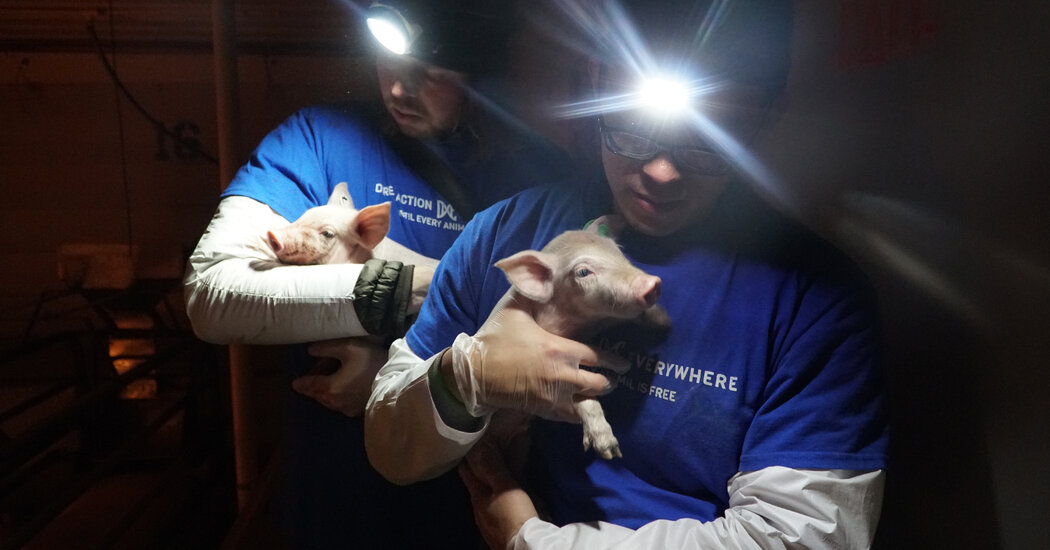
The Utah trial has highlighted what the defendants argue is a lack of transparency for the treatment of animals at large corporate farms.As a matter of dollars and cents, the theft of two piglets from a sprawling farm in rural Utah was not a huge loss for its owner, Smithfield Foods, the world’s largest pork producer.But several weeks after a group of animal rights activists posted a video online of their nighttime incursion into the Circle Four Farms in Beaver County, local and federal law enforcement officials began a multistate investigation. F.B.I. agents raided animal sanctuaries in Utah and Colorado, and at one of them, government veterinarians sliced off a portion of a piglet’s ear in their search for DNA evidence of the crime.The stolen piglets were never recovered, and the federal government declined to pursue any charges. But Utah prosecutors filed felony burglary and theft charges against five of the activists, three of whom pleaded guilty to less serious misdemeanors in exchange for agreeing not to trespass on Smithfield property in Utah or to criticize the company online for three years.On Saturday, a jury began deliberating the fate of the two others, Wayne Hsiung and Paul Darwin Picklesimer, who face six years in prison in a case that has become a cause célèbre among activists focused on the plight of hogs, chickens and cows who spend their lives in so-called concentrated animal feeding operations.Animal welfare advocates say the trial has also become a showcase of corporate power, testing whether the meat industry can prevent the public from glimpsing behind the curtain and viewing the sometimes unsavory aspects of modern mass food production.Even the jury has been prevented from learning about the conditions on Circle Four Farm, which processes more than one million pigs a year and is one of the largest hog-producing facilities in the country. In a series of rulings, the judge has excised any testimony about animal welfare, blocked the jury from viewing the footage that the defendants filmed that day and even banned from the trial any mention of why the defendants trespassed in the first place.“This is a clear case of government overreach,” said Mary Corporon, a lawyer for Mr. Picklesimer, who filmed the raid. “Let’s face it, Joe Sixpack citizen can’t get the F.B.I. to try and solve the burglary of their TV or their grandmother’s ring because they’re not a major multinational corporation with immense political pull.”Smithfield declined to comment on the case, citing the continuing trial.The stolen piglets were worth at most $42.50 each, according to testimony from a state official.Prosecutors have rejected the suggestion they are acting on behalf of Smithfield, noting that a crime is a crime and that investigators acted only after the defendants publicized footage of their 2017 raid, which they had dubbed “Operation Deathstar.”But in court documents, prosecutors argued that the company’s reputation was harmed by the footage and other similar videos, including one published by The New York Times, as well as by protests by animal rights activists that targeted Costco, one of Smithfield’s biggest buyers.“The defamation campaign has caused reputation and public image damage to Costco and Smithfield,” prosecutors wrote.Justin Marceau, a law professor at the University of Denver and author of the book “Beyond Cages: Animal Law and Criminal Punishment,” said the prosecution was an unsubtle attempt to chill the growing movement of activists who use subterfuge and hidden cameras to document conditions on factory farms.Agricultural-producing states have been particularly aggressive in their efforts to quash the use of undercover footage by activists and whistle-blowers. In recent years, nearly a dozen states have passed so-called “ag-gag” laws that criminalize the taking of unauthorized video or photos on animal farms, though courts in recent years have struck down five of them as unconstitutional. Professor Marceau led the legal effort that overturned Utah’s law in 2017.“Prosecutors would have you believe this case is about burglary, but in reality, it’s a case about whether people can rescue animals in dire conditions that are now commonplace in our food system,” he said. “I can’t think of a more significant animal law case in recent history.”The defendants, members of the group Direct Action Everywhere, or DxE, were seeking to document the farm’s use of gestation crates, the metal enclosures for pregnant sows that critics say are cramped and inherently cruel. Smithfield had vowed to end their use by 2017, but Mr. Hsiung said the group encountered hundreds of them at Circle Four Farms.“The agonizing screams of pigs confined to these cages were so loud we couldn’t hear each other talk,” Mr. Hsiung said. The two piglets they took on their way out, he said, were sick and malnourished and would have most likely ended up in a dumpster.Jim Monroe, a Smithfield spokesman, said the company had largely phased out the use of gestation crates and was committed to improving the welfare of the tens of millions of pigs it raised each year. “Any deviation from our high standards for animal care is counterproductive to this mission,” he said in an email.Richard Piatt, a spokesman for Sean Reyes, the Utah attorney general, said the defendants had invited prosecution by publicly posting evidence of a crime. “Prosecutors feel there’s an obligation to acknowledge there was a burglary and theft,” he said.Indeed, Mr. Hsiung, a lawyer and a founder of DxE, has long embraced the kind of guerrilla tactics he knows can garner public attention from sympathizers and law enforcement officials. He has been arrested more than a dozen times in recent years, and he said he viewed the current trial as something of a teaching moment.“My goal is more transparency, so the American public can really see how their food is produced,” he said.It’s unclear whether the defendants have much support in Beaver County, a sparsely populated swath of high desert along the Nevada border where Smithfield is one of the largest employers. Emotions there have been especially high since last summer, when the company announced it was planning to shut down most of its operations there. Executives have blamed the downsizing on what they have described as onerous regulations in California, where many of its pigs are processed.In August, the judge granted a defense request to move the trial to a larger, adjacent county.The jurors will not be deliberating the fate of the two stolen piglets. Now full-grown, the piglets, known as Lucy and Ethel, are living at an animal sanctuary in Utah. According to activists, they are doing just fine.

Read more →

How Insurers Exploited Medicare Advantage for Billions: ‘The Cash Monster Was Insatiable’

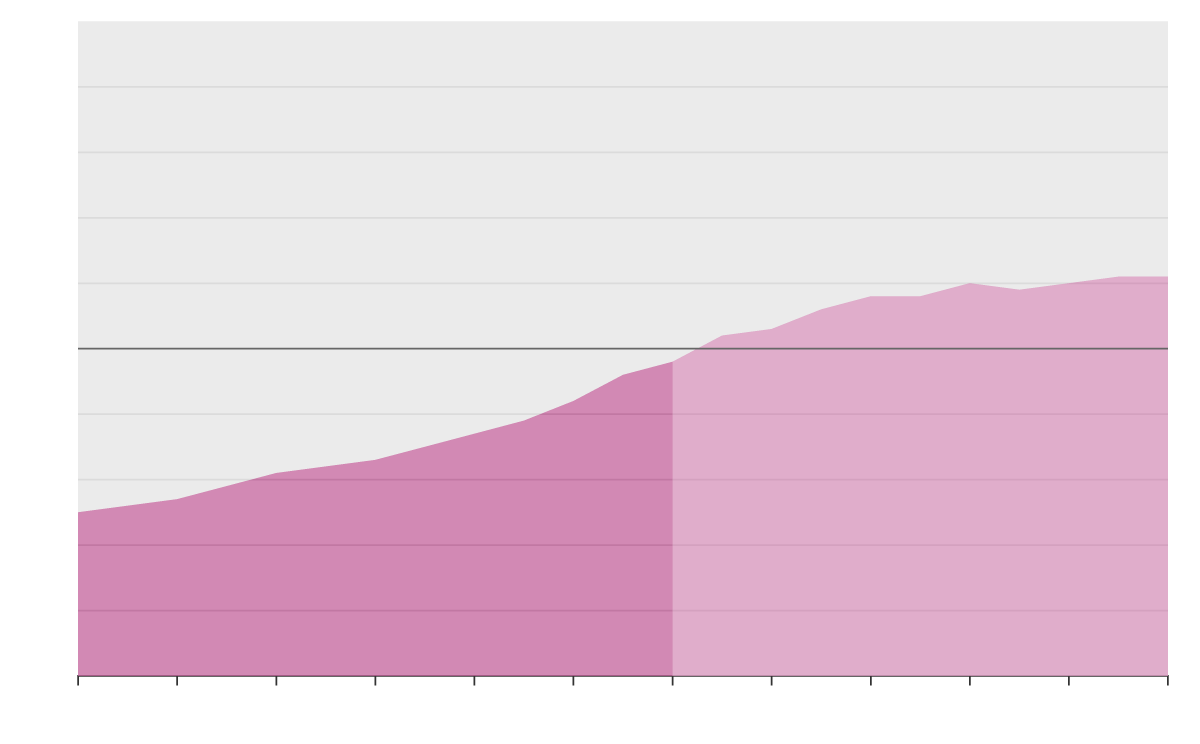
By next year, half of Medicare beneficiaries will have a private Medicare Advantage plan. Most large insurers in the program have been accused in court of fraud.The health system Kaiser Permanente called doctors in during lunch and after work and urged them to add additional illnesses to the medical records of patients they hadn’t seen in weeks. Doctors who found enough new diagnoses could earn bottles of Champagne, or a bonus in their paycheck.Anthem, a large insurer now called Elevance Health, paid more to doctors who said their patients were sicker. And executives at UnitedHealth Group, the country’s largest insurer, told their workers to mine old medical records for more illnesses — and when they couldn’t find enough, sent them back to try again.Each of the strategies — which were described by the Justice Department in lawsuits against the companies — led to diagnoses of serious diseases that might have never existed. But the diagnoses had a lucrative side effect: They let the insurers collect more money from the federal government’s Medicare Advantage program.Medicare Advantage, a private-sector alternative to traditional Medicare, was designed by Congress two decades ago to encourage health insurers to find innovative ways to provide better care at lower cost. If trends hold, by next year, more than half of Medicare recipients will be in a private plan.Soon, Half of Medicare Will be PrivatizedMedicare Advantage is on track to enroll most Medicare beneficiaries by next year.

Read more →