Ancient viral remnants in the human genome are active in normal tissues

Remnants of ancient viruses in the human genome are active in healthy tissues as well as diseased ones, limiting their utility as disease biomarkers, according to a study by Aidan Burn at Tufts University in Boston, USA and colleagues, publishing October 18th in the open access journal PLOS Biology.
Viral infection of sperm or egg cells can result in viral genes being permanently incorporated into the host genome, and the genetic remnants of ancient viruses — known as human endogenous retroviruses (HERV) — make up about 8% of the human genome. Although no longer infectious, some HERVs still contain intact genes, and the production of HERV RNA transcripts in human cells has been linked to some cancers.
However, HERV expression in healthy tissues has been largely unexplored. To address this knowledge gap, researchers used RNA sequence data from the Genotype Tissue and Expression project to investigate the presence of transcripts belonging to a recent HERV subgroup, HML-2, in non-diseased tissues. This database includes gene expression data from 54 different tissue types collected from nearly 1000 individuals. The authors detected HML-2 transcripts in all tissue types, with elevated levels in cerebellum, pituitary, testis, and thyroid tissues.
The results demonstrate that HML-2 activity is not limited to diseased or cancerous tissues, and this has important clinical implications. For example, the use of HML-2 expression as a cancer biomarker, or a target for therapeutics, would need to account for background expression in non-diseased tissues. More evolutionarily ancient HML-2 viruses showed the highest expression levels in human tissues, which may indicate that the activity of younger, less-degraded HERV fragments containing complete protein-coding sequences may be repressed by cells to prevent production of harmful viral proteins, the authors say.
John Coffin, the senior author, adds, “We have found that nearly all normal human tissues express, in their RNA, one or another of about three dozen endogenous proviruses, remnants of widespread retrovirus infection of our distant ancestors. We expect this finding to provide a basis for further studies to understand the role of these elements in human biology and disease.”
Story Source:
Materials provided by PLOS. Note: Content may be edited for style and length.

Read more →

Five hours' sleep a night linked to higher risk of multiple diseases

Getting less than five hours of sleep in mid-to-late life could be linked to an increased risk of developing at least two chronic diseases, finds a new study led by UCL researchers.
The research, published in PLOS Medicine, analysed the impact of sleep duration on the health of more than 7,000 men and women at the ages of 50, 60 and 70, from the Whitehall II cohort study.
Researchers examined the relationship between how long each participant slept for, mortality and whether they had been diagnosed with two or more chronic diseases (multimorbidity) — such as heart disease, cancer or diabetes — over the course of 25 years.
People who reported getting five hours of sleep or less at age 50 were 20% more likely to have been diagnosed with a chronic disease and 40% more likely to be diagnosed with two or more chronic diseases over 25 years, compared to people who slept for up to seven hours.
Additionally, sleeping for five hours or less at the age of 50, 60, and 70 was linked to a 30% to 40% increased risk of multimorbidity when compared with those who slept for up to seven hours.
Researchers also found that sleep duration of five hours or less at age 50 was associated with 25% increased risk of mortality over the 25 years of follow-up — which can mainly be explained by the fact that short sleep duration increases the risk of chronic disease(s) that in turn increase the risk of death.

Read more →

New motorcycle lighting design could save lives

Motorcycle drivers are 27 times more likely to die in an accident than those in regular passenger vehicles. Night driving is especially dangerous, accounting for nearly half of all fatal crashes.
Now a new study has found that a reimagined lighting configuration — six lights running from the top to the bottom of a motorcycle rather than a single headlight — could help improve other motorists’ abilities to see them.
The study published in the journal Transportation Research Part F: Traffic Psychology and Behaviour was conducted by researchers Pat DeLucia from Rice University and Bradley Weaver from Emory Healthcare, who earned his Ph.D. at Rice.
“Because motorcycles are smaller than many other vehicles, it is more difficult for other drivers to accurately judge their motion on the roadway,” said Weaver, the study’s lead author and a human factors engineer and researcher who did his doctoral dissertation on the topic. “It is particularly difficult at night when a motorcycle has only a single headlight because other drivers can’t see the motorcycle’s full height or width.”
The study revealed that improved lighting could result in other motorists being able to see motorcycles up to 0.8 seconds sooner.
“Just under a second might not seem like a lot, but reducing a driver’s response time to a potential collision can make a difference between life and death,” said DeLucia, a professor of psychological sciences who conducts human factors research, particularly related to transportation and health care.
For the study, DeLucia and Weaver recruited 35 people who were between 19 and 70 years old to take part in a laboratory driving simulation. The researchers measured how quickly the participants saw motorcycles with various enhanced lighting configurations that illuminated their full height and width. Each of the new designs improved response times compared with a single headlight, but the participants reacted most quickly to the configuration of six lights.
Story Source:
Materials provided by Rice University. Original written by Amy McCaig. Note: Content may be edited for style and length.

Read more →

Scientists illuminate how virus attacks cat kidney, could jump to humans

In a study published this week in the Proceedings of the National Academy of Sciences, virologists from the University of Pittsburgh Center for Vaccine Research reverse-engineered an elusive virus linked to chronic kidney disease in cats and described its mechanism of infection, outlining its potential to infect people.
The research suggested that the feline morbillivirus, or FeMV, uses the same mechanism of cell entry and infection as other viruses in the morbillivirus family, such as measles. However, unlike measles, FeMV appears to spread from host to host through urine in a similar way to the zoonotic Nipah virus harbored in bats, which causes annual deadly outbreaks in humans across Southeast Asia.
The study provides the first clear insight into this understudied virus and its potential trajectory from infecting animals to jumping into humans.
“Feline morbillivirus stayed under the radar for many years,” said senior author Paul Duprex, Ph.D., director of the Center for Vaccine Research at Pitt’s School of Medicine. “By understanding the genetics of a virus that was challenging to grow in the laboratory, we are now able to shine light on its connection to chronic kidney disease and better understand how we can stop transmission and potential spillover into human populations.”
First discovered in stray cats in Hong Kong a decade ago, FeMV has since been found in domestic cats across Asia and Europe and identified and fully sequenced in the U.S. in 2016 by Duprex’s research team when they worked in Boston. While previous studies have linked FeMV infections to chronic kidney disease in cats — one of the leading causes of death in older animals — the new study shows in unprecedented detail how the virus gets to the kidneys.
Similar to other members of the same viral family, FeMV enters cells by binding to a surface protein receptor called CD150. Related viruses, including measles, use CD150 as their primary entry receptor, and people who are vaccinated against measles are protected from getting infected with FeMV. The eradication of measles, however, might present an evolutionary opportunity for other morbilliviruses, such as FeMV, to seek new hosts and jump into unvaccinated people.
“That’s why illuminating animal diseases proactively matters,” said Duprex. “Preparedness is vital in heading off an epidemic.”
By creating a genetically modified version of FeMV containing a fluorescent probe, researchers were able to track its spread throughout cells and organs, discovering that its transmission can be halted by inhibiting a class of protein-cleaving enzymes called cathepsins. Interestingly, cathepsins are mostly used by Nipah viruses but not the morbilliviruses, suggesting that FeMV is an evolutionary intermediate between the two viral families.
“It’s important to understand the pathogens of animals because those can become the pathogens of people,” said Duprex. “Learning about the viruses that infect cats is not only important for reducing the rates of kidney failure in our beloved pets, but also helps us understand something new about emerging infectious diseases and how they can spread across different animal species. There are about 85 million cats in the U.S. and over half a billion in the world. We live with them in close proximity, and their health matters.”
Additional authors of the study include Sham Nambulli, Ph.D., Linda Rennick, Ph.D., and Natasha Tilson-Lunel, Ph.D., all of Pitt; Andrew Acciardo, Ph.D., Gregory Ho, Ph.D., Nicholas Crossland, Ph.D., and Kathy Hardcastle, Ph.D., all of Boston University; Betsy Nieto, B.Sc., Graeme Bainbridge, Ph.D., and Tracey Williams, B.Sc., all of Zoetis, Kalamazoo, Mich.; and Claire Sharp, Ph.D., of Murdoch University, Australia.
This research was supported by Zoetis and the University of Pittsburgh.

Read more →

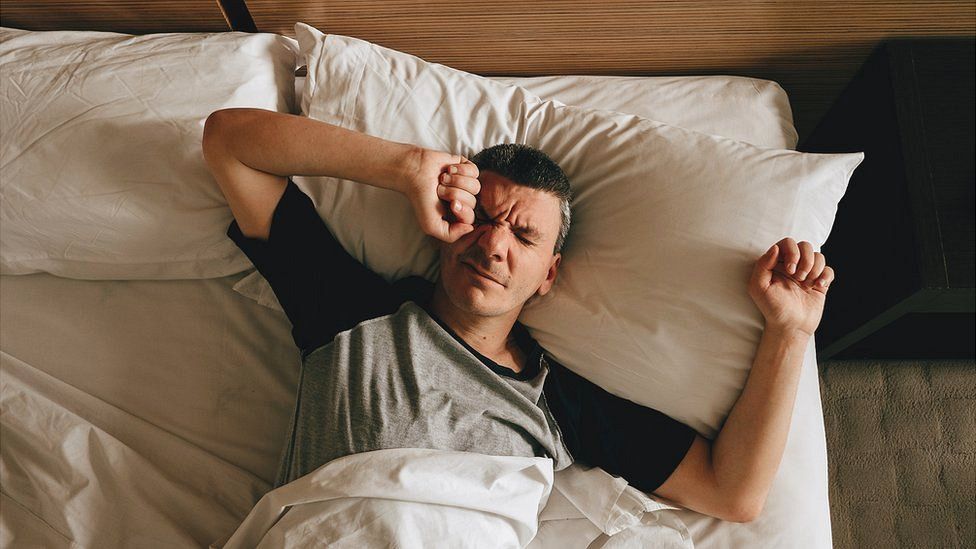
Five hours' sleep is tipping point for bad health

Published8 hours agoSharecloseShare pageCopy linkAbout sharingImage source, Getty ImagesBy Michelle RobertsDigital health editorAt least five hours sleep a night may cut the over-50s’ chances of multiple chronic health problems, researchers say. Ill health can disrupt sleep – but poor sleep may also be a forewarning or a risk itself, they say.There is evidence sleep helps restore, rest and rejuvenate the body and mind – but why the “golden slumber number” might matter remains unclear.The PLoS Medicine study tracked the health and sleep of UK civil servants. All of the about 8,000 participants were asked: How many hours of sleep do you have on an average weeknight?”Some also wore a wrist-watch sleep tracker. And they were checked for chronic conditions, including diabetes, cancer and heart disease, over two decades of follow-up:Those who slept five hours or less around the age of 50 had a 30% greater risk of multiple ailments than those who slept seven hoursShorter sleep at 50 was also associated with a higher risk of death during the study period, mainly linked to the increased risk of chronic diseaseExperts generally recommend about seven or eight hours, the researchers, from University College London and Paris Cité University, say.Why do we sleep?Scientists do not know for sure, but it is clear that sleep helps the brain process memories and is good for mood, concentration and metabolism. Sleep is also an opportunity for the brain to be cleared of waste.Image source, Getty ImagesGood-sleep tipsTire yourself out during the day by keeping busy and active but slow down towards bedtimeAvoid daytime napsEstablish a good night-time routine and make sure your bedroom is relaxing and conducive to sleep – thick curtains or blackout blinds, a comfy room temperature and bedding, and no big distractions, such as scrolling on a smartphone in bedReduce or eliminate caffeine and alcohol close to bedtimeIf you can’t nod off, don’t force it or become frustrated – get up and do something relaxing for a bit, such as reading a book, and then return when sleepierIf you work antisocial shifts, try a short sleep before your first run of nights, to transition. If you are coming off nights, try a nap to see you through and then go to bed early that eveningSurrey Sleep Centre director Prof Derk-Jan Dijk told BBC News: “This work reinforces that getting only short sleep is not good for us. Generally, it’s not healthy – although for some, it may be OK. “The big question is why do some people sleep less. What is causing it and is there anything we can do about it? Sleep is a modifiable lifestyle factor to a certain extent.”Long stretches of bad sleep can severely affect wellbeing.GPs now rarely prescribe sleeping pills, which can have serious side-effects and cause dependency.But sleep problems can often be resolved and support is available. More on this storyGaining weight? You may need more sleep26 FebruaryRegular 10pm bedtime linked to lower heart risk9 November 2021Related Internet LinksPLoS MedicineSleep problems – NHSThe BBC is not responsible for the content of external sites.

Read more →

Florida flesh-eating illness cases spike after Hurricane Ian

Published9 hours agoSharecloseShare pageCopy linkAbout sharingImage source, Getty ImagesBy Max MatzaBBC News, WashingtonThe Florida county that was devastated by Hurricane Ian last month has seen a surge in cases of flesh-eating bacteria illnesses and deaths. Officials say Lee County, where the category four storm made landfall on 28 September, has recorded 29 illnesses and four deaths owing to the bacteria. All but two cases were diagnosed after the hurricane.Vibrio vulnificus infections can be caused after bacteria enters the body through open cuts.The bacteria lives in warm brackish water, like standing floodwaters. “The Florida Department of Health in Lee County is observing an abnormal increase in cases of Vibrio vulnificus infections as a result of exposure to the floodwaters and standing waters following Hurricane Ian,” a spokesperson at the county health department said on Monday.The statement called on residents to “always be aware of the potential risks associated when exposing open wounds, cuts, or scratches on the skin to warm, brackish, or salt water”.”Sewage spills, like those caused from Hurricane Ian, may increase bacteria levels,” the statement continued. “As the post-storm situation evolves, individuals should take precautions against infection and illness caused by Vibrio vulnificus.”Collier County, just south of Lee County, has also recorded three confirmed cases that officials say are storm-related.Image source, Getty ImagesAcross Florida, there have been a record 11 confirmed deaths attributed to the bacterium this year, and a total of 65 cases, according to state health data. Officials estimate that nearly half are related to Hurricane Ian. In 2021, 10 deaths were recorded and 34 cases in Florida. Seven deaths were attributed to the bacteria in 2020. Vibrio vulnificus is known as “flesh-eating” because it can develop into necrotising fasciitis, a condition that causes tissue to break down. It is not the only bacteria that can cause necrotising fasciitis.According to the US Centers for Disease Control and Prevention, around one in five Vibrio vulnificus patients dies, sometimes within only a day or two of becoming ill. It can cause sepsis if it enters the bloodstream, and can sometimes lead to amputations to prevent its spread to other parts of a patient’s body. More on this storyFlesh-eating bug after graze almost killed DJ31 JulyThey stayed for the storm – what happens now?2 OctoberHurricane Ian death toll climbs to 99 in Florida4 October

Read more →

Skin-attachable auditory sensor that functions even in noisy environments

Face masks, a new normal since the onset of the COVID-19 pandemic, can muffle sound to make it difficult to understand speech. People often have no choice but to speak louder and may strain their throat muscles. This communication stress may hinder rapid response in a hospital setting, fire emergency, or other urgent situations. Fortunately, a research team has recently developed a new intelligent microphone that will enable smoother communication in such events.
A research team led by Professor Kilwon Cho, Dr. Siyoung Lee and Hajung Roh (Department of Chemical Engineering) at POSTECH has developed a skin-attachable microphone sensor that clearly detects voices even in harsh noisy environments. Their work was highlighted on the back cover in the recent issue of Advanced Materials.
Microphones built into telephones and walkie-talkies are widely used in daily life and in industries. Conventional devices, however, fail to recognize human voices clearly in very windy or loud environments, or when the speaker is wearing a mask.
To overcome this shortcoming, the research team applied polymer electrets to microelectromechanical systems (MEMS) to develop an auditory sensor. The electret-powered and hole-patterned polymer diaphragm is incorporated into a skin-attachable auditory sensor, which reduces the necessity of a battery to work. The sophisticated diaphragm structure based on MEMS technology gives the auditory sensor high wearability and portability.
The diaphragm enables the sensor to detect the neck-skin vibration generated when a person speaks. Those using this sensor can clearly hear sounds even in a concert hall or other noisy places, or when their faces are completely covered with a gas mask.
This new technology can be used for disaster-response communication between medical professionals wearing protective equipment against respiratory diseases, including COVID-19, and firefighters wearing gas masks and other forms of turnout gear.
Furthermore, this technology will be applicable as a diagnostic device that identifies respiratory diseases by measuring the number or severity of coughs in real time or as a healthcare monitoring device that analyzes voice usage patterns to figure out whether the vocal cords are healthy.
This study was supported by the National Research Foundation of Korea.
Story Source:
Materials provided by Pohang University of Science & Technology (POSTECH). Note: Content may be edited for style and length.

Read more →

Treatment for back pain: 84 percent increase in success rate

Lack of exercise, bad posture, overexertion, constant stress at work or at home — back pain is a widespread condition with many causes. For a not insignificant number of sufferers, the symptoms are even chronic, meaning they persist for a long time or recur again and again. Sport and exercise therapies under instruction can bring relief. Common treatment methods include physiotherapy as well as strength and stability exercises. But how can the therapy be as successful as possible? Which approach alleviates pain most effectively? A meta-analysis by Goethe University Frankfurt, published recently in the Journal of Pain, has delivered new insights.
The starting point was data from 58 randomised controlled trials (RCTs) of over 10,000 patients worldwide with chronic low back pain. First, the data relevant to the topic were filtered out of the original manuscripts and then evaluated in groups. When evaluating these data, the researchers examined on the one hand whether and to what extent standard forms of treatment and individualised treatment differ in terms of the result. “Individualised” means that there is some type of personal coaching, where therapists specifically target the potentials and requirements of each patient and decide together with them how their therapy should look.
The study concluded that individualised treatment for chronic back pain led to a significantly increased effect in comparison to standard exercise therapies. The success rate in pain relief was 38 percent higher than with standard treatment. “The higher effort required for individual treatment is worthwhile because patients benefit to an extent that is clinically important,” says lead author Dr Johannes Fleckenstein from the Institute of Sport Sciences at Goethe University Frankfurt.
However, the study went even further. The research team in Frankfurt compared a third group of treatment methods alongside the standard and individualised ones. In this group, individualised training sessions were combined with cognitive behavioural therapy (CBT). This procedure — a type of talk therapy — is based on the assumption that negative thoughts and behaviours surrounding pain tend to exacerbate it. Through CBT, pain patients learn to change the way they handle it. They stop being afraid to move or are taught tactics for coping with pain. This makes them realise that they are by no means helpless. But what does the psychotherapeutic support through CBT actually contribute to the success of the treatment? Analysis of the data revealed the following: When an individualised approach and CBT were combined, the success rate in terms of pain relief was an impressive 84 percent higher than with standard treatment. The combined therapy, also called multimodal therapy, thus led to the best result by far.
Fleckenstein sees in the study “an urgent appeal to public health policy” to promote combined therapies both in terms of patient care and remuneration. “Compared to other countries, such as the USA, we are in a relatively good position in Germany. For example, we issue less prescriptions for strong narcotic drugs such as opiates. But the number of unnecessary X-rays, which, by the way, can also contribute to pain chronicity, and inaccurate surgical indications is still very high.” This is also due, according to Fleckenstein, to economic incentives, that is, the relatively high remuneration for such interventions. The situation is different for organisations working in the area of pain therapy, he says. Although these are not unprofitable, they are not a cash cow for investors either. In his view, it is important here to improve the economic conditions. After all, pain therapy saves a lot of money in the long run as far as health economics are concerned, whereas tablets and operations rarely lead to medium and long-term pain relief.
Story Source:
Materials provided by Goethe University Frankfurt. Note: Content may be edited for style and length.

Read more →

Individualized fingerprints from sleep brainwaves provide a powerful new tool for understanding disease

A team led by researchers from Brigham and Women’s Hospital, a founding member of the Mass General Brigham healthcare system, in close collaboration with investigators at Mass General Hospital and Beth Israel Deaconess Medical Center has developed a powerful computational tool for understanding brain health and disease, providing an enhanced way of characterizing the activity of the brain during sleep. The researchers devised a new method that extracts tens of thousands of electrical events from the brainwaves of a sleeping person. Information from these waveforms is then used to create a picture of brain activity that seems to act like a fingerprint — unique for each person and consistent from one night to the next. They then used their approach to identify new potential biomarkers in the brain activity of people with schizophrenia. Their findings are published in the journal, SLEEP. Postdoctoral fellow, Patrick Stokes, PhD, was the first author on the study and the senior author was Michael Prerau, PhD, associate neuroscientist and the director of the Neurophysiological Signal Processing Core in the Division of Sleep and Circadian Disorders at the Brigham.
“This work expands the way we can look at brain activity during sleep,” said Prerau. “By moving beyond traditional notions that break up the complex continuum of sleep into specific categories and waveform classes, we can reveal new types of signals and dynamics that may be important for understanding brain health and disease.”
Scientists typically study brain activity during sleep using the electroencephalogram, or EEG, which measures brainwaves at the scalp. Starting in the mid 1930s, the sleep EEG was first studied by looking at the traces of brainwaves drawn on a paper tape by a machine. Many important features of sleep are still based on what people almost a century ago could most easily observe in the complex waveform traces. Even the latest machine learning and signal processing algorithms for detecting sleep waveforms are judged against their ability to recreate human observation. In this study, the researchers asked: What can we learn if we expand our notion of sleep brainwaves beyond what was historically easy to identify by eye?
One particularly important set of sleep brainwave events are called sleep spindles. These spindles are short oscillation waveforms, usually lasting less than 1-2 seconds, that are linked to our ability to convert short-term memories to long-term memories. Changes in spindle activity have been linked with numerous disorders such as schizophrenia, autism, and Alzheimer’s disease, as well as with natural aging. In this study, rather than looking for spindle activity according to the historical definition, the team developed a new approach to automatically extract tens of thousands of short spindle-like waveform events from the EEG data throughout the entire night. Next, instead of looking at the waveforms in terms of fixed sleep stages (i.e., Wake, REM, and non-REM stages 1-3) as standard sleep studies do, they characterized the full continuum of gradual changes that occur in the brain during sleep. Using all these data, the team created graphical representations called slow oscillation power and phase histograms, which provide a powerful visualization of the activity of all the waveforms as a function of continuous sleep depth and synchronized activity in the cortex. “This further demonstrates the richness of the information that traditional, manual scoring leaves on the table,” said co-author Shaun Purcell, PhD, of the Department of Psychiatry at the Brigham.
When the team looked at a group of healthy participants, each with two nights of sleep recordings, the patterns observed appeared to be almost like fingerprints — highly specific to each person with strong consistency across nights. These results suggest new ways in which brain activity differs from person to person, even within groups of healthy people selected as control groups. The researchers then compared the activity between the healthy subjects and a population of people with schizophrenia, a disorder that reduces spindle activity. Using their approach, the team not only saw the known differences in participants with schizophrenia, but also found differences in other spindle-like waveforms occurring at other frequencies in the brain. This suggests new potential EEG biomarkers of schizophrenia that could be useful in better understanding the mechanisms of the disorder and in the development of targeted treatments.
“This approach is really exciting,” said co-author Dara Manoach, PhD, of the Department of Psychiatry at Massachusetts General Hospital. “We look forward to seeing how we can enhance our understanding, not only of schizophrenia, but also of other neurodevelopmental disorders characterized by differences in sleep, such as autism and pediatric epilepsy.”
“We are just starting to understand the scope of neurodiversity that exists within the general population,” said Prerau. “If we can more accurately characterize the individual differences observed in both neurological health and disease, we can work towards improved diagnostics and treatments.”
Co-authors were Preetish Rath, Tom Possidente, Mingjian He, Shaun Purcell, Dara Manoach, and Robert Stickgold. Michael Prerau was the senior author.
This work was supported by the National Institute of Neurological Disorders and Stroke (R01NS096177) and the National Institute of Aging (R01AG054081 (MJP).
Story Source:
Materials provided by Brigham and Women’s Hospital. Note: Content may be edited for style and length.

Read more →

AI takes guesswork out of lateral flow testing

An artificial intelligence app to read COVID-19 lateral flow tests helped to reduce false results in a new trial out today.
Published in Cell Reports Medicine, a team of researchers from the University of Birmingham, Durham University and Oxford University tested whether a machine learning algorithm could improve the accuracy of results from antigen lateral flow devices for COVID-19.
The LFD AI Consortium team worked at UK Health Security Agency assisted test centres and with health care workers conducting self-testing to trial the AI app. More than 100,000 images were submitted as part of the study, and the team found that the algorithm was able to increase the sensitivity of results, determining between a true positive and false negative, from 92% to 97.6% accuracy.
Professor Andrew Beggs, Professor of Cancer Genetics & Surgery at the University of Birmingham and lead author of the study said:
“The widespread use of antigen lateral flow devices was a significant moment not just during the pandemic, but has also introduced diagnostic testing to many more people in society. One of the drawbacks with LFD testing for Covid, pregnancy and any other future use is the ‘faint line’ question — where we can’t quite tell if it’s a positive or not.
“The study looked at the feasibility of using machine learning to take the guesswork out of the faint line tests, and we’re pleased to see that the app saw an increase in sensitivity of the tests, reducing the numbers of false negatives. The promise of this type of technology could be used in lots of applications, both to reduce uncertainty about test results and provide a crucial support for visually impaired people.”
Professor Camila Caiado, Professor of Statistics at Durham University and chief statistician on the project, said:
“The increase in sensitivity and overall accuracy is significant and it shows the potential of this app by reducing the number of false negatives and future infections. Crucially, the method can also be easily adapted to the evaluation of other digital readers for lateral flow type devices.”
Story Source:
Materials provided by University of Birmingham. Note: Content may be edited for style and length.

Read more →