Environmental chemicals increase risk of inflammatory bowel disease

Using multiple research platforms, including a machine learning approach, investigators have identified environmental factors that promote gastrointestinal inflammation.
Inflammatory bowel disease (IBD), a condition characterized by chronic gastrointestinal inflammation, is becoming increasingly common in industrialized countries. While researchers have identified approximately 200 genetic tags associated with the disease, there is a limited understanding of the specific environmental factors that influence risk and severity of IBD. A new study by investigators from Brigham and Women’s Hospital, a founding member of the Mass General Brigham healthcare system, leverages multiple research platforms to systematically identify environmental chemical agents that influence gastrointestinal inflammation. Their findings, published in Nature, identify a common herbicide, propyzamide, that may boost inflammation in the small and large intestine.
“Environmental factors are known to be just as important as genetic factors in influencing autoimmune and inflammatory disease, yet we lack a method or platform to systematically identify the effect of chemical candidates on inflammation,” said corresponding author Francisco Quintana, PhD, an investigator in the Brigham’s Ann Romney Center for Neurologic Diseases, whose lab has previously investigated environmental determinants of neurodegeneration. “Our methodology allowed us to identify a chemical that disrupts one of the body’s natural ‘brakes’ on inflammation. This method can identify new chemical candidates for epidemiological studies, as well as novel mechanisms that regulate autoimmune responses. In addition, this platform can also be used to screen and design for therapeutic anti-inflammatory drugs.”
The researchers conducted their work by integrating IBD genetics databases with a large Environmental Protection Agency database, ToxCast, which includes biochemical data on consumer, industrial, and agricultural products. They identified chemicals predicted to modulate inflammatory pathways and then used a novel zebrafish IBD model to test these compounds and determine whether they improve, worsen, or did not affect gut inflammation. Next, the researchers used a machine learning algorithm trained on the studied compounds to identify additional chemicals in the ToxCast database likely to promote inflammation. Out of the top 20 candidates, 11 of which are used in agriculture, the researchers chose to further examine propyzamide, which is commonly applied to sports fields and fruit and vegetable crops to control weeds.
In subsequent cell-culture, zebrafish and mouse studies, the researchers demonstrated that propyzamide interferes with the aryl hydrocarbon receptor (AHR), a transcription factor which Quintana first reported in 2008 to be involved in immune regulation. In this study, the researchers found that AHR maintains gut homeostasis by suppressing a second, pro-inflammatory pathway (the NF-κB-C/EBPβ-driven response). C/EBPβ was previously demonstrated to be genetically linked with IBD, but this study outlines the specific mechanism by which the genetic biomarker leads to increased intestinal inflammation.
The researchers are currently working to engineer nanoparticles and probiotics that can target the inflammatory pathway they have identified. Notably, the U.S. Food and Drug Administration recently approved a topical cream for psoriasis, called tapinarof, which functions by activating the anti-inflammatory AHR pathway, raising the possibility that a similar drug for IBD may be able to be developed by taking advantage of this mechanism. The activation of the AHR pathway may also be relevant for the treatment of other autoimmune diseases like multiple sclerosis and type 1 diabetes, which are mediated by similar immune cells (T-cells) driven by the pro-inflammatory NF-κB-C/EBPβ response.
“The anti-inflammatory AHR pathway we identified could be strengthened to ameliorate disease, and, further down the road, we could also investigate additional ways to deactivate the pro-inflammatory NF-κB-C/EBPβ response,” Quintana said. “As we learn more about the environmental factors that might contribute to disease, we can develop state- and national-level strategies to limit exposures. Some chemicals don’t seem to be toxic when tested under basic conditions, but we do not yet know about the effect of chronic, low-level exposures over decades, or early-on in development.”
Story Source:
Materials provided by Brigham and Women’s Hospital. Note: Content may be edited for style and length.

Read more →

The Black Death shaped the evolution of immunity genes, setting the course for how we respond to disease today

An international team of scientists who analyzed centuries-old DNA from victims and survivors of the Black Death pandemic has identified key genetic differences that determined who lived and who died, and how those aspects of our immune systems have continued to evolve since that time.
Researchers from McMaster University, the University of Chicago, the Pasteur Institute and other organizations analyzed and identified genes that protected some against the devastating bubonic plague pandemic that swept through Europe, Asia and Africa nearly 700 years ago. Their study has been published today in the journal Nature.
The same genes that once conferred protection against the Black Death are today associated with an increased susceptibility to autoimmune diseases such as Crohn’s and rheumatoid arthritis, the researchers report.
The team focused on a 100-year window before, during and after the Black Death, which reached London in the mid-1300s. It remains the single greatest human mortality event in recorded history, killing upwards of 50 per cent of the people in what were then some of the most densely populated parts of the world.
More than 500 ancient DNA samples were extracted and screened from the remains of individuals who had died before the plague, died from it or survived the Black Death in London, including individuals buried in the East Smithfield plague pits used for mass burials in 1348-9. Additional samples were taken from remains buried in five other locations across Denmark.
Scientists searched for signs of genetic adaptation related to the plague, which is caused by the bacterium Yersinia pestis.
They identified four genes that were under selection, all of which are involved in the production of proteins that defend our systems from invading pathogens and found that versions of those genes, called alleles, either protected or rendered one susceptible to plague.

Read more →

How the ‘Black Death’ Left Its Genetic Mark on Future Generations

Scientists have discovered several genetic variants that protect Europeans from the bubonic plague — but also increase the risk of immune disorders.Many Europeans carry genetic mutations that protected their ancestors from the bubonic plague, scientists reported on Wednesday in the journal Nature.When the Black Death struck Europe in 1348, the bacterial infection killed large swaths of people across the continent, driving the strongest pulse of natural selection yet measured in humans, the new study found.It turns out that certain genetic variants made people far more likely to survive the plague. But this protection came with a price: People who inherit the plague-resistant mutations run a higher risk of immune disorders such as Crohn’s disease.“These are the unfortunate side effects of long-term selection for protection,” said Hendrik Poinar, a geneticist at McMaster University in Canada and an author of the new study.Bubonic plague is caused by Yersinia pestis, a species of bacteria spread by fleas. Although the plague has been infecting people for thousands of years, it struck medieval Europe with intense ferocity that led scientists to wonder if the Black Death had changed the genetic makeup of Europe.“We would expect to see a major shift,” Dr. Poinar said.The idea makes basic evolutionary sense: When a lot of organisms die off, the survivors will pass down mutations that protected them from death. During the Industrial Revolution, for example, peppered moths changed from a light speckled coloring to dark. That shift was driven by the coal smoke that blackened the trees where the moths rested. Dark moths were better able to hide from birds and survived to pass on their genes.The Italian artist Raphael and the engraver Marcantonio Raimondi produced “The Plague” (Il Morbetto) in 15 12 or 1513. It captures the horror of the bubonic plague, which devastated Italy during the Black Death and then repeatedly returned over the next 300 years.National Gallery of ArtWhen the Black Death struck, there were no evolutionary biologists to document its impact. In the 1990s, some scientists searched for clues by studying the DNA of living Europeans. One gene, called CCR5, is present in 10 percent of Europeans but rare among other people. In 1998, researchers proposed that the gene might have offered protection during the Black Death.But later research showed it was impossible to rule out that the CCR5 mutation spread in response to another disease at another time in history. “It’s something that a lot of people talk about but is very hard to demonstrate,” said Luis Barreiro, a population geneticist at the University of Chicago and an author of the new study.Instead of studying living people, Dr. Barreiro, Dr. Poinar and their colleagues examined the DNA of people who lived centuries ago, extracting genetic material from human remains buried in three London cemeteries. They found fragments of DNA in 318 skeletons that had lived between 1000 and 1500. The remains included 42 victims of the Black Death.Comparing the bones from before and after the plague hit, the scientists found a striking difference in DNA: Hundreds of mutations in genes involved in immunity became more common after the epidemic.This shift was not proof on its own that the mutations conferred some evolutionary advantage. Biologists have long known that mutations can become more common in a population thanks to the vagaries of history — a process called genetic drift.It can be challenging to determine if a common mutation came to be because of genetic drift or natural selection. One way to tell the difference is speed: Under extreme conditions, natural selection can make a mutation spread far faster than genetic drift can.To compare natural selection and genetic drift, Dr. Berreiro and his colleagues went back to the DNA of the Londoners for another look. They took advantage of the fact that large stretches of our DNA contain no working genes. Mutations that strike those stretches are unlikely to cause any harm. They’re also unlikely to bring any benefit. They only spread thanks to genetic drift.Dr. Barreiro and his colleagues found that some of these neutral mutations became more common after the Black Death. But 35 of the mutations in immune genes spread far faster than the neutral ones — so fast that only natural selection could account for their success.Researchers extracted DNA from the remains of people buried in the East Smithfield plague pits, which were used for mass burials in 1348 and 1349.Museum of London ArchaeologyThe findings provide evidence that pandemics may have shaped susceptibility to disease and suggest that they may continue to do so in the future.Museum of London ArchaeologyResearchers at McMaster University extracted DNA from fragments of bone dating back centuries to look for genes that provided protection against the Black Death.Matt Clarke/McMaster UniversityFor another test, the scientists repeated their experiment, this time in Denmark.They found DNA in the skeletons of 198 Danes who lived between 850 and 1800. Mutations in immune genes also rapidly spread in Denmark after the Black Death, they found. When the scientists lined up the mutations from the London and Denmark samples, they found four that had spread in both populations. These four mutations spread so quickly in London and Denmark that they must have provided an impressive protection against the plague.The researchers found that carrying two protective versions of a gene called ERAP2, for example, made people 40 percent likelier to survive the Black Death — the largest evolutionary advantage ever found in humans, Dr. Barreiro said.“It’s actually shocking,” said David Enard, an evolutionary biologist at the University of Arizona who was not involved in the new study.Dr. Enard said the study was particularly compelling thanks to the way the scientists ruled out genetic drift. “What really gives this study its power has to do with this whole approach of designing careful comparisons,” he said.ERAP2 makes a protein that’s involved in the immune response to invading bacteria and viruses. When an immune cell swallows a pathogen, it presents proteins from the invader on its surface. They serve as an alarm to the rest of the immune system. ERAP2’s job is to snip off bits of the foreign proteins to prepare them for their display.Billions of people have a version of the ERAP2 gene with a mutation that makes it impossible for cells to make its protein. But people with this version of the gene don’t suffer major harm. That’s most likely because humans have many other genes that help present foreign proteins to the immune system.During the Black Death, Dr. Barreiro and his colleagues found, natural selection favored the working version of ERAP2. To better understand why, they mixed Yersinia bacteria with immune cells from people with both versions of the gene.The researchers found that two working copies of ERAP2 allowed the immune cells to wipe out the bacteria. Without it, the cells did a significantly worse job.But that version of the gene also increases the risk of Crohn’s disease, a disorder in which the immune system attacks friendly bacteria in the gut and causes damaging inflammation. Dr. Berreiro said it was possible that ERAP2 could be too good at its job, sounding the alarm against friends and enemies alike. The other mutations he and his colleagues identified from ancient DNA have also been linked to immune disorders.Dr. Berreiro and his colleagues are continuing to study the genes that evolution favored during the Black Death, not only to understand that chapter in history, but also to understand the genes themselves. The fact that they underwent such strong natural selection most likely means they are important in the fight against diseases — and perhaps not just the plague.“It was important in the past, and it most likely is going to be important today,” Dr. Berreiro said.

Read more →

Beauty products with fluorinated ingredients may also contain PFAS, study reports

Smooth, foamy, water-proof. These characteristics are extremely desirable in beauty products, but manufacturers sometimes use ingredients that contain fluorine — including potentially harmful per- and polyfluoroalkyl substances (PFAS) — to achieve them. Now, researchers reporting in ACS’ Environmental Science & Technology show that some cosmetics and personal care products labeled as having fluorinated components also contain PFAS, whether or not these “forever chemicals” were listed as ingredients.
Although the most concerning PFAS are no longer used in many beauty products, in some cases they’ve been replaced with other classes of PFAS that have unknown health and environmental impacts. And a recent study found that numerous cosmetics in the U.S. and Canada still contain these substances. However, it’s unclear whether these compounds are in personal care products, such as creams, cleansers, shampoos and shaving creams. So, Amy Rand and colleagues wanted to examine a variety of beauty products that listed fluorinated components in their formulations for the presence of PFAS.
In 2020 and 2021, the team purchased 38 beauty products available from local stores in Canada and online that contained organofluorine compounds and analyzed them for older types of PFAS. All of the samples had measurable levels of PFAS, but some of the detected compounds weren’t listed as ingredients in the products. The levels found in personal care products were generally lower than in cosmetics. And the team identified that two foundations, labeled with terms similar to “water-proof,” had high levels of total PFAS, one of which had thousands of parts per million (ppm), a level that exceeds proposed Canadian PFAS regulations.
Then, the researchers took a subset of the purchased items and screened them for over 200 additional PFAS, including the emerging classes that are replacing legacy compounds. One emerging class — monohydrogen substituted perfluoroalkyl carboxylic acids — was found in 30% of the subset with amounts from less than one ppb to hundreds of ppb. During this analysis, they also found a variety of structurally diverse PFAS that didn’t appear to be related to the PFAS originally added to the products, which the researchers suggest could be the result of product ageing or contamination from impurities in raw materials. These results show the diversity of PFAS compounds, and the wide ranges of their amounts, present in some cosmetics and personal care products currently sold in Canada, but the researchers say more work is needed to understand where unexpected PFAS come from.
The authors acknowledge funding from multiple Natural Sciences and Engineering Research Council (NSERC) Discovery Grants, the Canadian Foundation for Innovation (CFI) John R. Evans Leaders Fund and the Fonds de recherche du Québec — Nature et technologies.
Story Source:
Materials provided by American Chemical Society. Note: Content may be edited for style and length.

Read more →

International Space Station experiments reveal risks for future human space flights

An international team of researchers has conducted a long-term experiment aboard the International Space Station to test the effect of space radiation on mouse embryonic stem cells. Their findings will contribute to helping scientists better assess the safety and risks related to space radiation for future human space flights.
The team published their findings in the journal Heliyon on August 18, 2022.
In their study, the team performed a direct quantitative measurement of the biological effect of space radiation by launching frozen mouse embryonic stem cells from the ground to the International Space Station, exposing them to space radiation for over four years, and quantifying the biological effect by examining chromosome aberrations. Their experiment results show, for the first time, that the actual biological effect of space radiation is in close agreement with earlier predictions based on the physical measurement of space radiation.
Ordinary people are now able to travel in space, and the possibility of long-term manned flights to deep space, such as to the Moon and Mars, is increasing. Yet space radiation remains a limiting factor for manned exploration. Scientists have been conducting intensive studies to measure physical doses of space radiation to better understand its effect on the human body. However, since most of the studies until now were conducted on the ground, not in space, the results suffered from uncertainties, given that space radiation consists of many kinds of particles with different energies, and astronauts are continuously irradiated with low-dose rates. The actual space environment cannot be precisely reproduced on the ground.
“Our study aims to address the shortcomings of previous ground-based experiments by performing a direct quantitative measurement of the biological effect of space radiation on the International Space Station and comparing this real biological effect with physical estimates in the ground-based experiments,” said Takashi Morita, a professor at the Graduate School of Medicine, Osaka Metropolitan University. “The findings contribute to reducing uncertainties in risk assessments of human space flights.”
The team prepared about 1,500 cryotubes containing highly radio-sensitized mouse embryonic stem cells and sent them to space. Their study was complex in its scope, with seven years of work before launch, four years of work after launch, and five years for analysis. “It was difficult to prepare the experiment and to interpret the results, but we successfully obtained quantitative results related to space radiation, meeting our original objective,” said Professor Morita.
Looking ahead, the researchers hope to take their studies a step further. “For future work, we are considering using human embryonic stem cells rather than mouse embryonic stem cells given that the human cells are much better suited for human risk assessment, and it is easier to analyze chromosome aberrations,” said Professor Morita. Future studies might also include launching individual mice or other experimental animals to analyze their chromosome aberrations in space. “Such experiments in deep space can further contribute to reducing uncertainties in risk assessments of prolonged human journeys and stays in space,” concluded Professor Morita.
The research team includes Kayo Yoshida, Akane Kizu, Kohei Kitada, and Takashi Morita, from Osaka Metropolitan University; Megumi Hada and Premkumar Saganti, from Prairie View A&M University; Kiyomi Eguchi-Kasai and Toshiaki Kokubo, from the National Institute of Quantum Science and Technology; Takeshi Teramura, from Kindai University; Sachiko Yano and Aiko Nagamatsu, from the Japan Aerospace Exploration Agency (JAXA); Hiromi Hashizume Suzuki, from Japan Space Forum (JSF); Hitomi Watanabe and Gen Kondoh, from Kyoto University; and Francis A. Cucinotta, from the University of Nevada.
JAXA, JSF, and the Ministry of Education, Culture, Sports, Science and Technology of Japan funded this research.
Story Source:
Materials provided by Osaka Metropolitan University. Note: Content may be edited for style and length.

Read more →

Sleep as a new 8th measure of cardiovascular health

Researchers at Columbia University Mailman School of Public Health evaluated an expanded measure of cardiovascular health (CVH) that includes sleep as an eighth metric, in relation to cardiovascular disease risk. This represents the first examination of adding sleep to the American Heart Association’s original Life’s Simple 7 (LS7) metrics as a novel eighth metric of CVH. The study is published in the Journal of the American Heart Association.
The study sample consisted of ~2000 middle-aged to older adults from the Multi-Ethnic Study of Atherosclerosis (MESA), an ongoing U.S. study of CVD and CVD risk factors, who participated in a sleep exam and provided comprehensive data on their sleep characteristics.
The research evaluated multiple expanded cardiovascular health scores — including the American Heart Association’s Life’s Simple 7 (LS7) metrics — plus different sleep health measures, to evaluate which sleep parameters should be prioritized for CVD prevention. This study is the first to show that sleep metrics add independent predictive value for CVD events over and above the original 7 CVH metrics.
Importantly, cardiovascular health scores that included sleep duration only as a measure of overall sleep health as well as cardiovascular health scores that included multiple dimensions of sleep health (i.e. sleep duration, efficiency, and regularity, daytime sleepiness, and sleep disorders) were both predictive of future CVD. For the sleep duration metric, sleeping 7 hours or more but less than 9 hours each night was considered indicative of ideal sleep health.
“Our results demonstrate that sleep is an integral component of CVH. In our study, even a CVH score that includes only sleep duration, the most widely measured aspect of sleep health and the most feasible measure to obtain in a clinic or public health setting, predicted CVD incidence,” said Nour Makarem, PhD, assistant professor of epidemiology at Columbia Mailman School of Public Health and lead author of the study. “Notably, we also found that a CVH score that incorporated multiple dimensions of sleep health was also significantly associated with incident CVD. Our results highlight the importance of embracing a holistic vision of sleep health that includes sleep behaviors and highly prevalent, mild sleep problems rather than strictly focusing on sleep disorders when assessing an individual’s cardiovascular risk.”
Overall, the study found that 63 percent of participants slept less than 7 hours per night and 30 percent slept less than 6 hours, while 39 percent and 25 percent had high night-to-night variability in sleep duration and sleep timing, respectively; 14 percent and 36 percent reported having excessive daytime sleepiness and high insomnia symptoms, respectively; and 47 percent had moderate-to-severe sleep apnea (OSA), where breathing repeatedly stops and starts.
According to Nour Makarem and colleagues, the finding that a sleep health score based solely on sleep duration as well as a sleep health score based on multiple sleep dimensions both enhanced the definition of cardiovascular health can be explained, at least in part, by the clustering of sleep problems. The study showed that individuals with a short sleep duration had higher chances of having low sleep efficiency (

Read more →

Manipulating stress response in cells could help slow down aging

Scientists at Nanyang Technological University, Singapore (NTU Singapore) have found that a stress response in cells, when ‘switched on’ at a post-reproductive age, could be the key to slow down ageing and promote longevity.
In lab experiments on a type of roundworm that shares similarities with humans, the NTU Singapore team found that switching on this stress response in aged worms by feeding them a high-glucose diet extended their lifespan as compared to worms fed a normal diet.
This is the first time a link between this stress response and ageing has been uncovered, said the NTU team of their findings published on 19 October in Nature Communications.
While further studies are needed to gain a deeper understanding of this link, the scientists said their findings open the door to the development of therapies that could delay the onset or even tackle age-related disorders such as cancer, dementia, and stroke.
Cell biologist and study lead Associate Professor Guillaume Thibault from the NTU School of Biological Sciences said: “Ageing is a critical risk factor for a variety of human pathologies, from metabolic diseases such as diabetes to cancer and neurodegenerative diseases. From a public health perspective, determining the cellular pathways that underpin the ageing process could take us one step closer to developing novel therapeutic strategies to treat age-related disorders.
“While our study found that a high-glucose diet could be useful to slow down ageing and promote longevity in aged worms, we are not recommending that the aged population should now turn to a high-sugar diet. What this study does show is that triggering certain stress responses in cells may translate to longevity, and that activating this stress response with a drug might be critical to decelerate cellular ageing.”
Aside from showing that the effect of manipulating this stress response in aged worms, the NTU scientists also showed that the same response, when ‘switched off’ in young worms fed a high-glucose diet, helped them to live longer than worms on a normal diet.

Read more →

No heart damage despite hypertension

For decades, scientists in Berlin have been researching a strange hereditary condition that results in half the members of certain families having unusually short fingers and extremely high blood pressure. If left untreated, the affected patients usually die of a stroke at the age of 50 years. Researchers at the Max Delbrück Center (MDC) in Berlin identified the cause of the disease back in 2015 and were able to prove their hypothesis five years later using animal models: a mutation in the phosphodiesterase 3A gene (PDE3A) causes its encoded enzyme to become overactive, affecting bone growth and causing blood vessel hyperplasia — resulting in elevated blood pressure.
Immune to hypertension-related damage
“High blood pressure almost always leads to the heart becoming weaker,” says Dr. Enno Klußmann, head of the Anchored Signaling Lab at the Max Delbrück Center and a scientist at the German Centre for Cardiovascular Research (DZHK). As it has to pump against a higher pressure, Klußmann explains, the organ tries to strengthen its left ventricle. “But ultimately, this results in the thickening of the heart muscle — known as cardiac hypertrophy — which can lead to heart failure greatly decreasing its pumping capacity.”
But in the hypertension patients with the shortened fingers and mutated PDE3A gene, this doesn’t happen. “For reasons that are now partly — but not yet fully — understood, their hearts appear immune to the damage that usually results from high blood pressure,” says Klußmann.
The study, which has been published in the journal Circulation, is the result of a collaboration between researchers at the Max Delbrück Center, Charité — Universitätsmedizin Berlin, and the DZHK. In addition to Klußmann, professors Norbert Hübner and Michael Bader from the Max Delbrück Center were involved as final authors, along with Dr. Sylvia Bähring from the Experimental and Clinical Research Center (ECRC) — a joint institution of Charité and the Max Delbrück Center. Together with 43 other researchers from Berlin, Bochum, Heidelberg, Kassel, Limburg, Lübeck, Canada, and New Zealand, the team has now reported its findings on the protective effects of the gene mutation — and why these results could change the way heart failure is treated in the future. The publication has four first authors, three of whom conduct research at the Max Delbrück Center and one at the ECRC.
Two mutations with the same effect
The scientists performed their tests on human patients with hypertension and brachydactyly (HTNB) syndrome — i.e., high blood pressure and abnormally short digits — as well as on rat models and heart muscle cells. The cells were grown from specially engineered stem cells known as induced pluripotent stem cells. Before testing began, researchers altered the PDE3A gene in the cells and the animals to mimic HTNB mutations.

Read more →

These Doctors Admit They Don’t Want Patients With Disabilities

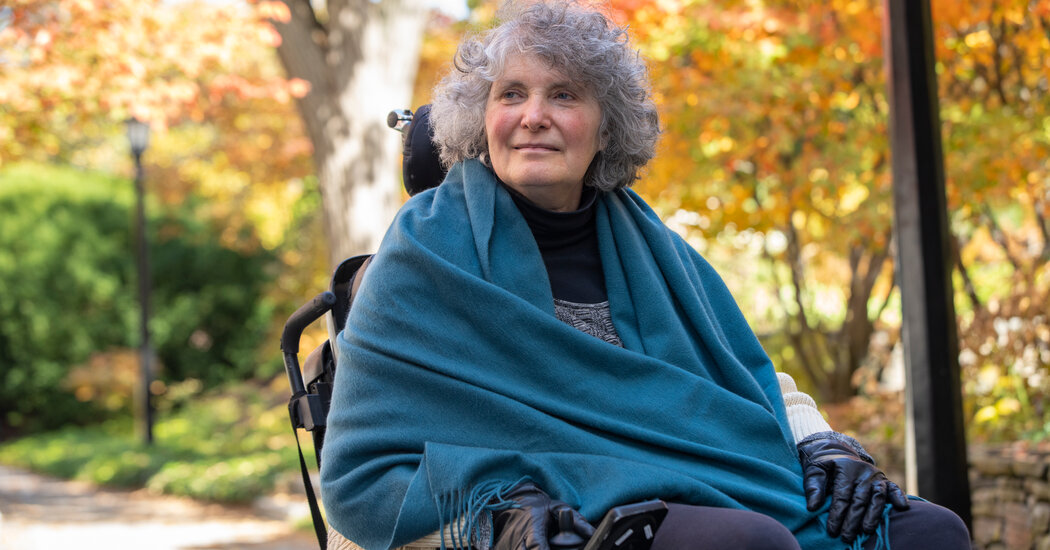
When granted anonymity in focus groups, physicians let their guards down and shared opinions consistent with experiences of many people with disabilities.For a quarter of a century, Dr. Lisa Iezzoni, a professor of medicine at Harvard, has heard the same story during research with hundreds of people who have disabilities: Health care that was substandard. Medical offices that were not accessible. Doctors who did not treat them with respect.“Everywhere I looked, there were disparities,” Dr. Iezzoni said. Yet, what patients told her was no surprise, given her own experiences with multiple sclerosis and using a wheelchair.It was time for the next step.“I thought I needed to start talking to doctors,” Dr. Iezzoni said. She proposed asking physicians what they really thought when a patient with a disability showed up in their offices.The result was a study that gathered doctors, a mix of primary care physicians and specialists recruited from across the United States, into three focus groups on video conferences. Protected by anonymity — only first names or nicknames were used — the groups of eight to 10 doctors began to talk. At first, they were guarded, but as the sessions that Dr. Iezzoni moderated wore on, they began to speak more frankly. In their Zoom meetings, they could not see that Dr. Iezzoni was seated in a wheelchair.The study’s findings, published earlier this month in the journal Health Affairs, stunned one of the study’s authors, Dr. Tara Lagu, professor of medicine and medical social science at Northwestern University.“It was so shocking, I almost couldn’t believe it,” she said.While disability takes many forms, the doctors had much to say about people who use wheelchairs. Some doctors said their office scales could not accommodate wheelchairs, so they had told patients to go to a supermarket, a grain elevator, a cattle processing plant or a zoo to be weighed, or they would tell a new patient the practice was closed.One said he didn’t think he could legally just refuse to see a patient who has a disability — he had to give the patient an appointment. But, he added, “You have to come up with a solution that this is a small facility, we are not doing justice to you, it is better you would be taken care of in a special facility.”More About on Deaf CultureUpending Perceptions: The poetic art of Christine Sun Kim, who was born deaf, challenges viewers to reconsider how they hear and perceive the world. Language in Evolution: Ubiquitous video technology and social media have given deaf people a new way to communicate. They’re using it to transform American Sign Language. Seeking Representation: Though deafness is gaining visibility onscreen, deaf people who rely on hearing devices say their experiences remain mostly untold. Name Signs: Name signs are the equivalent of a first name in some sign languages. We asked a few people to share the story behind theirs.The doctors also explained why they could be so eager to get rid of these patients, focusing on the shrinking amount of time doctors are allotted to spend with individual patients.“Seeing patients at a 15-minute clip is absolutely ridiculous,” one doctor said. “To have someone say, ‘Well we’re still going to see those patients with mild to moderate disability in those time frames’ — it’s just unreasonable and it’s unacceptable to me.”The focus group participants also raised communication difficulties — one doctor said he had hired a sign language interpreter for a deaf patient, a decision which cost so much that he lost $30 each time the patient visited. A specialist in one focus group said disabled patients took too much time, adding that they were “a disruption to clinic flow.”The researchers acknowledged limitations to the study, including that the focus group members were self-selected from verified users of a social network for physicians. The study’s authors said they used research methods to include doctors from a variety of fields and parts of the United States.Dr. Iezzoni said she decided on anonymity for the doctors because she thought it would be difficult to get physicians to openly admit that they treat patients with disabilities differently, and not only because of the legal repercussions of violating the Americans with Disabilities Act. They also “don’t want to come across as horrible people,” she said.August Rocha of Milwaukee said he hesitates to complain and he worries that the doctor might spread the word that he is a difficult patient. “You want the doctor to be on your side,” he said.Kevin Miyazaki for The New York TimesPeople with disabilities who were interviewed for this article said the strategies doctors described to limit their care or get rid of them rang all too true.Jason Miller, 46, who lives in Green Bay, Wis., has a rare bone disorder, osteogenesis imperfecta, and says he has suffered many indignities. For example, when he called a doctor for an appointment, all went well until he mentioned he used a wheelchair. Then, all of a sudden, he said, his appointment was canceled. The person he was speaking to at the doctor’s office said there was a mistake — the doctor was on vacation. They would call back to reschedule. They never did.August Rocha, 27, who lives in Milwaukee, and makes TikTok videos about being transgender and disabled, has Behçet’s disease, a genetic disorder that causes chronic pain. He uses both a wheelchair and a walker. And he says he has heard it all.“Some will find every excuse not to see you. They will say, ‘Our machinery isn’t good enough for you. Maybe you shouldn’t come in.’” Or doctors will have trouble examining him because they cannot get him onto an exam table, so he said they will tell him directly, “I really don’t know what to do with you. Maybe you should go elsewhere.’”He hesitates to complain, “You want the doctor to be on your side,” he said. And he worries that the doctor might spread word that he is a difficult patient, making other doctors spurn him.Dr. Lagu said there are no easy solutions. One change she would like to see, which the National Council on Disability proposed this year, is including disability in the data health care systems collect about their patients. Not doing so makes it impossible to track disparities in treatment and outcomes.“We have data on racial disparities because health systems are forced to collect data on race,” Dr. Lagu said.Doctors need to know ahead of time that they will be seeing a patient with a disability. All too often, Dr. Lagu said, a patient will call and explain their disability, but the doctor’s office does not convey the message to the provider. “At the end of the day, when they get there, the doctor still doesn’t know the patient is coming,” she said.Dr. Iezzoni said accessibility is another high priority for patients. That includes equipment, like exam tables with adjustable heights and scales that can weigh everyone, as well as communication accommodations for those whose hearing, vision or speech is impaired. Many patients also want doctors to have some knowledge about their conditions while appreciating a patient’s extensive knowledge of how disability affects their daily lives.But that is just the start.When it comes to discriminatory thinking around disability, “I know for sure that we have to change the culture of medicine,” Dr. Lagu said.Neelam Bohra

Read more →

Britain Scales Back Foreign Aid, Threatening Progress in Global Health

The nation is often the second-largest donor to groups working in poor countries to prevent and treat infectious diseases, and to provide reproductive health services to women.Britain, among the leading donors to the poorest nations, has slashed its foreign aid contributions, imperiling global progress against infectious diseases, famine and climate change, as well as efforts to improve girls’ education and sexual and reproductive health.Since 2020, the country has cut its human rights work by 80 percent, funds for some global health programs by more than 80 percent and humanitarian aid to Yemen, Syria and other nations by 60 percent.The consequences, especially for the struggling post-Covid economies of many low-income countries, have been catastrophic, experts said. The pandemic, a deepening debt crisis and the war in Ukraine are all undermining the capacity of many low- and middle-income nations to invest in health and endangering millions of lives, according to a new report by the United Nations program for H.I.V. and AIDS, UNAIDS.“We’re just seeing many more people on the brink of starvation,” said Joe Cerrell, the Bill & Melinda Gates Foundation’s managing director for global policy in Europe, the Middle East and East Asia. “You couldn’t pick a worse time to be to be pulling back.”The latest blow is expected by the end of this month, when Britain will announce its contribution to the Global Fund, which finances the majority of campaigns against H.I.V., malaria and tuberculosis.Leaders of the Group of 7 nations pledged their support to the fund at an event hosted by President Biden last month. But Britain, one of the fund’s founders and its second-largest donor after the United States, was notably absent.“I strongly disagree with the cuts in the budget,” Tony Blair, a member of the opposition Labour Party who served as prime minister from 1997 to 2007, said in an interview.Mr. Blair’s government established the Department for International Development and committed 0.7 percent of the gross national income to overseas development aid. (By contrast, the United States spends less than 0.2 percent of its gross national income on overseas aid.)Britain’s retreat from international development began in June 2020, when Boris Johnson, then the prime minister, announced that the department would be folded into the Foreign and Commonwealth Office, diminishing the department’s influence.Then, in November 2020, Mr. Johnson’s government, citing an economic crisis precipitated by the pandemic, said it would cut overseas development aid to 0.5 percent from 0.7 percent of gross national income, effectively shrinking the budget to 12 billion pounds (about $13 billion) from 16 billion pounds.Earlier this year, Prime Minister Liz Truss, then the foreign secretary, said the aid budget would be prioritized for housing refugees and asylum seekers from Ukraine and elsewhere, trimming the funds available for other programs by roughly another £4 billion.As a result, “it’s very difficult to find room to continue supporting things like the Global Fund,” said Mark Lowcock, who led the Department for International Development from 2011 to 2017. “When you add it all up, it’s clear that there’s a very substantial loss of life arising from these sets of decisions.”It’s “the wrong thing to do to balance the books on the backs of the world’s poorest people,” Mr. Lowcock added.Liz Truss, then the British foreign secretary, and Boris Johnson, then the prime minister, in Brussels in March.Pool photo by Evan VucciThe Foreign, Commonwealth and Development Office said in a statement that Britain spent more than £11 billion in aid in 2021 and to date has invested £4.4 billion to fight H.I.V., tuberculosis and malaria around the world.“We will continue to support this vitally important work and will make our pledge after informing Parliament,” the office said.H.I.V., tuberculosis and malaria together kill nearly three million people each year. The sustainable development goals of the United Nations include ending the three diseases as public health threats by 2030.But the pandemic set back progress against all three.“If the Global Fund doesn’t have enough money, it means less treatment for tuberculosis, less treatment for people with H.I.V., less bed nets for malaria — it’s as simple as that,” said Dr. Peter Piot, a special adviser to the president of the European Commission and a former assistant secretary general of the U.N.South Africa, India and Nigeria bear the greatest burden of H.I.V., tuberculosis and malaria, respectively. All three countries are members of the Commonwealth, Dr. Piot noted.“You’re the leader of the Commonwealth, and then that brings not only privileges but also responsibilities,” he said of the British government.The British Foreign Office’s own assessment estimated that the cuts since 2020 might result in 250,000 more maternal and child deaths, 14.6 million unintended pregnancies, 4.3 million unsafe abortions and 700,000 fewer girls receiving an education.The Global Fund, by its own estimate, has saved 50 million lives since its launch in 2001. With $18 billion from donor countries, it could save another 20 million lives over the next three years, said the fund’s executive director, Peter Sands. “You have to have some pretty good reasons not to do that,” he said.Other G7 countries may be able to make up for some of the shortfall in multilateral programs like the Global Fund, but Britain was the sole supporter of many programs for girls’ education; sexual and reproductive health; and neglected tropical diseases.Those donations have been easier to scale back than others that are tied up in contractual obligations to the World Bank or the International Monetary Fund.In May 2021, for example, Britain abruptly ended a £1 million annual donation to a program that provided treatment for trachoma — a bacterial eye infection — to 1.7 million people in Zambia. The program had just one month to line up alternative funding, said Nicholas Mutale, the executive director of Lions Aid Zambia, a civil society group that helps the Zambian government disburse treatments.Although the Bill & Melinda Gates Foundation provided some money as a stopgap, the trachoma program had to cancel about 2,000 planned surgeries. “About half of them may have lost their sight by now,” Mr. Mutale said. “The effect of the disability is, of course, quite, quite, quite grim.”Given its limited resources, the Zambian government has to prioritize “mainstream” diseases that result in loss of life, like H.I.V., over neglected diseases like trachoma, he said.“We all have to look out and begin to see how we could stand on our own two feet to try and support our own interventions,” he added. “But before we get to that, it would be nice for those that are standing to try and share the little that they have.”The British government is under growing pressure to reduce spending in the face of an economic crisis. On Monday, Ms. Truss was forced to reverse almost all of a package of planned tax cuts that had provoked turmoil in the financial markets. She has promised other measures in two weeks’ time to close a budget gap still estimated at tens of billions of dollars.A previous reduction in the aid budget faced strong opposition inside the governing Conservative Party, but it may prove easier to cut again than already strained domestic spending.For now, the country continues to support refugees and migrants and, at 0.5 percent of the gross national income, its contribution to global aid is still significant, noted Ian Mitchell, a senior fellow at the Center for Global Development in Washington, D.C.But Britain’s economic troubles cannot fully justify its withdrawal of development aid, Mr. Mitchell said. The country “seems oblivious to the fact that everyone else is having these problems as well,” he said.In an interconnected world, funding global health is also a matter of self-interest. Last year, Britain cut its contribution to the Global Polio Eradication Initiative by 95 percent for at least five years.“Lo and behold, we’re seeing polio re-emerging, indeed in London,” said Sarah Champion, a Labour member of Parliament and the chair of a committee that monitors the government’s aid spending.The current trend also erodes Britain’s standing as a world leader, she said. “It’s as heartbreaking as it is humiliating, to be quite honest.”Peter Robins contributed reporting from London.

Read more →