Extreme weather events have a significant negative impact on skin disease

The skin is a large, complex organ, and it serves as the body’s primary interface with the environment, playing key roles in sensory, thermoregulatory, barrier, and immunological functioning. As floods, wildfires, and extreme heat events increase in frequency and severity, they pose a significant threat to global dermatological health, as many skin diseases are climate sensitive. Investigators draw on an extensive review of published research to highlight the key dermatological manifestations initiated or exacerbated by these climatic events and also highlight the disproportionate impacts on marginalized and vulnerable populations. Their findings appear in The Journal of Climate Change and Health, published by Elsevier.
“We wanted to provide dermatologists and other practitioners with a comprehensive overview of extreme weather-related skin disease as a foundation for patient education, implementation of early treatment interventions, and improved disease outcomes,” explained lead author Eva Rawlings Parker, MD, Department of Dermatology and the Center for Biomedical Ethics and Society, Vanderbilt University Medical Center, Nashville, TN, USA. “We were astounded by the shear breadth of impacts that extreme weather events have on skin disease and how profoundly climate change exacerbates inequality.”
In their review, Dr. Parker and her colleagues cite nearly 200 articles documenting the myriad impacts of extreme weather events on skin. Marcalee Alexander, MD, Editor-in-Chief of The Journal of Climate Change and Health, noted, “This information is especially timely in light of traumatic events such as Hurricane Ian, which has led to increased infections due to flood and standing water exposures.”
Flooding, one of the most common natural disasters, is linked to traumatic wounds and bacterial and fungal infections of the skin. Contact dermatitis is another common consequence of flooding since flood water is often contaminated with pesticides, sewage, fertilizers, and chemicals. Exposure to wildfire smoke can trigger atopic dermatitis (eczema) in adults with no prior diagnosis, and it can trigger or exacerbate acne.
Because the skin plays a critical role in the regulation of body temperature, the effects of extended heat waves can be severe. The inability to properly cool during high heat events can lead to heat stroke and death, for example. Many chronic inflammatory dermatoses are exacerbated by heat as well. Infectious diseases can be seasonal, with heat and humidity increasing the risk of common cutaneous infections caused by bacterial, fungal, and viral pathogens. Less obvious, extreme heat events influence behavior. When temperatures are high, people may spend more time outdoors, increasing exposure to air pollution, UV radiation, and insects.
Dr. Parker and her colleagues observed that extreme weather events disproportionately affect marginalized and vulnerable populations and widen existing health disparities. Children, pregnant women, the elderly, people with mental health illness, racial/ethnic minorities, low-income individuals, and migrants are especially vulnerable to climate-related effects.
Black and Hispanic populations and lower income populations are more likely to live in areas at higher risk for flooding. These populations also have a greater incidence of skin disease and less access to care. Extreme heat is a frontline occupational hazard for manual laborers and migrant workers. Extreme weather events contribute to large-scale migration. Skin diseases are among the most commonly reported health concerns observed in migrants. Of particular concern is the spread of communicable and infectious diseases and vector-borne viruses. People experiencing homelessness are plagued by higher rates of highly morbid, climate-sensitive skin diseases.
“This year has been marked by historic and deadly heat waves in North America, Europe, and Asia; devastating flooding in the United States, Pakistan, and Australia; drought and famine in Somalia and Madagascar; and wildfires in the Western US, Russia, Argentina, and throughout Europe. Extreme weather events are ravaging the planet, disrupting critical infrastructure, severely impacting health and accentuating health disparities,” said Dr. Parker. “Clinicians, policymakers, environmental advocates and researchers across the globe should be acutely aware of the current and future disruptions that climate change and extreme weather events pose to human health.”
Dr. Parker and co-authors suggest that further population-based, clinical and occupational health research is needed to better define the risk for adverse health outcomes, identify sensitive populations, focus on just and equitable strategies for resiliency and adaptation, and assess the influence of social factors on the relationship between exposure and health outcomes.
Story Source:
Materials provided by Elsevier. Note: Content may be edited for style and length.
Read more →

Gene mutations in tumors impact radiation sensitivity

A new Northwestern Medicine study identifies common and rare gene mutations that impact radiation resistance and sensitivity, an important step toward providing more individualized and effective radiotherapy for patients with cancer.
Radiotherapy continues to be delivered using generic schedules and doses, unlike newer targeted drug therapy that are guided by the genomics of an individual’s cancer.
“The lack of incorporation of genetic data into radiation treatment is a significant unmet clinical need,” said corresponding author Dr. Mohamed Abazeed, associate professor of Radiation Oncology at Northwestern University Feinberg School of Medicine and a Northwestern Medicine radiation oncologist.
“This information ultimately will allow us to better calibrate the dose of radiation for patients in the clinic,” Abazeed said. “We can give higher doses to more resistant tumors based on their genetic mutations and a lower dose to the more sensitive cancers, allowing us to both improve treatment efficacy and reduce toxicity. The findings hasten a new paradigm in the field of radiation therapy.”
The study was published recently in Clinical Cancer Research.
Studying tumors from 27 different types of cancer, investigators profiled 92 genes with 400 unique mutations and determined the impact of these genes on radiation response.

Read more →

Study reveals disparities in childbearing by race and education level

College-educated Black women in the United States give birth to fewer children than their white and Hispanic counterparts, according to a new study coauthored by Yale sociologist Emma Zang.
The study, published in the journal Population Studies, examines the interplay of race, ethnicity, and education in shaping the fertility levels of U.S. women born between 1960 and 1980. It also showed that Black and Hispanic women without college degrees or less than a high-school education have more births than similarly educated white women. Among the college-educated, Hispanic women had the highest fertility compared to Black and white women with college degrees.
“Conventional wisdom holds that racial or ethnic disparities in fertility will fade once women in minority groups attain similar education levels and socioeconomic status as white women, but we find that gaps occur at all education levels,” said Zang, assistant professor of sociology in Yale’s Faculty of Arts and Sciences and the study’s lead author. “In general, highly educated women have fewer children than less educated women, but this doesn’t explain the disparities we found among women with college degrees.
“Our results highlight the need to study differences in childbearing among socioeconomically advantaged women as well as those with fewer financial resources.”
Unlike previous research on race and fertility in the United States, which has typically focused exclusively on Black and white women, this new study included Hispanic women, who represent an ethnic group that accounts for at least 19% of the U.S. population, according to the Census Bureau.
For the research, Zang and coauthors Chloe Sariego, a Ph.D. candidate in the Department of Sociology, and Anirudh Krishnan of the Abdul Latif Jameel Poverty Action Lab analyzed four waves of longitudinal survey data from the National Survey of Family Growth (NSFG) from 2006 to 2017 involving a nationally representative sample of 11,117 women. They calculated the average number of children women from each racial/ethnic group and educational level would have over the course of their reproductive years. Additionally, they analyzed the proportion of women from each group who give birth to one, two, or three children.

Read more →

Serum TDP-43 levels can help to identify common neuropathological changes associated with frontotemporal dementia

Frontotemporal dementia (FTD) is one of the most common causes of progressive dementia in working-age people. However, making a diagnosis and a prognosis is often challenging because the frontotemporal dementia spectrum includes several subtypes that differ in terms of symptoms, genetics and neuropathology, i.e., changes in the brain associated with the disease. Typically, proteins accumulating in the brain of patients with FTD and harming their neurons are either TDP-43 or tau proteins. Understanding the neuropathological changes in patients already at the diagnostic stage would be particularly helpful in terms of assessing their prognosis and possible future treatments.
A recent study from the University of Eastern Finland, the University of Oulu and the University of Brescia in Italy sought to identify FTD patients with TDP-43 accumulation from a large patient cohort, which included all of the most common subtypes of the disease. TDP-43 levels were measured from patients’ blood samples using a sensitive single-molecule array (Simoa) technology.
The researchers found that serum TDP-43 levels were considerably lower in patients carrying the C9orf72 repeat expansion or with motoneuron disease. Previous studies have shown that these patients typically accumulate the TDP-43 protein in their brain. Lower levels of TDP-43 were not observed in carriers of MAPT mutations, who typically have tau accumulation in their brain.
“Our current diagnostic methods are not sensitive or accurate enough to differentiate patients with TDP-43 neuropathology from other frontotemporal dementia patients. However, this study shows that TDP-43 is a potentially useful biomarker for this purpose, if more specific and sensitive analysis methods can be developed,” says Postdoctoral Researcher and Co-lead Author Kasper Katisko, MD, PhD, of the University of Eastern Finland.
In the future, it is likely that a simple blood sample can be used to differentiate between the actual neuropathological subtypes of frontotemporal dementia and other forms of dementia, too. This will make differential diagnostics increasingly rapid and accurate, enabling the development of patient-specific interventions affecting disease progression.
The findings were published in Alzheimer’s Research & Therapy. The project was led by Research Director Annakaisa Haapasalo at A.I. Virtanen Institute for Molecular Sciences and by Research Director Eino Solje at the Institute of Clinical Medicine at the University of Eastern Finland.
The project was funded by the Finnish Medical Foundation, the Finnish-Norwegian Medical Foundation, the Olvi Foundation, the Maire Taponen Foundation, the Päivikki and Sakari Sohlberg Foundation, the Yrjö Jahnsson Foundation, the Finnish Cultural Foundation, the Maud Kuistila Memorial Foundation, the Finnish Brain Foundation, the Orion Research Foundation, the Instrumentarium Science Foundation, the Sigrid Jusélius Foundation, the Academy of Finland, and the Finnish Association for Supporting ALS Research. The project is part of the FinFTD consortium’s research on frontotemporal dementia.
Story Source:
Materials provided by University of Eastern Finland. Note: Content may be edited for style and length.

Read more →

High aerobic fitness does not protect children from metabolic syndrome

A study conducted in collaboration between the University of Jyväskylä and the University of Eastern Finland found that high aerobic fitness does not protect children from metabolic syndrome. The study also found that the amount of fat tissue in the body has distorted the results obtained in several previous studies on the protective effect of aerobic fitness from metabolic syndrome. The researchers also found that poor aerobic fitness is not a feature of metabolic syndrome in adults. Still, good aerobic fitness may indicate a lack of risk factors for metabolic syndrome.
Specifically, the study looked at how consideration of body size and composition affects the association between aerobic fitness and metabolic syndrome. Metabolic syndrome refers to the accumulation of hazards for metabolic and cardiovascular diseases in one person. Metabolic syndrome is characterized by high body fat, elevated blood pressure, insulin resistance, increased triglycerides, and lowered high-density lipoprotein cholesterol (HDL).
Based on the findings, low aerobic fitness is not a risk factor for metabolic syndrome in children. When aerobic fitness is divided by total body weight, high-fit children have a lower risk of metabolic syndrome. However, this protective effect of fitness seems to be due to differences in fat mass and not aerobic fitness.
“Our results show that being overweight or obese increases the risk of metabolic syndrome regardless of the level of aerobic fitness,” says Eero Haapala, Ph.D. from the Faculty of Sport Science, the University of Jyväskylä. “Instead of focusing on aerobic fitness, preventing metabolic syndrome should start with increasing physical activity, improving diet quality, and controlling weight.”
Also in adults, once body composition was adequately considered, the importance of low aerobic fitness as a risk factor for metabolic syndrome was significantly reduced. In adults, body composition was assessed by skin fold measurement. If body composition had been measured by the DXA device, the importance of aerobic fitness might have diminished further.
Although aerobic fitness had a weak association with metabolic syndrome, better aerobic fitness was associated with higher HDL cholesterol levels.
The study included 352 children aged 9 to 11 years from the PANIC study and 572 men aged 53 to 72 from the KIHD study. Maximum oxygen uptake as a measure of endurance fitness was measured using a maximal bicycle ergometer test. Metabolic syndrome was determined according to international standards. In addition, in children, body composition was measured using both InBody and DXA devices and by skin fold thickness measurement in adults.
Story Source:
Materials provided by University of Jyväskylä – Jyväskylän yliopisto. Note: Content may be edited for style and length.

Read more →

Engineers develop sensors for face masks that help gauge fit

Wearing a mask can help prevent the spread of viruses such as SARS-CoV-2, but a mask’s effectiveness depends on how well it fits.
Currently, there are no simple ways to measure the fit of a mask, but a new sensor developed at MIT could make it much easier to ensure a good fit. The sensor, which measures physical contact between the mask and the wearer’s face, can be applied to any kind of mask.
Using this sensor, the researchers analyzed the fit of surgical masks on male and female subjects, and found that overall, the masks fit women’s faces much less closely than they fit men’s faces.
“What we realized by analyzing our collected data from the individuals in the study was that the masks that we use in daily life are not very suitable for female participants,” says Canan Dagdeviren, the LG Career Development Professor of Media Arts and Sciences at MIT and the corresponding author of the study.
The researchers hope that their sensor will help people to find masks that fit them better, and that designers could use it to create masks that fit a wider variety of face shapes and sizes. The sensor can also be used to monitor vital signs such as breathing rate and temperature, as well as environmental conditions such as humidity.
The study is a collaboration between Dagdeviren’s lab; Siqi Zheng, the STL Champion Professor of Urban and Real Estate Sustainability in the Department of Urban Studies and Planning; and Tolga Durak, managing director of MIT’s Environment, Health, and Safety Programs. Jin-Hoon Kim, an MIT postdoc, is the lead author of the paper, which appears today in Nature Electronics.

Read more →

Stem cell study reveals how neurons from PTSD patients react to stress

Stem cell-derived neurons from combat veterans with post-traumatic stress disorder (PTSD) react differently to a stress hormone than those from veterans without PTSD, a finding that could provide insights into how genetics can make someone more susceptible to developing PTSD following trauma exposure.
The study, published October 20 in Nature Neuroscience, is the first to use induced pluripotent stem cell models to study PTSD. It was conducted by a team of scientists from the Icahn School of Medicine at Mount Sinai, the James J. Peters Veterans Affairs Medical Center, the Yale School of Medicine and The New York Stem Cell Foundation Research Institute (NYSCF).
Post-traumatic stress disorder can develop following severe trauma and is an enormous public health problem for both veterans and civilians. However, the extent to which genetic and environmental factors contribute to individual clinical outcomes remains unknown. To bridge this information gap, the research team studied a cohort of 39 combat veterans with and without PTSD who were recruited from the James J Peters Veterans Affairs Medical Center in the Bronx. Veterans underwent skin biopsies and their skin cells were reprogrammed into induced pluripotent stem cells.
“Reprogramming cells into induced pluripotent stem cells is like virtually taking cells back in time to when they were embryonic and had the ability to generate all the cells of the body,” said Rachel Yehuda, PhD, Professor of Psychiatry, and Neuroscience, at Icahn Mount Sinai, Director of Mental Health for the James J. Peters Veterans Affairs Medical Center, and senior author of the paper. “These cells can then be differentiated into neurons with the same properties as that person’s brain cells had before trauma occurred to change the way they function. The gene expression networks from these neurons reflect early gene activity resulting from genetic and very early developmental contributions, so they are a reflection of the ‘pre-combat’ or ‘pre-trauma’ gene expression state.”
“Two people can experience the same trauma, but they won’t necessarily both develop PTSD,” explained Kristen Brennand, PhD, Elizabeth Mears and House Jameson Professor of Psychiatry at Yale School of Medicine and a NYSCF — Robertson Stem Cell Investigator Alumna, who co-led the study. “This type of modeling in brain cells from people with and without PTSD helps explain how genetics can make someone more susceptible to PTSD.”
To mimic the stress response that triggers PTSD, the scientists exposed the induced pluripotent stem cell-derived neurons to the stress hormone hydrocortisone, a synthetic version of the body’s own cortisol that is used as part of the “fight-or-flight” response.

Read more →

Sexual assault-related ER visits increase more than tenfold

An increasing number of people are seeking emergency medical help for sexual assault, a new study suggests.
Emergency departments saw 15 times more sexual assault related visits in the past decade, outpacing the growth of law enforcement reporting, according to the research in JAMA Network Open.
“Sexual assault is a disturbing and prevalent trend in the U.S. We know that people who experience sexual assault face numerous emergent health problems but few seek emergency medical care,” said senior author Erica Marsh, M.D., chief of the division of reproductive endocrinology and infertility at the Center for Reproductive Medicine at University of Michigan Health Von Voigtlander Women’s Hospital.
“These findings demonstrate the role that healthcare providers can play in improving long-term medical and psychosocial health for these individuals.”
A new sexual assault is estimated to occur every 68 seconds in the U.S. with nationally reported rapes and sexual assaults increasing from 93,000 in 2006 to 139,815 in 2019, according to data from the Federal Bureau of Investigation.
Studies suggest that people who have experienced sexual assault are at greater risk for suicidal ideation, posttraumatic stress disorder, depression, substance use and chronic conditions than peers who have not.

Read more →

Alligators exposed to PFAS show autoimmune effects

A recent study of alligators in the Cape Fear River found the animals had elevated levels of 14 different per- and polyfluoroalkyl (PFAS) chemicals in their blood serum, as well as clinical and genetic indicators of immune system effects. The work adds to the body of evidence connecting PFAS exposure with adverse immune system effects.
The research team, led by Scott Belcher, associate professor of biology at North Carolina State University, took blood samples and did health evaluations on 49 alligators living along the Cape Fear River between 2018 and 2019. They compared these results to a reference population of 26 alligators from Lake Waccamaw, located in the adjoining Lumber River basin.
“We looked at 23 different PFAS and saw clear differences between both types and levels of PFAS in the two populations,” Belcher says. “We detected an average of 10 different PFAS in the Cape Fear River samples, compared to an average of five different PFAS in the Lake Waccamaw population.
“Additionally, blood concentrations of fluoroethers such as Nafion byproduct 2 were present at higher concentrations in alligators from the Cape Fear River basin, whereas these levels were much lower — or not detected — in alligators from Lake Waccamaw. Our data showed that as we moved downstream from Wilmington to Bald Head Island, overall PFAS concentrations decreased.”
But the most unusual observation the team made was that alligators in the Cape Fear River had a number of unhealed or infected lesions.
“Alligators rarely suffer from infections,” Belcher says. “They do get wounds, but they normally heal quickly. Seeing infected lesions that weren’t healing properly was concerning and led us to look more closely at the connections between PFAS exposure and changes in the immune systems of the alligators.”
A qRT-PCR genetic analysis revealed significantly elevated levels of interferon-alpha (INF-α) responsive genes in the Cape Fear River alligators: their levels were 400 times higher than those of the Lake Waccamaw alligators, which had much lower PFAS blood concentrations.
“INF-α is a secreted immune protein involved in stimulating immune response,” Belcher says. “The set of INF-α responsive genes we analyzed are normally involved with viral infections. In humans, chronic (or long-term) high expression of this set of genes is an important indicator of autoimmune diseases, especially lupus. Additionally, some PFAS exposures in humans are linked with chronic autoimmune disorders like ulcerative colitis and thyroid disease.
“When we see elevated expression of INF-α in these alligators, then, it tells us that something in these alligators’ immune responses is being disrupted.”
With five years’ worth of sampling data, much of it taken from the same alligators on an annual basis, the researchers are in a good position to continue following PFAS exposure and health changes in both individuals and the larger alligator populations within both habitats.
“Alligators are a sentinel species — harbingers of dangers to human health,” Belcher says. “Seeing these associations between PFAS exposure and disrupted immune function in the Cape Fear River alligators supports connections between adverse human and animal health effects and PFAS exposure.”
The work appears in Frontiers in Toxicology and was supported by the National Institute of Environmental Health Sciences (award numbers P42ES031009, P30 ES025128 and T32ES007046), North Carolina Sea Grant, and the North Carolina Policy Collaboratory. Belcher is corresponding author of the work, which is part of a collaboration with the PFAS testing network and Cape Fear River Watch.
Story Source:
Materials provided by North Carolina State University. Original written by Tracey Peake. Note: Content may be edited for style and length.

Read more →

China anger over death of girl, 14, sent to Covid quarantine

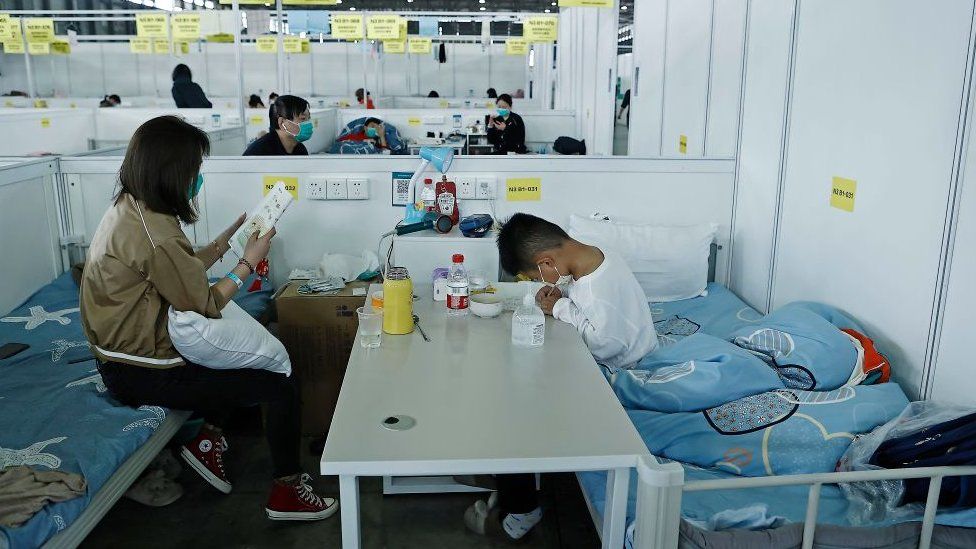
Published19 hours agoSharecloseShare pageCopy linkAbout sharingImage source, Getty ImagesThe family of a 14-year-old girl in China who died after she was put in a Covid quarantine centre are demanding justice, saying their calls for medical help were ignored.Guo Jingjing, 14, developed a fever two days after being taken to the centre in Ruzhou, Henan province last Friday.Videos of her shaking and convulsing on a bed sparked an outcry online in China which retains strict pandemic controls.Her family had shared the clips, appealing for help and accountability.Officials contacted by the BBC have yet to comment on the allegations or the cause of Guo Jingjing’s death, which remains unclear.In his video, her father Guo Lele said workers at the centre had failed to provide any treatment to Jingjing as her condition worsened.On Sunday, she had begun to “convulse, dehydrated and shaking”, he said in a video uploaded to Douyin, China’s local version of TikTok.”Health workers at the centre took no care of her, no one even inquired,” he said in the video, which was widely shared before censors took it down in some places.Mr Guo’s video – and another uploaded by Jingjing’s aunt calling for justice – have been increasingly censored in the past 48 hours.”I’m requesting the Central Committee of the Chinese Communist Party and Discipline Inspection Commission come down to investigate the Ruzhou government’s neglect… and give my daughter’s life back!” he said, in a video which shows him next to his daughter’s body.The BBC has confirmed Jingjing’s death and the circumstances surrounding it with another member of the family too.They confirmed that the ninth-grader’s condition had swiftly deteriorated on Monday afternoon and she was taken to Ruzhou No.4 Hospital that evening.However she was in a critical condition by then and could not be saved.Jingjing’s death and the circumstances surrounding it have triggered an outpouring online, with people expressing anger over her treatment and criticising President Xi Jinping’s Covid policies, which are unpopular with many people in China. “I’m so angry. Why didn’t they just give her a [medicine] pill?” one user wrote. Another said: “It’s always like this. Nothing will ever change.”Some referenced a bus crash in September, where 27 people were killed as they were being ferried to a quarantine facility.However the case has not been reported in Chinese media – which some users attributed to a “media blackout” during an important Communist Party congress this week at which Mr Xi’s tenure is expected to be extended.Zero Covid holds danger for China’s XiChina’s elderly suffer in Covid quarantine centresRuzhou city officials are yet to issue an official comment. A spokesman told the BBC on Thursday he was personally aware of the case but had no official comment from his superiors.Local Communist Party officials also declined to respond to BBC inquiries, saying: “Please wait for an official announcement.”China’s Covid rules demand that anyone who is infected, or a close contact, must be sent to a state-run quarantine centre.It’s not clear if Jingjing had Covid or if she had been placed in the quarantine site because she was a contact. The relative said Jingjing had been taken to a quarantine centre set up in a local school and placed in a separate building to her father. Hundreds of other children are being held in such centres across the region – with many separated from their families.The BBC has heard from four other families who say they’ve been separated from their children – as young as seven and eight – who are in quarantine on their own in various facilities.One mother, a Mrs Lu, told the BBC her 12-year-old son was scared and suffering after days in a centre.”My child can not stand it any more. They [authorities] are not letting them return. He’s such a small kid, he can not deal with being alone in one room for such a long time,” she told the BBC.Another parent, Mr Zhu, told the BBC he and other parents were even more alarmed after hearing about JinJin’s death.Parents have told the BBC they are extremely concerned over the conditions and the lack of proper care for minors in the facilities. Such centres have become known for their lack of staff and resources.There have also been multiple reports this year of people failing to receive proper medical help in the centres because there are few doctors assigned to such sites.More on this storyChina’s elderly suffer in Covid quarantine centres30 AprilZero Covid holds danger for China’s Xi8 July

Read more →