Bivalirudin found to be safer and more effective than heparin for treating heart attack patients undergoing percutaneous coronary intervention

Bivalirudin is a safer and more effective anticoagulant than heparin for treating patients with the most serious type of heart attacks who undergo urgent percutaneous coronary intervention (PCI), and can lower the risk of death or major bleeding by 31 percent.
These are findings from a new study led by researchers from the Icahn School of Medicine at Mount Sinai. This is the first large-scale clinical trial to compare the two anticoagulants most widely used after PCI, and shows bivalirudin given with a two- to four-hour high-dose infusion significantly reduces death, major bleeding, and thrombosis when compared with heparin.
The results were announced Sunday, November 6, in a Late Breaking Clinical Trial presentation at the American Heart Association’s Scientific Sessions (AHA 22) in Chicago, and published in The Lancet. This work could have broad implications, changing the treatment course for hundreds of thousands of patients across the world who experience a major blockage of a heart artery, a condition known as ST-segment elevation myocardial infarction or STEMI. It is the most serious kind of heart attack.
“For the first time, this study identifies the best and safest treatment course for patients undergoing stenting to treat a STEMI heart attack,” says co-Principal Investigator Gregg W. Stone, MD, Director of Academic Affairs for the Mount Sinai Health System and Professor of Medicine (Cardiology), and Population Health Science and Policy, at Icahn Mount Sinai. “Compared with heparin, bivalirudin plus a short infusion substantially improved the likelihood of surviving a STEMI and reduced the two most feared complications — major bleeding and stent thrombosis.”
In the “BRIGHT-4” trial, patients with STEMI heart attacks underwent “primary PCI” — an emergency stenting procedure to preserve heart muscle function. Patients require anticoagulant therapy during this minimally invasive procedure to successfully open the blocked heart artery and prevent future blood clots from forming and causing another heart attack.
The most common anticoagulant used during primary PCI is heparin. However, its effects can be somewhat unpredictable, leading to higher-than-desirable rates of bleeding and blood clots. Bivalirudin is a newer anticoagulant that has more predictable “blood thinning” effects. Heparin and bivalirudin have been compared in six prior large randomized trials in patients with STEMI, but in those studies, they were administered with varying regimens and background therapies. This new research evaluates the two most widely used regimens of heparin and bivalirudin, which have never been directly compared with each other in an adequately sized trial.
Dr. Stone along with Yaling Han, MD, PhD, of Shenyang Northern Hospital in Shenyang, China led a team of researchers to analyze 6,106 patients enrolled in the study across 87 sites in China between February 2019 and April 2022. All underwent primary PCI for STEMI treatment, nearly all with a procedure that used the radial artery in the wrist to target the blocked heart artery. Patients were randomized to receive the two most widely used regimens of heparin and bivalirudin, which prior studies have shown to be the safest and most effective. One group received heparin alone, administered through an IV. The other group received bivalirudin through an IV, followed by a high-dose IV infusion for two to four hours after the procedure.
Investigators followed patients for 30 days following the procedure, the timeframe in which STEMI patients are at highest risk for adverse events. The primary goal of the study was to compare the occurrence of all-cause mortality or major bleeding. Researchers found that 4.4 percent of patients treated with heparin died or had a major bleed within 30 days, compared to 3.1 percent of patients treated with bivalirudin. Overall, the bivalirudin group had a 31 percent reduction in the rate of death or major bleeding compared with patients in the heparin group — a highly statistically significant reduction.
Then researchers then looked at the specific incidence of death alone and major bleeding alone between the groups. They found that deaths were reduced from 3.9 percent in heparin-treated patients to 3.0 percent in bivalirudin-treated patients. Severe bleeding also was reduced from 0.8 percent in the heparin group to 0.2 percent in the bivalirudin group. Both of these differences were statistically significant.
They also analyzed the rate of stent thrombosis — a complication that happens when the vessel abruptly closes as the result of a blood clot that typically leads to a second heart attack or death. This was also lower in the bivalirudin group at 0.4 percent compared with 1.1 in the heparin group, again a statistically significant reduction.
“These results are dramatic,” Dr. Stone said. “The simple decision to use bivalirudin during primary PCI in patients with heart attacks, which is now generic and thus inexpensive, can save hundreds of thousands of lives per year and prevent major bleeding and stent thrombosis compared with heparin.”
The BRIGHT-4 trial was an investigator sponsored and organized trial. The trial was funded by the Chinese Society of Cardiology Foundation (CSCF2019A01) with a research grant from Jiangsu Hengrui Pharmaceuticals Co., Ltd.

Read more →

Clinical trial finds novel therapy markedly reduced lipoprotein(a) levels in people with cardiovascular disease

Researchers at Brigham and Women’s Hospital, a founding member of the Mass General Brigham healthcare system, conducted a phase 2, randomized, placebo-controlled clinical trial of olpasiran in patients with established cardiovascular disease to evaluate its safety and tolerability and to identify an optimal dose of olpasiran for reducing lipoprotein(a) levels. They found that patients who received higher doses of olpasiran had more than a 95% drop in lipoprotein(a) over 36 weeks compared to placebo.
Lipoprotein(a) is a special type of bad cholesterol that is believed to contribute to heart disease, but there are no approved pharmacological therapies to decrease its concentration in the bloodstream. Olpasiran is an investigational drug that reduces lipoprotein(a) concentration by degrading the RNA that codes for a protein that is an essential part of the molecule.
The trial included 227 patients who received one of four doses of olpasiran and 54 who received a placebo. They found that patients who received higher doses of olpasiran had more than a 95% drop in lipoprotein(a) over 36 weeks compared to placebo. The treatment was not associated with serious side effects apart from occasional injection site swelling and related mild reactions.
“These study results show that marked and sustained reduction of lipoprotein(a) is possible through RNA interference using olpasiran,” said lead author Michelle O’Donoghue, MD, MPH, Cardiovascular Division, Brigham and Women’s Hospital. “These findings set the stage for a much larger phase 3 trial to definitively evaluate if lowering lipoprotein(a) translates into better outcomes. Olpasiran is a very promising therapy for individuals with high lipoprotein(a) levels who currently don’t have any effective therapies to lower its concentration.”
Story Source:
Materials provided by Brigham and Women’s Hospital. Note: Content may be edited for style and length.

Read more →

Our brains 'time-stamp' sounds to process the words we hear

Our brains “time-stamp” the order of incoming sounds, allowing us to correctly process the words that we hear, shows a new study by a team of psychology and linguistics researchers. Its findings, which appear in the journal Nature Communications, offer new insights into the intricacies of neurological function.
“To understand speech, your brain needs to accurately interpret both the speech sounds’ identity and the order that they were uttered to correctly recognize the words being said,” explains Laura Gwilliams, the paper’s lead author, an NYU doctoral student at the time of the research and now a postdoctoral fellow at the University of California, San Francisco. “We show how the brain achieves this feat: Different sounds are responded to with different neural populations. And, each sound is time-stamped with how much time has gone by since it entered the ear. This allows the listener to know both the order and the identity of the sounds that someone is saying to correctly figure out what words the person is saying.”
While the brain’s role in processing individual sounds has been well-researched, there is much we don’t know about how we manage the fast auditory sequences that constitute speech. Additional understanding of the brain’s dynamics can potentially lead to addressing neurological afflictions that diminish our ability to understand the spoken word.
In the Nature Communications study, the scientists aimed to understand how the brain processes the identity and order of speech sounds, given that they unfold so quickly. This is significant because your brain needs to accurately interpret both the speech sounds’ identity (e.g., l-e-m-o-n) and the order that they were uttered (e.g., 1-2-3-4-5) to correctly recognize the words being said (e.g. “lemon” and not “melon”).
To do so, they recorded the brain activity of more than 20 human subjects — all native English speakers — while these subjects listened to two hours of an audiobook. Specifically, the researchers correlated the subjects’ brain activity in relation to the properties of the speech sounds that distinguish one sound from another (e.g. “m” vs “n”).
The researchers found that the brain processes speech using a buffer, thereby maintaining a running representation — i.e., time-stamping — of the past three speech sounds. The results also showed that the brain processes multiple sounds at the same time without mixing up the identity of each sound by passing information between neurons in the auditory cortex.
“We found that each speech sound initiates a cascade of neurons firing in different places in the auditory cortex,” explains Gwilliams, who will return to NYU’s Department of Psychology as an assistant professor in 2023. “This means that the information about each individual sound in the phonetic word ‘k-a-t’ gets passed between different neural populations in a predictable way, which serves to time-stamp each sound with its relative order.”
The study’s other authors were Jean-Remi King of École normale supérieure in Paris, Alec Marantz, a professor in NYU’s Department of Linguistics and NYU Abu Dhabi Institute, and David Poeppel, a professor in NYU’s Department of Psychology and managing director of the Ernst Struengmann Institute for Neuroscience in Frankfurt, Germany.
Story Source:
Materials provided by New York University. Note: Content may be edited for style and length.

Read more →

DNA barcoding reveals cancer cells' ability to evade the immune system

Some cancer cells can deploy parallel mechanisms to evade the immune system’s defences as well as resist immunotherapy treatment, according to a new study from the Garvan Institute of Medical Research.
By suppressing the action of killer T-cells and hindering the ability of the immune system to flag tumour cells for destruction, breast cancer cells are able to replicate and metastasise, the researchers found.
“We know that breast cancer typically doesn’t respond well to immunotherapy, and we wondered if there’s an intrinsic mechanism enabling breast cancer cells to escape the immune system,” says first author Ms Louise Baldwin, who is a PhD student in Associate Professor Alex Swarbrick’s lab at Garvan.
The researchers used a technique called DNA barcoding, which tags cells with a known sequence and tracks the progression of tumour cells through time.
“We showed that there are rare cancer cells capable of escaping the immune system and escaping treatment with immunotherapy,” Ms Baldwin says.
The mechanisms could be used as potential targets for therapies, to stop tumorous cells from adapting and spreading. Another future application could be in prognosis, where a high number of cells could indicate which patients might not respond to immunotherapy.

Read more →

Personalizing whole genome sequencing doubles diagnosis of rare diseases

Tailoring the analysis of whole genome sequencing to individual patients could double the diagnostic rates of rare diseases, finds a new study led by UCL researchers.
In 2018, the UK’s department of health announced an NHS Genomic Medicine Service, which allows patients with rare diseases to have their entire genetic code read in the hope of providing a much-needed diagnosis.
However, the interpretation of this data can be extremely challenging and many people with complex, rare genetic diseases still do not receive a molecular answer to the cause of their problems.
In the study, published in Nature Communications, researchers at The London Mitochondrial Centre at UCL Queen Square Institute of Neurology and UCL Great Ormond Street Institute of Child Health sought to offer such patients an improved chance of receiving a genetic diagnosis.
To do so, they tested how using a genomic medicine team of specialist doctors, bioinformaticians, and scientists could boost the capabilities of NHS diagnostic laboratories beyond the standard semi-automated analysis of data. The UCL team re-evaluated undiagnosed cases to identify clues that might help direct further, more personalised analysis. They subsequently applied additional bioinformatic approaches, using advanced computer technologies to identify genetic alterations in a patients’ DNA which may be causing disease but had been overlooked during routine testing.
The work included 102 undiagnosed patients, suspected of having a primary mitochondrial disease (a large group of incurable genetic disorders that affect children and adults, associated with a broad spectrum of medical problems, severe disabilities, and reduced lifespan), who had undergone whole genome sequencing via the NHS’s 100,000 Genomes Project.

Read more →

Race Question in Supreme Court Adoption Case Unnerves Tribes

The issue is whether a federal law that seeks to place Native American foster children in Native American homes is constitutional. The case could turn on whether the justices see tribes as racial groups or sovereign nations.The little girl who will soon be known by the nine justices of the United States Supreme Court as Y.R.J. is now 4 years old. For much of her short life she has been living with Dr. Jennifer Brackeen and Chad Brackeen, a suburban Texas couple fighting with the Navajo Nation to adopt her. Y.R.J.’s birth mother is Navajo. The Brackeens are white.On Wednesday, the Supreme Court will hear arguments in their case, which could affect not only the little girl’s adoption but those of thousands of Native American children in foster care. Depending on how broadly the justices rule, the outcome of the case, Brackeen v. Haaland, could also start the unraveling of other federal protections that have long been extended to tribes.That is because the case, which primarily pits the Brackeens and Texas against the U.S. Department of the Interior and five tribes, could turn on whether the Supreme Court finds that tribes are racial classifications rather than political ones — a prospect that the tribes find deeply threatening.“It would put at risk every treaty, every property and political right and every power that Indian nations possess today,” said Robert Miller, a professor of federal Indian law at Arizona State University, tribal court judge and enrolled citizen of the Eastern Shawnee Tribe.“All of a sudden, lands would be owned by ‘a race of Indian people,’ not a tribal government,” he said. “Your borders, your police laws, everything on the reservation would be in question. I’m not being hyperbolic. I am afraid of this case.”Specifically, the Brackeens want the Supreme Court to overturn a federal law, the Indian Child Welfare Act of 1978. The law says that when a child who is eligible for tribal membership winds up in state foster care, the child should, whenever possible, be adopted by a tribal family.Lawyers for the Brackeens argue that the law discriminates against Native American children as well as non-Native families who want to adopt them because it determines placements based on race. But tribes say they are political entities, not racial groups.Legal scholars said that, beyond resolving the Solomonic fight over the fate of a child, a decision against the tribes could, in the long term, shake their centuries-old legal status as sovereign nations with a unique relationship to the U.S. government. For 250 years, that relationship has been the foundation of treaties and regulations for tribal health and education benefits; criminal jurisdiction; and hunting, fishing, oil, mineral and gaming rights.In the short term, if the Supreme Court determines that tribal citizenship is based on race, the child welfare law, often known as the I.C.W.A., will be struck down for violating the equal protection rights of Native children and non-Native adoptive families.Matthew McGill, a lawyer for the Brackeens, said that catastrophic predictions about the ramifications of overturning the law were overblown. The law is unique in the federal Indian canon, he said, because it deals with Indian child welfare cases occurring off tribal lands. (On reservations, those cases are overseen by tribal social workers and tribal courts.)Understand the Supreme Court’s New TermCard 1 of 6A race to the right.

Read more →

Lab-grown blood given to people in world-first clinical trial

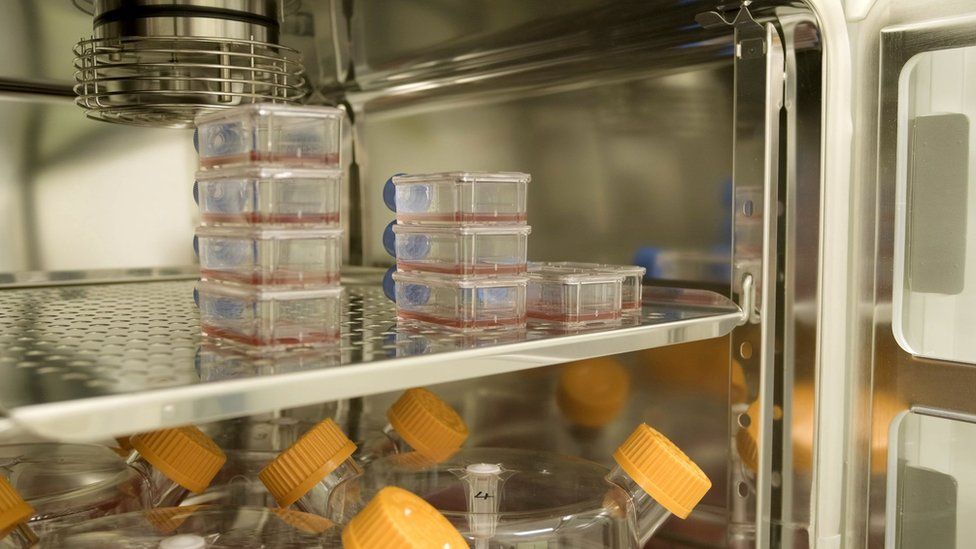
Published1 day agoSharecloseShare pageCopy linkAbout sharingImage source, NHSBTBy James GallagherHealth and science correspondentBlood that has been grown in a laboratory has been put into people in a world-first clinical trial, UK researchers say. Tiny amounts – equivalent to a couple of spoonfuls – are being tested to see how it performs inside the body. The bulk of blood transfusions will always rely on people regularly rolling up their sleeve to donate.But the ultimate goal is to manufacture vital, but ultra-rare, blood groups that are hard to get hold of.These are necessary for people who depend on regular blood transfusions for conditions such as sickle cell anaemia. If the blood is not a precise match then the body starts to reject it and the treatment fails. This level of tissue-matching goes beyond the well-known A, B, AB and O blood groups. Prof Ashley Toye, from the University of Bristol, said some groups were “really, really rare” and there “might only be 10 people in the country” able to donate. At the moment, there are only three units of the “Bombay” blood group – first identified in India – in stock across the whole of the UK. Podcast: Inside Health on rare blood groupsSickle cell: ‘The revolutionary gene-editing treatment that gave me new life’Image source, NHSBTSo how is the blood grown?The research project combines teams in Bristol, Cambridge, London and at NHS Blood and Transplant. It focuses on the red blood cells that carry oxygen from the lungs to the rest of the body. This is how it works:They start with a normal donation of a pint of blood (around 470ml)Magnetic beads are used to fish out flexible stem cells that are capable of becoming a red blood cellThese stem cells are encouraged to grow in large numbers in the labs And are then guided to become red blood cellsThe process takes about three weeks and an initial pool of around half a million stem cells results in 50 billion red blood cells. These are filtered down to get around 15 billion red blood cells that are at the right stage of development to transplant. “We want to make as much blood as possible in the future, so the vision in my head is a room full of machines producing it continually from a normal blood donation,” Prof Toye told me.Image source, NHSBTThe first two people have taken part in the trial, which aims to test the blood in at least 10 healthy volunteers. They will get two donations of 5-10mls at least four months apart – one of normal blood and one of lab-grown blood. The blood has been tagged with a radioactive substance, often used in medical procedures, so scientists can see how long it lasts in the body. It is hoped the lab-grown blood will be more potent than normal.Red blood cells normally last for around 120 days before they need to be replaced. A typical blood donation contains a mix of young and old red blood cells, whereas the lab-grown blood is all freshly made so should last the full 120 days. The researchers suspect this could allow both smaller and less frequent donations in the future.However, there are considerable financial and technological challenges.The average blood donation costs the NHS around £130. Growing blood will cost vastly more, although the team will not say how much. Another challenge is the harvested stem cells eventually exhaust themselves, which limits the amount of blood that be grown. It will take more research to produce the volumes that would be needed clinically. Discovery enables ‘mass produced blood’Dr Farrukh Shah, the medical director of transfusion at NHS Blood and Transplant, said: “This world-leading research lays the groundwork for the manufacture of red blood cells that can safely be used to transfuse people with disorders like sickle cell.”The potential for this work to benefit hard to transfuse patients is very significant.”Follow James on Twitter More on this story‘I feel reborn after pioneering gene-editing treatment’20 February

Read more →

Researchers seek to understand why vaccine responses vary from person to person

While vaccines are one of the most powerful public health tools for protecting against infectious disease, not everybody is conferred the same level of protection. Many factors determine whether an individual responding to vaccination will generate an effective response, including specific biomarkers within a person’s immune system, but until now there has been no evidence showing whether these factors were universal across a wide range of vaccines.
New findings from a meta-analysis published in Nature Immunology examine the biological mechanisms responsible for why some people’s immune systems respond differently to vaccinations, which could have global implications for the development and administration of vaccines.
As part of a series of studies for The Human Immunology Project Consortium (HIPC), a network of national research institutions studying the range of responses to different infections and vaccinations, Emory researchers analyzed the molecular characteristics of 820 healthy young adults who were immunized with 13 different vaccines to identify specific biomarkers that generate antibody response to vaccines.
The participants were separated into three endotypes, or groups with a common gene expression, based on the level of inflammatory response prior to vaccination — a high inflammatory group, a low inflammatory group, and a mid-inflammatory group. After studying the immunological changes that occurred in participants following vaccination, researchers found the group that had the highest levels of inflammation prior to vaccine had the strongest antibody response.
“We were surprised because inflammation is usually depicted as something that is bad,” says Slim Fourati, PhD, bioinformatic research associate at Emory University and first author on the paper. “These data indicate that some types of inflammation can actually foster a stronger response from a vaccine.”
Fourati, Dr. Rafick-Pierre Sekaly, professor and senior author of the paper, and the HIPC team identified specific biomarkers among this group and cellular features that characterized the pre-vaccination inflammatory signature, information that can be used to predict how well an individual will respond to a vaccine.
“With the knowledge we now have about what characteristics of the immune system enable a more robust response, vaccines can be tailored to induce this response and maximize their effectiveness,” says Fourati. “But we still have more questions to answer.”
More research is needed to determine the cause of this inflammation in otherwise healthy adults. Additionally, Fourati suggests future studies should look at how these biomarkers facilitate vaccine protection in older age groups and among populations who are immunocompromised.
Published simultaneously with three other HIPC studies by researchers at Yale’s School of Medicine, Stanford University, University of Cincinnati, Harvard Medical School, and Columbia University Medical Center, these findings can serve to improve vaccine response across all individuals. Better understanding of how various pre-vaccine immune states impact antibody responses opens the possibility of altering these states in more vulnerable individuals. For example, scientists may give patients predicted to have a weaker immune response an adjuvant with the vaccine to trigger the inflammatory genes associated with greater protection.
This work will help enable improved, more efficient clinical trials for the development of new vaccines.
The HIPC program was established in 2010, renewed in 2015 and 2021, by the NIAID Division of Allergy, Immunology, and Transplantation.
Story Source:
Materials provided by Emory Health Sciences. Note: Content may be edited for style and length.

Read more →

Big Tobacco Heralds a Healthier World While Fighting Its Arrival

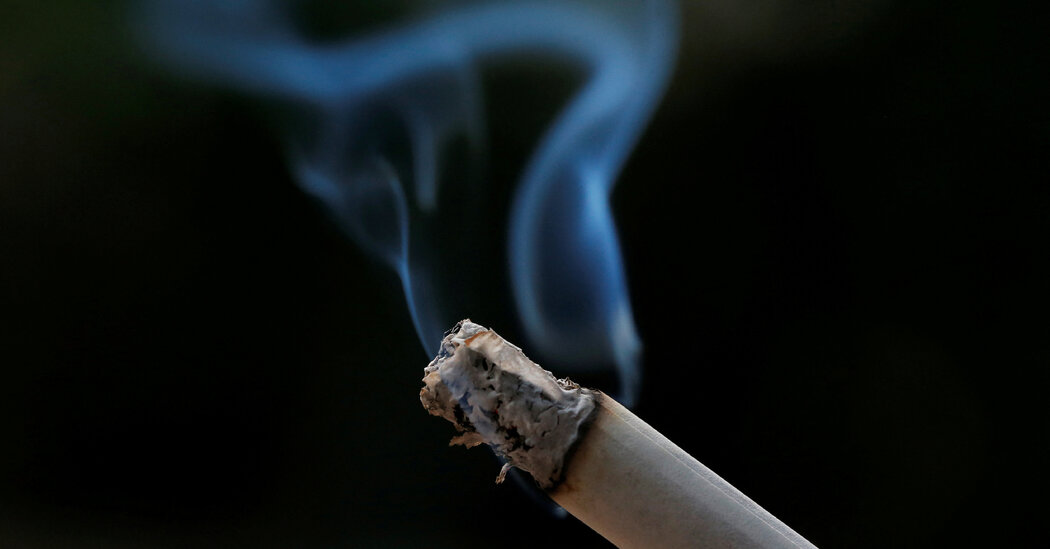
The industry continues to back smoking protections, like this November’s ballot initiative in California that would overturn a law banning tobacco flavors.For decades, public health advocates chipped away at the influence of Big Tobacco with measures aimed at discouraging cigarette use. But the bitter legal and political battles were just a prelude to the unfolding climactic clash that could determine the fate of smoking and whether these companies adapt or falter.U.S. health officials have launched the most aggressive attack by far on cigarettes: Twin government proposals would ban menthol-flavored cigarettes and would limit nicotine levels to make traditional smoking less addictive. At the same time, the government is slowly embracing vaping as an alternative by authorizing the sale of some e-cigarettes, which can provide smokers a nicotine fix without many of the carcinogens.The measures are the source of a clash expected to play out over the coming months and years in courtrooms, legislative hallways and regulatory hearings. For public health advocates, the steps are aimed at saving millions of lives and reducing the billions of dollars spent on smoking-related illnesses like cancer and heart disease.Big Tobacco has said it embraces the transition — sort of.“We have an unprecedented opportunity to move beyond smoking,” Billy Gifford, chief executive of Altria, one of the world’s biggest cigarette conglomerates and the parent company of Philip Morris USA, told Wall Street analysts and investors in late October. The opening slide of his presentation offered a company vision: “To responsibly lead the transition of adult smokers to a smoke-free future.”Major cigarette companies, like Altria and R.J. Reynolds, acknowledge that cigarettes are dangerous and addictive, and they are heralding their investments in electronic cigarettes and other less-harmful alternatives to cigarettes. But, with much less fanfare, they are taking steps to slow the very smokeless future they claim to want: The companies have submitted letters protesting the proposed menthol ban in traditional cigarettes, and they have signaled they will similarly resist any efforts to lower nicotine levels.And Big Tobacco isn’t just duking it out at the federal level, but fighting local initiatives. For example, in California, the industry has spent $22 million to support a Nov. 8 ballot proposition that would overturn a 2020 law banning the sale of flavored-tobacco products including menthol. The law has not taken effect pending the outcome of the referendum.The California Coalition for Fairness, the tobacco industry-funded group behind the campaign that succeeded in getting the referendum on the ballot, argues the flavor ban “benefits the wealthy and special interests while costing jobs and cutting funding for education and health care.”Mr. Gifford, in his late October call with investors, said of the flavor ban: We don’t believe science supports it.”In various statements, R.J. Reynolds, owned by British American Tobacco and the second-largest cigarette company in the United States after Altria, has said it also embraces less harm but continues to hew to a business model that critics say puts public health second to profits.In Reynolds’s filing against the menthol ban, it wrote that, broadly, it “fully supports F.D.A.’s goal of reducing tobacco-related disease.” But, it contended, “menthol smokers would simply switch to nonmenthol cigarettes or turn to riskier options such as illicit market cigarettes.” The company declined further comment beyond its filing.As the smoking population in the United States has fallen to 13 percent from 21 percent in 2005, far from a peak of about 45 percent of adults in 1954, and public opinion has turned against cigarettes, the legal and political might of Big Tobacco has shrunk, too. A Gallup survey conducted in July found that 74 percent of Americans favored “requiring tobacco companies to lower nicotine levels in cigarettes to make them less addictive.” About 42 percent favored banning menthol-flavored cigarettes. (Under the current proposal, menthol e-cigarettes could be sold.)But the industry still earns billions of dollars in revenues, and it hopes to use its remaining clout to stall these monumental proposals at the regulatory level and in court — or stop them altogether.“This spring and summer, I would say, we’ve seen the most significant period of proposed regulations by the F.D.A. ever. Full stop,” said Sarah Milov, an associate professor of history at the University of Virginia and author of “The Cigarette: A Political History.” “With this industry, it’s all about where they are making their money. We will see them fight the menthol and nicotine rules, and that will be another demonstration of their continued commitment to combustible cigarettes.”A broad group of allies has joined the tobacco industry in the fight against the menthol ban by. There are those with financial stakes in the outcome, like the National Association of Convenience Stores, which say they would lose billions of dollars in annual sales, and the New York City Newsstand Operators Association.The menthol ban has also drawn opposition from think tanks like the Tax Foundation, which said federal and state governments could lose a combined $6.6 billion in tax revenues the first year. The American Civil Liberties Union has also opposed the ban, saying it would disproportionately affect communities of color.Major cigarette companies, like Altria and R.J. Reynolds, submitted letters last summer protesting the proposed menthol ban in traditional cigarettes.Mario Tama/Getty ImagesIn particular, the proposed ban has divided Black leaders across the country, especially since companies heavily marketed menthol cigarettes to Black smokers, who now prefer them at a much higher rate than white smokers do. While some welcomed the proposal as a way to lower cancer and heart disease, others expressed concerns that enforcing such a ban would lead to unwarranted police interactions with Black Americans. Big Tobacco has heavily lobbied against the ban with Black political leaders and retained some to help sew doubt and fear about the ban in communities around the country.Many opponents have challenged the F.D.A.’s legal authority to regulate tobacco products in far-reaching ways. But no matter how the companies promote their position, industry critics say that their goal is to maintain the lucrative share of the cigarette market at all costs. No wonder: Sales in the U.S. totaled $65 billion in 2021 —- one-third of it from menthol — dwarfing sales of e-cigarettes.“It’s absolutely false that they want to have their smoking customers quit or shift to less harmful tobacco products,” said Eric Lindblom, a senior scholar at the O’Neill Institute for National and Global Health Law at Georgetown University and a former adviser to the F.D.A. “If they were serious about having smokers quit, they would stop opposing any efforts at the federal, state and local level to regulate and tax smoking tobacco products more sharply.”Traditional cigarettes have become more expensive, though. A study published this year in JAMA found that from 2015 to 2021, the number of packs of cigarettes sold in the United States fell to 9.1 billion a year from 12.5 billion, a 27 percent drop. To compensate, tobacco companies increased prices — rising 29.5 percent a pack during that period, to $7.22 from $5.57.Inflation plays a role, too. In the first nine months of this year, Altria reported a steep 9 percent decline in sales volumes, with executives noting that customers were changing behaviors to save money, like buying single packs of cigarettes, rather than cartons.Company share prices have also fallen. “Most investors knew new regulation was coming, but the threat seemed far into the future,” said Christopher Growe, an analyst at financial services firm Stifel Financial. “I think menthol has more immediacy, but nicotine regulation is a long, long way away.”The transformation of tobaccoOn some level, the battle over menthol and nicotine limits extends the government’s efforts to chip away at smoking, even as the industry resists at every turn. But this moment is also fundamentally different. For the first time, many public health officials have embraced a strategy of harm reduction, which is not just to curb the cigarette market but to accept and even advocate for an alternative with e-cigarettes.This strategy is not one that public health officials adopted lightly: For years, many were skeptical about legalizing e-cigarettes, worrying that the devices hooked a new generation on nicotine and lured young people into the vaping crisis.Twin government proposals involve outlawing menthol-flavored cigarettes and limiting nicotine in cigarettes. At the same time, the government is slowly embracing an alternative by legalizing the sale of some e-cigarettes.Brittainy Newman for The New York TimesWhile public health experts debated the merits of e-cigarettes, major companies argued that, absent that alternative or other products, there were no appealing options to help smokers quit.Mitch Zeller, who retired this year from his post as director of the F.D.A.’s Center for Tobacco Products, said that for all his experience with the companies, he wasn’t sure that they would accept a smokeless future. How they respond to the new proposals will be “a test of their sincerity,” he said.“It’s a day of reckoning for the industry,” Mr. Zeller said, adding of the tobacco companies. “They’ve got to make a decision.”He acknowledged that the tobacco companies were in a tough position, having widely deployed “rhetoric” supporting alternatives but, at the same time, having to answer to shareholders whose returns were still reliant on cigarette sales and profits.“They have a fiduciary duty to their shareholders,” he said. He added, however, that regulation might force the companies to adapt, no matter how hard they resisted.Still, tobacco giants are pushing back against any efforts to curb sales. The industry has persistently sued to stop the federal government from requiring larger, graphic warnings on packages about the deadly risk of cigarettes. And Big Tobacco companies have continued to ply a tactic they’ve used for years: poaching former F.D.A. employees, mostly recently with Philip Morris International hiring Matt Holman, who was the chief of the science office in the agency’s Center For Tobacco Products.The tobacco industry has been joined in the struggle against the menthol ban by broad group of allies, like the National Association of Convenience Stores and the NYC Newsstand Operators Association.Jeenah Moon/ReutersIf the F.D.A. pushes through a menthol ban, the tobacco industry will “dig in” and go to court, said Marc Scheineson, a former associate commissioner at the agency who is now a partner at the law firm Alston & Bird, which represents some smaller tobacco companies. “If there are rules that are put in place with the F.D.A. sort of ignoring valid scientific objections or criticisms, it will end up in court again.”He noted a recent win for the Cigar Association of America, which challenged the F.D.A.’s regulation of premium cigars. In that case, U.S. District Judge Amit Mehta in Washington, D.C., said the F.D.A. had acted “arbitrarily and capriciously” and ignored or overlooked evidence provided by the industry. The case is still pending.In another blow to the F.D.A., the U.S. Court of Appeals for the 11th Circuit in late August set aside marketing denial orders for six e-cigarette companies, saying the agency there, too, had been arbitrary and capricious in its decisions.Mr. Scheineson said he hoped a compromise could be reached. He asked: Could nicotine be reduced in a slow, laddered way while allowing menthol cigarettes to be sold?In the interim, all e-cigarette companies have had to apply to the F.D.A. to remain on the market, now that the agency has received expanded authority to regulate vaping devices and e-cigarettes. The F.D.A. is wading through applications for 350 products, according to a letter published in Augustby Brian King, the director for the Center for Tobacco Products. In the last two years, the agency has authorized the sale of about two dozen vaping products.And the biggest tobacco companies are vying for their piece of the budding market. Last year, the F.D.A. approved several Vuse products by Reynolds. However, the agency has not yet ruled on the sale of Vuse Alto, the company’s biggest seller to date, which accounted for 95 percent of its e-cigarette sales last year and displaced Juul as the top-selling vaping product. Vuse Alto has gained in popularity in recent years for its small, sleek design, longer battery life and the fact that it wasn’t mired in the same teenage-use controversy as Juul.Altria’s strategy had long appeared to be pinned to its relationship with Juul Labs. In 2018, Altria paid $12.8 billion for a 35 percent stake in Juul. But even before Juul lost its initial bid in June for authorization to keep selling certain products on the U.S. market, the company’s products had been severely restricted by public pressure to pull flavored e-pods off the market out of concerns for their appeal to teenagers. The F.D.A. reversed itself this summer and is granting an additional review to Juul’s application for certain tobacco and menthol products to stay on the market.By late September, Altria had taken a more than $12 billion cumulative loss on Juul, valuing the investment at $350 million. Altria said it ended its noncompete agreement with Juul, opening up the possibility it could acquire another e-cigarette company to compete in the space, some analysts predict. Meanwhile, reports emerged in October that Juul might seek bankruptcy protection.Besides Juul, Altria also has stakes in companies that make nicotine pouches, a product that is placed between the cheek and jaw.Another category of cigarette alternatives are known as “heat-not-burn tobacco sticks.” In October, Altria announced that it sold the U.S. rights to sell IQOS, a heat-not-burn tobacco stick, for $2.7 billion to Philip Morris International. To fill the void, Altria promptly announced a new joint venture with Japan Tobacco to develop a heat-not-burn stick called Ploom for the U.S. market.On Altria’s call with investors in late October, Mr. Growe, the Wall Street analyst from Stifel, asked the company’s chief executive when a new Ploom product might be available. “Do you have a reasonable time frame for launching a product in the U.S.” he asked, and then added a few sentences later: “Or am I getting ahead of myself here?”“I think you’re getting ahead of yourself a little bit,” said Mr. Gifford, Altria’s chief executive.“Maybe underlying your question is: ‘why are you taking so long,” Mr. Gifford continued. “And I think it goes back to, look, we want to be disciplined.”Mr. Gifford said that Altria absolutely wants to create an alternative to the cigarette, but not in a hasty fashion. “We need to go about it in a thoughtful manner.”

Read more →

Samuel L. Katz, a Developer of the Measles Vaccine, Dies at 94

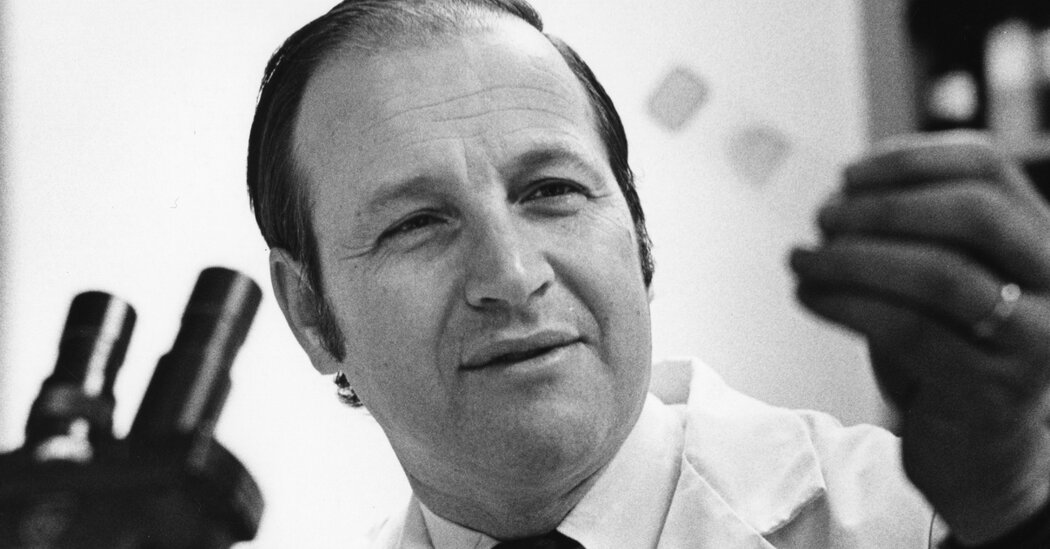
In 1956, when he began working with a small group in a Boston laboratory, measles was a major threat. Seven years later, lifesaving immunizations began.Dr. Samuel L. Katz, a virologist who was part of the research team at Harvard Medical School that developed the measles vaccine, an advance more than half a century ago that has saved countless lives, died on Monday at his home in Chapel Hill, N.C. He was 95.His son David confirmed the death.Dr. Katz later enhanced the reputation of the pediatrics department at the Duke University School of Medicine as its chairman.Dr. Katz took up the fight against measles in 1956, when he joined a laboratory at Children’s Hospital Medical Center (now Boston Children’s Hospital) run by Dr. John Enders. Two years earlier, Dr. Enders had shared the Nobel Prize in Physiology or Medicine for discovering how to grow the polio virus in cultures, a breakthrough that was critical to Jonas Salk’s development of a polio vaccine, which led to widespread successful immunizations.Dr. Enders’s lab had already isolated the measles virus from a 13-year-old boy when Dr. Katz arrived there as a research fellow. Measles was a major medical threat at the time: In the decade before the vaccine was made available in 1963, nearly every child in the United States had measles by age 15, with three to four million people infected by it every year, leading to an estimated 400 to 500 deaths annually, according to the Centers for Disease Control and Prevention.Worldwide, measles killed 2.6 million people a year before the availability of vaccines, the World Health Organization said.“I was put to work with a visitor from Yugoslavia, Milan Milovanovic, who taught me a lot of practical, at-the-bench work,” Dr. Katz told Dartmouth Medicine, an alumni magazine, in 2009. “We worked together on adapting the virus to different cell systems and to eggs and eventually to chick embryo cells” — a process that led to the weakening of the virus so it could stimulate an immune response without causing serious side effects.Dr. Katz was involved in inoculating rhesus monkeys with the virus.“And when we put the chick virus into monkeys, they didn’t develop viremia” — a virus in the blood — “they didn’t develop fever, they didn’t develop any sort of nasal congestion or conjunctivitis or rash, they were perfectly fine,” he said on the podcast “Open Forum Infectious Diseases” in 2014. “But they developed antibodies.”The chick virus was injected into students at a state school for children with neurological and central nervous system problems, a group whose use by the lab reflected a time of looser ethical standards about test subjects.“At the end of several weeks, they had antibodies to the measles virus,” Dr. Katz recalled.He became a research associate in the lab in 1958 and kept that title for the next decade, during which he was also a pediatrician at Children’s Hospital and Beth Israel Hospital in Boston and an assistant professor of pediatrics at Harvard Medical School.Dr. Katz played two other notable roles in the development of the measles vaccine. In one, he worked with pharmaceutical firms that wanted to manufacture a vaccine.“He was forever sending vials of the viruses to Merck and other companies,” I. George Miller Jr., a professor of pediatrics at the Yale School of Medicine, who joined the lab in 1961, said in a phone interview. “He was kind of the Good Humor man for vaccines.”In the other role, at the request of a British pediatrician, David Morley, Dr. Katz brought a prototype vaccine to Nigeria in 1961 to immunize children who were highly susceptible to measles because their systems had been weakened by malaria, intestinal worms, vitamin A deficiency and protein depletion.Nigerian parents were accustomed to losing their children to measles; they had a mortality rate of 5 to 15 percent if they got the virus. While there, Dr. Katz recalled on the “Open Forum” podcast, he heard people say, “You don’t count your children until the measles has passed.”He vaccinated children in a village there, and they developed immunity.The measles vaccine was licensed in 1963 and soon became widely available; eight years later, it was incorporated into the combined measles, mumps and rubella vaccine.Dr. Katz at the Duke University children’s hospital. He was chairman of the Duke medical school’s pediatrics department for 22 years and continued to teach there for seven years after stepping down as chairman in 1990. via Duke UniversitySamuel Lawrence Katz was born on May 29, 1927, in Manchester, N.H. His father, Morris, was a railroad executive; his mother, Ethel (Lawrence) Katz, was a homemaker.He entered Dartmouth College in 1944, hoping to become a journalist. His interest changed to medicine a year later, when he enlisted in the Navy and was sent to hospital training school in San Diego.He returned to Dartmouth after the war and earned a bachelor’s degree in political science in 1948. He also took the pre-med courses required to enter Dartmouth’s medical school, a two-year school then. He graduated with a bachelor’s in medical science in 1950 and from Harvard Medical School in 1952.After interning at Beth Israel, he was a resident at Children’s Hospital, a teaching affiliate of Harvard Medical School. While there, he witnessed a polio outbreak in the summer of 1955, the year the Salk vaccine became available.He worked in the hospital’s polio wards that summer, seeing the disease’s devastation firsthand. When the crisis eased, he asked for permission to work with Dr. Enders.“All the time we were working in the lab — with viruses, with cell cultures, with blood specimens, with potential vaccines,” Dr. Katz said on the podcast, Dr. Enders “would give these materials to anyone that visited the lab who was a legitimate investigator.”Dr. Katz left Harvard for the Duke University School of Medicine in 1968. As chairman of its pediatrics department for 22 years, he helped raise its national standing.“He had such a command of virology and clinical practice and was engaging in a very positive way,” Dr. Mary Klotman, dean of the Duke medical school, said in a phone interview. “He was a role model for the integration of science, clinical care and mentoring the next generation of clinicians.”Dr. Katz stepped down from running the Duke pediatrics department in 1990 to work with his second wife, Dr. Catherine Wilfert, an H.I.V./AIDS researcher and activist and professor of pediatrics at the Duke medical school. She was the principal investigator in a pediatric AIDS clinical trial, beginning in 1987, that showed the efficacy of using the drug AZT to reduce the incidence of mother-to-child transmission of H.I.V. by over 60 percent.Dr. Wilfert left Duke in 1996 and became scientific director of the Elizabeth Glazer Pediatric AIDS Foundation. Dr. Katz continued to teach at Duke until retiring in 1997.In addition to his son David, he is survived by two other sons, John and William; five daughters, Deborah Miora, Susan Calderon, Penelope Katz Fischer, Rachel Wilfert and Katie Regen; and 17 grandchildren. His marriage to Betsy Cohan ended in divorce. His marriage to Dr. Wilfert ended with her death in 2020. His son Samuel Jr. died in 1980.Dr. Katz became a renowned advocate for vaccines. He was chairman of the C.D.C.’s advisory committee on immunization practices from 1985 to 1993 and the recipient of the 2003 Albert B. Sabin Gold Medal, which is given to public health leaders who save lives through vaccines. The medal is named for the doctor who developed the oral polio vaccine.“He was someone you could count on for intellectual rigor, who never panicked and wanted to do what was best in the field,” Peter Hotez, dean of the National School of Tropical Medicine at the Baylor College of Medicine, said in an interview. He added, “I’m sure he would have conniptions over the anti-vaccine activism causing people to refuse the Covid vaccine.”

Read more →