Study shows how to boost early intervention for climate-related health risks

Being able to predict where and when extreme weather and other environmental impacts of climate change will increase the risk of infectious disease outbreaks can help public health officials respond earlier and more effectively to control the spread and reduce its toll.
In fact, early warning systems designed to do just this have been developed in recent years to help control outbreaks of malaria, dengue fever and other diseases in parts of the Tropics. But their implementation has been undercut by funding uncertainties, overburdened local health systems, insufficient training for local health technicians, and a lack of buy-in from decision makers in government.
An analysis by an international team of researchers from 15 institutions evaluates these barriers to implementation and proposes new ways forward. The team published its recommendations Nov. 9 in The Lancet Planetary Health.
One key, the researchers say, is early engagement with crucial decision makers.
“We looked at five case studies and most of the barriers we identified likely could have been resolved by getting policymakers and community leaders on board right from the start,” said William Pan, the Elizabeth Brooks Reid and Whitelaw Reid Associate Professor of Population Studies at Duke University, who was co-lead author of the analysis.
In the case studies, scientists often placed a higher initial priority on getting their monitoring systems, disease-control protocols and local partners in place before turning their attention to briefing national or regional policymakers about it. In hindsight, the problem with this approach, Pan said, is that the local partners who were supposed to take over running the system once it was set up were not necessarily the government decision makers with the authority to commit ongoing financial or political support for it.

Read more →

Gene plays important role in embryonic development

An international study led by the medical Faculty of the University of Bonn has identified a gene that plays an important role in the development of the human embryo. If it is altered, malformations of various organ systems can result. The gene emerged very early in evolution. It also exists in zebrafish, for example, and performs a similar function there. The results have now been published in the Journal of Medical Genetics.
The researchers tracked down the gene when they studied two individuals with congenital malformations. “It was a man and his niece,” explains Dr. Gabriel Dworschak. “Both had malformed kidneys, urinary tract and esophagus, and the man also had a malformed right arm and heart.”
The physician at the University Children’s Hospital in Bonn conducts research on rare genetic diseases at the Institutes of Anatomy and Human Genetics. When the team looked at the genetic makeup of the family members, they came across an anomaly: A gene called SHROOM4 was altered in affected individuals compared to healthy individuals.
SHROOM4 was already familiar from another context: It was known to play a key role in brain function. Mutations can result in intellectual impairment, epileptic seizures and behavioral abnormalities. “Our findings indicated though, that it may play a broader role in embryonic organ development,” Dworschak explains.
The team from Bonn searched internationally for other cases in which abnormalities in the SHROOM4 gene had also been found — and succeeded: “Together with our cooperation partners, this led us to four more affected individuals from three families,” says Prof. Dr. Heiko Reutter, who has since moved from the University Hospital Bonn to the University of Erlangen-Nuremberg. “All of them had the SHROOM4 gene altered, but not always in the same way.”
Zebrafish also needs SHROOM4
However, this did not necessarily clarify whether SHROOM4 variants were actually responsible for the malformations. But there is an animal that has a very similar gene: the zebrafish. It serves as a model organism in many genetic studies today — and not only because it is easy to keep in a species-appropriate manner and to reproduce quickly: The skin of its larvae is almost transparent. This makes it easy to observe the animals’ embryonic development under the light microscope. “Here at the University Hospital, we have the advantage that the research group led by Prof. Dr. Benjamin Odermatt from the Institute of Neuroanatomy works a lot with zebrafish,” stresses Dr. Caroline Kolvenbach, who was also involved in the study of SHROOM4. “This expertise came in handy in our study.”

Read more →

Traffic congestion may contribute to lower birthweight

Copious data underline the adverse health effects of vehicle-related air pollution, but there is limited research on how bottleneck traffic, in particular — rather than overall traffic volume — can lead to negative health outcomes.
Now, a new study led by a Boston University School of Public Health (BUSPH) researcher has found that traffic congestion may be linked to lower birthweights.
Published in the journal Science Advances, the study found consistent associations between traffic delays and a nine-gram reduction in birthweight among infants born to parents who reside in areas with heavy traffic, such as highways or freeways. More than 11 million people live within 150 meters of highways, and the study results showed that up to 1.3 million pregnant people, representing 27 percent of US births, may be exposed to high levels of traffic congestion annually.
“For years, we’ve had detailed models to predict air pollution, but these models largely omit traffic congestion — because it could not be measured at a large scale,” says study lead and corresponding author Dr. Mary Willis, assistant professor of epidemiology at BUSPH. “If there are 10,000 vehicles on a road doing stop-and-go traffic, the air pollution concentrations, and likely composition, is very different compared to 10,000 vehicles at free-flow speeds. Our results show that there are likely health impacts specific to congestion, which are not included in most environmental risk assessments or cost-benefit analyses — and we think that those should start to be included in the conversation.”
Traffic delays have risen steadily across the country since 1982, and the researchers chose to examine potential links to low birthweight because it can lead to immediate and long-term consequences, such as difficulty breathing, cardiovascular disease, cognitive impairment, and premature mortality.
This study is the first to examine the impact of congestion on birth outcomes, in part due to challenges measuring traffic delays in large geographic areas. Willis and colleagues utilized almost 580,000 birth certificates in Texas and measured congestion levels through data from connected vehicles and devices that reflect actual driving volumes and speed. After controlling for background air pollution levels, transportation noise, and other environmental co-exposures, the results also indicated that mothers who lived closer to highways and freeways experienced slightly larger impacts from traffic jams, with 260,000 pregnancies occurring in the highest-congestion areas.
While a nine-gram reduction in weight is a relatively small decrease, the researchers say this finding lends important implications for population and environmental health.
“A nine-gram decrease alone isn’t a clinically significant result on its own, but this result indicates that some sort of biological impacts may be happening, which will push some babies into a clinically relevant adverse impact of low birth weight,” Willis says. “When you multiply that by 27 percent of all births being in high-congestion areas, that small decrease in birthweight does translate into a substantial potential impact at the population level.”
This data can also inform congestion-related policies and programs, which occur at the local level, unlike tailpipe emissions, which are primarily regulated at the federal level. The researchers note that stop-and-go traffic further increases air pollution through the extra wear on the brakes and tires, so reducing emissions from gas-powered cars won’t fully eliminate the hazards of congestion.
“Existing work shows that small changes to the local environment can reduce air pollution concentrations in nearby areas,” Willis says. “It can be as simple as putting up sound barriers or vegetation barriers; or using zoning approaches, and saying you can’t build a school or a daycare within a specific distance of a highway. More complex solutions may include traffic control measures such as electronic tolling or congestion pricing.”
In future work, the team plans to study the socioeconomic and racial disparities in exposures to traffic congestion, particularly how disparities may have changed over time from urbanization and gentrification in metropolitan areas.

Read more →

Unraveling the biology behind aggressive pediatric brain tumor reveals potential new treatment avenue

Researchers at the University of Michigan Rogel Cancer Center have identified a novel treatment approach to an aggressive type of pediatric brain cancer, using therapies already approved to treat cancer.
“Our findings have immediate translational potential, which is very exciting,” said senior study author Maria Castro, Ph.D., R. C. Schneider Collegiate Professor of Neurosurgery and professor of cell and developmental biology at Michigan Medicine.
The team developed a mouse model of pediatric glioma with a histone mutation called H3.3-G34. The mutation is seen in about half of children with brain cancer. The mouse model allowed researchers to study the tumor’s biology in the presence of a functional immune system, revealing a promising outlook for long-term survival.
Tumors with the H3.3 mutation have a defect in how they repair DNA. This means the tumors are more responsive to radiation therapy, a treatment that works by damaging DNA. Combined with surgery, radiation has been the standard therapy for pediatric high-grade glioma.
The finding also suggested synergizing the effect by pairing radiation with a small-molecule inhibitor that even further impairs the DNA damage response. They tested this in both human cell cultures and mice using pamiparib, a PARP inhibitor that has been shown to cross the blood-brain barrier.
“If we combine small molecules that inhibit the repair of DNA with radiotherapy, the radiation becomes much more effective. We saw this approach not only improved median survival of mice, but also gave us long term survivors,” said Santiago Haase, Ph.D., a postdoctoral fellow in the Castro-Lowenstein lab. Haase is first author on the paper, published in the Journal of Clinical Investigation.

Read more →

How you're born alters vaccines' power

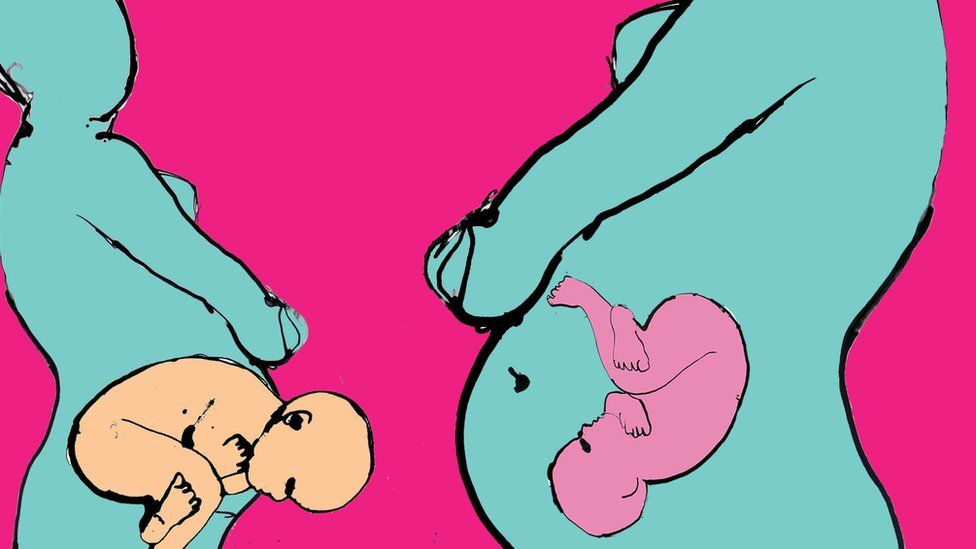
Published39 minutes agoSharecloseShare pageCopy linkAbout sharingBy James GallagherHealth and science correspondentHow we are born – by Caesarean-section or vaginal delivery – alters how our immune system responds to vaccines, a Scottish and Dutch study suggests. Babies born vaginally had double the level of protective antibodies produced after childhood vaccines.The researchers said the difference was caused by the types of good bacteria, which colonise our bodies at birth.And while C-section babies do get protection, it may need topping up with probiotics or extra vaccines. Our birth is the moment we emerge from the sterile world of the womb to one teeming with microscopic life. Microbes – including bacteria, fungi, viruses and archaea – make our bodies home and eventually outnumber our “human” cells. This hidden half of ourselves is known as the microbiome and one of its roles is training our immune system early in life. Listen to: The Second Genome Podcast exploring our hidden microbial selves on BBC SoundsDoes vaginal seeding boost health?More than half your body is not humanWhy a faecal transplant could save your lifeIf you are born through your mother’s birth canal then the first microbes you encounter are the ones that live in her vagina. A C-section sets you on a different path, as those early colonisers of your body are bugs living on people’s skin or in the hospital or home. The researchers at the University of Edinburgh as well as Spaarne Hospital and Utrecht University Medical Centre in the Netherlands wanted to know what impact this had on vaccines. They tracked the gut microbiomes of 120 babies from their first dark green sticky poo (the meconium) until they were a year old. The results published in the journal Nature Communications showed higher levels of Bifidobacterium and Escherichia coli species (only a few strains of E. coli are dangerous) in the children born vaginally. They said these beneficial bacteria were leading to around double the levels of antibodies in response to the pneumococcal and meningococcal vaccines. Other vaccines including flu and BCG for tuberculosis have already been shown to be influenced by the microbiome.”The initial communication between the immune system and microbes is important,” Prof Debby Bogaert, the chair of paediatric medicine at the University of Edinburgh, told me.She said gut bacteria released chemicals – called short chain fatty acids – that told the immune system it was time to switch on. Without them “you see less B-cell development” which are the cells that produce antibodies. All the babies were healthy and had reached full term so the findings are not affected by other diseases or premature birth. Notably all children did make antibodies after vaccination, so C-section babies are not unprotected. However, the researchers said the findings were particularly important for those with genetic disorders or who are born premature, as their immune systems are already not fully developed. What can be done about it?There is often a medical need for C-sections to protect the health of mother or baby. There has been a recent trend for “vaginal seeding” in which C-section babies are smeared with vaginal fluids from the mother. And a recent study even performed a faecal transplant – or trans-poo-tion- which gives the mother’s gut bacteria to the child. Both aim to replace the missing microbes. However, Prof Bogaert told me: “Theoretically it might be ideal to give missing microbes back to the child born by C-section, but in practice that is quite complicated and you have to make sure it is not dangerous.”The scientific trials screened the faecal matter for any dangerous infections, which is less practical if it has to be done for every C-section baby.Prof Bogaert thinks giving a precise cocktail of beneficial bacteria – a probiotics – to C-section babies would be a “safer route”. Alternatively C-section babies could be given an extra dose of vaccine. Prof Neil Mabbott, an expert in immunology at The Roslin Institute, also University of Edinburgh, said it was uncertain that microbe levels in the body were directly responsible for increased antibody responses.But he added: “This study raises the possibility that it may be possible to treat infants, especially caesarean-delivered infants, with a bacterial supplement or even a product produced by these beneficial bacteria to help improve their immune systems, enhance their responses to certain vaccines and reduce their susceptibility to infections.”Dr George Savva, a statistician at the Quadram Institute Bioscience, said: “This paper is important in beginning to understand the factors that contribute to vaccine response in infants and the role of the microbiome.”But he said it was a relatively small study, and that further research would be needed before it was safe to draw firm conclusions.Follow James on Twitter

Read more →

Baby's vaccine responses linked to birth delivery method, study finds

The method by which a baby was delivered is associated with how its immune system will respond to two key childhood vaccines, research suggests.
Babies born naturally were found to have higher antibody levels, compared with those born via Caesarian section after receiving their jabs that protect against bacteria that cause lung infections and meningitis.
Experts say the findings could help to inform conversations about C-sections between expectant mothers and their doctors, and shape the design of more tailored vaccination programmes.
Researchers studied the relationship between gut microbes and antibody levels after vaccination in a cohort of 120 babies, who were vaccinated at 8 and 12 weeks against lung infections and meningitis.
The researchers tracked the development of the gut microbiome — the community of microbes that lives in our body — in the child’s first year of life and their immune response to the vaccines by testing saliva samples at 12 and 18 months.
Research was carried out by a team from the University of Edinburgh, Spaarne Hospital and University Medical Centre in Utrecht and the National Institute for Public Health and the Environment in The Netherlands.

Read more →

The hunt for disrupted brain signals behind autism

Part of understanding the underlying causes of autism spectrum disorder relies on figuring out which cells’ signaling patterns in the brain are disrupted, and when during nervous system development the disruption occurs.
New research findings in mouse models of one genetic risk for autism support the idea that loss of a specific gene interferes with cells in the brain whose role is to inhibit signaling. Though there are fewer of these cells than other neurons and their signals don’t travel very far, they have enormous influence on patterns of information transmission within the brain and to the rest of the body.
Ohio State University researchers found that deleting a copy of the autism-risk gene Arid1b from specific brain cells decreased the number of inhibitory cells and lowered signaling between inhibitory cells and the excitatory cells they help control. Previous research has suggested reduced inhibitory signals in mouse models of the disorder result in a range of autism-related behaviors.
In separate experiments, the scientists found that signaling changes linked to inhibitory cells can be seen in the same genetic mouse models of autism spectrum disorder (ASD) very shortly after birth, but the disruption might not be strong enough to interfere with normal brain development powered by a host of other genes.
Studying disease risk genes’ effects on brain circuitry is intended to pave the way to possible therapies, but this pursuit also offers insights into how normal circuits function because “in many cases, that’s still a mystery,” said senior author Jason Wester, assistant professor of neuroscience in Ohio State’s College of Medicine.
“The circuits are the level of analysis that are crucial for understanding brain function — that’s a key to understanding not just what goes awry in neurodevelopmental disorders, but also to understanding how normal circuits work,” Wester said. “We’re asking what neurodevelopmental disorders can tell us about how normal circuits work — and what that tells us about how we go about trying to fix disrupted circuits.”
The research posters were presented today (Monday, Nov. 14, 2022) at Neuroscience 2022, the annual meeting of the Society for Neuroscience.

Read more →

Increased need for mental health care strains capacity

Demand for mental health treatment has continued to increase as many psychologists report no longer having the capacity to see new patients, according to a new survey by the American Psychological Association.
The 2022 COVID-19 Practitioner Impact Survey found that demand for anxiety and depression treatment remained high for the third consecutive year while demand for treatment for trauma- and stressor-related disorders and substance-use disorders has grown. Six in 10 practitioners reported that they no longer have openings for new patients, nearly half (46%) said they have been unable to meet the demand for treatment and nearly three-quarters (72%) have longer waitlists than before the pandemic. On average, psychologists reported being contacted by more than 15 potential new patients seeking care a week.
Nearly eight in 10 psychologists (79%) said that they had seen an increase in the number of patients with anxiety disorders since the beginning of the pandemic, and 66% saw an increase in demand for treatment for depression. Nearly half (47%) said they had seen an increase in demand for substance use treatment (up from 43% last year) and 64% saw an increase in demand for trauma treatment, (compared with 62% in 2021). Additionally, two-thirds of psychologists reported seeing an increase in the severity of symptoms among patients in 2022.
“The national mental health crisis continues,” said APA CEO Arthur C. Evans Jr., PhD. “If you are struggling, know that you are not alone. Psychological science shows that social support is key to developing resilience, so if you are having difficulty accessing care in a timely way, reach out to others to find support and identify ways to cope.”
The survey also found increasing demand for mental health services from young people and health care workers in particular. Across age groups, the largest increase in patients was from adolescents ages 13-17, with 46% of psychologists reporting increases over the prior 12 months. Large percentages of psychologists also reported increases in patients ages 18-25 (40%) and children under 13 (38%) over the same period. Nearly half of psychologists (46%) reported an increase in health care workers seeking treatment since the beginning of the pandemic.
“Having timely access to psychological services is critical for addressing the needs of those diagnosed with behavioral health challenges,” said Evans. “But we need to tackle this problem with a variety of solutions, beyond individual therapy. We need to support and expand the workforce, promote integrated behavioral health into primary care, improve mental health literacy, use technology and innovation to expand reach and improve efficiency. But critically, we must expand our paradigm for addressing behavioral health — especially if we are to successfully address health disparities — by using more public health strategies to reach people earlier and in the places where they live, work, play and worship.”
As the pandemic wanes and in-person interaction is becoming more common, 11% of psychologists now see all patients in person, up from 4% in 2021. Yet telehealth remains an important option — more than half of psychologists (58%) now see some patients remotely and some in person, and 31% said they are seeing all patients via telehealth (down from 47% in 2021).
Telehealth services can expand access to patients who might otherwise not be able to access treatment, particularly patients from underserved communities, such as those living in rural areas and communities of color. APA continues to advocate for expanded coverage of telehealth by insurance companies, including audio-only coverage and for reimbursement at the same rate as face-to-face therapy.
Faced with continued demand for mental health treatment, more than four in 10 (45%) psychologists said they felt burned out. However, most psychologists said they have sought peer consultation or support to manage burnout (60%), that they were able to practice self-care (77%), and that they have been able to maintain a positive work-life balance (63%).
METHODOLOGY
The American Psychological Association’s 2022 COVID-19 Practitioner Impact Survey looked at how psychologists’ practice has evolved since the pandemic. This survey was distributed to approximately 62,900 doctoral-level, active licensed psychologists in the United States from Sept. 20 to Oct. 7, 2022. A total of 2,295 psychologists responded. This is APA’s third annual practitioner survey.

Read more →

How hormonal birth control may affect the adolescent brain

Reproductive health experts consider hormonal contraceptives good choices for adolescents because they’re safe and highly effective at preventing pregnancy, but one aspect of their effect on the teenage body remains a mystery — whether and how they modify the developing brain.
New research in young rats links the synthetic hormones found in birth control pills, patches and injections with disordered signal transmission between cells in the prefrontal cortex, an area of the brain that continues to develop throughout adolescence. Compared to control rats, the animals receiving hormonal contraceptives also produced higher levels of the stress hormone corticosterone, which is similar to cortisol in humans.
The Ohio State University scientists launched this line of study in the prefrontal cortex, a region where mood is regulated, because some previous research has associated early adolescent use of hormonal contraceptives with risk for depression in adulthood. But what’s most important, the researchers said, is learning how birth control affects the developing brain so individuals can weigh the risks and benefits of their reproductive health choices.
“Birth control has had a major positive impact for women’s health and autonomy — so it’s not that we’re suggesting adolescents should not take hormonal contraceptives,” said senior study author Benedetta Leuner, associate professor of psychology at Ohio State.
“What we need is to be informed about what synthetic hormones are doing in the brain so we can make informed decisions — and if there are any risks, then that’s something that needs to be monitored. Then if you decide to use hormonal birth control, you would pay more attention to warning signs if you knew of any possible mood-related side effects.”
The research poster was presented today (Tuesday, Nov. 15, 2022) at Neuroscience 2022, the annual meeting of the Society for Neuroscience.

Read more →