'Solar powered' cells: Light-activated proton pumps generate cellular energy, extend life

New research in the journal Nature Aging takes a page from the field of renewable energy and shows that genetically engineered mitochondria can convert light energy into chemical energy that cells can use, ultimately extending the life of the roundworm C. elegans. While the prospect of sunlight-charged cells in humans is more science fiction than science, the findings shed light on important mechanisms in the aging process.
“We know that mitochondrial dysfunction is a consequence of aging,” said Andrew Wojtovich, Ph.D., associate professor of Anesthesiology and Perioperative Medicine and Pharmacology & Physiology at the University of Rochester Medical Center and senior author of the study. “This study found that simply boosting metabolism using light-powered mitochondria gave laboratory worms longer, healthier lives. These findings and new research tools will enable us to further study mitochondria and identify new ways to treat age-related diseases and age healthier.”
Mitochondria are organelles found in most cells in the body. Often referred to as cellular power plants, mitochondria use glucose to produce adenosine triphosphate (ATP), the compound that provides energy for key functions in the cell, such as muscle contraction and the electrical impulses that help nerve cells communicate with each other.
Production of ATP is the result of a number of reactions made possible by the exchange of protons across a membrane that separates different compartments in mitochondria, ultimately forming a process called membrane potential. It has been shown that membrane potential declines with age, potentially playing a role in a number of age-related diseases, such as neurodegenerative disorders.
The new research involved C. elegans, a microscopic roundworm that — like the fruit fly Drosophila — has long been a research tool used by scientists to understand basic biological principles that, in many cases, apply throughout the animal kingdom.
To carry out the experiments, a team of researchers from the U.S. and Germany adapted an existing research tool that allowed them to manipulate activity in mitochondria. The technique, called optogenetics, has been traditionally used to target and activate specific neurons, thus enabling researchers to more precisely study patterns of brain activity.
The researchers genetically engineered C. elegans mitochondria to include a light-activated proton pump obtained from a fungus, an achievement the team first described in a 2020 paper in the journal EMBO Reports. In the new study, when exposed to light, the proton pumps would move charged ions across the membrane, using the energy from the light to charge the mitochondria. This process, which the researchers dubbed mitochondria-ON (mtON), increased membrane potential and ATP production, and resulted in a 30-40 percent increase in lifespan of the roundworms.
Brandon Berry, Ph.D., who received his doctoral degree in physiology from the University of Rochester and is now a post-doctoral scholar at the University of Washington, is first author of both studies. “Mitochondria are similar to industrial power plants in that they combust a source of carbon, primarily glucose, to produce useful energy for the cell,” said Berry. “What we have done is essentially hooked up a solar panel to the existing power plant infrastructure. In this instance, the solar panel is the optogenetic tool mtON. The normal mitochondrial machinery is then able to harness the light energy to provide the ATP in addition to the normal combustion pathway.”
The study is important because it provides researchers with more insight into the complex biological roles that mitochondria play in the human body, a topic that the scientific community is only now beginning to understand. The study also creates a new method to manipulate and study mitochondria in the environment of a living cell. This could serve as an important platform to study mitochondria and identify ways to intervene and support function.
“We need to understand more about how mitochondria truly behave in an animal,” said Berry. “First in worms, like the current study, but then in human cells in culture and in rodents. That way future research will be well informed to target the most likely players in human disease and aging.”
The research was funded with support from the National Institutes of Health and a Longevity Impetus Grant.
Story Source:
Materials provided by University of Rochester Medical Center. Original written by Mark Michaud. Note: Content may be edited for style and length.
Read more →

How Bad Is China’s Covid Outbreak? It’s a Scientific Guessing Game.

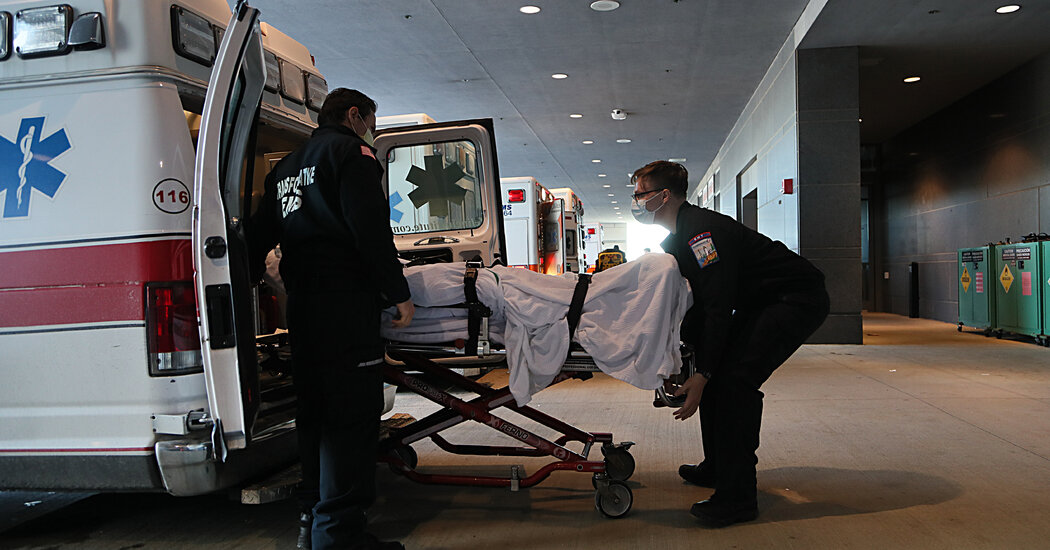
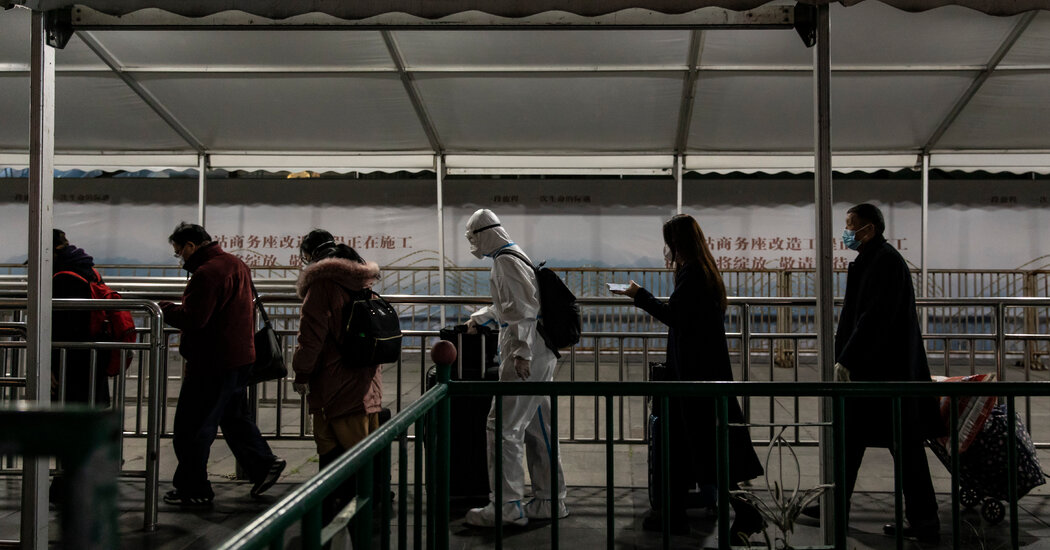
In the absence of credible information from the Chinese government, researchers around the world are looking for any clues to determine the size and severity of the surge.As Covid barrels through China, scientists around the world are searching for clues about an outbreak with sprawling consequences — for the health of hundreds of millions of Chinese people, the global economy and the future of the pandemic.But in the absence of credible information from the Chinese government, it is a big scientific guessing game to determine the size and severity of the surge in the world’s most populous country.In Hong Kong, one team of researchers pored over passenger data from five Beijing subway lines to determine the potential spread. In Seattle, a group of modelers tried in vain to reverse-engineer an unverified government leak detailing case numbers from Chinese health officials. In Britain, scientists are coming up with their own efficacy estimates of Chinese vaccines.Any personal anecdote or social media report from China — scarce medicines, overrun hospitals, overflowing crematories — is possible fodder for researchers’ models.They are all attempting to understand the same things: How quickly is the virus spreading in the country? How many people are dying? Could China be the source of a new and dangerous variant?Covid-19 patients in the lobby of the Chongqing No. 5 People’s Hospital in the southwestern city of Chongqing in December.Noel Celis/Agence France-Presse — Getty ImagesAs scientists sift through varied sources of shaky information, they are bracing for potentially catastrophic outcomes. Barring new precautionary steps, some worst-case estimates suggest that Covid could kill as many people in China in the next four months as it has Americans during the entire three-year pandemic.Without satisfying answers, some countries are putting limits on Chinese travelers, albeit based in part on unfounded fears or political motivations. The United States, Italy and Japan have said they will require a negative Covid test for those coming from China, citing concerns that the surge in cases in China could produce new, more threatening variants.While researchers and virologists said the new measures would most likely do little, if anything, to blunt the spread, the policies reflect the limited visibility into the outbreak. Scientists’ models generally point to an explosive spread and a high death rate, given how many people in China have little to no immunity to Omicron subvariants. But even their estimates are all over the place.In the bleakest of several scenarios of what the end of China’s “zero Covid” policy might mean, nearly a million people could die during the early months of reopening, Hong Kong researchers reported this month in a study partly funded by the Chinese Center for Disease Control and Prevention, though the study does not provide an exact time period.Understand the Situation in ChinaThe Communist Party cast aside restrictive “zero Covid” policy, which set off mass protests that were a rare challenge to the Communist leadership.Medicine Shortages: As Covid rips through parts of China, millions are struggling to find treatment — from the most basic cold remedies to take at home to more powerful antivirals for patients in hospitals.Traumatized and Deflated: Gripped with grief and anxiety, many in China want a national reckoning over the hard-line Covid policy. Holding the government accountable may be a quixotic quest.A Cloudy Picture: Despite Beijing’s assurances that the situation is under control, data on infections has become more opaque amid loosened pandemic constraints.In Beijing: As Covid sweeps across the Chinese capital, Beijing looks like a city in the throes of a lockdown — this time, self-imposed by residents.An American group estimated as many as half a million deaths by April and another million by the end of 2023 if China rejects social-distancing mandates. Airfinity, a British-based analytics company, this week offered an even more dire short-term forecast: 1.7 million Covid deaths by the end of April.Until this month, the world seemed to have a reasonably clear understanding of what was happening with the virus in China. The ruling Communist Party proudly published low daily case numbers and deaths as a testament to its stringent “zero Covid” policy. A countrywide system of lockdowns, quarantines and mass testing largely kept the virus at bay.Airline personnel checking passengers upon arrival at the Xiamen Gaoqi International Airport in December.Mark R Cristino/EPA, via ShutterstockBut in early December, the government abruptly abandoned “zero Covid,” leaving the scientific community largely in the dark.“Nobody, nobody has a clue,” said Siddharth Sridhar, a clinical virologist with a focus on emerging infectious diseases.Predicting the path of the pandemic has always been difficult. Even in places like Britain with reliable data, forecasts have often been far off the mark. But scientists have generally used reported Covid deaths as a dependable barometer to determine the potential size of an outbreak.The data coming from the Chinese government can’t be trusted anymore. Officially, China has claimed just 12 deaths from Covid since Dec. 1. The country has said it will only count those who die from respiratory failure directly linked to an infection, leaving out vast numbers who died because Covid aggravated underlying diseases or caused heart or liver failure.Experts say the sheer speed of the spread would suggest a much higher number of deaths. One city last week reported half a million cases in one day. Another reported a million.There are also indications that officials are pressuring doctors and crematories to avoid categorizing even respiratory deaths as virus related.A man lifting an empty coffin into a van near a funeral home two hours from Beijing, where funeral homes were filling up.Associated PressOne doctor at a private hospital in Beijing said he and his colleagues found a typed note on a hospital desk in recent days urging them to “try not to write respiratory failure caused by Covid” as the primary cause of death. The note was shared with The New York Times.The doctor said it was not clear if the message was generated internally or sent from government officials. But similar warnings have been circulating on Chinese social media telling doctors not to “carelessly write Covid” on death certificates.Several modelers have even been skeptical of leaked information from government officials on case counts, which have been used to assess the scale of China’s outbreak. One recent estimate, making the rounds in news reports and on Chinese social media, cited data from national health officials that 250 million people had been infected in the first 20 days of December.Some scientists said that such massive figures indicated either that China had been suppressing data for months or that it was trying to make it seem like the outbreak had peaked.“Either they know something we don’t,” said Dr. Christopher Murray, the director of the Institute for Health Metrics and Evaluation at the University of Washington, “or they’re trying to say the worst is already over.”“I suspect it’s now the latter,” he said, referring to the idea that China was trying to make it look like the worst had passed. It seems unlikely that China would have been able to fake the numbers for months without raising suspicions, he said.Covid-19 patients at Tianjin Nankai Hospital on Wednesday. Cities across China have struggled with surging infections, a shortage of pharmaceuticals and overflowing hospital wards and crematories.Noel Celis/Agence France-Presse — Getty ImagesThe about-face on China’s messaging is also complicating scientists’ assessments. Just a month ago, China’s state-controlled media was warning about the dangers of the virus. Now, it is saying the current Omicron variant is mild and the outbreak is manageable.Scientists and public health experts, though, are worried that Omicron has looked less severe in other places in large part because those populations had huge stores of immunity, including from past infections — a set of circumstances that does not hold in China. If China tries to soldier through its outbreak, without reimposing public health measures or ramping up vaccinations, scientists are concerned that many more may needlessly die.The Hong Kong researchers, for example, found that administering more fourth vaccine doses and antiviral medications and using social-distancing measures could save at least 250,000 lives during China’s reopening. Dr. Murray’s team, too, found that social-distancing mandates could help spare hospitals from a concentrated surge of patients, reducing the death toll by 200,000 by April and by even more when combined with greater masking and antiviral use.How the Chinese public perceives the threat of the outbreak will also be important for its trajectory. Even if people decide to start taking more precautions for only a short period, scientists said, it could mean the difference between hospitals being able to treat their sickest patients or being completely overwhelmed.The vaccination rate in the country is another major variable. While 90 percent of the population has received two shots, the booster rate is much lower for older Chinese people. The World Health Organization has said three shots are crucial with Chinese vaccines that use inactivated virus.Extra protection from additional doses should arrive in less than two weeks for people with previous shots, said James Trauer, an expert on modeling infectious diseases at Monash University in Melbourne, Australia. And he noted that the size of the country means that the outbreak will not reach everyone at the same time, giving some places extra time to get more people inoculated.Scientists are studying transportation patterns to understand how fast the outbreak might spread, but the picture isn’t clear.The Hong Kong scientists, in their recent study, analyzed passenger data from a handful of Beijing subway lines. The information, they said, suggested that mobility in the city had dropped to low levels as people stayed home to protect themselves against the virus.But Yanzhong Huang, a senior fellow for global health at the Council on Foreign Relations, said there were some indications that at least in big cities, foot traffic was picking up and restaurants were getting busier.“That sort of seems to challenge the notion that people are actually exercising precaution,” he said.People sitting outside of a restaurant in the Jing’an district in Shanghai oi December.Hector Retamal/Agence France-Presse — Getty ImagesWithout better indications of how often Covid infections are turning deadly in China, many scientists have leaned on comparisons with Hong Kong. The Chinese territory, which like China had also been slow to encourage vaccines, was particularly vulnerable when Omicron began spreading there in early 2022.Some models have assumed that China would experience an infection fatality ratio very similar to Hong Kong’s in the early stages of its outbreak. Back then, nearly 10,000 people in a territory of 7.5 million died within months of Omicron spreading. A comparable toll in China, with its 1.4 billion people, would be far higher.But there are also important differences. China has stronger vaccine coverage in its older population than Hong Kong did at the start of its surge.Based on the timing of their respective outbreaks, though, China’s population-wide vaccination drive was earlier than in Hong Kong, meaning the effects of inoculations had longer to wane. Hong Kong also provided the option of Western vaccines with newer mRNA technology, while China relied exclusively on homegrown, less effective vaccines. Hospitals may also have a harder time handling the surge in some parts of China.A vaccination in China’s southwestern Guizhou Province in December.Agence France-Presse — Getty ImagesThe general lack of clarity has led to worries that the size of the outbreak could create more opportunities for the virus circulating through China — imported versions of Omicron — to mutate into a more dangerous variant.But scientists are skeptical of such a scenario in China’s current outbreak.Variants similar to those that China has reported were largely outcompeted months ago in the United States by more contagious or more elusive Omicron subvariants. After Italy mandated testing for travelers from China, it said the first cases it sequenced were all caused by an Omicron variant already present in Italy. European Union health officials said on Thursday that screening travelers from China was unjustified.“We’ve had a huge number of infections internationally,” said James Wood, an infectious disease expert at the University of New South Wales in Sydney, estimating that most people globally had caught the virus. “That’s a lot more infections than have occurred in China alone.”Additional reporting and research by Zixu Wang, Joy Dong and Elisabetta Povoledo.

Read more →

Covid: Why are some places testing Chinese arrivals?

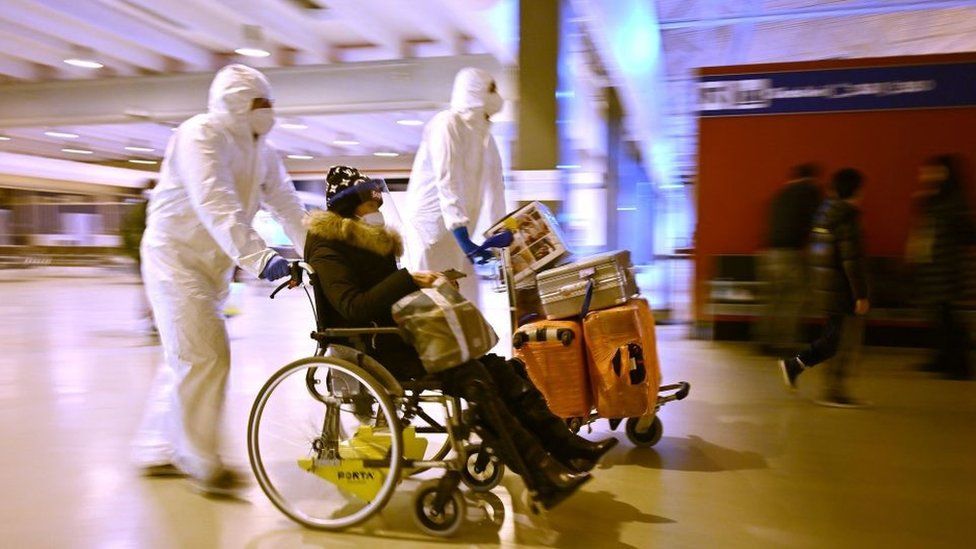
Published9 hours agoShareclose panelShare pageCopy linkAbout sharingImage source, AFP via Getty ImagesBy Fergus WalshMedical editorWhen a country of 1.4 billion people suddenly ended its zero-Covid policy after nearly three years, there was little doubt what would happen. Poor immunisation levels and little natural immunity meant an explosion of cases – just as China is about to lift restrictions on its citizens travelling abroad. So now, some countries – wary of an influx of cases – are imposing Covid testing, and possible quarantine, on visitors from China.The Covid wave hitting China is not due to some radical new variant, but Omicron in its different forms. BF.7 and BQ.1 are both sub-lineages of BA.5, which itself is part of the Omicron “family” – more contagious, more infectious than any previous Covid strain. But these Omicron sub-variants have all been widely detected outside China – including in the UK. Omicron has been the dominant global variant for more than a year, but that does not exclude the possibility that a new variant of concern will emerge in future. A key reason that many countries are imposing Covid checks on travellers from China is the lack of surveillance data coming out of the country. The more Covid that is circulating, the more chance there is for the virus to mutate. But new variants can pop up anywhere – the UK, Brazil, South Africa and India have all been the likely origins of previous variants of concern.So will the new Covid test restrictions make any difference?Several countries are asking travellers from China to produce a negative Covid test in order to gain entry. The US said this would “slow the spread” of the virus, while scientists worked to identify any potential variants that may emerge. But no-one is suggesting that this will stop Covid cases coming in. Italy has gone further, and is imposing mandatory post-arrival PCR tests on travellers from China. Those that test positive will need to quarantine for several days. This has the advantage of enabling genomic sequencing of the virus, and so aids the search for new variants. But it will also add to airport congestion. Italy’s Prime Minister Giorgia Meloni said that those travellers from China who have tested positive so far are carriers of “Omicron variants already present in Italy”. Italy wants an EU-wide approach on the issue – but the EU’s disease agency says, for many reasons, that is “unjustified”.In the UK, there is plenty of Covid about. Probably well over a million people a week are getting infected, either at work, home or socialising – in other words anywhere people gather. The latest ONS survey estimated that around 1 in 45 people had the virus earlier this month.But most of the UK population is very well protected from severe illness, via a combination of vaccines and repeated natural infection.That means Covid – while still a potential danger here – is no longer the threat it once was. More on Covid in ChinaThis video can not be playedTo play this video you need to enable JavaScript in your browser.How many Covid cases are there in China?’Everyone I know is getting a fever’ – Covid hits China More on this storyHow many Covid cases are there in China?19 hours agoUS demands Covid tests for visitors from China19 hours ago

Read more →

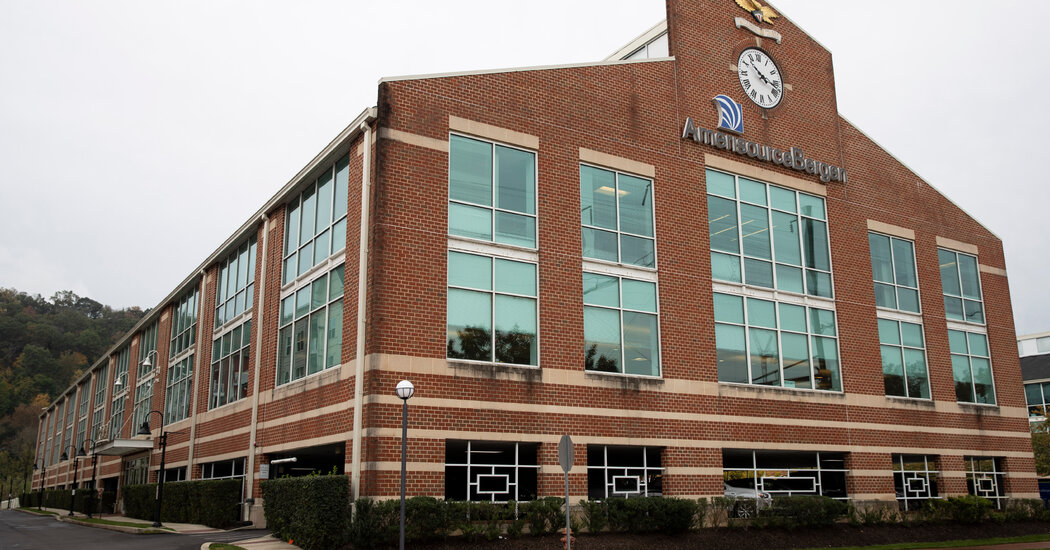
Justice Dept. Sues AmerisourceBergen Over Role in Opioid Crisis

Investigators said the pharmaceutical manufacturer, one of the nation’s largest, had knowingly distributed opioids that were later resold illegally.The Justice Department filed a lawsuit on Thursday against AmerisourceBergen, one of the country’s largest pharmaceutical manufacturers, accusing the company of knowingly distributing opioids that were later resold illegally.The suit, filed by the department’s civil division in conjunction with federal prosecutors in New Jersey, Florida, Colorado, Pennsylvania and New York, is part of a growing effort by federal agencies to hold drug companies accountable for their role in the nation’s opioid crisis. It accuses AmerisourceBergen and two of its subsidiaries of “at least hundreds of thousands” of violations of the Controlled Substances Act. If the company is found liable, it could face billions of dollars in fines, according to Vanita Gupta, the associate attorney general overseeing the civil division.Under federal law, wholesale drug distributors like AmerisourceBergen are obligated to report “suspicious” orders of controlled substances to the Drug Enforcement Administration. An order is considered suspicious if it is an unusual size or does not follow the normal pattern or frequency, or if it raises other concerns, such as the legitimacy of a customer’s business.In an 80-page complaint, filed in Federal District Court for the Eastern District of Pennsylvania, the Justice Department accused AmerisourceBergen of failing to report many of these suspicious orders for nearly a decade, in what it described as an “egregious failure” that had contributed to the opioid epidemic.More than 90,000 people died in the United States from drug overdoses in 2020, according to the Centers for Disease Control and Prevention. Opioids were involved in close to 75 percent of those deaths.Fentanyl Overdoses: What to KnowCard 1 of 5Devastating losses.

Read more →

Ohio reports more measles cases than previous two years combined

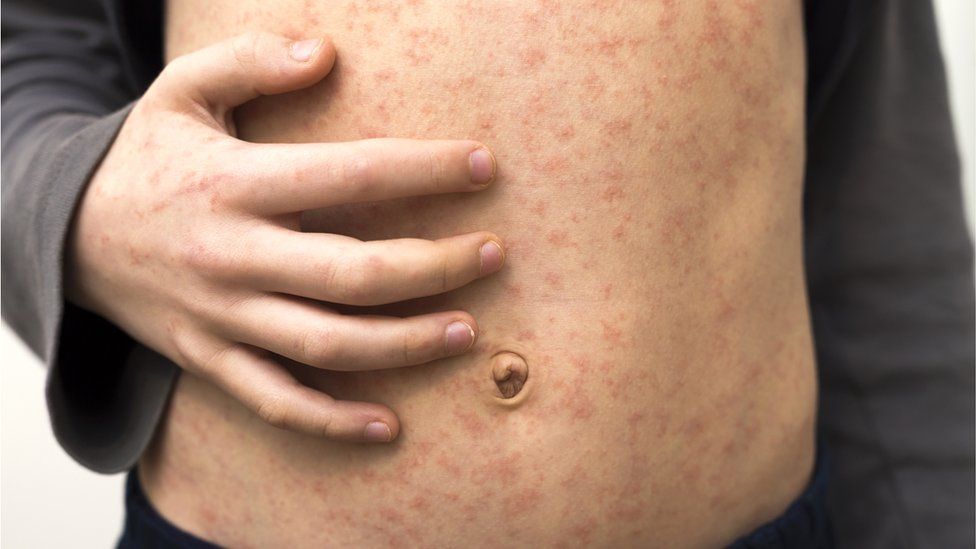
Published14 hours agoShareclose panelShare pageCopy linkAbout sharingImage source, Getty ImagesBy Max MatzaBBC NewsAn outbreak of measles in the US state of Ohio has infected 82 children so far – the biggest eruption of the disease in the county since 2019.The first cases were reported on 9 November near the city of Columbus at a nursery. By the end of the month, cases were seen at a market, mall and church. Nearly all of the cases have been in young children who are not fully vaccinated against the disease. Child vaccinations against measles fell amid the Covid pandemic, experts says. Measles is highly contagious – more so than Covid – and can cause serious illness.The figures reported over the past two months in Ohio are more than for the whole of the US in the previous two years. In 2022, 117 measles cases were reported, compared to 49 cases the previous year and 13 cases in 2020, according to the Centers for Disease Control and Prevention.So far, 32 of the infected children in Ohio have been admitted to hospital. As well as a distinctive rash, measles can lead to severe complications, such as pneumonia and brain inflammation, and sometimes can be fatal.Vaccination can remove almost all of these risks.All of the Ohio cases have been reported in children 17 or younger, with 94% affecting infants, babies and children under five years old. It appears that all of the children are at least partially unvaccinated, meaning that they have not received the necessary two doses of the measles-mumps-rubella vaccine, known as MMR. Four of the children do not have a known vaccination status, according to local health officials. Children are recommended to get their first dose between 12 and 15 months of age, and the second round between 4 and 6.A recent report from the World Health Organization found that in 2021, nearly 25m children worldwide missed their first vaccination, while nearly 15m children missed their second dose. Measles was declared eliminated in the US in 2000, but has seen a resurgence in the years since, though the number of cases is below past historic highs.More on this storyChild measles warning as MMR jab rate drops1 FebruaryWhy is the UK seeing a rise in measles cases?20 August 2019Children at risk of measles due to Covid focus10 July 2021European rights court backs mandatory child jabs8 April 2021

Read more →

Anthony Fauci Prepares for Retirement After Half a Century in Government

The nation’s top infectious disease expert, whose last day as a federal employee is Saturday, plans to write a memoir and wants to encourage people to go into public service.WASHINGTON — The walls in Dr. Anthony S. Fauci’s home office are adorned with portraits of him, drawn and painted by some of his many fans. The most striking one is by the singer Joan Baez. The two of them, he said, “have become pretty good friends over the years.”Dr. Fauci seemed a little uncomfortable with people knowing about the pictures. He said that previously, when they were captured on camera, the “far right” attacked him as an “egomaniac.” If someone goes to the trouble of sending him a portrait of himself, he said, he would “feel like I’m disrespecting them” if he discarded it.It was a revealing glimpse into the psyche of America’s most loved and hated doctor as he wraps up more than half a century of government service at the National Institutes of Health. After Saturday, Dr. Fauci, President Biden’s chief medical adviser and for the past 38 years the director of the N.I.H.’s National Institute of Allergy and Infectious Diseases, will no longer be a federal employee.Dr. Fauci, who turned 82 on Christmas Eve, said he may be retiring, but he is not going away. He hopes to do some public speaking, become affiliated with a university and treat patients if it has a medical center. He intends to write a memoir, he said, and he wants to encourage people to pursue careers in science, medicine and public service.Republicans, who will take control of the House early next month, will see to it that he does not slip out of the public eye. They have promised to investigate his handling of the coronavirus pandemic and to call him to Capitol Hill to testify. He says he has every intention of showing up and has nothing to hide.From the AIDS epidemic to Covid-19, Dr. Fauci has been the public face of American science for decades, advising seven presidents along the way. In late November, The New York Times spoke to him at his home office in Washington about his career and his plans for the future. This interview has been edited and condensed.You have said that you’re retiring from government service but that you’re going to prepare for a “next chapter.” So what’s the next chapter?That’s a good question. Since I can’t negotiate any details of my post-government life for ethical reasons and conflicts of interest, I’m doing something that is unusual for me, which is not knowing exactly what the details of the next step are going to be. But I decided that I wanted to have a few years outside of government to pursue things that are commensurate with my stage in life.Namely, I’m going to be 82 years old in a month. And what do I have to offer? Is it more important for me to do yet again another experiment or do yet again another clinical trial, or would it be more important to utilize the benefit of my experience by writing, by lecturing, by getting involved in advisory issues — and importantly, which I really feel strongly about, is to maybe inspire younger people to either go into medicine and science, or, for the people who are already in medicine and science, to maybe consider a career in public service.When you think about a memoir, how do you envision it? Is there a separate book about Covid?What I would like to do is make it a real memoir, which is a life story of which Covid is a part. Because if you look at what Tony Fauci was and is, Tony Fauci is not defined by Covid. I would much rather give a story of the whole me, from the time I grew up in the streets of Brooklyn to where I am right now. But I don’t know. I’ve never written a book before.Read More on the Coronavirus PandemicBoosters: Americans who received updated shots for Covid-19 saw their risk of hospitalization reduced by roughly 50 percent this fall compared with certain groups inoculated with the original vaccines, the Centers for Disease Control and Prevention reported.Seniors Forgo Boosters: Nearly all Americans over 65 got their initial Covid vaccines. But only 36 percent have received the bivalent booster, according to C.D.C. data.Free at-Home Tests: With cases on the rise, the Biden administration restarted a program that has provided hundreds of millions of tests through the Postal Service.Contagion: Like a zombie in a horror film, the coronavirus can persist in the bodies of infected patients well after death, even spreading to others, according to two startling studies.Beyond looking forward for you, I also want to look forward for the country. What do you think are the biggest health challenges we face?Unfortunately, I have lived through, and the country and the world has lived through, a series of emerging and re-emerging infections, some of which had profound global impact and some of which have been curiosities and some of which have been regionally impactful. I don’t think it’s going to stop.A drawing of Dr. Fauci in his home office. He says he feels obligated to display the portraits that his fans create and send to him. Kenny Holston for The New York TimesAre there other threats that you think about beyond infectious disease threats?What really, really concerns me is the politicization of public health principles. How you can have red states undervaccinated and blue states well vaccinated and having deaths much more prevalent among people in red states because they’re undervaccinated — that’s tragic for the population.You’ve worked for seven presidents. Do you have any favorites?No, I would not discuss favorites. That would not be appropriate.But certainly Donald Trump must have been the most challenging president.It was obviously challenging because I have said — and I’ll say it to you — I have a great deal of respect for the office of the presidency of the United States. And I have had the opportunity to tell presidents things that sometimes they may not want to hear, but they took what I said seriously and respected me for giving them the straight scoop.I did not like nor seek out a position of having to publicly contradict a president of the United States. The far right seems to think I did that deliberately and took pleasure in it. I did not. I felt very, very pained at having to get up in a public press conference and contradict what he says about hydroxychloroquine, contradict what he says about the virus is going to disappear like magic. But I had to do that for my own personal and professional integrity and for fulfilling my responsibility.My primary responsibility is to the American public. I serve the public; I don’t serve a political party. I’m completely nonpolitical.Are you registered as an independent?Yes, I am.House Republicans will bring you in to testify. Are you prepared for that?I have no problem testifying before the Congress. I have nothing to hide. I could easily explain and justify everything I’ve done. So they’re making a big to-do about it, but I respect the concept of oversight.Are there lessons that you think we’ve learned from Covid that, going forward, we should act on?I look at preparedness and response to the outbreak in two major buckets. One is the scientific bucket, and one is the public health bucket.If you look at what the major overriding success story of the pandemic has been, it’s the scientific response, the years of investment in basic and clinical research that led to the absolutely unprecedented feat of going from the recognition of a brand-new virus in January of 2020 to doing massive clinical trials to getting the vaccine proven to be safe and effective and in the arms of people within 11 months. That was a major success.What was not so successful was the public health response. We had antiquated systems. Things were not online or computerized. People were using fax machines. You can’t do that when you’re going to have a response to a pandemic.So the lesson is continue to support the basic and clinical science, because we’re going to need it, and try and strengthen our domestic and global public health infrastructure.Bobbleheads of Dr. Fauci sit next to family photos in his home office. After leaving government, he plans to write a memoir and become affiliated with a university.Kenny Holston for The New York TimesReading between the lines there, it might be said, “Tony Fauci did a great job, but the C.D.C. didn’t do such a good job.”No, that’s not me. I don’t criticize them. But we did — the scientific community did a great job on this. We did.If you had, let’s say, another 10 years in your job, what are the things that you would focus on? Would it be an AIDS vaccine? Are there some big unrealized goals?It would certainly be optimization of AIDS therapy, perhaps with a cure. I would love over the next 10 years to apply the new technologies that proved so successful with Covid to get a vaccine for malaria and for tuberculosis.What about you do people not know? You’re such a public person.They don’t know hardly anything about the physician aspect of me and how sensitive I am and empathetic towards illness and suffering.Will you continue to treat patients?Well, it depends on what institution I hook up with.You’re retiring from government service. Your ties are being cut with N.I.H. and you’re packing up your office there. How is that for you?It’s sort of a strange feeling, because I’m so busy. I was just on this Zoom with the White House about a press conference that I’m going to be on. I’m so busy I can’t think about stepping down, and the thing that’s sort of intimidating is that I’ve got to get all that stuff out of my office pretty quickly.Do you think you’ll donate your papers?All of my papers are going to go to the Library of Congress and to the National Archives.I’m sure there are television networks that would like you to be a commentator or work with them. Is that in your future? Will we still see you on TV?You’ll still see me on TV if they want me on, but I’m not going to make TV a professional aspiration.I want to ask a little bit more about the politicization of science. How do you think we could come back from this deep hole that we seem to be in?I don’t know what the mechanism is, but hopefully people will realize that this is detrimental to what we all care about. We love our country. We care about family and values. Maybe it’s naïve. I don’t think it is. I’m not a naïve person. I’m an optimist, but I’m a cautious optimist. I just hope that the better angels in people will prevail.

Read more →

How to Prevent Shoulder Injury

Shoulder pain can make your days more challenging and keep you up at night. Ward it off with a few smart exercise habits.Over hundreds of thousands of years of evolution, the human shoulder has undergone dramatic changes to make it more versatile — allowing our arms to reach over our heads, behind our backs and swing in full circles. But it also became much more prone to injury.At any given moment, an estimated one in four people struggle with shoulder pain. For some, an ache might only mildly interfere with their golf game; others, however, may struggle to get dressed in the morning.“The other big thing people complain about with the shoulder is pain at night,” said Dr. Drew Lansdown, an assistant professor in the orthopedic surgery department at the University of California, San Francisco. “It keeps you from sleep because you can’t find a comfortable position — can’t lie on that side, can’t lie on the other side.”While some injuries happen suddenly and traumatically, damage usually occurs over time. The ball-and-socket joint of the shoulder is secured by the four muscles and tendons of the rotator cuff, which can become irritated, torn or overstretched. The labrum — a cup of cartilage surrounding them — may also tear.Small fluid-filled sacs called bursa, which normally cushion the joint, may instead swell and ache. Often, you’ll have more than one problem at time, and it may not be clear exactly what’s causing your pain, said Lori Michener, a physical therapist and researcher at the University of Southern California in Los Angeles.Athletes who frequently use their arms overhead — including baseball pitchers, swimmers and tennis players — face greater shoulder risks, as do workers whose jobs involve heavy loads or awkward arm positions, such as truck drivers and dental hygienists. Dislocating your shoulder once also raises the odds that it will happen again. Genetics may also play a role, and with age, the odds of rotator cuff tears and arthritis in the shoulder rise for everyone.Fortunately, you can take steps to safeguard the shoulder, including strengthening, stretching and gradually increasing overhead activities.Strong muscles shore up your shoulders.Strengthening the muscles surrounding the shoulder increases its resilience, warding off pain and injury, said Behnam Liaghat, a specialist in sports physiotherapy and assistant professor at the University of Southern Denmark. Work both the big muscles in your upper back and chest and the smaller, stabilizing muscles surrounding your shoulder and scapula, the shelf on which your shoulder joint rests.Exercise programs, such as a classic group called the Thrower’s 10, designed to bolster the joint in high-risk overhead athletes, have been shown to significantly reduce shoulder injury risk, by as much as half if they’re done two to three times per week. To do them, you will need a light dumbbell and a resistance band.Such a program should be part of regular maintenance for even recreational overhead athletes, said Ioonna Félix, a physical therapist and owner of Optimal Performance‌ based in New York City. She plays tennis regularly and dedicates two days a week to shoulder conditioning.If you’re not regularly involved in overhead activities, a few key exercises can help keep shoulders healthy as you age, she said. The three she recommended were scapular rows and shoulder extensions with a band, as well as scapular retraction, a simple movement that strengthens the stabilizing muscles. For that, lie face down, arms by your side and palms facing the floor. Pull your shoulder blades back and down as you lift your arms up to the level of your hips; hold for a couple seconds, then slowly release.Jared Soares for The New York TimesTest your mobility first.Before you attempt an overhead sport or weight lifting move — or as a general gauge of how well your shoulder is functioning — try a simple three-part test for shoulder mobility, Dr. Michener said.First, stand in front of a wall — with your toes touching it — and see if you can raise one arm at a time over your head to touch the wall in front of you, with your palm flat. Then, bring your hand down to touch the back of your head, keeping your elbow out to the side. Third, bring your arm back down to your side, then reach up behind your back, aiming to touch the opposite shoulder blade with the back of your hand. Repeat with your other hand.If you have trouble doing these movements or reaching the end positions, you could benefit from more mobility, Dr. Michener said.To improve your range of motion, perform those same until you feel a stretch, then hold it for 30 seconds to a minute. Do this three to five times, twice a week. Then, monitor your progress — if your mobility doesn’t improve, you might need to hold your stretches longer or repeat them more frequently, Dr. Michener said. After a couple of weeks, if your mobility is still limited or you have pain while you stretch, see a physical therapist or other medical professional.Work your lower body, too.Much of the power for a pitch, serve or other overhead movement comes from the ground up. The weaker your legs and core, the more force your shoulder must produce, increasing stress on the joint, Dr. Michener said. In a study she published earlier this year, minor league pitchers with one hip weaker than the other had a greater risk of injuries in the shoulders and elbows of their throwing arms.To build balanced lower-body strength and stability, she recommended moves like lunges and squats, which work multiple muscle groups. Planks are good too; the extended contraction of your core and legs improves muscular endurance.Then, harness the power of your whole body when using your arms over your head, Dr. Félix said. For instance, when stowing a carry-on bag in a plane’s overhead bin, bend your knees and lift with your legs instead of just “muscling it” with your shoulders.Add to the load slowly.Even if you’re diligent about strengthening and stretching, you can still trigger pain or cause damage if you jump into a new shoulder-straining activity — or return to one — too quickly. Some people think, “‘Oh, I played back in high school, I can pick up a ball and throw like I used to,’” Dr. Lansdown said. Your muscles and tendons need time to build the specific strength and control required for any shoulder-straining movement.Even athletes in their prime risk injuries like this. In a small study of collegiate swimmers published in May, two-thirds of the athletes who suffered injuries during the season did so during an intense, midseason training trip, when some nearly doubled their typical weekly swimming distance.To keep an eye on how much you’re stressing your shoulders, consider what scientists call the acute-to-chronic workload ratio, said Travis Pollen, assistant professor of exercise science at Thomas Jefferson University in Philadelphia, lead author of the swimming study and a former Paralympic trials swimmer.Getty ImagesTally the average weekly amount of a given activity — say, laps of swimming or hours of tennis — you’ve logged over the last four weeks. That’s your chronic workload. Divide that by what you’re doing this week, the acute workload. Some estimates suggest when this number rises higher than 1.5 — meaning you’ve done 50 percent more this week compared to your average for the previous month — your odds of injury increase soon after. Rest and rebalance for minor aches.Often, minor inflammation or irritation in the shoulder joint resolves within a few days. Ice and anti-inflammatories may help, Dr. Lansdown said.Once pain subsides, consider whether your routines might benefit from rebalancing the strain on the front and back of your shoulders, Dr. Pollen said. For instance, if you’re a climber who’s always pulling yourself up a wall — or a yogi who’s always pushing off against the floor — try doing some movements in the opposite direction (say, adding in push-ups for climbers, or rows for yogis).A little physical therapy goes a long way.If pain lingers — or if it’s accompanied by weakness, clicking sensations or a feeling of the joint shifting or slipping — see a medical professional, Dr. Lansdown advised. Some injuries will only get worse, and the sooner you seek treatment, the more straightforward and successful it may be.Don’t assume you’ll automatically need surgery or months of physical therapy. One large clinical trial published last year in The Lancet found a single physical therapy session to teach progressive strength and mobility exercises worked as well as six face-to-face sessions for new rotator cuff injuries.People who have sudden tears or want to go back to more intense sports might fare better with surgery, but research has found three-fourths of people who chose not to repair full-thickness rotator cuff tears were still doing well after two to five years.Of course, if you can ward off a tear in the first place, that’s even better — and that means paying some extra attention to this complex and vulnerable joint. “Having a strong shoulder and not putting too much stress or load on it would be the best thing to aim for,” Dr. Liaghat said.Cindy Kuzma is a journalist in Chicago and co-author of “Breakthrough Women’s Running: Dream Big and Train Smart.”

Read more →

Actinidia arguta (sarunashi) juice inhibits lung cancer in mice, study finds

Among all the cancers, lung cancer has one of the lowest five-year survival rates. Smoking tobacco and using tobacco-based products is known to heavily contribute to the development of lung cancer. It is a clinically established fact that the active ingredients in various fruits minimize the risk of chronic diseases including cancer. “Sarunashi” (Actinidia arguta) is an edible fruit cultivated in Japan’s Okayama Prefecture. Using a mouse model, researchers from Okayama University led by Dr. Sakae Arimoto Kobayashi, Associate Professor in the Faculty of Pharmaceutical Sciences, Okayama University, have shown that Sarunashi juice and its constituting component isoquercetin (isoQ) help prevent and reduce lung cancer.
A. arguta is one of the richest sources of polyphenols and vitamin C. Previously, the researchers had demonstrated the inhibitory effect of Sarunashi juice (sar-j) on mutagenesis, inflammation, and mouse skin tumorigenesis. They had identified the components of A. arguta responsible for the anti-mutagenic effects as water-soluble and heat-sensitive phenolic compounds. Subsequently, the researchers proposed the polyphenolic compound isoQ as a constituting component with anticarcinogenic potential.
Dr. Arimoto Kobayashi explains, “In this study, we sought to investigate the chemo-preventive effects of A. arguta juice and its constituting component isoQ on 4-(methylnitrosamino)-1-(3-pyridyl)-1-butanone (NNK)-induced lung tumorigenesis in A/J mice, and identify the possible mechanisms underlying the anti-tumorigenic effects of A. arguta.”
To this end, the team induced tumor growth in mice using NNK, a known cancer-causing compound present in tobacco products. Using a series of experiments and controls, the team studied the effects of sar-j and isoQ on lung tumorigenesis in mice.
The results were encouraging: The number of tumor nodules per mouse lung in the group that received NNK injections and oral doses of A. arguta juice was significantly lower than that in the group injected with NNK only. Moreover, the oral administration of isoQ also reduced the number of nodules in the mouse lungs.
Next, the team broke ground by discovering the likely mechanism of action. NNK and 1-methyl-3-nitro-1-nitrosoguanidine or “MNNG” are known mutagens — agents that trigger DNA mutations. The team therefore designed a series of experiments to study the effect of sar-j and isoQ on NNK- and MNNG-mediated mutagenesis using Salmonella typhimurium TA1535 — a bacterial strain commonly used for detecting DNA mutations. As expected, the mutagenicity of NNK and MNNG detected using S. typhimurium TA1535 decreased in the presence of sar-j. However, when similar tests were conducted using S. typhimurium YG7108, a strain lacking key enzymes responsible for DNA repair, sar-j was unable to decrease the mutagenic effects of NNK and MNNG. Based on this critical observation, the researchers concluded that sar-j seems to mediate its antimutagenic effect by accelerating DNA repair.
Finally, using cell-based experiments, the team also showed that sar-j suppressed the action of “Akt,” a key protein involved in cancer signaling. It is a known fact that Akt and an associated protein called “PI3k,” get over-activated in several human cancers.
Co-author Katsuyuki Kiura, a Professor in the Department of Allergy and Respiratory Medicine, Okayama University Hospital, muses, “Sar-j and isoQ reduced NNK-induced lung tumorigenesis. Sar-j targets both the initiation and growth or progression steps during carcinogenesis, specifically via anti-mutagenesis, stimulation of alkyl DNA adduct repair, and suppression of Akt-mediated growth signaling. IsoQ might contribute in part to the biological effects of sar-j via suppression of Akt phosphorylation, but it may not be the main active ingredient.”
Their findings were published on 9 December 2022 in Genes and Environment.
In summary, the study shows that lung tumorigenesis in mice was suppressed following the oral intake of sar-j. Although clinical trials are warranted, the constituting components of sar-j, including isoQ, seem to be attractive candidates for chemoprevention.
Story Source:
Materials provided by Okayama University. Note: Content may be edited for style and length.
Read more →

Singing supports stroke rehabilitation

Language function and the psychosocial wellbeing of patients and their families can be promoted with singing-based rehabilitation. Group intervention provides opportunities for peer support while being simultaneously cost effective.
Approximately 40% of stroke survivors experience aphasia, a difficulty to comprehend or produce spoken or written language caused by a cerebrovascular accident. In half of these cases the language impairment still persists one year post-stroke. Aphasia has wide-ranging effects on the ability to function and quality of life of stroke survivors and easily leads to social isolation.
According to a recent study conducted at the University of Helsinki, singing-based group rehabilitation can support communication and speech production of patients and increase social activity even at the chronic phase of stroke. The burden experienced among the family caregivers participating in the study also decreased notably.
“Our study is the first where caregivers participated in rehabilitation and their psychological wellbeing was evaluated,” says Postdoctoral Researcher Sini-Tuuli Siponkoski.
Versatile use of music supports recovery
Previous research has established that the ability to sing can be retained even in severe aphasia. However, the use of singing, especially choral singing, in aphasia rehabilitation has not been widely studied.

Read more →

As Covid-19 Continues to Spread, So Does Misinformation About It

Doctors are exasperated by the persistence of false and misleading claims about the virus.Nearly three years into the pandemic, Covid-19 remains stubbornly persistent. So, too, does misinformation about the virus.As Covid cases, hospitalizations and deaths rise in parts of the country, myths and misleading narratives continue to evolve and spread, exasperating overburdened doctors and evading content moderators.What began in 2020 as rumors that cast doubt on the existence or seriousness of Covid quickly evolved into often outlandish claims about dangerous technology lurking in masks and the supposed miracle cures from unproven drugs, like ivermectin. Last year’s vaccine rollout fueled another wave of unfounded alarm. Now, in addition to all the claims still being bandied about, there are conspiracy theories about the long-term effects of the treatments, researchers say.The ideas still thrive on social media platforms, and the constant barrage, now a yearslong accumulation, has made it increasingly difficult for accurate advice to break through, misinformation researchers say. That leaves people already suffering from pandemic fatigue to become further inured to Covid’s continuing dangers and susceptible to other harmful medical content.“It’s easy to forget that health misinformation, including about Covid, can still contribute to people not getting vaccinated or creating stigmas,” said Megan Marrelli, the editorial director of Meedan, a nonprofit focused on digital literacy and information access. “We know for a fact that health misinformation contributes to the spread of real-world disease.”Twitter is of particular concern for researchers. The company recently gutted the teams responsible for keeping dangerous or inaccurate material in check on the platform, stopped enforcing its Covid misinformation policy and began basing some content moderation decisions on public polls posted by its new owner and chief executive, the billionaire Elon Musk.From Nov. 1 to Dec. 5, Australian researchers collected more than half a million conspiratorial and misleading English-language tweets about Covid, using terms such as “deep state,” “hoax” and “bioweapon.” The tweets drew more than 1.6 million likes and 580,000 retweets.The researchers said the volume of toxic material surged late last month with the release of a film that included baseless claims that Covid vaccines set off “the greatest orchestrated die-off in the history of the world.”Naomi Smith, a sociologist at Federation University Australia who helped conduct the research with Timothy Graham, a digital media expert at Queensland University of Technology, said Twitter’s misinformation policies helped tamp down anti-vaccination content that had been common on the platform in 2015 and 2016. From January 2020 to September 2022, Twitter suspended more than 11,000 accounts over violations of its Covid misinformation policy.Now, Dr. Smith said, the protective barriers are “falling over in real time, which is both interesting as an academic and absolutely terrifying.”The Spread of Misinformation and FalsehoodsCovid Myths: Experts say the spread of coronavirus misinformation — particularly on far-right platforms like Gab — is likely to be a lasting legacy of the pandemic. And there are no easy solutions.Midterms Misinformation: Social media platforms struggled to combat false narratives during the 2022 U.S. midterm elections, but it appeared most efforts to stoke doubt about the results did not spread widely.A ‘War for Talent’: Seeing misinformation as a possibly expensive liability, several companies are angling to hire former Twitter employees with the expertise to keep it in check. A New Misinformation Hub?: Misleading edits, fake news stories and deepfake images of politicians are starting to warp reality on TikTok.“Pre-Covid, people who believed in medical misinformation were generally just talking to each other, contained within their own little bubble, and you had to go and do a bit of work to find that bubble,” she said. “But now, you don’t have to do any work to find that information — it is presented in your feed with any other types of information.”Robert Malone, a vaccine skeptic, spoke at an anti-vaccine rally in Washington in January 2022.Tom Brenner/ReutersSeveral prominent Twitter accounts that had been suspended for spreading unfounded claims about Covid were reinstated in recent weeks, including those of Representative Marjorie Taylor Greene, a Georgia Republican, and Robert Malone, a vaccine skeptic.Mr. Musk himself has used Twitter to weigh in on the pandemic, predicting in March 2020 that the United States was likely to have “close to zero new cases” by the end of that April. (More than 100,000 positive tests were reported to the Centers for Disease Control and Prevention in the last week of the month.) This month, he took aim at Dr. Anthony S. Fauci, who will soon step down as President Biden’s top medical adviser and the longtime director of the National Institute of Allergy and Infectious Diseases. Mr. Musk said Dr. Fauci should be prosecuted.Twitter did not respond to a request for comment. Other major social platforms, including TikTok and YouTube, said last week that they remained committed to combating Covid misinformation.YouTube prohibits content — including videos, comments and links — about vaccines and Covid-19 that contradicts recommendations from the local health authorities or the World Health Organization. Facebook’s policy on Covid-19 content is more than 4,500 words long. TikTok said it had removed more than 250,000 videos for Covid misinformation and worked with partners such as its content advisory council to develop its policies and enforcement strategies. (Mr. Musk disbanded Twitter’s advisory council this month.)But the platforms have struggled to enforce their Covid rules.Newsguard, an organization that tracks online misinformation, found this fall that typing “covid vaccine” into TikTok caused it to suggest searches for “covid vaccine injury” and “covid vaccine warning,” while the same query on Google led to recommendations for “walk-in covid vaccine” and “types of covid vaccines.” One search on TikTok for “mRNA vaccine” brought up five videos containing false claims within the first 10 results, according to researchers. TikTok said in a statement that its community guidelines “make clear that we do not allow harmful misinformation, including medical misinformation, and we will remove it from the platform.”Dr. Anish Agarwal, an emergency physician in Philadelphia, said some patients continued to believe “crazy” claims about Covid-19 vaccines.Michelle Gustafson for The New York TimesIn years past, people would get medical advice from neighbors, or try to self-diagnose via Google search, said Dr. Anish Agarwal, an emergency physician in Philadelphia. Now, years into the pandemic, he still gets patients who believe “crazy” claims on social media that Covid vaccines will insert robots into their arms.“We battle that every single day,” said Dr. Agarwal, who teaches at the University of Pennsylvania’s Perelman School of Medicine and serves as deputy director of Penn Medicine’s Center for Digital Health.Online and offline discussions of the coronavirus are constantly shifting, with patients bringing him questions lately about booster shots and long Covid, Dr. Agarwal said. He has a grant from the National Institutes of Health to study the Covid-related social media habits of different populations.“Moving forward, understanding our behaviors and thoughts around Covid will probably also shine light on how individuals interact with other health information on social media, how we can actually use social media to combat misinformation,” he said.Years of lies and rumors about Covid have had a contagion effect, damaging public acceptance of all vaccines, said Heidi J. Larson, the director of the Vaccine Confidence Project at the London School of Hygiene & Tropical Medicine.“The Covid rumors are not going to go away — they’re going to get repurposed, and they’re going to adapt,” she said. “We can’t delete this. No one company can fix this.”Some efforts to slow the spread of misinformation about the virus have bumped up against First Amendment concerns.A law that California passed several months ago, and that is set to take effect next month, would punish doctors for spreading false information about Covid vaccines. It already faces legal challenges from plaintiffs who describe the regulation as an unconstitutional infringement of free speech. Tech companies including Meta, Google and Twitter have faced lawsuits this year from people who were barred over Covid misinformation and claim that the companies overreached in their content moderation efforts, while other suits have accused the platforms of not doing enough to rein in misleading narratives about the pandemic.Dr. Graham Walker, an emergency physician in San Francisco, quit Twitter this month over frustrations with Covid misinformation.Jason Henry for The New York TimesDr. Graham Walker, an emergency physician in San Francisco, said the rumors spreading online about the pandemic drove him and many of his colleagues to social media to try to correct inaccuracies. He has posted several Twitter threads with more than a hundred evidence-packed tweets trying to debunk misinformation about the coronavirus.But this year, he said he felt increasingly defeated by the onslaught of toxic content about a variety of medical issues. He left Twitter after the company abandoned its Covid misinformation policy.“I began to think that this was not a winning battle,” he said. “It doesn’t feel like a fair fight.”Now, Dr. Walker said, he is watching as a “tripledemic” of Covid-19, R.S.V. and influenza bombards the health care system, causing emergency room waits in some hospitals to surge from less than an hour to six hours. Misinformation about easily available treatments is at least partly responsible, he said.“If we had a larger uptick in vaccinations with the most recent vaccines, we probably would have a smaller number of people getting extremely ill with Covid, and that’s certainly going to make a dent in hospitalization numbers,” he said. “Honestly, at this point, we will take any dent we can get.”

Read more →