All The Beauty and the Bloodshed film explores Sackler scandal
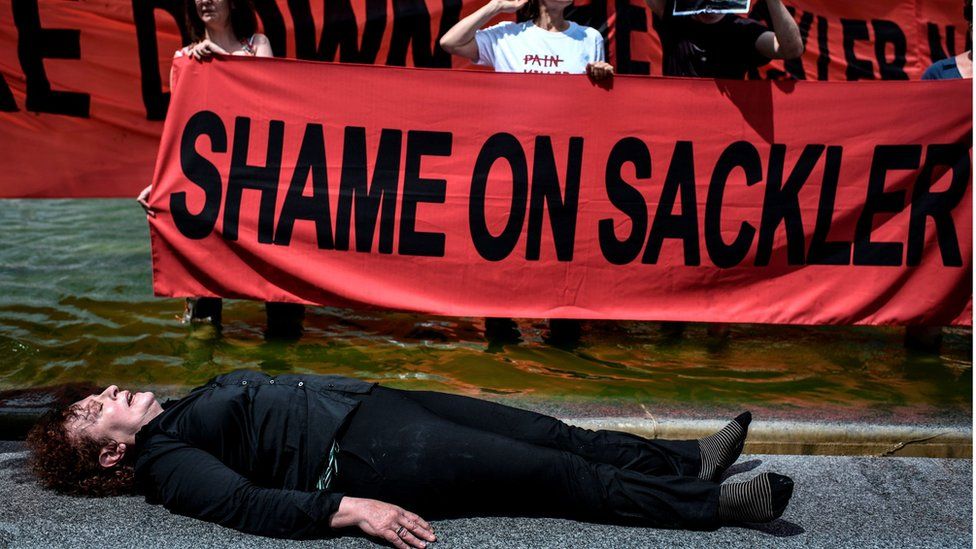
Published22 minutes agoShareclose panelShare pageCopy linkAbout sharingImage source, Getty ImagesBy Emma JonesBBC Talking MoviesAll the Beauty and the Bloodshed, directed by Laura Poitras, caused a stir earlier this year when it became only the second documentary to win the prestigious Golden Lion award at the Venice Film Festival.It’s a film that combines art and politics, explaining how a campaign led by photographer Nan Goldin prompted the world’s leading museums and galleries to drop financial ties with the Sackler family, because of their link with the opioid drug OxyContin.Poitras, who won a best documentary Oscar in 2014 for Citizenfour, about ex-CIA contractor Edward Snowden, thanked the Venice Film Festival jury at the time for “recognising that documentary is cinema”.Speaking more generally about her work, Poitras has said: “I do make films about political issues that I care about, but I want them to work as films. I’m passionate about cinema and every time a documentary is successful, it’s successful for all of us who make them.”Image source, Venice Film FestivalThe movie is now on the longlist for best documentary at the Oscars and it’s also being tipped to possibly become the first ever non-fiction film to get an Academy Award best picture nomination.Sacklers win immunity from further opioid litigationThe US opioid crisis in numbers New York’s Met museum to remove Sackler name It tells the story of how New York-based Goldin and the advocacy organisation Pain (Prescription Addiction Intervention Now) took direct action at the world’s most famous art galleries in protest at their ties with the Sacklers. Museums including the V&A, the Tate in London and the Louvre in Paris have dropped their connections. The Sackler-owned company, Purdue Pharma, which manufactures OxyContin, reached a settlement this year with several US states for its role in the US opioid crisis. Millions of people in the US have become addicted to opiate-based painkillers such as fentanyl and OxyContin, while nearly half a million deaths there were attributed to painkiller overdoses between 1999 and 2019. The story was also made into an Emmy award-winning drama series, Dopesick, starring Michael Keaton.But what has led publications including The Hollywood Reporter and Variety, to call the Poitras film both “exquisite” and “lacerating,” is the director’s weaving of Goldin’s own history through the narrative. The 68-year-old photographer was addicted to OxyContin herself at one point, but she is best known for her ground-breaking artistic career, including being the first to curate a group exhibition about the Aids epidemic, called Witnesses: Against Our Vanishing in 1989.Image source, Altitude”I started doing these interviews with Nan for the documentary and I was so moved by them, her work and her life that I knew it had to be the heart of the film,” Poitras explains.”I knew I wanted to interweave these portraits and also show some parallels between what drives her as an artist and the relationship between art and politics. Her work is so close to the heart, but also so political. “She created a national controversy in the US with that exhibition in 1989, she was losing her community and generation to the Aids crisis. There’s something about Nan, that she ends up being on the right side of history again and again. She stands up for truth and rejects this notion of the status quo.” While documentaries such as Asif Kapadia’s portrait of musician Amy Winehouse, Amy, and Michael Moore’s Fahrenheit 9/11, an investigation into the US wars in Iraq and Afghanistan, have done well at the box office, it’s still very rare for a non-fiction film to beat a feature movie in awards categories. In 2004, Fahrenheit 9/11 was only the second documentary ever to win the Cannes Palme D’Or prize – but it didn’t go on to be nominated in the Oscar best picture or even documentary categories.”To me though, it makes sense that All the Beauty and the Bloodshed won the Golden Lion at Venice and is being mentioned as a potential best picture nominee,” says film critic and festival programmer Kaleem Aftab.”It felt like an American story, there’s an important message as well as an exploration of who Nan Goldin is, and in the US, this news story is big, so I can see why it might strike a chord with Julianne Moore, who led the Venice Film Festival jury this year, and just resonate with audiences in the US generally. I agree having an American subject matter helps push you into the awards conversation – but then the Oscars are the American Academy Awards.” Sackler Trust suspends new UK donationsTate art galleries shun more Sackler moneyNational Portrait Gallery drops £1m donorAftab adds, however, that even in the documentary category, the film could face stiff competition from other non-fiction films including Navalny by Daniel Roher, another politically-charged documentary about Russian opposition leader Alexei Navalny, and All That Breathes by Shaunak Sen, a cinematic exploration of two brothers’ attempts to protect black kites dropping from the sky in Delhi’s polluted air. Both are also on the Oscar longlist for best documentary.”This year has been incredibly strong for documentaries, and their winning speaks to me of how they’re becoming increasingly validated and watched in exactly the same ways feature films are being watched,” Aftab explains.Image source, Getty ImagesPoitras says that her job as a filmmaker is to “hold people to account – we need to celebrate independent adversarial reporting, and documentary-making is one of those ways of doing it”.Reflecting on the story of All the Beauty and the Bloodshed though, Poitras thinks the success of Nan Goldin and Pain’s campaign against the Sackler family name was “limited.””In some ways the film is about impunity – no-one is facing jail time, or being indicted, or had to file for bankruptcy, but the family name has been shamed in cultural spaces, and that’s some kind of success, but it’s limited. “The Sackler name does remain publicly in some spaces, but in fewer and fewer of them every day. The Louvre was the first to take the Sackler name down, the V&A did too, the Metropolitan Museum of Art in New York, and they’re successes Nan should celebrate. It was a long overdue debate and only brought to the fore by people who were willing to take risks.”All the Beauty and the Bloodshed will be released in UK and Irish cinemas on 27 January 2023.More on this storySacklers win immunity from further opioid litigation2 September 2021New York’s Met museum to remove Sackler name9 December 2021Sackler Trust suspends new UK donations25 March 2019

Read more →
China Covid: EU officials 'strongly' urge testing for travel

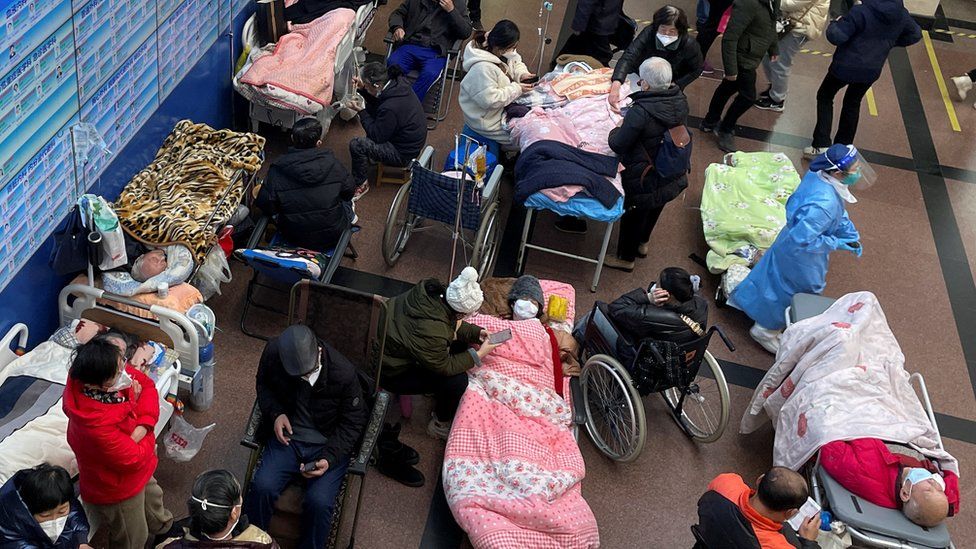
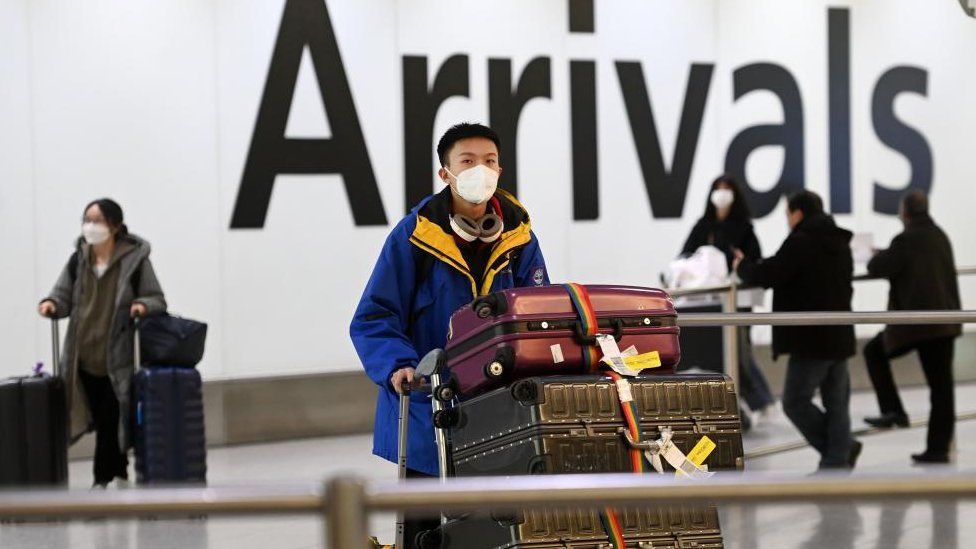
Published1 hour agoShareclose panelShare pageCopy linkAbout sharingImage source, EPABy Kathryn ArmstrongBBC NewsEuropean Union officials are “strongly” recommending that all member states insist on negative Covid tests from Chinese arrivals before they travel.Travel in and out of China gets easier from Sunday, as part of the scrapping of the “zero-Covid” policy.China is currently seeing a surge in Covid cases, with reports of hospitals and crematoriums being overwhelmed.Some EU countries have already introduced testing – despite earlier advice that it was “unjustified”. China under-representing Covid deaths, WHO warnsWednesday’s recommendation on negative tests came from the EU’s Integrated Political Crisis Response group (IPCR), a body made up of officials from the EU’s 27 governments.It also advised that:All passengers on flights to and from China wear face masksRandom testing of flights from China be introduced, andWastewater monitoring be conducted at airports.The recommendation comes a day after the European Commission, the executive body of the European Union, said an “overwhelming” number of member states favoured restrictions on Chinese arrivals.France, Spain and Italy have already introduced testing – but others, such as Germany, had been monitoring the situation. England, outside the EU, requires pre-flight testing on China arrivals from Thursday.Despite the recommendation, it’s not known if an EU-wide policy will be introduced – but individual states can set their own policy.The advice from the IPCR is a change in tack from the body’s disease prevention agency, which last week advised against the introduction of mandatory Covid tests.The ECDC said testing was “unjustified”, given the high rates of vaccination in Europe, and that variants circulating in China were already in the European Union.The World Health Organization (WHO) on Wednesday said there was no evidence of new variants in China, despite the surge in cases. However, experts warned this could be due to a lack of testing and data. The WHO has also said that China was under-representing the true impact of Covid in the country – in part due to what they said was a “too narrow” definition of a Covid death. Beijing has confirmed only 22 deaths since December, which is at odds with data from analysts. The UK science data company Airfinity estimates there are more than two million Covid cases a day in China, and 14,700 deaths.The Chinese government suggested earlier this week that travel restrictions on Chinese arrivals are politically motivated – and has warned that it may retaliate.More on this storyDo restrictions on travel work against Covid?9 hours agoChina must share Covid data, says WHO30 December 2022Why are some places Covid-testing Chinese arrivals?29 December 2022

Read more →

Consumption of Marijuana Edibles Surges Among Children, Study Finds

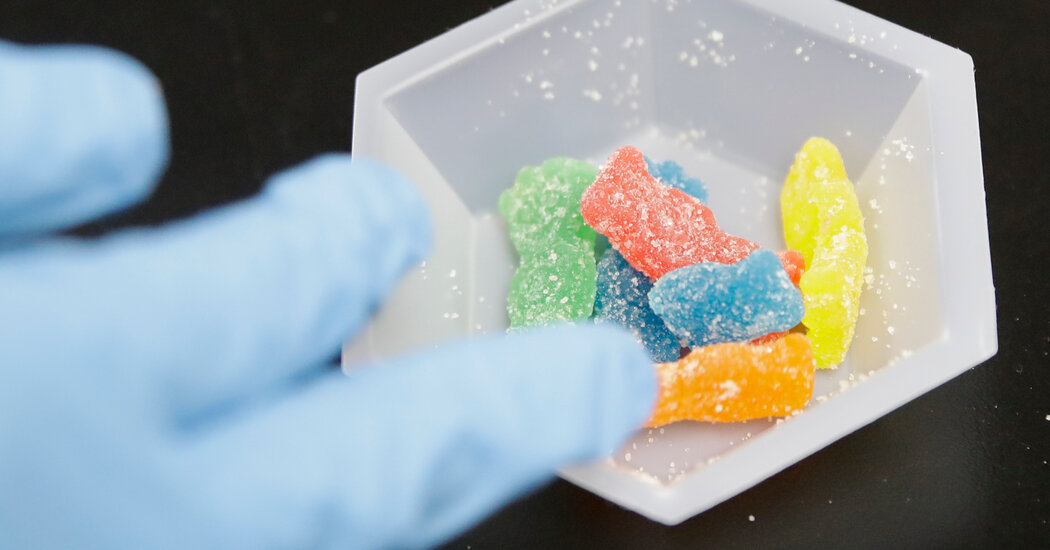
The ingestion of edibles by children under 6 has risen rapidly since the start of the pandemic, contributing to a “significant increase” in hospitalizations, the study found.The accidental consumption of marijuana edibles, such as brownies and gummies, among children under the age of 6 has surged in recent years as more states have legalized the recreational use of pot, a new study has found.The study, published on Tuesday in the journal Pediatrics, analyzed reports of child exposure to edibles from 2017 to 2021. The authors concluded that there had been a “consistent increase in pediatric edible cannabis exposures over the past five years, with the potential for significant toxicity.”In 2020, pediatric cases of edible marijuana ingestion accounted for more than 40 percent of all human poison exposures reported that year, according to the study, which relied on statistics from the National Poison Data System.“These exposures can cause significant toxicity and are responsible for an increasing number of hospitalizations,” the authors wrote.There were more than 7,000 reported cases of accidental ingestion by children 5 and under between 2017 and 2021, and cases rose 1,375 percent over that period, the study found. In virtually all of them, the edibles were ingested in a residential setting. About 90 percent of the cases originated from the child’s home, the study said.Nearly 23 percent of the patients were hospitalized, with a “significant increase in both I.C.U. and non-I.C.U. admissions,” the study found.The study found an increase in “acute toxicity” associated with such cases since the beginning of the pandemic, “as indicated by increasing critical care admissions, more patients admitted to noncritical care beds” and fewer patients being treated in emergency departments.The most frequent health outcome children experienced was central nervous system depression. Symptoms include drowsiness, lowered blood pressure and slurred speech, according to the National Institute on Drug Abuse.The authors offered several possible explanations for the increase in cases, including more time spent at home during the early months of the Covid-19 pandemic, when schools and day care centers were shuttered, and the greater availability of legal marijuana products over the last decade. They also noted that many edible marijuana products are “offered in brightly colored, enticing packaging that is identical in style to how candy and snack products are marketed,” contributing to their appeal among young children.After voters in Maryland and Missouri approved ballot measures in November, recreational marijuana use is now legal in 21 states, according to the Marijuana Policy Project. In New York, where recreational marijuana use became legal in 2021, the first dispensary for legal recreational marijuana sales opened in Greenwich Village last week to fanfare and long lines.Several studies conducted in recent years analyzing pediatric emergency care visits and reports to regional poison centers have found an uptick in accidental consumption of marijuana edibles by young people in states such as Massachusetts and Colorado, which were among the first to legalize marijuana for recreational use.Some states have taken measures to reduce child exposure, passing laws mandating childproof packaging for weed products. In Colorado, for example, edible marijuana cannot be sold in the shape of fruits, animals or humans.Most adults in the United States favor marijuana legalization, according to a recent Gallup survey, which also found that support has risen from year to year and now stands at a record 68 percent.

Read more →

E.U. Urges Nations to Require Negative Covid Tests for Travelers From China

In a diplomatically fraught move, the bloc advised its 27 members to put restrictions in place as Chinese tourists prepare to return to global destinations.BRUSSELS — The European Union on Wednesday “strongly encouraged” its 27 member nations to require a negative Covid-19 test for travelers boarding flights from China to the region, amid a surge in coronavirus cases in the country and Beijing’s lifting of its draconian travel restrictions.The bloc’s recommendation, an attempt at a unified policy, came after three major European tourist destinations — France, Italy and Spain — as well as Britain, introduced testing and other requirements for travelers from China.The E.U. move would bring back a tough pandemic-era measure for travelers that the tourist and aviation industries had hoped was a thing of the past.Countries in the European Union “are strongly encouraged to introduce, for all passengers departing from China to member states, the requirement for a negative Covid-19 test taken not more than 48 hours prior to departure from China,” the advice said.The statement came from a committee made up of health officials from the 27 nations, as well as health experts and advisers. It follows an announcement by the United States in late December that travelers from China must have a negative test result within two days of their departure.The E.U. panel, which has met regularly to put in place bloc-wide policies regarding travel requirements throughout the pandemic, pledged to meet again later this month to assess the situation.“The member states agreed on a coordinated precautionary approach in the light of Covid-19 developments in China, especially considering the need for sufficient, reliable data and the easing of travel restrictions by China starting on 8 January,” the committee’s statement said.Understand the Situation in ChinaThe Chinese government cast aside its restrictive “zero Covid” policy, which had set off mass protests that were a rare challenge to Communist Party leadership.Rapid Spread: Since China abandoned its strict Covid rules, the intensity and magnitude of the country’s outbreak has remained largely a mystery. But a picture is emerging of the virus spreading like wildfire.Economic Recovery: Years of Covid lockdowns took a brutal toll on Chinese businesses. Now, the rapid spread of the virus after a chaotic reopening has deprived them of workers and customers.A Failure to Govern: China’s leadership likes to brag about its governance of the country, but its absence in a moment of crisis has made the public question its credibility.The move brings a sense of déjà vu to Europe, where the worst of the pandemic has largely been brought under control after more than two million deaths, economic havoc and, eventually, a vast and expensive vaccination campaign.It also threatens to further strain E.U.-China relations, which are already tense because of China’s implicit support of Russia over its invasion of Ukraine.The Beijing government has denounced the new Covid testing requirements imposed by other countries on travelers arriving from China as unscientific or “excessive,” and has threatened to take countermeasures.Many experts and the World Health Organization have long said that travel restrictions are not a particularly effective means of controlling the spread of the coronavirus. And the introduction of stringent requirements for travelers can be logistically cumbersome, discriminatory and politically toxic.Still, the W.H.O.’s chief, Tedros Adhanom Ghebreyesus, said last week that such measures were “understandable” in view of China’s lack of transparency over its Covid data.“In the absence of comprehensive information from China, it is understandable that countries around the world are acting in ways that they believe may protect their populations,” Mr. Tedros wrote on Twitter.Tedros Adhanom Ghebreyesus, center, director general of the World Health Organization, said last week that restrictions on travelers from China were “understandable” given China’s lack of transparency over its Covid data.Martial Trezzini/Keystone, via Associated PressThe European Center for Disease Prevention and Control said on Tuesday that reported infections in China had been falling since an all-time high recorded on Dec. 2, but attributed the decline to a “lower number of tests being carried out, resulting in fewer infections being detected.”“There continues to be a lack of reliable data on Covid-19 cases, hospital admissions, deaths as well as Intensive Care Unit (ICU) capacity and occupancy in China,” it added.The European Union has traditionally been a popular destination for Chinese tourists. And member countries counting on a return of Chinese tourism, after that market was all but shuttered for three years, rejoiced when the government in Beijing announced it would ease travel restrictions, prompting a surge in overseas travel bookings.This Sunday, for the first time since early 2020, the Chinese government will drop quarantine rules for visitors from abroad and ease restrictions on incoming flights.It also restarted processing passport applications from Chinese citizens for tourism abroad. Outbound flight bookings surged by nearly 300 percent on Dec. 27, when the government announced the changes to its border restrictions, according to data from Trip.com Group, a travel-booking company.“After more than two years of strict Chinese corona measures, the last major hurdle to unrestricted freedom of travel has fallen,” Austria’s tourism minister, Susanne Kraus-Winkler, said in late December.“For European and Austrian tourism, this heralds the return of the most important Asian source market for the coming tourism seasons,” she added.But the European Union has been split over how to deal with the growing number of cases in China. The biggest concern for the European authorities has been the potential for the emergence of a new variant in China, but experts warn that forcing visitors from China to test or isolate would not stop the circulation of such a variant globally, should it emerge.In Italy, sequencing of positive coronavirus samples taken from visitors arriving from China has not registered any new variants so far, health officials there said.And the European Center for Disease Prevention and Control, which noted on Tuesday that no new variants had been recorded in China so far, said that E.U. citizens had high levels of immunity and vaccination against the known variants in circulation, meaning that the rise in China’s infections was “not challenging for the immune response of” people in Europe.The E.U. advice on Wednesday, nevertheless, asked governments to carry out random airport testing on travelers arriving from China and to examine the waste from planes landing in Europe from China for the presence of coronavirus variants.Alexandra Stevenson

Read more →

Scientists develop a cancer vaccine to simultaneously kill and prevent brain cancer

Scientists are harnessing a new way to turn cancer cells into potent, anti-cancer agents. In the latest work from the lab of Khalid Shah, MS, PhD, at Brigham and Women’s Hospital, a founding member of the Mass General Brigham healthcare system, investigators have developed a new cell therapy approach to eliminate established tumors and induce long-term immunity, training the immune system so that it can prevent cancer from recurring. The team tested their dual-action, cancer-killing vaccine in an advanced mouse model of the deadly brain cancer glioblastoma, with promising results. Findings are published in Science Translational Medicine.
“Our team has pursued a simple idea: to take cancer cells and transform them into cancer killers and vaccines,” said corresponding author Khalid Shah, MS, PhD, director of the Center for Stem Cell and Translational Immunotherapy (CSTI) and the vice chair of research in the Department of Neurosurgery at the Brigham and faculty at Harvard Medical School and Harvard Stem Cell Institute (HSCI). “Using gene engineering, we are repurposing cancer cells to develop a therapeutic that kills tumor cells and stimulates the immune system to both destroy primary tumors and prevent cancer.”
Cancer vaccines are an active area of research for many labs, but the approach that Shah and his colleagues have taken is distinct. Instead of using inactivated tumor cells, the team repurposes living tumor cells, which possess an unusual feature. Like homing pigeons returning to roost, living tumor cells will travel long distances across the brain to return to the site of their fellow tumor cells. Taking advantage of this unique property, Shah’s team engineered living tumor cells using the gene editing tool CRISPR-Cas9 and repurposed them to release tumor cell killing agent. In addition, the engineered tumor cells were designed to express factors that would make them easy for the immune system to spot, tag and remember, priming the immune system for a long-term anti-tumor response.
The team tested their repurposed CRISPR-enhanced and reverse-engineered therapeutic tumor cells (ThTC) in different mice strains including the one that bore bone marrow, liver and thymus cells derived from humans, mimicking the human immune microenvironment. Shah’s team also built a two-layered safety switch into the cancer cell, which, when activated, eradicates ThTCs if needed. This dual-action cell therapy was safe, applicable, and efficacious in these models, suggesting a roadmap toward therapy. While further testing and development is needed, Shah’s team specifically chose this model and used human cells to smooth the path of translating their findings for patient settings.
“Throughout all of the work that we do in the Center, even when it is highly technical, we never lose sight of the patient,” said Shah. “Our goal is to take an innovative but translatable approach so that we can develop a therapeutic, cancer-killing vaccine that ultimately will have a lasting impact in medicine.” Shah and colleagues note that this therapeutic strategy is applicable to a wider range of solid tumors and that further investigations of its applications are warranted.
Disclosures: Shah owns equity in and is a member of the Board of Directors of AMASA Therapeutics, a company developing stem cell-based therapies for cancer.
Funding: This work was supported by the National Institutes of Health (grant R01-NS121096).
Story Source:
Materials provided by Brigham and Women’s Hospital. Note: Content may be edited for style and length.

Read more →

Potential new targets identified in advanced non-alcoholic fatty liver disease

Using the latest technologies — including both single-nuclear sequencing of mice and human liver tissue and advanced 3D glass imaging of mice to characterize key scar-producing liver cells — researchers have uncovered novel candidate drug targets for non-alcoholic fatty liver disease (NAFLD). The research was led by investigators at the Icahn School of Medicine at Mount Sinai.
Utilizing these innovative methods, the investigators discovered a network of cell-to-cell communication driving scarring as liver disease advances. The findings, published online on January 4 in Science Translational Medicine, could lead to new treatments.
Characterized by fat in the liver and often associated with type 2 diabetes, hypertension, and elevated blood lipids, NAFLD is a worldwide threat. In the United States, 30 to 40 percent of adults are estimated to be affected, with about 20 percent of these patients having a more advanced stage called non-alcoholic steatohepatitis, or NASH, which is marked by liver inflammation and may progress to advanced scarring (cirrhosis) and liver failure.
NASH is also the fastest-rising cause of liver cancer worldwide. Since advanced stages of NASH are caused by the accumulation of fibrosis or scarring, attempts to block fibrosis are at the center of efforts to treat NASH, yet no drugs are currently approved for this purpose, say the investigators.
As part of the experiments, the researchers performed single-nuclear sequencing in parallel studies of both mouse models of NASH and human liver tissue from nine subjects with NASH and two controls. They identified a shared number of 68 pairs of potential drug targets across the two species. Furthermore, the investigators pursued one of these pairs by testing an existing cancer drug in mice as a proof of concept.
“We aimed to understand the basis of this fibrotic scarring and identify drug targets that could lead to new treatments for advanced NASH by studying hepatic stellate cells, which are the key scar-producing cells in the liver,” said senior study author Scott L. Friedman, MD, Irene and Dr. Arthur M. Fishberg Professor of Medicine, Dean for Therapeutic Discovery, and Chief of Liver Diseases at Icahn Mount Sinai. “In combining this new glass liver imaging approach — an advanced tissue clearing method that enables deep insight — along with gene expression analysis in individual stellate cells, we have unveiled an entirely new understanding of how these cells generate scarring as NASH advances to late stages.”
The researchers discovered that in advanced disease, stellate cells develop a dense network, or meshwork, of interactions among themselves that facilitate these 68 unique interaction pairs not previously identified in this disease.

“We confirmed the importance of one such pair of proteins, NTF3-NTRK3, using a molecule already developed to block NTRK3 in human cancers and repurposed it to establish its potential as a new drug to fight NASH fibrosis,” said first author Shuang (Sammi) Wang, PhD, an instructor in the Division of Liver Diseases. “This new understanding of fibrosis development suggests that advanced fibrosis may have a unique repertoire of signals that accelerate scarring, which represent a previously unrecognized set of drug targets.”
The researchers hypothesize that the circuitry of how cells communicate with each other evolves as the disease progresses, so some drugs may be more effective earlier and others at more advanced stages. And the same drug may not work for all stages of disease.
The investigators are currently working with Icahn Mount Sinai chemists to further optimize NTRK3 inhibitors for the treatment of liver fibrosis. Next, the investigators plan to functionally screen all candidate interactors in a cell-culture system, followed by testing in preclinical models of liver disease, as they have done for NTRK3. In addition, they hope to extend their efforts to determine if similar interactions among fibrogenic cells underlie fibrosis of other tissues including heart, lung, and kidneys.
The paper is titled “An autocrine signaling circuit in hepatic stellate cells underlies advanced fibrosis in non-alcoholic steatohepatitis.”
Additional co-authors are: Kenneth Li (Icahn Mount Sinai); Eliana Pickholz Li (Icahn Mount Sinai); Ross Dobie (University of Edinburgh, UK); Kylie P. Matchett (University of Edinburgh, UK); Neil C. Henderson (University of Edinburgh, UK); Chris Carrico (Gordian Biotechnology, CA); Ian Driver (Gordian Biotechnology, CA); Martin Borch Jensen (Gordian Biotechnology, CA); Li Chen PharmaNest, Inc., NJ); Mathieu Petitjean (PharmaNest, Inc.,NJ); Dipankar Bhattacharya (Icahn Mount Sinai); Maria I. Fiel (Icahn Mount Sinai); Xiao Liu (University of California); Tatiana Kisseleva (University of California); Uri Alon (Weizmann Institute of Science, Israel); Miri Adler (Yale University School of Medicine, CT); Ruslan Medzhitov (Yale University School of Medicine, CT).
The work was supported, in part, by funds from the National Institutes of Health grant numbers R01DK56621, R01DK128289, TR004419, P30CA196521, R01DK101737, R01DK099205, R01DK111866, R01AA028550, P50AA011999, P30 DK120515, and U01AA029019.

Read more →

China Covid: WHO warns about under-representing Covid deaths

Published3 hours agoShareclose panelShare pageCopy linkAbout sharingImage source, ReutersBy Kathryn ArmstrongBBC NewsThe World Health Organization has warned that China is under-representing the true impact of Covid in the country – in particular deaths.The removal of most restrictions last month has led to a surge in cases. But China has stopped publishing daily cases data, and has announced only 22 Covid deaths since December, using its own strict criteria.”We believe that definition [of a Covid death] is too narrow,” WHO emergencies director Dr Michael Ryan said.Dr Ryan said China’s figures “under-represent the true impact of the disease in terms of hospital admissions, in terms of ICU admissions, and particularly in terms of deaths”.China last month changed its criteria for what constitutes a Covid death, meaning only those who die of respiratory illnesses are counted. This goes against WHO guidance, which encourages countries to count the number of excess deaths – how many more people die than would normally be expected based on death figures before the pandemic hit.Dr Ryan added that China had increased its engagement with the WHO in recent weeks, and said he looked forward to receiving “more comprehensive data.”But he also suggested individual health workers could report their own data and experiences.”We do not discourage doctors and nurses reporting these deaths and these cases,” Dr Ryan said. “We have an open approach to be able to record the actual impact of disease in society.”The UK science data company Airfinity estimates more than two million Covid cases a day in China, and 14,700 deaths.Since China abandoned key parts of its “zero-Covid” strategy almost a month ago, there have been reports of hospitals and crematoriums being overwhelmed.More than a dozen nations have introduced travel restrictions on travellers from China. Beijing has criticised these as politically motivated and threatened to retaliate.On Wednesday, the European Union issued new guidance “strongly” recommending that all member states introduce the requirement that passengers flying from China provide a negative Covid test before their departure. No new Covid variants have been detected in China, despite the surge in cases. However, the WHO has warned this could be due to a decrease in testing. The Chinese authorities have announced they are sending medical supplies to rural hospitals before an expected wave of coronavirus infections in the countryside – where vaccination rates are patchy. Dr Abdi Rahman Mahamud, director of the WHO’s alert and response coordination department, has warned China may see another wave of infections as families gather for China’s Lunar New Year in a few weeks – one of the country’s busiest travel periods. More on this storyChina must share Covid data, says WHO30 December 2022Covid test to be required for China arrivals in England31 December 2022France, Spain and others bring in China Covid tests30 December 2022

Read more →

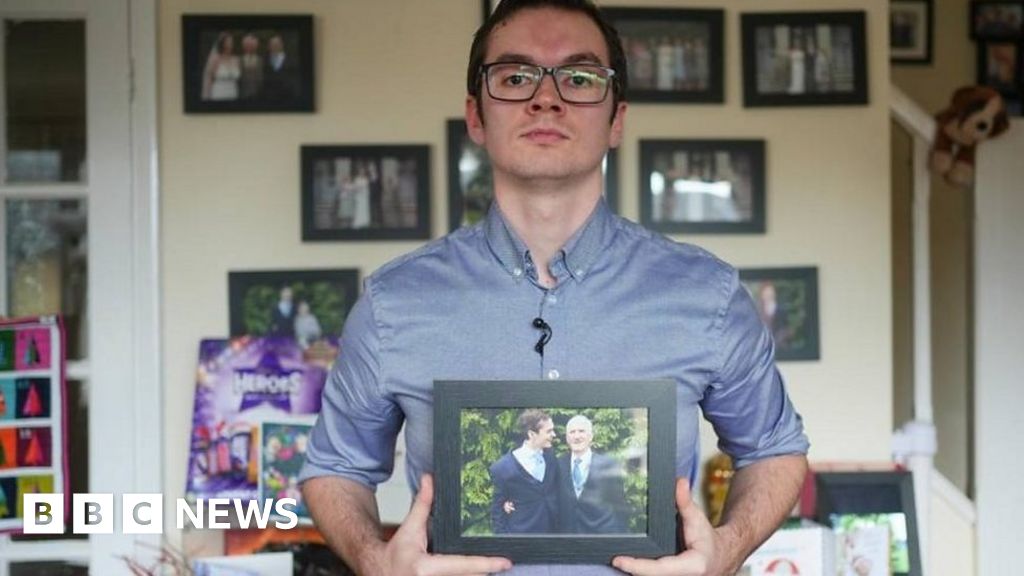
NHS Wales: 'I had to carry my grandfather into hospital'

A man was forced to carry his grandfather into hospital due to a chronic ambulance shortage.Steve Parsons’s grandfather collapsed at his home in Monmouthshire but was advised to take him to hospital himself as no ambulances were available.On their way to the Grange Hospital in Torfaen, the 83-year-old suffered a cardiac arrest.Fortunately a passing nurse helped save his life with CPR however his family said they were traumatised by the experience. “Something needs to change,” said Mr Parsons, 31.”No-one wants to be in a place where they are carrying a loved one across a car park yelling for help.”

Read more →

A three-dose malaria vaccine shows safety, efficacy in West African adults

A three-dose regimen of a whole-parasite vaccine against malaria — called Plasmodium falciparum sporozoite (PfSPZ) vaccine — demonstrated safety and efficacy when tested in adults living in Burkina Faso, West Africa, which has endemic malaria. That is the finding of a new study published on Dec. 7, 2022, in Science Translational Medicine. Researchers at the University of Maryland School of Medicine’s Center for Vaccine Development and Global Health (CVD) led the work.
About 241 million people worldwide were infected with malaria in 2020, and 627,000 people died from their infections. Scientists have tried for decades to develop a highly effective malaria vaccine without much success. That is because the vaccines have been shown not to provide much protection in those who have already been infected with malaria earlier in life due to their acquired immunity. The first vaccine against malaria (RTS,S/AS01) was approved by the World Health Organization in October 2021, and it provides modest protection against malaria.
The new study involved 80 participants in a randomized controlled clinical trial comparing three doses of the PfSPZ vaccine against a placebo. At six months follow up, vaccine efficacy was up to 48 percent; at 18 months follow up, vaccine efficacy was up to 46 percent.
“Our study shows that the vaccine can be given to malaria-experienced adults in a highly endemic area and still provide protection, which is difficult and complicated as these individuals already have significant immune responses to malaria parasites that must be overcome by a vaccine for it to be successful,” said study corresponding author Matthew B. Laurens, MD, MPH, Professor of Pediatrics at UMSOM and Director, International Clinical Trials Unit in the Malaria Research Group at CVD.
PfSPZ Vaccine is made with a live-attenuated form of the malaria parasite Plasmodium falciparum sporozoite, which is transmitted by mosquitos. The vaccine is made by Rockville, Maryland-based Sanaria Inc. and has been shown to provide at least 90-percent protection in challenge studies where volunteers are infected with malaria (in a highly controlled way); these studies were conducted by CVD researchers in the U.S. and by other groups in Tanzania. In African adults who previously had malaria, PfSPZ provided 52 percent vaccine efficacy against naturally transmitted malaria infection. Protection lasted 8 to 14 months.
In the new study, researchers wanted to reduce the number of required injections from five shots to three, while improving vaccine efficacy. They assessed safety, tolerability, immunogencity, and vaccine efficacy of three injections of the vaccine in a two-part study.

The first part enrolled 32 adults in a dose-escalation phase in 2016 and the second enrolled 80 adults in a randomized trial in 2017. In the randomized trial, 39 received PfSPZ Vaccine and 41 received placebo. Study participants were healthy men and non-pregnant women ages 21 to 40. The vaccines were well tolerated and without concerning side effects.
“New strategies are needed to achieve the United Nations sustainable development goal of a 90-percent reduction in malaria incidence and mortality by 2030,” said UMSOM DeanMark T. Gladwin, MD, Vice President for Medical Affairs, University of Maryland, Baltimore, and the John Z. and Akiko K. Bowers Distinguished Professor. “Innovative vaccines that provide a higher level of protection against malaria are urgently needed to help to achieve this goal.”
Additional co-authors on the newly published research from UMSOM’s Center for Vaccine Development and Global Health include: Kirsten E. Lyke, MD, Professor of Medicine; Sudhaunshu Joshi, MS, Laboratory Specialist; Biraj Shrestha, Laboratory Assistant; and Kathy Strauss, Laboratory Specialis.
The new study reflects a long history of malaria vaccine development at UMSOM that started in the early 1970s with landmark research from David Clyde, MD, former head of malarial studies at CVD. His studies demonstrated that high-level protection against malaria infection is possible using a whole organism vaccine.
Future research includes conducting additional clinical trials of the PfSPZ Vaccine in groups that would benefit most from vaccine-induced protection, including children, travelers, military personnel, and pregnant women.
Many of these studies are underway, including an ongoing trial at UMSOM to administer a compressed schedule of three doses of PfSPZ Vaccine in one month, which is a feasible timeline for travelers and military populations. Results of this study are expected in 2023.
The study was funded by NIH’s National Institute of Allergy and Infectious Diseases grants U01AI112367 and 5R44AI055229.

Read more →

Here today, gone tomorrow: How humans lost their body hair

Orangutans, mice, and horses are covered with it, but humans aren’t. Why we have significantly less body hair than most other mammals has long remained a mystery. But a first-of-its-kind comparison of genetic codes from 62 animals is beginning to tell the story of how people — and other mammals — lost their locks.
Humans appear to have the genes for a full coat of body hair, but evolution has disabled them, scientists at University of Utah Health and University of Pittsburgh report in the journal eLife. The findings point to a set of genes and regulatory regions of the genome that appear to be essential for making hair.
The research answers fundamental questions about mechanisms that shape this defining human characteristic. The scientists suspect it could eventually lead to new ways to recover hair after balding and chemotherapy — or in people with disorders that cause hair loss.
The study goes on to show that nature has deployed the same strategy at least nine times in mammals that sit on different branches of the evolutionary tree. Ancestors of rhinos, naked mole rats, dolphins, and other hairless mammals stomped, scuttled, and swam along the same path to deactivate a common set of genes in order to shed their hair and fur.
“We have taken the creative approach of using biological diversity to learn about our own genetics,” says Nathan Clark, Ph.D., a human geneticist at U of U Health who carried out much of the research while at the University of Pittsburgh with Amanda Kowalczyk, Ph.D., and Maria Chikina, Ph.D. “This is helping us to pinpoint regions of our genome that contribute to something important to us.”
The Benefits of Being Hairless
Whether talking about a monkey’s coarse body hair or a cat’s soft fur, hairiness looks different across the animal kingdom. The same goes for hairlessness. Humans have a characteristic tuft of hair on our heads, but because our body hair is less conspicuous, we fall into the “hairless” category. Joining us are other mammals with hints of hair like elephants with their sparse covering, sheer-coated pigs, and mustachioed walruses.

There are benefits to having a receding hairline. Without dense hair, elephants cool off more easily in hot climates and walruses glide effortlessly in the water. Despite the varied reasons, analysis by Kowalczyk found that these and the other hairless mammals analyzed have accumulated mutations in many of the same genes. These include genes that code for keratin and additional elements that build the hair shaft and facilitate hair growth.
Regulatory regions of the genome appear to be equally important, the research additionally showed. These regions don’t code for structures that make hair but rather influence the process indirectly. They guide when and where certain genes turn on and how much is made.
Further, the screen uncovered genes for which a role in sprouting hair had not yet been defined. Combined with additional evidence — such as signs of being active in the skin — these findings highlight a new set of genes that could be involved in growing hair.
“There are a good number of genes where we don’t know much about them,” Kowalczyk says. “We think they could have roles in hair growth and maintenance.”
Untangling Hair Loss
To detangle the mystery of mammalian hair loss, Clark, Kowalczyk, and Chikina searched for genes in hairless animals that evolved at faster rates compared to their counterparts in hairy animals.

“As animals are under evolutionary pressure to lose hair, the genes encoding hair become less important,” Clark says. “That’s why they speed up the rate of genetic changes that are permitted by natural selection. Some genetic changes might be responsible for loss of hair. Others could be collateral damage after hair stops growing.”
To perform the search, they developed computational methods that could compare hundreds of regions of the genome at once. They surveyed 19,149 genes and 343,598 regulatory regions that were conserved across the dozens of mammalian species analyzed. In the process, they took steps to discount genetic regions responsible for evolving other species-specific traits, such as adapting to aquatic life.
The fact that the unbiased screen identified known hair genes demonstrated that the approach worked, Clark explains. It also suggests that the genes identified in the screen that are less well-defined could be just as important for having hair — or not having it.
Clark and colleagues are now using the same approach to define genetic regions involved in preventing cancer, extending lifespan, and understanding other health conditions.
“This is a way to determine global genetic mechanisms underlying different characteristics,” Clark says.
The research was supported by the National Institutes of Health.

Read more →