What if sodium in packaged foods was reduced for an entire continent?

Reformulating packaged foods in Australia to contain less sodium might save about 1,700 lives per year and prevent nearly 7,000 annual diagnoses of heart disease, kidney disease and stomach cancer, according to new research published today in Hypertension, an American Heart Association journal.
High sodium intake increases blood pressure, risk of heart disease and stroke, chronic kidney disease and stomach cancer. To reduce the incidence of these conditions, the World Health Organization (WHO) recommends reducing the population-wide average sodium intake by 30% by 2025, which limits total daily sodium intake per person to about 2 grams (g), or 2,000 milligrams (mg), per day. The U.S. Department of Agriculture’s Dietary Guidelines for Americans recommends that healthy adults limit sodium to less than 2,300 mg per day. Current daily sodium intake in the U.S. is estimated at 3,400 mg/day per person.
Most sodium in people’s diets comes from processed and packaged foods. The American Heart Association estimates that 75% or more of daily sodium intake in the U.S. is from processed/packaged foods and restaurant foods. Reducing sodium in packaged foods through product reformulation programs is considered by WHO as a “best buy” to prevent diseases related to high sodium intake. In 2021, the WHO released guidance for sodium levels in food categories that are the biggest contributors to sodium intake such as processed meats, bread and sauces. For example, the WHO benchmark for lunch meat is 540 mg of sodium per 100 g of product, and bread is 330 mg of sodium per 100 g of product. Many countries have implemented reformulation programs for processed foods; however, they may be poorly monitored and include fewer food categories than recommended by the WHO.
The Australian government established a voluntary reformulation program for 27 packaged food categories. The WHO benchmarks, however, include 58 packaged food categories.
“We had previously modeled the potential impact of the Australian program,” said the study’s co-lead author Kathy Trieu, M.P.H., Ph.D., lead author of the study and senior research fellow in food policy at The George Institute for Global Health, and a senior lecturer at the University of New South Wales, both in Sydney, Australia. “In this study, we wanted to estimate the potential number of additional premature deaths, new cases of disease and years lived with disability that may be averted with the WHO sodium benchmarks, which are above and beyond the Australian government’s sodium reformulation targets.”
In their previous study, Trieu and colleagues found that Australia’s plan reduced average sodium intake by 107 mg per day per person and may avert about 500 deaths, 1,900 new cases of cardiovascular disease, chronic kidney disease and stomach cancer (combined), and 7,355 disability-adjusted life years (DALYs) in Australia each year. DALYs are a measure of years of healthy life lost due to illness or premature death.

They applied the same statistical model to estimate the potential impact of extending the Australian plan to include all 58 packaged food categories in the WHO benchmarks. The model used national data from 2011-2012 on sodium intake, food composition and sales for the targeted food categories. The researchers first estimated the reduction in sodium intake that may occur if the WHO targets were met. Then, using published statistics on the relationship between sodium intake and high blood pressure, they calculated the potential effect of sodium reduction on rates of cardiovascular disease and chronic kidney disease. High blood pressure is a major risk factor for both conditions.
The impact on stomach cancer was calculated using risk estimates derived from published studies of sodium and stomach cancer. The analysis determined the potential number of deaths, new cases of disease and DALYs that may be avoided by following the WHO guidance.
The analyses estimated that implementing the WHO sodium targets in Australia may result in: An average of 404 mg per day reduction in sodium for adults; Approximately 1,770 fewer deaths from cardiovascular disease, kidney disease and stomach cancer each year, with most of the impact on deaths due to avoiding deaths from cardiovascular disease (1,450 of the total). About 4,500 fewer new cases of cardiovascular disease, 2,050 fewer new cases of kidney disease and 350 fewer new cases of stomach cancer per year; and A total of 25,670 fewer DALYs from the three conditions.”Our findings indicate that compliance with WHO benchmarks compared with Australia’s current sodium targets may result in substantial health gains and prevent more than three times as many deaths and new cases of disease each year,” said Trieu, adding that the greater impact of the WHO benchmarks may be explained by both including more packaged food products and stricter sodium targets.
Study limitations include the use of national nutrition survey data that was collected in 2011-12 and based on a single 24-hour diet recall to estimate food consumption, therefore, this data may not reflect current sodium intake. In addition, estimates of disease burden may be less accurate than estimates of more easily measured outcomes such as death. Also, there may be other ways in addition to blood pressure that sodium reduction affects cardiovascular and kidney disease.
Co-authors are Daisy Coyle, Ph.D.; Emalie Rosewarne, M. Nutrition & Diet; Maria Shahid, M.P.H.; Rain Yamamoto, Ph.D.; Chizuru Nishida, Ph.D.; Bruce Neal, Ph.D.; Feng He, Ph.D.; Matti Marklund, Ph.D.; and Jason Wu, Ph.D. 
The study was funded by an Australian National Health and Medical Research Council Partnership Project.

Read more →

Scientists use machine learning to fast-track drug formulation development

Scientists at the University of Toronto have successfully tested the use of machine learning models to guide the design of long-acting injectable drug formulations. The potential for machine learning algorithms to accelerate drug formulation could reduce the time and cost associated with drug development, making promising new medicines available faster.
The study was published today in Nature Communications and is one of the first to apply machine learning techniques to the design of polymeric long-acting injectable drug formulations.
The multidisciplinary researchis led by Christine Allen from the University of Toronto’s department of pharmaceutical sciences and Alán Aspuru-Guzik, from thedepartments of chemistry and computer science. Both researchers are also members of the Acceleration Consortium, a global initiative that uses artificial intelligence and automation to accelerate the discovery of materials and molecules needed for a sustainable future.
“This study takes a critical step towards data-driven drug formulation development with an emphasis on long-acting injectables,” said Christine Allen, professor in pharmaceutical sciences at the Leslie Dan Faculty of Pharmacy, University of Toronto. “We’ve seen how machine learning has enabled incredible leap-step advances in the discovery of new molecules that have the potential to become medicines. We are now working to apply the same techniques to help us design better drug formulations and, ultimately, better medicines.”
Considered one of the most promising therapeutic strategies for the treatment of chronic diseases, long-acting injectables (LAI) are a class of advanced drug delivery systems that are designed to release their cargo over extended periods of time to achieve a prolonged therapeutic effect. This approach can help patients better adhere to their medication regimen, reduce side effects, and increase efficacy when injected close to the site of action in the body. However, achieving the optimal amount of drug release over the desired period of time requires the development and characterization of a wide array of formulation candidates through extensive and time-consuming experiments. This trial-and-error approach has created a significant bottleneck in LAI development compared to more conventional types of drug formulation.
“AI is transforming the way we do science. It helps accelerate discovery and optimization. This is a perfect example of a ‘Before AI’ and an ‘After AI’ moment and shows how drug delivery can be impacted by this multidisciplinary research,” said Alán Aspuru-Guzik, professor in chemistry and computer science, University of Toronto who also holds the CIFAR Artificial Intelligence Research Chair at the Vector Institute in Toronto.
To investigate whether machine learning tools could accurately predict the rate of drug release, the research team trained and evaluated a series of eleven different models, including multiple linear regression (MLR), random forest (RF), light gradient boosting machine (lightGBM), and neural networks (NN). The data set used to train the selected panel of machine learning models was constructed from previously published studies by the authors and other research groups.
“Once we had the data set, we split it into two subsets: one used for training the models and one for testing. We then asked the models to predict the results of the test set and directly compared with previous experimental data. We found that the tree-based models, and specifically lightGBM, delivered the most accurate predictions,” said Pauric Bannigan, research associate with the Allen research group at the Leslie Dan Faculty of Pharmacy, University of Toronto.
As a next step, the team worked to apply these predictions and illustrate how machine learning models might be used to inform the design of new LAIs, the team used advanced analytical techniques to extract design criteria from the lightGBM model. This allowed the design of a new LAI formulation for a drug currently used to treat ovarian cancer. “Once you have a trained model, you can then work to interpret what the machine has learned and use that to develop design criteria for new systems,” said Bannigan. Once prepared, the drug release rate was tested and further validated the predictions made by the lightGBM model. “Sure enough, the formulation had the slow-release rate that we were looking for. This was significant because in the past it might have taken us several iterations to get to a release profile that looked like this, with machine learning we got there in one,” he said.
The results of the current study are encouraging and signal the potential for machine learning to reduce reliance on trial-and-error testing slowing the pace of development for long-acting injectables. However, the study’s authors identify that the lack of available open-source data sets in pharmaceutical sciences represents a significant challenge to future progress. “When we began this project, we were surprised by the lack of data reported across numerous studies using polymeric microparticles,” said Allen. “This meant the studies and the work that went into them couldn’t be leveraged to develop the machine learning models we need to propel advances in this space,” said Allen. “There is a real need to create robust databases in pharmaceutical sciences that are open access and available for all so that we can work together to advance the field,” she said.
To promote the move toward the accessible databases needed to support the integration of machine learning into pharmaceutical sciences more broadly, Allen and the research team have made their datasets and code and available on the open-source platform Zenodo.
“For this study our goal was to lower the barrier of entry to applying machine learning in pharmaceutical sciences,” said Bannigan. “We’ve made our data sets fully available so others can hopefully build on this work. We want this to be the start of something and not the end of the story for machine learning in drug formulation.”

Read more →

Study finds program to prevent cerebral palsy in premature babies is effective

A programme to increase the use of magnesium sulfate, a £1 injection that helps prevent cerebral palsy in premature babies, is effective according to a National Institute for Health and Care Research (NIHR) funded evaluation. The findings, led by researchers at the University of Bristol, are published in the Archives of Disease in Childhood.
Premature birth is the main cause of brain injury and cerebral palsy in babies. Evidence shows that babies can be protected from brain injury by giving magnesium sulfate to women who are at risk of premature birth. This reduces the risk of cerebral palsy by a third. However, in 2017 only 64% of eligible women were being given magnesium sulfate in England, Scotland and Wales.
The prevention of cerebral palsy in pre-term labour (PReCePT) programme aimed to support all maternity units in England to increase the use of magnesium sulfate in premature births. The PReCePT approach was developed in the West of England in 2014. It was led by the West of England Academic Health Science Network (AHSN) and University Hospitals Bristol and Weston NHS Foundation Trust.
It was then piloted in five NHS trusts in the West of England, and this pilot was evaluated by the NIHR Applied Research Collaboration West (NIHR ARC West). It has since been rolled out across England via the AHSN Network as a national programme.
The evaluation of the national programme, also led by NIHR ARC West, found that PReCePT was both effective and cost-effective. The researchers looked at data from the UK National Neonatal Research Database for the year before and year after PReCePT was implemented in maternity units in England.
While use of magnesium sulfate had been increasing before, the study showed that PReCePT was able to accelerate uptake. It increased by 6.3 percentage points on average across all maternity units in England during the first year, over and above the increase that would be expected over time as the practice spread organically. After also adjusting for variations in when maternity units started the programme, the increase in use of magnesium sulfate was 9.5 percentage points. By May 2020, on average 86.4% of eligible mothers were receiving magnesium sulfate.

The researchers also estimated that the programme’s first year could be associated with a lifetime saving to society of £3 million. This accounts for the costs of the programme, administering the treatment and of cerebral palsy to society over a lifetime, and the associated health gains of avoiding cases. This is across all the extra babies the programme helped get access to the treatment during the first year.
In the five West of England pilot sites the improved use of magnesium sulfate has been sustained over the years since PReCePT was implemented. As the programme costs were mostly in the first year of implementation, longer-term national analysis may show that PReCePT is even more cost-effective over a longer period.
John Macleod, NIHR ARC West Director, Professor in Clinical Epidemiology and Primary Care at the University of Bristol and principal investigator of the evaluation, said: “Our in-depth analysis has been able to demonstrate that the PReCePT programme is both effective and cost-effective. The programme has increased uptake of magnesium sulfate, which we know is a cost-effective medicine to prevent cerebral palsy, much more quickly than we could have otherwise expected.
“We are pleased to have played a part in helping get this cheap yet effective treatment to more babies.”
Natasha Swinscoe, Chief Executive for the West of England AHSN and National Lead for Patient Safety for the AHSN Network, said: “We’ve been delighted to support the development of PReCePT from its inception at University Hospitals Bristol and Weston to its spread to all five hospital trusts in the West of England, and then leading the national rollout through the AHSN Network.

“We are incredibly proud of what the perinatal community has achieved through this programme, and the difference it is making to the lives of so many premature babies and their families.”
This evaluation is part of a long-term collaboration between PReCePT’s chief investigator Professor Karen Luyt, NIHR ARC West and the West of England AHSN on the use of magnesium sulfate to prevent cerebral palsy in premature babies.
Karen Luyt, Professor in Neonatal Medicine at the University of Bristol, said: “The PReCePT national QI programme demonstrates that a collaborative and coordinated, AHSN delivered, perinatal implementation programme supporting every hospital in England, can accelerate the uptake of new evidence-based treatments into routine practice, enabling equitable health benefits to babies and ultimately reductions in lifetime societal costs.”
Professor Lucy Chappell, Chief Executive Officer of the National Institute for Health and Care Research, said: “This important study shows the impact of taking a promising intervention that had been shown to work in a research setting and scaling it up across the country. Giving magnesium sulfate to prevent cerebral palsy in premature babies is a simple, inexpensive intervention that can make such a difference to families and the health service. We look forward to seeing ongoing use of magnesium sulfate across our maternity units so that these benefits continue.”
Minister of State for Health Will Quince said: “This study proves this simple, cost effective injection can protect babies as well as potentially saving society up to £3 million. Thanks to our leading research in this space, this has already been rolled out nationally and it is vital all eligible women are offered magnesium sulfate.
“It’s so important to progress research in areas like this and I encourage researchers with innovative ideas to apply for funding through the National Institute for Health and Care Research.
“More widely, I am committed to ensuring all people living with cerebral palsy can fulfil their potential throughout their life — that’s why we’ve set out principles to guide the transition of young people with cerebral palsy into adulthood in health, social care and education systems.”

Read more →

Chlamydiae expand our view on how intracellular bacteria evolve

All chlamydiae today live inside the cells of hosts ranging from amoeba to animals. A team of scientists from the University of Vienna and the Wageningen University & Research found that the ancestor of chlamydiae likely already lived inside host cells, but that chlamydiae infecting amoeba evolved later in ways unexpected for intracellular bacteria. The study published in Nature Microbiology is an important step for understanding the emergence and evolution of endosymbiotic bacteria, including human pathogens.
Chlamydiae are known for the human pathogen Chlamydia trachomatis, but this group of bacteria evolved over a billion years ago — long before even the first animals. Nevertheless, all chlamydiae found today live inside a broad range of hosts from small amoeba to animal cells. But what has been puzzling scientists since the first chlamydiae genomes were sequenced 20 years ago is that, while chlamydiae infecting animals have small genomes similar to other endosymbionts, those that infect amoeba have larger genome sizes more similar to free-living bacteria. The study of this diverse bacterial group’s evolution, however, has been hampered by the difficulty to grow these microbes in the lab.
The teams around Matthias Horn (University of Vienna) and Thijs Ettema (Wageningen University & Research) could circumvent this problem: “We’ve only recently gained the capability to sequence genomes directly from environmental samples to explore the breadth of chlamydial diversity,” explain the researchers. With this new data in hand, they then traced back the evolution of chlamydiae. Using state-of-the-art computational methods, they reconstructed the genome of the last common ancestor of all known chlamydiae. The researchers found that “this extinct microbe had all the genes needed to be an endosymbiont. Even genes important for chlamydial animal pathogens today were likely already present.” This means that chlamydiae have been infecting host cells for over a billion years of evolutionary history.
However, to their surprise the research team also found that chlamydiae infecting amoeba gained many metabolic genes only later, despite the fact that endosymbionts have fewer opportunities to exchange genes with other bacteria. “Our results show that more gene exchange happened in some chlamydiae than expected for endosymbionts,” the authors explain, “including the gain of key metabolic genes.”
This result challenges how we think about the evolution of endosymbionts. But the researchers also suggest a solution to this conundrum: “It’s not so surprising when you think about the environment these chlamydiae live in: Amoeba often host multiple endosymbionts and feed on free-living bacteria, so there are other microbes around increasing the accessible gene pool. In addition, most chlamydiae move between different hosts, and exposure to changing environments could explain why it might be beneficial for these endosymbionts to keep and even gain additional metabolic genes.”
The scientists are curious to see whether this mode of endosymbiont evolution is more widespread. In any case, this study is an important step for understanding the emergence and evolution of endosymbiotic bacteria, including human pathogens.
Story Source:
Materials provided by University of Vienna. Note: Content may be edited for style and length.

Read more →

Feeling depressed? Performing acts of kindness may help

People suffering from symptoms of depression or anxiety may help heal themselves by doing good deeds for others, new research shows.
The study found that performing acts of kindness led to improvements not seen in two other therapeutic techniques used to treat depression or anxiety.
Most importantly, the acts of kindness technique was the only intervention tested that helped people feel more connected to others, said study co-author David Cregg, who led the work as part of his PhD dissertation in psychology at The Ohio State University.
“Social connection is one of the ingredients of life most strongly associated with well-being. Performing acts of kindness seems to be one of the best ways to promote those connections,” Cregg said.
Cregg conducted the research with Jennifer Cheavens, professor of psychology at Ohio State. Their study was published recently in The Journal of Positive Psychology.
The research also revealed why performing acts of kindness worked so well: It helped people take their minds off their own depression and anxiety symptoms.

This finding suggests that one intuition many people have about people with depression may be wrong, Cheavens said.
“We often think that people with depression have enough to deal with, so we don’t want to burden them by asking them to help others. But these results run counter to that,” she said.
“Doing nice things for people and focusing on the needs of others may actually help people with depression and anxiety feel better about themselves.”
The study involved 122 people in central Ohio who had moderate to severe symptoms of depression, anxiety, and stress.
After an introductory session, the participants were split into three groups. Two of the groups were assigned to techniques often used in cognitive behavioral therapy (CBT) for depression: planning social activities or cognitive reappraisal.

The social activities group was instructed to plan social activities for two days a week. Another group was instructed in one of the staples of CBT: cognitive reappraisal. These participants kept records for at least two days each week that helped them identify negative thought patterns and revise their thoughts in a way that could reduce depression and anxiety.
Members of the third group were instructed to perform three acts of kindness a day for two days out of the week. Acts of kindness were defined as “big or small acts that benefit others or make others happy, typically at some cost to you in terms of time or resources.”
Some of the acts of kindness that participants later said they did included baking cookies for friends, offering to give a friend a ride, and leaving sticky notes for roommates with words of encouragement.
Participants followed their instructions for five weeks, after which they were evaluated again. The researchers then checked with the participants after another five weeks to see if the interventions were still effective.
The findings showed that participants in all three groups showed an increase in life satisfaction and a reduction of depression and anxiety symptoms after the 10 weeks of the study.
“These results are encouraging because they suggest that all three study interventions are effective at reducing distress and improving satisfaction,” Cregg said.
“But acts of kindness still showed an advantage over both social activities and cognitive reappraisal by making people feel more connected to other people, which is an important part of well-being,” he said.
In addition, the acts of kindness group showed greater improvements than the cognitive reappraisal group for life satisfaction and symptoms of depression and anxiety, results showed.
Cheavens noted that just participating in social activities did not improve feelings of social connection in this study.
“There’s something specific about performing acts of kindness that makes people feel connected to others. It’s not enough to just be around other people, participating in social activities,” she said.
Cregg said that while this study used techniques of CBT, it is not the same experience as going through CBT. Those who undergo the full treatment may have better results than those in this study.
But the findings also show that even the limited CBT exposure given in this study can be helpful, Cheavens said.
“Not everyone who could benefit from psychotherapy has the opportunity to get that treatment,” she said. “But we found that a relatively simple, one-time training had real effects on reducing depression and anxiety symptoms.”
And beyond traditional CBT, acts of kindness may have additional benefits in creating social connections, Cregg said.
“Something as simple as helping other people can go above and beyond other treatments in helping heal people with depression and anxiety,” he said.

Read more →

The nose knows: Study suggests it may be wise to screen for smell loss to predict frailty and unhealthy aging

In a study using data from nearly 1,200 older adults, Johns Hopkins Medicine researchers have added to a growing body of evidence that loss of the sense of smell is a predictive marker for an increased risk of frailty as people age. Building on previous research showing that olfactory dysfunction is a common early sign of brain-linked cognitive decline, the new findings suggest the link to frailty is likely not just in the brain but also in the nose itself.
If further studies affirm the findings, the researchers say, screening older adults’ ability to smell various scents could be as important as testing hearing and vision over time.
Results of the study, published Jan. 10 in the Journal of Gerontology, looked at the prevalence of frailty, an age-related syndrome of physiological decline, along with two different ways of assessing the ability to smell: olfactory sensitivity (the ability to detect an odor’s presence) and olfactory identification (the ability to detect and name an odor). Olfactory identification is a central measure of smell function, which has been linked to frailty and relies on higher-order cognitive processing to interpret and classify an odor. This suggests that neurological function may help to explain the relationship between smell and frailty. However, researchers say the ability to merely detect an odor without having to use higher-level neurological processes and the relationship of the ability to detect odors alone with frailty have been understudied.
“We use our sense of smell to identify the threat of a fire or to enjoy the fragrance of flowers on a spring day. But just like vision and hearing, this sense weakens as we age,” says Nicholas Rowan, M.D.,, associate professor of otolaryngology-head and neck surgery and corresponding author of the study. “We found that both impaired olfactory identification and sensitivity functions are associated with frailty, which is interesting because it shows that it’s not just your aging brain at work here, but it may also be something peripheral, like something at the level of your nose that is able to predict our impending frailty and death.” Rowan remarks that although these findings in older adults add to a body of literature that suggests the sense of smell can be a bellwether of frailty and impending mortality, the relationship of these unique sensory losses with unhealthy aging over time is unclear.
What is clear, he notes, is that common consequences of smell loss include a loss of appetite, difficulty monitoring personal hygiene, depression and an inability to detect toxic fumes. In older adults, this may be associated with weight loss, malnutrition, weakness, inadequate personal care and even potential injuries caused by gas leaks or fires.
In the United States, the population of older adults is estimated to double in the next three decades, driving efforts to sort out which older adults are most likely to experience frailty, a strong marker of impending death compared to those without it. The new study used a standard assessment of frailty (called a Physical Frailty Phenotype, or PFP, score) that looks at five markers: weight loss, exhaustion, weakness, slow walking speed and low physical activity.

To examine the relationship between frailty and olfaction, the research team analyzed data from 1,160 older adults enrolled in the National Social Life, Health and Aging Project between 2015 and 2016. The mean age of subjects was 76 and 55.7% were female. Participants were exposed to five scents to measure olfactory identification and six scents to measure sensitivity levels. Results were then matched to a subject’s frailty score.
Researchers concluded that for every one-point increase in both olfactory identification and sensitivity scores, there was a significant and meaningful reduction in frailty status, implying that improvements in smell were associated with improved health status and resilience of older results. Conversely, the worse the sense of smell, the frailer a subject was, suggesting that smell loss can be a measurable biomarker and potential risk factor for frailty in older adults.
As a matter of practical medical care, Rowan says the findings mean that smell tests could become part of routine screenings as a way to identify someone’s risk of unhealthy aging, and a tipoff to whether additional tests of cognition and other conditions are needed.
“We already do tests to assess how well we can see or hear, and it’s just as easy to conduct a simple smell test that takes only minutes, which could potentially be used as a valuable tool to assess the risk of frailty or unhealthy aging,” says Rowan. “For example, if someone flunks a smell test then maybe this patient needs to improve their nutrition or undergo a more detailed neurological or medical workup.”
In an effort to answer this question, Rowan and his colleagues from the Johns Hopkins University Claude D. Pepper Older Americans Independence Center are actively investigating how more detailed smell tests may help researchers and clinicians alike in identifying physiologically vulnerable older adults. Rowan notes that these results are especially important in the setting of the COVID-19 pandemic, which has caused lasting smell loss for millions of individuals. “The really interesting question, though, is what happens to these novel relationships when you seek to treat the smell loss,” he says.
Other researchers involved in this study include Nimesh Nagururu, Isaac Bernstein, Kristin Voegtline, Sarah Olson and Yuri Agrawal.
Funding from this study was supported by the Johns Hopkins Biostatistics, Epidemiology and Data Management (BEAD) Core; and the Johns Hopkins University Claude D. Pepper Older Americans Independence Center funded by the National Institute on Aging of the National Institutes of Health.

Read more →

China blocks visas for S Korea and Japan over Covid restrictions

Published1 day agoShareclose panelShare pageCopy linkAbout sharingImage source, ReutersBy Nick Marsh in SeoulBBC NewsChina has stopped issuing short-term visas to individuals from South Korea and Japan in retaliation for Covid restrictions on Chinese travellers.Beijing says the pause on South Korean visas will remain in place until “discriminatory” entry restrictions against China are lifted.Japan and South Korea are not the only countries imposing entry requirements on travellers from China, where Covid cases are surging, but their measures are among the most stringent.Last week, South Korea stopped issuing tourist visas for those coming from China, which the Chinese foreign ministry called “unacceptable” and “unscientific”.Japan, meanwhile, is currently allowing Chinese visitors into the country – provided they test negative for Covid. This is similar to the UK and the US, but Japan is also restricting flights from China to certain Japanese cities.Beijing’s embassies in both Seoul and Tokyo confirmed the new visa restrictions for visitors to China.China reopened its borders on Sunday for the first time since March 2020 as part of scrapping of its “zero-Covid” policy. Reacting to China’s latest visa restrictions, South Korea’s foreign ministry told the BBC that its policy towards arrivals from China was “in accordance with scientific and objective evidence”. According to South Korea’s Disease Control and Prevention Agency, around a third of all arrivals from China tested positive for Covid prior to the visa restrictions being put in place. Nearly everyone in China province got Covid – officialCelebrity deaths spark fears over China Covid tollAt Seoul’s Incheon International airport – the only South Korean airport still allowing flights from China – arrivals are met by military personnel in personal protective equipment. The BBC managed to speak to some of them as they were escorted to the airport testing centre. “Personally, I think it’s OK. I have been through much worse during this pandemic,” said William, a businessman from Shanghai. “As a traveller I just try to comply with the policies are much as possible.”But another passenger disagreed. “In my mind it’s not scientific at all,” said Emily, who arrived from Hong Kong. She, like those coming from mainland China, was required to test. “I feel like it’s a little bit unfair on this side. They must feel really unsafe, I suppose.”Many South Koreans support the idea of protecting their country from China’s coronavirus surge – but not all are convinced that the decision is a purely medical one.”There is a political element to it and the relationship between the two countries isn’t a good one. A lot of Korean people hold a lot of animosity blaming China for the coronavirus,” said Jinsun, who was heading to Abu Dhabi.EU ‘strongly’ urges Covid testing for China travelAnother woman going on her honeymoon to Paris said South Korea might not have implemented such rules if the country concerned wasn’t China. “But then again, whatever we did, China would have a problem with it,” she said.The South Korean curbs are supposed to last at least until the end of the month, which would give scientists time to analyse for any potential new variants coming from China. “There’s no transparency at the moment in China about any monitoring for new variants. If a new variant comes from China, it would be a very difficult situation for the whole world,” Professor Kim Woo Joo, an infectious diseases expert at Korea University and a government adviser, told the BBC.”It would also be a disaster for the Korean healthcare system. We currently have a lot of hospitalisations and deaths already and our elderly people are also under-vaccinated. This is what we are worried about.”At the moment, only a small number of business or diplomatic travellers from China are being allowed into South Korea. They must test negative before departure and also on arrival. One Chinese man who tested positive escaped from a bus taking him to a quarantine hotel near the airport. Two days later he was caught by police in a hotel in Seoul.

Read more →

Diabetes artificial pancreas tech recommended for thousands on NHS

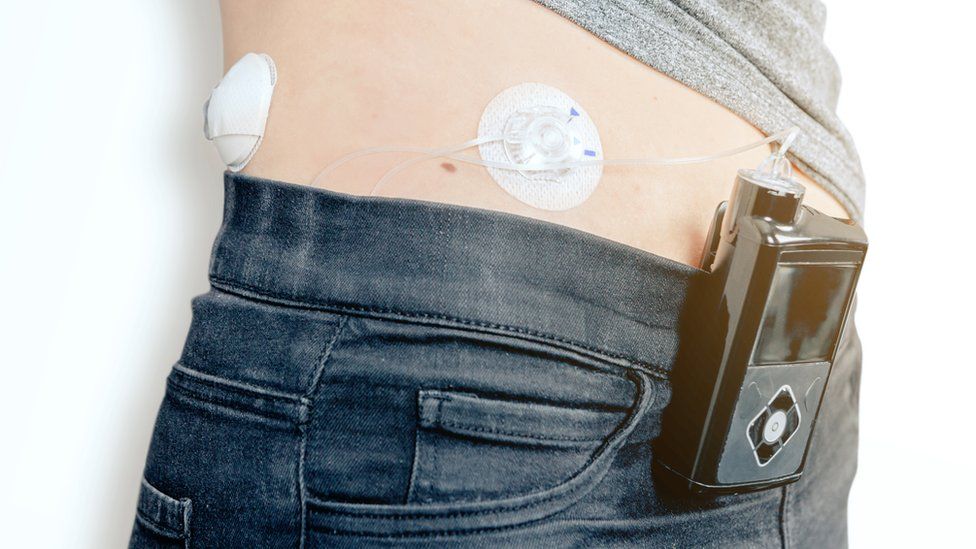
Published6 hours agoShareclose panelShare pageCopy linkAbout sharingImage source, Getty ImagesBy Philippa RoxbyHealth reporterMore than 100,000 people in England and Wales with type 1 diabetes could soon be offered new technology to manage their condition on the NHS.The system uses a glucose sensor under the skin to automatically calculate how much insulin is delivered via a pump.Health assessors said it was the best way of controlling diabetes, barring a cure.A charity said it would transform lives and was the “closest thing to a working pancreas”.The National Institute of Health and Care Excellence (NICE), the health body recommending the technology, said a more cost-effective price still had to be agreed with manufacturers.In trials, it improved quality of life and reduced the risk of long-term health complications.Approximately 400,000 people are currently living with type 1 diabetes in the UK, including around 29,000 children.Their pancreas produces no, or very little, insulin – an important hormone which helps turn food into energy.So they have to closely monitor levels of sugar, or glucose, in the blood and top up levels of insulin every day of their lives using injections or an insulin pump. Type 1 diabetes: ‘People don’t know how hard it is’Artificial pancreas to revolutionise diabetes careType 1 diabetes trial to identify at-risk children This new technology does that automatically, virtually mimicking the function of a pancreas – although it still requires information on food intake to work accurately. “This technology has been proven to give the best control for managing type 1 diabetes and should make things like amputations, blindness, and kidney problems possibly a thing of the past,” said Prof Partha Kar, national specialty adviser for diabetes at NHS England.”The quality of life this technology gives to those using it is huge,” he added. It allows someone with type 1 diabetes to go about their daily life without stressing over whether their blood sugar is too high or too low, and therefore dangerous.Yasmin Hopkins, 27, from London, had struggled to maintain her blood sugar levels since she was diagnosed at the age of 12.She took part in trials of the new technology and told the BBC she found it liberating.”I wake up now and I can do a normal day’s work, or go on a dog walk without being concerned,” she said.The kit has been described as a step towards an artificial pancreas.Cost too highUnder draft recommendations, NICE said the system should first be offered to patients in England and Wales unable to control their diabetes, including pregnant women, which could be around 100,000 people in England alone. Anyone can have their say on the guidance until Tuesday 31 January on the NICE website.Negotiations on a cost-effective price for the technology – called a closed hybrid loop system – are still to take place, however.The technology currently costs nearly £6,000 a year but NICE says it wants to agree a price for the NHS that “is fair to taxpayers”.Hilary Nathan, policy director at JDRF, the type 1 diabetes charity which has funded research into the system for many years, said it was “a game-changing treatment at the forefront of health technology and artificial intelligence”. If approved, she said, it would transform the lives of people living with type 1 in England and Wales, reduce deaths from glucose high and lows, and cut the risk of long-term health issues from the condition.”It’s the closest thing you can get to a working pancreas,” she added.The technology is already being rolled out in Scotland, and has been licensed for use by the UK regulator, the MHRA.Type 1 diabetes is a different condition to type 2 diabetes, which is much more common. While both cause blood glucose levels to be higher than normal, type 1 is an auto-immune condition where the body attacks cells in the pancreas.In people with type 2, the cells in the body become resistant to insulin and so more is needed to keep blood glucose levels within a normal range. It can usually be controlled through diet, exercise and close monitoring.More on this storyArtificial pancreas to revolutionise diabetes care1 April 2022Type 1 diabetes: ‘People don’t know how hard it is’9 May 2022Game-changing type 1 diabetes drug approved in US18 November 2022Type 1 diabetes trial to identify at-risk children14 November 2022Related Internet LinksType 1 diabetes – NHSJDRF UK – Type 1 diabetes researchDiabetes UKDiabetes Community, Support, EducationThe BBC is not responsible for the content of external sites.

Read more →

Cat locomotion could unlock better human spinal cord injury treatment

Cats always land on their feet, but what makes them so agile? Their unique sense of balance has more in common with humans than it may appear. Researchers at the Georgia Institute of Technology are studying cat locomotion to better understand how the spinal cord works to help humans with partial spinal cord damage walk and maintain balance.
Using a mix of experimental studies and computational models, the researchers show that somatosensory feedback, or neural signals from specialized sensors throughout a cat’s body, help inform the spinal cord about the ongoing movement and coordinate the four limbs to keep cats from falling when they encounter obstacles. Research suggests that with those motion-related sensory signals the animal can walk even if the connection between the spinal cord and the brain is partially fractured.
Understanding the mechanisms of this type of balance control is particularly relevant to older people who often have balance issues and can injure themselves in falls. Eventually, the researchers hope this could bring new understanding to somatosensory feedback’s role in balance control. It could also lead to progress in spinal cord injury treatment because the research suggests activation of somatosensory neurons can improve spinal neural networks’ function below the site of spinal cord damage.
“We have been interested in the mechanisms that make it possible to reactivate injured networks in the spinal cord,” said School of Biological Sciences Professor Boris Prilutsky. “We know from previous studies that somatosensory feedback from moving legs helps activate spinal networks that control locomotion, enabling stable movement.”
Coordinated Cats
Although genetically modified mouse models have recently become dominant in neural control of locomotion research, the cat model offers an important advantage. When they move, mice remain crouched, meaning they are less likely to have balance problems even if somatosensory feedback fails. Humans and cats, on the other hand, cannot maintain balance or even move if they lose sensory information about limb motion. This suggests that larger species, like cats and humans, might have a different organization of spinal neural network controlling locomotion compared to rodents.

Georgia Tech partnered with researchers at the University of Sherbrooke in Canada and Drexel University in Philadelphia to better understand how signals from sensory neurons coordinate movements of the four legs. The Sherbrooke lab trained cats to walk on a treadmill at a pace consistent with human gait and then used electrodes to stimulate their sensory nerve.
The researchers focused on the sensory nerve that transmits touch sensation from the top of the foot to the spinal cord. By electrically stimulating this nerve, researchers mimicked hitting an obstacle and saw how the cats stumbled and corrected their movement in response. Stimulations were applied in four periods of the walking cycle: mid-stance, stance-to-swing transition, mid-swing, and swing-to-stance transition. From this, they learned that mid-swing and the stance-to-swing transition were the most significant periods because the stimulation increased activity in muscles that flex the knee and hip joints, joint flexion and toe height, step length, and step duration of the stimulated limb.
“In order to maintain balance, the animal must coordinate movement of the other three limbs, otherwise it would fall,” Prilutsky said. “We found that stimulation of this nerve during the swing phase increases the duration of the stance phase of the other limbs and improves stability.”
In effect, when the cat stumbles during the swing phase, the sensation triggers spinal reflexes that ensure the three other limbs stay on the ground and keep the cat upright and balanced, while the swing limb steps over the obstacle.
Computational Cats
With these Canadian lab experiments, the researchers at Georgia Tech and Drexel University are using observations to develop a computational model of the cat’s musculoskeletal and spinal neural control systems. The data gathered are used to compute somatosensory signals related to length, velocity, and produced force of muscles, as well as pressure on the skin in all limbs. This information forms motion sensations in the animal’s spinal cord and contributes to interlimb coordination by the spinal neuronal networks.
“To help treat any disease, we need to understand how the intact system works,” Prilutsky said. “That was one reason why this study was performed, so we could understand how the spinal networks coordinate limb movements and develop a realistic computational model of spinal control of locomotion. This will help us know better how the spinal cord controls locomotion.”

Read more →

Anti-obesity drugs or surgery now advised for some US children

Published12 hours agoShareclose panelShare pageCopy linkAbout sharingImage source, Getty ImagesChildren struggling with obesity should be treated early, including with medication and surgery, according to new US guidelines.The first guidance on childhood obesity in 15 years was released by the American Academy of Paediatrics on Monday. In it, doctors cautioned that delaying treatment for obesity can lead to lifelong health problems.Nearly 15 million young people in the US are considered obese.According to the guidelines, behavioural and lifestyle changes should be the first-line approach to combat childhood obesity, which is linked to serious health issues like type 2 Diabetes and high blood pressure. But the guidelines also caution against delaying treatment in favour of waiting the problem out, suggesting for the first time ever that medication can be offered for kids as young as 12, and that weight loss surgery can be offered for those as young as 13.”Waiting doesn’t work,” said Dr Ihuoma Eneli, co-author of the new guidance, told the Associated Press. “What we see is a continuation of weight gain and the likelihood that they’ll have (obesity) in adulthood.”The guidelines encourage doctors to look at obesity more as a biological disease rather than a lifestyle problem, as research has shown that genetics and hormones can have an impact on weight.They also promote a holistic approach to treatment, in which medications and surgery are offered when intensive behavioural treatment like lifestyle changes fail to work. Several weight loss medications are available in the US, including the recently approved Wegovy – a weekly injection for children 12 and older which has been found to reduce body mass index, or BMI, in teenagers by 16% on average.But doctors say the medications might be difficult to come by due to their cost and lack of insurance coverage. Some weight loss medications have also seen shortages in the US due to high demand. Childhood obesity rates in the US have continued to rise over the past decade and a half, from 17% to 20%, according to the Centres for Disease Control and Prevention. The US has a higher childhood obesity rate compared to the rest of North America and Europe. Globally, the rates of childhood obesity are trending upwards. A 2016 study from Syracuse University in New York estimates that there were 124 million children and teens in the world with obesity that year, compared to 11 million in 1975. More on this storyPandemic sees big rise in obese children17 November 2021Child obesity action ‘risks losing its way’9 September 2020Worrying number of slim children dieting19 July 2022

Read more →