Gut microbiome and its products promote endometriosis in animal model

About 196 million women worldwide suffer from endometriosis, a condition that typically causes pelvic pain and infertility. Endometriosis develops when lining inside the womb grows attached to surrounding tissues, such as the intestine or the membrane lining the abdominal cavity, causing bleeding, pain and other symptoms. Despite decades of research, little is known about the factors that contribute to the development of endometriosis.
Evidence suggests that the microbiome, a community of microorganisms living inside the body, is altered in women with endometriosis. In this study published in the journal Cell Death & Discovery, researchers at Baylor College of Medicine discovered that an altered gut microbiome plays a pivotal role in endometriosis disease progression in an animal model.
“To investigate the role of the microbiome in endometriosis we first implemented a novel mouse model of the condition in which we eliminated the microbiome using antibiotics,” said lead author Dr. Rama Kommagani, associate professor in the Departments of Pathology and Immunology and of Molecular Virology and Microbiology at Baylor.
The researchers found that mice lacking gut microbiome had smaller endometriotic lesions than mice with a microbiome. Furthermore, when gut microbiome-free mice received gut microbiota from mice with endometriosis, the lesions grew as large as those in mice retaining their microbiome. These findings suggest that altered gut bacteria drive disease progression. On the other hand, the uterine microbiome did not seem to affect disease progression.
The team also discovered a novel signature of microbiome-derived metabolites, products produced by the microbes, that were significantly altered in feces of mice with endometriosis. Supporting the role of microbiome metabolites in disease progression, Kommagani and his colleagues found that treatment of endometriotic cells and mice with the metabolite called quinic acid significantly enhanced the cellular proliferation and endometriotic lesion growth, respectively.
The findings suggest that certain microbiome communities and/or their metabolites can contribute to endometriosis progression and that modifying the composition of these communities could help control the condition in human patients. “We are currently investigating this possibility,” Kommagani said.
The findings also suggested that studying microbiome metabolites in human stool samples could be used as a diagnostic tool. “Endometriosis is typically diagnosed with ultrasound, and an invasive procedure is necessary to characterize the lesion well,” Kommagani said. “We are investigating whether microbiome metabolites in human stool samples could be a useful diagnostic tool and also whether some of these metabolites could be used as a treatment strategy.”
Women with endometriosis also tend to have bowel issues, such as colitis or inflammatory bowel syndrome. “We are interested in determining whether changes in the gut microbiome could affect bowel conditions and the possibility of controlling them by modifying the microbiome or with their metabolites,” Kommagani said.
This work was funded in part by National Institutes of Health/National Institute of Child Health and Human Development grants R01HD102680, R01HD065435 and R00HD080742. Further support was provided by a Stephen I. Morse Fellowship, Burroughs Wellcome Fund Investigators in the Pathogenesis of Infectious Disease, CPRIT Core Facility Support Award RP210227, National Cancer Institute Center Support Grant P30CA125123, NIH/NCI R01CA220297 and NIH/NCI R01CA216426 intramural funds from the Dan L Duncan Comprehensive Cancer Center.

Read more →

Nanofiber-hydrogel loaded with stem cells shows success treating severe complication of Crohn's disease

In a new study using a rat model of Crohn’s disease, a biodegradable hydrogel composite loaded with stem cells, developed by Johns Hopkins Medicine researchers, in a collaborative effort with the Whiting School of Engineering, has shown significant success in treating perianal fistulas (PAF) — one of the many complications of Crohn’s disease.
Crohn’s disease, a subtype of inflammatory bowel disease, is a disorder estimated by the U.S. Centers for Disease Control and Prevention to afflict more than three million adult Americans. About 30 percent to40 percent of patients with Crohn’s disease develop perianal fistulas — an inflamed tunnel between the skin and the inside of the anus. Fistulas can lead to pain, swelling, discomfort and leakage of blood or pus. Surgery is usually needed to treat the condition. However, more than half of patients do not benefit from current available treatments.
The injectable, biodegradable, mechanically fragmented nanofiber-hydrogel composite (mfNHC), loaded with stem cells that the Johns Hopkins team designed, can be injected inside the fistula tract, and showed a higher degree of healing, reducing the size of fistulas six-fold, in comparison to surgery.
The results were published on Jan. 4, in Science Advances.
“A large number of patients are diagnosed with Crohn’s disease in their late teens to early 20s, and they are contemplating a lifetime of suffering from perianal fistulas,” says Florin M. Selaru, M.D., associate professor of medicine and oncology; director of the IBD Center at Hopkins and the Atran Professor in IBD Research at Johns Hopkins Medicine and one of the senior authors of the study. “This condition in Crohn’s patients is notoriously difficult to treat. We hope these results offer a potential new treatment paradigm to be translated and to improve the quality of life for these patients.”
Selaru says previous studies and current clinical trials have shown stem cell injection around fistula tracts have helped with local healing. However, the stem cells are unlikely to be retained around the fistula track for any meaningful duration of time that may allow for any significant healing. The hydrogel created by the team can be injected directly into the fistula tract. It is infused with nanofiber fragments that give the substance enough stiffness to anchor the stem cells in place at the site of the fistula, so they don’t migrate away. This will assist with tissue regeneration and promote healthy healing.
“Think of it as a local delivery of a tissue regeneration nanogel-nanofiber composite that also keeps the stem cells at the site of the injury and enables the healing to occur,” says Selaru. The gel built a scaffold that retained the stem cells at the site of the fistulas and promoted regenerative healing. Results showed the gel had an overall reduction in volume of the fistula track by six times, compared to surgery.
“These results are very exciting for the future of bio-stimulation tissue repair for chronic injuries — even beyond PAF,” says Hai-Quan Mao, Ph.D., professor in Whiting School of Engineering’s Department of Materials Science and Engineering and Department of Biomedical Engineering, and another senior author of this study. Mao is also director of Johns Hopkins Institute for NanoBioTechnology.
Selaru cautions, however, that these very encouraging results need to be verified in human trials. The experiments conducted thus far have laid the foundation of such translational future studies. The team plans to continue this work and to improve the gel, including exploring the idea of a foam version.
Other researchers include Ling Li, Zhi-Cheng Yao, Alyssa Parian, Yueh-Hsun Yang, Jeffrey Chao, Jason Yin, Kevan Salimian, Sashank Reddy, Atif Zaheer and Susan Gearhart.
Funding for this work was supported by The Leona M. and Harry B. Helmsley Charitable Trust, the National Institutes of Health and the Atran Foundation.
Mao and Reddy are inventors on one issued patent and two pending patent applications related to the hydrogel composite filed by Johns Hopkins Technology Ventures. No other authors declare conflicts of interest.

Read more →

More steps, moderate physical activity cuts dementia, cognitive impairment risk

Senior women were less likely to develop mild cognitive impairment or dementia if they did more daily walking and moderate-to-vigorous physical activity, according to a new study led by the Herbert Wertheim School of Public Health and Human Longevity Science at University of California San Diego.
In the Jan. 25, 2023 online edition of Alzheimer’s & Dementia: The Journal of the Alzheimer’s Association, the team reported that, among women aged 65 or older, each additional 31 minutes per day of moderate-to-vigorous physical activity was associated with a 21 percent lower risk of developing mild cognitive impairment or dementia. Risk was also 33 percent lower with each additional 1,865 daily steps.
“Given that the onset of dementia begins 20 years or more before symptoms show, the early intervention for delaying or preventing cognitive decline and dementia among older adults is essential,” said senior author Andrea LaCroix, Ph.D., M.P.H., Distinguished Professor at the Herbert Wertheim School of Public Health and Human Longevity Science at UC San Diego.
While there are several types, dementias are a debilitating neurological condition that can cause loss of memory, the ability to think, problem solve or reason. Mild cognitive impairment is an early stage of memory loss or thinking problems that is not as severe as dementias.
According to the United States Department of Health and Human Services, dementia affects more than 5 million people in this country. That number is expected to double by 2050.
More women live with and are at higher risk of developing dementia than men.

“Physical activity has been identified as one of the three most promising ways to reduce risk of dementia and Alzheimer’s disease. Prevention is important because once dementia is diagnosed, it is very difficult to slow or reverse. There is no cure,” said LaCroix.
However, because few large studies have examined device measures of movement and sitting in relation to mild cognitive impairment and dementia, much of the published research on the associations of physical activity and sedentary behavior with cognitive decline and dementia is based on self-reported measures, said first author, Steven Nguyen, Ph.D., M.P.H., postdoctoral scholar at the Herbert Wertheim School of Public Health.
For this study, the researchers sampled data from 1,277 women as part of two Women’s Health Initiative (WHI) ancillary studies — the WHI Memory Study (WHIMS) and the Objective Physical Activity and Cardiovascular Health (OPACH) study. The women wore research-grade accelerometers and went about their daily activities for up to seven days to obtain accurate measures of physical activity and sitting.
The activity trackers showed the women averaged 3,216 steps, 276 minutes in light physical activities, 45.5 minutes of moderate-to-vigorous physical activity and 10.5 hours of sitting per day. Examples of light physical activity could include housework, gardening or walking. Moderate-to-vigorous physical activity could include brisk walking.
The study findings also showed that higher amounts of sitting and prolonged sitting were not associated with higher risk of mild cognitive impairment or dementia.

Together, this information has clinical and public health importance as there is little published information on the amount and intensity of physical activity needed for a lower dementia risk, said Nguyen.
“Older adults can be encouraged to increase movement of at least moderate intensity and take more steps each day for a lower risk of mild cognitive impairment and dementia,” said Nguyen.
“The findings for steps per day are particularly noteworthy because steps are recorded by a variety of wearable devices increasingly worn by individuals and could be readily adopted.”
The authors said further research is needed among large diverse populations that include men.
Co-authors include: John Bellettiere, UC San Diego; Kathleen M. Hayden and Stephen R. Rapp, Wake Forest University School of Medicine; Chongzhi Di, Fred Hutchinson Cancer Center; Priya Palta, Columbia University Irving Medical Center; Marcia L. Stefanick, Stanford University School of Medicine; JoAnn E. Manson, Harvard Medical School; and Michael J. LaMonte, University at Buffalo — SUNY.
This research was funded, in part, by the National Institute on Aging (P01 AG052352, 5T32AG058529-03) and the National Heart, Lung, and Blood Institute (R01 HL105065). The Women’s Health Initiative was funded by the National Heart, Lung, and Blood Institute (75N92021D00001, 75N92021D00002, 75N92021D00003, 75N92021D00004, 75N92021D00005).

Read more →

China Covid: Coffins sell out as rural losses mount

Published2 days agoShareclose panelShare pageCopy linkAbout sharingBy Stephen McDonell in ShanxiBBC NewsThe BBC has found evidence of a considerable number of Covid-related deaths in China’s rural regions, as the virus spread from big cities to more remote areas with older populations. In Xinzhou region of northern Shanxi province the coffin makers have been busy. We watched the skilled craftsmen as they carved elaborate decorations into the freshly-cut wood. Over recent months, they say, they haven’t had time to stop.One villager, a customer, told us that at times the coffins have sold out. Laughing with a dose of the black humour you find in the area, he added that those in the funeral industry had been “earning a small fortune”.There has been much debate about the real number of Covid deaths in China, after the virus ripped through its megacities. Some 80% of the population – more than a billion people – have been infected since China scrapped restrictions in December, according to leading epidemiologist Wu Zunyou. Last weekend China reported 13,000 Covid-related deaths in less than a week, adding to the 60,000 deaths it has counted since December.But these deaths have been in hospitals. In rural areas there are only sparse medical facilities and those who die at home are mostly not being counted.There is not even an official estimate for the number of village deaths. But the BBC found evidence the death toll is mounting.We visited a crematorium and they too have been busy, mourners dressed in white walking forward carrying the ceremonial box which would eventually contain the remains of a loved one.In another village, we saw one man and woman loading huge tissue paper birds onto the back of a flatbed truck. “They’re cranes. You ride the crane into the afterlife,” the woman said.As they packed up other elaborate, Buddhist images newly made from tissue paper they said they’d had an explosion in demand for their funeral decorations, two or three times what’s normal.Everyone we met in this part of Shanxi who is connected to the funeral industry told us a similar story about an increase in deaths and they all attributed it to the coronavirus.”Some sick people are already very weak,” one man said as he continued to load the truck. “Then they catch Covid, and their elderly bodies can’t handle it.”We followed the truck to where the artworks were being delivered and met Wang Peiwei, whose sister-in-law had just died.The mother-of-two in her 50s had suffered from severe diabetes for years and then she caught the coronavirus.”After she got Covid she had a high fever, and her organs began to fail. Her immune system wasn’t strong enough to make it,” said Mr Wang.The courtyard at the family house was filling up with decorations for the ceremony. Mr Wang told us there were still more images, flowers and the like to come.Standing in front of a tent in the courtyard where her body was covered up he explained that, on the day of the funeral, 16 people would carry her coffin and bury her in accordance with tradition.He said that, though the cost of funeral arrangements had skyrocketed because of the number of Covid deaths, they would pay the extra money in her honour.”She was a great person. We must hold a grand event to send her off, the best we can afford,” he said. Every year, hundreds of millions of younger people go back to their hometowns at this time to celebrate the Lunar New Year. It’s China’s most important festival.The villages they are returning to are now places where mostly older people live – people who are more vulnerable to Covid.There has been great concern that this year’s Spring Festival mass migration could quickly spread the coronavirus into more remote areas, to deadly effect.The government warned those in the cities not to go home this year if their elderly relatives had not yet been infected.Doctor Dong Yongming, who operates a very small village clinic, thinks at least 80% of residents there had already caught Covid.”All the villagers come to us when they’re sick,” he said. “We’re the only clinic here.”Most who had died there had underlying diseases, he said.In terms of managing the medicine they had as Covid hit the village, Dr Dong said they would not sell medicine to people beyond their needs.”For example, I would only give out four Ibuprofen tablets per person,” he said. “They don’t need two boxes. It’ll just be wasted.”However he said he believed the worst of this Covid wave was already behind them: “We haven’t had any patients in recent days.”Those who die in this region are buried in the fields. Farmers then continue to plant crops and raise livestock around the mounds of their ancestors.Driving along the road we noticed fresh mounds of earth with red flags placed on the top. A lot of them. A farmer herding goats confirmed that they were new graves.”Families have been burying elderly people here after they die. There are just too many,” he said.In his village of a few thousand, he said that more than 40 residents had died during the most recent Covid wave.”One day someone would die, then the next day someone else. It’s been non-stop over the past month,” he said.But in the countryside here, they are quite philosophical about life and death. This farmer said people would still celebrate the new year like they always have.”My son and daughter-in-law will come back soon,” he said. I asked if locals were worried that family members returning could mean more infections.”People shouldn’t worry. No fear!” he said. “You will still become infected even if you hide. Most of us have already got it and we are fine.”He, and many others are hoping that Covid’s most deadly work has already been done and that, for the time being at least, their energy can be spent on being with the living rather than burying the dead.More on this storyChina eyes life beyond Covid despite high infections12 January

Read more →

New Lawsuit Challenges State Bans on Abortion Pills

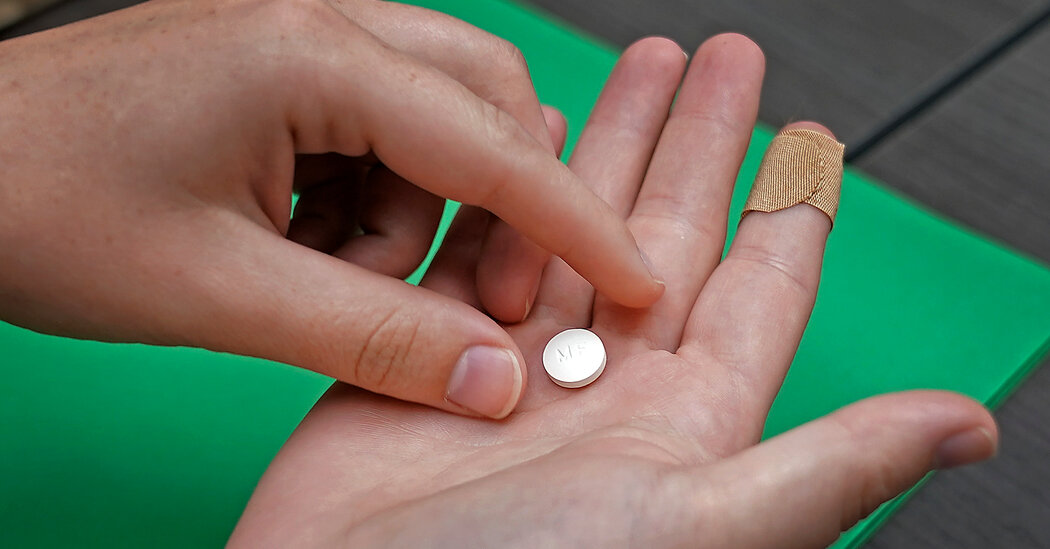
The case, brought by GenBioPro, a company that makes one of two abortion drugs, argues that it is unconstitutional for a state to bar access to a medication approved by the federal government.A company that makes an abortion pill filed a lawsuit Wednesday morning challenging the constitutionality of a state ban on the medication, the first in what is expected to be a wave of cases arguing that the federal Food and Drug Administration’s approval of the pill takes precedence over such restrictive state laws.The case was filed in federal court in West Virginia by GenBioPro, one of two American manufacturers of mifepristone, the first pill used in the two-drug medication abortion regimen. A ruling in favor of the company could compel other states that have banned abortion to allow the pills to be prescribed, dispensed and sold, according to legal experts. If the courts reject the company’s arguments, some legal scholars say the decision could open the door for states to ban or restrict other approved drugs, such as Covid vaccines or morning-after pills.The case is one of a number of lawsuits testing legal arguments in the aftermath of the Supreme Court’s ruling last June overturning the federal right to abortion. In November, abortion opponents filed a lawsuit challenging the F.D.A.’s approval of mifepristone nearly 23 years ago and asked that the courts order the agency to stop allowing the use of the drug and the second drug, misoprostol, for abortion.Taken together, the cases underscore how pivotal medication abortion has become in legal and political battles. With pills now being used in more than half of abortions in America, and with recent F.D.A. decisions allowing patients to have pills prescribed by telemedicine and obtained by mail or from retail pharmacies, states that ban or restrict abortion are increasingly targeting the medication method.The dueling lawsuits are a reflection of what several legal scholars predicted in a recent article: that the aftermath of the Supreme Court’s decision would be “a complicated world of novel interjurisdictional legal conflicts over abortion.” The authors — David S. Cohen, Greer Donley and Rachel Rebouché, all law professors — wrote that “instead of creating stability and certainty, it will lead to profound confusion because advocates on both sides of the abortion controversy will not stop at state borders in their efforts to apply their policies as broadly as possible.” Recent articles by legal scholars and experts on drug and medical policy have made the case that the federal government has overarching authority to approve and regulate medications, a question only a few previous legal cases have tested.Members of the public watched as the West Virginia Senate discussed an abortion bill in July. Associated PressThese experts say states are allowed to adopt some laws and regulations that supplement federal rules on drugs and to regulate the practice of medicine within their jurisdiction. But they say states cannot impose policies that interfere with or contradict F.D.A. standards or requirements, so they cannot ban or drastically restrict a medication the federal government has approved.“Under the U.S. Constitution, federal law preempts state law when the two clash,” Patricia Zettler, a law professor, and Ameet Sarpatwari, a professor of medicine, wrote in an article in The New England Journal of Medicine last year. Scholars cite a 2014 Massachusetts case in which the state sought to ban a new opioid, Zohydro ER, because it worried that the drug could be abused and lead to addiction or overdose. A federal judge sided with the drug company, Zogenix. If the state “were able to countermand the F.D.A.’s determinations and substitute its own requirements, it would undermine the F.D.A.’s ability to make drugs available to promote and protect the public health,” the judge wrote. Subsequent efforts by Massachusetts to restrict Zohydro were also rejected by the courts.Skye Perryman, a lawyer for GenBioPro and president of Democracy Forward, a center-left legal advocacy organization, said West Virginia’s ban was “an overreach of state authority when a state tries to step in the shoes of F.D.A. and to make safety and efficacy determinations that conflict with and interfere with F.D.A.’s judgments.”West Virginia adopted an abortion ban in September. The suit contends that the ban violates the Constitution’s supremacy clause, which says that federal laws — in this case, Congress’s decision to authorize the F.D.A. to regulate drugs like mifepristone — have priority over conflicting state laws. The suit also says such bans violate the Constitution’s commerce clause, which prohibits states from impairing interstate commerce.GenBioPro, which started making generic mifepristone in 2019, said in the suit that because of West Virginia’s ban and previously enacted abortion restrictions, it had been able to ship only 72 units of mifepristone to be used in the state and that by August 2022, its sales had dropped to zero there. GenBioPro said its sales had dropped to nothing in seven other states with abortion bans and in Wisconsin, where abortion services have stopped operating in light of unclear laws.Dr. DeShawn Taylor, GenBioPro’s medical director, said that bans “deprive people of the ability to access safe and effective medications and it also jeopardizes our company.” She added, “If people don’t have access to mifepristone, then of course, it impacts the company’s bottom line.” Dr. Taylor, an obstetrician-gynecologist who owns a family planning clinic in Arizona, also noted that mifepristone is frequently used in treating patients who are experiencing miscarriages.A notable aspect of the F.D.A.’s regulation of mifepristone is that for a dozen years, the agency has imposed an additional framework of restrictions and monitoring for the drug. Called a Risk Evaluation and Mitigation Strategy, or REMS, it has been used for only about 300 other drugs, only 60 of which are currently actively under the framework. In recent years, the F.D.A. has extensively reviewed new data on mifepristone and has lifted several of the restrictions, including the requirement that patients obtain the drug in person from a provider.Some legal experts say the F.D.A.’s decision to apply special restrictions to mifepristone, and to gradually ease some of them as evidence of safety and efficacy has grown, strengthens the case for striking down state bans and restrictions and affirms that the federal government is the ultimate authority on the drug.“A strong case can be made that state-required measures that go beyond the conditions” set by the F.D.A.’s restrictions on mifepristone “upset the complex balancing of safety and burdens on the health care system that federal law requires of the F.D.A.,” The New England Journal of Medicine article said.The Texas case filed by opponents of abortion seeks to reverse more than 20 years of federal decisions about medication abortion, claiming that the F.D.A. did not adequately review the scientific evidence or follow proper protocols when it approved mifepristone in 2000.The case was filed by the Alliance for Hippocratic Medicine — an organization that lists five anti-abortion groups as its members — in Amarillo, Texas, where it was assigned to the only judge in the Northern District of Texas, Matthew Kacsmaryk. Before his appointment, Judge Kacsmaryk, a Trump appointee, wrote an article that was critical of Roe v. Wade, as well as issues like marriage equality and federal anti-discrimination protections for sexual orientation and gender identity.Dr. Christina Francis, the chief executive officer of the American Association of Pro-Life Obstetricians and Gynecologists, a group that belongs to the alliance, said that the F.D.A., in its initial approval and its recent decisions to ease some restrictions on mifepristone, had “reviewed a handful of cherry-picked studies that don’t actually look at the full picture.” She added that agency officials were “actively endangering the lives of women and girls in the country, especially as they continue to remove safeguard after safeguard.”Most medical organizations say that extensive data shows the opposite: that with mifepristone, the F.D.A. has been considerably more restrictive than necessary and that allowing it to be prescribed via telemedicine and received in the mail were changes that were long overdue.Indeed, two citizen petitions opposing the F.D.A.’s actions on mifepristone, filed in 2002 and 2019 by some of the same anti-abortion organizations, were rejected by the agency as unfounded. And a 2008 review by the Government Accountability Office found no irregularities with the F.D.A.’s mifepristone approval.Because of the scientific evidence and rigor of the F.D.A.’s handling of mifepristone, many experts on reproductive health law said they had initially viewed the Texas case as so baseless that it would have no chance at succeeding. But some are starting to worry.“This should have been a fringe lawsuit, and it should have been tossed out very quickly,” said Jenny Ma, senior counsel for the Center for Reproductive Rights. But she said that now, supporters of abortion rights are worried that the case is before a judge whose writings and decisions reflect a resolutely conservative ideology.“A single district court judge in Texas, which is a state that already has banned all abortion, could be issuing a nationwide ban on medication abortion, which now accounts for more than half of abortions in the United States, and obviously, the effects would be devastating,” Ms. Ma said.Erik Baptist, senior counsel for the Alliance Defending Freedom, a conservative Christian legal advocacy group, which represents the plaintiffs, expressed confidence in the case. “A court will look at what the F.D.A. was legally required to do when evaluating the safety and effectiveness of a new drug — here, chemical abortion drugs — and it will probably take a different viewpoint than the F.D.A., in terms of reviewing the prior agency actions.”In a response to the case filed this month, the F.D.A. called the case “unprecedented” and said that if the judge granted the plaintiffs’ request for an injunction that stopped access to mifepristone, it would “cause significant harm, depriving patients of a safe and effective drug that has been on the market for more than two decades.”

Read more →

F.D.A. Proposes Limits for Lead in Baby Food

The agency estimated that the guidelines could reduce young children’s dietary exposure to lead by about 25 percent.The Food and Drug Administration on Tuesday proposed maximum limits for the amount of lead in baby foods like mashed fruits and vegetables and dry cereals, after years of studies revealed that many processed products contained levels known to pose a risk of neurological and developmental impairment.The agency issued draft guidance, which would not be mandatory for food manufacturers to abide by. The guidelines, if adopted, would allow the agency to take enforcement action against companies that produced foods that exceeded the new limits.“This is really important progress for babies,” said Scott Faber, vice president of public affairs for the Environmental Working Group, a nonprofit organization that had urged the agency to take action to remove metals from foods. “We were grateful that F.D.A. has and the Biden administration has made reducing toxic metals in baby food a priority.”The new limits, aimed at foods for children under 2, do not address grain-based snacks that have also been found to contain high levels of heavy metals. And they do not limit other metals, like cadmium, that the agency and many consumer groups have detected in infant foods in previous years.Jane Houlihan, research director for Healthy Babies Bright Futures, a nonprofit, called the guidelines disappointing. “It doesn’t go far enough to protect babies from neurodevelopmental damage from lead exposures,” she said. “Lead is in almost every baby food we’ve tested, and the action levels that F.D.A. has set will influence almost none of that food.”She said the limits would address some of the highest levels they had found but more broadly appeared to “codify the status quo.”The Centers for Disease Control and Prevention has said there is no safe level of lead for children, who more readily absorb the heavy metal. The F.D.A. proposed setting a lead level lower than10 parts per billion in yogurts, fruits or vegetables and no more than 20 parts per billion in root vegetables and in dry infant cereals.The limits “would result in significant reductions in exposures to lead from food while ensuring availability of nutritious foods,” according to an F.D.A. news release. The move is part of the agency’s Closer to Zero initiative, which is aimed at reducing the exposure of young children to toxins such as lead, arsenic, cadmium and mercury.The changes “will result in long-term, meaningful and sustainable reductions in the exposure to this contaminant from foods,” said Dr. Robert M. Califf, the commissioner of the F.D.A. The guideline would allow the agency to identify foods as “adulterated” if they contained levels beyond the limits, and to then seek a recall, seize products or recommend a criminal prosecution.The agency estimated that the proposed levels could reduce the dietary exposure to lead for some young children by about 25 percent. According to the F.D.A., low levels of lead exposure in children can lead to “learning disabilities, behavior difficulties and lowered I.Q.” as well as immunological and cardiovascular effects.In 2020, the F.D.A. set limits for inorganic arsenic in rice cereal for infants and in April of last year, it proposed maximum levels for lead in juice.In comments submitted to the F.D.A. on its broader plan, Gerber wrote in 2021 that reducing toxins was difficult because plants absorbed them from the soil as they grew.“Actions that result in removing baby foods from the diet, whether intentional or not, do not change exposure if these foods are replaced with other sources of the same fruits, vegetables and grains that are prone to having heavy metals,” the company wrote.A Gerber spokeswoman said on Tuesday that the company was reviewing the F.D.A.’s proposal, and planned to work with the agency “to advance this important effort to continue to reduce the levels of heavy metals in infant and toddler foods.”Walmart and Hain Celestial, which produces Earth’s Best Organic foods, did not respond to requests for comment on the proposal. Beech-Nut Nutrition Company said in a statement that it was reviewing the guidance and would work with the F.D.A. on “the establishment of science-based regulatory” limits for “naturally occurring heavy metals.”Attorneys general from New York, Illinois, Pennsylvania, Michigan and other states had weighed in on the overall plan, urging the F.D.A. to post the results of its tests for multiple metals in baby food on its website.Lead is ubiquitous in the environment from decades of unregulated use in gasoline for cars, farm machinery, aircraft and paint, said Tracey Woodruff, a scientist at the University of California, San Francisco, who studies exposure to toxins.She applauded the F.D.A.’s goals, but said a strict limit would be more effective because the voluntary guideline would require monitoring for possible enforcement.“Corporations are innovative and know how to tweak what they need to do to meet legal standards and make a profit,” she said.Representative Raja Krishnamoorthi, Democrat of Illinois, has been a leading voice calling for reductions of heavy metals in baby foods. He and other lawmakers issued a report in 2021 showing that baby foods like carrots and sweet potatoes were contaminated with heavy metals.On Tuesday, Representative Krishnamoorthi said in a statement that he has been pressing the F.D.A. to ensure baby food is safe. He said he remained concerned that the “lead levels announced today are considerably more lenient than those specified in” legislation that he and other lawmakers introduced in March 2021.Months later, Consumer Reports released tests showing that arsenic remained present in rice cereal meant for babies even after the limit was issued. The group advised parents to favor dry oatmeal as a safer alternative.Mr. Faber, of the Environmental Working Group, said the new guideline would prompt food companies to encourage suppliers to alter their farming practices to reduce the lead levels in food.“I think that past history has shown that farmers and food companies are very quickly able to change how they grow and process these ingredients to meet tougher standards,” he said.

Read more →

Head injury is associated with doubled mortality rate long-term, Penn study finds

Adults who suffered any head injury during a 30-year study period had two times the rate of mortality than those who did not have any head injury, and mortality rates among those with moderate or severe head injuries were nearly three times higher, according to new research from the Perelman School of Medicine at the University of Pennsylvania, published today in JAMA Neurology.
In the United States, over 23 million adults age 40 or older report a history of head injury with loss of consciousness. Head injury can be attributed to a number of causes, from motor vehicle crashes, unintentional falls, or sports injuries. What’s more, head injury has been linked with a number of long-term health conditions, including disability, late-onset epilepsy, dementia, and stroke.
Studies have previously shown increased short-term mortality associated with head injuries primarily among hospitalized patients. This longitudinal study evaluated 30 years of data from over 13,000 community-dwelling participants (those not hospitalized or living in nursing home facilities) to determine if head injury has an impact on mortality rates in adults over the long term. Investigators found that 18.4 percent of the participants reported one or more head injuries during the study period, and of those who suffered a head injury, 12.4 percent were recorded as moderate or severe. The median period of time between a head injury and death was 4.7 years.
Death from all causes was recorded in 64.6 percent of those individuals who suffered a head injury, and in 54.6 percent of those without any head injury. Accounting for participant characteristics, investigators found that the mortality rate from all-causes among participants with a head injury was 2.21 times the mortality rate among those with no head injury. Further, the mortality rate among those with more severe head injuries was 2.87 times the mortality rate among those with no head injury.
“Our data reveals that head injury is associated with increased mortality rates even long-term. This is particularly the case for individuals with multiple or severe head injuries,” explained the study’s lead author, Holly Elser, MD, PhD, MPH a Neurology resident at Penn. “This highlights the importance of safety measures, like wearing helmets and seatbelts, to prevent head injuries.”
Investigators also evaluated the data for specific causes of death among all participants. Overall, the most common causes of death were cancers, cardiovascular disease, and neurologic disorders (which include dementia, epilepsy, and stroke). Among individuals with head injuries, deaths caused by neurologic disorders and unintentional injury or trauma (like falls) occurred more frequently.
When investigators evaluated specific neurologic causes of death among participants with head injury, they found that nearly two-thirds of neurologic causes of death were attributed to neurodegenerative diseases, like Alzheimer’s and Parkinson’s disease. These diseases composed a greater proportion of overall deaths among individuals with head injury (14.2 percent) versus those without (6.6 percent).
“Study data doesn’t explain why the cause of death in individuals with head injuries is more likely to be from neurodegenerative diseases, which underscores the need for further research into the relationship between these disorders, head injury, and death,” said Andrea L.C. Schneider, MD, PhD, an assistant professor of Neurology at Penn.
Study data was from the Atherosclerosis Risk in Communities (ARIC) Study, an ongoing community-based study of 15,792 participants aged 45-65 years, who were recruited from the suburbs of Minneapolis, Minnesota, Washington County, Maryland, Forsyth County, North Carolina, and Jackson, Mississippi in 1987-1989.

Read more →

Actin affects the spread of cancer in several ways

Metastases occur when cancer cells leave a primary tumor and spread throughout the body. For this, they have to break connections with neighboring cells and migrate to other tissues. Both processes are promoted by signalling molecules released by the cancer cells, which thereby increase the malignancy of tumors. A research team led by Prof. Dr. Robert Grosse and Dr. Carsten Schwan from the University of Freiburg found that the release of these so-called prometastatic factors is influenced by the cells’ skeleton. The study was published in Advanced Science.
Actin has several functions in cancer propagation
Actin filaments are part of the cell skeleton and essential for stability and motility. They form a network that dynamically builds up and gets broken down by the addition or detachment of building blocks at the filaments’ ends. These processes are precisely regulated by other molecules, such as so-called formins. The dynamics of the actin-network enable the locomotion of cells, for example during development or wound closure, but also that of spreading cancer cells. Actin also plays a role in the transport of substances within the cell. However, this is less well understood than that of other intracellular transport mechanisms.
The Freiburg researchers now found that the actin-network also enables the release of prometastatic factors. For their study, they used high-resolution microscopy to track the movement of individual transport vesicles within living cancer cells. “We observed that ANGPTL4-loaded vesicles are conveyed to the periphery of the cell by means of dynamic and localized polymerization of actin filaments,” says Grosse, who is a member of the Cluster of Excellence CIBSS — Centre for Integrative Biological Signalling Studies at the University of Freiburg. ANGPTL4 is an important prometastatic factor that promotes the formation of metastases in various types of cancer.
FMNL2 controls the transport of ANGPTL4 along actin filaments
Based on the microscopic observations and genetic analyses, the scientists conclude that the vesicles’ movement is controlled by the formin-like molecule FMNL2 by initiating polymerization — i.e. elongation — of actin filaments directly at the vesicle. “We already knew that increased FMNL2 activity has prometastatic effects in many types of tumors,” says Grosse. “In our current work we could now demonstrate an important underlying process and a connection to the TGFbeta signalling pathway.” According to the scientist, this knowledge could be used for tumor diagnostics or therapy. for example, by developing an antibody that indicates the presence of active FMNL2 or pharmacologically targets active, phosphorylated FMNL2.

Read more →