Genomic methods aid study of Seattle 2017-2022 Shigella outbreak

A genomic study of a sustained, multidrug-resistant Shigellosis outbreak in Seattle enabled scientists to retrace its origin and spread. Additional analysis of the gut pathogen and its transmission patterns helped direct approaches to testing, treatment, and public health responses.
The genomic reconstruction of the 2017-2022 outbreak and a review of the patient care and public health interventions used are reported Jan 30 in The Lancet Infectious Diseases.
“The aim of the study,” the Seattle researchers noted, “was to better understand the community transmission of Shigella and spread of antimicrobial resistance in our population, and to treat these multi-drug resistant infections more effectively.”
Shigella outbreaks are more frequent in countries without sufficient public health and sanitation resources. But the researchers called Shigella an opportunistic pathogen that can also emerge in regions of high-income countries when conditions allow.
They explained that sustained Shigella outbreaks in urban areas pose a substantial public health challenge for populations trying to cope with harsh living conditions and lack of hygiene facilities.
The lead authors on the paper are Dr. Giannoula S. Tansarli of the Department of Laboratory Medicine and Pathology, and Dr. Dustin R. Long, of the Division of Critical Care Medicine, Department of Anesthesiology, both at the University of Washington School of Medicine.

The senior and corresponding author is Dr. Ferric C. Fang, professor of laboratory medicine and pathology and of microbiology at the UW medical school. He oversees the clinical microbiology lab at Harborview Medical Center and conducts basic science research on how bacteria cause disease. He was assisted by his UW Medicine colleague Dr. Stephen J. Salipante, a molecular genetics pathologist and an expert on next-generation DNA sequencing technologies.
Shigellosis is caused by Shigella bacteria, which can produce inflammation in the lining of the intestine. Its symptoms include fever, stomach cramps and diarrhea, and, in the worse cases, dysentery and dehydration. Some people with Shigellosis become severely ill and require hospitalization. Shigellosis is highly contagious. The transmission of just a few bacteria is sufficient to cause disease.
From 2017 to 2022, all 178 cases of Shigella identified by the clinical labs at Harborview Medical Center and UW Medical Center were characterized by species identification, susceptibility testing, and whole genome sequencing. For the study, the researchers retrospectively examined the demographics and the clinical outcomes of the infected patients.
Of the 178 cases, 78, or 45.6%, were in men who have sex with men, and 88, or 51.5% were in persons experiencing homelessness. About half of the Shigella isolates were resistant to multiple antibiotics.
The researchers also had data on 143 patients who received antimicrobial therapy. Despite the high presence of drug resistant Shigella, nearly 70 percent of patients were found to have received suitable antimicrobial therapy for their Shigella infection. The researchers added that rapid diagnostics and culturing of the bacteria for patients seeking care for severe diarrhea, along with assessment of risk factors and detailed local understanding of the populations affected, led to high rates of appropriate treatment. The approach to care improved over time, as clinicians gained more experience with the disease.

The genomic analysis portion of the study revealed sequential outbreaks of several distinct lineages of two species of Shigella, S. flexneri and S. sonnei. The various at-risk populations were found to carry Shigella of different lineages with different drug-resistance traits. This information helped clinicians develop effective treatment guidelines.
How did this Shigella outbreak appear in Seattle? The researchers’ genomic findings suggest that it came originally from international travelers from areas where Shigella was common. It then spread locally and quickly among at-risk groups.
The researchers explained that multi-drug resistant Shigella has become a growing global health concern with many outbreaks worldwide. Most of these have affected men who have sex with men. A variety of gut pathogens can be transmitted between men in this way.
However, in the past few years Shigellosis outbreaks also have occurred among people experiencing homelessness in West Coast cities of the United States and Canada.
Whole-genome sequencing enabled the researchers to determine that new S. sonnei and S. flexneri strains first appeared in Seattle among men who have sex with men. This was quickly followed by transmission within the local population of people experiencing homelessness. This was evidenced by the significant increase in Shigellosis after 2020 in the Seattle-King County area among this population.
The outbreaks were worse in winter, a seasonal characteristic of Shigella which might be due to greater overcrowding in shelters and other locations during cold weather. Dr. Fang noted that Shigellosis cases caused by a different S. sonnei strain are now being encountered in Seattle this winter.
The Seattle outbreaks followed patterns characteristic of those reported earlier in other countries.
Several public health measures were instituted to limit the spread of Shigella. The first was to check for possible sources for contracting Shigella. Signs were placed to discourage people from drinking water from decorative fountains in downtown Seattle. Local homeless service providers received prevention resources and guidance. Outreach teams visited encampments and overnight shelters to offer health education and improve the availability of clean water, toilets, handwashing stations, and other sanitation measures.
Many public facilities, such as restrooms, sinks, and drinking fountains, had been closed as part of the COVID-19 pandemic response. Public health officials requested early re-opening of these facilities near encampments and districts where people lived on the streets. They also increased environmental cleaning of alleyways in downtown Seattle that had been used in lieu of restrooms.
The authors noted that the study of the Shigella outbreak in Seattle represented the collaborative efforts of local health-care facilities, clinical and academic laboratories, antimicrobial stewardship, infection control, and public health teams.
The study received no outside funding, and the researchers declared no competing interests.

Read more →

Smart stitches could reduce infection and simplify post op monitoring

A new antimicrobial suture material that glows in medical imaging could provide a promising alternative for mesh implants and internal stitches.
Surgical site infections are one of the most common medical infections, occurring in 2 to 4% of patients post-surgery. For some procedures, such as vaginal mesh implants to treat prolapse, infection rates can be higher.
Study lead author and Vice Chancellor’s Senior Research Fellow, Dr Shadi Houshyar, said their suture was being developed in partnership with clinicians specifically for this type of procedure.
“Our smart surgical sutures can play an important role in preventing infection and monitoring patient recovery and the proof-of-concept material we’ve developed has several important properties that make it an exciting candidate for this,” said Houshyar, from the School of Engineering at RMIT University, Australia.
Lab tests on the surgical filament, published in OpenNano, showed it was easily visible in CT scans when threaded through samples of chicken meat, even after three weeks. It also showed strong antimicrobial properties, killing 99% of highly drug-resistant bacteria after six hours at body temperature.
Houshyar said the team was not aware of any commercially available suture products that combined these properties.

How they did it
The multidisciplinary team led by RMIT — included nano-engineering, biomedical and textile experts working in partnership with a practicing surgeon — used the university’s cutting-edge textile manufacturing facility to develop their proof-of-concept material.
The suture’s properties come from the combination of iodine and tiny nanoparticles, called carbon dots, throughout the material.
Carbon dots are inherently fluorescent, due to their particular wavelength, but they can also be tuned to various levels of luminosity that easily stand out from surrounding tissue in medical imaging.
Attaching iodine to these carbon dots, meanwhile, provides them with their strong antimicrobial properties and greater X-ray visibility.

Houshyar said carbon nano dots were safe, cheap and easy to produce in the lab from natural ingredients.
“They can be tailored to create biodegradable stitches or a permanent suture, or even to be adhesive on one side only, where required,” she said.
“This project opens up a lot of practical solutions for surgeons, which has been our aim from the start and the reason we have involved clinicians in the study.”
Clinical possibilities
Consultant colorectal surgeon and Professor of Surgery at the University of Melbourne, Justin Yeung, was involved in the study. He said it addressed a real challengefaced by surgeons in trying to identify the precise anatomical location of internal meshes on CT scans.
“This mesh will enable us to help with improved identification of the causes of symptoms, reduce the incidence of mesh infections and will help with precise preoperative planning, if there is a need to surgically remove this mesh,” he said.
“It has the potential to improve surgery outcomes and improve quality of life for a huge proportion of women, if used as vaginal mesh for example, by reducing the need for infected mesh removal.”
“It may also significantly reduce surgery duration and increase surgical accuracy in general through the ability to visualise mesh location accurately on preoperative imaging.”
Next steps
Study co-author from RMIT’s School of Health and Biomedical Sciences, Professor Elisa Hill-Yardin, said the next steps were pre-clinical trials.
“While this research is at an early stage, we believe we are onto something very promising that could help a lot of people and are really keen to speak with industry partners who are interested in working with us to take it further,” she said.
“We see potential especially in vaginal mesh implants and similar procedures.”
The research team used Australia’s leading university-based textile manufacturing facilities at RMIT’s Centre for Materials Innovation and Future Fashion to produce the proof-of-concept material. They will soon be producing larger suture samples to use in pre-clinical trials, which they have just received seed funding for from RMIT.

Read more →

Sepsis increased risk of heart failure and rehospitalization after hospital discharge

People who are discharged after a hospitalization involving sepsis were at greater risk of cardiovascular events, rehospitalization for any cause or death during a maximum follow-up of 12 years compared to those hospitalized and did not have sepsis, according to new research published today in the Journal of the American Heart Association, an open access, peer-reviewed Journal of the American Heart Association.
Sepsis is a leading cause of hospitalization and death worldwide. Each year in the U.S., about 1.7 million people develop sepsis, an extreme immune response to an infection in the bloodstream that can spread throughout the whole body and lead to organ failure and possibly death.
“We know that infection may be a potential trigger for myocardial infarction or heart attack, and infection may also predispose a patient to other cardiovascular events, either directly during infection or later when the infection and related effects on the body promote progressive cardiovascular disease,” said lead study author Jacob C. Jentzer, M.D., FAHA, an assistant professor of medicine in the department of cardiovascular medicine at the Mayo Clinic in Rochester, Minnesota. “We sought to describe the association between sepsis during hospitalization and subsequent death and rehospitalization among a large group of adults.”
In this study, researchers examined whether adults who had sepsis may have a higher risk of death and a higher risk of rehospitalization for cardiovascular events after hospital discharge. They queried a database containing administrative claims data and identified more than 2 million enrollees of commercial and Medicare Advantage insurance across the U.S. who survived a non-surgical hospitalization of two nights or more between 2009 and 2019. Of these patients, who were ages 19-87 years, the medical claims indicate more than 800,000 had sepsis during their hospital stay. The researchers analyzed the association of hospitalization with sepsis, rehospitalization and death over a follow-up period from 2009 to 2021.
Because variations in sepsis diagnosis and documentation may affect outcomes in research and clinical treatment, researchers included two standard diagnosis codes used for sepsis: explicit and implicit. Explicit sepsis means a physician formally diagnosed the patient. Implicit sepsis is an administrative code in the electronic health record given automatically when a patient has both an infection and organ failure, which is the currently accepted definition of sepsis. The presence of either definition of sepsis was used to classify patients as having sepsis versus no sepsis.
To focus on the potential cardiovascular impact of sepsis, researchers compared 808,673 hospitalized patients who had sepsis to 1,449,821 hospitalized patients who did not develop sepsis but still had cardiovascular disease or one or more cardiovascular disease risk factors (older age, hypertension, hyperlipidemia, type 2 diabetes, chronic kidney disease, obesity or smoking).
The analysis found: Compared to patients who did not have sepsis during their hospital stay, those with sepsis were 27% more likely to die, 38% more likely to be rehospitalized for any cause and 43% more likely to return to the hospital specifically for cardiovascular causes in the 12 years after having sepsis. Heart failure was the most common major cardiovascular event (including stroke, heart attack, arrhythmia and heart failure) among people who had sepsis. People who had sepsis while hospitalized had a 51% higher risk of developing heart failure during the follow-up period. Patients with implicit sepsis (infection with organ failure) had a two-fold increased risk of rehospitalization for cardiovascular events compared to those with explicit sepsis (formal diagnosis by a physician).”Our findings indicate that after hospitalization with sepsis, close follow-up care is important, and it may be valuable to implement cardiovascular prevention therapies with close supervision,” Jentzer said. “Professionals need to be aware that people who have previously had sepsis are at very high risk for cardiovascular events, and that it may be necessary to advise them to increase the intensity of their cardiovascular prevention.”
The study authors will continue to evaluate new data on people who have previously had sepsis during hospitalization in order to map out their needs for cardiovascular prevention therapies. “It’s an important opportunity to establish what might and might not work in the future for people who have had sepsis,” Jentzer said.
The main limitation of the study is that it is a retrospective cohort study that uses data gathered through hospital administration. This meant that researchers were assessing past records and did not have information on the severity of sepsis.
Co-authors are Patrick R. Lawler, M.D., M.P.H.; Holly K. Van Houten, B.A.; Xiaoxi Yao, Ph.D., M.P.H.; Kianoush B. Kashani, M.D., M.S.; and Shannon M. Dunlay, M.D., M.S. Authors’ disclosures are listed in the manuscript.
The study was supported by the Mayo Clinic Robert D. and Patricia E. Kern Center for the Science of Health Care Delivery and the Mayo Clinic Department of Cardiovascular Medicine.

Read more →

China's stricter clean heating policies may have saved thousands of lives

China’s stricter clean heating policies have improved air quality in northern China, particularly in Beijing and surrounding cities- potentially reducing 23,000 premature deaths due to air pollution in 2021 than in 2015, a new study reveals.
From 2015 to 2021, the impact of winter heating on China’s capital and 27 other cities saw concentrations of fine particulate matter (PM2.5) from heating activities reduce by 41.3% — compared with a drop of 12.9% in other northern Chinese cities which use lower levels of clean fuels than the ‘2+26’ cities.
China’s centralised winter heating strategy is one of the world’s largest energy-consumption systems — providing free or heavily subsidised heating to urban residents. The system is usually switched on from mid-November to March.
Whilst coal has been the main heating energy source in northern China — accounting for 83% of the total heating area in 2016 — new policies have encouraged the use of cleaner fuels such as gas and electricity, reducing the dependence of urban areas on coal and rural areas on biomass.
Researchers from the University of Birmingham and Nankai University, China, published their findings in Environmental Science & Technology today, noting clear air quality benefits from the stricter clean heating policies in the ‘2 + 26’ cities — Beijing and Tianjin, plus 26 cities across Hebei, Shanxi, Shandong and Henan provinces.
Corresponding Professor Zongbo Shi, from the University of Birmingham, commented: “Using a novel approach combining machine learning with causal inference, we showed that heating in northern China was a major source of air pollution, increasing annual PM2.5 concentrations by 8.9 µg m-3 in 2015. However, clean heating policies have caused the annual PM2.5 in mainland China to reduce significantly between 2015 and 2021, with significant public health benefits.
“Our research demonstrates the effectiveness of China’s clean winter heating policies on reducing PM2.5 — with particular success for the stricter clean heating policies in ‘2 + 26’ cities, which also led to a reduced impact of heating emissions on sulphur dioxide (SO2). These results demonstrate clear air quality benefits from the stricter clean heating policies in ‘2 + 26’ cities.”
In addition to central heating, biomass burning was often used for heating in rural areas — coal and biomass burning were often associated with severe haze episodes during the heating periods in northern China.
In 2013, China introduced the Air Pollution Prevention and Control Action Plan, which accelerated the use of centralised and district heating — encouraging the switch to cleaner fuels.
In 2017, the Chinese central government issued its Clean Winter Heating Plan for Northern China, which aimed to increase the region’s share of clean heating to 50% by 2019 and 70% by 2021 compared to the base scenario in 2016.
Additionally, the share of clean heating in ‘2 + 26’ cities was to exceed 90% in urban areas, reaching 100% by 2021. In 2018, a three-year action plan to fight air pollution was issued. All these plans led to substantial air pollutant emission from the residential sector.
Co-author Professor Robert Elliott noted “Clean heating policies in northern China not only reduced air pollution but also greenhouse gas emissions, contributing to China’s push for carbon neutrality. However, we found that heating remains an important source of air pollution in northern China, particularly in cities that are not part of the “2+26″ cluster. Decarbonising heating should remain a key part of China’s carbon neutrality strategy that not only reduces air pollution but also provide significant public health benefits.”

Read more →

Covid Vaccine Makers Kept Prepayments for Canceled Shots for Poor Nations

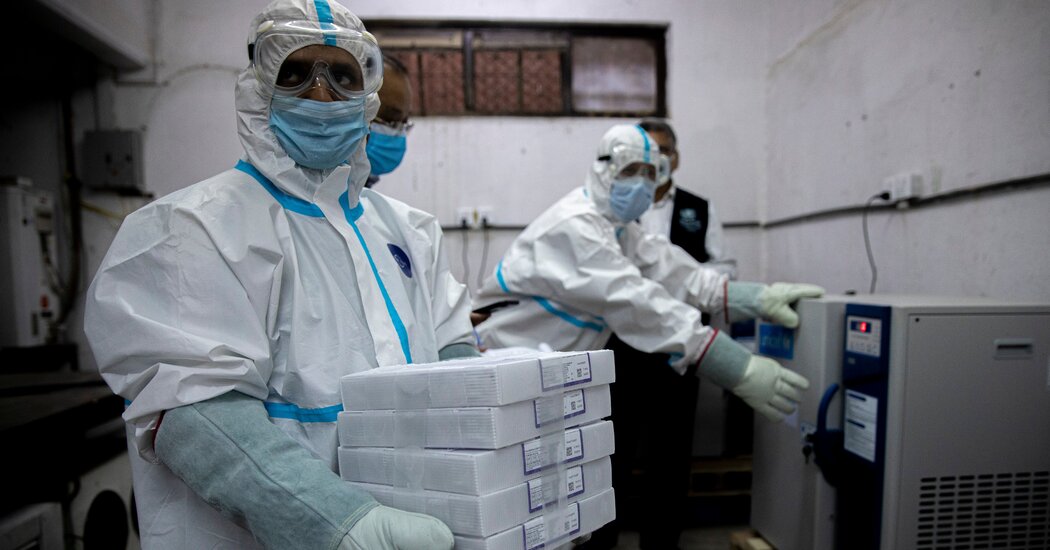
Separately, Johnson & Johnson is demanding additional payment for unwanted shots, confidential documents show.As global demand for Covid-19 vaccines dries up, the program responsible for vaccinating the world’s poor has been urgently negotiating to try to get out of its deals with pharmaceutical companies for shots it no longer needs.Drug companies have so far declined to refund $1.4 billion in advance payments for now-canceled doses, according to confidential documents obtained by The New York Times.Gavi, the international immunization organization that bought the shots on behalf of the global Covid vaccination program, Covax, has said little publicly about the costs of canceling the orders. But Gavi financial documents show the organization has been trying to stanch the financial damage. If it cannot strike a more favorable agreement with another company, Johnson & Johnson, it could have to pay still more.Gavi is a Geneva-based nongovernmental organization that uses funds from donors including the U.S. government and the Bill and Melinda Gates Foundation to provide childhood immunizations to lower-income nations. Early in the pandemic, it was charged with buying Covid vaccinations for the developing world — armed with one of the largest-ever mobilizations of humanitarian funding — and began negotiations with the vaccine makers.Those negotiations went badly at the outset. The companies initially shut the organization out of the market, prioritizing high-income countries that were able to pay more to lock up the first doses. Gavi eventually reached deals with nine manufacturers.But the shots did not begin to reach developing countries in significant numbers until mid-2022. By the time Gavi had a steady flow of supply, demand had begun to decline: countries with frail health systems struggled to deliver the shots, and the dominance of the milder Omicron variant sapped people’s motivation to be vaccinated. Now, Covax is winding down far short of its goal of vaccinating 70 percent of the population of each country.The vaccine makers have brought in more than $13 billion from the shots that have been distributed through Covax. Under the contracts, the companies are not obligated to return the prepayments Gavi gave them to reserve vaccines that were ultimately canceled.But in light of how many vaccine doses Gavi has had to cancel, some public health experts criticized the companies’ actions.Covid vaccine manufacturers “have a special responsibility” because their products are a societal good and most were developed with public funding, said Thomas Frieden, the chief executive of the global health nonprofit Resolve to Save Lives and a former director of the United States Centers for Disease Control and Prevention.“That’s a lot of money that could do a lot of good,” he said.He added that other large global health programs have budgets roughly equal to the amount the vaccine makers are holding on to. “The entire polio eradication effort costs about $1 billion a year, and that’s a huge infrastructure,” he said.More on the Coronavirus PandemicEnd of an Era: The Biden administration plans to let the coronavirus public health emergency expire in May, a sign that federal officials believe the pandemic has moved into a new, less dire phase.Long Covid: An analysis of workers’ compensation claims in New York found that 71 percent of claimants with long Covid needed continuing medical treatment or were unable to work for six months or more.Annual Boosters: The Food and Drug Administration proposed that most Americans be offered a single dose of a Covid vaccine each fall, much as they are given flu shots.Gavi has reached settlements with Moderna, the Serum Institute of India and several Chinese manufacturers to cancel unneeded doses, surrendering $700 million in prepayments, the documents show.Another drug company, Novavax, is refusing to refund another $700 million in advance payments for shots it never delivered.Gavi and Johnson & Johnson are locked in a bitter dispute over payment for shots that Gavi told the company months ago it would not need, but which the company produced anyway. Johnson & Johnson is now demanding that Gavi pay an additional, undisclosed amount for them. Gavi had an indirect supply relationship with Pfizer; the Biden administration purchased a billion shots from it to donate through Covax. The United States last year revised its deal with the company, converting an order for 400 million doses into future options. The company said it did not charge any fees to change the order.The terms of Gavi’s deals were kept secret because they were with private companies. There has been no public accounting of how much drug companies have earned from canceled vaccines.The documents say that the manufacturers collectively made $13.8 billion in revenue on the vaccines that were distributed through Covax. Almost 1.9 billion doses have now been shipped, to 146 countries. More than half were purchased directly by Gavi and the rest were donated by high-income countries.Coronavirus vaccines being manufactured at the Serum Institute, in Pune, India. The Serum Institute also struck a deal with Gavi that allowed it to keep payments Gavi had already made, plus a credit.Atul Loke for The New York TimesGavi’s settlements with Moderna and Serum took into account that the manufacturers had already incurred costs such as those for raw ingredients, according to the documents.In a deal to cancel more than 200 million doses reached late last year, Gavi agreed to allow Moderna to keep an advance payment it had made. In exchange, Gavi was released from having to make any additional payments for the doses, meaning they were canceled at a cost “substantially lower” than expected, according to the documents. Moderna also issued Gavi a credit for $58 million for future products, which is good until 2030.Gavi also made concessions to exit its deal with the Serum Institute of India. Gavi canceled 145 million doses by allowing the company to keep money Gavi had paid in advance, in order to cover the cost of materials that had already been procured. Serum also gave Gavi a credit note of an undisclosed amount that the organization can use to procure the many routine immunizations it buys from Serum each year.Moderna and Serum declined to comment on the terms.Gavi and Johnson & Johnson are at odds over 150 million Covid vaccine doses that Gavi ordered but has been trying to cancel for months.Gavi had been expecting a significant share of those doses to be distributed by the end of 2021, but Johnson & Johnson had delivered fewer than 4 million doses by then. (Gavi’s contract with the company did not require it to finish deliveries by that deadline.) When the company was finally ready to ramp up its deliveries last year, demand had plummeted.Gavi’s administrators alerted the company by mid-2022 that they would not need those doses and requested that it stop making new shots for Covax, according to the documents.Johnson & Johnson nevertheless continued to make the shots and sought to deliver them by late 2022, according to the documents. Now, as stipulated in the contract, the company wants Gavi to make additional payment and accept the vaccines. Gavi has proposed that the dispute go to mediation, but the company has “until now refused to engage in meaningful negotiations,” the documents say. Some of the disputed vaccines have expiration dates as early as mid-2023. “In a pandemic, I would want to err on the side of buying too many doses, rather than err on the side of not having enough doses,” said Dr. Seth Berkley, Gavi’s chief executive.Markus Schreiber/Associated PressJake Sargent, a spokesman for Johnson & Johnson, said the company had made the ordered doses available to Covax and kept Gavi informed about production details.In negotiations with Novavax, Gavi is seeking a refund for $700 million it spent on advance payments for shots.Gavi had been expecting Novavax deliveries to begin as soon as summer 2021, but the company bungled its vaccine production. As a consequence, Gavi did not proceed with placing the orders for the vaccines it had originally reserved. Novavax said this was a breach of contract and canceled the deal, keeping the $700 million.The dispute is unresolved. The company is hoping to negotiate a new deal to supply its vaccine to Gavi, said a Novavax spokeswoman, Alison Chartan.Some of the vaccine contracts that Gavi entered into were completely fulfilled. In one case, AstraZeneca issued Gavi a refund when final production costs were lower than expected.Had some vaccine manufacturers not been willing to renegotiate their contracts with Gavi, the costs to the organization could have been much higher. Gavi would have been on the hook for $2.3 billion for the doses it wanted to cancel, the documents show, but it saved $1.6 billion by exiting those contracts.A spokesman for Gavi, Olly Cann, said the organization had made no new payments related to canceled doses. He said the surrendered advance payments represented a fraction of what Gavi would have paid for finished doses.Dr. Seth Berkley, Gavi’s chief executive, declined to comment for this article. But in an interview in December about the future of the global Covid vaccination program, he said Gavi was paying less per dose than what it had initially planned for vaccine purchases and substantially less than high-income countries paid for their shots.Donations for Covid shots substantially inflated Gavi’s budget, and the lost prepayments for canceled Covid vaccines do not threaten its regular childhood-vaccination work.A vaccine storage space in Juba, South Sudan. Lynsey Addario for The New York TimesThe contracts that Gavi has been trying to downsize were negotiated in the uncertain early months of the pandemic, in some cases before the vaccines had been shown to work.“In a pandemic, I would want to err on the side of buying too many doses, rather than err on the side of not having enough doses, particularly given the fact that countries felt that there weren’t enough doses at the beginning,” Dr. Berkley said.Wealthy countries, who ordered many more doses than they needed, have tried to offload their own surpluses onto Covax, which has struggled to absorb them.Covax began deliveries to developing countries in 2021, but the early pace was glacial. When the program finally had vaccines, the shots presented challenges that weak health systems were ill-equipped to manage.Frustrated by the erratic supply, some public health agencies did little to create demand for the vaccines, while a tide of misinformation discouraged people from seeking them out. Sub-Saharan Africa remains the world’s least-vaccinated region, but reported Covid death rates in the region have been comparatively low, which has further eroded interest in the shots.“We have so many offers of donations but we don’t take them, because we don’t want to have them expire here,” said Dr. Andrew Mulwa, who oversees the Covid response at Kenya’s health ministry. “We wonder, do we need to continue to spend money administering Covid-19 vaccines when we have other glaring disparities?”Gavi is sitting on a stockpile of vaccines and expects millions more in donations from high-income countries that are seeking to shed their own oversupply. The organization anticipates a maximum demand of 450 million doses this year — half of what Covax shipped in 2022.

Read more →

Women Have Been Misled About Menopause

Listen to This ArticleAudio Recording by AudmTo hear more audio stories from publications like The New York Times, download Audm for iPhone or Android.For the past two or three years, many of my friends, women mostly in their early 50s, have found themselves in an unexpected state of suffering. The cause of their suffering was something they had in common, but that did not make it easier for them to figure out what to do about it, even though they knew it was coming: It was menopause.The symptoms they experienced were varied and intrusive. Some lost hours of sleep every night, disruptions that chipped away at their mood, their energy, the vast resources of good will that it takes to parent and to partner. One friend endured weeklong stretches of menstrual bleeding so heavy that she had to miss work. Another friend was plagued by as many as 10 hot flashes a day; a third was so troubled by her flights of anger, their intensity new to her, that she sat her 12-year-old son down to explain that she was not feeling right — that there was this thing called menopause and that she was going through it. Another felt a pervasive dryness in her skin, her nails, her throat, even her eyes — as if she were slowly calcifying.Then last year, I reached the same state of transition. Technically, it is known as perimenopause, the biologically chaotic phase leading up to a woman’s last period, when her reproductive cycle makes its final, faltering runs. The shift, which lasts, on average, four years, typically starts when women reach their late 40s, the point at which the egg-producing sacs of the ovaries start to plummet in number. In response, some hormones — among them estrogen and progesterone — spike and dip erratically, their usual signaling systems failing. During this time, a woman’s period may be much heavier or lighter than usual. As levels of estrogen, a crucial chemical messenger, trend downward, women are at higher risk for severe depressive symptoms. Bone loss accelerates. In women who have a genetic risk for Alzheimer’s disease, the first plaques are thought to form in the brain during this period. Women often gain weight quickly, or see it shift to their middles, as the body fights to hold onto the estrogen that abdominal fat cells produce. The body is in a temporary state of adjustment, even reinvention, like a machine that once ran on gas trying to adjust to solar power, challenged to find workarounds.I knew I was in perimenopause because my period disappeared for months at a time, only to return with no explanation. In the weeks leading up to each period, I experienced abdominal discomfort so extreme that I went for an ultrasound to make sure I didn’t have some ever-growing cyst. At times, hot flashes woke me at night, forcing me straight into the kinds of anxious thoughts that take on ferocious life in the early hours of morning. Even more distressing was the hard turn my memory took for the worse: I was forever blanking on something I said as soon as I’d said it, chronically groping for words or names — a development apparent enough that people close to me commented on it. I was haunted by a conversation I had with a writer I admired, someone who quit relatively young. At a small party, I asked her why. “Menopause,” she told me without hesitation. “I couldn’t think of the words.”‘It suggests that we have a high cultural tolerance for women’s suffering. It’s not regarded as important.’My friends’ reports of their recent doctors’ visits suggested that there was no obvious recourse for these symptoms. When one friend mentioned that she was waking once nightly because of hot flashes, her gynecologist waved it off as hardly worth discussing. A colleague of mine seeking relief from hot flashes was prescribed bee-pollen extract, which she dutifully took with no result. Another friend who expressed concerns about a lower libido and vaginal dryness could tell that her gynecologist was uncomfortable talking about both. (“I thought, hey, aren’t you a vagina doctor?” she told me. “I use that thing for sex!”)Their doctors’ responses prompted me to contemplate a thought experiment, one that is not exactly original but is nevertheless striking. Imagine that some significant portion of the male population started regularly waking in the middle of the night drenched in sweat, a problem that endured for several years. Imagine that those men stumbled to work, exhausted, their morale low, frequently tearing off their jackets or hoodies during meetings and excusing themselves to gulp for air by a window. Imagine that many of them suddenly found sex to be painful, that they were newly prone to urinary-tract infections, with their penises becoming dry and irritable, even showing signs of what their doctors called “atrophy.” Imagine that many of their doctors had received little to no training on how to manage these symptoms — and when the subject arose, sometimes reassured their patients that this process was natural, as if that should be consolation enough.Now imagine that there was a treatment for all these symptoms that doctors often overlooked. The scenario seems unlikely, and yet it’s a depressingly accurate picture of menopausal care for women. There is a treatment, hardly obscure, known as menopausal hormone therapy, that eases hot flashes and sleep disruption and possibly depression and aching joints. It decreases the risk of diabetes and protects against osteoporosis. It also helps prevent and treat menopausal genitourinary syndrome, a collection of symptoms, including urinary-tract infections and pain during sex, that affects nearly half of postmenopausal women.Marta Blue for The New York TimesMenopausal hormone therapy was once the most commonly prescribed treatment in the United States. In the late 1990s, some 15 million women a year were receiving a prescription for it. But in 2002, a single study, its design imperfect, found links between hormone therapy and elevated health risks for women of all ages. Panic set in; in one year, the number of prescriptions plummeted. Hormone therapy carries risks, to be sure, as do many medications that people take to relieve serious discomfort, but dozens of studies since 2002 have provided reassurance that for healthy women under 60 whose hot flashes are troubling them, the benefits of taking hormones outweigh the risks. The treatment’s reputation, however, has never fully recovered, and the consequences have been wide-reaching. It is painful to contemplate the sheer number of indignities unnecessarily endured over the past 20 years: the embarrassing flights to the bathroom, the loss of precious sleep, the promotions that seemed no longer in reach, the changing of all those drenched sheets in the early morning, the depression that fell like a dark curtain over so many women’s days.About 85 percent of women experience menopausal symptoms. Rebecca Thurston, a professor of psychiatry at the University of Pittsburgh who studies menopause, believes that, in general, menopausal women have been underserved — an oversight that she considers one of the great blind spots of medicine. “It suggests that we have a high cultural tolerance for women’s suffering,” Thurston says. “It’s not regarded as important.”Even hormone therapy, the single best option that is available to women, has a history that reflects the medical culture’s challenges in keeping up with science; it also represents a lost opportunity to improve women’s lives.“Every woman has the right — indeed the duty — to counteract the chemical castration that befalls her during her middle years,” the gynecologist Robert Wilson wrote in 1966. The U.S. Food and Drug Administration approved the first hormone-therapy drug in 1942, but Wilson’s blockbuster book, “Feminine Forever,” can be considered a kind of historical landmark — the start of a vexed relationship for women and hormone therapy. The book was bold for its time, in that it recognized sexual pleasure as a priority for women. But it also displayed a frank contempt for aging women’s bodies and pitched hormones in the service of men’s desires: Women on hormones would be “more generous” sexually and “easier to live with.” They would even be less likely to cheat. Within a decade of the book’s publication, Premarin — a mix of estrogens derived from the urine of pregnant horses — was the fifth-most-prescribed drug in the United States. (Decades later, it was revealed that Wilson received funding from the pharmaceutical company that sold Premarin.)Your Questions About Menopause, AnsweredCard 1 of 6What are perimenopause and menopause?

Read more →

What to Know About Menopause and Hormone Therapy

There has long been an effective, F.D.A.-approved treatment for some menopausal symptoms, but too few women have a clear picture of its risks and benefits.“Menopause has the worst P.R. campaign in the history of the universe, because it’s not just hot flashes and night sweats,” says Rachel Rubin, a sexual-health expert and assistant clinical professor in urology at Georgetown University. Menopausal symptoms are more varied, and can be more debilitating, than many people know. During the transition to menopause, women may also experience sleeplessness, mood changes, depression, weight gain, joint pain, vaginal dryness and pain during sex, among other symptoms. Bone loss accelerates. In women who have a genetic risk for Alzheimer’s disease, the first plaques are thought to form in the brain around this time.There has long been an effective, F.D.A.-approved treatment for several of these symptoms, known as menopausal hormone therapy, but because of fear and misinformation, too few women have a clear picture of its risks and benefits. The New York Times Magazine’s cover story this week examines hormone therapy and menopause, unpacking what the research really tells us.Hormone therapy eases several menopausal symptoms and has some additional health benefits.Hormone therapy has been shown to ease hot flashes and sleep disruption, and there is some evidence that it helps with depression and aching joints. It also helps prevent and treat menopausal genitourinary syndrome, a collection of symptoms, including urinary-tract infections and pain during sex, that affect nearly half of postmenopausal women. It decreases the risk of diabetes and protects against osteoporosis. Because of the health risks associated with hormone therapy, it is recommended for women who have “bothersome” hot flashes and certain other menopausal symptoms, not for preventive care.Hormone therapy carries health risks that vary by age.The age at which a woman begins hormone therapy is important for assessing her increased risk of heart disease, stroke and dementia.Your Questions About Menopause, AnsweredCard 1 of 6What are perimenopause and menopause?

Read more →

To Prevent Cancer, More Women Should Consider Removing Fallopian Tubes, Experts Say

A top research group is urging even women without genetic risks to have their fallopian tubes removed under certain circumstances.There is no reliable screening test for ovarian cancer, so doctors urge women at high genetic risk for the disease to have their ovaries and fallopian tubes removed once they are done having children, usually around the age of 40.On Wednesday, a leading research and advocacy organization broadened that recommendation in ways that may surprise many women.Building on evidence that most of these cancers originate in the fallopian tubes, not the ovaries, the Ovarian Cancer Research Alliance is urging even women who do not have mutations — that is, most women — to have their fallopian tubes surgically removed if they are finished having children and are planning a gynecologic operation anyway. “Ovarian cancer is a relatively rare disease, and typically, we don’t message to the general population,” Audra Moran, president of the alliance, said. “We want everyone with ovaries to know their risk level and know the actions they can take to help prevent ovarian cancer.”To that end, the group also has begun offering free at-home testing kits to qualifying women who want to find out if they carry BRCA1 and BRCA2 genetic mutations, which confer an elevated risk for developing both ovarian and breast cancer. Younger carriers of the mutations might consider removing only the fallopian tubes as an interim step to protect against ovarian cancer, and to avoid abrupt early menopause, Ms. Moran said, even though the gold-standard treatment for carriers is to remove the ovaries, too.While women with BRCA1 and BRCA2 mutations have a very high risk for ovarian cancer, a majority of women with the disease do not carry the mutations.New Developments in Cancer ResearchCard 1 of 5Progress in the field.

Read more →

Over 4% of summer mortality in European cities is attributable to urban heat islands

Over four percent of deaths in cities during the summer months are due to urban heat islands, and one third of these deaths could be prevented by reaching a tree cover of 30%, according to a modelling study published in The Lancet and led by the Barcelona Institute for Global Health (ISGlobal), an institution supported by “la Caixa” Foundation. The study results, obtained with data from 93 European cities, highlight the substantial benefits of planting more trees in cities to attenuate the impact of climate change.
Exposure to heat has been associated with premature mortality, cardiorespiratory disease and hospital admissions. This is particularly true for heat waves, but also occurs with moderately high temperatures in summer. Cities are especially vulnerable to higher temperatures. Less vegetation, higher population density, and impermeable surfaces for buildings and roads, including asphalt, lead to a temperature difference between the city and surrounding areas — a phenomenon called urban heat island. Given the ongoing global warming and urban growth, this effect is expected to worsen over the next decades.
“Predictions based on current emissions reveal that heat-related illness and death will become a bigger burden to our health services over the next decades,” says ISGlobal researcher Tamara Iungman, first author of the study.
An international team led by Mark Nieuwenhuijsen, director of the Urban Planning, Environment and Health Initiative at ISGlobal, estimated mortality rates of residents aged over 20 in 93 European cities (a total of 57 million inhabitants), between June and August 2015, and collected data on daily rural and urban temperatures for each city. The analyses were performed at a high-resolution level (areas of 250m x 250m). First, they estimated the premature mortality by simulating a hypothetical scenario without urban heat island. Second, they estimated the temperature reduction that would be obtained by increasing tree cover to 30% and the associated mortality that could be avoided.
“Our goal is to inform local decision-makers about the benefits of integrating green areas into all neighborhoods in order to promote more sustainable, resilient and healthy urban environments,” explains Nieuwenhuijsen.
The protective effect of trees
The results show that, from June to August 2015, cities were on average 1.5oC warmer than the surrounding countryside. In total, 6,700 premature deaths could be attributed to hotter urban temperatures, which represents 4.3% of total mortality during the summer months and 1.8% of year-round mortality. One third of these deaths (2,644) could have been prevented by increasing tree cover up to 30%, thereby reducing temperatures. Overall, cities with the highest excess heat-mortality rates were in Southern and Eastern Europe, with these cities benefiting the most from an increase in tree cover.
The study highlights the substantial benefits of planting more trees in cities, although the authors acknowledge that this can be challenging in some cities due to their design, and that tree planting should be combined with other interventions such as green roofs or other temperature-reducing alternatives.
“Our results also show the need to preserve and maintain the trees that we already have because they are a valuable resource and it takes a long time to grow new trees. It is not only about increasing trees in the city, it is also about how they are distributed,” says Nieuwenhuijsen.
The analyses were done for 2015 because population data were not available for later years, but, as Iungman points out, the study provides valuable information for adapting our cities and making them more resilient to the health impact of climate change. “Here we only looked at the cooling effect of trees, but making cities greener has many other health benefits, including longer life expectancy, fewer mental health problems and better cognitive functioning,” she adds.
“Vulnerability to heat changes from city to city depending on several factors. Understanding the benefits of policies such as increasing tree cover can help inform action to reduce risks and prevent avoidable deaths, especially with climate change,” says Antonio Gasparrini, Professor of Biostatistics and Epidemiology at the London School of Hygiene & Tropical Medicine (LSHTM) and one of the authors of the study.

Read more →

House Votes to End Covid Precautions as G.O.P. Uses Pandemic in Political Attacks

Republicans in Congress are seeking to capitalize on discontent about the federal coronavirus response while the party’s presidential contenders are vying to be the biggest foe of restrictions.WASHINGTON — Republicans on Tuesday pushed legislation through the House that would repeal vaccine mandates and declare the pandemic over, blowing past Democratic opposition in a broader drive to use the federal response to the coronavirus spread against President Biden and his party, stoking a culture war over a major public health challenge.The largely party-line votes to block the government from requiring health care workers to take the coronavirus vaccine and to end the public health emergency declared at the start of the pandemic were the start of a flurry of legislative activity by the G.O.P. this week that has virtually no chance of yielding any new laws, since the measures cannot make it through the Democratic-controlled Senate or to Mr. Biden’s desk, where he would be all but certain to veto them.But they were the leading edge of a bid by Republicans to use their majority to portray Mr. Biden and Democrats as overreaching bureaucrats who kept pandemic measures in place for far too long, wreaking havoc with the economy, and in some cases costing people their livelihoods with health restrictions and a vaccine shot that they did not want. It is a theme that taps into the grievances of parents who were furious about school closures and the resentments of Americans angry about how the pandemic destabilized their lives, and one that is already shaping the nascent 2024 Republican presidential primary.“Americans have not recovered from Covid-19,” said Representative Marjorie Taylor Greene, Republican of Georgia, a close ally of Speaker Kevin McCarthy who was banned from Twitter over violations of the company’s coronavirus misinformation policy, but has now been assigned to a select subcommittee to investigate the origins of and response to the virus. “Not just in a physical way, but very much in a financial way and in an emotional way.”Democrats are pushing back hard on the effort by painting Republicans as extremists who are rushing to repeal public health measures without proper planning.“This is not serious legislating; this is political posturing,” said Representative Jim McGovern, Democrat of Massachusetts, who said the effort was designed to undermine Mr. Biden as he attempts to bring the pandemic to an end in a reasonable way. “We all want to move on, but we want to do so responsibly.”Still, in a sign that the White House grasps the potency of the issue, officials on Monday night said Mr. Biden planned to let the coronavirus public health emergency expire in May, signaling that the administration believes the pandemic has moved into a new, less dire phase. And seven Democrats crossed party lines to support ending the vaccine mandate for health care workers, reflecting the appeal of the issue beyond the Republican Party base. The bill passed 227-203, while the measure to terminate the public health emergency was approved 220-210 along party lines.More on the Coronavirus PandemicEnd of an Era: The Biden administration plans to let the coronavirus public health emergency expire in May, a sign that federal officials believe the pandemic has moved into a new, less dire phase.Long Covid: An analysis of workers’ compensation claims in New York found that 71 percent of claimants with long Covid needed continuing medical treatment or were unable to work for six months or more.Annual Boosters: The Food and Drug Administration proposed that most Americans be offered a single dose of a Covid vaccine each fall, much as they are given flu shots.“The White House is in full retreat on this issue,” Representative Thomas Massie, Republican of Kentucky, said on Tuesday. “It’s because he’s lost the confidence of the American people on this issue.”Yet the Republican push to focus on the coronavirus response, which will continue on Wednesday with a vote on a bill to curtail pandemic-era remote work policies, comes with significant risk. It has amplified the voices of some hard-right members who have espoused vaccine conspiracy theories that hold strong appeal within the party’s base but alienate broad swaths of Americans.Traditional Republican leaders such as Senator Mitch McConnell of Kentucky, the minority leader, worry spotlighting these views could more deeply stain the Republican brand as extreme.About 500 Americans currently die per day from Covid, a significant decrease from the height of the pandemic.Even so, the White House encouraged Democrats to oppose the Republican bills, arguing in an official policy statement that an “abrupt end to the emergency declarations would create wide-ranging chaos and uncertainty throughout the health care system — for states, for hospitals and doctors’ offices, and, most importantly, for tens of millions of Americans.” The White House also said declaring the pandemic over prematurely would negatively impact border security policy.The debate unfolded as the politics of the coronavirus are already influencing the early contours of the Republican presidential race, where a contest appears to be afoot for who can brand himself the bigger opponent of coronavirus response measures..css-1v2n82w{max-width:600px;width:calc(100% – 40px);margin-top:20px;margin-bottom:25px;height:auto;margin-left:auto;margin-right:auto;font-family:nyt-franklin;color:var(–color-content-secondary,#363636);}@media only screen and (max-width:480px){.css-1v2n82w{margin-left:20px;margin-right:20px;}}@media only screen and (min-width:1024px){.css-1v2n82w{width:600px;}}.css-161d8zr{width:40px;margin-bottom:18px;text-align:left;margin-left:0;color:var(–color-content-primary,#121212);border:1px solid var(–color-content-primary,#121212);}@media only screen and (max-width:480px){.css-161d8zr{width:30px;margin-bottom:15px;}}.css-tjtq43{line-height:25px;}@media only screen and (max-width:480px){.css-tjtq43{line-height:24px;}}.css-x1k33h{font-family:nyt-cheltenham;font-size:19px;font-weight:700;line-height:25px;}.css-1hvpcve{font-size:17px;font-weight:300;line-height:25px;}.css-1hvpcve em{font-style:italic;}.css-1hvpcve strong{font-weight:bold;}.css-1hvpcve a{font-weight:500;color:var(–color-content-secondary,#363636);}.css-1c013uz{margin-top:18px;margin-bottom:22px;}@media only screen and (max-width:480px){.css-1c013uz{font-size:14px;margin-top:15px;margin-bottom:20px;}}.css-1c013uz a{color:var(–color-signal-editorial,#326891);-webkit-text-decoration:underline;text-decoration:underline;font-weight:500;font-size:16px;}@media only screen and (max-width:480px){.css-1c013uz a{font-size:13px;}}.css-1c013uz a:hover{-webkit-text-decoration:none;text-decoration:none;}How Times reporters cover politics. We rely on our journalists to be independent observers. So while Times staff members may vote, they are not allowed to endorse or campaign for candidates or political causes. This includes participating in marches or rallies in support of a movement or giving money to, or raising money for, any political candidate or election cause.Learn more about our process.Governor Ron DeSantis of Florida, who is said to be weighing a run for president, has sought to use his aggressive pushback against pandemic restrictions — including his opposing lockdowns and mask and vaccine mandates and challenging the safety of the vaccines and the motivations of the pharmaceutical companies that produced them — to define his political identity.Allies of former President Donald J. Trump long ago determined it was politically unwise for him to publicly claim credit for his administration fast-tracking the coronavirus vaccines, even though the effort, branded “Operation Warp Speed,” is widely viewed as among his administration’s biggest successes.In December 2021, Mr. Trump was taken aback by the boos he received from an ardently pro-Trump audience after he told them he had taken a coronavirus booster shot. The boast has since vanished from his speeches and now Mr. Trump is trying to blunt Mr. DeSantis’s perceived advantage with the anti-vaccine base.In a sign of how toxic the conversation about the coronavirus vaccines has become within the GOP, Mr. Trump’s allies are building a file of “opposition research” on Mr. DeSantis that consists of videos of him praising the vaccine in its early days. A Trump ally involved in the effort, who insisted on anonymity to discuss their plans, said the footage included Mr. DeSantis taking delivery of some of the first vaccines in America and “news B-roll of DeSantis presiding over vaccinations of elderly people.”To emphasize the point, the Trump ally texted several photographs of Mr. DeSantis standing over a woman getting vaccinated. “He personally wheeled her to get jabbed,” the ally added, sending another photograph of Mr. DeSantis pushing an older woman in a wheelchair.Mr. Trump’s former strategist, Steve Bannon, who is close to many far-right House Republicans, said he had advised lawmakers to pursue investigations of coronavirus vaccines and the companies that made them.“The vax — its creation, approval, mandatory application, damage — is a central issue for a vast majority of MAGA,” Mr. Bannon said in a text. “The intensity of anger on this issue overwhelms virtually everything else.”Mr. Bannon’s view is not shared by Tony Fabrizio, the top pollster for Mr. Trump’s super PAC.Mr. Fabrizio said in an interview that coronavirus restrictions have faded as an issue as the federal and state governments have removed them.“This satisfies an itch more inside the Republican conference than it does with voters,” Mr. Fabrizio said, adding: “While there may be some latent anger with the base about vaccine mandates and school closures and masks — and for sure there is, and any Republican that would support those policies would find themselves on the losing end of a Republican primary — outside the base play, I’m not sure it gets you that far.”That has not stopped Republicans like Ms. Greene, who successfully pressured Mr. McCarthy to hold hostage last year’s defense bill until Democrats accepted a demand — strenuously opposed by the White House and the Pentagon — that it end the coronavirus vaccine mandate for members of the military.Following the recent death of the pro-Trump political commentator Lynnette Hardaway — better known as “Diamond” in the duo “Diamond and Silk” — Ms. Greene of Georgia tweeted that she demanded “an IMMEDIATE investigation into Covid vaccines and the dramatic increase of people dying suddenly!”Asked in an interview about Ms. Greene’s desire to investigate coronavirus vaccines, the chairman of the House’s coronavirus select subcommittee, Representative Brad Wenstrup, Republican of Ohio and a former medical doctor who has enthusiastically promoted the coronavirus vaccines, said it was legitimate to ask questions.“You know, it’s like, you may get a flu shot and fall down the steps,” Mr. Wenstrup said. “The flu shot didn’t make you fall down the steps, necessarily. But you want to report adverse events and look for patterns.”In an interview, Ms. Greene said she looked forward to working with Mr. Wenstrup even though she described him as “very pro-vaccine” and herself as “completely opposite.”“I pretty much have the heartbeat of the base on this issue,” Ms. Greene said. “I understand how they think because I think the exact same way.”

Read more →