US Disability rights activist Judy Heumann dies aged 75

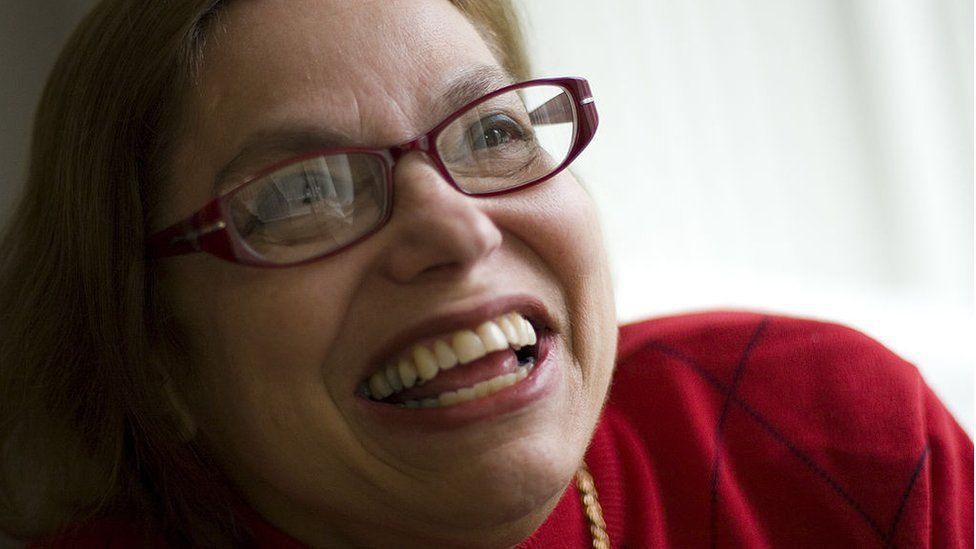
Published16 hours agoShareclose panelShare pageCopy linkAbout sharingImage source, Getty ImagesBy Marita MoloneyBBC NewsJudy Heumann, a renowned advocate for the rights of disabled people, has died at the age of 75.Heumann was an internationally recognised leader of the disability rights movement whose activism led to the implementation of major legislation in the United States.After contracting polio as a child, she became the first wheelchair user to work as a teacher in New York City.She died in Washington DC on Saturday.Heumann was “widely regarded as ‘the mother’ of the disability rights movement”, according to a message posted on her website announcing her death.She was at the forefront of major disability rights demonstrations, helped spearhead the passage of laws and founded national and international advocacy organisations, it added.The woman who led a 24-day sit-in that changed US lawThe 25 day sit-in that changed history – Listen on BBC SoundsHeumann also served in both the Clinton and Obama administrations, and had more than 20 years of non-profit experience.Barack Obama said he was “fortunate” to work with Heumann, and paid tribute to her life-long dedication to fight for civil rights.The American Association of People with Disabilities also led tributes, saying her leadership “advanced the rights and inherent dignity of people with disabilities”. Image source, Tari Hartman SquireBorn in 1947 in Philadelphia and raised in Brooklyn, New York, she contracted polio when she was two years old and lost the ability to walk.She was not allowed to attend pre-school, because her wheelchair was considered a “fire-hazard”, and when she eventually got into a school at age nine, she recounted being treated as a “second-class citizen”.Her parents fought for her rights as a child, and she went on to study speech therapy at Long Island University and earned a masters in public health from the University of California, Berkeley.In the 1970s, she won a lawsuit against the New York Board of Education and became the first teacher in the state to use a wheelchair.Her fight for civil rights led to her staging a 24-day sit-in at a San Francisco federal building in 1977, an event which eventually helped pave the way for the Americans with Disabilities Act (ADA) in 1990.”Disability only becomes a tragedy when society fails to provide the things we need to lead our lives – job opportunities or barrier-free buildings, for example,” she told a reporter in 1987. “It is not a tragedy to me that I’m living in a wheelchair.”Heumann went on to serve in the Clinton administration from 1993 to 2001 as an assistant secretary in the Office of Special Education and Rehabilitation Services in the Department of Education, and was appointed special adviser on International Disability Rights by Barack Obama.Alongside her decades’ long activism, she also co-authored her memoir, Being Heumann, and its Young Adult version, Rolling Warrior, and was featured in the Oscar-nominated documentary, Crip Camp: A Disability Revolution.Heumann is survived by her husband, Jorge, and two brothers, Ricky and Joseph.More on this storyThe woman who led a 24-day sit-in that changed US law7 December 2020

Read more →

How A.I. Is Being Used to Detect Cancer That Doctors Miss

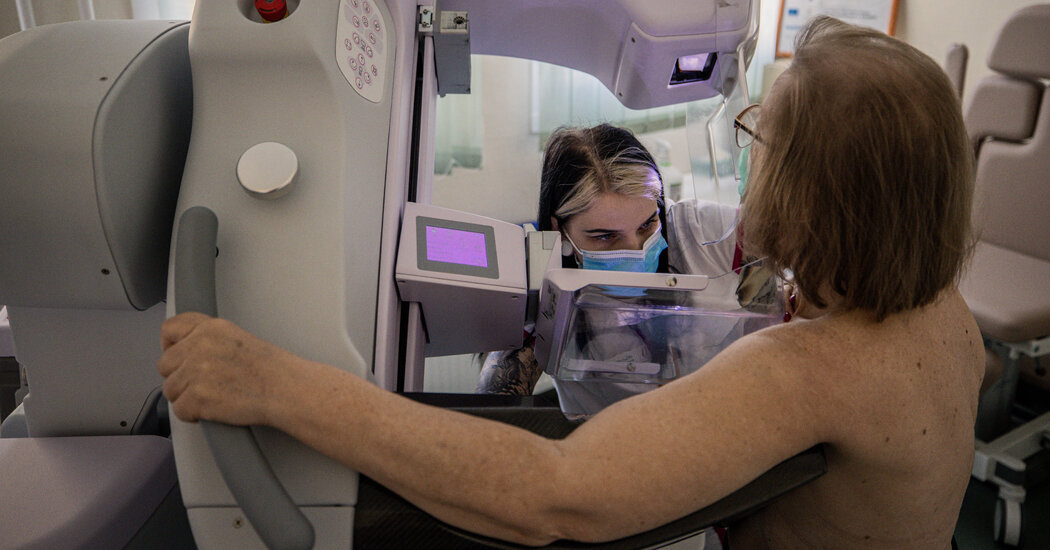
Hungary has become a major testing ground for A.I. software to spot cancer, as doctors debate whether the technology will replace them in medical jobs.Inside a dark room at Bács-Kiskun County Hospital outside Budapest, Dr. Éva Ambrózay, a radiologist with more than two decades of experience, peered at a computer monitor showing a patient’s mammogram.Two radiologists had previously said the X-ray did not show any signs that the patient had breast cancer. But Dr. Ambrózay was looking closely at several areas of the scan circled in red, which artificial intelligence software had flagged as potentially cancerous.“This is something,” she said. She soon ordered the woman to be called back for a biopsy, which is taking place within the next week.Advancements in A.I. are beginning to deliver breakthroughs in breast cancer screening by detecting the signs that doctors miss. So far, the technology is showing an impressive ability to spot cancer at least as well as human radiologists, according to early results and radiologists, in what is one of the most tangible signs to date of how A.I. can improve public health.Hungary, which has a robust breast cancer screening program, is one of the largest testing grounds for the technology on real patients. At five hospitals and clinics that perform more than 35,000 screenings a year, A.I. systems were rolled out starting in 2021 and now help to check for signs of cancer that a radiologist may have overlooked. Clinics and hospitals in the United States, Britain and the European Union are also beginning to test or provide data to help develop the systems.A.I. usage is growing as the technology has become the center of a Silicon Valley boom, with the release of chatbots like ChatGPT showing how A.I. has a remarkable ability to communicate in humanlike prose — sometimes with worrying results. Built off a similar form used by chatbots that is modeled on the human brain, the breast cancer screening technology shows other ways that A.I. is seeping into everyday life.Dr. Éva Ambrózay, a radiologist at Bács-Kiskun County Hospital with more than two decades of experience, has been using A.I. software to help look for signs of cancer that doctors may have missed.Akos Stiller for The New York TimesWidespread use of the cancer detection technology still faces many hurdles, doctors and A.I. developers said. Additional clinical trials are needed before the systems can be more widely adopted as an automated second or third reader of breast cancer screens, beyond the limited number of places now using the technology. The tool must also show it can produce accurate results on women of all ages, ethnicities and body types. And the technology must prove it can recognize more complex forms of breast cancer and cut down on false-positives that are not cancerous, radiologists said.The A.I. tools have also prompted a debate about whether they will replace human radiologists, with makers of the technology facing regulatory scrutiny and resistance from some doctors and health institutions. For now, those fears appear overblown, with many experts saying the technology will be effective and trusted by patients only if it is used in partnership with trained doctors.And ultimately, A.I. could be lifesaving, said Dr. László Tabár, a leading mammography educator in Europe who said he was won over by the technology after reviewing its performance in breast cancer screening.“I’m dreaming about the day when women are going to a breast cancer center and they are asking, ‘Do you have A.I. or not?’” he said.Possible anomalies in a breast cancer screen are highlighted by the A.I. software.Akos Stiller for The New York TimesHundreds of images a dayIn 2016, Geoff Hinton, one of the world’s leading A.I. researchers, argued the technology would eclipse the skills of a radiologist within five years.“I think that if you work as a radiologist, you are like Wile E. Coyote in the cartoon,” he told The New Yorker in 2017. “You’re already over the edge of the cliff, but you haven’t yet looked down. There’s no ground underneath.”Mr. Hinton and two of his students at the University of Toronto built an image recognition system that could accurately identify common objects like flowers, dogs and cars. The technology at the heart of their system — called a neural network — is modeled on how the human brain processes information from different sources. It is what is used to identify people and animals in images posted to apps like Google Photos, and allows Siri and Alexa to recognize the words people speak. Neural networks also drove the new wave of chatbots like ChatGPT.Many A.I. evangelists believed such technology could easily be applied to detect illness and disease, like breast cancer in a mammogram. In 2020, there were 2.3 million breast cancer diagnoses and 685,000 deaths from the disease, according to the World Health Organization.But not everyone felt replacing radiologists would be as easy as Mr. Hinton predicted. Peter Kecskemethy, a computer scientist who co-founded Kheiron Medical Technologies, a software company that develops A.I. tools to assist radiologists detect early signs of cancer, knew the reality would be more complicated.Peter Kecskemethy, a founder of Kheiron Medical Technologies, and his mother, Dr. Edith Karpati, who was a radiologist, with an X-ray data that was fed into A.I. models.Akos Stiller for The New York TimesMr. Kecskemethy grew up in Hungary spending time at one of Budapest’s largest hospitals. His mother was a radiologist, which gave him a firsthand look at the difficulties of finding a small malignancy within an image. Radiologists often spend hours every day in a dark room looking at hundreds of images and making life-altering decisions for patients.“It’s so easy to miss tiny lesions,” said Dr. Edith Karpati, Mr. Kecskemethy’s mother, who is now a medical product director at Kheiron. “It’s not possible to stay focused.”Mr. Kecskemethy, along with Kheiron’s co-founder, Tobias Rijken, an expert in machine learning, said A.I. should assist doctors. To train their A.I. systems, they collected more than five million historical mammograms of patients whose diagnoses were already known, provided by clinics in Hungary and Argentina, as well as academic institutions, such as Emory University. The company, which is in London, also pays 12 radiologists to label images using special software that teaches the A.I. to spot a cancerous growth by its shape, density, location and other factors.From the millions of cases the system is fed, the technology creates a mathematical representation of normal mammograms and those with cancers. With the ability to look at each image in a more granular way than the human eye, it then compares that baseline to find abnormalities in each mammogram.Last year, after a test on more than 275,000 breast cancer cases, Kheiron reported that its A.I. software matched the performance of human radiologists when acting as the second reader of mammography scans. It also cut down on radiologists’ workloads by at least 30 percent because it reduced the number of X-rays they needed to read. In other results from a Hungarian clinic last year, the technology increased the cancer detection rate by 13 percent because more malignancies were identified.Mr. Kecskemethy, left, with Kheiron’s co-founder, Tobias Rijken, said that A.I. should assist doctors.Akos Stiller for The New York TimesDr. Tabár, whose techniques for reading a mammogram are commonly used by radiologists, tried the software in 2021 by retrieving several of the most challenging cases of his career in which radiologists missed the signs of a developing cancer. In every instance, the A.I. spotted it.“I was shockingly surprised at how good it was,” Dr. Tabár said. He said that he did not have any financial connections to Kheiron and that other A.I. companies, including Lunit Insight from South Korea and Vara from Germany, have also delivered encouraging detection results.Proof in HungaryKheiron’s technology was first used on patients in 2021 in a small clinic in Budapest called MaMMa Klinika. After a mammogram is completed, two radiologists review it for signs of cancer. Then the A.I. either agrees with the doctors or flags areas to check again.Across five MaMMa Klinika sites in Hungary, 22 cases have been documented since 2021 in which the A.I. identified a cancer missed by radiologists, with about 40 more under review.“It’s a huge breakthrough,” said Dr. András Vadász, the director of MaMMa Klinika, who was introduced to Kheiron through Dr. Karpati, Mr. Kecskemethy’s mother. “If this process will save one or two lives, it will be worth it.”What the A.I. software can do is “a huge breakthrough,” said Dr. András Vadász, the director of MaMMa Klinika.Akos Stiller for The New York TimesKheiron said the technology worked best alongside doctors, not in lieu of them. Scotland’s National Health Service will use it as an additional reader of mammography scans at six sites, and it will be in about 30 breast cancer screening sites operated by England’s National Health Service by the end of the year. Oulu University Hospital in Finland plans to use the technology as well, and a bus will travel around Oman this year to perform breast cancer screenings using A.I.“An A.I.-plus-doctor should replace doctor alone, but an A.I. should not replace the doctor,” Mr. Kecskemethy said.The National Cancer Institute has estimated that about 20 percent of breast cancers are missed during screening mammograms.Constance Lehman, a professor of radiology at Harvard Medical School and chief of breast imaging and radiology at Massachusetts General Hospital, urged doctors to keep an open mind.“We are not irrelevant,” she said, “but there are tasks that are better done with computers.”At Bács-Kiskun County Hospital outside Budapest, Dr. Ambrózay said she had initially been skeptical of the technology — but was quickly won over. She pulled up the X-ray of a 58-year-old woman with a tiny tumor spotted by the A.I. that Dr. Ambrózay had a hard time seeing.The A.I. saw something, she said, “that seemed to appear out of nowhere.”

Read more →

Abortion may be legal in Argentina but women still face major obstacles

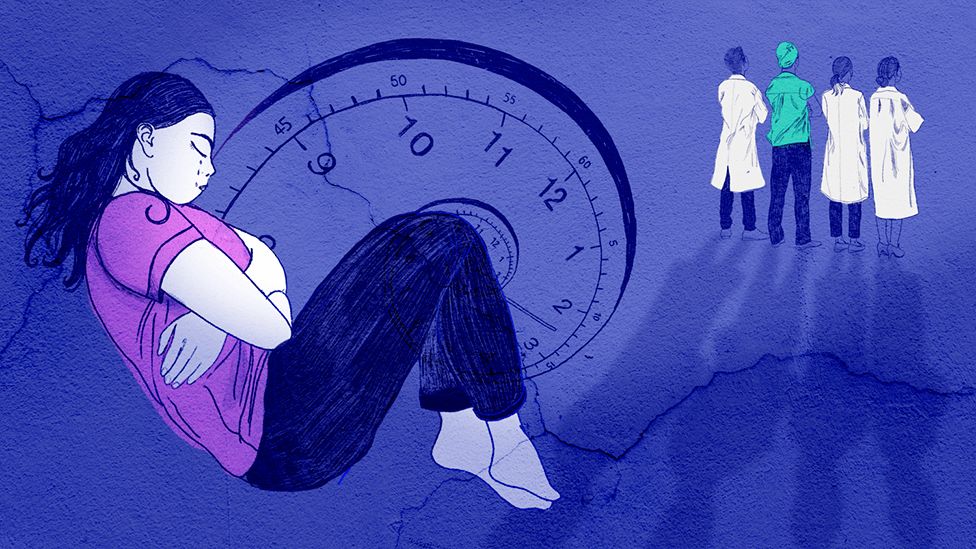
Published5 MarchShareclose panelShare pageCopy linkAbout sharingBy Agustina LatourretteBBC World ServiceMaría was 23 when she decided to have an abortion. At the health centre where she had gone for treatment, she says she overheard one doctor saying to a colleague: “When will these girls learn to keep their legs closed?” María lives in Salta, a religiously conservative province in north-west Argentina, where many healthcare workers are still against abortion. She was eventually given a pill to end her pregnancy, but she says the nurses were reluctant to treat her and wanted to make her feel guilty: “After I expelled the pregnancy tissue, I could see the foetus.””The nurses put it in a jar to make sure I saw it and they told me, ‘This could have been your child.'”Argentina relaxed its law on abortion in 2020, allowing a woman to choose to terminate her pregnancy in the first 14 weeks, Previously, it was only allowed in the case of rape or if the woman’s life or health was at risk. Abortion is a highly contentious issue in Argentina, where more than 60% of people are Catholic and 15% are evangelical Christians, with the leadership of both groups opposing the practice.The new law allows health workers in Argentina to abstain from performing abortions. “As soon as the law was passed, I declared myself a conscientious objector,” says Dr Carlos Franco, a paediatrician from the same area as María, who estimates that 90% of health workers in the province’s main public hospital have done the same. He says his years studying embryology left him with the belief that life begins at fertilisation.”My duty, as a doctor, is to take care and protect the human life from the embryonic stage,” he adds.This helps explain why women like María are having so much trouble accessing legal abortions.María had initially spent two days at the health centre just waiting to be seen by a doctor. Eventually, when none came, she turned to social media for help and found Mónica Rodriguez, a local activist, who helped her file a complaint at the hospital and secure an appointment. Ms Rodriguez says she gets about 100 phone calls a month from women in Salta who are having similar difficulty getting access to safe abortions. She tells the BBC her main job is simply to listen: “While I don’t recommend abortion, I don’t romanticise motherhood either.”The campaign to expand abortion rights in Argentina has taken decades, but Valeria Isla, director of sexual and reproductive health at the national health ministry, says that significant progress has been made. She cites official figures showing that the number of mothers dying from abortions has dropped by 40% since the law was enacted in 2021. The number of public health centres that provide abortions has gone up by more than a half over the same period, and the drug misoprostol, which chemically induces abortions, is now being manufactured in the country, making it more widely available. Long waits for treatment and the social stigma surrounding abortions can make women vulnerable to corrupt practices. There have been cases reported of women being forced to pay hundreds of dollars for treatment that should be free in public health facilities. “There is a mafia,” says Dr María Laura Lerma, a psychologist based in a remote mountain community in Jujuy in the country’s north-west. “In many rural areas of Argentina, some doctors who work in the public hospital take patients to their private clinics.” The government has urged women to report allegations of corruption, but many women in rural areas are too scared to do so. Doctors who do agree to perform abortions have been targeted with spurious legal complaints. In September 2021, one doctor in Salta was briefly detained following an accusation by the aunt of a 21-year-old patient that she had performed an “illegal abortion”. The accusation was untrue, but it took a year for a court to dismiss the case. “Anti-abortion organisations have historical connections with judges and people in power and they use them to generate fear and endanger the freedom of doctors who provide abortions,” says Rocío García Garro, a lawyer for pro-choice campaign group Catholics for the Right to Decide.Anti-abortion campaigners are also using the courts to try and get the abortion law declared unconstitutional.Cristina Fiore, a local parliament representative in Salta, is one of them.”We believe human life starts at conception and we are against this throwaway culture,” she says. So far, all legal challenges have failed. María is clear why she made the choice not to continue with her pregnancy: “I had never wanted to be a mum… My parents abandoned me and that’s a trauma which has taken me years to overcome.” She says she wants training to be improved for nurses and gynaecologists to prevent others suffering like her.”There are many women, especially in the small rural towns, who are discriminated against like me and not all of them dare to speak.”*Names of some contributors have been changed to protect their privacy.More on this storyCrowds celebrate as Argentina legalises abortion30 December 2020’I was sentenced to 30 years for suffering a miscarriage’30 June 2022Colombia decriminalises abortion in first 24 weeks22 February 2022

Read more →

A Statin Alternative Joins Drugs That Can Reduce Heart Attack Risk

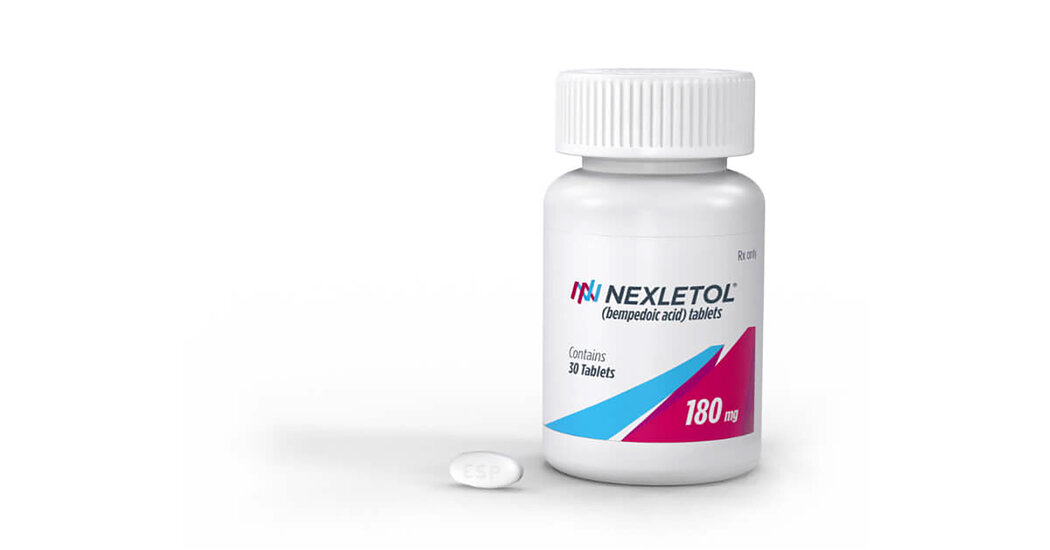
Bempedoic acid lowers cholesterol, and a study found a modest effect on cardiac illness. But whether patients are any more willing to take it remains to be seen, experts said.Millions of Americans who are at high risk for heart attacks and whose LDL cholesterol levels are disturbingly high have been told over and over again by their doctors to take a statin. These cheap generic drugs have been shown repeatedly to slash cholesterol levels and prevent heart attacks, strokes and deaths. But many people cannot or will not take the drugs, often reporting that statins make their muscles ache.Now, a study with 14,000 patients of a drug that lowers LDL levels and was designed to avoid muscle aches was found to modestly reduce the risk of heart attacks, strokes and other complications from heart disease.It was published Saturday in The New England Journal of Medicine and presented at the annual meeting of the American College of Cardiology. The medication joins several statin alternatives that have been shown to reduce cardiac illnesses, and some experts say they doubt the drug is any more likely to be embraced by patients who are wary of statins and, often, other LDL-lowering drugs.The drug, bempedoic acid, is not new; the Food and Drug Administration approved it three years ago because it lowers LDL levels.But “it was not used a lot,” said Dr. John Alexander, a cardiologist at Duke, who was not associated with the study and wrote an accompanying editorial in the journal. The reason, he said, is that while earlier research showed that the drug lowered LDL cholesterol, no studies showed that it actually reduced a patient’s chances of a heart attack or a stroke or death from heart disease. And, because there were no outcome data, insurers generally have not covered its cost of about $140 a month.“In cardiology and cardiovascular disease prevention, we expect outcome data,” Dr. Alexander said.But the new study showed that bempedoic acid modestly decreased the combined risk of cardiovascular complications — heart attacks, strokes, blocked arteries that needed to be reopened with stents or bypass surgery, or cardiovascular death — although it did not decrease the overall mortality rate.The trial was directed by Dr. Steven Nissen of the Cleveland Clinic and was paid for by the drug’s maker, Esperion Therapeutics, which sells it under the brand name Nexletol. It involved people who were at high risk for a heart attack or stroke who were randomly assigned to take bempedoic acid or a placebo. Their average LDL level was high: 139 milligrams per deciliter. Cardiologists generally say such patients should get their LDL below 70.The participants had to sign a statement saying: “I can’t tolerate these medications (called statins) even though I know they would reduce my risk of a heart attack or stroke or death. My doctor has explained and I am aware that many patients who are unable to tolerate a single statin medication may also be able to tolerate a different statin or dose.”Bempedoic acid reduced LDL levels by about 20 percent, not enough to get patients to the goal level. At the end of the study, the average LDL level in those taking the drug was 107, compared with 136 in the patients taking a placebo. In contrast, statins can reduce LDL levels by as much as 50 percent.After just a bit more than a year and a half, 819, or 11.7 percent, of patients in the bempedoic acid group had one of the heart-related complications.In the placebo group, 927 patients, or 13.3 percent, had such an event.Participants did not have muscle aches or an increased risk of diabetes, the most common complaints with statins. With bempedoic acid, a small percentage in the trial experienced an increased risk of gout, an inflammation of joints that is treatable and increased risk of gallstones.Now the question is, how important is this drug going to be?Bempedoic acid is the sixth cholesterol-lowering drug, in addition to statins, that has been demonstrated to reduce heart attacks and strokes, noted Dr. Michael Davidson, director of the lipid clinic at the University of Chicago Pritzker School of Medicine who founded a company, New Amsterdam Pharma, that is developing a LDL lowering drug. The others are bile acid resins, niacin, ezetimibe, PCSK9 inhibitors and CETPi. They have varying effects on LDL and range from cheap to expensive. With this array of drugs, Dr. Davidson said he hoped doctors could start focusing on getting high-risk patients’ LDL levels as low as possible, whatever it takes.Dr. Harlan Krumholz, a Yale cardiologist, said that given bempedoic acid’s modest effects and the fact that other drugs also lower LDL, it “is unlikely to be a game changer.”Dr. Benjamin Ansell, a lipid expert at U.C.L.A., said that the drug was “better than nothing” but that “it isn’t enough” for people who have high LDL levels and are at high risk.Lipid experts say that many who say they cannot tolerate statins actually can. Some mistakenly attribute muscle aches from other causes to the drug. For others, a different dose of a statin or a different statin is tolerable.But primary care doctors may not have the time or inclination to go through all this with patients, especially because they have to tread delicately with patients who are adamant that they cannot or will not take the drugs.“When you come in guns ablazing and say, ‘Take this medicine,’ it turns a lot of patients off,” Dr. Ansell said. “There’s a fear the patient will not come back.”

Read more →

Innovative technology shows great promise against certain head and neck cancers

Over the past decade, human papillomavirus (HPV) has increasingly been identified as a significant cause of certain head and neck cancers — for example, evidence suggests it causes 70% of oropharyngeal cancers in the United States.
Further, over the past three decades, incidence of HPV-driven cancers has increased substantially worldwide and in the U.S. While there are well-established screening tools, as well as vaccines, for HPV-driven cancers such as cervical cancer, there are fewer resources for HPV-driven head and neck cancers. As a result, researchers are working with a sense of urgency to develop innovative therapeutics to treat them.
One groundbreaking therapeutic has shown significant promise in a phase 1 clinical trial led by Antonio Jimeno, MD, PhD, co-leader of the University of Colorado Cancer Center Developmental Therapeutics Program and the CU Cancer Center head and neck cancer SPORE grant. Research results published today show that a microfluidic squeezing technology used on peripheral blood mononuclear cells (PBMCs), a type of immune cell, helps stimulate anti-tumor activity in a subtype of HPV16-positive cancers, including head and neck, cervical, and anal cancers.
“This technology is quite novel,” Jimeno explains. “As opposed to other cell therapies that require a patient’s cells to be genetically modified, this involves a different way of manipulating cells that does not lead to genetic modifications. It makes the process faster and perhaps more agile as to what you can direct the cells against.”
“Sending them to boot camp”
This research was motivated, in part, by an awareness that people diagnosed with certain HPV-driven head and neck cancers don’t have a lot of conventional treatment options. “We’re very aware of this situation, so we have a large group of investigators conducting immunotherapy and cell therapy clinical trials so that hopefully soon we will be able to offer patients more effective and less toxic options,” Jimeno says.

The phase 1 clinical trial focused on patients with a subtype of HPV16-positive solid tumors. Participants sat for a process called apheresis, which involves removing whole blood and putting it through a centrifuge to separate the whole blood into its individual parts. The aim of the apheresis session is to acquire between 5 to 10 billion PBMCs.
The PBMCs were then sent to a laboratory to be trained to find and kill cancer cells caused by HPV, “basically sending them to boot camp so they learn how to find and attack the cancer,” Jimeno says.
Using Cell Squeeze technology, the PBMCs were sent through very tight channels that opened pores on their surface. Then, the cells were fed a peptide, or piece of protein, related to the HPV virus — one that immune cells usually recognize — so that they could learn to recognize it and build a memory of it. The aim of the process is to help ensure that the next time these cells encounter HPV-driven cancer cells, they attack.
Once the cells had gone through the Cell Squeeze process, they were infused back into patients during a one-hour outpatient therapy session. This process happened every 21 days and did not require patients to receive concurrent immunosuppression or chemotherapy.
Showing promising results
“It’s very early in the process with this technology, but the results we observed in this phase 1 trial are promising,” Jimeno says. “The fact that the cells are from a patient’s own blood means that rejection is not going to be an issue. Also, the fact that they have not been genetically modified on their surfaces makes them less likely to attract unwanted attention from the immune system.”

While some study participants experienced mild side effects such as fatigue, rash, or a slight immune reaction, “the toxicity was perceived to be manageable and significantly outweighed by the benefits,” Jimeno says. “We did biopsies before and after therapy, and after the therapy we could see these modified cells we had given back to the patient, and they were activated and sort of ‘chewing’ at cancer cells.
“Most importantly, we had some patients here in Colorado who were on the therapy for almost a year and their disease remained stable. For cancer patients who have run out of other options, being able to be on a therapy without very serious side effects, that doesn’t require a hospital stay or supplementary chemotherapy, is a very appealing option.”
Following the phase 1 trial, a phase 1B trial is ongoing that combines first-generation cells and immunotherapies. Another study recently opened that works with a second generation of the PBMCs made in an improved way, Jimeno says. Further, inclusion criteria for the study with second-generation PBMCs are much broader.
Because the process does not require genetic modifications, Jimeno says, it is fast and agile, and has potential for other types of cancer.
“The promise of these cell technologies is that many of them are being developed in a way that they can be actually generated at the point of delivery,” Jimeno explains. “We can envision a future where these or similar approaches work, and where we have small processors locally — for example, at the Gates Biomanufacturing Facility here on campus — so that we’re reducing patient wait times. We could potentially offer a therapy that could be turned around very soon after we collect a patient’s cells. This is a super exciting field and that’s why we’re so interested and working hard to drive this.”

Read more →

New tool for organ repair: Curvature of the environment

A ball, a saddle, or a flat plate. The curvature of biomaterials inhibits or stimulates bone cells to make new tissue. This is what TU Delft engineers show in research published on Friday, 3rd of March in Nature Communications. This study of geometries could be an important step in research into repairing damaged tissues.
Living cells can perceive and respond to the geometry of their environment. ‘Cells sense and respond to the geometry of the surfaces they are exposed to. Depending on their curvature, surfaces can either encourage cells to create new tissue or prevent them from doing so,’ says Amir Zadpoor, professor of Biomaterials and Tissue Biomechanics, supervisor of the study. ‘Stimulating curvatures made by a 3D printer are an easy and safe way to promote tissue growth. As compared to drugs, they are also much cheaper.’
In petri dishes, the researchers grew bone cells surrounded by small moulds made from biomaterials with which the researchers have experience. Depending on the curvatures in the moulds, the cells tended to grow, divide, and form tissue to different extents.
Cells like a saddle shape
Although curved shapes seem to exist in endless variations, they always fall roughly into one of these three categories: a ball that has a convex curvature, a saddle that has a concave curvature, and a plate that is flat. One of the authors, assistant professor of Biomaterials Lidy Fratila-Apachitei: ‘Cells prefer a saddle shape. If they perceive a saddle shape nearby, growth is stimulated. The study also shows that cells prefer valleys over hills.’
Rather aligned than bent
First author Sebastien Callens did the experiments and analysis in the study. ‘Cells also have a skeleton, which consists of fibres that are under tension to different degrees. How tension builds up in those fibres strongly influences the behaviour of cells. Our study shows that cells collectively align their stress fibers with the curvatures they experience to minimize their need to bend. I could see that cells prefer to align than to bend.’
Budget of saddle curvature
You can’t have only saddle curves around cells. Just as the three angles of a triangle always add up to 180 degrees, the sum of all curvatures must also equal some fundamental numbers. ‘You always have a limited budget of saddle shapes,’ says Zadpoor. ‘If you use too much negative curvature somewhere, you must use positive curvatures somewhere else to keep the sum constant. You need to use your budget wisely to encourage maximum tissue regeneration.’
New biomaterials
The study provides guidance on the optimal geometry of biomaterials and implants to maximise tissue regeneration. The complex geometric designs required are made using high-precision 3D printing techniques to make the shapes so small that they are perceptible to cells. Callens: ‘We have now discovered new playing rules by which biomaterials can stimulate tissue growth. In follow-up research, we will try to apply those rules optimally.’

Read more →

Heart-healthy lifestyle linked to a longer life, free of chronic health conditions

Two new studies by related research groups have found that adults who live a heart-healthy lifestyle, as measured by the American Heart Association’s Life’s Essential 8 (LE8) cardiovascular health scoring, tend to live longer lives free of chronic disease. The preliminary studies will be presented at the American Heart Association’s Epidemiology, Prevention, Lifestyle & Cardiometabolic Health Scientific Sessions 2023, held in Boston, February 28-March 3, 2023. The meeting offers the latest science on population-based health and wellness and implications for lifestyle and cardiometabolic health.
In June 2022, the American Heart Association updated the metrics for optimal cardiovascular health to include sleep — Life’s Essential 8. The tool measures 4 indicators related to cardiovascular and metabolic health status (blood pressure, cholesterol, blood sugar and body mass index); and 4 behavioral/lifestyle factors (smoking status, physical activity, sleep and diet).
“These two abstracts really give us some nice new insight into how we can understand at different stages across the life course just how important focusing on your cardiovascular health is going to be, particularly using the new American Heart Association Life’s Essential 8 metrics,” said Donald M. Lloyd-Jones, M.D., Sc.M., FAHA. Lloyd-Jones led the advisory writing group for Life’s Essential 8 and is immediate past president of the American Heart Association President and chair of the department of preventive medicine, the Eileen M. Foell Professor of Heart Research and professor of preventive medicine, medicine and pediatrics at Northwestern University’s Feinberg School of Medicine in Chicago. “The cardiovascular health construct studied in these two abstracts really does nail what patients are trying to do, which is find the fountain of youth. Yes, live longer, but more importantly, live healthier longer, and extend that healthspan so that you can really enjoy quality in your remaining life years.”
Life’s Essential 8 And Life Expectancy Free of Cardiovascular Disease, Diabetes, Cancer, And Dementia in Adults
The first study investigated whether levels of cardiovascular health estimated by the Association’s Life’s Essential 8 metrics were associated with life expectancy free of major chronic disease, including cardiovascular disease, Type 2 diabetes, cancer and dementia.
“Our study looked at the association of Life’s Essential 8 and life expectancy free of major chronic disease in adults in the United Kingdom,” said lead author Xuan Wang, M.D., Ph.D., a postdoctoral fellow and biostatistician in the department of epidemiology at Tulane University’s School of Public Health and Tropical Medicine in New Orleans.

Wang and colleagues analyzed health information for 136,599 adults in the U.K. who did not have cardiovascular disease, Type 2 diabetes, cancer or dementia when they enrolled in the study and as measured by the Life’s Essential 8 tool.
“We categorized Life’s Essential 8 scores according to the American Heart Association’s recommendations, with scores of less than 50 out of 100 being poor cardiovascular health, 50 to less than 80 being intermediate, and 80 and above being ideal,” Wang said. Life’s Essential 8 scores of 80 and above are defined as “high cardiovascular health” by the Association.
When the researchers compared life expectancy and disease-free years among the groups, they found: Adults who scored as having ideal cardiovascular health lived substantially longer than those scored in the poor heart health category. Men and women with ideal cardiovascular health at age 50 had an average 5.2 years and 6.3 years more of total life expectancy, respectively, when compared to the men and women who scored as having poor cardiovascular health. Adults with ideal cardiovascular health scores lived longer without chronic disease. Disease-free life expectancy accounted for nearly 76% of total life expectancy for men and more than 83% for women who had ideal cardiovascular health — in contrast, disease-free life expectancy was only 64.9% of men and 69.4% of women with poor cardiovascular health.”Moreover, we found disparities in disease-free life expectancy due to low socioeconomic status may be offset considerably by maintaining an ideal cardiovascular health score in all adults,” Wang said. “Our findings may stimulate interest in individual self-assessment and motivate people to improve their cardiovascular health. These findings support improving population health by promoting adherence to ideal cardiovascular health, which may also narrow health disparities related to socioeconomic status.”
The study’s limitations were that the researchers only included CVD, diabetes, cancer and dementia in their definition of “disease-free life expectancy;” information on e-cigarettes was not available in the U.K. Biobank, which may lead to a slight overestimation of the LE8 score in this study; and participants in the U.K. Biobank are overwhelmingly white race, therefore, further studies are needed to confirm if these results are consistent among people from diverse racial and ethnic backgrounds who may experience negative social determinants of health throughout their lifetime.

“What’s really important is that people maintaining high cardiovascular health into midlife are avoiding those chronic diseases of aging, things like cancer and dementia that we also worry about, not just cardiovascular disease,” Lloyd-Jones said. “They’re delayed until much later in the lifespan, so people can enjoy the life in their years as well as the years in their life.”
Co-authors with Wang are Hao Ma, M.D., Ph.D.; Xiang Li, M.D., Ph.D.; Yoriko Heianza, R.D., Ph.D.; JoAnn E. Manson, M.D., M.P.H., Dr.P.H..; Oscar H. Franco, M.D., Ph.D.; and Lu Qi, M.D., Ph.D. Authors’ disclosures are listed in the abstract.
The study was funded by the National Heart, Lung, and Blood Institute and the National Institute of Diabetes and Digestive and Kidney Diseases, which are divisions of the National Institutes of Health; the Fogarty International Center; and Tulane Research Centers of Excellence Awards.
Life’s Essential 8 And Life Expectancy Among Adults in the United States
The second study focused on whether the association of Life’s Essential 8 with total life expectancy differed by sex or race in U.S. adults.
The researchers analyzed health information, including Life’s Essential 8 scores, for more than 23,000 U.S. adults who took part in the National Health and Nutrition Examination Survey (NHANES) from 2005 to 2018.
The analysis found: Life expectancy for adults at age 50 was an average of an additional 33.4 years for those with ideal cardiovascular health, or scores of 80 or greater; in comparison, additional life expectancy was 25.3 years for adults with poor cardiovascular health, LE8 scores of less than 50. Adults with ideal cardiovascular health gained an estimated 8.1 years (7.5 additional years for men and 8.9 for women) of life expectancy at age 50, compared with those in the poor cardiovascular health category.”We found that more than 40% of the increased life expectancy at age 50 from adhering to ideal cardiovascular health may be explained by the reduced incidence of cardiovascular disease death,” said lead author Hao Ma, M.D., Ph.D., a postdoctoral fellow and biostatistician in epidemiology at Tulane University and co-author on Wang’s study.
According to Ma, this indicates that maintaining one’s cardiovascular health may improve one’s lifespan. However, more research needs to be done on the impact of cardiovascular health on lifespan among people from diverse racial and ethnic groups, he said.
The study had several limitations such as the researchers did not consider potential changes of cardiovascular health during the follow-up because information on the cardiovascular health metrics was only available at baseline. Additionally, the researchers’ analyses of different racial/ethnic groups only included non-Hispanic white, non-Hispanic Black and people of Mexican heritage due to the limited sample size for additional racial/ethnic groups.
“What struck me about this abstract particularly was that there’s a really big jump going from individuals who have poor cardiovascular health to just intermediate levels of cardiovascular health,” Lloyd-Jones said. “Overall, we see this seven-and-a-half-year difference going from poor to high cardiovascular health. That’s a really big difference in life expectancy, and I think what it tells us is that we need to try to move people and get them to improve their cardiovascular health in mid-life, because that’s really going to have a major influence on their total life expectancy.”
Co-authors with Ma are Xuan Wang, M.D, Ph.D.; Qiaochu Xue, M.P.H.; Xiang Li, M.D., Ph.D.; Zhaoxia Liang, M.D., Ph.D.; Yoriko Heianza, R.D., Ph.D.; Oscar H. Franco, M.D., Ph.D.; and Lu Qi, M.D., Ph.D. Authors’ disclosures are listed in the abstract.
The study was funded by the National Heart, Lung, and Blood Institute and the National Institute of Diabetes and Digestive and Kidney Diseases, which are divisions of the National Institutes of Health; the Fogarty International Center and Tulane Research Centers of Excellence Awards.
Statements and conclusions of studies that are presented at the American Heart Association’s scientific meetings are solely those of the study authors and do not necessarily reflect the Association’s policy or position. The Association makes no representation or guarantee as to their accuracy or reliability. Abstracts presented at the Association’s scientific meetings are not peer-reviewed, rather, they are curated by independent review panels and are considered based on the potential to add to the diversity of scientific issues and views discussed at the meeting. The findings are considered preliminary until published as a full manuscript in a peer-reviewed scientific journal.
The Association receives funding primarily from individuals; foundations and corporations (including pharmaceutical, device manufacturers and other companies) also make donations and fund specific Association programs and events. The Association has strict policies to prevent these relationships from influencing the science content. Revenues from pharmaceutical and biotech companies, device manufacturers and health insurance providers and the Association’s overall financial information are available here.

Read more →

A good night's sleep may make it easier to stick to exercise and diet goals

People who reported getting regular, uninterrupted sleep did a better job sticking to their exercise and diet plans while trying to lose weight, according to preliminary research presented at the American Heart Association’s Epidemiology, Prevention, Lifestyle & Cardiometabolic Health Scientific Sessions 2023. The meeting will be held in Boston, February 28-March 3, 2023, and offers the latest science on population-based health and wellness and implications for lifestyle and cardiometabolic health.
“Focusing on obtaining good sleep — seven to nine hours at night with a regular wake time along with waking refreshed and being alert throughout the day — may be an important behavior that helps people stick with their physical activity and dietary modification goals,” said Christopher E. Kline, Ph.D., an associate professor in the department of health and human development at the University of Pittsburgh. “A previous study of ours reported that better sleep health was associated with a significantly greater loss of body weight and fat among participants in a year-long, behavioral weight loss program.”
The researchers examined whether good sleep health was related to how well people adhered to the various lifestyle modifications prescribed in a 12-month weight loss program. The weight-loss program included 125 adults (average age of 50 years, 91% female, 81% white) who met criteria for overweight or obesity (body mass index of 27-44) without any medical conditions requiring medical supervision of their diet or physical activity.
Sleep habits were measured at the beginning of the program, at 6 months and at 12 months, through patient questionnaires, a sleep diary and 7-day readings from a wrist-worn device that recorded sleep, waking activity and rest. These measures were used to score each participant as “good” or “poor” on six measures of sleep: regularity; satisfaction; alertness; timing; efficiency (the percentage of time spent in bed when actually asleep); and duration. A composite sleep health score of 0-6 was calculated for each participant, with one point for each “good” measure of sleep health, with higher scores indicating better levels of sleep health.
Adherence to the weight loss program was measured by percentage of group intervention sessions attended; percentage of days in which each participant ate between 85-115% of their recommended daily calories; and change in daily duration of moderate or vigorous physical activity. Participants had an average sleep health score of 4.5 out of 6 at the start of the study, at 6 months and at 12 months. Participants self-reported their caloric intake each day using a phone app and researchers measured participants’ physical activity with an accelerometer worn at the waist for one week at a time at the start of the study, at 6 months and at 12 months.
After adjusting the sleep health scores for age, gender, race and whether or not there was a partner sharing the bed, the researchers found that better sleep health was associated with higher rates of attendance at group interval sessions, adherence to caloric intake goals and improvement in time spent performing moderate-vigorous physical activity. They found: Participants attended 79% of group sessions in the first six months and 62% of group sessions in the second six months. Participants met their daily caloric intake goals on 36% of days in the first six months and 21% in the second six months. Participants increased their total daily time spent in moderate-vigorous activity by 8.7 minutes in the first six months, however, their total time spent decreased by 3.7 minutes in the second six months.The decrease in group session attendance, caloric intake and in time spent in moderate-vigorous activity in the second six months was expected, Kline said. “As one continues in a long-term behavioral weight loss intervention, it’s normal for the adherence to weight loss behaviors to decrease,” he said.

Additionally, while there was an association between better sleep health scores and an increase in physical activity, it was not strong enough to be statistically significant, meaning that researchers cannot rule out that the results were due to chance.
“We had hypothesized that sleep would be associated with lifestyle modification; however, we didn’t expect to see an association between sleep health and all three of our measures of lifestyle modification,” he said. “Although we did not intervene on sleep health in this study, these results suggest that optimizing sleep may lead to better lifestyle modification adherence. ”
The study’s limitations include that it did not incorporate any intervention to help participants improve their sleep, that the study sample was not recruited based upon participants’ sleep health characteristics, and that the overall sample population had relatively good sleep health at baseline. The sample was also primarily white and female, so it is unclear whether these results are generalizable to more diverse populations.
“One question of interest for future research is whether we can increase adherence to lifestyle modifications — and, ultimately, increase weight loss — if we improve a person’s sleep health,” Kline said.
A second question for the researchers is how such an intervention would be timed to improve sleep.
“It remains unclear whether it would be best to optimize sleep prior to rather than during attempted weight loss. In other words, should clinicians tell their patients to focus on getting better and more regular sleep before they begin to attempt weight loss, or should they try to improve their sleep while at the same time modifying their diet and activity levels?” Kline said.
Improving one’s sleep health is something everyone can do to improve their cardiovascular health and is a key component of the American Heart Association’s Life’s Essential 8. Sleep was added in 2022 as the eighth component of optimal cardiovascular health, which includes eating healthy food, being physically active, not smoking, getting enough sleep, maintaining a healthy weight and controlling cholesterol, blood sugar and blood pressure levels. Cardiovascular disease claims more lives each year in the U.S. than all forms of cancer and chronic lower respiratory disease combined, according to the 2023 Statistical Update from the American Heart Association.
“There are over 100 studies linking sleep to weight gain and obesity, but this was a great example showing how sleep isn’t just tied to weight itself, it’s tied to the things we’re doing to help manage our own weight. This could be because sleep impacts the things that drive hunger and cravings, your metabolism and your ability to regulate metabolism and the ability to make healthy choices in general,” said Michael A. Grandner, Ph.D., MTR. Grandner is director of the Sleep and Heath Research Program at the University of Arizona, director of the Behavioral Sleep Medicine Clinic at the Banner-University Medical Center in Tucson, Arizona, and was a co-author of the Association’s Life’s Essential 8 cardiovascular health score. “Studies like this really go to show that all of these things are connected, and sometimes sleep is the thing that we can start taking control over that can help open doors to other avenues of health.”

Read more →

Adding antipsychotic med to antidepressant may help older adults with treatment-resistant depression

For older adults with clinical depression that has not responded to standard treatments, adding the drug aripiprazole (brand name Abilify) to an antidepressant they’re already taking is more effective than switching from one antidepressant to another, according to a new multicenter study led by Washington University School of Medicine in St. Louis.
Aripiprazole originally was approved by the FDA in 2002 as a treatment for schizophrenia but also has been used in lower doses as an add-on treatment for clinical depression in younger patients who do not respond to antidepressants alone.
The new findings are published March 3 in The New England Journal of Medicine and are to be presented that same day by Eric J. Lenze, MD — principal investigator and head of the Department of Psychiatry at Washington University — and colleagues at the annual meeting of the American Association for Geriatric Psychiatry in New Orleans.
Many people with clinical depression don’t respond to medications used to treat the condition. Consequently, some doctors switch such patients to different antidepressants in the pursuit of finding one that works, while other physicians may prescribe another class of drugs to see if a combination of medications helps.
Both strategies have been recommended by experts as options for older adults with treatment-resistant depression. However, the new study was designed to help determine which strategy is most effective. Augmenting an antidepressant with aripiprazole helped 30% of patients with treatment-resistant depression, compared to only 20% who were switched to another solo antidepressant, results of the study show.
“Often, unless a patient responds to the first treatment prescribed for depression, physicians follow a pattern in which they try one treatment after another until they land on an effective medication,” said Lenze, the Wallace and Lucille Renard Professor and the study’s corresponding author. “It would be beneficial to have an evidence-based strategy we can rely on to help patients feel better as quickly as possible. We found that adding aripiprazole led to higher rates of depression remission and greater improvements in psychological well-being — which means how positive and satisfied patients felt — and this is good news. However, even that approach helped only about 30% of people in the study with treatment-resistant depression, underscoring the need to find and develop more effective treatments that can help more people.”
Treatment-resistant depression is no more or less common in older people than younger people, but because it seems to accelerate cognitive decline, identifying more effective ways to treat it is very important.

Lenze, along with colleagues at Columbia University, UCLA, the University of Pittsburgh and the University of Toronto, studied 742 people, ages 60 and older, with treatment-resistant depression, meaning their depression had not responded to at least two different antidepressant medications.
The researchers evaluated strategies commonly used in clinical practice to help alleviate treatment-resistant depression in older patients and designed the study to have two distinct phases. In the first phase, 619 patients, each of whom was taking an antidepressant such as Prozac, Lexapro or Zoloft, were randomly divided into three groups. In the first group, patients remained on whatever antidepressant drug each already was taking but also received the drug aripiprazole (Abilify). A second group also continued taking antidepressants but added bupropion (brand names Wellbutrin or Zyban), and a third group tapered off of the antidepressant each had been taking and switched to bupropion entirely.
Over the course of 10 weeks, the participants received biweekly phone calls or in-person visits with study clinicians. At these visits, the medications were adjusted according to the individual patient’s response and side effects. The researchers found that the group that experienced the best overall outcomes was the one in which patients continued with their original antidepressants but added aripiprazole.
The researchers also anticipated that some people in the study wouldn’t respond to the various treatments, so they added a second phase that included 248 participants. In this phase, patients taking antidepressants such as Prozac, Lexapro and Zoloft were treated with lithium or nortriptyline — medications that were widely used before those other, newer antidepressants were approved more than two decades ago. Rates of alleviating depression in the study’s second phase were low, about 15%. And there was no clear winner when augmentation with lithium was compared with switching to nortriptyline.
“Those older drugs also are a bit more complicated to use than newer treatments,” Lenze explained. “Lithium, for example, requires blood testing to ensure its safety, and it’s recommended that patients taking nortriptyline receive electrocardiograms periodically to monitor the heart’s electrical activity. Since neither lithium nor nortriptyline were promising against treatment-resistant depression in older adults, those medications are unlikely to be helpful in most cases.”
But even the best treatment strategy — adding aripiprazole to an antidepressant — was not markedly successful for many older patients with treatment-resistant depression.

“This really highlights a continuing problem in our field,” said senior author Jordan F. Karp, MD, professor and chair of the Department of Psychiatry at the University of Arizona College of Medicine — Tuscon. “Any given treatment is likely to help only a subset of people, and ideally, we would like to know, in advance, who is most likely to be helped, but we still don’t know how to determine that.”
Lenze emphasized that overall, antidepressants are highly helpful for the majority of people suffering from clinical depression. At least half of all people with depression feel much better after they begin taking the first medication they try. And almost half of the remainder not helped by a first drug improve when switched to a second drug, But that leaves a sizeable group with clinical depression that does not respond to two treatments.
The problem is particularly difficult in older adults, many of whom already are taking several medications for other conditions such as high blood pressure, cardiac issues or diabetes,” Lenze said. “So switching to new antidepressants every few weeks or adding other psychiatric drugs can be complicated. In addition, because depression and anxiety in older adults may accelerate cognitive decline, there’s an urgency to find more effective treatment strategies.
“There definitely is something that makes depression harder to treat in this population, a population that’s only going to keep getting larger as our society gets older,” he added.
The study was funded by a grant from the Patient-Centered Outcomes Research Institute (PCORI), grant TRD-1511-33321. No in-kind support was received from pharmaceutical companies. Other funding was provided by the Taylor Family Institute for Innovative Psychiatric Research at Washington University School of Medicine. Other support came from the National Center for Advancing Translational Sciences and the National Institute of Mental Health of the National Institutes of Health (NIH). Grant numbers: 5RO1 MH114980, K24 AT009198, R01 MH114981. Additional funding provided by the Labatt Family Chair in Biology of Depression in Late-Life Adults at the University of Toronto.

Read more →