Respiratory disease in early childhood linked to higher risk of early death in adulthood

Contracting a lower respiratory tract infection in early childhood is associated with a higher risk of dying from respiratory disease as an adult, according to new research.
A study, led by researchers from Imperial College London and published in The Lancet, has found that children who had a lower respiratory tract infection (LRTI), such as bronchitis or pneumonia, by the age of two were almost twice as likely to die prematurely in adulthood from respiratory diseases. The research showed the rate of premature death from respiratory disease was about 2% for those who had a LRTI in early childhood, compared to around 1% for those who did not. The findings remained after adjusting for socioeconomic factors and smoking status.
Chronic respiratory diseases are a major public health problem, accounting for an estimated 3.9 million deaths, or 7 per cent of all deaths worldwide, in 2017. Most of these deaths were caused by chronic obstructive pulmonary disease (COPD) — a group of lung conditions that cause breathing difficulties, such as emphysema and chronic bronchitis.
Previous research has linked infant LRTIs to the development of adult lung function impairments, asthma, and COPD, but it has been unclear if there is also a link to premature death in adulthood. This first-of-its-kind study spans more than 73 years and provides the best evidence to date that early respiratory health has an impact on mortality later in life.
The findings challenge the misconception that adult deaths from respiratory diseases are determined only by behaviour in adulthood, such as smoking. The researchers say that this highlights the need to prevent childhood respiratory infection and improve the health of children, through targeted public health measures and health service interventions, such as vaccination, improving living conditions, and better diagnosis and treatment of underlying health conditions.
The study was carried out in collaboration with researchers from University College London, Loughborough University, and Royal Brompton and Harefield NHS Foundation Trust (now part of Guy’s and St Thomas’ NHS Foundation Trust).

Dr James Allinson, lead author for the study, from the National Heart & Lung Institute at Imperial College London, said: “Current preventative measures for adult respiratory disease mainly focus on adult lifestyle risk factors such as smoking. Linking one in five adult respiratory deaths to common infections many decades earlier in childhood shows the need to target risk well before adulthood.
“To prevent the perpetuation of existing adult health inequalities we need to optimise childhood health, not least by tackling childhood poverty. Evidence suggesting the early life origins of adult chronic diseases also helps challenge the stigma that all deaths from diseases such as COPD are related to lifestyle factors.”
Professor Rebecca Hardy, co-author for the study, from University College London and Loughborough University, said: “The results of our study suggest that efforts to reduce childhood respiratory infections could have an impact on tackling premature mortality from respiratory disease later in life. We hope that this study will help guide the strategies of international health organisations in tackling this issue.”
The study uses data from a nationwide British cohort study called The National Survey of Health and Development (NSHD), which recruited individuals at birth in 1946, to look at health and death records for 3,589 people up until 2019. Of the 3,589 study participants, 913 suffered a lower respiratory infection before the age of two.
Professor Nish Chaturvedi, co-author for the study and PI of NSHD, from University College London, said: “This study highlights the importance of whole of life studies. As the UK’s longest running nationally representative cohort study — the MRC NSHD, 1946 British Birth Cohort, is uniquely placed to investigate early life factors that can lead to premature mortality from respiratory disease in later life.”
As the results show the childhood origins of health inequalities among adults who were born in the 1940s, improvements in childhood health and healthcare since this time may have led to better outcomes for children born today. However, evidence of the potentially lifelong consequences of poor childhood health highlights the need for renewed efforts to prevent LRTIs among children.

The researchers used a statistical model to estimate the association between a respiratory infection in early childhood and premature death from respiratory diseases in adulthood, whilst adjusting for different factors that can influence risk.
Analysis adjusting for socioeconomic background during childhood and smoking status suggested that children who had a LRTI by the age of two were 93% more likely to die prematurely from respiratory disease as adults, compared to children who had not had a LRTI by age two. This equated to a 2.1% rate of premature adult death from respiratory disease among those who had a LRTI in early childhood, compared to 1.1% among those who did not report a LRTI before the age of two.
The researchers say this increased risk potentially accounts for 179,188 premature deaths in England and Wales between 1972 and 2019, or one in five deaths from respiratory disease.
In comparison, adult respiratory deaths linked to smoking account for three in five deaths from respiratory disease, or 507,223 excess deaths in England and Wales over the same period.
The researchers note that despite their adjustments, there may have been other risk factors which were unreported, such as parental smoking and being born prematurely. They also note that societal changes during the life-spanning study may have driven changes in lung function of subsequent cohorts and altered outcomes.
The study was funded by NIHR Imperial Biomedical Research Centre, Royal Brompton and Harefield NHS Foundation Trust, Royal Brompton & Harefield Hospitals Charity and Imperial College Healthcare NHS Trust, and the UK Medical Research Council.


Read more →

Researchers find rate of fatal opioid poisonings among children more than doubled over 13-year span

Researchers from Children’s Hospital of Philadelphia (CHOP) found opioids were responsible for more than half of all fatal poisonings in children ages 5 and younger, more than double the proportion of fatal poisonings caused by opioids in 2005. Additionally, over-the-counter drugs still contribute to fatal poisonings in this age group despite increased regulation. The findings, published today in the journal Pediatrics, underscore the need for improved intervention to prevent further fatal poisonings.
More than half of all reported poisonings affect children ages 5 and younger and have the highest rate of emergency department visits for unintentional drug-related poisonings. While child-resistant packaging for many medicines and hazardous products has substantially decreased the number of unintentional fatal poisonings in young children, the escalating opioid epidemic in the United States has contributed to recent child poisoning deaths.
Studying fatal poisonings in young children on a broad scale in the U.S. has been challenging for researchers. Every state conducts child death reviews, which investigate how and why these deaths happen and what steps can be taken to prevent them. Child death reviews are conducted by teams that often take a multidisciplinary approach when reviewing pediatric fatalities. The National Center for Fatality Review and Prevention provides resources for these child death reviews and maintains a reporting system that collects data from these committees.
“By comprehensively assessing fatal poisonings among children at a national level, we were able to better understand the scale of this tragic and preventable public health issue,” said first study author Christopher Gaw, MD, a Pediatric Emergency Medicine Fellow with the Poison Control Center and the Center for Injury Research and Prevention at CHOP. “We were also able to specifically characterize the proportion of poisoning deaths that could be attributed to opioids each year.”
The study team used data from 40 states participating in the National Fatality Review-Case Reporting System on deaths attributed to poisonings among children 5 years and younger between 2005 and 2018. During that period, 731 poisoning-related fatalities were reported by child death reviews.
The researchers found that more than two-fifths of these poisoning deaths occurred among children 1 year old or younger, and more than 65% of these fatalities occurred at home. Nearly one-third of children who died by poisoning were supervised by someone other than a biological parent. Opioids were the most common substance contributing to death, followed by over-the-counter medications for pain, colds and allergies. In 2005, opioids contributed to 24.1% of deaths, but this proportion increased to 52.2% by 2018.
The authors noted that while initiatives focused on reducing opioid prescribing resulted in a transient reduction in these deaths in the early 2010s, in the past decade, new opioid sources — including heroin and synthetic opioids such as fentanyl — have reversed prior public health gains. Additionally, while medication safety initiatives like unit dose packaging have shown promise in reducing these unintended exposures, the approach does not address all prescription opioids or illicit opioids.
“It’s clear from these findings that preventing fatal pediatric poisonings requires a multifaceted approach involving caregiver education and community-level interventions,” said senior study author Daniel J. Corwin, MD, MSCE, an attending physician and Associate Director of Research in the Division of Emergency Medicine at CHOP. “One such intervention is improving the availability of naloxone for the public, which can rapidly reverse opioid overdose and is safe and effective for use in children.”

Read more →

Endometriosis: Bindi Irwin reveals decade-long struggle with severe pain

Published1 hour agoShareclose panelShare pageCopy linkAbout sharingImage source, @bindisueirwin / InstagramBy Tom HousdenBBC News, SydneyAustralian conservationist and TV personality Bindi Irwin has revealed she has suffered “insurmountable pain” from endometriosis for a decade.In an Instagram post, Ms Irwin, 24, said she had undergone surgery to alleviate the condition.Endometriosis is caused when tissue similar to the womb’s lining grows in the ovaries and fallopian tubes.Ms Irwin said she felt she needed to share her story now “for other women who need help”.Posting a photo of herself lying in a hospital bed, Ms Irwin said trying to remain positive and hide the pain had “been a very long road.”She had endured “insurmountable fatigue, pain and nausea” over the years.”A doctor told me it was simply something you deal with as a woman and I gave up entirely, trying to function through the pain,” she wrote.She said a friend then helped her decide to undergo surgery- a “scary” decision.”I knew I couldn’t live like I was. Every part of my life was getting torn apart because of the pain,” she said.In the operation, doctors found a cyst filled with menstrual blood and 37 lesions – “some very deep and difficult to remove”, she wrote.”Validation for years of pain is indescribable,” she said.She told her 5.1 million followers she was now recovering from the treatment, and thanked friends, family and medical staff for their support.She added that stigma around endometriosis meant many women were suffering in silence. “Let this be your validation that your pain is real & you deserve help,” she wrote.Endometriosis affects roughly one-in-ten women and girls of reproductive age globally, the World Health Organization (WHO) says. It can cause severe pain during periods, sexual intercourse and bowel movements, as well as pelvic pain, abdominal bloating, nausea and fatigue. It can also affect fertility, and the condition’s impact on quality of life can also lead to anxiety and depression.There is currently no known cure, but treatment can help reduce symptoms. Bindi Irwin rose to fame following in the footsteps of her father, the ‘Crocodile Hunter’ Steve Irwin, an Australian conservationist and TV documentary host. She made her first TV appearance with him as an infant.She married professional wakeboarder Chandler Powell on 25 March 2020 and gave birth to a daughter, Grace Warrior, exactly one year later in 2021. Steve Irwin died aged 44 in 2006 after being stung by a stingray while filming on the Great Barrier Reef off the coast of Queensland. This video can not be playedTo play this video you need to enable JavaScript in your browser.More on this story’Life-changing’ drug offers endometriosis hope9 March 2021

Read more →

Weight loss drug semaglutide approved for NHS use

Published7 hours agoShareclose panelShare pageCopy linkAbout sharingImage source, Getty ImagesBy Annabel RackhamBBC NewsA weight loss jab that has gained popularity in the US has been approved for use by the NHS in England.The National Institute for Health and Care Excellence (NICE) concluded semaglutide, marketed as Wegovy, is safe, effective and affordable.Delivered via an injection into the skin, the drug makes people feel fuller and more satisfied, so they eat less.Famous personalities such Elon Musk claim to have used it – with a “craze” allegedly developing in Hollywood.Lifestyle changesBased on evidence from clinical trials, NICE says semaglutide could help people reduce their weight by over 10%, if implemented alongside nutrition and lifestyle changes.It will be recommended for use by people with at least one weight-related health condition, as well as those who have a body mass index (BMI) which puts them near the top of the obese range.BMI is calculated by dividing an adult’s weight in kilograms by the square of their height in meters.Those who are lower on the obese BMI range – a BMI between 30 and 34.9kg/m2 – could also be offered the drug if they have a weight-related health condition. NICE lists these as someone who is pre-diabetic, has type 2 diabetes, high blood pressure, heart disease or obstructive sleep apnoea. Weight-loss jab recommended on NHS Appetite drug could mark ‘new era’ in obesityCelebrity weight loss jab to be sold by chemistsOnce-weekly injections of Wegovy will have to be prescribed by a specialist, and an individual will only be able to take the drug for a maximum of two years.Semaglutide is also found in the diabetes medicine Ozempic, but, unlike Ozempic – which is intended for those with type 2 diabetes – Wegovy is recommended specifically for weight loss. The drug works as an appetite suppressant by mimicking a hormone called Glucagon-like peptide-1 (GLP-1). This intestinal hormone is released after eating and typically makes people feel fuller, so should help reduce overall calorie intake. Image source, Kailey WoodAn article published last year in Variety suggested the diabetes medicine Ozempic, which contains semaglutide, is being used by some professionals in the film and entertainment industry to lose weight quickly. It has become so popular that there are currently widespread shortages in the US and concerns for those people who rely on the drug for medical reasons. Insurance companies in the US are refusing to cover its use among people who are not diabetic and not taking it as a prescribed medicine. ‘Ozempic face’Pharmaceutical company Novo Nordisk, which makes both Ozempic and Wegovy, says the products should only be used as recommended by a doctor.Like all medication, semaglutide comes with side-effects and risks – including nausea, stomach pain, vomiting and diarrhoea. In addition, rapid weight loss can also lead to the skin losing collagen and elastin, causing what Vogue Magazine has dubbed the gaunt “Ozempic face”. Kailey Wood, 36, has been taking Ozempic for seven months, after being prescribed the drug by her doctor in New York. She tells the BBC that she has lost just under 30kg – going from obese to healthy in the BMI range.”I have Polycystic Ovarian Syndrome (PCOS) and insulin resistance, but honestly I didn’t really struggle with my weight until I hit my 30s – after I had my kids,” she says.”I was rapidly gaining weight. I had a personal trainer and was on every diet known to man – keto, low carbohydrate, intermittent fasting and nothing seemed to work,”.When Kailey went for tests with her doctor, she was told she had high blood pressure and high cholesterol and, due to the risks associated with PCOS, she was at risk of developing type 2 diabetes too.”The long-term effects [of being obese] freaked me out having two daughters,” she says.”I just wanted to get to my best self – to show them what a healthy mum looks like; to get outside and play with them.”Kailey, who works for a tech start-up and runs her own TikTok page, says that people who want to use semaglutide need to know the drug does have side-effects.”When you start taking this medication, your body almost goes into shock – you get headaches, nausea, tiredness,” she explains.”But your body starts to get used to it. You have to be mindful and listen to your body.”Kailey says those elements of the US media who promoting the drug as a “get skinny quick product” leave “a bad taste”. She believes it sends the wrong message.”What it’s really doing is changing people’s lives – treating the patient before they have the disease,” she says.”Diet and exercise” has been the weight loss medical mantra for decades. And on the whole it’s failed – more than half the planet is projected to be overweight or obese by 2035, driving up cases of type 2 diabetes, heart disease and some cancers.It’s against that backdrop that semaglutide – and other drugs on the horizon – promise to do something different. The impact on weight while taking semaglutide is undeniable, at least for the short term. However, the drug is being offered only for two years and only in specialist services – raising issues of fairness. Not everyone who may be eligible will be able to access it. And the evidence shows the weight goes back on when people come off the drug, with people regaining around two-thirds of their lost weight within two years. There are also questions about the collision between these drugs (which are also available privately) with ideas of beauty and celebrity culture – particularly on those with eating disorders. And more deeply, whether we’re still ignoring the societal reasons that lead to obesity. BBC Sounds: Inside Health on weight-loss drugs Just over a quarter of adults in England are obese and around a third are overweight, according to official figures. In the UK, obesity is thought to cost the NHS £6.1bn per year, government estimates show. The drug semaglutide is currently under consultation in Scotland, with Wales expected to follow the NICE guidelines issued in England. Helen Knight, director of medicines evaluation at NICE, said: “For some people losing weight is a real challenge, which is why a medicine like semaglutide is a welcome option.”It won’t be available to everyone. Our committee has made specific recommendations to ensure it remains value for money for the taxpayer.”Dr Duane Mellor, Registered Dietitian and Senior Lecturer at Aston Medical School, Aston University, said: “It is important to remember that living with a higher body weight or obesity is not a lifestyle choice, and people wanting to improve their health should be supported to do that.”It is also clear that semaglutide is not intended to be a lifestyle weight-loss product in the UK. It is to be used for the purpose of improving health.”Anyone who is offered semaglutide on the NHS will be supported by specialist weight management services, including support from a dietitian.More on this storyWeight-loss jab recommended on NHS8 February 2022Appetite drug could mark ‘new era’ in obesity11 February 2021Celebrity weight loss jab to be sold by chemists13 February

Read more →

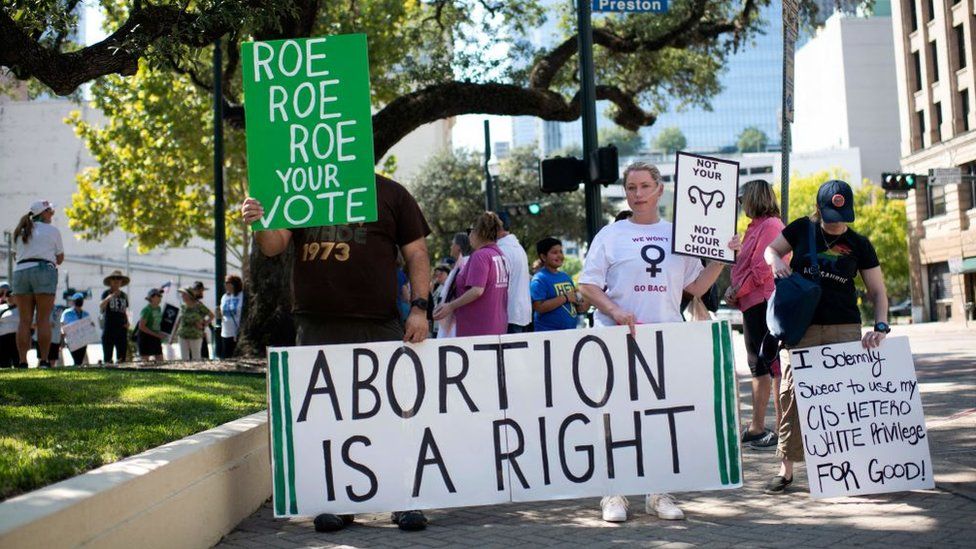
Walgreens Faces Blowback for Not Offering Abortion Pill in 21 States

The chain’s situation shows the complicated legal and reputational landscape that it and its competitors must navigate in the post-Roe era.Walgreens landed at the center of a consumer and political firestorm in recent days, after saying it would not dispense an abortion pill in 21 states where Republican attorneys general have threatened legal action against pharmacies that try to distribute the medication.The company confirmed late last week that it would not distribute mifepristone, the first pill in a two-drug medication abortion regimen, weeks after it and other large pharmacy chains received letters signed by those attorneys general. In each of the states, abortion is either banned or laws or proposed or pending legislation would prevent pharmacists from dispensing pills.The situation starkly reflects the patchwork legal framework that sizable pharmacy chains like Walgreens, which is the second largest in the country, must navigate after last summer’s Supreme Court decision overturning Roe v. Wade, which for nearly 50 years had enshrined a national right to an abortion.Since then, 13 states have made abortion illegal while others have tightened access to it, including through restrictions related to abortion pills.While chains like CVS and Rite Aid face the same legal and reputational quagmire as Walgreens, they are staying quiet on the matter.A spokesman for Walgreens, Fraser Engerman, said Tuesday that the chain had always said it would dispense mifepristone where state laws allowed pharmacists to do so and that it had decided before it received the letters from the attorneys general that it would face legal repercussions in those 21 states. The Food and Drug Administration said in January that retail pharmacies could become certified to offer mifepristone, which could previously be dispensed only by clinics, doctors and a few mail-order pharmacies.“We understood the moment we decided to participate in the F.D.A. program that we would have to navigate these two set of restrictions, including complete abortion bans and requirements around who can actually dispense the medication,” Mr. Engerman said.“We have said from the beginning we will dispense this medication wherever we legally can once we are certified by the F.D.A.,” he added, “but at the same time we have to follow the law.”But by publicly confirming that it would not dispense in the 21 states, Walgreens faced blowback from consumers and politicians alike.There were social media calls for shoppers to boycott the company. Gov. J.B. Pritzker of Illinois, where Walgreens has its headquarters, held a video call on Friday with the company’s senior leadership, including the chief executive, Rosalind Brewer. Mr. Pritzker, a Democrat, urged them to rethink their stance in response to the Republican threats.Another Democrat, Gov. Gavin Newsom of California, said on Twitter that his state “won’t be doing business” with Walgreens “or any company that cowers to the extremists and puts women’s lives at risk.” Brandon Richards, Mr. Newsom’s deputy communications director, later said the governor’s office would scrutinize state contracts and survey agencies dealing with health care, adding that it was “reviewing all relationships between Walgreens and the state.”Walgreens’ stock was down almost 4 percent, to $34.14, by the close of trading on Tuesday.The American Pharmacists Association had urged the F.D.A. to allow retail pharmacies to distribute mifepristone, even though the medication is unlikely to generate significant revenue. In a statement at the time, the association said it wanted the agency “to level the playing field by permitting any pharmacy that chooses to dispense this product to become certified.”Shortly after the policy change was announced, Walgreens and CVS said they planned to become certified and offer mifepristone in states where laws would allow pharmacies to dispense it. The pharmacies did not say they would dispense the pill in all states where abortion is legal.Their statements indicated that states with abortion bans would be off limits and that they would not try to dispense the pills in states where abortion remained legal but other legislation could prevent pharmacies from providing the drug — by requiring, for example, that only doctors give it to patients.In Alaska, Iowa and Montana — whose attorneys general signed the letter sent to the pharmacy chains — abortion is still legal, but laws or proposed restrictions apply to the provision of abortion pills. The same is true of Kansas, whose attorney general sent a separate letter to the chains and where a law requiring physicians to dispense the drug is currently enjoined by a legal challenge.“Violating the has-to-be-done-by-a-physician requirements in some of these states is punishable by jail,” Mr. Engerman said. “In other states, it’s punishable by a civil fine, and in a number of them it’s punishable by licensing sanctions. And so these are restrictions that present real risks to pharmacists.”The stakes are high for Walgreens, CVS, Rite Aid and the other companies with large pharmaceutical arms, including Kroger, Albertsons and Walmart. The Republican attorneys general wield powerful weapons, including the ability to press charges against companies or individual pharmacists who dispense the abortion pills or even pull the company’s pharmaceutical license in the state.In an emailed statement, Rite Aid said it was continuing to monitor and evaluate the situation. CVS, Walmart, Costco, Kroger and Albertsons did not respond to emails seeking comment.“All of the pharmacies are facing the same problem,” said Andrew Gilman, the chief executive of CommCore Consulting Group, a crisis communications firm. “But Walgreens, as the first one to be publicly identified with going along with the state attorneys general request, will face the biggest hit to its reputation.”The fact that the major pharmacy chains have said since January that they would abide by all relevant state laws has gotten subsumed in the swirl of heightened tensions around the availability of abortion services. And with medication accounting for more than half of abortions in the United States, the pills have increasingly become the focus of lawsuits, legislation and other tactics.“There is a lot of noise and confusion out there about what’s going on with respect to the availability of these drugs,” said Ilisa Bernstein, the interim chief executive of the American Pharmacists Association. She added, “The court cases, the letters, that’s just creating even more complication and confusion, particularly for pharmacies.”Ms. Bernstein said pharmacies had a range of concerns to worry about.“It’s the states that hold a pharmacy’s license, so they’re going to follow state law so that they can maintain their license,” she said, adding: “It’s the safety of pharmacy staff, too. Just having the ability for your staff to come into work safely and then work in a safe space.”Currently, few pharmacies have completed the certification process to be able to distribute mifepristone. The process is overseen by the two companies that manufacture the pill and involves logistical measures that go beyond the steps pharmacies use with most other medications, such as designating an employee to ensure compliance. It also requires that pharmacies keep confidential the names of the certified health providers who prescribe mifepristone to protect their privacy and safety.A chain like Walgreens would not be able to list a doctor’s name in a companywide database, for example. It would have to keep that information restricted to the store that filled the doctor’s prescriptions.“The manufacturers are being very cautious in how they release the product, they’re being very cautious in terms of certifying pharmacies to be able to dispense the product, and even others in the supply chain, such as wholesalers, are being very cautious to make sure that they’re selling it to pharmacies who can legally dispense it,” Ms. Bernstein said.Pharmacies like Walgreens and CVS already dispense the second medication in the abortion regimen, misoprostol, which has never been as tightly restricted as mifepristone. It is used for several different medical conditions and is available through a typical prescription process.Rebecca Robbins

Read more →

Five women sue Texas over abortion access

Published57 minutes agoShareclose panelShare pageCopy linkAbout sharingImage source, Getty ImagesBy Holly Honderichin WashingtonFive women who say they were denied abortions in Texas despite facing life-threatening health risks have sued the state over its abortion ban. Texas bars abortions except for medical emergencies, with doctors facing punishment of up to 99 years in jail.According to the lawsuit, doctors are refusing the procedure even in extreme cases out of fear of prosecution.In a statement, the office of Attorney General Ken Paxton said he would “enforce the laws” of the state. Mr Paxton “is committed to doing everything in his power to protect mothers, families, and unborn children”, the statement said.The Center for Reproductive Justice has filed the legal action on behalf of the five women – Ashley Brandt, Lauren Hall, Lauren Miller, Anna Zargarian and Amanda Zurawski – and two healthcare providers that are also plaintiffs. The pro-choice group said it is the first time pregnant women themselves have taken action against anti-abortion laws passed across the US since the Supreme Court last year removed constitutional protection for abortion rights.”It is now dangerous to be pregnant in Texas,” said Nancy Northup, the centre’s president on Tuesday. With Ms Northup outside the Texas Capitol in Austin on Tuesday, the plaintiffs – two pregnant – shared harrowing stories of their lost pregnancies. According to the legal action, all were told that their foetuses would not survive, but were not given the option of an abortion, which they described as “standard medical procedure” throughout the country and in the state before Texas’ ban came into effect.Ms Zurawski, 35, said she had become pregnant after 18 months of fertility treatments. She had just entered her second trimester when she was told she had dilated prematurely and that the loss of her foetus, whom she and her husband had named Willow, was “inevitable”. “But even though we would, with complete certainty, lose Willow, my doctor could not intervene while her heart was still beating or until I was sick enough for the ethics board at the hospital to consider my life at risk,” Ms Zurawski said. For three days, trapped in a “bizarre and avoidable hell”, Ms Zurawski was forced to wait until her body entered sepsis – also known as blood poisoning – and doctors were allowed to perform an abortion, according to the lawsuit. Ms Zurawski spent three days in intensive care, leaving the hospital after a week, the legal action says. The ordeal has made it harder for her to conceive in future, she said. The four other women had to travel outside Texas for an abortion. One of the plaintiffs, Ms Miller, said: “Healthcare should not be determined by some politician with no understanding of medicine or the critical role that abortion care plays in pregnancy. How is it that I can get an abortion for a dog but not for me?”Two of the women’s foetuses had conditions that meant they did not develop a skull, according to the lawsuit.These cases “are just tip of the iceberg”, the Center for Reproductive Justice’s Ms Northup said.Their 91-page complaint asks for a ruling that clarifies Texas’ law and its stance on “medical emergencies” for pregnant people facing grave health risks. “With the threat of losing their medical licences, fines of hundreds of thousands of dollars, and up to 99 years in prison lingering over their heads, it is no wonder that doctors and hospitals are turning patients away – even patients in medical emergencies,” the lawsuit reads.According to a survey by the Pew Research Center conducted last year, 61% of Americans say abortion should be legal in all or most circumstances, though the opinion poll found public support for the procedure fell as a pregnancy progressed.Texas’ legislature, which is under Republican control, has been at the forefront of anti-abortion legislation, becoming the first state to enact a near-total ban. And the state will be home to another abortion battle soon: a Texas judge is expected to rule on a case about abortion pills this week. The Trump-appointed US District Court Judge Matthew Kacsmaryk will rule on whether Mifepristone – one of the two drugs used in an abortion pill regime – can continue to be sold in the US. More on this story12 US states sue to expand access to abortion pill24 FebruaryThousands gather for first post-Roe March for Life21 JanuaryAfter Roe, anti-abortion activists eye new target12 July 2022

Read more →

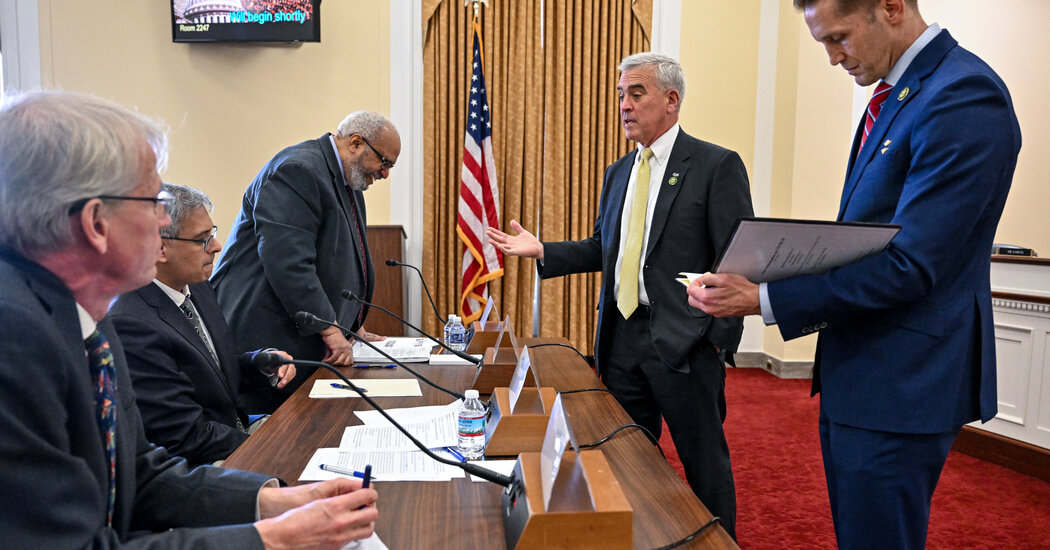
Hearing on Covid’s Origins Promises Politics Mixed With Substance

In advance of a hearing on Wednesday expected to focus on the lab leak theory, House Republicans took aim at Dr. Anthony S. Fauci, whom they have long vowed to investigate.WASHINGTON — House Republicans on Wednesday will dig into the origins of the coronavirus pandemic in a hearing that promises to be filled with political theater alongside substantive questions about laboratory safety and what, if anything, could have been done to prevent the worst public health crisis in a century.The hearing of the Select Subcommittee on the Coronavirus Pandemic is expected to focus largely on the intensifying debate over whether Covid-19 was the result of a laboratory leak. In advance of the session, Republicans issued a memorandum critical of Dr. Anthony S. Fauci, the former director of the National Institute of Allergy and Infectious Diseases and a leader in the federal response to the pandemic.Republicans have invited three witnesses: Dr. Robert R. Redfield, who served as the director of the Centers for Disease Control and Prevention under President Donald J. Trump; Jamie Metzl, a senior fellow at the Atlantic Council; and Nicholas Wade, who served as science editor for The New York Times in the 1990s and left the news organization at the end of 2011. All have said the virus may have accidentally escaped from a laboratory.Although the lab leak theory has received support from a minority of American intelligence agencies, it recently gained a boost after new intelligence led the Energy Department to conclude, albeit with low confidence, that the pandemic was most likely caused by a laboratory accident.The F.B.I. also believes that the cause of the pandemic was “most likely a potential lab incident,” the bureau’s director, Christopher A. Wray, confirmed last week. But four other intelligence agencies, as well as the National Intelligence Council, have concluded, also with low confidence, that the virus most likely originated in animals and then spread naturally to humans. The C.I.A. has not taken a position.Separately on Wednesday, senior intelligence officials are expected to update senators about their ongoing investigation into the cause of the pandemic, as part of an annual hearing on worldwide threats to national security. Avril D. Haines, the director of national intelligence, will probably face questions about the varying positions intelligence agencies have taken on the issue.Because China has withheld evidence, scientists may never get to the bottom of what caused the pandemic, said Senator Angus King, independent of Maine and a member of the Intelligence Committee.“The more important question is, was this somehow purposeful,” Mr. King said. He added, “If it was a leak from a lab, it tells you something, but it doesn’t tell you if it was somehow malicious.”The coronavirus subcommittee in the House is made up of nine Republicans and seven Democrats. Its members include Representative Marjorie Taylor Greene, the Georgia Republican known for her embrace of conspiracy theories, and Representative Ronny Jackson, Republican of Texas, the former White House doctor who made headlines for his rosy assessment of Mr. Trump’s health. The Pentagon’s inspector general later found that he drank on the job and bullied his staff.The chairman of the subcommittee, Representative Brad Wenstrup, Republican of Ohio, and its top Democrat, Representative Raul Ruiz of California, have worked together on legislation in the past. Mr. Wenstrup, a podiatrist, and Mr. Ruiz, an emergency physician, have both said they would like to rise above partisan politics and conduct a thorough inquiry into the pandemic’s origins.A Divided CongressThe 118th Congress is underway, with Republicans controlling the House and Democrats holding the Senate.G.O.P. Road Shows: House Republicans are increasing the budgets of their congressional committees and going out on the road, planning a busy schedule of field hearings to promote their agenda outside of Washington.Resolution of Disapproval: Republicans are scoring wins and dividing Democrats by employing the arcane maneuver to take aim at policies that they oppose and see as political vulnerabilities for Democrats.‘Weaponization’ of Government: The first three witnesses to testify before the new G.O.P.-led House committee investigating the “weaponization” of the federal government have offered little firsthand knowledge of any wrongdoing or violation of the law, according to Democrats on the panel.“This investigation must begin with where and how this virus came about so that we can attempt to ‘predict, prepare, protect, or prevent’ it from happening again,” Mr. Wenstrup said in a statement.The debate over the lab leak theory centers largely around research conducted at the Wuhan Institute of Virology, in the Chinese city where the pandemic began.Hector Retamal/Agence France-Presse — Getty ImagesBut the political dynamics, particularly around the role of Dr. Fauci, may make that impossible. Long before they took over the House, Republicans vowed that they would investigate him if they won control of the chamber.Ms. Greene has gone so far as to call him an “enemy to the world.”The divisive debate over the lab leak theory centers largely around research conducted at the Wuhan Institute of Virology, a Chinese laboratory that studies coronaviruses in the city where the pandemic began.Dr. Fauci is not on the witness list for Wednesday’s hearing; in a brief interview, he said he was not asked to testify. But on Sunday, Republicans on the subcommittee released a memorandum asserting that he had inappropriately pushed for publication of a scientific paper to tamp down the lab leak hypothesis — an accusation he called “false and misleading” in a statement.“I have stated repeatedly that we must keep an open mind as to the origins of the virus, and that the origin of the virus should be the subject of ongoing, thorough and open-minded scientific study that follows the data and evidence wherever it leads,” Dr. Fauci said in the statement. “That remains my goal today.”Dr. Fauci has said he believes the preponderance of the evidence shows that the pandemic originated in nature, although he remains open to the idea of a laboratory leak. The Republican memo spotlighted his actions in early February 2020 — more than a month before Covid-19 was declared a pandemic — and zeroed in on a series of email exchanges among scientists and health officials as they raced to assess the likeliest origin of the virus.Among those included in the email exchanges were Dr. Fauci; Dr. Francis S. Collins, then the director of the National Institutes of Health; Kristian Andersen, a virologist at the Scripps Research Institute in California; and Dr. Jeremy Farrar, a British medical researcher who was then the director of the Wellcome Trust, a charitable organization focused on health research. In December, the World Health Organization announced that Dr. Farrar had been selected as its new chief scientist.In one email that has garnered attention since it was released in 2021, Dr. Andersen wrote that certain features of the virus made him wonder whether it had been engineered in a laboratory. After discussions with other scientists, he said they had found “the genome inconsistent with expectations from evolutionary theory.”“But,” he added, “we have to look at this much more closely and there are still further analyses to be done, so those opinions could still change.”Within a few days, their assessment had indeed changed. The team of scientists investigating the origins wrote in a summary of their findings that the genetic evidence was inconsistent with a virus that had been deliberately engineered; in other words, they were confident that researchers had not intentionally manufactured it.In March 2020, Dr. Andersen and several co-authors published a study in the scientific journal Nature Medicine that described those findings. The study, titled “The Proximal Origin of SARS-CoV-2,” said their analyses showed that the virus was “not a laboratory construct or a purposefully manipulated virus.”The study also said that given the overlap that the authors had found between the coronavirus and related viruses in nature, they “do not believe that any type of laboratory-based scenario is plausible.”Dr. Anthony S. Fauci has said he believes the preponderance of the evidence shows that the pandemic originated in nature, although he remains open to the idea of a laboratory leak.Michael A. McCoy for The New York TimesRepublicans have suggested that Dr. Fauci influenced the scientists’ change of heart and pushed for publication of the proximal origin study in an effort to tamp down the idea of a lab leak — an assertion that both Dr. Fauci and Dr. Andersen have repeatedly denied.Dr. Andersen and other scientists involved in the study have said that their views changed after a few days of intense work. Emails that have since been made public indicate that they consulted with virologists who had more experience studying coronaviruses and who said that the features that may initially have looked worrisome did not in fact suggest that the virus had been concocted in a lab.Some of those features of the virus were also identified in related coronaviruses in other species, strengthening the view that the features were not necessarily lab-made.Dr. Andersen said that the Republican memo represented a turn away from scientific discussions of the virus’s origins. “I find it deeply problematic how far away from the science we have gotten in our effort to more fully understand the origin of the pandemic,” he said.The Republican memo claimed that the subcommittee had evidence that Dr. Fauci had swayed the study, citing an email from Dr. Andersen to the scientific journal Nature that said Dr. Fauci, among others, had “prompted” their effort “to provide agnostic and scientifically informed hypothesis around the origins of the virus.”Dr. Fauci said in the statement that he did not prompt the drafting of any article intended to rule out a laboratory leak and was not involved in drafting or editing of any portion of the published study. “My only goal,” he wrote, “was to encourage the expert virologists to evaluate the origin of the Covid-19 virus by providing an objective and scientifically sound examination of the information available at the time.”How much attention the Republicans’ memo will garner at Wednesday’s hearing is unclear. None of the witnesses invited by Republicans were involved in the email exchanges in question.Democrats on the subcommittee have invited Dr. Paul G. Auwaerter, the clinical director of the infectious diseases division at the Johns Hopkins University School of Medicine, to testify as well.In a statement, Mr. Ruiz, the top Democrat on the panel, called on Republicans to avoid “politicization, extreme partisan rhetoric and conspiratorial accusations that vilify our nation’s public health experts,” and he urged them to let “the science and facts lead the way.”Julian E. Barnes

Read more →

Enhancing at-home COVID tests with glow-in-the dark materials

Researchers at the University of Houston are using glow-in-the-dark materials to enhance and improve rapid COVID-19 home tests. If you’ve taken an at-home COVID-19 or pregnancy test, then you’ve taken what is scientifically called a lateral flow assay (LFA) test, a diagnostic tool widely used because of its rapid results, low cost and ease of operation. When you read test results, you see colored lines.
“We are making those lines glow-in-the-dark so that they are more detectable, so the sensitivity of the test is better,” said Richard Willson, Huffington-Woestemeyer Professor of chemical and biomolecular engineering and professor of biochemical and biophysical sciences, who previously created a COVID smartphone-based app and test kit based on the technology underlying home pregnancy tests.
The first idea for glow-in-the-dark technology sprang from a star pasted on the ceiling of Willson’s young daughter’s bedroom. One night while he was putting her to sleep, he peered at the glow-in-the-dark star and his mind began to wander, applying its principles to science. Within days Willson and his team of students and postdocs was creating a test with glowing nanoparticles made of phosphors, which would make the particles even more detectable and the tests more accurate. Two of the students became the founders of Luminostics (now called Clip Health), a spinoff from the Willson lab).
Now in the Willson lab, the next generation is developing.
“In this new development, there are two tricks. First, we use enzymes, proteins that catalyze reactions, to drive reactions that emit light, like a firefly. Second, we attached those light-emitting enzymes onto harmless virus particles, along with antibodies that bind to COVID proteins,” reports Willson in the Royal Society of Chemistry’s journal Analyst.
The reason these steps are useful is that one antibody on a virus can bind to one COVID target on the test strip and bring along with it many light-emitting enzymes. So, the team gets more light for each target, thus needing fewer targets to see the light, making the test more sensitive.
And while you might be able to read the results with your eye in a very dark room, the Willson team created a little plastic box to exclude light and let a smartphone camera do the reading.
“This is more reproducible and probably more sensitive, and with smartphones you can communicate the results to databases and things like that,” said the paper’s corresponding author Katerina Kourentzi, University of Houston research associate professor of chemical and biomolecular engineering. Jacinta Conrad, Frank M. Tiller Associate Professor of Chemical and Biomolecular Engineering, also from the William A. Brookshire Department of Chemical and Biomolecular Engineering at the University of Houston Cullen College of Engineering, is on team. Others from UH include the first author of the paper Maede Chabi, Binh Vu, Kristen Brosamer, Maxwell Smith and Dimple Chavan.
Willson adds the sensitivity is really excellent, better than essentially any commercial tests, making the technology useful in an array of medical arenas.
“This technology can be used for detecting all kinds of other things, including flu and HIV, but also Ebola and biodefense agents, and maybe toxins and environmental contaminants and pesticides in food,” said Willson.
So truly, the sky — and stars — are the limit.

Read more →