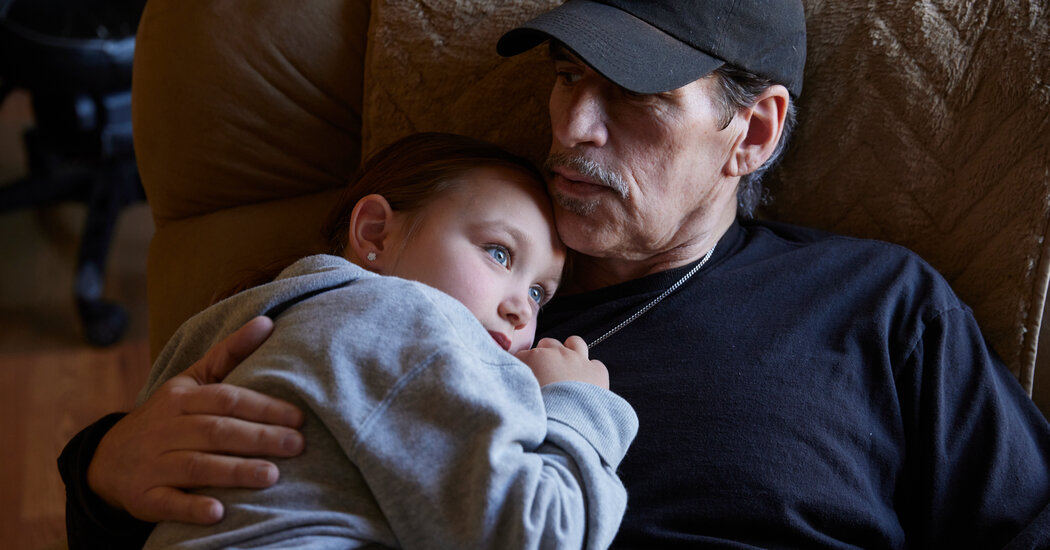
A National Medical License May Ease Canada’s Doctor Shortages

The Canadian Medical Association is pushing for a single license to eliminate the barriers between provinces and territories.It won’t end the pronounced shortage of physicians that’s plaguing many parts of Canada. But the Canadian Medical Association has an idea that it thinks might help.Applying for a medical license in another province is costly and time-consuming.Jackie Dives for The New York TimesIts proposal seems simple: a single medical license that allows doctors to practice without restrictions anywhere in the country. But like many ideas in the fractured world of Canadian federalism, introducing it is a daunting task.I spoke with Dr. Alika Lafontaine, the president of the medical association, who practices anesthesia in Grande Prairie, Alberta. While he acknowledged that the idea of a single medical license had been promoted on and off over two decades with no success, he said he was confident that the widespread turmoil and staff shortages in the medical system that emerged during the pandemic might mean that its time has finally arrived.“What’s really shifted is the ability for Canadians to wrap their head around how much of a simple solution this actually is,” said Dr. Lafontaine, the first Indigenous person to lead the physicians’ association. “The moment that we’re in right now is one where Canadians are realizing the existing system doesn’t really make a ton of sense for what patients actually do when they move throughout the health care system. It doesn’t make any sense for how providers move throughout the health care system.”Like members of all licensed professions in Canada, physicians are licensed and supervised by provinces and territories. That, Dr. Lafontaine said, brings considerable inflexibility to the system. Doctors who are available to work are unable to cross provincial borders to help when there’s a staffing shortage in another province — a particularly acute need in remote communities — or to fill in during gaps like parental leaves. Nor can they serve patients in other provinces using telehealth, Dr. Lafontaine said. If doctors were more mobile, they could reduce the need to fly patients to large regional hospitals.Becoming licensed in other provinces is a formidable task. While it varies by province, just registering involves extensive paperwork, takes months and costs about 2,000 Canadian dollars for a single province. On top of that, there’s an annual fee. In Alberta’s case, for example, that comes to 2,200 dollars.“It costs a lot of money to hold two licenses or three licenses,” Dr. Lafontaine said.There have been recent developments to support Dr. Lafontaine’s optimism. On May 1, the four medical licensing bodies in Atlantic Canada will open a registry for doctors who want to work in any of the four provinces.Earlier this year, Doug Ford, the premier of Ontario, promised to introduce legislation that would allow the province to recognize the credentials of doctors and nurses licensed in other provinces.Some critics of national licensing worry that if doctors can practice anywhere, some regions may suddenly be abandoned by their health care workers. Dr. Lafontaine dismissed that.The Hospital for Sick Children in Toronto. More mobility for doctors could reduce the number of patients flown from small centers to large hospitals.Carlos Osorio/ReutersJacob Shelley, a professor who teaches in the law and medical schools at Western University in London, Ontario, told me that he agreed that it was unlikely that significant numbers of doctors would pack up and move if they had a license to work anywhere in the country. He said that getting another license was more of a nuisance than a barrier for doctors intending to make a permanent move. The far bigger issue, he said, will be getting “political buy-in” from the provinces and territories to cede their powers to a single licensing body.Two factors, he said, may help the medical association’s cause. The increasing privatization of health care services in several provinces may create political pressure for the creation of a more flexible system. And the Covid pandemic, he said, has opened debate about the need for changes to the health care system.But he anticipates that partial measures may prevail. One outcome, Professor Shelley said, might be a system in which the 13 medical licensing and disciplinary bodies remain but the provinces agree, as they now do with drivers’ licenses, to recognize one another’s credentials — what Ontario is effectively proposing. Another alternative, he said, may be some sort of national passport as a supplement to provincial licenses for doctors and nurses looking for mobility.“There are some significant challenges introducing this type of system, although the benefit of it is important,” he said. “A lot of the regulatory environment presently feels a little bit like they’re protecting their turf.”Trans CanadaSome of Toronto’s most interesting cuisine is found far from the city’s center.Tara Walton for The New York TimesMy colleague Norimitsu Onishi explored the vast array of multicultural foods on offer in Toronto’s Scarborough area. “Many lack seating, and are squeezed in aging, low-slung strip malls, next to coin laundromats or nail salons,” he writes. “They are often little known by diners beyond their immigrant patrons, offering dishes that — mixing memory and desire — spring from recipes that were popular in their owners’ home countries decades ago.”Gordon Pinsent, the twinkle-eyed actor from Newfoundland known to many Canadians for his performance as the star of “The Rowdyman” and to the world for his acting in “Away From Her,” has died at 92.Canada is the second-most tornado-prone country in the world. But most of the tornadoes strike sparsely populated areas and pass unnoticed and unrecorded. Now, Oliver Whang writes, a group of meteorologists and weather scientists with the Northern Tornadoes Project at Western University are finding and documenting them.A judge in Montreal has ruled that “flipping the proverbial bird is a God-given, Charter-enshrined right that belongs to every red-blooded Canadian.”A member of Supreme Court of Canada has been quietly placed on leave while a judicial body investigates his role in a fight at an Arizona resort.A native of Windsor, Ontario, Ian Austen was educated in Toronto, lives in Ottawa and has reported about Canada for The New York Times for the past 16 years. Follow him on Twitter at @ianrausten.How are we doing?We’re eager to have your thoughts about this newsletter and events in Canada in general. Please send them to nytcanada@nytimes.com.Like this email?Forward it to your friends, and let them know they can sign up here.

Read more →

Tourette's device tested by Lewis Capaldi reduces tics in trial

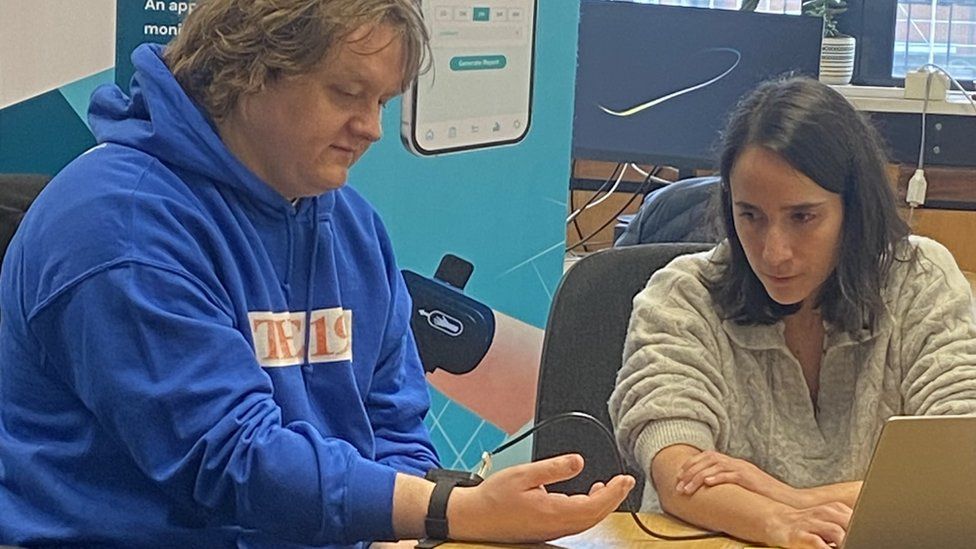
Published1 day agoShareclose panelShare pageCopy linkAbout sharingImage source, University of Nottingham By Jennifer Harby & Navtej JohalBBC NewsA wrist device tested by Scottish singer Lewis Capaldi has been shown to reduce tics in those with Tourette’s syndrome.The Neupulse device, developed by the University of Nottingham, delivers electrical pulses to reduce the amount and severity of tics.A clinical trial of 121 people in the UK found they experienced, on average, a reduction in tic frequency of 25%.The university said the results were encouraging.The prototype wrist device was recently tried out by Capaldi, who told the university he had been impressed with the results.Capaldi, famous for hits such as Forget Me and Someone You Loved, recently mentioned on stage that he had Tourette’s.The device was developed by the university and company Neurotherapuetics Ltd, who have recently secured £1m in additional funding to commercialise the device.Tourette’s syndrome is a neurodevelopmental condition that is usually diagnosed between the ages of eight and 12.It causes involuntary sounds and movements called tics.Trial participants used the device at home at a similar time each day for 15 minutes for a period of one month.Each week participants gave feedback on their experience.The results of the trial revealed people who received active stimulation experienced a significant reduction in the severity and frequency of their tics.After using the device for four weeks, people who received active stimulation experienced a reduction in their tic severity of more than 35%.In total, 59% of the people who received active stimulation experienced a reduction in tic severity of at least 25%.One of the participants Mylo, 13, said: “The device definitely helped my tics. I still did the occasional tic when it was on, but the need to do it was a lot less.”Tourette’s can be really exhausting sometimes, like when you have a tic attack and can’t get a break from it – this device could really help with that.”I don’t think I would use it all day, just when I felt I especially needed it.”Mylo’s mum Alex added: “I feel this device could be a great safety net for us.”I don’t know how Mylo’s Tourette’s will progress as he gets older, but knowing there is something out there that can help if he wants it makes me feel so much better.”Prof Stephen Jackson, from the university, said: “Though the Neupulse device is still early in development, the results of this UK-wide double-blind clinical trial have been extremely encouraging.”This device has the potential to dramatically improve the lives of those with Tourette’s syndrome, who often face challenges managing their tics, by providing increased control over their tics on demand.”Follow BBC East Midlands on Facebook, on Twitter, or on Instagram. Send your story ideas to eastmidsnews@bbc.co.uk.More on this storyLewis Capaldi tests Tourette’s device before gig31 January’Life changing’ Tourette’s gadget trialled20 June 2022

Read more →

Premature births: Baby born at 22 weeks survives against odds

Published2 days agoShareclose panelShare pageCopy linkAbout sharingImage source, Rachel Stonehouse By Tink LlewellynBBC News WalesA baby given less than a 10% chance of surviving when she was born at 22 weeks has beaten the odds and is thriving, her parents have said.Imogen weighed 515g (1lb 1oz) when she was born at Swansea’s Singleton Hospital on 6 September.Now, after 132 days in hospital, the six-month-old is back home in Bridgend.Her mother Rachel Stonehouse, 28, said: “Imogen has gone through so much and more than we will ever go through in our lifetime and she smashed it.”The world’s most premature surviving baby is thought to be Curtis Zy-Keith Means from the USA, born at 21 weeks and one day, 11 days earlier than Imogen. Rachel initially went to Bridgend’s Princess of Wales Hospital, just days after the gender reveal party for Imogen, with a bleed before her waters broke and she and her partner Corey were taken by ambulance to Singleton Hospital. “It was so scary,” she said.”The pain was horrendous… I just went into survival mode for me and my baby and tried to just keep breathing through the pain.”Image source, Rachel Stonehouse Imogen was delivered just minutes after arriving at the hospital and was immediately placed in a bag in an incubator to mimic the womb.Premature baby’s cuddle ‘saved twin brother’s life’Parents of sick and premature babies should get more leave – PMRachel said seeing her new, tiny baby in the neonatal intensive care unit (NICU), and taking in her extremely fragile and translucent image was “like an out-of-body experience”. She said she remembered thinking: “This baby should be in my stomach but she’s not. This foetus is now my baby in front of me and I now have to trust all these people around me.” Rachel and Corey were told their baby had a grade three bleed on the brain.Image source, Rachel StonehouseOver the 98 days she spent in NICU she overcame countless obstacles, including a heart murmur, a pulmonary haemorrhage, sepsis and numerous blood transfusions. “She was poked and prodded all day, every day but I had to remember this was to make her better,” said Rachel. Midwives helped Rachel to express colostrum and with their help she was able provide breast milk for Imogen until it dried up at about 16 weeks.The hospital housed the couple nearby for 13 weeks to make sure they could be with Imogen as much as possible and offered post-traumatic stress disorder counselling.On 15 January, Imogen was moved to the special care baby unit at the Princess of Wales Hospital where she spent a further 34 days. Image source, Rachel Stonehouse”It was the scariest time of my life but I would never know it because of how amazing the staff has been with me and my family. They always trusted me as a mum and my instincts.”Imogen is now home, but still requires oxygen and Rachel said doctors were happy with her organs and she has no sight or hearing problems. Rachel said the reason she went into premature labour was unclear, but she has been told she has a 40% chance of it happening again.For now she is loving every minute of being a new mum and said she would be forever grateful to the NHS.”When they say these nurses and doctors are superheroes in scrubs they are not lying,” she said.”We wouldn’t have got through everything we have without them all.” More on this storyTwins thought to be UK’s most premature to survive15 February 2022

Read more →

US fight over abortion pills waged state by state

Published2 days agoShareclose panelShare pageCopy linkAbout sharingImage source, Getty ImagesBy Robin Levinson-KingBBC NewsAnti-abortion activists won a historic victory at the Supreme Court last year, but the debate over one of America’s most divisive issues is far from over, with focus now shifting to over-the-counter abortion pills.Since 2000, the Food and Drug Administration (FDA) has approved mifespristone as the first step in a two-drug process to abort early pregnancies.Last January, the FDA changed its regulations to allow retail pharmacies to give out the drug – previously, only a handful of pharmacies and specialised clinics and doctors could dispense it. The change in the law could make it easier for millions of women to obtain an abortion, since such pills are currently the most common method.Pharmacies will have to apply to be certified to distribute the drug, and meet certain safety and privacy requirements, say US regulators. The expansion has coincided with a number of legal and political battles over the future of mifepristone in several states. The back and forth could affect access to the drug for millions of women across the US. Here are three states where the battle intensified this week.California retaliates against pharmacy giantSoon after the FDA said it would allow pharmacies to distribute mifespristone, over 20 Republican attorney generals signed letters threatening several of the nation’s top pharmacies with legal action if they were to dispense the drug in their state.”We emphasize that it is our responsibility as State Attorneys General to uphold the law and protect the health, safety, and wellbeing of women and unborn children in our states. Part of that responsibility includes ensuring that companies like yours are fully informed of the law so that harm does not come to our citizens,” a letter signed by 20 Republican attorney generals read. After receiving a similar letter from Kris Kobach, Kansas’ attorney general, a Walgreens executive responded.”Walgreens does not intend to dispense Mifepristone within your state and does not intend to ship Mifepristone into your state from any of our pharmacies. If this approach changes, we will be sure to notify you,” wrote Walgreens executive vice-president Danielle Gray.Abortion pills a new front in culture warsThe text that gets abortion pills sent in secretThis ignited a backlash, because abortion remains legal in the state. Since the Supreme Court last summer overturned Roe v Wade, the 1973 ruling granting a constitutional right to abortion for US women, the power to legislate for or against abortion has been given to the individual states.Since then, 13 states have banned abortion outright, while one state, Georgia, has outlawed it after six weeks of pregnancy. Others have signalled that they will restrict abortion in the future, or are fighting in court to ban it.Last year, Kansas held a referendum on whether to make a change to the constitution to explicitly say there was no right to abortion. Voters rejected that proposed change, which meant that abortion remains legal.The Democratic governor of California, Gavin Newsom, has hit back at Walgreens by refusing to renew the state’s $54m (£45m) contract with the pharmacy giant.Since then, Walgreens has tried to clarify its response, saying its position has always been that once it is certified to distribute mifepristone by the FDA, it will only sell it in states where abortion was legal. “We want to be very clear about what our position has always been: Walgreens plans to dispense Mifepristone in any jurisdiction where it is legally permissible to do so,” said a Walgreens spokesperson in an email to the BBC. “Once we are certified by the FDA, we will dispense this medication consistent with federal and state laws. Providing legally approved medications to patients is what pharmacies do, and is rooted in our commitment to the communities in which we operate.”It has not addressed the fact that it said it would not sell it in Kansas, where abortion is legal.Michigan repeals 1931 abortion lawOn Wednesday, Michigan repealed a law from 1931 that made abortion drugs illegal. The state’s top court ruled the law unconstitutional last September.”Today’s repeal of this antiquated law is a victory for millions of Michigan residents who, like myself, value bodily integrity and personal freedom,” Michigan Attorney General Dana Nessel said in a news release.The legislature also repealed the part of the law that made it illegal to advertise “any pills, powder, drugs or combination of drugs”.For years abortion had been legal in the state because of federal law. But when Roe v Wade was overturned, it created confusion. Old laws, like the 1931 ban, which had not been enforced, could suddenly be applied. Last year, pro-choice campaigners managed to get a question on whether abortion should be a right on the November election ballot.Over 55% of the population voted in favour of making abortion a protected right in the state constitution, which trumped the 1931 law.Texas takes aim at FDAOver in Texas, the second most populous state in the US, a judge is weighing a decision on whether mifepristone should be legal at all.Although the drug was approved over two decades ago, a lawsuit filed by anti-abortion groups claims that it is unsafe and that the FDA ignored reported side effects. Currently, the FDA says it is safe as part of a two-drug regimen to have an abortion at home, up until 10 weeks of pregnancy. The World Health Organization also says it is safe as part of a two-drug procedure, up to 12 weeks. Leading health organisations and physicians’ associations have filed briefs in the lawsuit, including the American Medical Association and the American College of Obstetricians and Gynecologists, which say the drug is effective and safe.The FDA has reported a total of 26 deaths associated with mifepristone since it was approved – a rate of about 0.65 deaths per 100,000 by-pill abortions. For comparison, the death rate associated with habitual aspirin use is about 15.3 deaths per 100,000 aspirin users. Now all eyes are on Judge Matthew Kacsmaryk, a Trump-appointee. If he decides the FDA erred in its approval, it could affect the drug’s status nationwide, and millions of women.But not so fast, say legal experts.In order to withdraw approval of a drug, the FDA is legally required to conduct hearings and new deliberations – a lengthy process that could take years. Earlier this year, US Attorney General Merrick Garland – the country’s top lawyer – said states could not ban the FDA-approved medication.If Judge Kacsmaryk does overturn the approval, the federal government may appeal, which means the battle over abortion pills might make its way all the way to the Supreme Court.With additional reporting by Holly HonderichMore on this story12 US states sue to expand access to abortion pill24 FebruaryUS pharmacies can now sell abortion pills4 JanuaryAfter Roe, anti-abortion activists eye new target12 July 2022

Read more →

Looking for risky viruses now to get ahead of future pandemics

Most of what scientists know about viruses in animals is the list of nucleotides that compose their genomic sequence — which, while valuable, offers very few hints about a virus’s ability to infect humans.
Rather than let the next outbreak take the world by surprise, two virologists say in a SciencePerspective article published today (March 10, 2023) that the scientific community should invest in a four-part research framework to proactively identify animal viruses that might infect humans.
“A lot of financial investment has gone into sequencing viruses in nature and thinking that from sequence alone we’ll be able to predict the next pandemic virus. And I think that’s just a fallacy,” said Cody Warren, assistant professor of veterinary biosciences at The Ohio State University and co-lead author of the article.
“Experimental studies of animal viruses are going to be invaluable,” he said. “By measuring properties in them that are consistent with human infection, we can better identify those viruses that pose the greatest risk for zoonosis and then study them further. I think that’s a realistic way of looking at things that should also be considered.”
Warren co-authored the opinion piece with Sara Sawyer, professor of molecular, cellular and developmental biology at the University of Colorado Boulder.
One key message Warren and Sawyer want to get across is that knowing an animal virus can attach to a human cell receptor doesn’t paint the whole picture of its zoonotic potential.

They propose a series of experiments to assess an animal virus’s potential to infect a human: If it is found to enter human cells, can it use those host cells to make copies of itself and multiply? After viral particles are produced, can they get past human innate immunity? And have human immune systems ever been exposed to another virus from the same family?
Answering these questions could enable scientists to put a pre-zoonotic candidate virus “on the shelf” for further research — perhaps developing a quick way to diagnose the virus in humans if an unattributable illness surfaces and testing existing antivirals as possible treatments, Warren said.
“Where it becomes difficult is that there may be many animal viruses out there with signatures of human compatibility,” he said. “So which ones do you pick and choose to prioritize for further study? That’s something that needs to be carefully considered.”
A decent starting point, he and Sawyer suggest, would be operating on the assumption that viruses with the most risk to humans come from “repeat offender” viral families currently infecting mammals and birds. Those include coronaviruses, orthomyxoviruses (influenza) and filoviruses (causing hemorrhagic diseases like Ebola and Marburg). In 2018, the Bombali virus — a new ebolavirus — was detected in bats in Sierra Leone, but its potential to infect humans remains unknown.
And then there are arteriviruses, such as the simian hemorrhagic fever virus that exists in wild African monkeys, which Sawyer and Warren recently determined has decent potential to spill over to humans because it can replicate in human cells and subvert immune cells’ ability to fight back.
The 2020 worldwide lockdown to prevent the spread of COVID-19 is still a fresh and painful memory, but Warren notes that the terrible outcomes of the emergence of SARS-CoV-2 could have been much worse. The availability of vaccines within a year of that lockdown was possible only because scientists had spent decades studying coronaviruses and knew how to attack them.
“So if we invest in studying animal viruses early and understand their biology in more detail, then in the case that they were to emerge in humans later, we’d be better poised to combat them,” Warren said.
“We are continually going to be exposed to the viruses of animals. Things are never going to change if we stay on the same trajectory,” he said. “And if we stay complacent and only study those animal viruses after they jump into humans, we’re constantly going to be working backwards. We’ll always be behind.”

Read more →

Meta-analysis shows association between autism in children and cardiometabolic diseases

A study conducted by the Centers for Disease Control and Prevention (CDC) from 2009 to 2017 determined that approximately 1 in 44 children ages 3-17 are diagnosed with some form of autism spectrum disorder (ASD). Research also has established that children with ASD have an increased risk of obesity, and obesity has been linked to increased risks for cardiometabolic disorders such as diabetes and dyslipidemia (high level of cholesterol or fat in the blood). However, the question of whether or not there is an association between autism, cardiometabolic disorders and obesity remains largely unanswered.
To help provide an insight into the possible ASD-cardiometabolic diseases link, Chanaka N. Kahathuduwa, M.D., Ph.D., and acollaborative team from Texas Tech University Health Sciences Center (TTUHSC) and Texas Tech University (TTU) conducted a systematic review and meta-analysis using the PubMed, Scopus, Web of Science, ProQuest, Embase and Ovid databases. Their study, “Association Between Autism Spectrum Disorders and Cardiometabolic Diseases: A Systematic Review and Meta-analysis,” was published in January by JAMA Pediatrics, a journal of the American Medical Association.
Members of the collaborative team included Kahathuduwa, Chathurika S. Dhanasekara, M.D., Ph.D., Dominic Ancona, M-PAS, Leticia Cortes, M-PAS, Amy Hu, M-PAS and Christina Robohm-Leavitt, M-PAS, DMSc, from the TTUHSC School of Health Professions; Afrina H. Rimu, M.D., M.S., Drew Payne, D.O., and Sarah M. Wakefield, M.D., from the TTUHSC School of Medicine; and Ann M. Mastergeorge, Ph.D., from the TTU College of Human Sciences.
For Kahathuduwa, the seeds for the study were planted shortly after he received his Ph.D. in nutritional sciences with a focus on the neuroscience of obesity. Working as a research assistant professor under Mastergeorge, a nationally renowned ASD expert, he was invited by Naima Moustaid-Moussa, Ph.D., director of TTU’s Obesity Research Cluster (now the Obesity Research Institute),to present a seminar discussing the neuroscience of obesity and autism.
“When I searched the literature to prepare my presentation, I realized that the evidence on the association between obesity and autism was quite ambiguous,” Kahathuduwa recalled. “A solid meta-analysis was needed to address this gap.”
That initial meta-analysis led Kahathuduwa to investigate further. He explored how neuroimaging may provide insight into relationships between ASD and obesity, the association between ASD and patients who are underweight and the just-published study on autism and cardiometabolic risks. The studies accelerated after Dhanasekara, who focused on obesity and metabolic health to earn her Ph.D. in nutritional sciences, joined the collaboration.

In their latest meta-analysis, Kahathuduwa, Dhanasekara and their collaborators evaluated 34 studies that included 276,173 participants who were diagnosed with ASD and 7,733,306 who were not. The results indicated that ASD was associated with greater risks of developing diabetes overall, including both type 1 and type 2 diabetes.
The meta-analysis also determined that autism is associated with increased risks of dyslipidemia and heart disease, though there was no significant increased risk of hypertension and stroke associated with autism. However, meta-regression analyses revealed that children with autism were at a greater associated risk of developing diabetes and hypertension when compared with adults.
Kahathuduwa said the overall results demonstrate the associated increased risk of cardiometabolic diseases in ASD patients, which should prompt clinicians to more closely monitor these patients for potential contributors, including signs of cardiometabolic disease and their complications.
“We have established the associations between autism and obesity, as well as autism and cardiometabolic disease, including diabetes and dyslipidemia,” Kahathuduwa said. “We don’t have data to support a conclusion that autism is causing these metabolic derangements, but since we know that a child with autism is more likely to develop these metabolic complications and derangements down the road, I believe physicians should evaluate children with autism more vigilantly and maybe start screening them earlier than the usual.”
Kahathuduwa also believes the study shows that physicians should think twice before prescribing medications such as olanzapine that are well known to have metabolic adverse effects to children with autism.
“Our findings should also be an eye opener for patients with autism and parents of kids with autism to simply be mindful about the higher risk of developing obesity and metabolic complications,” Kahathuduwa added. “Then they can talk with their physicians about strategies to prevent obesity and metabolic disease.”
Kahathuduwa said the next logical step for the collaborative team would be to generate evidence that either supports or rejects causality with regard to the observed associations.
“We have done some work with the ABIDE (Autism Brain Imaging Data Exchange) dataset regarding how neuroimaging shows the correlation between autism and obesity, but there is more work to be done,” Kahathuduwa said. “None of these studies would have been possible without the help of the wonderful mentors, collaborators and students at both TTUHSC and TTU who contributed in numerous ways, and who will continue their important efforts to move these studies forward.”

Read more →

F.D.A. Approves New Nasal Spray for Migraines

Pfizer’s treatment applies an approach that is different from some other products, which doctors say may make it safer for people at risk of heart attacks or stroke.The Food and Drug Administration has approved a Pfizer nasal spray for treatment of migraines that uses a different therapy from other nasal products on the market for severe headache pain, the company said on Friday.The fast-acting treatment, which is called zavegepant and will be sold as Zavzpret, performed better than a placebo in relieving pain and patients’ most bothersome symptoms, according to clinical trial results published in the journal Lancet Neurology. Participants in the trial who took the medication were more likely to report returning to normal function 30 minutes to two hours after taking it.The gains, though, were not significant for every patient. A study tracked the experience of 1,269 patients — half on the drug and half on a placebo — focusing on how they reported feeling two hours after using either substance. About 24 percent on the medication reported freedom from pain, compared to about 15 percent who took a placebo, according to the study.Dr. Timothy A. Collins, chief of the headache division at Duke University Medical Center’s neurology department, said the product gave doctors a new option in a nasal spray format that patients with migraines tended to appreciate. He said the condition often comes with nausea, so swallowing a pill can be unpleasant. He also said the drug presented few side effects, like drowsiness, that had been reported with other products.“We’ve been waiting for this medication to come out,” Dr. Collins said. “It’s a really helpful addition to migraine management.”One additional upside of the medication is that it’s safe for patients who have had a heart attack or a stroke, he added.Pfizer said the medication would be available in pharmacies in July, but did not disclose the estimated price of the new spray. The company estimated that nearly 40 million people in the United States suffered from migraines each year.Calling the F.D.A.’s approval a “significant breakthrough,” Pfizer described the medication as the first and only nasal spray for migraines using a migraine inhibitor that attempts to block the release of proteins called calcitonin gene-related peptides, which studies have shown are present in greater volume during an attack and that can cause inflammation and pain. Some other nasal products use triptans, which are a class of drugs aimed at serotonin receptors but are generally not recommended for people with vascular diseases.Dr. Rashmi Halker Singh, an associate professor of neurology at the Mayo Clinic who cares for patients with migraines, said the new medication built on a discovery about the role of calcitonin gene-related peptides that was decades in the making.“And I think that discovery has been really groundbreaking in helping us to better understand what happens when someone is having a migraine attack,” she said.While medications in the class exist in pill form, nasal sprays are absorbed more quickly, another benefit of Pfizer’s new treatment.“Hopefully this will help us help more people,” Dr. Halker Singh said. “That’s the bottom line, right?”The major study of the drug also measured the trial participants’ freedom from their most bothersome symptoms two hours after taking the medicine. Forty percent of those taking it reported an improvement. Among those on a placebo, the result was 31 percent.Some side effects were reported by trial participants. About one-fifth of those who took the medication reported an altered sense of taste. Others experienced nasal discomfort and nausea.The authors concluded that “additional trials are needed to establish the long-term safety and consistency of effect across attacks.”

Read more →

Health Concerns Mount in East Palestine Weeks After Ohio Train Derailment

In a tight-knit town already skeptical of the government, the lack of concrete information, and the open-ended nature of the crisis, undergird anxiety.EAST PALESTINE, Ohio — When the railroad crossing gate lowered in front of Greg Mascher’s Chevy Tahoe, his youngest granddaughter shrank down in the back seat and pulled a worn American flag blanket over her eyes. She worried that the train was going to wreck — again.“Tell me when it’s all over, Papa,” his granddaughter, Raylix, 7, pleaded as the rail cars rumbled through — ones much like the Norfolk Southern cars that had derailed here almost three weeks earlier, resulting in a toxic spill that appeared to cause symptoms of chemical poisoning in hundreds of households.Mr. Mascher, 61, who is raising three granddaughters with his wife, Traci, had not sent them back to school since they had developed rashes, vomiting and headaches. He glanced at Raylix, still cowering under the blanket, in his rearview mirror.“When it’s all over, huh?” he sighed, adjusting the crucifix around his neck. “Not sure anybody can tell you girls that.”Mobile health clinics and camera crews have begun to pack up and leave this town of 4,700, but for the Mascher family and their neighbors, frightening questions remain: How could they know if they had been poisoned by the spill? Were toxins still lingering in the air, the water and the soil surrounding their houses? Would they develop lifelong health problems? And would the relatives who had evacuated the town — like Mr. Mascher’s daughter, her husband and their three daughters, cousins who are like sisters to Raylix — come back?On Thursday, the chief executive of Norfolk Southern, Alan H. Shaw, encountered more angry questions, when he appeared before a Senate committee. He told the panel he was “deeply sorry” for the impact of the derailment on East Palestine residents but insisted that “the air is safe to breathe and the water is safe to drink.”In fact, it could be months or longer, if ever, before health officials know for sure whether the symptoms suffered by East Palestine residents are directly linked to the derailment, and whether they could yield long-term effects. In a tight-knit town that is already skeptical of the government, the lack of concrete information undergirds the growing anxiety.Medical guidance is sparse. The long-awaited state health clinic sent to East Palestine weeks after the spill at first offered only questionnaires and did not have a doctor on hand. Local primary care physicians, booked for weeks, say that without more toxicology data, they aren’t equipped to diagnose chemical poisoning, so they are simply treating symptoms with ibuprofen and ointment.Cleanup work at the site of the Norfolk Southern train derailment late last month. Matt Freed/Associated Press“When you’re a physician, you have to call out that you just don’t know,” said Dr. James Kravec, an internist and the chief clinical officer of Mercy Health-Youngstown, which has a primary care practice in East Palestine. “With high blood pressure or diabetes, it’s pretty straightforward. Right now, doctors want to run a test — order something — and they can’t. That’s hard for them.”Toxicology experts say that children are of particular concern when chemicals are burned and disseminated into the air, because they typically breathe faster and have smaller lungs. A dose of toxins that is negligible to an adult could have a significant impact on a child, said Dr. Mary Prunicki, a Stanford researcher focused on the health effects of air pollutants. If one of the gases causes bronchospasm or inflammation of the airway, a child “has much less leeway than a healthy adult,” she said.The Mascher granddaughters are a prime example. The morning before the derailment, the three girls enjoyed their daily routine. Mr. Mascher’s daughter, Adyson Glavan — the girls’ Aunt Addy — dropped off her own three daughters at Mr. Mascher’s. He made breakfast for all six granddaughters while they fed the guinea pigs and practiced cartwheels in the front yard.That night, the train derailed, and two days later, as smoke billowed from the railroad tracks, all six girls developed runny noses and bronchitis-like coughs. Raylix, Kayton and Brayla — whom Mr. Mascher cares for — broke out in rashes. Two of Ms. Glavan’s daughters, Vivian and Vayda, began to vomit. The sprawling family loaded into two S.U.V.s to temporarily evacuate.Michael S. Regan, the head of the Environmental Protection Agency, said officials were “testing for everything that was on that train.” But, toxicology experts say, the chemical makeup of a spill changes over time as it ages and interacts with the atmosphere, the soil and the groundwater, creating copious new threats that cannot be easily profiled.Vinyl chloride, for example, the chemical that was carried in five of the cars, can cause toxic fumes made up of new compounds like carbon monoxide, hydrogen chloride and phosgene, a substance classified as a lethal chemical weapon in World War I, according to Dr. Prunicki. Burning vinyl chloride can also produce dioxins, which are known to cause cancer, infertility, Type 2 diabetes, ischemic heart disease and immune disorders.Medical guidance has been sparse, with the long-awaited state health clinic that finally arrived at first only offered questionnaires. And local doctors say that without more toxicology data, they can’t diagnose chemical poisoning.Brian Kaiser for The New York Times“There are hundreds of chemicals that could be at play at this point, and we absolutely have the tools in academia to test for most all of them,” said Dr. Kari Nadeau, the head of the environmental health department at Harvard, who studies the toxicological effects of smoke in air pollution, including burning plastics. But Congress allows the E.P.A. to monitor for only a limited list of contaminants in the environment, and even with approval, the bureaucratic process of validating and deploying each of the assays could take years.Instead, air monitors are hanging on stop signs and trees — wrapped in plastic bags to protect them from rain, an impediment that Dr. Nadeau called “concerning.”Another key force that is often overlooked in toxin surveillance: gravity. Even once the air and surface resources appear to be clear, chemicals tend to seep downward into soil and deep municipal water sources, even some that have previously tested safe, toxicologists say. And as water sources become diluted over time, toxin levels could simply fall below regulation thresholds, giving a false sense of purity.“With toxicology, it’s both the dose and the passage of time” that matter, said Dr. Nadeau, who also practices medicine and treats children with sensitivities. “We are only as good as our assays.”The Mascher family has been a fixture in East Palestine since Mr. Mascher’s great-great-grandfather opened a jewelry store in 1876 on Market Street, down by where Gorby’s sandwiches and an antique shop are now, and later became mayor. The granddaughters are eighth-generation residents. But on the night they returned from the evacuation, they also became an illustration of a painful reality: When trauma strikes, not everyone can flee.When Vivian, Ms. Glavan’s 8-year-old, broke out in new rashes, she turned her car around. Her household has since moved to Homeworth, Ohio, about 30 miles west.“You know I can’t bring them back there, Dad,” Ms. Glavan said to Mr. Mascher over the phone. He nodded silently.But Mr. Mascher, who relies on Social Security checks and is not in a position to move, feels trapped. “Who would want to buy this house?” he said. “Who would want to live in East Palestine now?”Mr. Mascher with his granddaughter, Kayton, outside his home. Mr. Mascher himself has suffered from loss of appetite and lack of sleep.Brian Kaiser for The New York TimesMr. Mascher finds himself with no appetite and unable to sleep, unsure of whether his granddaughters’ headaches and coughing are due to the flu or to a chemical poisoning that will worsen the longer they stay. He wonders whether raising the girls here could lead to birth defects for their own children later on.Indeed, while the physical health effects of the crisis are plagued with uncertainty, the mental health consequences are clearer.“What is happening in East Palestine has all the hallmarks of an environmental disaster that can lead to long-term mental health consequences,” said Dr. Salma Mohamed Hassan Abdalla, a researcher at Boston University who studied the impact of the 2014-16 water crisis in Flint, Mich., in which officials switched the source of the city’s water and then responded slowly to elevated lead levels and reports of sickness.The scene in East Palestine is reminiscent of Flint, where the authorities offered shifting narratives and thin assurances to low-income families who had few options but to stay and hope. There, as in East Palestine, pallets of bottled water were stacked onto porches as neighbors exchanged advice about how to safely brush their teeth and bathe their children.Almost one in four adults in Flint, Mich., met the criteria for post-traumatic stress disorder in the years following the water crisis, according to surveys, and many of them attributed the burden to worries about their children’s futures. Stress among caregivers was deeply intertwined with that among young people, who saw months of television ads for personal injury lawyers and political campaigns leveraging the crisis.“In a town like East Palestine, you have a lot of people already vulnerable because of socioeconomic status — already most susceptible to mental health issues — even before they’re hit with disaster,” Dr. Abdalla said. As the uncertainties mount, those groups are also the least likely to have access to support services. “I worry about increasing mental distress as time goes on.”When the fourth-grade girls’ basketball team finally gathered in the elementary school gymnasium for its first practice after the derailment, the court was still covered with cots, boot tracks and dusty debris left by the railroad cleanup crews who had encamped there. The players and their coaches, including Mr. Mascher, stood at half-court, hugged one another and cried.Mr. Mascher did not yet have the courage to tell Raylix that Ms. Glavan’s household wasn’t coming back to live in East Palestine. The railroad that cuts their town in half every 15 minutes has also split their family.A trampoline sat near one of the derailed train cars as crews worked on its burned remains.Brian Kaiser for The New York Times

Read more →

New study challenges our understanding of the immune system

A recently published study from Aarhus University may mean a textbook chapter on the immune system will have to be rewritten.
In the study, published in the journal Nature Communications, the researchers reveal crucial new knowledge about B cells, which form a vital element in the body’s defence system. B cells are the cells that generate protective antibodies when we are vaccinated or have an infection — and it is also the B cells that produce harmful antibodies in connection with allergies or autoimmune diseases.
The researchers have examined the earliest step in activating the B cells, namely the activation mechanism that is triggered when the cells recognise a specific target or ‘enemy’ — an antigen.
“Previously, it was believed that the antigens from, for example, viruses or vaccines would have to cross-bind a B-cell’s receptors on the cell surface. That’s what it says in all the textbooks. But now we have shown that even antigens that can only bind one receptor at a time are able to activate the B cells,” says Søren Degn, associate professor at Department of Biomedicine, who is the senior author of the article.
The discovery is important on several levels, he explains.
“The result is significant because it represents a breakthrough in our understanding of how these important immune cells ‘recognise’ their enemies. Once we understand what is going on, we can imitate it in the design of new vaccines, to ensure maximum effect. One might say that our findings can make us better at mimicking the pathogenic microorganisms, and thus better at provoking or ‘cheating’ the immune system into generating a good immune response when we vaccinate.”
A hotly debated topic in the field

The discovery is interesting for both the immunological field and for cell biology in general, because the researchers have shed new light on the foundation for how receptors on the surface of cells send signals into the cells — a key biological process.
“The study enables us to better understand the background for one of the most important processes in the immune system, and one of the most important processes in cell biology. But it is clear that, in the long term, this could also have important application-oriented aspects,” says Søren Degn.
The researchers have begun preclinical vaccine trials with the aim of translating the findings into clinically relevant vaccine design. They are also attempting to use the same tools in reverse, to target and turn off harmful immune system responses such as allergic reactions and autoimmune diseases.
“When we understand how the B cells are activated, we can create better vaccines. In the slightly longer term, we may also be able to switch off B-cell activation in cases where it is harmful. We are studying both of these in the CellPAT basic research centre at Aarhus University,” says Søren Degn.
For many years, the activation of B cells has been the object of a great deal of discussion among researchers, because the predominant model for how immune recognition takes place could not explain all of the observations.
In the new study, the researchers at the Department of Biomedicine and iNANO in Aarhus, in a cross-disciplinary collaboration with the Max Planck Institute in Munich, have created new tools that make it possible to puncture the predominant model and thereby bury the decades-old paradigm.
“We have shown that the way in which the activation of B cells has been explained over the past thirty or forty years is wrong. This is an important finding, because it opens the door to better vaccines and better treatment of a large group of diseases,” says Søren Degn.
Behind the research results The study consists of ex vivo cell experiments, i.e., in vitro studies of cells from mouse models, nanotechnology and super-resolution microscopy (advanced microscopy). The study is the result of a collaboration between several groups in the Department of Biomedicine at Aarhus University (Degn, Thiel and Vorup-Jensen), iNANO (Kjems) and the Max Planck Institute in Munich (Jungmann). The work stems from the basic research centre CellPAT, the Centre for Cellular Signal Patterns. External funding (main funders only): The Danish National Research Foundation and the Carlsberg Foundation

Read more →