Study shows 'obesity paradox' does not exist: Waist-to-height ratio is a better indicator of outcomes in patients with heart failure than BMI

New research has debunked the idea that there is an “obesity paradox,” whereby patients with heart failure who are overweight or obese are thought to be less likely to end up in hospital or die than people of normal weight.
The study, which is published in the European Heart Journal today (Wednesday), shows that if doctors measure the ratio of waist to height of their patients, rather than looking at their body mass index (BMI), the supposed survival advantage for people with a BMI of 25kg/m2 or more disappears.
The “obesity paradox” relates to counter-intuitive findings suggesting that, although people are at greater risk of developing heart problems if they are overweight or obese, once a person has developed a heart condition, those with higher BMIs appeared to do better and were less likely to die than those of normal weight. Various explanations have been suggested, including the fact that once someone has developed heart problems, some extra fat is somehow protective against further health problems and death, especially as people who develop a severe and chronic illness often lose weight.
John McMurray, Professor of Medical Cardiology at the University of Glasgow (UK), who led the latest research, said: “It has been suggested that living with obesity is a good thing for patients with heart failure and reduced ejection fraction — which is when the main chamber of the heart is unable to squeeze out the normal amounts of blood. We knew this could not be correct and that obesity must be bad rather than good. We reckoned that part of the problem was that BMI was a weak indicator of how much fatty tissue a patient has.”
As Professor Stephan von Haehling, Consultant Cardiologist, and Dr Ryosuke Sato, a research fellow, both at the University of Göttingen Medical Center (Germany), write in an accompanying editorial, BMI fails to take account of the body’s composition of fat, muscle and bone, or where the fat is distributed. “Would it be feasible to assume that an American professional wrestler (more muscle) and a Japanese sumo wrestler (more fat) with the same BMI would have a similar risk of cardiovascular disease? The same is true for persons such as Arnold Schwarzenegger in his younger years when he starred as the ‘Terminator’ with a BMI of ~30 kg/m2.”
The study published today is the first to look at different ways of measuring the size and proportions of patients, including BMI, but also anthropometric measurements such as waist-to-height ratio, waist circumference and waist-to-hip ratio, and adjusting the patient outcomes to take account of other factors that play a role in, or predict, these outcomes, such as levels of natriuretic peptides — hormones that are secreted in the blood when the heart is under pressure, as with heart failure.

“Natriuretic peptides are the single most important prognostic variable in patients with heart failure. Normally, levels of natriuretic peptides rise in people with heart failure, but patients living with obesity have lower levels than those who are normal weight,” said Prof. McMurray.
Prof. McMurray and colleagues analysed data from 1832 women and 6567 men with heart failure and reduced ejection fraction who were enrolled in the PARADIGM-HF international randomised controlled trial taking place in 47 countries on six continents [1]. When the patients were randomised, doctors collected data on BMI, blood pressure, anthropometric measurements, results from blood tests, medical histories and treatments. The researchers were interested in which patients were hospitalised with heart failure or who died from it.
An “obesity-survival paradox” showed lower death rates for people with BMIs of 25 kg/m2 or more [2], but this was eliminated when the researchers adjusted the results to take account of all the factors that can affect outcomes, including levels of natriuretic peptides.
First author of the study, Dr Jawad Butt, a research fellow from Copenhagen University Hospital — Rigshospitalet, Copenhagen (Denmark), who carried out the analyses, said: “The paradox was far less evident when we looked at waist-to-height ratios, and it disappeared after adjustment for prognostic variables. After adjustment, both BMI and waist-to-height ratio showed that more body fat was associated with a greater risk of death or hospitalisation for heart failure, but this was more evident for waist-to-height ratio. When looking at waist-to-height ratio, we found the top 20% of people with the most fat had a 39% increased risk of being hospitalised for heart failure compared to people in the bottom 20% who had the least fat.”
Prof. McMurray said: “Our study shows there is no ‘obesity survival paradox’ when we use better ways of measuring body fat. BMI does not take into account the location of fat in the body or its amount relative to muscle or the weight of the skeleton, which may differ according to sex, age and race. In heart failure specifically, retained fluid also contributes to body weight. It is indices that do not include weight, such as waist-to-height ratio, that have clarified the true relationship between body fat and patient outcomes in our study, showing that greater adiposity is actually associated with worse not better outcomes, including high rates of hospitalisation and worse health-related quality of life.

“Obesity is not good and is bad in patients with heart failure and reduced ejection fraction. These observations raise the question as to whether weight loss might improve outcomes, and we need trials to test this. In the UK, the National Institute for Health and Care Excellence, NICE, now recommends that waist-to-height ratio instead of BMI is used for the general population, and we should support this for patients with heart failure too.
“It is important because the underdiagnosis of heart failure in people living with obesity is a major issue in primary care. Patients’ symptoms of breathlessness are often dismissed as due solely to obesity. Obesity is a risk factor and driver of heart failure. Whereas in the past weight loss may have been a concern for patients with heart failure and reduced ejection fraction, today it is obesity.”
Prof. von Haehling and Dr Sato write in their editorial: “The present findings raise the alarm over the term ‘obesity paradox’, which has been claimed to be based on BMI. Can we tell obese HF [heart failure] patients just to stay as they are? To adequately address this question, not only should the obesity paradox be revisited even in patients with HF with preserved ejection fraction (HFpEF) and in lean HF patients by WHtR [waist-to-height ratio], which better reflects pathophysiological processes of obesity, but also further tests are warranted to validate the effect of weight loss in ‘truly’ obese HF patients with a high WHtR.”
Limitations of the study are that it can be more difficult to accurately measure body shapes, such as waist circumference, especially when the measurements are carried out by different people; there may be further unknown factors that could affect the results; the analysis was carried out on measurements and other data taken at the time participants joined the study and did not take account of any changes in weight or waist circumference during the follow-up period; there were no data on the cardiorespiratory fitness of the participants, which could have an effect on the link between anthropometric measurements and outcomes; and, finally, only 153 patients were underweight, with a BMI of less than 18.5 kg/m2, and 171 patients with a waist-to-height ratio of less than 0.4 (0.5 is considered a healthy ratio), so the study’s findings cannot be extrapolated to patients with low BMIs or waist-to-hip ratio.
[1] PARADIGM-HF (Prospective comparison of ARNI with ACEI to Determine Impact on Global Mortality and Morbidity in Heart Failure) was a randomised, double-blind, placebo-controlled trial in patients with chronic heart failure with reduced ejection fraction (HFrEF), evaluating the efficacy and safety of angiotensin receptor-neprilysin inhibitor saubitril/valsartan compared with enalaparil, added to standard care.
[2] The study used the World Health Organization BMI categories:


Read more →

Why Are Public Restrooms Still So Rare?

Cities in the U.S. and elsewhere have made strides, but challenges remain.When a visiting friend asked if I wanted to go on a run in Philadelphia, I did a lot of planning. Not just our route, but where to go to the bathroom. It did not go well.I took the rapid-transit PATCO Speedline, which doesn’t have bathrooms on trains. The station I left from in Southern New Jersey didn’t have one either, nor did the one where I arrived in Philadelphia. When I arrived at my friend’s hotel, the lobby’s bathrooms were locked.Fortunately, I was able to follow a woman with a passcode into the bathroom. But that was a matter of luck. Relying on whims of fate was my only option because the United States — and much of the world — has a public bathroom problem.On average, the United States has only eight public toilets per 100,000 people, according to the Public Toilet Index, a 2021 report by the British company QS Bathrooms Supplies. That’s far behind Iceland, the country with the highest density of public bathrooms: 56 per 100,000 people. That number drops to four per 100,000 in New York City. Madison, Wis., led the way for U.S. cities, with 35 per 100,000.It wasn’t always this way. In the 18th century, before indoor plumbing, bathrooms were common and generally communal, said Debbie Miller, a museum curator at Independence National Historical Park. In Philadelphia, one such octagonal outdoor toilet was located in a public garden behind what’s now known as Independence Hall. “You could have shared the privy with George Washington,” she said.The acceptance of public and shared bathrooms shifted during the Victorian era, Ms. Miller said, when bodily functions became more taboo. The temperance movement to limit alcohol consumption led cities to build public restrooms in the late 1800s and early 1900s: The thinking went that men wouldn’t need to enter a bar to use the bathroom. In the 1930s, investment through the Works Progress Administration and Civil Works Administration added more than two million latrines in parks, on public lands and in rural areas, as well as “comfort stations” in cities, including in Central Park.A comfort station in Manhattan’s Central Park in 1965. Don Hogan Charles/The New York TimesBut as city budgets dried up in the 1970s, so did resources for maintenance. Movements arose to end the practice of paid toilets, which was seen as both sexist (urinals were often free to use but stalls were not) and classist. Cities responded by removing public toilets altogether.Bathrooms are “challenging spaces because they end up being, not infrequently, the places where people get needs met that they can’t meet anywhere else,” like sex work, drug use or sleeping, said Lezlie Lowe, the author of “No Place to Go: How Public Toilets Fail Our Private Needs.” “All of these are social concerns that have nothing to do with bathrooms, but because of the nature of those spaces, bathrooms end up being used for people to meet their needs, whether it’s dependency or desperation.”As public restrooms closed, establishments like coffee shops, museums, libraries and department stores — which are generally open only during certain hours — had to become gatekeepers of restroom access.“We’re faced with an issue where the demand for public restrooms far exceeds the supply,” said Steven Soifer, the president of the American Restroom Association, a group that advocates better public restrooms. “This gets into, who is responsible for providing public bathrooms?”There have been various approaches to answering that question. Some European cities have tried public-private partnerships, said Katherine Webber, an Australian social planning researcher who traveled the world in 2018 to study toilets with a grant from the Churchill Fellowship. She said the strongest programs involved local governments playing a role in determining best toilet locations. “A city or a place is going to be doing it better if they’re considering the different needs of both the residents and tourists.”In 2022, Berlin completed a public toilet expansion, which doubled the number of public restrooms from 256 to 418. The city looked at their existing toilets and identified where the gaps were — then partnered with Wall GmbH, a street furniture company that also builds structures like bus shelters and newsstands.The same year, London introduced the Community Toilet Scheme, where shops and restaurants could list their toilets as open to the public on the City of London’s website in exchange for a small fee. Business owners believed that window signs advertising restrooms would bring in customers.Each of these approaches has drawbacks, though: The Berlin toilets cost 50 cents per use, and the London Community Toilet Scheme is only useful during the open hours of the businesses opting in.A public urinal, also known as a pissoir, in France in 1875. adoc-photos, via Getty ImagesSome cities have adopted French “pissoirs” — essentially completely or semiprivate public urinals, which have been around since the early 19th century. In 2011, Victoria, B.C., installed urinals that doubled as street art, called Kros urinals, which have four spots per unit and can also be moved to special events or bars.But like the classic pissoir, they are typically only usable by people without disabilities and those who can easily use the bathroom while standing. “They’re solving a tiny problem for people who already have pretty good access,” Ms. Lowe said.Asian countries have taken a different approach, in part because of different cultural norms. Whereas Americans might approach public restrooms with trepidation because of past experiences with dirty or broken facilities, in China, Japan and Singapore, they expect their bathrooms to be clean, said Jack Sim, the founder of the World Toilet Organization. Between 2015 and 2017, more than 68,000 toilets were built in China in what became known as the “Toilet Revolution,” with a directive from the government to keep toilets clean.The public restrooms in Tokyo also serve as public art.Satoshi Nagare, via The Nippon FoundationA looming question is whether the program can be scaled to cover other parts of the city.Satoshi Nagare, via The Nippon FoundationSatoshi Nagare, via The Nippon FoundationThe exterior glass turns opaque when the bathroom is locked.Satoshi Nagare, via The Nippon FoundationTokyo turned its toilet program into public art. The Nippon Foundation sponsored the redesign of 17 toilets in the Shibuya ward, with striking designs, including a white hemisphere and glass walls that turn from clear to opaque when the bathroom door is locked. They will be cleaned and maintained through partnerships with the Nippon Foundation, the Shibuya City government and the Shibuya City Tourism Association. (A looming question is whether it can be scaled up to cover the large sprawling city.)American governments have been trying a patchwork of solutions. Some cities have had more success than others, though no one has conquered the problem. In 2008, New York City bought 20 self-cleaning toilets that cost 25 cents per use. But installing them stalled as the Department of Transportation works to find the right places for them, which have to meet an extensive list of requirements. Five are currently in operation, and the department is taking location suggestions for the remaining toilets — possibly a recipe for N.I.M.B.Y. (“not in my backyard”) complaints.San Francisco started the Pit Stop program in 2014, after hearing from children in the Tenderloin district that they were stepping around feces on their way to school, said Rachel Gordon, the director of policy and communications for San Francisco Public Works.The first public pay toilet in New York City, in Madison Square Park, in 2008. New York’s program has not scaled well. Ruth Fremson/The New York TimesThey started with three bathrooms, and today have 33, with hours varying by location. (The amount expanded to 60 locations when homeless shelters closed during the pandemic, Ms. Gordon said, but the temporary stalls have since been removed.) Each has running water, soap, needle disposal boxes and dog waste receptacles as well as one or two attendants working. According to a study conducted by the University of California, Berkeley, feces reports declined by 12.47 a week in the Tenderloin district during the six months after the first Pit Stops opened.The public restrooms in Portland, Ore., are available around the clock. The Portland Loo is a gender-neutral, wheelchair-accessible, single-stall bathroom that costs $100,000 per unit.The city created the concept in 2008 with a goal of building a simple structure that couldn’t be vandalized. Each bathroom is connected to the sewer system and has running water and electricity (provided by solar panels in some). The units are lit in blue, which makes it difficult to find veins and thus discourages drug use, said Evan Madden, the sales manager at Portland Loo.The toilets are ventilated to control smell and overheating; the vents also provide just enough privacy for the restroom’s purpose, but not enough for sleeping or sex work. It’s “intended to be uncomfortable for the occupant,” Mr. Madden said.In 2013, after Portland turned the sales and manufacturing operation over to Madden Fabrication, 180 units have been installed across North America.A gleaming public restroom in San Francisco. San Francisco Public WorksVancouver, Wash., installed three Portland Loos at a 7,000-acre waterfront park in 2018 — a response to typical problems: The city’s public bathrooms “have really taken a beating, and our police can’t monitor what activates are going on in them,” said Terry Snyder, the landscape architect for Vancouver’s Department of Parks, Recreation and Cultural Services.The Portland Loos have worked well enough that Mr. Snyder said the city would be installing three more this summer at the Esther Short Park, replacing a 22-year-old brick bathroom building.Philadelphia is also planning to install six Portland Loos in the next five years, with the first opening in Center City sometime this year.Mr. Soifer of the American Restroom Association believes that the issue in the U.S. should be addressed on a national level rather than having a patchwork of individual solutions. His group has had multiple meetings with the U.S. Department of Health and Human Services hoping it would step in to handle public restrooms — much like the Occupational Safety and Health Administration is responsible for toilets in the workplace — but to no avail.“Given that this really is a public health issue, someone has to take responsibility,” he said, “and no one is.”

Read more →

Report of Wuhan Market Samples Found Covid and Animal Mixtures

In a much-anticipated study, experts described a swab that contained loads of genetic material from the coronavirus and raccoon dogs.On Jan. 12, 2020, Chinese investigators combing a market for clues about the outbreak of a mysterious new illness in the city of Wuhan swabbed a cart. It was the kind typically used for transporting animal cages, and it came back positive for the coronavirus.Three years later, a team of international experts has sifted through the genetic contents of that swab, which were quietly uploaded to an international database and made public only this year. In a report released on Monday night, the scientists described in detail for the first time evidence from the swab that they say strengthens the case that illegally traded wild animals ignited the coronavirus pandemic.Chinese researchers who had originally uploaded the raw data had it removed from the database after they were contacted by the international team. Now administrators of the database itself have cut off access to the international scientists for what they said were rules violations, raising questions about the database’s own role in the tug of war over access to data that could shed light the origins of a virus that has killed seven million people.Along with genetic signatures of the coronavirus, the swab from the cart contained more than 4,500 lengthy fragments of genetic material from raccoon dogs, the report said. It had none from humans. Some Covid-positive swabs taken from other objects and surfaces at the market, the report said, also had more genetic material from animals than from humans.Finding genetic footprints from animals in the same place as genetic material from the virus does not prove that the animals themselves were infected. But some scientists who reviewed the report said that the dominance of genetic material from animals — and especially raccoon dogs — suggested that species known to be able to spread the coronavirus were indeed carrying infections at the market in late 2019.That scenario, they said, was consistent with the virus spilling into humans from market animals and touching off the pandemic, a set of circumstances similar to the one that gave rise to the first SARS outbreak in China two decades earlier.“You look at them and say those are probably infected animals,” Theodora Hatziioannou, a virologist at The Rockefeller University in New York who was not involved in the research, said of the latest findings. “If it was a human shedding the virus, one would expect to find human DNA there, too.”The swabs could yet hold more clues about where the virus in the samples had come from. The report said, for instance, that there was evidence of particular genes that could suggest the material had come from a raccoon dog’s upper respiratory tract.Even if an animal had been infected, however, it would not be clear that it had spread the virus to people. Someone infected with the virus could have gotten a market animal sick. And only by swabbing animals directly could scientists prove whether they had been carrying the virus, a step that was precluded by the market being cleared of animals soon after the outbreak began.The report has been the subject of intense speculation since the international experts presented their findings to the World Health Organization last week and then raced to compile their analyses. At the same time, the findings set off a battle for access to the genetic sequences at their heart.Chinese scientists had initially uploaded the raw sequences to a global database some time after publishing a study describing them last year. But once the international experts discovered the data in early March and alerted Chinese researchers to what they had found, the data was taken offline.Last week, the W.H.O. rebuked China for hiding such crucial information from the rest of the world for three years. Now the nonprofit organization based in Munich that runs the database, called GISAID, has come under scrutiny for its role in controlling access to the data.In the new report, the international team of scientists said that GISAID had “deviated from its stated mission” in allowing the Chinese researchers to withhold the data for so long.The database administrators responded to the report on Tuesday by cutting off the team members’ access to their online accounts and saying that they had violated its rules by getting out ahead of the Chinese scientists and posting their own analysis. The scientists said that they hewed to GISAID’s database-access agreement in downloading and studying the sequences, and noted that they had made multiple offers to work with the Chinese scientists.“The ramifications of cutting off access to this group of authors are huge,” said Michael Worobey, an evolutionary biologist at the University of Arizona and co-author of the new report, noting that GISAID also jeopardized work by team members related to coronavirus variants and flu preparedness. “They’re making false accusations.”The international team homed in on raccoon dogs — fluffy mammals related to foxes and sold for meat and fur — because of how much of the animals’ genetic material was found in the key swab from the cart and because they are known to spread the virus. They said their findings were consistent with that animal harboring the virus, which originated in bats, and passing it to humans at the market.“This isn’t an infected animal,” said Joel Wertheim, a virologist at the University of California, San Diego and a co-author of the report, referring to the new genetic data. “But this is the closest you can get without having the animal in front of you.”The report, though, also offered the most concrete evidence to date of other animals susceptible to the virus being sold at the market, noted Kristian Andersen, a virologist at the Scripps Research Institute in La Jolla, Calif., and a co-author of the report. Genetic material from those animals — like the masked palm civet, a small Asian mammal that was implicated in the SARS outbreak two decades ago — was also found in swabs that were positive for the coronavirus.“It’s literally Disney Land for zoonotic transfer,” said Joseph DeRisi, a professor of biochemistry at the University of California, San Francisco, and co-president of the Chan Zuckerberg Biohub, referring to the range of animals documented in the report.A number of other swabs at the market found large quantities of human genetic material — an indication, the report said, of certain virus samples likely being shed by infected people. Many of the earliest known Covid patients worked or shopped at the market.Still other positive swabs, the report said, were dominated by genetic material from animals that are not believed to be susceptible to the virus. A sample taken from a fish packaging surface, for example, contained a lot of fish genetic material. That virus was likely to have been deposited by a person, scientists said, illustrating that substantial amounts of animal genetic material did not necessarily mean that animals had produced the virus there.Citing those findings, some scientists said that the kinds of swabs analyzed in the report simply could not offer conclusive proof of an infected animal.“The report does contain useful information,” Sergei Pond, a virologist at Temple University in Philadelphia, said. But, he added, “Does it tell you anything about which animal was infected? It really doesn’t.”Dr. David Relman, a microbiologist at Stanford, said that it was difficult to assess the findings without more details about how the Chinese investigators had collected and analyzed their swabs. The Chinese paper last year, he noted, described using a kit to filter out human genetic material and make the tests more sensitive to the virus.But a number of swabs from the Chinese researchers described in the international team’s report contained substantial amounts of human genetic material, suggesting that those filtering methods had not depleted the samples of human material. Dr. DeRisi, who specializes in the type of analysis described in the report, said that such kits were generally ineffective at removing the genetic signatures of people.Frederic Bushman, a microbiologist at the University of Pennsylvania who also specializes in sequencing techniques, agreed that the report’s methods were sound.“I think the simplest explanation is that it’s an infected raccoon dog,” he said. “I don’t think it’s absolute proof.”

Read more →

Warren Boroson, Who Surveyed Psychiatrists on Goldwater, Dies at 88

The defeated Republican presidential candidate sued Mr. Boroson and the magazine he worked for, saying it had libeled him for suggesting that he was mentally unfit for the presidency.Warren Boroson, a journalist who conducted a survey of psychiatrists that declared the 1964 Republican presidential nominee, Barry M. Goldwater, mentally unfit to be president — provoking a libel suit from the candidate and prompting a psychiatric association to muzzle its members from ever diagnosing a public figure from afar — died on March 12 at his home in Woodstock, N.Y. He was 88.The cause was complications of chronic obstructive pulmonary disease and heart ailments, his wife, Rebecca Boroson, said.Mr. Goldwater sued for $2 million, and Mr. Boroson, who had been the 29-year-old managing editor of the iconoclastic magazine Fact when he initiated the survey for it, feared a judgment against him would commit him to a lifetime of indentured servitude to that Arizona senator.A federal jury in New York found in favor of Mr. Goldwater, awarding damages of $75,000. But the verdict, which was upheld by the U.S. Supreme Court, put most of the blame on editing by others, largely absolving Mr. Boroson, who had to pay only a token 33 cents.Ethical questions raised by the survey, though, have roiled the psychiatric profession to this day.In 1973, the American Psychiatric Association adopted the so-called Goldwater rule, declaring that it was unethical for its members “to offer a professional opinion unless he or she has conducted an examination and has been granted proper authorization for such a statement.” Only one board member, Professor Alan A. Stone of Harvard Law School, voted against the rule, calling it “a denial of free speech and of every psychiatrist’s God-given right to make a fool of himself or herself.”Since then, some psychiatrists have defied the rule when asked by journalists and others to comment about the emotional and mental state of public figures, including foreign officials, terrorists and, in particular, Donald J. Trump, both as a candidate and as president. Some have resigned from the association rather than be bound by the rule.In 1964, the Fact survey led to Mr. Boroson’s resignation from the magazine. He had suggested polling psychiatrists to Fact’s publisher, Ralph Ginzburg, but quit before the article appeared, in September 1964, because, he said, his draft had been rewritten and sensationalized.Mr. Boroson had apparently agreed that Mr. Goldwater was “out of his mind” and feared for America’s safety if he were ever entrusted with the nation’s nuclear trigger, according to a book by Dr. John Martin-Joy, “Diagnosing From a Distance: Debates Over Libel Law, Media, and Psychiatric Ethics from Barry Goldwater to Donald Trump” (2020).Dr. Martin-Joy, a Cambridge, Mass., psychiatrist, said that Mr. Boroson had conducted “serious research into the best current thinking on how to prevent a recurrence of fascism,” and that his original draft represented “at least an effort to explain a complex psychological idea to the general public.”“I think he, with Ginzburg, was important in trying to push forward the frontiers of free speech on behalf of public understanding of the mental health of public figures,” Dr. Martin-Joy said. “However, the job they actually did was imperfect.”Senator Barry Goldwater and his wife, Peggy, arriving at the federal courthouse in New York in 1968 to testify in his libel suit against Fact magazine.Associated PressMr. Goldwater, who had lost the election in a landslide to the incumbent, President Lyndon B. Johnson, filed suit in 1965.“It was clearly felt by the court that this met the definition of actual malice, that Ginzburg had creatively edited responses from psychiatrists and that they were departing from what they knew to be facts,” Dr. Martin-Joy said. “I think they undermined their own case.”Dr. Jacob M. Appel, director of ethics education at the Icahn School of Medicine at Mt. Sinai in Manhattan, said that “Boroson’s work in the 1960s had the unintended consequence of muzzling psychiatrists like me today.” Mr. Boroson recalled in interviews and unpublished notes that his fears about Mr. Goldwater’s fitness were piqued when he read that the candidate had suffered two nervous breakdowns — stressful conditions that were later said to have been overstated.“I said to Ginzburg, ‘Why don’t we ask a few psychiatrists whether a nervous breakdown incapacitates someone for public office?’” Mr. Boroson recalled. “Ginzburg immediately replied: ‘Let’s ask every psychiatrist in the country.’ So we did.”Fact reached out to all 12,356 members on the American Psychiatric Association’s mailing list, asking them, “Do you believe Barry Goldwater is psychologically fit to serve as president of the United States?” Of the 2,417 who responded, 657 answered “Yes,” and 1,189 replied “No.” The rest said they didn’t know enough about the senator’s psyche to make a determination.Mr. Boroson wrote that the magazine’s 41 pages of excerpted responses constituted “the most intensive character analysis ever made of a living human being.”The cover article, titled “The Man and the Menace,” was derived from Mr. Boroson’s draft, which was apparently rewritten by Mr. Ginzburg’s friend, David Bar-Illan, an Israeli pianist and editor.“In anger I resigned from Fact,” Mr. Boroson wrote in his notes. “And insisted that my name not be listed as the author of the Bar-Illan article.” The article appeared under Mr. Ginzburg’s byline.An appeals court concluded that Mr. Ginzburg had “deleted most of Boroson’s references to the authoritarian personality and reached the conclusion, which Boroson had not expressed, that Senator Goldwater was suffering from paranoia and was mentally ill.”Time magazine wrote that the published version depicted Mr. Goldwater as “as a paranoiac, a latent homosexual and a latter-day Hitler.”The Supreme Court upheld the jury award: punitive damages of $25,000 against Mr. Ginzburg and $50,000 against the magazine, and $1 in compensatory damages divided among the three defendants, including Mr. Boroson. Justices Hugo L. Black and William O. Douglas dissented, citing First Amendment protections.Warren Gilbert Boroson was born on Jan. 22, 1935, in Manhattan. His mother, Cecelia (Wersan) Boroson, was an office manager. His father, Henry, was a teacher.Warren attended Memorial High School in West Nyack, N.Y., and graduated summa cum laude with a bachelor’s degree in English from Columbia University in 1957.In addition to his wife, Rebecca (Kaplan) Boroson, a retired journalist, he is survived by his sons, Bram and Matthew, and his brother, Dr. Hugh Boroson. In 1968, four years after the Goldwater survey, Mr. Ginzburg sought to conduct a similar survey of psychiatrists regarding President Johnson’s mental health. If he succeeded, the results were apparently never published.  Mr. Boroson later wrote for local newspapers and magazines, including Mr. Ginzburg’s Avant Garde, under pen names. (Fact, a quarterly, was published from January 1964 to August 1967.) He was the author of more than 20 books, including self-help financial guides. He also taught music, finance and journalism at colleges.“What did I learn from the experience?,” he wrote in his reflective notes about the Goldwater case. “Not much. I regret not proposing to write a book about Trump when he first became famous: Trump: In Relentless Pursuit of Selfishness.”

Read more →

Progestogen-only pill breast cancer risk revealed

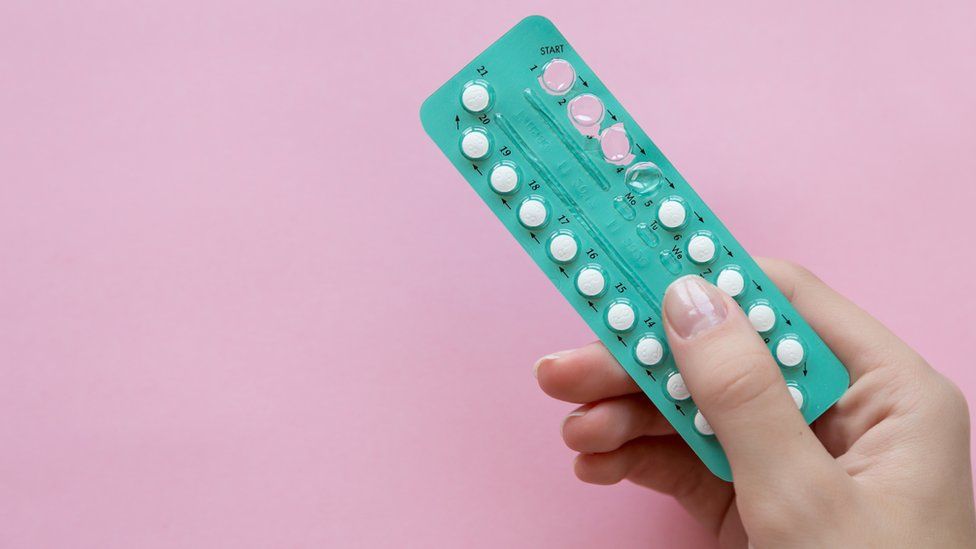
Published21 hours agoShareclose panelShare pageCopy linkAbout sharingImage source, Getty ImagesBy Michelle RobertsDigital health editorTaking a progestogen-only ‘mini pill’ carries a small risk of breast cancer – similar to combined oral contraceptive pills, say researchers. The study, in PLoS Medicine journal, is one of the first big ones able to assess the odds for users of this type of birth control.It shows a tiny risk, skewed towards older users, which goes away within a few years of stopping the medication. On the flip side the pills protect against some other female cancers. Women who take hormonal contraceptives have a lower risk of womb and ovarian cancer, with that protection lasting for decades, the researchers, from Oxford University, say. And people should weigh up all the pros and cons. What is the mini-pill?Mostly used as a contraceptive but sometimes for help with painful, heavy periods, the mini-pill:contains just one hormone, progestogen (a synthetic version of progesterone), while the combined pill also contains oestrogencan be a good alternative for those who cannot use oestrogen – if breastfeeding or with an increased risk of blood clots, for example taken daily, with no break between pill packs, can be more than 99% effective against pregnancycan be used up to the menopause or the age of 55, if generally fit and wellcan be bought without a prescription at pharmacieswill not protect against sexually-transmitted infectionsWhat are the risks?Breast cancer is relatively rare among younger women – the age group most likely to be on the pill. So a slight increase in risk during the time a woman uses hormonal contraceptives means only a small number of extra cases of the disease.The researchers looked at nearly 30,000 patient records held by family doctors. They found being on these pills for five years increased a woman’s chance of developing breast cancer within the next 15 by 20-30%, depending on how old she was at the time. That sounds large, until you look at absolute risk – for example, the number of extra breast-cancer cases for every 100,000 women on the pill:eight, if they take the pill in their late teens 265, if they take the pill in their late 30sExperts say the findings are reassuring. One of the Oxford University researchers, Prof Gillian Reeves, said: “I don’t really see that there’s any indication here to say that women need to necessarily change what they’re doing.”The main purpose of doing this research was really to fill a gap in our knowledge.”Dr Michael Jones, from The Institute of Cancer Research, London, said: “These findings suggest the use of hormonal contraceptives is associated with a slight increase in breast cancer risk before the menopause. “The results were similar for different types of hormonal contraception, including progestogen-only contraceptives, where less is currently known about their risks.”Prof Stephen Duffy, head of the Centre for Cancer Prevention, Detection and Diagnosis, at Queen Mary University of London, said: “10 years after stopping, there was no excess risk associated with oral contraceptive use.”Dr Kotryna Temcinaite, from the charity Breast Cancer Now, said: “If you’re worried about breast cancer and contraception, or are unsure of what type you’re using, talk to your doctor or family-planning clinic. You can also speak to our expert nurses by calling our free helpline.”According to Cancer Research UK, there are other, bigger avoidable risk factors for developing breast cancer. An estimated eight out of every 100 breast-cancer cases is linked to obesity. Alcohol is thought to contribute to a similar proportion.Older age is the main risk factor though. Genetics or family history can also play a part. And men can develop breast cancer too.Contraceptive mini pill can be sold over the counterSenior Health Information Manager at Cancer Research UK, Claire Knight, said: “For anyone looking to lower their cancer risk, not smoking, eating a healthy balanced diet, drinking less alcohol, and keeping a healthy weight will have the most impact.”There are lots of possible benefits to using contraception, as well as other risks not related to cancer. That’s why deciding to take them is a personal choice and should be done after speaking to your doctor so you can make a decision that is right for you.”What are the signs of breast cancer?Common breast-cancer signs and symptoms include:a lump or swelling in the breast, upper chest or armpit ,which may not be visiblechanges in the size or shape of the breastpuckering or dimpling of the skina change in the colour of the breast – it may look red or inflamedrash, crusting or changes to the nippleany unusual discharge from either nippleMore on this storyThe pill could be sold over counter in chemists13 February 2021Male contraceptive pill prototype stops sperm swim14 FebruaryVasectomies even safer than reported, doctors say12 MarchTesting offered over Orkney breast cancer gene5 days agoRelated Internet LinksBreast Cancer NowBreast cancer risk – Cancer Research UKPLoS MedicineThe BBC is not responsible for the content of external sites.

Read more →

To ward off aging, stem cells must take out the trash

In humanity’s ongoing quest for the elixir of life, the science keeps pointing to stem cells. Research increasingly shows that maintaining stem cell fitness promotes a long healthspan, and new findings show keeping stem cells clean and tidy is an integral step.
In a study published March 21, 2023 in Cell Stem Cell, researchers at University of California San Diego School of Medicine found that blood stem cells use an unexpected method to get rid of their misfolded proteins, and that this pathway’s activity degrades with age. The authors say boosting this specialized garbage disposal system could help protect against age-related diseases.
The study focused on hematopoietic stem cells (HSCs), the cells in our bone marrow that produce new blood and immune cells throughout our lives. When their function is weakened or lost, this can lead to blood and immune disorders, such as anemia, blood clotting and cancer.
“Stem cells are in it for the long haul,” said senior study author Robert Signer, PhD, associate professor at UC San Diego School of Medicine. “Their need for longevity requires them to be wired differently than all the short-lived cells in the body.”
A key to keeping stem cells happy is maintaining protein homeostasis. Previous work showed that stem cells, including HSCs, synthesize proteins much slower than other cell types, prioritizing quality over quantity. This helps them make fewer mistakes in the process, as misfolded proteins can become toxic to cells if allowed to build up.
Still, some mistakes or protein damage are inevitable, so the researchers set out to understand how stem cells ensure these proteins are properly discarded.

In most cells, damaged or misfolded proteins get individually tagged for disposal. A mobile protein destroyer called the proteasome then finds the labeled proteins and breaks them down into their original amino acid components. But in the new study, the researchers found proteasome activity was especially low in HSCs. This left the team puzzled: if getting rid of damaged proteins is so important to stem cells, why is the proteasome less active?
Through a series of subsequent experiments, the team discovered that HSCs use a different system entirely. Here, damaged and misfolded proteins are collected and trafficked into clusters called aggresomes. Once corralled into a single location, they can be collectively destroyed by the lysosome (a cell organelle containing digestive enzymes) in a process called aggrephagy.
“What’s very unusual here is this pathway was thought to only be triggered as an extreme stress response, but it’s actually the normal physiological pathway that’s used by stem cells,” said Signer. “This emphasizes how critical it is for stem cells to prevent stress so they can preserve their health and longevity.”
So why this different system? A main advantage of the proteasome method is that it breaks proteins down immediately, producing amino acids that the cell can reuse to build new proteins. But stem cells are less interested in building new proteins. Thus the authors suggest that by storing a collection of damaged proteins in one place, stem cells may be creating their own cache of resources that can be used at a later time when they are actually needed, such as after an injury or when it is time to regenerate.
“The body really can’t risk losing its stem cells, so having this stockpile of raw materials makes them more protected against rainy days,” said Signer. “Stem cells are marathon runners, but they also need to be world-class sprinters when the circumstances call for it.”
When the researchers genetically disabled the aggrephagy pathway, the stem cells started to accumulate aggregated protein, which impaired their fitness, longevity and regenerative activity.

The team then discovered that while almost all young stem cells had aggresomes, at a certain point in aging, they were almost completely gone. The authors suggest that stem cells’ inability to efficiently destroy misfolded proteins during aging is likely a key contributing factor to their declining function and the resulting age-related disorders.
“Our hope is that if we can improve stem cells’ ability to maintain the aggrephagy pathway, we will preserve better stem cell fitness during aging and mitigate blood and immune disorders,” said Signer.
The authors suspect that other types of stem cells and long-lived cells like neurons have a similar requirement for strict regulation of protein homeostasis, suggesting therapeutics to boost this pathway may be beneficial across multiple organs and pathologies.
Co-authors of this study include: Bernadette A. Chua, Connor J. Lennan, Mary Jean Sunshine, Daniela Dreifke and Eric J. Bennett at UC San Diego and Ashu Chawla at La Jolla Institute for Immunology.

Read more →

Diet and exercise programs alone won't tackle childhood obesity

Focusing on immediate fixes such as diet and exercise programs alone won’t curb the tide of childhood obesity, according to a new study that for the first time maps the complex pathways that lead to obesity in childhood.
Coordinated by the University of Sydney’s Charles Perkins Centre the study finds children whose parents did not complete high school and who live with social disadvantage, were more likely to be affected by overweight or obesity in mid-adolescence. High school completion is a strong indicator of socio-economic status.
These factors were ‘on ramps’ which flow down to influence the body mass index (BMI) of parents, in turn providing immediate lifestyle impacts (diet, sedentary time) on a child’s risk of developing obesity.
Paediatrician Professor Louise Baur of the University of Sydney said the research explains why most current public health policies to prevent childhood obesity have had limited success.
“We tend to ignore the root causes of childhood obesity which include social disadvantage, and of course, this is not something parents or children choose for themselves,” said Professor Baur, co-author from the University’s Charles Perkins Centre.
“While healthy eating and activity interventions are important, the solutions lie not just in the domain of health departments. We need to see many government departments working together to consider how to make structural changes to reduce social inequality if we want to change Australia’s current trajectory.”
Other interesting findings from the research include how different drivers of obesity play out at different life stages, particularly the influence of free time activity after the age of eight.

There are also different influences on how free time is spent and influenced for boys versus girls. For boys, more electronic gaming leads to less active free time. For girls, better sleep quality leads to longer sleep time and more active free time.
Obesity in children
Childhood obesity occurs when a child is significantly overweight for their age and height. It can lead to a higher risk of cardiovascular disease, insulin resistance, psychological effects and even premature death.
In Australia, 1 in 4 school-aged children and adolescents are affected by overweight or obesity, with 1 in 12 affected by obesity. It is more common in those living in regional and remote areas, those from lower socioeconomic areas, those from one-parent families and those with a disability.
How was the study conducted?
The study, published in BMC Medicine today, drew on data from ‘Growing up in Australia: The Longitudinal Study of Australian Children,’ a nationally representative sample of over 10,000 Australian Children.

The team of leading scientists and clinicians — bringing together the fields of data science, biology, paediatrics and public health — spent close to two years using state-of-the-art statistical modelling (Bayesian network modelling) and informed analysis to untangle a complex web of on-ramps and causal factors, many of which interplay.
Senior author Professor Sally Cripps of the University of Technology Sydney said the knowledge gained from this study is vital for policy makers moving forward and could not have been achieved without this diverse skill-set.
“This is a truly multidisciplinary piece of research. Data alone is never enough to uncover the complex set of interacting factors which lead to childhood obesity. But by combining the skills of mathematicians and computer scientists with obesity and nutritional experts we have been able to predict and model what has never been clearly articulated before — showing the complex interplay between multiple upstream, downstream and causal factors, and how these play out over time for children and families,” said Cripps, Director of Technology at the Human Technology Institute.
Lead author and statistician Wanchuang Zhu, also of the University of Technology Sydney and an affiliate of the Charles Perkins Centre said: “To our knowledge this is first time anyone has used the advanced statistical network modelling to analyse the complex factors that lead to childhood obesity. It provides us with a much more complete picture.”
Key findings Childhood obesity is largely a by-product of socio-economic status Parental high school levels (both paternal and maternal) serve as on-ramps to childhood obesity When children are aged 2 to 4 years the causal pathway is: socio-economic status/parental high school level – > parental BMI – > child BMI When children are aged 8 to 10 years an additional pathway emerged focused on how children spend their leisure time: parental high school level /socio economic status – > electronic games – >free time activity- > child BMC The upstream influences on free time activity were different in boys compared with girls. The strong and independent link between parent’s BMIs and childhood BMI suggests a biological link — high weight runs in families, and this is in part because of shared genes.The work is a collaboration between scientists and clinicians from the University of Sydney, University of Technology Sydney and CSIRO — brought together by the Charles Perkins Centre, a research initiative committed to collaborative and multidisciplinary research to tackle obesity, diabetes, cardiovascular disease and related conditions.
“This study is exactly why the Charles Perkins Centre was founded, to bring together people with special skill sets from different academic and clinical backgrounds to find new ways of thinking about and solving the most complex challenges of our time,” said Professor Stephen Simpson, Academic Director of the Charles Perkins Centre and Executive Director of Obesity Australia.
The authors express sincere gratitude to the families who contributed their data and acknowledge the generous support of Paul Ramsay Foundation.

Read more →

Weight stigmatizing experiences associated with disordered eating behaviors

Published in the Journal of Adolescent Health, researchers from the University of Minnesota Medical School found positive parenting and family factors were associated with reduced risk for disordered eating behaviors but did not lessen the influence of weight-stigmatizing experiences on disordered eating in young people. Weight stigmatizing experiences — like weight teasing and hurtful weight-related comments — were associated with higher prevalence of disordered eating behaviors.
“The reason for our findings may be that structural weight stigma — like the normalization of unrealistic body ideals — is a strong socio-environmental stressor for young people,” said Laura Hooper, PhD, RD, a postdoctoral research fellow at the U of M Medical School. “In this context, positive family and parenting factors may help alleviate this stressor, but cannot completely protect young people from the negative effects of overt weight-stigmatizing experiences.”
The study, conducted with researchers from the U of M School of Public Health and University of Connecticut, analyzed experiences on disordered eating behaviors in Project EAT 2010-2018 — an ethnically, racially, and socioeconomically diverse sample of adolescents recruited from the Twin Cities. They found weight-stigmatizing experiences were very common in adolescents: 27% reported peer weight teasing 24% reported family weight teasing 42% reported hurtful weight-related comments from family membersFurther research should aim to understand what specific practices are most helpful for parents seeking to support their child who is experiencing weight stigma.
Funding was provided by the National Heart, Lung, and Blood Institute (R01HL127077 and R35HL139853), National Institutes of Health’s National Center for Advancing Translational Sciences (TL1R002493 and UL1TR002494) and the National Institute of Mental Health (T32 MH082761).

Read more →

New study shapes understanding of adaptive clothing customer needs

With the growth of the niche adaptive clothing market comes new challenges for retailers, including making the process of online shopping more inclusive for people with varying degrees of disability as well as expanding the functionality and aesthetic appeal of individual garments.
This study involved mining online reviews to understand the perspectives of adaptive clothing customers. University of Missouri researchers identified two main challenges for adaptive clothing consumers. Customers said product offerings were inadequate and didn’t meet their specific needs. Access to the few products that do exist was limited.”When designing clothing for people with special needs, it’s important to consider functionality as well as fashion, style and self-expression,” said Li Zhao, an assistant professor in the Department of Textile and Apparel Management. “The people who depend on these garments each have unique needs, so their feedback is invaluable.”
Zhao and her team of researchers mined customer reviews from three companies — Amazon, Silverts and IZ-Adaptive — that manufacture adaptive clothing ranging from high-end items to casual wear. Through collocation analysis (the process of identifying closely affiliated with one another), topic modeling and sentiment analysis, the researchers found that, on average, consumers who include folks with disabilities, caregivers and friends and family indicated that the retailers’ websites were not user-friendly and didn’t have features that aid accessibility.
Further, the general trend among consumer reviews indicated that adaptive clothing garments were limited in design and functionality as well as in aesthetic.
“Consumers talked a lot about the fit because they cannot go to physical stores to find the products and try them on,” Zhao said. “First of all, it’s not convenient for some of those consumers, and second, those products are not even carried in brick-and-mortar stores. So, if they must shop online, what are some keywords to search to find an appropriate retailer? For example, on Amazon, there’s so many different types of products. And then how do they know if this product is good? It’s not like they’re some established big name brands where the quality and sizing are known. For this group of consumers, a lot of things are new to them.”
This study filled a gap in the research in that it examined customer experiences not only with adaptive clothing garments but also with navigating an ecommerce environment. Zhao and her team also provided useful guidelines to help retailers design products that are useful to people with a range of disabilities.
“When most people think about adaptive clothing, they think about garments in terms of function, but these consumers are human beings and their needs extend beyond that,” Zhao said. “They want to be confident, and they also need professional garments that they can wear in the workplace. But do we have those products available is the question.”
In this study, researchers suggest that retailers try to better understand the needs of the people for whom they’re making adaptive clothing garments. For example, developing a more accessible and user-friendly website experience that differentiates garments based on categories and/or features. Additionally, this study illustrates a need for retailers to develop more advanced technology to address sizing, fabric, style, color, fit and the function of each garment.
“It is vital to consider every part of your web design or every aspect of the customer shopping journey and consider how you can think differently as to be inclusive for this group of consumers,” Zhao said. “I think that’s something we really want to find out from customer reviews and feedback in the future.”
This study “It is about inclusion! Mining online reviews to understand the needs of adaptive clothing customers” was published in the International Journal of Consumer Studies. Co-authors include Li Muzhen and Sharan Srinivas. This research received no specific grant from any funding agency in the public, commercial or not-for-profit sector.

Read more →

Overlooked No More: Lilian Lindsay, Britain’s First Female Dentist

The profession was considered unladylike in 1890s England, where she was refused admission to dental school. But she found one in Scotland, and became a notable figure in dentistry.When the headmistress at the North London Collegiate School told Lilian Lindsay that she should become a teacher, and that she would block her from finding any other type of work, Lindsay shot back: “You cannot prevent me from being a dentist.”“I knew nothing of dentistry,” Lindsay wrote in her unpublished autobiography, “but having stated boldly that I was to be a dentist, there was nothing else to be done.”In the 1890s, there were no certified female dentists in Britain; the profession was considered unladylike and women were seen as physically unsuited to the work.In her first attempt, in 1892, she was rejected when she applied to study at England’s National Dental Hospital. The dean, Henry Weiss, was so concerned that she would distract the male students that he would only interview her on the sidewalk outside the school.Later that year she went to Scotland, where the rules were a bit looser. She was admitted as the first female student at the Edinburgh Dental Hospital and School, though not everyone was happy about it.“Do you realize you will be taking the bread out of the mouth of some poor fellow?” Henry Littlejohn, then regarded as a public health expert, told her.At Edinburgh, Lindsay struggled to pay for food and lodging, but she was young, determined and inspired by her work.“There was only enough money, and barely enough, to get me through my classes and examinations,” she wrote in her autobiography. “I must not fail.”Lindsay as a young woman. When her school headmistress insisted she become a teacher, she shot back: “You cannot prevent me from being a dentist.”The British Dental Association MuseumShe had found her calling. By the time she got her degree, in 1894, she had won the Wilson Medal for dental surgery and pathology and a medal for academic achievement in medicine and therapeutics.The next year she was accredited at a meeting of the British Dental Association, becoming the first certified female dentist in Britain. Women were entering the profession in the United States as well in the late 1800s.She went on to become a notable figure in British dentistry: the first woman president of the British Dental Society, in 1946; the first woman president of the Society for the Study of Orthodontics; and the founder and longtime curator of the British Dental Association Library, which she oversaw for three decades.She was also the editor of the British Dental Journal and the author of scores of papers and two books, “A Short History of Dentistry,” considered one of the first serious histories of the profession, and a translation of a classic French text called “The Dental Surgeon.”An article in the British Dental Journal, written after her death, described her as having “a forceful yet retiring, caring, focused, modest, humorous and engaging personality.”A shorthand typist who worked at the library when Lindsay was in her 60s, Florence Messner, said she always dressed in black with her wavy gray hair pulled back into a small bun, and wore gold wire-rimmed glasses that “showed her eyes to advantage — very steady, clear ones, and kind.”Lindsay had opened the door for women dentists, and although change came slowly, today more than half of dentists in Britain are women, according to the General Dental Council, which regulates the profession there.Lilian Murray was born on July 24, 1871, in Holloway, London, the third of 11 children of James Morrison Murray, a church organist and singing teacher, and Margaret Amelia (Bennett) Murray.The family struggled after Murray died in 1885, and Lindsay won a scholarship to the North London Collegiate School. It was there that the headmistress, Frances Buss, insisted she become a teacher. When Lindsay refused, the headmistress withdrew her scholarship, forcing her to leave the school in 1889 and set out on her own.In the United States, the first woman to establish herself in a regular dental practice was Emeline Roberts Jones, who joined her husband’s practice in 1859. She persuaded him to let her join by secretly working on extracted teeth and presenting him with a two-quart jar of teeth she had filled. Later she set up her own office in New Haven, Conn.Lucy Hobbs Taylor was the first American woman to earn a degree in dentistry, in 1866. “People were amazed,” one critic wrote, “when they learned that a young girl had so far forgotten her womanhood as to want to study dentistry.” She taught the skill to her husband, a Civil War veteran and railroad-car painter, and they opened a practice together in Lawrence, Kansas.The first professional dentist in America, Ms. Lindsay wrote in an essay, was Robert Woofendale who traveled from Britain to the colonies in 1766, where he made what she said was “the first full set” of false teeth “ever seen in America.”Others, including the patriot Paul Revere, a silversmith, did dental work as a sideline.On her first day at Edinburgh she met her future husband, Robert Lindsay, a faculty member. They married in 1905 when she was 34 and he was 40. He died in 1930.Among the more notable professors she encountered in Edinburgh were William Bowman MacLeod, who was known for his study of the effects of bagpipe playing on the teeth; and Joseph Bell, whose gift for unexpected deductions led one of his students, Arthur Conan Doyle, to use him as the model for his fictional detective, Sherlock Holmes.Lindsay as an older woman. Her book “A Short History of Dentistry” is considered one of the first serious histories of the profession.The British Dental Association MuseumLilian Lindsay moved to London, where she spent the next decade practicing to pay off her student loan, then went into practice with her husband in Edinburgh.In 1920, Robert Lindsay was appointed dental secretary of the British Dental Association. The couple moved to London, where Lilian established the British Dental Association Library, cultivating it over the next 30 years into one of most comprehensive dental libraries in Europe.Exploring the context for her own achievements, she became one of the first people in Britain to take a serious interest in the history of dentistry.She learned French, German, Latin and some Old English and Spanish to expand her reading. Her history of dentistry and published papers are rich with detail about the “strange and terrible” procedures of previous centuries: The dental charlatans of the 14th century who extracted teeth “at the tip of a sword” as brass bands played to gather a crowd; dental transplants using teeth of sheep or dogs or even baboons; an army officer who ordered an aide to stand by during a transplant in case one of his teeth was needed; and the quirky king who asked his dentist to hand him a glass of brandy, not to drink but “to be sure that his hand was steady.”Over the years Lindsay’s stature rose as she accumulated several honorary degrees and memberships and became the first woman to hold a number of influential positions in dentistry.In 1946 she was named a Commander of the British Empire, an honor that is one rank below a knighthood.Lindsay died on Jan. 31, 1960. She was 89.By the time she sat down to write her autobiography, she had developed a new perspective on her confrontation a half-century earlier with Buss, the autocratic headmistress.“Perhaps,” she wrote, she had misjudged Buss “owing to a feeling of resentment which changed later.”“There are natures which need opposition and obstacles to effect a purpose,” she wrote. Her sentiments over time had “softened to a feeling of gratitude and an acknowledgment that Miss Buss was, after all, the ‘divinity that shapes our ends.’”

Read more →