Is bone health linked to brain health?

People who have low bone density may have an increased risk of developing dementia compared to people who have higher bone density, according to a study published in the March 22, 2023, online issue of Neurology®, the medical journal of the American Academy of Neurology. The study does not prove that low bone density causes dementia. It only shows an association.
“Low bone density and dementia are two conditions that commonly affect older people simultaneously, especially as bone loss often increases due to physical inactivity and poor nutrition during dementia,” said study author Mohammad Arfan Ikram, MD, PhD, of the Erasmus University Medical Center in Rotterdam, Netherlands. “However, little is known about bone loss that occurs in the period leading up to dementia. Our study found that bone loss indeed already occurs before dementia and thus is linked to a higher risk of dementia.”
The study involved 3,651 people in the Netherlands with an average age of 72 who did not have dementia at the start of the study.
Over an average of 11 years, 688 people or 19% developed dementia.
Researchers looked at X-rays to identify bone density. Participants were interviewed every four to five years and completed physical tests such as bone scans and tests for dementia.
Of the 1,211 people with the lowest total body bone density, 90 people developed dementia within 10 years, compared to 57 of the 1,211 people with the highest bone density.
After adjusting for factors such as age, sex, education, other illnesses and medication use, and a family history of dementia, researchers found that within 10 years, people with the lowest total body bone density were 42% more likely to develop dementia than people in the highest group.
“Previous research has found factors like diet and exercise may impact bones differently as well as the risk of dementia,” Ikram added. “Our research has found a link between bone loss and dementia, but further studies are needed to better understand this connection between bone density and memory loss. It’s possible that bone loss may occur already in the earliest phases of dementia, years before any clinical symptoms manifest themselves. If that were the case, bone loss could be an indicator of risk for dementia and people with bone loss could be targeted for screening and improved care.”
A limitation of the study is that participants were primarily of European origin and age 70 or older at the start of the study, so these findings may vary in different races, ethnicities, and younger age groups.
The study was funded by Erasmus Medical Center and Erasmus University Rotterdam, The Netherlands Organization for Scientific Research, The Netherlands Organization for Health Research and Development, the Research Institute for Diseases in the Elderly, The Netherlands Genomics Initiative, the Ministry of Education, Culture and Science, the Ministry of Health, Welfare and Sports, the European Commission and the Municipality of Rotterdam.

Read more →

Hidden 'super spreaders' spur dengue fever transmission

For mosquito-borne diseases such as dengue fever, the abundance of the insects in places where people gather has long served as the main barometer for infection risk. A new study, however, suggests that the number of “hidden” infections tied to a place, or cases of infected people who show no symptoms, is the key indicator for dengue risk.
PNAS Nexus published the research led by scientists at Emory University, which drew from six years of data collected in the Amazonian city of Iquitos, Peru.
The results found that 8% of human activity spaces in the study accounted for more than half of infections during a dengue outbreak. And these “super spreader” spaces were associated with a predominance of asymptomatic cases, or 74% of all infections.
“Our findings show that any public health intervention that focuses on responding to symptomatic cases of dengue is going to fail to control an outbreak,” says Gonzalo Vazquez-Prokopec, first author of the study and an Emory associate professor of environmental sciences. “Symptomatic cases represent only the tip of the iceberg.”
Co-authors of the research include Uriel Kitron, Emory professor of environmental sciences; Lance Waller, professor of biostatistics and bioinformatics at Emory’s Rollins School of Public Health; and scientists from University of California-Davis, Tulane University, San Diego State University, University of Notre Dame, North Carolina State University and the U.S. Naval Medical Research Unit in Lima, Peru.
Dengue fever is caused by a virus transmitted by the bite of a female Aedes aegypti mosquito. When the insect takes a blood meal from a human infected with dengue, the virus begins replicating within the mosquito. The virus may then spread to another person that the mosquito bites days later.

This species of mosquito feeds exclusively on human blood, has a limited flight range of about 100 meters and thrives in sprawling urban areas of the tropics and subtropics. Its preferred habitat is inside homes, where it rests on the backs of furniture and at the bases of walls. Even the little bit of water held by an upturned bottle cap can serve as a nursery for its larvae.
Vazquez-Prokopec is pioneering new mosquito-borne disease interventions, including tapping spatiotemporal data to track, predict and control outbreaks of pathogens transmitted by Aedes aegypti. The mosquito spreads the Zika, chikungunya and yellow fever viruses in addition to dengue.
Around 500,000 cases of dengue occur annually around the world, according to the World Health Organization. The disease is caused by four distinct but closely related serotypes of the dengue virus. Infected people may have some immunity that prevents them from experiencing any noticeable effects while others may be severely debilitated for a week or more by symptoms such as extreme aches and pains, vomiting and rashes. Dengue hemorrhagic fever, the most severe form of the disease, causes an estimated 25,000 deaths annually worldwide.
Iquitos, a city of nearly 500,000 people on the edge of the Amazon rainforest in Peru, is a dengue hotspot. For more than a decade, Vazquez-Prokopec and colleagues have mapped patterns of human mobility and dengue spread in Iquitos.
“For diseases that are directly spread from one person to another, like COVID-19, what matters is who you were near,” he says. “But in the case of dengue, what matters most is where you went.”
For the current study, the researchers wanted to determine the role of asymptomatic cases. People without symptoms may continue to go about their daily routines, unknowingly infecting any mosquitoes that bite them, which can then later spread the virus to more people.

The study involved 4,600 people in two different neighborhoods. They were surveyed three times a week about their mobility. This data was used to map “activity spaces,” such as residences, churches and schools.
The study participants were also regularly surveilled to determine if they experienced any dengue symptoms. Blood analyses confirmed a total of 257 symptomatic cases of dengue during the six-year study period. That led to investigations of other participants whose activity spaces overlapped with the symptomatic cases. More than 2,000 of these location-based contacts were confirmed by blood tests to have dengue infections and more than half of them reported not having any noticeable symptoms.
The results pinpointed the role of asymptomatic “super spreaders” in a dengue outbreak. A small number of the activity spaces, or 8%, were linked to more than half of the infections and most of the cases associated with those places were asymptomatic.
The comprehensive, one-of-a-kind study broke down the virus infections by serotype and measured the amount of mosquitoes in the activity spaces.
“We found that the mosquito numbers in a location alone is not a predictor of the risk of infection,” Vazquez-Prokopec says.
Instead, risk prediction for a location requires a cascade of circumstances: a high number of asymptomatic cases frequenting the location combined with high levels of mosquitos and high numbers of people who are not immune to the particular serotype of dengue virus that is circulating.
“That’s the complicated nature of this virus,” Vazquez-Prokopec says. “We have underestimated the role of asymptomatic cases in spreading dengue.”
Generally, about 50 to 70% of dengue cases are asymptomatic, making detection by public health officials impractical, and the current study reveals that asymptomatic cases are tied to a third of transmission.
“The lesson is that we need to focus on prevention of dengue outbreaks,” Vazquez-Prokopec says. “The interventions for dengue for decades have been reactive. Simply reacting by closing a net around reported cases of the disease, however, will fail to contain an outbreak because that’s missing the super spreaders.”
The study was funded by the U.S. National Institute of Allergy and Infectious Diseases, Bill and Melinda Gates Foundation, University of Notre Dame, Defense Threat Reduction Agency, Military Infectious Disease Research Program and the Armed Forces Health Surveillance Branch Global Emerging Infections Systems research program.

Read more →

Researchers create artificial enzyme for fast detection of disease-related hormone in sweat

Researchers in the Oregon State University College of Engineering have developed a handheld sensor that tests perspiration for cortisol and provides results in eight minutes, a key advance in monitoring a hormone whose levels are a marker for many illnesses including various cancers.
Findings were published in the journal ACS Applied Materials & Interfaces. The material and sensing mechanism in the new device could be easily engineered to detect other specific hormones, the researchers say — for example, progesterone, a key marker for women’s reproductive health and pregnancy outcomes.
“We took inspiration from the natural enzymes used in blood glucose meters sold at pharmacies,” said Larry Cheng, associate professor of electrical engineering and computer science. “In glucose meters, specific enzymes are applied to an electrode, where they can capture and react with glucose molecules to generate an electrical signal for detection. However, finding natural enzymes for cortisol detection is not straightforward, and natural enzymes are prone to instability and have a short lifespan.”
Enzymes are substances made by living organisms that act as catalysts for biochemical reactions. To overcome the challenges posed by natural enzymes, Cheng and Sanjida Yeasmin, a doctoral student who led the study, created a stable, robust artificial enzyme capable of sensitive and selective cortisol sensing.
Cortisol is a hormone produced in the adrenal glands. Hormones are the body’s chemical messengers, and cortisol is one of the steroid hormones, along with androgens, estrogens and progestins. Steroid hormones play a role in several physiological processes including sexual development.
Among its jobs, cortisol assists in fighting infection, maintaining blood pressure and regulating blood sugar and metabolism, and it is nicknamed the “stress hormone” because it is released when people find themselves under pressure.

Cortisol is beneficial for dealing with stress in the short term, but prolonged periods of high cortisol levels can have harmful effects on the body, such as an increased risk of anxiety, depression and heart disease.
“In a healthy individual, cortisol levels rise and fall depending on time throughout the day,” Yeasmin said. “They are usually higher in the morning and lower at night — that means if you’re going to effectively monitor cortisol, fast and frequent measurement is needed.”
Cortisol levels are most commonly detected through blood or urine testing in a clinic, “which requires laboratory equipment and trained personnel and takes over 30 minutes to complete the measurement,” she said. “Additionally, patients typically have to wait more than two days to receive the results.”
To address those problems, Yeasmin and Cheng created an “enzyme mimic sensor” that avoids the most expensive and time-consuming elements of conventional cortisol testing.
“This sensor is natural enzyme free, label free and redox signaling probe free,” Yeasmin said. “It is a robust and integrated sensor that can be applied for point-of-care applications — like at someone’s bedside, outside a lab setting — and even for wearable applications. Our new sensor is more sensitive and selective than most reported sensors and, therefore, more reliable for stress hormone monitoring.”
The artificial enzyme is a special polymer with tiny spaces shaped to fit only cortisol molecules. These spaces are surrounded by catalysts that make cortisol react, producing electrical signals. By measuring the signals, the amount of cortisol present can be determined, an important diagnostic tool.
Cortisol levels that are too high or low may indicate an adrenal disorder such as Addison’s disease, characterized by abdominal pain, abnormal menstrual periods, dehydration, nausea and irritability, or Cushing’s syndrome, which can cause weight gain, mood swings, muscle weakness and diabetes.
“The sensor can detect cortisol levels in sweat within minutes, even when they are typically 10,000 times less concentrated than glucose levels in the blood,” Cheng said. “The artificial enzyme used in this technology opens up new avenues for developing future wearable sensors for health monitoring.”
The National Science Foundation and National Institutes of Health supported this study, which also included OSU graduate students Ahasan Ullah, Bo Wu and Xueqiao Zhang.

Read more →

Rising Rate of Drug Shortages Is Framed as a National Security Threat

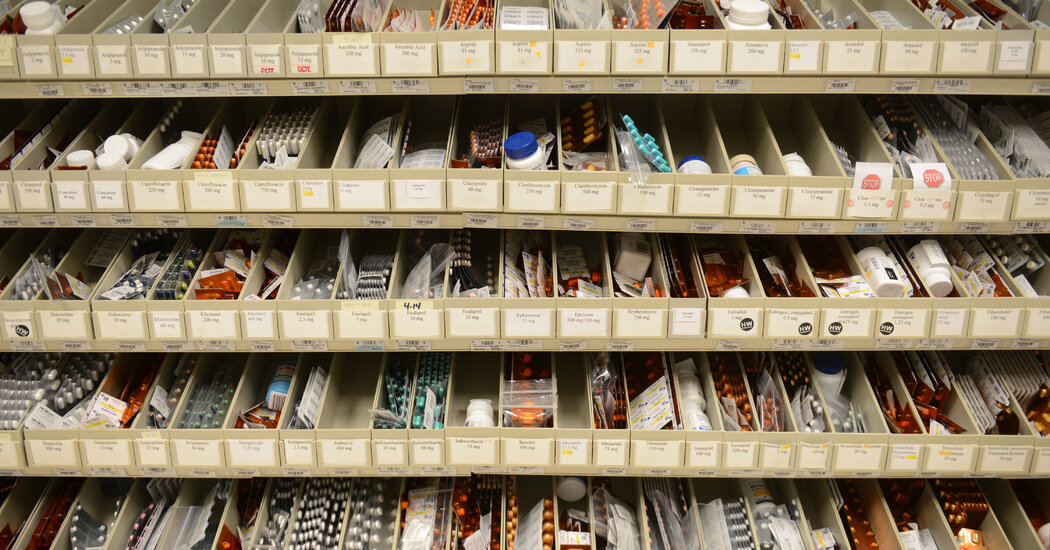
A Senate homeland security committee examined growing health care shortages amid reports of rationing within hospitals.An increase in shortages of inexpensive yet critical medications is forcing hospitals to make “horrible” choices and is amounting to a national security threat, according to a report and testimony at a Senate homeland security hearing on Wednesday.A report prepared for the hearing found that drug shortages increased by nearly 30 percent last year compared with 2021, with an average shortage lasting 18 months and some spanning 15 years. They include common antibiotics, anesthetics and sterile fluids used to keep intravenous drug tubes clean.The problems were pegged to economic drivers, an opaque supply chain and the fact that as much as 80 to 90 percent of certain products are made overseas, said Senator Gary Peters, a Democrat of Michigan and chairman of the Senate Committee on Homeland Security and Government Affairs.“Taken together, these underlying causes not only present serious concerns about providing adequate care to patients, they also represent serious national security threats,” Mr. Peters said.Dr. Andrew Shuman, a cancer surgeon in Michigan, told senators at the hearing that shortages in his field have come to “represent a tragedy that’s happening in slow motion.”Dr. Shuman, who holds leadership roles at the University of Michigan hospital system and the Veterans Affairs Ann Arbor Healthcare System, said one cheap and established cancer drug called etoposide was recently in scarce supply. He had to weigh which patients, young and old, with lung, brain and testicular cancer, should receive the limited number of doses.“As a doctor who has devoted my life to fighting cancer, it’s hard to express how horrible that is,” Dr. Shuman said.The hospital pharmacist managed to stretch the supply on hand, but “our pharmacists should not be desperately trying to squeeze out a few last drops when a life may be on the line,” Dr. Shuman said.One expert outlined the efforts of the U.S. Pharmacopeia, a nonprofit focused on a safe drug supply, to map the dynamics and causes of shortages. That group found that there is a higher risk of shortages for drugs with a low price, complex manufacturing process or quality problems marked by a history of recalls, said Vimala Raghavendran, vice president of informatics product development for the U.S.P.Those factors can add up in interesting ways: Many of the cheapest products tend to be manufactured in regions of India and China where they are inexpensive to produce, but the concentration of facilities creates an extra layer of vulnerability to problems such as natural disasters or political unrest.Ms. Raghavendran said efforts to diversify the locations for production were important, but warned that bringing the manufacturing to the United States would not be the only way to fix the issue. She noted the recent bankruptcy of a U.S. generic drugmaker. The abrupt closure of Akorn Pharmaceuticals last month has been linked to the worsening of an albuterol shortage.Witnesses also emphasized the need for more transparency into drug supplies. Policymakers are “flying blind” when it comes to the sources of critical ingredients, often referred to as A.P.I., or active pharmaceutical ingredients, Ms. Raghavendran said.While the Food and Drug Administration gets some data on those active ingredients, the agency acknowledged to Senate staff that the data was not kept in a usable format, but rather “buried in PDFs within individual drug applications,” the Senate report says.Erin Fox, an expert at the University of Utah who tracks drug shortages, said another gap in information was critical, as well: There is no data on drugmaker quality. Such information might be used to reward the most scrupulous suppliers and help them expand production. Yet while the F.D.A. “sees really clear quality differences between products and manufacturing sites,” the information is confidential and not available to drug buyers.“There’s really no incentive for one company to do a better job,” Dr. Fox said. “If one company did do a better job, we have no way of knowing that.”The matter deserves attention, she said: “Unlike other products, people’s lives are at stake.”Dr. Shuman, the cancer surgeon, cited other troubling shortages, including of eye drops that “literally keep people from going blind that cost a few dollars a month.” He said patients with glaucoma who do not get the drops could be faced with surgery instead.Those critical but cheap treatments in short supply point to a need for incentives or subsidies to companies that make them, Dr. Shuman said, given that “drug pricing structures are not always reflective of their value to patients.”

Read more →

The Times Switches to C.D.C. Covid Data, Ending Daily Collection

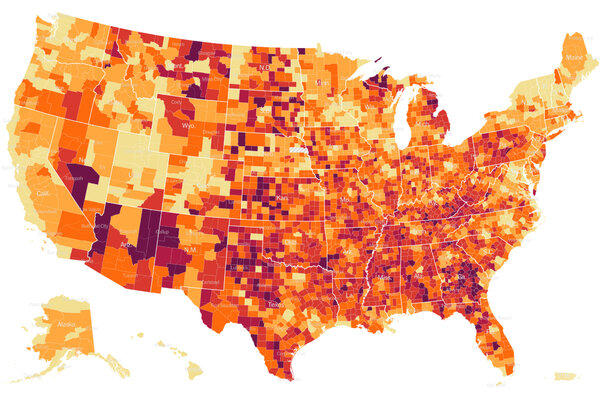
As local data sources become less reliable, The Times will instead report information collected by the C.D.C. on its virus tracking pages.After more than three years of daily reporting on the number of Covid-19 cases and deaths in every county in the United States, The New York Times is ending its Covid data-gathering operation. The Times will continue to publish its Covid tracking pages for the United States, only now they will be based on the latest information available from the federal government, not the Times’s data set.The tracking pages will still show data about hospital patients with Covid; reported cases and tests; and how many people have died from the virus. Data on vaccination rates and comparisons between vaccinated and unvaccinated populations will also remain.A new interactive county map will show local levels of Covid-19 from the Centers for Disease Control and Prevention, which combine case and hospitalization data to determine the current impact of the virus on communities. The data will be updated weekly instead of daily, and charts will include historical revisions as reported by the C.D.C.Track Covid-19 in the U.S.Track the virus in your area, and get the latest state and county data on hospitalizations, cases, deaths, tests and vaccinations.Why we’re making this changeSince nearly the beginning of the pandemic, The Times has been collecting and standardizing Covid data from hundreds of state and local sources. The C.D.C. now has a similar process: The agency collects data from hospitals, counties and states, and then it standardizes and reports the data to the public.While Covid still kills thousands across the United States every week, the data from state and local sources is reported less frequently and less reliably. The comprehensive real-time reporting that The Times has prioritized is no longer possible. At the same time, the data offered by the federal government has become more consistent, and it is sometimes the only source of information about Covid in parts of the country. Several states report data to the C.D.C. but no longer report this information directly to the public. Nebraska and Florida were the first states to significantly reduce public data reporting in the summer of 2021. Since then, most states have reduced the frequency of updates to once a week, and several no longer maintain public dashboards or reports. What we can learn from individual metrics has also changed. Cases are widely undercounted because of the rise of at-home testing, the results of which are mostly unreported. Test positivity rates, which can still be useful as an indicator that infections are rising or falling, are much higher than earlier in the pandemic because more negative tests go unreported.Hospitalization data is a more reliable indicator for trends in infections and severe cases at the local level because testing is more common in hospitals. Going forward, The Times’s tracking pages will highlight hospitalizations, which is reported directly by individual hospitals to the federal government.How The Times filled a public health data gapAs the virus began to spread rapidly in the United States in March 2020, it became clear that there was no single source that tracked infections at the local level. In the absence of comprehensive government data, The Times quickly built a custom system for gathering, vetting and publishing data from more than 100 state and local government sources. By collecting the data continually, and from multiple levels of government, The Times was able to map the spread of the virus, with updated information published several times a day.

Read more →

Sweets change our brain

Chocolate bars, crisps and fries — why can’t we just ignore them in the supermarket? Researchers at the Max Planck Institute for Metabolism Research in Cologne, in collaboration with Yale University, have now shown that foods with a high fat and sugar content change our brain: If we regularly eat even small amounts of them, the brain learns to consume precisely these foods in the future.
Why do we like unhealthy and fattening foods so much? How does this preference develop in the brain? “Our tendency to eat high-fat and high-sugar foods, the so-called Western diet, could be innate or develop as a result of being overweight. But we think that the brain learns this preference,” explains Sharmili Edwin Thanarajah, lead author of the study.
To test this hypothesis, the researchers gave one group of volunteers a small pudding containing a lot of fat and sugar per day for eight weeks in addition to their normal diet. The other group received a pudding that contained the same number of calories but less fat. The volunteer’s brain activity was measured before and during the eight weeks.
Our brain unconsciously learns to prefer high-fat snacks
The brain’s response to high-fat and high-sugar foods was greatly increased in the group that ate the high-sugar and high-fat pudding after eight weeks. This particularly activated the dopaminergic system, the region in the brain responsible for motivation and reward. “Our measurements of brain activity showed that the brain rewires itself through the consumption of chips and co. It subconsciously learns to prefer rewarding food. Through these changes in the brain, we will unconsciously always prefer the foods that contain a lot of fat and sugar,” explains Marc Tittgemeyer, who led the study.
During the study period, the test persons did not gain more weight than the test persons in the control group and their blood values, such as blood sugar or cholesterol, did not change either. However, the researchers assume that the preference for sugary foods will continue after the end of the study. “New connections are made in the brain, and they don’t dissolve so quickly. After all, the whole point of learning is that once you learn something, you don’t forget it so quickly,” explains Marc Tittgemeyer.

Read more →

Ludwig van Beethoven's genome sheds light on chronic health problems and cause of death

In 1802, Ludwig van Beethoven asked his brothers to request that his doctor, J.A. Schmidt, describe his malady — his progressive hearing loss — to the world upon his death so that “as far as possible at least the world will be reconciled to me after my death.” Now, more than two centuries later, a team of researchers reporting in the journal Current Biology on March 22 have partially fulfilled his wish by analyzing DNA they lifted and pieced together from locks of his hair.
“Our primary goal was to shed light on Beethoven’s health problems, which famously include progressive hearing loss, beginning in his mid- to late-20s and eventually leading to him being functionally deaf by 1818,” said Johannes Krause from the Max Planck Institute for Evolutionary Anthropology in Leipzig, Germany.
“We were unable to find a definitive cause for Beethoven’s deafness or gastrointestinal problems,” Krause says. “However, we did discover a number of significant genetic risk factors for liver disease. We also found evidence of an infection with hepatitis B virus in at latest the months before the composer’s final illness. Those likely contributed to his death.”
As commonly happens when people analyze DNA, the researchers uncovered another surprise. Beethoven’s Y chromosome doesn’t match that of any of five modern-day relatives carrying the same last name and sharing, on the basis of genealogical records, a common ancestor with Beethoven’s paternal line. The finding points to an extramarital “event” somewhere over the generations on Beethoven’s father’s side.
“This finding suggests an extrapair paternity event in his paternal line between the conception of Hendrik van Beethoven in Kampenhout, Belgium in c.1572 and the conception of Ludwig van Beethoven seven generations later in 1770, in Bonn, Germany,” says Tristan Begg, now at the University of Cambridge, U.K.
The idea for the work was conceived by Begg and study co-author William Meredith almost a decade ago. They were motivated by Beethoven’s request for postmortem studies to describe his illness and make it public. In the new study, the team, also including Toomas Kivisild of Katholieke Universiteit Leuven in Belgium, relied on recent improvements in ancient DNA analysis; these improvements have enabled whole-genome sequencing from small quantities of historical hair.
First, they analyzed independently sourced locks of hair attributed to Beethoven, only five of which they confirmed came from the same European male. They deemed these five to be “almost certainly authentic” and used them to sequence Beethoven’s genome to 24-fold genomic coverage.
Medical biographers had earlier suggested that Beethoven had many substantially heritable health conditions. But the researchers in this study couldn’t find in his genome an explanation for Beethoven’s hearing disorder or gastrointestinal problems. They did find that he was genetically predisposed to liver disease.
Further study of other DNA in his samples suggested that he also had a hepatitis B infection at least during the months leading up to his death. “Together with the genetic predisposition and his broadly accepted alcohol consumption, these present plausible explanations for Beethoven’s severe liver disease, which culminated in his death,” they write.
The researchers note that previous analyses suggesting that Beethoven had lead poisoning turned out to have been based on a sample that wasn’t Beethoven’s at all; instead, it came from a female. Future studies testing for lead, opiates, and mercury must be based on authenticated samples, they say.
The DNA extracted from Beethoven’s hair is genetically most similar to that of people living in present day North Rhine-Westphalia, consistent with Beethoven’s known German ancestry, Begg says. Future studies of Beethoven’s samples collected over time might help to clarify when he got infected with hepatitis B. Meanwhile, more studies of his close relatives might help to clarify his biological relationship to modern decedents of the Beethoven family.

Read more →

New NIH study reveals shared genetic markers underlying substance use disorders

By combing through genomic data of over 1 million people, scientists have identified genes commonly inherited across addiction disorders, regardless of the substance being used. This dataset — one of the largest of its kind — may help reveal new treatment targets across multiple substance use disorders, including for people diagnosed with more than one. The findings also reinforce the role of the dopamine system in addiction, by showing that the combination of genes underlying addiction disorders was also associated with regulation of dopamine signaling.
Published today in Nature Mental Health, the study was led by researchers at the Washington University in St. Louis, along with more than 150 coauthors from around the world. It was supported by the National Institute on Drug Abuse (NIDA), the National Institute on Alcohol Abuse and Alcoholism (NIAAA), the National Institute of Mental Health (NIMH), the Eunice Kennedy Shriver National Institute of Child Health and Human Development, and the National Institute on Aging.
There has been limited knowledge of the molecular genetic underpinnings of addiction until now. Further, most clinical trials and behavioral studies have focused on individual substances, rather than addiction more broadly.
Genetics play a key role in determining health throughout our lives, but they are not destiny. Our hope with genomic studies is to further illuminate factors that may protect or predispose a person to substance use disorders — knowledge that can be used to expand preventative services and empower individuals to make informed decisions about drug use,” said NIDA Director, Nora Volkow, M.D. “A better understanding of genetics also brings us one step closer to developing personalized interventions that are tailored to an individual’s unique biology, environment, and lived experience in order to provide the most benefits.”
In 2021, more than 46 million people in the United States aged 12 or older had at least one substance use disorder, and only 6.3% had received treatment. Moreover, people who use drugs are facing an increasingly dangerous drug supply, now often tainted with fentanyl. Approximately 107,000 people died of drug overdoses in 2021, and 37% of these deaths involved simultaneous exposure to both opioids and stimulant drugs. Drug use and addiction represent a public health crisis, characterized by high social, emotional, and financial costs to families, communities, and society.
Substance use disorders are heritable and influenced by complex interactions among multiple genes and environmental factors. In recent decades, a data-rich method, called genome-wide association, has emerged to try to identify specific genes involved in certain disorders. This method involves searching entire genomes for regions of genetic variation, called single-nucleotide polymorphisms (SNPs), that associate with the same disease, disorder, condition, or behavior among multiple people.

In this study, researchers used this method to pinpoint areas in the genome associated with general addiction risk, as well as the risk of specific substance use disorders — namely, alcohol, nicotine, cannabis, and opioid use disorders — in a sample of 1,025,550 individuals with genes indicating European ancestry and 92,630 individuals with genes indicating African ancestry.
“Using genomics, we can create a data-driven pipeline to prioritize existing medications for further study and improve chances of discovering new treatments. To do this accurately, it’s critical that the genetic evidence we gather includes globally representative populations and that we have members of communities historically underrepresented in biomedical research leading and contributing to these kinds of studies,” said Alexander Hatoum, Ph.D., a research assistant professor at Washington University in St. Louis and lead author of the study.
Hatoum and the research team discovered various molecular patterns underlying addiction, including 19 independent SNPs significantly associated with general addiction risk and 47 SNPs for specific substance disorders among the European ancestry sample. The strongest gene signals consistent across the various disorders mapped to areas in the genome known to control regulation of dopamine signaling, suggesting that genetic variation in dopamine signaling regulation, rather than in dopamine signaling itself, is central to addiction risk.
Compared to other genetic predictors, the genomic pattern identified here was also a more sensitive predictor of having two or more substance use disorders at once. The genomic pattern also predicted higher risk of mental and physical illness, including psychiatric disorders, suicidal behavior, respiratory disease, heart disease, and chronic pain conditions. In children aged 9 or 10 years without any experience of substance use, these genes correlated with parental substance use and externalizing behavior.
“Substance use disorders and mental disorders often co-occur, and we know that the most effective treatments help people address both issues at the same time. The shared genetic mechanisms between substance use and mental disorders revealed in this study underscore the importance of thinking about these disorders in tandem,” said NIMH Director Joshua A. Gordon, M.D., Ph.D.
Genomic analysis in the African ancestry sample revealed one SNP associated with general addiction risk and one substance-specific SNP for risk of alcohol use disorder. The dearth of findings here underscores ongoing disparities in data inclusion of globally representative populations that must be addressed to ensure data robustness and accuracy, Hatoum and co-authors note.
The inclusion of data from different ancestral groups in this study cannot and should not be used to assign or categorize variable genetic risk for substance use disorder to specific populations. As genetic information is used to better understand human health and health inequities, expansive and inclusive data collection is essential. NIDA and other Institutes at NIH supported a recently released report on responsible use and interpretation of population-level genomic data by the National Academies of Sciences, Engineering, and Medicine.
While Hatoum and colleagues have identified a genetic pattern indicating broad addiction risk, they note that substance use-specific diagnoses still have meaning. “The current study validates previous findings of alcohol-specific risk variants, and, importantly, makes this finding in a very large and more diverse study population,” said NIAAA Director George F. Koob, Ph.D. “The finding of shared genetic risk variants across different substance use disorders provides insight into some of the mechanisms that underlie these disorders and the relationships with other mental health conditions. Together the findings of alcohol-specific risk variants and common addiction-related variants provide powerful support for individualized prevention and treatment.”
This study was supported by multiple grants: NIDA (T32DA007261, DA054869, R01DA054750, K02DA032573, U01DA055367, K01DA051759, DP1DA054394, R33DA047527); NIAAA (K01AA030083, R21AA027827, R01AA027522, F31AA029934, T32AA028259); NIMH (K23MH121792, T32MH014276, R01MH120219); NIA (RF1AG073593, P30AG066614); NICHD (P2CHD042849)

Read more →

Why subvariants of the SARS-CoV-2 virus accelerated the pandemic

The COVID-19 pandemic has killed nearly 7 million people worldwide (1.1 million in the United States) and severely harmed many millions more, though vaccines and antiviral treatments measurably reduced the potential loss of life and health.
A Commonwealth Fund report, for example, estimated COVID-19 vaccines alone prevented more than 18 million additional hospitalizations and 3.2 million additional deaths in the U.S.
The pandemic has never been simple or easy. For example, the emergence of viral variants, in particular recent versions of the Omicron, fueled new surges of infection and disease throughout 2022 and into 2023.
“There were real concerns about new waves of cases driven by BA.5, which had replaced BA.2.12.1 as the dominant strain in the United States,” said Aaron Carlin, MD, PhD, associate professor of pathology at University of California San Diego School of Medicine. “It looks like past infection by an earlier subvariant would not elicit cross-protection against the new BA.4 and BA.5 subvariants.”
In a new study, published in the March 21, 2023 online issue of Open Forum Infectious Disease, Carlin and colleagues at UC San Diego School of Medicine describe why COVID-19 subvariants spread rapidly among people previously infected and how the popular Paxlovid therapy might have made people more susceptible to future infections.
The researchers found that mutations in the spike protein of BA.4 and BA.5 allowed it to evade neutralizing antibodies generated by vaccination or by an earlier SARS-CoV-2 infection. Moreover, they determined that early treatment with Paxlovid, an oral antiviral pill that combines drugs (nirmatrelvir and ritonavir), dampened the natural development of antibodies, leaving people with lower overall immune responses and perhaps more vulnerable to subsequent infection.

Paxlovid was among the first drugs developed and tested to treat COVID-19, and quickly became a go-to medication, often prescribed when symptoms first appeared and intended to reduce the likelihood of severe disease, hospitalization or death. Subsequent research has shown that Paxlovid treatment among non-hospitalized, unvaccinated patients at high risk of progression to severe disease reduced the risk of hospitalization or death by 88%, and the risk of long COVID.
But Paxlovid proved poor insurance against recurrence of COVID-19 or subsequent re-infection.
In June 2022, senior author Davey Smith, MD, chief of Infectious Diseases and Global Public Health at UC San Diego School of Medicine and an infectious disease specialist at UC San Diego Health, Carlin and colleagues published data suggesting the so-called “Paxlovid rebound” was likely due to insufficient drug exposure.
In October 2022, Smith and colleagues published a different study that documented the likelihood of COVID-19 symptoms recurring in untreated patients after initial symptoms had disappeared.
“Our findings suggest that while early antiviral treatment can prevent severe COVID-19, it does not obviate the need for subsequent vaccination or boosters to promote protective immune responses,” said Smith.
“The findings also highlight the importance of ongoing research and the need for continued efforts to understand the virus and develop effective treatments and vaccines. The past is prologue, not because the virus is the same, but because it is constantly changing, so we must evolve as well to meet the threat and anticipate the next pandemic.”
Co-authors include: Alex E. Clark, Aaron F. Garretson, William Bray, Magali Porrachia, Tariq M. Rana and Antoine Chaillon, all at UC San Diego; and AsherLev T. Santos, CSU San Marcos.

Read more →

DNA From Beethoven’s Hair Unlocks Medical and Family Secrets

It was March 1827 and Ludwig van Beethoven was dying. As he lay in bed, wracked with abdominal pain and jaundiced, grieving friends and acquaintances came to visit. And some asked a favor: Could they clip a lock of his hair for remembrance?The parade of mourners continued after Beethoven’s death at age 56, even after doctors performed a gruesome craniotomy, looking at the folds in Beethoven’s brain and removing his ear bones in a vain attempt to understand why the revered composer lost his hearing.Within three days of Beethoven’s death, not a single strand of hair was left on his head.Ever since, a cottage industry has aimed to understand Beethoven’s illnesses and the cause of his death.Now, an analysis of strands of his hair has upended long held beliefs about his health. The report provides an explanation for his debilitating ailments and even his death, while also raising new questions about his genealogical origins and hinting at a dark family secret.The paper, by an international group of researchers, was published Wednesday in the journal Current Biology.It offers additional surprises: A famous lock of hair — the subject of a book and a documentary — was not Beethoven’s. It was from an Ashkenazi Jewish woman.The study also found that Beethoven did not have lead poisoning, as had been widely believed. Nor was he a Black man, as some had proposed.And a Flemish family in Belgium — who share the last name van Beethoven and had proudly claimed to be related — have no genetic ties to him.Researchers not associated with the study found it convincing.It was “a very serious and well-executed study, “ said Andaine Seguin-Orlando, an expert in ancient DNA at the University Paul Sabatier, Toulouse, in France.The detective work to solve the mysteries of Beethoven’s illness began on Dec. 1, 1994, when a lock of hair said to be Beethoven’s was auctioned by Sotheby’s. Four members of the American Beethoven Society, a private group that collects and preserves material related to the composer, purchased it for $7,300. They proudly displayed it at the Ira F. Brilliant Center for Beethoven Studies at San Jose State University in California.But was it really Beethoven’s hair?The Hiller lock, which the study found did not come from Beethoven but a woman, with its inscription by its former owner, Paul Hiller.William Meredith/Ira F. Brilliant Center for Beethoven Studies, San Jose State UniversityThe story was that it was clipped by Ferdinand Hiller, a 15-year-old composer and ardent acolyte who visited Beethoven four times before he died.On the day Beethoven died, Hiller clipped a lock of his hair. He gave it to his son decades later as a birthday gift. It was kept in a locket.The locket with its strands of hair was the subject of a best-selling book, “Beethoven’s Hair,” by Russell Martin, published in 2000, and made into a documentary film in 2005.An analysis of the hair at Argonne National Laboratory in Illinois found lead levels as high as 100 times normal.In 2007, authors of a paper in The Beethoven Journal, a scholarly journal published by San Jose State, speculated that the composer might have been inadvertently poisoned by medicine, wine, or eating and drinking utensils.That was where matters stood until 2014 when Tristan Begg, then a masters student studying archaeology at the University of Tübingen in Germany, realized that science had advanced enough for DNA analysis using locks of Beethoven’s hair.“It seemed worth a shot,” said Mr. Begg, now a Ph.D. student at Cambridge University.William Meredith, a Beethoven scholar, began searching for other locks of Beethoven’s hair, buying them with financial support from the American Beethoven Society, at private sales and auctions. He borrowed two more from a university and a museum. He ended up with eight locks, including the hairs from Ferdinand Hiller.First, the researchers tested the Hiller lock. Because it turned out to be from a woman, it was not — could not be — Beethoven’s. The analysis also showed that the woman had genes found in Ashkenazi Jewish populations.Dr. Meredith speculates that the authentic hair from Beethoven was destroyed and replaced with strands from Sophie Lion, the wife of Ferdinand Hiller’s son Paul. She was Jewish.Lab work on the Moscheles lock at the University of Tübingen in Germany.Susanna SabinAs for the other seven locks, two were inauthentic, four had identical DNA and one could not be tested. The four locks with identical DNA were of different provenances and two had impeccable chains of custody, which gave the researchers confidence that they were hair from Beethoven.Ed Green, an expert in ancient DNA at the University of California, Santa Cruz, who was not involved with the study, agreed.“The fact that they have so many independent locks of hair, with different histories, that all match one another is compelling evidence that this is bona fide DNA from Beethoven,” he said.When the group had the DNA sequence from Beethoven’s hair, they tried to answer longstanding questions about his health. For instance, why might he have died from cirrhosis of the liver?He drank, but not to excess, said Theodore Albrecht, a professor emeritus of musicology at Kent State University in Ohio. Based on his study of texts left by the composer, he described what is known of Beethoven’s imbibing habits in an email.“In none of these activities did Beethoven exceed the line of consumption that would make him an ‘alcoholic,’ as we would commonly define it today,” he wrote.Beethoven’s hair provided a clue: He had DNA variants that made him genetically predisposed to liver disease. In addition, his hair contained traces of hepatitis B DNA, indicating an infection with this virus, which can destroy a person’s liver.But how did Beethoven get infected? Hepatitis B is spread through sex and shared needles, and during childbirth.Beethoven did not use intravenous drugs, Dr. Meredith said. He never married, although he was romantically interested in several women. He also wrote a letter — although he never sent it — to his “immortal Beloved,” whose identity has been the subject of much scholarly intrigue. Details of his sex life remain unknown.The Stumpff lock, from which Beethoven’s whole genome was sequenced, with an inscription by its former owner Patrick Stirling.Kevin BrownArthur Kocher, a geneticist at the Max Planck Institute for Evolutionary Anthropology in Germany and one of the new study’s co-authors, offered another possible explanation for his infection: The composer could have been infected with hepatitis B during childbirth. The virus is commonly spread this way, he said, and infected babies can end up with a chronic infection that lasts a lifetime. In about a quarter of people, the infection will eventually lead to cirrhosis of the liver or liver cancer.“It could ultimately lead someone to die of liver failure,” he said.The study also revealed that Beethoven was not genetically related to others in his family line. His Y chromosome DNA differed from that of a group of five people with the same last name — van Beethoven — living in Belgium today and who, according to archival records, share a 16th-century ancestor with the composer. That indicates there must have been an out-of-wedlock affair in Beethoven’s direct paternal line. But where?Maarten Larmuseau, a co-author of the new study who is a professor of genetic genealogy at the University of Leuven in Belgium, suspects that Ludwig van Beethoven’s father was born to the composer’s grandmother with a man other than his grandfather. There are no baptismal records for Beethoven’s father, and his grandmother was known to have been an alcoholic. Beethoven’s grandfather and father had a difficult relationship. These factors, Dr. Lamarseau said, are possible signs of an extramarital child.Beethoven had his own difficulties with his father, Dr. Meredith said. And while his grandfather, a noted court musician in his day, died when Beethoven was very young, he honored him and kept his portrait with him until the day he died.Dr. Meredith added that when rumors circulated that Beethoven was actually the illegitimate son of Friedrich Wilhelm II or even Frederick the Great, Beethoven never refuted them.The researchers had hoped their study of Beethoven’s hair might explain some of the composer’s agonizing health problems. But it did not provide definitive answers.The composer suffered from terrible digestive problems, with abdominal pain and prolonged bouts of diarrhea. The DNA analysis did not point to a cause, although it pretty much ruled out two proposed reasons: celiac disease and ulcerative colitis. And it made a third hypothesis — irritable bowel syndrome — unlikely.Hepatitis B could have been the culprit, Dr. Kocher said, although it is impossible to know for sure.The DNA analysis also offered no explanation for Beethoven’s hearing loss, which started in his mid-20s and resulted in deafness in the last decade of his life.An 1827 lithograph of Beethoven on his deathbed by Josef Danhauser, after his own drawing.Josef Danhauser, via Beethoven-Haus BonnThe researchers took pains to discuss their results in advance with those directly affected by their research.On the evening of March 15, Dr. Larmuseau met with the five people in Belgium whose last name is van Beethoven and who provided DNA for the study.He started right out with the bad news: They are not genetically related to Ludwig van Beethoven.They were shocked.“They didn’t know how to react,” Dr. Larmuseau said. “Every day they are remembered by their special surname. Every day they say their name and people say, ‘Are you related to Ludwig van Beethoven?’”That relationship, Dr. Larmuseau said, “is part of their identity.”And now it is gone.The study’s findings that the Hiller lock was from a Jewish woman stunned Mr. Martin, author of “Beethoven’s Hair.”“Wow, who would have imagined it,” he said. Now, he added, he wants to find descendants of Sophie Lion, the wife of Paul Hiller, to see if the hair was hers. And he’d like to find out if she had lead poisoning.For Dr. Merrill, the project has been an amazing adventure.“The whole complex story is astonishing to me.” he said. “And I’ve been part of it since 1994. One finding just leads to another unexpected finding.”

Read more →