Scientists warn of rise in potentially fatal bacterial infection due to global warming

Continued warming of the climate would see a rise in the number and spread of potentially fatal infections caused by bacteria found along parts of the coast of the United States.
Vibrio vulnificus bacteria grow in warm shallow coastal waters and can infect a cut or insect bite during contact with seawater. A new study led by the UK’s University of East Anglia (UEA) shows that the number of V. vulnificus infections along the East Coast of the US, a global hotspot for such infections, has gone up from 10 to 80 per year over a 30-year period.
In addition, every year cases occur further north. In the late 1980s, cases were found in the Gulf of Mexico and along the southern Atlantic coast but were rare north of Georgia. Today they can be found as far north as Philadelphia.
The researchers predict that by 2041-2060 infections may spread to encompass major population centres around New York. Combined with a growing and increasingly elderly population, who are more susceptible to infection, annual case numbers could double.
By 2081-2100, infections may be present in every Eastern US state under medium-to-high future emissions and warming scenarios.
The findings, published today in the journal Scientific Reports, are important because although the number of cases in the US is not large, someone infected with V. vulnificus has a one-in-five chance of dying. It is also the most expensive marine pathogen in the US to treat.

The illness peaks in the summer and sees the bacteria spread rapidly and severely damage the person’s flesh. As a result, it is commonly called a ‘flesh eating’ illness and many people who survive have had limbs amputated.
Lead author of the study Elizabeth Archer, a postgraduate researcher in UEA’s School of Environmental Sciences, said: “The projected expansion of infections highlights the need for increased individual and public health awareness in the areas affected. This is crucial as prompt action when symptoms occur is necessary to prevent major health consequences.
“Greenhouse gas emissions from human activity are changing our climate and the impacts may be especially acute on the world’s coastlines, which provide a major boundary between natural ecosystems and human populations and are an important source of human disease.
“We show that by the end of the 21st Century, V. vulnificus infections will extend further northwards but how far North will depend upon the degree of further warming and therefore on our future greenhouse gas emissions.
“If emissions are kept low, then cases may extend northwards only as far as Connecticut. If emissions are high, infections are predicted to occur in every US state on the East Coast. By the end of the 21st Century we predict that around 140-200 V. vulnificus infections may be reported each year.”
The research team suggests that individuals and health authorities could be warned in real time about particularly risky environmental conditions through marine or Vibrio specific early warning systems.

Active control measures could include greater awareness programmes for at risk groups, for example the elderly and individuals with underlying health conditions, and coastal signage during high-risk periods.
Co-author Prof Iain Lake from UEA said: “The observation that cases of V. vulnificus have expanded northwards along the East Coast of the US is an indication of the effect that climate change is already having on human health and the coastline. Knowing where cases are likely to occur in future should help health services plan for the future.”
The study is the first to map how the locations of V. vulnificus cases have changed along the eastern coastline of the US. It also the first to explore how climate change may influence the spread of cases in the future.
Information on where people caught V. vulnificus infection was obtained from the US Centers for Disease Control and Prevention. This allowed the team to map how cases of Vibrio vulnificus have extended northwards over 30 years from 1988-2018.
Temperature information based on observations and computer-based climate models were then used to predict where in the US cases might occur by the end of the 21st Century.
Co-author Prof James Oliver from the University of North Carolina Charlotte, in the US, said: “This is a landmark paper which not only ties global climate change to disease but provides strong evidence for the environmental spread of this extremely deadly bacterial pathogen.”

Read more →

How salt can taste sweet: The myriad mechanisms of taste perception

Humans perceive five basic taste sensations: sweet, umami, bitter, salty, and sour. Specific foods trigger taste recognition of these sensations through the activation of different receptors in our taste buds. In the case for table salt, the concentration is also an important factor in determining taste. For instance, the preferable concentration of table salt is 100 mM, at which humans perceive a salty taste. However, higher concentrations of salt, over 500 mM, may be perceived as bitter and/or sour, while very low concentrations, below 10 mM, are perceived as sweet by humans. Scientific studies have proposed the presence of multiple salt detection pathways in the taste buds, but their exact mechanism is not fully understood.
In the case of common salt (NaCl), salt taste sensation is primarily driven by the sodium ion, Na+. However, the anion (chloride ion Cl-) is also considered to be detected through unique molecular mechanisms and participate in the taste sensation. To investigate this chloride ion detection mechanism, scientists from Okayama University in Japan have conducted a study using structural biology methods and mice models. This study was published in eLife on 28th February, 2023.
The scientists had previously analyzed the structure of a taste receptor from the Japanese rice fish (medaka fish), which is similar to the human sweet taste receptor and is also compatible for structural analysis. A part of this fish taste receptor could bind to a chloride ion. Prof. Atsuko Yamashita explains, “We had previously analyzed the structure of the T1r2a/T1r3LBD receptor from medaka fish, which led us to the unexpected finding of the Cl- binding to T1r3LBD. In this study, we examined whether Cl- binding induces a conformational change of the receptor, and we were able to confirm the induction of this change by Cl-.” The conformational change (or change in structure) in the T1r receptors was found to be similar to that induced by other taste substances, suggesting that Cl- does activate the sweet receptors on T1r2a/ T1r3LBD. Since change in shape often indicates receptor activation, the scientists further explored the chloride ion activation of the sweet taste receptors (the T1r2/T1r3 heterodimers), which respond to sugars, in this study. Prof. Yamashita explains “We wanted to further investigate this phenomenon using better established animal models. Since the Cl–binding site in T1r3 was conserved across various species, we decided to use taste nerve recordings from mice to explore the physiological significance of Cl-.”
To provide evidence for this, they performed electrophysiological assays on mice, where they could demonstrate the activation of neurons involved in signaling of sweet taste when small amounts of chloride were placed on the mice’s tongues. Thus, they demonstrated that low concentrations of Cl- could potentially produce a ‘light’ sweet taste sensation via the T1r in the taste buds. “The Cl–induced taste is similar to that induced by canonical taste substances for T1rs, such as amino acids or sugars, though its efficacy is slightly lower.” says Prof. Yamashita. Further, when offered a choice between dilute chloride solution and plain water, the mice recognized the taste of chloride solution and demonstrated a preference for it. The concentration of sodium chloride for inducing a sweet response was found to be minute, even less than 10 mM, and this sweet sensation could be suppressed by the external application of sweet taste inhibitors containing gurmarin. These findings support the hypothesis that mice identify chloride as sweet via the action of specific receptors and neurons. They also show that dilute table salt provides a taste stimulus due to the presence of the Cl- ions.
Table salt is an important component in maintaining homeostasis or internal body equilibrium. This equilibrium is regulated by the optimum intake and excretion of sodium. This study shows that the former process uses the counter Cl- ion to regulate the molecular functions of the receptors involved. The results of this study will pave way for a more nuanced understanding of taste perception in organisms.

Read more →

Being fit partially offsets negative impact of high blood pressure

High fitness levels may reduce the risk of death from cardiovascular disease in men with high blood pressure, according to a 29-year study published today in the European Journal of Preventive Cardiology, a journal of the ESC.
“This was the first study to evaluate the joint effects of fitness and blood pressure on the risk of dying from cardiovascular disease,” said study author Professor Jari Laukkanen of the University of Eastern Finland, Kuopio, Finland. “The results suggest that being fit helps protect against some of the negative effects of high blood pressure.”
Nearly 1.3 billion adults aged 30 to 79 years worldwide have high blood pressure (hypertension). Hypertension is a major risk factor for heart attack and stroke and a leading cause of premature death globally. Previous studies have shown that high cardiorespiratory fitness is linked with greater longevity. This study examined the interplay between blood pressure, fitness and risk of death from cardiovascular disease.
The study included 2,280 men aged 42 to 61 years living in eastern Finland and enrolled in the Kuopio Ischaemic Heart Disease Risk Factor Study. Baseline measurements were conducted between 1984 and 1989. These included blood pressure and cardiorespiratory fitness, which was assessed as maximal oxygen uptake while riding a stationary bicycle. Blood pressure was classified as normal or high, and fitness was classified as low, medium or high.
The average age at baseline was 53 years. Participants were followed up until 2018. During a median follow up of 29 years, there were 644 deaths due to cardiovascular disease. The risk of death from cardiovascular disease was analysed after adjusting for age, body mass index, cholesterol levels, smoking status, type 2 diabetes, coronary heart disease, use of antihypertensive medication, alcohol consumption, physical activity, socioeconomic status, and high sensitivity C-reactive protein (a marker of inflammation).
Considering blood pressure alone, compared to normal values, high blood pressure was associated with a 39% increased risk of cardiovascular mortality (hazard ratio [HR] 1.39; 95% confidence interval [CI] 1.17-1.63). Considering fitness alone, compared with high levels, low fitness was associated with a 74% elevated likelihood of cardiovascular death (HR 1.74; 95% CI 1.35-2.23).
To evaluate the joint associations of blood pressure and fitness with risk of cardiovascular death, participants were categorised into four groups: 1) normal blood pressure and high fitness (this was the reference group for comparison); 2) normal blood pressure and low fitness; 3) high blood pressure and high fitness; 4) high blood pressure and low fitness.
Men with high blood pressure and low fitness had a more than doubled risk of cardiovascular death compared to those with normal blood pressure and high fitness (HR 2.35; 95% CI 1.81-3.04). When men with high blood pressure had high fitness levels, their elevated risk of cardiovascular risk persisted but was weaker: it was 55% higher than those with normal blood pressure and high fitness (HR 1.55; 95% CI 1.16-2.07).
Professor Laukkanen said: “Both high blood pressure and low fitness levels were each associated with an increased risk of cardiovascular death. High fitness levels attenuated, but did not eliminate, the increased risk of cardiovascular mortality in men with elevated blood pressure.”
The paper states: The inability of cardiorespiratory fitness to completely eliminate the risk of cardiovascular mortality in those with high blood pressure could partly be due to the strong, independent and causal relationship between blood pressure and cardiovascular disease.
Professor Laukkanen concluded: “Getting blood pressure under control should remain a goal in those with elevated levels. Our study indicates that men with high blood pressure should also aim to improve their fitness levels with regular physical activity. In addition to habitual exercise, avoiding excess body weight may enhance fitness.”
ESC guidelines recommend that adults of all ages to strive for at least 150 to 300 minutes a week of moderate-intensity or 75 to 150 minutes a week of vigorous-intensity aerobic physical activity, or an equivalent combination, to reduce all-cause death, cardiovascular death, and illness.

Read more →

Biden Plan to Cut Billions in Medicare Fraud Ignites Lobbying Frenzy

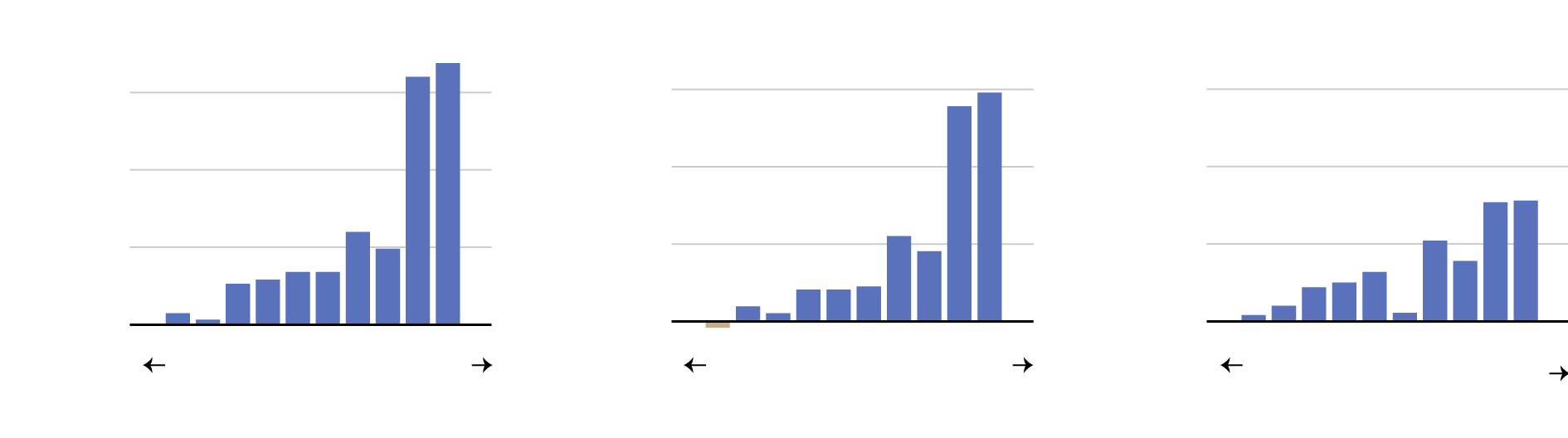
The Biden administration has proposed changes to how it would pay private Medicare Advantage plans.“How’s the knee?” one bowler asked another across the lanes. Their conversation in a Super Bowl ad focused on a Biden administration proposal that one bowler warned another would “cut Medicare Advantage.”“Somebody in Washington is smarter than that,” the friend responded, before a narrator urged viewers to call the White House to voice their displeasure.The multimillion dollar ad buy is part of an aggressive campaign by the health insurance industry and its allies to stop the Biden proposal. It would significantly lower payments — by billions of dollars a year — to Medicare Advantage, the private plans that now cover about half of the government’s health program for older Americans.The change in payment formulas is an effort, Biden administration officials say, to tackle widespread abuses and fraud in the increasingly popular private program. In the last decade, reams of evidence uncovered in lawsuits and audits revealed systematic overbilling of the government. A final decision on the payments is expected shortly, and is one of a series of tough new rules aimed at reining in the industry. The changes fit into a broader effort by the White House to shore up the Medicare trust fund.Without reforms, taxpayers will spend about $25 billion next year in “excess” payments to the private plans, according to the Medicare Payment Advisory Commission, a nonpartisan research group that advises Congress.The proposed changes have unleashed an extensive and noisy opposition front, with lobbyists and insurance executives flooding Capitol Hill to engage in their fiercest fight in years. The largest insurers, including UnitedHealth Group and Humana, are among the most vocal, according to congressional staff, with UnitedHealth’s chief executive pressing his company’s case in person. Doctors’ groups, including the American Medical Association, have also voiced their opposition.“They are pouring buckets of money into this,” said Mark Miller, the former executive director of MedPAC, who is now the executive vice president of health care at Arnold Ventures, a research and advocacy group. Supporters of the restrictions have begun spending money to counter the objections.The insurers say the new rule would harm the medical care of millions, particularly in vulnerable communities.The change would force the companies to reduce benefits or increase premiums for Medicare beneficiaries, they say, with less money available for doctors to treat conditions like diabetes and depression.The changes are “stripping funding from prevention and early disease,” said Dr. Patrick Conway, a former Medicare official who is now an executive with Optum, a subsidiary of UnitedHealth that owns one of the nation’s largest physician groups. “As you lower payments for those conditions, you are going to have direct impact on patients.”Since the proposal was tucked deep in a routine document and published with little fanfare in early February, Medicare officials have been inundated with more than 15,000 comment letters for and against the policies, and roughly two-thirds included identical phrases from form letters. Insurers used television commercials and other strategies to urge Medicare Advantage customers to contact their lawmakers. The effort generated about 142,000 calls or letters to protest the changes, according to the Better Medicare Alliance, one of the lobbying groups involved and the one behind the bowling commercial.The showdown underscores just how important — and lucrative — Medicare Advantage has become to insurers and doctors’ groups that are paid by the federal government to care for older Americans. Roughly $400 billion in taxpayer money went to these private plans last year. Profits on Medicare Advantage plans are at least double what insurers earn from other kinds of policies, according to a recent analysis by the Kaiser Family Foundation.To the surprise of many in the industry, leaders in Congress have not stepped forward to vigorously defend the private plans.In interviews this month, top administration health officials said they would not be swayed by the loud outcry from the industry.“We need strong oversight of this program,” said Dr. Meena Seshamani, Medicare’s top official, adding that the agency was committed to “holding the industry accountable for gaming the system.”Stacy Sanders, an adviser to Xavier Becerra, the Health and Human Services secretary, said:“We will not be deterred by industry hacks and deep-pocketed disinformation campaigns.”Growing evidence of abuseOlder Americans have flocked to Medicare Advantage, finding that many policies offer lower premiums and more benefits than the traditional government program.The insurers receive a flat rate for every person they sign up — and get bonuses for those with serious health conditions, because their medical care typically costs more.But numerous studies from academic researchers, government watchdog agencies and federal fraud prosecutions underscore how the insurers have manipulated the system by attaching as many diagnosis codes as possible to their patients’ records to harvest these bonus payments.Four of the largest five insurers have either settled or are currently facing lawsuits claiming fraudulent coding. Similar lawsuits have also been brought against an array of smaller health plans.Medicare officials propose eliminating more than 2,000 specific diagnosis codes — about one-fifth of all codes — from the payment formula for these private plans. Regulators homed in on diagnoses that were not associated with more medical care. A handful of diagnoses were removed because they were prone to abuse by the private plans.Insurers have focused their objections on three common illnesses for which codes would be removed: mild depression; vascular disease; and “diabetes with complications.”These Diagnoses Are Much More Common in Medicare Advantage Than Traditional MedicareMedicare is proposing to remove bonus payments for patients diagnosed with these conditions.

Read more →

Organ-trafficking plot politician Ike Ekweremadu and wife guilty

Published13 minutes agoShareclose panelShare pageCopy linkAbout sharingImage source, Getty ImagesBy Tom Symonds at the Old Bailey & Samantha JaggerBBC NewsA senior wealthy Nigerian politician, his wife and a medical “middleman” have been found guilty of an organ-trafficking plot, after they brought a 21-year-old man to the UK from Lagos.Senator Ike Ekweremadu, 60, his wife Beatrice, 56, and Dr Obinna Obeta, 50, were convicted of conspiring to exploit the man for his kidney, in the first such case under modern slavery laws.The Old Bailey heard the organ was for the couple’s daughter, Sonia, aged 25. She was cleared of the same charge.The victim, a street trader from Lagos, was brought to the UK last year to provide a kidney in an £80,000 private transplant at the Royal Free Hospital in London.The prosecution said he was offered up to £7,000 and promised opportunities in the UK for helping, and that he only realised what was going on when he met doctors at the hospital. It was alleged the defendants had tried to convince medics at the Royal Free by pretending he was the cousin of Sonia, who has a debilitating illness, when they were not related.While it is lawful to donate a kidney, it becomes criminal if there is a reward of money or other material advantage.Image source, PA MediaWhen he was rejected as unsuitable, the court heard the Ekweremadus transferred their interest to Turkey and set about finding another donor.An investigation was launched after the young man ran away from London and slept rough for days before walking into a police station in Staines, in Surrey, crying and in distress.The Ekweremadus, who have an address in Willesden Green, north-west London, and Dr Obeta, from Southwark, south London, denied the charge against them.It is the first time that defendants have been convicted under the Modern Slavery Act of an organ-trafficking conspiracy.Sentencing is set to take place on 5 May.Follow BBC London on Facebook, Twitter and Instagram. Send your story ideas to hellobbclondon@bbc.co.ukMore on this storyOrgan donor plot victim begged for help, court told21 FebruaryTrader gives evidence at organ donation plot trial20 FebruaryCouple on trial over alleged organ donation plot6 FebruaryRelated Internet LinksHM Courts and Tribunal ServiceThe BBC is not responsible for the content of external sites.

Read more →

Immigration fuels Canada's largest population growth of over 1 million

Published1 hour agoShareclose panelShare pageCopy linkAbout sharingImage source, Getty ImagesBy Madeline HalpertBBC NewsCanada’s population grew by over a million people for the first time ever last year, the government has said. The country’s population increased from 38,516,138 to 39,566,248 people, Statistics Canada said. It also marked Canada’s highest annual population growth rate – 2.7% – since 1957. The increase was in part fuelled by government efforts to recruit migrants to the country to ease labour shortages, Statistics Canada said. The country also depends on migration to support an ageing population. But Statistics Canada said the surge in the number of permanent and temporary immigrants could “also represent additional challenges for some regions of the country related to housing, infrastructure and transportation, and service delivery to the population”. International migration accounted for nearly 96% of the population growth, according to the news release. Prime Minister Justin Trudeau has made efforts to attract more immigrants to the country since gaining power in 2015. Last year, the government announced a plan to welcome half a million immigrants a year by 2025.Why Canada aims to bring in 1.5m immigrants by 2025Why migrants are choosing Canada in record numbersThe Canadian government has also been accepting people affected by conflicts like the Ukraine war, the humanitarian crisis in Afghanistan and the 2023 earthquakes in Turkey and Syria.On Wednesday, it announced an extension – until July – of a programme that offers to temporarily resettle Ukrainians and their family members.So far, more than 600,000 applications have been approved of the nearly-one-million that have been received – and more than 130,000 people have arrived in Canada under the initiative. Canada’s previous highest population increase, in 1957, came within the context of the post-World War Two baby boom and the movement of refugees following the Hungarian Revolution.The country welcomed 437,000 immigrants in 2022, while the number of non-permanent residents in the country increased by 607,782, accounting for a “record-breaking year for the processing of immigration applications”, according to the government’s news release. The population increase also means Canada would rank first among the 38 member countries of the Organisation for Economic Co-operation and Development for 2022 population growth, while it was also the fastest-growing G7 country, according to Statistics Canada. If Canada maintained the 2.7% increase each year, its population would double in 26 years, the government added. More on this storyWhy Canada aims to bring in 1.5m immigrants by 202522 November 2022Why migrants are choosing Canada in record numbers2 days ago

Read more →

Marion Biotech: India cancels licence of drug maker linked to child deaths in Uzbekistan

Published1 hour agoShareclose panelShare pageCopy linkAbout sharingImage source, Getty ImagesIndia has cancelled the manufacturing licence of a firm whose cough syrups have been linked to 18 child deaths in Uzbekistan.The WHO in January had warned against the use of two cough syrups made by Marion Biotech, saying they were substandard.Marion Biotech denies the allegations.After the deaths were reported in Uzbekistan, India’s health ministry had suspended production at the company.On Wednesday, authorities in Uttar Pradesh state – where Marion Biotech is based – said they were now “permanently” cancelling the company’s licence.”The firm based in Noida city cannot carry out any manufacturing now,” drug inspector Vaibhav Babbar told the Hindustan Times newspaper.The BBC has reached out to state authorities for a statement.Marion Biotech has not responded to BBC’s request for comment.India is the world’s largest exporter of generic drugs, meeting much of the medical needs of developing countries.But in recent months, many Indian firms have come under scrutiny for the quality of their drugs, with experts raising concerns about the manufacturing practices used to make these medicines. The latest action against Marion Biotech came after tests by a government laboratory in December found 22 drug samples of the firm’s cough syrup to be “adulterated and spurious”. “The adulterated and spurious drugs can cause grievous hurt to the public and it is suspected that related material/records may be disposed of,” Asheesh Kaundal, inspector of India’s Central Drugs Standard Control Organisation (CDSCO), had said in his complaint.Earlier this month, the Uttar Pradesh police had also arrested three employees of the company for selling adulterated products. On Wednesday, SK Chaurasia, the Drugs Licensing Officer of Uttar Pradesh, said that Marion Biotech had failed to respond to the notice issued to them in connection with the findings “satisfactorily”. India launched an investigation against Marion Biotech after the WHO issued a global medical alert, linking the deaths of 18 children in Uzbekistan to the firm’s Dok-1 Max and Ambronol cough syrups. The health body said an analysis by the quality control laboratories of Uzbekistan’s health ministry had found “unacceptable amounts” of Diethylene glycol and ethylene glycol in the drugs. The substances are toxic to humans and could be fatal if consumed.In an emailed response to the BBC in January, Marion Biotech said that it “did not agree” with the WHO’s findings and that it was cooperating with investigations being carried on by the Indian government.Marion Biotech isn’t the first Indian drug maker to get into trouble over its cough syrups.In October, WHO had sounded a global alert and linked four cough syrups made by Maiden Pharmaceuticals to the deaths of 66 children from kidney injuries in The Gambia..Both the Indian government and the company, Maiden Pharmaceuticals, have denied the allegations.BBC News India is now on YouTube. Click to subscribe and watch our documentaries, explainers and features.Read more India stories from the BBC:A tiny tool Indian women use to fight sexual harassmentIndians are braving war to study in UkraineA 1970s film on love and envy that is still relevantFake India officer who conned his way into top meetingsUS envoy to India confirmed after two-year battleIndia pilots grounded for coffee cup in cockpitMore on this storyWHO asks Uzbekistan to drop two Indian cough syrups13 JanuaryGlobal alert over cough syrups after child deaths6 October 2022

Read more →

Polio vaccine catch-up push to launch in London

Published2 hours agoShareclose panelShare pageCopy linkAbout sharingImage source, Getty ImagesBy Naomi GrimleyGlobal health correspondentLondon primary-school pupils not fully vaccinated against polio are to be offered catch-up jabs after Easter.The disease, common in the UK in the 1950s, was eliminated by 2003. But poliovirus traces were found in north and east London sewage in early 2022.An emergency vaccination-booster campaign in London last summer reached more than 370,000 children.And in early November, the latest tests found less of the virus – but officials say there is no room for complacency. What is polio and how can you protect yourself?Dr Vanessa Saliba, from the UK Heath Security Agency, told BBC News: “We have early signs that there’s less spread of poliovirus in London – but we will need 12 months of no detections before the World Health Organization could declare that the UK is no longer an infected country.”Polio causes paralysis in a very small number of cases where the virus attacks the nerves in the spine and base of the brain – but most are asymptomatic. Last month, an eight-year-old in northern Israel was paralysed in an outbreak that saw three other children infected. And an unvaccinated man was paralysed by the virus in New York.The vaccination schedule is normally:three doses before the age of onea booster at threeanother booster at 14But only 88% of London children have had three doses by the age of one, compared with 92% in England as a whole.”London is a very bustling, urban metropolis with lots of mobile populations, lots of diverse communities,” Dr Saliba said. “We need to engage with these communities [so] that we get the messages across to them and that we make vaccine as accessible as possible. “This is why the NHS is offering vaccinations through schools to children who have missed out.”More on this storyWhat is polio and how can you protect yourself?10 August 2022Malawi finds Africa’s first wild polio case in years18 February 2022Africa declared free of polio25 August 2020History of polio25 September 2015Related Internet LinksPolio – NHS6-in-1-vaccine-overview – NHSThe BBC is not responsible for the content of external sites.

Read more →

Wyoming Judge Temporarily Blocks the State’s New Abortion Ban

Wyoming’s Constitution guarantees a right to make individual health care decisions. The new ban attempts to circumvent that right by declaring that abortion is not health care. Abortion will remain legal in Wyoming — at least temporarily — after a judge on Wednesday ordered that a newly enacted ban be blocked until further court proceedings in a lawsuit challenging it.After a three-hour hearing, Judge Melissa Owens of Teton County District Court granted a temporary restraining order, pausing a law that took effect Sunday. The law would make providing almost all abortions a felony punishable by up to five years in prison. The lawsuit — filed by six plaintiffs, including four health care providers — also challenges another law, scheduled to take effect on July 1, that would make Wyoming the first state to explicitly ban the use of pills for abortion. Now, the medication abortion ban and the overall ban will be considered at a hearing where the plaintiffs will seek an injunction to suspend both laws until the full lawsuit can be heard.A central issue is whether Wyoming’s Constitution allows the legislature to ban nearly all abortions, when the Constitution includes an amendment that guarantees adults the right to make their own health care decisions. An overwhelming majority of Wyoming citizens voted for the amendment in 2012.Similar battles over the constitutionality of state abortion plans have been playing out in other conservative states. In South Carolina and North Dakota, courts have ruled that abortion bans violate those states’ constitutions. In Idaho, courts have upheld the state’s abortion ban.Last year, Judge Owens blocked a previously enacted abortion ban, and a hearing on that is scheduled for December. The new ban, enacted earlier this month, was the legislature’s attempt to circumvent the constitutional guarantee of freedom in health care choices by declaring in the law that abortion is not health care.On Wednesday, Judge Owens questioned that assertion. “I’m just still hung up on abortion not being health care,” she said to the lawyer defending the laws for the state, Jay Jerde, a special assistant attorney general for Wyoming. “An abortion can only be performed by a licensed medical professional, so what authority does the legislature have to declare that abortion is not health care when our laws only allow a licensed medical professional to administer one?” she asked.Regarding medication abortion, she noted that abortion pills are regulated by the Food and Drug Administration. “How is a doctor actually prescribing those pills not health care?” she asked.Mr. Jerde said the legislature’s premise was that “intentional killing of an unborn child cannot be considered to be health care.” “I would concede that if you focus just on the pregnant woman, it becomes a little bit easier to say, well, this has to be health care,” he continued. “But if you view it from that other perspective, it clearly is not.”The plaintiffs include Dr. Giovannina Anthony, an obstetrician-gynecologist at the only clinic in Wyoming that has been providing abortions, and Wellspring Health Access, a clinic that plans to offer abortions when it opens this year. The other plaintiffs are another obstetrician-gynecologist who often treats high-risk pregnancies; an emergency room nurse; a fund that gives financing to abortion patients; and a woman who said her Jewish faith requires access to abortion if a pregnant woman’s physical or mental health or life is in danger.John Robinson, a lawyer for the plaintiffs, told Judge Owens that both the overall ban and the medication abortion ban violate several constitutional provisions because they “attempt to strip women of their rights to equality, health care and religion during a very specific life cycle, from conception to birth.” He said the laws signal that during pregnancy “the legislature does not consider the woman an equal member of the human race and Wyoming.”Mr. Jerde argued that the laws did not violate the constitutional provisions that the plaintiffs cited. He also said the implications of the plaintiffs’ arguments would be that a person with a health condition that might be treated with marijuana “would be free to possess and consume marijuana, regardless of the state laws that prohibit it and criminalize it.”Judge Owens said that only courts can decide whether the laws are constitutional.“To declare abortion is not health care when there may be evidence to show that it is — the legislature cannot make an end run around essentially providing a constitutional amendment,” she said, adding “the state cannot legislate away a constitutional right. It’s not clear if abortion is or isn’t health care, and the court has to then decide that.”

Read more →

Coronavirus: Woman who watched mum die recalls her last moments

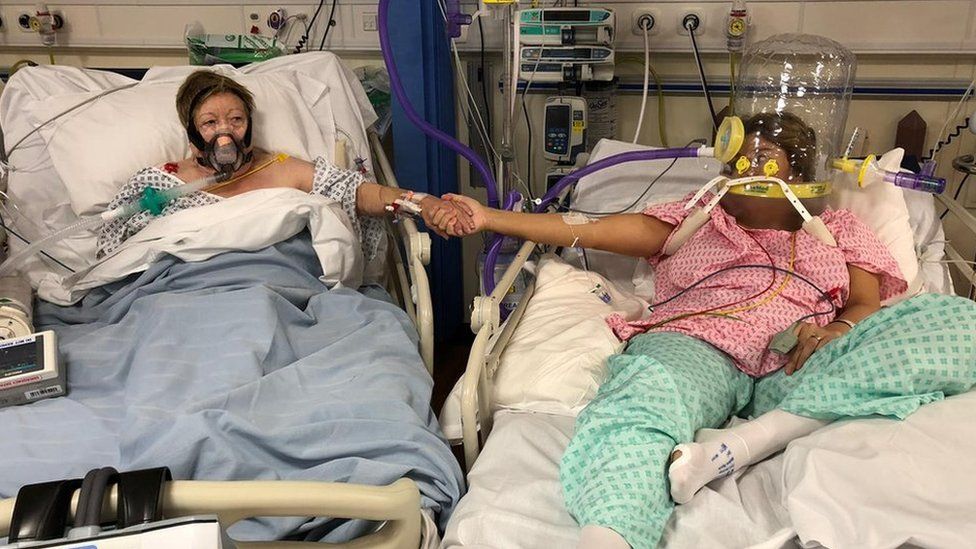
Published9 hours agoShareclose panelShare pageCopy linkAbout sharingImage source, Anabel SharmaBy Conor O’GradyBBC NewsThree years on from the first Covid lockdown, families across the UK are still reeling from the after-effects of the pandemic. The BBC spoke to one from Leicestershire, for whom the consequences of the virus are still very raw.In October 2020, just months after the first big wave of coronavirus hit the UK, two severely ill women were admitted to the Leicester Royal Infirmary.One of them was Anabel Sharma, 52, a GP practice consultant.The other was her 76-year-old mother Maria Rico.Maria, who had moved to the UK from Spain in the 1970s, had lived in the same house as Anabel, her husband and three sons.The virus, Anabel said, had “ravaged through” the family at a frightening speed.By the time she and her mother were admitted to the Intensive Care Unit (ICU), doctors were not sure if either of them would survive.They were placed in adjoining beds and a poignant final photograph shows them holding hands.”When I asked the doctors if I was going to die, I expected them to say no,” recalled Anabel.”And they said ‘we don’t know’. That was such a shock.”I wasn’t thinking about what income I was getting or what car I was driving.”I only was thinking that I wish I had more memories with people I loved.”In the next bed, Maria was deteriorating.Image source, Anabel Sharma”The consultant knelt down next to me and told me that my mum had signed a ‘do not resuscitate’ order. My mum was telling me her final wishes. It was all very surreal,” said Anabel.Anabel’s sister Susana was brought to her mother’s bedside while wearing personal protective equipment.On 1 November, Maria removed her oxygen mask to speak to her two daughters one final time – despite knowing this would hasten her death.”My mum asked them to take her mask off and they said, ‘Once we take this off, that will be it. You won’t have very long’.”She said ‘Yes, I know that but I’ve had enough’.”We had about five minutes with her when she was able to speak, then she lost consciousness.”She told us she wasn’t afraid to die, that she was ready. She told me I had to fight hard because I had the children at home.”They took my bed over to her bed, so I could be with her as she passed away. At the same time, my oxygen levels were getting dangerously low, so they had to keep pulling me away to stabilise me.”I just remember holding her hand, and talking to her. “Very slowly, her hand was getting colder, and colder.”Image source, Anabel SharmaThe family’s tragedy will be familiar to people all over the UK, which has seen more than 210,000 deaths as a result of the virus. Maria was cremated some weeks later with Anabel watching a livestream from her hospital bed. She remained in ICU for nearly three months.She said: “My memories are very fragmented. It would feel like I blinked, but days would have passed. Most of the time I was not fully conscious.”When she was finally discharged, she returned home, to Whitwick in Leicestershire, feeling weak and shocked.Back at the house, Maria felt her mother’s loss sharply.”For a good few weeks, when I came home, I slept in my mum’s bedroom,” she said.Image source, Anabel SharmaHer sons – then aged 10, 12, and 22 – were also struggling to take in the devastation Covid had wrought on the family.She said: “One of the two younger children would always get into bed with me. It was so emotionally traumatic for them. They were very young at the time. “The most painful thing for me was knowing that my children were told that their mum might not make it.”Anabel’s time in hospital also had a huge impact on her husband Bharat.”My husband had to carry the family when I was in hospital,” she said.”He was getting daily updates from the ICU consultant. They were very difficult conversations that he was having to have every day.” Anabel still suffers from the effects of long Covid.Her lungs were damaged by the virus and she still experiences fatigue.She said: “I’ve got scarring of my lungs, and heart and liver damage. I’m not the same person as before.” She remains grateful to the ICU staff who treated her and has even been back to visit them.And while she describes her mother’s death as “heart-breaking”, she is glad she did not die alone.She also said her outlook on life had changed as a result of the experience.She said: “I felt I had lost my way, up until that point. I had a lot of regrets about moments I missed with the children due to work pressures.”I am lucky I have a second chance to address those regrets.”If you have been affected by any of the issues raised, you can visit the BBC’s Action Line pages.Follow BBC East Midlands on Facebook, Twitter, or Instagram. Send your story ideas to eastmidsnews@bbc.co.uk.More on this storyHancock messages suggest plan to frighten public5 MarchWoman battling Covid watches mum die in next bed4 January 2021Strict new curbs on life in UK announced by PM24 March 2020Related Internet LinksLeicester’s HospitalsThe BBC is not responsible for the content of external sites.

Read more →