Harnessing power of immune system may lessen reliance on antibiotics for infections like TB

Researchers at the Francis Crick Institute have found that the body’s process of removing old and damaged cell parts, is also an essential part of tackling infections that take hold within our cells, like TB.
If this natural process can be harnessed with new treatments, it could present an alternative to, or improve use of antibiotics, especially where bacteria have become resistant to existing drugs.
In their study, published in Nature Microbiology today, ahead of World TB Day on the 24th March, the team studied genes key to bacteria’s ability to evade autophagy, a pathway that cells use to destroy themselves when they are under stress or infected.
They engineered human immune cells called macrophages from specialist stem cells called induced pluripotent stem cells, which have the ability to become any cell type in the body. They then used genome editing tools to manipulate the macrophages ability to perform autophagy. When genes key to autophagy were removed and the cells were infected with Mycobacterium tuberculosis (bacilli that cause TB), the bacterial infection took hold, replicating more within the engineered cells and causing mass host cell death.
These results are evidence for a strong role of autophagy in controlling intracellular infections like TB. If this pathway can be boosted or strengthened, it could be a new avenue for tackling antibiotic resistance, by making existing antibiotic drugs more effective or presenting an alternative to drugs in cases where bacteria have evolved resistance.
Max Gutierrez, head of the Host-Pathogen Interactions in Tuberculosis Laboratory at the Crick, said: “I first studied the role of autophagy in infection during my PhD, so it’s incredible to see renewed interest in this field. Using the latest technologies, we’ve been able to show a key role for this pathway in controlling infection.
“As immunotherapies have harnessed the immune system to fight cancer, boosting this immune defence with a host-directed therapy, could be a valuable new tool in the fight against infections, particularly those becoming resistant to antibiotics.”
The team also validated their results using macrophages isolated from blood samples, confirming the importance of autophagy in human defences.
Beren Aylan, joint first author and PhD student at the Crick together with Elliott Bernard and Enrica Pellegrino, said: “Antibiotic resistance is a huge threat to our health so it’s incredibly important to understand how our bodies fight infection and where there might be room for improvement.
“TB is a great example of where targeting our own immune defences could be really effective, because it takes a very long course of different antibiotic treatments to effectively remove the infection. Anything that can be done to more effectively remove bacteria, could also make a huge difference to the cost and accessibility of treatments.”
The team are now planning to screen for drug compounds that could be used to boost autophagy in a targeted way.
“Boosting the autophagy pathway isn’t as simple as it might seem,” adds Max. This is because all parts of the body use autophagy as a way to recycle old and damaged cells. In order to safely increase autophagy in the location of infections, we need to target the pathway in macrophages alone.”

Read more →

Researchers discover a way to fight the aging process and cancer development

A protein complex prevents the repair of genome damage in human cells, in mice and in the nematode Caenorhabditis elegans, a team of researchers at the University of Cologne has discovered. They also successfully inhibited this complex for the first time using a pharmaceutical agent.
“When we suppress the so-called DREAM complex in body cells, various repair mechanisms kick in, making these cells extremely resilient towards all kinds of DNA damage,” said Professor Dr Björn Schumacher, Director of the Institute for Genome Stability in Aging and Disease at the University of Cologne’s CECAD Cluster of Excellence in Aging Research.
Because it contains all of our genetic information, our DNA must be well protected. However, it constantly faces damage caused by environmental influences — or our normal metabolism. Hence, DNA repair is essential for the stability of our genome and the functioning of our cells.
“Our findings for the first time allow us to improve DNA repair in body cells and to target the causes of aging and cancer development,” Schumacher added. Still, more research is needed until these results can be translated into new therapies for human patients. The study ‘The DREAM complex functions as conserved master regulator of somatic DNA repair capacities’ has appeared in Nature Structural & Molecular Biology.
DNA-damage leads to aging and disease
Our genetic material is passed on from generation to generation. That is why it is particularly well protected in our germ cells. Highly precise DNA repair mechanisms are at work there, ensuring that only very few changes in the genetic material are passed on to offspring. Thanks to DNA repair, our human genome has been passed on to us by our ancestors for two hundred thousand years. It has always ensured that the genetic information is preserved. DNA is also constantly repaired in our body cells, but only for the duration of the individual’s life.

Sometimes, children are born with faulty DNA repair systems, making them age more quickly and develop typical age-related diseases such as neuro-degradation and arteriosclerosis already in childhood. In some cases, they also have an extremely increased risk of cancer. These are all consequences of DNA damage not being properly repaired.
The DREAM complex prevents repairs
Schumacher and his team explored why body cells do not have the same repair mechanisms as germ cells. In experiments with the nematode C. elegans, they found out that the DREAM protein complex limits the quantity of DNA repair mechanisms in body cells: the complex attaches to the DNA’s construction plans containing instructions for the repair mechanisms. This prevents them from being produced in large quantities. Germ cells, however, do not have the DREAM complex. Hence, they naturally produce large quantities of DNA repair mechanisms.
Mammals also have a DREAM-complex
In further experiments with human cells in the laboratory (cell culture), the scientists showed that the DREAM complex functions in the same way in human cells. They were also able to override the DREAM complex with a pharmaceutical agent. “We were very pleased to see the same effect as we did in C. elegans. The human cells were much more resilient towards DNA damage after treatment,” said Arturo Bujarrabal, a postdoc in Schumacher’s team and lead author of the study. Treatment with the DREAM complex inhibitor also showed amazing effects in mice: The DNA in the retina of mice could be repaired and the function of the eye preserved. The test was carried out in mice that, like some patients, age prematurely and show a typical degeneration of the eye’s retina.
DNA-damage in space
Genome damage also plays a major role in manned spaceflight because of the extremely high radiation in space. A longer stay in space without improved DNA repair is hardly imaginable. Schumacher sums up: “Therapies that target and improve this newly discovered master regulator of DNA repair could reduce the risk of cancer because genes remain intact.” In addition, the risk of age-related diseases would be reduced because cells can only fulfil their function with an intact genome.
The study was carried out at the Institute for Genome Stability in Aging and Disease of the University of Cologne’s CECAD Cluster of Excellence in Aging Research.

Read more →

Artificial intelligence predicts genetics of cancerous brain tumors in under 90 seconds

Using artificial intelligence, researchers have discovered how to screen for genetic mutations in cancerous brain tumors in under 90 seconds — and possibly streamline the diagnosis and treatment of gliomas, a study suggests.
A team of neurosurgeons and engineers at Michigan Medicine, in collaboration with investigators from New York University, University of California, San Francisco and others, developed an AI-based diagnostic screening system called DeepGlioma that uses rapid imaging to analyze tumor specimens taken during an operation and detect genetic mutations more rapidly.
In a study of more than 150 patients with diffuse glioma, the most common and deadly primary brain tumor, the newly developed system identified mutations used by the World Health Organization to define molecular subgroups of the condition with an average accuracy over 90%. The results are published in Nature Medicine.
“This AI-based tool has the potential to improve the access and speed of diagnosis and care of patients with deadly brain tumors,” said lead author and creator of DeepGlioma Todd Hollon, M.D., a neurosurgeon at University of Michigan Health and assistant professor of neurosurgery at U-M Medical School.
Molecular classification is increasingly central to the diagnosis and treatment of gliomas, as the benefits and risks of surgery vary among brain tumor patients depending on their genetic makeup. In fact, patients with a specific type of diffuse glioma called astrocytomas can gain an average of five years with complete tumor removal compared to other diffuse glioma subtypes.
However, access to molecular testing for diffuse glioma is limited and not uniformly available at centers that treat patients with brain tumors. When it is available, Hollon says, the turnaround time for results can take days, even weeks.

“Barriers to molecular diagnosis can result in suboptimal care for patients with brain tumors, complicating surgical decision-making and selection of chemoradiation regimens,” Hollon said.
Prior to DeepGlioma, surgeons did not have a method to differentiate diffuse gliomas during surgery. An idea that started in 2019, the system combines deep neural networks with an optical imaging method known as stimulated Raman histology, which was also developed at U-M, to image brain tumor tissue in real time.
“DeepGlioma creates an avenue for accurate and more timely identification that would give providers a better chance to define treatments and predict patient prognosis,” Hollon said.
Even with optimal standard-of-care treatment, patients with diffuse glioma face limited treatment options. The median survival time for patients with malignant diffuse gliomas is only 18 months.
While the development of medications to treat the tumors is essential, fewer than 10% of patients with glioma are enrolled in clinical trials, which often limit participation by molecular subgroups. Researchers hope that DeepGlioma can be a catalyst for early trial enrollment.
“Progress in the treatment of the most deadly brain tumors has been limited in the past decades- in part because it has been hard to identify the patients who would benefit most from targeted therapies,” said senior author Daniel Orringer, M.D., an associate professor of neurosurgery and pathology at NYU Grossman School of Medicine, who developed stimulated Raman histology. “Rapid methods for molecular classification hold great promise for rethinking clinical trial design and bringing new therapies to patients.”
Additional authors include Cheng Jiang, Asadur Chowdury, Akhil Kondepudi, Arjun Adapa, Wajd Al-Holou, Jason Heth, Oren Sagher, Maria Castro, Sandra Camelo-Piragua, Honglak Lee, all of University of Michigan, Mustafa Nasir-Moin, John Golfinos, Matija Snuderl, all of New York University, Alexander Aabedi, Pedro Lowenstein, Mitchel Berger, Shawn Hervey-Jumper, all of University of California, San Francisco, Lisa Irina Wadiura, Georg Widhalm, both of Medical University Vienna, Volker Neuschmelting, David Reinecke, Niklas von Spreckelsen, all of University Hospital Cologne, and Christian Freudiger, Invenio Imaging, Inc.
This work was supported by the National Institutes of Health, Cook Family Brain Tumor Research Fund, the Mark Trauner Brain Research Fund, the Zenkel Family Foundation, Ian’s Friends Foundation and the UM Precision Health Investigators Awards grant program.

Read more →

Candida auris: The superbug sweeping US hospitals

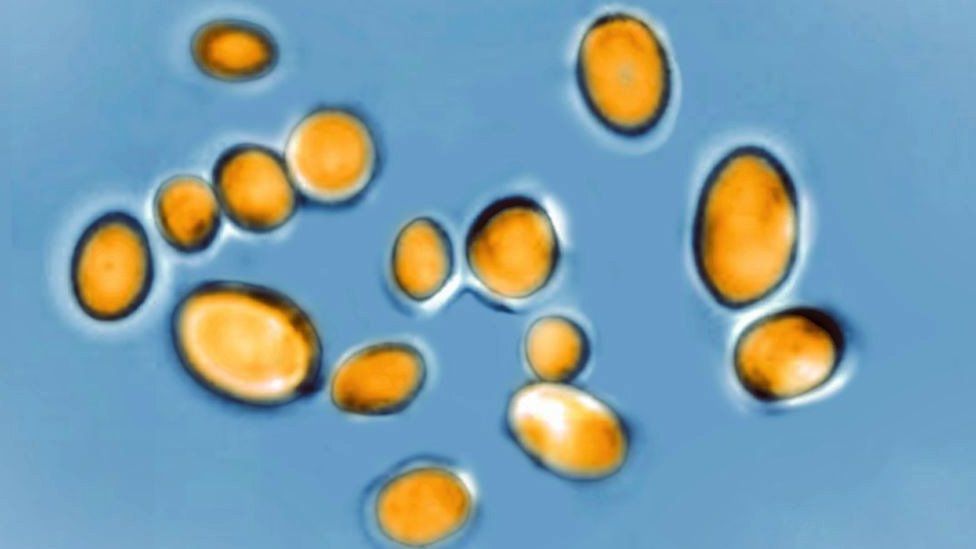
Published13 minutes agoShareclose panelShare pageCopy linkAbout sharingImage source, Getty ImagesThe drug-resistant fungus Candida auris (C. auris) was only discovered some 15 years ago but is already one of the world’s most feared hospital microbes.If it gets inside the body, the yeast-type fungus can affect the bloodstream, the nervous system and several internal organs. The World Health Organization (WHO) estimates that its mortality rate ranges from 30% to 53% of patients affected by an invasive infection.What is more worrisome is that the fungus has proven to be resistant to the most common types of antifungal drugs. Some strains are resistant to all of the medicines we have, says BBC’s health correspondent James Gallagher.According to the US Centers for Disease Control and Prevention (CDC), there have been outbreaks in more than 30 countries. A 2020 review from case reports from those nations found almost 4,750 cases globally between 2009 and 2019.The CDC said new data showed the fungus has “spread at an alarming rate in US healthcare facilities” in 2020 and 2021. Clinical cases in the country trebled – from 476 in 2019 to 1,471 in 2021.Also, a 2019 study by an international team of researchers suggested that rising temperatures linked to climate change may have played a role in the rising number of Candida auris infections.Here is everything you need to know about this deadly superbug. What is Candida auris?Candida auris (C. auris) is a yeast, a family of fungus which contains species pretty helpful to humans in activities such as bread-making and beer-brewing, but which also features species that cause infections in humans. Image source, Getty ImagesOne example is the very common Candida albicans, which causes thrush but also may trigger more severe infections.C. auris was first discovered in the ear canal of a patient at the Tokyo Metropolitan Geriatric Hospital in 2009, which inspired its name (auris is Latin for ear).Most of the time, Candida yeasts live on our skin without causing problems, but they can cause infections if we are unwell or they get into the wrong place, like the bloodstream or the lungs. What sort of illness does it cause?C. auris most frequently causes bloodstream infections, but it can also affect the respiratory system, the central nervous system and internal organs, as well as the skin. These infections are usually quite serious.The fungus is often resistant to the usual drugs, which makes infections difficult to treat.”The biggest problem with this fungus is its resistance to the drugs we have,” said Dr Tina Joshi, associate professor in Molecular Biology at the University of Plymouth, in the UK.”But another issue is that identifying a C. auris infection is quite difficult and it can easily be mistaken for other fungi, leading to the wrong treatment.”Image source, Getty ImagesThis means that the patient might be ill for longer, or get worse before accessing the appropriate treatment. How does it spread?Transmission is mainly through contaminated surfaces in hospitals. It sticks to intravenous lines and blood pressure cuffs. It’s really hard to clean off, according to Dr Neil Stone, leading fungal expert at the Hospital for Tropical Diseases, University College London. The solution is often to close off entire wards.”It is the most worrying fungi and we ignore it at our peril,” Dr Stone said.”It could shut down entire healthcare systems.”In a statement issued on 20 March, the CDC said new data showed that the fungus has “spread at an alarming rate” in the US.Should I be worried about getting an infection?It is unlikely that you will pick up a C. auris infection going about your daily life. However, the risk is higher if you are in a hospital for a long time or if you are in a nursing home, and patients who are in intensive care are much more likely to get a C. auris infection, according to the CDC. Image source, Getty ImagesThe risk of picking up an infection is also higher if you have been on antibiotics a lot, because the drugs also destroy good bacteria that can stop C. auris getting in. Why is C. auris resistant to the usual drugs?Resistance to the common antifungal drugs, like fluconazole, has been seen in the majority of C. auris strains.This means that these drugs do not work on C. auris. Because of this, less common antifungal drugs have been used to treat infections, but C. auris has now developed resistance to these, too. DNA evidence shows that the antifungal resistance genes in C. auris are very similar to those found in the very common C. albicans. This suggests that the resistance genes may have passed from one species to the other. How can climate change be responsible for the high numbers of infections?A 2019 study, published by the journal mBio from the American Society for Microbiology, suggested that the reason C. auris infections have become so common may be because this species has been forced to live at higher temperatures because of climate change. Most fungi prefer the cooler temperatures found in soil. But, as global temperatures have risen, C. auris has been forced to adapt to higher temperatures. Image source, Getty ImagesThis may have made it easier for the fungus to thrive in the human body, which is warm at 36C to 37C. What can be done to control the number of infections?A better understanding of who is most at risk of contracting a C. auris infection is the first step towards reducing the number of infections.”We are behind the curve in what concerns the study of fungi,” Dr Joshi said.”I am not surprised at all we are now having to catch-up with it.” Healthcare professionals need to know that people who spend long periods of time in hospitals or nursing homes or those who have a weakened immune system are at higher risk. Not all hospitals identify C. auris in the same way. They are sometimes mistaken for other fungal infections, like thrush, and the wrong treatment is given. Image source, Getty ImagesImproving diagnosis will help to identify patients with C. auris earlier, which will mean that the right treatment is given – preventing the spread of infection to other patients. But above all, infection prevention efforts need to be improved, said Dr Joshi.”The main measure is infection prevention and control, because we have already seen how difficult it is to tackle what it does to patients.””Hospitals need to be on top of disinfecting and cleaning.”Is this the only nasty fungus around?Not quite. In its first-ever list of fungal “priority pathogens”, published last October, the WHO named no less than 19 fungi that represent a great threat to public health.C. auris was one of four fungi to appear in the “critical priority” group, being described by the WHO as “intrinsically resistant to most available antifungal medicines”. This article has been adapted from material produced by Lena Ciric and James Gallagher.More on this storyJapanese fungus spreading in UK hospitals15 August 2017

Read more →

Who Is Most At Risk for Long Covid?

A new analysis summarizes the emerging picture of factors that make long-term post-Covid symptoms more likely.Which coronavirus patients are most at risk for developing long Covid?A new analysis of research conducted during the first two years of the pandemic helps crystallize some answers that have been emerging.It found that patients over 40, those with previous health issues and those who had a severe coronavirus infection had greater risk of developing long Covid. And it affirmed a growing consensus that vaccination lowers that risk.The analysis, conducted by a team of researchers in Britain and published in the journal JAMA Internal Medicine, looked at 41 studies published between the beginning of the pandemic and Dec. 5, 2022. The studies, which had all been peer-reviewed, involved a total of 860,783 patients.The report evaluated the patients’ risk of post-Covid symptoms — including shortness of breath, fatigue, brain fog, headache, and loss of taste and smell — more than three months after their infection.People who received two doses of a Covid vaccine before becoming infected were 43 percent less likely to develop long Covid. The analysis did not look at the role of boosters.The authors wrote that the emerging evidence suggested that vaccination reduced the risk of long-term symptoms “even in individuals with other risk factors, such as older age or high B.M.I.”Other studies that were not included in the analysis have also suggested that vaccines can reduce, though not eliminate, the risk of long Covid.Risk factors analyzed in the paper included:Being femaleWomen were one and a half times as likely as men to develop long Covid. The authors and other researchers have suggested several possible reasons for this, including that hormone levels or disruption in hormone production may perpetuate inflammation caused by the initial infection and that higher levels of some antibodies in women might contribute to lingering symptoms.Being over 40The long Covid patients in the analysis were about 20 percent more likely to be older than 40. The analysis found that people 70 and older had the same risk as those who were 40 to 69, but the researchers suggested that might be because people over 70 were more likely to die from their initial infection.Being obesePeople were at increased risk for long Covid if they were obese, the analysis found. Obesity, they wrote, often involves a metabolic inflammatory process that could prolong post-Covid health issues.Being a smokerSmoking was also a risk factor, the researchers found, although they said it was unclear if that was because of the smoking itself or illnesses associated with smoking.Having previous medical conditionsOf the medical issues analyzed in the study, immunosuppressive conditions appeared to lead to the greatest increased risk of long Covid. People with chronic obstructive pulmonary disease, ischemic heart disease or asthma faced the next highest levels of increased risk. There was also elevated risk of long Covid for people with anxiety, depression, chronic kidney disease or diabetes.The sicker people were during their initial infection, the more likely they were to experience lingering health problems. Patients who were hospitalized, whether in intensive care or not, were nearly two and a half times as likely to develop long Covid than patients who were not hospitalized, the analysis found.“Patients with previous critical illness represent a high-risk population, and their follow-up should reflect intensive plans for prevention, rehabilitation and treatment of the ongoing debilitating symptoms,” the authors wrote.However, since a majority of people infected with the coronavirus have not needed to be hospitalized, there are greater numbers of long Covid patients whose initial infection was relatively mild.Other research, not included in the analysis, has focused on more detailed biological characteristics. One study published in 2022 found that people were more likely to develop long Covid if, at the time of their infection, they had factors including certain autoantibodies — antibodies that mistakenly attack tissues in the body as they do in conditions like lupus and rheumatoid arthritis — or reactivated Epstein-Barr virus, a virus that infects most people and then usually becomes dormant.The new analysis involved patients infected during waves of various coronavirus variants, but the authors did not analyze the variants separately.“It is unlikely that the risk factors” associated with long Covid would change with new variants, they wrote.

Read more →

Autism Prevalence Rises Again, Study Finds

The pandemic may have disrupted the detection of autism spectrum disorder in young children, researchers also reported.The prevalence of autism spectrum disorder in American children rose between 2018 and 2020, continuing a long-running trend, according to a study released by the Centers for Disease Control and Prevention on Thursday. In 2020, an estimated one in 36 8-year-olds had autism, up from one in 44 in 2018. The prevalence was roughly 4 percent in boys and 1 percent in girls.The rise does not necessarily mean that autism has become more common among children, and it could stem from other factors, such as increased awareness and screening.“I have a feeling that this is just more discovery,” said Catherine Lord, a professor of psychiatry at the University of California, Los Angeles medical school, who was not involved in the research. “The question is what’s happening next to these kids, and are they getting services?”The rise was especially sharp among Black, Hispanic, and Asian or Pacific Islander children. For the first time, autism was significantly more prevalent among 8-year-olds in these groups than in white children, who have traditionally been more likely to receive autism diagnoses.“These patterns might reflect improved screening, awareness and access to services among historically underserved groups,” the researchers wrote.But why the prevalence in these children has surpassed that in white children is an open question that requires more investigation, Dr. Lord said.An accompanying study, also published on Thursday, suggests that the pandemic may have disrupted or delayed the detection of autism in younger children.For this analysis, the researchers compared the number of autism evaluations and identifications for children who were 4 years old in 2020 to the equivalent numbers from four years earlier. In the six months before the pandemic began, autism evaluations and identifications were higher among the 4-year-olds than they had been in young children four years prior.That is good news, Dr. Lord said. “It means we’re finding kids younger.”But after March 2020, when the World Health Organization declared Covid-19 a pandemic, autism evaluations and detections plummeted, remaining below prepandemic levels through the end of 2020, the researchers reported.Parents may have been less likely to bring their children in for autism evaluations during the pandemic, Dr. Lord said. The closure of schools and the shift to remote learning may have also made it harder for educators to identify children who might have benefited from evaluations or services.“Disruptions due to the pandemic in the timely evaluation of children, and delays in connecting children to the services and support they need, could have long-lasting effects,” Dr. Karen Remley, director of the C.D.C.’s National Center on Birth Defects and Developmental Disabilities, said in a statement.Both studies are based on data from the Autism and Developmental Disabilities Monitoring Network, which has used health and education records to track autism in communities across the United States since 2000.The network has documented an increase in autism prevalence since 2000, when approximately one in 150 8-year-olds were estimated to have autism.The 2020 data come from sites in 11 states and are not necessarily representative of the nation as a whole. Data from other locations could help provide a more comprehensive picture, Dr. Lord said.

Read more →

Australia has a 'pokies' gambling problem, but is change coming?

Published15 hours agoShareclose panelShare pageCopy linkAbout sharingBy Tiffanie TurnbullBBC News, SydneyAt the lowest point of her addiction, Kate Seselja sat in front of an electronic gambling machine for hours, crying as she stared at the glowing nil balance.Her phone buzzed on an intermittent loop – her worried husband calling “a hundred times”, and increasingly desperate to find her.Overcome with feelings of dread and shame, she thought about ending her life – but didn’t because she was pregnant with her sixth child.”I was so mentally, physically, [and] emotionally done with this existence, this addiction” she tells the BBC. “But I couldn’t figure out how to take my life and not hers.”After 12 years of destructive gambling, she had lost about A$500,000 (£273,000; $336,000).Ms Seselja’s story, while shocking, is familiar to many Australians – about one in 100 have a gambling problem.If gambling losses were averaged over Australia’s entire adult population, each person would lose about A$1,200 a year, according to H2 Gambling Capital. This is significantly more than for other nations.Driving this are electronic poker machines, or slot machines – known colloquially here as the pokies. Critics liken them to “electronic heroin”.But Australia could be on the cusp of the biggest reform to the industry since the machines were first legalised in 1956.World’s pokies hotspotAustralia has just 0.33% of the world’s population, but a fifth of its pokies. Rows of machines fill not just casinos but thousands of pubs, clubs and hotels too. Each year they rake in about $13bn – more than casinos, lotteries and sports betting combined.Image source, ReutersRecent inquiries have found the machines are being used to launder money in Australia. But this is nothing compared to their personal cost, opponents say.Often concentrated in areas of socio-economic disadvantage, the machines contribute to suicides, financial offences, domestic violence, family breakdowns and poverty, research has shown.”You’re taught about smoking and drinking alcohol, but nobody warned me about pokies,” Ms Seselja says.And so, at the age of 18, she slipped a $20 note into a machine one night at her boyfriend’s urging. She instantly won hundreds.As the lights flashed and the machine sung out, Ms Seselja remembers her heart pounding in reply. “It made me feel like I was lucky or clever.””Every time you’d go out with friends, there was pokies available,” she says. “It wasn’t like I left the house thinking yes, I’m going to go gamble tonight.”But before long, Ms Seselja was feeding all her earnings into the machines. She began lying to loved ones, taking money from her family business, and maxing out credit card after credit card.”I quickly became somebody I didn’t recognise,” she says, crying. “But I now hold compassion for her, because the reality is I was so unprotected, as a consumer, against addiction by design.”Researchers like Charles Livingstone say electronic gaming machines (EGMs) are designed to deliver the brain’s happy chemical – dopamine – “in spades”, even when players are losing money, which makes them highly addictive. “If you wanted to look at the worst example of exploitation of a vulnerable community by a legal product that is poorly regulated, it will be hard to find a better example than the [pokies] industry in Australia,” Dr Livingstone, from Monash University, tells the BBC. The man who pioneered the use of pokies in Australia – Len Ainsworth – has previously rejected the notion they’re addictive, calling it “nonsense”.”I mean, if you like something you’ll continue to do it… it’s like kissing girls,” he told the Australian Broadcasting Corporation in 2017.Image source, Getty ImagesAustralia’s Gaming Technologies Association also defends the machines, saying they are made according to regulations which prioritise “fairness, probity, and harm minimisation” as “paramount objectives”.It also points to a failed lawsuit against a pokies manufacturer in 2018. A Federal Court judge found the applicant had not provided enough evidence that features of the machines were addictive and deceptive.”Playing EGMs is a legitimate recreational activity that millions of Australians enjoy safely,” a spokeswoman said.Ms Seselja finds that argument ridiculous. “If it’s able to take $10 from you every three seconds, that does not equal harmless entertainment,” she says.Hurdles to reformThere has been growing appetite for change in Australia – and an election on Saturday in New South Wales (NSW) could bring it.Advocates say NSW, with half of Australia’s pokies, is “the beating heart” of gambling in the nation.The state government and opposition have committed to policies which target problem gamblers. Premier Dominic Perrottet’s government has also promised – if re-elected – to require all players to set spending limits and to make all machines cash-free within five years.The government could not continue to “profit off people’s misery”, according to Mr Perrottet. In 2020-21, it received almost $2bn in pokies tax revenue. Similar strategies in Norway – and closer to home in Tasmania – have proven effective at dramatically slashing problem gambling.”If the reforms were in place when I was 18, there’s no way my life would have taken that 12-year trajectory,” Ms Seselja says.But parts of the premier’s proposal have drawn staunch opposition. “Rather than banning cash, we support banning criminals and problem gamblers from club gaming rooms,” said George Peponis, the chairman of lobby group ClubsNSW, in January.Such opposition could make things difficult. Andrew Wilkie, an independent federal MP, knows this all too well.In 2010, he negotiated similar gambling reforms with the federal government – but the deal quickly came under great pressure. Governments were reluctant to forgo huge sources of tax income. Mr Wilkie says he found himself fighting a powerful lobby consortium led by ClubsNSW – which he argues is “akin to the National Rifle Association in the United States”.Image source, Getty ImagesGroups such as ClubsNSW have long been huge political and community donors in Australia, and they lobbied against the changes – arguing they jeopardised the livelihoods of clubs.There was a wide-ranging ad campaign and lobbying of MPs. Mr Wilkie even claims his effigy was burned at one pro-gambling rally in NSW.”They went ballistic. And they won,” Mr Wilkie says. “Basically the government chickened out and pulled out of the deal.”A former NSW government minister, Victor Dominello, last week alleged similar treatment.In response, ClubsNSW said it worked hard to represent the interests of NSW clubs and the communities they serve – in the same way that “hundreds of peak bodies and businesses [do] on a daily basis”.”Our expectation is that these activities are undertaken in an appropriate manner, and where they are not appropriate action is taken,” a spokesperson said.Reform hopeMr Wilkie says if Mr Perrottet’s government in NSW is returned to power, it could be a “watershed moment”.”You get reform in NSW, and you’ve cracked the nut – you get reform across half the country’s poker machines.””And the dam wall will have broken – it’ll be impossible for other states not to follow suit eventually.”Ms Seselja – who is now a gambling reform advocate – is less excited. Polling has not indicated the government will be returned to power, and she has too often felt let down by politicians anyway.But she believes community sentiment is turning and that is encouraging.”There’s a time and a place for personal responsibility, but there hasn’t been a time and a place for open and honest discussion about this addiction in this country,” she says.”We’re the number one gambling nation in the world, experiencing the most harm. There’s something profoundly wrong there, and maybe it’s not [me].”If you are feeling emotionally distressed and would like details of organisations in the UK which offer advice and support, go to bbc.co.uk/actionline.If you are in Australia, you can call Lifeline on 131114 or the Gambling Helpline on 1800 858 858.

Read more →

Nigerian street trader trafficked to UK in kidney donor plot

Published4 days agoShareclose panelShare pageCopy linkAbout sharingBy Tom SymondsHome affairs correspondent, BBC NewsNigerian senator Ike Ekweremadu and his wife Beatrice have been convicted of exploiting a young man from a poor village by bringing him to London to donate a kidney. As they await sentencing, the BBC reveals details of the conspiracy. Student Sonia Ekweremadu appeared to have an ideal life – wealthy parents at the heart of Nigeria’s political system and a place at a leading UK university – but she was also desperately sick and needed a kidney transplant. Her dad, Ike Ekweremadu, paid fixers and middlemen thousands of pounds to arrange a donor.Daniel, whose real name cannot be reported for legal reasons, grew up in a big family in rural Nigeria, without running water or electricity. Aged 15, he was selling mobile phone accessories from a barrow in the capital Lagos and sending money home. In 2022, aged 21, he walked into a police station near Heathrow, tired, homeless and terrified. He told police he had run away because people wanted to take one of his kidneys. Trader gives evidence at organ donation plot trialMum accused in organ plot denies helping find donorWhile Daniel pushed his barrow, at the other end of the Nigerian social ladder, Ike Ekweremadu and his wife Beatrice grew increasingly worried about their daughter’s health. The Ekweremadus approached a middleman, Dr Obinna Obeta, who in July 2021, had himself received a kidney donation, using his connections to make it happen: a Nigerian doctor friend in Cambridge organised fundraising, a young donor was found in Nigeria, and the private operation took place at London’s Royal Free Hospital.Image source, Social MediaThe Ekweremadu family wanted Dr Obeta to repeat the process for Sonia. Dr Obeta asked his donor to find someone willing to provide a kidney for Sonia. He suggested Daniel. Daniel claimed Dr Obeta had promised to bring him to Britain and never mentioned a kidney transplant. “I will live in his house and he will get work for me. He asked me not to tell people that I’m coming to the UK,” Daniel told the court. When Dr Obeta asked Daniel to undergo medical tests, Daniel thought they were for a visa application. His UK visa was granted in January 2022. Good news, Daniel thought. Dr Obeta’s help was as if “from God”, he said. Once in London, however, he had to sleep on Dr Obeta’s sofa and says the doctor used him as a houseboy. Behind the scenes, Ike Ekweremadu, communicating through his brother, a doctor, was being asked to pay Dr Obeta nearly £2,000. Daniel was to receive £6,000 for a kidney, while the operation, at the Royal Free private wing, would cost £80,000.In the UK it is a breach of the Human Tissue Act to pay or reward transplant donors who should, in any event, be family members or people with close emotional ties to the recipient. The Ekweremadus seemed aware of this. They invited Daniel to lunch at a West African restaurant in south London, telling him to dress up. Sonia was there and her picture was taken with Daniel. Her parents and Dr Obeta were pretending they were cousins. Sonia was acquitted of being involved in the conspiracy. Image source, Metropolitan PoliceThe donor, the recipient and senior kidney consultant Dr Peter Dupont all met for the first time on 22 February 2022. Daniel told the Old Bailey jury: “He asked me did I know I was going to do a kidney transplant. I was shocked. That was the first time I heard about the kidney transplant.” It was also, he said, the first day he had ever heard the name Ekweremadu: “I was crying and shaking.”In a letter asking a colleague for a second opinion, Dr Dupont noted Daniel had not seen his supposed cousin Sonia for a decade and had “significant reservations about donation”.Meanwhile, the Ekweremadus and Dr Obeta sent Daniel prompts to improve his cover story, paying a translator to coach the 21-year-old for his meetings with doctors. The second doctor, Dr Philip Masson, was also concerned Daniel could not understand the risks of donating. Dr Dupont stopped the process, concluding Daniel was “medically borderline”, had a “tenuous relationship with the recipient”, lacked maturity and could not fund his future medical care. Image source, InstagramWithin weeks, Ike Ekweremadu was texting Sonia pictures of new potential donors. She replied: “The dark one looks better. The light one looks like he will run away.”Meanwhile, Daniel was visited by two men at Dr Obeta’s south London flat. He said one of them, a doctor, pressed on his stomach, leaving Daniel terrified they might try to remove a kidney once he returned to Nigeria. He ran to the police and Ike, Beatrice and Sonia were arrested, along with Dr Obeta.At the Old Bailey, three of them have now been convicted of breaking modern slavery laws by bringing Daniel to the UK to provide a kidney for Sonia. Medical linkSonia’s transplant was halted – but the Royal Free had previously carried out the transplant received by Dr Obeta, who had also falsely claimed he was a relative of the donor. A key figure in both cases was Cambridge-based NHS doctor Chris Agbo, who runs a side business helping foreign patients get treatment in Britain. It was Dr Agbo who fundraised for Dr Obeta’s transplant, organised meetings with the hospital and discussed payments with the Royal Free hospital’s private wing. He appears to have believed he should be rewarded for his company’s work by the Royal Free. On 8 December 2021, he wrote to Dr Dupont: “This is the third transplant patient that my company has brought to the Royal Free… We have never received any form of incentive from Royal Free Hospital. Hope this time my company, Vintage Health Group, will be treated differently and fairly.”No money was paid. Dr Agbo is being investigated by both the police and the General Medical Council, which has imposed conditions on his medical licence. When the BBC asked him what he knew about Daniel being brought to the UK seemingly unaware of the potential transplant, he declined to answer. The Human Tissue Authority says it has referred other questionable cases, not linked to Dr Agbo, to the police in recent years. As for the young Nigerian who was flown to London to provide a kidney for Dr Obeta, the BBC found him living in a small east London flat with condensation on the windows, still suffering from pain and weakness, the consequences of giving up a vital organ.

Read more →

A higher dose of magnesium each day keeps dementia at bay

More magnesium in our daily diet leads to better brain health as we age, according to scientists from the Neuroimaging and Brain Lab at The Australian National University (ANU).
The researchers say increased intake of magnesium-rich foods such as spinach and nuts could also help reduce the risk of dementia, which is the second leading cause of death in Australia and the seventh biggest killer globally.
The study of more than 6,000 cognitively healthy participants in the United Kingdom aged 40 to 73 found people who consume more than 550 milligrams of magnesium each day have a brain age that is approximately one year younger by the time they reach 55 compared with someone with a normal magnesium intake of about 350 milligrams a day.
“Our study shows a 41 per cent increase in magnesium intake could lead to less age-related brain shrinkage, which is associated with better cognitive function and lower risk or delayed onset of dementia in later life,” lead author and PhD researcher Khawlah Alateeq, from the ANU National Centre for Epidemiology and Population Health, said.
“This research highlights the potential benefits of a diet high in magnesium and the role it plays in promoting good brain health.”
It’s believed the number of people worldwide who will be diagnosed with dementia is expected to more than double from 57.4 million in 2019 to 152.8 million in 2050, placing a greater strain on health and social services and the global economy.

“Since there is no cure for dementia and the development of pharmacological treatments have been unsuccessful for the past 30 years, it’s been suggested that greater attention should be directed towards prevention,” study co-author Dr Erin Walsh, who is also from ANU, said.
“Our research could inform the development of public health interventions aimed at promoting healthy brain ageing through dietary strategies.”
The researchers say a higher intake of magnesium in our diets from a younger age may safeguard against neurodegenerative diseases and cognitive decline by the time we reach our 40s.
“The study shows higher dietary magnesium intake may contribute to neuroprotection earlier in the ageing process and preventative effects may begin in our 40s or even earlier,” Ms Alateeq said.
“This means people of all ages should be paying closer attention to their magnesium intake.
“We also found the neuroprotective effects of more dietary magnesium appears to benefit women more than men and more so in post-menopausal than pre-menopausal women, although this may be due to the anti-inflammatory effect of magnesium.”
Participants completed an online questionnaire five times over a period of 16 months. The responses provided were used to calculate the daily magnesium intake of participants and were based on 200 different foods with varying portion sizes. The ANU team focused on magnesium-rich foods such as leafy green vegetables, legumes, nuts, seeds and wholegrains to provide an average estimation of magnesium intake from the participants’ diets.

Read more →

New in-home AI tool monitors the health of elderly residents

Engineers are harnessing artificial intelligence (AI) and wireless technology to unobtrusively monitor elderly people in their living spaces and provide early detection of emerging health problems.
The new system, built by researchers at the University of Waterloo, follows an individual’s activities accurately and continuously as it gathers vital information without the need for a wearable device and alerts medical experts to the need to step in and provide help.
“After more than five years of working on this technology, we’ve demonstrated that very low-power, millimetre-wave radio systems enabled by machine learning and artificial intelligence can be reliably used in homes, hospitals and long-term care facilities,” said Dr. George Shaker, an adjunct associate professor of electrical and computer engineering.
“An added bonus is that the system can alert healthcare workers to sudden falls, without the need for privacy-intrusive devices such as cameras.”
The work by Shaker and his colleagues comes as overburdened public healthcare systems struggle to meet the urgent needs of rapidly growing elderly populations.
While a senior’s physical or mental condition can change rapidly, it’s almost impossible to track their movements and discover problems 24/7 — even if they live in long-term care. In addition, other existing systems for monitoring gait — how a person walks — are expensive, difficult to operate, impractical for clinics and unsuitable for homes.

The new system represents a major step forward and works this way: first, a wireless transmitter sends low-power waveforms across an interior space, such as a long-term care room, apartment or home.
As the waveforms bounce off different objects and the people being monitored, they’re captured and processed by a receiver. That information goes into an AI engine which deciphers the processed waves for detection and monitoring applications.
The system, which employs extremely low-power radar technology, can be mounted simply on a ceiling or by a wall and doesn’t suffer the drawbacks of wearable monitoring devices, which can be uncomfortable and require frequent battery charging.
“Using our wireless technology in homes and long-term care homes can effectively monitor various activities such as sleeping, watching TV, eating and the frequency of bathroom use,” Shaker said.
“Currently, the system can alert care workers to a general decline in mobility, increased likelihood of falls, possibility of a urinary tract infection, and the onset of several other medical conditions.”
Waterloo researchers have partnered with a Canadian company, Gold Sentintel, to commercialize the technology, which has already been installed in several long-term care homes.
A paper on the work, AI-Powered Non-Contact In-Home Gait Monitoring and Activity Recognition System Based on mm-Wave FMCW Radar and Cloud Computing, appears in the IEEE Internet of Things Journal.
Doctoral student Hajar Abedi was the lead author, with contributions from Ahmad Ansariyan, Dr. Plinio Morita, Dr. Jen Boger and Dr. Alexander Wong.

Read more →