Nitrous oxide: Possession of laughing gas to be criminal offence

Published5 hours agoShareclose panelShare pageCopy linkAbout sharingImage source, PA MediaBy Sam FrancisPolitical reporter, BBC NewsPossessing laughing gas is to be made a criminal offence for the first time, the government has announced. There will also be tighter controls on retailers to prevent the supply of nitrous oxide for misuse.It goes against recommendations from the Advisory Council on the Misuse of Drugs (ACMD) which recently advised against new laws to ban nitrous oxide.Nitrous oxide, sold in metal canisters, is known as NOS and is one of the most-used drugs by UK 16 to 24-year-olds. The details are expected to be released on Monday. The BBC understands the ban would be issued under the Misuse of Drugs Act 1971, which regulates drugs based on their perceived harm and potential for misuse.It is already illegal to produce or supply the gas for its psychoactive effects under the Psychoactive Substances Act 2016. The law makes production, supply and importation of nitrous oxide for human consumption illegal, but not possession.The change is part of a crackdown on anti-social behaviour, which Prime Minister Rishi Sunak will announce on Monday for England and Wales.The plans will also give police and councils additional powers to deal with people who are “causing nuisance” by blocking shop doorways, asking for money at cash machines or leaving their belongings on pavements.These people will then be “directed towards the support they need”, such as accommodation, mental health or substance misuse services.”The debris and paraphernalia which causes blight will then be cleared,” the government added. Laughing gas users risk spine damage, say doctors’I showed son’s ashes to people using laughing gas’Outlining the reasons behind the nitrous oxide ban, the government said it was “concerned about the rise in health and social harms” of laughing gas, “particularly to young people”. “We are for the first time making possession of nitrous oxide an offence; preventing supply for misuse by putting tighter controls on retailers; and giving greater powers to law enforcement to take action against those who are in breach,” it added. Speaking on the BBC’s Sunday with Laura Kuenssberg programme, Michael Gove said: “We are doing this because if you walk through any urban park you will see these little silver cannister which are the evidence of people regarding public spaces as arenas for drug taking.”It is unacceptable. People should feel those spaces are being looked after in a way which means they are safe for children.”The levelling up secretary said the drug has an “intoxicating and potentially damaging effect on young brains and young nervous systems”.Heavy use can lead to a vitamin deficiency that damages nerves in the spinal column.This video can not be playedTo play this video you need to enable JavaScript in your browser.Several drugs charities have criticised the announcement, claiming criminalising possession could lead to the drug becoming more dangerous.Steve Rolles, senior policy analyst at the Transform Drug Policy Foundation, said: “The idea that this is a deterrent effect is ridiculous it just criminalises users and will hand control of the product to criminal gangs.”This is just political theatre – if you need any proof you just need to see that they have ignored their own advisers. This is a particularly ugly example of performative politics.”Transform Drug Policy Foundation is a charity which campaigns for drugs to be legalised and regulated.Prof Adam Winstock, an addiction medicine specialist and founder of the Global Drug Survey, told the BBC that getting a criminal record “is going to be a far greater harm than the risks for the vast majority of people using nitrous oxide”.Reducing the risks of nitrous oxide is “better achieved with smart education, not blunt regulation that may compound existing harms and create new ones”, he added.Stronger sentencesEarlier this year the Home Office asked the ACMD to provide advice on whether to make possession of nitrous oxide a crime. The report recommended the substance should not be controlled under the Misuse of Drugs Act – which allows the use of life sentences for those supplying or producing some drugs.The ACMD stated the Psychoactive Substances Act – which limits prison sentences to a maximum of seven years – “remains appropriate legislation”. It said sanctions for the offences would be disproportionate with the level of harm associated with nitrous oxide, as well as creating “significant burdens” for legitimate uses of the substance. The review also found “no substantive evidence of links between nitrous oxide and anti-social behaviour” aside from littering.Alexandre Piot, director of research at the Conservative Drug Policy Reform Group, said it was “shocking that the government feels it knows better than its own independent body of experts set up by law”.”The more they don’t listen to them, the more drug policy will continue to fail,” he said.Nitrous oxide is regularly used as an anaesthetic in medicine and dentistry, and as a gas for making whipped cream in cooking. Anti-social behaviourLabour backed the plans to ban the sale of nitrous oxide. Shadow culture secretary Lucy Powell said its use “causes a huge amount of littering disruption and anti-social behaviour”.She added: “We do need to tackle at source these kind of behaviours that are blights on our community.”It comes as the government unveils a new strategy to crack down on anti-social behaviour.Public drug use, fly-tipping and low-level crimes such as graffiti are to be targeted with a strategy of “hotspot” policing and “short and sharp” punishments.People who vandalise public spaces will have to repair the damage they cause within 48 hours of being given an order.A pilot, covering 10 areas, aims to show the public such acts are “quickly and visibly” punished.Ms Powell said the plans “amount to nothing”.Labour have also accused the government of cutting neighbourhood policing, leading to fewer offenders being punished.”We’ve heard it all before from this government and I think we have to judge them by their record,” Ms Powell added.More on this storyLaughing gas users risk spine damage, say doctors23 FebruaryLaughing gas should not be banned, review says6 MarchLaughing-gas makers call for retail sales ban18 October 2022Michael Gove confirms ban on nitrous oxide. Video, 00:01:02Michael Gove confirms ban on nitrous oxide22 hours ago1:02

Read more →

Philadelphia Water Supply Chemical Spill Prompts Advisory

More than 8,000 gallons of an acrylic polymer solution were released late on Friday into a tributary of the Delaware River, a source of the city’s drinking water.Philadelphia officials on Sunday suggested residents consider using bottled water rather than tap water for drinking and cooking after a chemical spill into a tributary of the Delaware River, a source of drinking water for about 14 million people across four states.A pipe ruptured at Trinseo PLC, a chemical plant, late on Friday, sending about 8,100 gallons of a water-soluble acrylic polymer solution into Otter Creek in Bucks County, north of Philadelphia, officials said.“Contaminants have not been found in our water system at this time,” Michael Carroll, Philadelphia’s deputy managing director for transportation, infrastructure and sustainability, said at a news conference on Sunday morning.However, he said, “we cannot be 100 percent that there will not be traces of these chemicals in the tap water,” adding that a low level of exposure would not endanger human health.“It’s like the material you find in paint,” Tim Thomas, a vice president at the Trinseo chemical plant, told WPVI-TV in Philadelphia. “It’s your typical acrylic paint you have in your house. That’s what really this material is, in a water base.”Company representatives could not immediately be reached for comment on Sunday.The Pennsylvania Department of Environmental Protection said that on-site water samples had not detected any contaminants. As of Sunday morning, “no additional product was leaving the facility and entering the Delaware River,” the agency said.Still, the U.S. Coast Guard, which also responded to the spill, said that people should avoid the site where cleanup operations were underway.Mr. Carroll said at the news conference that there were no concerns over skin exposure to the chemical or of a fire hazard.“Bathing and washing dishes do not present a concern,” he said. “Likewise, we have no concern over inhaling fumes at the levels we are evaluating.”Two of the chemicals released through the burst pipe were butyl acrylate and ethyl acrylate, both colorless liquids with an acrid odor that are used for making paints, caulks and adhesives.Both chemicals can cause breathing difficulties and irritation of the eyes and skin, according to the National Institute for Occupational Safety and Health.Butyl acrylate was among the hazardous materials aboard the Norfolk Southern train that derailed and ignited a toxic chemical fire in East Palestine, Ohio, in February.With the scope of the Norfolk Southern disaster still unknown, some people expressed a wariness to trust officials’ assurances that the Friday spill in Bucks County was not dangerous.Comments posted on Facebook about the news conference by Philadelphia officials drew parallels to the Ohio derailment and reflected a reluctance to drink the municipal tap water.Local television news showed Philadelphia residents emptying grocery shelves of bottled water on Sunday afternoon.

Read more →

Sniffing body odour is tested as an anxiety therapy

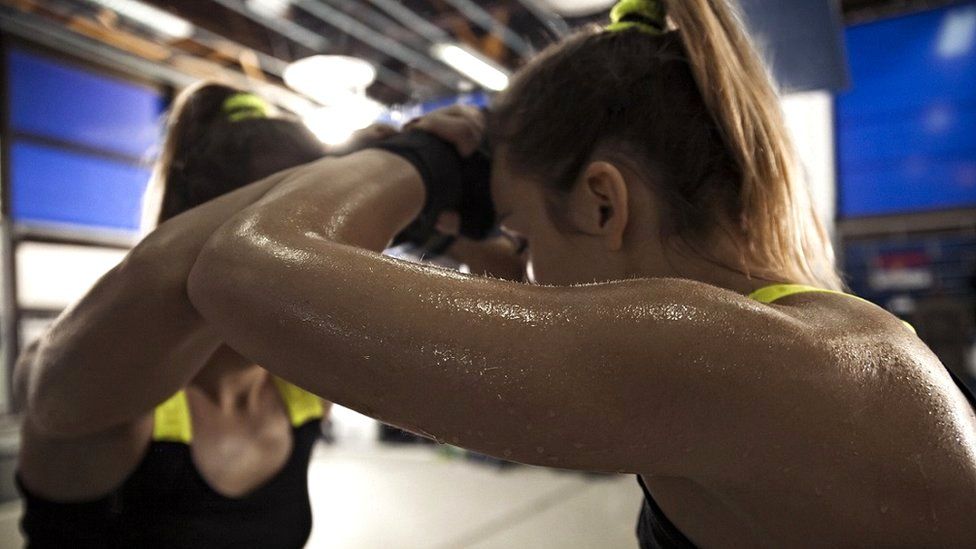
Published1 day agoShareclose panelShare pageCopy linkAbout sharingImage source, Getty ImagesBy Michelle RobertsDigital health editorSniffing other people’s body odour might be useful in therapy for social anxiety, say Swedish researchers who have started tests with volunteers. The scientists have been using armpit sweat in their experiments. Their hunch is the smell activates brain pathways linked to emotions, offering a calming effect – but it is far too soon to say if they are right. They are presenting some of their early findings at a medical conference in Paris this week. Why and how do we smell?Babies are born with a strong sense of smell, with a preference for their mother and her breastmilk. Smell helps us humans sense danger – from food or a smoky fire, for example – and interact with our environment, as well as each other.It also makes meals more tasty and can evoke strong memories too. Aromas are detected by receptors in the upper part of the nose. Signals from these are then relayed directly to the limbic system, a brain region that is associated with memory and emotions.Can the right smell make you feel more productive?Parkinson’s test – woman smelled disease on husbandSmell training to help Covid sufferersThe Swedish researchers suggest that human body odour might communicate our emotional state – happy or anxious, for instance – and even elicit similar responses in others who smell it.They asked volunteers to donate armpit sweat from when they were watching either a scary movie or a happy one. Next, 48 women with social anxiety agreed to sniff some of these samples, alongside receiving a more conventional therapy called mindfulness, where people are encouraged to focus on the here and now rather than replaying negative thoughts. Some of the women were given genuine body odour to sniff, while others – the control group – were given clean air instead. Those who were exposed to the sweat appeared to do better with the therapy. Lead researcher Ms Elisa Vigna, of the Karolinska Institute in Stockholm, said: “Sweat produced while someone was happy had the same effect as someone who had been scared by a movie clip. So there may be something about human chemo-signals in sweat generally which affects the response to treatment. “It may be that simply being exposed to the presence of someone else has this effect, but we need to confirm this. In fact, that is what we are testing now in a follow-up study with a similar design, but where we are also including sweat from individuals watching emotionally neutral documentaries.”What is sweat and does it always smell? Most of the skin’s sweat is odourless. But sweat glands in the armpit and groin produce certain compounds that cause body odour. Bacteria on the skin’s surface and on nearby hair follicles break down these compounds, producing others which are responsible for the smell. Duncan Boak from the charity Fifth Sense, which aims to raise awareness about smell and taste disorders, said: “We know there’s a strong link between our sense of smell and our emotional wellbeing.”Losing the ability to smell other people, such as your partner and children can cause depression and feelings of isolation. “Whilst this is a preliminary study and further work is of course needed, it’s very encouraging to see further research around the importance of our sense of smell to good mental health.”More on this storyCan the right smell make you more productive?12 July 2022Town’s ‘cheese-vomit’ smell identified23 May 2022New generation of deodorant ‘on the way’3 July 2018’Public toilets smell nice to me now’10 February 2021Smell training recommended for Covid recovery24 April 2021Related Internet LinksPOTION ProjectEuropean Congress of PsychiatryThe BBC is not responsible for the content of external sites.

Read more →

You May Need That Procedure. But Do You Really Need an Escort?

Following even basic screenings and operations, patients often must arrange for someone to deliver them home. For older people, it can be a tall order.Robert Lewinger is tired of being berated by his gastroenterologist because he’s overdue for a colonoscopy. He’s perfectly willing to have one. And he’s more than ready for cataract surgery on his second eye.The problem: Mr. Lewinger, 72, a retired lawyer who lives in Manhattan, can’t schedule either of these procedures, which involve anesthesia or sedation, unless he supplies the name and phone number of the person taking him home afterward. Otherwise, clinics and outpatient surgical centers refuse to make appointments.Mr. Lewinger is also willing to undergo Mohs surgery, as his dermatologist has recommended, for two small skin cancers on his face. But the surgeons associated with her practice also insist on medical escorts, even though most Mohs surgery is performed under local anesthesia and doesn’t require them.Transportation itself isn’t the difficulty; Mr. Lewinger could summon an Uber or a Lyft, call a car service or hail a cab. What he needs is “someone to escort me out of the building, take me back to my apartment and see me into it,” he explained. “It shouldn’t be so hard.”It is, though. Mr. Lewinger is divorced and lives alone, like a growing number of older Americans. His daughter lives in Boston; the cousin who brought him home after cataract surgery a few years ago has moved away. He doesn’t have friends to help. Phone calls to Aetna, his Medicare Advantage insurer, revealed that Medicare doesn’t cover a medical escort. He struck out with home-care agencies, too.He even offered maintenance workers in his apartment building $100 to pick him up after their shifts. “They lost interest when I couldn’t be specific about what time they’d have to be there,” Mr. Lewinger said.Older people across the country describe similarly maddening efforts to find “door-through-door” escorts for outpatient surgery and screenings that involve anesthesia — especially if facilities require those escorts to remain on the premises until the patient’s discharge.The problem is “rampant,” said Janet Seckel-Cerrotti, executive director of FriendshipWorks, a nonprofit whose trained volunteers serve as free medical escorts in and around Boston. “We see it every day. It’s hard on your dignity.”Doctors explain that door-through-door requirements are a safety measure. With a colonoscopy, for instance, patients often receive an anesthetic, like propofol, or a narcotic such as Demerol or fentanyl, combined with anti-anxiety medication like Versed or Valium.“They affect the brain, and they can stay in the system for four to six hours,” said Carol Burke, a gastroenterologist at the Cleveland Clinic and a past president of the American College of Gastroenterology. “You’re not in full control of your faculties.”On a bus or in an Uber, she said, “what if you fall asleep or you start to vomit or you don’t remember where you’re going?”Is such caution truly necessary? “A very hard question,” said Thomas Oetting, an ophthalmologist at the University of Iowa School of Medicine and a spokesman for the American Academy of Ophthalmology.Though liability fears clearly play a role, “how safe do we have to be?” he asked. He specializes in cataract surgery, which also often involves intravenous anesthesia. After the operation, “if there’s a one-in-a-million chance that someone falls and breaks a hip, should everybody have to have someone take them home?”For now, though, they usually do, forcing older patients without nearby family, or friends who still drive, to scramble.Some rely on religious congregations. In Boulder, Colo., Jan DeCourtney, 65, earned enough credits by volunteering through TimeBank Boulder to secure other volunteers to accompany her to and from cataract surgeries. In Beaverton, Ore., Gerry Lukos joined Viva Village, part of the Village Movement, which supports aging in place; she used volunteer drivers/escorts three times last year.Trying to solve the escort problem can require considerable research, involving providers, local nonprofits and home-care companies. Some possibilities:Talk to your medical provider. Policies vary. The surgeons to whom Mr. Lewinger was referred require escorts for Mohs procedures, but most don’t, said Terrence A. Cronin Jr., president of the American Academy of Dermatology. “The local anesthesia we use is usually lidocaine, which doesn’t disrupt the mental abilities of our patients, so they are able to drive themselves home,” he said in an email.For cataract surgery, you may be able to avoid intravenous anesthesia, which is less often used in other countries. Dr. Oetting also practices at V.A. Iowa City, where cataract surgery involves a shorter-acting oral sedative (typically Valium) and patients remain in the clinic for two or three hours afterward. “Then we feel more comfortable having them leave on a van,” he said.Colonoscopies can be done without sedation, too. Alternatively, the Cleveland Clinic and other providers sometimes allow patients with early morning appointments to remain for several additional hours after the procedure before going home on their own.You can also screen for colon cancer annually with an accurate at-home FIT (fecal immunochemical test) and skip the colonoscopy, though the 5 to 6 percent of people who get a positive result will need one as a follow-up anyway.Look for local nonprofit groups. The National Volunteer Caregiving Network connects about 700 community organizations nationwide, most of which provide door-through-door transportation without charge. “It’s neighbors helping neighbors,” Tammy Glenn, the executive director, said.Shepherd’s Centers of America, which provides support services for older adults, has 55 affiliates in 17 states; most offer escorts to and from medical appointments without charge.The roughly 250 local village organizations across the country often help with door-through-door, though there’s an annual fee — usually subsidized for lower-income seniors — to join the village.You can also consult your local Area Agency on Aging or use the Eldercare Locator to find public or nonprofit transportation services.Contact home-care companies. Medicare doesn’t cover medical escorts. “Nonemergency medical transportation,” including an attendant, is a covered Medicaid benefit, but state policies vary widely, Alice Burns of the Kaiser Family Foundation said.But if you can afford out-of-pocket costs, you may find help. In New York, Westchester County and Long Island, VNS Health (formerly the Visiting Nurse Service of New York) provided medical escorts almost 1,800 times last year. Patients can book a certified home health aide to accompany them at about $140 for a four-hour block.Many home-care companies, already scrambling to hire staff, won’t agree to such short one-time stints, which produce less income than continuing assignments for both the aides and the agency. But some companies will, sometimes charging slightly higher rates than for continuing care. Give plenty of notice before your appointment.Executives at nonprofits and home-care companies said they glimpsed signs of change, with insurers and hospitals beginning to cover escorts or supporting local nonprofits that provide them.It’s not happening fast enough for Mr. Lewinger, but he has decided on a plan.He asked his doctor to prescribe an at-home FIT for colon cancer, instead of a colonoscopy. For cataract surgery, he’ll make an appointment, then call VNS Health; he can afford the charges.To locate a surgical practice that doesn’t require an escort after Mohs procedures, he’ll have to start making calls.He wishes Medicare and medical practices would simplify this process. After all, the costs of treating cancer, or injuries when a person with poor eyesight falls, would far exceed the expenses for door-through-door transportation.He envisions “just a straightforward ‘Call this number and they’ll arrange it,’” he said. “It shouldn’t be up to the patient to figure it out.”

Read more →

In a Roman Tomb, ‘Dead Nails’ Reveal an Occult Practice

Forty-one bent or twisted iron nails, unearthed from a second-century imperial burial site, were meant to keep the deceased in their place.When it came to the treatment of diseases, the ancient Romans had no shortage of magical remedies, several of which involved iron nails. To cure epilepsy, the first-century historian Pliny the Elder advised driving a nail into the ground at the spot where the afflicted person’s head lay at the start of the seizure. The Romans hammered nails into doors to avert plagues and pounded coffin nails into thresholds to keep nightmares at bay. Nails from tombs and crucifixions were sometimes even worn around the neck as talismans against fevers, malaria and evil spells.Recently, archaeologists excavated an unusual set of talismanic nails from a mountaintop necropolis on the outskirts of Sagalassos in southwestern Turkey. In an early Roman imperial tomb, 41 broken nails were found scattered among the cremated remains of an adult male who had lived in the second century A.D. and was buried in situ. Twenty-five of the nails were headless and deliberately bent at right angles; the others were complete roundheaded nails with the shanks twisted multiple times. The unusual funerary practice is the subject of a new study published in the journal Antiquity.“The nails were not used in the construction of the pyre, and had no practical purpose,” said Johan Claeys, an archaeologist at Catholic University Leuven and the lead author of the paper. “They would have been valuable enough to be recovered if still serviceable. But they were dead nails, and the way they were distributed around the perimeter of the tomb suggests that the placement was purposeful.” By “dead nails,” he meant that they had been believed to possess occult power.At the time, the ashes and unburned remnants of cremated bodies were commonly put in an urn and buried in a grave or placed in a mausoleum. In this case, the pyre was carefully sealed beneath a raft of two dozen bricks, arranged in four rows. The undersides of the bricks were discolored, indicating that they had been set atop the still-smoldering embers. The bricks were then slathered with slaked lime.“This wasn’t the thin, temporary layer normally used to cover the skeletal remains before they were recovered for burial,” Dr. Claeys said. “This lime was thick and secured the remains as much as a solid coffin would have.” Lime, he said, was seldom applied during Roman-era interments. Indeed, of the 180 or so tombs that his team examined at the cemetery, this was the only one that had been limed.A coin known as Charon’s obol, bottom; fragments of a glass flask, center; burnt remains of an unidentified worked bone item, front right; pinched nails, front center; and the bent larger nails that were found around the cremation.The Sagalassos Archaeological Research Project, KU LeuvenEach of these three features — the nails, the bricks and the lime — has been found in other graves in the ancient Mediterranean, but this was the first time they had been seen together, Dr. Claeys said. This strongly implied the use of protective charms to keep the “restless dead” from interfering with the living, he said.“Whether or not the cause of the man’s death was traumatic, mysterious or the result of a contagious illness or punishment, it appears to have left the mourners fearful of his return,” he said. “We are witnessing here at least three deviant interventions that each in and of themselves can be understood as means to pin the deceased to his final resting position. The combination swings the pendulum firmly toward safeguarding the living from the dead.”The new study provided significant evidence that “protective magic” was used in Imperial Rome necropoli, said Silvia Alfayé, a professor of ancient history at the University of Zaragoza, Spain, who was not involved in the project. “The Sagalassos cremation tells us a personal but also social story of care, hope, contempt, respect, grief and fear facing loss,” she said. “It reveals the choice of magic as the most suitable ritual technology to manage death anxiety and phantom menaces.”Yo, HadrianSagalassos was built on the slopes of the Taurus mountain range, about 5,000 feet above sea level, in the late fifth century B.C., when the region was part of the Achaemenid Empire. Captured in 333 B.C. by Alexander the Great on his march through coastal Anatolia, Sagalassos was loosely governed from afar, if at all, by members of his ruling clique and their descendants: Antigonus the One-Eyed, possibly Lysimachus of Thrace, and the Seleucids of Syria, who are credited with urbanizing the area.By the second century B.C., Sagalassos had become a city-state of the Hellenistic Attalid Kingdom. With the death of King Attalus III in 133 B.C., the settlement was bestowed on the Roman Republic and, a century later, incorporated into the Empire. The bustling metropolis was later favored by the emperor Hadrian (117 A.D. to 138 A.D.), who named it the regional center of the imperial cult.The primary cremation, right, covered with bricks, and two middle imperial individual tombs, left, at the necropolis.The Sagalassos Archaeological Research Project, KU LeuvenIn late antiquity, Sagalassos, though still dynamic and resilient, faded in importance. From the sixth century A.D. on, it suffered an earthquake, a recession, epidemics and an invasion until it was abandoned in the 13th century. Largely protected from looting and vandalism by its extreme isolation, Sagalassos today remains remarkably well-preserved, with a library, an odeon and outdoor theater, two large bath complexes, a 60-room mansion, a monumental fountain and colossal statues of Hadrian, fellow emperor Septimius Severus and empress Faustina the Elder.Archaeologists from Catholic University have been systematically excavating the area around Sagalassos since 1990. In 2011, they began a fresh exploration of the city’s northeastern edge, a kind of premature suburban sprawl originally dedicated to agricultural terracing that had been converted for funerary and artisanal purposes. The dig uncovered relics, intact burials and traces of cremation pyres spanning six centuries.“As Sagalassos belonged to the Greek-speaking parts of the Roman Empire, many of their funerary practices are more Greek in nature than Roman,” said Sam Cleymans, an anthropologist at the Gallo-Roman Museum in Belgium who also worked on the new paper.The so-called dead nails turned up in 2012. Dr. Cleymans, then a student doing fieldwork at the site, remembered reading a short description of nails that had been strewn around burials in the Roman necropolis of Blicquy in Belgium. “The account mentioned that some were bent and did not seem to have had a use as coffin nails,” he said. “The author interpreted these nails as a way to bind the spirits of the dead to the grave to keep them from wandering around.”According to Dr. Alfayé, the idea behind bent and broken nails was to erect a two-way barrier that would shield both the dead and the living.“These rituals were aimed at hermetically locking the grave and securing it against invasive threats such as robbery, vandalism and witchcraft, as well as blocking the possible escape of a runaway revenant,” she wrote in an email. “In the ancient Roman mind-set, nails, whether bent or twisted or decapitated, were invested with magical potency. The ones from graveyards were considered best for neutralizing supernatural harm by transferring their dead provenance to the evil and killing it.”The upper portion of the archaeological site of Sagalassos, where an ancient theater sits.The Sagalassos Archaeological Research Project, KU LeuvenA coin for CharonNails aside, Dr. Claeys said, the Sagalassos cremation was performed with at least some of the traditional funerary rites that might be expected from ancient sources and archaeological parallels.Although whoever buried the man may have feared him, they clearly put care into the process. The tomb was respectfully furnished with worldly goods such as baskets, perfume bottles, clothing, ceramic urns, vessels containing grains and nuts, and Charon’s obol, a coin placed in the mouth or near the body of the dead to ensure safe passage to the Underworld.The researchers could not ascertain whether relatives of the departed were buried nearby. Kinship typically can be established only through inscriptions or DNA analysis. None of the Sagalassos graves bore epitaphs, and genetic material is often destroyed by high temperatures in ancient cremations. “Teeth, especially molars, are arguably the best source for the extraction of DNA,” Dr. Claeys said. “We did not recover any molars.”On the other hand, he added, the cremation took place close to the eastern edge of the team’s excavation trench. “Who knows what lies just a few meters more to the east?” Dr. Claeys said. He is concerned that while extending the trench might provide answers, it could just as easily open up a whole set of new questions.“At some point you have to make choices, ideally based on research questions, but time and financial constraints will also play their part,” he said. “The basic principle is that it is better to leave the archaeological record untouched as long as it is not threatened, which explains the often limited interventions we undertake in Sagalassos.”Dr. Alfayé is fond of the Spanish expression “dar en el clavo” — to hit the nail on the head. “The meaning is to find the clue, discover something,” she said. In the ancient cemeteries of Sagalassos, something is always waiting to be discovered.

Read more →

Researchers identify cell type that could be key to preventing marrow transplant complication

A bone marrow transplant can be a lifesaving treatment for people with relapsed blood cancers, but a potentially lethal complication known as graft-versus-host disease put limitations on this procedure. New research from the University of Wisconsin-Madison is helping to change that by identifying the cell population that causes GVHD, a target that may make bone marrow transplants safer and more effective.
An allogenic (from a donor) bone marrow transplant is a common treatment for blood cancers and other diseases of the immune system. During the transplant, the patient’s immune cells are replaced with the donor’s healthy cells. While the donor cells can help cure the patient’s blood cancer, they can also cause GVHD — in which donor T cells, a specialized immune cell in the blood, attack the patient’s healthy cells. This causes complications similar to an autoimmune disease that can be lethal.
“Graft versus host disease is one of the most common complications after an allogeneic hematopoietic cell transplantation procedure, and the field knows quite well that the T cells from the donor are the ones mediating the disease,” says the study’s lead author Nicholas Hess, a scientist at UW-Madison’s Carbone Cancer Center. “Before this study, there was no finite T cell population that we’ve been able to identify as the cause of GVHD, so all our treatment regimens generally impacted the entire T cell population. But targeting all the T cells is not ideal, as they don’t just cause this detrimental disease, they also have a beneficial impact on the ability to prevent relapses.”
Today in Science Advances, Hess and collaborators including Stem Cell and Regenerative Medicine Center members Christian Capitini, professor of pediatrics, and Peiman Hematti, professor of medicine, published their findings, identifying cells called CD4/CD8 double positive T cells (DPT) causing GVHD in immunodeficient mice. To further confirm their findings, the researchers directly investigated human patient samples.
“We looked at over 400 clinical samples from 35 patients as a part of this study and found double positive T cells to be predictive of GVHD. We also found four other biomarkers which are predictive of not just GVHD, but also relapse in general,” says Hess. “Based on that, our next step is to merge the biomarkers into a machine learning algorithm that can output a risk prediction model. Clinicians could then use this model to understand a patient’s risk of relapse and GVHD.”
A team of physicians and scientists at UW-Madison is working on ways to address the problematic cells in patients while leaving healthy and helpful T cells to flourish. Hess says that while the team is very confident the double positive T cells are directly involved in GVHD, the key step in bringing this discovery to the clinic will be developing a targeted depletion strategy and this prediction model.
“When we can gain confidence in this biomarker research and our ability to identify patients at risk, then we will potentially be able to treat them before they have all the detrimental effects of this disease,” Hess says.
The study won a Best Abstracts Award from the American Society for Transplantation and Cellular Therapy and was presented at the American Association of Immunologists (AAI) and ECOG-ACRIN conferences, creating excitement based on the findings’ potential impact beyond blood cancer and transplantation.
“I’ve learned that DPTs have been found in a variety of chronic human inflammatory diseases, which goes to show that this is not a specific thing to graft-versus-host disease. It’s probably a wider phenomenon that these human T cells are doing that we’ve never really appreciated before,” says Hess. “It’s very exciting because it gives us something to study further. I’ve always been interested in taking something you discover in the lab and translating it to the clinic. I think it’s what gets me up every day. It is kind of the ultimate goal in my life to be able to say I participated in something that helped patients in some way.”

Read more →

Pathogen mapped: Evolution and potential treatments

A parasite which has devastating impacts on agriculture and human health is the first pathogen to have its proteins located and mapped within its cells — providing clues to their function and helping to identify potential drug targets.
African trypanosomes are parasites transmitted by tsetse flies that cause sleeping sickness in humans (presenting as fever, anaemia and, in serious cases, death) and a similar disease celled nagana in cattle. These parasites have made large areas of Africa unsuitable for livestock production, costing rural farmers up to ~3.7 billion pounds each year in lost revenue.
For the first time ever, scientists have developed a detailed “protein atlas” of a pathogen — a kind of biological map that locates proteins in cells. They conducted the research on Trypanosoma brucei (T. brucei), helping to understand where proteins are within its cells, providing functional insights that may ultimately help treat parasite infections.
The benefits of this ground-breaking research by the Universities of Warwick, Oxford and Oxford Brookes do not stop there. In mapping the proteins within T. brucei, scientists now understand more about its evolutionary cell biology. Like humans, T. brucei are eukaryotes — meaning their cells have a nucleus. However, T. brucei evolved in a very divergent way to human cells. Exploring protein mapping sheds light on how it evolved to be so different.
Samuel Dean, Assistant Professor of parasitology at the University of Warwick, said: “In this study, we genetically modified trypanosome parasites to make proteins attached to a green fluorescent dye. This helped to show exactly where its proteins are within the cell. Using this information, we are able to understand more about what these proteins might be doing. Up until now 50% of the proteins in T. brucei had unknown functions.
“This has significant impacts on our understanding of pathogen evolution and provides functional clues for thousands of otherwise uncharacterised proteins. This will help further investigations and may help to inform on new treatments for these terrible diseases.”
Professor Keith Matthews, expert in parasite biology at the University of Edinburgh, added: “This important resource will be of immense long-term value to researchers focused on these devastating pathogens, but also helps to understand the protein function and evolution of all nucleated cells, including our own.”
University of Ghana senior lecturer, Theresa Manful Gwira, who is Head of Research Training at the West African Centre for Cell Biology of Infectious Pathogens, added: “This is a very important work, and a powerful resource that will be useful to many researchers including African scientists that work on the devastating African trypanosomiasis, thus contributing to a better understanding of the parasite biology.”
This research was funded by The Wellcome Trust.

Read more →

Time of day matters when it comes to cancer diagnosis and treatment

Your circadian rhythm doesn’t just govern your sleeping schedule; it can also impact cancer development, diagnosis, and treatment. In a review paper publishing in the journal Trends in Cell Biology on March 24, researchers discuss the role of circadian rhythms in tumor progression and spread and describe how we could better time when patients are tested for cancer and when they receive therapies to improve diagnostic accuracy and improve treatment success.
“The circadian rhythm governs most of the cellular functions implicated in cancer progression, and therefore its exploitation opens new promising directions in the fight against metastasis,” write the authors, molecular oncologists Zoi Diamantopoulou, Ana Gvozdenovic, and Nicola Aceto from the ETH Zurich in Switzerland.
Our circadian rhythms help our bodies synchronize different tasks throughout the day, including gene expression, immune function, and cell repair. We’ve long known that chronically disrupted circadian rhythms — as a result of erratic sleep patterns, jet lag, or shift work, for example — can predispose us to a number of health issues, including cancer. More recent work has shown that circadian rhythms are not only involved in tumor onset, but also govern cancer progression and metastasis, the colonization of secondary sites within the body.
Metastasis is the main cause of death in cancer patients. For metastasis to occur, cells need to break away from the primary tumor, enter the bloodstream, and then travel to and infiltrate a new organ. Studies have shown that the rate at which cancer cells break away from the primary tumor and enter into the bloodstream oscillates rhythmically throughout the day, but the timing of this rhythm differs between cancer types. For example, breast cancer is more likely to metastasize at nighttime, while we’re asleep, whereas prostate cancer and multiple myeloma peak at other points during the day.
The authors argue that we could leverage this information when administering chemo- and immunotherapies to target tumor cells at the optimal time. The practice of delivering medication and immune therapies at specific times of day is known as chronotherapy.
“Circadian rhythm-based metastasis formation should be seen as an opportunity to intervene in the most timely and effective way,” the authors write. “Chronotherapy holds promise to be a valuable alternative treatment option in the fight against cancer.”
Clinical studies have shown that chronotherapy can reduce the severity of side effects experienced by patients and can also impact treatment effectiveness. For example, the authors describe a recent study in which melanoma patients who received immunotherapeutic drugs before 4:30 pm were nearly twice as likely to survive as patients who received the treatment later in the day. The optimal timing varies for different cancer types and therapeutics, and the authors also note that the clinical benefits of chronotherapy might be affected by factors such as the patient’s sex and genetic background.
Knowledge of the circadian rhythms of cancer cells could also aid cancer diagnosis. Cancer cells produce proteins at different rates throughout the day, and some of these proteins are used as diagnostic molecular markers. We could decrease the chances of misdiagnosing a patient by collecting and testing biopsies at the time of the day when the concentration of these proteins is highest.
“More mechanistic understanding of these processes will be required to fully unleash its potential on the clinical side,” the authors write. “Defining the circadian-rhythm-controlled timing of proliferation and release of circulating tumor cells into the bloodstream in additional cancer types may help to identify the optimal time window for therapy administration.”

Read more →

Dieting: Brain amplifies signal of hunger synapses

Many people who have dieted are familiar with the yo-yo effect: after the diet, the kilos are quickly put back on. Researchers from the Max Planck Institute for Metabolism Research and Harvard Medical School have now shown in mice that communication in the brain changes during a diet: The nerve cells that mediate the feeling of hunger receive stronger signals, so that the mice eat significantly more after the diet and gain weight more quickly. In the long term, these findings could help developing drugs to prevent this amplification and help to maintain a reduced body weight after dieting.
“People have looked mainly at the short-term effects after dieting. We wanted to see what changes in the brain in the long term,” explains Henning Fenselau, a researcher at the Max Planck Institute for Metabolism Research, who led the study.
To this end, the researchers put mice on a diet and assessed which circuits in the brain changed. In particular, they examined a group of neurons in the hypothalamus, the AgRP neurons, which are known to control the feeling of hunger. They were able to show that the neuronal pathways that stimulate AgRP neurons sent increased signals when the mice were on a diet. This profound change in the brain could be detected for a long time after the diet.
Preventing the yo-yo effect
The researchers also succeeded in selectively inhibiting the neural pathways in mice that activate AgRP neurons. This led to significantly less weight gain after the diet. “This could give us the opportunity to diminish the yo-yo effect,” says Fenselau. “In the long term, our goal is to find therapies for humans that could help maintaining body weight loss after dieting. To achieve this, we continue to explore how we could block the mechanisms that mediate the strengthening of the neural pathways in humans as well.”
“This work increases understanding of how neural wiring diagrams control hunger. We had previously uncovered a key set of upstream neurons that physically synapse onto and excite AgRP hunger neurons. In our present study, we find that the physical neurotransmitter connection between these two neurons, in a process called synaptic plasticity, greatly increases with dieting and weight loss, and this leads to long-lasting excessive hunger,” comments co-author Bradford Lowell from Harvard Medical School.

Read more →

Finding the sweet spot in sugar reductions

Putting less sugar in sodas and reducing the package size of sodas sold in supermarkets may help reduce our collective sugar intake and thus lower the associated health risks. Good news for consumers, but how does it affect manufacturers? Research conducted in the US has shown that marketing diet or sugar-free varieties does not lead to an increase in the overall turnover of soda manufacturers. This is because consumers tend to switch from sugary to sugar-free versions of the same brand. However, reducing the package size of soda does have a positive effect on the sales figures of the brand as a whole. These are the findings of a new study by marketing researchers Jonne Guyt (UvA) and Kristopher Keller (University of North Carolina at Chapel Hill), based on US data. The findings are about to be published in the Journal of Marketing.
Excess sugar consumption is a problem all over the world. It can lead to a number of health issues, including diabetes and cardiovascular disease, resulting in an increased burden on the healthcare system. ‘Companies like PepsiCo have reduced the sugar content of their products over the years, in addition to marketing their best-known brands in smaller packages ever more frequently. Although this has not reduced the average sugar content, the consumer’s sugar intake per product has gone down in absolute terms’, Guyt explains. ‘Soda manufacturers are having to strike a balance between reducing their products’ sugar content on the one hand and maintaining or growing their turnover on the other. This can be difficult to achieve if consumers reject less sugary alternatives.’ Using data from the US, Guyt and Keller investigated whether the sugar content reduction strategies of soda manufacturers had an effect on sales — and if so, under which circumstances.
Cannibalisation
‘While reducing the sugar content of sodas leads to lower sugar consumption, replacing a sugary drink with a new diet or sugar-free version tends not to make a difference to the producer’s bottom line’, Guyt says. ‘This is because of brand cannibalisation: the increased sales of the new diet version and the reduced sales of the sugary version of the same drink cancel each other out. Clearly, this is good news for consumers from a health standpoint, but less appealing when it comes to the brands’ overall results. They benefit more from selling sugary drinks. However, we found that marketing the new drinks in smaller packages — like what the Americans call “mini cans” of 7.5 and 8 fl oz (around 240 ml) — does lead to an increase in the brands’ overall sales figures. This can be explained by the fact that these packages are as popular among consumers as the larger packages of competing brands that they used to buy. Overall, it is a win-win situation for consumers and producers alike.’
‘Fun’ instead of ‘healthy’
Among the other findings was the significant role played by a brand’s product strategy. The researchers discovered that sodas with less sugar sold better when they were marketed with an enjoyment claim, such as ‘sweetened with sugar’, and worse when marketed with a health claim, such as ‘no sugar’. These products also sold better when marketed under the parent brand compared to a subordinate brand. Keller: ‘Sugar content reduction efforts are noticeably more effective when not too much attention is drawn to them. Coca-Cola’s Zero Sugar product range is a good example of this. In 2021, the range was redesigned to make it look more like “regular” Coca-Cola, as opposed to the Coca-Cola Zero of before.’ Smaller packages also work better when marketed as a fun, high-quality alternative instead of a healthier one. Sales figures increase even further when smaller packages are sold as single products rather than as part of a multi-pack.
Not as mini as it sounds
Guyt and Keller analysed sales figures for almost 130,000 newly launched sodas produced by around 80 brands and sold in US supermarkets over a period of 11 years. They enriched the data with information about the sugar content of the various sodas. In addition, they looked at the brands’ product strategies: labelling (enjoyment or health claim), branding (parent or subsidiary brand) and packaging format (single product or multi-pack).
Guyt: ‘The packages used in the US are larger than those used over here. For instance, what they call a “mini size” of 8 fl oz is almost 240 ml, while most of the cans sold in Dutch supermarkets nowadays are 250 ml and Dutch mini packages are a mere 150 ml. Americans also buy many more products in bulk compared to Dutch consumers.’ As a consequence, applying the findings directly to the Dutch situation requires caution. Nevertheless, Guyt believes they can be useful here as well. ‘We know that sodas are not the healthiest choice, yet people keep consuming them in large numbers. My hope is that our study will raise awareness among both consumers and producers.’

Read more →