Medicare Delays a Full Crackdown on Private Health Plans
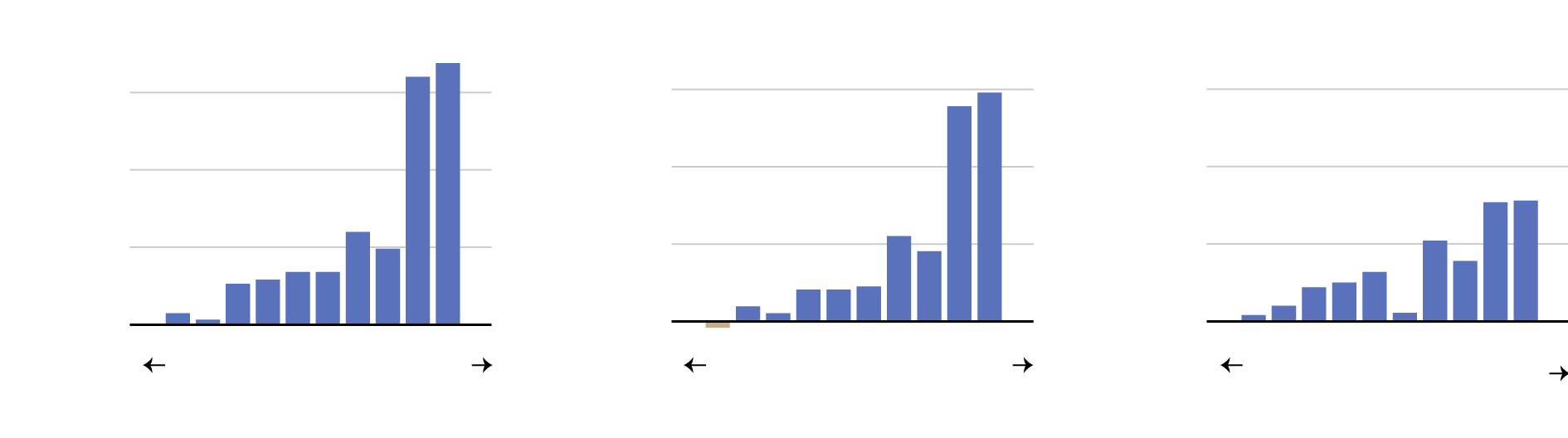
After intense lobbying by insurers, U.S. health officials say curbs aimed at overbilling by Medicare Advantage will be eased in over 3 years.The Biden administration on Friday finalized new rules meant to cut down on widespread overbilling by private Medicare Advantage insurance plans, but softened the approach after intense lobbying by the industry.Regulators are still moving forward with rules that will lower payments to insurers by billions of dollars a year. But they will phase in the changes over three years, rather than all at once, and that will lessen the immediate effects.In the short term, private health plans will still be able to receive payments that Medicare officials do not think are appropriate. The system will eventually eliminate extra funds the plans receive for covering patients under 2,000 diagnoses, including 75 that appear to be the subject of widespread manipulation by the plans.But the extended timetable could also mitigate concerns raised by health plans, doctors and others that the broad policy change might result in unintended consequences, such as increases in premiums or reductions in benefits for Medicare Advantage beneficiaries.The nation’s top Medicare official acknowledged on Friday that the industry’s feedback influenced the shape of the new rules.We were really comfortable in our policies, but we always want to hear what stakeholders have to say,” said Chiquita Brooks-LaSure, the administrator of the Centers for Medicare and Medicaid Services. She said desire for a slower policy change was “something that we really heard come through from our comments, and we wanted to be responsive.”The new payment formula is a reaction to mounting evidence over more than a decade that private insurers have been exploiting a payment formula to extract overpayments from the federal government. Plans are eligible for extra payments for patients whose illnesses could be costlier to cover, which has encouraged many plans to go to great lengths to diagnose their customers with as many health conditions as possible. Insurers are collecting tens of billions of dollars in extra payments a year, according to various estimates.Nearly every large insurer in the program has settled or is facing a federal fraud lawsuit for such conduct. Evidence of the overpayments has been documented by academic studies. government watchdog reports and plan audits.Medicare Advantage now enrolls about half of all Medicare beneficiaries, and its plans are paid more than $400 billion a year. It is popular among its customers, who often enjoy lower premiums and benefits — like vision and dental services — that the basic government Medicare plan doesn’t include.The program has also become profitable for the largest insurance companies. Recent research from the Kaiser Family Foundation found that insurers make about double the gross margins with Medicare plans that they make with their other lines of business. Humana recently announced that it would stop offering commercial insurance to focus on Medicare, which serves older and disabled Americans, and Medicaid, which mostly serves low-income populations.The new rule will eventually eliminate the extra payments for many diagnoses that Medicare Advantage plans were commonly reporting, but which Medicare data did not show were associated with more medical care. Those diagnosis codes included a few that private plans had specifically targeted, like diabetes “with complications” and a form of severe malnutrition that is typically seen in countries experiencing famine.These Diagnoses Are Much More Common in Medicare Advantage Than Traditional MedicareMedicare is proposing to remove bonus payments for patients diagnosed with these conditions.

Read more →

Health Plans No Longer Have to Cover Preventive Care at No Cost. Here’s What to Know.

A ruling by a federal judge this week could set up yet another Supreme Court challenge to the Obamacare health law.On Thursday, a federal judge in Texas struck down a crucial Affordable Care Act policy: the mandate that private health insurers fully cover preventive care services at no cost to patients.The ruling took effect immediately and applies nationwide. It affects dozens of potentially lifesaving preventive health care services that the federal government recommends, including drugs that prevent H.I.V. transmission and screenings for adolescent depression.Health policy experts describe free preventive care as one of Obamacare’s most transformative policies because it took away a financial barrier to needed care for tens of millions of Americans. It is also one of the law’s more popular provisions, with 62 percent of the public recently saying it is “very important” that it stay in place.The new court ruling has already brought the Affordable Care Act back into the political fray, as Democrats quickly vowed to protect the law. The Biden administration plans to appeal the ruling, setting up the possibility of yet another presidential election cycle with a potential Supreme Court challenge to Obamacare looming.For now, even though the ruling has wide reach, most people aren’t likely to see their health benefits change overnight. Here is what consumers need to know about how the ruling could change health insurance in the United States.What did the judge find?The Affordable Care Act relies on three panels of health care experts to advise the government on what preventive services insurers must cover.Judge Reed O’Connor of the Federal District Court for the Northern District of Texas ruled that one of those panels, the United States Preventive Services Task Force, did not have constitutional authority to dictate what benefits health insurers must cover.Judge O’Connor had ruled in 2018 that the entire Affordable Care Act was unconstitutional, but the Supreme Court later overturned that decision and upheld the law. In this new case, Judge O’Connor found that having a panel of outside experts determine which preventive services should be covered violated the Constitution’s appointments clause, which says that legally significant decisions must be made by people who are part of a chain of authority up to the federal government.“The argument is that this is a body of private experts who serve in a volunteer capacity, who are not federal officers and are not properly appointed,” said Nicholas Bagley, an associate professor at the University of Michigan who has followed the Texas case closely.Judge Reed O’Connor of the U.S. District Court for the Northern District of Texas.United States CourtsWho is affected by the ruling?The Affordable Care Act’s preventive services mandate potentially affects all Americans with private health coverage, not just those who get insurance through the Obamacare marketplaces.That is roughly 150 million people, most of whom get their health benefits through their jobs. The ruling does not appear to affect people with public insurance such as Medicare or Medicaid.What health benefits are at stake?The Texas ruling means that insurers no longer have to provide free coverage for any care the United States Preventive Services Task Force has recommended since 2010.In that time, the federal task force has endorsed at least four new types of preventive care. This includes three new type of screenings: one for anxiety in children, another for unhealthy drug use and a third for weight gain in pregnant women. It also includes a recommendation for PrEP, a daily pill that is highly effective at preventing the transmission of H.I.V.The task force has also updated much of its older guidance. For example, it has repeatedly updated its recommendations on heart disease to endorse the use of statins in certain adult populations. Under the Texas ruling, insurers would not have to follow the newer guidance and could instead provide free coverage for whatever recommendations were made in 2009 or earlier.The ruling does not affect all preventive care. Insurers are still required to cover all types of birth control, for example, and all recommended vaccines (including the Covid-19 vaccine) at no cost to patients. They are also still required to cover mammograms, pap smears and other common screenings the task force had recommended before 2010, but they will not have to follow any of its newer guidance on when those tests are appropriate.Will health insurance plans change immediately?Since the ruling took effect immediately and applies nationwide, health insurers could legally start applying co-payments and deductibles to the newer types of preventive health care. But health policy experts and insurance plans say they do not expect many consumers to experience an immediate change to their benefits.That is because health plans typically have policies that span a full year, and it is unusual for them to change member benefits in the middle of a contract, especially when the court case is still ongoing. Insurers may be reluctant to immediately take away a popular benefit that, in some cases, saves them money by preventing serious disease later on.Matt Eyles, the president of AHIP, the trade group representing health insurers, said in a statement on Thursday that “there will be no immediate disruption in care or coverage.”What happens next?A demonstration in support of the Affordable Care Act outside the Supreme Court in 2020.Anna Moneymaker for The New York TimesThe Biden administration plans to appeal the decision, according to a court filing made Friday afternoon. Experts also expect the federal government to pursue a stay of the ruling while the appeals process plays out, although the White House has not yet commented on when it will do so.A stay would put the Texas court’s decision on hold and bring the preventive care mandate back into effect until higher courts can weigh in on the case.Mr. Bagley said that if the Texas decision is stayed, the case would probably take years to wind its way to the Supreme Court because the issue would be less urgent.But if a stay is not issued, the case could move quickly and potentially reach the Supreme Court before the 2024 election.“It could set off a bit of a race to the Supreme Court,” he said.In a Thursday briefing, the White House press secretary, Karine Jean-Pierre, said the Biden administration “will continue to fight to improve health care and make it more affordable for hard-working families, even in the face of attacks from special interests.”Democrats have recently found political success in defending the Affordable Care Act, particularly since Republican efforts to repeal the law in 2017 failed. Obamacare has steadily become more popular, and this new lawsuit could make it a more prominent issue in the 2024 presidential campaign.Republicans were mostly silent on the ruling, a sign that dismantling the Affordable Care Act may have become a losing issue for the party. Top congressional Democrats were quick to defend the Affordable Care Act. Senator Patty Murray of Washington said in a Thursday statement, “The Affordable Care Act’s protections have repeatedly been upheld in the face of nonstop attacks,” adding, “I am not new to this fight, and I have no intention of backing down now.”

Read more →

Plastic transistor amplifies biochemical sensing signal

The molecules in our bodies are in constant communication. Some of these molecules provide a biochemical fingerprint that could indicate how a wound is healing, whether or not a cancer treatment is working or that a virus has invaded the body. If we could sense these signals in real time with high sensitivity, then we might be able to recognize health problems faster and even monitor disease as it progresses.
Now Northwestern University researchers have developed a new technology that makes it easier to eavesdrop on our body’s inner conversations.
While the body’s chemical signals are incredibly faint — making them difficult to detect and analyze — the researchers have developed a new method that boosts signals by more than 1,000 times. Transistors, the building block of electronics, can boost weak signals to provide an amplified output. The new approach makes signals easier to detect without complex and bulky electronics.
By enabling amplification of weak biochemical signals, the new approach brings modern medicine one step closer to real-time, on-site diagnostics and disease monitoring.
The research was published Saturday (March 24) in the journal Nature Communications.
“If we could reliably measure biochemical signals in the body, we could incorporate those sensors into wearable technologies or implants that have a small footprint, less burden and don’t require expensive electronics,” said Northwestern’s Jonathan Rivnay, the study’s senior author. “But extracting high-quality signals has remained a challenge. With limited power and space inside the body, you need to find ways to amplify those signals.”
Rivnay is a professor of biomedical engineering at Northwestern’s McCormick School of Engineering. Xudong Ji, a post-doctoral researcher in Rivnay’s laboratory, is the paper’s first author.

While they communicate vital information packed with potential to guide diagnoses and treatment, many chemical sensors produce weak signals. In fact, health care professionals often cannot decipher these signals without removing a sample (blood, sweat, saliva) and running it through high-tech laboratory equipment. Usually, this equipment is expensive and perhaps even located off-site. And results can take an excruciatingly long time to return.
Rivnay’s team, however, aims to sense and amplify these hidden signals without ever leaving the body.
Other researchers have explored electrochemical sensors for biosensing using aptamers, which are single strands of DNA engineered to bind to specific targets. After successfully binding to a target of interest, aptamers act like an electronic switch, folding into a new structure that triggers an electrochemical signal. But with aptamers alone, the signals are often weak and highly susceptible to noise and distortion if not tested under ideal and well-controlled conditions.
To bypass this issue, Rivnay’s team equipped an amplifying component onto a traditional electrode-based sensor and developed an electrochemical transistor-based sensor with new architecture that can sense and amplify the weak biochemical signal. In this new device, the electrode is used to sense a signal, but the nearby transistor is dedicated to amplifying the signal. The researchers also incorporated a built-in, thin-film reference electrode to make the amplified signals more stable and reliable.
“We combine the power of the transistor for local amplification with the referencing you get from well-established electrochemical methods,” Ji said. “It’s the best of both worlds because we’re able to stably measure the aptamer binding and amplify it on site.”
To validate the new technology, Rivnay’s team turned to a common cytokine, a type of signaling protein, that regulates immune response and is implicated in tissue repair and regeneration. By measuring the concentration of certain cytokines near a wound, researchers can assess how quickly a wound is healing, if there is a new infection or whether or not other medical interventions are required.

In a series of experiments, Rivnay and his team were able to amplify the cytokines’ signal by three-to-four orders of magnitude compared with traditional electrode-based aptamer sensing methods. Although the technology performed well in experiments to sense cytokine signaling, Rivnay says it should be able to amplify signals from any molecule or chemical, including antibodies, hormones or drugs, where the detection scheme uses electrochemical reporters.
“This approach is broadly applicable and doesn’t have a specific use case,” Rivnay said. “The big vision is to implement our concept into implantable biosensors or wearable devices that can both sense a problem and then respond it.”
The study, “Organic electrochemical transistors as on-site signal amplifier for electrochemical aptamer-based sensing,” was supported by the Defense Advanced Research Projects Agency (grant number D20AC00002).

Read more →

Engineered E. coli delivers therapeutic nanobodies to the gut

Humans are colonized with thousands of bacterial strains. Researchers are now focused on genetically modifying such bacteria to enhance their intrinsic therapeutic properties.
One goal is to develop smart microbes that release therapeutic payloads at sites of disease, thus maintaining therapeutic efficacy while limiting many of the side effects that can be associated with the systemic administration of conventional drugs.
Investigators at Massachusetts General Hospital (MGH), a founding member of Mass General Brigham (MGB), have engineered a strain of the probiotic Escherichia coli (E. coli), Nissle 1917, to secrete proteins of therapeutic value into its surroundings.
When engineered to secrete an antibody that blocks inflammation, this “smart microbe”, was as efficacious as a systemically delivered antibody, the mainstay of current therapy, in limiting the development of colitis in a mouse model of inflammatory bowel disease (IBD).
The work is described in the newest issue of Cell Host & Microbe.
One of the challenges of enhancing the therapeutic capabilities of this beneficial microbe was to enable it to secrete proteins into its surroundings. E. coli are surrounded by an outer envelope across which few proteins are transported.

“Many pathogenic relatives of E. coli directly transport bacterial proteins across their outer envelope into human cells using a syringe-like machine,” says senior author Cammie F. Lesser, MD, PhD, a physician-scientist in the Infectious Disease Division at MGH, associate professor of Medicine at Harvard Medical School and d’Arbeloff MGH Research Scholar.
Lesser’s lab at MGH has been studying these complex protein secretion systems for more than two decades with the ultimate goal of reengineering them as drug delivery systems.
Using knowledge gained from fundamental-based research, the lab introduced a version of this secretion machine into beneficial E. coli and modified it to secrete proteins into its surroundings.
They also engineered a variety of proteins of therapeutic value to be recognized as secreted proteins of this machine. The resulting programmable platform is referred to as PROT3EcT for probiotic type III secretion E. coli.
As proof of the potential therapeutic value of PROT3EcT, Lesser and her colleagues tested the engineered E. coli in a mouse model of inflammatory bowel disease.

PROT3EcT that was engineered to secrete nanobodies that bind to and inhibit tumor necrosis factor (TNF) alpha, a pro-inflammatory cytokine, was as effective in blocking the development of inflammation in the intestines of mice as an injected monoclonal antibody that targets the same cytokine.
Monoclonal antibodies that neutralize TNF alpha result in general suppression of the immune system, which can have unintended effects.
“Patients administered these drugs systemically are at risk for developing life-threatening infections as well as lymphoma,” says Lesser. “By using engineered bacteria, it should be possible to deliver these anti-inflammatory antibodies and limit immunosuppression directly to where inflammation is present.”
Lesser and her colleagues are now working on engineering bacterial strains that will secrete therapeutic proteins in response to specific conditions, such as when inflammation begins developing in the gut.
Engineered E. coli can also be outfitted to secrete antibodies that block toxins released by harmful strains of bacteria. Lesser’s team is investigating the microbe’s potential to treat intestinal infections such as Clostridiodes difficile (C. diff), colitis, and other toxin-driven infections.
E. coli and other bacteria also replicate in solid tumors, so Lesser and others are researching the use of engineered microbes as anti-cancer agents. “We hope to advance these strains towards the treatment of a variety of human diseases by outfitting them to secrete a variety of proteins of therapeutic value,” says Lesser.
Co-authors include Jason P. Lynch, Coral Gonzalez-Prieto, Analise Z. Reeves, John M. Leong, Charles B. Shoemaker, and Wendy S. Garrett.
This study was supported by the National Institutions of Health, the Kenneth Rainin Foundation, the Crohn’s & Colitis Foundation, and a Brit d’Arbeloff research scholar award.

Read more →

A tighter core stabilizes SARS-CoV-2 spike protein in new emergent variants

Just as a tight core is a component of good physical fitness for humans, helping to stabilize our bodies, mutations that tightened the core of the SARS-CoV-2 spike protein in new variants may have increased the virus’s fitness.
New research led by Penn State reveals that the stem region of the spike protein became progressively tighter over time, and the team thinks this likely improved the virus’s ability to transmit through nasal droplets and infect host cells once in the body. The team said the stem region of the protein that emerged in the most recent Omicron variants is as rigid as it can get, which could mean that newer vaccines may be effective for longer than the ones that targeted the original variant.
“We wanted to see how the spike protein morphed structurally as it evolved from the original wild-type strain of the virus, through the alpha, delta and most recently Omicron variants,” said Ganesh Anand, associate professor of chemistry and of biochemistry and molecular biology, Penn State. “We found that the spike protein was initially more flexible at the stem region, which is where the spike protein is bundled together, but over time, mutations caused the protein to become progressively tighter and more rigid, and we think it’s now as rigid as it can get. This is important because it means that vaccines that are developed to target the current variant with these rigid spike proteins are likely to be effective for much longer than previous vaccines against the more flexible wild-type strain.”
To study how the spike protein changed with each of the new variants, the team studied the virus in vitro (in a test tube) using a technique called amide hydrogen/deuterium exchange mass spectrometry.
Anand explained that the SARS-CoV-2 spike protein is composed of three chain molecules called monomers that are bound together to form a trimer. The spike protein is made up of two subunits, an S1 and S2 subunit. The S1 subunit contains a receptor binding domain while the S2 subunit contains the stem region responsible for bundling the trimer.
“It is analogous to a tree, with the stem forming the trunk and the receptor binding domain forming the branches,” said Anand.

The team’s results, which published in the journal eLife, revealed that the spike protein stem first became more rigid with the D614G mutation, which is common to all SARS-CoV-2 variants. The stem became progressively more twisted with the emergence of new mutations in subsequent variants, and the Omicron BA.1 variant showed the largest magnitude increase in stabilization relative to preceding variants.
Why would the virus benefit from a tighter core?
“We did not study the virus in patients, so we cannot determine if the changes we observed in the spike protein directly affected the newer variants such as Omicron’s ability to transmit more readily; however, we can say that the changes likely made the virus more fit, which could translate to better transmission,” said Anand. “A tighter core could likely make the virus more stable in nasal droplets and faster at binding to and entering host cells. So, for example, what initially took about 11 days to develop an infection after exposure now takes only about four days.”
Anand noted that one of the reasons the vaccines have not been able to fully neutralize the virus is because they were generated against the spike protein of the original wild-type variant.
“The latest bivalent booster — which targets newer variants — helps, but people who never got this booster aren’t receiving this more targeted protection,” he said. “Future vaccines that focus specifically on Omicron are likely to be effective for longer.”
Finally, Anand said that the spike protein has now become so tightly twisted that it is unlikely to structurally change further at the stem region.
“There are limits to how much it can tighten,” he said. “I think that we can have some cautious optimism, in that we’re not going to continuously have variants emerging, at least tightening is not going to be a mechanism.”
Other Penn State authors on the paper include chemistry graduate students Sean Braet, Theresa Buckley and Varun Venkatakrishnan. Kim-Marie Dam, postdoctoral research fellow, and Pamela Bjorkman, assistant professor of biology and biological engineering, Caltech, also are authors.

Read more →

Study finds centenarians possess unique immunity that helps them achieve exceptional longevity

There are approximately 30 trillion cells in a human body and our health is predicated on them properly interacting with and supporting each other, with the immune system playing a particularly pivotal role. One of the defining characteristics of aging is a decline in the proper functioning of our immune system. Centenarians, a rare population of individuals who reach 100 years or more, experience delays in aging-related diseases and mortality which suggests their immune systems remain functional into extreme old age.
Led by researchers from Boston University Chobanian & Avedisian School of Medicine and Tufts Medical Center, a new study finds centenarians harbor distinct immune cell type composition and activity and possess highly functional immune systems that have successfully adapted to a history of sickness allowing for exceptional longevity. These immune cells may help identify important mechanisms to recover from disease and promote longevity. “Our data support the hypothesis that centenarians have protective factors that enable to recover from disease and reach extreme old ages,” said lead author Tanya Karagiannis, PhD, senior bioinformatician, Center for Quantitative Methods and Data Science, Institute for Clinical Research and Health Policy Studies at Tufts Medical Center.
“We assembled and analyzed what is, to our knowledge, the largest single-cell dataset of centenarian subjects that allowed us to define unique features of this population that support the identification of molecular and lifestyle factors contributing to their longevity,” explained senior author Stefano Monti, PhD, associate professor of medicine at the School of Medicine.
To identify immune-specific patterns of aging and extreme human longevity, the researchers performed single cell sequencing on peripheral blood mononuclear cells (PBMCs) — a broad category of immune cells circulating in the blood — taken from seven centenarians enrolled in the New England Centenarian Study, one of the largest studies of long-lived individuals in North America led by Thomas Perls, MD, at the School of Medicine. They then integrated this dataset with two publicly available single?cell RNA sequencing (scRNA-seq) datasets of PBMCs to investigate compositional and transcriptional changes in circulating immune profiles across the human lifespan and extreme old age. Lastly, they applied advanced computational techniques to analyze the combined data, to evaluate how the cell type composition (the proportion of different cell types) and activity change as a function of age, and whether centenarians manifest profiles capturing or escaping the expected age progression.
Their analysis confirms observations made in previous studies of aging and identifies novel cell type-specific compositional and transcriptional changes that are unique to centenarians and reflect normal immune response.
According to the researchers, when people are exposed to infections and recover from them, their immune system learns to adapt, but this ability to respond declines as we age. “The immune profiles that we observed in the centenarians confirms a long history of exposure to infections and capacity to recover from them and provide support to the hypothesis that centenarians are enriched for protective factors that increase their ability to recover from infections,” said senior author Paola Sebastiani, PhD, director, Center for Quantitative Methods and Data Science, Institute for Clinical Research and Health Policy Studies at Tufts Medical Center.
The researchers believe these findings provide a foundation to investigate mechanisms of immune resilience likely contributing to extreme longevity as a target for healthy aging therapeutics. “Centenarians, and their exceptional longevity, provide a ‘blueprint’ for how we might live more productive, healthful lives. We hope to continue to learn everything we can about resilience against disease and the extension of one’s health span,” said senior author George J. Murphy, PhD, associate professor of medicine at the School of Medicine.
These findings appear online in the journal Lancet eBiomedicine.
TK, SM, PS, GM, SA, TP are supported by NIH-NIA UH2AG064704 and U19AG023122. MM and PS are supported by NIH NIA Pepper center: P30 AG031679-10. This project is supported by the Flow Cytometry Core Facility at BUSM. FCCF is funded by the NIH Instrumentation grant: S10 OD021587.
TK, TD, MM, SM, PS, GM, SA, and TP report grants from National Institute on Aging, during the conduct of the study. ACB reports grants from NIH Instrumentation grant: S10 OD021587, during the conduct of the study.

Read more →

New nanoparticles can perform gene-editing in the lungs

Engineers at MIT and the University of Massachusetts Medical School have designed a new type of nanoparticle that can be administered to the lungs, where it can deliver messenger RNA encoding useful proteins.
With further development, these particles could offer an inhalable treatment for cystic fibrosis and other diseases of the lung, the researchers say.
“This is the first demonstration of highly efficient delivery of RNA to the lungs in mice. We are hopeful that it can be used to treat or repair a range of genetic diseases, including cystic fibrosis,” says Daniel Anderson, a professor in MIT’s Department of Chemical Engineering and a member of MIT’s Koch Institute for Integrative Cancer Research and Institute for Medical Engineering and Science (IMES).
In a study of mice, Anderson and his colleagues used the particles to deliver mRNA encoding the machinery needed for CRISPR/Cas9 gene editing. That could open the door to designing therapeutic nanoparticles that can snip out and replace disease-causing genes.
The senior authors of the study, which appears today in Nature Biotechnology, are Anderson; Robert Langer, the David H. Koch Institute Professor at MIT; and Wen Xue, an associate professor at the UMass Medical School RNA Therapeutics Institute. Bowen Li, a former MIT postdoc who is now an assistant professor at the University of Toronto; Rajith Singh Manan, an MIT postdoc; and Shun-Qing Liang, a postdoc at UMass Medical School, are paper’s lead authors.
Targeting the lungs
Messenger RNA holds great potential as a therapeutic for treating a variety of diseases caused by faulty genes. One obstacle to its deployment thus far has been difficulty in delivering it to the right part of the body, without off-target effects. Injected nanoparticles often accumulate in the liver, so several clinical trials evaluating potential mRNA treatments for diseases of the liver are now underway. RNA-based Covid-19 vaccines, which are injected directly into muscle tissue, have also proven effective. In many of those cases, mRNA is encapsulated in a lipid nanoparticle — a fatty sphere that protects mRNA from being broken down prematurely and helps it enter target cells.

Several years ago, Anderson’s lab set out to design particles that would be better able to transfect the epithelial cells that make up most of the lining of the lungs. In 2019, his lab created nanoparticles that could deliver mRNAencoding a bioluminescent protein to lung cells. Those particles were made from polymers instead of lipids, which made them easier to aerosolize for inhalation into the lungs. However, more work is needed on those particles to increase their potency and maximize their usefulness.
In their new study, the researchers set out to develop lipid nanoparticles that could target the lungs. The particles are made up of molecules that contain two parts: a positively charged headgroup and a long lipid tail. The positive charge of the headgroup helps the particles to interact with negatively charged mRNA, and it also help mRNA to escape from the cellular structures that engulf the particles once they enter cells.
The lipid tail structure, meanwhile, helps the particles to pass through the cell membrane. The researchers came up with 10 different chemical structures for the lipid tails, along with 72 different headgroups. By screening different combinations of these structures in mice, the researchers were able to identify those that were most likely to reach the lungs.
Efficient delivery
In further tests in mice, the researchers showed that they could use the particles to deliver mRNA encoding CRISPR/Cas9 components designed to cut out a stop signal that was genetically encoded into the animals’ lung cells. When that stop signal is removed, a gene for a fluorescent protein turns on. Measuring this fluorescent signal allows the researchers to determine what percentage of the cells successfully expressed the mRNA.

After one dose of mRNA, about 40 percent of lung epithelial cells were transfected, the researchers found. Two doses brought the level to more than 50 percent, and three doses up to 60 percent. The most important targets for treating lung disease are two types of epithelial cells called club cells and ciliated cells, and each of these was transfected at about 15 percent.
“This means that the cells we were able to edit are really the cells of interest for lung disease,” Li says. “This lipid can enable us to deliver mRNA to the lung much more efficiently than any other delivery system that has been reported so far.”
The new particles also break down quickly, allowing them to be cleared from the lung within a few days and reducing the risk of inflammation. The particles could also be delivered multiple times to the same patient if repeat doses are needed. This gives them an advantage over another approach to delivering mRNA, which uses a modified version of harmless adenoviruses. Those viruses are very effective at delivering RNA but can’t be given repeatedly because they induce an immune response in the host.
To deliver the particles in this study, the researchers used a method called intratracheal instillation, which is often used as a way to model delivery of medication to the lungs. They are now working on making their nanoparticles more stable, so they could be aerosolized and inhaled using a nebulizer.
The researchers also plan to test the particles to deliver mRNA that could correct the genetic mutation found in the gene that causes cystic fibrosis, in a mouse model of the disease. They also hope to develop treatments for other lung diseases, such as idiopathic pulmonary fibrosis, as well as mRNA vaccines that could be delivered directly to the lungs.
The research was funded by Translate Bio, the National Institutes of Health, the Leslie Dan Faculty of Pharmacy startup fund, a PRiME Postdoctoral Fellowship from the University of Toronto, the American Cancer Society, and the Cystic Fibrosis Foundation.

Read more →

Federal Judge Strikes Down Obamacare Requirement for Free Preventive Care

The decision by a judge in Texas, which applies nationwide and could have far-reaching implications for millions of Americans, is almost certain to be appealed by the Biden administration.WASHINGTON — A federal judge in Texas who once declared the Affordable Care Act unconstitutional issued a far-reaching ruling on Thursday that prevents the Biden administration from enforcing a provision of the law that provides patients with certain types of free preventive care, including screenings for cancer, depression, diabetes and H.I.V.The decision, by Judge Reed O’Connor of the Federal District Court for the Northern District of Texas, applies nationwide. If it stands, it could have far-reaching implications for millions of Americans, bringing the United States back to the days before the 2010 health law known as Obamacare, when insurers were free to decide which preventive services they would cover.The ruling, which is in the form of a nationwide injunction, takes effect immediately, said Lawrence O. Gostin, an expert on health policy at Georgetown University who has followed the case. It will affect a long list of preventive care services, he said, including services like screenings for heart disease, pap smears and tobacco cessation services.“It might be that tomorrow, a woman might wake up and find that her mammogram is not covered,” Mr. Gostin said, adding, “I think we forget what it was like before the Affordable Care Act, where we had to pay and it was unaffordable for basic primary health care services.”But insurers and employers emphasized that the decision would not have any immediate impact on people’s coverage. “We want to be clear: Americans should have peace of mind there will be no immediate disruption in care or coverage,” Matt Eyles, the president and chief executive of AHIP, a major trade group for insurers, said in a statement.Still, there could be changes over time. Any significant change would require providing advance notice, and employers and insurers would most likely wait until the next plan year to adjust the benefits they provide, if they do at all, according to benefits experts.The Biden administration is almost certain to appeal the ruling and ask for a stay of the injunction. The White House press secretary, Karine Jean-Pierre, said the Justice Department and the Department of Health and Human Services were reviewing the decision.“This case is yet another attack on the Affordable Care Act,” Ms. Jean-Pierre said, adding, “Preventive care saves lives, it saves families money and protects and improves our health.”The lead plaintiff in the case is Braidwood Management; the company’s owner, Dr. Steven F. Hotze, is a well-known Republican donor and Houston doctor who has previously challenged the Affordable Care Act. The plaintiffs argued that a volunteer panel of experts that issues binding recommendations on what preventive care must be covered under the law violated the Constitution because its members are not appointed by the president or confirmed by the Senate.The plaintiffs also singled out drugs that prevent H.I.V./AIDS, arguing that the mandate to cover those medicines violated the Religious Freedom Restoration Act, a 1993 law that prevents the government from imposing a burden on a person’s religious freedom.“This decision introduces uncertainty into an aspect of the health care system that people have benefited from for nearly a decade: access to preventive care with no out-of-pocket costs,” Natalie Davis, the chief executive of United States of Care, a nonpartisan health advocacy group, said in a statement.Ms. Davis said the ruling meant that nearly half of Americans — more than 151 million people — “may lose access to free preventive services, such as mental health, weight loss measures and various cancer screenings that we have all come to depend on.”Advocates for people with H.I.V./AIDS were especially alarmed at the decision.“The fact that a judge in Texas has decided to threaten the health care of all Americans for fringe ideological beliefs is something that should truly scare every American,” said James Krellenstein, a longtime H.I.V./AIDS activist.Judge O’Connor’s ruling was not a surprise. In September, he ruled that the U.S. Preventive Services Task Force — a volunteer panel of experts that recommends what kinds of preventive care must be covered under the Affordable Care Act — violated the Constitution. Thursday’s ruling flows out of that earlier decision.The ruling in September also took explicit aim at the H.I.V. drug regimen known as pre-exposure prophylaxis, or PrEP, saying the law’s requirement that it be covered violated Braidwood Management’s religious freedom. A recent analysis by researchers at Yale and Harvard estimated that for every 10 percent decrease in PrEP coverage among men who have sex with men, there would be an additional 1,140 H.I.V. infections in the following year among that population.Thursday’s ruling comes just a week after the 13th anniversary of President Barack Obama’s signing the Affordable Care Act into law. In 2012, the Supreme Court upheld the bulk of the law but struck down its requirement that states expand Medicaid. In 2018, Judge O’Connor ruled that the entire law was unconstitutional, but the Supreme Court later overruled him.Some experts said that the preventive care benefits mandated by the law were now so ingrained in the American health care system that it would be difficult for employers and insurers to unwind them, and many would choose not to.Even before the mandate went into effect, many employers were providing such benefits to workers, said Beth Umland, the director of research for health and benefits at Mercer, a consultant. The tight labor market and value of those services make it unlikely that employers will want to drop the coverage, she said.“They’re not in a mode to claw back popular low-cost benefits that employees have been used to getting for years,” she said.Some insurers said they planned to continue offering the services at no cost. Cigna Healthcare said its “intention is to continue covering the full range of recommended preventive services without cost sharing for our customers as part of our standard coverage policies, regardless of the final outcome of this court case.”But the lack of a mandate could eventually cause some employers or insurers to cut back on such coverage, particularly for more costly services. It would then be “off to the races, and people will lose some important protections,” said Katherine Hempstead, a senior policy adviser at the Robert Wood Johnson Foundation who has closely followed the Affordable Care Act.Insurers may also wait to see the outcome of various legal actions before changing course. “We expect this will drag on,” said John Baackes, the chief executive of L.A. Care Health Plan, a California insurer. “I don’t think anyone will jump to make any changes until the fog clears.”

Read more →

Harsh discipline increases risk of children developing lasting mental health problems

Parents who frequently exercise harsh discipline with young children are putting them at significantly greater risk of developing lasting mental health problems, new evidence shows.
In a study of over 7,500 Irish children, researchers at the University of Cambridge and University College Dublin found that children exposed to ‘hostile’ parenting at age three were 1.5 times likelier than their peers to have mental health symptoms which qualified as ‘high risk’ by age nine.
Hostile parenting involves frequent harsh treatment and discipline and can be physical or psychological. It may, for example, involve shouting at children regularly, routine physical punishment, isolating children when they misbehave, damaging their self-esteem, or punishing children unpredictably depending on the parent’s mood.
The researchers charted children’s mental health symptoms at ages three, five and nine. They studied both internalising mental health symptoms (such as anxiety and social withdrawal) and externalising symptoms (such as impulsive and aggressive behaviour, and hyperactivity).
About 10% of the children were found to be in a high-risk band for poor mental health. Children who experienced hostile parenting were much more likely to fall into this group.
Importantly, the study makes clear that parenting style does not completely determine mental health outcomes. Children’s mental health is shaped by multiple risk factors, including gender, physical health, and socio-economic status.

The researchers do argue, however, that mental health professionals, teachers and other practitioners should be alert to the potential influence of parenting on a child who shows signs of having poor mental health. They add that extra support for the parents of children who are already considered to be at risk could help to prevent these problems from developing.
The study was undertaken by Ioannis Katsantonis, a doctoral researcher at the Faculty of Education, University of Cambridge, and Jennifer Symonds, Associate Professor in the UCD School of Education. It is reported in the journal, Epidemiology and Psychiatric Sciences.
“The fact that one in 10 children were in the high-risk category for mental health problems is a concern and we ought to be aware of the part parenting may play in that,” Katsantonis said. “We are not for a moment suggesting that parents should not set firm boundaries for their children’s behaviour, but it is difficult to justify frequent harsh discipline, given the implications for mental health.”
Symonds said: “Our findings underline the importance of doing everything possible to ensure that parents are supported to give their children a warm and positive upbringing, especially if wider circumstances put those children at risk of poor mental health outcomes. Avoiding a hostile emotional climate at home won’t necessarily prevent poor mental health outcomes from occurring, but it will probably help.”
While parenting is widely acknowledged as a factor influencing children’s mental health, most studies have not investigated how it affects their mental health over time, or how it relates to both internalising and externalising symptoms together.

The researchers used data from 7,507 participants in the ‘Growing up in Ireland’ longitudinal study of children and young people. Mental health data was captured using a standard assessment tool called the Strengths and Difficulties Questionnaire. Each child was given a composite score out of 10 for their externalising and internalising symptoms at ages three, five and nine.
A second standard assessment was used to measure the parenting style children experienced at age three. Parents were profiled based on how far they inclined towards each of three styles: warm parenting (supportive and attentive to their child’s needs); consistent (setting clear expectations and rules); and hostile.
The researchers found that, based on the trajectories along which their mental health symptoms developed between ages three and nine, the children fell into three broad categories. Most (83.5%) were low risk, with low internalising and externalising symptom scores at age three which then fell or remained stable. A few (6.43%) were mild risk, with high initial scores that decreased over time, but remained higher than the first group. The remaining 10.07% were high risk, with high initial scores that increased by age nine.
Hostile parenting raised a child’s chances of being in the high-risk category by 1.5 times, and the mild-risk category by 1.6 times, by age nine. Consistent parenting was found to have a limited protective role, but only against children falling into the ‘mild-risk’ category. To the researchers’ surprise, however, warm parenting did not increase the likelihood of children being in the low-risk group, possibly due to the influence of other factors on mental health outcomes.
Previous research has highlighted the importance of these other factors, many of which the new study also confirmed. Girls, for example, were more likely to be in the high-risk category than boys; children with single parents were 1.4 times more likely to be high-risk, and those from wealthier backgrounds were less likely to exhibit worrying mental health symptoms by middle childhood.
Katsantonis said that the findings underscored the importance of early intervention and support for children who are at risk of mental health difficulties, and that this should involve tailored support, guidance and training for new parents.
“Appropriate support could be something as simple as giving new parents clear, up-to-date information about how best to manage young children’s behaviour in different situations,” he said. “There is clearly a danger that parenting style can exacerbate mental health risks. This is something we can easily take steps to address.”

Read more →

What to Know About State Moves to Ban Transgender Health Care

Skip to contentHealthToday’s PaperAdvertisementContinue reading the main storyAdvertisementContinue reading the main storySite IndexGo to Home Page »newsHome PageWorldCoronavirusU.S.PoliticsNew YorkBusinessTechScienceClimateSportsWildfire TrackerObituariesThe UpshotInternationalCanadaEspañol中文网Today’s PaperCorrectionsTrendingOpinionToday’s OpinionColumnistsEditorialsGuest EssaysLettersSunday OpinionOpinion VideoArtsToday’s ArtsArt & DesignBooksBest Sellers Book ListDanceMoviesMusicPop CultureTelevisionTheaterWhat to WatchVideo: ArtsLivingAutomotiveGamesEducationFoodHealthJobsLoveMagazineParentingReal EstateStyleT MagazineTravelListings & MoreReader CenterThe AthleticWirecutterCookingHeadwayLive EventsThe Learning NetworkTools & ServicesPodcastsVideoGraphicsTimesMachineTimes StoreManage My AccountNYTLicensingnewsHome PageWorldCoronavirusU.S.PoliticsNew YorkBusinessTechScienceClimateSportsWildfire TrackerObituariesThe UpshotInternationalCanadaEspañol中文网Today’s PaperCorrectionsTrendingOpinionToday’s OpinionColumnistsEditorialsGuest EssaysLettersSunday OpinionOpinion VideoArtsToday’s ArtsArt & DesignBooksBest Sellers Book ListDanceMoviesMusicPop CultureTelevisionTheaterWhat to WatchVideo: ArtsLivingAutomotiveGamesEducationFoodHealthJobsLoveMagazineParentingReal EstateStyleT MagazineTravelMoreReader CenterThe AthleticWirecutterCookingHeadwayLive EventsThe Learning NetworkTools & ServicesPodcastsVideoGraphicsTimesMachineTimes StoreManage My AccountNYTLicensingSubscribeHome DeliveryDigital SubscriptionsGamesCookingEmail NewslettersCorporate SubscriptionsEducation RateMobile ApplicationsReplica EditionInternationalCanadaEspañol中文网Site Information Navigation© 2023 The New York Times CompanyNYTCoContact UsAccessibilityWork with usAdvertiseT Brand StudioYour Ad ChoicesPrivacy PolicyTerms of ServiceTerms of SaleSite MapCanadaInternationalHelpSubscriptions

Read more →