Cells refine palm fat into olive oil

Fat molecules serve as energy storage for fat cells. They consist of three fatty acids attached to a backbone of glycerol. They are therefore also called triglycerides. It has long been suspected that molecules do not remain unchanged during their storage period. Instead, they are regularly broken down and reassembled — a process called “triglyceride cycling.” But is this assumption even true, and if so: What would that be good for? “Until now, there has been no real answer to these questions,” explains Prof. Dr. Christoph Thiele of the LIMES Institute at the University of Bonn. “It’s true that there has been indirect evidence of this permanent reconstruction for the past 50 years. However, direct evidence of this has so far been lacking.”
The problem: To prove that triglycerides are broken down, and fatty acids modified and reincorporated into new molecules, one would need to track their transformation as they travel through the body. Yet there are thousands of different forms of triglycerides in each cell. Keeping track of individual fatty acids is therefore extremely difficult.
Label makes fatty acids unmistakable
“However, we have developed a method that allows us to attach a special label to fatty acids, making them unmistakable,” says Thiele. His research group labeled various fatty acids in this way and added them in a nutrient medium to mouse fat cells. The mouse cells then incorporated the labeled molecules into triglycerides. “We were able to show that these triglycerides do not remain unchanged, but are continuously degraded and remodeled: Each fatty acid is split off about twice a day and reattached to another fat molecule,” the researcher explains.
But why is that? After all, this conversion costs energy, which is released as waste heat — what does the cell get out of it? Until now, it was thought that the cell needed this process to balance energy storage and supply. Or perhaps it is simply a way for the body to generate heat. “Our results now point to a completely different explanation,” Thiele explains. “It’s possible that in the course of this process, the fats are converted to what the body needs.” Poorly utilizable fatty acids would consequently be refined into higher-quality variants and stored in this form until they are needed.
Fatty acids consist largely of carbon atoms, which hang one behind the other like the carriages of a train. Their length can be very different: Some consist of only ten carbon atoms, others of 16 or even more. In their study, the researchers produced three different fatty acids and labeled them. One of them was eleven, the second 16 and the third 18 carbon atoms long. “These chain lengths are typically found in food as well,” Thiele explains.
Short fatty acids are eliminated, long ones “improved”
Labeling allowed the researchers to track exactly what happens to the fatty acids of different lengths in the cell. This showed that the fatty acids consisting of eleven carbon atoms were initially incorporated into triglycerides. After a short time, however, they were split off again and channeled out of the cell. After two days, they were no longer detectable. “Such shorter fatty acids are poorly usable by cells and can even damage them,” says Thiele, who is also a member of the Cluster of Excellence ImmunoSensation2. “Therefore, they are disposed of quickly.”
In contrast, the 16- and 18-atom fatty acids remained in the cell, although not in their original fat molecules. They were also gradually chemically modified, for example by additional carbon atoms being inserted. In the original fatty acids, the carbon atoms were moreover linked with single bonds — roughly like a human chain in which neighbors join hands. Over time, this sometimes developed into double bonds — as if revelers at a party were doing a conga. The fatty acids that are formed in this process are called unsaturated. They are better utilizable for the body.
“Overall, in this way the cells produce fatty acids that are more beneficial to the organism than those that we had originally supplied with the nutrient solution,” Thiele emphasizes. In the long term, this results for instance in the formation of oleic acid, a component of high-quality olive oil, from palmitate, such as that contained in palm fat. However, the cell cannot change the fatty acids as long as they are inside the fat molecule. They must first be split off, then modified, and finally tacked back on. Thiele: “Without triglyceride cycling, there is also no fatty acid modification.”
Adipose tissue can therefore improve triglycerides. If we eat and store food with unfavorable fatty acids, they do not have to be released in that state again when we are hungry. What we get back contains fewer “short” fatty acids, more oleic acid (instead of palmitate) and more of the important arachidonic acid (instead of linoleic acid). “Nevertheless, we should take care in our diet to consume high-quality dietary fats as much as possible,” the researcher stresses. Because the refinement never works 100 percent. In addition, some of the fatty acids are not stored but used directly in the body. In the next step, the researchers now want to test whether the same processes occur in human adipose tissue as in individual mouse fat cells in the test tube. They also want to find out which enzymes make cycling work.

Read more →

Smart watches could predict higher risk of heart failure

Wearable devices such as smart watches could be used to detect a higher risk of developing heart failure and irregular heart rhythms in later life, suggests a new study led by UCL researchers.
The peer-reviewed study, published in The European Heart Journal — Digital Health, looked at data from 83,000 people who had undergone a 15-second electrocardiogram (ECG) comparable to the kind carried out using smart watches and phone devices.
The researchers identified ECG recordings containing extra heart beats which are usually benign but, if they occur frequently, are linked to conditions such as heart failure and arrhythmia (irregular heartbeats).
They found that people with an extra beat in this short recording (one in 25 of the total) had a twofold risk of developing heart failure or an irregular heart rhythm (atrial fibrillation) over the next 10 years.
The ECG recordings analysed were from people aged 50 to 70 who had no known cardiovascular disease at the time.
Heart failure is a situation where the heart pump is weakened. It cannot often be treated. Atrial fibrillation happens when abnormal electrical impulses suddenly start firing in the top chambers of the heart (atria) causing an irregular and often abnormally fast heart rate. It can be life-limiting, causing problems including dizziness, shortness of breath and tiredness, and is linked to a fivefold increased risk in stroke.

Lead author Dr Michele Orini (UCL Institute of Cardiovascular Science) said: “Our study suggests that ECGs from consumer-grade wearable devices may help with detecting and preventing future heart disease.
“The next step is to investigate how screening people using wearables might best work in practice.
“Such screening could potentially be combined with the use of artificial intelligence and other computer tools to quickly identify the ECGs indicating higher risk, as we did in our study, leading to a more accurate assessment of risk in the population and helping to reduce the burden of these diseases.”
Senior author Professor Pier D. Lambiase (UCL Institute of Cardiovascular Science and Barts Heart Centre, Barts NHS Health Trust) said: “Being able to identify people at risk of heart failure and arrhythmia at an early stage would mean we could assess higher-risk cases more effectively and help to prevent cases by starting treatment early and providing lifestyle advice about the importance of regular, moderate exercise and diet.”
In an ECG, sensors attached to the skin are used to detect the electrical signals produced by the heart each time it beats. In clinical settings, at least 10 sensors are placed around the body and the recordings are looked at by a specialist doctor to see if there are signs of a possible problem. Consumer-grade wearable devices rely on two sensors (single-lead) embedded in a single device and are less cumbersome as a result but may be less accurate.

For the new paper, the research team used machine learning and an automated computer tool to identify recordings with extra beats. These extra beats were classed as either premature ventricular contractions (PVCs), coming from the lower chambers of the heart, or premature atrial contractions (PACs), coming from the upper chambers.
The recordings identified as having extra beats, and some recordings that were not judged to have extra beats, were then reviewed by two experts to ensure the classification was correct.
The researchers first looked at data from 54,016 participants of the UK Biobank project with a median age of 58, whose health was tracked for an average of 11.5 years after their ECG was recorded. They then looked at a second group of 29,324 participants, with a median age of 64, who were followed up for 3.5 years.
After adjusting for potentially confounding factors such as age and medication use, the researchers found that an extra beat coming from the lower chambers of the heart was linked to a twofold increase in later heart failure, while an extra beat from the top chambers (atria) was linked to a twofold increase in cases of atrial fibrillation.
The study involved researchers at UCL Institute of Cardiovascular Science, the MRC Unit for Lifelong Health and Ageing at UCL, Barts Heart Centre (Barts Health NHS Trust) and Queen Mary University of London. It was supported by the Medical Research Council and the British Heart Foundation, as well as the NIHR Barts Biomedical Research Centre.

Read more →

Cold is beneficial for healthy aging, at least in animals

Cold activates a cellular cleansing mechanism that breaks down harmful protein aggregations responsible for various diseases associated with aging. In recent years, studies on different model organisms have already shown that life expectancy increases significantly when body temperature is lowered. However, precisely how this works has still been unclear in many areas. A research team at the University of Cologne’s CECAD Cluster of Excellence in Aging Research has now unlocked one responsible mechanism. The study ‘Cold temperature extends longevity and prevents disease-related protein aggregation through PA28γ-induced proteasomes’ has appeared in Nature Aging.
Professor Dr David Vilchez and his working group used a non-vertebrate model organism, the nematode Caenorhabditis elegans, and cultivated human cells. Both carried the genes for two neurodegenerative diseases which typically occur in old age: amyotrophic lateral sclerosis (ALS) and Huntington’s disease. Both diseases are characterized by accumulations of harmful and damaging protein deposits — so-called pathological protein aggregations. In both model organisms, cold actively removed the protein clumps, thus preventing the protein aggregation that is pathological in both ALS and Huntington’s disease.
More precisely, the scientists explored the impact of cold on the activity of proteasomes, a cellular mechanism that removes damaged proteins from cells. The research revealed that the proteasome activator PA28γ/PSME3 mitigated the deficits caused by aging in both the nematode and in the human cells. In both cases, it was possible to activate proteasome activity through a moderate decrease in temperature. “Taken together, these results show how over the course of evolution, cold has preserved its influence on proteasome regulation — with therapeutic implications for aging and aging-associated diseases,” said Professor Vilchez.
Aging is a major risk factor for several neurodegenerative diseases associated with protein aggregation, including Alzheimer’s, Parkinson’s, Huntington’s and ALS. Vilchez added: “We believe that these results may be applied to other age-related neurodegenerative diseases as well as to other animal species.” A key finding was that the proteasome activity can also be increased by genetic overexpression of the activator. That way, disease-causing proteins can be eliminated even at the normal body temperature of 37 degrees Celsius. These results may provide therapeutic targets for aging and aging-associated diseases.
It has long been known that while extremely low temperatures can be harmful to organisms, a moderate reduction in body temperature can have very positive effects. For example, a lower body temperature prolongs the longevity of cold-blooded animals like worms, flies or fish, whose body temperature fluctuates with the temperature of the environment. However, the same phenomenon also applies to mammals, who maintain their body temperature within a narrow range no matter how cold or warm their environment is. For example, the nematode lives much longer if it is moved from the standard temperature of 20 degrees Celsius to a colder temperature of 15 degrees Celsius. And in mice, a slight decrease in body temperature of just 0.5 degrees significantly extends their lifespan. This supports the assumption that temperature reduction plays a central role in longevity in the animal kingdom and is a well-conserved evolutionary mechanism.
Even in humans, a correlation between body temperature and lifespan has been reported. Normal human body temperature is between 36.5 and 37 degrees Celsius. While an acute drop in body temperature below 35 degrees leads to hypothermia, human body temperature fluctuates slightly during the day and even reaches a cool 36 degrees during sleep. Interestingly, a previous study reported that human body temperature has steadily declined by 0.03 degrees Celsius per decade since the Industrial Revolution, suggesting a possible link to the progressive increase in human life expectancy over the last 160 years.
The research was conducted at the University of Cologne’s CECAD Cluster of Excellence in Aging Research.

Read more →

Jet lag's harmful health impacts found to be caused by biological clock misalignment

New research at the University of Massachusetts Amherst zeroes in on the root cause of adverse health effects from disruption of the body’s circadian rhythms, which typically occurs from jet lag and rotating work shifts.
The research, published in the journal eNeuro, also shows that the circadian clock gene Cryptochrome 1 (Cry 1) regulates adult neurogenesis — the ongoing formation of neurons in the brain’s hippocampus. Adult neurogenesis supports learning and memory, and its disruption has been linked to dementia and mental illness.
“Circadian disruption impacts a lot of things,” says lead author Michael Seifu Bahiru, a Ph.D. candidate in the lab of Eric Bittman, Professor Emeritus of Biology. “There are links to cancer, diabetes and hypertension, as well as adverse impacts on neurogenesis.”
Cell birth and survival in the adult hippocampus are regulated by a circadian clock, so its disruption may throw off the process of neurogenesis. In the U.S. alone, some 30 million people experience phase shifts in their circadian rhythms as they work rotating schedules.
Until recently, the researchers have faced a sort of chicken-or-egg question. “We always wondered what actually is the root cause of the ailments from circadian disruption?” Bahiru says. “Does the problem come from the act of shifting or the shift itself?”
Bittman explains further, “It’s possible it’s just changing the light cycle that affects neurogenesis, that jerking your clock around is bad for you, as opposed to the jet lag, which is the time delay that it takes for all circadian-dependent systems in your body to adjust to this change in daylight.”
Their findings support the hypothesis that it’s this internal misalignment, this state of desynchrony between and within organs that occurs during jet lag, that is responsible for the adverse impact on neurogenesis — and, they suspect, other adverse health effects from circadian disruption.

To test their hypothesis, they studied cell birth and differentiation in Syrian hamsters with a recessive mutation in the Cry 1 gene that speeds up the clock in constant conditions and dramatically accelerates its ability to shift in response to light. Bittman named the mutation, discovered in previous research, duper. The research team also tested a control group of hamsters without the duper mutation. Both underwent the same sequence of changes in the light cycle.
They simulated jet lag in the form of eight-hour advances and delays at eight 16-day intervals. A cell birth marker was given in the middle of the experiment. Results showed that jet lag has little effect on cell birth but steers the fate of newborn cells away from becoming neurons. Dupers are immune to this effect of phase shifts. “As predicted, the duper animals re-entrained quicker, but also were resistant to the negative effects of the jet lag protocol, whereas the control — the wild type hamsters — had reduced neurogenesis,” Bahiju says.
“The findings indicate that circadian misalignment is critical in jet lag,” the paper concludes.
The ultimate goal of Bittman’s lab is to advance understanding of the pathways involved in human biological clocks, which could lead to the prevention of or treatment for the effects of jet lag, shift work and circadian rhythm disorders. This latest research is a next step toward that goal.
Now the team will turn to “a big unanswered question,” Bittman says — “whether it’s the operation of circadian clocks in the hippocampus that is being directly regulated by shifts of the light:dark cycle, or whether neurogenesis is controlled by biological clocks running in cells elsewhere in the body.”
Another possibility, which Bittman thinks is more likely, is that the master pacemaker in the suprachiasmatic nucleus of the hypothalamus in the brain detects the light shift and then relays it to the stem cell population that has to divide and differentiate in the hippocampus.

Read more →

Smells influence metabolism and aging in mice

Exposure to female odours and pheromones causes weight loss and extend the life spans of mice, which may have implications for humans, University of Otago researchers have found.
Lead researcher Dr Michael Garratt, of the Department of Anatomy, says while it was already known that sensory cues in humans and animals influence the release of sex hormones, this study shows that these cues could have more wide-spread physiological effects on metabolism and ageing.
“Our studies show that female odours slow the sexual development of female mice, but consequently extends their lifespan. And we also show that the smell of females can increase male mouse energy expenditure, which subsequently influences their body weight and body fat levels,” he says.
Newborn mice were exposed to odours from adult females until they were 60 days old. Those females exposed to the odours reached sexual maturity later and lived an average 8 per cent longer than those not exposed.
There was no effect of male odours on female mouse lifespan, or changes in lifespan in males in response to odours from either sex.
“As far as we know, this is the first observation that lifespan can be increased in a mammal by olfactory signals, or indeed secreted factors found in soiled bedding and urine,” Dr Garratt says.
“More generally, the work hints that sensory cues from our social environment can cause changes to our physiology and development, which may have long-term effects that extend to influence how we age.”
While male mice did not directly benefit in terms of longevity from female odours during development, when they are exposed to female odours as adults, their weight and metabolism was substantially affected, he says.
“We have found that exposing male mice to female odours increases their energy expenditure for several hours after exposure.
“These effects are sufficient to induce weight loss and protect against males getting very fat when they are fed a diet that has an excess of energy.”
Regardless of the cause for improved metabolic health and longevity with female pheromones, the results suggest olfactory cues from other individuals may induce more widespread changes across the body.
“We would now like to understand how information received by the olfactory system is capable of inducing widespread effects. It is also possible that exposing male mice to female odours when they are adults may influence their lifespans and that’s a question we are currently pursuing,” Dr Garratt says.

Read more →

Wastewater more potent breeding ground for antibiotic resistance than previously known

Wastewater is a more potent environment for antibiotic resistance to evolve than previously known. A study from the University of Gothenburg, Sweden shows that wastewaters have unique characteristics, allowing resistance genes to start their journey from harmless bacteria to those that cause disease.
Microorganisms have produced antibiotic molecules long before we started to use them as medicines. Accordingly, the ability of many environmental bacteria to defend themselves against antibiotics is ancient.
Since the introduction of antibiotics in the clinics, disease causing bacteria have also started to accumulate more and more resistance genes in their DNA. This still ongoing process requires that genes, that were previously well anchored in the chromosome of certain bacterial species, first gain the ability to move around and eventually jump between species.
In a study published in the journal Communications Biology, researchers at the Centre for Antibiotic Resistance Research (CARe) in Gothenburg, Sweden present evidence for where the genes could gain their ability to move.
Important to prevent the emergence
It is known that wastewaters contain residues of antibiotics that could favour the development of antibiotic resistant bacteria. New evidence show that wastewaters also have characteristics allowing the resistance genes to start their journey from harmless bacteria to disease causing bacteria.

The researchers acknowledged that it is not sufficient with antibiotics to drive the process. The species carrying the resistance genes in their chromosome also needs to be present, as well as specific sequences of DNA that could provide the ability to move the resistance genes.
By studying DNA from thousands of samples from different environments, the researchers could identify where all the key components came together. To the authors surprise, it was not in the gut of humans or animals, it was in wastewaters sampled across the world.
“In order to fight antibiotic resistance we cannot focus only on preventing the spread of those types of resistant bacteria that are already in circulation, we also need to prevent or delay the emergence of new ones,” says Fanny Berglund, researcher at the Sahlgrenska academy at University of Gotheburg, and the lead author of the study.
More focus on wastewater
The same research team has published several other studies showing that the environment harbours a huge variety of different resistance genes, many more than the resistance genes that we see today in bacteria causing disease.
This makes the environment a vast source for new resistance genes that one after the other acquire the ability to jump between species, to eventually end up in pathogens. The authors conclude that favouring this development by polluting the environment with antibiotics is not a good idea.
“There is a lot of focus on reducing antibiotic use in humans and animals. This is of course important, but our study show that we also need to pay attention to our waste streams, as this seems to be a place where new variants of antibiotic resistance could emerge,” concludes Fanny Berglund.

Read more →

A Psychedelics Pioneer Takes the Ultimate Trip

As the founding director of the Johns Hopkins Center for Psychedelic and Consciousness Research, Dr. Roland Griffiths has been a pioneer in investigating the ways in which psychedelics can help treat depression, addiction and, in patients with a life-threatening cancer diagnosis, psychological distress. He has also looked at how the use of psychedelics can produce transformative and long-lasting feelings of human interconnectedness and unity. One could surely classify his achievements using various medical and scientific terms, but I’ll just put it like this: Griffiths has expanded the knowledge of how we might better learn to live.

Now he is learning to die. Griffiths, who is 76, has been diagnosed with Stage 4 metastatic colon cancer. It’s a diagnosis, in all likelihood terminal, that for him has brought forth transcendently positive feelings about existence and what he calls the great mystery of consciousness. “We all know that we’re terminal,” says Griffiths, who since being diagnosed has established an endowment at Johns Hopkins to study psychedelics and their potential for increasing human flourishing. “So I believe that in principle we shouldn’t need this Stage 4 cancer diagnosis to awaken. I’m excited to communicate, to shake the bars and tell people, ‘Come on, let’s wake up!’ ”

Can we start with your current prognosis? [Laughs.] Prognosis is a 50 percent chance that I’ll make it to Halloween.

And how are you feeling about that? In spite of that, life has been more beautiful, more wonderful than ever. When I first got that diagnosis, because I work out regularly, I watch my diet, I sleep well, this came out of left field. There was this period in which it felt like I was going to wake up and say, “Boy, that was” — to put it in psychedelic language — “a bummer, a bad dream.” But soon after that I started to contemplate the different psychological states that would be naturally forthcoming with a diagnosis like mine: depression, anxiety, denial, anger, or adopting some belief system of religious outcomes, which as a scientist I was not cut out to do. I went through those, exploring what life would be like if I inhabited those reactions, and I quickly concluded that that was not a wise way to live. I have a long-term meditation practice, and the focus there is on the nature of mind, of consciousness, and one comes to see that thoughts, emotions, are transient. They’re appearances of mind that you needn’t identify with. That practice — and some experience with psychedelics — was incredibly useful because what I recognized is that the best way to be with this diagnosis was to practice gratitude for the preciousness of our lives. Grasping for the cure wasn’t useful. [Laughs.] Actually we just got back another blood result that was an indication as to whether the cancer is progressing. My wife, Marla, and I say to each other, “No matter what this shows, it’s perfect.” Indeed, it showed a big jump in this blood marker, which wouldn’t be something to celebrate. It is what it is. It’s real. And what’s more fun than reality?

Roland Griffiths at a TEDMED conference in 2015.
TEDMED

You’re 76. You’ve had a long, full life. Is your perspective maybe one that a 40-year-old, say, with a terminal cancer diagnosis would be able to inhabit so profoundly? I’ve always lived under this illusion that I’m about 30 years younger than I am. I was feeling completely healthy at the time of this diagnosis. I was not about to wind down anything. As a scientist, it’s like a kid in the candy store with respect to what research, what questions need to be answered about psychedelics and the theme of the endowment and human flourishing. We were continuing to build out the center. I was more deeply engaged than ever and feeling that I was about 35. This was not in my game plan.

You talk about your cancer almost as if it’s a gift. Does that mean you don’t have regrets about what’s happening? My life has never been better! If I had a regret, it’s that I didn’t wake up as much as I have without a cancer diagnosis. It’s been incredible. There have been so many positive things: my relationship with my children, my grandchildren, my siblings, my wife. Marla and I have lived together for 11 years and felt that it was unimportant to get married. Then at dinner one evening, I asked Marla, “Would it be emotionally important to you, now, to be married?” She thought about it. The next day she said, “You know, it would be.” Immediately it became important to me. We were just married in our living room with my three children and two of our best friends. It was beyond beautiful. So do I have any regrets? No, but my concern is principally for Marla and how she’s going to deal with this. We’ve talked about my passing as being an opportunity, like my diagnosis, to wake up. Because these are opportunities to use events that could be labeled and experienced as miserable but don’t need to be.

Have you taken psychedelics since getting your diagnosis? Yes. After getting the diagnosis, I had no immediate interest in psychedelics. I felt in many respects that I was having a very psychedelic-like experience. There was this awakening, this aliveness, and I hesitated to take a psychedelic because I wondered whether it was going to disrupt that. Then a question arose: Is there something I’m avoiding by not taking a psychedelic? Am I defending against some dark, fearful thing I’m in denial about? Am I papering it over with this story of how great I’m doing and actually I’m scared to death? I thought, Well, this would be an interesting stress test. So I did a session with a psychedelic and went into that explicitly asking a couple of questions. First, asking myself, “Is there something I am not dealing with?” The answer came back: “No, the joy you’re experiencing is great. This is how it should be.” Then I asked a question directly of the cancer. I’m hesitant to talk about it because it’s reifying the cancer as “other,” and I don’t hold that the cancer is some “other” with which I can have a dialogue. But as a metaphor, it’s an interesting way to probe that question. So I asked the cancer: “What are you doing here? What can you tell me about what’s going on?” I got nothing back. Then I wanted to humanize it, and I said: “I really respect you. I talk about you as a blessing. I have had this astonishing sense of well-being and gratitude, despite everything that’s happening, and so I want to thank you. This process, is it going to kill me?” The answer was, “Yes, you will die, but everything is absolutely perfect; there’s meaning and purpose to this that goes beyond your understanding, but how you’re managing that is exactly how you should manage it.” So then I said: “OK, there’s purpose and meaning. I’m not ungrateful for the opportunity, but how about giving me more time?” [Laughs.] I got no response to that. But that’s OK.

How else have psychedelics, both studying them and using them, helped prepare you for death? Our first study was in cancer patients. Ironically enough, these were cancer patients who were depressed and anxious because of a life-threatening diagnosis. The findings of that study were profound: A single treatment of psilocybin produced large and enduring decreases in depression and anxiety. I’ve had some limited experience with psychedelics since then. But what did that teach me about my diagnosis? We’ve now treated hundreds of participants with psychedelics and before sessions, one of the key things that we teach them is that upon taking a psychedelic, there’s going to be an explosion of interior experiences. What we ask them to do is be with those experiences — be interested and curious. You don’t have to figure anything out. You’re going to have guides, and we’re going to create this safety container around you. But here’s the trick: These are not necessarily feel-good experiences. People can have experiences in which they feel like they come to this beautiful understanding of who they are and what the world is, but people can also have frightening experiences. The preparation we give for these experiences is to stay with them, be curious and recognize the ephemeral nature of them. If you do that, you’re going to find that they change. The metaphor we use is, imagine that you’re confronted with the most frightening demon you can imagine. It’s made by you, for you, to scare you. I’ll say: “There’s nothing in consciousness that can hurt you. So what you want to do is be deeply curious and, if anything, approach it.” If your natural tendency is to run, it can chase you for the entire session. But if you can see it as an appearance of mind, then you go, “Oh, that’s scary, but yeah, I’m going to investigate that.”

Griffiths in one of the psilocybin treatment rooms at Johns Hopkins University.
Will Kirk/Johns Hopkins University

Ah, OK. You can choose to investigate the experience rather than identify with it. But let me ask you this: The approach that you’re describing is pretty far from the typical mind-set of many doctors, who are working within a framework of curing, fixing, prevention. So if the ultimate goal is to help more otherwise healthy people get safe access to the potential benefits of using psychedelics, wouldn’t that require a radical rethinking by medical practitioners about what helping people even means? Yes, it will. One of the inspirations for the endowment is that it’s not aimed at patient populations. It’s not aimed at reducing clinically recognized suffering. Right now, there’s money pouring into this area, but that’s all going to be patient-related — there’s a pathway to medical approval. I do have concerns that we don’t replicate the mistakes that occurred in the 1960s, which over-promoted psychedelics’ use culturewide. They’re so powerful that if misaligned with cultural institutions, they can result in cultural kickback. In the 1960s they became aligned with the antiwar movement and radicalized-youth movement that was terrifying to existing political structures and institutions, and as a consequence, legislation was put up against them, funding dried up, they were considered a third rail in academic research. We need to proceed cautiously. It’s going to be critically important not to threaten existing cultural institutions. So I’ve been a proponent of medicalization, because with medicalization, we already have regulatory structures in place. It goes through F.D.A. approval; they’re going to set standards to maximize safety by specifying who should be eligible to receive, who is authorized to prescribe, and under what conditions treatment should occur. So I’m cautious, but that’s why I’ll have the endowment in perpetuity. If we look at the long range, this could be critical to the survival of our species. Because there’s something about the nature of these experiences under these certain conditions that produce remarkable experiences of interconnectedness of all things. At the deepest level, if we recognize we’re all in this together, then we have the kernel of what I suspect is most religious traditions and impulses and that is realizing that the Golden Rule makes a lot of sense.

I’ve noticed that often when you discuss human consciousness and our awareness of the preciousness of life, you talk about those things as an awe-inspiring “mystery.” What do you get out of putting it in those terms? Because consciousness may be a mystery now, but I’ve read theories that are convincing, to a layperson like me, that thoughts come from emotions and our emotions are one of the body’s mechanisms of maintaining homeostasis. Or as far as the awareness that life is precious, I could easily imagine that biophilia has evolutionary advantages. So I don’t see why these states of being have to be understood as mysteries. Does it diminish them to see them as explainable? No, I can easily inhabit an evolutionary account that explains how we have come to be who we are — with the exception of the question of interiority! Why would evolution waste its precious energy on our having interior experiences at all? I don’t get that. To me, it’s a very precious mystery, and that mystery, if you want to put it in religious terms, is God. It’s the unknowable. It’s unfathomable. I don’t believe in God as conceptualized within different religious traditions, but the mystery thing is something that strikes me as undeniable.

What do you struggle with? There must be something. Marla and I had just adopted a dog and that’s brought us incredible joy. Then we got some test results back suggesting the possibility of kidney failure. That’s been more difficult than dealing with my own diagnosis. We might both be on a parallel course of expiry. That’s difficult for me and doubly difficult for Marla. I can say, acutely, that this gives me something new to work with. It’s just accepting what is real and then appreciating that in the context of celebration of life. In some ways, if I knew that this precious dog is also facing a terminal condition, there may be beautiful synergy there. I’m not going to rule that out as a possibility.

So you have this sense, near the end of your life, of waking up to life’s real meaning. What’s the most important thing for everyone else who’s still asleep to know? I want everyone to appreciate the joy and wonder of every single moment of their lives. We should be astonished that we are here when we look around at the exquisite wonder and beauty of everything. I think everyone has a sense of that already. It’s leaning into that more fully. There is a reason every day to celebrate that we’re alive, that we have another day to explore whatever this gift is of being conscious, of being aware, of being aware that we are aware. That’s the deep mystery that I keep talking about. That’s to be celebrated!

This interview has been edited and condensed for clarity from two conversations.

David Marchese is a staff writer for the magazine and writes the Talk column. He recently interviewed Emma Chamberlain about leaving YouTube, Walter Mosley about a dumber America and Cal Newport about a new way to work.

Read more →

Drug-Resistant Bacteria Tied to Eyedrops Can Spread Person to Person

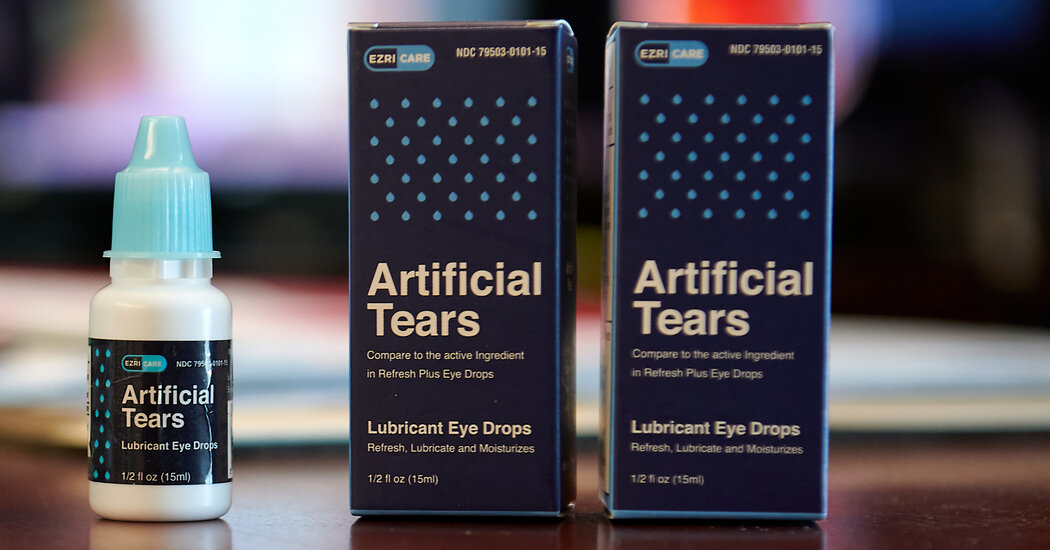
The C.D.C. traced deaths and cases of blindness to products imported from India. The agency said it was concerned that the bacteria could gain a foothold in the U.S.A highly drug-resistant bacteria that was linked to eyedrops imported from India and that spread from person to person in a Connecticut long-term care center has prompted concerns that the strain could gain a foothold in U.S. health care settings, according to the Centers for Disease Control and Prevention.Infectious disease specialists said the strain had not been previously detected in the United States, and that it was particularly difficult to treat with existing antibiotics.In recent months, three deaths, eight cases of blindness and dozens of infections have been traced to EzriCare artificial tears, according to the C.D.C., leading to a widespread recall this year.The Food and Drug Administration, which regulates over-the-counter medicine, has stopped imports of the product. But these outbreaks highlight regulatory gaps in controlling imports of overseas medications.The F.D.A. confirmed that it had not inspected the factory where the eyedrops were made in India before the infections were reported, but that the agency had since visited the plant, which is operated by Global Pharma Healthcare.The agency has long been criticized for lapses in inspections of overseas manufacturing in China and India, which are the two major producers of drugs and raw ingredients for medicines. Other instances of contaminated products from overseas included blood pressure medications suspected of containing a possible carcinogen and deadly batches of heparin, both of which prompted mass recalls.The F.D.A. said it was continuing to work with the C.D.C. and had urged retailers to make sure the products were removed from shelves.In the latest instance, the eyedrops are linked to bacteria that is even more drug-resistant than a similar bacteria that the C.D.C. tends to see in about 150 cases per year, mostly in intensive-care settings, according to Maroya Walters, lead investigator for the C.D.C.’s antimicrobial resistance team.Dr. Walters said the spread of the newest strain “really could change the outlook for that.”The bacteria showed signs of spreading within the Connecticut center among asymptomatic patients who had the bacteria colonized in their bodies. Such spread tends to occur when patients touch common items or when health care workers transmit the germs.The bacterium linked to the eyedrops, drug-resistant Pseudomonas aeruginosa, is already a top concern for health care providers, especially among those with compromised immune systems, nursing home residents and patients with invasive medical devices like catheters and breathing tubes.Dr. David van Duin, an infectious disease specialist at the University of North Carolina School of Medicine, said resistant pseudomonas was especially difficult to eradicate, both from health care facilities, where it clings tenaciously to sink drains, water faucets and other moist environments, and from patients who develop bloodstream infections.“It’s very hard to get rid of,” he said.By now, cases associated with the eyedrops have largely been contained, thanks to a product recall and widespread attention from the news media, Dr. Walters said. The F.D.A. had also announced the recall of Delsam Pharma’s Artificial Eye ointment, which was made in the same factory as the eyedrops, because of possible contamination.The C.D.C. is asking doctors to work with public health labs to determine the genetic fingerprint of hard-to-treat Pseudomonas infections in the eye and throughout the body.“I think we are going to see the impact of this play out over the course of months to years,” Dr. Walters said.In late December, the C.D.C. linked the EzriCare drops to an outbreak that has affected 68 patients in 16 states, including eight patients who lost their vision and four who had an eyeball removed.The F.D.A. has not said how much of the product made by Global Pharma Healthcare in Chennai, India, was imported.However, records provided to The New York Times by Panjiva, the supply chain research unit of S&P Global Market Intelligence, show that Global Pharma sent U.S. distributors four shipments in 2021 and 2022 amounting to tens of thousands of half-ounce bottles of EzriCare artificial tears.While the F.D.A. requires a pre-approval inspection of plants that manufacture prescription drugs, there is no such mandate for those that make over-the-counter medicines like artificial tears. Compounding the problem, the number of inspections the agency conducts has plummeted since the pandemic began.Representative Rosa DeLauro, Democrat of Connecticut, expressed concern about the F.D.A.’s ability to oversee what she described as “substandard safety practices” at U.S. and foreign plants, and called for providing the agency with more funding and greater authority to recall products. “Lives are at stake,” she said in a statement.On Jan. 3, the F.D.A. blocked Global Pharma’s imports, saying the company had provided “an inadequate response to a records request” and violated manufacturing rules. Shannon P. Hatch, a spokeswoman for the agency, said that the import alert was unrelated to the outbreak.The F.D.A. also said it recommended a voluntary recall on Feb. 2 over a “lack of appropriate microbial testing,” formulation issues and the absence of proper controls around tamper-evident packaging. The agency conducted an unannounced inspection at the India plant from Feb. 20 through March 2 and found a litany of problems with the plant’s sterility practices, according to an inspection report that was first reported by STAT news.Clean-room operators were not qualified for the job, and they wore discolored and worn-out foot covers, the report said. An inspector noted “a black, brown colored greasy deposit” on machinery in a room where bottles were filled with the eye drops. One worker acknowledged to an inspector that there was no procedure for cleaning one of the filling machines, according to the report.Global Pharma did not respond to questions in March. But on Feb. 1, the company said it had “not determined whether our manufacturing facility is the source of the contamination.” EzriCare said on its website that it marketed the drops, but that it had no role in the “actual manufacturing of this product.” Wal-Mart and Amazon, among the larger retailers that sold the drops, did not respond to requests for comment.Clara Elvira Oliva of Miramar, Fla., who lost her right eye and whose vision continues to deteriorate in her left. “I still can’t believe this happened to me,” she said.Melanie Metz for The New York TimesClara Elvira Oliva, 68, a contact lens wearer from Florida, began using EzriCare Artificial Tears to moisturize her eyes at the recommendation of the ophthalmologist at her health clinic.One morning in August, she woke up to find her right eye red and itchy and oozing liquid. Alarmed, she returned that day to the ophthalmologist, who prescribed antibiotic drops. But in the weeks that followed, she said, the irritation persisted and her eyesight began to deteriorate, stumping eye care providers who prescribed an ever-changing variety of antibiotic and antifungal drops.All the while, she kept using the EzriCare drops in both eyes. “No one told me to stop using them,” Ms. Oliva said in an interview.By the end of August, the infection in her right eye had become so dire that specialists told her she would need a cornea transplant. After the operation, she was told the eye was so ravaged by infection that doctors had no choice but to remove it.“Since that day, my life has never been the same,” said Ms. Oliva, a retired cosmetologist who lives with her son in Miramar.Dr. Walters collected mounting reports of antibiotic-resistant infections in several states that had a strikingly similar genetic fingerprint.C.D.C. investigators examined an outbreak of about two dozen cases at the long-term care center in Connecticut, where they saw evidence of bacterial spread among residents. That investigation pointed to eyedrops, but the center’s records made it difficult to tell what type had been used.By late December, the C.D.C. had tested 23 open bottles of eyedrops. Eleven of the EzriCare artificial tear bottles harbored bacteria, and seven of those matched the outbreak strain, Dr. Walters said.While the finding is not definitive proof that the bacteria came from the bottle and not from touching an infected eye, the evidence was compelling, Dr. Walters said.For Ms. Oliva, the vision in her left eye, already compromised by scarring, continues to deteriorate, making it difficult to drive, cook and read. Unsteady on her feet, she avoids going out. “Sometimes I bump into people because I don’t see them, but they think I’m just not paying attention,” she said.A screen in Ms. Oliva’s lawyer’s office showed a photo of her infected right eye before it was removed.Melanie Metz for The New York TimesMs. Oliva’s lawyer, Natasha Cortes, said she was investigating two cases of patients who went to the same clinic and developed vision problems, as well as five others.The outbreak has renewed longstanding concerns about the quality and frequency of the F.D.A.’s overseas inspections.In June 2020, Senator Chuck Grassley, Republican of Iowa, held an oversight hearing on the F.D.A.’s foreign inspection process, noting that the plants were given 12 weeks’ advance notice, “plenty of time to doctor up a facility to make sure that it passes inspection.” The agency has since received budget authority to conduct unannounced overseas inspections.The F.D.A. paused overseas inspections during the height of the coronavirus pandemic, and the number of foreign inspections remained low last year, at 684 compared with 3,272 in 2019, according to agency data.The F.D.A. has 4,000 overseas facilities to inspect, with about 20 percent in India; one of its six inspector positions in that country was vacant in late 2021, according to a report issued last year by the Government Accountability Office.For over-the-counter drugs, the F.D.A. uses a system that essentially lists a medication recipe. Companies can make the products without express agency approval but are expected to follow agency rules for manufacturing quality products, said John Serio, lawyer with Withers Worldwide who has pharmaceutical clients.“If you’re not out there inspecting facilities,” Mr. Serio said, “these sorts of problems will crop up because there’s no threat that if you’re out of compliance that the inspector will come knocking at your door.”Dr. Vicente Diaz, the chief of ophthalmology at Yale Health Plan in Connecticut who specializes in infectious diseases, said the infections evading the “big gun” antibiotics had alarmed experts. He worries that if doctors use ineffective antibiotics for too long or wait to culture a bug, “that gives the bacteria more time to multiply and get more aggressive,” he said.EzriCare drops do not contain preservatives, a fact that Dr. Diaz found troubling. He said he had never seen another reusable eye product without preservatives or other safety features to limit bacterial growth. Preservative-free drops usually come in single-use bottles, given the risk, he said.“I’m surprised that formulation was allowed to go on the market without more scrutiny,” he said. “It’s kind of like the perfect storm.”

Read more →

This is your brain on everyday life

A new study from a Washington University researcher offers fresh insights into how the brain goes to great lengths to processes and remember everyday events.
Zachariah Reagh, an assistant professor of psychological and brain sciences in Arts & Sciences at Washington University in St. Louis, and co-author Charan Ranganath of the University of California, Davis, used functional MRI scanners to monitor the brains of subjects watching short videos of scenes that could have come from real life. These included men and women working on laptops in a cafe or shopping in a grocery store.
“They were very ordinary scenes,” Reagh said. “No car chases or anything.”
The research subjects then immediately described the scenes with as much detail as they could muster. The mundane snippets led to intriguing findings, including that different parts of the brain worked together to understand and remember a situation.
Networks in the front part of the temporal lobe, a region of the brain long known to play an important role in memory, focused on the subject regardless of their surroundings. But the posterior medial network, which involves the parietal lobe toward the back of the brain, paid more attention to the environment. Those networks then sent information to the hippocampus, Reagh explained, which combined the signals to create a cohesive scene.
Researchers had previously used very simple objects and scenarios — such as a picture of an apple on a beach — to study the different building blocks of memories, Reagh said. But life isn’t so simple, he said. “I wondered if anyone had done these types of studies with dynamic real-word situations and, shockingly, the answer was no.”
The new study suggests that the brain makes mental sketches of people that can be transposed from one location to another, much like an animator can copy and paste a character into different scenes. “It may not seem intuitive that your brain can create a sketch of a family member that it moves from place to place, but it’s very efficient,” he said.

Some subjects could recall the scenes in the café and grocery store more completely and accurately than others. Reagh and Ranganath found that those with the clearest memories used the same neural patterns when recalling scenes that they used while watching the clips. “The more you can bring those patterns back online while describing an event, the better your overall memory,” he said.
At this time, Reagh said, it’s unclear why some people seem more adept than others at reproducing the thought patterns needed to access memory. But it’s clear that many things can get in the way. “A lot can go wrong when you try to retrieve a memory,” he said.
Even memories that seem crisp and vivid may not actually reflect reality. “I tell my students that your memory is not a video camera. It doesn’t give you a perfect representation of what happened. Your brain is telling you a story,” he said.
Reagh is one of the Washington University faculty members involved in the research cluster “The Storytelling Lab: Bridging Science, Technology, and Creativity,” part of the Incubator for Transdisciplinary Futures. Led by Jeff Zacks, chair of the Department of Psychological & Brain Sciences, with Ian Bogost and Colin Burnett, the Storytelling Lab explores the psychology and neurology of narratives.
In future, Reagh plans to study the brain activity and memory of people watching more complicated stories.
“The Storytelling Lab fits perfectly with the scientific questions that I find most exciting,” Reagh said. “I want to understand how the brain creates and remembers narratives.”

Read more →