New test reveals existing antibiotics, hiding in plain sight on pharmacy shelves, can treat superbugs

A new test revealed that FDA-approved antibiotics — available at your neighborhood pharmacy — can effectively treat superbugs. They are not prescribed, however, because the gold-standard test predicts they will not work. The new test may improve the way antibiotics are developed, tested and prescribed — and it is openly available to all.
The research has significant implications in the fight against bacterial resistance by optimizing the prescription and use of currently available antibiotics and enhancing the efforts to discover new ones.
Developed by a research team of UC Santa Barbara scientists, the antibiotic study was published in the journal Cell Reports Medicine. The research addressed a fundamental flaw in the healthcare paradigm for determining antibiotic resistance. It does not account for environmental conditions in the body that impact drug potency.
By simulating conditions in the body, the new test identified several effective antibiotics rejected by standard testing. Further, when the new and standard tests agreed — a nearly perfect prediction of treatment success or failure was observed.
The study required a tour de force screening of more than 500 antibiotic-bacteria combinations. The findings suggest that the standard test is incorrect ~15% of the time. And since physicians rely on this test for treatment decisions — it may lead to prescription of the wrong antibiotic.
The project was led by professor Michael Mahan and his UC Santa Barbara research team of Douglas Heithoff, Lucien Barnes and Scott Mahan, along with Santa Barbara Cottage Hospital physicians Lynn Fitzgibbons, M.D. and Jeffrey Fried, M.D., and professor John House of University of Sydney, Australia.

“People are not Petri plates — that is why antibiotics fail,” said Mahan. “Testing under conditions that mimic the body improves the accuracy by which lab tests predict drug potency.”
Physicians are aware of the flaws in the gold-standard test. When recommended antibiotics do not work, they must rely on their experience to decide on the appropriate antibiotic(s) for their patients.
This study provides a potential solution to address the disparity between antibiotics indicated by standard testing and actual patient outcomes.
“Reevaluation of FDA-approved antibiotics may be of far greater benefit than the time and cost of developing new drugs to combat antimicrobial resistance,” explained Fitzgibbons, an infectious disease physician, “potentially leading to significant life-savings and cost-savings.”
“Sepsis treatments are expensive and require long hospital stays,” explained Heithoff, “and testing and re-testing is not only time- and labor-intensive, but also leads to antibiotic resistance.”
The new test will lead to reduced costs for the healthcare industry in their efforts to identify new drugs to fight antimicrobial resistant infections.

“More accurate testing reduces the costs of drug discovery by streamlining detection of lead candidates long before expensive human clinical trials,” said House, a clinical veterinarian.
Added Fried, a critical care physician, “Human clinical safety and efficacy studies will need to be conducted to assure these findings are applicable to patients with various infections and sepsis.”
This research was funded by grants from the National Institutes of Health’s National Heart, Lung, and Blood Institute, and the U.S. Army Research Office via the Institute for Collaborative Biotechnologies (ICB) cooperative agreement and contract.
“As a Gaucho, I’m always proud to advance legislation that delivers critical support for the great work that UCSB ICB and other researchers are doing,” said Rep. Salud Carbajal. “With the support provided from the laws created by my colleagues and I on the Armed Services Committee, UCSB ICB was able to develop a new test method which revealed that FDA-approved antibiotics can effectively treat multidrug-resistant superbugs. This would be a game changer for many in our community with limited access to health care, and I’m proud to see the support included in the legislation I helped get signed into law play a part in this breakthrough.”

Read more →

Potential breakthrough in Type 1 diabetes treatment

For the well over 700 million people around the globe living with Type 1 diabetes, getting a host immune system to tolerate the presence of implanted insulin-secreting cells could be life-changing.
Rice University bioengineer Omid Veiseh and collaborators identified new biomaterial formulations that could help turn the page on Type 1 diabetes treatment, opening the door to a more sustainable, long-term, self-regulating way to handle the disease.
To do so, they developed a new screening technique that involves tagging each biomaterial formulation in a library of hundreds with a unique “barcode” before implanting them in live subjects.
According to the study in Nature Biomedical Engineering, using one of the alginate formulations to encapsulate human insulin-secreting islet cells provided long-term blood sugar level control in diabetic mice. Catheters coated with two other high-performing materials did not clog up.
“This work was motivated by a major unmet need,” said Veiseh, a Rice assistant professor of bioengineering and Cancer Prevention and Research Institute of Texas scholar. “In Type 1 diabetes patients, the body’s immune system attacks the insulin-producing cells of the pancreas. As those cells are killed off, the patient loses the ability to regulate their blood glucose.”
For decades, scientists labored toward what Veiseh called a “‘holy grail’ goal of housing islet cells inside a porous matrix made out of a protective material that would allow the cells to access oxygen and nutrients without getting clobbered by the host’s immune system.”
However, materials with optimal biocompatibility proved very hard to find, due in part to screening constraints. On one hand, immune system response to a given implanted biomaterial can only be assessed in a live host.

“The problem is the immune response needs to be investigated inside the body of these diabetic mice, not in a test tube,” said Boram Kim, a graduate student in the Veiseh lab and co-lead author on the study. “That means that if you want to screen these hundreds of alginate molecules, then you need to have hundreds of animal test subjects. Our idea was to screen for hundreds of biomaterials at the same time, in the same test subject.”
On the other hand, different biomaterial formulations look the same, making it impossible to identify high-performing ones in the absence of some telltale trait. This made testing more than one biomaterial per host unfeasible.
“They are different materials but they look the same,” Veiseh said. “And once they are implanted in the body of a test subject and then taken out again, we cannot distinguish between the materials and we would be unable to identify which material formulation worked best.”
To overcome these constraints, Veiseh and collaborators came up with a way to tag each alginate formulation with a unique ‘barcode’ that allowed them to identify the ones that performed best.
“We paired each modified biomaterial with human umbilical vein endothelial cells (HUVEC) from a different donor,” Kim said.

“The HUVEC cells, because they come from unique donors, act as a barcode that allows us to tell what material was used initially,” Veiseh added. “The winners are the ones that have live cells in them. Once we found them, we sequenced the genome of those cells and figured out which material was paired with it. That’s how we uncovered the greatest hits.”
Trials are underway for stem cell-derived islet cell use in diabetic patients. However, current islet treatments require immunosuppression, making it a taxing way to treat Type 1 diabetes.
“Currently, in order to use implanted islet cells in diabetic patients, you have to suppress the entire immune system, just as if you were trying to do an organ transplant,” Veiseh said. “That comes with a lot of complications for the patient.
“They can develop cancer, they can’t fight infections, so, for the vast majority of patients, it’s better to actually do the insulin therapy where they inject themselves. With this biomaterial-encapsulation strategy, no immunosuppression is needed.”
Placing actual HUVEC cells inside the biomaterial capsules increased the likelihood that the host immune system would detect a foreign presence. This makes the experiment more robust than simply testing for immune response to the biomaterials alone.
“We wanted to test a library of these materials, with the selection pressure of having cells inside the beads that makes it harder for the material to not get noticed by the immune system,” Veiseh said. “There’s a lot of interest from all the islet cell manufacturers to be able to get rid of immunosuppression and instead use these alginate hydrogel matrices to protect the implanted cells.”
The new high-throughput “barcoding” approach can be deployed to screen for other medical applications using fewer live test subjects.
“That actually feeds into a lot of other projects in my lab where we’re doing biologic production from cells for other disease indications,” Veiseh said. “The same modifications can be applied to all types of materials that go into the body. This is not limited only to cell transplantation. The technology we developed can be paired with a lot of different device concepts.
“For instance, some diabetic patients use automated pump systems to self-administer insulin. The catheters on those pump systems have to be replaced every few days because they get clogged. We were able to show that coating the catheters with these new materials prevented clogging.”
“With this new cell-based barcoding technology, biomaterials research just got an unprecedented boost that will accelerate the translation to clinically applicable products, and make it more affordable,” said Dr. José Oberholzer, a transplant surgeon and bioengineer at the University of Virginia.
“This is a real paradigm shift. With this method, we can now screen hundreds of biomaterials at once and select those that the human body does not reject. We can protect cellular grafts from the assaults of the immune system, without the need for immunosuppressive medications,” Oberholzer added.
Former Rice bioengineering professor and current NuProbe U.S. CEO David Zhang noted that “high-throughput DNA sequencing has revolutionized many biomedical fields.”
“I am pleased to work with Omid to enable the development of improved biomaterials using my team’s expertise in DNA sequencing,” added Zhang, who was a co-investigator on the grant. “These improved biomaterials can enable durable implanted cell therapies to function as living drug factories, and can have a positively disruptive impact on patients with a variety of chronic diseases.”
The National Institutes of Health (R01 DK120459), JDRF (3-SRA-2021-1023-S-B), the National Science Foundation (CBET1626418), the Rice University Academy Fellowship and Rice’s Shared Equipment Authority supported the research.

Read more →

Genomes from 240 mammal species explain human disease risks

Why is it that certain mammals have an exceptional sense of smell, some hibernate, and yet others, including humans, are predisposed to disease? A major international research project, jointly led by Uppsala University, Sweden and the Broad Institute, USA, has surveyed and analysed the genomes of 240 different mammals. The results, now published in 11 articles in the journal Science, show how the genomes of humans and other mammals have developed over the course of evolution. The research shows which regions have important functions in mammals, which genetic changes have led to specific characteristics in different species and which mutations can cause disease.
“In combination, the 11 articles we are now publishing in Science provide an enormous amount of information about the function and development of mammalian genomes,” says Kerstin Lindblad-Toh, Professor of Comparative Genomics at Uppsala University and one of two leaders of the international consortium of researchers. “Moreover, we have produced data that can be used for studies of evolution and medical research for many years to come.”
In a large international project jointly led by Uppsala University and the Broad Institute, more than 30 research teams have together surveyed and analysed the genomes of 240 mammal species. The results, now published in 11 articles in the journal Science, show how the genomes of humans and other mammals have developed in the course of evolution.
The human genome contains approximately 20,000 genes that constitute the code for manufacturing all the proteins in the body. The genome also contains instructions that direct where, when and how much of the proteins are produced. These parts of the genome, which are called regulatory elements, are much more difficult to identify than the parts that give rise to proteins. However, studying a great many mammals’ genomes makes it possible to figure out which parts of the genome are functionally important.
The hypothesis shared by the researchers behind the publications in Science has been that if a position in the genome has been preserved throughout 100 million years of evolution, it likely serves a function in all mammals. For the first time, they have been able to test this hypothesis on a large scale. By making a detailed survey and systematic comparison of the genomes of 240 mammals, the researchers have identified regions of the human genome with previously uncharacterised function. These regions are likely regulatory elements and are significant for the correct functioning of the genome. Mutations in these can play an important role in the origin of diseases or in the distinctive features of mammal species.
The researchers identified more than three million important regulatory elements in the human genome, about half of which were previously unknown. They were also able to ascertain that at least 10 per cent of the genome is functional, ten times as much as the approximately one per cent that codes for proteins.

The 240 different mammals in the study vary widely in their characteristics, such as the acuteness of their sense of smell or the size of their brain. The researchers were able to find regions in the genomes that lead to some species having a superior sense of smell or to certain species hibernating.
“It’s exciting to now have a picture of which mutations have steered the development of specific traits in these widely divergent mammals,” says Matthew Christmas, researcher and co-first author of one of the articles focusing on the function of the genome and how it affects distinctive features in different species.
One of the studies shows that mammals had begun to change and diverge ven before the Earth was hit by the asteroid that killed the dinosaurs, approximately 65 million years ago.
“Our results can also provide important information about whether mammals are at risk of extinction, depending on how much variation they have in their genome. This is information that can lay the foundation for understanding how to manage a species to help it survive,” says Professor Lindblad-Toh.
The new knowledge also helps researchers understand how diseases arise, by linking the positions in the genome conserved by evolution to known conditions. This can be done for all species and will also be usable with reference to human diseases.

“Our analyses of 240 mammals give us a better insight into the regulatory signals in the genome. We calibrated our results on positions that are known to contribute to disease, and then could use these to suggest additional positions which could be prioritised for neurological traits, such as schizophrenia or immune conditions including asthma or eczema,” says Jennifer Meadows, researcher and co-first author of the second article, which focuses on how the project’s data can contribute to knowledge about diseases.
The genome of healthy and sick people is compared to understand which mutations lead to disease. This produces a picture of the region in the genome that may be important, but does not yield an exact knowledge of which mutation causes the disease.
“A large proportion of the mutations that lead to common diseases, like diabetes or obsessive-compulsive disorder, lie outside the genes and have to do with gene regulation. Our studies make it easier to identify the mutations that lead to disease and to understand what goes wrong,” says Lindblad-Toh.
The researchers also studied the cancer medulloblastoma, which is the most common type of malignant brain tumour in children. Although modern treatments have improved the prognosis, not all children can be cured. Moreover, those that survive often experience lifelong side-effects from the aggressive treatment.
“In patients with medulloblastoma, we found many new mutations in evolutionarily conserved positions. We hope that analysis of these mutations will lay the ground for new diagnostics and therapies,” says Karin Forsberg-Nilsson, Professor of Stem Cell Research at Uppsala University, who led the cancer part of the study.
This work was supported in part by the National Institutes of Health (US), the Swedish Research Council (SWE), the Knut and Alice Wallenberg Foundation (SWE), and the National Science Foundation (US).

Read more →

Pulling the plug on viral infections: CRISPR isn't just about cutting

CRISPR claimed scientific fame for its ability to quickly and accurately edit genes. But, at the core, CRISPR systems are immune systems that help bacteria protect themselves from viruses by targeting and destroying viral DNA and RNA. A new study published in Science reveals a previously unrecognized player in one such system — a membrane protein that enhances anti-viral defense — simultaneously broadening our understanding of and raising more questions related to the complexities of CRISPR.
Uncovering New Clues about CRISPR
CRISPR systems consist of two major components — a guide RNA that targets a specific viral DNA or RNA sequence and a Cas enzyme that cuts the targeted DNA or RNA, preventing a virus from replicating and spreading. A team at the University of Rochester Center for RNA Biology found that a specific Cas protein (Cas13b) not only cuts viral RNA, but communicates with another protein (Csx28) to augment its anti-viral defense.
In partnership with scientists at Cornell, the team discovered that the Csx28 protein forms a pore-like structure (i.e. it has a big hole in it). When they infected E. coli with a phage (virus that attacks bacteria) and deployed the CRISPR-Cas13 system to target and halt infection, they found that Cas13 signals to Csx28 to affect membrane permeability. Once this happens, Csx28 wreaks havoc in the infected cell, discombobulating membrane potential, crushing metabolism and hindering energy production. A virus can’t replicate under such unhospitable circumstances, leading to the team’s conclusion that Csx28 enhances CRISPR-Cas13b’s phage defense.
“This finding upends the idea that CRISPR systems mount their defense only by degrading RNA and DNA in cells and really broadens our view of how CRISPR systems may be working,” said corresponding author Mitchell O’Connell, PhD, assistant professor of Biochemistry and Biophysics at the University of Rochester Medical Center (URMC) and a member of the UR Center for RNA Biology. “When we think about CRISPR, we see Cas proteins such as Cas9 or Cas13 as the big hammer doing all the damage, but that might not be the case; we found that Cas13 and Csx28 are working together to effectively extinguish a virus.”
“When you read this paper you think to yourself…’what?’ This is such a weird mechanism and not the way I would have predicted that bacteria would work,” added John Lueck, PhD, assistant professor of Pharmacology and Physiology at URMC. “It is really impressive that the team identified this pore-like protein that doesn’t resemble anything else we’ve seen before, and now that we know that this mechanism exists people will start to look for it in other systems. This is exciting because in science, when you scratch the surface, you often find that there is an entirely new world behind it.”
More Questions than Answers
With the added knowledge of the structure of Csx28 through the use of high-resolution cryo-EM, the team is beginning to probe the function of the protein. Questions abound. If the goal is protection, why is there a giant hole in the membrane? The team found that when Cas13 isn’t around, Csx28 isn’t active. What makes it become active in defense? How long does it stay active and what does it let through the membrane? Understanding the biochemistry behind the opening and closing of the pore will shed light on how CRISPR-Cas13 uses it as part of its defense and provide a jumping off point for the study of membrane proteins across other CRISPR systems.
“This finding is unexpected and raises all kinds of new questions about how bacteria protect themselves and what they are doing to survive infection,” noted Mark Dumont, PhD, a professor of Biochemistry and Biophysics at URMC who has spent his career studying membrane proteins. “It is also a very interesting interface between RNA biology, CRISPR, structural biology and membrane biology. While there is no immediate medical relevance or application, the ideas that boil up from this could be very powerful.”
Lueck adds, “It is very rare for one study to have this many thought-provoking pieces that it brings several different fields together. And because the concepts are brand new, future work won’t be burdened by dogma. Any time people can bring fresh, unfettered ideas to the table it is really good for science.”
In addition to O’Connell, lead study author Arica VanderWal, PhD, a former graduate student in O’Connell’s lab who is now a postdoctoral researcher at UC San Diego, contributed to the research. Graduate students Julia K. Nicosia and Adrian M. Molina Vargas in the O’Connell lab, Bogdan Polevoda, PhD, research assistant professor of Biochemistry and Biophysics at URMC, and Elizabeth Kellogg, PhD, and Jung-Un Park from the department of Molecular Biology and Genetics at Cornell University also supported the research. The study was funded by the National Institutes of Health.

Read more →

Information 'deleted' from the human genome may be what made us human

What the human genome is lacking compared with the genomes of other primates might have been as crucial to the development of humankind as what has been added during our evolutionary history, according to a new study led by researchers at Yale and the Broad Institute of MIT and Harvard.
The new findings, published April 28 in the journal Science, fill an important gap in what is known about historical changes to the human genome. While a revolution in the capacity to collect data from genomes of different species has allowed scientists to identify additions that are specific to the human genome — such as a gene that was critical for humans to develop the ability to speak — less attention has been paid to what’s missing in the human genome.
For the new study researchers used an even deeper genomic dive into primate DNA to show that the loss of about 10,000 bits of genetic information — most as small as a few base pairs of DNA — over the course of our evolutionary history differentiate humans from chimpanzees, our closest primate relative. Some of those “deleted” pieces of genetic information are closely related to genes involved in neuronal and cognitive functions, including one associated with the formation of cells in the developing brain.
These 10,000 missing pieces of DNA — which are present in the genomes of other mammals — are common to all humans, the Yale team found.
The fact that these genetic deletions became conserved in all humans, the authors say, attests to their evolutionary importance, suggesting that they conferred some biological advantage.
“Often we think new biological functions must require new pieces of DNA, but this work shows us that deleting genetic code can result in profound consequences for traits make us unique as a species,” said Steven Reilly, an assistant professor of genetics at Yale School of Medicine and senior author of the paper.

The paper was one of several published in Science from the Zoonomia Project, an international research collaboration that is cataloging the diversity in mammalian genomes by comparing DNA sequences from 240 species of mammals that exist today.
In their study, the Yale team found that some genetic sequences found in the genomes of most other mammal species, from mice to whales, vanished in humans. But rather than disrupt human biology, they say, some of these deletions created new genetic encodings that eliminated elements that would normally turn genes off.
The deletion of this genetic information, Reilly said, had an effect that was the equivalent of removing three characters — “n’t” — from the word “isn’t” to create a new word, “is.”
“[Such deletions] can tweak the meaning of the instructions of how to make a human slightly, helping explain our bigger brains and complex cognition,” he said.
The researchers used a technology called Massively Parallel Reporter Assays (MPRA), which can simultaneously screen and measure the function of thousands of genetic changes among species.
“These tools have the capability to allow us to start to identify the many small molecular building blocks that make us unique as a species,” Reilly said.
James Xue of the Broad Institute is lead author of the study.

Read more →

Mammalian evolution provides hints for understanding the origins of human disease

Hundreds of scientific studies have been conducted over the years to find the genes underlying common human traits, from eye color to intelligence and physical and mental illnesses.
Patrick Sullivan, MD, FRANZCP, the Yeargan Distinguished Professor of Psychiatry and Genetics at the UNC School of Medicine, and the Psychiatric Genomic Consortium have produced a new packet for the journal Science, to give researchers another way to understand human disease, using the power of evolutionary genomics.
“This is a tool that can give us a lot of important hints about human disease,” said Sullivan, who is also a professor at the Karolinska Institute in Stockholm, Sweden. “If we can take a deep dive into your genome, we can get some idea about your ancestors, both human and nonhuman, and observe the impacts of many millions of years of evolution in you.”
What Makes Us Mammals
Every single living organism on the planet has DNA. The self-replicating material acts as a blueprint for producing certain molecules in organisms, such as proteins. It’s no surprise that humans and our closest relatives, chimpanzees, share 98.8% of genetic material.
While some of our genes have evolved over time, others have remained the same throughout the entire mammalian evolutionary process. In scientific terms, these are called “highly constrained” genes. Some human genes have a surprising amount of genetic similarity in mice, cows, dogs, cats, bats, and dolphins in many regions of the genome.

These are the genes that unite us as mammals. Since these genes have undergone a “trial by fire” throughout evolutionary history, these unaltered genetic regions must play a fundamental role in the health and genetic makeup of the organism, according to Sullivan.
“Some highly constrained genes can make proteins that are nearly identical in us and in a mouse,” said Sullivan. “That’s crazy because we have probably 60 million years of evolution between us and the mouse. And yet, this protein hasn’t changed so we infer that this protein is doing something really important.”
It might be simpler to see the work of our shared genes when we zoom out to take a more holistic view.
Humans and other mammals share anatomical structures, such as the four-chambered heart, lungs, hair (or fur), skeleton, and milk-producing mammary glands. We also share similar fundamental processes on a smaller scale, including embryology, how cells grow and divide, and the development and operation of the synapses that transmit neurological chemicals throughout our bodies and brains.
All of which are formed through our shared genetic regions. So, if one of these genes that make up the basics of a mammal is altered or deleted, it could have negative effects on the organism.

A New Way to Look at Human Mental and Physical Health
If a patient has a neurological brain disorder or certain psychiatric disorders, researchers are able to trace it back and see that this person has received a “big hit” to one of the highly constrained genes that are critical to the nervous system, brain structure, or synapses.
Many researchers have relied on the genome-wide association study (GWAS) to find where the genetic risk for a disease is located in the genome. Using genomic techniques and large-size samples, researchers can analyze the entire genome of many populations to find genetic variations, such as single nucleotide polymorphisms (SNPs), associated with a disease or a trait.
Even though it is important to know where these variations are located in the genome, it’s also useful to know how or why these genetic variations happened in the first place. Sullivan hopes that other researchers will make use of the new and extensive document to reach their own conclusions regarding the genetics underlying a variety of human diseases.
“As it turns out, a lot of brain traits are actually highly conserved,” said Sullivan, who serves as director of the UNC Suicide Prevention Institute in the Department of Psychiatry. “This research project has really given me a much, much deeper understanding of the genome and how the genome is set up. I now use this all the time in trying to understand schizophrenia, suicide, depression, and eating disorders.”
What This Means for Future Research
As one can imagine, the successful development of a human requires heavy lifting from proteins and DNA sequences. There are two short regions within our DNA, called regulatory enhancers and regulatory promoters, which play especially important roles in regulating our DNA.
The creation of a human gene is similar to a factory that produces donuts. Regulatory enhancers are responsible for controlling the amount of dough squeezed out of the machine and onto the baking tray. Promoters, on the other hand, are in control of when the dough is being squirted onto the tray. At the end of the day, you have a full formed gene.
Researchers like Sullivan may be able to go into the DNA sequences and increase or decrease these regulatory enhancers and promoters to affect the amount of proteins produced by genes, with the goal of lessening the effects of a genetically based disease.
“It might be possible to hit the upstream part that controls it, in a very soft way, to see if that actually helps,” says Sullivan.

Read more →

What Can You Do With a Menagerie of Mammal Genomes?

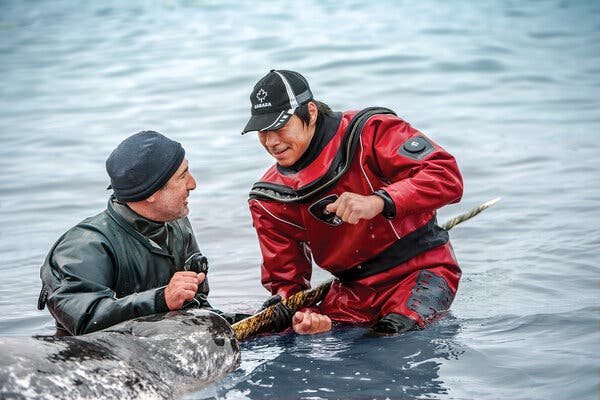
To learn more about humans, a large international team of scientists spent years tracking down some of the strangest creatures on Earth. They camped out on an Arctic ice floe to collect DNA from the one-tusked narwhal, netted a tiny bumblebee bat in a cave-rich region of Southeast Asia and ventured behind the scenes at a Caribbean zoo to draw blood from the slender-snouted solenondon, one of the world’s few venomous mammals.Researchers compared the genomes of these mammals with those of a diverse assortment of others, including an aardvark, a meerkat, a star-nosed mole and a human. In doing so, they were able to identify stretches of DNA that have barely changed over eons of mammalian evolution and are thus likely to be vital to human health and functioning.The genetic database they assembled includes the complete genomes of 240 species, covering more than 80 percent of the planet’s mammalian families (and including humans). It could help scientists answer a wide variety of questions about other animals, such as when and how they evolved and the biological basis for some of their unusual talents.“What amazingly cool things can those species do that humans can’t do?” said Elinor Karlsson, a geneticist at UMass Chan Medical School and the Broad Institute and a co-leader of what is known as the Zoonomia Project. “We always like to think of humans as being the most special species. But it turns out that we’re really quite boring in many ways.”A narwhal captured to collect genetic samples and to study its tusk.Gretchen FreundThe Zoonomia data set has limitations. It contains just one genome per species (with the exception of the domestic dog, which was sequenced twice), and thousands of mammals are missing.But in a new package of papers, published in Science on Thursday, the Zoonomia team showcased the power of this kind of multispecies data. And it’s just the beginning.“Sequencing a lot of genomes is not trivial,” said Michael G. Campana, a computational genomics scientist at the Smithsonian’s National Zoo and Conservation Biology Institute, who was not part of the project. “What’s really important is actually making use of these data.”Here are some of the things that Zoonomia scientists are already doing with it:Uncovering the basis of special skillsTo look for the underpinnings of exceptional animal talents, the scientists sought genetic sequences that had evolved unusually quickly in species that shared a certain trait, such as the ability to hibernate.In one analysis, the researchers focused on deep hibernators, such as the fat-tailed dwarf lemur and the greater mouse-eared bat, which can maintain low body temperatures for days or weeks at a time. The researchers found evidence of “accelerated evolution” in a variety of genes, including one that is known to help protect cells from temperature-related stress and another that inhibits a cellular pathway related to aging.“Lots of hibernating species also have exceptional longevity,” Dr. Karlsson said, leading her to wonder: Do the changes in that gene contribute to their long lives?The researchers also explored the mammalian sense of smell. Animals have a large assortment of different olfactory receptors, each capable of binding to certain odor-causing molecules; species with more olfactory receptor genes generally have keener senses of smell.A Hoffmann’s two-toed sloth, which has nearly as many olfactory receptor genes as the nine-banded armadillo.Milan Zygmunt/AlamyWhen the Zoonomia team tallied the number of these genes in each species, the African savanna elephant took the top spot, with 4,199. The nine-banded armadillo and Hoffmann’s two-toed sloth followed, while the Central American agouti came in fourth.The agouti “turns out to have one of the best olfactory repertoires of any mammal, for totally unknown reasons,” Dr. Karlsson said. “It’s a reminder of how much diversity there is out there that we don’t know anything about.” (Dogs, she noted, did not prove to be “particularly special” in this regard.)On the other hand, cetaceans — a group that includes dolphins and whales — have a notably small number of olfactory receptor genes, which makes sense given their watery habitats. “They communicate in other ways,” said Kerstin Lindblad-Toh, a geneticist at the Broad Institute and Uppsala University and the other leader of the Zoonomia Project.Species with more olfactory receptor genes also tended to have more olfactory turbinals, bony structures in the nasal cavity that aid olfaction. The results suggest that “if certain traits are important, they evolve in multiple ways,” Dr. Lindblad-Toh said.She added, “I think that one of the important things with our data set is that it generates the genome sequencing for so many different species that people can start looking at their favorite characteristics.”Painting portraits of populationsBalto, the Alaskan sled dog, in 1920.via The New York Times Photo ArchivesIn February 1925, in the midst of a diphtheria outbreak, a relay of sled dog teams delivered an emergency supply of antitoxin to Nome, Alaska, which had been isolated by snow. Balto, one of the dogs that ran the final leg of the relay, became famous; when he died some years later, his taxidermied body was put on display at the Cleveland Museum of Natural History.A team of Zoonomia researchers has now used a small piece of that taxidermied tissue to learn more about the celebrity sled dog and his canine contemporaries. “We saw this as a little challenge,” said Kathleen Morrill, an author of the Balto paper, who performed the research as a graduate student at UMass Chan Medical School and is now a senior scientist at Colossal Biosciences. “Here is this one individual, really famed. We don’t know a lot about his biology. What can we say about his genome?”Balto, they found, was genetically “healthier” than modern purebred dogs, with more inherited genetic variation and fewer potentially harmful mutations. That finding likely stems from the fact that sled dogs are typically bred for physical performance and may be a mixture of breeds.Balto also had an assortment of genetic variants that were not present in wolves and were rare or missing in modern purebred dogs, the researchers found. Many variants were in genes involved in tissue development and may have affected a variety of traits important for sled dogs, such as skin thickness and joint formation. Balto had two copies of these variants, one inherited from each parent, which means they were probably at least somewhat common in other Alaskan sled dogs at the time.“We get this much clearer picture of what he was like and what his population would have looked like,” said Katie Moon, a postdoctoral researcher at the University of California, Santa Cruz, and an author of the paper. “And that picture is of really well-adapted working sled dogs.”Illuminating evolutionary timelinesAn artist’s concept of Early Cretaceous mammals, including Durlstodon ensomi, upper left, and Durlstotherium newmani, foreground. At center, a dinosaur of the genus Nuthetes with a baby D. newmani in its beak.Mark P. Witton/Science SourceScientists have long debated precisely how and when today’s diverse assortment of mammals came into being. Did the mammalian family tree branch out only after the extinction of the dinosaurs, some 66 million years ago? Or did the process largely take place before the catastrophe?A new analysis with the Zoonomia genomes suggests that the answer is both. Mammals first began to diversify about 102 million years ago, when Earth’s continents were fragmenting and sea levels began rising. “This isolated the predecessors of the modern lineages on different land masses,” said William Murphy, an evolutionary geneticist at Texas A&M University and an author of the paper.But another burst of diversification came after the extinction of the dinosaurs, the researchers found, when the emergence of new land and the disappearance of the reigning reptiles provided mammals with new habitats, resources and opportunities.“It’s a really landmark paper,” said Scott Edwards, an evolutionary biologist at Harvard, who was not involved in the research. “It’s probably the largest of its kind in terms of trying to put mammals on a time scale.”The Zoonomia package more broadly is “a monumental set of work,” he added. “It’s going to really set the standard for our understanding of mammal evolution going forward.”Predicting extinction riskA Java mouse-deer fawn and its mother.Jorge Guerrero/Agence France-Presse — Getty ImagesMammals generally inherit two copies of most genetic sequences, one from each parent. Determining how closely these sequences match can provide insight into the size of past animal populations; long stretches of matching DNA can be a sign of inbreeding, for instance.The genome of a single animal reflects “how closely related its parents were, grandparents were, going all the way back,” said Aryn Wilder, a conservation geneticist at the San Diego Zoo Wildlife Alliance.Dr. Wilder and her colleagues used the Zoonomia genomes to estimate the population sizes of different species throughout history. Compared with species that were historically abundant, those with small past populations had more potentially harmful genetic mutations and were more likely to be classified as threatened by the International Union for Conservation of Nature.The researchers also analyzed the genomes of three species whose risk of extinction the I.U.C.N. considered to be unknown because of a lack of data: the killer whale, the Upper Galilee Mountains blind mole rat and the Java mouse-deer (which looks exactly as advertised). The results suggested that the killer whale might be at highest risk.The approach could provide a quick way to prioritize species for more thorough, resource-intensive risk assessments, said Beth Shapiro, a paleogeneticist at the University of California, Santa Cruz, and an author of the study. “It could be a relatively straightforward way to do conservation triage,” she said.

Read more →

Scientists discover antibiotic resistance genes in clouds

The atmosphere is a large-scale dissemination route for bacteria carrying antibiotic-resistance genes. A research team from Université Laval and Université Clermont Auvergne has shown that these genes can be transported by clouds.
“This is the first study to show that clouds harbor antibiotic resistance genes of bacterial origin in concentrations comparable to other natural environments,” says Florent Rossi, first author of the study and postdoctoral fellow in the team of Caroline Duchaine, a professor at Université Laval’s Faculty of Science and Engineering and a researcher at the Quebec Heart and Lung Institute-Université Laval.
To observe this phenomenon, the team sampled clouds at the Puy de Dôme summit, a dormant volcano in France’s Massif Central. At an atmospheric research station perched 1,465 meters above ground, the scientists conducted 12 cloud sampling sessions over two years using high-flow rate “vacuums.”
Analysis of these samples revealed that they contained about 8,000 bacteria per milliliter of cloud water, on average. “These bacteria usually live on the surface of vegetation or soil. They are aerosolized by the wind or by human activities, and some of them rise into the atmosphere and participate in the formation of clouds,” explains Florent Rossi. The concentrations are variable: they range from 330 to more than 30,000 bacteria per milliliter of cloud water. Between 5% and 50% of these bacteria could be alive and potentially active.
Various sources
With all their data, the scientists measured the concentration of 29 subtypes of antibiotic-resistance genes carried in atmospheric air masses. The clouds contained, on average, 20,800 copies of antibiotic-resistance genes per milliliter of cloud water.
“Oceanic clouds and continental clouds each have their signature of antibiotic resistance genes. For example, continental clouds contain more antibiotic resistance genes used in animal production,” explains Florent Rossi.
Although airborne transport of antibiotic resistance genes is a natural phenomenon, the widespread use of antibiotics in agriculture and medicine has contributed to the proliferation of these resistant strains and their dissemination in the environment.
“Our study shows that clouds are an important pathway for antibiotic-resistance genes spreading over short and long ranges. Ideally, we would like to locate emission sources resulting from human activities to limit the dispersal of these genes.”
The health effect of the spread of these antibiotic-resistant genes will be something to investigate in future research.

Read more →

ChatGPT scores nearly 50 per cent on board certification practice test for ophthalmology, study shows

A study of ChatGPT found the artificial intelligence tool answered less than half of the test questions correctly from a study resource commonly used by physicians when preparing for board certification in ophthalmology.
The study, published in JAMA Ophthalmology and led by St. Michael’s Hospital, a site of Unity Health Toronto, found ChatGPT correctly answered 46 per cent of questions when initially conducted in Jan. 2023. When researchers conducted the same test one month later, ChatGPT scored more than 10 per cent higher.
The potential of AI in medicine and exam preparation has garnered excitement since ChatGPT became publicly available in Nov. 2022. It’s also raising concern for the potential of incorrect information and cheating in academia. ChatGPT is free, available to anyone with an internet connection, and works in a conversational manner.
“ChatGPT may have an increasing role in medical education and clinical practice over time, however it is important to stress the responsible use of such AI systems,” said Dr. Rajeev H. Muni, principal investigator of the study and a researcher at the Li Ka Shing Knowledge Institute at St. Michael’s. “ChatGPT as used in this investigation did not answer sufficient multiple choice questions correctly for it to provide substantial assistance in preparing for board certification at this time.”
Researchers used a dataset of practice multiple choice questions from the free trial of OphthoQuestions, a common resource for board certification exam preparation. To ensure ChatGPT’s responses were not influenced by concurrent conversations, entries or conversations with ChatGPT were cleared prior to inputting each question and a new ChatGPT account was used. Questions that used images and videos were not included because ChatGPT only accepts text input.
Of 125 text-based multiple-choice questions, ChatGPT answered 58 (46 per cent) questions correctly when the study was first conducted in Jan. 2023. Researchers repeated the analysis on ChatGPT in Feb. 2023, and the performance improved to 58 per cent.
“ChatGPT is an artificial intelligence system that has tremendous promise in medical education. Though it provided incorrect answers to board certification questions in ophthalmology about half the time, we anticipate that ChatGPT’s body of knowledge will rapidly evolve,” said Dr. Marko Popovic, a co-author of the study and a resident physician in the Department of Ophthalmology and Vision Sciences at the University of Toronto.
ChatGPT closely matched how trainees answer questions, and selected the same multiple-choice response as the most common answer provided by ophthalmology trainees 44 per cent of the time. ChatGPT selected the multiple-choice response that was least popular among ophthalmology trainees 11 per cent of the time, second least popular 18 per cent of the time, and second most popular 22 per cent of the time.
“ChatGPT performed most accurately on general medicine questions, answering 79 per cent of them correctly. On the other hand, its accuracy was considerably lower on questions for ophthalmology subspecialties. For instance, the chatbot answered 20 per cent of questions correctly on oculoplastics and zero per cent correctly from the subspecialty of retina. The accuracy of ChatGPT will likely improve most in niche subspecialties in the future,” said Andrew Mihalache, lead author of the study and undergraduate student at Western University.

Read more →

Can jack-of-all-trades AI reshape medicine?

The vast majority of AI models used in medicine today are “narrow specialists,” trained to perform one or two tasks, such as scanning mammograms for signs of breast cancer or detecting lung disease on chest X-rays.
But the everyday practice of medicine involves an endless array of clinical scenarios, symptom presentations, possible diagnoses, and treatment conundrums. So, if AI is to deliver on its promise to reshape clinical care, it must reflect that complexity of medicine and do so with high fidelity, says Pranav Rajpurkar, assistant professor of biomedical informatics in the Blavatnik Institute at HMS.
Enter generalist medical AI, a more evolved form of machine learning capable of performing complex tasks in a wide range of scenarios.
Akin to general medicine physicians, Rajpurkar explained, generalist medical AI models can integrate multiple data types — such as MRI scans, X-rays, blood test results, medical texts, and genomic testing — to perform a range of tasks, from making complex diagnostic calls to supporting clinical decisions to choosing optimal treatment. And they can be deployed in a variety of settings, from the exam room to the hospital ward to the outpatient GI procedure suite to the cardiac operating room.
While the earliest versions of generalist medical AI have started to emerge, its true potential and depth of capabilities have yet to materialize.
“The rapidly evolving capabilities in the field of AI have completely redefined what we can do in the field of medical AI,” writes Rajpurkar in a newly published perspective in Nature, on which he is co-senior author with Eric Topol of the Scripps Research Institute and colleagues from Stanford University, Yale University, and the University of Toronto.

Generalist medical AI is on the cusp of transforming clinical medicine as we know it, but with this opportunity come serious challenges, the authors say.
In the article, the authors discuss the defining features of generalist medical AI, identify various clinical scenarios where these models can be used, and chart the road forward for their design, development, and deployment.
Features of generalist medical AI
Key characteristics that render generalist medical AI models superior to conventional models are their adaptability, their versatility, and their ability to apply existing knowledge to new contexts.
For example, a traditional AI model trained to spot brain tumors on a brain MRI will look at a lesion on an image to determine whether it’s a tumor. It can provide no information beyond that. By contrast, a generalist model would look at a lesion and determine what type of lesion it is — a tumor, a cyst, an infection, or something else. It may recommend further testing and, depending on the diagnosis, suggest treatment options.

“Compared with current models, generalist medical AI will be able to perform more sophisticated reasoning and integrate multiple data types, which lets it build a more detailed picture of a patient’s case,” said study co-first author Oishi Banerjee, a research associate in the Rajpurkar lab, which is already working on designing such models.
According to the authors, generalist models will be able to: Adapt easily to new tasks without the need for formal retraining. They will perform the task by simply having it explained to them in plain English or another language. Analyze various types of data — images, medical text, lab results, genetic sequencing, patient histories, or any combination thereof — and generate a decision. In contrast, conventional AI models are limited to using predefined data types — text only, image only — and only in certain combinations. Apply medical knowledge to reason through previously unseen tasks and use medically accurate language to explain their reasoning.Clinical scenarios for use of generalist medical AI
The researchers outline many areas in which generalist medical AI models would offer comprehensive solutions.
Some of them are: Radiology reports. Generalist medical AI would act as a versatile digital radiology assistant to reduce workload and minimize rote work. These models could draft radiology reports that describe both abnormalities and relevant normal findings, while also taking into account the patient’s history. These models would also combine text narrative with visualization to highlight areas on an image described by the text. The models would also be able to compare previous and current findings on a patient’s image to illuminate telltale changes suggestive of disease progression. Real-time surgery assistance. If an operating team hits a roadblock during a procedure — such as failure to find a mass in an organ — the surgeon could ask the model to review the last 15 minutes of the procedure to look for any misses or oversights. If a surgeon encounters an ultra-rare anatomic feature during surgery, the model could rapidly access all published work on this procedure to offer insight in real time. Decision support at the patient bedside. Generalist models would offer alerts and treatment recommendations for hospitalized patients by continuously monitoring their vital signs and other parameters, including the patient’s records. The models would be able to anticipate looming emergencies before they occur. For example, a model might alert the clinical team when a patient is on the brink of going into circulatory shock and immediately suggest steps to avert it. Ahead, promise and peril
Generalist medical AI models have the potential to transform health care, the authors say. They can alleviate clinician burnout, reduce clinical errors, and expedite and improve clinical decision-making.
Yet, these models come with unique challenges. Their strongest features — extreme versatility and adaptability — also pose the greatest risks, the researchers caution, because they will require the collection of vast and diverse data.
Some critical pitfalls include: Need for extensive, ongoing training. To ensure the models can switch data modalities quickly and adapt in real time depending on the context and type of question asked, they will need to undergo extensive training on diverse data from multiple complementary sources and modalities. That training would have to be undertaken periodically to keep up with new information. For instance, in the case of new SARS-CoV-2 variants, a model must be able to quickly retrieve key features on X-ray images of pneumonia caused by an older variant to contrast with lung changes associated with a new variant. Validation. Generalist models will be uniquely difficult to validate due to the versatility and complexity of tasks they will be asked to perform. This means the model needs to be tested on a wide range of cases it might encounter to ensure its proper performance. What this boils down to, Rajpurkar said, is defining the conditions under which the models perform and the conditions under which they fail. Verification. Compared with conventional models, generalist medical AI will handle much more data, more varied types of data, and data of greater complexity. This will make it that much more difficult for clinicians to determine how accurate a model’s decision is. For instance, a conventional model would look at an imaging study or a whole-slide image when classifying a patient’s tumor. A single radiologist or pathologist could verify whether the model was correct. By comparison, a generalist model could analyze pathology slides, CT scans, and medical literature, among many other variables, to classify and stage the disease and make a treatment recommendation. Such a complex decision would require verification by a multidisciplinary panel that includes radiologists, pathologists, and oncologists to assess the accuracy of the model. The researchers note that designers could make this verification process easier by incorporating explanations, such as clickable links to supporting passages in the literature, to allow clinicians to efficiently verify the model’s predictions. Another important feature would be building models that quantify their level of uncertainty. Biases. It is no secret that medical AI models can perpetuate biases, which they can acquire during training when exposed to limited datasets obtained from non-diverse populations. Such risks will be magnified when designing generalist medical AI due to the unprecedented scale and complexity of the datasets needed during their training. To minimize this risk, generalist medical AI models must be thoroughly validated to ensure that they do not underperform on particular populations, such as minority groups, the researchers recommend. Additionally, they will need to undergo continuous auditing and regulation after deployment. “These are serious but not insurmountable hurdles,” Rajpurkar said. “Having a clear-eyed understanding of all the challenges early on will help ensure that generalist medical AI delivers on its tremendous promise to change the practice of medicine for the better.”

Read more →