Baby did not die due to mouldy flat, coroner finds

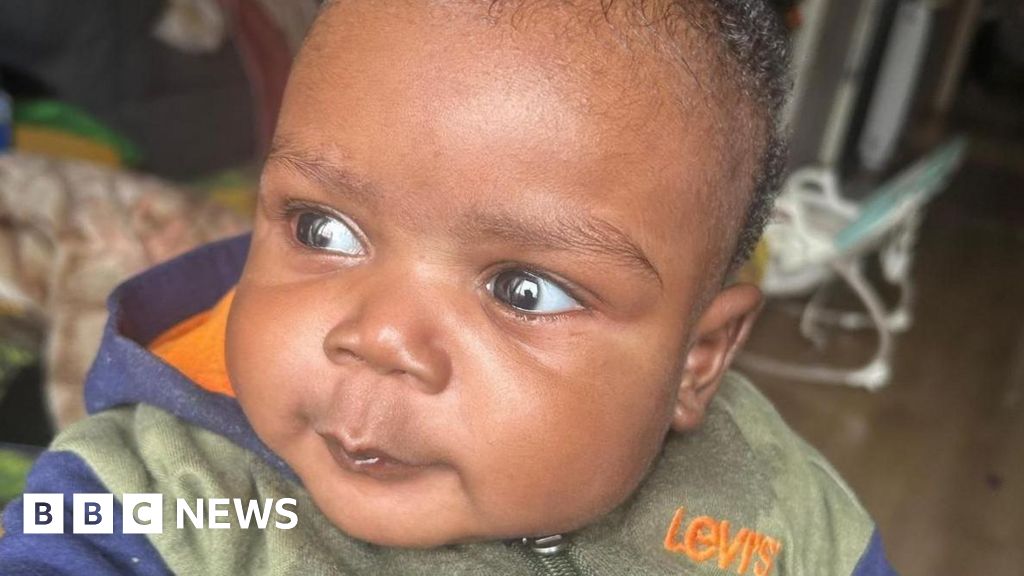
A baby who lived in a mouldy housing association flat in north London died of unrelated causes, a coroner has found.Akram Mohammed died in February aged 15 weeks, which his parents believed was due to damp conditions in their Camden home.Earlier this year, the boy’s death sparked angry protests aimed at housing association Notting Hill Genesis, over the state of the family’s flat and failure to rectify it.Senior coroner Mary Hassell acknowledged their home was damp and mouldy, but concluded that Akram actually died of Strep B, pneumonia and Vitamin D deficiency.In evidence given to the hearing at St Pancras Coroner’s Court last week, a pathologist said that the fungal growths in Akram’s lungs did not match the mould found in the family’s home.The court heard the baby’s mother Aiat Mohammed had herself contracted Group B Streptococcus, known as Strep B, before Akram was born and as it had not been treated, the infection was passed to him. The bacteria affects about 500 newborns every year.Outside the court on Monday, Akram’s father Abdushafi told the BBC he accepted the coroner’s findings.

Read more →

‘Chemo wrecked my teeth, I can’t afford treatment’

3 hours agoShareSaveLeigh Boobyer & Jeremy SternBBC News, WiltshireShareSaveBBCA woman who says her teeth were destroyed by cancer treatment says dental care in the UK “feels like we’re going back to Victorian times”.Faye Woodley, who is unable to work because of chronic illness, said she was unable to afford the required treatment to fix her teeth, which would cost thousands of pounds at her practice.She said she had “no confidence” in planned NHS dentistry reforms and the current situation felt like a step back in time when “only the rich were well and had good teeth, whereas everyone else suffered”.The government’s newly-published 10-year health plan said a new dental contract would be at the heart of a “transformed” NHS system by 2035.As a result of her chemotherapy for breast cancer, Ms Woodley said her front teeth were chipped and had holes in and she had lost 10 teeth.The one molar she had left had no chewing surface, she said, meaning she could only eat soft food.Ms Woodley, from Chippenham in Wiltshire, gave up work 10 years ago because of health issues.She says her teeth problems have left her in pain and she is unable to pay for private treatment as her condition worsens. ‘Sleepless nights'”I’m on benefits, I struggle to survive month on month as it is, without having to find nearly £100 for a check up. “I’m going to be looking at thousands and I don’t have that money to be able to get my teeth looked after,” she said.Ms Woodley was registered as an NHS patient at Hathaway Dental Practice in Chippenham before it decided to go private last year, and said she could not find another dentist which would offer her NHS treatment.Keith Garber, practice director at Hathaway Dental Practice, said the decision to only offer private care to adults was “not easy”, and had been made after a struggle to recruit NHS dentists and “sleepless nights”.”We lost four NHS dentists within a short space of time who wanted to go to private practices elsewhere,” he said.”We advertised for eight or nine months to get replacements for NHS dentists and didn’t have a single applicant.” “It was a case of either doing that [becoming private] or probably going out of business,” he added.The Department for Health and Social Care said it had rolled out 700,000 urgent and emergency appointments.It added its reforms would “bring in measures to make sure NHS-trained dentists work in the NHS for a minimum period”.A government consultation with the public about the planned reforms ends on Tuesday.More on this storyRelated Internet Links

Read more →

A New Way to Reduce Children’s Deaths: Cash

Simply giving money to poor families at certain times reduced deaths among young children by nearly half, a new study found.Of every 1,000 children born in Kenya, 32 don’t make it to their first birthdays. Study after study has explored how to improve those staggering numbers, in Kenya and elsewhere.On Monday, a decade-long study on alleviating poverty stumbled onto a straightforward solution. Giving $1,000 to poor families lowered infant mortality rates by nearly half, and deaths in children under 5 by 45 percent.Those are much bigger drops than have been credited to routine immunizations, for example, or bed nets to prevent malaria.“This is easily the biggest impact on child survival that I’ve seen from an intervention that was designed to alleviate poverty,” said Harsha Thirumurthy, an economist at the University of Pennsylvania who was not involved in the work.The decline in infant mortality is a “showstopping result,” he said.The outcomes suggest that delivering even smaller amounts of money to families — especially those that live near a hospital — immediately before or after the birth of a child might allow women to seek medical care and drastically improve their children’s chances of survival. The study was published on Monday by the National Bureau of Economic Research.More than 100 low- and middle-income countries have explored so-called cash transfers, especially after the pandemic began. Generally the experiments have found that giving money to poor families improves school attendance, nutrition and use of health services.We are having trouble retrieving the article content.Please enable JavaScript in your browser settings.Thank you for your patience while we verify access. If you are in Reader mode please exit and log into your Times account, or subscribe for all of The Times.Thank you for your patience while we verify access.Already a subscriber? Log in.Want all of The Times? Subscribe.

Read more →

‘Broken and burnt out’: Nurse lifts lid on staffing at children’s cancer unit

9 hours agoShareSaveMarie-Louise ConnollyHealth correspondent, BBC News NIShareSaveBBCA whistleblower who resigned from the Royal Belfast Hospital for Sick Children over staff shortages has said the system left her broken, disillusioned and burnt out.Hannah Farrell, who left the Children’s Cancer Unit in 2019, said the lack of support and management’s failure to listen to her and other nurses led her to resign.Parents of sick children and former staff members contacted BBC News NI after it was revealed more than half of the specialist nurse team at the cancer unit are currently off work, a problem that Ms Farrell said was not new. In a statement, the Belfast Health Trust said there had been “significant investment” in the unit’s service development in the last decade.It added that this included “an increase across all nursing bands, and the development of specialist nursing roles”. The trust said it wanted to thank the “hard-working nurses” and wider staff at the unit for their work “particularly during times of pressure, to ensure the safe and timely care of our patients and the support they provide to families”. Ms Farrell said that for years maternity leave, long-term sickness and career breaks at the unit were not backfilled, meaning wards were insufficiently staffed.She said that raised pressure on colleagues and had the potential to impact patients, but the issues were not addressed.”When a ward goes into crisis like it did a few weeks ago, the trust takes nurses from other wards, which just puts a band aid on it,” she said.”It’s a quick fix, all we’ve done is impact other wards negatively and we haven’t fixed the problem.”PacemakerDuring her five years as a nurse at the unit, treating some of Northern Ireland’s sickest children, Ms Farrell often had to deal with the pain of a patient’s death – however, she was not offered counselling and had to pay for it herself. Belfast Health Trust said it has a specialist occupational health that offers “individualised support to staff” and that staff can also “avail of a number of services that offer physical and psychological support”.”We encourage staff to raise concerns within their teams and with line managers,” it added.Ms Farrell, who still works as a nurse in the health service, said she was speaking out in the hope it will help nurses who feel their voices are “silenced” by management.”The system took my fight, my joy, my empathy and compassion – I had nothing left to give.”I dreaded every shift because I didn’t know what I was going into, staffing-wise, or what the skill mix would be.”Clearly nothing has changed since I handed in my resignation five years ago, so nurses have no choice but to go off sick.”Nurses were being run off their feet – parents The Children’s Cancer Unit is the regional centre where children in Northern Ireland are treated for cancer or a complex blood disorder diagnosis.Specialist cancer nurses are specially trained to administer treatments including chemotherapy.Seven out of 12 specialist nurses are currently not working, which meant some treatment was postponed earlier in August.According to the trust about five children were affected and have since received their treatment.However, parents of patients treated in the haematology and oncology wards in years past told BBC News NI they saw nurses regularly under pressure due to staffing problems.David and Sara Watson’s son Adam underwent treatment for acute myeloid leukaemia at the Children’s Cancer Unit between 2019 and 2022.Adam, who died in 2022, was nine when he helped set up the B Positive charity to support families and specifically to provide counselling to nurses on the ward.David Watson said the clinical service is world class but often the wards are understaffed, and nurses regularly stay on after their shift.”This isn’t a new problem – staff are being let down by the Belfast Trust, by the Department of Health and, ultimately, by the health minister.”He’s the boss at the end of the day.”People need to sit down and study the statistics – why are nurses off sick and why are they leaving?”A statement from the Department of Health said the minister fully acknowledges the staffing challenges facing the Belfast Trust and wider system.”He recognises the efforts made by Belfast Trust to manage and address the recent nurse staffing issues within paediatric haematology and oncology, and notes assurances given by the trust that service delivery is being closely monitored.”Watson familySara Watson said it was “no way to run a hospital” and that any other business would forward plan, especially around maternity leave cover.”The powers that be don’t seem to understand the skills required for this ward to function.”Caroline and Martin Smyth, whose son Theo was treated at the cancer unit in 2020, told BBC News NI they also witnessed first-hand how staff shortages affected the haematology and oncology wards.”The nurses are run off their feet and they are dealing with some of the sickest children in Northern Ireland.”The 10-bed ward was always full – yet there wasn’t always a full quota of staff, especially at the weekends.”The Belfast Trust told BBC News NI there are currently “no nursing registrant vacancies” at the Children’s Haematology Unit.It added that all nursing roles in the haematology and oncology departments had been reviewed “which enables the trust to utilise staff from the wider team in other ward areas and bank staff to safely cover the service when required and protect the most time critical treatments”. Smyth family’You’re expected to just pick yourself up’Ms Farrell, who keeps in touch with staff still working there, said the unit is operating on the “fumes” of the nurses’ good nature.She said her last three overnight shifts on the ward were “horrendous” as too much responsibility was placed on her shoulders.”I oversaw a full ward of seriously-ill children, some were dying, and I was supported by a bank and a junior nurse – it just broke me.”She said the children and families “deserved the highest and best level of care” but that she did not feel she “had the ability or the support” to deliver it. Ms Farrell said the NHS promoted an ‘it’s OK to not be OK’ attitude around mental health, but expected its nurses to give more than they can. She said she can still recall the names and faces of the 56 children who died in her care but said at no time was she offered counselling.”You’re expected to just pick yourself up and go into the next room – the impact is massive.”

Read more →

Trojan horse bacteria sneak cancer-killing viruses into tumors

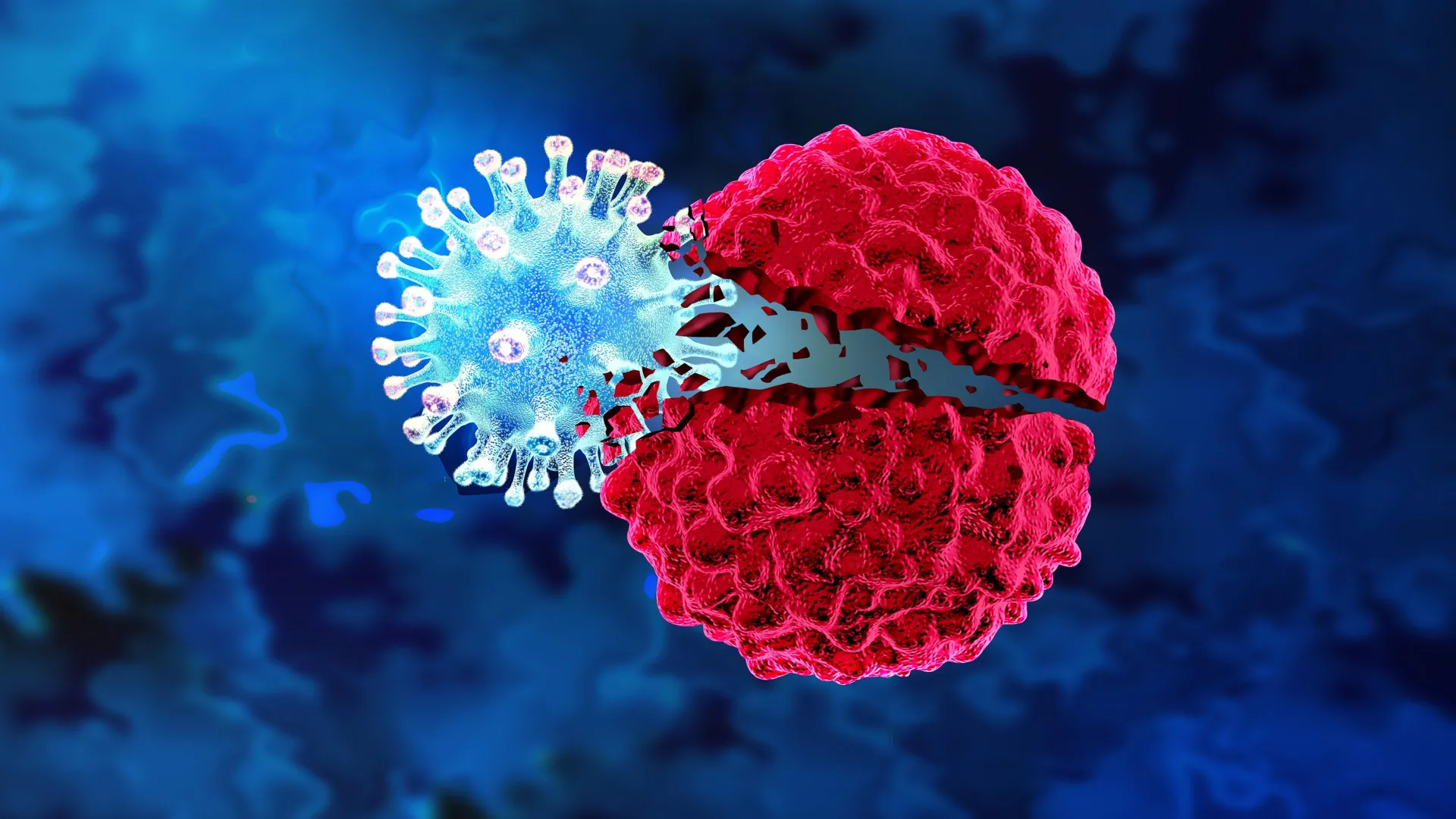
Researchers at Columbia Engineering have built a cancer therapy that makes bacteria and viruses work as a team. In a study published recently in Nature Biomedical Engineering, the Synthetic Biological Systems Lab shows how their system hides a virus inside a tumor-seeking bacterium, smuggles it past the immune system, and unleashes it inside cancerous tumors.
The new platform combines the bacteria’s tendency to find and attack tumors with the virus’s natural preference for infecting and killing cancerous cells. Tal Danino, an associate professor of biomedical engineering at Columbia Engineering, led the team’s effort to create the system, which is called CAPPSID (short for Coordinated Activity of Prokaryote and Picornavirus for Safe Intracellular Delivery). Charles M. Rice, an expert in virology at The Rockefeller University, collaborated with the Columbia team.
“We aimed to enhance bacterial cancer therapy by enabling the bacteria to deliver and activate a therapeutic virus directly inside tumor cells, while engineering safeguards to limit viral spread outside the tumor,” says co-lead author Jonathan Pabón, an MD/PhD candidate at Columbia.
The researchers believe that this technology — validated in mice — represents the first example of directly engineered cooperation between bacteria and cancer-targeting viruses.
The approach combines the bacteria’s instinct for homing in on tumors with a virus’s knack for infecting and killing cancer cells. “By bridging bacterial engineering with synthetic virology, our goal is to open a path toward multi-organism therapies that can accomplish far more than any single microbe could achieve alone,” says Zakary S. Singer, a co-lead author and former postdoctoral researcher in Tal Danino’s lab.
“This is probably our most technically advanced and novel platform to date,” says Danino, who is also affiliated with the Herbert Irving Comprehensive Cancer Center at Columbia University Irving Medical Center and Columbia’s Data Science Institute.
Sneaking past the immune system
One of the biggest hurdles in oncolytic virus therapy is the body’s own defense system. If a patient has antibodies against the virus — from a prior infection or vaccination — those antibodies can neutralize it before it reaches a tumor. The Columbia team sidestepped that problem by tucking the virus inside tumor-seeking bacteria.

“The bacteria act as an invisibility cloak, hiding the virus from circulating antibodies, and ferrying the virus to where it is needed,” Singer says.
Pabón says this strategy is especially important for viruses that people are already exposed to in daily life.
“Our system demonstrates that bacteria can potentially be used to launch an oncolytic virus to treat solid tumors in patients who have developed immunity to these viruses,” he says.
Targeting the tumor
The system’s bacterial half is Salmonella typhimurium, a species that naturally migrates to the low-oxygen, nutrient-rich environment inside tumors. Once there, the bacteria invade cancer cells and release the virus directly into the tumor’s interior.
“We programmed the bacteria to act as a Trojan horse by shuttling the viral RNA into tumors and then lyse themselves directly inside of cancer cells to release the viral genome, which could then spread between cancer cells,” Singer says.

By exploiting the bacteria’s tumor-homing instincts and the virus’s ability to replicate inside cancer cells, the researchers created a delivery system that can penetrate the tumor and spread throughout it — a challenge that has limited both bacteria- and virus-only approaches.
Safeguarding against runaway infections
A key concern with any live virus therapy is controlling its spread beyond the tumor. The team’s system solved that problem with a molecular trick: making sure the virus couldn’t spread without a molecule it can only get from the bacteria. Since the bacteria stay put in the tumor, this vital component (called a protease) isn’t available anywhere else in the body.
“Spreadable viral particles could only form in the vicinity of bacteria, which are needed to provide special machinery essential for viral maturation in the engineered virus, providing a synthetic dependence between microbes,” Singer says. That safeguard adds a second layer of control: even if the virus escapes the tumor, it won’t spread in healthy tissue.
“It is systems like these — specifically oriented towards enhancing the safety of these living therapies — that will be essential for translating these advances into the clinic,” Singer says.
Further research and clinical applications
This publication marks a significant step toward making this type of bacteria-virus system available for future clinical applications.
“As a physician-scientist, my goal is to bring living medicines into the clinic,” Pabón says. “Efforts toward clinical translation are currently underway to translate our technology out of the lab.”
Danino, Rice, Singer, and Pabón have filed a patent application (WO2024254419A2) with the U.S. Patent and Trademark Office related to this work.
Looking ahead, the team is testing the approach in a wider range of cancers, using different tumor types, mouse models, viruses, and payloads, with an eye to developing a “toolkit” of viral therapies that can sense and respond to specific conditions inside a cell. They are also evaluating how this system can be combined with strains of bacteria that have already demonstrated safety in clinical trials.

Read more →

One small walking adjustment could delay knee surgery for years

Nearly a quarter of people over the age of 40 experience painful osteoarthritis, making it a leading cause of disability in adults. Osteoarthritis degrades joint-cushioning cartilage, and there is currently no way of reversing this damage: the only option is to manage pain with medication, and eventually, joint replacement.
Researchers from the University of Utah, New York University and Stanford University are now demonstrating the potential for another option: gait retraining.
By making a small adjustment to the angle of their foot while walking, participants in a year-long randomized control trial experienced pain relief equivalent to medication. Critically, those participants also showed less knee cartilage degradation over that period as compared to a group that received a placebo treatment.
Published in The Lancet Rheumatologyand co-led by Scott Uhlrich of Utah’s John and Marcia Price College of Engineering, these findings come from the first placebo-controlled study to demonstrate the effectiveness of a biomechanical intervention for osteoarthritis.
“We’ve known that for people with osteoarthritis, higher loads in their knee accelerate progression, and that changing the foot angle can reduce knee load,” said Uhlrich, an assistant professor of mechanical engineering. “So the idea of a biomechanical intervention is not new, but there have not been randomized, placebo-controlled studies to show that they’re effective.”
With support from the National Institutes of Health and other federal agencies, the researchers were specifically looking at patients with mild-to-moderate osteoarthritis in the medial compartment of the knee — on the inside of the leg — which tends to bear more weight than the lateral, outside, compartment. This form of osteoarthritis is the most common, but the ideal foot angle for reducing load in the medial side of the knee differs from person to person depending on their natural gait and how it changes when they adopt the new walking pattern.
“Previous trials prescribed the same intervention to all individuals, resulting in some individuals not reducing, or even increasing, their joint loading,” Uhlrich said. “We used a personalized approach to selecting each individual’s new walking pattern, which improved how much individuals could offload their knee and likely contributed to the positive effect on pain and cartilage that we saw.”
In their first two visits, participants received a baseline MRI and practiced walking on a pressure-sensitive treadmill while motion-capture cameras recorded the mechanics of their gait. This allowed the researchers to determine whether turning the patient’s toe inward or outward would reduce load more, and whether a 5° or 10° adjustment would be ideal.

This personalized analysis also screened out potential participants who could not benefit from the intervention, as none of the foot angle changes could decrease loading in their knees. These participants were included in previous studies, which may have contributed to those studies’ inconclusive pain results.
Moreover, after their initial intake sessions, half of the 68 participants were assigned to a sham treatment group to control for the placebo effect. These participants were prescribed foot angles that were actually identical to their natural gait. Conversely, participants in the intervention group were prescribed the change in foot angle that maximally reduced their knee loading.
Participants from both groups returned to the lab for six weekly training sessions, where they received biofeedback — vibrations from a device worn on the shin — that helped them maintain the prescribed foot angle while walking on the lab’s treadmill. After the six-week training period, participants were encouraged to practice their new gait for at least 20 minutes a day, to the point where it became natural. Periodic check-in visits showed that participants were adhering to their prescribed foot angle within a degree on average.
After a year, all participants self-reported their experience of knee pain and had a second MRI to quantitatively assess the damage to their knee cartilage.
“The reported decrease in pain over the placebo group was somewhere between what you’d expect from an over-the-counter medication, like ibuprofen, and a narcotic, like oxycontin,” Uhlrich said. “With the MRIs, we also saw slower degradation of a marker of cartilage health in the intervention group, which was quite exciting.”
Beyond the quantitative measures of effectiveness, participants in the study expressed enthusiasm for both the approach and the results. One participant said: “I don’t have to take a drug or wear a device…it’s just a part of my body now that will be with me for the rest of my days, so that I’m thrilled with.”
Participants’ ability to adhere to the intervention over long periods of time is one of its potential advantages.

“Especially for people in their 30’s, 40’s, or 50’s, osteoarthritis could mean decades of pain management before they’re recommended for a joint replacement,” Uhrlich said. “This intervention could help fill that large treatment gap.”
Before this intervention can be clinically deployed, the gait retraining process will need to be streamlined. The motion-capture technique used to make the original foot angle prescription is expensive and time-consuming; the researchers envision this intervention to eventually be prescribed in a physical therapy clinic and retraining can happen while people go for a walk around their neighborhood.
“We and others have developed technology that could be used to both personalize and deliver this intervention in a clinical setting using mobile sensors, like smartphone video and a ‘smart shoe’,” Uhlrich said. Future studies of this approach are needed before the intervention can be made widely available to the public.

Read more →

A $2 gold nanotech test that detects deadly diseases in minutes

Researchers at Arizona State University have developed a breakthrough diagnostic tool that could transform how quickly and reliably we detect illnesses like COVID-19, Ebola, AIDS or Lyme disease. The test uses just a single drop of blood, costs a couple of dollars and delivers results in only 15 minutes.
In a new study, the researchers show the test can detect the virus that causes COVID-19 with pinpoint accuracy, clearly distinguishing it from other infections.
The new diagnostic device, called NasRED (Nanoparticle-Supported Rapid Electronic Detection), is simple and portable enough to be used almost anywhere — from remote rural clinics to busy urban hospitals. The tool provides lab-quality accuracy without expensive equipment and does not require specialized training, giving it the potential to become a public health game changer.
“We have the speed and ease of use of a rapid antigen test with sensitivity that’s even better than lab-based tests,” says Chao Wang, lead author of the new study. “This is very difficult to achieve.”
Wang is an associate professor with the Biodesign Center for Molecular Design and Biomimetics and ASU’s School of Electrical, Computer and Energy Engineering. He is joined by ASU researchers Yeji Choi, Seyedsina Mirjalili, Ashif Ikbal, Sean McClure, Maziyar Kalateh Mohammadi, Scott Clemens, Jose Solano, John Heggland, Tingting Zhang and Jiawei Zuo.
The research appears in the current issue of the journal ACS Nano.
Halting the spread of infectious diseases
Infectious diseases are one of humanity’s deadliest threats, causing immense suffering and economic damage worldwide. Collectively, infectious diseases cause over 10 million deaths around the world each year, and they are the leading cause of death in low-income countries.

Nearly 800,000 Americans die or are permanently disabled every year due to diagnostic errors, according to a study published in BMJ Quality & Safety. Many of these cases involve infections or vascular events that might have been treatable if caught early.
In many low- and middle-income countries, access to reliable diagnostic testing is limited or nonexistent. Expensive equipment, shortages of trained personnel and long turnaround times all contribute to delayed or missed diagnoses — often with deadly consequences.
A fast, affordable and portable test like NasRED would enable frontline health workers globally to detect infections early and respond before outbreaks spiral out of control.
“In many parts of the world, including the U.S., diseases are spreading, but people often don’t get tested — even for something like HIV. Ideally, you’d want to test them regularly, to catch infections early,” Wang says. “For example, people who use injection drugs are at higher risk for HIV or HCV, but they may be living in the streets and hard to reach. If we don’t test them consistently over time, we may miss the chance to intervene — until they develop serious complications like cancer or liver disease, when it’s much harder to treat.”
Striking diagnostic gold
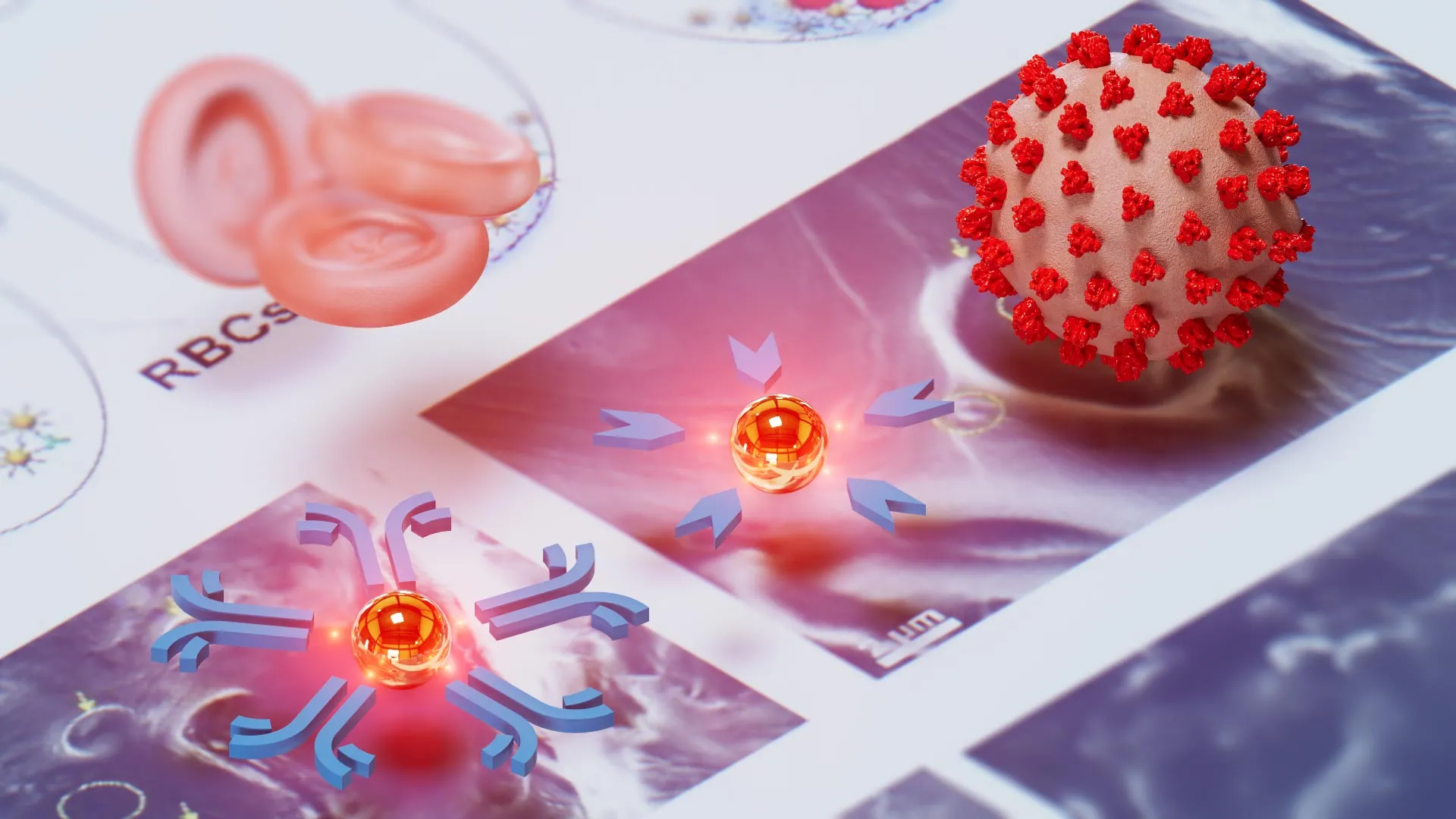
At the core of the new test are tiny gold nanoparticles, engineered to detect extremely small amounts of disease-related proteins. Researchers coat these nanoparticles with special molecules designed to detect specific diseases.

Some nanoparticles carry antibodies, tiny molecules that act like magnets. Antibodies stick to proteins released by viruses or bacteria when they infect the body. Other nanoparticles carry antigens, fragments of proteins taken directly from viruses or bacteria themselves. These naturally attract antibodies produced by the body to fight infections.
Once coated, these nanoparticles are combined with a tiny sample of bodily fluid, such as a drop of blood, saliva or nasal fluid. If a disease is present, most nanoparticles will sink to the bottom of the tube. If there is no disease, they will remain suspended throughout the liquid.
The NasRED device shines a small beam of LED light through the liquid at the top of the tube. The team built a custom electronic detector that senses how much light gets through the tube. More light means the nanoparticles have sunk to the bottom, leaving the top fluid clearer, meaning that the disease is present.
Accurate, accessible and affordable
The device is so sensitive it can detect disease even when only a few hundred molecules are present in a tiny fluid sample — just a fraction of a single drop. This is a concentration nearly 100,000 times lower than what standard laboratory tests require.
Adding to its promise is NasRED’s portability and affordability. The current gold standards for testing, like PCR or ELISA, require expensive equipment and trained technicians. NasRED is compact and user-friendly. The researchers estimate each test costs $2, making it ideal for use in low-resource or remote locations.
NasRED has the potential to fill a critical diagnostic gap, especially for diseases that are difficult to detect early, such as hepatitis C, HIV or Lyme disease. It is also promising for emerging outbreaks with low prevalence but high risk. Such diseases often go undiagnosed because running a lab test for just one or two patients isn’t cost effective. NasRED bridges that gap by offering a highly sensitive test that works immediately and economically at the point of care.
While NasRED currently requires small, benchtop machines for spinning and mixing samples, the researchers are working to further miniaturize and automate the process. With continued development, the technology might one day become a convenient home test, similar to existing rapid COVID-19 tests. However, it would have vastly superior sensitivity and broader applications.
Significant leap forward in diagnostics
NasRED dramatically surpasses existing diagnostic standards. The new study shows that NasRED is roughly 3,000 times more sensitive than ELISA, requires 16 times less sample volume, and delivers results approximately 30 times faster.
An earlier version of the technology detected Ebola in a tiny sample of blood. “For the new technology, we pushed the sensitivity down to the attomolar range,” Wang says. That’s like detecting a single drop of ink in 20 Olympic swimming pools.
The technology holds promise for detecting viral loads directly from bodily fluids without the complicated sample preparation used in PCR-based methods. In preliminary tests with actual coronavirus particles, NasRED achieved sensitivities comparable to Abbott ID NOW, a popular molecular test for many diseases such as COVID-19.
“One of the strengths of our sensor is that it’s highly modular,” Wang says. “The nanoparticles are designed so that we can easily swap in different proteins, allowing the same platform to be adapted for many different diseases. We’ve already demonstrated this approach in our research on Shiga toxin-producing E. coli, as well as cancer biomarkers, Alzheimer’s-related proteins, Lyme disease and African swine fever.”
Wang recently received the Bay Area Lyme Foundation Emerging Leader Award and will make use of the high sensitivity and portability of this new technology to detect early Lyme infection.
As the technology evolves, its range of applications may extend beyond infectious diseases. Early detection of cancers, real-time monitoring of chronic illnesses and improved surveillance of public health threats are all within reach.

Read more →

Trump’s Tariffs Set to Hit Ireland, Where Drugmakers Play Tax Games

Manufacturing in Ireland has long helped many American drug companies pay lower taxes. But that strategy was designed for a world without President Trump’s tariffs.President Trump’s planned 15 percent tariff on medicines from Europe has shined a spotlight on Ireland, which sends the United States tens of billions of dollars’ worth of cancer medications, weight-loss drug ingredients and other pharmaceutical products each year. No other country sends more.Manufacturing blockbuster medications there offers tax benefits for American drug companies. But the appeal of Ireland for the industry goes deeper: Drugmakers have long shifted their patents and profits there, as well, to avoid billions of dollars in taxes. Such strategies can be legal but have been repeatedly challenged by tax authorities.For decades, the free flow of medicines across borders “had the side effect of more or less providing manufacturers free rein to play tax games,” said Brad Setser, an economist at the Council on Foreign Relations.The tariffs on medicines from Europe, which could go into effect within weeks, create a new calculus for drugmakers. If they keep production in Ireland, they face billions of dollars in levies. If they move manufacturing to the United States, they will most likely face a range of increased costs.Drug companies could devise creative ways to limit the damage. They will be better positioned to weather the tariffs if they have “sophisticated tax skills,” Wall Street analysts at the investment bank Leerink wrote to investors in July.Most executives and other employees of multinational drug companies are in the United States. So are a majority of their laboratories, clinical trial sites and, crucially, sales. But many of these companies register only a tiny share of the profits in the United States, helping them lower their overall tax bill.We are having trouble retrieving the article content.Please enable JavaScript in your browser settings.Thank you for your patience while we verify access. If you are in Reader mode please exit and log into your Times account, or subscribe for all of The Times.Thank you for your patience while we verify access.Already a subscriber? Log in.Want all of The Times? Subscribe.

Read more →

Government turns to TikTokers to advise on cosmetic surgery abroad

15 hours agoShareSaveJoe McFadden and Josh ElginShareSavedoctally/midwifemarley/TikTokThe government is partnering with TikTok influencers to warn people about the risks of travelling abroad for cosmetic procedures.There’s growing concern over the rise in Britons seeking overseas treatments such as hair implants and dental work, often lured by lower costs and shorter waiting times.Medical content creators will urge viewers to talk to a UK doctor first, take out travel insurance and avoid package holidays that include procedures.The move is part of a wider government campaign to curb so-called medical tourism, as well as tighten regulations for cosmetic practitioners in England.When it comes to cosmetic surgery abroad, the lowest price can come at the highest cost, the campaign warns.It aims to raise awareness of the risks, protect patients and avoid the NHS paying to fix botched procedures.Medical influencers like Doc Tally and Midwife Marley – who have 240,000 and 38,000 followers on TikTok respectively – will produce videos offering guidance on how to make trips as safe as possible. They will include a checklist to consider before booking a procedure.Health minister Karin Smyth warned that “too many people are being left with life-altering injuries after going abroad for medical procedures, without access to proper advice or safeguards.”She said the partnership with TikTok would help people “make safer and more informed choices before they go under the knife – wherever that may be.”Things to check before you book:Do thorough research about the procedureCheck the clinic’s regulation and the surgeon’s credentialsKnow the full cost and understand the aftercareAsk the vital question – if it goes wrong, who will fix it?When cosmetic procedures go wrong, the consequences can be devastating for patients.Two years ago, Leah Mattson travelled to İzmir in Turkey to have gastric sleeve surgery.While the surgery was initially successful and helped her lose weight, last year the 27-year-old returned to the same company to remove excess skin.This time, the procedure left her with a lopsided belly button, deep scarring on her arms and stomach area that she says left her feeling worse.After seeing the results of her surgery, Leah said she burst into tears.”I just wanted to cry and I feel like I actually disliked my body more than when I was overweight.”Leah found the clinic on social media and was encouraged by other people’s positive experiences with similar surgeries.”On apps like Instagram and TikTok, you search for weight-loss surgery and see the majority of people go to Turkey,” she explained.”I was thinking well all these people have had great experiences so I’m going to go.”I just trusted them because I thought well if they’re okay then I’ll be okay and I didn’t really pay much attention to the horror stories,” she added.”I didn’t think it would ever happen to me.”Leah now documents her experience on social media, using her platform to inform others about the risks involved in similar procedures.The clinic which performed Leah’s surgery in Turkey could not be reached for comment, but they previously issued a statement saying “plastic surgery isn’t straight-forward and unfortunately some health issues or complications cannot be anticipated”.Experts are urging people to think beyond the slick brochures and marketing, and to consider clinical standards, complication risks, and language barriers.The Foreign Office will also provide more detailed travel advice for those considering going overseas for such procedures.Foreign Office Minister Stephen Doughty said: “If you choose to travel abroad for medical treatment, it is vital you do your research and are fully aware of the risks involved.””We urge anyone considering a medical procedure abroad to review our travel advice, relevant guidance from the NHS and other professional bodies, and research foreign providers thoroughly to ensure they meet the highest standard of care.””Informed choices today can help avoid serious complications tomorrow.”Ali Law, TikTok’s UK public policy lead, said the platform was “committed” to helping users find “information from trusted sources when searching for topics related to physical and mental health.”Earlier this month, ministers outlined plans to reduce unsafe cosmetic treatments in England.Under the new rules, only “suitably qualified” and regulated health workers will be allowed to deliver high-risk procedures such as Brazilian butt lifts.Clinics offering lower-risk procedures such as Botox and fillers will need a licence, and age limits will be introduced to stop children from copying dangerous beauty trends seen on social media. More on this story

Read more →