Children to be offered chickenpox vaccine on NHS

56 minutes agoShareSaveMichelle RobertsDigital health editor, BBC News andAoife WalshBBC NewsShareSaveGetty ImagesAll young children in England, Wales and Northern Ireland will be offered a free chickenpox vaccine by the NHS from January next year.It will be given as two doses, at 12 and 18 months of age, combined with the existing MMR jab which protects against measles, mumps and rubella.A catch up campaign is planned for slightly older children so they don’t miss out. Until now, parents who wanted to protect their child against the chickenpox varicella virus, which causes red itchy spots, have usually had to pay up to £200 privately.Ministers hope offering the vaccine free will not only protect youngsters from the severe, although rare, complications of chickenpox, but also save parents taking time off work to look after a sick child. According to the Department of Health and Social Care, chickenpox causes an estimated £24m in lost income and productivity every year in the UK.Health minister Stephen Kinnock said: “We’re giving parents the power to protect their children. “This vaccine puts children’s health first and gives working families the support they deserve.”The announcement comes as new data revealed none of the main childhood vaccines in England reached the 95% uptake target in 2024/25.Some 91.9% of five-year-olds had received one dose of the MMR vaccine, unchanged from 2023/24 and the lowest level since 2010/11, according to the UKHSA.’Life saver’ vaccine Chickenpox is generally mild but can be very severe for some people. Pregnant women are particularly at risk as it can cause complications for both the mother and her baby.Very young infants and adults are also more likely to experience serious illness compared to children. In rare cases it can cause a swelling of the brain, called encephalitis, an inflammation of the lungs, called pneumonitis, and stroke, which can result in hospitalisation and, in very rare cases, death.The Joint Committee on Vaccination and Immunisation (JCVI), which advises UK health departments, recommended the introduction of the vaccine on the NHS in November 2023.Experts say vaccination will dramatically reduce the number of chickenpox cases overall, leading to far fewer of the more serious ones. Dr Gayatri Amirthalingam, deputy director of immunisation at the UK Health Security Agency (UKHSA), said vaccination could be “a life saver” for some.Prof Adam Finn, a paediatrician who was a member of the JCVI, said chickenpox is a “rotten illness” that is often thought of as “trivial”.The vaccine means chickenpox “is going to be a thing of the past in the near future”, he said.The UK has lagged behind other countries in offering the jab, Prof Finn said, including the US, where it was introduced first in the 1990s.He said the main reason for this was because chickenpox “lurks around in your body for the rest of your life” and can later come back as varicella zoster virus (VZV) or shingles. Health experts feared that if chickenpox stopped circulating, “people wouldn’t be re-exposed to the virus, their immunity would wane away and we would see more shingles”. “Finally, we’ve now realised that concern is much, much smaller – it’s almost non-existent,” he added.Sarah (Mia’s mum)Sarah, who is a mother of two girls, says the vaccine would have helped her young daughters Willow and Mia. Last year they both needed hospital treatment to recover from severe chickenpox. Her youngest, Mia, developed spots “head to toe” and had a skin infection, which made her very unwell.”She was just completely out of it…floppy.”It was just an awful situation to be in. “It was absolutely terrifying.”She said she would advise parents to consider getting the vaccine: “I would never want any child or any parent to go through what we’ve been through.”SarahScotland is also expected to offer the vaccine on the NHS, but has not given a date yet. A shingles vaccine is also available on the NHS for all adults turning 65, those aged 70 to 79 and those aged 50 and over with a severely weakened immune system.People cannot catch shingles from someone with chickenpox. But they can catch chickenpox from someone with shingles if they have not had chickenpox before.It is possible but very unusual to get chickenpox more than once.Speaking about Thursday’s data on vaccinations, Kinnock told the BBC the government was concerned about uptake and vaccine hesitancy, which he said increased after the Covid pandemic.National and local campaigns explaining “the benefits of getting vaccinated and the fact that this is 100% safe” will be brought forward, he said.He said the government was also committed to combatting disinformation and conspiracy theories about vaccines on social media.”It’s our job as the government, and everybody else out there that is on the side of common sense and reason, to make this case and to win this battle against the conspiracy theorists, and misinformers and disinformers out there who need to be dealt with and need to be silenced,” Kinnock added.

Read more →

Scientists found 3 simple tweaks that cut diabetes risk by 31%

Those who adhered to a Mediterranean diet, reduced their caloric intakes, engaged in moderate exercise, and received professional weight loss support had a 31% lower risk of developing type 2 diabetes compared to those who adhered to a Mediterranean diet alone. The findings come from PREDIMED-Plus, the largest nutrition and lifestyle clinical trial ever conducted in Europe.A Mediterranean-style diet, in combination with reduced caloric intake, moderate physical activity, and professional support for weight loss, may cut the risk of type 2 diabetes (T2D) by 31%, according to a new study co-authored by researchers at Harvard T.H. Chan School of Public Health.The study was published on August 25, 2025, in the Annals of Internal Medicine.
“We’re facing a global epidemic of diabetes,” said co-author Frank Hu, Fredrick J. Stare Professor of Nutrition and Epidemiology and chair of the Department of Nutrition. “With the highest-level evidence, our study shows that modest, sustained changes in diet and lifestyle could prevent millions of cases of this disease worldwide.”
Prior research has linked the Mediterranean diet — which emphasizes high intake of fruits, vegetables, whole grains, and healthy fats, moderate intake of dairy and lean proteins, and little to no intake of red meat — to better health outcomes, including lowered risk of T2D through improved insulin sensitivity and reduced inflammation.
A team of collaborators from the PREDIMED-Plus clinical trial, the largest nutrition and lifestyle randomized trial in Europe, sought to understand how the diet’s benefits may be enhanced with additional healthy lifestyle changes.
The researchers, from 23 universities in Spain and Harvard Chan School, split 4,746 PREDIMED-Plus participants into an intervention group and a control group and followed their health outcomes for six years. The intervention group adhered to a Mediterranean diet; reduced their caloric intake by about 600 calories per day; engaged in moderate physical activity, such as brisk walking and strength and balance exercises; and received professional support for weight loss control. The control group adhered to a Mediterranean diet without calorie restriction, exercise guidance, or professional support. Participants ranged from age 55 to 75, were overweight or obese, and had metabolic syndrome, but were free of T2D at baseline.
The study found that those in the intervention group had a 31% lower risk of developing T2D compared to those in the control group. Additionally, the intervention group lost an average of 3.3 kilograms and reduced their waist circumference by 3.6 centimeters, compared to 0.6 kilograms and 0.3 centimeters in the control group.
“In practical terms, adding calorie control and physical activity to the Mediterranean diet prevented around three out of every 100 people from developing diabetes — a clear, measurable benefit for public health,” said co-author Miguel Martínez-González, professor at the University of Navarra and adjunct professor of nutrition at Harvard Chan School.
The study was funded by the European Research Council, the Spanish National Institute of Health, the Biomedical Research Networking Centre (CIBER), and the U.S. National Institute of Diabetes and Digestive and Kidney Diseases (1R01DK127601).

Read more →

Lithium deficiency may be the hidden spark behind Alzheimer’s

Study shows for the first time that lithium plays an essential role in normal brain function and can confer resistance to brain aging and Alzheimer’s disease. Scientists discovered that lithium is depleted in the brain by binding to toxic amyloid plaques — revealing a new way Alzheimer’s may begin. A new class of lithium-based compounds avoids plaque binding and reverses Alzheimer’s and brain aging in mice, without toxicity.What is the earliest spark that ignites the memory-robbing march of Alzheimer’s disease? Why do some people with Alzheimer’s-like changes in the brain never go on to develop dementia? These questions have bedeviled neuroscientists for decades.Now, a team of researchers at Harvard Medical School may have found an answer: lithium deficiency in the brain.
The work, published Aug. 6 in Nature, shows for the first time that lithium occurs naturally in the brain, shields it from neurodegeneration, and maintains the normal function of all major brain cell types. The findings — 10 years in the making — are based on a series of experiments in mice and on analyses of human brain tissue and blood samples from individuals in various stages of cognitive health.
The scientists found that lithium loss in the human brain is one of the earliest changes leading to Alzheimer’s, while in mice, similar lithium depletion accelerated brain pathology and memory decline. The team further found that reduced lithium levels stemmed from binding to amyloid plaques and impaired uptake in the brain. In a final set of experiments, the team found that a novel lithium compound that avoids capture by amyloid plaques restored memory in mice.
The results unify decades-long observations in patients, providing a new theory of the disease and a new strategy for early diagnosis, prevention, and treatment.
Affecting an estimated 400 million people worldwide, Alzheimer’s disease involves an array of brain abnormalities — such as clumps of the protein amyloid beta, neurofibrillary tangles of the protein tau, and loss of a protective protein called REST — but these never explained the full story of the disease. For instance, some people with such abnormalities show no signs of cognitive decline. And recently developed treatments that target amyloid beta typically don’t reverse memory loss and only modestly reduce the rate of decline.

It’s also clear that genetic and environmental factors affect risk of Alzheimer’s, but scientists haven’t figured out why some people with the same risk factors develop the disease while others don’t.
Lithium, the study authors said, may be a critical missing link.
“The idea that lithium deficiency could be a cause of Alzheimer’s disease is new and suggests a different therapeutic approach,” said senior author Bruce Yankner, professor of genetics and neurology in the Blavatnik Institute at HMS, who in the 1990s was the first to demonstrate that amyloid beta is toxic.
The study raises hopes that researchers could one day use lithium to treat the disease in its entirety rather than focusing on a single facet such as amyloid beta or tau, he said.
One of the main discoveries in the study is that as amyloid beta begins to form deposits in the early stages of dementia in both humans and mouse models, it binds to lithium, reducing lithium’s function in the brain. The lower lithium levels affect all major brain cell types and, in mice, give rise to changes recapitulating Alzheimer’s disease, including memory loss.
The authors identified a class of lithium compounds that can evade capture by amyloid beta. Treating mice with the most potent amyloid-evading compound, called lithium orotate, reversed Alzheimer’s disease pathology, prevented brain cell damage, and restored memory.

Although the findings need to be confirmed in humans through clinical trials, they suggest that measuring lithium levels could help screen for early Alzheimer’s. Moreover, the findings point to the importance of testing amyloid-evading lithium compounds for treatment or prevention.
Other lithium compounds are already used to treat bipolar disorder and major depressive disorder, but they are given at much higher concentrations that can be toxic, especially to older people. Yankner’s team found that lithium orotate is effective at one-thousandth that dose — enough to mimic the natural level of lithium in the brain. Mice treated for nearly their entire adult lives showed no evidence of toxicity.
“You have to be careful about extrapolating from mouse models, and you never know until you try it in a controlled human clinical trial,” Yankner said. “But so far the results are very encouraging.”
Lithium depletion is an early sign of Alzheimer’s
Yankner became interested in lithium while using it to study the neuroprotective protein REST. Finding out whether lithium is found in the human brain and whether its levels change as neurodegeneration develops and progresses, however, required access to brain tissue, which generally can’t be accessed in living people.
So the lab partnered with the Rush Memory and Aging Project in Chicago, which has a bank of postmortem brain tissue donated by thousands of study participants across the full spectrum of cognitive health and disease.
Having that range was critical because trying to study the brain in the late stages of Alzheimer’s is like looking at a battlefield after a war, said Yankner; there’s a lot of damage and it’s hard to tell how it all started. But in the early stages, “before the brain is badly damaged, you can get important clues,” he said.
Led by first author Liviu Aron, senior research associate in the Yankner Lab, the team used an advanced type of mass spectroscopy to measure trace levels of about 30 different metals in the brain and blood of cognitively healthy people, those in an early stage of dementia called mild cognitive impairment, and those with advanced Alzheimer’s.
Lithium was the only metal that had markedly different levels across groups and changed at the earliest stages of memory loss. Its levels were high in the cognitively healthy donors but greatly diminished in those with mild impairment or full-blown Alzheimer’s.
The team replicated its findings in samples obtained from multiple brain banks nationwide.
The observation aligned with previous population studies showing that higher lithium levels in the environment, including in drinking water, tracked with lower rates of dementia.
But the new study went beyond by directly observing lithium in the brains of people who hadn’t received lithium as a treatment, establishing a range that constitutes normal levels, and demonstrating that lithium plays an essential role in brain physiology.
“Lithium turns out to be like other nutrients we get from the environment, such as iron and vitamin C,” Yankner said. “It’s the first time anyone’s shown that lithium exists at a natural level that’s biologically meaningful without giving it as a drug.”
Then Yankner and colleagues took things a step further. They demonstrated in mice that lithium depletion isn’t merely linked to Alzheimer’s disease — it helps drive it.
Loss of lithium causes the range of Alzheimer’s-related changes
The researchers found that feeding healthy mice a lithium-restricted diet brought their brain lithium levels down to a level similar to that in patients with Alzheimer’s disease. This appeared to accelerate the aging process, giving rise to brain inflammation, loss of synaptic connections between neurons, and cognitive decline.
In Alzheimer’s mouse models, depleted lithium dramatically accelerated the formation of amyloid-beta plaques and structures that resemble neurofibrillary tangles. Lithium depletion also activated inflammatory cells in the brain called microglia, impairing their ability to degrade amyloid; caused the loss of synapses, axons, and neuron-protecting myelin; and accelerated cognitive decline and memory loss — all hallmarks of Alzheimer’s disease.
The mouse experiments further revealed that lithium altered the activity of genes known to raise or lower risk of Alzheimer’s, including the most well-known, APOE.
Replenishing lithium by giving the mice lithium orotate in their water reversed the disease-related damage and restored memory function, even in older mice with advanced disease. Notably, maintaining stable lithium levels in early life prevented Alzheimer’s onset — a finding that confirmed that lithium fuels the disease process.
“What impresses me the most about lithium is the widespread effect it has on the various manifestations of Alzheimer’s. I really have not seen anything quite like it all my years of working on this disease,” said Yankner.
A promising avenue for Alzheimer’s treatment
A few limited clinical trials of lithium for Alzheimer’s disease have shown some efficacy, but the lithium compounds they used — such as the clinical standard, lithium carbonate — can be toxic to aging people at the high doses normally used in the clinic.
The new research explains why: Amyloid beta was sequestering these other lithium compounds before they could work. Yankner and colleagues found lithium orotate by developing a screening platform that searches a library of compounds for those that might bypass amyloid beta. Other researchers can now use the platform to seek additional amyloid-evading lithium compounds that might be even more effective.
“One of the most galvanizing findings for us was that there were profound effects at this exquisitely low dose,” Yankner said.
If replicated in further studies, the researchers say lithium screening through routine blood tests may one day may offer a way to identify individuals at risk for Alzheimer’s who would benefit from treatment to prevent or delay disease onset.
Studying lithium levels in people who are resistant to Alzheimer’s as they age might help scientists establish a target level that they could help patients maintain to prevent onset of the disease, Yankner said.
Since lithium has not yet been shown to be safe or effective in protecting against neurodegeneration in humans, Yankner emphasizes that people should not take lithium compounds on their own. But he expressed cautious optimism that lithium orotate or a similar compound will move forward into clinical trials in the near future and could ultimately change the story of Alzheimer’s treatment.
“My hope is that lithium will do something more fundamental than anti-amyloid or anti-tau therapies, not just lessening but reversing cognitive decline and improving patients’ lives,” he said.
Authorship, funding, disclosures
Additional authors are Zhen Kai Ngian, Chenxi Qiu, Jaejoon Choi, Marianna Liang, Derek M. Drake, Sara E. Hamplova, Ella Lacey, Perle Roche, Monlan Yuan, and Saba S. Hazaveh of HMS; Eunjung A. Lee of Boston Children’s Hospital; and David A. Bennett of the Rush Alzheimer’s Disease Center at Rush University Medical Center in Chicago.
Yankner is co-director of the Paul F. Glenn Center for Biology of Aging Research at HMS.
This work was supported by the National Institutes of Health (grants R01AG046174, R01AG069042, K01AG051791, DP2AG072437, P30AG10161, P30AG72975, R01AG15819, R01AG17917, U01AG46152, and U01AG61356), the Ludwig Family Foundation, the Glenn Foundation for Medical Research, and the Aging Mind Foundation.

Read more →

Tiny eye implant becomes the first FDA-approved therapy for rare blindness

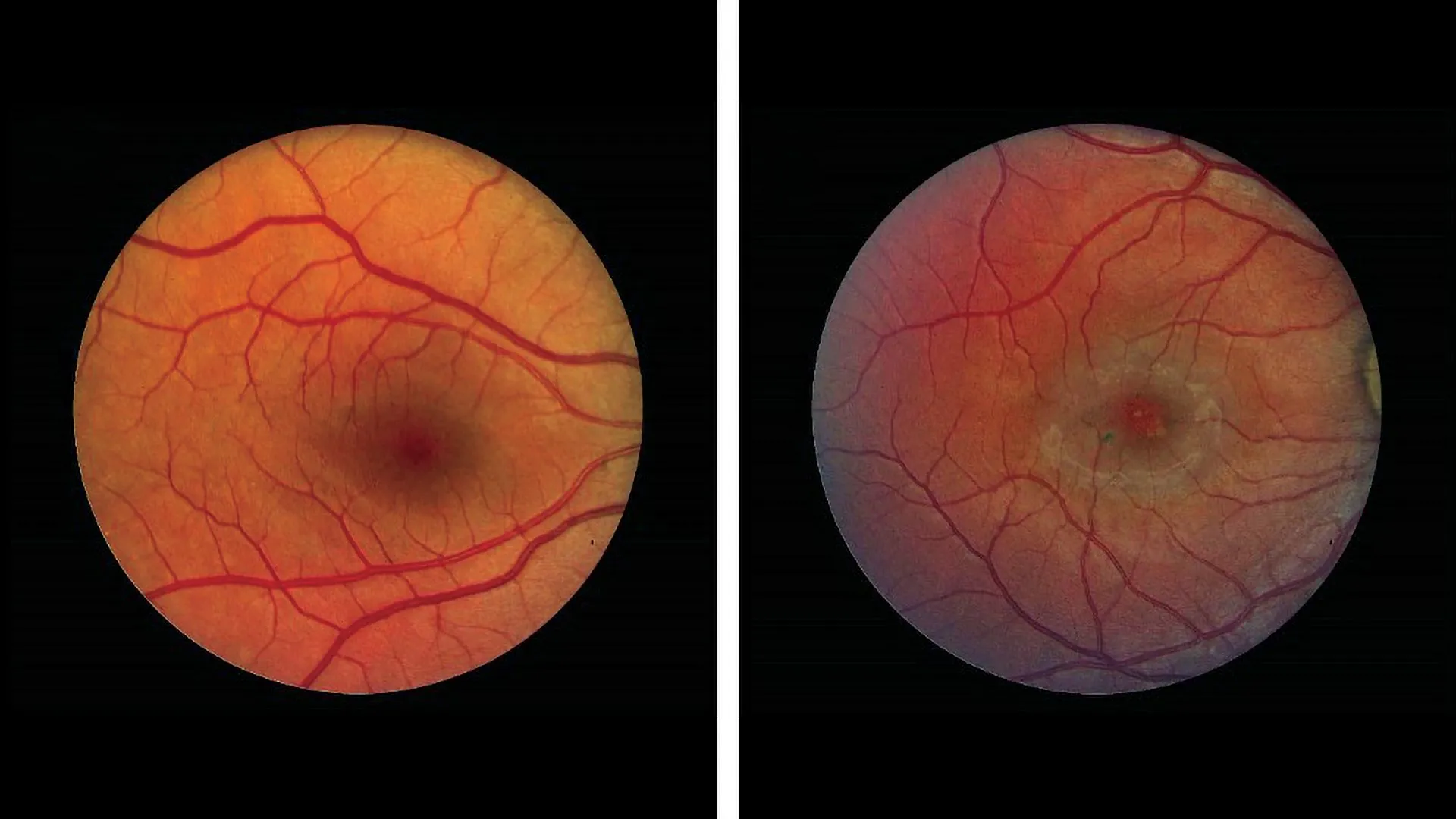
For people with macular telangiectasia type 2 (MacTel), an orphan retinal disorder that gradually destroys central vision, there have long been no approved treatment options. But now, a new study sponsored by Neurotech Pharmaceuticals and spearheaded by investigators at Scripps Research and the National Institutes of Health (NIH) offers compelling evidence that vision loss can be slowed with a neuroprotective surgical implant.
“This is a step toward redefining how we think about vision loss,” says one of the corresponding authors, Professor Martin Friedlander of Scripps Research. “Instead of waiting for cells to die, we’re learning how to protect and preserve them.”
Published in in NEJM Evidence, the study reports results from two phase 3 clinical trials evaluating ENCELTO (revakinagene taroretcel-lwey), a surgically implanted device that continuously releases a therapeutic protein to preserve vision. Conducted across 47 sites internationally, the randomized trials enrolled 228 participants with MacTel, following their progress over a 24-month period.
The trials were coordinated by an international network of clinicians and researchers with key collaborators from the NIH’s National Eye Institute, the Lowy Medical Research Institute, and Neurotech Pharmaceuticals. Their ensuing results helped support the March 2025 approval of ENCELTO for MacTel by the US Food and Drug Administration (FDA), making it the first authorized treatment for the condition and the first cell-based neuroprotective treatment for any neurodegenerative retinal disease or central nervous system disorder.
The trials followed identical designs but enrolled participants at different times and locations. While both trials showed that ENCELTO slowed the loss of light-sensing retinal cells, the effect was stronger in one trial, likely due to variations in disease severity and other factors among participants. Together, the results provide strong evidence that the implant can preserve vision in people with MacTel.
“This is the first time we’ve seen a therapy meaningfully alter the course of MacTel,” says Friedlander. “It confirms that neuroprotection can be a powerful strategy to preserve vision in degenerative retinal conditions.”
Friedlander, who’s also president of the Lowy Medical Research Institute, has spent nearly two decades studying MacTel and helped lay the biological foundation for ENCELTO. The device delivers ciliary neurotrophic factor (CNTF), a naturally occurring protein known to protect retinal neurons. ENCELTO also consists of genetically modified retinal pigment epithelial cells — which help nourish and support the retina — housed in a tiny, collagen-based capsule, which is implanted in the back of the eye. Thanks to the capsule design, the cells remain shielded from immune rejection while continuously releasing CNTF — enabling long-term, localized delivery of the therapeutic molecule.

The study demonstrated that ENCELTO significantly slowed the loss of photoreceptors — light-sensing nerve cells that are critical for central vision — compared with sham-treated eyes, or eyes that underwent a simulated procedure without receiving actual treatment. In one of the trials, the implant resulted in a 54.8% reduction in the rate of ellipsoid zone loss, a measurable change in retinal structure that signals photoreceptor cell degeneration. The second trial showed a 30.6% reduction in the same measure, which is still statistically significant, though smaller in magnitude.
In addition to changes in retinal cells, the study evaluated several measures of visual function: how well the eye can actually see and perform everyday vision-related tasks. These included microperimetry (a sensitive test of retinal light response) and reading speed. Results from microperimetry showed statistically significant slowing of visual function loss, particularly in the trial where ENCELTO provided greater preservation of photoreceptor cells. However, reading speed and retinal sensitivity outcomes were more mixed, with one trial showing improvement and the other showing no significant difference from the control group.
“These differences highlight just how complex it is to measure functional vision loss in a slow-progressing disease like MacTel,” points out Friedlander. “If you look at certain functional outcomes from just one of the trials, they’re not statistically significant. But when you pool data from both trials — which were conducted the same way — then you see statistically significant results, so we’ll continue to investigate what’s driving that.”
Despite the variability, the overall trend across both trials supports ENCELTO’s long-term benefit, particularly when treatment is initiated before extensive cell loss. Participants tolerated the implant well, with minimal side effects. Furthermore, ENCELTO was effective regardless of the participant’s baseline vision or disease stage, suggesting that earlier intervention may help preserve more functional vision as MacTel progresses.
Next, Friedlander and his team will assess whether benefits continue or even improve beyond 24 months. There are also plans to explore why some individuals experienced greater gains than others, which may help identify patient subgroups that are most likely to benefit.
“The consistency in preserving retinal cells across both trials gives us confidence in the mechanism,” says Friedlander. “As we refine how and when to treat MacTel, we expect even greater improvements in vision over time.”
Moreover, because ENCELTO delivers sustained, targeted doses of therapeutic proteins directly to the retina, it represents a versatile platform technology. This same approach could potentially be adapted to treat a wide range of neurovascular degenerative diseases beyond MacTel, including other blinding conditions where protecting vulnerable nerve cells is key.
In addition to Friedlander, authors of the study, “Cell-Based Ciliary Neurotrophic Factor Therapy for Macular Telangiectasia Type 2,” are Emily Y. Chew of the National Institutes of Health; Mark Gillies of the Save Sight Institute; Glenn J. Jaffe of Duke University; Alain Gaudric of Paris Cité University; Cathy Egan and Alan Bird of University College London; Ian Constable of The University of Western Australia; Traci Clemons of the Emmes Corporation; Thomas Aaberg, Jr and Thomas C. Hohman of Neurotech Pharmaceuticals, Inc.; and Debora C. Manning of Veristat.
This work was supported by funding from Neurotech Pharmaceuticals, Inc.

Read more →

What is chickenpox and how can I get my child vaccinated?

8 hours agoShareSaveMichelle RobertsDigital health editor, BBC NewsShareSaveGetty ImagesYoung children in England, Wales and Northern Ireland will soon be offered a free chickenpox vaccine on the NHS. It will be added to the list of standard childhood vaccinations from January 2026, and there will be a catch-up programme for older children. Scotland is also expected to offer the vaccine on the NHS, but has not given a date yet. What is chickenpox and how can you catch it?Chickenpox is a highly contagious disease caused by the varicella zoster virus (VZV). The virus is transmitted through direct contact between people, or through airborne droplets in coughs and sneezes.It is very easy to catch, especially if you’ve never had it before.While it mostly affects children – around half have had it by their fourth birthday – people of any age can get it. What are the symptoms of chicken pox and what does the rash look like?Getty ImagesThe first symptoms include a fever, muscle aches and pains and generally feeling unwell. A couple of days later, an itchy, spotty rash appears. These red or pink dots can appear anywhere on the body, including inside the mouth.Some children might have only a few spots, but others can be covered from head to toe.The spots fill up with fluid and become blisters before crusting over to form scabs, which eventually drop off and clear up.You are contagious and can spread chickenpox to other people from two days before the first spots develop until they have all formed scabs, which is usually five days after they first appear.How dangerous is chickenpox? Most cases in children are mild, although they will feel unwell and will need to miss school or nursery for several days. Some children will go on to develop complications.In rare cases chicken pox can cause a swelling of the brain, called encephalitis; an inflammation of the lungs, called pneumonitis; and stroke, which can result in hospitalisation and – very rarely – death.Chickenpox is often more serious in very young infants and adults. It can be dangerous in pregnancy, causing complications in both the mother and the baby. Can you get chickenpox twice?How will the chickenpox vaccine work and who can get it?You can already get the chickenpox vaccine privately in the UK, at a cost of up to £200. But experts say adding the varicella vaccine to the official NHS childhood immunisation programme will dramatically reduce the number of people who catch chickenpox, leading to far fewer serious cases. The vaccine doesn’t guarantee lifetime immunity, but it does greatly reduce the risk of someone developing chickenpox or having a bad case.Serious side effects, such as a severe allergic reaction, are very rare. From January 2026, children will be automatically offered two doses at 12 and 18 months of age. They will get the combined MMRV vaccine, which protects against measles, mumps, rubella and varicella.It is a live vaccine which means it contains a weakened version of the chickenpox virus. As such, it is not recommended for those with a compromised immune system because of an illness like HIV or as a result of treatment such as chemotherapy.The move will bring the UK into line with other countries which already offer routine varicella vaccination, including Germany, Canada, Australia and the US. It had previously been thought that vaccinating children against chickenpox would cause a problematic rise in shingles, but a recent long-term study from the US disproved that theory.The committee which advises the government on vaccinations – the JCVI – recommended that all children be given the MMRV in November 2023. It also suggested that there should be a temporary catch-up programme for slightly older children who will just miss out. Details of this are expected in due course. The decision to vaccinate against chickenpox was announced as new data revealed none of the main childhood vaccines in England reached the 95% uptake target in 2024/25.Some 91.9% of five-year-olds had received one dose of the MMR vaccine, unchanged from 2023/24 and the lowest level since 2010/11, according to the UK Health Security Agency.What is shingles and is there a vaccine?You cannot catch shingles. It is an extremely painful condition that can develop years after a chickenpox infection.That is because when people get chickenpox, the virus stays in the body and can be reactivated later, which causes shingles.This might happen, for example, if your immune system is weakened because of stress, certain conditions, or treatments like chemotherapy.For many, it’s a painful skin rash – usually on the chest or abdomen – on one side of the body. Medicine (antiviral tablets) can help to speed up recovery and avoid longer-lasting problems.A shingles vaccine is available on the NHS for:people who turned 65 on or after 1 September 2023people aged 70 to 79 who have not yet been vaccinatedpeople aged 50+ with a severely weakened immune systemYou can get shingles more than once, so it’s important to get vaccinated even if you’ve had shingles before.If you get shingles after being vaccinated, the symptoms can be much milder.

Read more →

Price of Mounjaro to be discounted in UK pharmacies

The company behind popular weight loss drug Mounjaro has offered a discounted deal to UK suppliers which is expected to limit the price increase to consumers from September.Earlier this month, Eli Lilly announced it was putting up the list price of the drug by as much as 170% which could have meant the cost of the highest dose going up from £122 to £330 per month.But the BBC understands the highest dose will now be sold to suppliers for £247.50.Pharmacies and other private weight-loss services will add their own mark-up to consumers, but it means the price rise for patients is unlikely to be as large as initially feared.Eli Lilly originally said the UK price of Mounjaro had to increase to be more in line with higher prices in Europe and the US.US President Donald Trump had previously complained about the high cost of drugs in the US, compared to other countries, and threatened the pharmaceutical industry if they didn’t act. The deal does not affect the price the NHS pays, as the service has negotiated its own heavily-discounted rate for those getting the drug on prescription.The weekly injection works by making you feel full so you eat less, and can help people lose 20% of their body weight.Currently there are thought to be around 1.5 million people on weight loss drugs in the UK with more than half of them on Mounjaro. Estimates suggest nine in 10 pay for these drugs privately, buying from online services and high street pharmacies.Eli Lilly said: “We are working with private providers on commercial arrangements to maintain affordability and expect these to be passed onto patients when the change is effective on 1 September.”We are already seeing providers respond in different ways to the list price change, with a range of options available for eligible patients.”The price the consumer pays depends on which service they buy the weight loss drug from.Some offer more lifestyle and diet support while on the drug than others.The BBC has spoken to a number of services and the price rise for customers may be kept under 50% for the higher doses and even less for the lower doses.Olivier Picard, of the National Pharmacy Association, said: “Pharmacies will do all they can to support patients when prices change.”This rebate will mitigate some of the impact of the increase, but patients should still anticipate seeing a rise in prices from 1 September.”Pharmacies are working hard to support their patients and explore if there are options to minimise disruption to their treatment programme.”

Read more →

Cannabis for coping? Why it may trigger paranoia

New research from the Institute of Psychiatry, Psychology & Neuroscience (IoPPN) at King’s College London, in partnership with the University of Bath, has found that the reasons why a person chooses to use cannabis can increase their risk of developing paranoia.
The use and potency of cannabis is increasing worldwide, and dependence and cannabis-induced psychosis are also greatly increasing as a result, especially in North America. Two new research papers, both using data from Cannabis & Me — the largest survey of its kind — have identified key risk factors associated with the more severe forms of paranoia in cannabis users.
The first study, published on August 26 in the BMJ Mental Health, explored the relationship between why people first started using cannabis, and how this affected their subsequent use.
3389 former and current cannabis users aged 18 and over responded to a survey examining their reasons for first and continued use, their weekly consumption of cannabis in THC units, and their mental health.
Researchers established several key findings. Respondents who first started using cannabis to self-medicate an illness, including physical pain, anxiety, depression, or because they were experiencing minor psychotic symptoms, all demonstrated higher paranoia scores.
This was in contrast to those respondents who tried cannabis for fun or curiosity, or with their friends, who reported the lowest average paranoia and anxiety scores.
Dr Edoardo Spinazzola, a Research Assistant at King’s IoPPN and the study’s first author said, “Our study provides vital evidence on how the reason someone first starts using cannabis can dramatically impact their long-term health.

“This research suggests that using cannabis as a mean to self-medicate physical or mental discomfort can have a negative impact on the levels of paranoia, anxiety, and depression. Most of these subgroups had average scores of depression and anxiety which were above the threshold for referral to counseling.”
Respondents were also asked to provide data on the frequency and strength of the cannabis they were using so that researchers could track their average weekly consumption of Tetrahydrocannabinol (THC) — the principle psychoactive component of cannabis.
The researchers found that the average respondent consumed 206 units of THC a week. This might equate to roughly 10-17 ‘joints’ per week, if the user was consuming an expected 20 per cent THC content that is standard for the most common types of cannabis available in London.
However, respondents who started using cannabis to help with their anxiety, depression, or in cases where they started due to others in their household who were already using cannabis, reported on average 248, 254.7, and 286.9 average weekly THC units respectively.
Professor Tom Freeman, Director of the Addiction and Mental Health Group at the University of Bath and one of the study’s authors said, “A key finding of our study is that people who first used cannabis to manage anxiety or depression, or because a family member was using it, showed higher levels of cannabis use overall.
“In future, standard THC units could be used in a similar way to alcohol units — for example, to help people to track their cannabis consumption and better manage its effects on their health.”
In a separate study, published in Psychological Medicine, researchers explored the relationship between childhood trauma, paranoia and cannabis use.

Researchers used the same data set from the Cannabis & Me survey, with just over half of respondents (52 per cent) reporting experience of some form of trauma.
Analysis established that respondents who had been exposed to trauma as children reported higher average levels of paranoia compared to those who hadn’t, with physical and emotional abuse emerging as the strongest predictors.
Researchers also explored the relationship between childhood trauma and weekly THC consumption. Respondents who reported experience of sexual abuse had a markedly higher weekly intake of THC, closely followed by those who reported experiencing emotional and physical abuse.
Finally, the researchers confirmed that the strong association between childhood trauma and paranoia is further exacerbated by cannabis use, but is affected by the different types of trauma experienced. Respondents who said they had experienced emotional abuse or household discord1 were strongly associated with increased THC consumption and paranoia scores. Respondents reporting bullying, physical abuse, sexual abuse, physical neglect and emotional neglect on the other hand did not show the same effects.
Dr Giulia Trotta, a Consultant Psychiatrist and Researcher at King’s IoPPN and the study’s first author said, “This comprehensive study is the first to explore the interplay between childhood trauma, paranoia, and cannabis use among cannabis users from the general population.
“We have not only established a clear association between trauma and future paranoia, but also that cannabis use can further exacerbate the effects of this, depending on what form the trauma takes.
“Our findings will have clear implications for clinical practice as they highlight the importance of early screening for trauma exposure in individuals presenting with paranoia.”
Professor Marta Di Forti, Professor of Drug use, Genetics and Psychosis at King’s IoPPN, Clinical Lead at the South London and Maudsley NHS Foundation Trust’s Cannabis Clinic for Patients with Psychosis, and the senior author on both studies said, “There is extensive national and internation debate about the legality and safety of cannabis use.
“My experience in clinic tells me that there are groups of people who start to use cannabis as a means of coping with physical and emotional pain. My research has confirmed that this is not without significant further risk to their health and wellbeing, and policy makers across the world should be mindful of the impact that legalisation , without adequate public education and health support, could have on both the individual, as well as on healthcare systems more broadly.”
Cannabis & Me was possible thanks to funding from the Medical Research Council (MRC).

Read more →

This simple diet could help protect memory, even with Alzheimer’s genes

Researchers found dietary changes may help improve cognitive health and stave off dementia.
A new study led by investigators from Mass General Brigham, Harvard T.H. Chan School of Public Health, and the Broad Institute of MIT and Harvard suggests that a Mediterranean-style diet may help reduce dementia risk. The study, published in Nature Medicine, found that people at the highest genetic risk for Alzheimer’s disease benefited more from following a Mediterranean-style diet, showing a greater reduction in dementia risk compared to those at lower genetic risk.
“One reason we wanted to study the Mediterranean diet is because it is the only dietary pattern that has been causally linked to cognitive benefits in a randomized trial,” said study first author Yuxi Liu, PhD, a research fellow in the Department of Medicine at Brigham and Women’s Hospital, a founding member of the Mass General Brigham healthcare system, and a postdoctoral fellow at the Harvard Chan School and Broad. “We wanted to see whether this benefit might be different in people with varying genetic backgrounds, and to examine the role of blood metabolites, the small molecules that reflect how the body processes food and carries out normal functions.”
Over the last few decades, researchers have learned more about the genetic and metabolic basis of Alzheimer’s disease and related dementias. These are among the most common causes of cognitive decline in older adults. Alzheimer’s disease is known to have a strong genetic component, with heritability estimated at up to 80%.
One gene in particular, apolipoprotein E (APOE), has emerged as the strongest genetic risk factor for sporadic Alzheimer’s disease — the more common type develops later in life and is not directly inherited in a predictable pattern. People who carry one copy of the APOE4 variant have a 3-to-4-fold higher risk of developing Alzheimer’s. People with two copies of the APOE4 variant (called APOE4 homozygous) have a 12-fold higher risk of Alzheimer’s than those without.
To explore how the Mediterranean diet may reduce dementia risk and influence blood metabolites linked to cognitive health, the team analyzed data from 4,215 women in the Nurses’ Health Study, following participants from 1989 to 2023 (average age 57 at baseline). To validate their findings, the researchers analyzed similar data from 1,490 men in the Health Professionals Follow-Up Study, followed from 1993 to 2023.
Researchers evaluated long-term dietary patterns using food frequency questionnaires and examined participants’ blood samples for a broad range of metabolites. Genetic data were used to assess each participant’s inherited risk for Alzheimer’s disease. Participants were then followed over time for new cases of dementia. A subset of 1,037 women underwent regular telephone-based cognitive testing.

They found that the people following a more Mediterranean-style diet had a lower risk of developing dementia and showed slower cognitive decline. The protective effect of the diet was strongest in the high-risk group with two copies of the APOE4 gene variant, suggesting that diet may help offset genetic risk.
“These findings suggest that dietary strategies, specifically the Mediterranean diet, could help reduce the risk of cognitive decline and stave off dementia by broadly influencing key metabolic pathways,” Liu said. “This recommendation applies broadly, but it may be even more important for individuals at a higher genetic risk, such as those carrying two copies of the APOE4 genetic variant.”
A study limitation was that the cohort consisted of well-educated individuals of European ancestry. More research is needed in diverse populations.
In addition, although the study reveals important associations, genetics and metabolomics are not yet part of most clinical risk prediction models for Alzheimer’s disease. People often don’t know their APOE genetics. More work is needed to translate these findings into routine medical practice.
“In future research, we hope to explore whether targeting specific metabolites through diet or other interventions could provide a more personalized approach to reducing dementia risk,” Liu said.
Authorship: In addition to Liu, Mass General Brigham authors include Chirag M. Vyas, Cheng Peng, Danyue Dong, Yuhan Li, Oana A. Zeleznik, Jae H. Kang, Molin Wang, Frank B. Hu, Olivia I. Okereke, A. Heather Eliassen, Meir J. Stampfer, and Dong D. Wang. Additional authors include Xiao Gu, Yanping Li, Fenglei Wang, Yu Zhang, Yin Zhang, Walter C. Willett, and Peter Kraft.
Funding: This study was funded in part by the National Institutes of Health (R00DK119412, R01NR019992, R01AG077489, RF1AG083764, U54AG089325, P30DK046200, UM1CA186107, P01CA087969, R01HL034594, R01HL088521, R01HL060712, U01CA167552, R01HL035464).

Read more →

FDA Approves Updated Covid Vaccines With New Restrictions

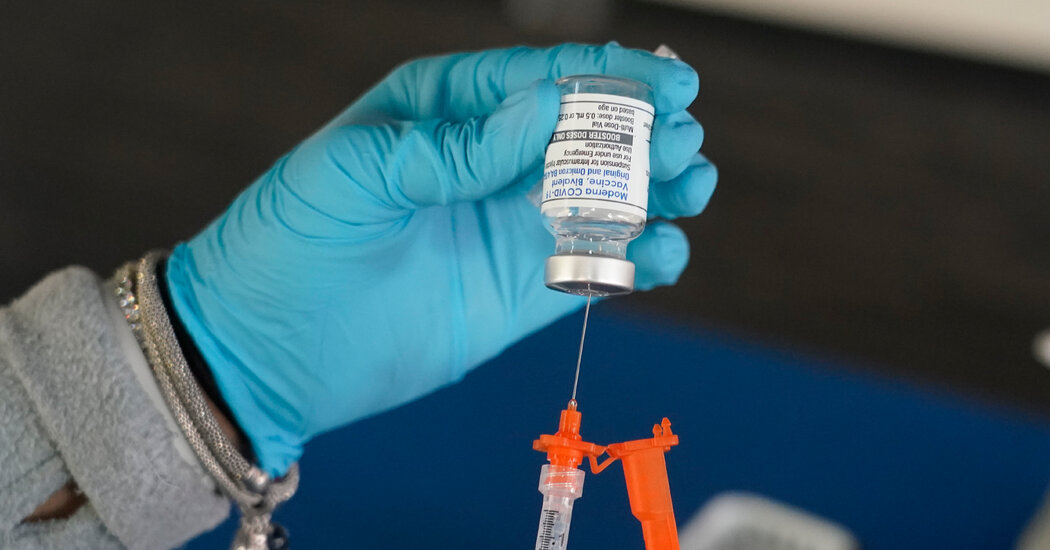
The agency’s fall recommendations underscore the goals of Health Secretary Robert F. Kennedy Jr. to limit access to the vaccines, which he has long opposed.The Food and Drug Administration on Wednesday approved updated Covid vaccines for the fall season and limited who can get the shots, the federal government’s most restrictive policy since the vaccines became available.The agency authorized the vaccines for people who are 65 and older, who are known to be more vulnerable to severe illness from Covid. Younger people would only be eligible if they had at least one underlying medical condition that would put them at risk for severe disease. Healthy children under 18 could still receive the shots if a medical provider is consulted.People seeking the shots will soon face another hurdle. An influential advisory committee to the Centers for Disease Control and Prevention must vote to recommend them. But that panel’s makeup shifted when Health Secretary Robert F. Kennedy Jr. unseated existing members, reduced the panel’s size and added some Covid vaccine opponents.This would mark the first fall/winter season that Covid shots were not widely recommended to most people and children, pitting federal health officials in the Trump administration against several national medical groups that oppose the restrictions.In a social media post, Mr. Kennedy said the approvals accomplished the goals of keeping vaccines available to people who want them and of demanding that companies conduct placebo-controlled trials. One new, required study would examine “post-Covid-19 vaccination syndrome” in patients, a condition that has been noted in at least one small preliminary medical report, but is still a matter of pitched debate.“The American people demanded science, safety and common sense,” Mr. Kennedy’s post on X said. “This framework delivers all three.”We are having trouble retrieving the article content.Please enable JavaScript in your browser settings.Thank you for your patience while we verify access. If you are in Reader mode please exit and log into your Times account, or subscribe for all of The Times.Thank you for your patience while we verify access.Already a subscriber? Log in.Want all of The Times? Subscribe.

Read more →

NHS to lose out on new drugs, pharma firm warns

1 day agoShareSavePritti MistryBusiness reporter, BBC NewsShareSavePA MediaNHS patients will lose access to new cutting-edge treatments because of skyrocketing costs, the pharmaceutical giant Novartis has claimed amid a row over drug pricing deals.The warning comes after talks over the cost of medicines for the UK between Health Secretary Wes Streeting and pharma firms broke down last week.A body assesses whether a new drug is value for money before approving it for use on the NHS, but Novartis said its methods were outdated and made it harder for innovative drugs to be approved and launched.Norvartis’s UK boss Johan Kahlstrom said costs meant the UK was “largely uninvestable”, but Streeting has vowed he will not allow firms to “rip off” taxpayers.Swiss firm Novartis said it was not considering the UK for major new investments in manufacturing, research, or advanced technology because of “systemic barriers”. In 2023 a deal was done with predictions of how big the rebate should be that pharma companies would have to pay the UK government on sales to the NHS above an agreed threshold.A 15% rate had been expected, aimed at preventing the health service’s costs from spiralling out of control.However, the actual rebate rate has risen to 23.5%, which Novartis said was more than triple the 7% rate in Germany, for example.The firm, which employs 78,000 people globally, said patients were losing access to or missing out entirely on new treatments as a result of the current situation.It said due to the “declining competitiveness” of the UK market, the company had “already been unable to launch several medicines” in the country “for public reimbursement – medicines that are, or soon will be, available to patients in other European countries”.”The concern is that future launches and research investment could be further deprioritised for the UK if the environment remains uncompetitive,” the company added.PA MediaThe UK government said it had put forward a “generous and unprecedented offer to accelerate growth” in the pharmaceutical sector.”It would have reduced payment rates for pharmaceutical companies year-on-year, freeing approximately £1 billion over three years for new, life-changing medicines,” a statement said.Streeting previously told the Guardian that drug companies had been “short-sighted” in their approach to the talks.He told the newspaper: “The pharmaceuticals industry signed up to the deal with the previous government. “When it came out more expensive to industry than expected, we put forward an unprecedented offer to bring down payment rates for all future years of the scheme and accelerate growth in the sector – but the ABPI (Association of the British Pharmaceutical Industry) failed to reach an agreement.”In a statement, Richard Torbett, chief executive of the ABPI, said the demand for innovative medicines had continued to grow but investment in new treatments was falling due to “uncompetitive and punitive rebates on company revenues”.He said the UK’s assessment methods for new drugs had not changed “for nearly a quarter of a century”.”Without change, the UK will continue to fall down international league tables for research, investment, and patient access to medicines,” he added.He said the industry still believed a solution to the row was possible.’UK is an outlier’ The National Institute for Health and Care Excellence (Nice) decides whether a new medicine is cost-effective. It uses a unit of measurement called the “Qaly” – the “quality-adjusted life year”, which gauges drug effectiveness in terms of how much it would cost to give you a year of healthy life.It considers medicines costing between £20,000 and £30,000 per Qaly as good value for money.However, Norvartis claimed Nice’s thresholds were outdated because the costings have remained the same since 1999 and not kept pace with rising inflation. It believes the current Qaly figure stands at £50,000.Mr Kahlstrom, managing director of Novartis’ UK and Ireland operations, told the BBC’s Today programme that the UK “remains an outlier and patients still lose out and I think we have to be honest about that”.He added the UK was under invested on medicines with “only 9% of the healthcare budget in the NHS” being spent on drugs compared to about 14% in France and 15% in Germany.Mr Kahlstrom’s comments come just days after the Sunday Times reported that another drug company, Gilead Sciences, would not submit its breast cancer drug for assessment by Nice, blaming the UK for “undervaluing medicines”.

Read more →