Beet juice secretly helps older adults lower blood pressure in just two weeks

The blood pressure lowering effect of nitrate-rich beetroot juice in older people may be due to specific changes in their oral microbiome, according to the largest study of its kind.
Researchers at the University of Exeter conducted the study, published in the journal Free Radical Biology and Medicine, comparing responses between a group of older adults to that of younger adults. Previous research has shown that a high nitrate diet can reduce blood pressure, which can help reduce risk of heart disease.
Nitrate is crucial to the body and is consumed as a natural part of a vegetable-rich diet.  When the older adults drank a concentrated beetroot juice ‘shot’ twice a day for two weeks*, their blood pressure decreased – an effect not seen in the younger group.
The new study, funded by a BBSRC Industrial Partnership Award, provides evidence that this outcome was likely caused by the suppression of potentially harmful bacteria in the mouth.  An imbalance between beneficial and harmful oral bacteria can decrease the conversion of nitrate (abundant in vegetable-rich diets) to nitric oxide. Nitric oxide is key to healthy functioning of the blood vessels, and therefore the regulation of blood pressure.
Study author Professor Anni Vanhatalo, of the University of Exeter, said: “We know that a nitrate-rich diet has health benefits, and older people produce less of their own nitric oxide as they age. They also tend to have higher blood pressure, which can be linked to cardiovascular complications like heart attack and stroke. Encouraging older adults to consume more nitrate-rich vegetables could have significant long term health benefits. The good news is that if you don’t like beetroot, there are many nitrate-rich alternatives like spinach, rocket, fennel, celery and kale.”
The study recruited 39 adults aged under 30, and 36 adults in their 60s and 70s through the NIHR Exeter Clinical Research Facility. The trial was supported by the Exeter Clinical Trials Unit. Each group spent two weeks taking regular doses of nitrate-rich beetroot juice and two weeks on a placebo version of the juice with nitrate stripped out. Each condition had a two week “wash out” period in between to reset. The team then used a bacterial gene sequencing method to analyse which bacteria were present in the mouth before and after each condition.
In both groups, the make-up of the oral microbiome changed significantly after drinking the nitrate-rich beetroot juice, but these changes differed between the younger and older age groups.

The older age group experienced a notable decrease in the mouth bacteria Prevotella after drinking the nitrate rich juice, and an increase in the growth of bacteria known to benefit health such as Neisseria. The older group had higher average blood pressure at the start of the study, which fell after taking the nitrate-rich beetroot juice, but not after taking the placebo supplement.
Co-author Professor Andy Jones, of the University of Exeter, said: “This study shows that nitrate-rich foods alter the oral microbiome in a way that could result in less  inflammation, as well as a lowering of blood pressure in older people. This paves the way for larger studies to explore the influence of lifestyle factors and biological sex in how people respond to dietary nitrate supplementation.”
Dr Lee Beniston FRSB, Associate Director for Industry Partnerships and Collaborative Research and Development at BBSRC, said:
“This research is a great example of how bioscience can help us better understand the complex links between diet, the microbiome and healthy ageing. By uncovering how dietary nitrate affects oral bacteria and blood pressure in older adults, the study opens up new opportunities for improving vascular health through nutrition. BBSRC is proud to have supported this innovative partnership between academic researchers and industry to advance knowledge with real-world benefits.”
The paper is titled ‘Ageing modifies the oral microbiome, nitric oxide bioavailability and vascular responses to dietary nitrate supplementation’ and is published in the journal Free Radical Biology and Medicine.

Read more →

Vaccination plea after baby’s ‘terrifying’ measles

7 hours agoShareSaveSharon BarbourHealth correspondent, BBC North East and CumbriaShareSaveSuppliedNowhere in the north-east of England and Cumbria has the childhood measles, mumps and rubella (MMR) vaccination rate of 95% needed to achieve the “herd immunity” at which point disease does not spread, latest figures show.Middlesbrough has the lowest rate in the region at 82.5%, but up from 77.9% the previous year.The mother of one child – too young to have the MMR but who could have been protected by herd immunity – said the experience of her having measles at the age of seven months had been “terrifying”.Medical director for The North East and North Cumbria Integrated Care Board, Dr Catherine Monaghan, warned measles was dangerous and “one of the most infectious diseases in the world”.Middlesbrough had the region’s largest vaccination rate increase in 2024-25 while Cumbria had the highest overall rate in the area but saw it drop slightly from 94.8% in 2023-24 to 94.3%.Of 12 local authority areas in the region, eight have seen a slight or moderate increase but still range between 82% and 94%.Health experts fear a falling vaccination rate could lead to further outbreaks.They say children should have both doses of the MMR jab to be fully protected and prevent the virus being passed on to other children and vulnerable people who have not been able to have it.SuppliedSinging teacher Scarlett Jones, from Bishop Middleham in County Durham, said her daughter suddenly became seriously ill in August last year.”She was just laid on her back, staring at the ceiling, very unresponsive,” the 29-year-old said.The baby’s temperature was 39.4C (102.9F), she was becoming more floppy, her eyes were red and swollen, and she was struggling to breathe, she said.Although paramedics arrived within minutes and knew the baby needed to go to hospital, Mrs Jones could not contact her husband Dan, a professional footballer, who was in training.”They’re not allowed their phones at all,” she said.”So I rang the club shop and somebody ran down to the field.”As the baby’s temperature continued to rise, doctors first considered sepsis, then meningitis, before she then developed a rash and a consultant found distinctive white spots in her mouth.”It took a while for them to diagnose measles as they had never seen a case of it before,” Mrs Jones said.The doctor asked if medical students could be brought in, because they had never seen then disease first hand, she added.Measles normally clears up within seven to 10 days but can cause serious complications. Dr Monaghan said: “Measles is one of the most infectious diseases in the world and it can be very, very dangerous.”It can cause pneumonia, it can also cause a swelling of the brain that can leave you with catastrophic, life changing illnesses – so blindness, deafness.”The worst case scenario is you can die.”Dr Monaghan said doctors were worried about the resurgence of the virus, with babies and young children, pregnant women, and those with a weakened immune system at increased risk.The disease was 95-98% preventable with the MMR vaccine, she said.Measles had been largely been eradicated but, as the uptake of the jab has fallen, the number of cases has grown.Child health experts have said some parents may not vaccinate their children because they underestimate the seriousness of the disease. After the MMR was introduced, concerns were raised that it was linked to autism.In 1988, researcher Andrew Wakefield incorrectly claimed the two were connected but his work was later dismissed and he was struck off by the General Medical Council in 2010.Rates also fell during the Covid-19 pandemic, as routine appointments were missed.The World Health Organization says 95% of a population needs to be vaccinated to prevent outbreaks and protect the unvaccinated.Figures from the UK Health Security Agency for 2024-25 suggest 91.9% of five-year-olds in England had received one dose of the MMR vaccine, unchanged from the previous year and the lowest level since 2010-11.MMR doses are routinely given at one year old, and three years and four months. Older children and adults can have the jab if they have not been vaccinated earlier.As children head back to school there are concerns that there could be a surge in cases. Dr Monaghan said the two doses gave protection against “something that can be catastrophic, and potentially fatal”.Related storiesRelated internet links

Read more →

The trade in US body parts that’s completely legal – but ripe for exploitation

14 hours agoShareSaveLuke MintzBBC NewsShareSaveBBCHarold Dillard was 56 when he was diagnosed with an aggressive cancer around his abdomen in November 2009. Within weeks the former car mechanic and handyman – a Texan “Mr Fix It” type who wore a cowboy hat and jeans nearly every day – was in end-of-life hospice care.In his final days, Mr Dillard was visited at the hospice by a company called Bio Care. They asked if he might like to donate his body to medical science, where it could be used by doctors to practise knee replacement surgery. The company would cremate the parts of his body that weren’t used and return his ashes free of charge.”His eyes lit up,” his daughter, Farrah Fasold, remembers. “He viewed that as lessening the burden on his family. Donating his body was the last selfless thing he could do.”Mr Dillard died on Christmas Eve, and within hours, a car from Bio Care pulled up outside the hospice and drove his body away.A few months later, his daughter received a call from the police. They had found her father’s head.At the company’s warehouse, police say they found more than 100 body parts belonging to 45 people. “All of the bodies appeared to have been dismembered by a coarse cutting instrument, such as a chainsaw,” a detective wrote at the time.Ms Fasold says she imagined her father’s body would be handled with respect – but instead it was “mutilated”, she believes.”I would close my eyes at night and see huge red tubs filled with body parts. I had insomnia. I wasn’t sleeping.”The company said at the time through a lawyer that they denied mistreating bodies. The firm no longer exists, and its former owners could not be reached for comment.This was Ms Fasold’s first introduction to the world of so-called body brokers: private companies that acquire corpses, dissect them, and then sell the limbs for a profit, often to medical research centres.For critics, the industry represents a modern form of grave-robbing. Others argue that body-donation is essential for medical research and that private companies are simply filling a gap left by universities, who consistently fail to acquire enough dead bodies to support their education and research programmes.Although Ms Fasold didn’t realise it at the time, her father’s case sheds light on an emotion-fuelled debate that cuts to the centre of our ideas about life, and what it means to have a dignified death.The body businessSince at least the 19th Century, when the teaching of medicine expanded, some scientifically-minded people have rather liked the idea that their corpse could be used to train doctors.Brandi Schmitt is director of the anatomical donation programme at the University of California, a popular destination for people wishing to bequeath their bodies. She says last year they received 1,600 “whole-body donations”, and they have a list of almost 50,000 living people who have already registered to do so.Often, body-donation is driven by simple altruism, she says: “A lot of people are either educated or interested in education.”But financial factors come into play too. Funerals are expensive, Ms Schmitt says; many are tempted by the prospect of their body being taken away for free.The Body ShopConversations with body brokers, scientists and affected families shed light on this murky industry. Listen on BBC Sounds or on BBC Radio 4 at 13:30 BST on Sunday 31 August. Producer: Jacob Dabb.Like most medical schools, the University of California does not profit from its body-donation programme, and it has strict guidelines for how corpses – or cadavers, as they are known medically – should be handled.But in recent decades, something more controversial has emerged in the US: a network of for-profit businesses that act as middlemen, acquiring bodies from individuals, dissecting them, and then selling them on. They are widely nicknamed body brokers, though the firms call themselves “non-transplant tissue banks”.Some of their customers are universities, which use cadavers to train doctors. Others are medical engineering firms, which use limbs to test products like new hip implants.The for-profit body part trade is effectively outlawed in the UK and other European countries, but looser regulation in the US has allowed the trade to flourish.The largest investigation of its kind – conducted by Reuters journalist Brian Grow, in 2017 – identified 25 for-profit body broking companies in the US. One of them earned $12.5m (£9.3m) over three years from the body-part business.Some of those firms are broadly respected, and claim to follow rigorous ethical guidelines. Others have been accused of disrespecting the dead and exploiting vulnerable people in grief.A global tradeThe trade has grown because of a gap in US regulation, says Jenny Kleeman, who spent years researching the topic for her book, The Price of Life.Whilst the UK’s Human Tissue Act makes it illegal in almost all cases to profit from a body part, no comparable law exists in the US. Technically, the US’s Uniform Anatomical Gift Act bans the sale of human tissue – but the same law allows you to charge a “reasonable amount” for the “processing” of a body part.These loose laws have turned the US into a global exporter of cadavers. In her book, Kleeman found that one of the largest US players shipped body parts to more than 50 countries, including the UK.”In many countries, there is a shortfall of donations,” Ms Kleeman says. “And where they can get bodies is from America.”There is no formal register of brokers, and official statistics are hard to find. But Reuters calculated that, from 2011 to 2015, private brokers in the US received at least 50,000 bodies, and distributed more than 182,000 body parts.’Bodies of the state’For some, private body brokers represent the very worst sort of ambulance-chasing greed.In his Reuters investigation, Mr Grow found cases of brokers becoming “intertwined with the American funeral industry” via arrangements in which funeral homes introduce brokers to relatives of the recently-deceased. In return, the home received a referral fee, sometimes exceeding $1,000 (£750).Horror stories are easy to find – and because of the US’s light regulation, there’s often no legal recourse when things go wrong.After her run-in with Bio Care, Ms Fasold hoped for a criminal prosecution. As well as the fact that her father’s limbs may have been cut with a chainsaw, she was unhappy about a package she had received in the post, in a zip-lock bag, which the company claimed was her father’s ashes. She says the contents did not look or feel like human ashes.Bio Care’s owner was initially charged with fraud, but the charge was later withdrawn because prosecutors could not prove an intent to deceive.Increasingly desperate, Ms Fasold contacted the local district prosecutor. But she was told that Bio Care had not broken any state criminal laws.Equally as controversial are “bodies of the state” donations – when a homeless person dies on the street, or somebody dies in hospital without known next-of-kin, and their corpse is donated to science.In theory, county officials first try to find relatives; only if they cannot locate anyone is the body given away.But the BBC has heard that this may not always happen. Last year, Tim Leggett was scrolling a news app at his home in Texas when he found a list of local people whose bodies had been used in this way. He was shocked to see the name of his older brother, Dale, a forklift truck-operator who had died of respiratory failure a year earlier.His brother’s body was used by a for-profit medical education company to train anaesthesiologists. It was one of more than 2,000 unclaimed bodies given to the University of North Texas Health Science Center between 2019 and 2024, under agreements with the Dallas and Tarrant counties.”I was angry,” Mr Leggett says. “He would not want to be an object of discussion, or [to have] people pointing at him.”His brother was a quiet man who mostly “just wanted to be left alone”, Mr Leggett remembers, and his aversion to technology made it difficult to stay in touch. Still, Mr Leggett says his brother was a human, like anyone else, who deserved dignity in death.”He liked Marvel comic books; he had a cat that he named Cat,” he remembers.In a statement to the BBC, the University of North Texas Health Science Center gave its “deepest apologies” to the affected families, and said it was “refocusing” its programme on education and “improv[ing] the quality of health for families and future generations”. Since the story first emerged last year, they said, they have fired staff who oversaw the programme.Unfairly villainised?But horror stories like these aside, others point out that body donation plays a crucial role in scientific discovery.Ms Schmitt of the University of California says that at the most basic level, bodies are used to teach doctors, or for surgeons to practise complicated operations. Often, it’s the first time a medical student works with real flesh and blood – an experience that can’t be replicated from a textbook.”Those students will go on to help people,” she says.Then there are the cadavers used to help engineer new treatments. Ms Schmitt points to a number of technologies that were only developed, she says, after being tested on bodies. These include knee and hip replacements, robotic surgery, and pacemakers.Bloomberg via Getty ImagesAnd some of the private brokers say they are being unfairly villainised. Kevin Lowbrera, who works for one of the big “body broking” companies, says its accreditation by the American Association of Tissue Banks means it has to follow guidelines determining how cadavers are treated and stored. Accreditation is voluntary – seven companies have signed up – and a private broker doesn’t need it to operate legally.The problem is not with honest companies like his, Mr Lowbrera says – it is with the rogue players. “There are still programmes out there that are not accredited. I tell people all the time, stay away from them,” he says.It would be wrong to regulate his whole industry out of existence, he says, because of some bad apples.Beyond the for-profit trade?Virtually everyone I speak to – on all sides of the debate – thinks that more regulation in the US is needed.So, what could that look like?Ms Schmitt, of the University of California, suggests the US could perhaps follow European countries and ban for-profit body broking.She says there are some “legitimate costs” that come with processing a body – like spending on transport, and preservative chemicals. It’s reasonable for companies to charge for these, she says. But the idea of actually making a profit makes many feel squeamish. “The ability to sell or profit from human remains I think complicates the altruistic idea of donating for education,” she says.She suggests the US could emulate its own policy on organ donation – which is governed by the Uniform Anatomical Gift Act, and prohibits the sale of organs.But the author Ms Kleeman says that if the US banned for-profit body donation tomorrow, there simply wouldn’t be enough cadavers to go around.”If you don’t want there to be a trade in these body parts, we need to get a way of more people donating altruistically,” she says.She urges universities to launch more robust promotional campaigns, asking directly for body donations. “There isn’t the same public awareness campaign as there is for organ donation, for example.”Once this shortage is addressed, she says, then the US could ban for-profit donation.It’s also possible that advances in virtual reality (VR) technology mean that cadavers simply won’t be needed in the future. A trainee doctor could simply put on a headset and practice on a computer-generated patient.In 2023, Case Western Reserve University became one of the first medical schools in the United States to remove human bodies from its training programme, and replace them with VR models.Real human bodies preserve the “body’s colours and textures, [which] can make it difficult to discern, say, a nerve from a blood vessel”, Mark Griswold, a professor at the school, told the website Lifewire at the time. In contrast, their computer programme “gives students a crystal clear 3D map of these anatomical structures and their relationships to each other”, he said.But Ms Kleeman says that, in general, VR technology is not yet good enough to replicate practicing on a cadaver.For the time being, it seems, there will remain a demand for human bodies – as well as money to be made.Additional reporting: Jacob DabbBBC InDepth is the home on the website and app for the best analysis, with fresh perspectives that challenge assumptions and deep reporting on the biggest issues of the day. And we showcase thought-provoking content from across BBC Sounds and iPlayer too. You can send us your feedback on the InDepth section by clicking on the button below.

Read more →

AI stethoscope could detect major heart conditions in seconds

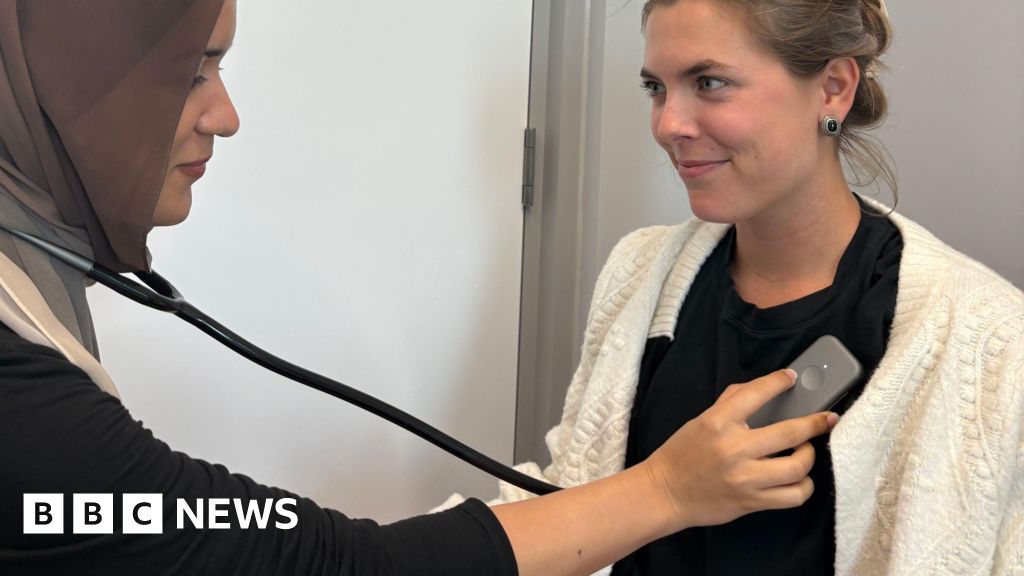
Stethoscopes powered by artificial intelligence (AI) could help detect three different heart conditions in seconds, researchers say.The original stethoscope, invented in 1816, allows doctors to listen to the internal sounds of a patient’s body.But now a British team have designed one that can spot heart failure, heart valve disease and abnormal heart rhythms almost instantly.The tool could be a “real game-changer” resulting in patients being treated sooner, the researchers say, with plans to roll the device out across the UK following a study involving 205 GP surgeries in London.The new device replaces the traditional chest piece with a device around the size of a playing card. It uses a microphone to analyse subtle differences in heartbeat and blood flow that the human ear cannot detect.The study by Imperial College London and Imperial College Healthcare NHS Trust involved saw more than 12,000 patients from 96 surgeries examined with the AI stethoscope. They were then compared to patients from 109 GP surgeries where the technology was not used.Those examined with the device were 2.33 times more likely to be diagnosed with heart failure in the next 12 months, researchers said.Abnormal heartbeat patterns, which have no symptoms but can increase stroke risk, were 3.5 times more detectable with the AI stethoscopes, while heart valve disease was 1.9 times more detectable.Dr Sonya Babu-Narayan, clinical director at the British Heart Foundation (BHF) and consultant cardiologist, said: “This is an elegant example of how the humble stethoscope, invented more than 200 years ago, can be upgraded for the 21st century”. Such innovations are vital “because so often this condition is only diagnosed at an advanced stage when patients attend hospital as an emergency”, she said.”Given an earlier diagnosis, people can access the treatment they need to help them live well for longer.”The findings have been presented to thousands of doctors at the European Society of Cardiology annual congress in Madrid, the world’s largest heart conference.There are plans to roll out the new stethoscopes to GP practices in Wales, south London and Sussex.

Read more →

New AI model predicts which genetic mutations truly drive disease

When genetic testing reveals a rare DNA mutation, doctors and patients are frequently left in the dark about what it actually means. Now, researchers at the Icahn School of Medicine at Mount Sinai have developed a powerful new way to determine whether a patient with a mutation is likely to actually develop disease, a concept known in genetics as penetrance.
The team set out to solve this problem using artificial intelligence (AI) and routine lab tests like cholesterol, blood counts, and kidney function. Details of the findings were reported in the August 28 online issue of Science. Their new method combines machine learning with electronic health records to offer a more accurate, data-driven view of genetic risk.
Traditional genetic studies often rely on a simple yes/no diagnosis to classify patients. But many diseases, like high blood pressure, diabetes, or cancer, don’t fit neatly into binary categories. The Mount Sinai researchers trained AI models to quantify disease on a spectrum, offering more nuanced insight into how disease risk plays out in real life.
“We wanted to move beyond black-and-white answers that often leave patients and providers uncertain about what a genetic test result actually means,” says Ron Do, PhD, senior study author and the Charles Bronfman Professor in Personalized Medicine at the Icahn School of Medicine at Mount Sinai. “By using artificial intelligence and real-world lab data, such as cholesterol levels or blood counts that are already part of most medical records, we can now better estimate how likely disease will develop in an individual with a specific genetic variant. It’s a much more nuanced, scalable, and accessible way to support precision medicine, especially when dealing with rare or ambiguous findings.”
Using more than 1 million electronic health records, the researchers built AI models for 10 common diseases. They then applied these models to people known to have rare genetic variants, generating a score between 0 and 1 that reflects the likelihood of developing the disease.
A higher score, closer to 1, suggests a variant may be more likely to contribute to disease, while a lower score indicates minimal or no risk. The team calculated “ML penetrance” scores for more than 1,600 genetic variants.
Some of the results were surprising, say the investigators. Variants previously labeled as “uncertain” showed clear disease signals, while others thought to cause disease had little effect in real-world data.

“While our AI model is not meant to replace clinical judgment, it can potentially serve as an important guide, especially when test results are unclear. Doctors could in the future use the ML penetrance score to decide whether patients should receive earlier screenings or take preventive steps, or to avoid unnecessary worry or intervention if the variant is low-risk,” says lead study author Iain S. Forrest, MD, PhD, in the lab of Dr. Do at the Icahn School of Medicine at Mount Sinai. “If a patient has a rare variant associated with Lynch syndrome, for instance, and it scores high, that could trigger earlier cancer screening, but if the risk appears low, jumping to conclusions or overtreatment might be avoided.”
The team is now working to expand the model to include more diseases, a wider range of genetic changes, and more diverse populations. They also plan to track how well these predictions hold up over time, whether people with high-risk variants actually go on to develop disease, and whether early action can make a difference.
“Ultimately, our study points to a potential future where AI and routine clinical data work hand in hand to provide more personalized, actionable insights for patients and families navigating genetic test results,” says Dr. Do. “Our hope is that this becomes a scalable way to support better decisions, clearer communication, and more confidence in what genetic information really means.”
The paper is titled “Machine learning-based penetrance of genetic variants.”
The study’s authors, as listed in the journal, are Iain S. Forrest, Ha My T. Vy, Ghislain Rocheleau, Daniel M. Jordan, Ben O. Petrazzini, Girish N. Nadkarni, Judy H. Cho, Mythily Ganapathi, Kuan-Lin Huang, Wendy K. Chung, and Ron Do.
This work was supported in part by the following grants: National Institute of General Medical Sciences of the National Institutes of Health (NIH) (T32-GM007280); the National Institute of General Medical Sciences of the NIH (R35-GM124836); the National Institute of Diabetes and Digestive and Kidney Diseases (U24-DK062429); the National Human Genome Research Institute of the NIH (R01-HG010365); the National Institute of General Medical Sciences of the NIH (R35-GM138113); and the National Institute of Diabetes and Digestive and Kidney Diseases (U24-DK062429).
* Mount Sinai Health System member hospitals: The Mount Sinai Hospital; Mount Sinai Brooklyn; Mount Sinai Morningside; Mount Sinai Queens; Mount Sinai South Nassau; Mount Sinai West; and New York Eye and Ear Infirmary of Mount Sinai

Read more →

Cells “vomit” waste in a hidden healing shortcut that could also fuel cancer

When injured, cells have well-regulated responses to promote healing. These include a long-studied self-destruction process that cleans up dead and damaged cells as well as a more recently identified phenomenon that helps older cells revert to what appears to be a younger state to help grow back healthy tissue.
Now, a new study in mice led by researchers at Washington University School of Medicine in St. Louis and the Baylor College of Medicine reveals a previously unknown cellular purging process that may help injured cells revert to a stem cell-like state more rapidly. The investigators dubbed this newly discovered response cathartocytosis, taking from Greek root words that mean cellular cleansing.
Published online in the journal Cell Reports, the study used a mouse model of stomach injury to provide new insights into how cells heal, or fail to heal, in response to damage, such as from an infection or inflammatory disease.
“After an injury, the cell’s job is to repair that injury. But the cell’s mature cellular machinery for doing its normal job gets in the way,” said first author Jeffrey W. Brown, MD, PhD, an assistant professor of medicine in the Division of Gastroenterology at WashU Medicine. “So, this cellular cleanse is a quick way of getting rid of that machinery so it can rapidly become a small, primitive cell capable of proliferating and repairing the injury. We identified this process in the GI tract, but we suspect it is relevant in other tissues as well.”
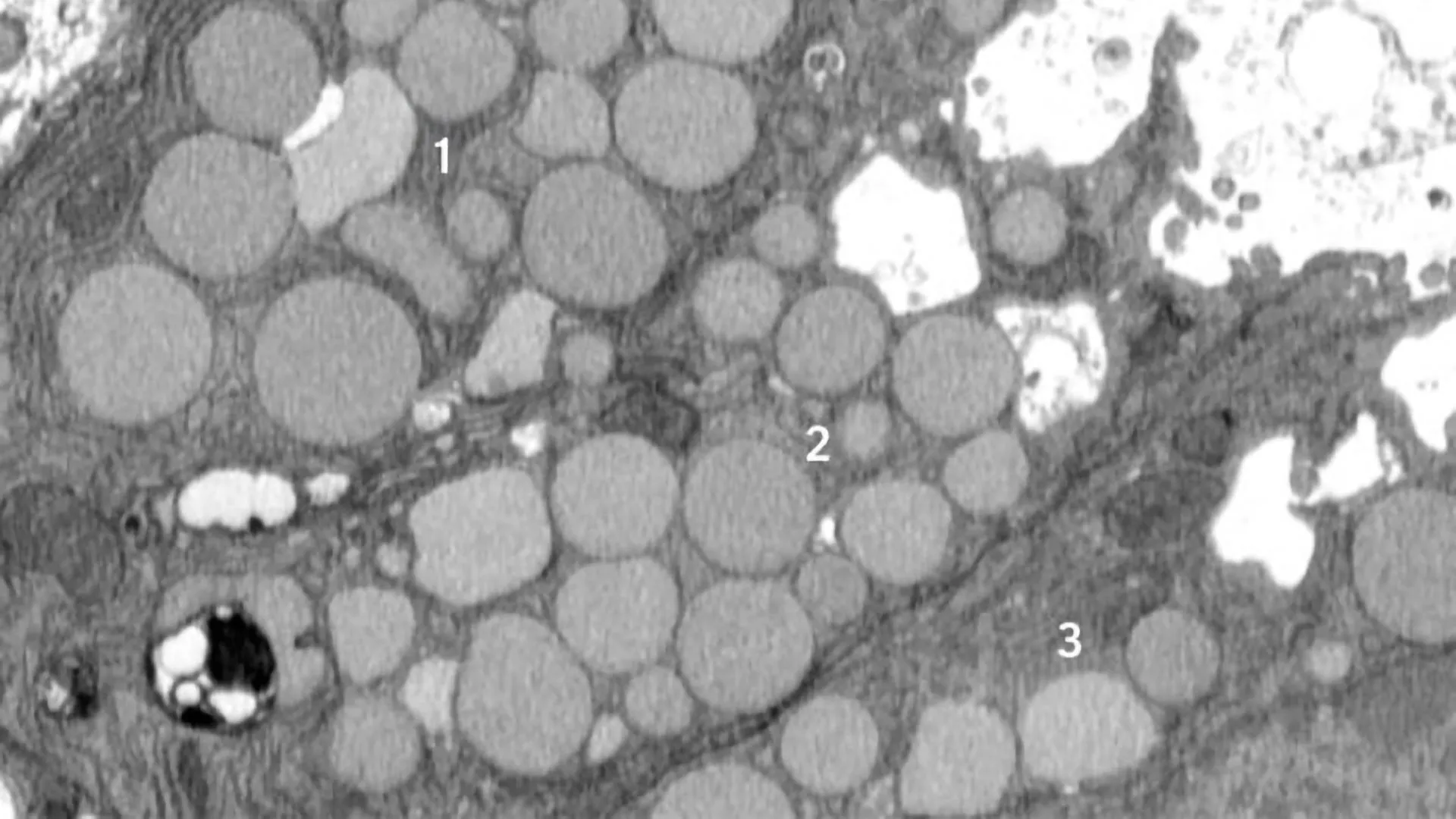
Brown likened the process to a “vomiting” or jettisoning of waste that essentially adds a shortcut, helping the cell declutter and focus on regrowing healthy tissues faster than it would be able to if it could only perform a gradual, controlled degradation of waste.
As with many shortcuts, this one has potential downsides: According to the investigators, cathartocytosis is fast but messy, which may help shed light on how injury responses can go wrong, especially in the setting of chronic injury. For example, ongoing cathartocytosis in response to an infection is a sign of chronic inflammation and recurring cell damage that is a breeding ground for cancer. In fact, the festering mess of ejected cellular waste that results from all that cathartocytosis may also be a way to identify or track cancer, according to the researchers.
A novel cellular process
The researchers identified cathartocytosis within an important regenerative injury response called paligenosis, which was first described in 2018 by the current study’s senior author, Jason C. Mills, MD, PhD. Now at the Baylor College of Medicine, Mills began this work while he was a faculty member in the Division of Gastroenterology at WashU Medicine and Brown was a postdoctoral researcher in his lab.

In paligenosis, injured cells shift away from their normal roles and undergo a reprogramming process to an immature state, behaving like rapidly dividing stem cells, as happens during development. Originally, the researchers assumed the decluttering of cellular machinery in preparation for this reprogramming happens entirely inside cellular compartments called lysosomes, where waste is digested in a slow and contained process.
From the start, though, the researchers noticed debris outside the cells. They initially dismissed this as unimportant, but the more external waste they saw in their early studies, the more Brown began to suspect that something deliberate was going on. He utilized a model of mouse stomach injury that triggered the reprogramming of mature cells to a stem cell state all at once, making it obvious that the “vomiting” response — now happening in all the stomach cells simultaneously — was a feature of paligenosis, not a bug. In other words, the vomiting process was not just an accidental spill here and there but a newly identified, standard way cells behaved in response to injury.
Although they discovered cathartocytosis happening during paligenosis, the researchers said cells could potentially use cathartocytosis to jettison waste in other, more worrisome situations, like giving mature cells that ability to start to act like cancer cells.
The downside to downsizing
While the newly discovered cathartocytosis process may help injured cells proceed through paligenosis and regenerate healthy tissue more rapidly, the tradeoff comes in the form of additional waste products that could fuel inflammatory states, making chronic injuries harder to resolve and correlating with increased risk of cancer development.
“In these gastric cells, paligenosis — reversion to a stem cell state for healing — is a risky process, especially now that we’ve identified the potentially inflammatory downsizing of cathartocytosis within it,” Mills said. “These cells in the stomach are long-lived, and aging cells acquire mutations. If many older mutated cells revert to stem cell states in an effort to repair an injury — and injuries also often fuel inflammation, such as during an infection — there’s an increased risk of acquiring, perpetuating and expanding harmful mutations that lead to cancer as those stem cells multiply.”
More research is needed, but the authors suspect that cathartocytosis could play a role in perpetuating injury and inflammation in Helicobacter pylori infections in the gut. H. pylori is a type of bacteria known to infect and damage the stomach, causing ulcers and increasing the risk of stomach cancer.

The findings also could point to new treatment strategies for stomach cancer and perhaps other GI cancers. Brown and WashU Medicine collaborator Koushik K. Das, MD, an associate professor of medicine, have developed an antibody that binds to parts of the cellular waste ejected during cathartocytosis, providing a way to detect when this process may be happening, especially in large quantities. In this way, cathartocytosis might be used as a marker of precancerous states that could allow for early detection and treatment.
“If we have a better understanding of this process, we could develop ways to help encourage the healing response and perhaps, in the context of chronic injury, block the damaged cells undergoing chronic cathartocytosis from contributing to cancer formation,” Brown said.
This work was supported by the National Institutes of Health (NIH), grant numbers K08DK132496, R21AI156236, P30DK052574, P30DK056338, R01DK105129, R01CA239645, F31DK136205, K99GM159354 and F31CA236506; the Department of Defense, grant number W81XWH-20-1-0630; the American Gastroenterological Association, grant numbers AGA2021-5101 and AGA2024-13-01; and a Philip and Sima Needleman Student Fellowship in Regenerative Medicine. The content is solely the responsibility of the authors and does not necessarily represent the official views of the NIH.

Read more →

Why ultra-processed diets make you gain fat even without extra calories

Over the past 50 years, rates of obesity and type-2 diabetes have soared, while sperm quality has plummeted. Driving these changes could be the increasing popularity of ultra-processed foods, which have been linked to a range of poor health outcomes. However, scientists still aren’t sure whether it’s the industrial nature of the ingredients themselves, the processing of the foods, or whether it’s because they lead people to eat more than they should.
An international team of scientists has now discovered that people gain more weight on an ultra-processed diet compared to a minimally processed diet, even when they eat the same number of calories. The study in humans also revealed a diet high in ultra-processed foods introduces higher levels of pollutants that are known to affect sperm quality. The findings were published in the journal Cell Metabolism.
“Our results prove that ultra-processed foods harm our reproductive and metabolic health, even if they’re not eaten in excess. This indicates that it is the processed nature of these foods that makes them harmful,” says Jessica Preston, lead author of the study, who carried out the research during her PhD at the University of Copenhagen’s NNF Center for Basic Metabolic Research (CBMR).
Same calories, different outcomes
To get the best possible data, the scientists compared the health impact of unprocessed and ultra-processed diets on the same person. They recruited 43 men aged 20 to 35, who spent three weeks on each of the two diets, with three months ‘washout’ in between. Half started on the ultra-processed and half started on the unprocessed diet. Half of the men also received a high-calorie diet with an extra 500 daily calories, while half received the normal amount of calories for their size, age and physical activity levels. They were not told which diet they were on. Both the unprocessed and ultra-processed diets had the same amount of calories, protein, carbs and fats.
Men gained around 1 kg more of fat mass while on the ultra-processed diet compared to the unprocessed diet, regardless of whether they were on the normal or excess calorie diet. Several other markers of cardiovascular health were also affected.
Ultra-processed foods polluted with endocrine disruptors
The scientists also discovered a worrying increase in the level of the hormone-disrupting phthalate cxMINP, a substance used in plastics, in men on the ultra-processed diet. Men on this diet also saw decreases in their levels of testosterone and follicle-stimulating hormone, which are crucial for sperm production.
“We were shocked by how many body functions were disrupted by ultra-processed foods, even in healthy young men. The long-term implications are alarming and highlight the need to revise nutritional guidelines to better protect against chronic disease.” says the study’s senior author Professor Romain Barrès from the University of Copenhagen’s NNF Center for Basic Metabolic Research, and the Université Côte d’Azur.

Read more →

Ancient DNA finally solves the mystery of the world’s first pandemic

For the first time, researchers have uncovered direct genomic evidence of the bacterium behind the Plague of Justinian — the world’s first recorded pandemic — in the Eastern Mediterranean, where the outbreak was first described nearly 1,500 years ago.
The landmark discovery, led by an interdisciplinary team at the University of South Florida and Florida Atlantic University, with collaborators in India and Australia, identified Yersinia pestis, the microbe that causes plague, in a mass grave at the ancient city of Jerash, Jordan, near the pandemic’s epicenter. The groundbreaking find definitively links the pathogen to the Justinian Plague marking the first pandemic (AD 541-750), resolving one of history’s long-standing mysteries.
For centuries, historians have deliberated on what caused the devastating outbreak that killed tens of millions, reshaped the Byzantine Empire and altered the course of Western civilization. Despite circumstantial evidence, direct proof of the responsible microbe had remained elusive — a missing link in the story of pandemics.
Two newly published papers led by USF and FAU provide these long-sought answers, offering new insight into one of the most consequential episodes in human history. The discovery also underscores plague’s ongoing relevance today: while rare, Y. pestis continues to circulate worldwide. In July, a resident of northern Arizona died from pneumonic plague, the most lethal form of Y. pestis infection, marking the first such fatality in the U.S. since 2007, and just last week another individual in California tested positive for the disease.
“This discovery provides the long-sought definitive proof of Y. pestis at the epicenter of the Plague of Justinian,” said Rays H. Y. Jiang, PhD, lead PI of the studies and associate professor with the USF College of Public Health. “For centuries, we’ve relied on written accounts describing a devastating disease, but lacked any hard biological evidence of plague’s presence. Our findings provide the missing piece of that puzzle, offering the first direct genetic window into how this pandemic unfolded at the heart of the empire.”
The Plague of Justinian first appeared in the historical record in Pelusium (present day Tell el-Farama) in Egypt before spreading throughout the Eastern Roman, or Byzantine, Empire. While traces of Y. pestis had previously been recovered thousands of miles away in small western European villages, no evidence had ever been found within the empire itself or near the heart of the pandemic.
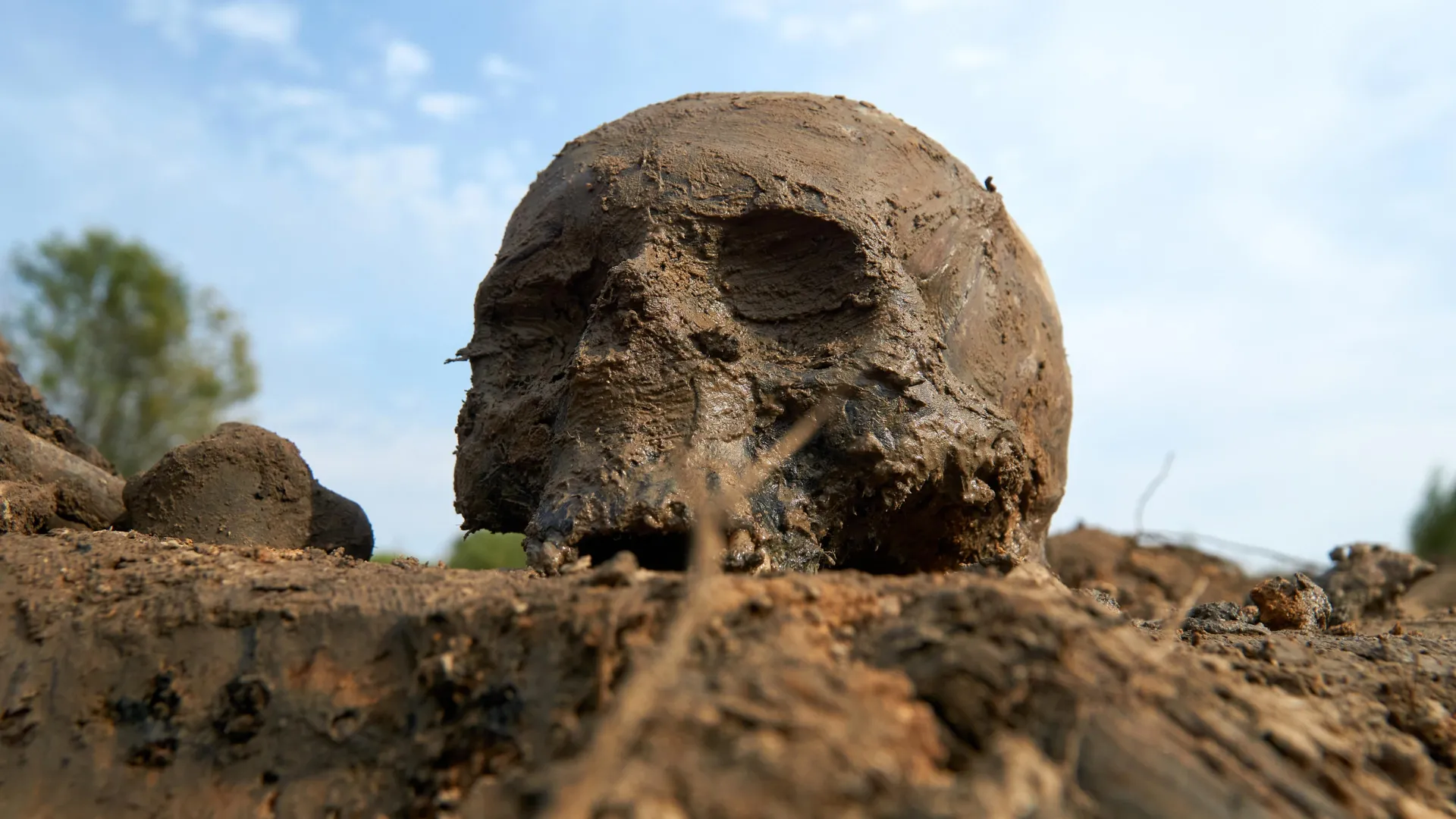
“Using targeted ancient DNA techniques, we successfully recovered and sequenced genetic material from eight human teeth excavated from burial chambers beneath the former Roman hippodrome in Jerash, a city just 200 miles from ancient Pelusium” said Greg O’Corry-Crowe, PhD, co-author and a research professor at FAU Harbor Branch Oceanographic Institute and a National Geographic Explorer.

The arena had been repurposed as a mass grave during the mid-sixth to early seventh century, when written accounts describe a sudden wave of mortality.
Genomic analysis revealed that the plague victims carried nearly identical strains of Y. pestis, confirming for the first time that the bacterium was present within the Byzantine Empire between AD 550-660. That genetic uniformity suggests a rapid, devastating outbreak consistent with historical descriptions of a plague causing mass death.
“The Jerash site offers a rare glimpse of how ancient societies responded to public health disaster,” said Jiang. “Jerash was one of the key cities of the Eastern Roman Empire, a documented trade hub with magnificent structures. That a venue once built for entertainment and civic pride became a mass cemetery in a time of emergency shows how urban centers were very likely overwhelmed.”
A companion study, also led by USF and FAU, places the Jerash discovery into a wider evolutionary context. By analyzing hundreds of ancient and modern Y. pestis genomes — including those newly recovered from Jerash — the researchers showed that the bacteria had been circulating among human populations for millennia before the Justinian outbreak.
The team also found that later plague pandemics, from the Black Death of the 14th century to cases still appearing today, did not descend from a single ancestral strain. Instead, they arose independently and repeatedly from longstanding animal reservoirs, erupting in multiple waves across different regions and eras. This repeated pattern stands in stark contrast to the SARS-CoV-2 pandemic (COVID-19), which originated from a single spillover event and evolved primarily through human-to-human transmission.
Together, the landmark findings reshape the understanding of how pandemics emerge, recur and spread, and why they remain a persistent feature of human civilization. The research underscores that pandemics are not singular historical catastrophes, but repeating biological events driven by human congregation, mobility and environmental change — themes that remain relevant today.

“This research was both scientifically compelling and personally resonant. It offered an extraordinary opportunity to delve into the study of human history through the lens of ancient DNA at a time when we ourselves were living through a global pandemic,” said O’Corry-Crowe. “Equally profound was the experience of working with ancient human remains — individuals who lived, suffered, and died centuries ago — and using modern science to help recover and share their stories. It’s a humbling reminder of our shared humanity across time and a moving testament to the power of science to give voice to those long silent.”
While very different from COVID-19, both diseases highlight the enduring link between connectivity and pandemic risk, as well as the reality that some pathogens can never be fully eradicated.
“We’ve been wrestling with plague for a few thousand years and people still die from it today,” Jiang said. “Like COVID, it continues to evolve, and containment measures evidently can’t get rid of it. We have to be careful, but the threat will never go away.”
Building on the Jerash breakthrough, the team is now expanding its research to Venice, Italy and the Lazaretto Vecchio, a dedicated quarantine island and one the world’s most significant plague burial sites. More than 1,200 samples from this Black Death-era mass grave are now housed at USF, offering an unprecedented opportunity to study how early public health measures intersected with pathogen evolution, urban vulnerability and cultural memory.

Read more →

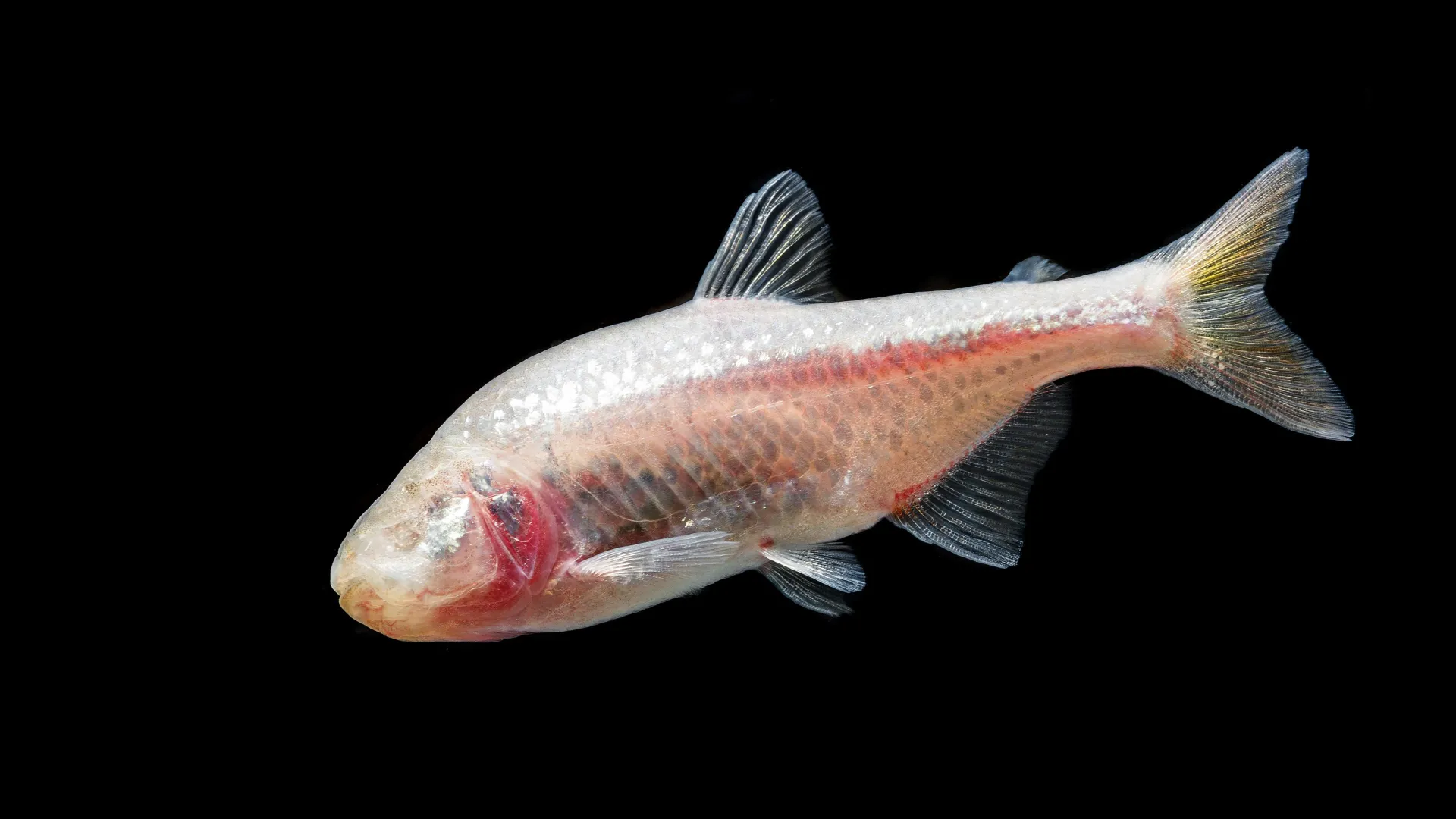
In the dark for 11 million years: How blind cavefish rewrote evolution

Small, colorless, and blind, amblyopsid cavefishes inhabit subterranean waters throughout the eastern United States. In a new study, Yale researchers reveal insights into just how these distinctive cave dwellers evolved — and provide a unique method for dating the underground ecosystems where they reside.
In an analysis of the genomes of all known amblyopsid species, the researchers found that the different species colonized caves systems independently of each other and separately evolved similar traits — such as the loss of eyes and pigment — as they adapted to their dark cave environments.
Their findings are published in the journal Molecular Biology and Evolution.
By studying the genetic mutations that caused the fishes’ eyes to degenerate, the researchers developed a sort of mutational clock that allowed them to estimate when each species began losing their eyes. They found that vision-related genes of the oldest cavefish species, the Ozark cavefish (Troglichthys rosae), began degenerating up to 11 million years ago.
The technique provides a minimum age for the caves that the fishes colonized since the cavefish must have been inhabiting subterranean waters when their eyesight began devolving, the researchers said.
“The ancient subterranean ecosystems of eastern North America are very challenging to date using traditional geochronological cave-dating techniques, which are unreliable beyond an upper limit of about 3 to 5 million years,” said Chase Brownstein, a student in Yale’s Graduate School of Arts and Sciences, in the Department of Ecology & Evolutionary Biology, and the study’s co-lead author. “Determining the ages of cave-adapted fish lineages allows us to infer the minimum age of the caves they inhabit because the fishes wouldn’t have started losing their eyes while living in broad daylight. In this case we estimate a minimum age of some caves of over 11 million years.”
Maxime Policarpo of the Max Planck Institute for Biological Intelligence and the University of Basel is the co-lead author.

For the study, the researchers reconstructed a time-calibrated evolutionary tree for amblyopsids, which belong to an ancient, species-poor order of freshwater fishes called Percopsiformes, using the fossil record as well as genomic data and high-resolution scans of all living relevantspecies.
All the cavefish species have similar anatomies, including elongated bodies and flattened skulls, and their pelvic fins have either been lost or severely reduced. Swampfish (Chologaster cornuta), a sister to cavefish lineage that inhabits murky surface waters, also has a flattened skull, elongated body, and no pelvic fin. While it maintains sight and pigment, there is softening of the bones around its eyes, which disappear in cavefishes. This suggests that cavefishes evolved from a common ancestor that was already equipped to inhabit low-light environments, Brownstein said.
To understand when the cavefish began populating caves — something impossible to discern from the branches of an evolutionary tree — the researchers studied the fishes’ genomes, examining 88 vision-related genes for mutations. The analysis revealed that the various cavefish lineages had completely different sets of genetic mutations involved in the loss of vision. This, they said, suggests that separate species colonized caves and adapted to those subterranean ecosystems independently of each other.
From there, the researchers developed a method for calculating the number of generations that have passed since cavefish species began adapting to life in caves by losing the functional copies of vision-related genes.
Their analysis suggests that cave adaptations occurred between 2.25 and 11.3 million years ago in Ozark cavefish and between 342,000 to 1.70 million years ago (at minimum) and 1.7 to 8.7 million years ago (at maximum) for other cavefish lineages. The findings support the conclusion that at least four amblyopsid lineages independently colonized caves after evolving from surface-dwelling ancestors, the researchers said.
The maximum ages exceed the ranges of traditional cave-dating methods, which includes isotope analysis of cosmogenic nuclides that are produced within rocks and soils by cosmic rays, the researchers noted.
The findings also suggest potential implications for human health, said Thomas Near, professor of ecology and evolutionary biology in Yale’s Faculty of Arts and Sciences (FAS), and senior author of the study.
“A number of the mutations we see in the cavefish genomes that lead to degeneration of the eyes are similar to mutations that cause ocular diseases in humans,” said Near, who is also the Bingham Oceanographic Curator of Ichthyology at the Yale Peabody Museum. “There is the possibility for translational medicine through which by studying this natural system in cavefishes, we can glean insights into the genomic mechanisms of eye diseases in humans.”
The other co-authors are Richard C. Harrington of the South Carolina Department of Natural Resources, Eva A. Hoffman of the American Museum of Natural History, Maya F. Stokes of Florida State University, and Didier Casane of Paris-Cité University.

Read more →

Scientists create scalable quantum node linking light and matter

Quantum networks are often described as the future of the internet — but instead of transmitting classical information in bits, they send quantum information carried by photons. These networks could enable ultra-secure communication, link together distant quantum computers into a single, vastly more powerful machine, and create precision sensing systems that can measure time or environmental conditions with unprecedented accuracy.
To make such a network possible, so-called quantum network nodes — that can store quantum information and share it via light particles – are needed. In their latest work, the Innsbruck team led by Ben Lanyon at the Department of Experimental Physics of the University of Innsbruck demonstrated such a node using a string of ten calcium ions in a prototype quantum computer. By carefully adjusting electric fields, the ions were moved one by one into an optical cavity. There, a finely tuned laser pulse triggered the emission of a single photon whose polarization was entangled with the ion’s state.
The process created a stream of photons; each tied to a different ion-qubit in the register. In future the photons could travel to distant nodes and be used to establish entanglement between separate quantum devices. The researchers achieved an average ion-photon entanglement fidelity of 92 percent, a level of precision that underscores the robustness of their method.
“One of the key strengths of this technique is its scalability,” says Ben Lanyon. “While earlier experiments managed to link only two or three ion-qubits to individual photons, the Innsbruck setup can be extended to much larger registers, potentially containing hundreds of ions and more.” This paves the way for connecting entire quantum processors across laboratories or even continents.
“Our method is a step towards building larger and more complex quantum networks,” says Marco Canteri, the first author of the study. “It brings us closer to practical applications such as quantum-secure communication, distributed quantum computing and large-scale distributed quantum sensing.”
Beyond networking, the technology could also advance optical atomic clocks, which keep time so precisely that they would lose less than a second over the age of the universe. Such clocks could be linked via quantum networks to form a worldwide timekeeping system of unmatched accuracy.
The work, now published in Physical Review Letters, was financially supported by the Austrian Science Fund FWF and the European Union, among others, and demonstrates not only a technical milestone but also a key building block for the next generation of quantum technologies.

Read more →