Flamingos reveal their secret to staying young

Is aging inevitable? While most living beings age, some do so more slowly than others. A new scientific study published in the Proceedings of the National Academy of Science (PNAS) addresses a fascinating question: what if migration influences the way we age?
To explore this mystery, scientists turned their attention to the pink flamingo (Phoenicopterus roseus), a graceful migratory bird that is emblematic of the Camargue region of France. Birds that do not all age in the same way Thanks to a flamingo tagging and tracking program conducted for over 40 years by the Tour du Valat research institute, scientists have discovered a surprising phenomenon: migratory flamingos age more slowly than resident flamingos. In this species, some birds remain in the Camargue for their entire lives (they are called ‘residents’), while others travel every year along the shores of the Mediterranean (these are the ‘migrants’). At the beginning of their adult life, resident flamingos fare better: well established in the lagoons of the French Mediterranean coast during the winter, they survive and reproduce more than migrants. But at what cost? As they age, residents decline more rapidly. With 40% greater aging, their ability to reproduce decreases and the risk of death increases faster than among migratory flamingos. On the contrary, migratory flamingos, those that leave to spend the winter in Italy, Spain or North Africa, pay a high price for these seasonal journeys early in life (higher mortality and lower reproduction rates) but seem to compensate for this by slower aging at an advanced age. Thus, the onset of the aging process occurs earlier in residents (20.4 years on average) than in migrants (21.9 years).
Migration: An Animal Behavior That Influences Aging
This study shows that seasonal migration — a behavior exhibited by billions of animals — can influence the rate of aging. In flamingos, deciding not to migrate offers advantages early in life that are associated with accelerated senescence at an advanced age. “This is probably linked to a compromise between performance when young and health in old age,” explains Sébastien Roques, researcher at the CNRS and co-author of the study. “Residents live intensely at first, but pay for this pace later on. Migrants, on the other hand, seem to age more slowly.” With their long lifespan (some live to be over 50 years old!) and behavioral diversity, flamingos are more than just an iconic animal of the Camargue. They also provide an ideal model for understanding aging in animals. “That’s the whole point of having continued this study over the long term. Initiated in 1977 in the Camargue by tagging flamingos with rings that can be read from a distance with a telescope, this program still allows us to observe flamingos tagged that year,” explain Arnaud Béchet and Jocelyn Champagnon, research directors at the Tour du Valat and co-authors of the study. “This is a unique dataset that is proving invaluable for understanding the mechanisms of aging in animal populations.”
Unravelling the secrets of aging, a scientific and existential quest
This discovery is part of an exciting field of research: senescence, or biological aging. Hugo Cayuela, one of the study’s co-authors and a researcher at the University of Oxford, comments: “Understanding the causes of changes in the rate of aging is a problem that has obsessed researchers and polymath philosophers since ancient times.” He continues “For a long time, we thought that these variations occurred mainly between species. But recently, our perception of the problem has changed. We are accumulating evidence showing that, within the same species, individuals often do not age at the same rate due to genetic, behavioral and environmental variations.” By studying how certain animals are born, reproduce and die, scientists hope to unlock the secrets of aging… In doing so, they are attempting to answer one of the most existential and central questions in biology: why and how do we die?
About the Tour du Valat
The Tour du Valat is a research institute for the conservation of Mediterranean wetlands, based in Camargue (France), with the status of a private foundation recognized as being of public interest. Founded in 1954 by Luc Hoffmann, the Tour du Valat has since developed its research activities with one constant concern: to better understand these environments — wetlands are the most abundant and most threatened ecosystem on the planet — to manage them better. Convinced that Mediterranean wetlands can only be preserved if human activities and the protection of natural heritage go hand in hand, the Tour du Valat has been developing research and integrated management programs for many years that promote exchanges between users and scientists, mobilize a community of stakeholders and promote the benefits of wetlands to decision-makers.


Read more →

One number at age 7 could predict how long you live

Children who had higher blood pressure at age 7 were more likely to die early from cardiovascular disease by their mid-50s. The risk was highest for children whose blood pressure measurements were in the top 10% for their age, sex and height. Both elevated blood pressure (90-94th percentile) and hypertension (≥95th percentile) were linked with about a 40% to 50% higher risk of early cardiovascular death in adulthood. Researchers said their findings show why it’s important to regularly check children’s blood pressure and to help them develop heart-healthy habits early that can help lower their risk of health conditions later in life.Blood pressure matters at all ages. Children with higher blood pressure at age 7 may be at an increased risk of dying of cardiovascular disease by their mid-50s, according to preliminary research presented at the American Heart Association’s Hypertension Scientific Sessions 2025. The meeting is in Baltimore, September 4-7, 2025, and is the premier scientific exchange focused on recent advances in basic and clinical research on high blood pressure and its relationship to cardiac and kidney disease, stroke, obesity and genetics. The study is simultaneously published today in JAMA, the Journal of the American Medical Association.”We were surprised to find that high blood pressure in childhood was linked to serious health conditions many years later. Specifically, having hypertension or elevated blood pressure as a child may increase the risk of death by 40% to 50% over the next five decades of an individual’s life,” said Alexa Freedman, Ph.D., lead author of the study and an assistant professor in the department of preventive medicine at the Northwestern University’s Feinberg School of Medicine in Chicago. “Our results highlight the importance of screening for blood pressure in childhood and focusing on strategies to promote optimal cardiovascular health beginning in childhood.”
Previous research has shown that childhood blood pressure is associated with an increased risk of cardiovascular disease in adulthood, and a 2022 study found that elevated blood pressure in older children (average age of 12 years) increased the risk of cardiovascular death by middle age (average age of 46 years). The current study is the first to investigate the impact of both systolic (top number) and diastolic (bottom number) blood pressure in childhood on long-term cardiovascular death risk in a diverse group of children. Clinical practice guidelines from the American Academy of Pediatrics recommend checking blood pressure at annual well-child pediatric appointments starting at age 3 years.
“The results of this study support monitoring blood pressure as an important metric of cardiovascular health in childhood,” said Bonita Falkner, M.D., FAHA, an American Heart Association volunteer expert. “Moreover, the results of this study and other older child cohort studies with potential follow-up in adulthood will contribute to a more accurate definition of abnormal blood pressure and hypertension in childhood.” Falkner, who was not involved in this study, is emeritus professor of pediatrics and medicine at Thomas Jefferson University.
The researchers used the National Death Index to follow up on the survival or cause of death as of 2016 for approximately 38,000 children who had their blood pressures taken at age 7 years as part of the Collaborative Perinatal Project (CPP), the largest U.S. study to document the influence of pregnancy and post-natal factors on the health of children. Blood pressure measured in the children at age 7 years were converted to age-, sex-, and height-specific percentiles according to the American Academy of Pediatrics clinical practice guidelines. The analysis accounted for demographic factors as well as for childhood body mass index, to ensure that the findings were related to childhood blood pressure itself rather than a reflection of children who were overweight or had obesity.
After follow-up through an average age of 54 years, the analysis found: Children who had higher blood pressure (age-, sex-, and height-specific systolic or diastolic blood pressure percentile) at age 7 were more likely to die early from cardiovascular disease as adults by their mid-50s. The risk was highest for children whose blood pressure measurements were in the top 10% for their age, sex and height. By 2016, a total of 2,837 participants died, with 504 of those deaths attributed to cardiovascular disease. Both elevated blood pressure (90-94th percentile) and hypertension (≥95th percentile) were linked with about a 40% to 50% higher risk of early cardiovascular death in adulthood. Moderate elevations in blood pressure were also important, even among children whose blood pressure was still within the normal range. Children who had blood pressures that were moderately higher than average had a 13% (for systolic) and 18% (for diastolic) higher risk of premature cardiovascular death. Analysis of the 150 clusters of siblings in the CPP found that children with the higher blood pressure at age 7 had similar increases in risk of cardiovascular death when compared to their siblings with the lower blood pressure readings (15% increase for systolic and 19% for diastolic), indicating that their shared family and early childhood environment could not fully explain the impact of blood pressure.”Even in childhood, blood pressure numbers are important because high blood pressure in children can have serious consequences throughout their lives. It is crucial to be aware of your child’s blood pressure readings,” Freedman said.
The study has several limitations, primarily that the analysis included one, single blood pressure measurement for the children at age seven, which may not capture variability or long-term patterns in childhood blood pressure. In addition, participants in the CPP were primarily Black or white, therefore the study’s findings may not be generalizable to children of other racial or ethnic groups. Also, children today are likely to have different lifestyles and environmental exposures than the children who participated in the CPP in the 1960s and 1970s.
Study details, background and design: 38,252 children born to mothers enrolled at one of 12 sites across the U.S. as part of the Collaborative Perinatal Project between 1959-1965. 50.7% of participants were male; 49.4% of mothers self-identified as Black, 46.4% reported as white; and 4.2% of participants were Hispanic, Asian or other groups. This analysis reviewed blood pressure taken at age 7, and these measures were converted to age-, sex-, and height-specific percentiles according to the American Academy of Pediatrics Clinical Practice Guideline for Screening and Management of High Blood Pressure in Children and Adolescents. Survival through 2016 and the cause of death for the offspring of CPP participants in adulthood were retrieved through the National Death Index. Survival analysis was used to estimate the association between childhood blood pressure and cardiovascular death, adjusted for childhood body mass index, study site, and mother’s race, education and marital status. In addition, the sample included 150 groups of siblings, and the researchers examined whether the sibling with higher blood pressure was more likely to die of cardiovascular disease than the sibling with lower blood pressure. This sibling analysis allowed researchers to ask how much shared family and early childhood factors might account for the mortality risk related to blood pressure.

Read more →

Scientists just made CRISPR three times more effective

CRISPR gene-editing machinery could transform medicine but is difficult to get into tissues and disease-relevant cells New delivery system loads CRISPR machinery inside spherical nucleic acid (SNA) nanoparticles Particles entered cells three times more effectively, tripled gene-editing efficiency, and decreased toxicity compared to current delivery methodsWith the power to rewrite the genetic code underlying countless diseases, CRISPR holds immense promise to revolutionize medicine. But until scientists can deliver its gene-editing machinery safely and efficiently into relevant cells and tissues, that promise will remain out of reach.Now, Northwestern University chemists have unveiled a new type of nanostructure that dramatically improves CRISPR delivery and potentially extends its scope of utility.
Called lipid nanoparticle spherical nucleic acids (LNP-SNAs), these tiny structures carry the full set of CRISPR editing tools — Cas9 enzymes, guide RNA and a DNA repair template — wrapped in a dense, protective shell of DNA. Not only does this DNA coating shield its cargo, but it also dictates which organs and tissues the LNP-SNAs travel to and makes it easier for them to enter cells.
In lab tests across various human and animal cell types, the LNP-SNAs entered cells up to three times more effectively than the standard lipid particle delivery systems used for COVID-19 vaccines, caused far less toxicity and boosted gene-editing efficiency threefold. The new nanostructures also improved the success rate of precise DNA repairs by more than 60% compared to current methods.
The study was published on Sept. 5 in the Proceedings of the National Academy of Sciences.
The study paves the way for safer, more reliable genetic medicines and underscores the importance of how a nanomaterial’s structure — rather than its ingredients alone — can determine its potency. This principle underlies structural nanomedicine, an emerging field pioneered by Northwestern’s Chad A. Mirkin and his colleagues and pursued by hundreds of researchers around the world.

“CRISPR is an incredibly powerful tool that could correct defects in genes to decrease susceptibility to disease and even eliminate disease itself,” said Mirkin, who led the new study. “But it’s difficult to get CRISPR into the cells and tissues that matter. Reaching and entering the right cells — and the right places within those cells — requires a minor miracle. By using SNAs to deliver the machinery required for gene editing, we aimed to maximize CRISPR’s efficiency and expand the number of cell and tissue types that we can deliver it to.”
A nanotechnology and nanomedicine pioneer, Mirkin is the George B. Rathmann Professor of Chemistry at Northwestern’s Weinberg College of Arts and Sciences; professor of chemical and biological engineering, biomedical engineering and materials science and engineering at the McCormick School of Engineering; professor of medicine at the Feinberg School of Medicine; executive director of the International Institute for Nanotechnology; and a member of the Robert H. Lurie Comprehensive Cancer Center of Northwestern University.
CRISPR needs a ride
When CRISPR machinery reaches its target inside a cell, it can disable genes, fix mutations, add new functions and more. But CRISPR machinery cannot enter cells by itself. It always needs a delivery vehicle.
Currently, scientists typically use viral vectors and lipid nanoparticles (LNPs) to perform this function. Naturally good at sneaking into cells, viruses are efficient, but they can cause the human body to mount an immune response, leading to painful or even dangerous side effects. LNPs, on the other hand, are safer but inefficient. They tend to get stuck in endosomes, or compartments within the cell, where they cannot release their cargo.
“Only a fraction of the CRISPR machinery actually makes it into the cell and even a smaller fraction makes it all the way into the nucleus,” Mirkin said. “Another strategy is to remove cells from the body, inject the CRISPR components and then put the cells back in. As you can imagine, that’s extremely inefficient and impractical.”
A DNA-wrapped taxi

To overcome this barrier, Mirkin’s team turned to SNAs, which are globular — rather than linear — forms of DNA and RNA previously invented in Mirkin’s lab at Northwestern. The spherical genetic material surrounds a nanoparticle core, which can be packed with cargo. Roughly 50 nanometers in diameter, the tiny structures possess a proven ability to enter cells for targeted delivery. Seven SNA-based therapies are already in human clinical trials, including a Phase 2 clinical trial for Merkel cell carcinoma being developed by Flashpoint Therapeutics, a clinical-stage biotechnology startup.
In the new study, Mirkin’s team started with an LNP core carrying the CRISPR machinery inside. Then, they decorated the particle’s surface with a dense layer of short strands of DNA. Because the DNA can interact with a cell’s surface receptors, cells easily absorb SNAs. The DNA also can be engineered with sequences that target specific cell types, making delivery more selective.
“Simple changes to the particle’s structure can dramatically change how well a cell takes it up,” Mirkin said. “The SNA architecture is recognized by almost all cell types, so cells actively take up the SNAs and rapidly internalize them.”
Boosted performance across the board
After successfully synthesizing LNP-SNAs with CRISPR cargo, Mirkin and his team added them to cellular cultures, which included skin cells, white blood cells, human bone marrow stem cells and human kidney cells.
Then, the team observed and measured several key factors: how efficiently the cells internalized the particles, whether the particles were toxic to cells and if the particles successfully delivered a gene. They also analyzed the cells’ DNA to determine if CRISPR had made the desired gene edits. In every category, the system demonstrated its ability to successfully deliver CRISPR machinery and enable complex genetic modifications.
Next, Mirkin plans to further validate the system in multiple in vivo disease models. Because the platform is modular, researchers can adapt it for a wide range of systems and therapeutic applications. Northwestern biotechnology spin-out Flashpoint Therapeutics is commercializing the technology with the goal of rapidly moving it toward clinical trials.
“CRISPR could change the whole field of medicine,” Mirkin said. “But how we design the delivery vehicle is just as important as the genetic tools themselves. By marrying two powerful biotechnologies — CRISPR and SNAs — we have created a strategy that could unlock CRISPR’s full therapeutic potential.”
The study, “A general genome editing strategy using CRISPR lipid nanoparticle spherical nucleic acids,” was supported by the Air Force Office of Scientific Research (award number FA9550-22-1-0300), the National Science Foundation (award number DMR-2428112) and Edgar H. Bachrach through the Bachrach Foundation.

Read more →

Common allergy spray slashes COVID-19 risk in surprising trial

The trial, led by Professor Robert Bals, Director of the Department of Internal Medicine V at Saarland University Medical Center and Professor of Internal Medicine at Saarland University, divided the 450 participants into two groups. The treatment group of 227 individuals used an azelastine nasal spray three times a day over a 56-day period. During that same period, the 223 participants in the control group used a placebo spray three times a day. Robert Bals summarized the key finding as follows: ‘During the observation period, 2.2% of the participants in the azelastine group became infected with SARS-CoV-2; in the placebo group, it was 6.7% — three times as many.’ All infections were confirmed by PCR testing.
In addition to showing a marked reduction in coronavirus infections, the azelastine group also displayed fewer symptomatic SARS-CoV-2 infections, a lower overall number of confirmed respiratory infections, and, unexpectedly, a reduced incidence of rhinovirus infections, another major cause of respiratory illness. In the treatment group, 1.8% developed a rhinovirus infection, compared to 6.3% in the placebo group — a proportion similar to that seen for SARS-CoV-2.
Azelastine nasal spray has been available for decades as an over-the-counter treatment for hay fever. Previous in vitro studies on azelastine had already suggested antiviral effects against SARS-CoV-2 and other respiratory viruses. ‘This clinical trial is the first to demonstrate a protective effect in a real-world setting,’ says Professor Bals.
For Robert Bals, the results suggest practical applications: ‘Azelastine nasal spray could provide an additional easily accessible prophylactic to complement existing protective measures, especially for vulnerable groups, during periods of high infection rates, or before travelling.’ But Professor Bals also stressed the importance of further research: ‘Our results highlight the need for larger, multicentre trials to continue exploring the use of azelastine nasal sprays as an on-demand preventive treatment, and to examine its potential effectiveness against other respiratory pathogens.’
Besides Professor Bals, the randomized, double-blind phase 2 study ‘CONTAIN’ also involved the Institute of Clinical Pharmacy (Professor Thorsten Lehr, Dr. Dominik Selzer), the Institute of Virology (Professor Sigrun Smola), and the Saarbrücken-based pharmaceutical company URSAPHARM Arzneimittel GmbH, which sponsored the study and manufactured the investigational product. The Helmholtz Institute for Pharmaceutical Research Saarland (HIPS) contributed through the research groups of Professor Smola and Professor Bals. The project serves as an excellent example of successful collaboration between academic research, industry partners and public health initiatives in the Saarland region.

Read more →

Strange new bacteria found in Amazon sand flies. Could it spread to humans?

A new species of bacteria of the genus Bartonella has been found in the Amazon National Park in the state of Pará, Brazil, in phlebotomine insects, also known as sand flies. This type of insect is generally associated with transmitting leishmaniasis, but according to the researchers, the DNA of the newly discovered microorganism is similar to that of two other Andean species of bacteria, B. bacilliformis and B. ancashensis. These bacteria cause Carrión’s disease (also known as Peruvian wart and Oroya fever) and are both transmitted by phlebotomine sand flies.
There is currently no evidence in Brazil that this new species of bacteria can cause disease. However, since species of the genus Bartonella are responsible for several diseases in other countries, further studies are needed.
The research was conducted by Marcos Rogério André in partnership with Eunice Aparecida Bianchi Galati. Both researchers are affiliated with Brazilian institutions: the Faculty of Agricultural and Veterinary Sciences of São Paulo State University (FCAV-UNESP) in Jaboticabal campus and the School of Public Health of the University of São Paulo (FSP-USP). The study was supported by FAPESP through two projects (22/08543-2 and 22/16085-4).
It was published in the scientific journal Acta Tropica and included the participation of researchers Paulo Vitor Cadina Arantes, Israel de Souza Pinto, Daniel Antônio Braga Lee, Anna Cláudia Baumel Mongruel, and Rosângela Zacarias Machado.
What is the disease?
Bartonellosis is a term that refers to a group of diseases caused by bacteria of the genus Bartonella. These bacteria are transmitted by various vectors. In addition to sand flies, they can be transmitted by fleas and lice.
Symptoms usually include infections that take a long time to clear up in both humans and animals. These bacteria can remain in the body for a long time without being detected and end up harming patients with preexisting immune problems.

“Bartonellosis is a neglected disease. The disease best known to health professionals is cat scratch disease, caused by Bartonella henselae. It’s important to understand the real prevalence of these diseases, especially in isolated regions with low human development indices, where populations don’t have easy access to health services,” explains André.
The objective of the study was to investigate the presence of Bartonella spp. DNA in 297 specimens of female sand flies (Diptera: Psychodidae) collected in the Amazon National Park in the state of Pará. “This park has caves and receives many visitors, so it’s important to study it,” says the researcher.
The phlebotomine sand flies were collected between February 2022 and February 2023. Every month, the researchers collected samples along two trails near the banks of the Uruá and Tracoá rivers, which are located within the conservation unit.
“The discovery of Bartonella species in phlebotomine sand flies here in Brazil may indicate that B. bacilliformis and B. ancashensis, which cause Carrión’s disease or Peruvian wart, can adapt to non-Andean species and be transmitted in areas outside the Andes. This isn’t too much of an extrapolation, as two species that have been identified as vectors of B. bacilliformis, Pintomyia robusta and Pintomyia maranonensis in Peru, are very similar to species found in Brazil, namely Pintomyia serrana and Pintomyia nevesi,” explains Galati.
In recent years, the group has been studying the diversity of bacteria found in this genus and the diseases they cause in both humans and animals. According to the scientists, the sequences found in the Amazon differ from those found in Peru; however, the results corroborate data collected in a previous study.
According to André, this second article by the research group confirms evidence found in previous studies, such as the discovery of new species of Bartonella in Acre, another Brazilian state in the Amazon region. Therefore, they decided to expand the investigation and analyze samples from Pará and other locations.

“We’re detecting a strain here in Brazil that’s never been described and is very similar to two species of the Bartonella genus that cause disease in Andean countries. Despite this similarity, we don’t yet have information on whether it can cause disease with distinct symptoms. That’s why we need to study them further,” the professor points out.
To continue mapping the insects and the bacteria with which they may be infected, the researchers are collecting samples in various biomes.
“The next steps are to continue investigations involving more populations of phlebotomine sand flies and other diptera from different biomes in search of these strains, as well as to look for other strains,” says Galati.
According to the researcher, the next step would be to investigate what animals these insects feed on to find “reservoirs.”
“I have a project funded by FAPESP in which I was able to store many specimens of phlebotomine sand flies from the Atlantic Forest of São Paulo, and the idea is to explore this material in partnership with Professor André,” reveals Galati.
Although the results are preliminary, the project has helped the researchers uncover the possibility of finding disease agents that had not yet been detected.
According to André, since this is a new finding, it would be beneficial for doctors and researchers to collaborate on investigating this group of bacteria in individuals with fever of unknown origin.
“Could people with fever who are often sent home and who have repeated episodes of fever be infected with this pathogen? Could patients with Leishmania also be co-infected with this new species of Bartonella?” asks the professor.

Read more →

A common supplement could reverse the hidden harm of sucralose

Sucralose is a popular sugar substitute for people who are cutting calories or managing blood sugar levels, but new research by the University of Pittsburgh and UPMC Hillman Cancer Center suggests that the artificial sweetener may not be the best choice for patients undergoing cancer immunotherapy.
Publishing recently in Cancer Discovery, a publication of the American Association for Cancer Research, the study found that patients with melanoma and non-small cell lung cancer who consumed high levels of sucralose had worse response to immunotherapy and poorer survival than those with diets low in the artificial sweetener.
Strikingly, supplements that boosted levels of the amino acid arginine mitigated the negative effects of sucralose on immunotherapy in mice, an approach that could now be tested in clinical trials.
“It’s easy to say, ‘Stop drinking diet soda,’ but when patients are being treated for cancer, they are already dealing with enough, so asking them to drastically alter their diet may not be realistic,” said lead author Abby Overacre, Ph.D., assistant professor in the Department of Immunology at Pitt and UPMC Hillman. “We need to meet patients where they are. That’s why it’s so exciting that arginine supplementation could be a simple approach to counteract the negative effects of sucralose on immunotherapy.”
Senior author Diwakar Davar, M.D., associate professor of medicine at Pitt and a medical oncologist and hematologist at UPMC Hillman, collaborating with Overacre and their team, used mouse models to show that the negative impacts of sucralose are driven by disruption to gut bacteria.
Sucralose shifted the composition of the mouse gut microbiome, increasing bacterial species that degrade arginine, which reduced levels of this amino acid in the blood, tumor fluid and stool.
Immune checkpoint inhibitor immunotherapies such as anti-PD1 work by ramping up T cell activity so that they can more effectively kill cancer cells. Arginine is essential for T cell function, especially in cancer.

“When arginine levels were depleted due to sucralose-driven shifts in the microbiome, T cells couldn’t function properly,” said Overacre. “As a result, immunotherapy wasn’t as effective in mice that were fed sucralose.”
In mouse models of adenocarcinoma and melanoma, adding sucralose to the diet inhibited anti-PD1 therapy, leading to larger tumors and poorer survival. But when the researchers gave sucralose-fed mice arginine or citrulline, which is metabolized into arginine in the body, the effectiveness of immunotherapy was restored.
To assess the relevance of these findings for humans, the researchers looked at 132 patients with advanced melanoma or non-small cell lung cancer who received anti-PD1 therapy alone or in combination with chemotherapy. Patients filled out detailed diet history questionnaires that included questions about how often they consumed artificial sweeteners in coffee, tea and diet soda.
“We found that sucralose impeded the effectiveness of immunotherapies across a range of cancer types, stages and treatment modalities,” said Davar. “These observations raise the possibility of designing prebiotics, such as targeted nutrient supplementation for patients who consume high levels of sucralose.”
The researchers hope to launch a clinical trial investigating whether citrulline supplements — which boost arginine levels more than arginine itself — affect the gut microbiome and anti-tumor immune response in patients.
They are also interested in looking at how other sugar substitutes, such as aspartame, saccharin, xylitol and stevia, impact the immune system and response to immunotherapy.
Other authors on the study were Kristin Morder, M.S., Madison Nguyen, Drew Wilfahrt, Ph.D., Zakaria Dahmani, Ansen Burr, M.D., Ph.D., Bingxian Xie, Ph.D., Michael Morikone, Ph.D., Hector Nieves-Rosado, M.D., Ph.D., William Gunn, M.S., Drew Hurd, Hong Wang, Ph.D., Steven Mullett, Kaitlin Bossong, Stacy Gelhaus, Ph.D., Dhivyaa Rajasundaram, Ph.D., Lawrence Kane, Ph.D., and Greg Delgoffe, Ph.D., and Jishnu Das, Ph.D., all of Pitt or UPMC.
This research was supported by the National Institutes of Health (DP2AI177967, S10OD023402, S10OD032141, R01CA206517, R01AI138504, T32GM008208, U01 CA271407, R01 CA257265, U01 CA268806 and P50 CA254865), the Damon Runyon Cancer Research Foundation and Gateway for Cancer Research (G-22-800).

Read more →

Experts warn: Smartphones before 13 could harm mental health for life

Owning a smartphone before age 13 is associated with poorer mind health and wellbeing in early adulthood, according to a global study of more than 100,000 young people.
Published recently in the peer-reviewed Journal of Human Development and Capabilities, the study found that 18- to 24-year-olds who had received their first smartphone at age 12 or younger were more likely to report suicidal thoughts, aggression, detachment from reality, poorer emotional regulation, and low self-worth.
The data also shows evidence that these effects of smartphone ownership at an early age are in large part associated with early social media access and higher risks of cyberbullying, disrupted sleep, and poor family relationships by adulthood.
A team of experts from Sapien Labs, which hosts the world’s largest database on mental wellbeing, the Global Mind Project — where the data for this research was pooled from — are calling for urgent action to protect the mind health of future generations.
“Our data indicate that early smartphone ownership — and the social media access it often brings — is linked with a profound shift in mind health and wellbeing in early adulthood,” says lead author neuroscientist Dr Tara Thiagarajan, who is the founder and Chief Scientist of Sapien Labs.
“These correlations are mediated through several factors, including social media access, cyberbullying, disrupted sleep, and poor family relationships leading to symptoms in adulthood that are not the traditional mental health symptoms of depression and anxiety and can be missed by studies using standard screeners. These symptoms of increased aggression, detachment from reality and suicidal thoughts can have significant societal consequences as their rates grow in younger generations.
“Based on these findings, and with the age of first smartphones now well under age 13 across the world, we urge policymakers to adopt a precautionary approach, similar to regulations on alcohol and tobacco, by restricting smartphone access for under 13s, mandating digital literacy education and enforcing corporate accountability.”
Since the early 2000s, smartphones have reshaped how young people connect, learn and form identities. But alongside these opportunities come growing concerns over how AI-driven social media algorithms may amplify harmful content and encourage social comparison — while also impacting on other activities such as face-to-face interaction and sleep.

Although many social media platforms set a minimum user age of 13, enforcement is inconsistent. Meanwhile, the average age of first smartphone ownership continues to fall, with many children spending hours a day on their devices.
Currently, it is a mixed picture internationally around the banning on phones in schools, at least. In recent years, several countries have banned or restricted cell phone use in institutions, including France, the Netherlands, Italy, and New Zealand. Results of these moves are limited, however a study commissioned by the Dutch government has found improved focus among students. This month, policymakers in New York have announced it was to become the largest US state yet to ban smartphones in schools, joining locations such as Alabama, Arkansas, Nebraska, North Dakota, Oklahoma and West Virginia which have all passed legislation requiring schools to have policies that at least limit access to smartphones.
Overall, previous studies into screen time, social media and smartphone access and various mental health outcomes have shown negative effects, but also mixed, often conflicting results — making it hard for policymakers, schools, and families to navigate this issue. Possibly this may have to do with the use of screeners that miss the critical associated symptoms.
For this new analysis, the team at Sapien drew data from their Global Mind Project, and then used the Mind Health Quotient (MHQ) — a self-assessment tool that measures social, emotional, cognitive, and physical wellbeing — to generate an overall ‘mind health’ score.
Their results showed:
· The specific symptoms most strongly linked with earlier smartphone ownership include suicidal thoughts, aggression, detachment from reality, and hallucinations.

· Young adults who received their first smartphone before age 13 had lower MHQ scores, with scores progressively declining the younger the age of first ownership. For example, those who owned a smartphone at age 13 scored an average of 30, dropping to just 1 for those who had one at age five.
· Correspondingly, the percentage considered distressed or struggling (with scores indicating they had five or more severe symptoms) rose by 9.5% for females and 7% for males. This pattern was consistent across all regions, cultures and languages, pointing to a critical window of heightened vulnerability.
· That younger ownership is also associated with diminished self-image, self-worth and confidence, and emotional resilience among females, and lower stability and calmness, self-worth and empathy among males.
Further analysis indicated that early access to social media explains about 40% of the association between earlier childhood smartphone ownership and later mind health, with poor family relationships (13%), cyberbullying (10%) and disrupted sleep (12%) also playing significant downstream roles.
The researchers acknowledge the COVID-19 pandemic may have magnified these patterns, but the consistency of these trends across all global regions suggests a broader developmental impact of early smartphone access.
While current evidence does not yet prove direct causation between early smartphone ownership and later mind health and wellbeing, a limitation of the paper, the authors argue that the scale of the potential harm is too great to ignore and justifies a precautionary response.
They recommend four key areas for policymakers to address:
· A requirement of mandatory education on digital literacy and mental health.
· To strengthen the active identification of social media age violations and ensure meaningful consequences for technology companies.
· Restricting access to social media platforms.
· Implementing graduated access restrictions for smartphones.
“Altogether, these policy recommendations aim to safeguard mind health during critical developmental windows,” states Dr Thiagarajan, whose research specialism focuses on the impact of environment on the brain and mind, with an interest in understanding and enabling the productive evolution of the human mind and human systems.
“Their implementation requires substantial political and societal will, effective enforcement, and a multi-stakeholder approach, but successful precedents do exist. For example, in the United States, underage alcohol access and consumption is regulated through a combination of parental, commercial, and corporate accountability.”
Concluding she states: “Our evidence suggests childhood smartphone ownership, an early gateway into AI-powered digital environments, is profoundly diminishing mind health and wellbeing in adulthood with deep consequences for individual agency and societal flourishing.
“I was initially surprised by how strong the results are. However when you give it due consideration, it does begin to make sense that the younger developing mind is more compromised by the online environment given their vulnerability and lack of worldly experience.
“That said, I think it is also important to point out that smartphones and social media are not the only assault to mental health and crisis facing younger adults. It explains some of the overall decline but not all of it. “Now, while more research is needed to unravel the causal mechanisms, waiting for irrefutable proof in the face of these population-level findings unfortunately risks missing the window for timely, preventative action.”
This paper is part of a special cohesive set, entitled ‘The Policy Forum’, in the upcoming publication of Journal of Human Development and Capabilities.

Read more →

The fat you can’t see may be damaging your heart, even if you exercise

Two MRI scans, showing the person on left with more visceral fat (in red) and subcutaeous fat (in blue). Credit: AMRA Medical

Excessive amounts of visceral fat — the hidden fat surrounding organs — is linked with faster aging of the heart, a new study has found.Aging is the biggest risk factor for heart disease, but why some people age faster than others isn’t fully understood. The scientists leading the research say that visceral body fat could play an important role in accelerating aging of the heart and blood vessels. This type of fat is known to be harmful to health and this study now links it to faster heart aging.The study, led by scientists from the Medical Research Council (MRC) Laboratory of Medical Sciences, in London, UK, also found differences between men and women, and discovered that fat around the hips and thighs could potentially slow heart aging in women.In the study, published in the European Heart Journal, the scientists analyzed data from 21,241 participants in UK Biobank, which includes whole body imaging to map the amount of fat and where it is located in the body.The UK Biobank data also includes detailed imaging of the heart and blood vessels. Artificial intelligence was used to analyse these images to capture signs of organ aging — such as tissues becoming stiff and inflamed. An individual was given a “heart age” which can be compared to their actual age at the time of the scan.The researchers found that faster heart aging was linked to having more visceral adipose tissue. Visceral adipose tissue is fat found deep inside the abdomen around organs such as the stomach, intestines, and liver. This type of fat cannot be seen from the outside, and some people can have large amounts of visceral fat despite having a healthy weight.The researchers found signs on blood tests that visceral fat is linked to increased inflammation in the body – which is a potential cause of premature aging.They also found differences between the sexes. Male-type fat distribution (fat around the belly, often called ‘apple’ shaped) was particularly predictive of early aging in men.In contrast, a genetic predisposition to female-type fat (fat on the hips and thighs, often called “pear” shaped) was protective against heart aging in women.The researchers also found a link between higher oestrogen levels in premenopausal women and a slowing of heart aging, which they suggest could indicate a role for hormones in protecting against heart aging.Professor Declan O’Regan, who led the research at the MRC Laboratory of Medical Sciences and Imperial College London, and is the British Heart Foundation Professor of Cardiovascular AI, said: “We have known about the apple and pear distinction in body fat, but it hasn’t been clear howit leads to poor health outcomes. Our research shows that “bad” fat, hidden deep around the organs, accelerates aging of the heart. But some types of fat could protect against aging- specifically fat around the hips and thighs in women.””We also showed that BMI wasn’t a good way of predicting heart age which underscores the importance of knowing where fat is stored in the body and not just total body weight.””The goal of our research is to find ways to increase healthy lifespan. While being active is important, we found that hidden fat could still be harmful even in fit people. In the future we plan to investigate how drug therapies, such as GLP-1 inhibitors (e.g. Ozempic) could improve not just diabetes and obesity, but target the aging effects of hidden visceral fat.”This study was funded by the Medical Research Council, British Heart Foundation, and the National Institute for Health and Care Research Imperial College Biomedical Research Centre.Professor Bryan Williams OBE, chief scientific and medical officer at the British Heart Foundation said: “We already know excess visceral fat around the heart and liver can lead to increased blood pressure and high cholesterol, so it is concerning that it could also help to speed up aging of the heart and blood vessels.”As the pattern of fat distribution typically seen in women’s bodies is linked to oestrogen, that hormone may be key to future therapies developed to tackle heart aging.”Eating a healthier diet and becoming more active can help to reduce visceral fat levels.” 

Read more →

Why the world is watching RFK’s fight with US health agency

2 days agoShareSaveJim ReedHealth ReporterShareSaveAPIn fiery Senate testimony this week, US Health Secretary Robert Kennedy Jr once again set his sights on the nation’s top public health agency, the Centers for Disease Control and Prevention (CDC).His appearance came days after he suddenly fired the new CDC director, Susan Monarez, provoking a group of senior staff to resign in protest. At the hearing, when asked for an explanation, Kennedy claimed he had asked Ms Monarez if she was a “trustworthy person” and she had replied “no”, to some disbelief from his opponents in the room.He then admitted he had once described the CDC as the “most corrupt” agency in government, and strongly hinted he’s not finished with his plans to shake up the organisation.Kennedy’s words have sparked a furious backlash, with many doctors and scientists increasingly concerned that America’s public health systems are being dangerously compromised.It’s a conflict that could have a significant impact not just on health policy in the US but across the world. In the past, the CDC has been instrumental in global health, leading the response to crises from famine, to HIV, to Ebola.Founded in 1946, the CDC tracks emerging infectious diseases like Covid and is also tasked with tackling long-term or chronic conditions such as heart disease and cancer.It operates more than 200 specialised laboratories and employs 13,000 people, although that number has been cut by around 2,000 since President Donald Trump returned to office.It does not approve or licence vaccines. That responsibility lies with the Food and Drug Administration.But it does produce official recommendations on who should receive which vaccines through a panel of experts – known as the Advisory Committee on Immunization Practices (ACIP) – and monitors their side effects and other safety concerns.Vaccine disputePolitico APIt was Kennedy’s record on vaccines which particularly worried many public health experts when he took office in February.An activist group he ran for eight years, Children’s Health Defense, repeatedly questioned the safety and efficacy of vaccination.He has described the Covid jab as the “most deadly in history” and has blamed rising rates of autism on vaccines, an idea that has been categorically debunked by large scientific studies over many years.So feathers were seriously ruffled just weeks into his tenure when it emerged he had hired a noted vaccine critic, David Geier, to look again at the CDC data on that scientifically disproven link.Then in June, Kennedy suddenly sacked the entire ACIP panel which advises the CDC on vaccine eligibility after accusing all 17 members of being “plagued with persistent conflicts of interest”.A new committee, handpicked by the administration, now has the power to change, or even drop, critical recommendations to immunise Americans for certain diseases, as well as shape the childhood vaccination programme, although the CDC itself still has the final say on whether to accept that advice.It’s that decision which has now been linked to the firing of the agency’s new director in late August, only 29 days into the job.In a newspaper article this week Ms Monarez said she was sacked from the CDC after being told, by Kennedy, to “pre-approve” the recommendations of the ACIP committee which she said had now been filled with people who have expressed “antivaccine rhetoric”.”It is imperative that the panel’s recommendations aren’t rubber-stamped but instead are rigorously and scientifically reviewed before being accepted or rejected,” she wrote.”I lost my job, America’s children could lose far more.”In his testimony Kennedy stood his ground, accusing her of lying about that exchange and describing her dismissal as “absolutely necessary”.”We need bold, competent and creative new leadership at CDC, people able and willing to chart a new course,” he said.Ms Monarez’s sacking led to a fresh wave of resignations at the agency as senior staff continue to walk out.Over the last two weeks the CDC has lost its chief medical officer, its director of immunisation and its director of emerging diseases, amongst others.”A huge top tier of CDC leadership has been removed, but this is also in the wake of the firing of thousands of CDC workers, including many well-respected experts,” says Dr Fiona Havers, a senior vaccine researcher who herself resigned from the agency in June.”I’m a physician, and for my own integrity as a scientist, I did not feel I could continue to serve in that administration when it felt like the data we were putting together was not going to be used in an evidenced, science-based way.”Kennedy was also criticised by some CDC staff for what they felt was a lacklustre response to a shooting at the agency’s Atlanta headquarters in August.The gunman, who reportedly believed the Covid vaccine had made him sick, killed a policeman before turning the weapon on himself.Kennedy visited the offices in the aftermath but he did not meet with staff members and continued to criticise the agency’s performance.He did, though, start his testimony this week with a tribute to David Rose, the police officer who died in the shooting.For the moment, Jim O’Neill, one of Kennedy’s top advisers, has been tapped up to run the CDC on an interim basis, until a new permanent director can be found.Mr O’Neill served in several roles in the health department under President George W Bush, but he has a business rather than a science background.”During the previous administration, CDC lost public trust by manipulating health data to support a political narrative,” he wrote on social media on the day he was appointed.”We are helping the agency earn back the trust it has squandered.”More changes are certainly likely.In his Senate hearing Kennedy said the CDC had lied to Americans in the pandemic about mask wearing, social distancing and the ability of the vaccine to stop the transmission of coronavirus.”I need to fire some of those people and make sure this doesn’t happen again,” he said.Global repercussionsThe next flashpoint could come later this month.On 18 September the CDC’s new vaccine advisory panel is due to meet to discuss Covid vaccines and other shots, including for hepatitis B and the RSV virus.The panel’s recommendations and the CDC’s response will be carefully scrutinised, not just in the US but around the world.”What happens in America is of great importance,” says Anthony Costello, a former director at the World Health Organization (WHO) and a professor of public health at University College London.”We’ve done so much to protect science from political interference over the past 200 years and the concern is that America will pay a price for it and we might too, if we go in that direction.”In the past, CDC teams have also had a major hands-on role in global health protection.In 2015, for example, the agency had 3,000 staff working on the Ebola outbreak in Guinea, Sierra Leone and Liberia, with 1,200 of those on the ground in west Africa.After taking office, President Trump withdrew the US from the WHO and ordered the CDC to cut off all communication with the organisation.The concern from former CDC staffers like Dr Fiona Havers is what might happen if and when the next Ebola or Covid is eventually spotted and starts spreading.”Taking a sledgehammer to the CDC and undercutting its programmes has left the US much less prepared for another pandemic,” she says.“And that really has huge implications globally if another health emergency were to arise.”

Read more →

Scientists watch Parkinson’s protein drill holes in brain cells

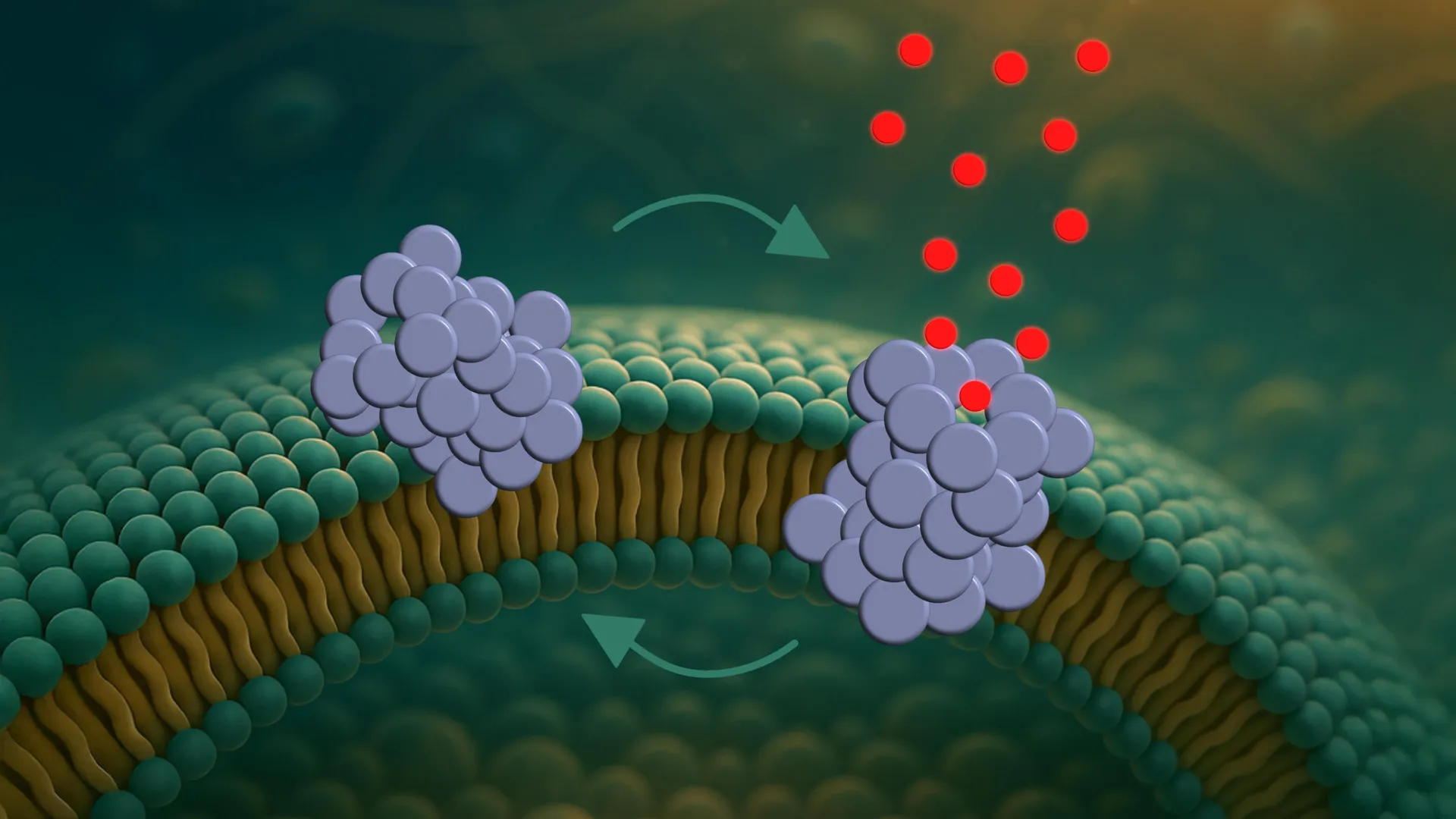
A toxic protein forms dynamic pores in the membranes of brain cells – and that may be the key to understanding how Parkinson’s disease develops. This is the conclusion of a new study from Aarhus University, where researchers have developed an advanced method to track molecular attacks in real time.
Parkinson’s disease often begins subtly. A slight tremor in the hand. A bit of stiffness. But over time, brain cells begin to die, and the symptoms worsen. The cause has long remained a mystery – but scientists may now be a step closer to an explanation.
At the center of attention is the protein α-synuclein, which plays a role in cell-to-cell communication in the healthy brain. In Parkinson’s, however, it starts to behave abnormally and clumps into toxic structures.
Until now, most research has focused on the large aggregates known as fibrils, which are visible in brain tissue from patients with Parkinson’s. But a new study focuses on smaller, less understood, and more toxic structures: α-synuclein oligomers. According to the researchers, these are the ones that drill microscopic holes in the membranes of nerve cells.
The study was recently published in the prestigious journal ACS Nano, published by the American Chemical Society.
Tiny revolving doors in the cells
“We are the first to directly observe how these oligomers form pores – and how the pores behave,” says Mette Galsgaard Malle, postdoctoral researcher at both Aarhus University and Harvard University.

The process unfolds in three steps. First, the oligomers attach to the membrane, especially at curved regions. Then they partially insert themselves into the membrane. Finally, they form a pore that allows molecules to pass through and potentially disrupt the cell’s internal balance.
But these are not static holes. The pores constantly open and close like tiny revolving doors.
“This dynamic behavior may help explain why the cells don’t die immediately,” says Bo Volf Brøchner, PhD student and first author of the study. “If the pores remained open, the cells would likely collapse very quickly. But because they open and close, the cell’s own pumps might be able to temporarily compensate.”
Molecular movie in slow motion
This is the first time such pore dynamics have been observed in real time. It was made possible by a newly developed single-vesicle analysis platform that allows researchers to follow interactions between individual proteins and individual vesicles.
Vesicles are small artificial bubbles that mimic cell membranes and serve as simplified models of real cells.

“It’s like watching a molecular movie in slow motion,” explains Mette Galsgaard Malle. “Not only can we see what happens – we can also test how different molecules affect the process. That makes the platform a valuable tool for drug screening.”
Long road to treatment
In fact, the team has already tested nanobodies – small antibody fragments – developed to specifically bind these oligomers. They show promise as highly selective diagnostic tools. However, as a treatment, there is still some way to go.
“The nanobodies did not block the pore formation,” says Bo Volf Brøchner. “But they may still help detect oligomers at very early stages of the disease. That’s crucial, since Parkinson’s is typically diagnosed only after significant neuronal damage has occurred.”
The study also shows that the pores are not formed randomly. They tend to emerge in specific membrane types – especially those resembling the membranes of mitochondria, the cell’s energy factories. This could indicate that the damage begins there.
One step at a time
However, the researchers emphasise that the study was conducted in model systems – not in living cells. The next step will be to replicate the findings in biological tissue, where more complex factors come into play.
“We created a clean experimental setup where we can measure one thing at a time. That’s the strength of this platform,” says Mette Galsgaard Malle. “But now we need to take the next step and investigate what happens in more complex biological systems.”

Read more →