Seven blood molecules that could explain why you’re always sleepy

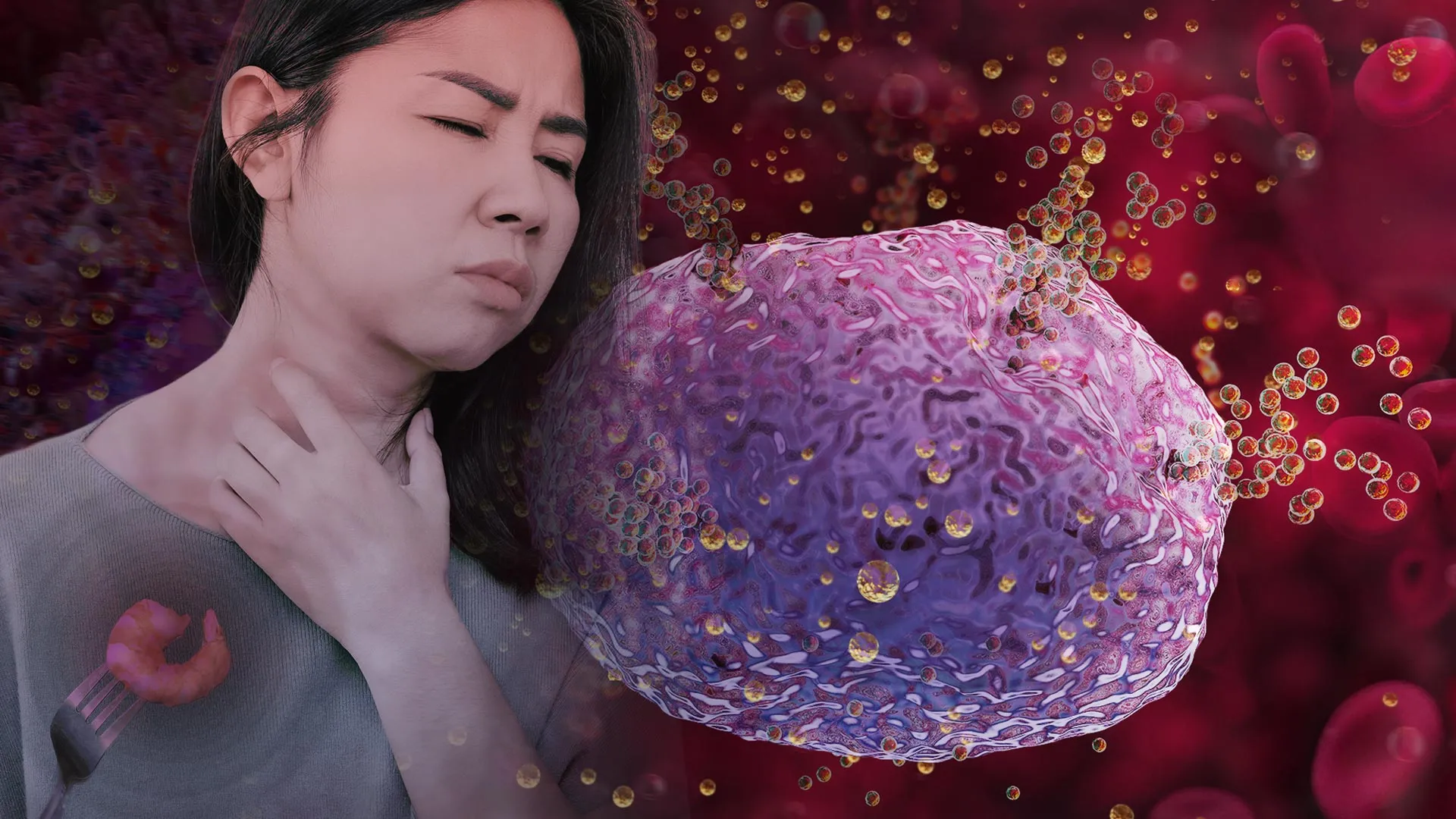
Mass General Brigham researchers identified seven molecules in the blood linked to excessive daytime sleepiness, including factors related to diet and hormones.
Approximately one in three Americans reports experiencing overwhelming drowsiness during the day — a condition known as excessive daytime sleepiness (EDS). EDS is linked to an increased risk of serious conditions such as cardiovascular disease, obesity, and diabetes. A new study led by investigators from Mass General Brigham and Beth Israel Deaconess Medical Center identifies several molecules in the blood, known as metabolites, that are linked to EDS. Findings suggest that risk of the condition may be influenced by both internal body processes, such as hormone levels, and external factors such as diet. Results are published in Lancet eBioMedicine.
“Our study suggests diet and genetics may play an important role in EDS,” said lead author Tariq Faquih, PhD, a postdoctoral fellow in the Division of Sleep and Circadian Disorders at Brigham and Women’s Hospital, a founding member of the Mass General Brigham healthcare system. “As we learn what’s happening biologically, we are beginning to understand how and why EDS occurs, the early signs that someone might have it, and what we can do to help patients.”
Researchers collected data on 877 metabolites, naturally occurring molecules in the body influenced by diet and hormones. The team used blood samples from 6,000 participants in the Hispanic Community Health Study/Study of Latinos. The team also used data from a questionnaire that assesses how often a person dozes off during the day in various scenarios. The team replicated the findings in The Multi-Ethnic Study of Atherosclerosis (MESA) study and studies in the UK and Finland.
They identified seven metabolites associated with EDS. An additional three metabolites were identified that varied by sex. The team found that omega-3 and omega-6 fatty acids, which are commonly found in foods that make up Mediterranean-like diets, were associated with lower risk of EDS. Other metabolites, such as tyramine, which is found in fermented and overripe foods, were associated with increased daytime sleepiness, particularly in men. Sex steroid metabolites, such as progesterone, were associated with sleep-related processes such as melatonin production.
Researchers note that the results suggest potential treatment targets for EDS and that dietary changes or medications may lead to better treatment. They also note some limitations to the study, including difficulty in interpreting exact values of metabolites and using a sleep questionnaire instead of bringing participants into a sleep lab for tests.
Future directions could include conducting a clinical trial to see if dietary changes or supplements can help reduce daytime sleepiness. Additionally, the authors identified some unknown metabolites that they plan to explore further.

“Conducting a clinical trial would be a big next step and could help us understand if omega-3s and omega-6s obtained from diet could help lower risk of EDS,” said Faquih.
Authorship: In addition to Faquih, MGB authors include Kaitlin S. Potts, Pavithra Nagarajan, Hanna M. Ollila, Tianyi Huang, Clary B. Clish, Susan Redline, Tamar Sofer, and Heming Wang.
Disclosures: Redline discloses consulting relationships with Eli Lilly Inc., Jazz Pharma, and Apnimed Inc. Additionally, Redline serves as an unpaid board member for the Alliance for Sleep Apnoea Partners and has received loaned equipment for a multi-site study: oxygen concentrators from Philips Respironics and polysomnography equipment from Nox Medical.
Funding: This study was funded by the National Institutes of Health (R01HL153814, R01HL161012 and 7R01HL161012) and the JLH Foundation.


Read more →

Scientists may have found a way to strengthen bones for life

There is a high demand for safe and long-lasting medications to treat bone loss, known medically as osteoporosis. In Germany, around six million people – mostly women – are affected by this widespread condition. Discovering new targets for drug development is therefore a key step towards better therapies with fewer side effects. The adhesion G protein-coupled receptor GPR133 belongs to a still relatively unexplored group of receptors. In a recent study, scientists at Leipzig University demonstrated that GPR133 plays a central role in building and maintaining healthy bone.
“If this receptor is impaired by genetic changes, mice show signs of loss of bone density at an early age – similar to osteoporosis in humans. Using the substance AP503, which was only recently identified via a computer-assisted screen as a stimulator of GPR133, we were able to significantly increase bone strength in both healthy and osteoporotic mice,” explains Professor Ines Liebscher, lead investigator of the study from the Rudolf Schönheimer Institute of Biochemistry at the Faculty of Medicine.
In bone tissue, GPR133 is activated through the interaction of neighboring bone cells and mechanical strain. This triggers a signal that stimulates bone-forming cells (osteoblasts) and inhibits bone-resorbing cells (osteoclasts). The result: stronger, more resilient bones. The new active substance AP503 can mimic this natural activation. In the future, it could be used both to further strengthen healthy bones and to rebuild weakened ones – for instance, in cases of osteoporosis in women going through menopause.
Great potential for an aging population
In an earlier study, researchers at Leipzig University had already found that activation with AP503 also strengthens skeletal muscle. “The newly demonstrated parallel strengthening of bone once again highlights the great potential this receptor holds for medical applications in an aging population,” says Dr Juliane Lehmann, lead author of the study and a researcher at the Rudolf Schönheimer Institute of Biochemistry. The Leipzig research team is already working on several follow-up projects to explore the use of AP503 in various diseases and to further investigate the role of GPR133 in the body.
Background
For more than ten years, the study of adhesion G protein-coupled receptors has been a key focus at Leipzig University within Collaborative Research Centre 1423, Structural Dynamics of GPCR Activation and Signaling. Internationally, Leipzig is regarded as a leading center in this field of research.

Read more →

Why the flu turns deadly for older adults, and how scientists found the cause

Scientists have discovered why older people are more likely to suffer severely from the flu, and can now use their findings to address this risk.
In a new study, which is published in PNAS, experts discovered that older people produce a glycosylated protein called apoplipoprotein D (ApoD), which is involved in lipid metabolism and inflammation, at much higher levels than in younger people. This has the effect of reducing the patient’s ability to resist virus infection, resulting in a more serious disease outcome.
The team established that highly elevated ApoD production with age in the lung drives extensive tissue damage during infection to reduce the protective antiviral type I interferon response.
The research was an international collaboration led by scientists from the China Agricultural University, University of Notttingham, Institute of Microbiology (Chinese Academy of Sciences), National Institute for Viral Disease Control and Prevention (Chinese Centre for Disease Control and Prevention) and the University of Edinburgh.
“Aging is a leading risk factor in influenza-related deaths. Furthermore, the global population is aging at an unprecedented rate in human history, posing major issues for healthcare and the economy. So we need to find out why older patients often suffer more severely from influenza virus infection,” says Professor Kin-Chow Chang from the School of Veterinary Medicine and Science at the University of Nottingham, and co-author on the paper.
In this new study, the team investigated the mechanisms behind increased severity of influenza virus infection with age using an aging-mouse model and appropriate donor human tissue sections.
They identified ApoD as an age-related cell factor that impairs the activation of the immune system’s antiviral response to influenza virus infection by causing extensive breakdown of mitochondria (mitophagy) resulting in greater production of virus and lung damage during infection. Mitochondria are essential for cellular production of energy and for induction of protective interferons.
ApoD is therefore a target for therapeutic intervention to protect against severe influenza virus infection in the elderly which would have a major impact on reducing morbidity and mortality in the aging population.
Professor Chang, added: “There is now an exciting opportunity to therapeutically ameliorate disease severity of the elderly from influenza virus infection by the inhibitory targeting of ApoD.”

Read more →

Salmon’s secret superfood is smaller than a grain of salt

In northern California, salmon are more than just fish — they’re a cornerstone of tribal traditions, a driver of tourism and a sign of healthy rivers. So it may not come as a surprise that NAU and University of California Berkeley scientists working along the region’s Eel River have discovered a micro-scale nutrient factory that keeps rivers healthy and allows salmon to thrive.
The scientists’ new study in Proceedings of the National Academy of Sciences (PNAS) reveals how a partnership between algae and bacteria works like nature’s clean-nitrogen machine, turning nitrogen from the air into food that fuels river ecosystems without fertilizers or pollution. The hidden nutrient factory boosts populations of aquatic insects, which young salmon rely on for growth and survival.
At the heart of the scientists’ discovery is a type of diatom — a single-celled aquatic plant in a glass-like shell — called Epithemia. The golden-brown diatom, smaller than a grain of table salt and approximately the width of a human hair, plays a massive role in keeping rivers productive. Inside each diatom live bacterial partners housed within the cell called diazoplasts — tiny nitrogen-fixing compartments that transform air into plant food. The diatom Epithemia captures sunlight and makes sugar, which the diazoplast uses to turn atmospheric nitrogen into a nutrient form. In return, the diazoplast provides nitrogen that helps the diatom keep photosynthesizing.
“This is nature’s version of a clean nutrient pipeline, from sunlight to fish, without the runoff that creates harmful algal blooms,” said Jane Marks, biology professor at Northern Arizona University and lead author of the study.
By late summer, Marks said, strands of the green alga Cladophora are draped with rusty-red Epithemia along the Eel River. At this stage, the algae-bacteria duos supply up to 90% of the new nitrogen entering the river’s food web, giving insect grazers the fuel they need and powering salmon from the bottom up.
“Healthy rivers don’t just happen — they’re maintained by ecological interactions, like this partnership,” said Mary Power, co-author of the study and faculty director of UC Berkeley’s Angelo Coast Range Reserve, where the field study took place. “When native species thrive in healthy food webs, rivers deliver clean water, wildlife and essential support for fishing and outdoor communities.”
Using advanced imaging, the research team watched the partners trade life’s essentials in a perfect loop: The diatom used sunlight and carbon dioxide to make sugar and share it with the bacterium, which then used the sugar to turn nitrogen from the air into plant food. That nitrogen helped the diatom make even more sugar, because the key enzymes of photosynthesis need lots of nitrogen.

“It’s like a handshake deal: Both sides benefit, and the entire river thrives,” said Mike Zampini, a postdoctoral researcher at NAU and the study’s isotope tracing lead. “The result is a beautifully efficient cycle of energy and nutrients.”
This partnership isn’t unique to the Eel River. Epithemia and similar diatom-diazoplast teams live in rivers, lakes and oceans across the world, often in places where nitrogen is scarce. That means they may be quietly boosting productivity in many other ecosystems.
Beyond its role in nature, this clean and efficient nutrient exchange could inspire new technologies such as more efficient biofuels, natural fertilizers that don’t pollute or even crop plants engineered to make their own nitrogen, cutting costs for farmers while reducing environmental impacts.
When nature engineers solutions this elegant, Marks said, it reminds us what’s possible when people, places and discovery come together.
Other researchers involved in the study included NAU faculty Bruce Hungate and Egbert Schwartz, staff members Michael Wulf and Victor Leshyk and graduate students Raina Fitzpatrick and Saeed Kariunga; University of Alabama professor Steven Thomas and graduate student Augustine Sitati; and Lawrence Livermore National Laboratory researchers Ty Samo, Peter Weber, Christina Ramon and Jennifer Pett-Ridge. The research was funded in part by a grant from the National Science Foundation’s Rules of Life/Microbiome program (#2125088). Research at Lawrence Livermore National Labs was conducted under U.S. Department of Energy Contract DE-AC52-07NA27344.

Read more →

Heart attacks may actually be infectious

A pioneering study by researchers from Finland and the UK has demonstrated for the first time that myocardial infarction may be an infectious disease. This discovery challenges the conventional understanding of the pathogenesis of myocardial infarction and opens new avenues for treatment, diagnostics, and even vaccine development.
According to the recently published research, an infection may trigger myocardial infarction. Using a range of advanced methodologies, the research found that, in coronary artery disease, atherosclerotic plaques containing cholesterol may harbor a gelatinous, asymptomatic biofilm formed by bacteria over years or even decades. Dormant bacteria within the biofilm remain shielded from both the patient’s immune system and antibiotics because they cannot penetrate the biofilm matrix.
A viral infection or another external trigger may activate the biofilm, leading to the proliferation of bacteria and an inflammatory response. The inflammation can cause a rupture in the fibrous cap of the plaque, resulting in thrombus formation and ultimately myocardial infarction.
Professor Pekka Karhunen, who led the study, notes that until now, it was assumed that events leading to coronary artery disease were only initiated by oxidized low-density lipoprotein (LDL), which the body recognizes as a foreign structure.
“Bacterial involvement in coronary artery disease has long been suspected, but direct and convincing evidence has been lacking. Our study demonstrated the presence of genetic material — DNA — from several oral bacteria inside atherosclerotic plaques,” Karhunen explains.
The findings were validated by developing an antibody targeted at the discovered bacteria, which unexpectedly revealed biofilm structures in arterial tissue. Bacteria released from the biofilm were observed in cases of myocardial infarction. The body’s immune system had responded to these bacteria, triggering inflammation which ruptured the cholesterol-laden plaque.
The observations pave the way for the development of novel diagnostic and therapeutic strategies for myocardial infarction. Furthermore, they advance the possibility of preventing coronary artery disease and myocardial infarction by vaccination.
The study was conducted by Tampere and Oulu Universities, Finnish Institute for Health and Welfare and the University of Oxford. Tissue samples were obtained from individuals who had died from sudden cardiac death, as well as from patients with atherosclerosis who were undergoing surgery to cleanse carotid and peripheral arteries.
The research is part of an extensive EU-funded cardiovascular research project involving 11 countries. Significant funding was also provided by the Finnish Foundation for Cardiovascular Research and Jane and Aatos Erkko Foundation.
The research article “Viridans Streptococcal Biofilm Evades Immune Detection and Contributes to Inflammation and Rupture of Atherosclerotic Plaques” was published in the Journal of the American Heart Association.

Read more →

Scientists uncover surprising link between diet and nearsightedness

A diet rich in omega-3 fatty acids, found predominantly in fish oils, may help ward off the development of nearsightedness (myopia) in children, while a high intake of saturated fats, found in foods such as butter, palm oil, and red meat, may boost the risk of the condition, finds research published online in the British Journal of Ophthalmology.
The global prevalence of myopia is rising, especially in East Asia, and it’s predicted that around half of the world’s population will be affected by 2050, note the researchers.
Risk factors are thought to include excessive screen time and too little time spent outdoors, as well as inherited susceptibility, they explain.
Omega-3 polyunsaturated fatty acids (ω-3 PUFAs), which can only be obtained from the diet, are thought to improve/prevent several chronic eye conditions, including dry eye disease and age-related macular degeneration. But whether they can help ward off myopia isn’t clear as studies to date have been experimental and haven’t included people.
To explore this further, the researchers drew on 1005 Chinese 6-8 year olds, randomly recruited from the population based Hong Kong Children Eye Study, which is tracking the development of eye conditions and potential risk factors.
The children’s eyesight was assessed and their regular diet measured by a food frequency questionnaire, completed with the help of their parents. This included 280 food items categorized into 10 groups: bread/cereals/pasta/rice/noodles; vegetables and legumes; fruit; meat; fish; eggs; milk and dairy products; drinks; dim sum/snacks/fats/oils; and soups.
Intakes of energy, carbohydrate, proteins, total fat, saturated fats, monounsaturated fats, PUFAs, cholesterol, iron, calcium, vitamins A and C, fiber, starch, sugar and nutrients were then calculated, based on the questionnaire responses.

The amount of time the children spent outdoors in leisure and during sports activities, reading and writing, and on screens during weekdays and at the weekend was calculated from validated questionnaire responses.
In all, around a quarter of the children (276; 27.5%) had myopia. Higher dietary intake of omega-3 fatty acids was associated with a lower risk of the condition.
Axial length — measurement of the eye from the cornea at the front to the retina at the back, and an indicator of myopia progression — was longest in the 25% of children with the lowest dietary intake of omega-3 fatty acids, after accounting for influential factors, including age, sex, weight (BMI), the amount of time spent in close work and outdoors, and parental myopia.
It was shortest in the 25% of children with the highest dietary intake of omega-3 fatty acids.
Similarly, cycloplegic spherical equivalent (SE), which measures refractive error, such as the degree of nearsightedness, was highest in those with the lowest omega-3 fatty acid intake and lowest in those with the highest intake.
But these findings were reversed for the 25% of children with the highest saturated fat intake, compared with the 25% of those with the lowest. None of the other nutrients was associated with either measure or myopia.

This is an observational study, and as such, can’t establish causal and temporal factors. And the researchers acknowledge that food frequency questionnaires rely on recall and only provide a snapshot in time of diet. Nor was there objective evidence of nutritional intake from blood samples.
The prevalence of myopia in Hong Kong is also among the highest in the world. And whether the findings might apply to other ethnic groups with different lifestyles and less myopia remains to be verified, they add.
But omega-3 fatty acids may suppress myopia by increasing blood flow through the choroid, a vascular layer in the eye, responsible for delivering nutrients and oxygen, and so staving off scleral hypoxia — oxygen deficiency in the white of the eye and a key factor in the development of nearsightedness, they suggest.
And they conclude: “This study provides the human evidence that higher dietary ω-3 PUFA intake is associated with shorter axial length and less myopic refraction, highlighting ω-3 PUFAs as a potential protective dietary factor against myopia development.”

Read more →

Hidden gut cells could transform food allergy treatment

Food allergies affect more than half a billion people worldwide. In severe cases, even a small bite of the wrong food can trigger anaphylaxis — a rapid, body-wide allergic reaction that can cause difficulty breathing, a dangerous drop in blood pressure and even death.
Scientists have long understood how injected allergens — like those in lab tests or insect stings — trigger anaphylaxis. But researchers have puzzled over how anaphylaxis begins in the gut after eating a food allergen.
Now, Arizona State University researchers, in collaboration with a team led by Yale University and other partners, have pinpointed a surprising culprit: specialized immune cells in the intestine that produce powerful chemical messengers.
These chemical messengers can cause muscles in the airways and gut to contract, increase mucus production and boost inflammation. They’re already known to play a role in asthma attacks. This study shows they are also key drivers of severe food allergy reactions that start in the gut.
The findings, published in the current issue of Science, reveal that reactions to allergens in the gut are fundamentally different from reactions to allergens entering the bloodstream directly.
“Until now, we assumed that anaphylaxis followed the same pathway regardless of where allergens entered the body, with histamine from mast cells as the main driver,” says ASU researcher Esther Borges Florsheim. “Our study shows that when allergens are ingested, a specialized set of mast cells in the gut don’t release histamine — instead, they produce lipid-based molecules called leukotrienes. These molecules, rather than histamine, trigger anaphylaxis in the gastrointestinal tract.”
Florsheim is a researcher with the Biodesign Center for Health Through Microbiomes and assistant professor with the School of Life Sciences at ASU.

Different path to the same dangerous outcome
In both food and systemic allergies, immune cells called mast cells play a central role. When these cells detect an allergen via antibodies called immunoglobulin E, or IgE, they burst open, releasing chemicals that cause swelling, low blood pressure and other symptoms.
In the bloodstream, the most important of these chemicals is histamine, which is why antihistamines can help in some allergic situations. However, the new research shows that when an allergen is ingested, mast cells in the intestinal lining respond differently. They make relatively little histamine. Instead, they ramp up production of cysteinyl leukotrienes, a family of inflammatory lipids already known to constrict airways in conditions like asthma.
In the gut lining, intestinal mast cells take cues from nearby epithelial cells. These cues shift the cells’ activity, so they make more leukotrienes and less histamine. Detailed genetic and chemical analyses showed that intestinal mast cells come in several subtypes. Compared to mast cells elsewhere in the body, mast cells in the gut were primed to make leukotrienes.
Previous research found that blocking the IgE pathway — either by removing IgE antibodies or the receptor they bind to on mast cells — protected against developing severe symptoms.
A new way to prevent food allergy emergencies
To test whether leukotrienes were truly driving the reaction, the team used zileuton, an FDA-approved drug used to treat asthma, which blocks a crucial enzyme needed to make leukotrienes.

The results showed the drug reduced allergy symptoms and provided protection from a dangerous drop in body temperature — a hallmark of anaphylaxis.
Importantly, the same drug did not prevent reactions caused by allergens injected into the bloodstream. That finding showed that the gut pathway is different from the whole-body allergic pathway and has its own chemical drivers.
Current emergency treatments for severe allergic reactions, such as epinephrine, are aimed at quickly reversing symptoms once anaphylaxis starts. Antihistamines can help in mild reactions, but they are far less effective for preventing severe events — especially those triggered by food.
The new findings suggest that targeting leukotrienes could offer a new preventive or therapeutic approach for food-triggered anaphylaxis.
More research is still needed to test whether the results from this study can be applied to humans. However, drugs that block leukotriene production (like zileuton) or leukotriene receptors (such as montelukast, also commonly used for asthma) are already approved for other uses, which could speed up testing for food allergy applications.
More than just a gut reaction
Beyond the potential clinical applications, the work changes how scientists think about allergic reactions. It shows that how an allergen gets into the body — through the skin, bloodstream or gut — can shape the type of immune response involved.
“This finding highlights the gut as unique in how it senses allergens and potentially other harmful environmental challenges, such as food additives,” Florsheim says. “It also helps explain a long-standing puzzle: why levels of food-specific antibodies, especially IgE, do not reliably predict the risk of food allergy.”
The researchers plan to follow up by studying whether similar mast cell populations and leukotriene-driven pathways exist in human intestines, and whether blocking them can reduce or prevent severe reactions in people with life-threatening food allergies.

Read more →

Autism symptoms vanish in mice after Stanford brain breakthrough

Stanford Medicine scientists investigating the neurological underpinnings of autism spectrum disorder have found that hyperactivity in a specific brain region could drive behaviors commonly associated with the disorder.
Using a mouse model of the disease, the researchers identified the reticular thalamic nucleus — which serves as a gatekeeper of sensory information between the thalamus and cortex — as a potential target for treatments.
Moreover, they were able to reverse symptoms similar to those of autism — including susceptibility to seizures, heightened sensitivity to stimulus, increased motor activity, repetitive behaviors and decreased social interactions — by giving the mice drugs that suppressed this area of the brain.
The same drugs are being studied for the treatment of epilepsy, highlighting where the processes underlying autism spectrum disorders and epilepsy may overlap in the brain and why they often occur in the same patients.
The findings will be published Aug. 20 in Science Advances. The senior author of the study is John Huguenard, PhD, professor of neurology and neurological sciences. The lead author is Sung-Soo Jang, PhD, a postdoctoral scholar in neurology and neurological sciences.
The neural circuitry connecting the thalamus and cortex has been implicated in autism in both humans and animal models, but the role of the reticular thalamic nucleus was not clear.
In the new study, the researchers recorded the neural activity of this brain region in mice while observing the animals’ behavior. In mice that had been genetically modified to model autism (Cntnap2 knockout mice), the reticular thalamic nucleus showed elevated activity when the animals encountered stimuli like light or an air puff as well as during social interactions. The brain region also showed bursts of spontaneous activity, causing seizures.
Epilepsy is much more prevalent in people with autism than in the general population — 30% versus 1% — though the mechanisms are not well understood. Recognizing this connection, the researchers tested an experimental seizure drug, Z944, and found that it reversed behavioral deficits in the autism mouse model.
With a different experimental treatment that genetically modifies neurons to respond to designer drugs, known as DREADD-based neuromodulation, the researchers could suppress overactivity in the reticular thalamic nucleus and reverse behavioral deficits in the autism mouse model. They could even induce these behavioral deficits in normal mice by ramping up activity in the reticular thalamic nucleus.
The new findings highlight the reticular thalamic nucleus as a novel target for the treatment of autism spectrum disorders.

Read more →

Disabled NHS medic told she’s ‘not a real doctor’

5 hours agoShareSaveJenny ReesHealth correspondent, BBC WalesShareSaveBritish Medical AssociationA disabled doctor, who believes the NHS sees it as “too difficult or inconvenient” to give her support, says she has considered leaving the profession. Dr Alice Gatenby said senior colleagues told her she was “not a real doctor” because her epilepsy means she does not work night shifts.A survey by the British Medical Association (BMA) of more than 800 disabled and neurodivergent doctors and medical students found more than half felt ableism was a bigger issue in the medical profession than in wider society.The Welsh government said it expected all NHS organisations to support inclusion, and they were also legally required to support disabled staff through reasonable adjustments.Health boards in Wales are responsible for rotas, but NHS Wales Shared Services Partnership said as an inclusive employer it supports employers and resident doctors with adjustments needed.However, south Wales-based Dr Gatenby said: “The irony of a healthcare system being unwilling to make small adjustments for someone with epilepsy isn’t lost on me.”It feels like the system sees supporting me as too difficult or inconvenient, even if it means losing someone capable and passionate about caring for patients.”Dr Liz Murray spent more than a decade working in the NHS, simultaneously managing a number of chronic conditions, but left two years ago because of the barriers she felt were put in place.The Norfolk-based doctor has lupus, severe endometriosis, bladder and bowel damage as well as hip problems, which mean she uses mobility aids. But her requests for part-time hours and no night shifts were declined.”I have a slightly dysfunctional immune system and am really susceptible to infections with big changes in life, or disruption to sleep and environmental stresses,” said the 37-year-old.”They can cause joint flare ups where I can’t walk or can’t use my hands, and it affects my vision.”She said for a long time she felt her health conditions were to blame for leaving the profession, but now feels it was the inflexibilities within the system.Dr Liz MurrayDespite doctor shortages in her region, she felt she had to leave a role with sick pay and maternity benefits, and opt for locum work because it provided greater flexibility.She added: “I was seen as the problem – I realised how much of a toll it was taking on my health and had to say enough is enough.”While still working full-time, she now does so in a way that suits her needs.Dr Murray also set up charity Mortal and Strong, to better support those with life-changing, chronic conditions. Dr Liz MurrayThe BMA’s survey found 53% of respondents had either left the profession in the past two years, or had seriously considered it. Over a third had reported bullying or harassment linked to their disability, neurodivergence or long-term health condition.However, 40% said that telling their place of work or study had led to improved support.Tricia Roberts is a clinical nurse specialist within adult ADHD services at Hywel Dda health board, in west Wales.She was diagnosed with ADHD aged 42, and autism at 47.”I’ve been privileged to work in positions where the service gets it,” said the 49-year-old.”I’m allowed to have flexible working and feel I can be myself.”However, she added if funding was available, additional admin support would allow her “to thrive”.She explained a staff network for neurodivergent colleagues across the health board was “really empowering” as people felt supported.Tricia RobertsDr Gatenby added: “If I were a teacher, I wouldn’t need to go through a lengthy process to prove I’m disabled every time I changed classrooms. “But as a doctor with an invisible disability, I must prove to a disability panel that I’m still disabled every single year.”She is genuinely considering leaving medicine, but said: “I don’t want to, but what choice do I have? “And yet, I think ‘if I walk away, who will be left to advocate for other doctors like me?'”Dr Gatenby described how senior colleagues said “you’re not a real doctor” because she cannot do on-call shifts.”Yet when I ask to be included in weekend rotas, I’m told it’s too much hassle unless I can manage 12-hour shifts straight,” she added.The BMA is trying to address the issues raised in the survey, as nearly three quarters had not received all of the reasonable adjustments they required.Chairman of the BMA’s Representative Body Dr Amit Kochhar said: “Disabled doctors and medical students are present at every level of the profession, contributing as valued and vital members of the medical workforce.”Providing appropriate support is not only the right thing to do, it’s essential.”A lack of disability and neurodiversity awareness, coupled with discrimination and stigma, can significantly impact disabled doctors’ lives and careers.”He added those who had already overcome personal hurdles should not face additional barriers, such as rigid exam policies or being unfairly penalised throughout their careers.Leandra Craine, from Disability Wales, responded to the survey by saying: “Not only is this concerning for the healthcare sector itself but raises a significant issue when it comes to accounting for and treating disabled people.”Without the inclusion and representation of disabled people in all areas of life, society-wide empathy and accessibility will never be achieved.”NHS Wales Shared Services Partnership said: “As an inclusive employer, we support resident doctors with any adjustments they need.”We securely record and share these adjustments with the health boards where they are based to implement.”We can work with health boards to support them in this as needed.”As health boards are responsible for the rota management we actively work with them to review reasonable adjustments – including shift patterns and night working.”The Welsh government added: “We expect all NHS Wales organisations to actively promote inclusion and they are legally required to support disabled staff through reasonable adjustments and anti-discrimination measures under the Equality Act.”

Read more →

This common sugar builds stronger cancer-killing T cells

For cancer, and infection-fighting T cells, glucose offers far more than a simple sugar rush.
A new discovery by Van Andel Institute scientists reveals that glucose, an essential cellular fuel that powers immune cells, also aids in T cells’ internal communication and boosts their cancer-fighting properties. The findings may help optimize T cells’ ability to combat cancer and other diseases.
A study describing the work published on September 2 in Cell Metabolism.
“Immune cells are highly influenced by their environment” said Joseph Longo, Ph.D., the study’s first author and a postdoctoral fellow in the lab of Russell Jones, Ph.D. “We knew that T cells need access to glucose to function, but we didn’t know exactly why. It was previously thought that T cells mainly break down glucose for energy, but our new work shows that T cells use glucose as a building block for other molecules that are necessary to support T cells’ anti-cancer properties.”
The findings reveal that T cells allocate significant portions of glucose to build large molecules called glycosphingolipids (GSLs). These sugar-fat compounds are essential for T cell growth and making proteins that T cells use to combat cancer.
GSLs help form fat-rich structures on T cell surfaces called lipid rafts, which bring together cell signaling proteins that instruct the T cell to kill cancer cells. Without GSLs, these signals are weaker, making T cells less effective at destroying tumors.
“Both T cells and cancer cells leverage different nutrients to support varying aspects of their function,” Jones said. “The more we know about these different fuel sources, the better we can support T cells’ innate cancer-fighting abilities while also developing ways to possibly make cancer cells more vulnerable to immune attack.”
Other authors include Lisa M. DeCamp, Brandon M. Oswald, Ph.D., Robert Teis, Alfredo Reyes-Oliveras, Ph.D., Michael S. Dahabieh, Ph.D., Abigail E. Ellis, Michael P. Vincent, Ph.D., Hannah Damico, M.B., Kristin L. Gallik, Ph.D., Nicole M. Foy, Shelby E. Compton, Ph.D., Colt D. Capan, M.S., Kelsey S. Williams, Ph.D., Corinne R. Esquibel, Ph.D., Zachary B. Madaj, M.S., Hyoungjoo Lee, Ph.D., Connie Krawczyk, Ph.D., Brian B. Haab, Ph.D., and Ryan D. Sheldon, Ph.D., of VAI; and Dominic G. Roy, Ph.D., of Université de Montréal.
Research reported in this publication was supported by the National Institute of Allergy and Infectious Diseases of the National Institutes of Health under award no. R01AI165722 (Jones). The content is solely the responsibility of the authors and does not necessarily represent the official views of the National Institutes of Health.

Read more →