Revolutionary molecular device unleashes potential for targeted drug delivery and self-healing materials

In a new breakthrough that could revolutionise medical and material engineering, scientists have developed a first-of-its-kind molecular device that controls the release of multiple small molecules using force.
The researchers from The University of Manchester describe a force-controlled release system that harnesses natural forces to trigger targeted release of molecules, which could significantly advance medical treatment and smart materials.
The discovery, published today in the journal Nature, uses a novel technique using a type of interlocked molecule known as rotaxane. Under the influence of mechanical force — such as that observed at an injured or damaged site — this component triggers the release of functional molecules, like medicines or healing agents, to precisely target the area in need. For example, the site of a tumour.
It also holds promise for self-healing materials that can repair themselves in situ when damaged, prolonging the lifespan of these materials. For example, a scratch on a phone screen.
Guillaume De Bo, Professor of Organic Chemistry at The University of Manchester, said: “Forces are ubiquitous in nature and play pivotal roles in various processes. Our aim was to exploit these forces for transformative applications, particularly in material durability and drug delivery.
“Although this is only a proof-of-concept design, we believe that our rotaxane-based approach holds immense potential with far reaching applications — we’re on the brink of some truly remarkable advancements in healthcare and technology.”
Traditionally, the controlled release of molecules with force has presented challenges in releasing more than one molecule at once, usually operating through a molecular “tug of war” game where two polymers pull at either side to release a single molecule.

The new approach involves two polymer chains attached to a central ring-like structure that slide along an axle supporting the cargo, effectively releasing multiple cargo molecules in response to force application. The scientists demonstrated the release of up to five molecules simultaneously with the possibility of releasing more, overcoming previous limitations.
The breakthrough marks the first time scientists have been able to demonstrate the ability to release more than one component, making it one of the most efficient release systems to date.
The researchers also show versatility of the model by using different types of molecules, including drug compounds, fluorescent markers, catalyst and monomers, revealing the potential for a wealth of future applications.
Looking ahead, the researchers aim to delve deeper into self-healing applications, exploring whether two different types of molecules can be released at the same time. For example, the integration of monomers and catalysts could enable polymerization at the site of damage, creating an integrated self-healing system within materials.
They will also look to expand the sort of molecules that can be released.
Prof De Bo said: “We’ve barely scratched the surface of what this technology can achieve. The possibilities are limitless, and we’re excited to explore further.”

Read more →

The History Behind Arizona’s 160-Year-Old Abortion Ban

The state’s Supreme Court ruled that the 1864 law is enforceable today. Here is what led to its enactment.The 160-year-old Arizona abortion ban that was upheld on Tuesday by the state’s highest court was among a wave of anti-abortion laws propelled by some historical twists and turns that might seem surprising.For decades after the United States became a nation, abortion was legal until fetal movement could be felt, usually well into the second trimester. Movement, known as quickening, was the threshold because, in a time before pregnancy tests or ultrasounds, it was the clearest sign that a woman was pregnant.Before that point, “women could try to obtain an abortion without having to fear that it was illegal,” said Johanna Schoen, a professor of history at Rutgers University. After quickening, abortion providers could be charged with a misdemeanor.“I don’t think it was particularly stigmatized,” Dr. Schoen said. “I think what was stigmatized was maybe this idea that you were having sex outside of marriage, but of course, married women also ended their pregnancies.”Women would terminate pregnancies in several different ways, such as ingesting herbs or medicinal potions that were thought to induce a miscarriage, Dr. Schoen said. The herbs commonly used included pennyroyal and tansy. Another method involved inserting an object in the cervix to try to interrupt a pregnancy or terminate it by causing an infection, Dr. Schoen said.Since tools to determine early pregnancy did not yet exist, many women could honestly say that they were not sure if they were pregnant and were simply taking herbs to restore their menstrual period.We are having trouble retrieving the article content.Please enable JavaScript in your browser settings.Thank you for your patience while we verify access. If you are in Reader mode please exit and log into your Times account, or subscribe for all of The Times.Thank you for your patience while we verify access.Already a subscriber? Log in.Want all of The Times? Subscribe.

Read more →

Trial to double match blood for kidney transplants

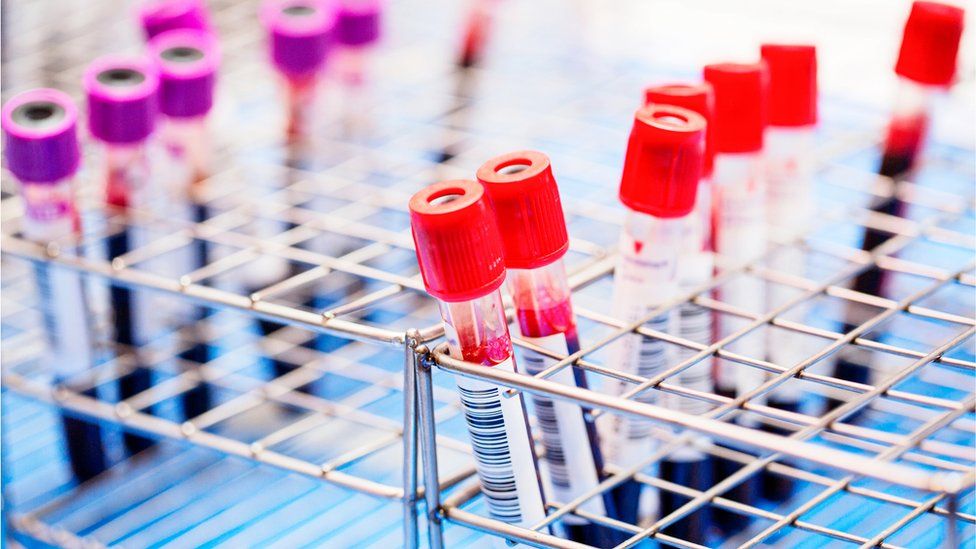
Published1 hour agoShareclose panelShare pageCopy linkAbout sharingImage source, Getty ImagesBy Jess Warren & PA MediaBBC NewsScientists are to double match blood intended for use for kidney transplant patients in a bid to make sure their donated kidney is less likely to be rejected.If the six-month pilot scheme at Hammersmith Hospital in London is a success then the initiative could be rolled out nationally, the NHS said.Blood will be matched by type and as close as possible to white blood cells.NHS Blood and Transplant said it was hoped to “improve patient outcomes”.About two in five kidney transplant patients need blood transfusions, figures show.After transfusion some patients make antibodies. If these are directed to the newly donated kidney, this can increase chances of organ rejection.The NHS hopes that by matching white blood cell type – also known as tissue type or HLA type – as close as possible between the blood donor and the organ transplant patient, it will mean the patient is less likely to reject the “foreign” organ.’Innovative’The blood will be matched at a specialist laboratory in Colindale, north-west London, and it will be supplied for transplant patients at Hammersmith Hospital, part of Imperial College Healthcare NHS Trust.NHS Blood and Transplant consultant clinical scientist Dr Colin Brown said it was an “innovative” pilot programme.”Each year, around 1,000 kidney patients who are transplanted will also receive a transfusion,” he said.”If all of them could benefit from a successful transfusion programme and a wider roll-out, our models show 100 kidney transplants a year could be saved.”Image source, GoogleAlisha Gorkani, from Sidcup, south London, has juvenile nephronophthisis and has spent seven years waiting for a matching kidney transplant.The 25-year-old has developed antibodies from a mix of blood transfusions and a past kidney transplant.”I have a lot of antibodies so I could be waiting a very long time. I try to make the best of things but waiting for a kidney and being on dialysis is incredibly hard,” she said.”It does give me hope that people like me could have better matched blood in the future. There are thousands of people hoping for a miracle match.”Gemma Louis, from Chester-le-Street in County Durham, has waited 11 years for a kidney transplant because of “sensitisation from a blood transfusion”.Ms Louis, 44, said: “It’s harder to find a match which won’t be rejected. “I was told initially my wait would be twice as long as normal, so around six years. I am 11 years in now.”At the end of March, 5,870 people in the UK were on the kidney transplant waiting list.Listen to the best of BBC Radio London on Sounds and follow BBC London on Facebook, X and Instagram. Send your story ideas to hellobbclondon@bbc.co.ukMore on this storyMan ‘recovering well’ after pig kidney transplantPublished21 MarchMum who gave kidney to son says pain was worth itPublished14 MarchGirl receives UK’s first rejection-free kidneyPublished22 September 2023Related Internet LinksNHS Blood and TransplantThe BBC is not responsible for the content of external sites.

Read more →

‘Zombie’ drug found in cannabis THC vapes in UK

Published49 minutes agoShareclose panelShare pageCopy linkAbout sharingImage source, PA MediaBy Michelle RobertsDigital health editorPeople using cannabis THC vapes risk inhaling a very dangerous substance called xylazine, UK experts warn after discovering some confiscated products contained the “zombie” drug. The sedative, designed to put big animals such as cows and horses to sleep, can be lethal for humans. It is “alarming” to find it in “even a few” illicit e-cigarettes that many think are pretty harmless, experts say.It puts people, as well as those who inject or take strong drugs, at risk. The illegal global xylazine market has so far mostly seen it mixed with strong opioid drugs, such as heroin or fentanyl. There has been at least one xylazine-related UK death already – and there are fears misuse could grow, as it has in the US. BBC Inside Health: On the trail of a new street drugDr Caroline Copeland and colleagues from King’s College London say new types of illicit xylazine products are now entering the UK market. As well as risky vapes, they found tablets being sold as codeine and diazepam, or Valium, that contained xylazine. The researchers contacted all toxicology laboratories in the UK last year to gather evidence. They also looked at drug-testing results from hauls seized by law enforcement. The findings are published in the journal Addiction.Although the numbers found were small – only two THC vapes and a small number of illegally sold pills out of tens of thousands of products – the experts say it is still extremely concerning.What are cannabis vapes?tetrahydrocannabinol (THC) is the main psychoactive constituent of cannabis – and THC vapes are illegal in the UKcannabidiol (CBD) is also a component of the cannabis plant but does not give a high – and CBD oil, including in vapes, is legal to sell in the UK Dr Copeland told BBC News: “People may not realise what they are actually buying. “They think they are getting a THC vape – but it could contain much more than they expect. “It’s really alarming.”The UK’s Advisory Council on the Misuse of Drugs recently recommended to the government xylazine be listed as a Class C drug, putting it in the same category as laughing gas, anabolic steroids and benzodiazepines, which would mean people possessing it could be jailed for two years and those dealing it 14 years.The health risks are amplified when it is taken with other strong sedatives. It can cause:difficulty breathingdangerously low blood pressureslowed heart ratewounds that can become infectedaddiction and severe withdrawal symptomsdeathIt is not clear what level of harm inhaling it might do.Some children and teenagers in the UK have needed hospital treatment after they were thought to have used a vape spiked with another illegal drug, Spice. King’s College London Institute of Psychiatry, Psychology and Neuroscience addictions head Prof Sir John Strang, who was not involved in the study, said: “We need to be constantly alert to changes in the nature of the illicit drug market, especially as these changes sometimes bring new health complications or challenges.”A government spokesperson said: “We are aware of the threat from xylazine and are determined to protect people from the threat posed by this drug and other illicit synthetic drugs.”We will not hesitate to act to keep the public safe. Following advice from the Advisory Council on the Misuse of Drugs (ACMD), we intend to make xylazine a Class C drug.”More on this storyFirst UK death linked to ‘zombie’ drug xylazinePublished24 May 2023Teens treated in hospital after using spiked vapePublished12 FebruaryWarning a child could die due to drugs in vapesPublished12 November 2023Warning after vapes containing Spice drug seizedPublished25 October 2023Related Internet LinksAddiction journalThe BBC is not responsible for the content of external sites.

Read more →

England Limits Youth Gender Medications, Part of Big Shift in Europe

Five European countries have recently restricted hormone treatments for adolescents with gender distress. They have not banned the care, unlike many U.S. states.The National Health Service in England started restricting gender treatments for children this month, making it the fifth European country to limit the medications because of a lack of evidence of their benefits and concern about long-term harms.England’s change resulted from a four-year review released Tuesday evening by Dr. Hilary Cass, an independent pediatrician. “For most young people, a medical pathway will not be the best way to manage their gender-related distress,” the report concluded. In a related editorial published in a medical journal, Dr. Cass said the evidence that youth gender treatments were beneficial was “built on shaky foundations.”The N.H.S. will no longer offer drugs that block puberty, except for patients enrolled in clinical research. And the report recommended that hormones like testosterone and estrogen, which spur permanent physical changes, be prescribed to minors with “extreme caution.” (The guidelines do not apply to doctors in private practice, who serve a small fraction of the population.)England’s move is part of a broader shift in northern Europe, where health officials have been concerned by soaring demand for adolescent gender treatments in recent years. Many patients also have mental health conditions that make it difficult to pinpoint the root cause of their distress, known as dysphoria.In 2020, Finland’s health agency restricted the care by recommending psychotherapy as the primary treatment for adolescents with gender dysphoria. Two years later, Sweden restricted hormone treatments to “exceptional cases.”In December, regional health authorities in Norway designated youth gender medicine as a “treatment under trial,” meaning hormones will be prescribed only to adolescents in clinical trials. And in Denmark, new guidelines being finalized this year will limit hormone treatments to transgender adolescents who have experienced dysphoria since early childhood.We are having trouble retrieving the article content.Please enable JavaScript in your browser settings.Thank you for your patience while we verify access. If you are in Reader mode please exit and log into your Times account, or subscribe for all of The Times.Thank you for your patience while we verify access.Already a subscriber? Log in.Want all of The Times? Subscribe.

Read more →

Weak evidence and toxic debate letting down gender care children, report says

Published20 minutes agoShareclose panelShare pageCopy linkAbout sharingImage source, Getty ImagesBy Josh Parry, LGBT & identity producer, and Hugh Pym, health editorBBC NewsChildren have been let down by a lack of research and “remarkably weak” evidence on medical interventions in gender care, a landmark review says.The Cass Review, published on Wednesday by paediatrician Dr Hilary Cass, calls for gender services for young people to match the standards of other NHS care.She says the “toxicity” of the debate around gender meant professionals were “afraid” to openly discuss their views.NHS England says it has already made significant progress in making changes.Leaked emails reveal child gender service concernsTrans treatment waiting list a ‘death sentence’NHS England to stop prescribing puberty blockersThe Cass Review, which looked at gender identity services for under-18s, was commissioned by NHS England in 2020 after a sharp rise in the number of patients referred to the NHS who were questioning their gender.It was announced after whistleblowers raised concerns about care at the Gender Identity and Development Service (Gids) – which was the only specialist gender clinic for children and young people in England and Wales.Gids closed last week, four years after it was rated as “inadequate” by inspectors.Regional hubs have now opened in London and Liverpool in an effort to move away from a single-service model and to tackle long waiting lists, which are currently around four years long.The Cass Review’s conclusions are documented in a 388-page report, which makes 32 recommendations on how gender services for children and young people should operate. They include considerations around medical interventions, further research, and safeguarding measures.Dr Cass calls for better research into the characteristics of children seeking treatment and to look at outcomes for every young person.In essence, she says children have been let down by a failure to base gender care on evidence-based research.She is clear that children and young adults using the services deserve the highest standards of care and research, which are expected elsewhere in the NHS. Addressing children and young people in the foreword to her report, she wrote: “I have been disappointed by the lack of evidence on the long-term impact of taking hormones from an early age; research has let us all down, most importantly you.””The reality is we have no good evidence on the long-term outcomes of interventions to manage gender-related distress.”Image source, James Anderson/BBC NewsDr Cass also raised concerns about what she called “diagnostic overshadowing” – when patients’ other healthcare issues were overlooked in cases of patients questioning their gender.The report recommends that young people referred to the new clinics should have a “holistic assessment”, which Dr Cass says should include screening for neurodevelopment conditions such as autism, and a mental health assessment.It also says representatives from the regional centres should form a national group to oversee ethics, training and to ensure everyone receives “the same high standards of evidence-based care”.The report warns the “toxicity of the debate” around gender has been “exceptional” and has had a negative impact on the quality and availability of evidence.Young people have been “caught in the middle of a stormy social discourse”, Dr Cass says.”There are few other areas of healthcare where professionals are so afraid to openly discuss their views, where people are vilified on social media, and where name-calling echoes the worst bullying behaviour.”In the weeks leading up to the review’s publication, NHS England announced new policies around the use of puberty blockers and cross-sex hormones.It said puberty blockers – which Dr Cass defines as hormones that “stop the progress of puberty” – would no longer be routinely prescribed, and that they should only be given to gender-distressed children as part of clinical trials.Details of those trials are yet to be announced.What does trans mean and what does the law say?Involve parents on pupils’ gender identity – guidanceLife on transgender waiting listUnder NHS England’s latest policy on cross-sex hormones, 16-year-olds can be prescribed feminising or masculinising hormones in the form of testosterone or oestrogen.Dr Cass’ report warns that this should only be done with “extreme caution” and there should be a “clear clinical rationale for providing hormones at this stage rather than waiting until an individual reaches 18”.The report also warns that younger children should be treated with a “more cautious approach” than adolescents when considering whether to allow them to change their names, pronouns or clothing – known as socially transitioning. It says those who have not yet reached puberty should be “prioritised for early discussion with a professional with relevant experience” and they should be put on a separate care pathway than older, adolescent patients. Dr Cass repeats previous warnings there was no clear evidence on whether social transitioning had positive or negative mental health outcomes.She says those who have done so at an earlier age, or before being seen by a clinic, were more likely to go down a medical pathway.Dr Cass also warns parents should be mindful they are not “unconsciously influencing the child’s gender expression”.She also recommends that young people aged 17-25 should have a “follow-through” service rather than going straight into adult services, as it recognised the age group as being at a “potentially vulnerable” stage of their journey.About 15 years ago, gender identity services were seeing about 50 predominantly birth-registered boys in childhood, according to Dr Cass.But over the last 10 years, that number has grown to more than 3,000 young people, she told BBC Radio 4’s Today programme. “And it’s mainly birth-registered girls presenting in early teens, and often with quite complex additional problems.”Image source, PA MediaShe added: “What’s unfortunately happened for these young people is that because of the toxicity of the debate, they’ve often been bypassed by local services who’ve been really nervous about seeing them. “So rather than doing the things that they would do for other young people with depression, or anxiety, or perhaps undiagnosed autistic spectrum disorder, they’ve tended to pass them straight on to the Gid service.”An NHS spokesperson said it had made “significant progress” towards establishing “fundamentally different” gender services for children and young people.They added: “We will set out a full implementation plan following careful consideration of this final report and its recommendations.”The NHS is also bringing forward its systemic review of adult gender services and has written to local NHS leaders to ask them to pause offering first appointments at adult gender clinics to young people below their 18th birthday.”More on this storyWhat does trans mean and what does the law say?Published9 hours agoLeaked emails reveal child gender service concernsPublished26 MarchTrans treatment waiting list a ‘death sentence’Published20 MarchNHS England to stop prescribing puberty blockersPublished12 MarchInvolve parents on pupils’ gender identity – guidancePublished19 December 2023

Read more →

The genomic architecture of inherited DNA variants

You have your mother’s eyes and your father’s smile, but genetics is much more than just what’s on the surface. In a study that spans more than a decade, researchers at Baylor College of Medicine have looked at generations of families in a specific population to reveal the role newly inherited DNA variants play on recessive disease traits, and in the process, they have created a population specific database revealing unique DNA information unseen in larger cohorts.
The findings, now published in Genetics in Medicine OPEN, revealed a correlation between occurrences of complex genetic disorders in those families with increased levels of consanguinity when compared to unaffected populations. Consanguinity is when both parents contribute similar genetic markers to an offspring, such as by sharing a common ancestor, and the genetic information from both the genome inherited from the father and that from the mother are identical.
“We observed that the areas on the chromosome known as ROH, regions of homozygosity, were longer in those individuals in which there was a higher degree of parental consanguinity when compared to those with less,” said Dr. Zeynep Coban-Akdemir, postdoctoral associate in molecular and human genetics at Baylor and currently assistant professor at UTHealth School of Public Health as well as co-lead author on the study. “We can see what is happening when consanguinity is at play and also when new genetic variations are introduced into the family unit of the clan or tribe representing more distant ancestors.”
Dr. Xiaofei Song, a former Baylor graduate student now working as an assistant professor at Moffitt Cancer Center, said, “We further applied a statistical method to systematically assess the impact of these genetic variations on disease. Our results indicate that the newly introduced genetic variations can better explain the clinical features observed in our patients.” Song also is co-lead author on the study.
“The published study contributes to the field of both rare disease and population genomics. From a trainee perspective, the article provides a valuable resource for comprehending fundamental concepts of human genetics and applying diverse computational methods to elucidate these concepts,” said Ph.D candidate Tugce Bozkurt-Yozgatli, with the Acibadem University in Istanbul, Turkey.
Coban-Akdemir, who worked in the Lupski Lab at Baylor where the research was conducted, says this is an important part of the findings because it reveals how genes act within different populations and clans to contribute to different recessive genetic disorders.
The population studied was a cohort of individuals originating from Turkey that is known to have different variations in genetic markers when compared to other populations from greater Europe. Researchers created and analyzed a database of variants derived from exome sequencing, a genomics assay providing a glimpse into genetic variation genomewide, of 773 unrelated volunteers who were affected with various suspected rare Mendelian disease traits, which are diseases caused by a mutation in a single gene and clearly passed down from one generation to the next in accordance with Gregor Mendel expectations. They were compared to another database created by the same researchers of 643 unaffected relatives.

Roughly half of the genetic variants in this Turkish group are not present in greater European control populations that are found in shared databases commonly used by genetic researchers.
“This group of Turkish individuals and families gives us insight into genetics that the average population doesn’t provide. What we found in this Turkish population is very unique. Not only is this group underrepresented in larger databases, but it shows us that they have an enriched genetic variation that is only seen within this population when compared to European populations,” Coban-Akdemir said.
Dr. Davut Pehlivan, assistant professor of pediatrics — neurology at Baylor, said on a single individual there are around 40 million Watson-Crick base pair variations within our DNA.
“The Human Genome Project opened the doors for researchers to investigate entire genomic DNA complement using next-generation sequencing technology. However, more struggles appeared with these advancements. For example, it is hard to pinpoint which variant is causing disease among 40 million variations of our DNA. Studying healthy populations helps us to eliminate many of these common variations from consideration. Thus, we studied both patients and their healthy relatives in the Turkish population.” Pehlivan said. “There are a lot of changes in the genome, and we don’t fully understand the meaning of all of those details, but the data from this population study will help all investigators around the world who are trying to interpret the results of other variants in the human genome DNA.”
Pehlivan described gathering the information and families wanting to participate in genomics research beginning in 2010, traveling long distances to rural areas where the patients were mostly located, a human interest story itself, to make sure the database and clinical information would show an accurate representation for these families.
“We discovered more than 200 genes that contributed to the existing body of disease gene associations. This will help us get closer to understanding, in this population and in others, what is causing these diseases and the human biological perturbation underlying a broad scope of diseases. Our studies will open new avenues of research in human biology and genome biology and eventually help to potentially bring nucleic acid treatments, something used to develop the COVID vaccine, to the patients and families” Pehlivan said.
“This team of researchers is not just helping the population that they studied, but their findings also can be applied to many populations. We all are very different individuals on this planet, yet our genes act very similarly, and we all share a common humanity. So, understanding how genetic disorders work helps us to support affected families across the globe,” said Dr. James R. Lupski, the Cullen Foundation Endowed Chair in Genetics and Genomics at Baylor.
In the past, Coban-Akdemir and Dr. Claudia M.B Carvalho, previously with Baylor and currently in her own laboratory at the Pacific Northwest Research Institute (PNRI) in Seattle who also contributed to this study, have worked on studying variants of genes to identify causes of diseases through production of truncated or altered proteins that take on a new or different function. Their work also focused on databases of populations with and without genetic disease. Their current work reflects the importance of diversity and inclusion as work continues to reveal causes of genetic diseases.
This work was supported in part by the U.S. National Human Genome Research Institute /National Heart Lung and Blood Institute grant number UM1HG006542 to the Baylor Hopkins Center for Mendelian Genomics (BHCMG), the U.S. National Human Genome Research Institute U01HG011758 to the Baylor College of Medicine for the Genomics Research to Elucidate the Genetics of Rare Disease consortium (BCM-GREGoR), the National Institute of Neurological Disorders and Stroke Q22 (NINDS) R35NS105078, and the National Human Genome Research Institute U54-HG003273. J.E.P. was supported by NHGRI K08 HG008986.

Read more →

Beating back bitter taste in medicine

The bitter taste of certain drugs is a barrier to taking some medications as prescribed, especially for people who are particularly sensitive to bitter taste. Published in Clinical Therapeutics, a team from the Monell Chemical Senses Center found that the diabetes drug rosiglitazone could partially block the bitter taste of some especially bad-tasting medications. Rosiglitazone could be added in small doses to other medicines, to make them less bitter and taste better.
This result provided new information. “To our knowledge, there are no previous reports on the bitter-blocking effect of this diabetes drug,” said first author Ha Nguyen, PhD, Monell Postdoctoral Fellow.Rosiglitizone was identified as a potential bitter blocker using tests of human cells from taste tissue, a method of screening developed by Monell and DiscoveryBiomed, Inc., now Eurofins.
The team conducted taste-testing experiments on research participants in the United States and Poland, and they found that adding rosiglitazone to the medicines reduced bitterness for many, but not all, research participants.
“People differ, and we need to test many types of people from different parts of the world to make sure that efforts to reduce bitterness and make medicines easier to take work well for all people,” said senior author Danielle Reed, PhD, Monell Chief Science Officer.
These results suggest having more blockers to choose from will help entirely suppress the bitterness of many types of medicines for a wide range of populations and ancestries. Mixtures of several blockers may help attain a low-to-zero-bitterness standard for even the most bitter-tasting medicines.
“Although rosiglitazone was only partially effective as a bitter blocker in this study, modifying these drugs to improve potency, palatability, and efficacy may allow us to find a better version of this drug,” said Nguyen. “Rosiglitazone is valuable as a bitter blocker because it is potentially effective in most people and is part of a class of drugs already approved worldwide for treating diabetes.”
Next steps in this line of research include a similar study that measures bitter blocking in several hundred African and Asian immigrants to add to the diversity of participants’ ancestries with regard to bitter taste.
This work was supported by the National Institutes of Health (R42 DC017693), the Monell Chemical Senses Center’s Carol M. Christensen Postdoctoral Fellowship in Human Chemosensory Science Fund, and Monell Chemical Senses Center Institutional Funds.

Read more →

Cardiology team performs novel heart artery repair with newly approved device

UC Davis Health cardiology team members are among the first in the country to treat patients with tricuspid regurgitation, or a leaky heart valve, by using a groundbreaking catheter.
The minimally invasive procedure, a transcatheter edge-to-edge repair (TEER), is made possible with a new medical device called the Abbott TriClip™ system.
UC Davis Medical Center is one of the first sites nationwide to have commercial access to TriClip and is the first hospital in Western United States to utilize the system since it was approved by the U.S. Food and Drug Administration (FDA) last week. UC Davis also hosted clinical trials for the procedure in 2023.
“We are excited to offer our patients this novel treatment that offers meaningful improvement in quality of life without the high procedural risk often associated with tricuspid surgery,” said Gagan D. Singh, associate professor of cardiovascular medicine and the surgeon who performed the first procedure at UC Davis Medical Center.
Tricuspid regurgitation is a condition in which the tricuspid valve of the heart fails to close completely. This can allow blood to leak backward into the atrium from the tricuspid valve, causing the patient’s heart to pump harder to move blood through the valve.
Tricuspid regurgitation affects an estimated 1.6 million Americans. Symptoms include active pulsing in the neck veins, enlarged liver, fatigue and swelling throughout the body.
Current nonsurgical treatments include diuretics (medicines that help remove excess fluid and salt) and drugs aimed at easing symptoms. Left untreated, tricuspid regurgitation can lead to atrial fibrillation, heart failure, kidney disease and even death.

“Severe tricuspid regurgitation is a debilitating condition that is associated with substantial morbidity,” said Jason H. Rogers, professor of cardiovascular medicine. “Patients with tricuspid regurgitation are extremely high risk for any type of surgical intervention, so historically they have just been monitored and treated with diuretics.”
Tricuspid transcatheter edge-to-edge repair procedure
The human heart has four valves, and if any of them leak, there is no universal way to repair them. For example, the mitral valve can be repaired with a catheter-based system. But the same catheter can’t be used on the tricuspid valve due to the valve’s its location, thinness and variability.
The new system is designed specifically for the tricuspid valve’s position, location and shape. With the patient under general anesthesia, the device is delivered to the heart through a catheter, starting in the groin and guided by X-ray and ultrasound. Once in place, the clip brings together portions of the leaflets (flaps of the valve), improving the seal and reducing the leaking.
The device was tested for its safety and clinical efficacy as part of the TRILUMINATE Pivotal trial. UC Davis Health was one of the sites with the highest enrollment rates in the national trial.
“This minimally invasive approach allows the heart to pump blood more efficiently and relieve symptoms of tricuspid regurgitation,” said Rogers, who will be performing additional tricuspid TEER procedures.
A leader in transcatheter edge-to-edge repair
UC Davis Health has been a leader in transcatheter edge-to-edge repair for nearly two decades. In addition to the transcatheter tricuspid valve repair procedure, the medical center’s cardiac services offer several minimally invasive catheter-based mitral valve procedures.
“Being one of the first centers in the country to offer commercial availability of the TriClip system is a true honor and a testament to the outstanding team-based approach to patient care at UC Davis Health,” added Singh. “The UC Davis Structural Heart Team is among the best and most comprehensive in the nation. Our mission of providing complete, efficient and high-quality care to the patients we care for is what drives us to lead the field.”

Read more →

Woman asked to remove breast prosthesis at airport

Published16 hours agoShareclose panelShare pageCopy linkAbout sharingImage source, Aoife Herrity By Catherine MooreBBC News NIA woman who had a mastectomy has said she was “stunned” when she was asked to remove her breast prosthesis after setting off a new security scanner alarm at Dublin Airport.Realtán Ní Leannáin, who is from Belfast but lives outside Dublin, was travelling to Donegal.She said she was “like a rabbit caught in the headlights” during the incident.Dublin Airport has apologised and said the situation should have been handled better.Ms Ní Leannáin told BBC NI’s Evening Extra programme: “The security officer didn’t even offer to pat me down. She stood and waited for me to remove the prosthesis.”I couldn’t actually think. Every time I attempted to rationalise it, I couldn’t.”Image source, Dominic McGrath/PA WireThe new security scanner technology tends to show up a triangle and a warning light when it detects the prosthesis, Ms Ní Leannáin said. In other airports, such as Glasgow and Amsterdam, she has been briefly searched or been able to explain her situation.However her experience at Dublin Airport was very different, she said, and the security officer told her she needed to see her prosthesis.”When it was half out she went, ‘Okay, go ahead’. I picked up my bits, sat down for a coffee and that’s when it started to hit me.” ‘What happens next time?’Ms Ní Leannáin said she emailed the DAA, operator of Dublin Airport, after last month’s incident and asked for assurances it would not happen again. She said the airport “couldn’t give that answer” and that was why she was speaking out.UK airport scraps 100ml liquid rule with scannersLiquid limits may remain at NI airports this summerShe has called for airport protocols to be clearly outlined online for herself and others in a similar position.”I would like to see it up on websites or with airlines, where you go to book your ticket and you’re told you can’t bring on scissors or x amount of liquids,” she said. Image source, Getty ImagesA DAA spokesperson said an investigation into the incident “concluded that the situation should have been handled better”.”We are very sorry that our passenger had a negative experience when travelling through Dublin Airport recently,” they said.”All passengers in such situations can request a private screening, which is then facilitated by a trained member of staff. “Regrettably, this did not happen on the day in question. We offer a full apology to the passenger and can assure her that steps have been taken to ensure a similar situation is avoided in the future.”Ms Ní Leannáin said she had not been offered a private search and she did not realise she could request one.However she said it should not be necessary for travellers to ask for private screenings.More on this storyLiquid limits may remain for NI summer travellersPublished4 days agoUK airport scraps 100ml liquid rule with scannersPublished4 April 2023

Read more →