Human muscle map reveals how we try to fight effects of aging

How muscle changes with ageing, and tries to fight its effects, is now better understood at the cellular and molecular level with the first comprehensive atlas of ageing muscles in humans.
Researchers from the Wellcome Sanger Institute and their collaborators at Sun Yat-sen University, China applied single-cell technologies and advanced imaging to analyse human skeletal muscle samples from 17 individuals across the adult lifespan. By comparing the results, they shed new light on the many complex processes underlying age-related muscle changes.
The atlas, published today (15 April) in Nature Ageing, uncovers new cell populations that may explain why some muscle fibres age faster than others. It also identifies compensatory mechanisms the muscles employ to combat ageing.
The findings offer avenues for future therapies and interventions to improve muscle health and quality of life as we age.
This study is part of the international Human Cell Atlas initiative to map every cell type in the human body1, to transform understanding of health and disease.
As we age, our muscles progressively weaken. This can affect our ability to perform everyday activities like standing up and walking. For some people, muscle loss worsens, leading to falls, immobility, a loss of autonomy and a condition called sarcopenia2. The reasons why our muscles weaken over time have remained poorly understood.
In this new study, scientists from the Wellcome Sanger Institute and Sun Yat-sen University, China used both single-cell and single-nucleus sequencing techniques3 along with advanced imaging to analyse human muscle samples from 17 individuals aged 20 to 75.

The team discovered that genes controlling ribosomes, responsible for producing proteins, were less active in muscle stem cells from aged samples. This impairs the cells’ ability to repair and regenerate muscle fibres as we age. Further, non-muscle cell populations within these skeletal muscle samples produced more of a pro-inflammatory molecule called CCL2, attracting immune cells to the muscle and exacerbating age-related muscle deterioration.
Age-related loss of a specific fast-twitch muscle fibre subtype, key for explosive muscle performance, was also observed4. However, they discovered for the first time several compensatory mechanisms from the muscles appearing to make up for the loss. These included a shift in slow-twitch muscle fibres to express genes characteristic of the lost fast-twitch subtype, and increased regeneration of remaining fast-twitch fibre subtypes.
The team also identified specialised nuclei populations3 within the muscle fibres that help rebuild the connections between nerves and muscles that decline with age. Knockout experiments in lab-grown human muscle cells by the team confirmed the importance of these nuclei in maintaining muscle function5.
Veronika Kedlian, first author of the study from the Wellcome Sanger Institute, said: “Our unbiased, multifaceted approach to studying muscle ageing, combining different types of sequencing, imaging and investigation reveals previously unknown cellular mechanisms of ageing and highlights areas for further study.”
Professor Hongbo Zhang, senior author of the study from Sun Yat-sen University, Guangzhou, China, said: “In China, the UK and other countries, we have ageing populations, but our understanding of the ageing process itself is limited. We now have a detailed view into how muscles strive to maintain function for as long as possible, despite the effects of ageing.”
Dr Sarah Teichmann, senior author of the study from the Wellcome Sanger Institute, and co-founder of the Human Cell Atlas, said: “Through the Human Cell Atlas, we are learning about the body in unprecedented detail, from the earliest stages of human development through to old age.With these new insights into healthy skeletal muscle ageing, researchers all over the world can now explore ways to combat inflammation, boost muscle regeneration, preserve nerve connectivity, and more. Discoveries from research like this have huge potential for developing therapeutic strategies that promote healthier ageing for future generations.”


Read more →

New study sheds light on the mechanisms underlying the development of malignant pediatric brain tumors

A new study conducted by researchers at Tampere University and Tampere University Hospital revealed how aberrant epigenetic regulation contributes to the development of atypical teratoid/rhabdoid (AT/RT) tumours, which are aggressive brain tumours that mainly affect young children. There is an urgent need for more research in this area as current treatment options are ineffective against these highly malignant tumours.
Most tumours take a long time to develop as harmful mutations gradually accumulate in cells’ DNA over time. AT/RT tumours are a rare exception, because the inactivation of one gene gives rise to this highly aggressive form of brain cancer.
AT/RT tumours are rare central nervous system embryonic tumours that predominantly affect infants and young children. On average, 73 people are diagnosed with AT/RT in the USA each year. However, AT/RT is the most common central nervous system tumour in children under one years old and accounts for 40-50% of diagnoses in this age group. The prognosis for AT/RT patients is grim, with a postoperative median survival of only 11-24 months.
The collaborative study conducted by Tampere University and Tampere University Hospital examined how aberrant DNA methylation distorts cellular developmental trajectories and thereby contributes to the formation of AT/RT. DNA methylation is a process whereby methyl groups are added to the DNA strand. DNA methylation is one of the mechanisms that cells use to control gene expression, and methylation patterns change during normal brain development.
The new study showed that DNA methylation interferes with the activity of multiple regulators, which under normal circumstances regulate the differentiation and maturation of central nervous system cells during brain development. Disrupted cell differentiation promotes the abnormal, uncontrolled proliferation of cells that eventually form a tumour.
The study also found several genes that regulate cell differentiation or inhibit tumour development and are silenced in AT/RT together with increased DNA methylation. The findings will pave the way for a more detailed understanding of the epigenetic dysregulation mechanisms in AT/RT pathogenesis and enable researchers to identify which genes contribute to the malignant progression of the tumour.
“These results will provide deeper insights into the development of AT/RTs and their malignancy. In the future, the results will help to accelerate the discovery of new treatments for this aggressive brain tumour,” says Docent Kirsi Rautajoki from Tampere University.
At Tampere University, the research was mainly carried out by the research groups led by Kirsi Rautajoki and Professor Matti Nykter. The key partners from Tampere University Hospital included paediatrician, LM Kristiina Nordfors, neurosurgeon and Docent Joonas Haapasalo and neuropathologist and Docent Hannu Haapasalo.

Read more →

Antibiotics aren’t effective for most lower tract respiratory infections

Use of antibiotics provided no measurable impact on the severity or duration of coughs even if a bacterial infection was present, finds a large, prospective study of people who sought treatment in U.S. primary or urgent care settings for lower-respiratory tract infections.
The study by researchers at Georgetown University Medical Center and colleagues appeared April 15, 2024, in the Journal of General Internal Medicine.
“Upper respiratory tract infections usually include the common cold, sore throat, sinus infections and ear infections and have well established ways to determine if antibiotics should be given,” says the study’s lead author, Dan Merenstein, MD, professor of family medicine at Georgetown University School of Medicine. “Lower respiratory tract infections tend to have the potential to be more dangerous, since about 3% to 5% of these patients have pneumonia. But not everyone has easy access at an initial visit to an X-ray, which may be the reason clinicians still give antibiotics without any other evidence of a bacterial infection. Plus, patients have come to expect antibiotics for a cough, even if it doesn’t help. Basic symptom-relieving medications plus time brings a resolution to most people’s infections.”
The antibiotics prescribed in this study for lower tract infections were all appropriate, commonly used antibiotics to treat bacterial infections. But the researchers’ analysis showed that of the 29% of people given an antibiotic during their initial medical visit, there was no effect on the duration or overall severity of cough compared to those who didn’t receive an antibiotic.
“Physicians know, but probably overestimate, the percentage of lower tract infections that are bacterial; they also likely overestimate their ability to distinguish viral from bacterial infections,” says Mark H. Ebell, MD, MS, a study author and professor in the College of Public Health at the University of Georgia. “In our analysis, 29% of people were prescribed an antibiotic while only 7% were given an antiviral. But most patients do not need antivirals as there exist only two respiratory viruses where we have medications to treat them: influenza and SARS-COV-2. There are none for all of the other viruses.”
To determine if there was an actual bacterial or viral infection present, beyond the self-reported symptoms of a cough, the investigators confirmed the presence of pathogens with advanced lab tests to look for microbiologic results classified as only bacteria, only viruses, both virus and bacteria, or no organism detected. Very importantly, for those with a confirmed bacterial infection, the length of time until illness resolution was the same for those receiving an antibiotic versus those not receiving one — about 17 days.
Overuse of antibiotics can result in dizziness, nausea, diarrhea, and rash along with about a 4% chance of serious adverse effects including anaphylaxis, which is a severe, life-threatening allergic reaction; Stevens-Johnson syndrome, a rare, serious disorder of the skin and mucous membranes; and Clostridioides difficile-associated diarrhea. Another significant concern of the overuse of antibiotics is resistance. The World Health Organization released a statement on April 4, 2024, stating: “Uncontrolled antimicrobial resistance [due to the overuse of antibiotics] is expected to lower life expectancy and lead to unprecedented health expenditure and economic losses.”
“We know that cough can be an indicator of a serious problem. It is the most common illness-related reason for an ambulatory care visit, accounting for nearly 3 million outpatient visits and more than 4 million emergency department visits annually,” says Merenstein. “Serious cough symptoms and how to treat them properly needs to be studied more, perhaps in a randomized clinical trial as this study was observational and there haven’t been any randomized trials looking at this issue since about 2012.”

Read more →

Carbon beads help restore healthy gut microbiome and reduce liver disease progression

Innovative carbon beads, invented by researchers at UCL, reduce bad bacteria and inflammation in animal models, which are linked to liver cirrhosis and other serious health issues.
The study, published in Gut, found that the carbon beads, licensed to UCL-spinout Yaqrit, were effective in restoring gut health and had a positive impact on liver, kidney and brain function in rats and mice. They were also found to be safe for human use.
The next step will be to see if the same benefits can be realised in humans, which would pave the way for them to be used to treat diseases linked to poor gut health.
Worldwide, it is estimated that there are around 100 million people living with cirrhosis of the liver and 10 million who have cirrhosis plus an additional complication.
Explaining the current clinical challenges, senior author Professor Rajiv Jalan from the UCL Institute for Liver and Digestive Health, said: “The influence of the gut microbiome on health is only just beginning to be fully appreciated. When the balance of the microbiome is upset, ‘bad’ bacteria can proliferate and out-compete the ‘good’ bacteria that keeps the gut healthy.
“One of the ways they do this is by excreting endotoxin, toxic metabolites and cytokines that transform the gut environment to make it more favourable to them and hostile to good bacteria. These substances, particularly endotoxin, can trigger gut inflammation and increase the leakiness of the gut wall, resulting in damage to other organs such as the liver, kidneys and brain.
“In cirrhosis, a condition characterised by scarring of the liver, it is known that inflammation caused by endotoxins can exacerbate liver damage. Part of the standard treatment for cirrhosis is antibiotics aimed at controlling bad bacteria, but this comes with the risk of antibiotic resistance and is only used in late-stage disease.”
To overcome this, scientists at UCL, in collaboration with Yaqrit, developed tiny oral carbon beads, that have a special microscopic physical structure designed to adsorb both large and small molecules in the gut.

In the study, researchers from UCL tested the effectiveness of the carbon beads, known by the product name CARBALIVE, to restore gut health and assessed the impact on liver, kidney and brain function in rats and mice.
They found that when ingested every day for several weeks, the beads were effective in preventing the progress of liver scarring and injury in animals with cirrhosis, and reduced mortality in animals with acute-on-chronic-liver-failure (ACLF).
The beads were also tested on 28 cirrhosis patients and proved to be safe with negligible side effects. If the same benefits observed in animal models occur in humans, the beads could be an important new tool to help tackle liver disease.
Michal Kowalski, a Vice President and the CARBALIVE product lead at Yaqrit, said: “These novel, engineered carbon beads, which are swallowed and pass through the body unaltered, are smaller than a grain of salt. They work by absorbing the endotoxins and other metabolites produced by ‘bad’ bacteria in the gut, creating a better environment for the good bacteria to flourish and helping to restore microbiome health. This prevents these toxins from leaching into other areas of the body and causing damage, as they do in cirrhosis.
“The results in animal models are very positive, with reduction in gut permeability, liver injury, as well as brain and kidney dysfunction.”
The results open the door for further trials to test the efficacy of the carbon beads in humans, one of which is due to start soon. If the beads are proved to be effective at halting or slowing the progression of liver damage, they could be an invaluable tool for treating liver disease and possibly other conditions associated with poor microbiome health.

Professor Jalan, a Professor of Hepatology at UCL and consultant at the Royal Free Hospital, added: “I have high hopes that the positive impact of these carbon beads in animal models will be seen in humans, which is exciting not just for the treatment of liver disease but potentially any health condition that is caused or exacerbated by a gut microbiome that doesn’t work as it should. This might include conditions such as irritable bowel syndrome, for example, which is on the rise in many countries.
“The study is another milestone in a journey that began at UCL and has evolved into our spin-out Yaqrit, thanks to grant funding from the European Union’s Horizon 2020 research and innovation programme. This has allowed us to build a factory to manufacture the beads and enabled discovery research into their potential uses. I’m optimistic that this journey will end with these beads being approved to help treat liver disease and other conditions within the next few years.”
This project has received funding from the European Union’s Horizon 2020 research and innovation programme under grant agreement No. 634579.

Read more →

‘Eldest Daughter Syndrome’ and Sibling Birth Order: Does it Matter?

“Eldest daughter syndrome” assumes that birth order shapes who we are and how we interact. Does it?In a TikTok video that has been watched more than 6 million times, Kati Morton, a licensed marriage and family therapist in Santa Monica, Calif., lists signs that she says can be indicative of “eldest daughter syndrome.”Among them: an intense feeling of familial responsibility, people-pleasing tendencies and resentment toward your siblings and parents.On X, a viral post asks: “are u happy or are u the oldest sibling and also a girl”?Firstborn daughters are having a moment in the spotlight, at least online, with memes and think pieces offering a sense of gratification to responsible, put-upon big sisters everywhere. But even mental health professionals like Ms. Morton — herself the youngest in her family — caution against putting too much stock in the psychology of sibling birth order, and the idea that it shapes personality or long term outcomes.“People will say, ‘It means everything!’ Other people will say, ‘There’s no proof,’” she said, noting that eldest daughter syndrome (which isn’t an actual mental health diagnosis) may have as much to do with gender norms as it does with birth order. “Everybody’s seeking to understand themselves, and to feel understood. And this is just another page in that book.”What the research says about birth orderThe stereotypes are familiar to many of us: Firstborn children are reliable and high-achieving; middle children are sociable and rebellious (and overlooked); and youngest children are charming and manipulative.Studies have indeed found ties between a person’s role in the family lineup and various outcomes, including educational attainment and I.Q. (though those scores are not necessarily reliable measures of intelligence), financial risk tolerance and even participation in dangerous sports. But many studies have focused on a single point in time, cautioned Rodica Damian, a social-personality psychologist at the University of Houston. That means older siblings may have appeared more responsible or even more intelligent simply because they were more mature than their siblings, she said, adding that the sample sizes in most birth order studies have also been relatively small.We are having trouble retrieving the article content.Please enable JavaScript in your browser settings.Thank you for your patience while we verify access. If you are in Reader mode please exit and log into your Times account, or subscribe for all of The Times.Thank you for your patience while we verify access.Already a subscriber? Log in.Want all of The Times? Subscribe.

Read more →

Young nose cells may help children fight off Covid

Published22 minutes agoShareclose panelShare pageCopy linkAbout sharingImage source, Getty ImagesBy Philippa RoxbyHealth reporterChildren are less likely than adults to develop severe Covid, because cells in their nose are better at fighting off the virus, a study suggests.Lab tests show ageing adult nose cells contain 100 times more virus in the first few days after an infection.The lab discovery could explain why older adults are hit worst by Covid and children are rarely very ill.Anti-viral treatments should be tailored to different age groups, the UK researchers say.The nose is the first place Covid enters the body – so scientists wanted to look in detail at what happens inside this so-called viral production factory. Researchers analysed cells from the nose lining of healthy people from three different age groups – under-12s, 30-50 year olds and over 70s.They then grew the nasal cells in lab dishes, infected them with coronavirus, and watched closely.Nose-pickers more likely to get Covid, study showsThree days later, viewed under a microscope, the nasal epithelial cells – as they are known – taken from children were quick to defend against the virus and reduce viral load.But this protective effect was less obvious in middle-aged adults. And in nose cells from the over-70s, there was more virus, more shedding and more damage.Dr Claire Smith, study leader and associate professor from University College London, said age affected the balance of cells in the nose, leading to a “detrimental, dysfunctional repair” process in older people.Image source, UCLThis could be because they have had greater exposure to viruses over time and more infections.The risk of being dangerously ill with Covid rises with age, which is why over-75s – as well as everyone in an adult care home or with a weakened immune system – is offered a vaccine in the UK.Who can get a Covid booster this spring?Dr Smith said the findings, in Nature Microbiology, highlighted how important it was to take ageing into account when looking at treatments and therapies.The research team now wants to look at how the body – and the nose – responds to other viruses, such as flu and respiratory syncytial virus (RSV).”Understanding the cellular differences at the initiation of infection is just the beginning,” Dr Smith said.”We now hope to investigate the long-term implications of these cellular changes and test therapeutic interventions using our unique cell culture model.” The nose cells were sampled in February 2020, during the first wave of Covid – so how the body’s reaction to the initial strain of the virus compares with the current circulating variant, Omicron, remains unclear.The researchers said more work was needed to discover whether the level of infectious virus in the nose cells affected the spread of Covid.The research, by UCL and the Wellcome Sanger Institute, was funded by UK Research and Innovation, the NIHR Great Ormond Street Hospital Biomedical Research Centre and the Chan Zuckerberg Foundation.More on this storyNHS spring Covid booster jab bookings to openPublished3 days agoWho can get a Covid booster this spring?Published1 day agoRelated Internet LinksNature Microbiology research paperThe BBC is not responsible for the content of external sites.

Read more →

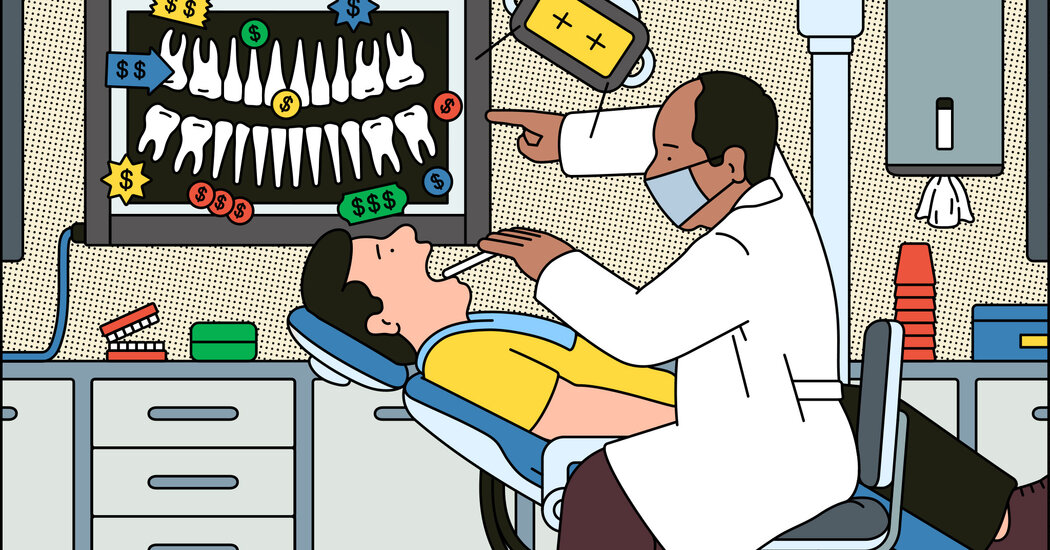
Here’s What to Ask Your Dentist When Evaluating Your Treatment

To get the best care, experts recommend speaking up. Here are tips for what to ask and how to evaluate the treatments you are offered.Think about the last time you went to a dentist: Did you walk out feeling like your questions were answered, or did you wonder whether your provider was being straight with you?Dental visits can be daunting — and not just because of the whirring drills. Dentists may seem to speak another language entirely, and everything they suggest can feel important. You must have a sealant painted on your tooth or risk bacteria creating holes in it. You must get an extraction because an oral infection has spread and is causing pain.To get the best results and a more positive experience, experts recommend speaking up. Here are tips for what to ask and how to evaluate the treatments you are offered at the dentist.Get a good look at the problems yourself.The first step to effectively advocating for yourself is understanding what your problems are. Ask your dentist to show you exactly where the pockets of your gums are getting deeper and letting bacteria accumulate, or which fillings are getting worn down by night grinding.“You don’t have to get technical about it,” said Ellie Phillips, a preventive dentist based in Austin. “But I would recommend noting if it’s something affecting your front teeth or the back of your mouth. Is it on the outside, which is the cheek side, or is it on the tongue side?”Visual aids like X-rays or images from an intraoral camera — or even just looking in a mirror — can also help demystify what’s going on in your mouth.Don’t feel pressured to agree to anything — even cleanings.Your dentist should be able to explain why particular problem areas need specific treatments, said Alyson Leffel, director of patient advocacy and social work at the NYU College of Dentistry. And it’s perfectly reasonable to ask them for time to research and reflect on your options.We are having trouble retrieving the article content.Please enable JavaScript in your browser settings.Thank you for your patience while we verify access. If you are in Reader mode please exit and log into your Times account, or subscribe for all of The Times.Thank you for your patience while we verify access.Already a subscriber? Log in.Want all of The Times? Subscribe.

Read more →

U.S. Scrutiny of Chinese Company Could Disrupt U.S. Supply Chain for Key Drugs

A Chinese company targeted by members of Congress over potential ties to the Chinese government makes blockbuster drugs for the American market that have been hailed as advances in the treatment of cancers, obesity and debilitating illnesses like cystic fibrosis.WuXi AppTec is one of several companies that lawmakers have identified as potential threats to the security of individual Americans’ genetic information and U.S. intellectual property. A Senate committee approved a bill in March that aides say is intended to push U.S. companies away from doing business with them.But lawmakers discussing the bill in the Senate and the House have said almost nothing in hearings about the vast scope work WuXi does for the U.S. biotech and pharmaceutical industries — and patients. A New York Times review of hundreds of pages of records worldwide shows that WuXi is heavily embedded in the U.S. medicine chest, making some or all of the main ingredients for multibillion-dollar therapies that are highly sought to treat cancers like some types of leukemia and lymphoma as well as obesity and H.I.V.The Congressional spotlight on the company has rattled the pharmaceutical industry, which is already struggling with widespread drug shortages now at a 20-year high. Some biotech executives have pushed back, trying to impress on Congress that a sudden decoupling could take some drugs out of the pipeline for years.WuXi AppTec and an affiliated company, WuXi Biologics grew rapidly, offering services to major U.S. drugmakers that were seeking to shed costs and had shifted most manufacturing overseas in the last several decades.WuXi companies developed a reputation for low-cost and reliable work by thousands of chemists who could create new molecules and operate complex equipment to make them in bulk. By one estimate, WuXi has been involved in developing one-fourth of the drugs used in the United States. WuXi AppTec reported earning about $3.6 billion in revenue for its U.S. work.We are having trouble retrieving the article content.Please enable JavaScript in your browser settings.Thank you for your patience while we verify access. If you are in Reader mode please exit and log into your Times account, or subscribe for all of The Times.Thank you for your patience while we verify access.Already a subscriber? Log in.Want all of The Times? Subscribe.

Read more →

‘No end to the stress’ of ADHD medication shortage

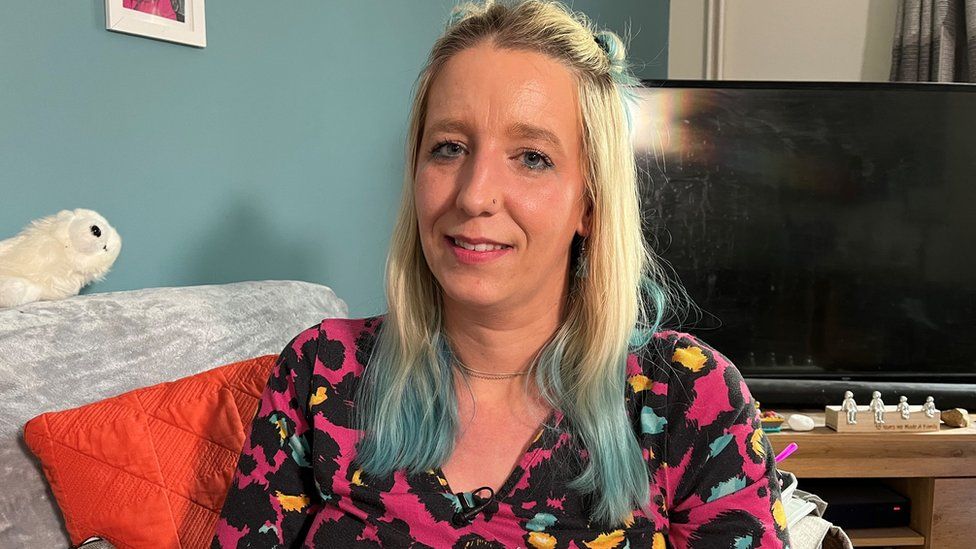
Published2 hours agoShareclose panelShare pageCopy linkAbout sharingBy Sophia SethBBC SouthThe continuing shortage of ADHD medication is causing those with the condition increasing stress and anxiety, the BBC has been told.Pharmacists said the problem persists despite a government assurance it would be resolved by the end of last year.In September, the Department for Health and Social Care (DHSC) blamed the UK-wide scarcity on “increased global demand and manufacturing issues”.It said the disruption was “expected to resolve” between October and December.Lorraine Jukes, who has the condition, said: “Here I am in April 2024, with only four days of medication left.”The 36-year-old, from Iffley, Oxford, said she was “frantically phoning through lists of pharmacies” and being told there was no stock and no indication of any being available before she runs out.Woman left without ADHD medication for two monthsFamily suffering amid ADHD drug shortageMedication helps to manage ADHD symptoms, which can include difficulty concentrating and focusing, hyperactivity and impulsiveness.The supply issues are against a backdrop of increased awareness of the condition and a rise in demand for diagnosis and treatment. Three different medicines have been affected.Image source, Oliver PicardOliver Picard, vice chair of the National Pharmacy Association, said: “We were told it would be resolved in December.”Some of the medication is starting to come back. In March, we had the supply of a certain brand of ADHD medication, we are now seeing shortages of other ADHD medication and we don’t have a date for resupply. “Sometimes we can get some but will be limited to one packet per month pharmacy and that’s not helpful either. It’s hugely frustrating.”What is attention deficit hyperactivity disorder? (ADHD)Attention deficit hyperactivity disorder is a condition that affects people’s behaviourPeople with ADHD can seem restless, may have trouble concentrating and may act on impulseMost cases are diagnosed when children are under 12 years old but sometimes it is diagnosed later in childhoodHowever, on other occasions ADHD was not recognised at all when someone was a child and they were diagnosed later, as an adultSource: NHS EnglandMs Jukes, who was diagnosed two years ago, said she first noticed problems getting hold of her medication in October. She said she spent six weeks without any and at other times had been forced to ration it. “That’s what I have really struggled with,” she said. “You take it, don’t take it, take it, don’t take it. It’s like a rollercoaster of emotions, anxiety through the roof.”Ms Jukes said she was now “immensely concerned”, adding: “It doesn’t feel like its being taken seriously enough.”Coby, 11, from Abingdon in Oxfordshire, is also one of more than 150,000 people who live with the condition and are reliant on medication.His mother Kirsty said: “It is becoming increasingly more concerning as the months go on and we are still no further forward with solutions to the shortage of medications. “The fact is, this was supposed to be a short-term shortage and under control by Christmas yet, here we are, nearly five months later and still no end to the stress of trying and failing to get the medication that Coby has been prescribed.”She said Coby was a “different boy” when he was not on his medication and that he worried about how he came across. “It’s absolutely awful, as a parent, knowing there is something that is helping your child and you can’t provide that and it’s out of your hands and you can’t do anything about it,” Kirsty added.The DHSC said it was working with manufacturers to help resolve remaining issues as soon as possible and some issues had been resolved as a result.”We know that shortages can be distressing for patients and families and we advise any patient who is worried about their condition to speak to their clinician,” a spokesperson said.Takeda is one of the leading manufacturers of ADHD medicines and said the majority of its medicines were now available. It said there may be some “short-term, intermittent disruption” beyond April “as the situation continues to stabilise”.Follow BBC South on Facebook, X, or Instagram. Send your story ideas to south.newsonline@bbc.co.uk.More on this storyMother struggles to get medication to ‘function’Published3 AprilADHD medication shortage leads to job fearsPublished11 MarchFamily suffering amid ADHD drug shortagePublished10 November 2023Woman left without ADHD medication for two monthsPublished11 October 2023Related Internet LinksDepartment of Health and Social CareThe National Pharmacy AssociationThe BBC is not responsible for the content of external sites.

Read more →

Boy, 7, died from Aids after doctor ignored rules

Published2 days agoShareclose panelShare pageCopy linkAbout sharingThis video can not be playedTo play this video you need to enable JavaScript in your browser.By Nicola Bryan & Sam FergusonBBC NewsWhen 10-month-old Colin Smith contracted HIV after receiving contaminated blood, his parents’ house was daubed with “Aids dead”.His father was also forced to leave his job. Now 34 years on from his death from Aids at the age of seven, his family are facing another injustice.A BBC investigation has found Prof Arthur Bloom, the doctor who gave Colin infected imported blood product Factor VIII, broke his own rules to do so. Just three months earlier, Prof Bloom’s own department had written internal NHS guidelines discouraging the use of imported blood treatments on children because of the risk of infection.”This wasn’t an accident,” said Colin’s father, also called Colin. “It could have been avoided.” His son, who was being treated for haemophilia – a rare condition that affects the blood’s ability to clot – was one of more than 3,000 people to die in the UK after being given infected blood products.Parents Janet and Colin, from Newport, have fought for more than 40 years for answers and hope the infected blood inquiry, which is due to report its findings next month, will provide a measure of closure.In January 1982, more than a year before Prof Bloom first treated Colin, he co-wrote a letter to all haemophilia centres calling on them to give patients new heat-treated products aimed at destroying viruses.He said they should be administered to previously untreated patients (PUPs) not yet exposed to high-risk American products, much of which were bought from donors such as prison inmates and drug-users.Image source, Family photoThe letter explained the previous trials on chimpanzees were no longer suitable and they needed humans to test on. BBC Wales Investigates has discovered internal NHS guidelines from May 1983 for the department Prof Bloom was in charge of that discouraged the use of imported blood treatments on children because of the risks of infection. But just three months later, Prof Bloom ignored his own rules when treating Colin.Image source, Family photoColin was infected with HIV and hepatitis C in August 1983 after being given blood products imported from the US. He died in 1990. Prof Bloom died in 1992. Colin and Janet believed their son was being experimented on with new heat-treated Factor VIII which, it was hoped, would kill viruses like HIV and hepatitis.”He just happened to be diagnosed with haemophilia at the same time these trials were starting up – the next thing you know he’s got HIV,” said Janet.What is the infected blood scandal?The secret in my bloodInfected blood victim ‘told to be grateful”Infected blood killed my dad – I want compensation now’Colin senior said: “They were playing Russian roulette with people’s lives, and they miscalculated and killed thousands.”Janet said the family were told about Colin’s HIV diagnosis in a busy hospital corridor. “Colin was lying in bed, not well at all, and Prof Bloom stops in the corridor and just said ‘he’s HIV’,” she said. “We were never taken to a room, we were told in the middle of the corridor, parents running after their kids, little kiddies running past us, and I can remember getting really upset but I don’t know why because it was never explained that it was a death sentence.” Janet and Colin only found about their son’s hepatitis C diagnosis several years later. Image source, Family photoIn the 1980s fear, stigma and discrimination towards people with HIV and Aids was commonplace. The UK government’s 1987 Aids awareness advert – with actor John Hurt’s haunting delivery of “it’s a deadly disease with no known cure” to a backdrop of falling tombstones – added to the public’s perception of HIV. As their son’s health deteriorated, Colin’s parents were ostracised by the local community in Newport. “We were known as the Aids family,” said Janet. “We’d have phone calls 12, one o’clock in the morning. ‘How can you let him sleep with his brothers? He should be locked up, he should be put on an island’… he was three.” “It got out of hand,” said Colin senior. “One day we got up and ‘Aids dead’ was written right across the side of the house [in] black paint.”This video can not be playedTo play this video you need to enable JavaScript in your browser.Colin senior said he became “unemployable” because of the stigma surrounding the virus. “I got a new job delivering milk, believe it or not I had a phone call the morning after I was due to start and they said ‘sorry, somebody’s told us there’s HIV in the family, we can’t start you’.” BBC Wales Investigates also uncovered documents that revealed doctors were willing to accept a riskier product in order to keep costs down. Papers show Immuno – the now dissolved drug company that made the Factor VIII given to Colin – thought the UK market would accept a riskier product made from imported US blood over safer European blood because it was cheaper to import. “You get to a stage when you read things like that, to us it was murder,” Janet said. “They were saving pennies, basically you treat them on the cheap. “They weren’t worried about people’s health as far as I’m concerned.” Why did the infected blood scandal happen?The scandal has been called the biggest treatment disaster in NHS history and decades on victims are still campaigning for compensation. In the 1970s, the UK was struggling to meet the demand for blood-clotting treatments, so imported supplies from the US.But much of the blood was bought from high-risk donors such as prison inmates and drug-users.Factor VIII was made by pooling plasma from blood from tens of thousands of donors. But if just one person was carrying a virus, the entire batch could be contaminated.In 1975, several years before the first known cases of HIV, a documentary exposed the risks of imported blood products from the US being infected with viruses and the government pledged to become self-sufficient in the UK. Prof Edward Tuddenham, who was treating haemophiliacs at this time, said it was understood the products were risky. “[Health minister] David Owen had announced the government policy for self-sufficiency which was the World Health Organisation recommendation, but that quietly got dropped,” he said. “It was cheaper to import from America. It was clear that there was hepatitis being transmitted and that was apparent by the late seventies.”He added: “At the end of the day, the bottom line is what matters. And they [drugs companies] had a product that they were making a lot of money from. “So, there was a natural tendency to wish to carry on pushing that even as the risk became more and more obvious.”Image source, Family photoBy 1983, a new virus known as HIV was spreading across the world. Despite early warnings and growing evidence, government officials and ministers in the UK repeatedly told the public there was ‘no conclusive proof’ that it could be transmitted through imported blood products. The blood services began routinely screening donations for HIV in 1985 and screening for hepatitis C in 1991. The UK-wide infected blood inquiry was announced in 2017 after years of campaigning by victims. It was led by former judge Sir Brian Langstaff, and took evidence between 2019 and 2023.The inquiry will publish its report on 20 May.Blood Money is on BBC One Wales at 20:00 BST on Monday 15 April and is available on iPlayerMore on this storyWhat is the infected blood scandal and how many people died?Published2 AprilInfected blood family anger over compensation waitPublished22 June 2023Infected blood scandal victim told ‘to be grateful’Published8 February

Read more →