Walmart Is Shutting Health Centers After Plan to Expand

The 51 locations, next to Supercenters, proved too costly to be profitable, the retailer said.Walmart, the world’s largest retailer, said Tuesday that it was shutting down its health care centers, a network that only last year it said it planned to expand.The retailer said in a blog post that its 51 health centers would close. The centers were next to Supercenter locations. The plans won’t affect the more than 4,600 pharmacies and more than 3,000 vision centers within Walmart stores.Walmart started the health-care clinic initiative in 2019 in Dallas, Ga., with centers providing primary care, labs, X-rays and electrocardiograms, counseling, and dental, optical and hearing services. Many were in smaller towns where customers might lack access to quality care, and the company had said it was focused on affordability. In 2021, Walmart started offering a virtual option when it acquired MeMD, a telehealth provider.“This is a difficult decision, and like others, the challenging reimbursement environment and escalating operating costs create a lack of profitability that make the care business unsustainable for us at this time,” the company said Tuesday.The company said it was still deciding when it would close each center. In March 2023, Walmart said it planned to double its health center locations. It said that by the end of 2024, it expected to have more than 75 Walmart Health Centers and expand to states like Missouri and Arizona.Workers within the centers will be paid for 90 days and will be eligible to transfer to other Walmart or Sam’s Club locations, the company said Tuesday.

Read more →

How Married Couples Navigate Sexless Relationships

Amanda Montei, a contributing writer for The New York Times Magazine, spoke to more than 30 married people for whom sex is not essential.Times Insider explains who we are and what we do and delivers behind-the-scenes insights into how our journalism comes together.When Amanda Montei began reporting an article last year about married couples who had little to no sex, she didn’t know how forthcoming people would be about their sex lives.But to her surprise, many of the couples were willing — grateful, even — to talk about it.“It was almost like a pressure valve was released,” Ms. Montei said of her conversations with more than 30 married people who are among the 50 percent of American adults having sex once a month or less. “Most couples I talked with said speaking to me felt like a relief because they were able to talk openly about their sexual lives without judgment.”The article, which was published this month in the Modern Love issue of The New York Times Magazine, is based on phone and video conversations with couples in seven states, as well as Canada, Britain and Italy, and took Ms. Montei five months to report.“My main takeaway was that there are so many factors that influence a person’s desire,” she said. “It’s a really complicated negotiation with the self and the body and our current cultural moment.”In a phone conversation from her home in the San Francisco Bay Area, Ms. Montei discussed how she helped sources feel comfortable sharing intimate details of their private lives and what questions she hopes to tackle next in her reporting. These are edited excerpts.How did you come up with the idea for this article?I published a book last fall about motherhood and sexuality and received lots of notes from readers who connected with it and saw themselves represented in it, and who found that motherhood impacted the way they viewed their bodies, sexual lives and relationships. Writing and publishing the book made me more curious about women’s sexual lives, especially how desires can change with age and parenthood; what marriage has tended to demand of women; and how people in long-term heterosexual relationships navigate those changes today.We are having trouble retrieving the article content.Please enable JavaScript in your browser settings.Thank you for your patience while we verify access. If you are in Reader mode please exit and log into your Times account, or subscribe for all of The Times.Thank you for your patience while we verify access.Already a subscriber? Log in.Want all of The Times? Subscribe.

Read more →

Special school pupils ‘tortured’ in calming rooms

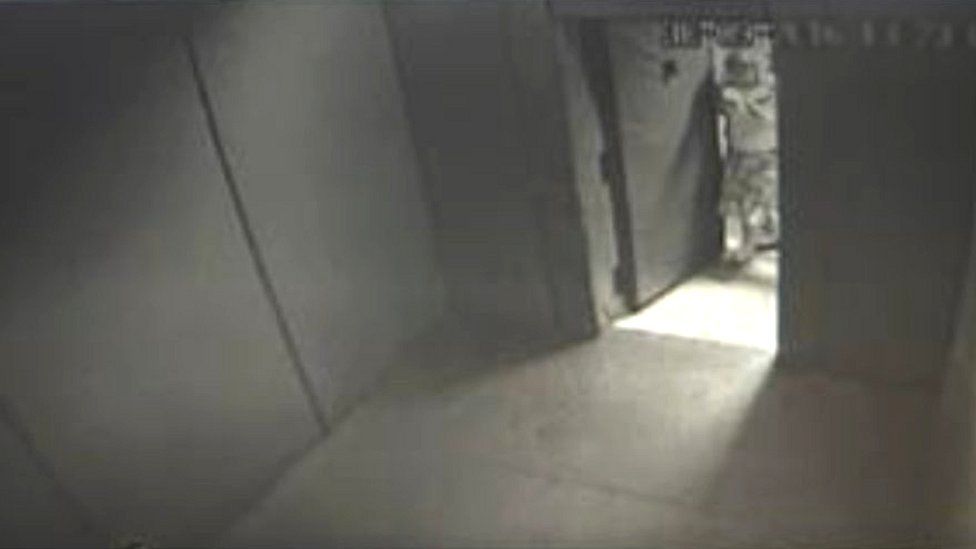
Published8 minutes agoShareclose panelShare pageCopy linkAbout sharingBy Noel Titheradge & Annabel DeasInvestigations correspondent & File on 4 producerStaff were filmed hitting and kicking pupils at a special school and leaving them in their urine, the BBC has found. Despite the school proving abuse in so-called “calming rooms”, some staff are still employed there and have not been barred from working with children. Parents say they have not been allowed to see the footage and were misled about the use of isolation.Whitefield School said it acted in pupils’ best interests and was not obliged to make barring referrals.In 2021, a sealed box containing 44 memory sticks of CCTV footage from inside three of the rooms was discovered by new leadership at the school in Walthamstow, north-east London. It is one of the UK’s largest special schools with about 370 pupils.The BBC then revealed a joint Metropolitan Police and local authority investigation had been launched into “organised abuse” by staff between 2014 and 2017 – when the rooms were closed.Now, we have obtained confidential school investigations written by an HR consultant it employed to review the footage and staff conduct.These reveal appalling abuse and neglect affecting 39 pupils, many who are not able to speak.Six staff were proven to have abused children on the balance of probabilities but were not sacked – and at least one referral to the Disclosure and Barring Service (DBS) was recommended but not made.From leaked school and council reports, information requests, and interviews with current and former employees, our investigation can reveal:Pupils were left alone in the rooms for up to four hours, with footage showing them naked, sitting in urine and eating crumbs off the floorChildren were “slammed”, kicked and hit with force “without obvious justification”, while rhino pads – often used in rugby training – were deployed to push pupils insideThe HR consultant identified more than 20 CCTV clips of excessive force and records of police notes described possible assaults – but despite this the Crown Prosecution Service did not recommend prosecutionsA whistleblower who worked at the school describes what they saw on CCTV as “torture” – and says the rooms were worse than cellsThe whistleblower approached the BBC because they believe the school’s investigations had amounted to a “whitewash”.”You’ve ended up with staff with no sanctions against them, no learning or awareness, no serious case review to look at what went wrong,” they said.The Children’s Commissioner for England says the BBC’s findings are “horrifying” and rules on seclusion should be tightened.”There is no place for any of that behaviour and it needs to stop,” Dame Rachel de Souza says.Caught on camera: The special school staff who abused kids and kept their jobsIn 2021, CCTV footage of children being abused was discovered at a special school. But staff caught hitting and kicking children were not sacked or referred to the barring service.Listen now to File on 4 on BBC SoundsThe BBC has spoken to nine of the 39 affected families who say they are still being denied answers. We have also seen evidence that one family has been misled by the police.Many special schools use spaces outside of classrooms to address sensory needs or aggressive behaviour. But children were locked alone in Whitefield’s calming rooms, which were bare and without natural light. One was a former stationary cupboard.Government guidance states that seclusion should only be used for an “appropriate” amount of time – but Dame de Souza believes these rules were “really stretched” at Whitefield.One of those put in the rooms was David Gloria, now 20, who has diagnoses of autism, ADHD and OCD.Despite school records of his placement, he does not feature in any of the 500 hours of footage handed to the police – highlighting the scale of seclusion at the school.His father, Ricardo, says he asked about the use of the calming rooms when David started being placed in them and was wrongly told that staff always remained with pupils.David soon began coming home distressed, leading his dad to grow suspicious. So Ricardo demanded to see the rooms and records of the times his son was put there.The BBC has seen one observation report of a three-hour placement.In it, David is clearly upset, recorded crying on 38 separate occasions over the period, asking to leave throughout. He is also observed saying he is “confused” and “does not understand” why he is there. Significant self-injury is recorded – the boy slaps and punches his head, hits his stomach and throws himself into the wall. After two hours, David is twice observed urinating but is not allowed to leave.After about three hours, the staff member records he would now be returned to his classroom to “recover”.Education consultant Elizabeth Swan told the BBC the report alone warranted a voluntary DBS referral against staff monitoring David.His father Ricardo, a police officer, visited the room and said it was worse than a prison cell. He spotted a CCTV camera inside and demanded staff show him one of the videos.Ricardo says the footage shocked him. He says it begins with David being “assaulted” by staff who put a knee in his back and pushed him inside the room – force which is not recorded in the written observation. He was then neglected.”My son was in a panicked state and crying and self harming, begging them for water and food and they just ignored him – it’s torture,” Ricardo said. The boy who appears in more of the original CCTV footage than any other – over 55 hours – is Ashley. He was 12 at the time.His family says his time in the calming rooms led to him being sectioned in 2020 – his escalating behaviour included him recently jumping out of a moving car.Ashley is now 22. His mother says his anxiety has become so heightened he rubs his head on the floor so aggressively he has big sores from carpet burns.”It’s so unbelievable that you could keep a human being in a room the size of a cupboard and expect them to be OK,” Sophie says. “I thought he was being placed into a sensory room with beanbags and nice colourful lights.”The leaked documents describe a staff member pinning him up against the wall of a room and hitting him with such force his body is recorded as “jolting” before he then becomes unsteady on his feet. The external consultant found that the incident constituted proven physical abuse and said the teacher had shown no remorse or concern for Ashley’s welfare when interviewed, suggesting a “potential absence of learning”.She concluded that the teacher should be dealt with under the school’s disciplinary policy with a referral made to the DBS.But the BBC has learned this was not made and they continue to teach at the school – a decision Elizabeth Swan describes as “unfathomable”.This staff member who appeared to strike Ashley was also not prosecuted, despite being interviewed by the police in relation to over 40 video clips of concern.The same teacher also fleetingly appears in footage visiting a child inside one of the rooms after the pupil had wet themselves and wiped their face, according to the documents.The child later appears to pick crumbs off the floor and is finally dressed – without being cleaned – about 90 minutes after arriving. On a separate occasion, a non-speaking child is left sitting in urine.Another mother, Halima, says the school only told her that her non-speaking son, Abdulahi, had been placed in the rooms on two occasions, but he appears in 11 videos passed to the police.Separately, the Metropolitan Police has told the family about a single “stand-alone isolated” incident. But the BBC has learned of another occasion where he was repeatedly pushed – in what records of police notes described as a “possible assault” with him then having been left alone walking on his knees, crying.The BBC’s findings highlight how children have more rights in young offender institutions than in school seclusion, safeguarding expert Elizabeth Swan says. She says a youth custody regime with no external scrutiny had, in effect, been enabled at Whitefield.Dame Rachel de Souza believes the significance of the failings means a referral should be considered to the national safeguarding board, which reviews cases for learning.She says staff proven to have abused children should be sacked and that DBS referrals should be made when they have been advised.If you are affected by any of the issues in this story you can find sources of support on BBC Action Line.Flourish Learning Trust, which runs the school, told the BBC that a new leadership team had taken over after the calming rooms had been shut, shared the footage with the police and learned from the failings.It said some staff had resigned since its investigations were completed but three who returned have received extensive training. It said it complied with employment law and the local authority, Waltham Forest, was content with its conduct.Separately, one staff member was sacked by the Trust. But the Trust added it was not legally obligated to make DBS referrals for the six staff members who were not sacked despite its investigation findings proving they abused pupils. The school says this is because they were not removed from their roles – but had rather been suspended.Government guidance says suspension qualifies as removing a staff member from a role. The DBS also told us the duty to refer staff is not altered by a decision to suspend them.We asked Waltham Forest why it had not made the referrals itself, given the severity of the abuse proven by the consultant. It said it acted in accordance with requirements.The BBC has also learned that the use of seclusion varies widely in England. Information requests received from 375 special schools revealed that 50 schools isolate pupils in rooms on occasion, typically involving monitoring of them through doors or windows, or on cameras. A handful said pupils can be locked in the rooms.A government spokesperson described the abuse at Whitefield School as “abhorrent” and said its guidance on seclusion provided clarity on the difference between punitive and non-punitive use.Parents have repeatedly requested footage of their children inside the rooms from the police and local authority investigation.They say the Met Police has blocked its release and either told them it is too distressing or would breach privacy law.The force says it is unable to comment while enquiries continue into non-Whitefield staff, understood to relate to other professionals who may have had knowledge of concerns.Do you have more information about this story?You can reach Noel directly and securely through encrypted messaging app Signal on: +44 7809 334720 or by email at noel.titheradge@bbc.co.ukMore on this storyPupil abuse in special school filmed on CCTVPublished14 October 2021

Read more →

NHS England to stress biological sex in ward allocations

Published19 minutes agoShareclose panelShare pageCopy linkAbout sharingImage source, Getty ImagesTransgender women should not be put on single-sex female NHS wards, the government is proposing.The measure is part of a raft of changes to the NHS Constitution for England, the charter of rights for patients.The proposals stress the importance of biological sex for the first time when it comes to same-sex accommodation and intimate care.In both cases, the rights are available only where possible.For example, same-sex accommodation rights, which have existed for years, can and are breached where there is a clinically urgent need to admit and treat a patient and do not extend to areas such as critical care or accident and emergency.The guidance also means that trans men should not be housed on single-sex male wards. Under the proposals:transgender people, whose gender identity differs from their biological sex, may be provided single rooms, where appropriatepatients will have the right to request a person of the same biological sex delivers any intimate careHealth Secretary Victoria Atkins said it was about making it clear that “sex matters”.”We want to make it abundantly clear that if a patient wants same-sex care, they should have access to it wherever reasonably possible,” she said.”By putting this in the NHS Constitution, we’re highlighting the importance of balancing the rights and needs of all patients, to make a healthcare system that is faster, simpler and fairer to all.”‘Trampled over’Maya Forstater, of the Sex Matters campaign group, said the changes were “excellent news”. “The confusion between ‘sex’ and ‘gender’ in official policies like the NHS Constitution is what has enabled women’s rights to be trampled over in the name of transgender identities,” she said.But Cleo Madeleine, of Gendered Intelligence, said robust policies were already in place and the government had its priorities wrong.”After 14 years of austerity, medical professionals are crying out for more funding, more resources, and better conditions for staff and patients,” she said. “The government seems hell-bent on pursuing its obsession with the transgender community instead of addressing these longstanding needs.” ‘Martha’s rule’The changes are part of a wider review of the NHS Constitution, which the government must complete every 10 years. They also include a plan to embed patients and their loved ones’ right to access a rapid review from outside the care team if the patient is deteriorating.This is the right behind “Martha’s rule”, which is being introduced in the NHS, to ensure patients know they can ask for a second opinion, with the government providing funding to hospitals for posters and leaflets informing patients and their families.Martha Mills died aged 13, after being admitted to King’s College Hospital, south London, in 2021, having injured her pancreas slipping on to the handlebars of her bike while cycling.She later developed sepsis – but with better care, could have survived, an inquest found.All the changes will be consulted on over the next eight weeks, before the constitution is updated later this year.Labour’s shadow health secretary Wes Streeting said: “Rights on paper are worthless unless they are delivered in practice. “The NHS constitution already pledges that no patient will have to share an overnight ward with patients of the opposite sex, but that is not the case for too many patients.”More on this storyRights group ‘should lose status’ over trans rowPublished11 February 2022New single-sex spaces guide from human rights bodyPublished4 April 2022

Read more →

Microarray patches safe and effective for vaccinating children, trial suggests

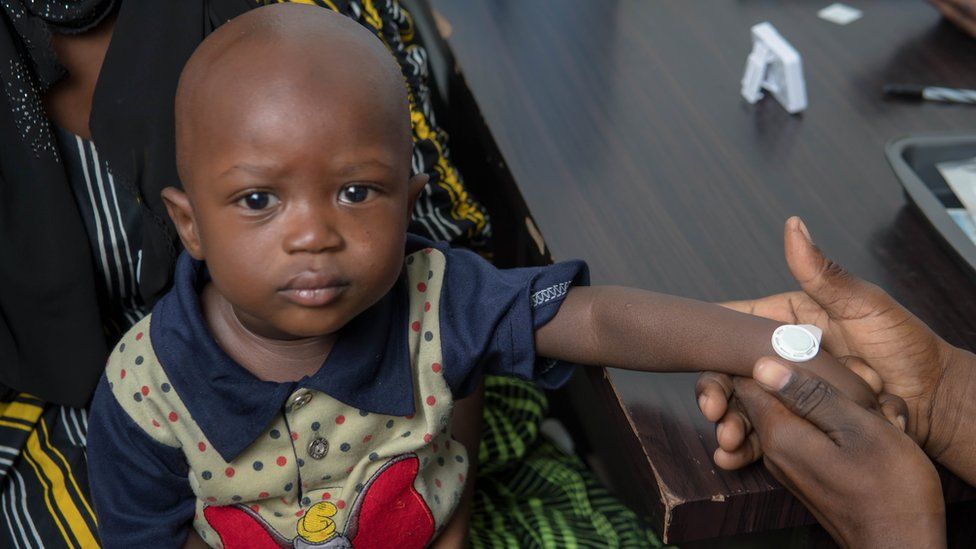
The phase 1/2 randomized trial compared results from the measles and rubella vaccine delivered by a microarray patch, a small sticking plaster-like device with an array of microscopic projections that painlessly penetrate the skin and deliver the vaccine, or by conventional injection with a needle and syringe.
The trial, which involved 45 adults (18-40 years old), 120 toddlers (15-18 months old) and 120 infants (9-10 months old) in The Gambia, found giving the measles and rubella vaccine by a microarray patch induced an immune response that was as strong as the response when the vaccine was given by conventional injection.
Over 90% of infants were protected from measles and all infants were protected from rubella following a single dose of the vaccine given by the microarray patch. The measles and rubella vaccine used in the study has been given to many millions of children globally by conventional injection and is known to provide reliable protection.
The trial found no safety concerns with delivering the measles and rubella vaccine using a microarray patch.
The trial was led by researchers from the Medical Research Council (MRC) Unit The Gambia at the London School of Hygiene & Tropical Medicine (LSHTM) and supported by the US Centers for Disease Control and Prevention. The patch was developed and manufactured by Micron Biomedical Inc, who sponsored and supported all aspects of the trial. Funding came from the Bill & Melinda Gates Foundation. Results are published in The Lancet.
The researchers hope microarray patches could help to achieve the very high levels of population immunity required to control childhood diseases such as measles and rubella, with WHO recommending at least 95% two-dose measles vaccine coverage and rubella requiring 80% population immunity. Microarray patches have been determined to be the highest priority innovation for overcoming barriers to immunization in low-resource settings.
In low-resource settings microarray patches have several advantages over conventional vaccination technologies. They promise to be easier to transport and to eliminate, or vastly reduce, the need for cold storage (refrigeration) of vaccines, both major barriers to reaching remote areas across sub-Saharan Africa. Microarray patches also do not need to be administered by a medical professional and it is expected that volunteers would be able to give the vaccines after only brief training. Unlike conventional needles and syringes, the microarray patches do not risk ‘needlestick’ injuries which can transmit infections such as hepatitis and HIV.

In countries, such as the UK, which have well-resourced childhood vaccination programmes, but which have also experienced rapid increases in measles cases recently due to low immunization coverage, microarray patches could offer greater convenience and a pain-free alternative to conventional injections. The hope is that offering vaccinations in a patch could encourage more parents, particularly those in disadvantaged areas, to get their child vaccinated.
Professor Ed Clarke, a paediatrician who leads the Vaccines and Immunity Theme at MRC Unit The Gambia at LSHTM and co-author, said: “Although it’s early days, these are extremely promising results which have generated a lot of excitement. They demonstrate for the first time that vaccines can be safely and effectively given to babies and young children using microarray patch technology. Measles vaccines are the highest priority for delivery using this approach but the delivery of other vaccines using microarray patches is also now realistic. Watch this space.”
Dr Ikechukwu Adigweme, from the Vaccines and Immunity Theme at MRC Unit The Gambia at LSHTM and co-author, said: “The positive results from this study are quite gratifying to us as a team. We hope this is an important step in the march towards greater vaccine equity among disadvantaged populations.”
The trial had several limitations. As it was the first trial to use microarray patches to deliver vaccine to children it had a small sample size and selected healthy adults, toddlers and infants. The researchers say larger trials of microarray patches are now being planned with broadly representative groups of children and infants to inform decisions about whether to recommend the patches for widespread use in childhood vaccination programmes.

Read more →

Research on RNA editing illuminates possible lifesaving treatments for genetic diseases

A team at Montana State University published research that shows how RNA, the close chemical cousin to DNA, can be edited using CRISPRs. The work reveals a new process in human cells that has potential for treating a wide variety of genetic diseases.
Postdoctoral researchers Artem Nemudryi and Anna Nemudraia conducted the research alongside Blake Wiedenheft, professor in the Department of Microbiology and Cell Biology in MSU’s College of Agriculture. The paper, titled “Repair of CRISPR-guided RNA breaks enables site-specific RNA excision in human cells,” was published online in the journal Science and constitutes the latest advance in the team’s ongoing exploration of CRISPR applications for programmable genetic engineering.
CRISPR, which stands for Clustered Regularly Interspaced Short Palindromic Repeats, is a type of immune system that bacteria use to recognize and fight off viruses. Wiedenheft, one of the nation’s leading CRISPR researchers, said that the system has been used for years to cut and edit DNA, but that applying similar technology to RNA is unprecedented. DNA editing uses a CRISPR-associated protein called Cas9, while editing RNA requires the use of a different CRISPR system, called type-III.
“In our previous work, we used type-III CRISPRs to edit viral RNA in a test tube,” said Nemudryi. “But we wondered, can we program manipulation of RNA in a living human cell?”
To explore that question, the team programmed type-III CRISPR proteins to cut RNA containing a mutation that causes cystic fibrosis, restoring cell function.
“We were confident that we could use these CRISPR systems to cut RNA in a programmable manner, but we were all surprised when we sequenced the RNA and realized that the cell had stitched the RNA back together in a way that removed the mutation,” said Wiedenheft.
Nemudryi noted that RNA is transient within the cell; it is constantly being destroyed and replaced.

“The general belief is that there’s not much point in repairing RNA,” he said. “We speculated that RNA would be repaired in living human cells, and it turned out to be true.”
Wiedenheft has mentored the two postdoctoral researchers since their arrival at MSU nearly six years ago, and said that the impact of their scientific contributions will lead to significant and continued advancements.
“The work done by Artem and Anna suggests that RNA repair might be a fundamental aspect of biology and that harnessing this activity may lead to new lifesaving cures,” said Wiedenheft. “Artem and Anna are two of the most brilliant scientists I have ever encountered, and I’m confident that their work is going to have a lasting impact on humanity.”
RNA editing has important applications in the search for treatments of genetic diseases, Nemudryi said. RNA is a temporary copy of a cell’s DNA, which serves as a template. Manipulating the template by editing DNA could cause unwanted and potentially irreversible collateral changes, but because RNA is a temporary copy, he said, edits made are essentially reversible and carry far less risk.
“People used Cas9 to break DNA and study how cells repair these breaks. Then, based on these patterns, they improved Cas9 editors,” said Nemudraia. “Here, we hope the same will happen with RNA editing. We created a tool that allows us to study how the cells repair their RNA, and we hope to use this knowledge to make RNA editors more efficient.”
In the new publication, the team shows that a mutation causing cystic fibrosis can be successfully removed from the RNA. But this is only one of thousands of known mutations that cause disease. The question of how many of them could be addressed with this new RNA editing technology will guide future work for Nemudryi and Nemudraia as they finish their postdoctoral training at MSU and prepare for faculty positions at the University of Florida this fall. Both credited Wiedenheft as a life-changing mentor.
“Blake taught us not to be afraid of testing any ideas,” said Nemudraia. “As a scientist, you should be brave and not be afraid to fail. RNA editing and repair is the terra incognita. It’s scary but also exciting. You feel you’re working on the edge of science, pushing the limits to where nobody has been before.”

Read more →

Patch to protect against measles shows promise

Published14 minutes agoShareclose panelShare pageCopy linkAbout sharingImage source, MRC Unit The Gambia at LSHTMBy Philippa RoxbyHealth reporterA vaccine patch could be a safe and effective alternative way to protect young children against measles, a trial in The Gambia suggests. The device – the size of a sticking plaster – is easier to transport and store than standard injections, especially in remote areas.Measles is a very contagious disease which is common in children, and can kill.Protecting vulnerable children worldwide is a priority, experts say.Microscopic needlesDespite the existence of a very effective measles jab, falling vaccination levels since the Covid pandemic have left millions of children unprotected, particularly in low- and middle-income countries.But now, scientists hope microneedle-patch technology can put vaccinations back on track with 95% of children immunised.The microarray patch sticks to the arm and lots of microscopic needles deliver the vaccine through the skin, with no pain. “These are extremely promising results which have generated a lot of excitement,” said paediatrician Prof Ed Clarke, vaccine and immunity lead at the London School of Hygiene & Tropical Medicine Medical Research Council Unit The Gambia.”They demonstrate for the first time that vaccines can be safely and effectively given to babies and young children using microarray-patch technology.”Image source, MRC Unit The Gambia at LSHTMIn the trial, involving more than 200 healthy toddlers and babies, the immune response to the patch was as strong as to the jab.After one dose, more than 90% of babies were protected against measles and all infants against rubella – and there were no safety concerns.The patch stayed in place for five minutes – but that will come down to a minute or even less in future trials, the researchers say.And it could eventually be used against other diseases.Spread quicklyThe patch has several advantages over needle injections – volunteers with minimal training can apply the patch, instead of doctors and nurses, and fridges for transporting and cold storage are no longer necessary. It also reduces people’s fears over needles and the risk of injuries from them.Even in countries such as the UK, where there is no shortage of these resources, the patches could be more convenient and attractive to some parents of young unvaccinated children, the researchers say.The latest figures for England show measles cases rising, with a particular spike in recent weeks in London, where some areas have low measles vaccination rates.In these communities, it takes only one child to catch measles for it to spread quickly, health experts warn.The measles, mumps and rubella (MMR) jab offers the best protection against measles. Two doses by the time children start primary school are recommended but older children and adults can catch up on vaccines at any point.’Vaccine equity’Globally, in 2022, about 83% of children received one dose of measles vaccine by their first birthday – the lowest since 2008, according to the World Health Organization (WHO).In the same year, there were about 136,000 deaths from measles, mostly among under-fives who’d had only one dose or none at all.Co-study author Dr Ikechukwu Adigweme said: “We hope this is an important step in the march towards greater vaccine equity among disadvantaged populations.”Larger trials among young unvaccinated children are now planned, to see whether the patches could be rolled out more widely.More on this storyAlarming 45-fold rise in measles in Europe – WHOPublished23 JanuaryWhy are measles cases rising and what is the MMR vaccine?Published29 FebruaryEngland now seeing clusters of measles casesPublished15 FebruaryVaccine push urged after measles led to boy’s deathPublished20 JanuaryAround the BBCBBC iPlayer – Incident Room – Measles Outbreak – Why Now?Related Internet LinksMeaslesMMR (measles, mumps and rubella) vaccine – NHSThe BBC is not responsible for the content of external sites.

Read more →

Study finds school entry requirements linked to increased HPV vaccination rates

A new study from researchers at Wake Forest University School of Medicine shows that school entry requirements are linked to an increase in human papillomavirus (HPV) vaccinations.
The findings appear online in Pediatrics.
HPV is a common sexually transmitted infection, which can cause health problems such as genital warts and certain cancers. To prevent infection, the Centers for Disease Control and Prevention (CDC) recommend that 11- to 12-year-olds receive two doses of the HPV vaccine, given 6 to 12 months apart. However, CDC data from 2022 shows that only 50% of 13-year-olds were up to date on HPV vaccinations.
School-entry requirements, where parents/guardians are required to vaccinate their children against HPV or receive an exemption before beginning a particular grade, are currently only found in Hawaii, Puerto Rico, Rhode Island, Virginia and Washington, D.C.
“There are a variety of state and federal policies designed to address low HPV vaccination rates among adolescents, but there has been little research to determine which policies are most effective,” said Brigid Grabert, Ph.D., J.D., assistant professor of implementation science at Wake Forest University School of Medicine and senior author of the study.
In collaboration with researchers at the University of North Carolina at Chapel Hill and Duke University, Grabert and team systematically reviewed studies from 2009-2022 assessing the association between policies and HPV vaccination coverage among U.S. adolescents. The team identified 36 eligible studies and summarized findings based on policy type such as school-entry requirements, federally funded policies and educational requirements, which require schools or other organizations to distribute information about the benefits of HPV vaccination.
“We found consistent evidence that school-entry requirements work in places that require parents who don’t vaccinate to submit an exemption,” Grabert said. “We also found that school-entry requirements for other vaccines resulted in positive spillover effects for HPV vaccinations.”
Grabert said that federally funded policies related to the Vaccines for Children program and Medicaid were also consistently associated with an increase in HPV vaccinations. However, few studies noted an association between educational requirements and HPV vaccination coverage.
“Policymakers should be aware that HPV-related cancers and disease can be reduced,” Grabert said. “But not all policies are effective. Policymakers should carefully consider the best strategy to increase the administration of HPV vaccines.”

Read more →

One in eight grown-ups love extreme tartness

For most people, biting into a lemon would leave them puckered up and desperate to lose that sour flavor, but a new study by Penn State researchers revealed that roughly one in eight adults like intensely sour sensations. The cross-cultural study, recently published in the journal Food Quality and Preference, demonstrated there is a subset of “sour likers” who enjoy exceptionally sour foods.
“This is the first time it’s been convincingly shown that there is a segment of adults who likes strongly sour things,” said John Hayes, professor of food science, director of the Sensory Evaluation Center at Penn State and author on the study.
Previous studies have shown that some children, roughly one in three, enjoy intensely sour things, Hayes explained, but this had not been tested directly in adults. His recent study, conducted in partnership with researchers in Italy, was the first to show that for a sizeable amount of people, the enjoyment of sourness lasts well into adulthood.
“Think about candies like Warheads and Sour Patch Kids,” Hayes said. “The market tells us that there must be some people who enjoy them into adulthood, but now we have an estimate of how many.”
The international research team set out to test the widespread belief that adults are generally averse to sourness, which they predicted would result in a drop in liking as sourness increases. They tested the liking patterns of sourness in two different countries across two different groups of individuals belonging to different food cultures — Italy and the United States.
The team measured the responses of 143 American adults to various levels of citric acid in water. They also measured the responses of 350 Italian adults to pear juice spiked with various amounts of citric acid. They selected participants with similar age, gender and ethnicity — majority white — from a metropolitan area in Tuscany, Italy, and from the municipality of State College.
Participants were asked to rate the intensity and liking of a range of samples with varying sourness levels. For both cohorts, the researchers found evidence of three distinct patterns of response: a strong negative group where liking dropped with increased sourness, an intermediate group who showed a more muted drop in liking with more sourness, and a strong positive group where liking increased with more sourness.

“Most people didn’t like sourness, so if you just average across the entire group, then you’d conclude that more sour equals bad,” says Hayes. “But if you dig deeper, you find huge differences across people.”
By gauging levels of liking, the researchers were also able to test the hypothesis that “sour likers” might just be less sensitive to sour foods, the theory that higher concentrations of sourness for “sour likers” registered the same as lower concentrations of sourness in someone else.
“You could imagine a case where they’re just less responsive to sourness in general,” Hayes said. “But that’s not what we find. We find the people that like really sour flavor actually experience it just as sour as other people. They simply enjoy it more.”
Strikingly, the researchers noted that both the Italian and American cohorts showed similar proportions of response patterns to sourness, with about 63% to 70 % in the strong negative group and roughly 11% to 12 % in the strong positive group, suggesting these proportions may be stable across cultures.
“Italian food culture and American food culture are so wildly different,” said Sara Spinelli, a researcher from the University of Florence in Italy and first author on the paper. “And yet we end up with almost identical percentages, which suggests to us this is not an effect of prior exposure. It’s probably something innately different about those people. We don’t know what that is, but it tells us that it’s not just the foods you grew up with.”
The researchers noted that the data support the existence of previously unexplored taste profiles that respond positively to sour stimuli. Given that sourness is classically considered to be a negative sensory attribute, the researchers were surprised to discover that that roughly 1 in 8 participants from both countries showed an increase in liking as sourness increased.
“This study highlights the importance of looking at individual differences and potential consumer segments, rather than merely averaging responses across all individuals within a group,” Spinelli said. “Because when we average the response, all we see is a dislike of sourness, we lose this subset of people who actually love it.”
Hayes explained that this type of segmentation could be used to develop tailored products that account for the specific “sour liker” taste profile.
“This could ultimately serve to promote the consumption of healthier foods and beverages that are lower in sweetness but still acceptable to consumers,” he said.

Read more →

How ‘vampire facials’ infected three women with HIV

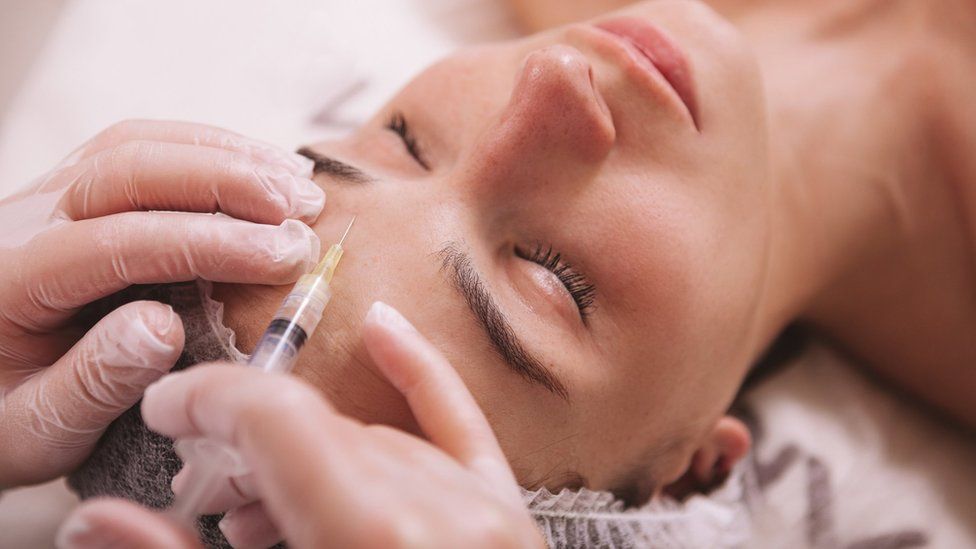
Published15 hours agoShareclose panelShare pageCopy linkAbout sharingImage source, Getty ImagesBy Nadine YousifBBC NewsA recent report on women who contracted HIV after receiving a “vampire facial” has raised questions about the safety of some cosmetic procedures.At least three women were infected at a spa in New Mexico in 2018, according to a Centers for Disease Control and Prevention (CDC) report that said the cases shed light on new ways the infection can spread.They are believed to be the first-ever HIV transmissions related to a cosmetic procedure documented in the US.But what exactly is a “vampire facial”, and how did the women contract HIV after receiving it? And what can people do to keep themselves safe from infection when getting cosmetic treatments?Here is a breakdown of what we know and what experts recommend.What is a Vampire Facial? The term is a colloquial one for platelet-rich plasma – or PRP – facials. It involves drawing a patient’s blood and then separating out platelet-rich plasma from it using a centrifuge. The plasma is then injected back into the face through tiny needle punctures. The procedure is said to help repair the skin’s barrier by stimulating the production of new collagen and elastin, which can reduce the appearance of wrinkles and acne scars.It has been around for a while – reality television star Kim Kardashian shared a selfie post-procedure in 2013 where her face appeared bloody. A few years later Ms Kardashian said that she would not get the treatment again, writing on her website that it was “really rough and painful for me.” The treatment could cost anywhere between $1,000 to $2,000 (£1,600) at a licensed medical spa, according to estimates from providers online. Image source, Instagram/Kim KardashianHow did the New Mexico women contract HIV?In summer of 2018, the CDC became aware of an American woman, aged between 40 and 50, who tested positive for HIV while she was abroad.The woman reported no history of injection drug use or recent blood transfusions, and did not have recent sexual contact with anyone other than her current partner.She did, however, report getting a vampire facial earlier that year at a spa in New Mexico.A CDC investigation into the spa – which also provided other injection services, including Botox – later revealed that it was unlicensed and that it had “multiple unsafe infection control practices.”This included “unlabelled tubes of blood and medical injectables” that were stored in a kitchen fridge next to food, as well as “unwrapped syringes” scattered in drawers and on counters.Some of the blood vials also showed signs of being reused, and the CDC had identified at least one client who had tested positive for HIV before visiting the spa. The health agency has since tied the spa to five cases of HIV, including four women who had all received a vampire facial treatment between May and September of 2018 and a man who was romantically linked with one of the women.The late stage of the HIV infections for the man and woman in a relationship indicated they had contracted the disease before the facial, the CDC saidThe spa was forced to close in late 2018, and its former owner, 62-year-old Maria de Lourdes Ramos De Ruiz, is serving a three-and-a-half year prison sentence. She pled guilty in 2022 to practicing medicine without a license.Are cosmetic procedures like vampire facials safe?There have been hundreds of published medical research papers and trials that suggest the treatments are effective for some sports injuries, acne, eczema and other skin conditions.Theh American Academy of Dermatology Association says the procedure itself, when done correctly, appears to be safe.”You may have a bit of pain, bruising and swelling afterwards,” the association says. “These tend to go away within a few days.” The biggest risk comes from the way the blood is handled by the facility providing the treatment. “It’s essential that the blood removed from your body be kept sterile. Otherwise, you could develop an infection,” the association says. It is also important to ensure that the blood being injected back belongs to the client, and not someone else, as the recipient could get very sick otherwise.Experts say that those looking to get cosmetic treatments should research the provider beforehand to make sure the facility is licensed. They should also note how medical equipment – like needles – are being handled by staff.Vampire facials are not the only cosmetic treatment to make recent headlines after being linked to serious illness.US health officials warned last week of a botulism outbreak tied to counterfeit Botox, which has sickened 22 people in 11 states – some of whom have since been in hospital.Botulism is a serious illness with symptoms including blurred vision, difficulty swallowing and breathing, slurred speech and fatigue. Botox injection is a popular treatment used to smooth wrinkles and make skin appear younger. Injections typically cost around $530 a treatment. Like with the vampire facials, the CDC advises those looking to get Botox injections to research the treatment provider beforehand, and to make sure that the Botox being used is FDA approved and purchased from a reliable source.More on this storyBotox providers in England facing stricter rulesPublished2 September 2023Action on rogue Botox clinics targeting childrenPublished24 March’Vampire facelifts’ ahead of OscarsPublished27 February 2014

Read more →