Gene linked to learning difficulties has direct impact on learning and memory

A gene previously linked to intellectual disability has been found to regulate learning and memory in mice.
The gene, called KDM5B has previously been linked to some intellectual disability disorders and autism. In the general population, some variants are also associated with reduced brain function, although not sufficient to cause an overt disability or behavioural symptoms.
Now, researchers at King’s College London, the University of Exeter and the University of California Irvine have found that reduced function of the gene in the brain results in loss of learning ability and memory and a reduction in the brain’s ability to strengthen connections between neurons, which is key in the formation of memories.
The team’s new mouse study, published in the Journal of Neuroscience describes how mice bred without a fully functional KDM5B gene have worse learning and memory abilities. In order to rule out the possibility that the effect may have been caused by an impact on brain development, the researchers also reduced the amount of this gene in a separate group of adult mice, in the hippocampus, a brain region responsible for memory. They found that reduced gene function resulted in epileptic seizures in some mice and a deterioration of their learning and memory. Laboratory experiments suggested that the strengthening of connections between neurons during memory formation was reduced.
Professor Albert Basson, whose research group began the work at King’s College London and has since moved to the University of Exeter, said: “Memory and the ability to learn are fundamental to our intellectual potential, yet we still have a lot to learn about the underpinning mechanisms. For more than a decade, the KDM5B gene has been linked to autism and some forms of intellectual disability, but a mutation in this gene alone is not always sufficient to cause these conditions, so it hasn’t been studied in detail. Our work shows that KDM5B is important for learning and memory and provides new insight into the fundamental mechanisms of memory and learning, which is crucial on the pathway to finding new ways to improve these functions.”
KDM5B can modify the structure of the genetic material in our cells which determines whether genes necessary for brain development or function are expressed at the correct amount at the right time.
Dr Leticia Peres-Sisquez who performed the research at King’s College London, said: “We set out to investigate whether KDM5B’s ability to modify genetic material has a direct impact on learning and memory. We’ve discovered that the gene has a direct impact on learning and memory — which is distinct from any effect during brain development. This gene will now be of much greater interest to researchers on the quest for new treatments for conditions including autism, and other intellectual disability disorders.”
The research was funded by the Medical Research Council and the National Institutes of Aging, with support from Wellcome.
The study is entitled ‘The intellectual disability risk gene Kdm5b regulates long term memory consolidation in the hippocampus’, published in the Journal of Neuroscience.

Read more →

‘Mathematical microscope’ reveals novel, energy-efficient mechanism of working memory that works even during sleep

UCLA Health researchers have discovered a mechanism that creates memories while reducing metabolic cost, even during sleep. This efficient memory occurs in a part of the brain that is crucial for learning and memory, and where Alzheimer’s disease begins.
The discovery is published in the journal Nature Communications.
Does this sound familiar: You go to the kitchen to fetch something, but when you get there, you forget what you wanted. This is your working memory failing. Working memory is defined as remembering some information for a short period while you go about doing other things. We use working memory virtually all the time. Alzheimer’s and dementia patients have working memory deficits and it also shows up in mild cognitive impairment (MCI). Hence, considerable effort has been devoted to understand the mechanisms by which the vast networks of neurons in the brain create working memory.
During working memory tasks, the outermost layer of the brain, known as the neocortex, sends sensory information to deeper regions of the brain, including a central region called the entorhinal cortex, which is crucial for forming memories. Neurons in the entorhinal cortex show a complex array of responses, which have puzzled scientists for a long time and resulted in the 2014 Nobel Prize in medicine, yet the mechanisms governing this complexity are unknown. The entorhinal cortex is where Alzheimer’s disease begins forming.
“It’s therefore critical to understand what kind of magic happens in the cortico-entorhinal network, when the neocortex speaks to the entorhinal cortex which turns it into working memory. It could provide an early diagnostic of Alzheimer’s disease and related dementia, and mild cognitive impairment,” said corresponding author Mayank Mehta, a neurophysicist and head of the W. M. Keck Center for Neurophysics and the Center for Physics of Life at UCLA.
To crack this problem, Mehta and his coauthors devised a novel approach: a “mathematical microscope.”
In the world of physics, mathematical models are commonly used, from Kepler to Newton and Einstein, to reveal amazing things we have never seen or even imagined, such as the inner workings of subatomic particles and the inside of a black hole. Mathematical models are used in brain sciences too, but their predictions are not taken as seriously as in physics. The reason is that in physics, predictions of mathematical theories are tested quantitatively, not just qualitatively.

Such quantitatively precise experimental tests of mathematical theories are commonly believed to be unfeasible in biology because the brain is vastly more complex than the physical world. Mathematical theories in physics are very simple, involving very few free parameters and hence precise experimental tests. In contrast, the brain has billions of neurons and trillions of connections, a mathematical nightmare, let alone a highly precise microscope.
“To tackle this seemingly impossible challenge of devising a simple theory that can still explain the experimental of data of memory dynamics in vivo data with high precision, we hypothesized that cortico-entorhinal dialog, and memory magic, will occur even when the subjects are sleeping, or anesthetized,” said Dr. Krishna Choudhary, the lead author of the study. “Just like a car behaves like a car when it’s idling or going at 70 mph.”
UCLA researchers then made another large assumption: the dynamics of the entire cortex and the entorhinal cortex during sleep or anesthesia can be captured by just two neurons. These assumptions reduced the problem of billions of neurons’ interactions to just two only free variables — the strength of input from the neocortex to entorhinal cortex and the strength of recurrent connections within the entorhinal cortex. While this makes the problem mathematically tractable, it raises the obvious question — is it true?
“If we test our theory quantitatively on data in vivo, then these are just interesting mathematical games, not a solid understanding of memory-making magic,” said Mehta.
The crucial experimental tests of this theory required sophisticated experiments by Dr. Thomas Hahn, a coauthor who is now professor at Basel University and a clinical psychologist.
“The entorhinal cortex is a complicated circuit. To really test the theory we needed experimental techniques that can not only measure the neural activity with high precision, but also determine the precise anatomical identity of the neuron,” said Hahn.

Hahn and Dr. Sven Berberich, also a coauthor, measured the membrane potential of identified neurons from the entorhinal cortex in vivo, using whole cell patch clamp technique and then used anatomical techniques to identify the neuron. Simultaneously they measured the activity of the parietal cortex, a part of neocortex that sends inputs to the entorhinal cortex.
“A mathematical theory and sophisticated in vivo data are necessary and cool, but we had to tackle one more challenge — how does one map this simple theory onto complex neural data?” said Mehta.
“This required a protracted period of development, to generate a ‘mathematical microscope’ that can directly reveal the inner workings of neurons as they make memory,” said Choudhary. “As far as we know, this has not been done before.”
The authors observed that like an ocean wave forming and then crashing on to a shoreline, the signals from the neocortex oscillate between on and off states in intervals while a person or animal sleeps. Meanwhile, the entorhinal cortex acted like a swimmer in the water who can move up when the wave forms and then down when it recedes. The data showed this and the model captured this as well. But using this simple match the model then took a life of its own and discovered a new type of memory state known as spontaneous persistent inactivity, said Mehta.
“It’s as if a wave comes in and the entorhinal cortex said, ‘There is no wave! I’m going to remember that recently there was no wave so I am going to ignore this current wave and not respond at all’. This is persistent inactivity” Mehta said. “Alternately, persistent activity occurs when the cortical wave disappears but the entorhinal neurons remember that there was a wave very recently, and continue rolling forward.”
While many theories of working memory had shown the presence of persistent activity, which the authors found, the persistent inactivity was something that the model predicted and had never been seen before.
“The cool part about persistent inactivity is that it takes virtually no energy, unlike persistent activity, which takes a lot of energy,” said Mehta, “even better, the combination of persistent activity and inactivity more than doubles the memory capacity while cutting down the metabolic energy cost by half.”
“All this sounded too good to be true, so we really pushed our mathematical microscope to the limit, into a regime where it was not designed to work,” said Dr. Choudhary. “If the microscope was right, it would continue working perfectly even in unusual situations.”
“The math-microscope made a dozen predictions, not just about entorhinal but many other brain regions too. To our complete surprise, the mathematical microscope worked every time,” Mehta continued. “Such near perfect match between the predictions of a mathematical theory and experiments is unprecedented in neuroscience.
“This mathematical model that is perfectly matched with experiments is a new microscope,” Mehta continued. “It reveals something that no existing microscope could see without it. No matter how many neurons you have imaged, it would not have revealed any of this.
“In fact, metabolic shortcomings are a common feature of many memory disorders,” said Mehta. Mehta’s laboratory is now following up on this work to understand how complex working memory is formed, and what goes wrong in the entorhinal cortex during Alzheimer’s disease, dementia and other memory disorders.”

Read more →

Natural compounds that selectively kill parasites

An international team led by researchers at the University of Toronto has found a family of natural compounds with potential as new and more effective treatments for parasitic worms. The compounds stall the unique metabolic process that worms use to survive in the human gut.
Parasitic worms transmitted through soil wreak havoc in developing countries in the tropics. Infection by these parasites leads to malaise, weakness, malnutrition and other debilitating symptoms, and can cause developmental defects in children and impair their growth.
“Soil-transmitted parasitic worms infect over one billion people around the world, typically in low-income communities of developing countries without comprehensive health care and infrastructure for sanitation,” said Taylor Davie, first author on the study and PhD student at U of T’s Donnelly Centre for Cellular and Biomolecular Research. “Parasites are becoming less susceptible to the few anthelmintic drugs available, so there’s an urgent need to find new compounds.”
The study was published today in the journal Nature Communications.
Many parasitic worm species live out a large portion of their life cycle inside a human host. To adapt to the environmental conditions of the gut, particularly a lack of oxygen, the parasite switches to a type of metabolism that depends on a molecule called rhodoquinone (RQ).
The parasite can survive inside its human host for many months using RQ-dependent metabolism.
The research team chose to target the adaptive metabolic process of the parasitic worm because RQ is only present in the parasite’s system — humans do not produce or use RQ. Therefore, compounds that can regulate the molecule’s production or activity would selectively kill the parasite, with no harm done to the human host.

The researchers conducted a screen of natural compounds isolated from plants, fungi and bacteria on the model organism C. elegans. While it is not a parasite, this worm also depends on RQ for metabolism when oxygen is not available.
“This is the first time that we have been able to screen for drugs that specifically target the unusual metabolism of these parasites,” said Andrew Fraser, principal investigator on the study and professor of molecular genetics at the Donnelly Centre and the Temerty Faculty of Medicine.
“The screen was only possible because of recent progress made by our group and others in using C. elegans to study RQ-dependent metabolism, and our collaboration with RIKEN, one of Japan’s biggest research agencies. We screened their world-class collection of 25,000 natural compounds, resulting in our discovery of a family of benzimidazole compounds that kills worms relying on this type of metabolism.”
The researchers suggest a multi-dose regimen using the newly discovered family of compounds to treat parasitic worms. While a single-dose treatment is easier to facilitate in mass drug administration programs, a longer treatment program would eliminate the parasite more effectively.
“We are very pleased with the results of the study, which made use of our library,” said Hiroyuki Osada, professor of pharmacy at the University of Shizuoka and group director of the Chemical Biology Research Group at the RIKEN Center for Sustainable Resource Science.
“The study shows the power of the screening approach, allowing researchers in this case to search through a very large number of molecules within a focused collection of natural products. Screens are very efficient, which is key for addressing urgent research questions of global relevance like this one.”
Next steps for the research team are to refine the new class of inhibitors through additional in vivo testing with parasitic worms, which will be performed by the Keiser lab at the University of Basel in Switzerland, and to continue screening for compounds that inhibit RQ.
“This study is just the beginning,” said Fraser. “We have found several other very powerful compounds that affect this metabolism, including, for the first time, a compound that blocks the ability of the worms to make RQ. We hope our screens will deliver drugs to treat major pathogens around the world.”
This research was supported by the Canadian Institutes of Health Research and the European Molecular Biology Organization.

Read more →

THC lingers in breastmilk with no clear peak point

When breastfeeding mothers in a recent study used cannabis, its psychoactive component THC showed up in the milk they produced. The Washington State University-led research also found that, unlike alcohol, when THC was detected in milk there was no consistent time when its concentration peaked and started to decline.
Importantly, the researchers discovered that the amount of THC they detected in milk was low — they estimated that infants received an average of 0.07 mg of THC per day. For comparison, a common low-dose edible contains 2 mg of THC. The research team stressed that it is unknown whether this amount has any impact on the infant.
“Breastfeeding parents need to be aware that if they use cannabis, their infants are likely consuming cannabinoids via the milk they produce, and we do not know whether this has any effect on the developing infant,” said Courtney Meehan, a WSU biological anthropologist who led the project and is the study’s corresponding author.
Since other research has shown that cannabis is one of the most widely used drugs during breastfeeding, the researchers aimed to uncover how long cannabinoids, like THC, persisted in breastmilk.
For this study, published in the journal Breastfeeding Medicine, the researchers analyzed milk donated by 20 breastfeeding mothers who used cannabis. The participants, who all had infants younger than six months, provided detailed reports on their cannabis use. They collected milk after abstaining from using cannabis for at least 12 hours and then at regular intervals after use. All of this was done in their own homes, at a time of their choosing and with cannabis they purchased themselves.
The researchers then analyzed the milk for cannabinoids. They found that the milk produced by these women always had detectable amounts of THC, even when the mothers had abstained for 12 hours.
“Human milk has compounds called lipids, and cannabinoids are lipophilic, meaning they dissolve in those lipids. This may mean that cannabinoids like THC tend to accumulate in milk — and potentially in infants who drink it,” said Meehan.

The research also revealed that people had different peak THC concentrations in their milk. For participants who used cannabis only one time during the study, cannabinoids peaked approximately 30 minutes to 2.5 hours after use and then started to decline. For participants who used multiple times during the study, the majority showed a continual increase in concentrations across the day.
“There was such a range. If you’re trying to avoid breastfeeding when the concentration of THC peaks, you’re not going to know when THC is at its peak in the milk,” said lead author Elizabeth Holdsworth, who worked on this study while a WSU post-doctoral researcher and is now on the faculty of The Ohio State University.
A related qualitative study by the research team revealed that many breastfeeding moms are using cannabis for therapeutic purposes — to manage anxiety, other mental health issues or chronic pain. The mothers often chose cannabis over using other medications because they felt it was safer.
“Our results suggest that mothers who use cannabis are being thoughtful in their decisions,” said co-author Shelley McGuire, a University of Idaho professor who studies maternal-infant nutrition. “These women were mindful about their choices. This is far from a random lifestyle choice.”
While in most cases, the women were using cannabis as alternative treatment for a variety of conditions, McGuire pointed out that there is no evidence yet whether it is safer or more harmful. In fact, scientists know almost nothing about how many commonly used drugs may impact breastfeeding babies, partly because women, especially those who are breastfeeding, have historically been left out of clinical trials on medicines.
“This is an area that needs substantial, rigorous research for moms to know what’s best,” McGuire said.
Some research has been done regarding alcohol with guidelines for new mothers to wait at least two hours after consuming alcohol before breastfeeding. Nothing similar has been developed for cannabis, which has been growing in popularity.
The collaborative research team is currently working to address some of that knowledge gap with further research on cannabis use in breastfeeding moms, holistic composition of the milk they produce and its effects on infant development.
This study received support from state of Washington Initiative Measures 171 and 502 as well as the WSU Health Equity Research Center.

Read more →

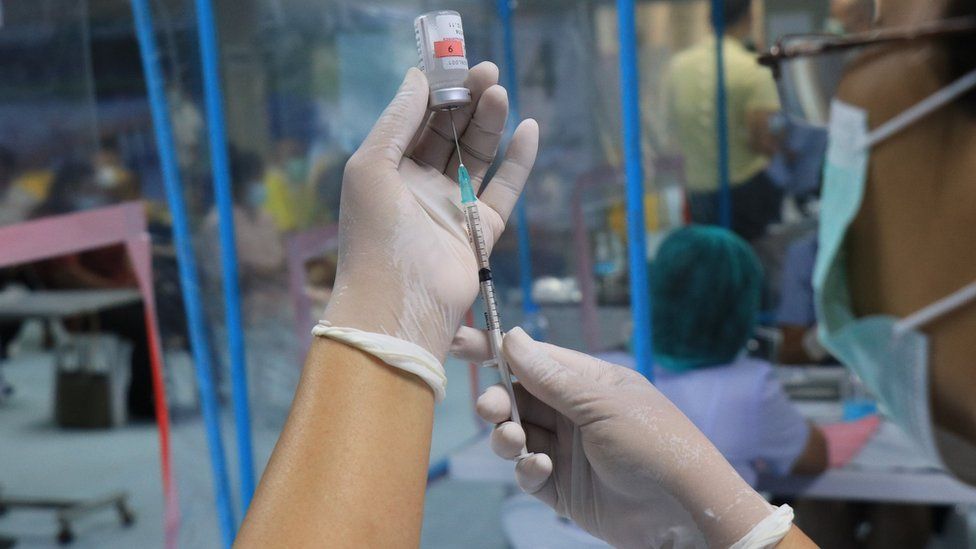
AstraZeneca to withdraw Covid vaccine

Published23 minutes agoShareclose panelShare pageCopy linkAbout sharingImage source, Getty ImagesBy James GallagherHealth and science correspondentAfter more than three billion doses, the Oxford-AstraZeneca Covid vaccine is being withdrawn.AstraZeneca said it was “incredibly proud” of the vaccine, but it had made a commercial decision.It said the rise of new coronavirus variants meant demand had shifted to the newer updated vaccines.Its vaccine was estimated to have saved millions of lives during the pandemic, but also caused rare, and sometimes, fatal blood clots.In the race to lift the world out of pandemic lockdowns, the Covid vaccine was developed by scientists at the University of Oxford in record time. A process that normally takes 10 years was accelerated down to about 10 months. Oxford vaccine: How did they make it so quickly?In November 2020, it was heralded as “a vaccine for the world” as it was far cheaper and easier to store than other Covid vaccines. The pharmaceutical giant AstraZeneca had agreed to manufacture it on mass.Initially, it was the cornerstone of the UK’s plans to vaccinate our way out of lockdown.”The truth is it made an enormous difference, it was what lifted us out of the catastrophe that was unfolding at the time, combined with the other vaccine from Pfizer,” said Prof Adam Finn, from the University of Bristol. However, its reputation was dented as unusual blood clots emerged as a rare side effect of the vaccine, and the UK turned to alternatives.Covid: Trigger of rare blood clots with AstraZeneca jab found by scientistsIn a statement, AstraZeneca said: “According to independent estimates, over 6.5 million lives were saved in the first year of use alone.”Our efforts have been recognised by governments around the world and are widely regarded as being a critical component of ending the global pandemic.”It said the development of new vaccines that more closely match the mutated forms of Covid that are now circulating meant there was a “surplus of available updated vaccines”, leading to a “decline in demand” for its vaccine which is “no longer being manufactured or supplied”.Prof Finn added: “I think the withdrawal of the vaccine simply reflects it’s no longer useful. “It’s turned out that this virus is very agile and it’s evolved away from the original vaccines, so they have in a sense become irrelevant and only the reformulated vaccines are likely to be being used now.”More on this storyWho can get a Covid booster this spring?Published18 minutes agoScientists find trigger for rare AstraZeneca clotsPublished2 December 2021AstraZeneca faces legal challenge over Covid jabPublished9 November 2023Widow sues AstraZeneca after husband’s vaccine deathPublished22 FebruaryRelated Internet LinksAstraZeneca UK – Biopharmaceutical companyThe BBC is not responsible for the content of external sites.

Read more →

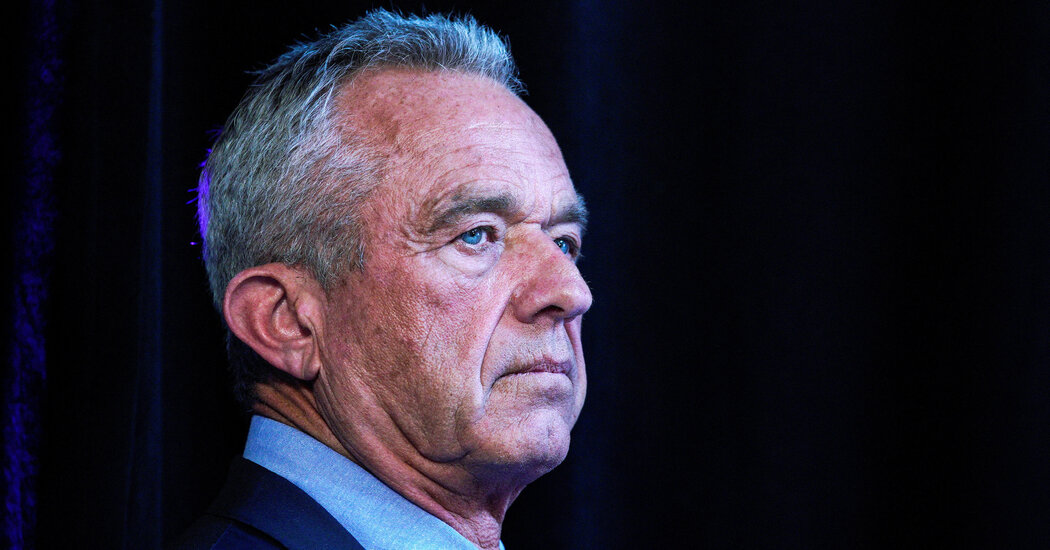
RFK Jr. Says Doctors Found a Dead Worm in His Brain

In 2010, Robert F. Kennedy Jr. was experiencing memory loss and mental fogginess so severe that a friend grew concerned he might have a brain tumor. Mr. Kennedy said he consulted several of the country’s top neurologists, many of whom had either treated or spoken to his uncle, Senator Edward M. Kennedy, before his death the previous year of brain cancer.Several doctors noticed a dark spot on the younger Mr. Kennedy’s brain scans and concluded that he had a tumor, he said in a 2012 deposition reviewed by The New York Times. Mr. Kennedy was immediately scheduled for a procedure at Duke University Medical Center by the same surgeon who had operated on his uncle, he said.While packing for the trip, he said, he received a call from a doctor at NewYork-Presbyterian Hospital who had a different opinion: Mr. Kennedy, he believed, had a dead parasite in his head.The doctor believed that the abnormality seen on his scans “was caused by a worm that got into my brain and ate a portion of it and then died,” Mr. Kennedy said in the deposition.Now an independent presidential candidate, the 70-year-old Mr. Kennedy has portrayed his athleticism and relative youth as an advantage over the two oldest people to ever seek the White House: President Biden, 81, and former President Donald J. Trump, 77. Mr. Kennedy has secured a place on the ballots in Utah, Michigan, Hawaii and, his campaign says, California and Delaware. His intensive efforts to gain access in more states could put him in a position to tip the election.He has gone to lengths to appear hale, skiing with a professional snowboarder and with an Olympic gold medalist who called him a “ripper” as they raced down the mountain. A camera crew was at his side while he lifted weights, shirtless, at an outdoor gym in Venice Beach.We are having trouble retrieving the article content.Please enable JavaScript in your browser settings.Thank you for your patience while we verify access. If you are in Reader mode please exit and log into your Times account, or subscribe for all of The Times.Thank you for your patience while we verify access.Already a subscriber? Log in.Want all of The Times? Subscribe.

Read more →

Mobile teams bring COVID-19 vaccines to rural villages in Sierra Leone

COVID-19 vaccination rates remain low in many African countries, often because providing access to vaccines is difficult in remote areas. A new international research project showed that intervention with mobile vaccination teams in Sierra Leone is an effective way of reaching rural populations to increase vaccination uptake.
Madison Levine, a doctoral student in the Department of Agricultural and Consumer Economics (ACE), part of the College of Agricultural, Consumer and Environmental Sciences (ACES) at the University of Illinois Urbana-Champaign, participated in the project as a field research assistant. She is a co-author on the research paper, which is published in Nature, and she shared her experiences overseeing the project implementation.
“I was organizing the fieldwork, coordinating communications, and training everybody. Everything was approved by the principal investigators, of course, but I was making field plans and ensuring every route would work within the time frame we had. I assisted if there were any problems, and I was in as many villages as possible,” Levine said.
“It was challenging because we were going to very remote areas. We had a car for the project, but there were places you couldn’t go by car, so there was a lot of traveling on motorbikes, and sometimes we had to take a boat to get across an area of water. The health staff who were going with us carried the vaccines in ice boxes.”
Levine holds a master’s degree in international development economics from the University of San Francisco and she worked in Sierra Leone for several years before implementing the COVID-19 project. At Illinois, her advisors are ACE professors Hope Michelson and Sarah Janzen.
The research was conducted by a collaborative team from the International Growth Centre, University of Oxford, Yale University, and Wageningen University in cooperation with the Sierra Leone Ministry of Health and Sanitation (MoHS) and the international non-governmental organization Concern Worldwide. The Sierra Leone MoHS operates a network of peripheral health units, but many Sierra Leoneans live far away from these units, and people have to travel an average of 3.5 hours each way to reach a vaccination center.
The study included 150 rural villages in Sierra Leone that were located more than 5 miles from any health unit, and the intervention took place over several days.

“First, a team of community mobilizers would talk to the village leaders. Once the leaders approved, the team would hold a public meeting where they would talk about what the vaccine does and address any concerns. The next day, they would put up a small clinic with a couple of tables that held the medical supplies, and people would line up to get vaccinated. The MoHS assisted in providing trained nurses and medical staff for each place. All teams included local people who spoke the language of the village, which helped to build trust,” Levine said.
“The majority of the communities welcomed our team. These very small villages are used to being surpassed by bigger cities, so they were happy we were coming out to them. Only two villages declined to participate, and we had to respect that.”
The study found that immunization rates increased by about 26% in the trial villages. In addition, people who were traveling nearby would also stop to get vaccinated, further increasing the uptake. On average, the cost was about $33 per person, making it a very cost-effective intervention.
While there is some misinformation and vaccine hesitancy, by far the biggest obstacle is vaccine access, Levine said. “This project clearly shows you can make it cost-effective to reach people, even in very remote areas. For instance, the COVID-19 vaccine was received for free, so there needs to be a process in place to distribute it. It has to be budgeted properly and organized well, which people are highly capable of doing. This project shows it can be done, and hopefully, it opens doors for future global health interventions.”
The paper, “Last-mile delivery increases vaccine uptake in Sierra Leone,” is published in Nature.

Read more →

Could getting enough sleep help prevent osteoporosis?

As part of the University of Colorado Department of Medicine’s annual Research Day, held on April 23, faculty member Christine Swanson, MD, MCR, described her National Institutes of Health-funded clinical research on whether adequate sleep can help prevent osteoporosis.
“Osteoporosis can occur for many reasons such as hormonal changes, aging, and lifestyle factors,” said Swanson, an associate professor in the Division of Endocrinology, Metabolism, and Diabetes. “But some patients I see don’t have an explanation for their osteoporosis.
“Therefore, it’s important to look for novel risk factors and consider what else changes across the lifespan like bone does — sleep is one of those,” she added.
How bone density and sleep change over time
In people’s early- to mid-20s, they reach what is called peak bone mineral density, which is higher for men than it is for women, Swanson said. This peak is one of the main determinants of fracture risk later in life.
After reaching this peak, a person’s bone density remains roughly stable for a couple of decades. Then, when women enter the menopausal transition, they experience accelerated bone loss. Men also experience bone density decline as they age.
Sleep patterns also evolve over time. As people get older, their total sleep time decreases, and their sleep composition changes. For instance, sleep latency, which is the time it takes to fall asleep, increases with age. On the other hand, slow wave sleep, which is deep restorative sleep, decreases as we age.

“And it’s not just sleep duration and composition that change. Circadian phase preference also changes across the lifespan in both men and women,” Swanson said, referring to people’s preference for when they go to sleep and when they wake up.
How can sleep relate to our bone health?
Genes that control our internal clock are present in all of our bone cells, Swanson said.
“When these cells resorb and form bone, they release certain substances into the blood that let us estimate how much bone turnover is going on at a given time,” she said.
These markers of bone resorption and formation follow a daily rhythm. The amplitude of this rhythm is larger for markers of bone resorption — which refers to the process of breaking down bones — than it is for markers of bone formation, she said.
“This rhythmicity is likely important for normal bone metabolism and suggests that sleep and circadian disturbance could directly affect bone health,” she said.

Researching the connection between sleep and bone health
To further understand this relationship, Swanson and colleagues researched how markers of bone turnover responded to cumulative sleep restriction and circadian disruption.
For this study, participants lived in a completely controlled inpatient environment. The participants did not know what time it was, and they were put on a 28-hour schedule instead of a 24-hour day.
“This circadian disruption is designed to simulate the stresses endured during rotating night shift work and is roughly equivalent to flying four time zones west every day for three weeks,” she said. “The protocol also caused participants to get less sleep.”
The research team measured bone turnover markers at the beginning and end of this intervention and found significant detrimental changes in bone turnover in both men and women in response to the sleep and circadian disruption. The detrimental changes included declines in markers of bone formation that were significantly greater in younger individuals in both sexes compared to the older individuals.
In addition, young women showed significant increases in the bone resorption marker.
If a person is forming less bone while still resorbing the same amount — or even more — then, over time, that could lead to bone loss, osteoporosis, and increased fracture risk, Swanson said.
“And sex and age may play an important role, with younger women potentially being the most susceptible to the detrimental impact of poor sleep on bone health,” she said.
Research in this area is ongoing, she added.

Read more →

Emergency department packed to the gills? Someday, AI may help

UCSF-led study finds artificial intelligence is as good as a physician at prioritizing which patients need to be seen first.
Emergency departments nationwide are overcrowded and overtaxed, but a new study suggests artificial intelligence (AI) could one day help prioritize which patients need treatment most urgently.
Using anonymized records of 251,000 adult emergency department (ED) visits, researchers at UC San Francisco evaluated how well an AI model was able to extract symptoms from patients’ clinical notes to determine their need to be treated immediately. They then compared the AI analysis with the patients’ scores on the Emergency Severity Index, a 1-5 scale that ED nurses use when patients arrive to allocate care and resources by highest need, a process known as triage.
The patients’ data were separated from their actual identities (de-identified) for the study, which publishes May 7, 2024, in JAMA Network Open. The researchers evaluated the data using the ChatGPT-4 large language model (LLM), accessing it via UCSF’s secure generative AI platform, which has broad privacy protections.
The researchers tested the LLM’s performance with a sample of 10,000 matched pairs — 20,000 patients in total — that included one patient with a serious condition, such as stroke, and another with a less urgent condition, such as a broken wrist. Given only the patients’ symptoms, the AI was able to identify which ED patient in the pair had a more serious condition 89% of the time.
In a sub-sample of 500 pairs that were evaluated by a physician as well as the LLM, the AI was correct 88% of the time, compared to 86% for the physician.
Having AI assist in the triage process could free up critical physician time to treat patients with the most serious conditions, while offering backup decision-making tools for clinicians who are juggling multiple urgent requests.

“Imagine two patients who need to be transported to the hospital but there is only one ambulance. Or a physician is on call and there are three people paging her at the same time, and she has to determine who to respond to first,” said lead author Christopher Williams, MB, BChir, a UCSF postdoctoral scholar at the Bakar Computational Health Sciences Institute.
Not quite ready for prime time
The study is one of only a few to evaluate an LLM using real-world clinical data, rather than simulated scenarios, and is the first to use more than 1,000 clinical cases for this purpose. It’s also the first study to use data from visits to the emergency department, where there is a wide array of possible medical conditions.
Despite its success within this study, Williams cautioned that AI is not ready to use responsibly in the ED without further validation and clinical trials.
“It’s great to show that AI can do cool stuff, but it’s most important to consider who is being helped and who is being hindered by this technology,” said Williams. “Is just being able to do something the bar for using AI, or is it being able to do something well, for all types of patients?”
One important issue to untangle is how to eliminate bias from the model. Previous research has shown these models may perpetuate racial and gender biases in health care, due to biases within the data used to train them. Williams said that before these models can be used, they will need to be modified to strip out that bias.
“First we need to know if it works and understand how it works, and then be careful and deliberate in how it is applied,” Williams said. “Upcoming work will address how best to deploy this technology in a clinical setting.”

Read more →

AI predicts tumor-killing cells with high accuracy

Using artificial intelligence, Ludwig Cancer Research scientists have developed a powerful predictive model for identifying the most potent cancer killing immune cells for use in cancer immunotherapies.
Combined with additional algorithms, the predictive model, described in the current issue of the journal Nature Biotechnology, can be applied to personalized cancer treatments that tailor therapy to the unique cellular makeup of each patient’s tumors.
“The implementation of artificial intelligence in cellular therapy is new and may be a game-changer, offering new clinical options to patients,” said Ludwig Lausanne’s Alexandre Harari, who led the study with graduate student Rémy Pétremand.
Cellular immunotherapy involves extracting immune cells from a patient’s tumor, optionally engineering them to enhance their natural abilities to combat cancer and reintroducing them to the body after they’ve been expanded in culture. T cells are one of the two main types of white blood cells, or lymphocytes, that circulate in the blood and patrol for virally infected or cancerous cells.
T cells that penetrate solid tumors are known as tumor-infiltrating lymphocytes, or TILs. However, not all TILs are effective at recognizing and attacking tumor cells. “Only a fraction is in fact tumor reactive — the majority are bystanders,” Harari explained. “The challenge we set for ourselves was to identify the few TILs that are equipped with T cell receptors able to recognize antigens on the tumor.”
To do this, Harari and his team developed a new AI-driven predictive model, called TRTpred, that can rank T cell receptors (TCRs) based on their tumor reactivity. To develop TRTpred, they used 235 TCRs gathered from patients with metastatic melanoma, already classified as either tumor-reactive or non-reactive. The team loaded the global gene-expression — or transcriptomic — profiles of the T cells carrying each TCR into a machine learning model to identify patterns that differentiate tumor-reactive T cells from inactive counterparts.
“TRTpred can learn from one T cell population and create a rule which can then be applied to a new population,” Harari explained. “So, when faced with a new TCR, the model can read its transcriptomic profile and predict whether it is tumor reactive or not.”
The TRTpred model analyzed TILs from 42 patients with melanoma and gastrointestinal, lung and breast cancer and identified tumor-reactive TCRs with about 90 percent accuracy. The researchers further refined their TIL selection process by applying a secondary algorithmic filter to screen for only those tumor-reactive T-cells with “high avidity” — that is, those that bind strongly to tumor antigens.

“TRTpred is exclusively a predictor of whether a TCR is tumor reactive or not,” Harari explained. “But some tumor-reactive TCRs bind very strongly to tumor cells and are therefore very effective, while others only do so in a lazy way. Distinguishing the strong binders from the weak ones translates into efficacy.”
The researchers demonstrated that T cells flagged by TRTpred and the secondary algorithm as both tumor-reactive and having high avidity were more often found embedded within tumors rather than in the adjacent supportive tissue, known as stroma. This finding aligns with other research showing that effective T cells typically penetrate deep into tumor islets.
The team then introduced a third filter to maximize recognition of diverse tumor antigens. “What we want is to maximize the chances the TILs will target as many different antigens as possible,” Harari said.
This final filter organizes TCRs into groups based on similar physical and chemical characteristics. The researchers hypothesized that TCRs in each cluster recognize the same antigen. “So, we pick within each cluster one TCR to amplify, so that we maximize the chances of distinct antigen targets,” said Vincent Zoete, a computational scientist at Ludwig Lausanne who developed the TCR avidity and the TCR clustering algorithms.
The researchers call the combination of TRTpred and the algorithmic filters MixTRTpred.
To validate their approach, Harari’s team cultivated human tumors in mice, extracted TCRs from their TILs and used the MixTRTpred system to identify T cells that were tumor-reactive, had high avidity and targeted multiple tumor antigens. They then engineered T cells from the mice to express those TCRs and showed that these cells could eliminate tumors when transferred into the mice.

“This method promises to overcome some of the shortcomings of current TIL based therapy, especially for patients dealing with tumors not responding to such therapies today,” said Ludwig Lausanne Director George Coukos, a co-author of the study who is planning to launch a Phase I clinical trial that will test the technology in patients.
“Our joint efforts will bring forth a completely new type of T cell therapy.”
This study was supported by Ludwig Cancer Research, the Swiss National Science Foundation, the Cancera Foundation, the Mats Paulssons Foundation and the Biltema Foundation.
Alexandre Harari is a PI in the Hi-TIDe team at Ludwig Lausanne and an associate professor at the University of Lausanne.

Read more →