‘Smart’ contact lenses could someday enable wireless glaucoma detection

Most people with early-stage glaucoma don’t know they have it, even though early treatment is key to reducing vision loss. While detecting a subtle increase in eye pressure helps doctors to diagnose glaucoma, it’s challenging to monitor continuously, especially with the variety of temperatures eyes experience. Now, researchers in ACS Applied Materials & Interfaces report a prototype “smart” contact lens that measures eye pressure accurately, regardless of temperature.
About three million people in the U.S. have glaucoma, a group of diseases that damage the optic nerve and lead to vision loss, according to the Centers for Disease Control and Prevention. Doctors use flinch-inducing “air puff tests” during eye exams to take one-time measurements of eye pressure. A slight elevation in pressure, an otherwise imperceptible symptom caused by fluid buildup around the cornea, can lead to a glaucoma diagnosis. Researchers have been testing ways to continuously and more comfortably detect these tiny fluctuations in pressure, such as contact lenses that transmit signals to receptor glasses. However, changing temperatures — like stepping outside into cold weather — can throw off the lenses’ measurements. So, Dengbao Xiao and coworkers wanted to develop a contact lens that accurately measures and wirelessly transmits real-time signals about eye pressure across a wide range of temperatures.
First, Xiao and the team designed two miniature spiral circuits, each with a unique natural vibration pattern that would change when stretched by minute amounts, such as with changes to an eye’s pressure and diameter. To create pressure-detecting contact lenses, the researchers sandwiched these tiny circuits between layers of polydimethylsiloxane, a typical contact lens material. Then they wirelessly read the embedded circuits’ vibration patterns by holding a coil near the lens that was connected to a computer. The transmitted signals were unaffected by tests meant to mimic eye movement, extended exposure to moisture (to simulate damp conditions in the eye), and daily wear and tear.
In laboratory tests, the researchers placed the new lenses on three individual pig eye specimens while controlling the ocular pressures and temperatures. The contact lenses monitored and wirelessly transmitted pressure data from 50 to 122 degrees F. When pressures were calculated from the signal of only one circuit in the lens, the results deviated up to 87% from the true values. However, when information from both circuits was used, the pressure readings differed by only 7% from the true value because the combination removed temperature-related errors. The researchers say that their dual-circuit “smart” lens design has potential to be used for accurate early detection and monitoring of glaucoma, even in a wide range of temperatures.
The authors acknowledge funding from the National Natural Science Foundation of China.

Read more →

How climate change will affect malaria transmission

A new model for predicting the effects of climate change on malaria transmission in Africa could lead to more targeted interventions to control the disease according to a new study.
Previous methods have used rainfall totals to indicate the presence of surface water suitable for breeding mosquitoes, but the research led by the University of Leeds used several climatic and hydrological models to include real-world processes of evaporation, infiltration and flow through rivers.
This groundbreaking approach has created a more in-depth picture of malaria-friendly conditions on the African continent.
It has also highlighted the role of waterways such as the Zambezi River in the spread of the disease with almost four times the population estimated to live in areas suitable for malaria for up to nine months of the year than was previously thought.
The research entitled “Future malaria environmental suitability in Africa is sensitive to hydrology” was funded by the Natural Environment Research Council and is published today (9 May 2024) in the journal Science.
Dr Mark Smith an Associate Professor in Water Research in the Leeds’ School of Geography and lead author of the study said: “This will give us a more physically realistic estimate of where in Africa is going to become better or worse for malaria.
“And as increasingly detailed estimates of water flows become available, we can use this understanding to direct prioritisation and tailoring of malaria interventions in a more targeted and informed way. This is really useful given the scarce health resources that are often available.”
Malaria is a climate-sensitive vector-borne disease that caused 608,000 deaths among 249 million cases in 2022.

95% of global cases are reported in Africa but reductions in cases there have slowed or even reversed in recent years, attributed in part to a stall in investments in global responses to malaria control.
The researchers predict that the hot and dry conditions brought about by climate change will lead to an overall decrease in areas suitable for malaria transmission from 2025 onwards.
The new hydrology-driven approach also shows that changes in malaria suitability are seen in different places and are more sensitive to future greenhouse gas emissions than previously thought.
For example, projected reductions in malaria suitability across West Africa are more extensive than rainfall-based models suggested, stretching as far east as South Sudan, whereas projected increases in South Africa are now seen to follow watercourses such as the Orange River.
Co-author of the study Professor Chris Thomas from the University of Lincoln said: “The key advancement is that these models factor in that not all water stays where it rains, and this means breeding conditions suitable for malaria mosquitoes too can be more widespread — especially along major river floodplains in the arid, savannah regions typical of many regions in Africa.
“What is surprising in the new modelling is the sensitivity of season length to climate change — this can have dramatic effects on the amount of disease transmitted.”
Simon Gosling, Professor of Climate Risks & Environmental Modelling at the University of Nottingham, co-authored the study and helped to coordinate the water modelling experiments used in the research. He said: “Our study highlights the complex way that surface water flows change the risk of malaria transmission across Africa, made possible thanks to a major research programme conducted by the global hydrological modelling community to compile and make available estimates of climate change impacts on water flows across the planet.

“Although an overall reduction in future risk of malaria might sound like good news, it comes at a cost of reduced water availability and a greater risk of another significant disease, dengue.”
The researchers hope that further advances in their modelling will allow for even finer details of waterbody dynamics which could help to inform national malaria control strategies.
Dr Smith added: “We’re getting to the point soon where we use globally available data to not only say where the possible habitats are, but also which species of mosquitoes are likely to breed where, and that would allow people to really target their interventions against these insects.”

Read more →

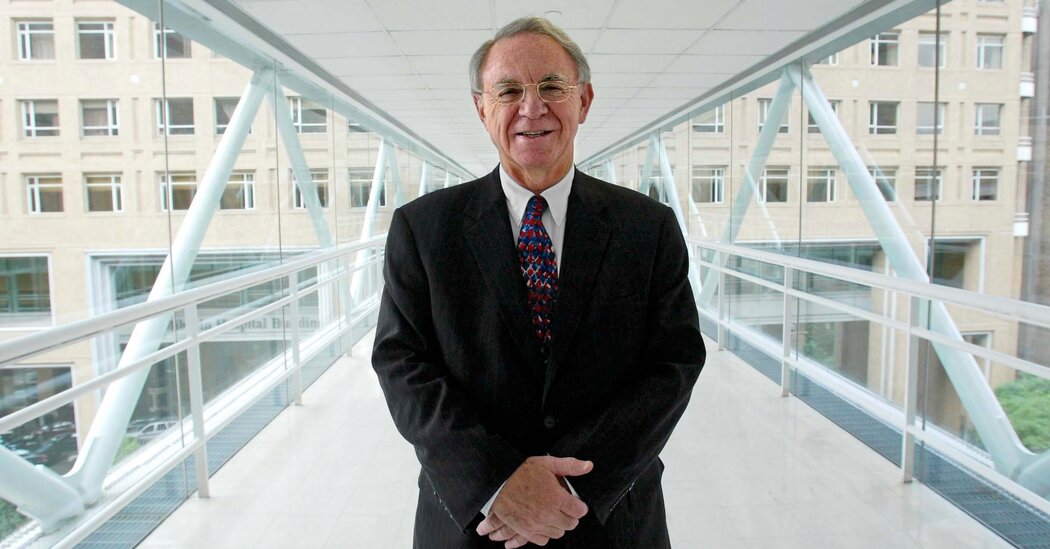
Herbert Pardes, Who Steered the Growth of a Giant Hospital, Dies at 89

A psychiatrist, he ran New York-Presbyterian after a merger, improving patient care, finances and fund-raising to expand its footprint across the region.Dr. Herbert Pardes, a psychiatrist and a former director of the National Institute of Mental Health who brought order to the merger of two major medical centers that became New York-Presbyterian Hospital and ran it for 11 years, died on April 30 at his home in Manhattan. He was 89.His son Steve said the cause was aortic stenosis.Dr. Pardes (pronounced par-diss) was named president and chief executive of the hospital in late 1999, nearly two years after the merger of New York Hospital and Presbyterian Hospital. The previous decade, he had been the dean of the faculty of medicine at the Columbia University College of Physicians and Surgeons, Presbyterian’s affiliated medical school.“It was no secret that as dean of the medical school I didn’t always agree with the hospital administration,” he said in his thick Bronx accent on CUNY TV in 2011. “I thought maybe I could create a better collaboration by going over to run the hospital.”Dr. Pardes at the entrance of NewYork-Presbyterian/Weill Cornell Medical Center in 2007. He had moved from being dean of a medical faculty to leading a giant medical center and its affiliates.Nicole Bengiveno/The New York TimesThe merger created one of the largest health care institutions in the country, with 2,369 hospital beds, 13,000 employees and $1.6 billion in annual revenue. With 167 facilities, it spread from Manhattan to Rockland and Orange Counties in New York. Its hospitals include the Weill Cornell Medical Center in Manhattan.“It was an amazingly accomplished merger considering the different cultures of the two institutions,” Kenneth E. Raske, president of the Greater New York Hospital Association, a trade group, said in an interview. “He was the bridge that allowed the smooth and wrinkle-free transition of that institution.”We are having trouble retrieving the article content.Please enable JavaScript in your browser settings.Thank you for your patience while we verify access. If you are in Reader mode please exit and log into your Times account, or subscribe for all of The Times.Thank you for your patience while we verify access.Already a subscriber? Log in.Want all of The Times? Subscribe.

Read more →

How Poor Tracking of Bird Flu Leaves Dairy Workers at Risk

Farmworkers have been exposed to milk infected with the bird flu virus. But there has virtually been no testing on farms, and health officials know little about who may be infected.Even as it has become increasingly clear that the bird flu outbreak on the nation’s dairy farms began months earlier — and is probably much more widespread — than previously thought, federal authorities have emphasized that the virus poses little risk to humans.Yet there is a group of people who are at high risk for infection: the estimated 100,000 men and women who work on those farms. There has been no widespread testing to see how many may be infected. No one has been vaccinated against bird flu.That leaves the workers and their families vulnerable to a poorly tracked pathogen. And it poses broader public health risks. If the virus were to find its way into the wider population, experts say, dairy workers would be a likely route.“We have no idea if this virus is going to evolve to become a pandemic strain, but we know today that farmworkers are being exposed, and we have good reasons to think that they are getting sick,” said Jennifer Nuzzo, director of the Pandemic Center at Brown University School of Public Health.A majority of dairy farmworkers are Spanish-speaking immigrants, often undocumented, who may not have paid sick leave or be protected by occupational safety laws. They may lack access to medical providers, and their employers can be intolerant of absences.“This sector of workers is not only at the very, very highest risk because they’re having that direct, intimate contact with discharge, raw milk, with infected animals, but they’re also at the very, very highest level of risk in terms of having no social safety net,” said Elizabeth Strater, an organizer with United Farm Workers.We are having trouble retrieving the article content.Please enable JavaScript in your browser settings.Thank you for your patience while we verify access. If you are in Reader mode please exit and log into your Times account, or subscribe for all of The Times.Thank you for your patience while we verify access.Already a subscriber? Log in.Want all of The Times? Subscribe.

Read more →

New treatment could reverse hair loss caused by an autoimmune skin disease

Researchers at MIT, Brigham and Women’s Hospital, and Harvard Medical School have developed a potential new treatment for alopecia areata, an autoimmune disorder that causes hair loss and affects people of all ages, including children.
For most patients with this type of hair loss, there is no effective treatment. The team developed a microneedle patch that can be painlessly applied to the scalp and releases drugs that help to rebalance the immune response at the site, halting the autoimmune attack.
In a study of mice, the researchers found that this treatment allowed hair to regrow and dramatically reduced inflammation at the treatment site, while avoiding systemic immune effects elsewhere in the body. This strategy could also be adapted to treat other autoimmune skin diseases such as vitiligo, atopic dermatitis, and psoriasis, the researchers say.
“This innovative approach marks a paradigm shift. Rather than suppressing the immune system, we’re now focusing on regulating it precisely at the site of antigen encounter to generate immune tolerance,” says Natalie Artzi, a principal research scientist in MIT’s Institute for Medical Engineering and Science, an associate professor of medicine at Harvard Medical School and Brigham and Women’s Hospital, and an associate faculty member at the Wyss Institute of Harvard University.
Artzi and Jamil R. Azzi, an associate professor of medicine at Harvard Medical School and Brigham and Women’s Hospital, are the senior authors of the new study, which appears in the journal Advanced Materials. Nour Younis, a Brigham and Women’s postdoc, and Nuria Puigmal, a Brigham and Women’s postdoc and former MIT research affiliate, are the lead authors of the paper.
The researchers are now working on launching a company to further develop the technology, led by Puigmal, who was recently awarded a Harvard Business School Blavatnik Fellowship.
Direct delivery
Alopecia areata, which affects more than 6 million Americans, occurs when the body’s own T cells attack hair follicles, leading the hair to fall out. The only treatment available to most patients — injections of immunosuppressant steroids into the scalp — is painful and patients often can’t tolerate it.

Some patients with alopecia areata and other autoimmune skin diseases can also be treated with immunosuppressant drugs that are given orally, but these drugs lead to widespread suppression of the immune system, which can have adverse side effects.
“This approach silences the entire immune system, offering relief from inflammation symptoms but leading to frequent recurrences. Moreover, it increases susceptibility to infections, cardiovascular diseases, and cancer,” Artzi says.
A few years ago, at a working group meeting in Washington, Artzi happened to be seated next to Azzi (the seating was alphabetical), an immunologist and transplant physican who was seeking new ways to deliver drugs directly to the skin to treat skin-related diseases.
Their conversation led to a new collaboration, and the two labs joined forces to work on a microneedle patch to deliver drugs to the skin. In 2021, they reported that such a patch can be used to prevent rejection following skin transplant. In the new study, they began applying this approach to autoimmune skin disorders.
“The skin is the only organ in our body that we can see and touch, and yet when it comes to drug delivery to the skin, we revert to systemic administration. We saw great potential in utilizing the microneedle patch to reprogram the immune system locally,” Azzi says.
The microneedle patches used in this study are made from hyaluronic acid crosslinked with polyethylene glycol (PEG), both of which are biocompatible and commonly used in medical applications. With this delivery method, drugs can pass through the tough outer layer of the epidermis, which can’t be penetrated by creams applied to the skin.

“This polymer formulation allows us to create highly durable needles capable of effectively penetrating the skin. Additionally, it gives us the flexibility to incorporate any desired drug,” Artzi says. For this study, the researchers loaded the patches with a combination of the cytokines IL-2 and CCL-22. Together, these immune molecules help to recruit regulatory T cells, which proliferate and help to tamp down inflammation. These cells also help the immune system learn to recognize that hair follicles are not foreign antigens, so that it will stop attacking them.
Hair regrowth
The researchers found that mice treated with this patch every other day for three weeks had many more regulatory T cells present at the site, along with a reduction in inflammation. Hair was able to regrow at those sites, and this growth was maintained for several weeks after the treatment ended. In these mice, there were no changes in the levels of regulatory T cells in the spleen or lymph nodes, suggesting that the treatment affected only the site where the patch was applied.
In another set of experiments, the researchers grafted human skin onto mice with a humanized immune system. In these mice, the microneedle treatment also induced proliferation of regulatory T cells and a reduction in inflammation.
The researchers designed the microneedle patches so that after releasing their drug payload, they can also collect samples that could be used to monitor the progress of the treatment. Hyaluronic acid causes the needles to swell about tenfold after entering the skin, which allows them to absorb interstitial fluid containing biomolecules and immune cells from the skin.
Following patch removal, researchers can analyze samples to measure levels of regulatory T cells and inflammation markers. This could prove valuable for monitoring future patients who may undergo this treatment.
The researchers now plan to further develop this approach for treating alopecia, and to expand into other autoimmune skin diseases.
The research was funded by the Ignite Fund and Shark Tank Fund awards from the Department of Medicine at Brigham and Women’s Hospital.

Read more →

An entirely new COVID-related syndrome

Pradipta Ghosh, M.D., sat down in her office at the University of California San Diego School of Medicine and considered a request from the other side of the world.
Ghosh, a professor in the Departments of Medicine and Cellular and Molecular Medicine at UC San Diego School of Medicine, received an email from Dennis McGonagle, Ph.D., professor of investigative rheumatology at the University of Leeds in the United Kingdom. It began an international collaboration, one that uncovered a previously overlooked COVID-related syndrome and resulted in a paper in eBioMedicine, a journal published by The Lancet.
McGonagle asked if she was interested in collaborating on a COVID-related mystery. “He told me they were seeing mild COVID cases,” Ghosh said. “They had vaccinated around 90 percent of the Yorkshire population, but now they were seeing this very rare autoimmune disease called MDA5 — autoantibody associated dermatomyositis (DM) in patients who may or may not have contracted COVID, or even remember if they were exposed to it.”
McGonagle told of patients with severe lung scarring, some of whom presented rheumatologic symptoms — rashes, arthritis, muscle pain — that often accompany interstitial lung disease. He was curious to know if there was a connection between MDA5-positive dermatomyositis and COVID-19.
“DM is more common in individuals of Asian descent, particularly Japanese and Chinese,” Ghosh said. “However, Dr. McGonagle was noting this explosive trend of cases in Caucasians.”
“But that’s the least of the problem,” Ghosh said. “Because he said, ‘Oh, and by the way, some of these patients are progressing rapidly to death.'”
Ghosh is the founding director of the Institute for Network Medicine at UC San Diego School of Medicine, home to the Center for Precision Computational Systems Network (PreCSN — the computational pillar within the Institute for Network Medicine). PreCSN’s signature asset is BoNE — the Boolean Network Explorer, a powerful computational framework for extracting actionable insights from any form of big-data.

“BoNE is designed to ignore factors that differentiate patients in a group while selectively identifying what is common (shared) across everybody in the group,” Ghosh explained. Previous applications of BoNE allowed Ghosh and her team to identify other COVID-related lung and heart-afflicting syndromes in adults and children, respectively.
As a rheumatologist, McGonagle specializes in inflammatory and autoimmune conditions. His expertise, combined with the computational power of the Institute for Network Medicine, proved to be an excellent collaboration for probing the post-pandemic upsurge in inflammatory and autoimmune diagnoses. Ghosh said that McGonagle’s roster of patients, all within the U.K.’s National Health System (NHS), helped to facilitate the investigation.
“The NHS has a centralized health care database with comprehensive medical records for a large population, making it easier to access and analyze health data for research purposes,” Ghosh explained.
Ghosh and McGonagle put together a team to probe what they found was indeed an entirely new syndrome. The UC San Diego team included Saptarshi Sinha, Ph.D., interim director of PreCSN, who was a co-first author on the paper, along with Paula David Ramos, M.D., who was conducting research fellowship in experimental rheumatology, at the Leeds Institute of Rheumatic and Musculoskeletal Medicine. The UC San Diego team also included two PreCSN-affiliated students, Ella McLaren, an undergraduate student and aspiring physician-scientist, and Sahar Taheri, a graduate student in the Jacobs School of Engineering Department of Computer Science and Engineering.
The study began with McGonagle lab’s detection of autoantibodies to MDA5 — an RNA-sensing enzyme whose functions include detecting COVID-19 and other RNA viruses. A total of 25 patients from the group of 60 developed lung scarring, also known as interstitial lung disease. Ghosh noted that the lung scarring was bad enough to cause eight people in the group to die due to progressive fibrosis. She said that there are established clinical profiles of MDA5 autoimmune diseases.
“But this was different,” Ghosh said. “It was different in behavior and rate of progression — and in the number of deaths.”
Ghosh and the UC San Diego team explored McGonagle’s data with BoNE. They found that the patients who showed the highest level of MDA5 response also showed high levels of interleukin-15.

“Interleukin-15 is a cytokine that can cause two major immune cell types,” she explained. “These can push cells to the brink of exhaustion and create an immunologic phenotype that is very, very often seen as a hallmark of progressive interstitial lung disease, or fibrosis of the lung.”
BoNE allowed the team to establish the cause of the Yorkshire syndrome — and pinpoint a specific single nucleotide polymorphism that is protective. By right of discovery, the group was able to give the condition a name: MDA5-autoimmunity and Interstitial Pneumonitis Contemporaneous with COVID-19. It’s MIP-C for short, “Pronounced ‘mipsy,'” Ghosh said, adding that the name was coined to make a connection with MIS-C, a separate COVID-related condition of children.
Ghosh said that it’s extremely unlikely that MIP-C is confined to the United Kingdom. Reports of MIP-C symptoms are coming from all over the world. She said she hopes the team’s identification of interleukin-15 as a causative link will jump start research into treatment.
University of California San Diego co-authors are all noted above.
This work was supported in part by the National Institute for Health Research (NIHR) Leeds Biomedical Research Centre (BRC), and in part by the National Institutes for Health (NIH) grant R01-AI155696 and pilot awards from the University of California Office of the President Research Grants Program Office (R00RG2628, R00RG2642 and R01RG3780) to Pradipta Ghosh. Saptarshi Sinha was supported in part by R01-AI141630 (to Pradipta Ghosh) and in part through funds from the American Association of Immunologists (AAI) Intersect Fellowship Program for Computational Scientists and Immunologists.

Read more →

Improved wildfire smoke model identifies areas for public health intervention

The Canadian wildfires of June 2023 exposed a large portion of the Northeastern United States to unprecedented levels of smoke. A new model that combines wildfire smoke forecasts and data from ground-based sensors may help public health officials plan targeted interventions in areas most at risk for the negative health effects of unexpected smoke events and air pollution, according to a team led by Penn State scientists.
The researchers reported their findings in the journal Science of the Total Environment.
“Statistical analyses suggest that situations like last year’s Canadian wildfires, where smoke travels long distances to affect the Eastern United States, may become the norm,” said lead author Manzhu Yu, assistant professor of geography at Penn State. “Our research can help public health officials in urban and rural areas plan targeted interventions for communities at higher risk of harmful air pollution during wildfire smoke events.”
The researchers focused on the periods between June 6-8 and June 28-30, 2023, when weather conditions and a coastal storm pushed large amounts of smoke from Canada into the Northeastern United States. They used data from ground-based sensors and a form of artificial intelligence called deep learning to improve a weather forecasting model from the National Center for Atmospheric Research. The model — the Weather Research and Forecasting model with Chemistry, or WRF-Chem — provides hourly data on surface concentrations of fine particulate matter (PM 2.5). Found in wildfire smoke and other forms of air pollution, these tiny particles can reach the lungs and cause health issues.
The scientists also studied anonymized mobility data from devices like smartphones to see how people changed their travel activities during the smoke events. Additionally, they conducted an environmental justice assessment using data from the U.S. Environmental Protection Agency to see if certain environmental and demographic factors correlated to increased vulnerability to negative health outcomes from wildfire smoke. These factors included variables like percentage of the population with less than a high school education, minority status, heart attack and asthma hospitalization rates, and existing pollution burdens from sources like heavy traffic and power plants. They studied these factors at the county level, from Pennsylvania and New Jersey up through Maine, to see if certain communities shared a larger part of the pollution burden than others.
The team found that the refined forecasting model better estimated the magnitude and timing of PM 2.5 spikes, measured in micrograms per cubic meter of air (µg/m3), across the study area than the current forecasting model. When looking at how predicted data matches observed data, with 0 µg/m3 of PM 2.5 signifying that the model exactly matches ground observations, the current forecasting model scored a -6.872 µg/m3, marking a large underestimation of particulate levels. The refined model scored a 0.160 µg/m3, marking a slight overestimation of particulate levels that aligned much closer to what the ground sensors measured. In addition, the researchers found that urban and rural communities already burdened by existing environmental pollution face higher air pollution levels during unexpected smoke events than other areas.
“The good news, according to our findings, is that when people hear about wildfire smoke, they tend to reduce their mobility,” Yu said. “But we found that during these smoke events New York City, Philadelphia and the surrounding counties still showed high mobility activities. We probably need to think about targeted interventions in urban areas because with so many people living in the area, exposure rates to unhealthy air are very high.”
Rural communities burdened by pollution from power plants and mines may have particular needs as well, she said. For example, she explained, Bennington County, Vermont, has few demographic factors that would make it more vulnerable to environmental pollution. However, it is home to multiple mines, heavy traffic, hazardous waste storage sites and more, which all contribute to higher environmental pollution scores. Those factors amplified air pollution levels during the smoky days.

“Public health interventions are usually based on population concentrations, which are naturally higher in urban areas,” Yu said. “Knowing these existing vulnerabilities in rural areas can help officials better serve these areas and protect the public’s health.”
In the meantime, individuals can take steps now to protect their health during the upcoming wildfire season.
“I would suggest that individuals have an air filter and indoor air pollution monitor in their homes,” Yu said. “They can also enhance the insulation around their windows and doors if smoke levels are really high. I would recommend working from home if possible or getting a high-quality mask if you have to travel outdoors. And I think in Pennsylvania, we need to talk about standards for organizations for how we respond to smoke days, whether that’s working from home, having a day off or dismissing early. We’re not used to smoke events, and we need some sort of policy or standard for protecting the public’s health.”
In addition to Yu, contributors to this research from Penn State include Zhenlong Li, associate professor of geography, and doctoral students Shiyan Zhang and Huan Ning; and Kai Zhang, Empire Innovation Associate Professor at the University of Albany’s School of Public Health.
Penn State, through the Miller Faculty Fellow Award from the College of Earth and Mineral Sciences, supported this research.

Read more →

How night shift work can raise risk of diabetes, obesity

Just a few days on a night shift schedule throws off protein rhythms related to blood glucose regulation, energy metabolism and inflammation, processes that can influence the development of chronic metabolic conditions.
The finding, from a study led by scientists at Washington State University and the Pacific Northwest National Laboratory, provides new clues as to why night shift workers are more prone to diabetes, obesity and other metabolic disorders.
“There are processes tied to the master biological clock in our brain that are saying that day is day and night is night and other processes that follow rhythms set elsewhere in the body that say night is day and day is night,” said senior study author Hans Van Dongen, a professor in the WSU Elson S. Floyd College of Medicine. “When internal rhythms are dysregulated, you have this enduring stress in your system that we believe has long-term health consequences.”
Though more research is needed, Van Dongen said the study shows that these disrupted rhythms can be seen in as little as three days, which suggests early intervention to prevent diabetes and obesity is possible. Such intervention could also help lower the risk of heart disease and stroke, which is elevated in night shift workers as well.
Published in the Journal of Proteome Research, the study involved a controlled laboratory experiment with volunteers who were put on simulated night or day shift schedules for three days. Following their last shift, participants were kept awake for 24 hours under constant conditions — lighting, temperature, posture and food intake — to measure their internal biological rhythms without interference from outside influences.
Blood samples drawn at regular intervals throughout the 24-hour period were analyzed to identify proteins present in blood-based immune system cells. Some proteins had rhythms closely tied to the master biological clock, which keeps the body on a 24-hour rhythm. The master clock is resilient to altered shift schedules, so these protein rhythms didn’t change much in response to the night shift schedule.
However, most other proteins had rhythms that changed substantially in night shift participants compared to the day shift participants.
Looking more closely at proteins involved in glucose regulation, the researchers observed a nearly complete reversal of glucose rhythms in night shift participants. They also found that processes involved in insulin production and sensitivity, which normally work together to keep glucose levels within a healthy range, were no longer synchronized in night shift participants. The researchers said this effect could be caused by the regulation of insulin trying to undo the glucose changes triggered by the night shift schedule. They said this may be a healthy response in the moment, as altered glucose levels may damage cells and organs, but could be problematic in the long run.
“What we showed is that we can really see a difference in molecular patterns between volunteers with normal schedules and those with schedules that are misaligned with their biological clock,” said Jason McDermott, a computational scientist with PNNL’s Biological Sciences Division. “The effects of this misalignment had not yet been characterized at this molecular level and in this controlled manner before.”
The researchers’ next step will be to study real-world workers to determine whether night shifts cause similar protein changes in long-term shift workers.

Read more →

AI advancements make the leap into 3D pathology possible

Human tissue is intricate, complex and, of course, three dimensional. But the thin slices of tissue that pathologists most often use to diagnose disease are two dimensional, offering only a limited glimpse at the tissue’s true complexity. There is a growing push in the field of pathology toward examining tissue in its three-dimensional form. But 3D pathology datasets can contain hundreds of times more data than their 2D counterparts, making manual examination infeasible.
In a new study, researchers from Mass General Brigham and their collaborators present Tripath: new, deep learning models that can use 3D pathology datasets to make clinical outcome predictions. In collaboration with the University of Washington, the research team imaged curated prostate cancer specimens, using two 3D high-resolution imaging techniques. The models were then trained to predict prostate cancer recurrence risk on volumetric human tissue biopsies. By comprehensively capturing 3D morphologies from the entire tissue volume, Tripath performed better than pathologists and outperformed deep learning models that rely on 2D morphology and thin tissue slices. Results are published in Cell.
While the new approach needs to be validated in larger datasets before it can be further developed for clinical use, the researchers are optimistic about its potential to help inform clinical decision making.
“Our approach underscores the importance of comprehensively analyzing the whole volume of a tissue sample for accurate patient risk prediction, which is the hallmark of the models we developed and only possible with the 3D pathology paradigm,” said lead author Andrew H. Song, PhD, of the Division of Computational Pathology in the Department of Pathology at Mass General Brigham.
“Using advancements in AI and 3D spatial biology techniques, Tripath provides a framework for clinical decision support and may help reveal novel biomarkers for prognosis and therapeutic response,” said co-corresponding author Faisal Mahmood, PhD, of the Division of Computational Pathology in the Department of Pathology at Mass General Brigham.
“In our prior work in computational 3D pathology, we looked at specific structures such as the prostate gland network, but Tripath is our first attempt to use deep learning to extract sub-visual 3D features for risk stratification, which shows promising potential for guiding critical treatment decisions,” said co-corresponding author Jonathan Liu, PhD, at the University of Washington.
Disclosures: Song and Mahmood are inventors on a provisional patent that corresponds to the technical and methodological aspects of this study. Liu is a co-founder and board member of Alpenglow Biosciences, Inc., which has licensed the OTLS microscopy portfolio developed in his lab at the University of Washington.
Funding: Authors report funding support from the Brigham and Women’s Hospital (BWH) President’s Fund, Mass General Hospital (MGH) Pathology, the National Institute of General Medical Sciences (R35GM138216), Department of Defense (DoD) Prostate Cancer Research Program (W81WH-18-10358 and W81XWH-20-1-0851), the National Cancer Institute (R01CA268207), the National Institute of Biomedical Imaging and Bioengineering (R01EB031002), the Canary Foundation, the NCI Ruth L. Kirschstein National Service Award (T32CA251062), the Leon Troper Professorship in Computational Pathology at Johns Hopkins University, UKRI, mdxhealth, NHSX, and Clarendon Fund.

Read more →

Robotic system feeds people with severe mobility limitations

Cornell researchers have developed a robotic feeding system that uses computer vision, machine learning and multimodal sensing to safely feed people with severe mobility limitations, including those with spinal cord injuries, cerebral palsy and multiple sclerosis.
“Feeding individuals with severe mobility limitations with a robot is difficult, as many cannot lean forward and require food to be placed directly inside their mouths,” said Tapomayukh “Tapo” Bhattacharjee, assistant professor of computer science in the Cornell Ann S. Bowers College of Computing and Information Science and senior developer behind the system. “The challenge intensifies when feeding individuals with additional complex medical conditions.”
A paper on the system, “Feel the Bite: Robot-Assisted Inside-Mouth Bite Transfer using Robust Mouth Perception and Physical Interaction-Aware Control,” was presented at the Human Robot Interaction conference, held March 11-14, in Boulder, Colorado. It received a Best Paper Honorable Mention recognition, while a demo of the research team’s broader robotic feeding system received a Best Demo Award.
A leader in assistive robotics, Bhattacharjee and his EmPRISE Lab have spent years teaching machines the complex process by which we humans feed ourselves. It’s a complicated challenge to teach a machine — everything from identifying food items on a plate, picking them up and then transferring it inside the mouth of a care recipient.
“This last 5 centimeters, from the utensil to inside the mouth, is extremely challenging,” Bhattacharjee said.
Some care recipients may have very limited mouth openings, measuring less than 2 centimeters, while others experience involuntary muscle spasms that can occur unexpectedly, even when the utensil is inside their mouth, Bhattacharjee said. Further, some can only bite food at specific locations inside their mouth, which they indicate by pushing the utensil using their tongue, he said.
“Current technology only looks at a person’s face once and assumes they will remain still, which is often not the case and can be very limiting for care recipients,” said Rajat Kumar Jenamani, the paper’s lead author and a doctoral student in the field of computer science.

To address these challenges, researchers developed and outfitted their robot with two essential features: real-time mouth tracking that adjusts to users’ movements, and a dynamic response mechanism that enables the robot to detect the nature of physical interactions as they occur, and react appropriately. This enables the system to distinguish between sudden spasms, intentional bites and user attempts to manipulate the utensil inside their mouth, researchers said.
The robotic system successfully fed 13 individuals with diverse medical conditions in a user study spanning three locations: the EmPRISE Lab on the Cornell Ithaca campus, a medical center in New York City, and a care recipient’s home in Connecticut. Users of the robot found it to be safe and comfortable, researchers said.
“This is one of the most extensive real-world evaluations of any autonomous robot-assisted feeding system with end-users,” Bhattacharjee said.
The team’s robot is a multi-jointed arm that holds a custom-built utensil at the end that can sense the forces being applied on it. The mouth tracking method — trained on thousands of images featuring various participants’ head poses and facial expressions — combines data from two cameras positioned above and below the utensil. This allows for precise detection of the mouth and overcomes any visual obstructions caused by the utensil itself, researchers said. This physical interaction-aware response mechanism uses both visual and force sensing to perceive how users are interacting with the robot, Jenamani said.
“We’re empowering individuals to control a 20-pound robot with just their tongue,” he said.
He cited the user studies as the most gratifying aspect of the project, noting the significant emotional impact of the robot on the care recipients and their caregivers. During one session, the parents of a daughter with schizencephaly quadriplegia, a rare birth defect, witnessed her successfully feed herself using the system.

“It was a moment of real emotion; her father raised his cap in celebration, and her mother was almost in tears,” Jenamani said.
While further work is needed to explore the system’s long-term usability, its promising results highlight the potential to improve care recipients’ level of independence and quality of life, researchers said.
“It’s amazing,” Bhattacharjee said, “and very, very fulfilling.”
Paper co-authors are: Daniel Stabile, M.S. ’23; Ziang Liu, a doctoral student in the field of computer science; Abrar Anwar of the University of South California, and Katherine Dimitropoulou of Columbia University.
This research was funded primarily by the National Science Foundation.

Read more →