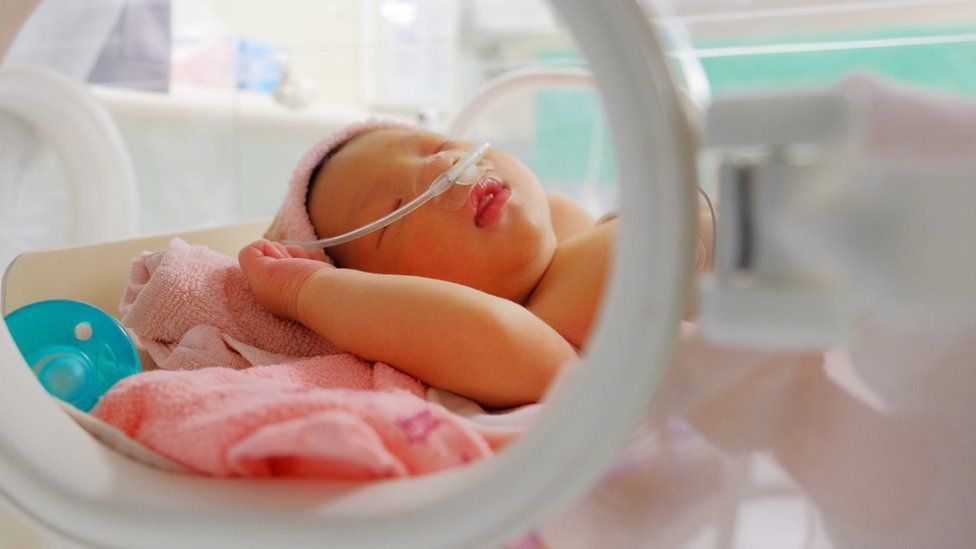
Breakthrough in hemostasis and wound healing research

A breakthrough study, published in Science Translational Medicine, features a biomedical engineering innovation with the potential to transform trauma care and surgical practices. Chapman University’s Fowler School of Engineering Founding Dean and Professor, Andrew Lyon, is a member of this multidisciplinary, multi-university scientific research team developing platelet-like particles that integrate into the body’s clotting pathways to stop hemorrhage. Sanika Pandit, an alumna of Chapman University, is also among the 15 authors in this research.
Addressing a longstanding gap in surgical and trauma care, this advancement holds potential for patient implementation. Patients experiencing acute trauma often require platelet transfusions to manage bleeding; storage constraints restrict their utility in prehospital scenarios. Synthetic platelet-like particles (PLPs) offer a potential alternative for promptly addressing uncontrolled bleeding.
The team has engineered platelet-like particles capable of traveling through the bloodstream and then homing to the site of tissue damage, where they augment the clotting process and then support subsequent wound healing. The approach addresses an unmet clinical need in trauma care and surgical practice.
“This work represents a pivotal moment in biomedical engineering, showcasing the tangible translational potential of Platelet-Like Particles,” remarked Lyon. “This remarkable collaborative effort has led to a solution that not only addresses critical clinical needs but also suggests a paradigm shift in treatment modalities.”
The study’s comprehensive approach involved rigorous testing in larger animal models of traumatic injury and illustrated that the intervention is extremely well tolerated across a range of models.
Ashley Brown, corresponding author on the study and an associate professor in the joint biomedical engineering program at North Carolina State University and the University of North Carolina at Chapel Hill, said, “In the mouse and pig models, healing rates were comparable in animals that received platelet transfusions and synthetic platelet transfusions and both groups fared better than animals that did not receive either transfusion.”
One of the study’s most significant findings is that these particles can be excreted renally, presenting a breakthrough in elimination pathways associated with injectable, synthetic biomaterials. The remarkable safety profile demonstrated in the study makes it safe and effective in trauma and surgical interventions. This advancement could potentially lead to improved medical treatments and outcomes for patients undergoing such procedures.
Lyon noted, “Given the success of our research and the effectiveness of the synthetic platelets, the team is pushing forward on a path aimed at eventually seeing clinical implementation of this technology.”

Read more →

US Navy Growler jet noise over Whidbey Island could impact 74,000 people’s health

Bob Wilbur thought he’d found a retirement home that would be a place of peace. Nestled against Admiralty Bay on the western edge of Whidbey Island, the three-story house is surrounded by trees and shoreline. It offers the kind of quiet that only an island can provide. Except when the Growlers fly.
As often as four days a week, Boeing EA-18G Growler electronic attack aircraft based at the nearby Naval Air Station Whidbey Island fly loops overhead as pilots practice touch-and-go landings. The noise is immense, around the level of a loud rock concert. “It interrupts your day,” Wilbur said. “You’re unable to have a pleasant evening at home. You can’t communicate. You constantly try to organize your day around being gone when the jets are flying.”
New research from the University of Washington shows that the noise isn’t just disruptive — it presents a substantial risk to public health. Published May 9 in the Journal of Exposure Science and Environmental Epidemiology, an analysis of the Navy’s own acoustic monitoring data found that more than 74,000 people are exposed to noise levels associated with adverse health effects.
“Military aircraft noise is substantially more intense and disturbing than commercial jet noise,” said lead author Giordano Jacuzzi, a graduate student in the UW College of the Environment. “Noise exposure has many downstream effects beyond just annoyance and stress — high levels of sleep disturbance, hearing impairment, increased risk of cardiovascular disease — these have real impacts on human health and quality of life. We also found that several schools in the area are exposed to levels that have been shown to put children at risk of delayed learning.”
Guided by conversations with community members and local advocacy groups, researchers analyzed four weeks of acoustic and flight operations data collected by the Navy in 2020 and 2021, in addition to prior-year data collected by a private acoustics company and the National Park Service. Researchers then mapped noise exposure across the region to estimate how much noise specific communities were exposed to in an average year.
Researchers estimated that two-thirds of Island County residents, including everyone in the cities of Oak Harbor and Coupeville, were exposed to potentially harmful levels of noise, as was 85% of the population of the Swinomish Indian Reservation.
In total, an estimated 74,316 people were exposed to average noise levels that posed a risk of annoyance, 41,089 of whom were exposed to nighttime noise levels associated with adverse effects on sleep. Another 8,059 people — most of whom lived within fairly close proximity to aircraft landing strips — were exposed to noise levels that can pose a risk of hearing impairment over time.

“Our bodies produce a lot of stress hormone response to noise in general, it doesn’t matter what kind of noise it is. But particularly if it’s this repeated acute noise, you might expect that stress hormone response to be exacerbated,” said co-author Edmund Seto, a UW professor of environmental and occupational health sciences. “What was really interesting was that we’re reaching noise exposure levels that are actually harmful for hearing. Usually I only think of hearing in the context of working in factories or other really, really loud occupational settings. But here, we’re reaching those levels for the community.”
Taken as a whole, the potential harms can be quite serious, Seto said. “Imagine people trying to sleep, or children in school trying to understand their teachers and you’ve got these jets flying.”
Every monitoring station on Whidbey Island measured noise events in excess of 100 decibels when jets were flying. In some instances, noise levels were “off the charts” — exceeding the limits of models used to predict the health effects of noise exposure around the world.
“We found it striking that Growler noise exceeds the scientific community’s current understanding of the potential health outcomes,” said co-author Julian Olden, a UW professor of aquatic and fishery sciences. “For this reason, our estimates of health impacts are conservative.”
The noise has been the subject of community disputes and legal controversy since 2013, when the U.S. Navy moved more Growler jets onto Whidbey Island and increased the number of flights to more than 110,000 per year. Bob Wilbur is a member and the current chair of Citizens of Ebey’s Reserve, a community group that has sued the Navy over the jet noise and increased flight operations. The group also helped facilitate the UW study, and Wilbur is a co-author.
Like other military aircraft, the Growlers’ noise differs significantly from commercial jets — louder and deeper, the kind of sound that people feel before they hear.

“It’s the intensity, the intermittent nature of the noise, and the low-frequency energy specifically,” Jacuzzi said. “Those three things are very different than what you experience from normal commercial flights, which are predictable and high in altitude. When Growlers fly over a home, they emit a rumbling noise that penetrates windows and shakes walls.”
While commercial jet noise has been the subject of extensive study, research into military aircraft noise is relatively rare. Previous UW-led research found that military flights were the largest cause of noise pollution on the Olympic Peninsula. While discussing that study, Whidbey residents complained that the noise disturbed their sleep and interfered with students’ schoolwork, which prompted this new line of inquiry. While conducting this study, researchers worked closely with community members and advocacy groups and held multiple webinars to share results and shape future work.
“Our research was motivated by the growing chorus of complaints by Washingtonians across multiple counties,” Olden said. “We believe the science speaks for itself. It’s no longer a question of whether noise impacts people, but how, where and how much these effects are experienced.”
Other authors are Lauren Kuehne of Omfishient Consulting, and Anne Harvey and Christine Hurley of Sound Defense Alliance. This research was funded by the UW Population Health Initiative.

Read more →

ERR-gamma ‘trains’ stomach stem cells to become acid-producing cells

Common conditions such as indigestion and heartburn as well as peptic ulcers, autoimmune gastritis and stomach and esophageal cancers have one thing in common – they involve disruptions of the normal activity of parietal cells (PCs) in the stomach, the only cells in the body that produce acid. Despite their medical importance, little is known about the molecular and genetic pathways that direct the generation and maturation of PCs from stem cells.
Looking to gain new insights into the generation of PCs, researchers at Baylor College of Medicine and collaborating institutions identified the genes that were preferentially expressed by emerging PCs to guide their development. They discovered a ‘training program’ driving PC development from stem cells and subsequent maturation into active acid-secreting cells. Published in Cell Stem Cell, the findings can lead to new strategies to regulate PC function in different disease settings.
“PCs secrete hydrochloric acid, which generates the strongly acidic environment in the stomach with beneficial effects, such as killing bacteria in contaminated food, facilitating food digestion and promoting absorption of minerals including phosphate, calcium and iron. But acid can also be dangerous, causing conditions from reflux to peptic ulcers to gastric bleeds that can be life-threatening,” said corresponding author Dr. Jason Mills, Herman Brown Endowed Professor of medicine — gastroenterology and co-director of the Texas Medical Center Digestive Disease Center (DDC) at Baylor.
Studying how these cells are generated can help scientists understand conditions in which the stomach stops making PCs, which results in an acid-free stomach that promotes gastric cancer. Or the opposite, conditions in which the stomach makes too many PCs and too much acid.
“Our first step was to generate enough PCs to study their development and maturation,” said co-first author of the study, Dr. Mahliyah Adkins-Threats, a graduate student in the Mills lab while she was working on this project. “PCs are long-lived (about two months), so we needed a system that would allow us to characterize the PC differentiation process in a shorter time.”
The researchers worked with a mouse model in which they eliminated existing PCs. “This triggered the production of new cells in which we were able to capture a first glimpse into the molecular and morphological steps involved when cells in the gastric epithelium commit to becoming PCs and then mature,” Adkins-Threats said.
Using single-cell RNA sequencing, a technique to identify the genes expressed by a cell, the team identified what genes the cells were turning on or off as they became more mature PCs.

The researchers discovered that of all the genes expressed by the cells, there was one, estrogen-related receptor gamma (ERRγ), a gene involved in regulating cell metabolism, that was expressed in both very young parietal cells and in fully functional parietal cells. ERRγ was sufficient for the cells to develop into PCs.
“Progenitor PC cells that were committed to expressing ERRγ, were destined to eventually become mature PCs,” said Mills, a member of and co-associate director for cancer education at the Dan L Duncan Comprehensive Cancer Center. “Our findings indicate that ERRγ is responsible for regulating the differentiation and maturation of these acid secreting PCs.”
“Importantly, when we deleted the Esrrg gene in the gastric epithelium, whole gastric sections completely lacked any PC lineage cells, indicating that this geneis not only sufficient but also required for stem cells to commit to the PC lineage,” Adkins-Threats said. “We see ERRγ as the ‘trainer’ of these young stem cells; it’s the one gene that orchestrates the dynamics of the metabolic pathways that shape stem cells into fully mature PCs.”
Co-first author Sumimasa Arimura, Yang-Zhe Huang, Margarita Divenko, Sarah To, Heather Mao, Yongji Zeng, Jenie Y. Hwang, Joseph R. Burclaffand Shilpa Jainalso contributed to this work. The authors are affiliated with one of the following institutions: Baylor College of Medicine, Washington University atSt. Louis, University of North Carolina at Chapel Hill, North Carolina State University, University of Texas Health at San Antonio and Cincinnati Children’s Hospital Medical Center.
This study was supported by the following grants: National Science Foundation-Graduate Research Fellowship Program DGE-2139839/1745038, as well as multiple grants from the National Institutes of Health including: T32 DK077653, T32 GM007067, a pilot award from the NIDDK-funded DDC (P30 DK56338), NIDDK R01 DK094989 and DK110406 and NCI R01 CA239645.

Read more →

Stem cells: A new mechanical transducer

Professor Jiwon Jang and Seungbok Yang, a PhD candidate, from the Department of Life Sciences at Pohang University of Science and Technology (POSTECH), and Dr. Mahdi Golkaram from the Department of Mechanical Engineering at University of California Santa Barbara (UCSB) have uncovered a novel regulator governing how cells respond to mechanical cues. Their findings were published on May 3 in the online edition of Nature Cell Biology, an international journal in the field of cell biology.
Much research in cell biology has traditionally centered on understanding how cells react to chemical signals such as diffusible signaling molecules. However, cells also respond to mechanical stimuli such as cell density, size, and substrate stiffness by expressing specific genes. Yet, the mechanisms by which mechanical regulators perceive mechanical stimuli have remained largely unexplored.
In this research, human embryonic stem cells (hESCs) were employed by the researchers to delve into how cells detect and react to mechanical signals. Through an examination of the transcriptome of hESCs cultivated under different cell densities, the researchers pinpointed a key player known as “ETV4,” responsible for mediating variations in stem cell density and controlling differentiation.
Furthermore, the team deciphered the intricate mechanism through which ETV4 perceives mechanical cues. Initially, integrin receptors1 recognize alterations in cell density, subsequently modulating the endocytosis of a cell surface receptor, namely the Fibroblast Growth Factor Receptor (FGFR). Mechanical regulation of FGFR endocytosis determines the protein stability of ETV4 by ERK signaling.
During the differentiation process of stem cells, ETV4 plays a role in directing the formation of mesendoderm in regions characterized by low cell density while promoting neuroectoderm development in areas of high cell density. The researchers discovered that a new mechanotransducer ETV4 bridges cell density dynamics to stem cell differentiation.
POSTECH Professor Jiwon Jang who led the research stated, “We’ve uncovered the importance of mechanical cues in regulating stem cell differentiation along with the pivotal involvement of ETV4.” He expressed optimism by saying, “Given ETV4’s substantial implications as a critical oncogene, we envision leveraging this insight to devise technologies aimed at controlling cancer cells through mechanical cues.”
The research was conducted with support from the Biomedical Technology Development Program, the Basic Research Program for Individuals, the Group Research and Basic Research Lab Program, and the Smart Specialization Infrastructure Project of the National Research Foundation of Korea.The research was conducted with support from the Biomedical Technology Development Program, the Basic Research Program for Individuals, the Group Research and Basic Research Lab Program, and the Smart Specialization Infrastructure Project of the National Research Foundation of Korea.
1. Integrin receptor: A transmembrane receptor facilitating the cell to the extracellular matrix connections and is involved in intracellular signal transduction by transmitting physicochemical changes inside and outside the cell in both directions

Read more →

Metabolism of autism reveals developmental origins

Researchers at the University of California San Diego School of Medicine have shed new light on the changes in metabolism that occur between birth and the presentation of autism spectrum disorder (ASD) later in childhood. The researchers discovered that a small number of biochemical pathways are responsible for the majority of these changes, which could help inform new early detection and prevention strategies for autism.
“At birth, the physical appearance and behavior of a child who will develop autism over the next few years are indistinguishable from that of a neurotypical child. Indeed, in most cases the fate of the child with regard to autism is not set at birth,” said Robert Naviaux, M.D., Ph.D., professor in the Departments of Medicine, Pediatrics and Pathology at UC San Diego School of Medicine. “We’re starting to learn about the governing dynamics that regulate the transition from risk to the actual appearance of the first symptoms of ASD. Early diagnosis opens the possibility of early intervention and optimal outcomes.”
ASD is a developmental disorder characterized by difficulties in socializing and communication, as well as repetitive and/or restrictive behaviors. For the majority of people with ASD, the condition is a significant disability, with only 10-20 percent of children diagnosed before 5 years of age able to live independently as adults.
While autism is known to have strong genetic risk factors, there are also environmental risk factors that play a role in the development and severity of ASD. Naviaux and other researchers are discovering that the development of autism is governed by the real-time interaction of these varied factors. By studying the developmental biology of metabolism and how it differs in autism, new insights are emerging in ASD and other complex developmental disorders.
“Behavior and metabolism are linked — you cannot separate them,” added Naviaux.
To learn more about the early metabolic changes that occur in children with autism, researchers studied two cohorts of children. One cohort consisted of newborn children, in whom autism can’t be detected. The second cohort consisted of 5-year-old children, some of whom had been diagnosed with autism.
When comparing the metabolic profiles of children in the cohort who were eventually diagnosed with autism to those who developed neurotypically, they found striking differences. Of the 50 different biochemical pathways the researchers investigated, just 14 were responsible for 80 percent of the metabolic impact of autism.

The pathways that were most changed are related to the cell danger response, a natural and universal cellular reaction to injury or metabolic stress. The body has biochemical safeguards in place that can shut down the cell danger response once the threat has passed, and Naviaux hypothesizes that autism occurs when these safeguards fail to develop normally. The result is heightened sensitivity to environmental stimuli, and this effect contributes to sensory sensitivities and other symptoms associated with autism.
“Metabolism is the language that the brain, gut and immune system use to communicate, and autism occurs when the communication between these systems is changed,” added Naviaux.
The cell danger response is primarily regulated by adenosine triphosphate (ATP) the body’s chemical energy currency. While these ATP-signaling pathways do not develop normally in autism, they may be partially restorable with existing pharmaceutical drugs. In 2017, Naviaux and his team completed early clinical testing for suramin, the only drug approved in humans that can target ATP signaling and which is normally used to treat African sleeping sickness.
Now, the researchers hope that by revealing the specific ATP-related pathways that are altered in autism, their work will help scientists develop more drugs that target these pathways to manage the symptoms of ASD.
“Suramin is just one drug that targets the cell danger response,” he said. “Now that we’re closely interrogating how metabolism changes in ASD, we could be at the beginning of a drug renaissance that will create new options for treatment that never existed before.”
Co-authors on the study include: Sai Sachin Lingampelly, Jane C. Naviaux, Jonathan M. Monk, Kefeng Li and Lin Wang at UC San Diego School of Medicine and Luke S. Heuer, Lori Haapanen, Chelsea A. Kelland and Judy Van de Water at University of California Davis This work was funded, in part, by Autism Speaks (grant 7274), the National Center for Research Resources (grant UL1TR001442), and through various philanthropic gifts.

Read more →

New tool to boost battle against childhood undernutrition

A new tool developed at the University of Virginia School of Medicine will help doctors and scientists better understand and overcome childhood undernutrition that contributes to almost half of all deaths of children under 5.
The research model created by UVA’s Carrie A. Cowardin, PhD, and colleagues provides a more sophisticated way to study the effects of undernutrition on the microbiome, the microbes that naturally live inside the gut, and, in turn, on growth and the immune system.
Scientists routinely study the many complex interactions within the microbiome by taking samples from the human microbiome and moving them into lab mice. But Cowardin and colleagues found that they could significantly improve the effectiveness of that model by introducing the microbes when the mice were very young, before they had been weaned. This new model of “intergenerational colonization,” they determined, better mimicked the effect of undernutrition during early childhood.
“We believe this new model will help us investigate many of the major challenges facing undernourished children, including higher rates of infection and changes in cognitive development,” said Cowardin, part of UVA’s Department of Pediatrics. “Our current studies are using this system to identify specific microbes that impact development, with the goal of using these microbes as therapies to promote healthy growth. ”
Undernutrition and the Microbiome
Using Cowardin’s new model, the UVA researchers found that unweaned mice that were given microbes derived from children with impaired growth also suffered stunted growth. Further, the young mice developed immune system responses similar to those seen in human children. But when the microbes were given to mice later in life, the effects were much less similar to what was seen in humans.
That suggests Cowardin’s new approach offers a better way to study childhood undernutrition. Further, the results align nicely with prior research suggesting that infancy is a critical period that shapes the health and strength of the immune system throughout life, the researchers say.

The new model, Cowardin said, should help scientists better understand the underlying biological causes of stunted growth and other harmful effects of undernutrition in developing counties. That understanding will advance efforts to develop new approaches to prevent those effects and help children live longer, healthier lives.
“We hope this work also allows us to answer fundamental questions about how the microbiome interacts with our own cells to shape the course of development,” Cowardin said. “Growth stunting due to undernutrition is a really difficult problem facing global child health, and the lessons we learn will likely apply to many other conditions as well.”
Cowardin was recruited to UVA specifically for her microbiome expertise. She is part of UVA’s ambitious TransUniversity Microbiome Iniatitive (TUMI), which brings together researchers from across the university to explore the role of the microbiome in human health. TUMI serves as the central hub for the university’s cutting-edge microbiome research to expand our understanding of the microbiome to better treat and prevent disease.
Her lab is part of UVA Health Children’s Child Health Research Center, which fosters cutting-edge research to improve the lives of children everywhere.

Read more →

Vaccine expert ‘very worried’ by whooping cough deaths

Published32 minutes agoShareclose panelShare pageCopy linkAbout sharingImage source, Getty ImagesA leading vaccine expert says he is “very worried” by the large increase in whooping cough cases which have led to the deaths of five babies in England this year.Professor Sir Andrew Pollard, head of the UK’s vaccine committee, said the youngest were at greatest risk and more pregnant women should be vaccinated.If the disease continues to spread, more babies will die, he warned.The whooping cough vaccine is offered to babies and pre-school children.The “only thing we can actually do” about rising cases of whooping cough is to ensure higher vaccination rates, Prof Pollard told BBC Radio 4’s Today programme.”Very important – for this very vulnerable group, those who are too young to be vaccinated – is the vaccination rate in pregnant women,” he added.”Worryingly, those have fallen from a peak of about 75% of women being vaccinated during pregnancy to under 60% today, and that’s what puts these very young infants at particular risk.”London has particularly low vaccination rates of 36.8%.Why are cases rising?UK health officials say there have been 1,319 cases of whooping cough in England in March, up from 900 in February, giving a total of nearly 2,800 so far this year.The bacterial infection, which can develop into prolonged bouts of coughing, is a cyclical disease, with peaks seen every three to five years. The last peak year came in 2016, when there were nearly 6,000 cases in England.Half of cases seen so far this year have been in the under-15s, with the highest rates in babies under three months, who are most at risk. The five babies who died this year – the first deaths since 2019 – were all under three months old. “The troubling thing is that if we continue to have high rates of spread and low rates of vaccination, there will be more babies severely affected, and sadly there will be more deaths,” Prof Pollard said.More on whooping coughCheck if your child has whooping coughWhooping cough warning for England, as cases riseHundreds of cases of whooping cough in N IrelandWhooping cough in Europe: Cases surge in Czech RepublicFrom BBC Sounds: Five questions on… whooping coughA steady decline in uptake of the vaccine and the very low number of infections seen during the pandemic, were both factors in the rise in cases, the UK Health Security Agency said.This also happened with other infections, because restrictions on socialising during the pandemic meant that diseases which normally spread widely were stopped in their tracks, and a peak year was therefore overdue.In September 2023, the number of two-year-olds who completed their routine six-in-one vaccinations, which includes protection against pertussis, was 92.9%, down from 96.3% in March 2014. Uptake of the maternal pertussis vaccine, which is offered during every pregnancy and provides some protection to babies in the first few months of life, has also dropped. What is whooping cough?The first signs are similar to a cold, with a runny nose and sore throat. After about a week, the infection can develop into coughing bouts that last a few minutes and are typically worse at night. Young babies may make a distinctive “whoop” or have difficulty breathing after a bout of coughing.The bacterial infection spreads through coughs and sneezes.People of all ages can catch whooping cough, but it is most serious for young children and babies.What can people do to protect themselves?Health experts are urging those not vaccinated to come forward to get the jab.The whooping cough vaccine is routinely given as part of the:6-in-1 vaccine – for babies at 8, 12 and 16 weeks4-in-1 pre-school booster – for children who are three years, four months oldIf you are pregnant, you should also have the whooping cough vaccine – ideally between 16 and 32 weeks.Children who have not been vaccinated can still get the jab up to the age of 10. Vaccination offers enough protection that, if the child is infected, the illness will be mild.Prof Kamila Hawthorne, who chairs the Royal College of GPs, said it was “highly concerning” that such a high number of whooping cough cases had been confirmed.She said whooping cough was an uncomfortable experience for most patients, causing restless nights and shortness of breath – but for some it could be “far more serious”.Dr David Elliman, consultant in community child health at Great Ormond Street Hospital in London, said: “While the vaccines against whooping cough are not 100% protective, they enormously reduce the chances of babies dying. “Parents should ensure that their babies are immunised on time, but as importantly, that they get the vaccine when pregnant.”He also said the rise in cases of this infection, as well as of measles, should be “a wake-up call to the NHS”, adding: “For too long, successive governments have paid lip service to the importance of preventative healthcare. It is now time that appropriate resources are provided to back up the rhetoric.”More on this storyWhooping cough cases up again as five babies diePublished19 hours agoWhooping cough cases show sharp risePublished23 JanuaryRelated Internet LinksNHS Whooping CoughThe BBC is not responsible for the content of external sites.

Read more →

Victims infected with Hep C after blood screening began

Published3 hours agoShareclose panelShare pageCopy linkAbout sharingBy Chloe Hayward and Hugh PymHealth producer and health editor, BBC NewsThe NHS continued to give patients infected blood after virus screening had been introduced in the UK. Screening, including for hepatitis C, began in September 1991 but there was no process to stop old, contaminated blood being used.BBC News has learned untested and potentially contaminated blood could have been stored for up to 10 years. We have identified patients infected after 1 September 1991, who are currently unable to claim compensation.Schemes for victims to claim financial compensation are only open to those treated with infected blood prior to the introduction of routine virus screening. Lawyers have told BBC News the rules about eligibility should be changed. ‘Fighting for every crumb’Caz Challis was diagnosed with cancer in 1992 and received several blood transfusions over the next 12 months. In 1993, she was diagnosed with hepatitis C before undergoing a stem cell transplant.The NHS trust where she was treated has confirmed the virus came from blood she received during her cancer treatment. She is one of many victims who are not eligible for compensation. She says she has been left “fighting for every crumb” and feeling “that you don’t count”. Beatrice Morgan, a solicitor at law firm Leigh Day, represents more than 300 infected blood victims. She is calling for compensation schemes to be extended to those who received infected blood beyond the date routine screening was introduced.”Although there was a national rollout of testing of new donations from 1 September 1991, blood that was already in the system wasn’t tested,” Ms Morgan says. “We have evidence to show that there was untested blood that slipped through the net.” Hundreds infected with hepatitis C without knowing it, BBC findsChildren used as ‘guinea pigs’ in clinical trials The infected blood scandal is one of the biggest treatment disasters in NHS history – 3,000 people who were infected with HIV and hepatitis C after being given contaminated blood and blood products have died. Many victims were haemophiliacs and were given infected blood products as part of their treatment. But thousands more were given transfusions using contaminated blood after accidents, emergencies or childbirth.After years of campaigning by victims, the Infected Blood Inquiry was announced in 2017. Led by former judge Sir Brian Langstaff, it heard evidence between 2019 and 2023.During hearings at the inquiry, several doctors confirmed untested blood remained within the NHS supply after virus screening began. “There was quite a lot of uncertainty about what we were doing,” Dr Frank Boulton, who was working in the west of England at the time, said. “I did feel a little bit nervous about the chance of HCV [hepatitis C] emerging amongst some of our recipients.”Giving evidence, blood expert Professor Marcela Contreras told the inquiry that in some parts of the country there was blood in the system which had not been tested for viruses, including HIV, until as late as October 1995. Some rare blood groups “could be frozen for 10 years”, she added.The secret in my bloodTainted blood: The woman who lost two husbandsConcerns about remaining untested blood product stocks in the system being administered to patients had been raised by doctors before screening was introduced.In February 1991, Dr John Cash, from the Scottish National Blood Transfusion Service, wrote a letter to Dr Harold Gunson, who at the time was director of the National Blood Transfusion Services.He asked when a decision would be made about whether existing blood stocks would be tested, noting: “The task is doable but formidable.”No national policy was ever announced and testing was piecemeal, if it happened at all. During the Infected Blood Inquiry, Sir Brian Langstaff noted some old blood donations were not tested, saying: “If it’s right, it may have repercussions for the accuracy of the start date [of the compensation schemes].”The inquiry into the wider infected blood scandal will conclude on 20 May.BBC Wales Investigates: Blood MoneyHow did 3,000 people lose their lives to deadly diseases in blood? Wyre Davies exposes the role of drugs companies, politicians and doctors.Watch now on BBC iPlayer (UK only)More on this storyBoy, 7, died from Aids after doctor ignored rulesPublished14 AprilHundreds infected with hepatitis C without knowing it, BBC findsPublished13 hours agoChildren used as ‘guinea pigs’ in clinical trialsPublished18 April

Read more →

GPS-like system shows promise as HIV vaccine strategy to elicit critical antibodies

A team led by the Duke Human Vaccine Institute (DHVI) has developed a vaccine approach that works like a GPS, guiding the immune system through the specific steps to make broadly neutralizing antibodies against HIV.
Publishing in the journal Cell Host & Microbe, the study describes an approach that provides step-by-step directions for the immune system to generate the elusive, yet necessary antibodies for a successful HIV vaccine.
“HIV is the fastest-evolving virus known. So it’s been a long-standing goal in HIV research to create a vaccine that can generate broadly neutralizing antibodies that can recognize diverse HIV strains,” said lead author Kevin Wiehe, Ph.D., associate professor in the Department of Medicine at Duke University School of Medicine and director of research at DHVI.
Wiehe and colleagues started with an engineered version of a broadly neutralizing antibody in its original state, before any mutations occurred. Knowing that the antibody will need to mutate to keep up with the ever-changing HIV virus, the researchers then added sequential mutations one-by-one to determine which mutations were essential for the antibody to broadly neutralize HIV.
Doing this allowed them to figure out what the exact points were along the route to arrive at broadly neutralizing antibodies. They then developed a vaccine which gave the immune system the turn-by-turn directions to follow that mutational route.
Using mice specially bred to encode for the original version of the antibody, the researchers demonstrated that the guidance system approach triggered the immune system to start churning out the sought-after antibodies.
“This paper shows that our mutation-guided vaccine strategy can work,” said Wiehe, adding that the technique could also be used in vaccines for other diseases. “This strategy potentially gives us a way to design vaccines to direct the immune system to make any antibody we want, which could be a broadly neutralizing antibody for all coronavirus variants, or an anti-cancer antibody.”
Wiehe said the next challenge will be to reproduce the study in primates and then humans.
In addition to Wiehe, study authors includes Kevin O. Saunders, Victoria Stalls, Derek W. Cain, Sravani Venkatayogi, Joshua S. Martin Beem, Madison Berry, Tyler Evangelous, Rory Henderson, Bhavna Hora, Shi-Mao Xia, Chuancang Jiang, Amanda Newman, Cindy Bowman, Xiaozhi Lu, Mary E. Bryan, Joena Bal, Aja Sanzone, Haiyan Chen, Amanda Eaton, Mark A. Tomai, Christopher B. Fox, Ying Tam, Christopher Barbosa, Mattia Bonsignori, Hiromi Muramatsu, S. Manir Alam, David Montefiori, Wilton B. Williams, Norbert Pardi, Ming Tian, Drew Weissman, Frederick W. Alt, Priyamvada Acharya, and Barton F. Haynes.
The study received funding support from the National Institute of Allergy and Infectious Diseases, a part of the National Institutes of Health (UM1AI144371, 1U19AI135902-01, P01AI131251-01).

Read more →

Discrimination may accelerate aging

Discrimination may speed up the biological processes of aging, according to a new study led by researchers at the NYU School of Global Public Health.
The research links interpersonal discrimination to changes at the molecular level, revealing a potential root cause of disparities in aging-related illness and death.
“Experiencing discrimination appears to hasten the process of aging, which may be contributing to disease and early mortality and fueling health disparities,” said Adolfo Cuevas, assistant professor in the Department of Social and Behavioral Sciences at NYU’s School of Global Public Health and senior author of the study published in the journal Brain, Behavior, and Immunity-Health.
Research shows that people who experience discrimination based on their identity (e.g. race, gender, weight, or disability) are at increased risk for a range of health issues, including heart disease, high blood pressure, and depression. While the precise biological factors driving these poor health outcomes are not fully understood, chronic activation of the body’s stress response is a likely contributor. Moreover, a growing body of research connects persistent exposure to discrimination to the biological processes of aging.
To better understand the connection between discrimination and aging, Cuevas and his colleagues looked at three measures of DNA methylation, a marker that can be used to assess the biological impacts of stress and the aging process. Blood samples and surveys were collected from nearly 2,000 U.S. adults as part of the Midlife in the United States (MIDUS) study, a longitudinal analysis of health and well-being funded by the National Institute on Aging.
Participants were asked about their experiences with three forms of discrimination: everyday, major, and workplace. Everyday discrimination refers to subtle and minor instances of disrespect in daily life, whereas major discrimination focuses on acute and intense instances of discrimination (for example, being physically threatened by police officers). Discrimination in the workplace includes unjust practices, stunted professional opportunities, and punishment based on identity.
The researchers found that discrimination was linked to accelerated biological aging, with people who reported more discrimination aging faster biologically compared to those who experienced less discrimination. Everyday and major discrimination were consistently associated with biological aging, while exposure to discrimination in the workplace was also linked to accelerated aging, but its impact was comparatively less severe.

A deeper analysis showed that two health factors — smoking and body mass index — explained roughly half of the association between discrimination and aging, suggesting that other stress responses to discrimination, such as increased cortisol and poor sleep, are contributing to accelerated aging.
“While health behaviors partly explain these disparities, it’s likely that a range of processes are at play connecting psychosocial stressors to biological aging,” said Cuevas, who is also a core faculty at the Center for Anti-racism, Social Justice, & Public Health at NYU School of Global Public Health.
In addition, the link between discrimination and accelerated biological aging varied by race. Black study participants reported more discrimination and tended to exhibit older biological age and faster biological aging. However, White participants, who reported less discrimination, were more susceptible to the impacts of discrimination when they did experience it, perhaps due to less frequent exposure and fewer coping strategies. (Data on other racial and ethnic groups were not available in the MIDUS study.)
“These findings underscore the importance of addressing all forms of discrimination to support healthy aging and promote health equity,” added Cuevas.
In addition to Cuevas, study authors include Steven W. Cole of the University of California, Los Angeles; Daniel W. Belsky of Columbia University; and Anna-Michelle McSorley, Jasmine M. Shon, and Virginia W. Chang of the NYU School of Global Public Health.
The MIDUS study is supported by the John D. and Catherine T. MacArthur Foundation Research Network and the National Institute on Aging (P01-AG020166 and U19-AG051426). The study itself was supported by the National Institute of Diabetes and Digestive and Kidney Diseases (R01DK137246 and R01DK137805).

Read more →