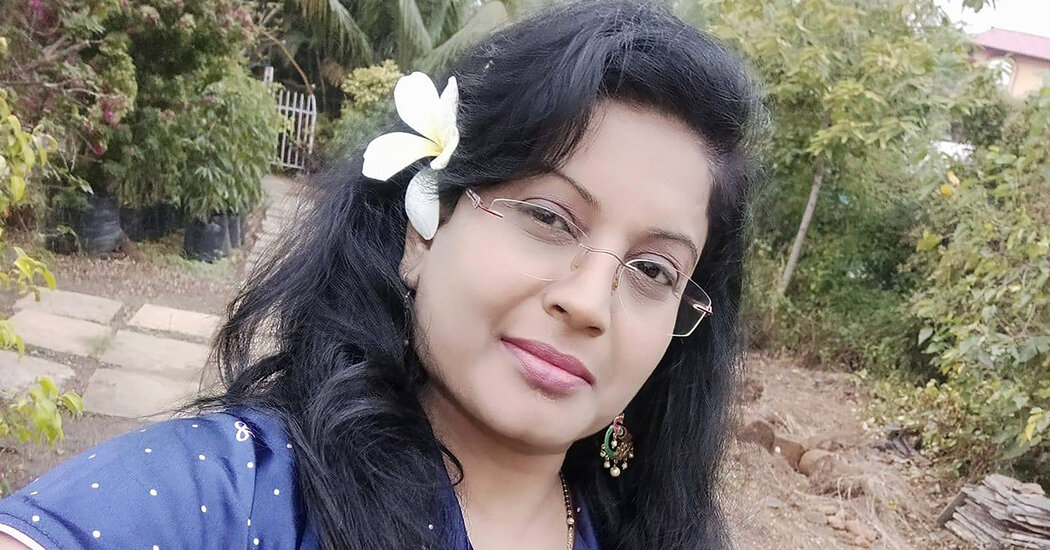
Manisha Jadhav, Key Administrator at Mumbai Hospital, Dies at 51

Dr. Jadhav took action when the pandemic hit last year, mustering personal protection equipment, food and transportation for the staff.This obituary is part of a series about people who have died in the coronavirus pandemic. Read about others here.When Dr. Manisha Jadhav’s mother died, she struggled to cope with her grief. Her husband encouraged her to join a karaoke singing class as a distraction, and soon she was posting videos of her performances on social media.“She bought two karaoke sets, for each one of us,” her husband, Dr. Navnath Jadhav, said. “And in no time, I was singing with her too.”Dr. Jadhav, the chief medical officer at the Group of Tuberculosis Hospitals in Mumbai, found other outlets for her enthusiasm. After she became interested in photography last year, her husband, a pathologist, said, she took a course, watched experts explain their craft on YouTube, went on picture-taking tours and filled notebooks with observations on camera angles, focus, exposure and lighting. She also gave her husband a camera so he could share her interest.Dr. Jadhav died on April 19 in a Mumbai city hospital. She was 51. The cause was complications of Covid-19, her husband said.Her approach to her hobbies was a reflection of her dedication to her job, which involved managing the hospital’s staff and handling operations. When the pandemic hit Mumbai in March 2020, she quickly organized personal protective equipment for the hospital’s workers amid a severe shortage, ensured that they had food, and made travel arrangements for the staff when public transport was suspended during the lockdown.She was one of 13 doctors honored for their efforts by the governor of Maharashtra State in December.“Doctors are like soldiers,” she would say. “They can’t be unavailable.”Manisha Ramugade was born in Mumbai on May 11, 1969, to Ram and Ratan Ramugade. Her father was a postal worker, her mother a homemaker. She was the youngest of four siblings.“As a kid, she would tell us that she wanted to become a doctor, and joke about giving injections,” her sister Sunita said.Manisha studied at the Utkarsha Mandir High School in Mumbai and completed her secondary schooling at MVLU College. She was awarded a medical degree by Lokmanya Tilak Municipal Medical College in Mumbai, where she met Navnath Jadhav. She also received diplomas in chest medicine and hospital administration.She joined the Group of Tuberculosis Hospitals in 1996 as a clinician and shifted to the administration six years ago. The hospital has been at the center of many strikes and protests, and Dr. Jadhav often found herself negotiating with the union representing the staff, persuading them not to take actions that she felt might affect patient care.“If she convinced us to call off a protest, she would also ensure to follow up on our demands until they were met,” Pradeep Narkar, a senior member of the labor union, said.On April 14, her photography class named her aspiring photographer of the year. “She attended the online ceremony, even as she was unwell,” her photography teacher, Vinayak Puranik, said.Along with her husband and her sister Sunita, Dr. Jadhav is survived by her son, Darshan, a medical student in Ukraine, and another sister, Anita. Her brother, Ravi, died last year.

Read more →

How 'good news' stories hide healthcare woes

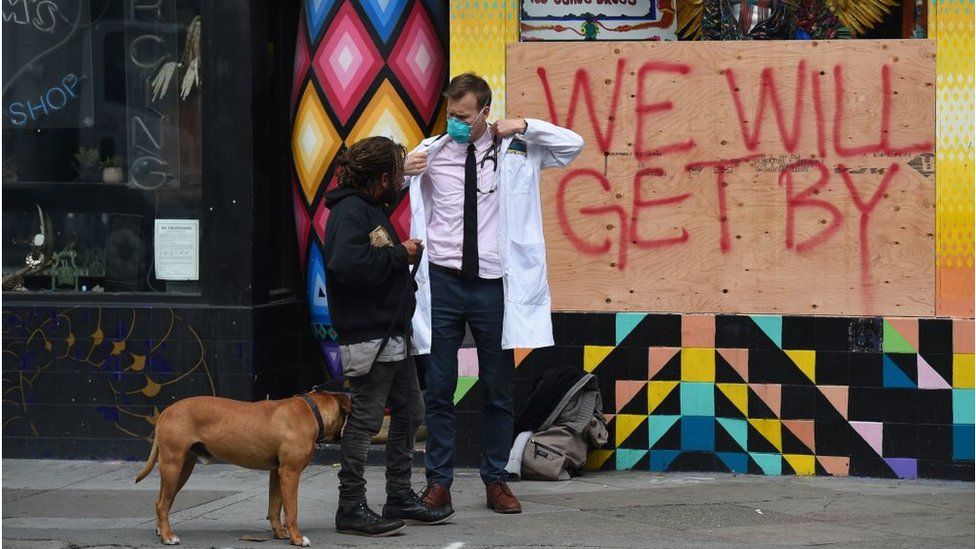
SharecloseShare pageCopy linkAbout sharingimage copyrightGetty ImagesUS headlines abound of average Americans crowd sourcing funds for their medical treatment, or selflessly forgoing necessary medicine in order to save money for their families. Why are these stories so popular? Dillon Hooley was a 17-year-old high school senior when he began cutting back on insulin, a life-saving drug necessary to manage his diabetes. The decision nearly caused him to die in his sleep.”I wasn’t thinking right, but my parents work so hard to give me what I need, and I didn’t want to put more financial stress on them,” he told CNN in a 2019 article about the skyrocketing costs of insulin.The family’s insurance deductible required them to spend $5,500 (£4,000) before receiving any benefits, forcing them to pay $800 per month for Dillon’s insulin. The coverage was provided by his father’s job at a steel mill in Utah.image copyrightFamily handoutCutting back his dosage to life-threatening levels was an illustration of how the teen “wanted to help out any way he could,” said the article’s introduction.”My son really didn’t like the CNN story and how he was portrayed,” says his mother, Mindie Hooley, who saved his life by waking him up and bringing him to hospital after he almost slipped into a coma due to a lack of insulin in his blood.”The story made him seem like a ‘hero’ who rationed his insulin to save his family and this wasn’t the case at all. He felt he had no other choice other than to ration,” she says, describing how the family had suffered financially.”Our family wishes that the article would have emphasised more about why he felt he had to ration. We wish that the emphasis was on why so many are to blame for why insulin is so expensive,” Mrs Hooley told the BBC.Manufacturers have raised costs sky high in order to give steep discounts to middlemen acting on behalf of insurance companies, says Mrs Hooley, who now advocates for affordable insulin access with the group T1 International. The family’s insurance company does not pay for Dillon’s continuous glucose monitor, test strips, or other supplies, also costing him thousands of dollars each month. To save money, he orders insulin through an online pharmacist, leading to batches that sometimes arrive late or spoiled.Now 20, Dillon has gone to work at the same company as his father, doing 12-hour graveyard shifts to earn enough money to fill in the gaps that health insurance will not cover.Dillon’s story of medical financial struggle being painted as a positive is not unique. Critics say it misses the point – but some say it can be life-saving if the appeal resonates.image copyrightGetty ImagesResearcher Alan MacLeod refers to these types of stories, depicting triumph over adversity, as “perseverance porn”.MacLeod, who is based in Scotland and represents the group Fairness and Accuracy in Reporting, says stories of working-class people persevering against all odds have been told throughout history, and speak to the public’s desire for human interest stories that put their own lives into perspective.”These sorts of stories about persevering through tough times are really sort of relevant to pretty much anyone,” he says, adding that they are growing in popularity as people struggle amid the global pandemic.’I hope I make it’The story of a seven-year-old girl from Birmingham, Alabama, selling lemonade to fund her brain surgeries went viral earlier this year.Liza Scott’s appeal raised nearly $400,000 (£290,000), allowing her to fly to Boston for a series of potentially life-saving operations.Her mother, Elizabeth Scott told the BBC in an email that “it’s amazing that [her story] has reached folks around the world”.MacLeod says that “kids selling lemonade are a classic example” of the “perseverance porn” that he has documented. He has seen several cases of children setting up lemonade stands to pay for their parents’ or their own medical treatment.”It’s never truly acknowledged that if these children lived in a more humane society, their perseverance would not even be necessary.” “If that girl lived in Nova Scotia, Norway or New Zealand she wouldn’t have to desperately try to sell lemonade on the street to afford her medical bills.”Crowd-sourcing website GoFundMe says that at least one third of its fundraisers are for medical treatments. Healthcare costs are also the leading cause of bankruptcy in the US.’My TikTok fans saved my life’Jescenia Ramos is a type-one diabetic with multiple chronic illnesses who uses TikTok to spread awareness about disabilities – and stay alive.Whenever Ramos has been kicked off private insurance, which has happened repeatedly and for varied reasons, the 21-year-old jewellery designer has relied on TikTok followers to help pay for insulin.”If it wasn’t for the fact that I had a really large TikTok following, I would have been dead. Because nobody would have seen that GoFundMe,” Ramos tells BBC News.The human cost of insulin in AmericaThe lengths Americans go to for cheap medicineRamos identifies as two-spirited, a third gender in Native American tradition, and uses they/them pronouns.They have around 60,000 followers under the name @quiibunnie, and says that being a “failure of the foster system” is the most recent reason that they lost their healthcare coverage.image copyrightJescenia RamosRamos’ non-biological parents, who raised them since they were 17 months old, did not ever legally adopt them despite being their legal guardians. For that reason, the family’s insurance company decided that Ramos is not considered a dependent – not actually their child – and must purchase a separate coverage plan. Ramos, who uses a wheelchair, now pays about $375 per month to the insurance company, and still has to pay another $700 per month for medications. That is still cheaper than buying the insulin without any insurance.After their most recent fundraising campaign, the third they’ve been forced to do, Ramos felt pressured to lie and tell their followers: “It’s okay, guys. I’m fine.””My story got shared around on TikTok and people had been asking for a positive update on the story, and I wish I could give them a positive update on the story, but I really can’t,” Ramos says.”Because I’m still definitely struggling incredibly financially,” they continue, adding that diabetes will probably cause further health problems in their future. “I don’t know if I’m going to be able to tell my platform, like, ‘Oh this will never happen again. I’ll never need your help again’.””But the reality of the situation is I will. I will always need help again,” Ramos says, adding that “the reality of medical care in America is you have money or you die.””I am exhausted from trying to get people on the internet to care enough about my life to donate five dollars,” says Ramos.image copyrightGetty ImagesLaura Marston says that stories of diabetic Americans losing their insulin access or being forced to ration the life-saving medicine are extremely common across the country.”If you really think down to the bare bones of the concept of paying for insulin, its very akin to this: If three companies own all of the world’s oxygen and every breath you needed you had to pay for,” says Marston, who is also diabetic.The 38-year-old IT lawyer lost her own health insurance after her employer died expectantly and the law firm where she started her career was dissolved. “It always kind of baffles me that people who are dealt a genetic hand – in this country at least – are told to work harder and make more money to pay not just the cost of our medical care but to prop up the industries like pharma,” she says.’This is awesome!’Even for families with employer-provided health insurance, the benefits may not sufficiently provide for the medical need, and the system often seems designed to be as confusing as possible.When two-year-old Logan Moore’s medical condition made it impossible for him to walk, his family decided that the boy couldn’t wait for a needed medical device to be approved by the family’s insurance provider.So they did it themselves.One afternoon in 2019, Logan and his mum went to Home Depot hardware store in Georgia and asked where to find the parts they would need to build a walker, which they had researched how to make themselves on YouTube.Instead, the employees told the family to get some ice cream while they assembled a personalised walker for Logan on the company’s dime.THIS IS AWESOME! Two-year-old Logan Moore needs a walker to get around but his family didn’t know if insurance would cover for one, so his local Home Depot found parts to make it themselves. 🥺❤️ MORE: https://t.co/V0YoW3FHuk pic.twitter.com/8QLHa2a8Mq— FOX 5 DC (@fox5dc) May 28, 2019
The BBC is not responsible for the content of external sites.View original tweet on TwitterThe image of young Logan was widely shared online, but many found the story to be heartbreaking and “dystopian”.”This is awesome!” tweeted a Fox TV affiliate in Washington DC, alongside a picture of the smiling boy.”This is horrific,” one person responded. “This isn’t heart-warming. It’s an indictment of the US healthcare system,” replied another.”Regular people being lovely, generous, and creative is good. Making marginalised people depend on them for basic survival is not,” tweeted another user.You may also be interested in:

Read more →

Coronavirus: The impact on the deaf community

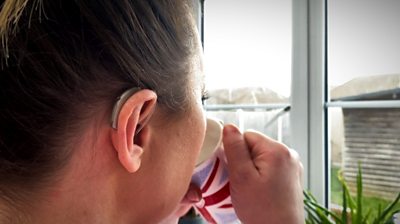
More than one in three deaf people have reported struggling with their mental health because of the pandemic, according to a recent report by the deafness charity SignHealth. Christopher Reid, Director of Operations at SignHealth said: “We are very concerned that 35% of deaf respondents indicated that the pandemic has had a major negative impact on their mental health and 61% highlighting anxiety as what has impacted them most.”SignHealth is now appealing to the government to do more in regards to continued accessibility. They have backed the ‘Where is the interpreter’ campaign, in an effort to increase the accessibility of information for people whose hearing is impaired. Video Journalist: Faith Sullivan-Lewis

Read more →

Sweden's IVF programme for single women not 'as good as hoped'

Fertility campaigners in Sweden say healthcare officials have broken a promise to help more single women get pregnant.In April 2016, Swedish women without partners were given the same rights as couples to access state-funded fertility treatments including IVF.But waiting times are so long in one part of the country that women have been told it’s too late to join the list once they turn 37.Reporter: Maddy SavageVideo Journalist: Benoit Derrier

Read more →

Hundreds Reported Abnormal Menstruation After Exposure to Tear Gas, Study Finds

A scientific paper expands on social media reports of sudden onset of periods, spotting and other menstrual peculiarities during last summer’s protests in Portland, Ore.At some point last summer, there were just too many reports of protesters who had experienced abnormal menstrual cycles after being exposed to tear gas for Britta Torgrimson-Ojerio, a nurse researcher at the Kaiser Permanente Center for Health Research in Portland, to dismiss them as coincidence.A preschool teacher told Oregon Public Broadasting that if she inhaled a significant amount of gas at night, she’d get her period the next morning. Other Portland residents shared stories of periods that lasted for weeks and of unusual spotting. Transgender men described sudden periods that defied hormones that had kept menstruation at bay for months or years.Dr. Torgrimson-Ojerio decided she would try to figure out whether these anecdotes were outliers or representative of a more common phenomenon. She surveyed around 2,200 adults who said they had been exposed to tear gas in Portland last summer. In a study published this week in the journal BMC Public Health, she reported that 899 of them — more than 54 percent of the respondents who potentially menstruate — said they had experienced abnormal menstrual cycles.“Even though we cannot say anything scientifically definitive about these chemical agents and a causal relationship to menstrual irregularities,” Dr. Torgrimson-Ojerio said, “we can definitively say that in our study most people who had menstrual cycles or a uterus reported menstrual irregularities after reporting exposure to tear gas.”Downstream effects, like the impact on fertility, are not known, but “this is our call to action to ask our scientific community to turn their eye to this issue,” she said.Dr. Torgrimson-Ojerio was also interested in whether people had experienced other problems more than a few hours after being exposed to tear gas. She found that 80 percent of survey participants had, with difficulty breathing being among the most prevalent complaints.Kira Taylor, a professor of epidemiology and population health at the University of Louisville School of Public Health and Information Sciences who is conducting a similar study, said that Dr. Torgrimson-Ojerio’s study provided “some of the first solid evidence” that tear gas might be linked to menstrual abnormalities. It is also “the first study to document the longer-term effects of tear gas exposure in a large population,” she said.Sven-Eric Jordt, a professor of anesthesiology, pharmacology and cancer biology at the Duke University School of Medicine, who was not involved in the study, applauded the work.A tear gas canister striking a barrier in Portland in July.Mason Trinca for The New York TimesMost of the research that police agencies and the government rely on to inform them about tear gas safety “are outdated, often 50 to 70 years old, and don’t measure up to modern toxicological approaches,” he said. “Most of these studies were conducted in young healthy men at the time, either police or military, and not in women, or in a general civilian population representing protesters.”Dr. Torgrimson-Ojerio and her colleagues recruited survey participants through social media and links on the websites of The Oregonian and the Oregon Health Authority in July and August.The researchers asked participants to explain precisely how their periods had been affected after exposure to tear gas. Increased cramps, unusual spotting and uncharacteristically intense or long bleeding were the most common reactions. A number of people who don’t usually have periods because of hormone therapy or age reported unexpected bleeding and spotting, Dr. Torgrimson-Ojerio said.This study has limitations. It is not a random sample.“It is possible that people who feel that their health was damaged by tear gas might have been more likely to respond than people who were also exposed, yet did not feel such harmful effects,” Dr. Taylor said. “This means that some of the numbers might be exaggerated.”Given that subjects were permitted to participate anonymously, researchers could not verify their accounts.A spent canister of CS gas that was fired during a protest at the Immigration and Customs Enforcement building in Portland in January.Alisha Jucevic for The New York TimesNor can the study answer how or why tear gas might be contributing to menstrual irregularities or to what extent other factors are also involved. The authors acknowledge that the high levels of stress and anxiety among protesters, for example, could also have contributed to the physical response.“It is possible that pain, stress, dehydration and exertion play a role,” Dr. Jordt said. Alternatively, tear gas may act as an “endocrine disrupter,” interfering with normal hormonal function.“The tear gas agent CS, sometimes used by police, is a chlorinated chemical compound and produces additional chlorinated byproducts when burned in the canisters used by the police,” he said. “Exposure to chlorinated chemicals can affect menstrual health.”Alexander Samuel, a molecular biologist in France, has been investigating similar questions since French protesters began reporting menstrual irregularities.He mentioned two additional areas for exploration: whether tear gas is metabolized into cyanide, which may cause heavy menstrual bleeding, and the role a traumatic event may play in altering menstrual cycles.Suspicions about tear gas and menstruation first came up more than a decade ago, during the Arab Spring protests, Dr. Jordt noted.In 2011, Chile also banned the use of tear gas after a study suggested that CS gas could cause miscarriages and harm young children. Three days later, the Chilean police lifted the ban, insisting that the type of tear gas they used was perfectly safe.

Read more →

Celebrities Are Endorsing Covid Vaccines. Does It Help?

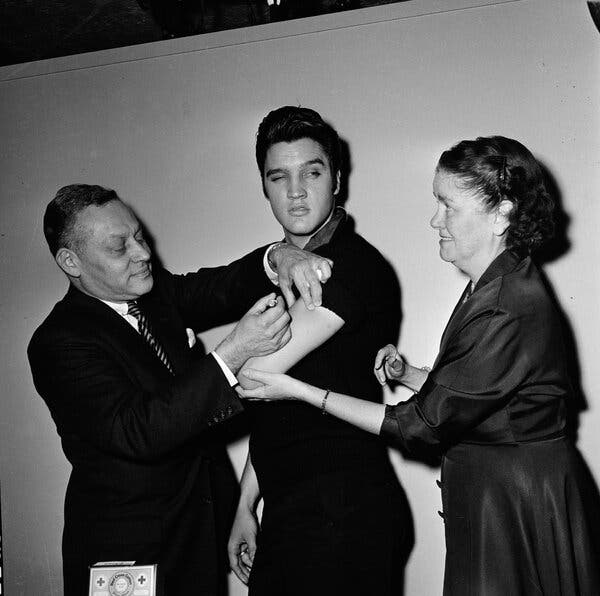
Some celebrity vaccine endorsements have delighted social media users. But epidemiologists say there isn’t much evidence proving that they boost vaccine uptake.Pelé, Dolly Parton and the Dalai Lama have little in common apart from this: Over a few days in March, they became the latest celebrity case studies for the health benefits of Covid-19 vaccines.“I just want to say to all of you cowards out there: Don’t be such a chicken squat,” Ms. Parton, 75, said in a video that she posted on Twitter after receiving her vaccine in Tennessee. “Get out there and get your shot.”This is hardly the first time public figures have thrown their popularity behind an effort to change the behavior of ordinary people. In medicine, celebrity endorsements tend to echo or reinforce messages that health authorities are trying to publicize, whether it’s getting a vaccine, or other medical treatment. In 18th-century Russia, Catherine the Great was inoculated against smallpox as part of her campaign to promote the nationwide rollout of the procedure. Almost 200 years later, backstage at “The Ed Sullivan Show,” Elvis Presley received the polio vaccine in an effort to help reach at-risk teenagers.But do the star-studded endorsements really work? Not necessarily. Epidemiologists say there are plenty of caveats and potential pitfalls — and little scientific evidence to prove that the endorsements actually boost vaccine uptake.“Very few people actually do give the weight of expertise, for better or worse, to celebrities,” said René F. Najera, an epidemiologist and the editor of the History of Vaccines website, a project of the College of Physicians of Philadelphia.Elvis Presley received the polio vaccine backstage at the “The Ed Sullivan Show” in 1956.CBS Photo Archive/Getty Images“There’s some shift there now with social media and social influence in the younger age groups,” he added. “But for the most part, we still listen more to our peers than to some figurehead.”As vaccination campaigns accelerate around the world, watching high-profile endorsements has become one of the latest — and among the weirdest — online rituals of the Covid era.To help track the phenomenon, New York Magazine over the winter kept a running list of newly vaccinated celebrities that includes Christie Brinkley (“piece of cake”), Whoopi Goldberg (“I didn’t feel it”) and Mandy Patinkin (“One of the few benefits of being old”). Journalists in India have done the same for Bollywood film stars.In Europe, pictures of male politicians getting their shots while shirtless have generated a bunch of memes. An epidemiologist in Oregon, Dr. Esther Choo, joked on Twitter that the French health minister, Olivier Véran, was carrying out a public-relations campaign that she called “Operation Smolder.”Such posts are notable because they instantly allow millions of people to see the raw mechanics of immunization — needles and all — at a time when skepticism toward Covid vaccines has been stubbornly persistent in the United States and beyond. The rapid-fire testimonials by Pelé, Ms. Parton and the Dalai Lama in March, for example, collectively reached more than 30 million followers and prompted hundreds of thousands of engagements across Twitter, Instagram and YouTube. In April, the singer Ciara hosted a star-studded NBC special meant to promote vaccinations, with appearances by former President Barack Obama and his wife, Michelle Obama, as well as Lin-Manuel Miranda, Jennifer Hudson, Matthew McConaughey and others.“These kind of endorsements might be especially important if trust in government/official sources is quite low,” Tracy Epton, a psychologist at the University of Manchester in Britain who has studied public health interventions during the coronavirus pandemic, said in an email.That was the case in the 1950s, when Elvis Presley agreed to receive the polio vaccine to help the National Foundation for Infantile Paralysis reach a demographic — teenagers — that was “difficult to educate and inspire through traditional means,” said Stephen E. Mawdsley, a lecturer in modern American history at the University of Bristol in Britain.“I think Elvis helped to make getting vaccinated seem ‘cool’ and not just the responsible thing to do,” Dr. Mawdsley said.There is some evidence that celebrity endorsements of a given medical behavior can have concrete results. After Katie Couric had a colonoscopy live on the “Today” show in 2000, for example, the number of colorectal screenings in the United States soared for about nine months.And in Indonesia, researchers found in a pre-coronavirus experiment that when 46 celebrities agreed to tweet or retweet pro-immunization messages, their posts were more popular than similar ones from noncelebrities. That was especially true when the celebrities delivered the message in their own voices, rather than citing someone else, researchers found. “Their voice matters,” said Vivi Alatas, an economist in Indonesia and a co-author of that study. “It’s not just their ability to reach followers.”For the most part, though, the science linking celebrity endorsements to behavioral change is tenuous.One reason is that people generally consider those within their own personal networks, not celebrities, the best sources of advice about changing their own behavior, Dr. Najera said.He cited a 2018 study that found few gun owners in the United States rated celebrities as effective communicators about safe gun storage. The owners were far more likely to trust law enforcement officers, active-duty military personnel, hunting or outdoor groups, and family members.From left, Arsenio Hall, Danny Trejo and Magic Johnson got their vaccines together in Los Angeles in March.Pool photo by Gina FerazziDr. Najera and other researchers have been convening focus groups of Americans to find out what has prompted them to agree — or not — to be vaccinated against Covid-19. He said the primary finding so far was that rates of uptake or hesitancy often corresponded to vaccine behavior among a given person’s racial, ethnic or socioeconomic peer group.Ho Phi Huynh, a professor of psychology at Texas A&M University-San Antonio, said that vaccine endorsements from celebrities tended to have a “spectrum of effect” because the degree of star admiration varies so much from fan to fan. Some see a celebrity merely as entertainment, Dr. Huynh said, while others form attachments to them that may compensate for a lack of authentic relationships in their own lives.“So going back to Dolly, if people perceive her to be a ‘typical liberal’ celebrity, there might be little influence for a large faction of the country,” he said.In Indonesia this winter, it took only a few hours for a mega-celebrity to undercut his own vaccine endorsement.The government had chosen the entertainer Raffi Ahmad, 34, to be among the first in the country to receive a Covid shot in January. “Don’t be afraid of vaccines,” he told his Instagram followers, who numbered nearly 50 million at the time, almost a fifth of the country’s population.That night, he was spotted partying without a mask, and accused of breaking the public’s trust.“Please you can do better than this,” Sinna Sherina Munaf, an Indonesian musician, told Mr. Ahmad and her nearly 11 million followers on Twitter. “Your followers are counting on you.”

Read more →

Singapore: What's it like in the best place to live during Covid?

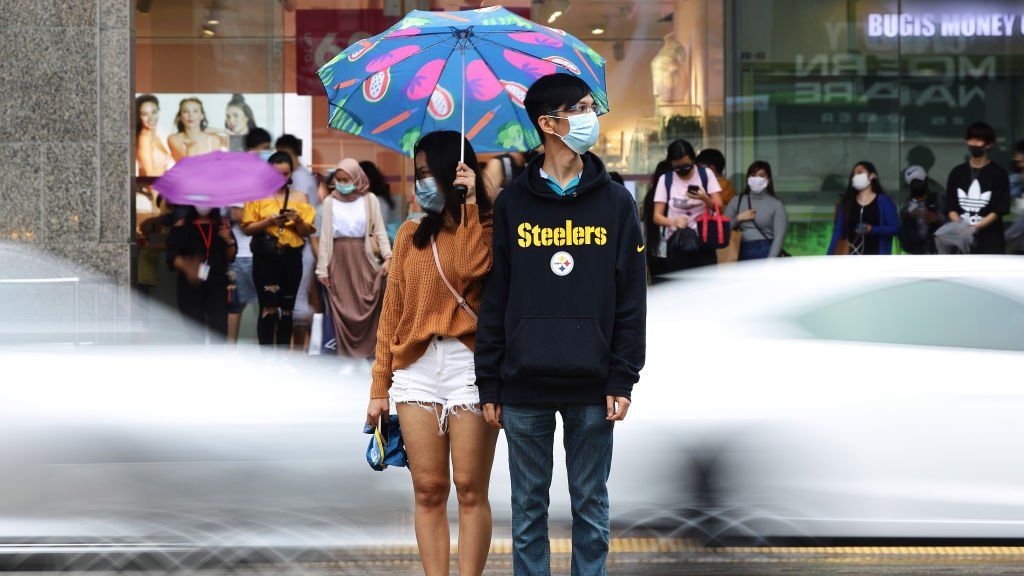
SharecloseShare pageCopy linkAbout sharingimage copyrightGetty ImagesAs several countries see a devastating resurgence in Covid cases, one tiny Asian island has emerged as the best place to ride out the global pandemic.This week, Singapore topped the Bloomberg Covid Resilience Ranking, knocking out New Zealand which has ruled the chart for months. The list considers factors ranging from Covid case numbers to freedom of movement.Bloomberg cited Singapore’s efficient vaccination programme compared to the slow rollout in New Zealand as the chief reason for the change in position.So what’s it like to live in the best place in the world during these uncertain Covid times? And is it really all that it’s cracked up to be?A near-normal life and deep dissonanceOK, it’s mostly true. Life in Singapore can be pretty good – though I say this with some big caveats.In recent months, apart from small outbreaks that have been swiftly quashed, there have been nearly zero daily community cases – though just this week several new cases emerged and restrictions were promptly tightened.Strict travel rules and border security have meant that imported cases are generally stopped in their tracks, with arrivals whisked away to isolation immediately.Apart from a two month “circuit-breaker” early last year, we’ve never had to go into lockdown again. Life is near-normal: I can see my family anytime or meet friends for dinner at a restaurant, though we can’t be more than eight people. Masks are mandatory everywhere, even outdoors, though you can take them off while exercising or eating.image copyrightGetty Imagesimage copyrightGetty ImagesMany of us are back at work in a socially-distanced office, and you can catch a movie, watch a concert, or go shopping – as long as you wear your mask and check in on a contact tracing app. Schools and childcare centres are open, and on the weekend I can take my children anywhere – though many venues have reduced capacity to ensure social distancing, so planning for the weekend is much like preparing for a military exercise (I’m the hapless soldier, my kids are the generals).image copyrightGetty ImagesAbout 15% of our population has been fully vaccinated since the start of the year. This statistic is partly due to a small base – there’s only about six million of us – but also because of a well-run rollout, high trust in the government, and dwindling vaccine hesitancy.So we’re safe, and doing well – mandatory mask wearing, aggressive contact tracing, and prolonged restrictions on travel and large gatherings have all helped, as does the fact that we’re an island with easily-controlled borders, large financial reserves, and a ruthlessly efficient system.image copyrightGetty ImagesBut at the same time, there’s a deep dissonance in the idea that we’re the best place to live right now.Many in Singapore enjoy freedom of movement, but that’s not the case for the hundreds of thousands of migrant workers who are still mostly confined to their workplaces and dormitories, following mass outbreaks last year due to cramped and unsanitary living conditions.They have to seek permission from their employers if they want to leave their dorms, and mostly socialise in government-approved recreation centres.How a pandemic exposed Singapore’s inequalitiesHalf of Singapore’s migrant workers were Covid-positiveAll this is necessary to protect the rest of the country as there is a “real and significant” risk of another outbreak in their community, the government has argued. This is not untrue, given that many workers continue to live in more crowded housing than most Singaporeans, even after efforts to improve their accommodation.But it also underscores the bitter fact that for all its talk of equality, Singapore still remains a deeply segregated society.This is “shameful and discriminatory”, says migrant rights activist Jolovan Wham. “Because the migrant workers lack political power, it somehow becomes socially acceptable that they bear the brunt of our policy failures.”New Zealand may also be near the top of the Covid Resilience list, but it did not trample on people’s rights. It’s not just about the result, but the means of how we get there.”image copyrightGetty ImagesThe pandemic also continues to leave its scars on the underprivileged and low-income families. The government has ploughed millions of dollars into propping up the economy and helping needy families, and the unemployment rate has remained low.But the figures don’t tell the full story. Some workers have seen pay cuts, and many of those who lost their jobs have found new ones in the gig economy as food deliverymen or drivers.”It’s precarious, and the feeling of not knowing how much you can earn that day, that can be very stressful. They’re easily replaceable too. So it’s that lack of social security,” says social worker Patricia Wee.This stress can then go on to impact families in “insidious ways”, she adds. Cases of family violence, for instance, have been increasing, even after lockdown.A gilded cageEven for those of us who enjoy the privileges of freedom and a stable income, there are some downsides.The little privacy that we had before the pandemic in this highly-surveilled state has diminished even further. We’ve come to accept that everywhere we go, we have to use an app or carry a token that traces our whereabouts and the people we come in contact with, though the government says the data is anonymised.Covid-19 has seen a rush into further surveillance without much public debate. Many agree with the government’s argument that it’s necessary in a crisis, but some have warned of potential misuse of such a massive harvest of data. When the government recently admitted it allowed the police to use this data for purposes other than contact tracing, despite earlier privacy assurances, this lack of transparency angered some.Many are also chafing in what’s turned out to be a gilded cage, thanks to strict quarantine rules in Singapore and elsewhere which have ruled out easy travel for now. It’s meant that many of us still cannot see in person our loved ones in other countries.image copyrightGetty ImagesLiving in a crowded city-state with no hinterland, many in Singapore are used to travelling abroad, even if it’s just a weekend daytrip to a nearby Indonesian island or to neighbouring Malaysia’s border towns. This is no longer possible, so tens of thousands have gone on cruises to nowhere, while hotels are booked up for “staycations” . Motorcycle and car enthusiasts, used to racing the tracks and highways of Malaysia, have been zooming in endless loops around the island. News that Singapore is opening up a travel bubble with Hong Kong, after a failed attempt last year, was met with joy – then a sense of fatalism after community cases were reported in both cities this week.’Survivor’s guilt’It’s hard to complain about boredom though, given how the virus is still ravaging some parts of the world. Some of us, like writer Sudhir Thomas Vadaketh who has family in India which is seeing a devastating second wave, are experiencing something akin to “survivor’s guilt” as they watch loved ones suffer from afar.”It just feels weird that the situation in some countries on this planet is literally hell, while here we are looking forward to the travel bubble. It almost feels immoral that we are doing so well and enjoying our lives while we’ve been closed off, and other countries are doing so badly,” he says.”Singapore is a city that has grown rich off the back of globalisation. Given our connectivity and nature of economic development, I feel that we have a greater moral responsibility [to care about other countries].”image copyrightGetty ImagesMany in Singapore would say that, for now, we are just grateful and relieved to weather a dangerous global pandemic in this safe little bubble.But it will eventually pop. The Singapore government has repeatedly stressed that the country has to reopen for the sake of economic survival, and has already begun easing restrictions for travellers from some places like mainland China and Australia.Singapore will fully rejoin the rest of the world one day – and that will then be our true test of Covid resilience.

Read more →

Slowly, Robo-Surgeons Are Moving Toward the Operating Room

Real scalpels, artificial intelligence — what could go wrong?Sitting on a stool several feet from a long-armed robot, Dr. Danyal Fer wrapped his fingers around two metal handles near his chest.As he moved the handles — up and down, left and right — the robot mimicked each small motion with its own two arms. Then, when he pinched his thumb and forefinger together, one of the robot’s tiny claws did much the same. This is how surgeons like Dr. Fer have long used robots when operating on patients. They can remove a prostate from a patient while sitting at a computer console across the room.But after this brief demonstration, Dr. Fer and his fellow researchers at the University of California, Berkeley, showed how they hope to advance the state of the art. Dr. Fer let go of the handles, and a new kind of computer software took over. As he and the other researchers looked on, the robot started to move entirely on its own.With one claw, the machine lifted a tiny plastic ring from an equally tiny peg on the table, passed the ring from one claw to the other, moved it across the table and gingerly hooked it onto a new peg. Then the robot did the same with several more rings, completing the task as quickly as it had when guided by Dr. Fer.The training exercise was originally designed for humans; moving the rings from peg to peg is how surgeons learn to operate robots like the one in Berkeley. Now, an automated robot performing the test can match or even exceed a human in dexterity, precision and speed, according to a new research paper from the Berkeley team.The project is a part of a much wider effort to bring artificial intelligence into the operating room. Using many of the same technologies that underpin self-driving cars, autonomous drones and warehouse robots, researchers are working to automate surgical robots too. These methods are still a long way from everyday use, but progress is accelerating.Dr. Danyal Fer, a surgeon and researcher, has long used robots while operating on patients.Sarahbeth Maney for The New York Times“It is an exciting time,” said Russell Taylor, a professor at Johns Hopkins University and former IBM researcher known in the academic world as the father of robotic surgery. “It is where I hoped we would be 20 years ago.”The aim is not to remove surgeons from the operating room but to ease their load and perhaps even raise success rates — where there is room for improvement — by automating particular phases of surgery.Robots can already exceed human accuracy on some surgical tasks, like placing a pin into a bone (a particularly risky task during knee and hip replacements). The hope is that automated robots can bring greater accuracy to other tasks, like incisions or suturing, and reduce the risks that come with overworked surgeons.During a recent phone call, Greg Hager, a computer scientist at Johns Hopkins, said that surgical automation would progress much like the Autopilot software that was guiding his Tesla down the New Jersey Turnpike as he spoke. The car was driving on its own, he said, but his wife still had her hands on the wheel, should anything go wrong. And she would take over when it was time to exit the highway.“We can’t automate the whole process, at least not without human oversight,” he said. “But we can start to build automation tools that make the life of a surgeon a little bit easier.”Five years ago, researchers with the Children’s National Health System in Washington, D.C., designed a robot that could automatically suture the intestines of a pig during surgery. It was a notable step toward the kind of future envisioned by Dr. Hager. But it came with an asterisk: The researchers had implanted tiny markers in the pig’s intestines that emitted a near-infrared light and helped guide the robot’s movements.Scientists believe neural networks will eventually help surgical robots perform operations on their own.Sarahbeth Maney for The New York TimesThe method is far from practical, as the markers are not easily implanted or removed. But in recent years, artificial intelligence researchers have significantly improved the power of computer vision, which could allow robots to perform surgical tasks on their own, without such markers.The change is driven by what are called neural networks, mathematical systems that can learn skills by analyzing vast amounts of data. By analyzing thousands of cat photos, for instance, a neural network can learn to recognize a cat. In much the same way, a neural network can learn from images captured by surgical robots.Surgical robots are equipped with cameras that record three-dimensional video of each operation. The video streams into a viewfinder that surgeons peer into while guiding the operation, watching from the robot’s point of view.But afterward, these images also provide a detailed road map showing how surgeries are performed. They can help new surgeons understand how to use these robots, and they can help train robots to handle tasks on their own. By analyzing images that show how a surgeon guides the robot, a neural network can learn the same skills.This is how the Berkeley researchers have been working to automate their robot, which is based on the da Vinci Surgical System, a two-armed machine that helps surgeons perform more than a million procedures a year. Dr. Fer and his colleagues collect images of the robot moving the plastic rings while under human control. Then their system learns from these images, pinpointing the best ways of grabbing the rings, passing them between claws and moving them to new pegs.But this process came with its own asterisk. When the system told the robot where to move, the robot often missed the spot by millimeters. Over months and years of use, the many metal cables inside the robot’s twin arms have stretched and bent in small ways, so its movements were not as precise as they needed to be.Human operators could compensate for this shift, unconsciously. But the automated system could not. This is often the problem with automated technology: It struggles to deal with change and uncertainty. Autonomous vehicles are still far from widespread use because they aren’t yet nimble enough to handle all the chaos of the everyday world.From left: At the University of California, Berkeley, Ken Goldberg, an engineering professor; Samuel Paradis, a master’s student; Brijen Thananjeyan, a doctoral candidate; and Dr. Minho Hwang watched as the da Vinci Research Kit conducted the peg transfer.Sarahbeth Maney for The New York TimesThe Berkeley team decided to build a new neural network that analyzed the robot’s mistakes and learned how much precision it was losing with each passing day. “It learns how the robot’s joints evolve over time,” said Brijen Thananjeyan, a doctoral student on the team. Once the automated system could account for this change, the robot could grab and move the plastics rings, matching the performance of human operators.Other labs are trying different approaches. Axel Krieger, a Johns Hopkins researcher who was part of the pig-suturing project in 2016, is working to automate a new kind of robotic arm, one with fewer moving parts and that behaves more consistently than the kind of robot used by the Berkeley team. Researchers at the Worcester Polytechnic Institute are developing ways for machines to carefully guide surgeons’ hands as they perform particular tasks, like inserting a needle for a cancer biopsy or burning into the brain to remove a tumor.“It is like a car where the lane-following is autonomous but you still control the gas and the brake,” said Greg Fischer, one of the Worcester researchers.Many obstacles lie ahead, scientists note. Moving plastic pegs is one thing; cutting, moving and suturing flesh is another. “What happens when the camera angle changes?” said Ann Majewicz Fey, an associate professor at the University of Texas, Austin. “What happens when smoke gets in the way?”For the foreseeable future, automation will be something that works alongside surgeons rather than replaces them. But even that could have profound effects, Dr. Fer said. For instance, doctors could perform surgery across distances far greater than the width of the operating room — from miles or more away, perhaps, helping wounded soldiers on distant battlefields.The signal lag is too great to make that possible currently. But if a robot could handle at least some of the tasks on its own, long-distance surgery could become viable, Dr. Fer said: “You could send a high-level plan and then the robot could carry it out.”The same technology would be essential to remote surgery across even longer distances. “When we start operating on people on the moon,” he said, “surgeons will need entirely new tools.”

Read more →

Stephen Karanja: Kenyan anti-vaccine doctor dies from Covid-19

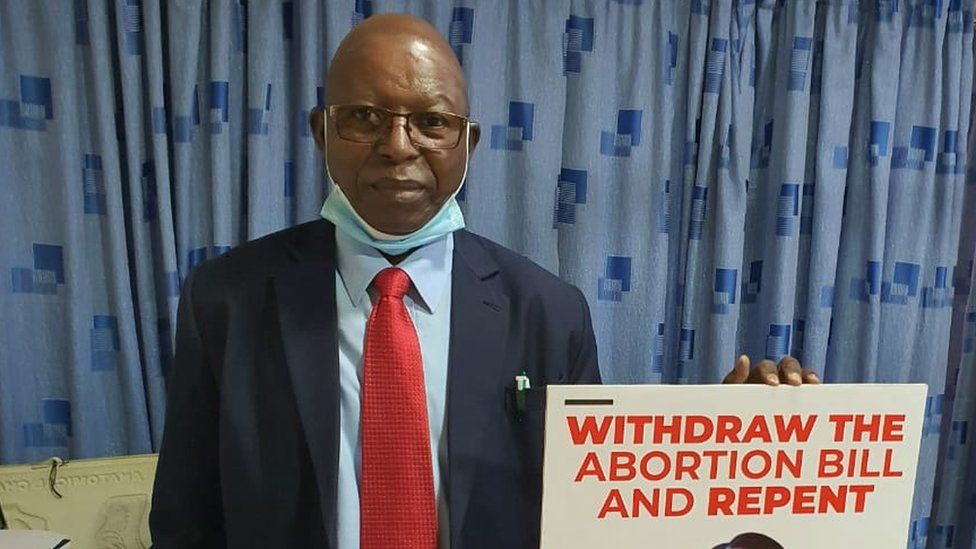
SharecloseShare pageCopy linkAbout sharingimage copyrightCitizenGOA Kenyan doctor who became a vociferous opponent of Covid-19 vaccines has succumbed to the virus, weeks after saying the jabs were “totally unnecessary”. Dr Stephen Karanja, chairman of the Kenya Catholic Doctors Association, advocated steam inhalation and hydroxychloroquine tablets. He clashed with the Catholic church over the safety of Covid jabs.Health authorities and the World Health Organization (WHO) rejected his claims. “[The vaccine] being distributed in Kenya, has been reviewed and found safe not only by the WHO rigorous process but also by several stringent regulatory authorities,” the WHO said in March.Africa Live: Latest updates from across the continentKenyan nurse: ‘I was shunned over coronavirus fears’The women fighting South Africa’s ‘infodemic’The Kenya Conference of Catholic Bishops also distanced itself from Dr Karanja’s view on Covid-19 vaccines, saying the vaccines were “licit and ethically acceptable.” Kenya received just over a million vaccine doses from the global Covax initiative, most of which have been administered. The country has confirmed more than 160,000 cases and 2,707 deaths. In March, the government imposed another lockdown restricting movement in five counties after a surge in new infections.What did Dr Karanja say about Covid vaccines?In a letter dated 3 March Dr Karanja said that “there are drugs that have been repurposed and used effectively to treat Covid-19,” adding that “we also know that vaccination for this disease is totally unnecessary making the motivation suspect.”He went on in different forums to advocate alternative treatments, including steam inhalation and a cocktail of drugs – including hydroxychloroquine and Ivermectin, which have not been approved by the WHO to treat Covid-19.Covid-19 and hydroxychloroquine: What do we know?The South African debate over IvermectinDr Karanja, who was an obstetrician and gynaecologist, died on Thursday a week after he was admitted to hospital suffering from complications caused by a Covid-19 infection.What else has Dr Karanja said?Before falling out with the Catholic church in Kenya about the safety and efficacy of the Covid-19 vaccine, Dr Karanja often allied with the religious leaders to oppose mass vaccination campaigns. In 2019 he led opposition against vaccination of schoolgirls against cervical cancer, saying the jab against Human Papilloma Virus (HPV) was unnecessary because it affected those “whose lifestyle involves irresponsible sexual behaviours”. In 2014, his association opposed the government’s rollout of a tetanus vaccine targeting women, claiming it was a sterilisation campaign, despite local health authorities, the WHO, and the UN children’s agency Unicef saying the vaccine was safe.In both instances the government carried on with its plans, but officials reported that they encountered vaccine hesitancy as a result of the objections raised by Dr Karanja.He was also a prominent anti-abortion campaigner and appeared in court in 2018 as an expert witness in a case in which the government was sued for withdrawing guidelines on abortion. The high court ruled that the government decision was unlawful and illegal. Though shunned by a majority of health professionals in Kenya, the Catholic church recognised his association, but often hastened to add that Dr Karanja did not speak for the Catholic church.”The mandate of the church is to speak on matters of morality and faith. The mandate of the doctors is to speak on their understanding of their scientific practice. We are not at variance,” Father Ferdinand Lugonzo, the Kenya Conference of Catholic Bishops spokesperson, told the BBC.A SIMPLE GUIDE: How do I protect myself?IMPACT: What the virus does to the bodyRECOVERY: How long does it take?

Read more →

Engineering T cells to attack cancer broadly

Through T cell engineering, researchers at Virginia Commonwealth University Massey Cancer Center show that it’s possible to arrest tumor growth for a variety of cancers and squash the spread of cancer to other tissues. This research will be published in tomorrow’s print edition of Cancer Research.
The paper builds on decades of research by study co-senior author Paul B. Fisher, M.Ph., Ph.D., a member of Massey’s Cancer Biology research program, who discovered a protein called IL-24 that attacks a variety of cancers in several different ways.
In this latest study, Fisher teamed up with his colleague Xiang-Yang (Shawn) Wang, Ph.D., who co-leads the Developmental Therapeutics research program at Massey, to deliver the gene coding for IL-24, which is called MDA-7, to solid tumors using T cells.
“I think the beauty of what we’ve been involved in is that it expands the scope of immunotherapy,” said Fisher, professor and chair of the Department of Human and Molecular Genetics at the VCU School of Medicine, director of the VCU Institute of Molecular Medicine (VIMM) and Thelma Newmeyer Corman Endowed Chair in Oncology Research. “Our approach is less dependent on cancer cells expressing something specific to target.”
After all, this isn’t the first time T cells have been engineered for cancer immunotherapy. FDA-approved chimeric antigen receptor T (CAR-T) cell therapy — which is designed to destroy cancer cells expressing specific surface molecules — has shown tremendous success for treating advanced cancers of the blood and lymphatic systems.
But CAR-T has made limited progress on solid tumors, such as prostate cancer or melanoma, because the cells that make up those tumors aren’t all the same, which blocks the engineered T cells from recognizing and attacking.

Read more →