Salton Sea aerosol exposure triggers unique and mysterious pulmonary response

Communities surrounding the Salton Sea, the inland body of water straddling California’s Riverside and Imperial counties, show high rates of asthma due, possibly, to high aerosol dust levels resulting from the sea shrinking over time.
Scientists suspect, however, the Salton Sea plays an additional role in pulmonary health.
A University of California, Riverside study performed on mice has found Salton Sea aerosol turns on nonallergic inflammation genes and may also promote lung inflammation. For comparison, aerosolized fungal allergen (Alternaria) — a common household fungal allergen — produces an allergic inflammation in the lungs of mice.
“Our work strongly suggests that soluble components in Salton Sea water promote a unique inflammation-associated response,” said Dr. David Lo, a distinguished professor of biomedical sciences at the UC Riverside School of Medicine, who led the study published in the journal Science of The Total Environment. “What relationship this response may have to asthma is not yet understood.”
Lo’s team exposed the mice to aerosolized suspensions generated from three separate sources: aqueous solutions of Alternaria filtrate, Salton Sea water, and Pacific Ocean water. Each exposure study lasted seven days and was performed in an exposure chamber and a control chamber, the latter receiving only pumped filtered air.
The researchers found exposure to aerosolized Alternaria triggered a dramatic allergic inflammation in the lungs of the mice. Aerosolized Salton Sea water increased B cell activity in the lung tissue of the mice; B cells are immune cells that make antibodies to fight bacteria and viruses. In contrast, mice exposed to Pacific Ocean aerosol showed no lung response.

Read more →

Combining three techniques boosts brain-imaging precision

Researchers report that they have developed a method to combine three brain-imaging techniques to more precisely capture the timing and location of brain responses to a stimulus. Their study is the first to combine the three widely used technologies for simultaneous imaging of brain activity. The work is reported in the journal Human Brain Mapping.
The new “trimodal” approach combines functional MRI, electroencephalography and a third technique, called EROS, that tracks the activity of neurons near the surface of the brain using near-infrared light.
“We know that fMRI is very good at telling us where in the brain things are happening, but the signal is quite slow,” said postdoctoral researcher Matthew Moore, the first author of the study, which was conducted at the University of Illinois Urbana-Champaign’s Beckman Institute for Advanced Science and Technology. “And when we measure electrical activity through EEG, it is very good at telling us when things happen in the brain — but it’s less precise about where.”
The third method, called event-related optical signal, provides a measure of spatial information that is similar to fMRI but, like EEG, can more accurately assess the timing of brain responses. This helps researchers fill in the blanks left by the other two technologies, Moore said. The result is a clearer picture of how different parts of the brain are activated and communicate with one another when an individual engages in a cognitive task and is distracted — in this case, by emotionally challenging information.
Functional MRI captures a signal from the flow of oxygenated blood in the brain when a person sees or responds to a stimulus. This signal is very useful for determining which brain structures are being activated, Moore said.
“Changes in blood oxygenation levels occur over a period of seconds, but the brain actually responds within hundreds of milliseconds,” he said. This lag between brain activity and oxygenation signals means fMRI is unable to detect changes occurring faster than seconds.

Read more →

Starchy snacks may increase CVD risk; fruits and veggies at certain meals decreases risk

Can starchy snacks harm heart health? New research published today in the Journal of the American Heart Association, an open access journal of the American Heart Association, found eating starchy snacks high in white potato or other starches after any meal was associated at least a 50% increased risk of mortality and a 44-57% increased risk of CVD-related death. Conversely, eating fruits, vegetables or dairy at specific meals is associated with a reduced risk of death from cardiovascular disease, cancer or any cause.
“People are increasingly concerned about what they eat as well as when they eat,” said Ying Li, Ph.D., lead study author and professor in the department of nutrition and food hygiene at Harbin Medical University School of Public Health in Harbin, China. “Our team sought to better understand the effects different foods have when consumed at certain meals.”
Li and colleagues analyzed the results of 21,503 participants in the National Health and Nutrition Examination Survey (NHANES) from 2003 to 2014 in the U.S. to assess dietary patterns across all meals. Among the study population, 51% of participants were women and all participants were ages 30 or older at the start of the study. To determine patient outcomes, researchers used the U.S. Centers for Disease Control and Prevention’s National Death Index to note participants who died through December 31, 2015, due to CVD, cancer or any cause.
Researchers categorized participants’ dietary patterns by analyzing what types of food they ate at different meals. For the main meals, three main dietary patterns were identified for the morning meal: Western breakfast, starchy breakfast and fruit breakfast. Western lunch, vegetable lunch and fruit lunch were identified as the main dietary patterns for the mid-day meal. Western dinner, vegetable dinner and fruit dinner were identified as the main dietary patterns for the evening meal.
For snacks, grain snack, starchy snack, fruit snack and dairy snack were identified as the main snack patterns in between meals. Additionally, participants who did not fit into specific meal patterns were analyzed as a reference group. The researchers noted that the Western dietary pattern has higher proportions of fat and protein, which is similar to many North American meals.
Participants in the Western lunch group consumed the most servings of refined grain, solid fats, cheese, added sugars and cured meat. Participants in the fruit-based lunch group consumed the most servings of whole grain, fruits, yogurt and nuts. Participants in the vegetable-based dinner group consumed the most servings of dark vegetables, red and orange vegetables, tomatoes, other vegetables and legumes. Participants who consumed starchy snacks consumed the most servings of white potatoes.
According to their findings: Eating a Western lunch (typically containing refined grains, cheese, cured meat) was associated with a 44% increased risk of CVD death; Eating a fruit-based lunch was associated with a 34% reduced risk of CVD death; Eating a vegetable-based dinner was associated with a 23% and 31% reduction in CVD and all-cause mortality, respectively; and Consuming a snack high in starch after any meal was associated with a 50-52% increased risk of all-cause mortality and a 44-57% increased risk in CVD-related mortality.”Our results revealed that the amount and the intake time of various types of foods are equally critical for maintaining optimal health,” said Li. “Future nutrition guidelines and interventional strategies could integrate optimal consumption times for foods across the day.”
Limitations to this study include that dietary data was self-reported by participants, which may lead to recall bias. And, although the researchers controlled for potential confounders, other unmeasured confounding factors cannot be ruled out.
Story Source:
Materials provided by American Heart Association. Note: Content may be edited for style and length.

Read more →

Cellular signatures of kidney tumors discovered

The origins of seven types of kidney cancer, including several rare subtypes, have been identified by researchers at the Wellcome Sanger Institute, Great Ormond Street Hospital (GOSH), the Princess Máxima Center for Pediatric Oncology and Oncode Institute. The findings confirm that these cancers have their origin in specific forms of developmental cells present in the maturing fetus.
The study, published today (23 June) in Nature Communications, used computational methods to analyse existing datasets and pinpoint the ‘cellular signals’ given off by different cancers as they emerge. This method holds promise as a tool for diagnosing patients with rare cancers — in the study, one patient’s cryptic kidney cancer was identified as a Wilms-like tumour by looking at its cellular signals.
All cancers are derived from normal cells that have started to multiply uncontrollably. By comparing patterns of gene expression in cancer and normal cells, it is possible to learn about aspects of each tumour’s origin and behaviour. This type of analysis has been made possible by the advent of single-cell mRNA sequencing, a high-resolution technology that can identify different cell types present in a tissue according to the genes expressed by individual cells.
Previous studies have used these techniques to compare normal and diseased tissue in some of the most common kidney cancers, but to conduct single-cell sequencing on many hundreds of tumours would not be achievable.
In this study, researchers at the Wellcome Sanger Institute and their collaborators turned to computational techniques to mine Human Cell Atlas (HCA) reference data* and databases of tumour gene expression. They assessed mRNA signals in 1,300 childhood and adult renal tumours, spanning seven different tumour types, in order to investigate the origins of these cancers**.
The results confirmed that these childhood cancers are developmental in origin, occurring after errors in a particular developmental cell type’s journey to maturity. In contrast, adult kidney cancers emerged from mature cell types and do not revert to a developmental pattern of gene expression in the vast majority of cases.

Read more →

Recycling of the eye's light sensors is faulty in progressive blindness of older adults

With the National Eye Institute reporting that about 11 million older adults in the U.S. endure a condition that leads to progressive blindness, known as age-related macular degeneration, University of Maryland School of Medicine (UMSOM) researchers are starting to understand what goes wrong in the disease, in order to develop new therapies to treat it.
Using human tissue and mice in their new study, published on June 23 in Nature Communications, they showed that the process which removes the eye’s old, damaged light sensors is disrupted in macular degeneration.
Although more than 50 genes have been linked to the condition, the precise mechanism behind it is unknown. Most people have a form of the condition, for which there are no known effective treatments.
Previously, the senior author of a new study Zubair M. Ahmed, PhD, Professor of Otorhinolaryngology-Head & Neck Surgery and Ophthalmology at the University of Maryland School of Medicine, found out that many families with hearing disorders had genetic mutations in the gene for the CIB2 protein. In work published in 2012 in Nature Genetics, Dr. Ahmed also showed that CIB2 was needed for vision in a large human family, as well as in zebrafish. Now, in this latest study, his team built on that previous work to dissect the intricate cell mechanisms behind retinal degeneration.
The team compared healthy mouse eyes to those from a mouse engineered without the CIB2 protein. The researchers observed that the CIB2 mutant mice were not getting rid of their old light sensor proteins, called photoreceptors, like healthy mouse eyes did.
“Photoreceptors continue growing in tiny columns in the eye, but over time, light damages the photoreceptors. To combat this, support cells in the eye slowly munch on the old, damaged photoreceptors keeping the columns the correct length,” says first author Saumil Sethna, PhD, Instructor of Otorhinolaryngology-Head & Neck Surgery at the University of Maryland School of Medicine. “If the photoreceptors are not removed or if the process is backed up due to slow digestion by the support cells, like in the CIB2 mutant mice, the undigested material builds up over time, which may contribute to blindness.”
Next, the researchers identified several components in this photoreceptor recycling process, including a group of proteins collectively called mTORC1, which is involved in many human diseases, including cancer, obesity, and epilepsy.
As mTORC1 plays a central decision-maker role for many cellular functions including cleaning up cellular debris, the researchers looked at mTORC1’s activity in the CIB2 mutant mice and saw that mTORC1 was overactive. They confirmed that mTORC1 was also overactive in human eye tissue samples from people with a form of age-related macular degeneration. By linking the results of the mouse studies to human disease, the researchers say their findings indicate that drugs against mTORC1 may be effective treatments for the most common type of age-related macular degeneration. mTOR, the core component can be found in two flavors each with different functions, known as complex 1 (as in mTORC1) or complex 2 (mTORC2).
“Researchers have tested many small molecules directed at mTORC1 to treat various diseases, but the problem is that mTOR is needed for so many other cell functions that there are major side-effects when you tinker with it,” says Dr. Ahmed. “In our study, we found a backdoor way to regulate mTORC1 (and not mTORC2), which may bypass many of the unpleasant side-effects that normally occur with suppressing mTORC1. We think we may be able to use our new knowledge of this mechanism to develop treatments for age-related macular degeneration and other diseases as well.”
The authors have filed a patent application to develop new therapies using CIB2’s role in controlling mTOR (PCT/US2019/044745).
“Figuring out the cell mechanism behind age-related macular degeneration is the first step to being able to develop new treatments,” says E. Albert Reece, MD, PhD, MBA, Executive Vice President for Medical Affairs, UM Baltimore, and the John Z. and Akiko K. Bowers Distinguished Professor and Dean, University of Maryland School of Medicine. “Using the evolving understanding of the mechanistic role of mTORC1, this study has provided great insights into new ways that researchers can begin to find ways to preserve, to treat, and/or improve macular degeneration, and thus improve the quality of life and independent living in many older adults.”
This work was supported by National Institute on Deafness and Other Communication Disorders grants (R01DC012564, R01DC016295, and R56DC011803), the Loris Rich Postdoctoral fellowship from the International Retinal Research Foundation, and Research to Prevent Blindness Award.

Read more →

Using virtual populations for clinical trials

A study involving virtual rather than real patients was as effective as traditional clinical trials in evaluating a medical device used to treat brain aneurysms, according to new research.
The findings are proof of concept for what are called in-silico trials, where instead of recruiting people to a real-life clinical trial, researchers build digital simulations of patient groups, loosely akin to the way virtual populations are built in The Sims computer game.
In-silico trials could revolutionise the way clinical trials are conducted, reducing the time and costs of getting new medical devices and medicines developed, while reducing human and animal harm in testing.
The virtual patient populations are developed from clinical databases to reflect age, sex and ethnicity but they also simulate the way disease affects the human body: for example, the interactions between anatomy, physics, physiology, and blood biochemistry. Those simulations are then used to model the impact of therapies and interventions.
The international research, led by the University of Leeds and reported today (23 June) in the journal Nature Communications, investigated whether an in-silico trial could replicate the results of three, real-life clinical trials that assessed the effectiveness of a device called a flow diverter, used in the treatment of brain aneurysms, a disease where the wall of a blood vessel weakens and begins to bulge.
Flow diverter reduces blood flow into the aneurysm
A flow diverter is a small, flexible mesh tube which is guided to the site of the aneurysm by a doctor using a catheter. Once in place, the flow diverter directs blood along the blood vessel and reduces flow into the aneurysm, initiating a clotting process that eventually cuts the aneurysm off from blood circulation, thus healing it.

Read more →

There’s a ‘Severe Blood Shortage’ in the U.S., Red Cross Says

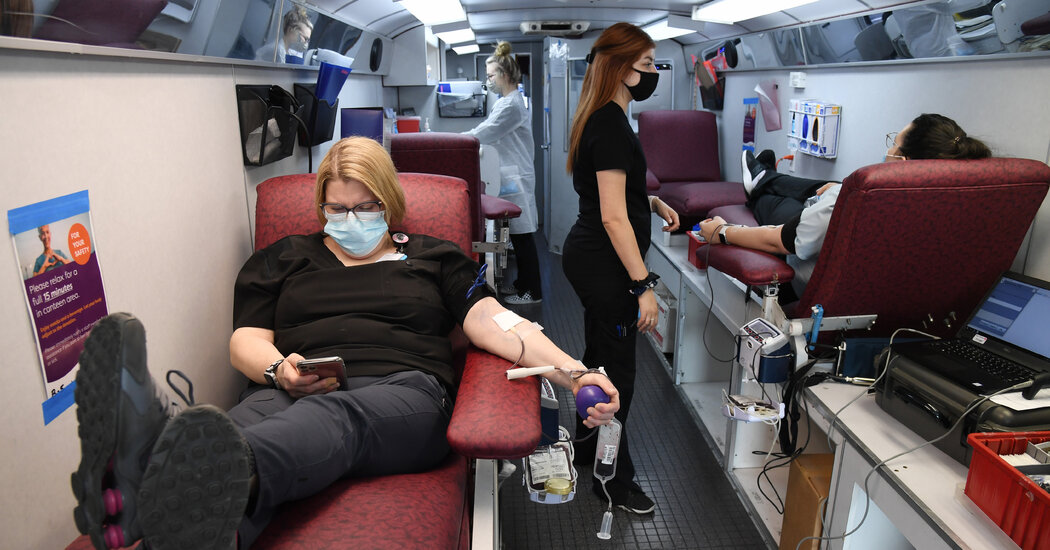
The American Red Cross said rising trauma cases, transplants and surgeries had led hospitals to ask for more blood than expected.As many Americans return to prepandemic lifestyles, hospitals are facing a new issue: a desperate need for blood.Over the past few months, hospitals have seen a rise in trauma cases, organ transplants and elective surgeries, prompting a national blood shortage, the American Red Cross said last week.The lack of blood is so great that some hospitals are pumping the brakes on the pace of elective surgeries and “delaying crucial patient care,” until blood supply levels rebound, Chris Hrouda, president of Red Cross Biomedical Services, said in a statement.“The Red Cross is currently experiencing a severe blood shortage,” Mr. Hrouda said, adding that the organization was working to distribute more blood than expected over the past three months. “But we can’t do it without donors. Every two seconds, someone in the U.S. needs blood.”The demand for blood is not new. There was also a shortage last year when blood donation centers were forced to close because of the coronavirus pandemic.But in some ways, it seems more dire than before. During last year’s shortage, for example, Brian Gannon, chief executive of the Gulf Coast Regional Blood Center in Texas, said his organization had one or two days’ worth of Type O red blood cells, down from a normal supply of three to four days’ worth.In recent weeks, Type O blood supply has been down to half a day’s worth, according to the Red Cross, which said there was also an “emergency need” for the donation of platelets, half of which go to patients undergoing cancer treatments.Dr. Merlyn Sayers, president and chief executive of Carter BloodCare, based in Texas, called the need for blood a “national crisis.”“Carter BloodCare dreads reaching the point, with blood inventories so jeopardized, that patients needing transfusion cannot be confident that the blood is there for them,” Dr. Sayers said.The blood shortage is a result of two challenges caused by the pandemic — closing and reopening, Dr. Sayers said.“In the first place, the pandemic, for more than a year, imposed conditions, such as social distancing, that were inimical to blood donation,” Dr. Sayers said, adding that many businesses that typically supported blood donation campaigns at workplaces had closed. “And now, with the gradual emergence from restrictions, hospital demands for blood have increased dramatically as patients who understandably avoided hospitalization for fear of Covid are presenting for treatment.”The Red Cross said patients who did not seek care during the height of the pandemic in the United States were showing up in hospitals with “more advanced disease progression,” which in some cases requires more blood transfusions.In addition to patients who delayed seeking treatment for fear of the virus, another possible reason for the increased demand for blood is that as cities reopen, more people are exposed to potential dangers leaving their homes.The Red Cross said hospitals across the country had been responding to an “atypically high” rise in trauma cases and emergency room visits. The organization said it had seen demand from hospitals with trauma centers increase by 10 percent this year, compared with 2019.“Where there’s more people on the road, there’s probably more accidents. We did quarantine for a long time,” said Cameron Palmer, a community development coordinator with the Gulf Coast Regional Blood Center in Houston. “Having more people on the road can cause more accidents, which can cause people to need more transfusions.”The Gulf Coast Regional Blood Center is still making its collection calls, but hospitals have had a greater need for blood, Mr. Palmer said.“It’s not really a shortage. It’s more of a usage,” he said. “It’s just that our hospitals are now asking for more than expected.”

Read more →

C.D.C. advisers are expected to discuss rare heart problems in vaccinated younger people.

Advisers to the Centers for Disease Control and Prevention are scheduled to meet on Wednesday to address reports of rare heart problems in young people immunized with the coronavirus vaccines made by Pfizer-BioNTech and Moderna.The reports involve conditions called myocarditis, inflammation of the heart muscle; and pericarditis, inflammation of the membrane surrounding the heart. Most cases have been mild, with symptoms like fatigue, chest pain and disturbances in heart rhythm that quickly clear up. The agency is tracking nearly 800 reports, although not all have definitively been linked to the vaccines.The C.D.C. advisers’ meeting comes as the Biden administration publicly acknowledges that it expects to fall short of its goal of getting 70 percent of Americans partly vaccinated by July 4. The shortfall, officials said on Tuesday, results in part from reluctance among younger Americans to be immunized.Experts have said that the benefits of immunization far outweigh the risk of the possible problems, but they are expected to revisit that debate, particularly for adolescents and young adults.More than half of the heart problems were reported in Americans ages 12 to 24, while that age group accounted for only 9 percent of the millions of doses administered. The numbers are higher than would be expected for those ages.As of May 31, 216 people had experienced myocarditis or pericarditis after one dose of either vaccine, and 573 after the second dose. While most cases were mild, 15 patients remained in hospitals at that time. The second dose of the Pfizer-BioNTech vaccine was linked to about twice as many cases as the second dose of the vaccine made by Moderna.“We look forward to more clarity regarding the potential risk of myocarditis after mRNA vaccines to increase vaccine confidence and vaccination rates,” said Dr. Yvonne Maldonado, chair of the Committee on Infectious Diseases at the American Academy of Pediatrics.Recommendations from the C.D.C. advisers after Wednesday’s meeting may also influence decisions to immunize children younger than 12 when vaccines become available for that age group. Some experts have questioned whether the benefits to children outweigh the potential risks, given the low odds of serious illness in young children.The C.D.C. strongly recommends Covid-19 vaccines for Americans ages 12 and older. The agency reported this month that the number of hospitalizations related to Covid-19 among adolescents in the United States was about three times higher than hospitalizations linked to influenza over three recent flu seasons.As of June 10, nearly 17,000 children in 24 states had been hospitalized for Covid-19 and 330 children had died, according to data collected by the American Academy of Pediatrics.

Read more →

How to Exercise in the Summer Heat

As record high temperatures batter much of the country, expert advice on staying active this summer.The summer of 2021 came in sizzling, with June temperatures in many parts of the United States shattering records, baking landscapes and prompting those of us who usually exercise outside to question when, how — and if — we should continue to work out in nature’s furnace.Helpfully, a group of exercise scientists wrote a comprehensive scientific review about training and competing in scorching heat, in preparation for the upcoming Summer Olympics in torrid Tokyo. Published in the aptly titled journal Temperature, the review focuses on elite athletes — but, the authors agree, the advice can be adapted for those of us training for a summer fun run or charity bike ride or aiming simply to stay active and safe outside until fall. What follows is a compilation of their expert recommendations, including when to down a slushie, why you might want to take a hot shower and whether to freeze your underwear.It’s Too Darn Hot, So Be StrategicWhen we exercise, we generate internal heat, which our bodies shed by sweating and shunting warmed blood away from our cores and toward the skin. If ambient temperatures rise, though, this process falters. Body heat builds up. Our hearts labor to send additional blood toward the skin. We glisten with sweat, and the same run, stroll or ride that felt tolerable during cooler weather now drains us.To sidestep these conditions, we can move our workouts indoors, into air-conditioned comfort, or schedule them strategically. “I would always recommend the morning,” especially for city dwellers, says Oliver Gibson, a senior lecturer in exercise science at Brunel University London and lead author of the review. “In an urban area, it is likely that the concrete will have retained a high amount of residual heat that will radiate back” at exercisers later in the day, he says. Unshaded sidewalks similarly will be hotter than parks and leafy pathways.Aim for AcclimitizationWe also should accustom ourselves, slowly, to unfamiliar swelter, Dr. Gibson says, a process known to exercise scientists as acclimatizing, which involves working out sometimes, by choice, when the day is warmest. This approach helps to condition our bodies to better cope with the heat. Once acclimatized, we will sweat earlier and more abundantly than before, dissipating internal heat better and leaving us feeling bouncier and less fatigued.Acclimatizing should be gradual, however. To start, slather on sunscreen, fill a water bottle, head outside after about 10 a.m., when temperatures intensify, and try to complete a gentler version of your standard workout, says Carl James, a senior physiologist at the National Sports Institute in Kuala Lumpur, Malaysia, and co-author of the review. If you usually run for 30 minutes, for instance, maybe jog for 20, and monitor how you feel. If your heart seems to be racing, he says, or you feel lousy, “slow down.”After a few acclimatization sessions, you should notice your clothes and skin are drenched, Dr. Gibson says. Congratulations. “Earlier and more profuse sweating is a great sign that heat adaptation is taking place,” he says. Most of us acclimatize after about five to 10 hot workouts, he adds, although women, who tend to sweat less freely than men, may require an extra easy session or two to be fully prepared for harder workouts in the heat.Take a Warm SoakingAfter each acclimatization session, head for the showers, but dial up the heat. Standing under a warm shower spray or soaking in a hot bathtub for 10 minutes or so after a sweltering workout prompts our bodies to continue acclimatizing, Dr. Gibson says. “It extends the stimuli for heat adaptation,” he points out, “and is therefore welcome and beneficial.”Slurp a Slushie Beforehand, Consider Cold UnderwearAn icy beverage before a hot workout “will help with hydration and provide a combination of perceptual and actual cooling,” Dr. Gibson says. Aim to drink about 16 ounces of cold fluid 20 minutes or so before you head out. Drinking closer to the session’s start could cause stomach upset during your workout.Slapping a cold washcloth onto your neck, donning an ice vest or slipping into athletic undergarments that have spent the night in the freezer likewise can up coolness (if not comfort) during hot-weather exercise. So can a gentle misting of chilly water on your face or licking an ice pop, says Ashley Willmott, a lecturer at Anglia Ruskin University in Cambridge, England, and another review co-author.But these techniques can be risky, too, he cautions, because the cooling effects are limited and short-term, and potentially deceptive. “We sometimes see people cool before exercise, feel great, then head out too fast or hard,” he says, winding up prematurely winded and possibly on the cusp of heat problems.Recognize Signs of OverheatingIf you feel nausea, headache, dizziness or cramping during a hot workout, slow down or stop and hunt for shade, Dr. Gibson says. These could be signs of incipient heat illness. (You can learn more about the symptoms of heat illness and heat stroke at the website of the Centers for Disease Control and Prevention.)Unfortunately, heat illness also clouds thinking, says Neil Maxwell, a lecturer in environmental physiology at the University of Brighton in England and the review’s senior author. “Your judgment becomes impaired,” he says, and you may not realize you are overheating.He and his co-authors strongly recommend exercising with a partner in the heat. If either of you starts to feel “seriously hot or shows signs of cognitive dysfunction,” he says, such as sudden confusion, get off the path, under a shady tree or awning, and call for help. “Rapid cooling is essential within the first 30 minutes” of such an episode, Dr. Maxwell says. Immediately applying a cool cloth could help to start lowering body temperature.You might also protect yourself and your training partners by the simple expedient of rejiggering your routes, Dr. Gibson says. “On hot days, do shorter loops” than normal and include “a dedicated water station,” he suggests, such as a public drinking fountain. Refill your water bottle there or stick your head under the flow each time around. Plus, “if you are feeling the heat,” he concludes, running in short loops “makes ending the session early more realistic.”

Read more →

With Mass Vaccination Sites Winding Down, It’s All About the ‘Ground Game’

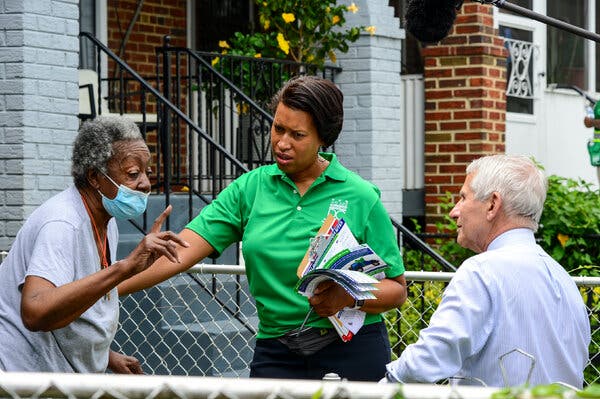
The shift away from high-volume centers is an acknowledgment of the harder road ahead: a highly targeted push, akin to get-out-the-vote efforts, to persuade the reluctant to get shots.NEWARK — There were only six tiny vials of coronavirus vaccine in the refrigerator, one Air Force nurse on duty and a trickle of patients on Saturday morning at a federally run mass vaccination site here. A day before its doors shut for good, this once-frenetic operation was oddly quiet.The post-vaccination waiting room, with 165 socially distanced chairs, was mostly empty. The nurse, Maj. Margaret Dodd, who ordinarily cares for premature babies at Brooke Army Medical Center at Fort Sam Houston in San Antonio, had already booked her flight home. So had the pharmacist, Heather Struempf, who was headed back to nursing school in Wyoming.Across the country, one by one, mass vaccination sites are shutting down. The White House acknowledged for the first time on Tuesday that it would not reach President Biden’s goal of getting 70 percent of American adults at least partly vaccinated by July 4. The setback stems from hesitancy in certain groups, slow takeup by young adults and a swirl of other complex factors.The Newark site, which closed on Sunday, was the last of 39 federally operated mass vaccination centers that administered millions of shots over five months in 27 states. Many state-run sites are also closed or soon will be.The nation’s shift away from high-volume vaccination centers is an acknowledgment of the harder road ahead, as health officials pivot to the “ground game”: a highly targeted push, akin to a get-out-the-vote effort, to persuade the reluctant to get their shots.Mr. Biden will travel to Raleigh, N.C., on Thursday to spotlight this time-consuming work. It will not be easy — as Dr. Anthony S. Fauci, the president’s coronavirus response coordinator, discovered last weekend, when he went door-knocking in Anacostia, a majority-Black neighborhood in Washington, with Mayor Muriel E. Bowser.The Newark site once administered as many as 6,700 shots a day.Bryan Anselm for The New York TimesThe site was operated by the Federal Emergency Management Agency in conjunction with the Defense Department and other federal agencies.Bryan Anselm for The New York TimesIn an interview on Tuesday, Dr. Fauci said he and the mayor spent 90 minutes talking to people on their front porches. But even with a celebrity doctor at the door and the prospect of giveaways at the vaccination center in a high school a few blocks away, many remained hesitant. Dr. Fauci said he persuaded six to 10 people to get their shots, though he did encounter some flat refusals.“We would say, ‘OK, come on, listen: Get out, walk down the street, a couple of blocks away. We have incentives, a $51 gift certificate, you can put yourself in a raffle, you could win a year’s supplies of groceries, you could win a Jeep,’” Dr. Fauci said. “And several of them said, ‘OK, I’m on my way and I’ll go.’”But in Newark, where more than three-quarters of the population is Black or Latino, the numbers tell the story. In Essex County, N.J., which includes Newark, 70.2 percent of adults have been vaccinated. But Essex also includes wealthy suburbs; in Newark, the figure is 56 percent, Judith M. Persichilli, the state’s health commissioner, said in an interview.The Newark vaccination site, in a converted athletic facility at the New Jersey Institute of Technology that is ordinarily home to the school’s tennis teams, was set up and run by the Federal Emergency Management Agency in conjunction with the Defense Department and other federal agencies. It opened on March 31; when it was operating at full tilt, its medical staff administered as many as 6,700 shots a day.Dr. Anthony S. Fauci, right, and Mayor Muriel E. Bowser of Washington, center, went door-knocking in the city’s Anacostia neighborhood on Saturday to encourage residents to get vaccinated.Kenny Holston for The New York TimesBy Saturday, the daily tally was down to about 300. The long, corridorlike tents that had once shielded lines of patients from cold weather were empty. Of 18 registration desks, only four were in use, and most of the vaccination cubicles were unoccupied.Most of the patients, including some teenagers brought by their parents, were there for their second dose of the Pfizer-BioNTech vaccine. Many — like Abdullah Heath, 19, who took a year off after high school and will attend Rutgers University in the fall — said they were hesitant. But Rutgers requires vaccination, so Mr. Heath had little choice.“I wanted to wait to see how other people were when they took the shot,” he said.Alfredo Sahar, 36, a real estate agent originally from Argentina, said he had received his first dose on the spur of the moment, without an appointment, when he tagged along with his wife to the Newark site. The couple showed up for their second doses on Saturday with a young friend, Federico Cuadrado, 19, who was visiting from Argentina and received his first shot.“Relax this arm,” Major Dodd said as Mr. Cuadrado rolled up his sleeve. But she will not be administering his second shot; with the site now closed, he will have to go elsewhere.At the height of its vaccination drive, New Jersey had seven mass sites: six run by the state, plus the FEMA site in Newark. Two of the state sites have closed, another will shut down this week, and the last three are expected to do so in mid-July, said Ms. Persichilli, a nurse and former hospital official. She called the FEMA site, which vaccinated 221,130 people in all, “invaluable.”Maj. Margaret Dodd, right, gave Federico Cuadrado his first dose of the Pfizer-BioNTech vaccine in Newark on Saturday.Bryan Anselm for The New York TimesMr. Biden has said repeatedly that equity — making sure people of all races and incomes have the same access to care and vaccines — is crucial to his coronavirus response. FEMA determined the locations for its mass vaccination sites using the Centers for Disease Control and Prevention’s “social vulnerability index” to identify communities most in need, Deanne Criswell, the FEMA administrator, said in an interview.It was a learning experience for the agency, she said, adding that 58 percent of the roughly six million shots administered at the mass vaccination sites were given to people of color.“We didn’t have a playbook for this type of an operation,” Ms. Criswell said. (The agency now has one that is 44 pages long.)In New Jersey, traffic at the mass vaccination sites started tapering off about six weeks ago, Ms. Persichilli said. At about that time, the state moved to a “hub and spoke” strategy, creating pop-up sites in churches, barbershops and storefronts surrounding existing vaccination centers that could store and supply the vaccines.The state also has 2,000 canvassers — 1,200 paid, partly with federal taxpayer dollars, and 800 volunteers — who have knocked on 134,000 doors in areas with low vaccination rates to direct people to nearby clinics. And the Health Department is planning vaccine clinics at a rock music festival, a balloon festival and a rodeo in Atlantic City.Overall, New Jersey is way ahead of most states: 78 percent of adults have had at least one dose of a vaccine. In four states — Mississippi, Alabama, Louisiana and Wyoming — the figure is lower than 50 percent.“We’re running a marathon, and we’re in the last couple of miles, and we’re exhausted, and they’re going to be the most difficult ones,” Ms. Persichilli said. “But they are also going to be the most satisfying ones.”A photo booth outside the Newark site, which closed on Sunday.Bryan Anselm for The New York TimesThe site was the last of 39 federally operated mass vaccination centers that administered millions of shots over five months in 27 states.Bryan Anselm for The New York TimesPublic health officials know that the last mile of any vaccination campaign is indeed the hardest. The eradication of smallpox, considered the greatest public health triumph of the 20th century, came after a highly targeted global campaign that lasted two decades. Polio has still not been eradicated in some countries, Dr. Fauci said, because of vaccine hesitancy, including among women who express unfounded fears of infertility.“We should have eradicated polio a long time ago,” he said.The federal effort has been enormous, involving more than 9,000 people from across the government, as well as 30,000 National Guard members supporting Covid-19 vaccination in 58 states and territories, according to Sonya Bernstein, a senior policy adviser for the White House.With the large vaccination sites winding down, FEMA is also pivoting. The agency still supports more than 2,200 community vaccination centers and mobile vaccination units. Now FEMA is rolling out a new pilot program to offer shots at or near recovery centers that it sets up after hurricanes and other natural disasters. The first of these opened this week in St. Charles Parish, La., which has a large minority population and was devastated by Hurricane Laura last summer. Only 51 percent of the adult population in St. Charles Parish has had at least one shot, according to data from the C.D.C.Long, corridorlike tents at the Newark vaccination site once shielded lines of patients from cold weather. On Saturday, the daily tally of administered shots was down to about 300. Bryan Anselm for The New York TimesIn Newark, the mood on Saturday was bittersweet. People like Major Dodd and Ms. Struempf, thrown together in a crisis, were exchanging phone numbers with newfound friends and colleagues as they planned to go their separate ways. After living in hotels for more than two months, they were both eager to depart and wistful about the prospect.Michael Moriarty, the FEMA official who supervised the creation of the site, surveyed the scene: the vacant cubicles and chairs, the boxes of unused latex gloves, the brown paper taped to the floor to cover the tennis courts. It would not take long to undo, he said, adding, “They’ll be playing tennis here at the end of the week.”

Read more →