RFK Jr. Removes All C.D.C. Vaccine Panel Experts

The U.S. health secretary chose to “retire” members of a committee that makes significant decisions about who receives immunizations, including the vaccines for children.The health secretary, Robert F. Kennedy Jr., on Monday retired all 17 members of an advisory committee on immunization to the Centers for Disease Control and Prevention, arguing that the move would restore the public’s trust in vaccines.He made the announcement on Monday in an opinion column for The Wall Street Journal.The C.D.C.’s vaccine advisers wield enormous influence. They carefully review data on vaccines, debate the evidence and vote on who should get the shots and when. Insurance companies are required to cover the vaccines recommended by the panel.This is the latest in a series of moves Mr. Kennedy, a vaccine skeptic, has made to drastically reshape policy on immunizations. A vaccine panel more closely aligned with Mr. Kennedy’s views has the potential to significantly alter the immunizations recommended to Americans, including childhood vaccinations.Mr. Kennedy said the panel, called the Advisory Committee on Immunization Practices, “has been plagued with persistent conflicts of interest.”“The public must know that unbiased science guides the recommendations from our health agencies,” he said. “This will ensure the American people receive the safest vaccines possible.”He has previously claimed that 97 percent of ACIP members had financial conflicts of interest. But the statistic came from a 2009 report, and a review found that 97 percent of the disclosure forms had errors, such as missing dates or information in the wrong section, not significant financial conflicts.“I think R.F.K. Jr is a conspiracy theorist, and that’s what this document is about,” said Dr. Paul Offit, who serves as an adviser to the Food and Drug Administration.“It’s about the undue influence from Big Pharma,” Dr. Offit said. “This is a message that he has been putting out there for the last 20 years.”In fact, ACIP members are carefully screened for major conflicts of interest, and they cannot hold stocks or serve on advisory boards or speaker bureaus affiliated with vaccine manufacturers.On the rare occasion that members have indirect conflicts of interest — for example, if an institution at which they work receives money from a drug manufacturer — they disclose the conflict and recuse themselves from related votes.As head of the Department of Health and Human Services, Mr. Kennedy has the authority to add or remove members of the panel. Without removing the current members, the Trump administration would not have been able to appoint a majority of new members until 2028, he wrote.

Read more →

Martha doctor’s failings ‘particularly grave’

9 minutes agoShareSaveShareSaveMills/Laity family photograph/PA WireThe failings of a doctor responsible for Martha Mills’ care, who died from sepsis, amounted to “gross negligence” and were “particularly grave”, a medical tribunal says.Her death gave rise to Martha’s Rule in hundreds of hospitals in England, giving parents the right to an urgent second opinion.The tribunal found consultant Prof Richard Thompson failed to appreciate how seriously ill 13-year-old Martha had become in the summer of 2021, following a bike accident.On the crucial afternoon, he did not examine her in person or send her to intensive care.The tribunal concluded Prof Thompson’s fitness to practise is impaired, but whether he will be sanctioned is still to be decided.Martha was transferred to King’s College Hospital in London in 2021, one of three specialist treatment centres in the UK, after a holiday bike accident left her with serious injuries to her pancreas. Her parents, Merope Mills and Paul Laity, wrote about their pain and anger over their daughter’s treatment following her death.During a family holiday, Martha had skidded on some sand and fell heavily on to the handlebars.”It was a difficult, tricky injury, but it did not have to be a fatal one,” Merope has said.But she stayed in the hospital for the next month.She developed an infection and then signs of sepsis – when the body’s response to an infection is overwhelming and ends up injuring its own tissues and organs – but this was not managed properly.An inquest found that she could have survived her injuries if she’d been referred to the specialist children’s intensive care in the hospital promptly, and received better care.Interviewed on BBC Radio 4’s Today programme in 2023, Merope Mills said her family were not listened to by senior doctors on several occasions and were “not given the full picture” about Martha’s deteriorating condition.Over the past few weeks, the Medical Practitioners Tribunal Service has heard allegations from the doctors’ regulator, the General Medical Council (GMC), that Prof Thompson failed on several counts over his care of Martha.He was the consultant on call on her ward on 29 August 2021 – two days before she died.The tribunal said it was “evident” that by around 17:00 that day Martha had “several high risk indicators” including her heart rate, blood pressure, breathing and a rising temperature, which “indicated a sudden and significant deterioration”.It said Martha’s condition, which included a new rash, justified her being moved to intensive care but “this opportunity was not taken”.Later that evening, Prof Thompson was called at home by a colleague about Martha’s continued fever. He had already seen her on his morning ward round, but did not return to the hospital to examine her in person.Prof Thompson has said one of the reasons he wanted to keep Martha on his ward was not to distress her parents, but the tribunal said this did not justify withholding or delaying her move to intensive care.The Medical Practitioners Tribunal Service has now decided that Prof Richard Thompson’s fitness to practise had been impaired.The tribunal said this would reassure the public and send a message to doctors about the importance of following the fundamental principles of good care.Martha’s parents raised concerns about their daughter’s care to the regulator, the General Medical Council, in 2022.Responding to the tribunal’s findings Martha’s parents said: “It is important to us that allegations denied have been found proved and the gravity of mistakes that led to our daughter’s preventable death has been recognised. “We will always have in our minds the failures of culture, training and policy on Rays of Sunshine Ward at King’s College Hospital, as well as the responsibility of individuals. “We’d like to thank all the thoughtful doctors who have helped us to understand what happened to Martha.”The hospital that looked after Martha has admitted mistakes were made, and the trust said previously in a statement that it “remains deeply sorry that we failed Martha when she needed us most”.

Read more →

Hospital and manager guilty over patient death

14 hours agoShareSaveAlison HoltSocial Affairs Editor, BBC NewsReporting fromThe Old BaileyJames MelleyBBC NewsShareSaveFigueiredo familyA hospital trust and a staff member have been found guilty of health and safety failings over the death of a young woman in a mental health unit.Alice Figueiredo, 22, was being treated at Goodmayes Hospital, east London, when she took her own life in July 2015, having previously made many similar attempts.Following a seven-month trial at the Old Bailey, a jury found that not enough was done by the North East London Foundation NHS Trust (NELFT) or ward manager Benjamin Aninakwa to prevent Alice from killing herself.The trust was cleared of the more serious charge of corporate manslaughter, while Aninakwa, 53, of Grays in Essex, was cleared of gross negligence manslaughter.The jury deliberated for 24 days to reach all the verdicts, setting a joint record in the history of British justice, according to the Crown Prosecution Service (CPS). Both the trust and Aninakwa were convicted under the Health and Safety at Work Act.It was only the second time an NHS trust has faced a corporate manslaughter charge.Speaking directly to Alice’s mother and stepfather after the verdict, Judge Richard Marks KC said it was clear from the evidence that she was an extremely special young woman and “their immense love for her had been very apparent”. He also said he hoped they felt the case had been dealt with fully and that would “provide some consolation”.This article contains material that some may find distressing.If you are affected by any of the issues raised in this story, support and advice is available via the BBC Action Line.Figueiredo familyAlice was admitted to a mental health ward at Goodmayes Hospital in Ilford in February 2015.She was under close observation on the Hepworth Ward, then managed by Aninakwa.In the five months leading up to her death, she attempted suicide using plastic or bin bags on 18 occasions, mostly taking them from the same shared toilet, the Old Bailey heard.The hospital had previously acknowledged the risk to patients of keeping bin bags on the ward and they were subsequently taken out of patient bedrooms.However, despite warnings from Alice’s family, they were not removed from the communal toilet, which was left unlocked.On 7 July 2015, at her 19th attempt, she took her own life using a bin bag taken from the toilet.During the trial, prosecutors said that not only was Alice repeatedly able to self-harm while she was in hospital, but that these incidents were not properly recorded or assessed.The court also heard there were concerns about Aninakwa’s communication, efficiency, clinical and leadership skills.The trust had previously placed him on a performance improvement plan for three years, which ended in December 2014.In addition, there was a high turnover of agency staff on the ward, the court heard.Met PoliceAlice’s mother Jane Figueiredo described the “intense pain” of being told about her death, saying it was the moment when “your entire life changes forever”.Her family prefer to remember the clever, creative, musical and funny young woman, who they say was full of life.”She had the most amazing quick wit and sense of humour,” Mrs Figueiredo said.”She used to be able to make me laugh more than anybody in the world. And I really miss that.”Alice had experienced periods of deep depression since she was a teenager and also developed an eating disorder. She was admitted to hospital on several occasions and her condition had always improved after treatment, her family said.Her stepfather Max Figueiredo said it was a question of managing her illness and “trusting the medical profession to make the right decisions”.Mrs Figueiredo says she raised concerns about her daughter’s care verbally and in writing on a number of occasions to the hospital and to Mr Aninakwa.After Alice died, she said the family found it very difficult to get answers about what happened.For nearly a decade they gathered evidence and pressed both the police and the CPS to take action.’Disastrous catalogue’Speaking after the verdict, Mrs Figueiredo said: “A wounded animal would have received safer, more attentive, compassionate care at the vets than Alice received on this ward.”The final months of her life was a disastrous catalogue of dehumanising, at times miserably brutalising, neglectful experiences often lacking in compassion, vigilance and even basic humanity.”It does not cost NHS hospitals and their staff more to be kind, compassionate and diligent within their duties.”NELFT is only the second NHS trust in England to have been charged with corporate manslaughter, with the only previous prosecution collapsing after two weeks. It was particularly hard to bring corporate manslaughter charges against a large, complex organisation, said Dr Victoria Roper – an associate professor at Northumbria University, who studies this area of the law.This was due to their complex organisational structures, said Dr Roper.Corporate manslaughter charges were “reserved for the very worst management failings leading to death,” she said.The larger the organisation, the more difficult it was to show that senior management had had “any hands-on involvement in events”.However, she said public bodies, the police and the CPS would be keeping a close eye on this case to see what could be learned from it.Alice’s stepfather Max Figueiredo said the case had “moved the dial”.”Whilst disappointed that we have not reached the higher charges of corporate and gross negligence manslaughter in this case, we are glad that we did get the health and safety guilty verdicts,” he said.”The jury can only base their decisions on the evidence that was presented to them and the legislation in place.”This decision took them two months to reach. We need a change in the law to allow for more clarity in these prosecutions and close the loopholes used by the defence teams.”A spokesperson for NELFT said: “Our thoughts are with Alice’s family and loved ones, who lost her at such a young age. We extend our deepest sympathy for the pain and heartbreak they have suffered this past 10 years.”We will reflect on the verdict and its implications, both for the trust and mental health provision more broadly as we continue to work to develop services for the communities we serve.”‘Justice, truth and accountability’Mental health campaigners believe Alice’s case highlights the poor care too many mental health patients receive.Lucy Schonegevel, director of policy and practice at the mental health charity Rethink, said it was a “devastating reminder that we don’t yet have a mental health system fit for the 21st century” and “people expect to be looked after and kept safe” on an in-patient unit.But she said the charity was aware of many cases of patients being failed.Alice’s family believes any failing in cases such as hers must be transparent if they are to lead to improvements in mental health care, and they say they will keep pressing for that.”It’s never been about vengeance,” Mr Figueiredo said. “It’s always been about justice and truth and accountability. That’s what has driven us.”The trust was found guilty of failing to provide mental health in-patient services in such a way as to ensure that persons not in its employment, namely the patients, were not exposed to risks to their health or safety.Akinawa was found guilty of failure to take reasonable care for the health and safety of other persons affected by his acts or omissions at work.More on this storyRelated internet links

Read more →

Restrict shop-bought baby food, government tells parents

21 minutes agoShareSaveAdam Eley & Catrin NyeBBC NewsShareSaveGetty ImagesParents should not rely on shop-bought baby food pouches as everyday meals, new government guidance states.It is the first time the NHS website has published advice on commercial baby food, and follows an investigation by BBC Panorama which found baby food pouches from six leading UK brands failed to meet their key nutritional needs.Campaigners, critical of the way companies market their products as healthy options, have welcomed the changes.Some leading baby food pouches carry labels such as “perfectly balanced for growing babies” or “packed with goodness”.’It’s about time’ advice introducedThe NHS Start For Life website, run by the Department of Health and Social Care, also now advises parents to check food labels and choose products with the least amount of sugar, and to not let babies or children suck directly from food pouches – which can increase their risk of tooth decay.And it also says they should not feed snacks to children under one. Baby food snacks – such as puffs and sticks – have grown in popularity in recent years.Baby weaning expert and author Charlotte Stirling-Reed told the BBC it was “about time that this was addressed… because food pouches and commercial baby foods are used so much by parents. It was a real gap in the NHS advice until now.”Dr Vicky Sibson, director of the charity First Steps Nutrition Trust which campaigns for improvements in shop-bought baby foods, told the BBC that without clear advice it can be “confusing for parents” when they see shop-bought products marketed as being “just as good” as homemade foods. In April, BBC Panorama looked at the baby food pouches of six leading companies. The products have become a staple for many households with babies and children up to the age of two or three. They are convenient and have long shelf lives.But experts believe the products should only be used sparingly, are not replacements for homemade meals, and can cause children health problems if used as their main source of nutrition.When this was put to some of the leading brands, the market leader Ella’s Kitchen told the BBC it agreed with all three points.The other brands featured in the investigation – Heinz, Piccolo, Little Freddie, Aldi and Lidl – said their products were intended as a complementary part of a child’s varied weaning diet.The NHS Start For Life website also now states that parents should wait until their baby is around six months old before feeding them solid foods, even if labels say the products are suitable from four months.Currently, among the brands investigated by Panorama, the companies Piccolo, Ella’s Kitchen and Aldi promote their fruit-based pouches to babies as young as four months, despite the NHS and World Health Organization saying babies should not be given solid food until about the age of six months.Since Panorama began its investigation, all three companies said they are rebranding their products as suitable from six months.Baby food regulations ‘need updating’Dr Sibson believes the government should now look to introduce stronger mandatory regulations for companies producing commercial baby foods to improve the suitability of the products for young children and regulate how they are marketed to parents.The Department of Health and Social Care told the BBC “current laws already set strong standards for baby food and we support action against any products that don’t meet them”.The British Retail Consortium says companies “take great care to optimise the nutritional composition of these products. All products are clearly labelled so parents can make informed decisions when feeding their baby.”

Read more →

Trump Budget’s Caps on Grad School Loans Could Worsen Doctor Shortage

The proposed limits on federal loans fall well below the costs of medical school. Critics say this could deter students from pursuing medicine.President Trump’s proposed budget would make deep cuts in government health plans and medical research, and, critics say, could also make finding a doctor more difficult: It restricts loans that students rely on to pursue professional graduate degrees, making the path to becoming a physician harder even as doctor shortages loom and the American population is graying.The domestic policy bill, which passed in the House last month, would cap direct federal unsubsidized loans at $150,000 — far less than the cost of obtaining a medical education — and phase out the Grad PLUS loans that help many students make up the difference.Medicine, dentistry and osteopathic medicine are among the most expensive graduate programs.Four years of medical education costs $286,454 at a public school, on average, and $390,848 at a private one, according to the Association of American Medical Colleges. Medical school graduates leave with an average debt of $212,341, the association found.The price of a four-year program in osteopathic medicine is $297,881 at a public school, on average, and $371,403 at a private school, according to the American Association of Colleges of Osteopathic Medicine. The average indebtedness of their graduates is $259,196.The proposed loan caps “will either push students and families into the private loan market, where they take on more risk and have less consumer protection, or simply push people out of higher education altogether,” said Aissa Canchola Bañez, policy director at the Student Borrower Protection Center, a nonprofit advocacy group.Private student loans are also not eligible for Public Service Loan Forgiveness programs, which many students rely on to manage their debt. Students from low-income families may have difficulty qualifying for private loans.We are having trouble retrieving the article content.Please enable JavaScript in your browser settings.Thank you for your patience while we verify access. If you are in Reader mode please exit and log into your Times account, or subscribe for all of The Times.Thank you for your patience while we verify access.Already a subscriber? Log in.Want all of The Times? Subscribe.

Read more →

N.I.H. Workers Denounce Trump’s ‘Harmful’ Health Policies

Top officials from the Trump administration are meeting with their Chinese counterparts in London on Monday for a second round of economic talks, aiming to cement a trade truce between the world’s two largest economies.The American delegation is led by Treasury Secretary Scott Bessent, Commerce Secretary Howard Lutnick and Jamieson Greer, the United States’ trade representative. China is represented by He Lifeng, the country’s vice premier for economic policy, who led the previous round of talks in Switzerland. The meetings are expected to run through Tuesday, according to people familiar with the matter.The talks come at a delicate juncture for the global economy, which has been slowed by uncertainty and supply chain disruptions. In April, the United States paused some of the tariffs that Mr. Trump imposed on dozens of countries to provide time for trade negotiations.Those levies, as well as steep import taxes on Chinese goods, were thrust into further uncertainty in late May, when a U.S. trade court deemed them illegal. The tariffs, however, remain in place while an appeal process unfolds. As the U.S. delegation negotiates in London, the Trump administration faces a deadline to make its case to a federal appeals court for why the tariffs should continue.The legal limbo surrounding the tariffs could weaken the Trump administration’s hand as it tries to negotiate a broader agreement to give American businesses greater access to China’s market, push Beijing to buy more American products and attract more Chinese investment to build factories in the United States. At the same time, the Trump administration wants to make some tariffs essentially permanent to discourage a flood of Chinese exports of manufactured goods.The trade war has triggered sudden and drastic shifts in the flow of Chinese goods, most notably a sharp slowdown of Chinese exports to the United States. China on Monday reported that shipments to the United States fell by over 34 percent in May from the same month a year ago, the steepest decline since 2020. The slowdown may have contributed to Beijing’s willingness to meet in London for more trade talks, experts said.In China, a slow-motion housing market collapse over the past four years has wiped out much of the savings of the country’s middle class, leaving hundreds of millions of households reluctant to spend. China has tried to offset weak consumer spending at home with a huge, government-financed campaign to build factories and ramp up exports.But the Trump administration, like the Biden administration before it, has been wary that these exports could crush what is left of America’s manufacturing sector, which is only half the size of China’s. The Trump administration has cited trade imbalances as justification for tariffs against China and dozens of other countries, many of which pay for their own trade deficits with China by running large trade surpluses with the United States.Mr. Trump’s trade agenda has upended international commerce this year, sending economic allies and adversaries scrambling to negotiate deals with Washington in hopes of a reprieve on tariff threats. The abrupt announcement of tariffs on America’s largest trading partners have often been followed by reversals or pauses, forcing businesses to adjust their plans on the fly and rattling investors.The first round of negotiations between China and the United States, in Geneva last month, ended with promise. The countries agreed to temporarily reduce their tariffs, which exceeded 100 percent as a tit-for-tat trade war escalated. The two sides also agreed to hold additional talks as they worked to lower the temperature.However, the truce appeared to fray in recent weeks. China maintained strict curbs on exports of rare earth magnets that have crippled supply chains. Partly in response to those export curbs, among other things the Trump administration suspended sales to China of technologies related to jet engines, semiconductors and certain chemicals and machinery as well as proposed a plan to revoke visas for Chinese students associated with the Communist Party or studying in certain fields.The standoff frustrated Mr. Trump, who lashed out at China on social media and accused it of “violating” the Geneva agreement. China hit back, arguing that it was the United States that was undermining the deal.A 90-minute conversation between Mr. Trump and Xi Jinping, China’s leader, last week appeared to ease the tension. Mr. Trump suggested that the questions surrounding China’s restrictions on critical minerals known as rare earths, and magnets made from them, had been addressed and that talks would proceed. Mr. Trump also seemed to soften his administration’s stance on visas for Chinese students.It remains unclear what additional concession Washington or Beijing might be prepared to make in a broader economic agreement. The addition to the U.S. delegation of Mr. Lutnick, who was not part of the talks in May, suggested that there could be greater discussion of American export controls, which his agency oversees.The Trump administration also expressed concerns about China’s currency practices in a report to Congress last week. Although it declined to formally label China a currency manipulator, the report warned that it might do so in the future if it found evidence that suggested China was weakening its currency.The talks in London come as many factories in the United States, Europe and Japan are quickly running out of rare earth magnets, for which China produces 90 percent of the world’s supply. Beijing announced on April 4 that it would require export licenses for all exports of seven rare earth metals and magnets made from them, which are widely used in cars, drones, speakers, fighter jets and ballistic missiles.Kevin Hassett, director of the White House National Economic Council, said in an interview on CBS’s “Face the Nation” on Sunday that a goal of the talks would be to get shipments of rare earths from China “to flow just as they did before the beginning of April.”Rare earths are a family of 17 metals found near the bottom of the periodic table. China is particularly dominant in the processing of the seven for which it now requires licenses to export, producing up to 99.9 percent of the world’s supply.The big question lies in what concessions by the United States and others will prompt Beijing to allow further shipments of rare earths. In addition to pressing the United States to remove Mr. Trump’s tariffs on Chinese goods, China’s Ministry of Commerce said on Saturday that it had offered to speed up the approval of rare earth exports to Europe.But the ministry also called for the European Union to remove its recent tariffs on imports of electric cars from China, and it called for the bloc to allow more sales of high-tech goods to China. Under pressure from the United States, the Netherlands has limited the sale to China of equipment for manufacturing the most advanced semiconductors, which have many military as well as civilian applications.Alexandra Stevenson

Read more →

Gun Deaths of Children Rose in States That Loosened Gun Laws, Study Finds

Researchers looked at firearm fatalities in the 13 years immediately after the Supreme Court limited local governments’ ability to restrict gun ownership.Firearm deaths of children and teenagers rose significantly in states that enacted more permissive gun laws after the Supreme Court in 2010 limited local governments’ ability to restrict gun ownership, a new study has found.In states that maintained stricter laws, firearm deaths were stable after the ruling, the researchers reported, and in some, they even declined.Guns are the leading cause of death in the United States for people under 18. Dr. Jeremy Faust, an emergency room doctor at Massachusetts General Brigham Hospital in Boston, who was the study’s lead author, said he was dismayed to find that most of the children’s deaths were homicides and suicides.“It’s surprising how few of these are accidents,” Dr. Faust said. “I always thought that a lot of pediatric mortality from guns is that somebody got into the wrong place, and I still think safe storage is important, but it’s mostly homicides and suicides.”John Commerford, executive director of the NRA Institute for Legislative Action, called the study “political propaganda masquerading as scientific research.”The study, published Monday in JAMA Pediatrics, examined the 13-year period after the June 2010 Supreme Court ruling that the Second Amendment, which protects an individual’s right to bear arms, applies to state and local gun-control laws. The decision effectively limited the ability of state and local governments to regulate firearms.We are having trouble retrieving the article content.Please enable JavaScript in your browser settings.Thank you for your patience while we verify access. If you are in Reader mode please exit and log into your Times account, or subscribe for all of The Times.Thank you for your patience while we verify access.Already a subscriber? Log in.Want all of The Times? Subscribe.

Read more →

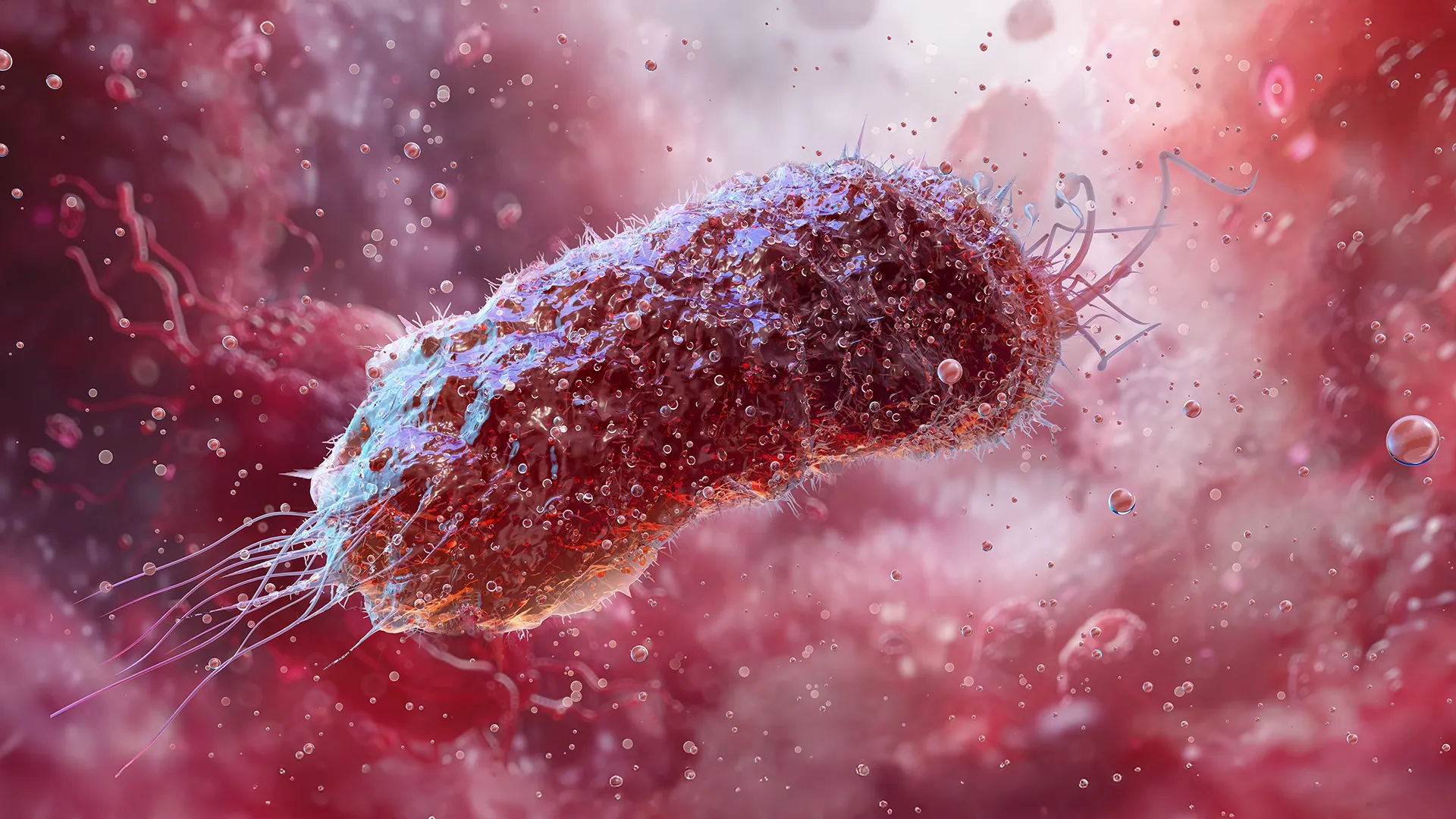
How a common antibiotic fuels bacterial resistance

Antibiotics are supposed to wipe out bacteria, yet the drugs can sometimes hand microbes an unexpected advantage.
A new study from Rutgers Health shows that ciprofloxacin, a staple treatment for urinary tract infections, throws Escherichia coli (E. coli) into an energy crisis that saves many cells from death and speeds the evolution of full-blown resistance.
“Antibiotics can actually change bacterial metabolism,” said Barry Li, a student at Rutgers New Jersey Medical School pursuing a dual doctoral degree for physician-scientists and the first author of the paper published in Nature Communications. “We wanted to see what those changes do to the bugs’ chances of survival.”
Li and senior author Jason Yang focused on adenosine triphosphate (ATP), the molecular fuel that powers cells. When ATP levels crash, cells experience “bioenergetic stress.” To mimic that stress, the team engineered E. coli with genetic drains that constantly burned ATP or its cousin nicotinamide adenine dinucleotide (NADH). Then, they pitted both the engineered strains and normal bacteria against ciprofloxacin.
The results surprised the researchers. The drug and the genetic drains each slashed ATP, but rather than slowing down, the bacteria revved up. Respiration soared, and the cells spewed extra reactive-oxygen molecules that can damage DNA. That frenzy produced two troubling outcomes.
First, more of the bacteria cells survived.
In time-kill tests, ten times as many stressed cells weathered a lethal ciprofloxacin dose compared with unstressed controls. These hardy stragglers, called persister cells, lie low until the drug is gone and then rebound to launch a new infection.

People have long blamed sluggish metabolism for persister cell formation.
“People expected a slower metabolism to cause less killing,” Li said. “We saw the opposite. The cells ramp up metabolism to refill their energy tanks and that turns on stress responses that slow the killing.”
Follow-up experiments traced the protection to the stringent response, a bacterial alarm system that reprograms the cell under stress.
Second, stressed cells mutated faster to evolve antibiotic resistance.
While persisters keep infections smoldering, genetic resistance can render a drug useless outright. The Rutgers group cycled E. coli through escalating ciprofloxacin doses and found that stressed cells reached the resistance threshold four rounds sooner than normal cells. DNA sequencing and classic mutation tests pointed to oxidative damage and error-prone repair as the culprits.
“The changes in metabolism are making antibiotics work less well and helping bacteria evolve resistance,” said Yang, an assistant professor at the medical school and Chancellor Scholar of microbiology, biochemistry & molecular genetics.

Preliminary measurements show that gentamicin and ampicillin also drain ATP in addition to ciprofloxacin. The stress effect may span very different pathogens, including the pathogen Mycobacterium tuberculosis, which is highly sensitive to ATP shocks.
If so, the discovery casts new light on a global threat. Antibiotic resistance already contributes to 1.27 million deaths a year. Strategies that ignore the metabolic fallout of treatment may be missing a key lever.
The findings suggest several changes for antibiotic development and use.
First, screen candidate antibiotics for unintended energy-drain side effects. Second, pair existing drugs with anti-evolution boosters that block the stress pathways or mop up the extra oxygen radicals. Third, reconsider the instinct to blast infections with the highest possible dose. Earlier studies and the new data both hint that extreme concentrations can trigger the very stress that protects bacteria.
“Bacteria turn our attack into a training camp,” Yang said. “If we can cut the power to that camp, we can keep our antibiotics working longer.”
Li and Yang are planning on testing compounds that soothe bioenergetic stress in the hope of turning the microbial energy crisis back into an Achilles’ heel rather than a shield.

Read more →

Shocking brain cancer breakthrough: Electric fields supercharge immune assault

A new study led by Keck Medicine of USC researchers may have uncovered an effective combination therapy for glioblastoma, a brain tumor diagnosis with few available effective treatments. According to the National Brain Tumor Society, the average survival for patients diagnosed with glioblastoma is eight months.
The study finds that using Tumor Treating Fields therapy (TTFields), which delivers targeted waves of electric fields directly into tumors to stop their growth and signal the body’s immune system to attack cancerous tumor cells, may extend survival among patients with glioblastoma, when combined with immunotherapy (pembrolizumab) and chemotherapy (temozolomide).
TTFields disrupt tumor growth using low-intensity, alternating electric fields that push and pull key structures inside tumor cells in continually shifting directions, making it difficult for the cells to multiply. Preventing tumor growth gives patients a better chance of successfully fighting the cancer. When used to treat glioblastoma, TTFields are delivered through a set of mesh electrodes that are strategically positioned on the scalp, generating fields at a precise frequency and intensity focused on the tumor. Patients wear the electrodes for approximately 18 hours a day.
Researchers observed that TTFields attract more tumor-fighting T cells, which are white blood cells that identify and attack cancer cells, into and around the glioblastoma. When followed by immunotherapy, these T cells stay active longer and are replaced by even stronger, more effective tumor-fighting T cells.
“By using TTFields with immunotherapy, we prime the body to mount an attack on the cancer, which enables the immunotherapy to have a meaningful effect in ways that it could not before,” said David Tran, MD, PhD, chief of neuro-oncology with Keck Medicine, co-director of the USC Brain Tumor Center and corresponding author of the study. “Our findings suggest that TTFields may be the key to unlocking the value of immunotherapy in treating glioblastoma.”
TTFields are often combined with chemotherapy in cancer treatment. However, even with aggressive treatment, the prognosis for glioblastoma remains poor. Immunotherapy, while successful in many other cancer types, has also not proved effective for glioblastoma when used on its own.
However, in this study, adding immunotherapy to TTFields and chemotherapy was associated with a 70% increase in overall survival. Notably, patients with larger, unresected (not surgically removed) tumors showed an even stronger immune response to TTFields and lived even longer. This suggests that, when it comes to kick-starting the body’s immune response against the cancer, having a larger tumor may provide more targets for the therapy to work against.

Using alternating electric fields to unlock immunotherapy
Pembrolizumab, the immunotherapy used in this study, is an immune checkpoint inhibitor (ICI), which enhances the body’s natural ability to fight cancers by improving T cells’ ability to identify and attack cancer cells.
However, there are typically few T cells in and around glioblastomas because these tumors originate in the brain and are shielded from the body’s natural immune response by the blood-brain barrier. This barrier safeguards the brain by tightly regulating which cells and substances enter from the bloodstream. Sometimes, this barrier even blocks T cells and other therapies that could help kill brain tumors.
This immunosuppressive environment inside and around the glioblastoma is what makes common cancer therapies like pembrolizumab and chemotherapy significantly less effective in treating it. Tran theorized the best way to get around this issue was to start an immune reaction directly inside the tumor itself, an approach known as in situ immunization, using TTFields.
This study demonstrates that combining TTFields with immunotherapy triggers a potent immune response within the tumor — one that ICIs can then amplify to bolster the body’s own defense against cancer.
“Think of it like a team sport — immunotherapy sends players in to attack the tumor (the offense), while TTFields weaken the tumor’s ability to fight back (the defense). And just like in team sports, the best defense is a good offense,” said Tran, who is also a member of the USC Norris Comprehensive Cancer Center.

Study methodology and results
The study analyzed data from 2-THE-TOP, a Phase 2 clinical trial, which enrolled 31 newly diagnosed glioblastoma patients who had completed chemoradiation therapy. Of those, 26 received TTFields combined with both chemotherapy and immunotherapy. Seven of these 26 patients had inoperable tumors due to their locations — an especially high-risk subgroup with the worst prognosis and few treatment options.
Patients in the trial were given six to 12 monthly treatments of chemotherapy alongside TTFields for up to 24 months. The number and duration of treatments were determined by patients’ response to treatment. The immunotherapy was given every three weeks, starting with the second dose of chemotherapy, for up to 24 months.
Patients who used the device alongside chemotherapy and immunotherapy lived approximately 10 months longer than patients who had used the device with chemotherapy alone in the past. Moreover, those with large, inoperable tumors lived approximately 13 months longer and showed much stronger immune activation compared to patients who underwent surgical removal of their tumors.
“Further studies are needed to determine the optimal role of surgery in this setting, but these findings may offer hope, particularly for glioblastoma patients who do not have surgery as an option,” said Tran.
Moving the research forward
Keck Medicine is participating in the multicenter Phase 3 clinical trial to validate the efficacy of TTFields with immunotherapy and chemotherapy. Tran, who has been researching TTFields for more than a decade, serves as the chair of the steering committee for this trial. Frances Chow, MD, neuro-oncologist with USC Norris, is the principal investigator of the Keck Medicine study site.
This Phase 3 trial, currently open at 28 sites across the United States, Europe and Israel, aims to enroll over 740 patients through April 2029, including those with gross total resection, partial resection or biopsy-only tumors to assess the extent of how surgically removing tumors influences immune response.
Keck School of Medicine of USC authors of this study include Dongjiang Chen, PhD, assistant professor of research neurological surgery; Son Le, PhD, assistant professor of research neurological surgery; Harshit Manektalia, research programmer; Ming Li, PhD, professor of research population and public health sciences; and Adam O’Dell, research lab specialist. Ashley Ghiaseddin, MD, and Maryam Rahman, MD, MS, colleagues from the University of Florida, also contributed to this work.
This study was funded by a grant from Novocure, which manufactures Optune, the TTFields device used in this study. Tran has received honoraria from Novocure for consultant work. Chen and Tran are inventors of two patent applications related to work reported in this study

Read more →

Burning for Beauty: How TikTok Skin Trends Are Harming Young Girls

It turns out when teens on TikTok say, “Get ready with me,” it can be more harmful than they might realize.rs, authors caution only 26% of daytime skin care regimens contain sunscreen Videos ’emphasize lighter, brighter skin’ and set a high standard of beautyIt turns out when teens on TikTok say, “Get ready with me,” it can be more harmful than they might realize.
In the first peer-reviewed study to examine the potential risks and benefits of teen skin-care routines posted on social media, scientists at Northwestern Medicine found girls ages 7 to 18 are using an average of six different products on their faces, with some girls using more than a dozen products. These products tend to be marketed heavily to younger consumers and carry a high risk of skin irritation and allergy, the study found.
The findings will be published June 9 in the journal Pediatrics.
Each teen daily skin-care regimen costs an average of $168 (which the authors estimate typically lasts a month depending on the size of the products), with some costing more than $500, the study found. As the summer nears, the study authors cautioned only 26% ofdaytime skin care regimens included sunscreen — arguably the most important skin care product for any age range, but particularly for kids.
The top-viewed videos contained an average of 11 potentially irritating active ingredients, the study found, putting the content creators at risk of developing skin irritation, sun sensitivity and a skin allergy known as allergic contact dermatitis. Prior evidence has shown that developing such an allergy can limit the kinds of soaps, shampoos and cosmetics users can apply for the rest of their lives.
“That high risk of irritation came from both using multiple active ingredients at the same time, such as hydroxy acids, as well as applying the same active ingredient unknowingly over and over again when that active ingredient was found in three, four, five different products,” said corresponding author Dr. Molly Hales, a postdoctoral research fellow and board-certified dermatologist in the department of dermatology at Northwestern University Feinberg School of Medicine.

For example, in one video included in the study, the content creator applied 10 products on her face in six minutes.
“As she’s applying the products, she begins to express discomfort and burning, and in the final few minutes, she develops a visible skin reaction,” said senior author Dr. Tara Lagu, adjunct lecturer of medicine and medical social sciences at Feinberg and a former Northwestern Medicine hospitalist.
Videos ’emphasized lighter, brighter skin’
“We saw that there was preferential, encoded racial language in some cases that really emphasized lighter, brighter skin,” Lagu said. “I think there also were real associations between use of these regimens and consumerism.”
These videos offer little to no benefit for the pediatric populations they’re targeting, the study authors concluded. What’s more, given how the algorithms work, it’s nearly impossible for parents or pediatricians to track exactly what children or adolescents are viewing. Lastly, there are dangers beyond skin damage, Hales said.
“It’s problematic to show girls devoting this much time and attention to their skin,” Hales said. “We’re setting a very high standard for these girls. The pursuit of health has become a kind of virtue in our society, but the ideal of ‘health’ is also very wrapped up in ideals of beauty, thinness and whiteness. The insidious thing about ‘skin care’ is that it claims to be about health.”
Studying teens in the TikTok environment
In the study, Hales and another researcher each created a new TikTok account, reporting themselves to be 13 years old. The “For You” tab was used to view relevant content until 100 unique videos were compiled. They collected demographics of content creators, number and types of products used and total cost of regimens and then created a list of products used and their active and inactive ingredients. The Pediatric Baseline Series used in patch testing was used to identify ingredients with elevated risk of inducing allergic contact dermatitis.
Funding for the study was provided by the National Institute of Arthritis and Musculoskeletal and Skin Diseases of the National Institutes of Health (grant number 5T32AR060710-11). Other Northwestern authors include Drs. Amy Paller and Walter Liszewski, and medical student Sarah Rigali.

Read more →