The surprising link between hearing loss, loneliness, and lifespan
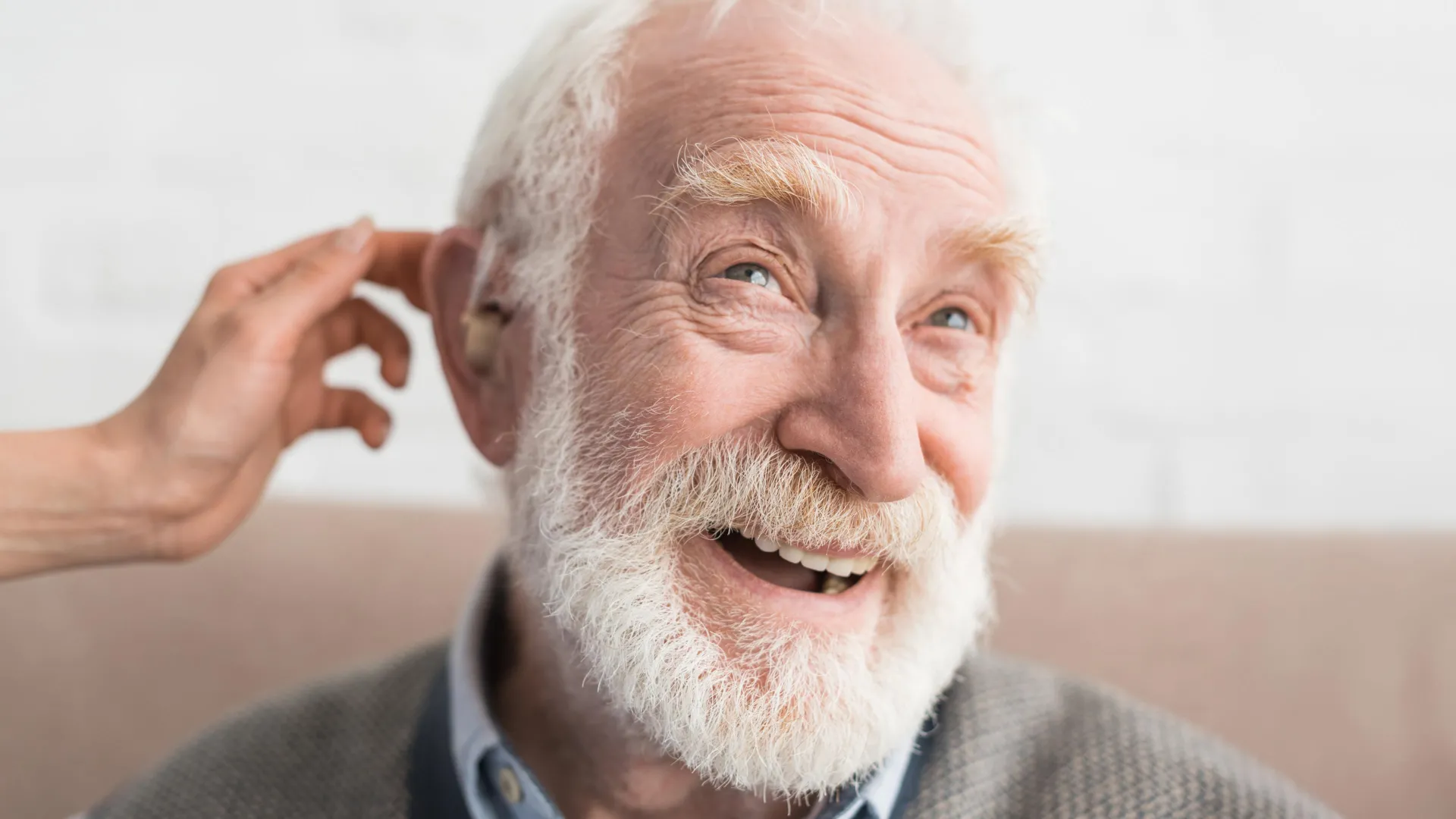
Hearing loss doesn’t just affect how people hear the world — it can also change how they connect with it.
A new study from the USC Caruso Department of Otolaryngology – Head and Neck Surgery, part of Keck Medicine of USC, published today in JAMA Otolaryngology – Head & Neck Surgery, is the first to link hearing aids and cochlear implants, surgically implanted devices that help those with profound hearing loss perceive sound, to improved social lives among adults with hearing loss.
“We found that adults with hearing loss who used hearing aids or cochlear implants were more socially engaged and felt less isolated compared to those who didn’t use them,” said Janet Choi, MD, MPH, an otolaryngologist with Keck Medicine and lead researcher of the study. “This suggests that hearing devices may help prevent the social disconnection and broader health consequences that can follow untreated hearing loss.”
Hearing loss affects an estimated 40 million American adults, yet many go untreated. When left unaddressed, hearing loss can make communication difficult, leading people to withdraw from conversations and social activities, according to Choi.
Previous research has shown that over time, social withdrawal can reduce mental stimulation and increase the risk of loneliness, anxiety, depression, cognitive decline and dementia. It has also linked chronic social isolation to biological and neurological changes, including increased brain inflammation and alterations in brain structure.
“Understanding the link between hearing loss, hearing device use and social isolation is crucial,” said Choi. “Until this study, it has been unclear whether hearing devices could help reverse the isolation.”
Choi and her fellow researchers conducted a comprehensive, systematic review and meta-analysis of 65 previously published studies, encompassing over five thousand participants, on how hearing aids and cochlear implants affect three key measures: social quality of life, perceived social handicap, which refers to the limitations and frustrations hearing loss can create in social situations, and loneliness.

The researchers found that adults using hearing devices feel more socially connected and less limited in social situations. They are better able to engage in group conversations and feel more at ease in noisy or challenging listening environments. Participants also reported feeling less socially handicapped by their hearing loss, with fewer barriers and frustrations during interactions and an improved ability to stay engaged without feeling excluded. This increased confidence can help users connect more easily with family, friends and colleagues, leading to stronger feelings of belonging and reduced social anxiety. The study also suggested hearing devices may reduce loneliness, although further research is needed in this area, according to Choi.
Those with cochlear implants reported the most improvement in their social quality of life. This is likely because cochlear implants offer greater hearing restoration than hearing aids, especially for individuals with more severe hearing loss. As a result, they may experience more noticeable improvements in social engagement once their hearing is restored.
While it was outside the scope of the study to measure how better social lives relate to improved cognitive outcomes, Choi believes there may be a connection, as previous research has found managing hearing loss may be key to reducing the risk of cognitive decline and dementia. “While our study didn’t directly measure cognitive outcomes, the improvements we saw in communication and social engagement suggest that by restoring clearer communication, hearing devices may help preserve cognitive health by keeping the brain more actively involved and people more connected,” Choi said.
This research follows a January 2024 study by Choi showing that adults with hearing loss who use hearing aids have an almost 25% lower risk of mortality, suggesting that treating hearing loss can improve lifespan as well as social quality of life.
“These new findings add to a growing body of research showing that hearing health is deeply connected to overall well-being,” said Choi. “We hope this encourages more people to seek treatment and helps clinicians start conversations with patients about how hearing devices can improve their quality of life.”

Read more →

Frozen light switches: How Arctic microbes could revolutionize neuroscience

Imagine the magnificent glaciers of Greenland, the eternal snow of the Tibetan high mountains, and the permanently ice-cold groundwater in Finland. As cold and beautiful these are, for the structural biologist Kirill Kovalev, they are more importantly home to unusual molecules that could control brain cells’ activity.
Kovalev, EIPOD Postdoctoral Fellow at EMBL Hamburg’s Schneider Group and EMBL-EBI’s Bateman Group, is a physicist passionate about solving biological problems. He is particularly hooked by rhodopsins, a group of colorful proteins that enable aquatic microorganisms to harness sunlight for energy.
“In my work, I search for unusual rhodopsins and try to understand what they do,” said Kovalev. “Such molecules could have undiscovered functions that we could benefit from.”
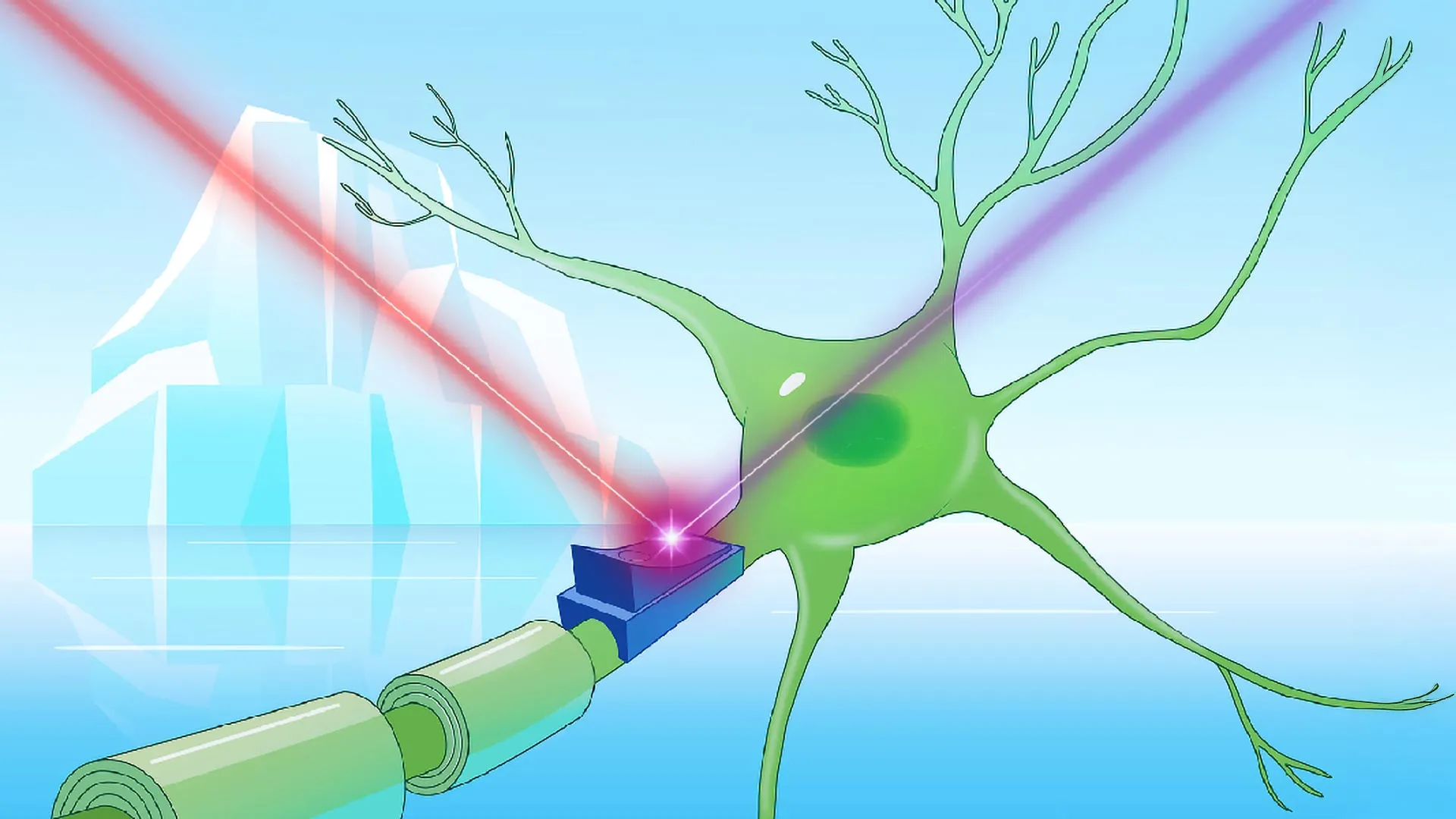
Some rhodopsins have already been modified to serve as light-operated switches for electrical activity in cells. This technique, called optogenetics, is used by neuroscientists to selectively control neuronal activity during experiments. Rhodopsins with other abilities, such as enzymatic activity, could be used to control chemical reactions with light, for example.
Having studied rhodopsins for years, Kovalev thought he knew them inside out – until he discovered a new, obscure group of rhodopsins that were unlike anything he had seen before.
As it often happens in science, it started serendipitously. While browsing online protein databases, Kovalev spotted an unusual feature common to microbial rhodopsins found exclusively in very cold environments, such as glaciers and high mountains. “That’s weird,” he thought. After all, rhodopsins are something you typically find in seas and lakes.
These cold-climate rhodopsins were almost identical to each other, even though they evolved thousands of kilometres apart. This couldn’t be a coincidence. They must be essential for surviving in the cold, concluded Kovalev, and to acknowledge this, he named them ‘cryorhodopsins’.

Rhodopsins out of the blue
Kovalev wanted to know more: what these rhodopsins look like, how they work, and, in particular, what color they are.
Color is the key feature of each rhodopsin. Most are pink-orange – they reflect pink and orange light, and absorb green and blue light, which activates them. Scientists strive to create a palette of different colored rhodopsins, so they could control neuronal activity with more precision. Blue rhodopsins have been especially sought-after because they are activated by red light, which penetrates tissues more deeply and non-invasively.
To Kovalev’s amazement, the cryorhodopsins he examined in the lab revealed an unexpected diversity of colors, and, most importantly, some were blue.
The color of each rhodopsin is determined by its molecular structure, which dictates the wavelengths of light it absorbs and reflects. Any changes in this structure can alter the color.
“I can actually tell what’s going on with cryorhodopsin simply by looking at its color,” laughed Kovalev.

Applying advanced structural biology techniques, he figured out that the secret to the blue color is the same rare structural feature that he originally spotted in the protein databases.
“Now that we understand what makes them blue, we can design synthetic blue rhodopsins tailored to different applications,” said Kovalev.
Next, Kovalev’s collaborators examined cryorhodopsins in cultured brain cells. When cells expressing cryorhodopsins were exposed to UV light, it induced electric currents inside them. Interestingly, if the researchers illuminated the cells right afterwards with green light, the cells became more excitable, whereas if they used UV/red light instead, it reduced the cells’ excitability.
“New optogenetic tools to efficiently switch the cell’s electric activity both ‘on’ and ‘off’ would be incredibly useful in research, biotechnology and medicine,” said Tobias Moser, Group Leader at the University Medical Center Göttingen who participated in the study. “For example, in my group, we develop new optical cochlear implants for patients that can optogenetically restore hearing in patients. Developing the utility of such a multi-purpose rhodopsin for future applications is an important task for the next studies.”
“Our cryorhodopsins aren’t ready to be used as tools yet, but they’re an excellent prototype. They have all the key features that, based on our findings, could be engineered to become more effective for optogenetics,” said Kovalev.
Evolution’s UV light protector
When exposed to sunlight even on a rainy winter day in Hamburg, cryorhodopsins can sense UV light, as shown using advanced spectroscopy by Kovalev’s collaborators from Goethe University Frankfurt led by Josef Wachtveitl. Wachtveitl’s team showed that cryorhodopsins are in fact the slowest among all rhodopsins in their response to light. This made the scientists suspect that those cryorhodopsins might act like photosensors letting the microbes ‘see’ UV light – a property unheard of among other cryorhodopsins.
“Can they really do that?” Kovalev kept asking himself. A typical sensor protein teams up with a messenger molecule that passes information from the cell membrane to the cell’s inside.
Kovalev grew more convinced, when together with his collaborators from Alicante, Spain, and his EIPOD co-supervisor, Alex Bateman from EMBL-EBI, they noticed that the cryorhodopsin gene is always accompanied by a gene encoding a tiny protein of unknown function – likely inherited together, and possibly functionally linked.
Kovalev wondered if this might be the missing messenger. Using the AI tool AlphaFold, the team were able to show that five copies of the small protein would form a ring and interact with the cryorhodopsin. According to their predictions, the small protein sits poised against the cryorhodopsin inside the cell. They believe that when cryorhodopsin detects UV light, the small protein could depart to carry this information into the cell.
“It was fascinating to uncover a new mechanism via which the light-sensitive signal from cryorhodopsins could be passed on to other parts of the cell. It is always a thrill to learn what the functions are for uncharacterised proteins. In fact, we find these proteins also in organisms that do not contain cryorhodopsin, perhaps hinting at a much wider range of jobs for these proteins.”
Why cryorhodopsins evolved their astonishing dual function – and why only in cold environments – remains a mystery.
“We suspect that cryorhodopsins evolved their unique features not because of the cold, but rather to let microbes sense UV light, which can be harmful to them,” said Kovalev. “In cold environments, such as the top of a mountain, bacteria face intense UV radiation. Cryorhodopsins might help them sense it, so they could protect themselves. This hypothesis aligns well with our findings.”
“Discovering extraordinary molecules like these wouldn’t be possible without scientific expeditions to often remote locations, to study the adaptations of the organisms living there,” added Kovalev. “We can learn so much from that!”
Unique approach to unique molecules
To reveal the fascinating biology of cryorhodopsins, Kovalev and his collaborators had to overcome several technical challenges.
One was that cryorhodopsins are nearly identical in structure, and even a slight change in the position of a single atom can result in different properties. Studying molecules at this level of detail requires going beyond standard experimental methods. Kovalev applied a 4D structural biology approach, combining X-ray crystallography at EMBL Hamburg beamline P14 and cryo-electron microscopy (cryo-EM) in the group of Albert Guskov in Groningen, Netherlands, with protein activation by light.
“I actually chose to do my postdoc at EMBL Hamburg, because of the unique beamline setup that made my project possible,” said Kovalev. “The whole P14 beamline team worked together to tailor the setup to my experiments – I’m very grateful for their help.”
Another challenge was that cryorhodopsins are extremely sensitive to light. For this reason, Kovalev’s collaborators had to learn to work with the samples in almost complete darkness.

Read more →

A Century Ago, Adolescents Weren’t Fully Human

Looking back at an awkward moment in the history of adolescent psychology.A parent could be forgiven for thinking that adolescents are primitive. They speak in monosyllables (“Food!”), if they speak at all. Their cognition can described as dim. (“Where are my shoes!? Oh, they’re on my feet.”) As a group, they seem to be not merely not-yet-mature-humans but not-yet-fully-humans-at-all — Homo habilis maybe, Neanderthals at best.Take heart in this impression. A century ago, when adolescent psychology first emerged as a field of study, that was exactly the thinking: Teenagers are literally not fully evolved; they are pre-human.The main proponent of this idea was G. Stanley Hall, a psychologist and educator at Clark University who in 1878 had received, from Harvard, the first doctorate in psychology awarded in the United States. At the time, adolescence was not just a mystery but a nonentity. For centuries leading up to the Industrial Age, young humans went directly from childhood into the work force and reproductive mode. The economy permitted no room for semi-productive adolescents, much less anything like teen culture.There had been echoes of teen angst. William Shakespeare’s “Romeo and Juliet” appeared in 1597. “The Sorrows of Young Werther,” the 1774 novel by Johann Wolfgang von Goethe, tells the story of a young man who, in pursuit of love, navigates melancholy, euphoria, suicidal ideation and, eventually, unrequited feelings that end in tragedy. The book was part of a late-18th-century German literary movement known as Sturm and Drang, which identified tumult and stress as defining characteristics of impulsive, romantic young people.Hall, born in Massachusetts in 1844, came of age amid major social and demographic change. With improvements in medicine, sanitation and living conditions, the life span of the average American was increasing, from roughly 40 in 1800 to near 50 by 1900. Progressive reformers sought to combat the ills of industrialization and called for compulsory elementary education; gradually, more working-class families opted for high school, because more learning could lead to better wages.These forces combined to wedge a new time period between childhood and adulthood. Hall was among the first scholars to try to name and explain it.“Up until Hall, there was an amorphous general notion that there was this period of life that was different,” said Dr. Laurence Steinberg, a psychologist at Temple University and expert on adolescence. “What Hall did was connect the dots. He was the first person to put it all together.” He added, “He had some ideas that were wacky and some that were brilliant.”We are having trouble retrieving the article content.Please enable JavaScript in your browser settings.Thank you for your patience while we verify access. If you are in Reader mode please exit and log into your Times account, or subscribe for all of The Times.Thank you for your patience while we verify access.Already a subscriber? Log in.Want all of The Times? Subscribe.

Read more →

Ketamine helped me escape my negative thoughts – then it nearly killed me

41 minutes agoShareSaveRuth CleggHealth and wellbeing reporter, BBC NewsShareSaveAbbieAbbie was 16 years old when she started using ketamine. It was the first time she had felt in control.The negative thoughts that had swamped her mind since a young age began to dissipate.Twelve years later and fresh out of rehab she’s still battling with the addiction that almost took her life.She wants to speak out to explain why ketamine has become such a popular drug – especially among young people with mental health problems – and to talk about the damage it can do long term.Abbie’s warning comes as the first NHS clinic in the UK – dedicated to helping children struggling with ketamine use – opens on Merseyside, with patients as young as 12 needing help.Ketamine is unlike many other street drugs due to the way it interacts with the brain. Small amounts of the Class B drug can give a sense of euphoria and excitement, while large amounts can lead to a state known as the “K-hole,” where users feel detached from reality – an out-of-body-type experience.The number of under 16s reporting a problem with the drug has nearly doubled over the past two years, overtaking cocaine in popularity with children and young people.Nearly half those (49%) who started treatment for drug misuse in 2023-24 said they had a mental health problem, with more than a quarter not receiving any treatment for the latter.Details of help and support with addiction are available in the UK at BBC Action LineExperts are warning that some young people are taking dangerous amounts of ketamine not only due to it’s low price and ease of availability, but also because of the dissociative feelings it brings.”What we are seeing is a perfect storm,” David Gill, the founder of Risk and Reliance, a company which trains front-line workers on emerging drug trends. “We have more young people struggling with depression, trauma, anxiety, a lack of services – and we have a very cheap street drug that helps them disconnect.”Abbie’s first line of ketamine did exactly that. She says it “felt like such a powerful place to be”.”My thoughts no longer had a negative effect on me – life was passing me by, but I didn’t have to engage with it.”Abbie’s childhood had been hard. Struggling with mental health problems and undiagnosed ADHD, she had left school at 14 and found herself in a whirlwind of drink, drugs and unhealthy relationships.AbbieAlthough addiction cast a long shadow throughout her 20s, Abbie managed to secure a place at university, staying clean throughout, and obtained a healthcare degree.She is smart, articulate and wants to do well, but after two abusive and controlling relationships ketamine became the only means she had to block out the trauma.Yet when she went to her GP to seek help she was prescribed sleeping tablets and told to “come off the ket”.”The withdrawals were so bad I would be shaking and vomiting,” she says, “it wasn’t that easy to just come off it.”Then a deeper level of addiction took hold.”I always prided myself in the early stages of addiction of keeping my morals and my values and not lying to people,” Abbie says, “but I couldn’t stop the drugs and I found myself hiding my use to my friends.”Things escalated. Eventually Abbie was taking ketamine every day – incessantly. The only time she would take a shower, she says, would be when she went out to meet her dealer on the street.The physical effects of overuse began to kick in – horrific abdominal pains, known as K-cramps, would leave her screaming in agony. She would place boiling hot water bottles on her abdomen – burning her skin. And then she would take even more ketamine to numb the pain.What is ketamine?Often referred to as ket, Special K or just K, ketamine is a powerful horse tranquilliser and anaesthetic. It is a licensed drug and can be prescribed medicallyWhen misused, it can cause serious and sometimes permanent damage to the bladderIt is currently a Class B drug under the Misuse of Drugs Act 1971The penalty for possession is up to five years in prison, an unlimited fine – or bothThis cycle of drug abuse is something public health consultant Professor Rachel Isba also sees in her new clinic for under 16s experiencing the physical side effects of ketamine use.Chronic use of the drug can cause ketamine-induced uropathy, a relatively new condition, which affects the bladder, kidneys and liver. The bladder lining becomes so inflamed it can result in permanent damage and it has to be removed.Prof Isba says the first signs of ketamine bladder are severe abdominal pains, urinating blood and jelly from the damaged bladder lining.”Patients referred to the clinic will receive a holistic approach,” she says, “care from the specialist urology team to treat the physical effects of the drug, and then they will be supported – and referred if necessary – to community services who can help with the often complex reasons behind their drug use.”‘Completely helpless’MaisieSarah Norman, from St Helens, says she felt like a “silent watcher” as her daughter began to “fade in front” of her eyes.Last September she discovered that Maisie, 25, was addicted to ketamine, which had caused potentially irreversible damage to her kidneys.”We are just an average family,” Sarah says. “I never thought Maisie would have ended up addicted to any drugs – she doesn’t even drink alcohol.”Maisie had kept it quiet – ashamed of the stigma attached to her ketamine use. But what had started as a party drug she’d take at festivals had become a substance she couldn’t function without.In the end her partner moved out with their three-year-old son.”I had nothing left to live for,” Maisie says. “It got to the point I was doing bump after bump [snorting small amounts of it].”For a short time I would be knocked out of reality – then I would take more.”Sarah NormanEventually, Maisie’s mum and sister carried her into hospital – she weighed just five stone (32kg).”The doctors said her body was failing her,” Sarah says. “We thought we might lose her.”As a parent, she says, she felt completely helpless.”It’s hell on earth, there is nothing you can do. You ask yourself what you should have done.”Maisie’s kidneys were fitted with nephrostomy tubes, which drain the urine out into two bags – which she now carries around with her.Yet even this major operation didn’t end Maisie’s addiction. But finally, after fighting for a place in rehab she has now been clean for five months.Sarah posts about her daughter’s drug journey on Tik Tok where many parents reach out to her for help and advice with their own children.”This drug is just horrific, so many other young people are struggling with it,” Sarah says. “I am so proud of Maisie though, she’s going to Narcotics Anonymous meetings every night.”The pain she must have been through – and still goes through – I’m not sure if I’d have been as resilient and strong as she is.”MaisieAbbie was rejected from NHS rehabilitation services twice, and reached a point where she considered taking her own life.”There was so much chaos around me and the services weren’t going to help me, I just wanted to end it all,” she says.But after sending a five-page letter to the panel that decides on eligibility she finally managed to access a detox and rehabilitation service.”I had three choices,” Abbie says, “rehab, section – or in a coffin.”Abbie was treated in the same rehabilitation unit as Maisie. She is now out, clean and proud of herself but says the treatment she received failed to deal with her trauma.”I can look after myself on a daily basis and I’m doing OK. The real work starts now I’m out of rehab,” she says, ” and now I am clean, hopefully I can get the mental health support I so desperately needed when I was using.”A spokesperson for the Department of Health and Social Care said that as part of its 10 Year Health Plan to reform the NHS, it was going to be much “bolder in moving from sickness to prevention”.”This government is driving down the use of drugs like ketamine, ensuring more people receive timely treatment and support, and making our streets and communities safer.”More weekend picks

Read more →

New research confirms that neurons form in the adult brain

A study in the journal Science presents compelling new evidence that neurons in the brain’s memory centre, the hippocampus, continue to form well into late adulthood. The research from Karolinska Institutet in Sweden provides answers to a fundamental and long-debated question about the human brain’s adaptability.
The hippocampus is a brain region that is essential for learning and memory and involved in emotion regulation. Back in 2013, Jonas Frisén’s research group at Karolinska Institutet showed in a high-profile study that new neurons can form in the hippocampus of adult humans. The researchers then measured carbon-14 levels in DNA from brain tissue, which made it possible to determine when the cells were formed.
Identifying cells of origin
However, the extent and significance of this formation of new neurons (neurogenesis) are still debated. There has been no clear evidence that the cells that precede new neurons, known as neural progenitor cells, actually exist and divide in adult humans.
“We have now been able to identify these cells of origin, which confirms that there is an ongoing formation of neurons in the hippocampus of the adult brain,” says Jonas Frisén, Professor of Stem Cell Research at the Department of Cell and Molecular Biology, Karolinska Institutet, who led the research.
From 0 to 78 years of age
In the new study, the researchers combined several advanced methods to examine brain tissue from people aged 0 to 78 years from several international biobanks. They used a method called single-nucleus RNA sequencing, which analyses gene activity in individual cell nuclei, and flow cytometry to study cell properties. By combining this with machine learning, they were able to identify different stages of neuronal development, from stem cells to immature neurons, many of which were in the division phase.

To localize these cells, the researchers used two techniques that show where in the tissue different genes are active: RNAscope and Xenium. These methods confirmed that the newly formed cells were located in a specific area of the hippocampus called the dentate gyrus. This area is important for memory formation, learning and cognitive flexibility.
Hope for new treatments
The results show that the progenitors of adult neurons are similar to those of mice, pigs and monkeys, but that there are some differences in which genes are active. There were also large variations between individuals – some adult humans had many neural progenitor cells, others hardly any at all.
“This gives us an important piece of the puzzle in understanding how the human brain works and changes during life,” explains Jonas Frisén. “Our research may also have implications for the development of regenerative treatments that stimulate neurogenesis in neurodegenerative and psychiatric disorders.”
The study was conducted in close collaboration with Ionut Dumitru, Marta Paterlini and other researchers at Karolinska Institutet, as well as researchers at Chalmers University of Technology in Sweden.
The research was funded by the Swedish Research Council, the European Research Council (ERC), the Swedish Cancer Society, the Knut and Alice Wallenberg Foundation, the Swedish Foundation for Strategic Research, the StratRegen programme, the EMBO Long-Term Fellowship, Marie Sklodowska-Curie Actions and SciLifeLab. Jonas Frisén is a consultant for the company 10x Genomics. See the scientific article for a complete list of potential conflicts of interest.

Read more →

Anna Ornstein, Psychoanalyst Who Survived the Holocaust, Dies at 98

Despite the unspeakable horror of her youth, she embraced a school of psychotherapy that stresses empathy and the belief that everyone can change for the better.That Anna Ornstein, a Holocaust survivor, focused on trauma in a long career as a psychoanalyst may not come as a surprise.That Dr. Ornstein, who was deported to Auschwitz when she was 17, sought to heal children and adolescents may also not be surprising.But a startling aspect of Dr. Ornstein’s life and chosen profession was that, despite having experienced unspeakable horror in her youth, she embraced a school of psychotherapy that stresses empathy, seeing the world through others’ eyes, and a belief that all people, even those who seem the most vile, contain a spark of humanity.Dr. Ornstein, who was born in Hungary and in the 1950s emigrated to the United States, where she practiced and taught child psychiatry at the University of Cincinnati and Harvard and became a leading exponent of a school known as self-psychology, died on Wednesday at her home in Brookline, Mass. She was 98.Dr. Ornstein in 2018, speaking to high school students in Massachusetts.Matthew J. Lee/The Boston Globe, via Getty ImagesHer daughter Sharone Ornstein, who is also a psychiatrist and a psychoanalyst, confirmed the death.“She had a way of bringing her personal lived experience seamlessly into her work,” the younger Dr. Ornstein said in an interview. “She had a determination to live and create a life, and not be defined by her trauma.”We are having trouble retrieving the article content.Please enable JavaScript in your browser settings.Thank you for your patience while we verify access. If you are in Reader mode please exit and log into your Times account, or subscribe for all of The Times.Thank you for your patience while we verify access.Already a subscriber? Log in.Want all of The Times? Subscribe.

Read more →

S. Daniel Abraham, the Force Behind Slim-Fast, Dies at 100

He turned a tiny family business into a billion-dollar weight-loss empire by replacing calorie counting and forbidden foods with “just add milk.”S. Daniel Abraham, an entrepreneur who turned a tiny family business into a giant that dominated the weight-loss industry with popular brands like Slim-Fast and Dexatrim, died on Sunday at a hospital in Manhattan. He was 100.His death was confirmed by a spokesman for the family, Rabbi Abe Unger.Mr. Abraham built his fortune on a pharmaceutical company that his father, a dentist, bought for $5,000 in 1947 after spotting it in an advertisement in the trade publication Drug Store News. Mr. Abraham expanded the company into an empire with a line that came to include Slim-Fast, a weight-loss product that involved no complex diets, calorie counting or weighing of ingredients, and that did not forbid specific foods or beverages.“What I wanted to bring to market was a meal replacement in liquid form, composed of protein, carbohydrates, vitamins and minerals, and even a little healthy fat,” he wrote in “Everything Is Possible,” a memoir published in 2010 and written with Joseph Telushkin.Mr. Abraham’s memoir was published in 2010.William MorrowWhen Slim-Fast — since rebranded as SlimFast — was introduced in 1977, it was sold premixed in powder form, which buyers then blended with skim milk. The beverage was intended to constitute breakfast and lunch followed by a “sensible” dinner, as its television commercials advised. A ready-to-drink version appeared in 1989.Mr. Abraham, whose family of six at the time lived in Israel for much of the 1970s, was also active politically, especially in his later years. In pursuit of Middle East peace, he cultivated relationships with top Israeli, American and Arab leaders, including Prime Minister Ariel Sharon, a friend for more than three decades. Mr. Abraham was particularly close to Bill and Hillary Clinton, becoming one of the biggest donors to Mrs. Clinton’s 2016 campaign for president.We are having trouble retrieving the article content.Please enable JavaScript in your browser settings.Thank you for your patience while we verify access. If you are in Reader mode please exit and log into your Times account, or subscribe for all of The Times.Thank you for your patience while we verify access.Already a subscriber? Log in.Want all of The Times? Subscribe.

Read more →

Scientists starved worms — then discovered the switch that controls aging

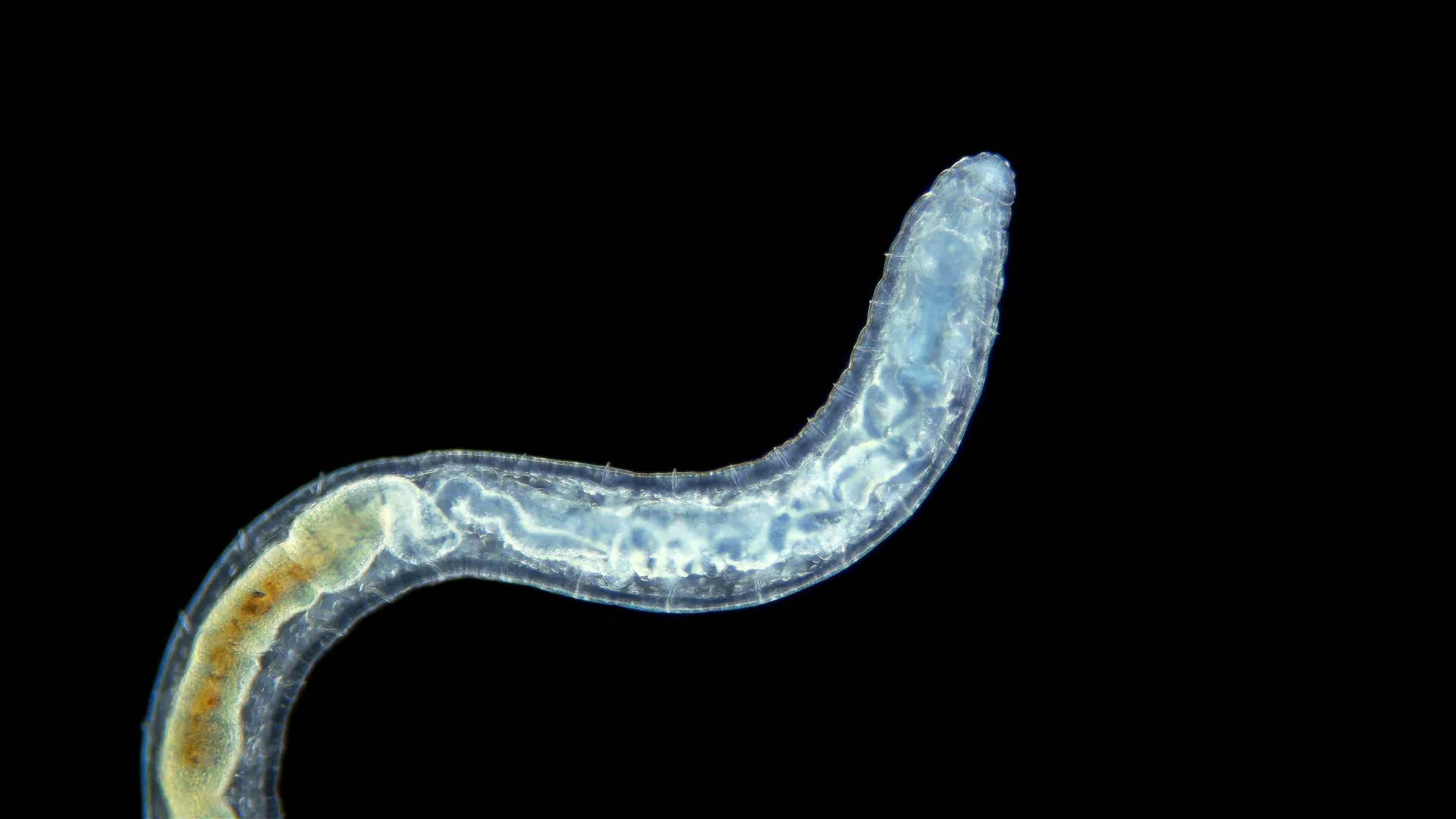
The researchers induced the senescent-like state in worms by manipulating the transcription factor TFEB. Under normal conditions, worms subjected to long-term fasting followed by refeeding regenerate and appear rejuvenated. However, in the absence of TFEB, the worm’s stem cells fail to recover from the fasting period and instead enter a senescent-like state. This state is characterised by markers such as DNA damage, nucleolus expansion, mitochondrial reactive oxygen species (ROS), and the expression of inflammatory markers, which are similar to those observed in mammalian senescence.e fasting period and instead enter a senescent-like state. This state is characterised by markers such as DNA damage, nucleolus expansion, mitochondrial reactive oxygen species (ROS), and the expression of inflammatory markers, which are similar to those observed in mammalian senescence.
“We present a model for studying senescence at the level of the entire organism. It provides a tool to explore how senescence can be triggered and overcome,” explains Adam Antebi, head of the study and director at the Max Planck Institute for Biology of Ageing.
The TFEB-growth factor axis
TFEB is a transcription factor involved in cellular responses to nutrient availability. It plays a crucial role in responding to fasting by regulating gene expression. In its absence, worms attempt to initiate growth programs without sufficient nutrients, leading to senescence.
“With our new model, we conducted genetic screens to identify mutations that can circumvent senescence. We identified growth factors, including insulin and transforming growth factor beta (TGFbeta), as the key signaling molecules that are dysregulated upon TFEB loss,” Antebi explains.
The TFEB-TGFbeta signaling axis is also regulated during cancer diapause, a state in which cancer cells remain in a dormant, non-dividing condition to survive chemotherapy. In the future, the researchers want to test whether their worm model can be used to find new treatments targeting senescent cells during aging as well as cancer dormancy.

Read more →

Scientists just found a major flaw in a key COVID drug study

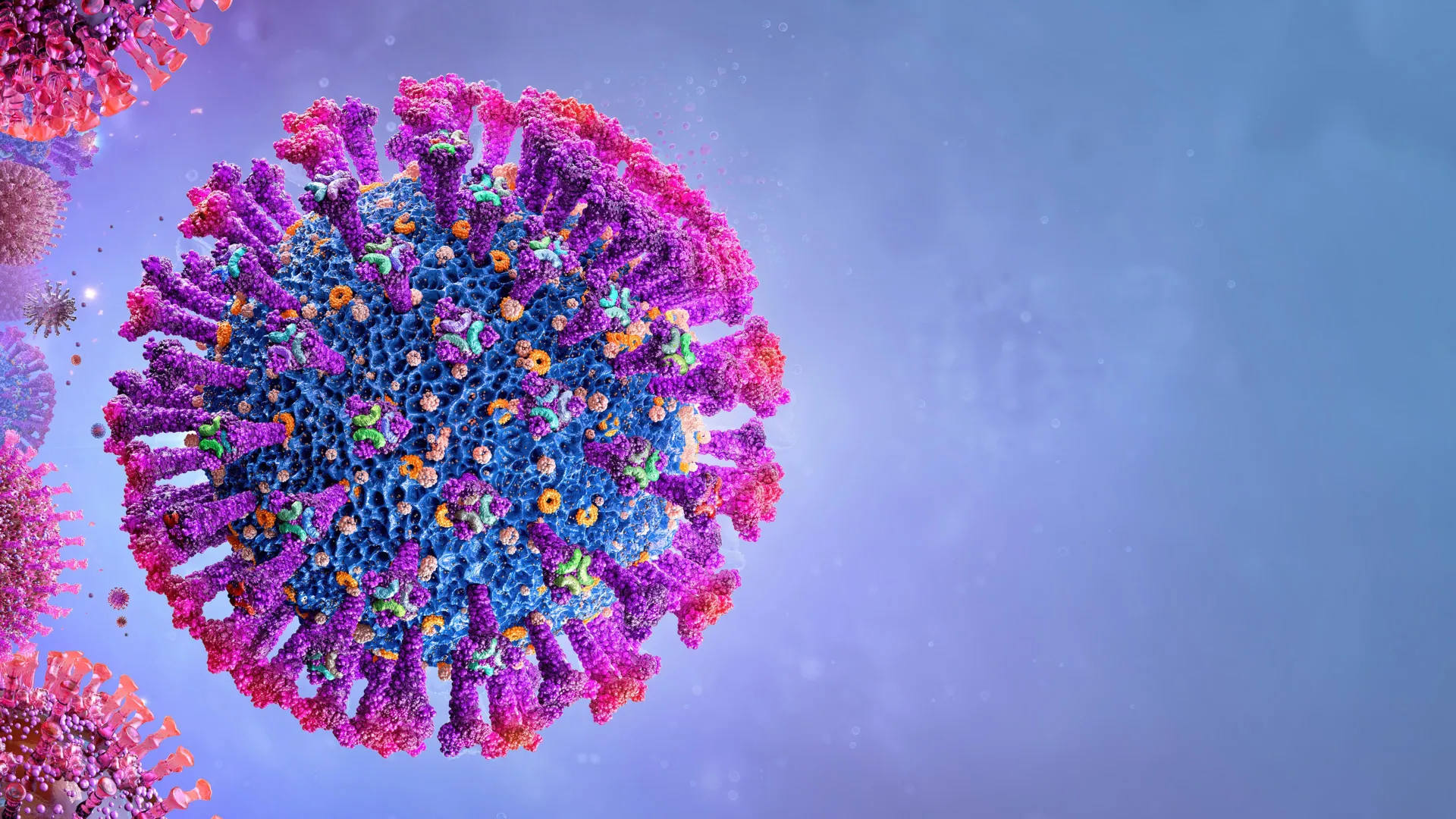
The COVID pandemic illustrated how urgently we need antiviral medications capable of treating coronavirus infections. To aid this effort, researchers quickly homed in on part of SARS-Cov-2’s molecular structure known as the NiRAN domain — an enzyme region essential to viral replication that’s common to many coronaviruses. A drug targeting the NiRAN domain would likely work broadly to shut down a range of these pathogens, potentially treating known diseases like COVID as well as helping to head off future pandemics caused by related viruses,
In 2022, scientists in China (Yan et al.) published a structural model describing exactly how this domain works. It should have been a tremendous boon for drug developers.
But the model was wrong.
“Their work contains critical errors,” says Gabriel Small, a graduate fellow in the laboratories of Seth A. Darst and Elizabeth Campbell at Rockefeller. “The data does not support their conclusions.”
Now, in a new study published in Cell, Small and colleagues demonstrate exactly why scientists still don’t know how the NiRAN domain works. The findings could have sweeping implications for drug developers already working to design antivirals based on flawed assumptions, and underscore the importance of rigorous validation.
“It is absolutely important that structures be accurate for medicinal chemistry, especially when we’re talking about a critical target for antivirals that is the subject of such intense interest in industry,” says Campbell, head of the Laboratory of Molecular Pathogenesis. “We hope that our work will prevent developers from futilely trying to optimize a drug around an incorrect structure.”
A promising lead
By the time the original paper was published in Cell, the Campbell and Darst labs were already quite familiar with the NiRAN domain and its importance as a therapeutic target. Both laboratories study gene expression in pathogens, and their work on SARS-CoV-2 focuses in part on characterizing the molecular interactions that coordinate viral replication.

The NiRAN domain is essential for helping SARS-CoV-2 and other coronaviruses cap their RNA, a step that allows these viruses to replicate and survive. In one version of this process, the NiRAN domain uses a molecule called GDP to attach a protective cap to the beginning of the virus’s RNA. Small previously described that process in detail, and its structure is considered solved. But the NiRAN domain can also use a related molecule, GTP, to form a protective cap. Determined to develop antivirals that comprehensively shut down the NiRAN domain, scientists were keen to discover the particulars of the latter GTP-related mechanism.
In the 2022 paper, researchers described a chain of chemical steps, beginning with a water molecule breaking a bond to release the RNA’s 5′ phosphate end. That end then attaches to the beta-phosphate end of the GTP molecule, which removes another phosphate and, with the help of a magnesium ion, transfers the remaining portion of the GTP molecule to the RNA, forming a protective cap that allows the virus to replicate and thrive.
The team’s evidence? A cryo-electron microscopy image that showed the process caught in action. To freeze this catalytic intermediate, the team used a GTP mimic called GMPPNP.
Small read the paper with interest. “As soon as they published, I went to download their data,” he says. It wasn’t there. This raised a red flag — data is generally available upon release of a structural biology paper. Months later, however, when Small was finally able to access the data, he began to uncover significant flaws. “I tried to make a figure using their data, and realized that there were serious issues,” he says. Small brought his concerns to Campbell and Darst.
They agreed. “Something was clearly wrong,” Campbell says. “But we decided to give the other team the benefit of the doubt, and reprocess all of their data ourselves.”
An uphill battle
It was painstaking work, with Small leading the charge. Working frame by frame, he compared the published atomic model to the actual cryo-EM map and found something striking: the key molecules that Yan and colleagues claimed to have seen — specifically, the GTP mimic GMPPNP and a magnesium ion in the NiRAN domain’s active site — simply were not there.

Not only was there no supporting image data, but the placement of these molecules in the original model also violated basic rules of chemistry, causing severe atomic clashes and unrealistic charge interactions. Small ran additional tests, but even advanced methods designed to pick out rare particles turned up empty. He could find no evidence to support the model previously produced by Yan and colleagues.
Once the Rockefeller researchers validated their results, they submitted their findings to Cell. “It was very important that we publish our corrective manuscript in the same journal that published the original model,” Campbell says, noting that corrections to high-profile papers are often overlooked when published in lower tier journals.
Otherwise, this confusion in the field could cause problems that reach far beyond the lab bench, Campbell adds — a costly reminder that rigorous basic biomedical research is not just academic, but essential to real-world progress. “Companies keep their cards close to their chests, but we know that several industry groups are studying this,” she says. “Efforts based on a flawed structural model could result in years of wasted time and resources.”

Read more →

A cholesterol secret inside ticks may halt Lyme disease spread

Washington State University researchers have discovered how the bacteria that cause anaplasmosis and Lyme disease hijack cellular processes in ticks to ensure their survival and spread to new hosts, including humans.
Based in the College of Veterinary Medicine, the team found that the bacteria can manipulate a protein known as ATF6, which helps cells detect and respond to infection, to support its own growth and survival inside the tick. The findings, published in the journal Proceedings of the National Academy of Sciences, could serve as a launching point for developing methods to eliminate the bacteria in ticks before they are transmitted to humans and other animals.
“Most research has looked at how these bacteria interact with humans and animals and not how they survive and spread in ticks,” said Kaylee Vosbigian, a doctoral student and lead author on the study. “What we have found could open the door to targeting these pathogens in ticks, before they are ever a threat to people.”
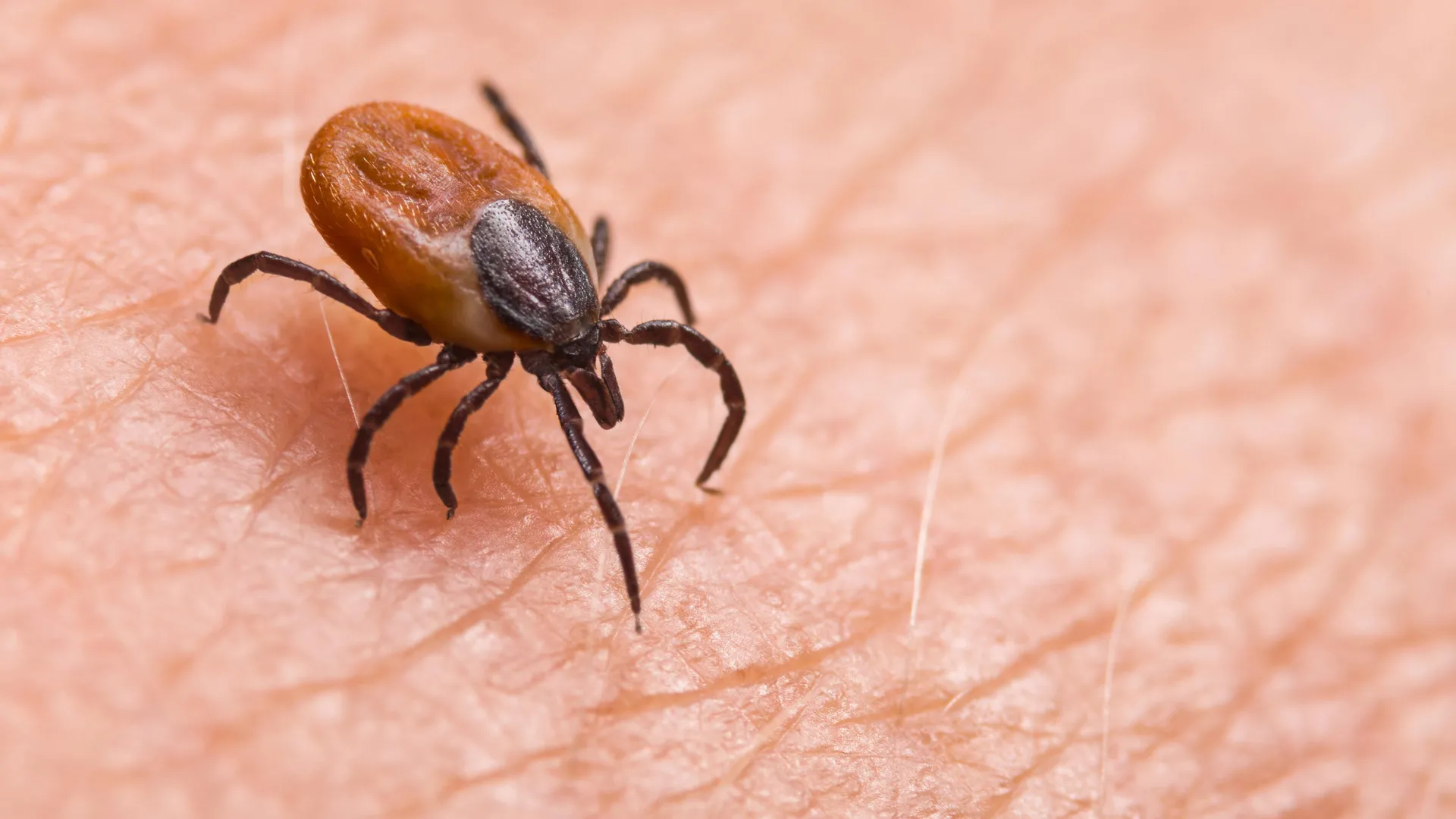
Vosbigian and her advisor, Dana Shaw, the corresponding author of the study and an associate professor in the Department of Veterinary Microbiology and Pathology, focused their research on Ixodes scapularis, also known as the blacklegged tick, which is responsible for spreading both Anaplasma phagocytophilum and Borrelia burgdorferi, the causative agents of anaplasmosis and Lyme disease. Both diseases are becoming increasingly common and can cause serious illness in humans and animals.
The team discovered that when ATF6 is activated in tick cells, it triggers the production of stomatin, a protein that helps move cholesterol through cells as part of a normal cellular processes. The bacteria exploit this process against their tick hosts, using the cholesterol -which they need to grow and build their own cell membranes but cannot produce themselves – to support their own survival and success.
“Stomatin plays a variety of roles in the cell, but one of its key functions is helping shuttle cholesterol to different areas,” Vosbigian said. “The bacteria take advantage of this, essentially stealing the cholesterol they need to survive.”
When the researchers blocked the production of stomatin, restricting the availability of cholesterol, bacterial growth is significantly reduced. The researchers believe this shows targeting the ATF6-stomatin pathway could lead to new methods for interrupting the disease cycle in ticks before transmission occurs.

As part of the study, Vosbigian also developed a new research tool called ArthroQuest, a free, web-based platform hosted by WSU that allows scientists to search the genomes of ticks, mosquitoes, lice, sand flies, mites, fleas and other arthropod vectors for transcription factor binding sites – genetic switches like ATF6 that control gene activity.
“There aren’t many tools out there for studying gene regulation in arthropods,” Vosbigian said. “Most are built for humans or model species like fruit flies, which are genetically very different from ticks.”
Using ArthroQuest, the team found that ATF6-regulated control of stomatin appears to be prevalent in blood-feeding arthropods. Since the hijacking of cholesterol and other lipids is common among arthropod-borne pathogens, the researchers suspect many may also exploit ATF6.
“We know many other vector-borne pathogens, like Borrelia burgdorferi and the malaria-causing parasite Plasmodium, rely on cholesterol and other lipids from their hosts,” Shaw said. “So, the fact that this ATF6-stomatin pathway exists in other arthropods could be relevant to a wide range of disease systems.”
The research was supported in part by a National Institutes of Health R01 grant and a College of Veterinary Medicine intramural seed grant.

Read more →