Weight-loss wonder drug Mounjaro/Zepbound shrinks breast cancer tumors

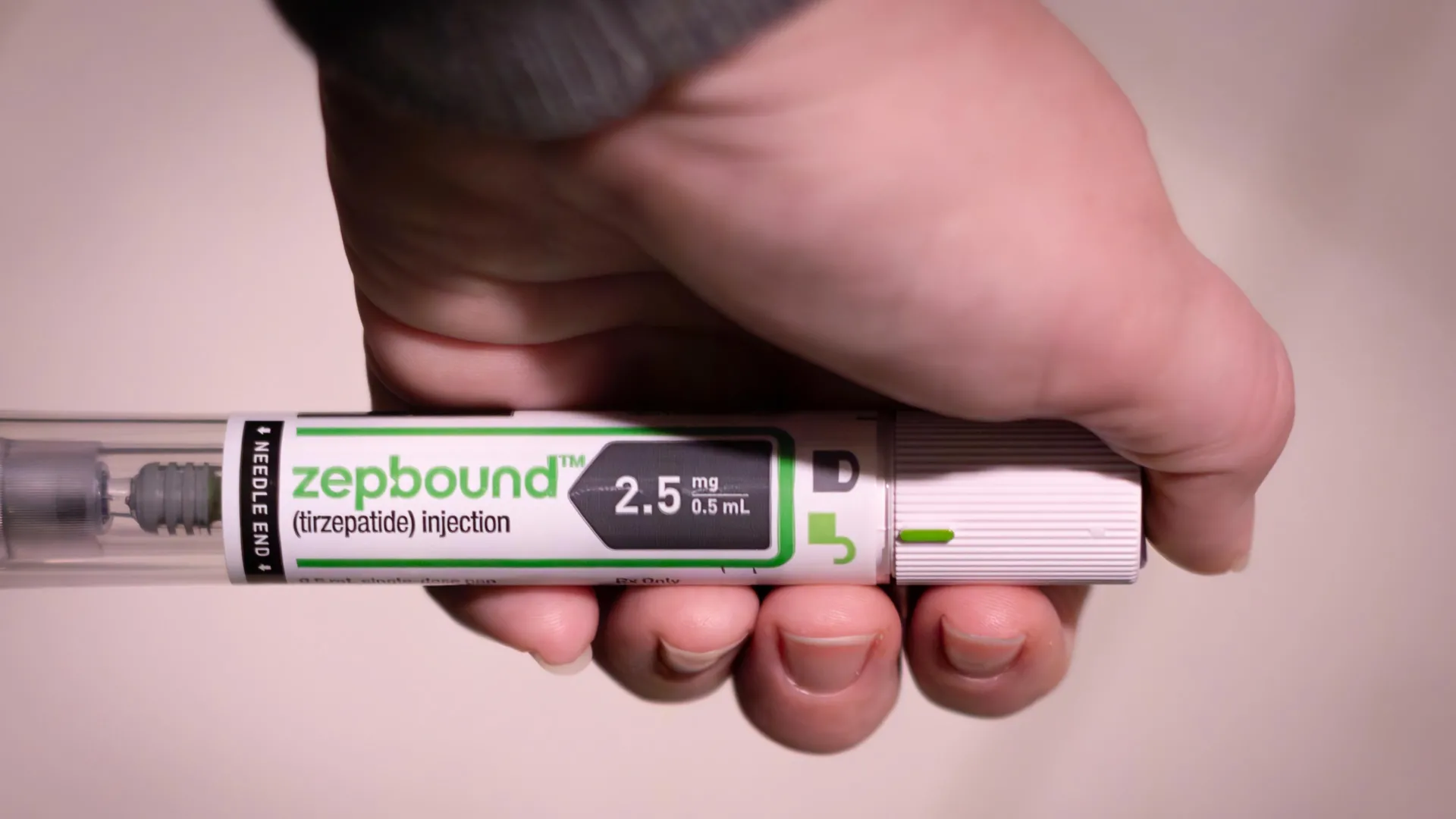
The anti-obesity medication tirzepatide, marketed as Mounjaro for diabetes and Zepbound for obesity, reduced obesity-associated breast cancer growth in a mouse model, according to a study presented at ENDO 2025, the Endocrine Society’s annual meeting in San Francisco, California.
“Obesity is a significant risk factor for breast cancer, and while it is very preliminary data, our studies in mice suggest that these new anti-obesity drugs may be a way to reduce obesity-associated breast cancer risk or improve outcomes,” said study author Amanda Kucinskas, B.S., a Ph.D. candidate in the labs of Drs. Erin Giles and Kanakadurga Singer at the University of Michigan in Ann Arbor, Mich.
Existing research has shown that having obesity can lead to worse breast cancer outcomes compared to those who do not have obesity, and weight loss can improve outcomes. However, there are many challenges with traditional weight loss methods.
Kucinskas and colleagues leveraged tirzepatide, one of a new class of effective anti-obesity medications that target GLP-1 (glucagon-like peptide 1) and GIP (glucose-dependent insulinotropic polypeptide) receptors. The researchers sought to learn whether or not tirzepatide would reduce obesity-associated breast cancer growth.
This mouse study included 16 mice. The 9-week-old C57BL/6 mice were fed a 40% high-fat diet and housed in a warm environment to induce obesity. At 32 weeks of age, the mice with obesity were randomly assigned injections of tirzepatide or a placebo every other day for 16 weeks. Tumor volumes were measured twice weekly.
The researchers found that the anti-obesity drug reduced body weight and body fat by approximately 20% in mice, similar to the amount of weight loss achieved by women on this drug. They found this was primarily due to a loss of adipose mass, with a reduction in adipose depot weights compared to controls.
The anti-obesity drug also reduced tumor volume compared to the controls. At the end of the study, the researchers found that tumor volume was significantly correlated with body weight, total adipose mass and the amount of fat stored in the liver.
“While these are very preliminary results, they suggest that this new anti-obesity drug may also have a beneficial impact on breast cancer outcomes,” Kucinskas said.
Ongoing studies are underway in collaboration with Dr. Steve Hursting’s lab at the University of North Carolina at Chapel Hill to separate the weight loss from the tumor-specific effects of tirzepatide.

Read more →

Obesity is driving a hidden cancer epidemic—13 types and rising deaths nationwide

Cancer deaths linked to obesity have tripled in the United States over the past two decades, according to a study being presented at ENDO 2025, the Endocrine Society’s annual meeting in San Francisco, Calif.
The study, which examined more than 33,000 deaths from obesity-associated cancers, revealed sharp increases in cancer deaths, especially among women, older adults, Native Americans and Black Americans.
“Obesity is a significant risk factor for multiple cancers, contributing to significant mortality,” said lead researcher Faizan Ahmed, M.D., of Hackensack Meridian Jersey Shore University Medical Center in Neptune City, N.J. “This research underscores the need for targeted public health strategies such as early screening and improved access to care, especially in high-risk rural and underserved areas.”
Obesity is a common condition. According to the U.S. Centers for Disease Control and Prevention (CDC), 40.3% of adults have obesity. Obesity is a complex disease resulting from multiple genetic, physiological, hormonal, environmental and developmental factors.
In addition to certain types of cancer, obesity raises the risk of developing serious chronic conditions such as high blood pressure, high cholesterol, prediabetes, type 2 diabetes, heart disease, and chronic and end-stage kidney disease.
Obesity is associated with a higher risk of developing 13 types of cancer, according to the CDC. These cancers make up 40% of all cancers diagnosed in the United States each year.
They are: Adenocarcinoma of the esophagus Breast (in women who have gone through menopause) Colon and rectum Uterus Gallbladder Upper stomach Kidneys Liver Ovaries Pancreas Thyroid Meningioma (a type of brain cancer) Multiple myelomaFaizan used mortality data from the CDC to analyze 33,572 U.S. deaths from obesity-associated cancers between 1999 and 2020. He found age-adjusted mortality rates increased from 3.73 to 13.52 per million over two decades, with steep increases among women, older adults, Black people, Native Americans and rural populations.
Regionally, the Midwest had the highest rate of obesity-related cancer deaths, while the Northeast had the lowest. State-level analysis revealed that Vermont, Minnesota and Oklahoma had the highest rates, while Utah, Alabama and Virginia had the lowest.

Read more →

Sweet but risky: Common sweeteners may be accelerating puberty in kids

Consuming certain sweeteners commonly found in foods and beverages may increase the risk of early puberty in children, particularly among those who are genetically predisposed, according to a study presented at ENDO 2025, the Endocrine Society’s annual meeting in San Francisco, Calif.
The researchers found that consuming aspartame, sucralose, glycyrrhizin and added sugars was significantly associated with a higher risk of early puberty, especially in children with certain genetic traits. The more of these sweeteners the teens consumed, the higher their risk of central precocious puberty.
“This study is one of the first to connect modern dietary habits — specifically sweetener intake — with both genetic factors and early puberty development in a large, real-world cohort,” said Yang-Ching Chen, M.D., Ph.D., of Taipei Municipal Wan Fang Hospital and Taipei Medical University in Taipei, Taiwan. “It also highlights gender differences in how sweeteners affect boys and girls, adding an important layer to our understanding of individualized health risks.”
A type of early puberty known as central precocious puberty is increasingly common. It can lead to emotional distress, shorter adult height, and increased risk of future metabolic and reproductive disorders.
Chen’s previous research found that certain sweeteners can directly influence hormones and gut bacteria linked to early puberty. For example, one artificial sweetener called acesulfame potassium or AceK was shown to trigger the release of puberty-related hormones by activating “sweet taste” pathways in brain cells and increasing stress-related molecules. Another sweetener, glycyrrhizin — found in licorice — was found to change the balance of gut bacteria and reduce the activity of genes involved in triggering puberty.
“This suggests that what children eat and drink, especially products with sweeteners, may have a surprising and powerful impact on their development,” Chen said.
The new findings come from the Taiwan Pubertal Longitudinal Study (TPLS), begun in 2018. The study included data from 1,407 teens. Central precocious puberty was diagnosed in 481 teens. The researchers assessed teens’ sweetener intake through validated questionnaires and testing of urine samples. Genetic predisposition was quantified using polygenic risk scores derived from 19 genes related to central precocious puberty. Early puberty was diagnosed based on medical exams, hormone levels and scans.
Sucralose consumption was linked to a higher risk of central precocious puberty in boys and consumption of glycyrrhizin, sucralose and added sugars was associated with a higher risk of central precocious puberty in girls.
“The findings are directly relevant to families, pediatricians and public health authorities,” Chen said. “They suggest that screening for genetic risk and moderating sweetener intake could help prevent early puberty and its long-term health consequences. This could lead to new dietary guidelines or risk assessment tools for children, supporting healthier development.”

Read more →

Biggest human imaging study scans 100,000th person

16 hours agoShareSaveShareSaveBourigault et al. 2024Scientists say they can study our bodies as we age in greater detail than ever before, thanks to more than a billion scans of UK volunteers.The world’s biggest human imaging project says it has now hit its target of scanning the brains, hearts and other organs of 100,000 people – the culmination of an ambitious 11-year study.”Researchers are already starting to use the imaging data, along with other data we have, to identify disease early and then target treatment at an earlier stage,” says Prof Naomi Allen, chief scientist at UK Biobank.The data is made available at low cost to teams around the world to find new ways of preventing common health conditions from heart disease to cancer.The 100,000th volunteer to be scanned was Steve, who recently retired from a job in sales and now helps out at a charity run by his daughter.The BBC watched as he entered a full-body MRI scanner in an industrial park outside Reading, and detailed images of brain cells, blood vessels, bones and joints appeared on the screens.”My mum was diagnosed with early-stage dementia a few years ago and has not been well,” he says.”So with that in mind I want to give more back to research so the next generation can learn from people like me.”The giant medical imaging project has been running for 13 hours a day, seven-days-a-week across four sites in England.Participants are given a five-hour appointment to be scanned using five different types of MRI, X-ray and ultrasound machines.The data gathered is anonymised and volunteers like Steve receive no individual feedback unless the radiographers happen to spot a potentially serious health problem.The project does not allow personal data, such as a volunteer’s surname or the precise area where they live, to be published.What is UK Biobank?UK Biobank / Dave GuttridgeLaunched in 2003, UK Biobank is one of the largest collections of biological samples and health data in the world.In total, half a million people – all middle-aged volunteers – have been asked to complete physical tests, answer regular health and lifestyle questions, and provide DNA and other biological samples.Their blood, urine and saliva are frozen in liquid nitrogen and stored at temperatures of -80C (-112F) in huge refrigerators in Stockport, Greater Manchester.The imaging part of the project began in 2014, and involves taking detailed scans of 100,000 of those same participants.All of that group will be invited back to repeat the process every few years to see how their bodies and organs change as they grow older.By combining those scans with the other data collected by UK Biobank, scientists can test whether early changes to the make-up of the brain or body then lead to diseases or other health problems in later life.The whole UK Biobank project, which is non-profit making, was set up by the Medical Research Council (MRC) and the Wellcome Trust charity, along with the Department of Health and the Scottish government.Two decades later it is now reaching maturity.Over 30 petabytes, or 30,000 terabytes, of anonymised health data is already available to researchers working for universities, charities, governments and the private sector.Scientists in the UK and the rest of the world can apply for access and most are charged between £3,000 and £9,000 to help cover running costs.Louise Thomas, professor of metabolic imaging at the University of Westminster, says it is “completely transforming” how she and other researchers do their jobs.”We thought it was a crazy idea, there was absolutely no way anybody could scan this number of people,” she says. “To analyse these images manually would have taken us thousands of years but now… we can extract all the information automatically, so we can measure everything in the body in a matter of minutes.” Researchers are increasingly using artificial intelligence (AI) to process the huge amounts of data generated by the project.Almost 17,000 peer-reviewed papers have been written using all types of Biobank data since work started in 2003, with dozens more now published every week.The scans and images taken so far have already been used to show that:UK Biobank is one of the 10 largest stores of personal health data in the world alongside similar initiatives in Germany, China and the United States, although those projects don’t all make their data available to scientists globally in the same way.The imaging element of the project is funded by the MRC, the Wellcome Trust and the British Heart Foundation. Extra backing for repeat scans is paid for by Calico, a subsidiary of Alphabet which also owns Google, and the Chan Zuckerberg Initiative, established by Facebook founder Mark Zuckerberg and his wife Priscilla Chan.

Read more →

One shot, seven days: Long-acting levodopa gel tackles Parkinson’s tremors

A new weekly injectable drug could transform the lives of more than eight million people living with Parkinson’s disease, potentially replacing the need for multiple daily tablets.
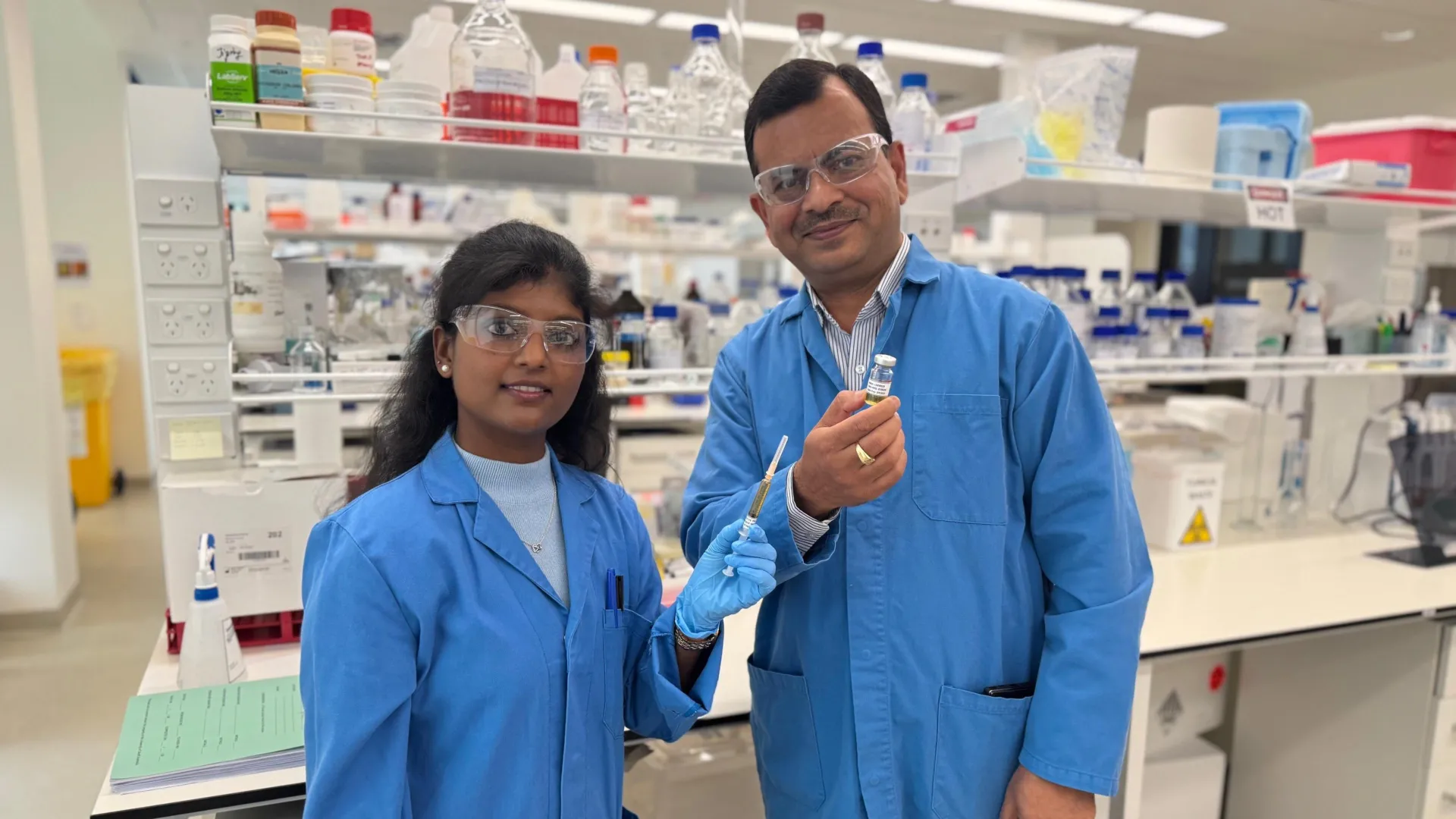
Scientists from the University of South Australia (UniSA) have developed a long-acting injectable formulation that delivers a steady dose of levodopa and carbidopa – two key medications for Parkinson’s – over an entire week.
Their findings have been reported in the journal Drug Delivery and Translational Research.
The biodegradable formulation is injected under the skin or into muscle tissue, where it gradually releases the medication over seven days.
Parkinson’s disease is the second most common neurological disorder, affecting more than 8.5 million people worldwide. Currently there is no cure and the symptoms – tremors, rigidity and slow movement – are managed with oral medications that must be taken several times a day.
The frequent dosing is a burden, especially for elderly patients or those with swallowing difficulties, leading to inconsistent medication levels, more side effects, and reduced effectiveness.
Lead researcher Professor Sanjay Garg, from UniSA’s Centre for Pharmaceutical Innovation, says the newly developed injectable could significantly improve treatment outcomes and patient adherence.

“Our goal was to create a formulation that simplifies treatment, improves patient compliance, and maintains consistent therapeutic levels of medication. This weekly injection could be a game-changer for Parkinson’s care,” Prof Garg says.
“Levodopa is the gold-standard therapy for Parkinson’s, but its short life span means it must be taken several times a day.”
UniSA PhD student Deepa Nakmode says the in-situ implant is designed to release both levodopa and carbidopa steadily over one week, maintaining consistent plasma levels and reducing the risks associated with fluctuating drug concentrations.
“After years of focused research, it’s incredibly rewarding to see our innovation in long-acting injectables for Parkinson’s disease reach this stage. Our invention has now been filed for an Australian patent,” Nakmode says.
The injectable gel combines an FDA-approved biodegradable polymer PLGA with Eudragit L-100, a pH-sensitive polymer, to achieve a controlled and sustained drug release.
Extensive lab tests confirmed the system’s effectiveness and safety: More than 90% of the levodopa dose and more than 81% of the carbidopa dose was released over seven days. The implant degraded by over 80% within a week and showed no significant toxicity in cell viability tests. The formulation can be easily administered through a fine 22-gauge needle, minimising discomfort and eliminating the need for surgical implant.”The implications of this research are profound,” Prof Garg says. “By reducing the frequency of dosing from multiple times a day to a weekly injection is a major step forward in Parkinson’s therapy. We’re not just improving how the drug is delivered; we’re improving patients’ lives.”

Prof Garg says the technology could also be adapted for other chronic conditions such as cancer, diabetes, neurodegenerative disorders, pain management, and chronic infections that require long-term drug delivery.
The system can be tuned to release drugs over a period ranging from a few days to several weeks depending on therapeutic needs.
UniSA scientists hope to start clinical trials in the near future and are exploring commercialisation opportunities.

Read more →

Why are resident doctors striking and what are they paid?

6 minutes agoShareSaveShareSaveGetty ImagesResident doctors in England are planning a walkout for five consecutive days from 25 July, over a pay dispute with the government.They say they haven’t had a “credible pay deal” for 2025-2026, but Health Secretary Wes Streeting argues the strike is “unreasonable” after substantial pay rises in recent years.What are resident doctors’ pay demands?The British Medical Association (BMA), a trade union for doctors, says resident doctors’ pay will be 20% lower in real terms than it was in 2008, even after an increase in August.The BMA wants pay for the group – who used to be known as junior doctors – to be brought back in line with the level it was at 17 years ago, when they say their pay started to be eroded.The claim is based on a measure of inflation called the Retail Price Index (RPI). This includes housing costs and shows higher price increases than some other inflation measures.The BMA points out that many resident doctors have large student loans and that interest on these is calculated using RPI.However, the government says RPI is outdated. Instead, it uses the Consumer Prices Index (CPI) to calculate inflation and pay increases. CPI looks at the cost of goods and services based on a basket of household items.Using the CPI measure, the government says resident doctors’ current pay is fair.Analysis from the Nuffield Trust – a health think tank – suggests pay has fallen 5% since 2008 if CPI is used, compared with nearly 20% for RPI.What pay rises have resident doctors had and what do they earn?Since 2023, resident doctors have taken part in 11 separate strikes, arguing for fairer pay and working conditions.During 2023-24, over two years, they received a 22% pay increase. From August this year, they will get an additional 5.4% pay rise.Health Secretary Wes Streeting says resident doctors have received the largest pay rises of any public sector employees over the last three years.The government says it won’t be offering any further increases.During their first foundation year after finishing their medical degree resident doctors in England earn a basic salary of £38,831, for an average of 48 hours worked per week. In the second year, this rises to £44,439. Medics are often expected to work nightshifts, weekends and longer hours for extra payments.After eight years as a resident doctor, salaries can progress to around £70,000.What pay rises have people in other jobs had?In May, the government announced pay rises for a number of public sector workers, including:4% for other doctors, dentists, and teachers in England, as well as prison officers in England and Walesa 3.25% rise for civil servantsa 3.6% rise for some NHS staff in England, including nurses and midwivesa 4.5% rise for members of the UK armed forces, with 3.75% for senior military staffHowever, the BMA argues that resident doctors may have built up more student debt than people working in other jobs. A medical degree can take five or six years to complete – longer than most other degree courses. Resident doctors also say they have little control on where and when they are asked to work. And it can be difficult to put down roots, because of the need to do placements in different parts of the country.How will patients be affected by the resident doctors’ strike?The medics will stage a walkout in England from 07:00 on 25 July until 07:00 on 30 July.NHS leaders have warned that patient care will be disrupted if the strike goes ahead. On strike days, more senior doctors are likely to end up working in emergency and urgent care to replace striking resident doctors. As a result, many planned operations will have to be cancelled.There were 507,000 appointments and operations cancelled and rescheduled because of strikes by doctors (some including consultants) between July 2023 and February 2024, according to government analysis.Conservative leader Kemi Badenoch accused the prime minister of having “boasted that he solved the doctors’ strike” only for them to take further action, adding that he’d been “weak” in dealing with the medics.Scotland, Wales and Northern Ireland are not affected by these strikes.

Read more →

Can zebrafish help humans regrow hearing cells?

While humans can regularly replace certain cells, like those in our blood and gut, we cannot naturally regrow most other parts of the body. For example, when the tiny sensory hair cells in our inner ears are damaged, the result is often permanent hearing loss, deafness, or balance problems. In contrast, animals like fish, frogs, and chicks regenerate sensory hair cells effortlessly.
Now, scientists at the Stowers Institute for Medical Research have identified how two distinct genes guide the regeneration of sensory cells in zebrafish. The discovery improves our understanding of how regeneration works in zebrafish and may guide future studies on hearing loss and regenerative medicine in mammals, including humans.
“Mammals such as ourselves cannot regenerate hair cells in the inner ear,” said Stowers Investigator Tatjana Piotrowski, Ph.D., the study’s co-author. “As we age or are subjected to prolonged noise exposure, we lose our hearing and balance.”
New research from the Piotrowski Lab, published in Nature Communications on July 14, 2025, seeks to understand how cell division is regulated to both promote regeneration of hair cells and to also maintain a steady supply of stem cells. Led by former Stowers Researcher Mark Lush, Ph.D., the team discovered that two different genes regulating cell division each control the growth of two key types of sensory support cells in zebrafish. The finding may help scientists study whether similar processes could be triggered in human cells in the future.
“During normal tissue maintenance and regeneration, cells need to proliferate to replace the cells that are dying or being shed — however, this only works if there are existing cells that can divide to replace them,” said Piotrowski. “To understand how proliferation is regulated, we need to understand how stem cells and their offspring know when to divide and at what point to differentiate.”
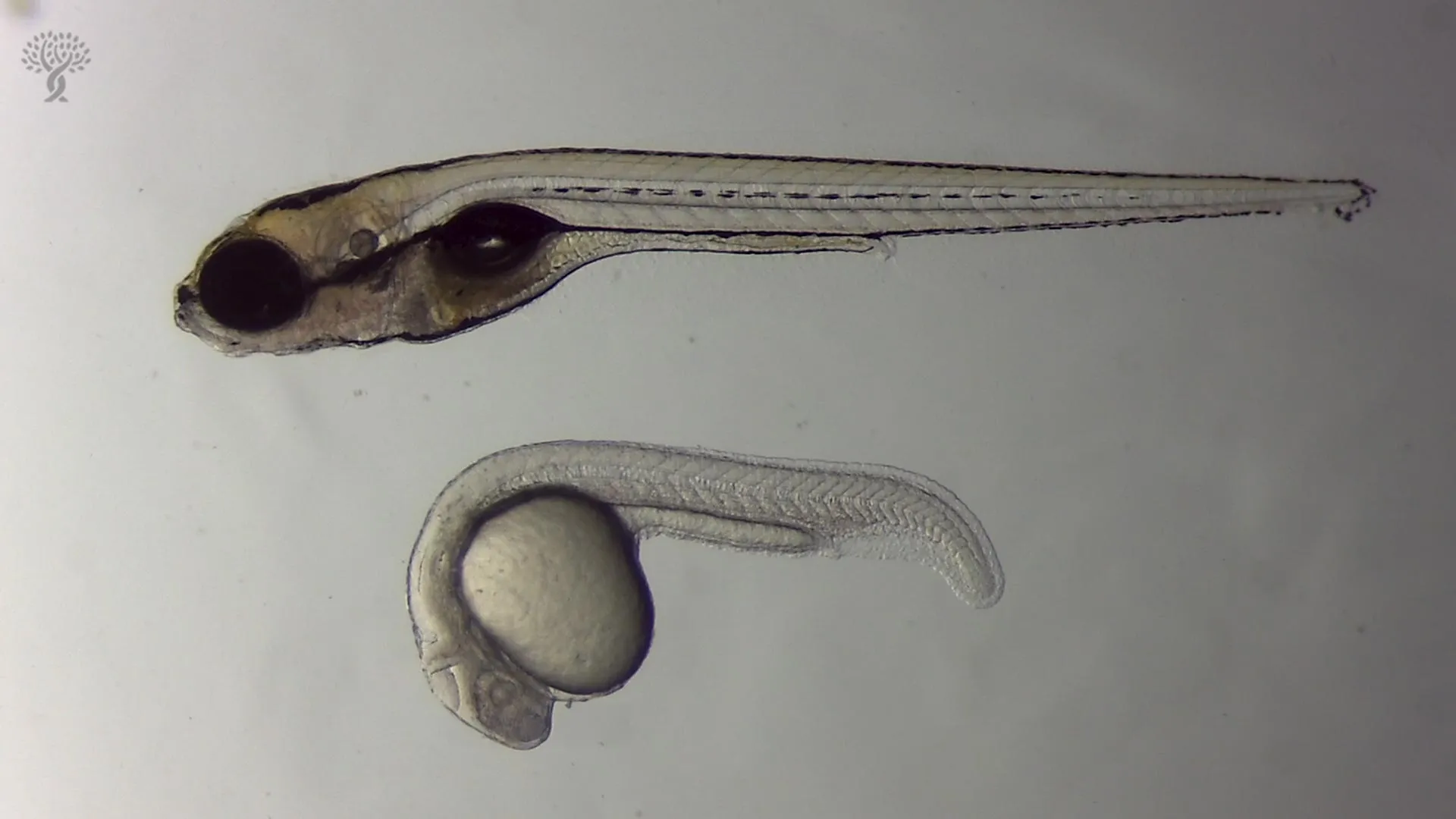
Zebrafish are an excellent system for studying regeneration. Dotted in a straight line from their head to tailfin are sensory organs called neuromasts. Each neuromast resembles a garlic bulb with “hair cells” sprouting from its top. A variety of supporting cells encompass the neuromast to give rise to new hair cells. These sensory cells, which help zebrafish detect water motion, closely resemble those in the human inner ear.
Because zebrafish are transparent during development and have accessible sensory organ systems, scientists can visualize, as well as genetically sequence and modify, each neuromast cell. This allows them to investigate the mechanisms of stem cell renewal, the proliferation of progenitor cells — direct precursors to hair cells — and hair cell regeneration.

“We can manipulate genes and test which ones are important for regeneration,” said Piotrowski. “By understanding how these cells regenerate in zebrafish, we hope to identify why similar regeneration does not occur in mammals and whether it might be possible to encourage this process in the future.”
Two key populations of support cells contribute to regeneration within neuromasts: active stem cells at the neuromast’s edge and progenitor cells near the center. These cells divide symmetrically, which allows the neuromast to continuously make new hair cells while not depleting its stem cells. The team used a sequencing technique to determine which genes were active in each type and found two distinct cyclinD genes present in only one or the other population.
The researchers then genetically altered each gene in the stem and progenitor populations. They discovered that the different cyclinD genes were independently regulating cell division of the two types of cells.
“When we rendered one of these genes non-functional, only one population stopped dividing,” said Piotrowski. “This finding shows that different groups of cells within an organ can be controlled separately, which may help scientists understand cell growth in other tissues, such as the intestine or blood.”
Progenitor cells lacking their cell type-specific cyclinD gene did not proliferate; however, they did form a hair cell, uncoupling cell division with differentiation. Notably, when the stem cell-specific cyclinD gene was engineered to work in progenitor cells, progenitor cell division was restored.
David Raible, Ph.D., a professor at the University of Washington who studies the zebrafish lateral line sensory system, commented on the significance of the new study. “This work illuminates an elegant mechanism for maintaining neuromast stem cells while promoting hair cell regeneration. It may help us investigate whether similar processes exist or could be activated in mammals.”
Because cyclinD genes also regulate proliferation in many human cells, like those in the gut and blood, the team’s findings may have implications beyond hair cell regeneration.

“Insights from zebrafish hair cell regeneration could eventually inform research on other organs and tissues, both those that naturally regenerate and those that do not,” said Piotrowski.
Additional authors include Ya-Yin Tsai, Shiyuan Chen, Daniela Münch, Julia Peloggia, Ph.D., and Jeremy Sandler, Ph.D.
This work was funded by the National Institute on Deafness and Other Communication Disorders of the National Institutes of Health (NIH) (award: 1R01DC015488-01A1), the Hearing Health Foundation, and with institutional support from the Stowers Institute for Medical Research. The content is solely the responsibility of the authors and does not necessarily represent the official views of the NIH.

Read more →

South African AIDS Activist Pushes for H.I.V. Treatment Access After U.S.-Aid Cuts

The activists gathered on the steps of the cathedral in the center of Cape Town. Most were older women, faces lined beneath their head wraps. They converged around a gray-haired man in an oversized coat, his shoulders hunched against the morning chill. Linking arms, they set out to infiltrate a meeting across the street. “Ready?” the man said, sounding a little weary, a little nervous.It had been a while since Zackie Achmat confronted his government about matters of life and death.Twenty-five years ago, Mr. Achmat co-founded what became the most powerful social movement in post-apartheid South Africa. He led a showdown against the government that won lifesaving medical treatment for millions of people with H.I.V. — and nearly killed him.Until just a few months ago, Mr. Achmat, 63, thought those days were well behind him. He was spending time on a pomegranate farm, caring for rescue dogs and watching Korean telenovelas. He made a failed bid for parliament on an anti-corruption platform, but he was enjoying watching new generation of activists lead. As for H.I.V., the issue that once dominated his life, he hardly thought about it. He didn’t need to, so robust was the national treatment program that grew out of the victories that Mr. Achmat and his colleagues won two decades ago.Then came January, and the Trump administration’s decision to slash its foreign assistance, including funding for the President’s Emergency Fund for AIDS Relief, or PEPFAR. As part of an overall reduction in funds sent overseas, which Mr. Trump has called wasteful and a misuse of taxpayer dollars, PEPFAR’s budget has been sharply reduced.We are having trouble retrieving the article content.Please enable JavaScript in your browser settings.Thank you for your patience while we verify access. If you are in Reader mode please exit and log into your Times account, or subscribe for all of The Times.Thank you for your patience while we verify access.Already a subscriber? Log in.Want all of The Times? Subscribe.

Read more →

Deadly disguise: How candy-like nicotine pouches caused a 763% spike in child poisonings

A new study reveals that ingestions of nicotine pouches by young children have surged in recent years. Researchers at the Center for Injury Research and Policy of the Abigail Wexner Research Institute at Nationwide Children’s Hospital and the Central Ohio Poison Center analyzed calls to U.S. poison centers and found an alarming 763% increase in the rate of reported nicotine pouch ingestions among children younger than 6 years old from 2020 to 2023. Nicotine pouches were also more likely to be associated with serious medical outcomes or hospital admissions than other nicotine products like gum/lozenges, e-liquids, powder/granules, and tablets/capsules/caplets.
Nicotine pouches, which contain nicotine powder and are placed in the mouth, were not tracked in national poison center data until 2020. However, between 2020 and 2023 (the most recent year of data from the study), the rate of unintentional ingestion of nicotine pouches by young children increased at a fast rate — even as ingestion rates for other formulations of nicotine declined.
“Nicotine pouches are a serious and growing toxic ingestion hazard among young children,” said Hannah Hays, MD, co-author of the study and medical director of the Central Ohio Poison Center.
“The rapid increase in the number and comparative severity of nicotine pouch ingestions is a reminder of the public health challenges of the changing nicotine product market. This is why we need to continue ongoing surveillance and increase our efforts to prevent nicotine ingestions among young children.”
The study, published in Pediatrics, also investigated other nicotine products and formulations. Researchers examined nearly 135,000 cases of nicotine ingestions among children younger than 6 years old that were reported to U.S. poison centers from 2010 through 2023. Most ingestions occurred at home and involved children under the age of 2 years. While most exposures resulted in minor or no effects, there were 39 cases with major medical outcomes and two deaths.
The overall rate of all nicotine ingestions increased 59% from 2010-2015 before decreasing 34% from 2015-2023. This rate was primarily driven by the ingestion rate for liquid nicotine and nicotine solid formulations such as tablets, capsules, and caplets. The ingestion rate for liquid nicotine increased by 450% from 2010-2015 and then decreased by 45% from 2015-2023.
“This abrupt change in the rate trend for liquid nicotine ingestions corresponded with the passage of both state and federal legislation, including the Child Nicotine Poisoning Prevention Act of 2015, which required child-resistant packaging of liquid nicotine,” said Gary Smith, MD, DrPH, senior author of the study and director of the Center for Injury Research and Policy at Nationwide Children’s. “This suggests that legislation can make a difference. However, despite this improvement, the ingestion rate for liquid nicotine remained higher than the rates for any other nicotine product, which clearly indicates that there are opportunities for further improvement.
“Many nicotine products are flavored and sold in colorful packaging that may be attractive to a young child,” said Dr. Smith. “Banning flavors in all nicotine products helps reduce unintentional ingestions by young children as well as discourage use among teens.”
Researchers also shared a few safety tips for parents and caregivers of young children. The safest choice is to keep all nicotine products out of the home. If you choose to have them in your home, you can lower the risk by following these steps: Store nicotine products safely. If these products are kept in the home, store them up, away from food, and out of sight — preferably in a locked cabinet, drawer or box. While storing these products in purses or backpacks is not recommended when you have young children that live in or visit your home, if you are going to keep them in these places, make sure to store the purse/backpack up, away, and out of sight of children. Ask that caregivers around your child do the same in their homes. Avoid using these products in front of children. It is helpful to not use these products in front of your children, especially if packaged to look like treats. Save the national Poison Help Line number (1-800-222-1222) in your phone and post it in a visible place in your home. The Poison Help Line provides free, confidential advice from experts, 24 hours per day, seven days per week.Data for this study were obtained from the National Poison Data System (NPDS), which is maintained by America’s Poison Centers. Poison centers receive phone calls through the national Poison Help Line (1-800-222-1222) and document information about the exposure, which is reported to the NPDS.

Read more →

Woman smuggled baby into UK using fake birth story

4 hours agoShareSaveSanchia BergNews correspondentTara MewawallaBBC NewsShareSaveGetty ImagesLast summer, a woman was arrested at Gatwick Airport after she arrived from Nigeria with a very young baby girl.The woman had been living in West Yorkshire with her husband and children, and before leaving the UK for Africa had told her GP she was pregnant. That was not true.When the woman returned about a month later with the baby, she was arrested on suspicion of trafficking.The case, the second the BBC has followed through the Family Court in recent months, reveals what experts say is a worrying trend of babies possibly being brought to the UK unlawfully – some from so-called “baby factories” in Nigeria.’My babies are always hidden’The woman, who we are calling Susan, is Nigerian, but had been living in England since June 2023, with her husband and children.A careworker with leave to remain in Britain, Susan claimed she was pregnant. But scans and blood tests showed that wasn’t true. Instead, they revealed Susan had a tumour, which doctors feared could be cancerous. But she refused treatment.Susan insisted her previous pregnancies had been invisible on scans, telling her employer, “my babies are always hidden”. She also claimed she’d been pregnant for up to 30 months with her other children.Susan had travelled to Nigeria in early June 2024, saying she wanted to have her baby there, and then contacted her local hospital in Britain, to say she had given birth.Doctors were concerned and contacted children’s services.Arriving back in the UK with the baby girl – who we’re calling Eleanor – Susan was stopped and arrested by Sussex Police.She was bailed and the lead police force on this confirmed there is no active investigation at the moment.After her arrest, Susan, her husband, and Eleanor were given DNA tests. Eleanor was taken to foster carers.”When the results show that I am Eleanor’s mother, I want her to be returned immediately,” Susan said.But the tests showed the baby had no genetic link with Susan or her husband. Susan demanded a second test – which gave the same result, and then she changed her story.She’d had IVF treatment before moving to Britain in 2023 with a donor egg and sperm, she said, and that’s why the DNA tests were negative.Susan provided a letter from a Nigerian hospital, signed by the medical director, saying she’d given birth there, as well as a document from another clinic about the IVF treatment to back up her claims.She also provided photos and videos which she said showed her in the Nigerian hospital’s labour suite. No face is visible in the images and one showed a naked woman with a placenta between her legs, with an umbilical cord still attached to it.AlamySomeone had given birth – it wasn’t SusanThe Family Court in Leeds sent Henrietta Coker to investigate.Ms Coker, who provides expert reports to family courts in cases like this, has nearly 30 years experience as a social worker. She trained in Britain, and worked in front-line child protection in London, before moving to Africa. Ms Coker visited the medical centre where Susan claimed she’d had IVF. There was no record of Susan having had treatment there – staff told her the letter was forged.She then visited the place Susan said she’d given birth. It was a shabby, three bedroom flat, with “stained” walls and “dirty” carpets.There Ms Coker was met by “three young teenage girls sitting in the reception room with nurses’ uniforms on”.She asked to speak to the matron and was “ushered into the kitchen where a teenage girl was eating rice”.Ms Coker then tracked down the doctor who’d written a letter saying Susan had given birth there. He said, “Yes, someone had given birth”.Ms Coker showed him a photograph of Susan, but it wasn’t her, the doctor said.”Impersonating people is common in this part of the world,” he told Ms Coker, suggesting that Susan might have “bought the baby”.SuppliedThe practice of “baby farming” is well known in West Africa, Ms Coker later told the court. At least 200 illegal “baby factories” have been shut down by the Nigerian authorities in the last five years, she said.Some contained young girls who’d been kidnapped, raped, and forced to give birth repeatedly.”Sometimes these girls are released,” Ms Coker said, “other times they die during childbirth, or are murdered and placed in the grounds of the organisation.”It’s not clear where baby Eleanor might have come from – though the doctor told Ms Coker he believed she would have been given up voluntarily.Ms Coker was unable to establish who Eleanor’s real parents are.She gave evidence to the Family Court in Leeds in March this year, along with Susan, her husband, her employer and a senior obstetrician.At an earlier hearing the judge asked for Susan’s phone to be examined. Investigators found messages which Susan had sent to someone saved in her address book as “Mum oft [sic] Lagos Baby”.About four weeks before the alleged date of birth Susan wrote a text message which read:”Good afternoon ma, I have not seen the hospital items”The same day, Mum Oft Lagos Baby responded:Get our flagship newsletter with all the headlines you need to start the day. Sign up here.

Read more →