Why Trump’s leg swelling could be a warning sign for millions

In light of reports from the White House that President Donald J. Trump has been diagnosed with Chronic Venous Insufficiency (CVI), the American Heart Association is sharing important information on the condition and its association with cardiovascular risk factors, disease and increased risk of death.
According to the Association, the world’s leading nonprofit organization focused on heart and brain health for all, chronic venous insufficiency (a form of chronic venous disease) is highly prevalent — especially in older adults. The condition is often underrecognized and undertreated and there is a strong association between chronic venous insufficiency (CVI) and an increased risk for heart issues, specifically cardiovascular disease (CVD) and mortality independent of age, sex and existing cardiovascular risk factors and comorbidities. CVI is associated with the presence of established cardiovascular risk factors and disease, including age, obesity, smoking, sedentary lifestyle and clinically overt cardiovascular disease.
Advanced age is, in general, a significant risk factor for CVI. As people age, the valves in their leg veins, which are responsible for maintaining blood flow towards the heart, can weaken or become damaged. This makes it harder for blood to flow back efficiently, allowing backward flow of blood in the veins, leading to blood pooling in the legs and the development of CVI.
“Chronic Venous Insufficiency can significantly impact your quality of life, but early detection and treatment can make a substantial difference,” said past volunteer chair of the American Heart Association’s Vascular Health Advisory Committee and Scientific Council on Peripheral Vascular Disease Joshua A. Beckman, M.D., FAHA. “That is why it is vital for individuals to be aware of the signs and symptoms of CVI so they can seek timely medical evaluation and intervention.” Dr. Beckman is the Executive Clinical Director of Cardiovascular Services and Chief of the Division of Vascular Medicine and a professor in the Department of Internal Medicine at UT Southwestern Medical Center in Dallas, where he holds the Gayle and Paul Stoffel Distinguished Chair in Cardiology. He also serves as an associate editor of Circulation, the leading scientific journal for cardiovascular medicine, and has been a dedicated American Heart Association volunteer since 2004.
Symptoms of chronic venous disease include edema (swelling), varicose veins, skin changes Skin changes commonly called ‘venous eczema’ or ‘stasis dermatitis,’ which appear as red, itchy, or scaly patches on the lower legs caused by poor blood flow.and ulcerations. The condition can result in pain, itch or bleeding in the impacted area, as well as aching, cramping, throbbing, leg fatigue, heaviness or restless legs.
White House Press Secretary Karoline Leavitt recently announced that President Donald Trump has been diagnosed with chronic venous insufficiency after experiencing mild swelling in his lower leg. The White House has also stated there was no evidence of deep vein thrombosis or arterial disease, and all laboratory results were within normal limits.
Deep vein thrombosis (DVT) and chronic venous insufficiency (CVI) are related but distinct conditions affecting the veins, usually in the legs. Deep vein thrombosis is a serious condition where a blood clot (thrombus) forms in a deep vein, typically in the legs or pelvis. A potentially life-threatening complication of DVT is pulmonary embolism (PE), where a piece of the blood clot breaks off and travels to the lungs, blocking blood flow.
Treatment for CVI includes compression therapy — multilayer and short stretch bandaging, elastic garments, graded compression stockings and pneumatic pumps. The use of topical anti-inflammatory steroid medications as well as antibiotic and diuretic therapy may also be prescribed. Some patients may benefit from interventional endovascular therapies — minimally invasive procedures typically involving inserting a catheter, a thin tube, through a small incision (often in the groin) and guiding it to the location of the blood clot using imaging techniques like X-rays or ultrasound to remove an obstruction.
CVI is diagnosed through duplex ultrasound, magnetic resonance veography (MRV) or computed tomography venography (CVT) of the veins to look for backwards flow, vein obstructions or compressive syndromes.
In the U.S. per the American Heart Association’s 2025 Heart Disease and Stroke Statistics: In 2022 (most recent data available), CVI was listed as the principal diagnosis in 5,805 hospital discharges and among all-listed diagnoses in 234,655 hospital discharges Chronic Venous Insufficiency (CVI) was listed as the cause of death in 62 people in the U.S. in 2022. CVI was listed among ‘any mention mortality’ in 977 deaths in 2022. Pain is the most common symptom (29%) followed by swelling, heaviness, fatigue and cramping. Spider veins are seen in 7%, and varicosities and skin changes are seen in 4% each. Stasis ulcer is present in 1% of all patients with CVI.


Read more →

The silent threat: How hearing loss and loneliness are fueling memory decline

Isolation, communication difficulties, reduced alertness — hearing impairment or loss is a real challenge in daily life. Over time, it can also become a risk factor for cognitive decline. A team from the University of Geneva (UNIGE) analysed data from 33,000 older adults across Europe to examine the combined impact of hearing loss and loneliness on memory. They identified three distinct profiles based on the degree of social isolation and perceived loneliness. The findings show that hearing loss accelerates cognitive decline particularly among individuals who feel lonely, regardless of whether they are socially isolated. These results, published in Communications Psychology, support the case for early and preventive hearing care.
According to the World Health Organization (WHO), nearly 2.5 billion people will experience hearing loss or impairment by 2050. More than 25% of people over the age of 60 experience disabling hearing impairment. In addition to the social challenges it creates, this loss — or reduction — is linked to a significantly increased risk of cognitive decline in later life. That risk may be two to three times higher for those affected.
A joint team from the Lifespan Developmental Psychology Lab and the Cognitive Ageing Lab at the University of Geneva (UNIGE) set out to investigate whether the combination of hearing difficulties and feelings of loneliness — whether objectively measured or subjectively perceived — could be associated with accelerated memory decline in older age. ”This is a relatively new approach,” explains Charikleia Lampraki, postdoctoral researcher in the Lifespan Lab at UNIGE’s Faculty of Psychology and Educational Sciences and first author of the study. ”While some studies have suggested that this might be a promising avenue, very few research teams have actually explored it.”
33,000 people studied
To conduct their analyses, the researchers drew on data from the large-scale SHARE study (Survey of Health, Ageing and Retirement in Europe) — a longitudinal survey launched in 2002 that examines the health and aging of Europeans aged 50 and over.
“We used data from twelve countries, including Switzerland, representing a sample of 33,000 people,” explains Andreas Ihle, assistant professor at the Lifespan Lab and director of the study. Participants are surveyed every two years on various aspects of their daily lives — such as activities, social connections, and perceptions — and undergo tests on cognitive functions like episodic memory, using standardized exercises.
The UNIGE research team identified three distinct profiles related to the issue: Individuals who are socially isolated and feel lonely Individuals who are not socially isolated but still feel lonely Individuals who are socially isolated but do not feel lonelyIsolation and deafness: an ”explosive” cocktail
The scientists then examined whether these different profiles had different trajectories of cognitive decline, depending on the type of perceived isolation and the degree of hearing loss. ”We found that people who were not socially isolated but who felt lonely saw their cognitive decline accelerate when they were deaf,” says Matthias Kliegel, a full professor in the Cognitive Ageing Laboratory in the UNIGE’s Faculty of Psychology and Educational Sciences, and co-author of the study.
These findings support the importance of addressing both hearing loss and the social and emotional dimensions of individuals in efforts to prevent cognitive decline. This is particularly crucial for people who are not socially isolated but still feel lonely — in such cases, simple hearing interventions, like using a hearing aid, may be enough to help them engage more fully in social life. “These individuals are already socially integrated, so it’s a matter of removing a sensory barrier in order to reinforce their engagement and protect their cognitive health,” concludes Charikleia Lampraki.

Read more →

Nature’s longevity hack: How human eggs stay fresh for 50 years

Human eggs are some of the most patient cells in the body, lying dormant for decades until needed. A study published on July 16 in The EMBO Journal shows that the cells deliberately slow the activity of their internal waste disposal systems as they mature, most likely an evolutionary design which keeps metabolism low and damage at bay.
“By looking at more than a hundred freshly donated eggs, the largest dataset of its kind, we found a surprisingly minimalist strategy that helps the cells stay pristine for many years,” says Dr. Elvan Böke, corresponding author of the study and Group Leader at the Centre for Genomic Regulation (CRG) in Barcelona.
Women are born with one to two million immature eggs, a stock that dwindles to a few hundred by menopause. Each egg must avoid wear-and-tear for up to five decades before it can support a pregnancy. The new study suggests how they manage it.
Protein recycling is essential housekeeping, and lysosomes and proteasomes are the cell’s main waste disposal units. But every time these cellular components degrade proteins, they consume energy. This in turn can create reactive oxygen species (ROS), harmful molecules that can damage DNA and membranes. The team did not measure ROS directly, but hypothesise that by tapping the brakes on recycling, the egg keeps ROS production to a minimum while still doing enough housekeeping to survive.
The idea meshes with the group’s previous work, published in 2022, which showed that human oocytes deliberately skip a fundamental metabolic reaction to curb ROS production. Taken together, the two studies suggest that human eggs power down in different ways to keep potential damage as low as possible for as long as possible.
The discovery was made possible by collecting over 100 eggs from 21 healthy donors aged 19-34 at Dexeus Mujer, a Barcelona fertility clinic, 70 of which were fertilization-ready eggs and 30 still-immature oocytes. Using fluorescent probes, they tracked lysosome, proteasome and mitochondrial activity in live cells. All three readouts were roughly 50 percent lower than in the eggs’ own surrounding support cells and fell even further as the cells matured.
Live-imaging showed the eggs literally jettisoning lysosomes into the surrounding fluid during the last hours before ovulation. At the same time, mitochondria and proteasomes migrated to the cell’s outer rim. “It’s a type of spring cleaning we didn’t know human eggs were capable of,” says first author Dr. Gabriele Zaffagnini.

The research is the largest-scale study of healthy human eggs collected directly from women. Most laboratory research to date has relied on eggs that have been ripened artificially in a dish, yet such in-vitro-matured oocytes often behave abnormally and are linked to poorer IVF results.
The study could lead to new strategies to improve success rates for the millions of IVF cycles attempted worldwide each year. “Fertility patients are routinely advised to take random supplements to improve egg metabolism, but evidence for any benefit for pregnant outcomes is patchy,” says Dr. Böke.
“By looking at freshly-donated eggs we’ve found evidence to suggest the opposite approach, maintaining the egg’s naturally quiet metabolism, could be a better idea for preserving quality,” she adds.
The team now plans to examine eggs from older donors and failed IVF cycles to see whether throttling the activity of cellular waste disposal units falters with age or disease.

Read more →

Man Wearing Neck Chain Is Sucked Into M.R.I. Machine, Police Say

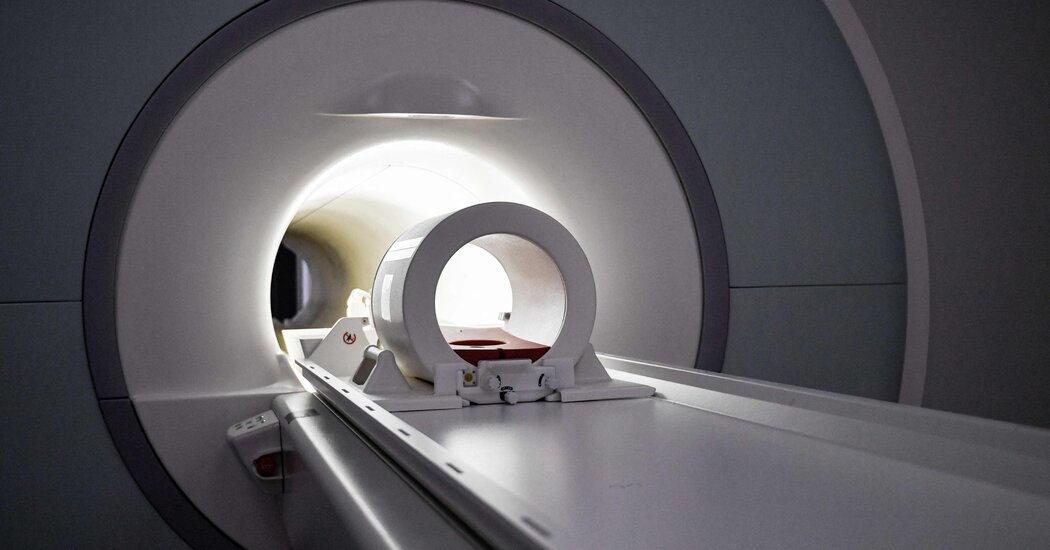
The man, 61, was in critical condition after entering an exam room in Westbury, N.Y., on Long Island, without authorization while a scan was in progress, the authorities said.A man who entered an M.R.I. room during a scan in Westbury, N.Y., on Wednesday was pulled into the machine by his chain necklace and was hospitalized in critical condition, the authorities said.The man, who is 61, was wearing a “large metallic chain” around his neck when he entered the room at Nassau Open MRI around 4:34 p.m., according to the Nassau County Police Department, on Long Island. The man, whom the police did not name, did not have authorization to enter the room, the authorities said.Nassau Open MRI did not immediately respond to a request for comment.M.R.I. machines use magnets and radio frequency currents to produce detailed anatomical images. The magnetic force of an M.R.I. machine is strong enough to fling a wheelchair across a room, according to the National Institute of Biomedical Imaging and Bioengineering. Patients are advised to remove jewelry and piercings before entering an M.R.I. machine, and people with some medical implants, particularly those containing iron, should not undergo M.R.I. scans, the institute said.Injuries and deaths involving M.R.I. machines have occurred in the past. In 2001, a 6-year-old boy died when a metal oxygen tank was sucked into an machine while he was undergoing a scan.A man died in India in 2018 when he entered an M.R.I. room carrying an oxygen tank. In 2023, a nurse in California was crushed and needed surgery after she was pinned between an M.R.I. machine and a hospital bed that was pulled toward the machine by the machine’s magnetic force.Nassau Open MRI offers closed and open M.R.I. scans, according to its website. An open M.R.I. involves a machine that is open at the sides rather than a closed tube.

Read more →

F.D.A. Approves Juul Vapes After Yearslong Delay

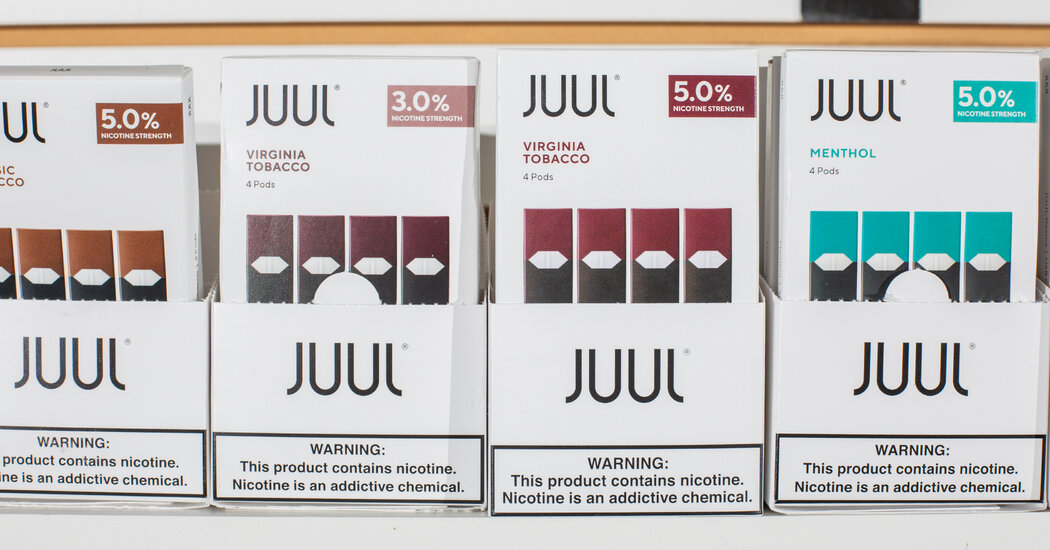
The company was accused of marketing its products to teenagers, causing a surge in use.The Food and Drug Administration authorized Juul e-cigarettes for the U.S. market on Thursday, ending a lengthy standoff with regulators and lawmakers who accused the company of spurring an epidemic of e-cigarette use among youths.The company was required to prove that the products were “appropriate for the protection of public health” under agency rules. Juul said in a statement that it met the bar, in part, by showing that its products had helped about two million adults quit smoking cigarettes.The F.D.A. authorized both the e-cigarette system and menthol- and tobacco-flavored cartridges. Though concerns about the health effects of e-cigarettes are mounting, they are still widely viewed by experts as safer than cigarettes.“Today’s F.D.A. authorization of Juul products marks an important step toward making the cigarette obsolete,” K.C. Crosthwaite, the company’s chief executive, said in a statement.Mr. Crosthwaite said underage use of Juul products was “down 98 percent since 2019, to one-half of 1 percent of youth.”At least one lawmaker panned the decision. Senator Dick Durbin, Democrat of Illinois, recounted in a statement Thursday that Juul had “ignited” an epidemic of vaping among youths and “lied about the harms of their vapes.”We are having trouble retrieving the article content.Please enable JavaScript in your browser settings.Thank you for your patience while we verify access. If you are in Reader mode please exit and log into your Times account, or subscribe for all of The Times.Thank you for your patience while we verify access.Already a subscriber? Log in.Want all of The Times? Subscribe.

Read more →

Doctors strikes: BMA and Streeting talks ‘constructive’

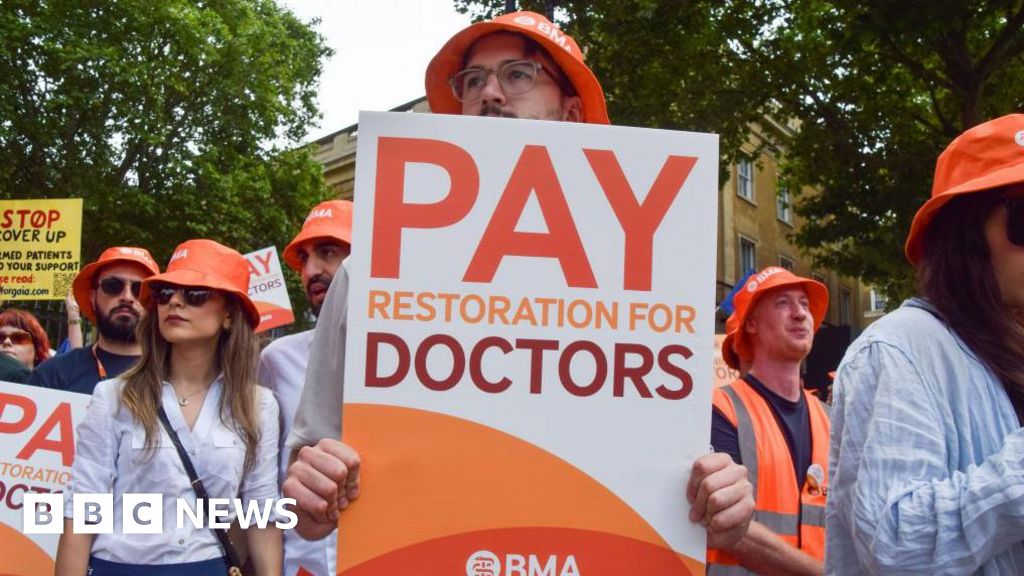
Resident doctors say they have had “constructive discussions” with the Health Secretary, Wes Streeting, and talks will continue over the next few days, in an attempt to avert planned strike action.The doctors, previously known as junior doctors, announced last week that they will walk out for five consecutive days from 25 July until 30 July in a dispute about pay. Representatives of the doctors’ union, the BMA, said the discussions so far have involved looking at “creative solutions” and “nothing is off the table”.The government has insisted it cannot improve its offer of a 5.4% pay increase for this year but is considering other measures to improve working conditions. Speaking straight after the talks, Mr Streeting said: “We had a constructive conversation with the BMA today and we’ll be having further conversations in the coming days to try to avert strike action.”While we cannot move on pay after a 28.9% pay rise, we are working on areas where we can improve working lives for resident doctors.”Strikes have a serious cost for patients, so I am appealing to the BMA to call them off and instead work together to improve their members’ working conditions and continue rebuilding the NHS.”Representatives of the BMA union said there was a “window of opportunity” for further talks to develop. Dr Ross Nieuwoudt, said: “We explored many issues, spoke about a lot of things at high levels, looking at creative solutions to finding a genuine path to improving the value of being a doctor in the UK. “Nothing is completely off the table.”Resident doctors were awarded an average 5.4% pay rise for this financial year, which will go into pay packets from August, following a 22% increase over the previous two years.The BMA argues that in real terms resident doctors’ pay is still around 20% lower than it was in 2008.The claim is based on a measure of inflation called the Retail Price Index (RPI). This includes housing costs and interest on student loans and shows higher price increases than some other inflation measures.The BMA says this year’s 5.4% increase doesn’t take them far enough down the path to restore pay to its value 17 years ago. Announcing the strikes last week, Dr Melissa Ryan and Dr Ross Nieuwoudt said doctors had been left with “no choice” without a “credible offer to keep us on the path to restore our pay”.But, Streeting called the strike “unnecessary and unreasonable”, adding: “The NHS is hanging by a thread. Why on earth are they threatening to pull it?”He says resident doctors have received the largest pay rises of any public sector employees over the last three years and the government won’t be offering any further increases.But recent talks suggest other measures are being considered, including improvements to doctors’ working conditions. Resident doctors took part in 11 separate strikes during 2023 and 2024.In order to end the previous strikes last year, the incoming Labour government awarded a backdated increase worth 22% over two years.The action in England will not affect resident doctors in Scotland, Wales or Northern Ireland, who negotiate directly with their devolved governments on pay.Resident doctors’ basic salaries in England currently range from £37,000 to £70,000 a year for a 40-hour week, depending on their years of experience, with extra payments for working nightshifts and weekends.

Read more →

‘Unfair’ NHS wait lists revealed in official report

Just nowShareSaveSmitha MundasadHealth reporterShareSaveGetty ImagesMore than half of the overall NHS waiting list for non urgent treatment in England is made up of people of working age (19 to 64), the first official deep dive into inequalities in waiting lists has found. The data shows, for those aged 18 to 64, waiting lists for gynaecology are the biggest. And women make up a higher proportion of those waiting (57%), compared to men, in all cases where sex is recorded. NHS England officials say the figures should help hospitals address “unfair waits” for planned care among the communities who wait the longest. NHS trusts are being asked to use the data to understand and reduce inequalities faced by patients. Patients in the poorest communities and those from Asian or Asian British backgrounds are more likely to wait longer than 18 weeks than any other group, the report says. Some 3.1% of patients living in the most deprived areas were waiting more than 12 months to begin treatment at the end of June compared to 2.7% in the least deprived. Figures show:56% of the overall waiting list is made up of people aged 19 to 64a third of those waiting are aged 65 and overamong over 65s, ophthalmology has the greatest backlogwomen are more likely to be waiting over 18 weeks for treatment than menwomen are also more likely than men to wait for more than 52 weeksHealth and Social Care Secretary, Wes Streeting, said: “Sunlight is the best disinfectant. Only by being upfront and shining a light on inequalities can we begin to tackle the problem.”He added that the recently announced 10 year health plan would tackle health inequalities by diverting billions of pounds to working class communities, and provide targeted care to all patients where they live, via a neighbourhood health service.These centres will be rolled out first in places where healthy life expectancy is lowest, including deindustrialised cities and coastal towns.Gynaecology has had one of the worst waiting lists across the UK for a number of years.Prof Ranee Thakar, president of the Royal College of Obstetricians and Gynaecologists, said: “At the moment, women in the most deprived areas face some of the longest waits, threatening to entrench existing health inequalities.”Delays can lead to a need for more complex treatment and significantly impact women’s health, wellbeing, and daily lives.”She added that it has been encouraging to see wait lists begin to fall in recent months, with NHS staff “working tirelessly” to deliver more appointments.

Read more →

Cognitive collapse and the nuclear codes: When leaders lose control

Many former leaders of the world’s nine nuclear-armed nations were impaired by health conditions while in office, raising concerns over their decision-making abilities while they had access to nuclear weapon launch codes, a study from the University of Otago, New Zealand, has found.
The study analyzed the health information of 51 deceased leaders of nuclear-armed countries: China, France, India, Israel, North Korea, Pakistan, Russia, the United Kingdom and the United States. Eight of the leaders died from chronic disease while still in office, five from heart attacks or strokes. Many of the leaders had multiple serious health issues while in office, including dementia, personality disorders, depression and drug and alcohol abuse.
The research was led by Professor Nick Wilson, from the Department of Public Health at the University of Otago, Wellington – Ōtākou Whakaihu Waka, Pōneke, with Associate Professor George Thomson and independent researcher Dr Matt Boyd. Professor Wilson says that of the leaders who left office while still alive, 15 had confirmed or possible health issues which likely hastened their departure.
“Probably all of this group of 15 leaders had their performance in office impaired by their health conditions. In some cases, the degree of impairment was profound, such as in the case of two former Israeli Prime Ministers: Ariel Sharon, who became comatose after suffering a stroke in office, and Menachem Begin, whose depression was so severe he spent his last year as leader isolated in his home. Impairment during crises was also seen in the case of Richard Nixon’s bouts of heavy drinking – including during a nuclear crisis involving the Middle East.
“There have also been occasions where health information about leaders has been kept secret at the time.”
This was the case for multiple US presidents, including Dwight D Eisenhower, whose doctor described his 1955 heart attack as a digestive upset; John F Kennedy, whose aides lied about him having Addison’s disease, a serious, chronic condition; and Ronald Reagan, whose administration hid the extent of his injuries after he was shot in 1981, and the likely signs of his dementia near the end of his term.
Professor Wilson says Kennedy was in poor health during his first two years in office in 1961 and 1962, with his performance likely impaired from Addison’s disease, back pain, and his use of anabolic steroids and amphetamines. It was in 1961 that he authorized the failed CIA-backed Bay of Pigs invasion of Cuba and that his poor performance at a Cold War summit with Soviet leader Nikita Khrushchev in Vienna was noted. In turn, Khrushchev’s poor mental health probably contributed to him triggering both the Berlin Crisis and the Cuban Missile Crisis.

In France, long-serving President François Mitterrand clung onto power until the end of his term in 1995, despite keeping secret his advanced prostate cancer and after his doctor had concluded in late 1994 that he was no longer capable of carrying out his duties. This latest study follows previous research involving Professor Wilson on the health of former New Zealand Prime Ministers. It found the performance of at least four of the leaders was impaired, in three cases by poor health, and, in the case of Robert Muldoon, by his heavy drinking.
Professor Wilson says with the rise in international instability following the Russian invasion of Ukraine in 2022 it has become even more important to ensure there is good leadership and governance in those countries with nuclear weapons.
“This is particularly the case for the United States, where a leader can in principle authorize the release of nuclear weapons on their own, a situation referred to as a ‘nuclear monarchy’.”
He says there are a range of measures which could reduce global security risks from leaders whose judgement is in question. They include removing nuclear weapons from ‘high alert’ status, adopting ‘no first use’ policies where nations refrain from using nuclear weapons except as a retaliatory second strike, ensuring any weapon launches need authorization by multiple people, and progressing nuclear disarmament treaties.
Professor Wilson says democracies could consider introducing term limits for their leaders, as well as recall systems, so voters could petition for politicians to step down. Requirements for medical and psychological assessments could be introduced for leaders before they take office, and during their terms.
“Maintaining a strong media with investigative journalists can also help expose impairment in leaders.”
Professor Wilson says politicians in general are exposed to high levels of stress, which can affect their mental well-being. A study of UK Members of Parliament has found they were 34 per cent more likely to experience mental health problems than other high-income earners.
“Finding ways to reduce stress on politicians and better address their mental health needs is another way global security risks can be reduced.”

Read more →

New science centre aims to help fight pandemics

3 hours agoShareSaveDanny FullbrookBBC News, EssexShareSaveGetty ImagesA new science centre is being built which aims to help protect the UK from future pandemics.The government has pledged a “multi-billion-pound” investment to make the National Biosecurity Centre (NBC) in Harlow, Essex, the largest of its kind in Europe by bringing the UK Health Security Agency’s existing centres in London and Wiltshire to one site.The agency’s scientists research pathogens and boost vaccine production in an attempt to prepare for potential global disease threats. Visiting Harlow, Health Secretary Wes Streeting said: “Covid-19 taught us how crucial it is to be able to respond quickly to new emerging threats and the new NBC will allow us to do exactly that.”The government said the UKHSA would continue operating from Colindale in north-west London and Porton Down in Wiltshire until the new centre in Harlow was fully up and running, to ensure a safe and effective transition.Ben Schofield/BBCAbout 1,600 jobs will be created to support construction of the Harlow site and it would enable closer collaboration between scientists, the government said.The first facilities are expected to open by the mid-2030s with the site fully operational by 2038.”Harlow will become a scientific hub, with the National Biosecurity Centre exploring new ways to treat illnesses, improve people’s health and save more lives,” said Streeting.”By backing innovation, research and life sciences, we will make our NHS fit for the future, and cement the UK as a life sciences superpower.”The government said “of the total multi-billion investment in the centre, £250m will be spent by the government over this Parliament alone to kickstart delivery”. “The exact total amount of funding for the centre will be confirmed in due course,” a spokesperson added.Ben Schofield/BBCIt was hoped the NBC would create partnerships between scientists in the industry and the UK Health Security Agency (UKHSA) to pursue new breakthroughs.The Harlow site would have laboratories that would be used to study dangerous and new diseases.Dyfed Alsop, interim UKHSA chief executive, said: “This is fantastic news for the UK and will mean that we can continue to offer the best possible protection for people’s health for generations to come.”The announcement follows a government pledge to spend £1bn upgrading a centre that researches animal diseases in Weybridge, Surrey.The Defence, Science and Technology Laboratory site at Porton Down was not affected by this new development and would remain operational.More on this story

Read more →

F.D.A. Panel to Reassess Hormone Therapy Warnings

Dr. Marty Makary, the agency’s commissioner, has said too many women avoid menopause treatments because the risks have been overstated.Dr. Marty Makary, commissioner of the Food and Drug Administration, will convene an expert panel on Thursday that he said will “set the record straight” about hormone therapy for menopause, a treatment that he champions despite mixed findings about its risks and benefits.Although there is no public agenda, the panel is expected to discuss whether the risks have been overstated, deterring women who might benefit.All menopause treatments containing the hormone estrogen carry a black box warning that the medication should not be used to prevent cardiovascular disease or dementia, and that it increases the risk of strokes, blood clots and probable dementia.The label also warns of the possibility of breast cancer.But proponents like Dr. Makary say there’s evidence that hormone therapy — approved for the treatment of symptoms like hot flashes — may prevent cognitive decline, heart disease and some cancers, in addition to conferring benefits that are not in dispute, like reducing osteoporosis-related fractures.Dr. Makary has dismissed findings of a heightened risk of breast cancer in women who took combined estrogen and progestin, saying the research caused a “breast cancer scare” that has deterred women from getting a useful treatment.“There’s probably no medication that improves the health outcomes of a population more than hormone replacement therapy for women who start it within 10 years of the onset of menopause,” except perhaps antibiotics, Dr. Makary said on a podcast.We are having trouble retrieving the article content.Please enable JavaScript in your browser settings.Thank you for your patience while we verify access. If you are in Reader mode please exit and log into your Times account, or subscribe for all of The Times.Thank you for your patience while we verify access.Already a subscriber? Log in.Want all of The Times? Subscribe.

Read more →