Man Who Was Pulled Into M.R.I. Machine Has Died, Police Say

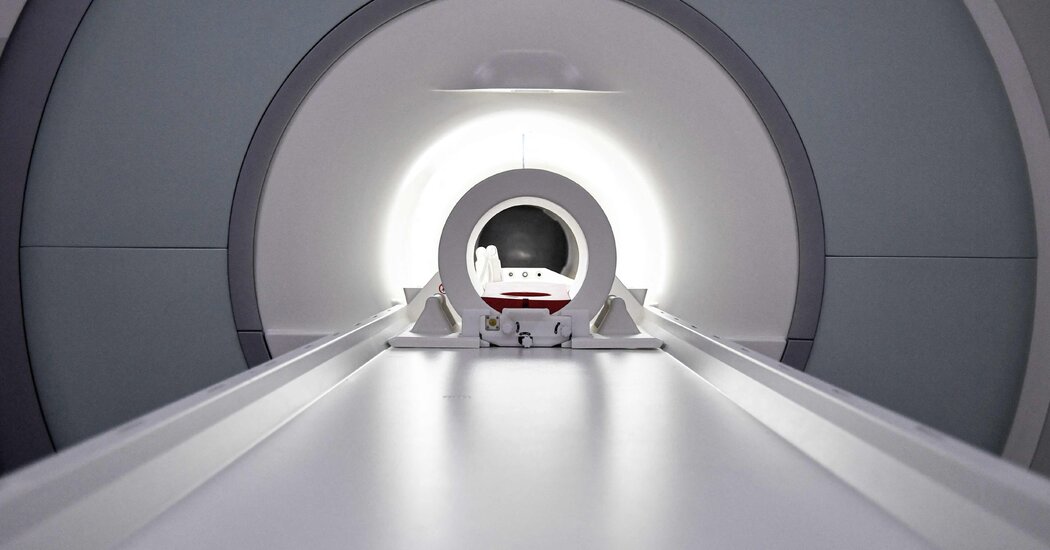
The man, who, without authorization, entered the room wearing a metal necklace during a scan, died a day after he was critically injured, the authorities said.A man who was critically injured on Wednesday after he entered an M.R.I. room on Long Island and was pulled into the machine by his chain necklace died the next day, the authorities said on Friday.The man, who was 61, was wearing a “large metallic chain” around his neck when he entered the room at Nassau Open MRI in Westbury, N.Y., at 4:34 p.m. Wednesday, according to the Nassau County Police Department.The man, whom the police did not name, did not have authorization to enter the room, the police said. Being pulled into the machine made him have a medical episode, they said, without offering additional details.He was taken to a hospital, where he died at 2:36 p.m. Thursday, the authorities said.The Nassau County police said in a news release on Friday that the investigation into the episode was continuing. A spokesman for the department said that no other information was available.Nassau Open MRI did not respond to a request for comment.M.R.I. machines use magnets and radio frequency currents to produce detailed anatomical images. The magnetic force of an M.R.I. machine is strong enough to fling a wheelchair across a room, according to the National Institute of Biomedical Imaging and Bioengineering. Patients are advised to remove jewelry and piercings before entering an M.R.I. machine, and people with some medical implants, particularly those containing iron, should not undergo M.R.I. scans, the institute said.Injuries and deaths involving M.R.I. machines have occurred in the past. In 2001, a 6-year-old boy died when a metal oxygen tank was pulled into a machine while he was undergoing a scan.A man died in India in 2018 when he entered an M.R.I. room while carrying an oxygen tank. In 2023, a nurse in California was crushed and needed surgery after she was pinned between an M.R.I. machine and a hospital bed that had been pulled toward the machine by the machine’s magnetic force.Nassau Open MRI offers closed and open M.R.I. scans, according to its website. An open M.R.I. involves a machine that is open at the sides rather than a closed tube.

Read more →

Premature babies to be immunised against winter virus

8 hours agoShareSavePhilippa RoxbyHealth reporterShareSaveUniversity Hospital SouthamptonThousands of premature babies in the UK can now be protected against a common winter virus which can cause a dangerous lung infection, and sometimes kill.The injection will provide them “with a protective bubble” against RSV (respiratory syncytial virus) in time for the colder months, NHS medics said.Most babies are protected via vaccination late in pregnancy, but babies born before 32 weeks are more vulnerable to life-threatening infections from the virus.From late September, 9,000 babies and young children at risk across the UK will be offered a dose of the drug nirsevimab through the NHS.RSV usually causes coughs and colds, but can make some children very ill with breathing problems, pneumonia and a lung infection called bronchiolitis.According to NHS England, premature babies are three times more likely to go to hospital with RSV and are 10 times more likely to need intensive care compared with full-term babies.Every year around 30,000 children in the UK aged under five need hospital care because of the virus, and around 30 don’t survive.The drug offers six months’ protection in a single dose, and is more than 80% effective.Neo-natal clinics will deliver the injection to premature babies. Families of vulnerable infants with heart or lung conditions or weakened immune systems will be advised by their medical teams how to get the jab before this winter.”It will offer a long-lasting defence, helping to avoid unnecessary hospitalisations and serious illness, giving babies the best possible start in life and shielding them from harm,” said Dr Claire Fuller, co-national medical director for NHS England.Last year, a vaccination programme was launched in the UK to protect newborn babies and older people from RSV. Women who are at least 28 weeks’ pregnant and people aged 75 to 79 are now offered that vaccine, called abrysvo.The jab boosts a woman’s immune system during pregnancy and protects babies in their first weeks of life.But babies born prematurely, before 32 weeks, don’t have time to build up protection from that vaccine before they’re born.They will be given nirsevimab instead.Unlike a vaccine, which prompts the body to create antibodies and takes a few weeks to be effective, nirsevimab gives immediate protection from RSV infection.Ceri Cox, 33, wanted her son, Harry, aged two, to be protected as much as possible against RSV. As a paediatric nurse, she has seen the damage it can do.”I know quite a bit about the virus from working in a unit where we see a lot of children with RSV every year,” she said. “It’s amazing that this immunisation will now be offered to young babies around the country. I hope we will see fewer little ones in our hospital this winter.”Harry took part in an international clinical trial of the immunisation at University Hospital Southampton. Premature babies and high-risk infants in England, Scotland, Wales and Northern Ireland will benefit from the drug.What are the symptoms of RSV?They usually start within a few days of being infected.Most people only get cold-like symptoms, such as:a runny or blocked nosea coughsneezingtirednessa high temperature – signs include your back or chest feeling hotter than usual, sweatiness and shivering (chills)Babies with RSV may also be irritable and feed less than usual.If RSV leads to a more serious infection (such as pneumonia or bronchiolitis) it may also cause:a cough that gets worseshortness of breathfaster breathing or long gaps between breathsdifficulty feeding (in babies) or loss of appetitenoisy breathing (wheezing)confusion (in older adults)Source: NHS UK website

Read more →

FDA to Ask Sarepta to Stop Shipping Muscular Dystrophy Drug Elevidys

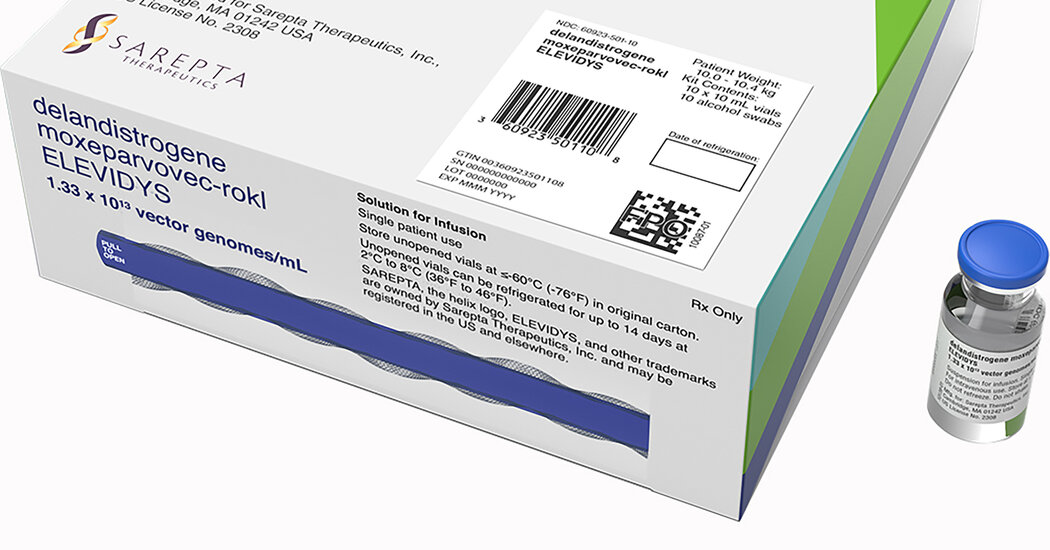
Three patients with a muscle-wasting disease died from liver failure after taking the therapy, Ele­vidys, or a similar treatment.The Food and Drug Administration will request that the biotech company Sarepta Therapeutics halt all shipments of its treatment for a deadly muscle-wasting disease after three patients died from liver failure after taking the product or a similar therapy.The troubled treatment, known as Ele­vidys, has fueled an ongoing debate over whether the F.D.A. has grown too lenient in approving drugs that are insufficiently safe or effective. New officials in the Trump administration, however, have rejected several new drug applications and narrowed the use of Covid vaccines over concerns about “unknown” side effects.Ele­vidys, a gene therapy, is administered as a one-time intravenous infusion. It is intended to slow the progression of Duchenne mus­cu­lar dy­s­tro­phy, which causes muscles to deteriorate. The disease often kills patients, typically young men, before their 30th birthday.Ele­vidys, first approved in 2023, is one of a handful of treatments for the disease that arrived in the past decade, with the help of fierce advocacy from patients and their families. But the approval of Ele­vidys was controversial because of limited evidence that its benefits outweighed its risks.In recent months, two teenage boys who had received Ele­vidys died of liver failure, deepening critics’ concerns about the drug and prompting speculation that the F.D.A. would take strict action. In late June, the F.D.A. announced an investigation into the deaths. Liver injuries were among the side effects seen in clinical trials of the treatment.On Tuesday, the company said it would halt shipments for patients with more advanced disease who use wheelchairs, a group that includes the teenagers who died and most Duchenne patients over age 12. At the time, the company planned to keep distributing the product for patients who could still walk.We are having trouble retrieving the article content.Please enable JavaScript in your browser settings.Thank you for your patience while we verify access. If you are in Reader mode please exit and log into your Times account, or subscribe for all of The Times.Thank you for your patience while we verify access.Already a subscriber? Log in.Want all of The Times? Subscribe.

Read more →

More than 30 poisoned after suspected fake Botox

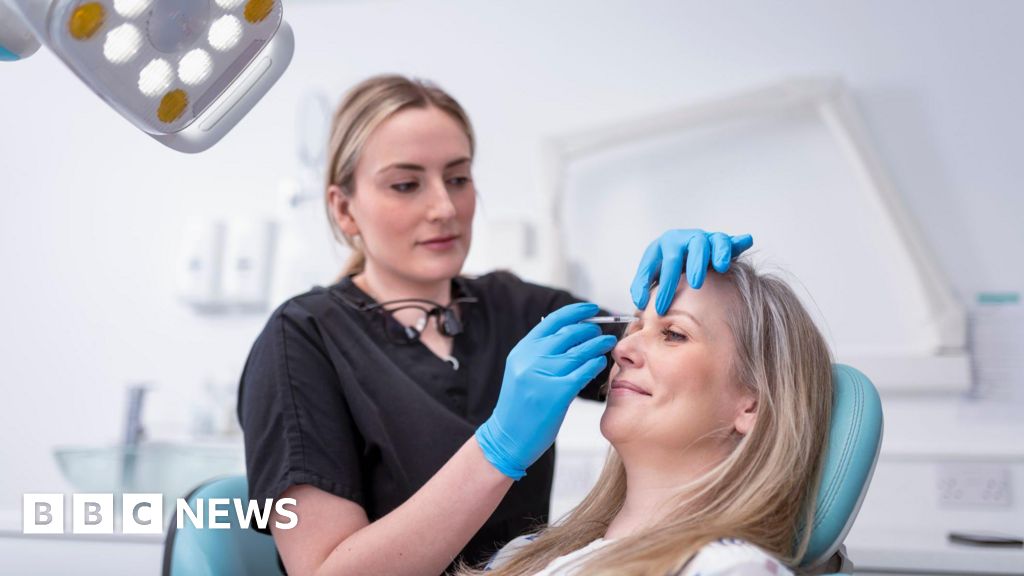
Thirty-eight cases of botulism poisoning have been recorded in England in the last six weeks after cosmetic procedures suspected to have involved the use of unlicensed Botox-like products, the UK Health Security Agency (UKHSA) said. Botulism is a rare but life-threatening condition caused by toxins produced by Clostridium botulinum bacteria. Cases have been recorded in the East, East Midlands and the North East regions. The UKHSA urged those seeking treatments to obtain proof that their Botox practitioner was qualified and that their products were licensed.Botox injections are a common cosmetic procedure given to reduce facial lines and wrinkles. The product is made from small, purified doses of botulinum toxin, produced by the bacterium Clostridium botulinum. Larger doses can cause botulism. According to the UKHSA, the evidence so far suggests clinics involved in the cases have used unlicensed Botox-like products.In the most recent cases, recorded in East England and the East Midlands, patients had difficulty swallowing, slurred speech and breathing difficulties requiring respiratory support.Other symptoms of botulism can include droopy eyelids, double vision and weak facial muscles. Dr Gauri Godbole, of UKHSA, said botulism related to aesthetic procedures was rare but could be serious. She added that symptoms could take up to four weeks to develop and urged anyone who suspected they were suffering to contact the NHS 111 service.Dr Alison Cave, chief safety officer at the Medicines & Healthcare products Regulatory Agency, said botulinum toxin was only available through prescriptions written by qualified healthcare workers. “Buying botulinum toxin in any other circumstances significantly increases the risk of getting a product which is either falsified or not licensed for use in the UK. “This means that there are no safeguards to ensure products meet the MHRA’s standards for quality and safety.” The Joint Council for Cosmetic Practitioners says it receives numerous reports of the “illicit supply and use of unlicensed botulinum toxins”.It suggests those considering Botox injections ask for information about the product, including its brand and intended dose, before accepting a procedure.People should check these details again with the person carrying out the procedure on the day of their treatment. The prescription for Botox must be in the customer’s name. The UKHSA recommends the following precautions:Make sure a practitioner is qualified, is wearing appropriate protective equipment and washes their hands. Practitioners should be happy to discuss their qualificationsThose seeking a procedure should be offered a consultation beforehand that covers checks for medical conditions A consent form outlining the risks should be discussed and signed.

Read more →

Trump Administration’s N.I.H. and F.D.A. Cuts Could Curtail New Drug Development, Budget Office Says

The Trump administration’s proposed cuts to medical research and health agencies will curtail the development of promising medications, the Congressional Budget Office said on Friday.Funding cuts to the National Institutes of Health and the U.S. Food and Drug Administration could sharply reduce the number of new drugs available to Americans in the coming decades, according to an analysis released on Friday by the Congressional Budget Office.The Trump administration has proposed shrinking the budget of the N.I.H., the world’s premier funder of medical research, by $18 billion, or nearly 40 percent. But even a 10 percent reduction would prevent roughly 30 additional drugs from coming to market in the next three decades, the budget office said.The budget office also assessed a hypothetical scenario in which staffing reductions at the F.D.A. would delay the review of new drugs by nine months. Such delays would prevent 23 additional drugs from becoming available in that time period, according to the analysis.About 3,500 F.D.A. workers, roughly 15 percent of the work force, have been laid off by the Trump administration or have left voluntarily in recent months.The cuts come at a time of rapid innovation in gene therapies and in targeting rare diseases, cancers and mental health disorders, said Rena Conti, who directs the Technology Policy and Research Institute at Boston University. “Having these type of cuts will fundamentally set back progress in meeting the demand for these type of therapies,” she said. “And that leaves patients without hope.”The budget office issued its assessment in response to a request from several members of Congress opposed to the cuts, including Senator Jeff Merkley, Democrat of Oregon. This group provided the office with the scenarios it ended up assessing, including the hypothetical nine-month delay to drug reviews.We are having trouble retrieving the article content.Please enable JavaScript in your browser settings.Thank you for your patience while we verify access. If you are in Reader mode please exit and log into your Times account, or subscribe for all of The Times.Thank you for your patience while we verify access.Already a subscriber? Log in.Want all of The Times? Subscribe.

Read more →

NHS tracker – are hospital waiting times improving near you?

Every NHS hospital in England has been told to improve patient waiting times for planned treatment as the government has made hitting the 18-week target one of its key priorities for this parliament.By March 2026, the government wants to see at least 65% of patients waiting no longer than 18 weeks.To get there, every NHS trust has to either get to 60% or improve on its November 2024 figures by five percentage points – whichever is greater.That is just a stepping stone towards the ultimate goal of achieving 92% by July 2029.Use your postcode to find out whether waiting lists are getting better near you.BBC Verify’s analysis included NHS trusts in England that had at least 5,000 people waiting for elective treatment in November 2024.Targets in other nations are different and the interim targets for next March set by the UK government do not apply.While Scotland aims for 90% of patients to be treated within 18 weeks of referral, in Wales the target is for 95% of patients to wait less than 26 weeks.In Northern Ireland, 55% of patients should wait no longer than 13 weeks for day case or inpatient treatment.Interactive tool produced by Alli Shultes, Rebecca French, Daniel Wainwright, Nick Triggle, Ollie Lux Rigby, Chris Kay, Adam Allen, Avi Holden and Rebecca Wedge-Roberts

Read more →

Three-person DNA IVF stops inherited disease—eight healthy babies born in UK first

The UK’s pioneering licensed IVF technique to reduce the risk of mitochondrial diseases carried out in Newcastle has seen eight babies born, published research shows.
All eight babies show no signs of having mitochondrial DNA disease. The babies, four girls and four boys, including one set of identical twins, were born to seven women at high risk of transmitting serious disease caused by mutations in mitochondrial DNA. The findings, reported on July 16 by the Newcastle team who pioneered mitochondrial donation using fertilized human eggs, indicate that the new treatment, known as pronuclear transfer, is effective in reducing the risk of otherwise incurable mitochondrial DNA diseases. 
Published in two papers in The New England Journal of Medicine (NEJM), the findings describe the reproductive and clinical outcomes of pronuclear transfer treatments performed to date. All babies were healthy at birth, meeting their developmental milestones, and the mother’s disease-causing mitochondrial DNA mutations were either undetectable or present at levels that are very unlikely to cause disease.
The technique was pioneered in human eggs by a team based at Newcastle University, UK and the Newcastle upon Tyne Hospitals NHS Foundation Trust in work funded by Wellcome and NHS England.
The mother of a baby girl born following mitochondrial donation said: “As parents, all we ever wanted was to give our child a healthy start in life. Mitochondrial donation IVF made that possible. After years of uncertainty this treatment gave us hope—and then it gave us our baby. We look at them now, full of life and possibility, and we’re overwhelmed with gratitude. Science gave us a chance.” 
The mother of a baby boy added: “We are now proud parents to a healthy baby—a true mitochondrial replacement success. This breakthrough has lifted the heavy cloud of fear that once loomed over us.
“Thanks to this incredible advancement and the support we received, our little family is complete. The emotional burden of mitochondrial disease has been lifted, and in its place is hope, joy, and deep gratitude.” 
The NHS Mitochondrial Reproductive Care Pathway offers mitochondrial donation, through a research study, in addition to other reproductive options for women with mitochondrial disease.

Professor Sir Doug Turnbull, Newcastle University part of the Newcastle team said: “Mitochondrial disease can have a devastating impact on families. Today’s news offers fresh hope to many more women at risk of passing on this condition who now have the chance to have children growing up without this terrible disease. Within the framework of the NHS in a well-regulated environment, we are able to offer mitochondrial donation as part of a research study to affected women in the UK.“
Mitochondrial DNA disease
Every year, around one in 5,000 children is born with mitochondrial DNA mutations that can cause devastating disease. Mitochondria produce the energy required for life and contain a small piece of DNA that only encodes some of the instructions required for energy production.  Harmful mutations in mitochondrial DNA can result in reduced availability of energy, particularly affecting tissues that have high energy demands – for example heart, muscle and brain. Mitochondrial DNA is maternally inherited, and these diseases are therefore passed from mother to child. Although males can be affected, they do not pass on the disease. Despite years of research there is still no cure for people with mitochondrial DNA disease.
In the absence of a cure for mitochondrial DNA diseases, attention has focused on IVF-based technologies to reduce the risk of disease by limiting transmission of disease-causing mitochondrial DNA mutations from mother to child. The new IVF-based mitochondrial donation technology, pronuclear transfer, which was legalized in the UK in 2015, is designed to reduce the risk of mitochondrial DNA disease in children born to women who carry high levels of disease-causing mitochondrial DNA mutations. The Newcastle team now include pronuclear transfer as part of a research study along with a range of reproductive options offered to women at risk of transmitting mitochondrial disease to their children.
Pronuclear transfer
The technique, known as pronuclear transfer is performed after the egg is fertilized. It involves transplanting the nuclear genome (which contains all the genes essential for our individual characteristics, for example, hair color and height) from an egg carrying a mitochondrial DNA mutation to an egg donated by an unaffected woman that has had its nuclear genome removed. The resulting embryo inherits its parents’ nuclear DNA, but the mitochondrial DNA is inherited predominantly from the donated egg.

The reproductive outcomes paper
The UK-based Newcastle team who developed and optimized pronuclear transfer for use in fertilized human eggs now report on outcomes of pronuclear-transfer treatment to reduce the risk of mitochondrial DNA disease.
Levels of disease-causing mitochondrial DNA detected in babies born after pronuclear transfer treatment ranged from undetectable to 16% in neonatal blood. The presence of mitochondrial DNA mutations in babies born after pronuclear transfer treatment results from carryover of maternal mitochondria surrounding the nuclear DNA at the time of transplantation. Carryover of maternal mitochondrial DNA is a known limitation of mitochondrial donation technologies.
The team is seeking to better understand and address this issue as part of an underpinning research program.
Professor Mary Herbert, lead author of the reproductive outcomes paper who carried out the research at Newcastle University said: “The findings give grounds for optimism. However, research to better understand the limitations of mitochondrial donation technologies, will be essential to further improve treatment outcomes.
“Mitochondrial donation technologies are currently regarded as risk reduction treatments owing to carryover of maternal mitochondrial DNA during the mitochondrial donation procedure. Our ongoing research seeks to bridge the gap between risk reduction and prevention of mitochondrial DNA disease by addressing this problem.” 
Pronuclear-transfer treatment is offered as part of an integrated program that includes preimplantation genetic testing (PGT) for reducing the risk of mitochondrial DNA disease. In accordance with HFEA regulations, pronuclear transfer is offered only to those women who are unlikely to benefit from PGT treatment.At the time of reporting the integrated program of PGT and pronuclear transfer, clinical pregnancies were confirmed in 8 of 22 (36%) patients who underwent pronuclear transfer and 16 of 39 (41%) of patients who underwent PGT. Pronuclear transfer has resulted in eight births and one further pregnancy. PGT has resulted in 18 births. In the children from pronuclear transfer, levels of disease-causing mitochondrial DNA mutations were either undetectable or well below the levels at which disease symptoms are observed. 
The clinical outcomes paper
The Newcastle team describe the pathway developed to provide the best possible care for women with pathogenic mitochondrial DNA mutations. It describes in detail how the mothers of the first children born with the technique were monitored and supported in pregnancy, and their babies closely followed from birth.
Some of the mothers already had symptoms of mitochondrial disease including vision loss and heart problems. Others had family members with the disease and remain at risk of developing symptoms and passing it on.
All eight babies, including a set of identical twins, were healthy at birth and are described as developing normally – five have had no medical problems since. In the paper, the team note that three babies overcame some early health issues that they believe they are not able to attribute directly to mitochondrial donation.
The Newcastle team offers advice and treatment to women with harmful mitochondrial DNA mutations in the UK. They are carefully monitored during pregnancy and after mitochondrial donation, six of seven progressed without incident. One woman developed a rare complication of pregnancy with a high level of fats detected in her blood (hyperlipidaemia) which responded well to a reduced fat diet. 
All eight babies, including the set of twins, were born by normal vaginal delivery or elective caesarean section. All babies had normal weight for gestational age. The level of disease-causing mitochondrial DNA mutation was measured in blood and urine cells and was undetectable in five babies. Three babies had low levels of disease-causing mitochondrial DNA mutations – 5 and 9%, 12 and 13%, 16 and 20% in blood and urine respectively.  These levels are well below the 80% level required for clinical disease for these mutations. The researchers note that at follow-up at 18 months, the level of the disease-causing mutation in the child with 5 and 9% was undetectable in blood and urine.
All children are enrolled in an 18-month developmental study and at the date of reporting all the babies were meeting their relevant developmental milestones.One child developed some brief startles (involving neck flexion and eye blinking) at age 7 months, which resolved without treatment after 3 months. Another, a breast-fed baby, developed high blood fats (hyperlipidaemia) which had also affected the mother during pregnancy, and was successfully treated through a low-fat diet. This child was also diagnosed with an abnormal heart rhythm (cardiac arrhythmia) which is being successfully treated with a reducing amount of anti-arrhythmic medication. (Although the children born following PGT are not routinely followed-up, the team note that a cardiac anomaly was detected in one child.)  A third child had a urinary tract infection that responded quickly to antibiotic treatment.
The authors say that the children’s health conditions are not thought to be related to the maternal mitochondrial DNA mutations as the low levels detected in these babies would not be expected to cause disease symptoms. Symptoms for these mutations are only seen with levels above 80%. Any effect of the pronuclear transfer procedure itself would be expected to have a more uniform clinical manifestation, that is, to affect children in the same way. However, follow-up studies will be of paramount importance in detecting any patterns in childhood conditions.
The team emphasize that follow-up studies are essential for detecting any patterns in childhood conditions and say they will continue to offer assessments up to the age of 5 years.
Professor Bobby McFarland, Director of the NHS Highly Specialised Service for Rare Mitochondrial Disorders (Newcastle Hospitals NHS Foundation Trust) and Professor of Paediatric Mitochondrial Medicine at Newcastle University is first author of one of the papers. He said: “While longer term follow-up of children born following mitochondrial donation is of paramount importance, these early results are very encouraging. Seeing the joy and relief these children have brought to their parents is such a privilege.
“We believe the follow-up process we have put in place is thorough, since it allows us to detect and review even minor health conditions in children born after pronuclear transfer such as a urinary tract infection.” 
The Lily Foundation, a charity dedicated to fighting mitochondrial disease has supported the Newcastle work. “We’re absolutely delighted with the results of these published papers,” said Liz Curtis, Lily founder and CEO. “We fought long and hard for this change so that families could have choices. After years of waiting, we now know that eight babies have been born using this technique, all showing no signs of mito. For many affected families, it’s the first real hope of breaking the cycle of this inherited condition.”
FACT FILE
Law – In a first worldwide and following extensive public debate and scientific and ethical review, UK legalization was press/articles/archive/2015/10/worldfirstledbynewcastleuniversity/” >approved in 2015 to enable the Human Fertilisation and Embryology Authority (HFEA) to allow mitochondrial donation treatments for women at high risk of transmitting serious mitochondrial DNA disease to their children. Following this, the law has now changed in Australia.
Licence – Licences are regulated and granted by the HFEA. Newcastle Fertility Centre part of Newcastle Hospitals NHS Foundation Trust was granted the press/articles/archive/2017/03/mitochondrialicence/” >first license to perform clinical mitochondrial donation by pronuclear transfer in 2017.  A clinical pathway was established with mitochondrial clinicians as part of NHS England’s Highly Specialised Service.
Mitochondrial disease refers to a group of genetic conditions that disrupt how our mitochondria – the energy producers in our cells – function.
Pre-implantation genetic testing (PGT) is a procedure that helps couples avoid passing on genetic conditions to their children. This extra step tests embryos for genetic conditions.
Pronuclear transfer (PNT) involves transferring the nuclear DNA of a fertilized egg into a fertilized donor egg to prevent the transmission of mitochondrial DNA (mtDNA) disease.
Funding
The team acknowledge that the Mitochondrial Reproductive Care Pathway is supported by the NHS at The Newcastle upon Tyne Hospitals NHS Foundation Trust (NUTH). Support was provided by Wellcome. Infrastructural support was provided by Newcastle University, a National Institute for Health and Care Research (NIHR) Biomedical Research Centre award to NUTH. The NHS Highly Specialised Services for Rare Mitochondrial Disorders is supported by NHS England and a career development award was made to Dr Hyslop from Health Education England and the NIHR.

Read more →

CRISPR uncovers gene that supercharges vitamin D—and stops tumors in their tracks

Vitamin D is not only an essential nutrient, but also the precursor of the hormone calcitriol, indispensable for health: it regulates the uptake of phosphate and calcium necessary for bones by the intestines, as well as cell growth and the proper function of muscles, nerve cells, and the immune system.
Now, researchers have shown for the first time in Frontiers in Endocrinology that a particular gene, called SDR42E1, is crucial for taking up vitamin D from the gut and further metabolizing it – a discovery with many possible applications in precision medicine, including cancer therapy.
“Here we show that blocking or inhibiting SDR42E1 may selectively stop the growth of cancer cells,” said Dr Georges Nemer, a professor and associate dean for research at the University of College of Health and Life Sciences at Hamad Bin Khalifa University in Qatar, and the study’s corresponding author.
Faulty copy
Nemer and colleagues were inspired by earlier research that had found a specific mutation in the SDR42E1 gene on chromosome 16 to be associated with vitamin D deficiency. The mutation caused the protein to be cut short, rendering it inactive.
The researchers used CRISPR/Cas9 gene editing to transform the active form of SDR42E1 in a line of cells from a patient with colorectal cancer, called HCT116, into its inactive form. In HCT116 cells, the expression of SDR42E1 is usually abundant, suggesting that the protein is essential for their survival.
Once the faulty SDR42E1 copy had been introduced, the viability of the cancer cells plummeted by 53%. No fewer than 4,663 ‘downstream’ genes changed their expression levels, suggesting that SDR42E1 is a crucial molecular switch in many reactions necessary for the health of cells. Many of these genes are normally involved in cancer-related cell signaling and the absorption and metabolism of cholesterol-like molecules – consistent with the central role of SDR42E1 in calcitriol synthesis.

These results suggest that inhibiting the gene can selectively kill cancer cells, while leaving neighboring cells unharmed.
Cuts two ways
“Our results open new potential avenues in precision oncology, though clinical translation still requires considerable validation and long-term development,” said Dr Nagham Nafiz Hendi, a professor at Middle East University in Amman, Jordan, and the study’s first author.
But starving selected cells of vitamin D is not the only possible application that immediately sprang to the mind of the researchers. The present results suggest that SDR42E1 cuts two ways: artificially ‘dialing up’ levels of SDR42E1 in local tissues through gene technology might likewise be beneficial, leveraging the many known health effects of calcitriol.
“Because SDR42E1 is involved in vitamin D metabolism, we could also target it in any of the many diseases where vitamin D plays a regulatory role,” said Nemer.
“For example, nutrition studies have indicated that the hormone can lower the risk of cancer, kidney disease, and autoimmune and metabolic disorders.”
“But such broader applications must be done with caution, as long-term effects of SDR42E1 on vitamin D balance remain to be fully understood,” warned Hendi.

Read more →

Truemed, a Start-Up Run by an RFK. Jr. Aide, Gives Tax Breaks for Meat and Mattresses

The start-up, called Truemed, helps people buy meat and mattresses with money that isn’t subject to federal income tax. But does the tax break apply?An insomnia diagnosis yielded a recommendation for a five-pack of beef hot dogs. An acne diagnosis brought a medical note proposing that the condition be treated with classes at a mixed-martial-arts gym. Decades-old arm fractures earned a nurse practitioner’s order to buy a kettlebell from Nike.And because a medical provider had blessed the purchases, they came with the promise of a major perk: People could buy them using money not subject to federal income taxes.That is the daring new world of American medical spending that Truemed, a three-year-old wellness company, is trying to build. Its co-founder Calley Means has rocketed to the upper reaches of power in the health care system as the right hand to Health Secretary Robert F. Kennedy Jr.Calley Means, a founder of Truemed, has rocketed to the upper reaches of power of the health care system as the right hand to Health Secretary Robert F. Kennedy Jr.Al Drago for The New York TimesOperating in a little-known corner of the nearly $5 trillion health care system, Truemed helps supply people with letters attesting to their medical need for products like red-light masks, Peloton bikes and $9,000 saunas. With those letters, the company tells people, they can use health savings or flexible spending accounts to buy the items. The accounts allow people to set aside a limited portion of their income, without paying federal income tax, for qualified medical expenses.Buying this way can save some people thousands of dollars.But tactics like Truemed’s challenge core principles of the Internal Revenue Service guidelines around medical expenses, former regulators said in interviews. In justifying certain purchases, the company has facilitated letters that misapplied medical studies to patients. And Truemed enlists online medical providers who, The New York Times found, sometimes sign letters within seconds of users’ requesting them — even when the letters contain incorrect or extraneous information.We are having trouble retrieving the article content.Please enable JavaScript in your browser settings.Thank you for your patience while we verify access. If you are in Reader mode please exit and log into your Times account, or subscribe for all of The Times.Thank you for your patience while we verify access.Already a subscriber? Log in.Want all of The Times? Subscribe.

Read more →

Heath Insurers Are Denying More Drug Claims, Data Shows

Offering a rare glimpse inside the hidden world of rejected insurance claims, new data shows a steady uptick among major private insurers.Prescription drug denials by private insurers in the United States jumped 25 percent from 2016 to 2023, according to a new analysis of more than four billion claims, a practice that has contributed to rising public outrage about the nation’s private health insurance system.The report, compiled for The New York Times by the medical data company Komodo Health, shows that denial rates rose from 18.3 percent to 22.9 percent. The rejections went up across many major health plans, including the country’s largest private insurer, UnitedHealthcare.The data offers a rare look into the largely hidden world of rejected insurance claims. While some government-funded health plans are required to publish their denial rates, most private insurers keep that information confidential. Komodo draws from private databases that collect denial details from pharmacies, insurers and intermediaries.Claim denials are “quite opaque, and a lot of decisions are made by private actors,” said Dr. Aaron Schwartz, a health economist at the University of Pennsylvania. “There are legitimate questions about whether they are appropriate.”Widespread resentment toward health insurers boiled over last December after the murder of UnitedHealthcare’s chief executive, Brian Thompson. Doctors and patients alike took to social media to share stories of insurers’ refusal to pay for what they said was needed medical care.Experts who have studied denials said the skyrocketing costs of popular new weight loss medications and greater automation of the claims process with artificial intelligence may have contributed to the rising rejection rates.Drug denials by private plans have increased

Denial rates were calculated using 4.5 billion claims from commercial health plansSource: Komodo HealthBy Sarah KliffDenials went up at five major health plans

Source: Komodo HealthBy: Sarah KliffWe are having trouble retrieving the article content.Please enable JavaScript in your browser settings.Thank you for your patience while we verify access. If you are in Reader mode please exit and log into your Times account, or subscribe for all of The Times.Thank you for your patience while we verify access.Already a subscriber? Log in.Want all of The Times? Subscribe.

Read more →