
How can the metaverse improve public health?


During the fetal stage, a number of so-called cell programs run that are vital to the development of the fetus. In a study published in Cell Reports, researchers from Lund University demonstrate that one of these fetal programs appears to protect against acute myeloid leukaemia (AML).
“We have used an experimental mouse model that always results in this type of leukaemia. The interesting thing is that, when we to adult mice added a specific molecular cell program that normally only runs during fetal development, over half did not develop AML,” says David Bryder, professor of experimental haematology at Lund University.
The fetal program that the researchers used consists of the RNA-binding protein LIN28, the normal function of which is to regulate other genes. LIN28 is usually only expressed during fetal development and disappears shortly after birth.
“AML is the result of various cell mutations. In our research model, we can follow the development from the first mutation until the disease is established, something that is impossible to do in humans. Our mouses study shows that LIN28 has a strong prophylactic effect,” says Mohamed Eldeeb, a doctoral student in Bryder’s research group.
The researchers first examined samples from a large number of patients diagnosed with AML, 98 per cent of whom turned out to have no expression of LIN28 whatsoever. In those who did, the level was very low. To understand more about what happens when LIN28 is activated, the researchers then carried out more in-depth molecular and functional studies using their animal model.
“We could see that, in mice, the molecular fetal cell program protected against disease by colliding with the mechanism that drives AML, which might explain why leukaemia is rare in newborns. Given the robust effect we have demonstrated, it will be interesting to study whether the fetal cell program can be used to prevent disease later in life. That said, one should be aware that it remains to be seen how we can reactive such a program in human cells,” says Bryder.

JOHNSON CITY, Tenn. — On a quiet street corner, a sign marks the birthplace of a beverage behemoth: Here, in 1954, the Tri-City Beverage Corporation bottled its first case of Mountain Dew.The soda was originally uncolored and lemon-lime flavored, and its inventors used it as a mixer with bourbon. “Mountain dew” is also a nickname for moonshine, which farmers sometimes processed from leftover crops. Labels on early soda bottles promised it was “specially blended in the traditional hillbilly style.”It wasn’t until after PepsiCo bought the company in 1964 and eventually built a global youth-oriented brand, one marketed by extreme sports athletes, that the soft drink left its Appalachian roots behind.In a way, Mountain Dew came full-circle last year when PepsiCo turned the brand toward a new alcoholic beverage: Hard Mtn Dew. At a One Stop Wine and Spirits frequented by students from Eastern Tennessee State University, the new 24-ounce cans are prominently displayed. Although the brew bears little resemblance to its ancestor, its alcoholic content is “exactly what Mountain Dew is all about,” Charles Gordon Jr., owner of Tri-City Beverage, said.Hard Mtn Dew reflects a major change in the alcohol industry, which for the last century mainly produced drinks categorized as beer, wine or spirits. In recent years, those lines have blurred, and a fourth category of ready-to-drink beverages has emerged — hard seltzers and other flavored malt beverages, wine coolers and canned cocktails. Although these products differ in primary ingredients and how the alcohol is processed, all typically are flavored and packaged for casual consumption.This isn’t the first time a new type of alcoholic beverage exploded in popularity but some earlier fads were associated with single products like Zima, Smirnoff Ice or Four Loko. “It’s only really in the last three to four years that it’s become a major category,” Nadine Sarwat, a beverage analyst at Bernstein Research, said.Sales of hard seltzers and ready-to-drink canned cocktails were valued at nearly $10 billion in 2021 by the Grand View Research firm, which expects them to grow by double digits in coming years. And in a major shift, PepsiCo and Coca-Cola have debuted alcoholic products in the U.S. market. In February, Monster Beverage, a maker of energy drinks, began rolling out its first line of alcoholic drinks called The Beast Unleashed.But as alcohol-related deaths in America reach record highs, regulators and public health experts are voicing concern that the new class of drinks and the expanding industry could alter how people buy and drink alcohol. Some also expressed worry that the convenience of the new products could reverse the long-term decline in alcohol consumption by young people. And recent studies show that consuming even one alcoholic drink a day increases a person’s risk of cancer and heart disease.Coca-Cola and Monster Beverage declined repeated requests for comment, and PepsiCo referred questions about products bearing its brands to the independent companies that it had licensed to manufacture and market them.Pamela Trangenstein, a scientist with the alcohol research group at the Public Health Institute in California, recently supervised a study at college football games. She described a sea of empty White Claw hard seltzer cans covering the floor of a student section at one stadium.More on the Coronavirus PandemicLeaving Millions on the Table: Stop-and-go federal funding floods public health agencies with cash during crises but starves them of funds afterward. In Mississippi, the pandemic showed the pitfalls of that approach.New Drug’s Long Odds: A promising new treatment quashes all Covid variants, but regulatory hurdles and a lack of funding make it unlikely to reach the United States market anytime soon.Dangers Remain for Seniors: For older Americans, the Covid pandemic still poses significant threats. But they are increasingly left to protect themselves as the rest of the country abandons precautions.N.Y.C.’s Mandate: New York City will end its aggressive but contentious vaccine mandate for municipal workers, Mayor Eric Adams announced, signaling a key moment in the city’s long battle against the pandemic.“The carbonation and sugar content can make it taste like you aren’t drinking alcohol,” she said.The new product’s boozy content was “exactly what Mountain Dew is all about,” said Charles Gordon Jr., president and owner of Tri-City Beverage, which still makes Dr. Enuf soda but which sold Mountain Dew to PepsiCo in 1964.Mike Belleme for The New York TimesRecognition of Mountain Dew’s birthplace in Johnson City, Tenn.Mike Belleme for The New York TimesA tantalizing opportunityAmericans’ drinking habits have been shifting over time. The popular practice of avoiding calories and carbs has been driving down beer’s market share for years, said Bonnie Herzog, a Goldman Sachs managing director who analyzes the beverage industry. At the same time, alcohol companies are vying to win back people under 30, who are consuming less alcohol than previous generations at that age. And the coronavirus pandemic supercharged sales of portable products as consumers sought beverages they could drink at home.“Health and wellness, variety, convenience — that’s the appeal,” Ms. Herzog said.Hard Mtn Dew exemplifies these trends. It is sugar- and caffeine-free, and taps into consumers’ connection to a brand they’ve known for years. Although the new product is 5 percent alcohol by volume, a 24-ounce can contains the equivalent of two standard drinks. Fans who got an early taste seemed to like it. “I drank Hard Mountain Dew and felt like I was staring at God,” an online reviewer wrote.Major alcohol producers like Anheuser-Busch InBev and Diageo have invested heavily in this category, but the moment has also presented traditional soda makers with a tantalizing new market, Ms. Herzog said. In addition, manufacturers and distributors make a higher profit per case of alcoholic beverages than for nonalcoholic drinks, according to Kevin Asato, a beverage industry consultant.In 2018, Coca-Cola dipped a toe in the market when it introduced Lemon-Dou in Japan, the first hard drink among its brands since the 1980s. In 2020, the company paired with Molson Coors Brewing Co. to make Topo Chico Hard Seltzers. and last year, Coca-Cola entered into agreements to produce Fresca Mixed cocktails, Simply Spiked Lemonade and a canned Jack & Coke.On an earnings call on Feb. 14, James Quincey, chief executive of Coca-Cola, cited its “early alcohol experiments” like Jack & Coke, scheduled for sale in California at the end of next month, as a way for the company to be “a total beverage company — everywhere.”By licensing its soft drink brands to established alcohol makers for sale through existing distributors, Coca-Cola kept within the lanes of the regulatory firewalls that separate alcohol producers, distributors and retailers. This three-tier system has characterized the U.S. alcohol industry since the repeal of Prohibition and is intended to prevent a single company from vertically integrating and suppressing its competitors.PepsiCo, in contrast, has attached fewer of its brands to new alcoholic drinks — just Hard Mtn Dew and Lipton Hard Iced Tea, so far — but has shown greater willingness to disrupt the status quo.The company established a wholly owned subsidiary, Blue Cloud Distribution, to keep more control over sales and marketing, and a greater share of the profits. The venture involved hiring more than 250 employees, obtaining individual state licenses to distribute alcohol and a fleet of trucks.A fourth category of alcoholic beverage — seltzers, sodas and others — marks a trend that experts say may last for some time as demand continues to rise.Mike Belleme for The New York TimesAn artifact from the Mountain Dew Collection of the Reece Museum of East Tennessee State University in Johnson City. The beverage’s early marketing embraced the hillbilly image and included it in its branding.Photo illustration by Mike Belleme for The New York TimesTo comply with the three-tier system, PepsiCo licensed Mountain Dew’s brand to the Boston Beer Co. and provided it with Mountain Dew flavoring. That way, PepsiCo is independent from production and can instead control distribution.Not all states have approved of the arrangement. Last spring, regulators in Kentucky and Georgia denied Blue Cloud distributor licenses, ruling that Blue Cloud had blurred the lines between manufacturer and distributor. Indiana regulators denied Blue Cloud a comparable license last month.Jeff Birnbaum, a spokesman for Blue Cloud, pointed out that Hard Mtn Dew and Lipton Hard Iced Tea are both manufactured and marketed by separate companies, in accordance with the three-tier system.Local beer distributors have also tried to block the new competition. In October, beer wholesalers in Nevada and Virginia filed complaints with regulators asking them to revoke Blue Cloud’s licenses.And in December, independent beer distributors appealed to federal regulators, calling on the Treasury Department’s alcohol and tobacco tax bureau to investigate whether retailers were giving soft drink companies more favorable treatment of their alcoholic products. Soda companies routinely pay retailers so-called slotting fees for prominent placement of their products, but doing so for alcoholic beverages would violate the three-tier system, the distributors argued.They also provided photographs of what they called “inappropriate placement” of Hard Mtn Dew in stores, shown next to children’s juice boxes and toy cars.Mr. Birnbaum, a spokesman for Blue Cloud, said the company did not dictate to retailers how to display its drinks, but urged them to avoid confusing alcoholic and nonalcoholic products and to correct improper placement. He also noted Hard Mtn Dew was priced and packaged in line with other malt-based ready-to-drink alcohol beverages, and “boldly says on its label that it is for individuals 21 and older.”Mary Ryan, administrator of the alcohol tax and trade bureau, said her office had not received evidence of any violations. The bureau is accepting public comments until March 9 on whether it should revise regulations that assess the independence of retailers, among others.Ms. Sarwat, the beverage analyst, expressed doubt that the tactics employed by Blue Cloud and PepsiCo would lead to abandoning the three-tier regulatory system — but she didn’t dismiss their influence.“Any time Pepsi or Coke do anything, given how deep their pockets are, it is one to watch closely,” she said.The effects on healthExperts believe the new beverage types may represent an industry effort to boost drinking among young people, a group whose alcohol consumption has been falling for decadesMike Belleme for The New York TimesExcess drinking already kills more than 140,000 Americans each year, according to the latest estimates, far surpassing drug overdoses or firearm deaths.Alcohol experts take heart at the growing ranks of openly “sober-curious” young people, and beverage companies are trying to tap that group with a profusion of new nonalcoholic products, including zero-proof wines and nonalcoholic aperitivos. But some public health experts have expressed concerns that the widening variety of alcoholic drinks could reverse those trends.The long-term effects on drinking habits will not be known for years, according to Matt Rossheim, an associate professor at the University of North Texas Health Science Center. “In public health, it’s constantly this game of Whac-A-Mole, as industry is just so quick to innovate and launch things, and then it takes us years and years to figure out what happened,” he said.Of the few government surveys measuring drinking behaviors, none collect detailed data on the new alcoholic beverages, Marissa Esser, who leads the alcohol program at the Centers for Disease Control and Prevention, said.The Monitoring the Future survey, which measures substance use among eighth-, 10th- and 12th-grade U.S. students, will include questions about hard seltzers and ready-to-drink cocktails for the first time this fall.Because these types of drinks tend to be inexpensive, packaged in single-serve containers and sold in places like gas stations and convenience stores, they are likely to appeal to young people, Mr. Rossheim suggested.Industry executives acknowledged the marketing benefit that springboards off familiar brands. On an earnings call in November, Rodney Sacks, the chief executive of Monster Beverage, pointed out that the new line’s products featured “mean green,” “white haze,” “peach perfect” and “scary berries” — all “based on Monster’s well known and popular flavor profiles.”And women are a coveted consumer. Katherine Keyes, a professor of epidemiology at Columbia University, said the push into hard sodas appeared to target the female drinker, whose alcohol intake has been catching up to men’s in recent years. “A low-calorie, flavored alcohol beverage has been their tried-and-true approach to attracting a female market,” she said.Still, these options should not be marketed as healthy alternatives, experts said.“The harms from alcohol don’t mainly come from calories,” Bill Kerr, a senior scientist at the Public Health Institute’s alcohol research program, said. “They come from the alcohol.”
Read more →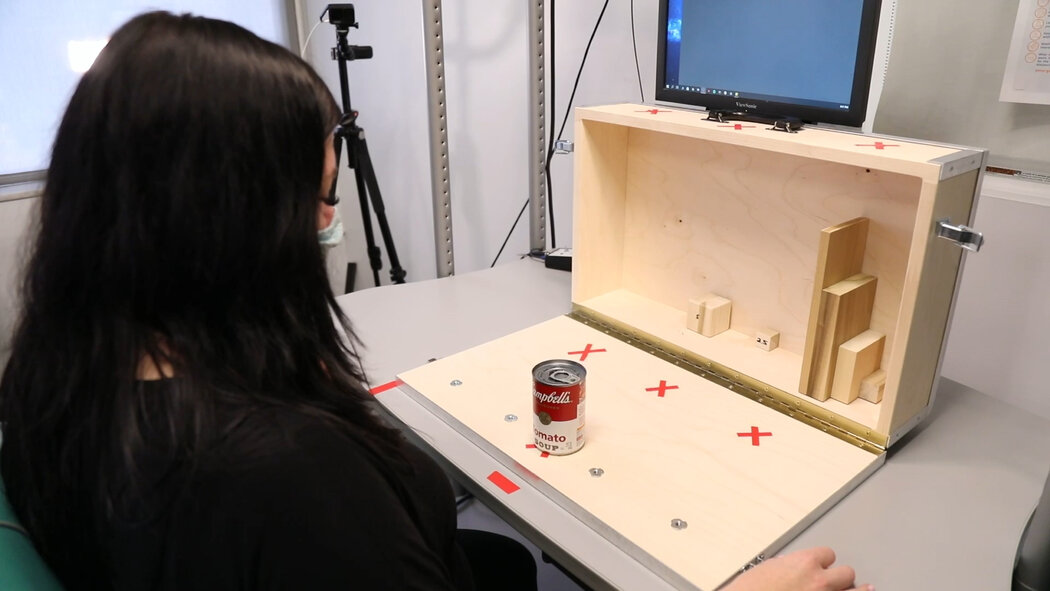
Heather Rendulic was 23 when she suffered a stroke that disabled her left side. Ten years later, her left arm and hand remain so impaired that she cannot tie her shoes, type with two hands or cut her own food.But for an extraordinary month, while participating in an innovative study, she suddenly was able to open a padlock with a key, draw a map of Italy, dip a chicken nugget in sauce and eat it with a fork — all with that left hand.“It was like I actually had two arms, oh my gosh!” Ms. Rendulic said recently.Researchers from the University of Pittsburgh and Carnegie Mellon University implanted electrodes along her spinal cord , delivering electrical stimulation while she tried different activities. With stimulation, her left arm had greater mobility, her fingers had more dexterity, and she could make intentional movements more quickly and fluidly.The study, published Monday in the journal Nature Medicine, represents the first successful demonstration of spinal cord stimulation to address weakness and paralysis in the arms and hands of stroke patients.The study was small and preliminary, involving only Ms. Rendulic and another patient. Several scientists said many questions remain about the technique’s effectiveness and applicability, but that the research suggested spinal cord stimulation could eventually help some of the many people who experience strokes.“I think there’s enormous implications for improving quality of life,” said Dr. Lumy Sawaki-Adams, the program director in the clinical research division of the National Institute of Neurological Disorders and Stroke, who was not involved in the research. Still, she said, “we have to be cautious that we’re not offering hope to many people when I think we’re not there yet.”Spinal cord stimulation has been used for decades to treat chronic pain. More recently, experiments delivering stimulation — either through surgically implanted electrodes or noninvasively through electrodes placed on the skin — have shown promise in helping patients with spinal cord injuries regain mobility in their legs and, in some cases, their arms and hands.But the approach has been mostly unexplored for stroke, partly because of differences in the location and type of damage, neurological experts said.Because strokes occur in the brain, it had been assumed that applying stimulation outside the brain would not provide “the same bang for the buck,” said Arun Jayaraman, the executive director of the technology and innovation hub at Shirley Ryan AbilityLab, a rehabilitation center in Chicago. He said the study, which he was not involved in, countered that assumption, instead suggesting that stimulating the spine, the pathway from the brain to hand and arm muscles, may help impaired limbs.Over four weeks, Ms. Rendulic was given increasingly challenging tasks to perform, like grasping and moving a soup can. “I immediately was opening and closing my hand,” she said. “We all broke down in tears.”Powell et al., University of Pittsburgh and Carnegie Mellon UniversityEach year, more than 12 million people worldwide and nearly 800,000 in the United States experience strokes, said Dr. Karen Furie, the vice chair of the American Stroke Association’s stroke brain health science subcommittee.Initially, patients typically receive about six months of physical, occupational and other therapies, she said, but then progress often plateaus.“We have virtually nothing to offer people who are years out and have longstanding disabilities,” said Dr. Furie, who is also the chair of neurology at Brown University’s Warren Alpert Medical School and was not involved in the study.About three-quarters of stroke patients experience impairment, weakness or paralysis in their arms and hands, said Dr. Elliot Roth, an attending physician at Shirley Ryan AbilityLab’s Brain Innovation Center, who was not involved in the study. “For many people, it’s the toughest part of the stroke recovery process and tends to recover the slowest,” he said.The patients who participated in the study had experienced different types of strokes and had varying degrees of impairment. Ms. Rendulic’s stroke was hemorrhagic, caused by bursting blood vessels. The other, more severely impaired patient, a 47-year-old woman whom researchers did not identify, experienced an ischemic stroke, which is more common and involves blocked blood vessels.Researchers implanted strands of eight electrodes in two locations, corresponding to where neurosensory fibers from the arm and the hand enter the spinal cord.Marco Capogrosso, an assistant professor of neurological surgery at the University of Pittsburgh, said that the approach derived from the fact that with strokes, some neural areas remain undamaged.“So, if we can build this technology to amplify neural signals, maybe we have a chance to restore arm and hand movement,” said Dr. Capogrosso, who led the research with Elvira Pirondini, an assistant professor of physical medicine and rehabilitation at the University of Pittsburgh, and Douglas Weber, a professor of mechanical engineering at Carnegie Mellon’s Neuroscience Institute.Five days a week for four hours each day, researchers activated the stimulation, calibrated it to determine optimal parameters for each patient and asked them to attempt various movements and tasks. Right away, the effect was noticeable.“The very first day in the lab and the first time they turned it on, I was sitting in a chair, and they asked me to open and close my hand, and that’s something that’s really difficult for me,” Ms. Rendulic said. As her husband and mother watched, “I immediately was opening and closing my hand,” she said. “We all broke down in tears.”Ms. Rendulic said she would welcome another opportunity to have spinal cord stimulation. “I did threaten to not show up to the surgery to get it removed,” she said. “I just wanted it all the time.”Kristian Thacker for The New York TimesOver four weeks, she was given increasingly challenging tasks, like gripping and moving a soup can. With stimulation, her left hand moved 14 small blocks over a barrier in a box, compared with six blocks without stimulation.Typically, when Ms. Rendulic, 33, who works at home for a company’s human resources department, tries to make her left hand do something like grasp a pen, her arm feels like “it’s made of rock,” almost disconnected from her brain, she said. With stimulation “it was like my brain was able to find my left arm so much easier.”The other patient, who was given simpler tasks because her left hand was almost completely paralyzed, improved in skills like reaching.Researchers also tested a “sham” stimulation, activating electrodes randomly to see if patients responded to a kind of placebo effect rather than stimulation targeted specifically to their arms and hands. Both performed better with targeted stimulation.The patients sensed the stimulation, but it didn’t cause pain, rigidity or safety problems, researchers reported.The approved study protocol required removing the electrodes after 29 days. But one month later, the patients retained some improved abilities, surprising researchers. “We thought it was not possible” after only four weeks of stimulation, Dr. Pirondini said.It is unclear exactly why the benefit can persist, Dr. Capogrosso said, but he hypothesized that “the same neural processes that allow these people to use this stimulation method also lead to a recovery of movement when the stimulation is off.” He added, “we’re not creating new fibers, but we’re definitely restrengthening what there is.”Several experts noted that this pilot study was not designed to answer the most relevant question for patients: Can the improvements in laboratory tasks translate into skills that matter in daily life?“It’s a first step among hundreds,” said Dr. Daniel Lu, a professor and vice chairman of neurosurgery at the University of California Los Angeles, who co-authored a 2016 study that showed that spinal stimulation from implanted electrodes improved hand strength and control in two spinal cord injury patients.Dr. Lu said he believes stimulation is promising, but that its impact in the new study was difficult to evaluate because there was no comparison group and patients were not given the same regimen of intensive activities before stimulation — activities that might themselves have therapeutic benefit.“Is it possible that you’re just exercising the patient, and the patient without the stimulation would have gotten the same effect?” he asked.While Ms. Rendulic has devised ways to do activities like driving and typing with only her right hand, everyday frustrations rankle. But, “In the trial, I did get to cut up a steak, which was awesome,” she said.Powell et al., University of Pittsburgh and Carnegie Mellon UniversityAnother question neuroscientists raise is whether — or in what circumstances — it is better to surgically implant electrodes or place them on the skin, a less expensive method called transcutaneous stimulation. The new study’s authors consider surgical implantation superior because it is “much more specific,” said Dr. Weber, allowing it to “target the muscles that control the wrist and the hand.”Others, like Chet Moritz, a professor of neurotechnology at the University of Washington, have reported improvements in spinal cord injury patients using electrodes on the skin, including benefits lasting months after stimulation ends. “It’s true we can’t tune the shoulder to this degree and the elbow to this degree and the wrist to that degree, but the nervous system seems to take care of that for us,” he said.Several neurological experts predicted that both methods could eventually be helpful and appropriate for different patients, depending on their health and other factors. All the experts, including the study authors, said stimulation would be more effective if accompanied by rehabilitation therapies.The study’s authors said their continuing research is evaluating patients of varying stroke severity, age and other characteristics to determine who would benefit from their approach. They have formed a company and said they envision that, as with similar technology for chronic pain, patients could adjust their stimulation via app or remote control.If stimulation becomes regularly available to stroke patients, Ms. Rendulic would welcome it. “I did threaten to not show up to the surgery to get it removed,” she said. “I just wanted it all the time.”While she has devised one-handed ways to do activities like driving and typing, everyday frustrations rankle, like needing her husband Mark, whom she calls “my left-hand man,” to slice steak for her.“In the trial, I did get to cut up a steak, which was awesome,” she said. Then, fork in her left hand, she speared a piece and lifted it to her mouth — one previously impossible movement at a time.
Read more →