Hundreds of hospice beds unused amid financial crisis

Some 380 hospice beds out of around 2,000 lie empty in England because of financial pressures, say bosses.Hospice UK has told BBC News this is up from 300 a year ago and illustrates the severe challenges facing the sector.Beds are left empty to save money – since staffing and caring is costly – and so are unavailable to patients.Hospices are run by charities, raising between two-thirds and three-quarters of their income from donations and private fund raising. They depend on the rest from the NHS, and managers say this funding has not kept pace with costs, such as employer national insurance.Hospice leaders say their organisations are “on the brink of a financial crisis”.A Department of Health and Social Care spokesperson said the government had already invested £100 million to improve hospice facilities and had committed £80 million for children’s and young people’s hospices over three years.”We recognise there is more to do and we are exploring how we can improve the access, quality and sustainability of all-age palliative care and end of life care in line with the 10-Year Health Plan,” a spokesman added. Hospice UK says five of its members have announced “cost reductions” or cutbacks since early October. In some cases job losses are being made.One of them is Ashgate Hospice in Derbyshire which has warned staff that 52 are at risk of redundancy. Bed numbers are also being reduced – from 15 to six – and the proposals would mean 600 fewer patients being cared for each year. The hospice has blamed energy bills and rising staff salaries with NHS funding not matching the increases.Meanwhile, Arthur Rank Hospice in Cambridge says a cut in NHS funding will mean inpatient beds being reduced from 21 to 12 – what it described as “a devastating decision”. Garden House Hospice Care in Hertfordshire has announced what it calls “the most serious financial challenge in its history” and has launched a consultation process which may lead to more than 20 redundancies.Charlie King, director of external affairs at Hospice UK, said: “The financial situation facing hospices is untenable, with even more beds out of use this year than last year. “We know many hospices have waiting lists and demand for end of life care is rising, so it’s not a case of lack of demand. Hospices desperately want to reach everyone who needs them, but financial pressure is holding them back.”Mr King argued that an overhaul of hospice funding was needed because ministers were pushing for more care to be shifted from hospitals into the community. He added that with assisted dying potentially on the horizon, well-funded end of life care would be a vital safeguard.Ministers unveiled an emergency funding plan this year with £100 million available for hospices in England. But the money was specifically for capital spending on improving buildings and facilities rather than for day to day running costs. Funding for future years for adult hospices has yet been announced though the government has come up with an £80 million three year plan for children’s hospices.

Read more →

NHS needs up to £3bn extra to avoid cuts, health leaders warn

Health leaders are warning that NHS services and jobs in England will have to be cut unless up to £3bn more in funding is allocated to cover unexpected costs. The NHS Confederation and NHS Providers, representing trusts and other health organisations, said in a joint statement that the cost of covering redundancies and strikes, along with paying more for medicines, was not included in the budget this year and will need extra cash from the Chancellor.Talks between the Department of Health and the Treasury are ongoing, Health Secretary Wes Streeting has confirmed. Responding to the statement, the Department of Health said the government was committed to “properly funding” the NHS.Cuts to NHS services and jobs could mean fewer tests, appointments and operations being carried out. Senior managers say that demands from the government for significant job cuts in regional health boards and NHS trusts have been made without any promise of extra funding to cover at least £1bn of redundancy payments. The merger of NHS England and the Department of Health will also involve staff reductions which have to be paid for.The NHS Confederation and NHS Providers say that the doctors’ strike in England in July led to £300m of costs for NHS trusts, including covering rota gaps. The cost is likely to be the same again during the next planned strike in November, they claim. They go on to argue that a likely deal with the United States over higher medicine prices could cost the NHS around £1.5bn. The US administration and major pharmaceutical companies have been pushing the UK government to raise the amount paid for drugs. The drug companies argue that investment in UK research and development of new medicines could be cut if a deal is not agreed.Health leaders have also warned that progress on reducing waiting lists will be affected if there is no Treasury help in making up the financial shortfall. Some argue that uncertainty over redundancy plans is distracting staff and managers from the task of turning round the NHS.Matthew Taylor, chief executive of the NHS Confederation, said: “The threat from un-budgeted redundancy payments, higher drug prices and renewed industrial action risks derailing progress on key waiting time targets and the wider reforms that are essential to getting the NHS back on track.”Daniel Elkeles, chief executive of NHS Providers, said: “Redundancies cost money, making it harder to make long-term savings without government support. “As the government prepares its Budget it’s time for an honest assessment and discussion about what the NHS can really achieve this year in these challenging financial circumstances – and about what is ‘doable” to meet ministers’ ambitions in their 10-year plan for health.”A Department for Health and Social care spokesperson said: “This government has delivered a record-breaking £29 billion investment in our NHS – including up to £10 billion on digital and technology transformation and £750 million for urgent capital repairs – demonstrating our unwavering commitment to properly funding the health service that we all rely on.”However investment alone isn’t enough – it must go hand in hand with reform. That is why we’re doing things differently: not just fixing the NHS but moving it forward through our Plan for Change”

Read more →

Prostate cancer screening urgently needed, says Rishi Sunak

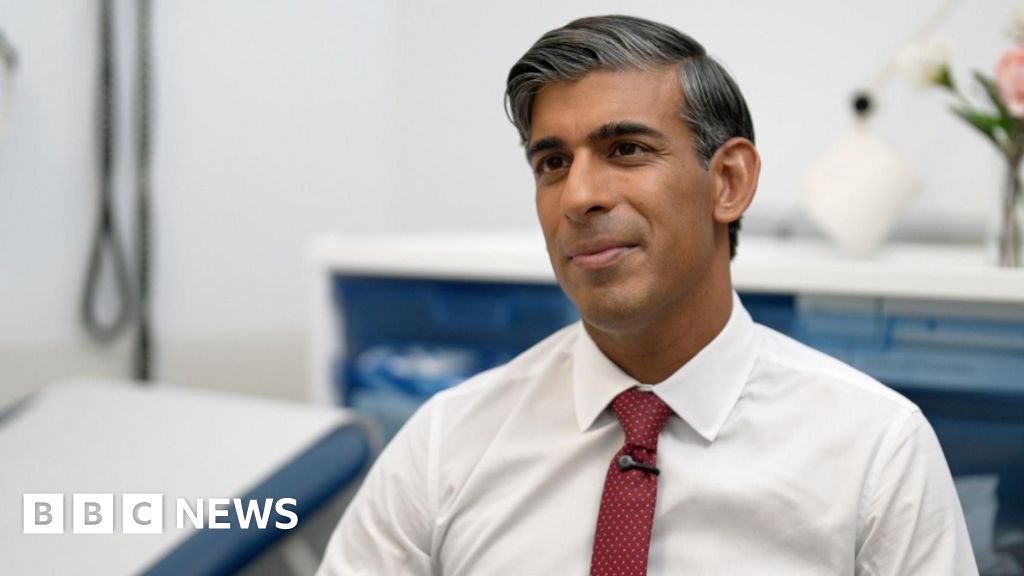
Former prime minister Rishi Sunak has stepped up his call for a targeted screening programme for prostate cancer. In a BBC interview he said he was “convinced of the urgency ” of introducing such a programme which would be affordable, deliverable and “save countless lives”.His comments come as the UK National Screening Committee reconsiders its decision from five years ago not to recommend routine screening. Media reports suggest it may stick with its current stance.Olympic cycling champion Sir Chris Hoy, who has advanced prostate cancer, wants younger men to be checked. He wants the age threshold for requesting a PSA (prostate-specific antigen) blood test lowered. Currently, it is not routinely offered to men without symptoms who are under 50. The PSA test is controversial though. Levels can rise for reasons other than cancer, such as infections, leading to false positives. Critics say this can result in unnecessary treatment and side effects.Sunak is an ambassador for Prostate Cancer Research, which is publishing a report on the costs and benefits of a targeted screening programme. It would focus on men aged 45–69 with a family history of prostate cancer and black men, who face double the risk. This group includes around 1.3 million men in the UK.The charity estimates the programme would cost £25 million a year – or about £18 per patient – similar to bowel and breast cancer screening. It assumes 20% of eligible men would be invited annually, with a 72% uptake rate. Diagnostic activity (scans and biopsies) would need to rise by 23%, with only a modest increase in NHS staffing, it says. The benefits of introducing targeted screening for those at the highest risk outweigh the financial and logistical costs, according to the report authors.Speaking to the BBC, Sunak said: “I’ve had family and friends that have been impacted by it – thankfully not lost their lives – but that partly has made me aware of why its so important we catch it early – the doctors are so brilliant now at treating you if you catch it early.”He said men, including himself, were often shy of coming forward to discuss health issues: “That’s why a proactive targeted screening programme could make a difference in helping save lives.”The screening programme backed by the Prostate Cancer Research Charity would involve an MRI scan as well as the PSA test and then a biopsy.Asked whether he might have done more while in Downing Street to push the case for prostate cancer screening, Sunak said testing had now become more reliable: “The thing that has changed is use of MRI scans so we can now much more effectively and safely target the people who most need our help – the moment is now – its deliverable and affordable”.But some medical experts are sceptical about the value of screening. They argue there is still a risk that patients will be treated for the cancer when it is not strictly necessary and will then have to live with side effects such as incontinence and erectile dysfunction.Professor Hashim Ahmed, Chair of Urology at Imperial College, says more research is needed to determine the potential value of screening.”The problem is we can often find disease that doesn’t need to be treated and we end up causing harm…and my concern at the moment is that harm to benefit equation isn’t quite right.”The National Screening Committee will have to weigh up the evidence and arguments. While the new report by Prostate Cancer Research says the implications for staffing and availability of a screening programme would be manageable, others have argued that it would take scanning capacity away from patients being treated for other conditions.Patient voices are also shaping the debate. On a recent visit to a prostate cancer clinic at Guy’s Hospital in London, Sunak met David Bateman who is 66. After asking for a PSA test he was diagnosed with the cancer at the age of 59 and was told it had spread to his pelvis. He has since been given chemotherapy, radiotherapy and hormone treatment but cannot be cured. David supports screening for those who are potentially vulnerable.”That is very important to me because of my sons – they are 38 and 40 – I want them checked as soon as possible. If I had been screened at 50 I am sure I wouldn’t be in the position I am today,” he said.

Read more →

Doctors’ union warning over online booking safety risk

16 minutes agoShareSaveHugh PymHealth editorShareSaveGetty ImagesThe doctors union, the British Medical Association (BMA), has warned that potentially serious health problems could be missed by GPs, and lead to patients being harmed, when a new online booking system is launched across England on Wednesday.But Health Secretary Wes Streeting says ministers are putting the interests of patients first and had already agreed clear safeguards with the union.The system will allow patients wanting an on-the-day GP appointment, or a call from a clinician, to make a request online throughout the day. The facility is already available in many practices and is designed to reduce long waits on the phone during the so-called ‘8am scramble’. ‘Online tsunami’The BMA says the government must halt the rollout of the online booking plan to allow changes to be put in place. The union argues that online systems cannot distinguish adequately between urgent and non-urgent patient messages, and this could lead to potentially serious cases being delayed.The BMA has also warned there would be a “potential online triage tsunami” with no additional workforce to cope with the extra demand. Union leaders say more should be done to provide safeguards, such as allowing practices to temporarily switch off the online booking mechanism if staff are struggling to handle patient numbers.The union has warned that if the government does not amend the scheme, a formal dispute will be declared. This could lead to a “work to rule” situation, similar to what was introduced in a previous dispute during which GPs limited patient appointments to the minimum required under their contract.’NHS should not be held back’But ministers argue that the BMA had agreed to the introduction of online booking as part of a new negotiated contract in England. They point out that many GPs already offer the service.Wes Streeting, Secretary of State for Health and Social Care, said it was “absurd” that in 2025 many patients can’t request appointments online. “If you can book a hair appointment online, you should be able to book an NHS appointment too. We have agreed clear safeguards, where patients will be directed to phone up or attend in person for urgent appointments. The BMA knows this. This government will always put the interests of patients first, and we will not stand for our NHS being held back in the analogue age.”Dr Katie Bramall-Stainer, chair of the BMA GP committee, said the changes were agreed to “on the condition that ‘necessary safeguards’ would be put in place” before Wednesday 1 October. “This was agreed – in writing – with government… and NHSE in February this year. Now almost eight months later, it is deeply disappointing to see promises broken,” she added.She said ministers had been warned that the changes would lead to “hospital-style waiting lists in general practice” which could “reduce face-to-face GP appointments”.Mr Streeting said that that 2,000 extra GPs had already been hired across England and that patient satisfaction with their GPs was on the up. Officials said that surgeries which had implemented the changes had reported reduced waiting times for appointments.

Read more →

What the NHS can learn from the European country that boosted cancer survival rates

20 minutes agoShareSaveHugh PymHealth editorShareSaveBBC”It was really bad – we had patients dying on the waiting lists – politicians were getting desperate.”Jesper Fisker, chief executive of the Danish Cancer Society, is looking back 25 years – to the moment Denmark decided to transform its approach to treating cancer.At that point, he says, the country did not have a strong record.”It was a disaster,” he recalls. “We saw Danish patients out of their own pocket paying for tickets to China to get all sorts of treatments – endangering their health.”Some went to private hospitals in Germany that offered new treatments unavailable in Denmark.Back then, Denmark’s record on cancer was low compared to that of other rich countries. But so was the UK’s.From 1995 to 1999, Denmark’s five-year survival rate for rectal cancer was essentially tied with the UK’s, on around 48%, according to the International Cancer Benchmarking Partnership, a research body. It put both nations well below countries like Australia, which had a 59% rate.Now, thanks to a bold plan, Denmark’s performance on cancer has jumped ahead. By 2014, its five-year survival rate for rectal cancer had risen to 69%, close to Australia’s. (The UK’s rose too, but only to 62%.)Analysts think the trend has probably continued (though these are the most up-to-date figures available). And it’s a similar story for other cancers, including colon, stomach, and lung.This Danish success story has caught the attention of UK policymakers. Health Secretary Wes Streeting says that aspects of the Danish model are feeding into government plans. Some could well be included in a new long-term cancer plan for England, due to be published in the autumn.So, what’s their secret, and can the NHS learn from Denmark?Big investments and thoughtful touchesWalking today into Herlev Hospital on the outskirts of Copenhagen makes for a rather different experience to arriving at an average NHS hospital. The foyer is hung with bright, vivid paintings by the Danish artist Poul Gernes. There are 65 in all.The philosophy is that endless white walls can unnerve patients, while colour can be a pleasant distraction from their problems.Getty ImagesIt is a sign of the attention Denmark has paid to even the atmosphere of hospitals – small, thoughtful touches, alongside investment in more traditional equipment.Dr Michael Andersen, a consultant radiologist and associate professor at the hospital, shows off a high-tech scanner, only the fourth of its kind used by any hospital around the world.Buying hospital equipment like this – particularly scanners – has been central to Denmark’s cancer strategy.”In 2008 the government made the decision to make a heavy investment into scanner systems,” Dr Andersen explains. “They purchased between 30 and 60 – they’re an integral part of the way we work.”Particularly important for cancer are CT scanners, which look deep inside a person’s body. Denmark now has about 30 of them per million people – the average of other rich countries stands at 25.9. The UK, meanwhile, lags way behind with just 8.8 scanners per million people, according to the 2021 figures.Getty ImagesThe investment in cancer equipment, according to experts, led to a huge expansion in diagnostic capacity in Denmark. Unless funding to meet increasing patient demand is made, they argue, England could continue to lag behind on the quality of care.This all comes despite the fact that Denmark’s health spending hasn’t seen a huge boost. Calculated by spending per head of the population, Denmark is ahead; but as a share of national income, its health spending is similar to, and in fact slightly below that of the UK’s.A bold set of plansThis is just one part of a bold plan drawn up by Danish health leaders. Along with introducing new equipment, and rethinking the atmosphere of hospitals, they also made it possible for patients to be treated with chemotherapy at home.New national standards govern how quickly Danes must be treated: following a referral, a cancer diagnosis has to be given within two weeks. Then, if treatment is required, it has to start within the two weeks of diagnosis.If these targets are not met patients have the right to transfer to another hospital – or, failing that, another country – whilst still being funded by the Danish health system.This is quite a contrast to the UK nations. Here, the target is for patients to start treatment within around nine weeks (officially, 62 days) of an urgent cancer referral.Getty CreativeMichelle Mitchell, chief executive of Cancer Research UK, believes that there is a lack of accountability in the English health system specifically, with too many NHS organisations. Addressing this, she says, should improve the quality of cancer care.”That means clarity over who in the government and NHS is responsible for delivering each part of the plan.”Ultimately, responsibility for the success or failure of the plan should rest with the health and social care secretary.”She points out that there are similarities between England and Denmark’s state-run health systems – for example, the roughly similar amount they spend on health as a share of national income, meaning Denmark’s example could be followed in England.But this would require a long-term plan, political leadership, higher investment, more cancer screening, and stronger targets. Which is no easy feat.Going beyond just ‘treating’ cancerElisabeth Ketelsen, who is 82, is an active person, still swimming in international events – she has broken world records for her age group. But in 2022, she discovered a lump in her breast.”I saw the doctor on Monday – on the following Thursday I had mammography and a biopsy and from then on it went so quickly my head was spinning, almost.”Elisabeth KetelsenJust three weeks after the diagnosis Elisabeth, who is from Denmark, had surgery. Radiotherapy started two weeks later.Last year, the cancer reappeared in her spine and she was immediately prescribed chemotherapy pills and hormone treatment. The cancer stabilised and she has come off chemotherapy.She has since returned to the swimming pool, competing at an event in Singapore.”The system works,” she tells me.Not all Danish patients are as complimentary, of course, but Danish health officials say their targets for rapid cancer diagnosis are being met for about 80% of their patients.Getty ImagesThis all comes down to the idea that Danish authorities are not just trying to treat cancer; they’re also keen to improve the experience of patients.Counselling houses, where therapy and companionship are offered to patients, have opened up across the country. These are funded largely by the voluntary sector with a small amount of state funding. (These follow a similar model as the Maggie’s cancer support charity in the UK.)Mette Engel, who runs a counselling centre in Copenhagen, tells me mental health is very important in Denmark’s cancer plan.”We see ourselves as a national part of this support system.”Benefits of chemotherapy at homeDenmark’s move to start treating more cancer patients away from hospitals is also part of this wider shift of Danish healthcare from hospitals into communities.Michael Ziegler, mayor of Høje-Taastrup Municipality near Copenhagen, was diagnosed with leukaemia in 2022. After a stem cell transplant, he was back at work within seven months.Ziegler had chemotherapy in his own home, using what’s known as a chemo pump.”I could have some quality of life, being able to do things at home I wanted to do instead of being stuck in a hospital room,” he says.”I also think at hospitals there is always at risk of getting infections. The chemo has the effect of reducing my immune system to a very low level so I am vulnerable to infections.”Getty ImagesThere haven’t yet been any major studies and so hard data is limited, but it’s thought by some that at-home chemo could potentially boost survival chances by lowering the risk of a patient catching an infection while in hospital.His cancer has since returned and he will be restarting treatment, including more chemotherapy and a new stem cell transplant. He says he is “feeling optimistic”.A blueprint for the NHS?The Danish health system has certain parallels with the NHS – not least as both are mainly funded by taxpayers.The two nations also face similar challenges when considering the overall health of the population. Alcohol consumption is similar in both nations, though obesity levels in Denmark are lower and smoking rates are higher. (One Danish health leader told me that they were envious of UK initiatives on smoking, with the minimum age for tobacco sales rising each year.)However, there are certain challenges specific to the UK: the population of England, for example, is nearly 10 times larger than Denmark’s population. And the NHS is a complex organisation.Still, ministers have made no secret of their interest in the Danish system, with an official visit earlier this year.Wes Streeting, the UK Health Secretary, says: “Denmark’s healthcare system is known the world over for its excellence, having transformed outcomes through its cancer plans, and Health Minister Karin Smyth’s trip to the country earlier this year offered us vital insights up close.”Mr Streeting says these insights have “fed into” government health plans to “speed up cancer diagnoses and deliver cutting edge treatments to the NHS front line quicker”.Michelle Mitchell of Cancer Research UK agrees that Denmark offers a useful template. “They are diagnosing cancer earlier, people are surviving longer, more people are taking up screening – all of those factors as well as investment in workforce and kit are critical components of a cancer plan.”She argues that British health ministers could move towards Danish-style national waiting time targets rather than the UK’s current system of “benchmarks”, which are weaker and haven’t been met since 2015.’This is unfinished business’The greater challenge for the NHS though, is that there are so many other problems – crowded A&E departments, overstretched staff and, as one analyst put it, “multiple fires burning” – meaning that it can be difficult to persuade health leaders to focus on cancer survival.Ruth Thorlby, assistant director of policy at The Health Foundation think tank, says that policymakers in London and Copenhagen both realised at the same time, in the 1990s, that cancer needed urgent attention and urgent plans were drawn up.But whilst Danish policymakers saw policies through, she argues that in the UK the momentum “dissipated”, as other priorities and short-term problems emerged.”This is unfinished business – over the last decade there has been a move away from cancer plans,” she says.PA WireAt the heart of Denmark’s success was a sense of political consensus. From the 1990s onwards, figures from all major parties agreed that cancer should be a priority. This is a level of agreement the UK has not managed to reach, she says.Mr Fisker of the Danish Cancer Society argues that the usual cut-and-thrust of party politics needs to be set aside. “Politicians must promise each other there is going to be a long, lasting partnership. And health leaders need to operate on a 10-, 15-, 20-year basis,” he says – longer than the life of any one government or party.But does he think that’s possible in the UK? After all, Westminster is not known for much long-term, cross-party thinking.”If you are really decisive, if you really want to do this and are committed to it over a period of time, and you are also ready to invest then I think it can be done,” he says.With a pause, he adds: “Nothing comes without investment.”More from BBC InDepthBBC InDepth is the home on the website and app for the best analysis, with fresh perspectives that challenge assumptions and deep reporting on the biggest issues of the day. And we showcase thought-provoking content from across BBC Sounds and iPlayer too. You can send us your feedback on the InDepth section by clicking on the button below.

Read more →

Best and worst-performing NHS Trusts in England named

New league tables rating the performance of NHS trusts in England have been published for the first time, with specialist hospitals taking the top slots.Number one is Moorfields Eye Hospital NHS Foundation Trust, followed by the Royal National Orthopaedic Hospital NHS Trust and cancer centre the Christie NHS Foundation Trust.At the bottom is Queen Elizabeth Hospital in King’s Lynn, which has had major problems with its buildings because of structural weaknesses and the need for props to hold up ceilings. Health Secretary Wes Streeting said the tables would help inform the public and allow them to exercise choice – but trusts have questioned whether they were using the right metrics.The rankings score NHS trusts on seven different areas including waiting times for operations, cancer treatment, time spent in A&E and ambulance response times. Their finances are also assessed, and it is possible that a hospital rated highly for clinical care will be marked down if they are running up a larger than expected deficit.They are then sorted into four categories, the first of which reflecting the best performers and the last listing the worst.The public will be able to use the league tables check the performance of their local hospital, ambulance service or mental health trust.For instance, Moorfields in London tops the list of trusts with a score of 1.39, while the Queen Elizabeth Hospital has a score of 3.35.A spokesperson for the Queen Elizabeth Hospital said: “Our patients deserve the highest standards of care, and we are sorry that in some of our performance areas… we have fallen short. Immediate steps are being taken to address the issues.”The Countess of Chester hospital, in north-west England, came second to last. The hospital had its emergency services department rated inadequate by the Care Quality Commission last month. Streeting told BBC Breakfast that the league tables would “help to hold me to account and help me hold to account the performance of NHS leaders across the country”.Trusts in England will be ranked every three months – with the top performers given more power over how they spend their money and those lower down encouraged to learn from the best trusts and receive support from national officials.But NHS Providers, which represents trusts, said there were questions over whether the league tables were accurately identifying the best performing organisations.Chief executive Daniel Elkeles said: “For league tables to really drive up standards, tackle variations in care, and boost transparency, they need to measure the right things, be based on accurate, clear and objective data and avoid measuring what isn’t in individual providers’ gift to improve.”He added that anything less could have unintended consequences that might affect patients’ confidence in their local health services.The Department of Health said that from next year the best performing trusts would have more freedom to develop services around local needs – while those underperforming would receive “enhanced support” but their bosses could also have pay reduced.The highest rated leaders will be offered bigger pay packets in exchange for attempting to turn around struggling trusts.Thea Stein, chief executive of the Nuffield Trust think tank, said it was understandable that the government was focussed on winning back public trust but added a note of caution.”There’s a risk that trusts will focus only on the measures that immediately boost their ranking, even if it’s not necessarily best for patients,” she said. “As finances have a particular sway on the rankings, this is of limited use for patients trying to choose the best hospital for their care.”Chris McCann from Healthwatch England said any league table must inform instead of confuse people. “It will be essential that the new dashboard clearly communicates the information that is most important to patients and that it is as accessible as possible,” he said. From next summer, the tables will be expanded to cover integrated care boards, which are responsible for planning health services at a local level.Streeting singled out for praise Northumbria Healthcare NHS Foundation Trust, which was the highest ranking non-specialist NHS trust and ninth overall.He said the trust had been able to integrate its A&E response with community services so people could receive care at home, keeping appointments free for planned operations and procedures.

Read more →

Plan to boost jobs for newly-qualified nurses and midwives

New measures to make it easier for NHS employers in England to take on newly qualified nurses and midwives have been announced by the government.The move comes after warnings there are up to three times more graduates than vacancies in some areas of the health service.The aim is to free up trusts in England to recruit more easily by cutting red tape and simplifying regulations, including allowing them to employ staff based on what they think they might need and before vacancies formally arise.The Royal College of Nursing welcomed the move but said the test would be if students could actually find jobs. Employers said it was not clear how the new measures would be fully funded.Health officials said there were 4,000 more nursing and midwifery graduates than vacancies. This is out of a total of 24,870 who have already graduated or are due to over the next six months.New measures would also see some support worker posts be temporarily converted to midwifery roles to create new openings for graduates.The Department of Health said the changes would tackle concerns about jobs after record numbers chose to train for NHS professions during the pandemic – with fewer nurses and midwives quitting. Health Secretary Wes Streeting said: “It is absurd that we are training thousands of nurses and midwives every year, only to leave them without a job before their career has started. “I am sending a clear message to every newly qualified nurse and midwife. We’re here to support you from day one so you can provide the best care for patients and cut waiting lists.”The Royal College of Nursing general secretary Prof Nicola Ranger said she welcomed the news, noting it should “provide hope to students”, but added a note of caution.”When the health service urgently needs nursing staff, it was absurd to leave people in limbo,” she said. “The test of this will be if students can find jobs, vacant posts are filled, and patients receive the care they deserve.”Gill Walton, chief executive of the Royal College of Midwives, said: “We’re pleased that the government has listened to the voices of student midwives who are desperate to start their career, only to find those opportunities blocked. “I know today’s announcement will come as a relief to student midwife members.”But it was not clear in the announcement what extra money there might be for employers already under pressure to cut costs. Daniel Elkeles, chief executive of NHS Providers which represents trusts, said it was good that staff concerns were being addressed – but added that there were questions over the finances.He said: “It’s not clear how this will be fully funded, nor what it could mean for other staff groups facing similar challenges.”Trust budgets are already under enormous pressure. There is no spare money.”The health union Unison said ministers should also deal with a lack of opportunities for new graduates in occupational therapy as well as paramedics and other professions.The attempts to make it easier for newly qualified nurses and midwives to get jobs comes at a time of a growing row with the government over NHS pay in England.The Royal College of Nursing is calling for talks with ministers over pay issues after a consultative ballot of members showed a large majority opposing the 3.6% pay award. Future strike action has not been ruled out.Another health union, the GMB, has said there will be talks on Monday at the Department of Health after its members also came out against the wage award in a ballot.

Read more →

Some GPs to offer coaching to get sick people back to work

12 minutes agoShareSaveShareSaveGetty ImagesGP surgeries in England can offer advice to patients on getting back to work, including career coaching or exercise classes, as part of a pilot project to reduce the number of people who are signed off work sick. The aim is to help people return to the workplace more quickly to reduce the length of time they need fit notes – better known as sick notes.These are issued by health professionals if a patient is unwell or cannot work for more than seven days.A total of £1.5m is being made available to 15 regions in England, and will be shared between GP practices in these areas to hire coaches or occupational therapists to support patients in their return to work. The Health and Social Care Secretary Wes Streeting said: “It’s about fundamentally changing the conversation from ‘you can’t’ to ‘how can we help you?’ “When someone walks into their doctor’s surgery worried about their job, they should walk out with a plan, not just a piece of paper that closes doors.”Health staff would be offered training to give work and health advice. People could be pointed towards fitness classes or career coaching.In one case quoted by the government, a woman who was off work with a fractured ankle had an assessment with a fitness adviser and was referred for a 12-week exercise programme with the aim of strengthening the ankle.The Department of Health and Social Care says that of 11 million fit notes issued electronically in England last year, 93% simply declared people “not fit for work” with no alternative support offered.This new scheme expands on an initiative launched last October in the same 15 regions called WorkWell, jointly run by the Departments of Work and Pensions and Health and Social Care.It involves NHS staff referring patients to other services. People in work but at risk of quitting have been given advice on mental health in the workplace. In the new scheme, those out of work will be referred by NHS staff to services that offer support for finding a job, such as CV and interview techniques and liaising with employers on appropriate support.Ministers say the policies are part of the move across government to encourage more people back into work with 2.8 million currently out of the workforce due to health conditions. The Royal College of GPs said it recognised the health benefits of being in work and GPs would encourage it where safe to do so, but added that doctors did not issue fit notes without good reason. Professor Kamila Hawthorne, chair of the College, said: “We want to work alongside the Government on this scheme so it’s important that it is not presented as a punitive measure for patients.”Prof Hawthorne also stressed that the new scheme should also not be punitive for “hardworking GPs”, who are “doing their best under enormous pressures, caused by historic underfunding and poor workforce planning”,WorkWell is operating in 15 English regions and the new fit note initiative will provide £1.5m to be shared between them. The regions are Birmingham and Solihull; Black Country; Bristol, North Somerset and South Gloucestershire; Cambridgeshire and Peterborough; Cornwall and the Isles of Scilly; Coventry and Warwickshire; Frimley; Herefordshire and Worcestershire; Greater Manchester; Lancashire and South Cumbria; Leicester, Leicestershire and Rutland; North Central London; North West London; South Yorkshire; Surrey Heartlands.

Read more →

Hospices are at centre of debate over assisted dying bill – what do they think?

20 minutes agoShareSaveHugh PymHealth editorLesley HitchenBBC NewsShareSaveBBCAs a nurse who supports terminally ill patients to die in their own homes, Angelina Blair sees first hand the last few hours of people’s lives.”There are times where you put on a brave face, you smile, you give the care that’s right and when you leave the patient’s home you go and talk to your colleagues or maybe shed a few tears,” she says.”Even if I’ve dealt with four deaths in a day, I’ve been able to have a family say that it was great, that mum, dad, sister was at home where they wanted to be.”She works for Rowcroft Hospice in Torquay, Devon, which supports 2,500 patients and their loved ones each year, most of whom choose to die in their own homes.It is one of more than 200 hospices represented by the charity Hospice UK. These are at the centre of palliative (end-of-life) care in the country – and as a result, at the centre of the current debate over the assisted dying bill, too.The bill would allow terminally ill adults with six months or less to live the right to medically end their lives in England and Wales. A key Commons vote is expected to take place this Friday which would determine whether the bill progresses to its next parliamentary stage.Many in support of assisted dying say it would give terminal patients autonomy about how they die. But many of those opposed to it argue that policymakers should instead focus on improving palliative care, and some worry that patients undergoing end-of-life care would feel pressured to have an assisted death.BBC News visited Rowcroft hospice to understand what staff think about that debate. We found uncertainty over how legalising assisted dying would affect their services, and concern about funding shortages.”I feel very passionately about people having a choice about their life and what quality of life somebody lives with,” Angelina says. “But being involved in actually administering medication that would end somebody’s life knowingly, I don’t know.”Hospices are not fully paid for by the government. Three quarters of Rowcroft’s income comes from charity, such as fundraising events, legacies and donations from local people.Rowcroft has only 12 inpatient beds as most of its patients opt to die at home, but other hospices have had to keep beds empty and lay off staff because of cost pressures.Recent increases in employer national insurance contributions could hardly have come at a worse time, according to sector leaders. And according to Hospice UK, the death rate in the UK is expected to increase over the next two decades, such that by 2040, about 130,000 more people in the UK are expected die each year than in 2023.”I have no doubt, personally, if the [assisted dying] bill became law, that would be fully funded,” says Rowcroft’s chief executive Mark Hawkins.”Shouldn’t the government be funding palliative and end-of-life care now, to a greater extent, to ensure that we all have access to the best possible end-of-life and palliative care?”The Department of Health says £100 million extra was provided to adult hospices in England this year for buildings and equipment and that the government is committed to ensuring every person has access to high quality and compassionate end-of-life care.Jabez Petherick has incurable kidney cancer. He was transferred to Rowcroft after several weeks in hospital, during which he says he had dark and desperate times because of the pain. But he says hospice care has made a big difference.”I used to go to bed, dread waking up, didn’t want to wake up, I didn’t want to wake up, because I knew the pain would start as soon as I woke up,” he says. “And gradually it stopped. And I don’t know how they did it but thank goodness they did.”The shifting views of patients in some cases is something which Jo Jacobs, a staff nurse, has noticed.”I feel that it’s very easy when patients first come in that they feel like they want to end their life, but they change their minds. “And it’s allowing patients to have that choice, but then also it could be quite scary that they’ve opted to end their life, but in a few weeks’ time they’re saying something completely, very different.”Respecting a patient’s right to choose is all important, says Vicky Bartlett, the director of patient care at Rowcroft. “For my patients that I’m caring for, I want them to be able to make an informed choice,” she says.”And I want that choice to be around assisted dying, if that becomes law, but I also want that choice to be around palliative care.”Hospices have a lot to think about as the debate on the bill progresses. Hospice UK has welcomed a new clause in the bill which requires the government to consult with palliative and end-of-life providers.But its chief executive Toby Porter argues there is still a lot to consider. “It is inevitable that a change in the law would create many complex and often competing challenges,” he says.”But the precise nature of those challenges will not be apparent until there is clarity on where assisted dying would sit in the health and social care system, and the role hospices might be expected to play.”He says the bill has given no details on this and there has been no formal consultation with hospices.Pain is a key symptom for many terminally ill patients and having the choice to free oneself from the extremes of it and have a dignified death is what drives many of those in support of assisted dying. The message from Rowcroft is that if it is made legal they will have to weigh up a number of factors, including the views of the local community and staff, before deciding whether to provide that option to patients.Since recording our interview Jabez has sadly died. He and his family granted the BBC permission to use his words after his death, to pay tribute to the staff at Rowcroft.Family handout

Read more →

Nurses to vote on pay deal as potential strike looms

Almost 350,000 nursing staff in England, Wales and Northern Ireland will be asked to vote from Monday on a 3.6% pay increase.The Royal College of Nursing (RCN) has already dismissed the award as “grotesque” and says the vote will be crucial in determining the next steps which could include a ballot for strike action.The government says that as a result of the pay rise, nurses will earn more than £30,000 as a new starter for the first time ever.A bitter pay dispute saw nurses striking in England, Wales and Northern Ireland from late 2022 and through the winter, with some members of other health unions staging walkouts over pay.With the possibility of another round of industrial action looming, the vote is being billed as the biggest single vote by the profession ever launched in the UK. Patricia Marquis, executive director of RCN England, told BBC Radio 4’s Today programme that the vote was a consultation on the pay award and not a strike ballot at this stage.The RCN has not set a date for the consultation to close.Ministers in England, Wales and Northern Ireland all announced pay awards following review body recommendations.There was a 5.4% average increase for resident doctors, formerly known as junior doctors, 4% for consultants and other senior doctors, and 3.6% for nurses and other health workers.RCN General Secretary Professor Nicola Ranger said that the government had “once again put nursing at the back of the queue when it comes to pay”.”Nursing is an incredible career, but despite being the most valued profession by the public we continue to be weighted to the bottom of the NHS pay scale and are set to receive one of the lowest pay awards.”According to Ms Ranger, nursing staff in England have endured “over a decade of pay erosion”, which has resulted in “skyrocketing” numbers of nurses quitting.”It is time to show that nurses are valued and, from today, hundreds of thousands of nursing staff working in the NHS will give their verdict on whether 3.6% is enough,” Ranger said.The Department of Health and Social Care, covering England, said the pay rise on the table was the second above inflation increase for NHS staff in the last 10 months. “We’ve accepted the pay recommendations in full because we value every NHS professional’s contribution to patient care,” a spokesperson said.”We can’t undo a decade and a half of neglect in less than a year, but together with NHS staff this government is rebuilding their pay and rebuilding our health service.”Resident doctors in England are already being balloted on strike action over pay. Other health unions are organising votes on the pay awards. All this may cast a shadow over a government 10-year plan for the NHS in England due in the next few weeks.The Scottish government has already agreed a two-year 8% pay offer with health unions.

Read more →