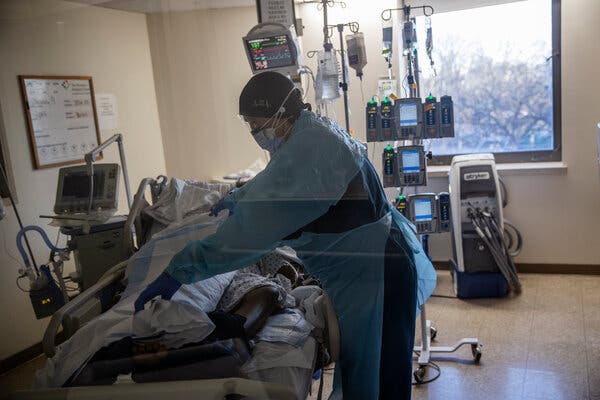
KK Shailaja: Revisiting Covid front lines with India's 'Corona' slayer

Published8 hours agoShareclose panelShare pageCopy linkAbout sharingImage source, Juggernaut PublicationBy Zoya MateenBBC News, DelhiEarth has something like a billion species of bacteria, fungi and other microbes, and KK Shailaja was fascinated by each one of them. To her, they were like atoms, the real, tiny things that make up and hold the world together. But little did she imagine that she would one day be responsible for leading the fight against a shape-shifting, life-threatening virus that would ravage the world and threaten to overrun her home Kerala, a picturesque southern Indian state of 35 million people. Fondly known as “teacher”, Ms Shailaja scripted a rare success story in fighting the Covid-19 pandemic as the health minister of Kerala in 2020, which catapulted her to worldwide fame. The Guardian called her a “corona slayer”, the Financial Times named her as one of the 12 most influential women of 2020. She was invited as a panellist at the UN Public Service Day and the UK’s Prospect Magazine named her as the top thinker of the Covid age. Her experiences – of leading a state through the pandemic and of growing up in India’s only Communist state – make the backbone of her new political memoir, My Life As A Comrade, which released on Thursday. As a physics teacher, scientific thinking always remained an integral part – a “default position” – to Ms Shailaja’s decision-making process as the health minister, she told the BBC. “In my mind, Covid-19 reaching India was always inevitable and dealing with it was a matter of when, not if,” she says. But the die-hard Communist in her saw connections in everything. “In our lush, wooded neighbourhood, superstition, religion and socialism were never at odds; you could believe in all those things at once,” she writes. Ms Shailaja, who grew up in a small town in Kannur district, says she was deeply inspired by her Ammamma or grandma, a staunch Communist leader who helped tackle a smallpox outbreak in Kerala. Through her Ammamma, she learnt of the ways the Communist party tackled fear and misinformation and taught people how to deal with the infectious disease. Ms Shailaja said she never imagined that she would one day be in charge of doing the same thing. Image source, Getty ImagesIn January 2020, Kerala reported India’s first Covid-19 case – a medical student who had returned from Wuhan. At the time, coronavirus wasn’t part of the popular lexicon and hardly anyone was discussing it in India, Ms Shailaja says. But in Kerala, the state government had already set up 18 rapid response teams, opened a control room and deployed medical officers at the state’s four airports so that people could voluntarily declare any symptoms. In a pandemic characterised by extreme uncertainty, Ms Shailaja said the government used its Nipah virus protocol – the state had successfully fought an outbreak in 2018 – “and made changes based on what was already understood about Covid”. Ms Shailaja said she had two options – either allow the virus to spread so that people could attain herd immunity. Or, contain its spread by detecting cases early, tracing contacts and quarantining the infected.She knew a virus like this was deadly not only because it was highly transmissible, but because it was capable of exploiting a country’s underlying shortcomings – a chronically underfunded health care system, unequal access, and a dearth of necessary safety nets. Kerala fares better than most states on these indices, but the state is densely populated and 15% of its people are over 60 years of age. It is also majorly exposed to international travel and has some 17% of its working-age population employed outside, leaving the state vulnerable to outbreaks. “Containment was the only way forward,” she said, and the state decided to stick to the playbook of test, trace and isolate. Image source, Getty ImagesFor some months, Kerala seemed primed to contain the virus. There were days when it reported no new cases. Testing was widespread, deaths were low and the health system – the most sophisticated in the country – was not overburdened. “We even managed to save people of 98 years of age,” Ms Shailaja said. But by mid-July, the state began reporting around 800 infections a day and by November, Kerala had recorded more than 500,000 infections.In the summer of 2021 when a deadly second wave claimed thousands of lives, Kerala – a state with barely 3% of India’s population – began accounting for more than half of India’s new cases. Infections surged and showed no signs of abating even as the pandemic waned in other parts of the country – although the death rate remained low.As the state floundered at controlling the virus, criticism against its government mounted.Experts said Kerala’s contact tracing mechanism, which had been its strong point during the first wave, had not shown the same efficacy in the second phase. Many said Kerala had also made the mistake of allowing festivals to go ahead, leading to mass gatherings. Even the policy response, experts said, had been anaemic – and though the state initially had managed to “flatten the curve”, the time they bought was wasted. Image source, Getty ImagesMs Shailaja said some of the criticism was unfair. “Because we did so well in the first phase, every reported Covid case in the state began to carry a whiff of failure.” Also, despite the rising number of cases, hospitals in Kerala were not overwhelmed and our mortality rate remained low throughout, she added.But experts believe that Kerala’s relatively low fatality rate did not tell the whole story. Reports alleged substantial undercounting of deaths in the state, claiming it was not adding suspected cases to the final count, and was attributing deaths to underlying health conditions. In her memoir, Ms Shailaja rejects the allegations. “We did the best job we possibly could,” she told the BBC. Many experts too say that Kerala did an admirable job in controlling the spread of coronavirus when compared to the poor performance of other Indian states. “I think the most important thing we did was also the simplest: we took Covid seriously,” Ms Shailaja said. But it was the state government’s socialist foundation of “putting people at the centre of their policy”, which made the difference, she added.The health sector cannot exist in isolation, Ms Shailaja says. That’s because diseases are not merely a battle between a host and a microscopic enemy, playing out in a person’s body – they exceed the individual and affect the entire society. And the virus cannot be fought only with vaccines. “It requires more systemic reforms for overall social development. After all, everything is interconnected,” she says.BBC News India is now on YouTube. Click here to subscribe and watch our documentaries, explainers and features.Read more India stories from the BBC:Protesting India wrestlers say police assaulted themWill Pakistan minister’s rare visit thaw ties with India?The ‘dancing on the grave’ murder that shook IndiaIndia’s Go First cancels flights after bankruptcyMore on this storyHow India volunteers ‘exposed’ hidden Covid deaths20 November 2020The Indian state which is a Covid mystery3 August 2021

Read more →
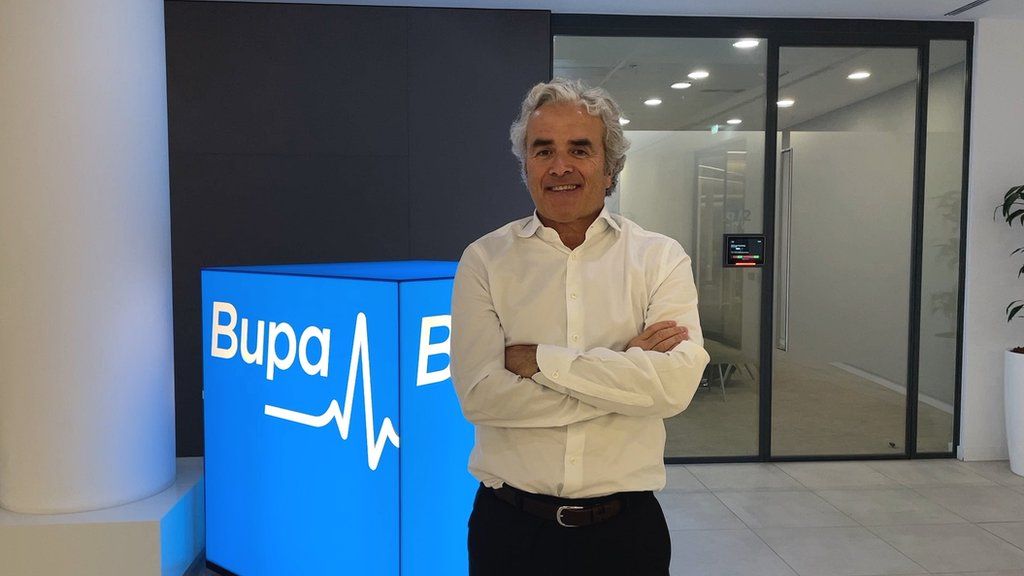

World not ready for next pandemic, says Bupa boss

Published8 hours agoShareclose panelShare pageCopy linkAbout sharingBy Dougal ShawBusiness reporter, BBC NewsGovernments and healthcare bodies around the world have not learnt the lessons from Covid-19 and are not ready for another pandemic, according to the boss of private healthcare firm Bupa.”We might face [another pandemic] soon,” Iñaki Ereño said.Hospitals must be ready to treat infected and non-infected people separately, Mr Ereño told the BBC.In the UK the unprecedented number of hospital admissions caused by Covid-19 put the NHS under severe strain.”The main question is: have we all [around the world] learned a lot, so next time we are ready? My belief is that is not the case,” Mr Ereño said. Countries need to consider how to minimise disruption to routine healthcare in any future pandemic, he believes.”That is something that cannot happen again. We cannot stop the normal delivery of healthcare to people that need us,” says Mr Ereño, pointing to pregnant women and cancer patients.”The planning was not good, we cannot empty the hospitals and the clinics just for [a disease like] Covid, and allow people who were going through very severe episodes to stay at home.”Bupa offers private healthcare insurance to 24 million customers globally. It has 82,000 employees and had a turnover of £14bn last year.It also runs its own clinics and hospitals, such as the Cromwell Hospital in London.In some countries like Spain its hospitals were used for the treatment of Covid patients. More than half of Spanish hospitals are privately run.Mr Ereño believes hospitals need to be ready to be segregated, or alternatively, separate hospitals could be designated for just treating infected people in a future pandemic.Image source, BupaMaking sure hospitals in the UK are better prepared for a future pandemic is a good idea but may be hard to implement, says Paul Elkington, professor of respiratory medicine at Southampton University.”Another pandemic is inevitable,” he says, “but since Covid-19 the NHS has been hit by a sequence of challenges including staff striking across the sector, the Ukraine war creating supply chain disruption and high energy costs. With all these day-to-day issues it’s very hard for NHS managers to focus on the next pandemic.”He says investment would be needed to modify buildings to have things like “clean entrances” for non-infectious people. While private healthcare providers stepped in during the pandemic to help clear non-urgent care waiting lists, this is not ultimately sustainable, says Prof Elkington.LISTEN: Preparing for the next pandemicHow hospitals could avoid future PPE chaosMr Ereño also questioned whether countries had enough personal protective equipment (PPE) in stock.”Do we have already all the protective equipment [we need in every country] ready just in case there is another pandemic? My guess is that not in every place. It is not happening as it should be. “But we have the protective equipment we need for our people [in Bupa].” Image source, Getty ImagesThe British Medical Association (BMA) released a report last year that was critical of PPE preparedness in the NHS prior to the pandemic.Prof David Strain, chair of the BMA board of science, says that more needs to be learned.”Large stockpiles alone aren’t enough: the PPE we have must be fit for use. The medical workforce is diverse, which means we need PPE for different face and body shapes, varying hair textures, head coverings, and facial hair. This was a failing at the outset of the pandemic and still hasn’t been addressed for those NHS staff dealing with Covid today.”A Department of Health and Social Care spokesperson said: “We are committed to learning lessons from the pandemic and have already concluded a review of emergency preparedness measures, which includes PPE, that need to be available in the event of a future pandemic.”This is already making a difference, helping to ensure our future hospitals can adapt to changing health needs as part of our New Hospital Programme.”An independent public inquiry into the Covid-19 pandemic was set up in the UK last year, chaired by Baroness Heather Hallett. Its report will include advice on what lessons can be learned.You can follow business reporter Dougal Shaw on TwitterMore on this storyHow hospitals could avoid future PPE chaos23 FebruaryBonfire of PPE attacked by spending watchdog10 June 2022

Read more →

W.H.O. Dismisses Covid Origins Investigator for Sexual Misconduct

Peter K. Ben Embarek led a contentious international investigation into the origins of the Covid-19 pandemic.The World Health Organization dismissed a lead investigator into the origins of the Covid-19 pandemic “following findings of sexual misconduct,” according to an agency spokeswoman.Peter K. Ben Embarek, an expert on food safety and animal-borne diseases, was dismissed last year; the dismissal was reported by The Financial Times on Wednesday.The findings stem from events that took place in 2015 and 2017, Marcia Poole, the W.H.O. spokeswoman, said in an email. The agency’s investigations team first learned about the allegations in 2018. At the time, “there was a significant backlog,” and the resulting investigation and administrative processes took several years, she said.The agency did not provide further details on the nature of the complaints but noted that there were other allegations against Dr. Ben Embarek that “could not be fully investigated” because the victim or victims did not want to participate in the process.Dr. Ben Embarek could not immediately be reached for comment. But he told Reuters that a 2017 incident had been settled. “I am not aware of any other complaints, and no other complaints have ever been brought to my attention,” he said, according to Reuters. “I duly contest the qualification of harassment, and I am quite hopeful in the defense of my rights.”In 2021, Dr. Ben Embarek led a W.H.O. mission to Wuhan, China, to probe the origins of the Covid-19 pandemic. International experts selected by the W.H.O. worked with experts from China to conduct the joint investigation, which China had repeatedly delayed.At a news conference in Wuhan, Dr. Ben Embarek said that it was “extremely unlikely” that the virus leaked from a Wuhan laboratory, pointing to the lab’s safety precautions. “All the work that has been done on the virus and trying to identify its origin continue to point toward a natural reservoir,” he said at the news conference.The W.H.O. team was criticized for advancing narratives pushed by Chinese officials, including that the virus might have originated outside of China and could have spread through shipments of frozen food. At the news conference, the visiting scientists praised the Chinese experts.But some members of the mission later said that China had withheld requested data. And in an interview with Science, Dr. Ben Embarek acknowledged that the team was working in a tricky political environment.“The politics was always in the room with us on the other side of the table,” he told Science. “We had anywhere between 30 and 60 Chinese colleagues, and a large number of them were not scientists, not from the public health sector.”As the team prepared to release its findings, U.S. officials expressed concern that the Chinese government had too much control over the contents of the final report.The report concluded that “introduction through a laboratory incident” was “extremely unlikely” and that introduction through the food chain was “possible.” But the most likely source of the virus was spillover from an animal, they concluded.The lab leak theory remains contentious; it has gained support in recent months, and U.S. intelligence agencies have come to different conclusions about the pandemic’s likely origins. Most virologists believe that the virus emerged from an animal at a market in Wuhan. But definitive evidence, for any of the theories, remains elusive.Dr. Ben Embarek also led the W.H.O.’s One Health initiative, which is devoted to connections between human, animal and environmental health.The W.H.O. has also come under fire in recent years for failing to take strong enough action against sexual misconduct. In 2021, investigators found that people working for the agency had sexually abused or exploited women and girls during an Ebola outbreak in the Democratic Republic of Congo.“Over the past 18-20 months, W.H.O. has embarked on a comprehensive program to drive systemic change throughout the organization to prevent and respond to sexual misconduct,” Ms. Poole said in an email. The agency has cleared its backlog and aims to complete future investigations in 120 days or less, she said.A new sexual misconduct policy went into effect in March. The new policy “is a key part of making ‘zero tolerance’ a reality and not merely a slogan,” Tedros Adhanom Ghebreyesus, the W.H.O.’s director general, said in a statement at the time.

Read more →

Elevated levels of toxic metals in some mixed-fruit juices and soft drinks

A new study has found that some commonly consumed beverages contained levels of toxic metals that exceed federal drinking water standards.
Five of the 60 beverages tested contained levels of a toxic metal above federal drinking water standards, according to the study from Tulane University. Two mixed juices had levels of arsenic above the 10 microgram/liter standard. A cranberry juice, a mixed carrot and fruit juice and an oat milk each had levels of cadmium exceeding the 3 parts per billion standard.
The sampled beverages, which included those commonly found in grocery stores — single and mixed fruit juices, plant-based milks, sodas, and teas — were measured for 25 different toxic metals and trace elements. Mixed-fruit juices and plant-based milks (such as oat and almond) contained elevated concentrations of toxic metals more often than other drinks, according to the findings published in the Journal of Food Composition and Analysis.
All told, seven of the 25 elements exceeded drinking water standards in some of the drinks, including nickel, manganese, boron, cadmium, strontium, arsenic, and selenium. While lead was detected in more than 93% of the 60 samples, most contained very low levels, below 1 part per billion. The highest level (6.3 micrograms/kg ) was found in a lime sports drink, though that’s below both EPA and WHO standards for drinking water.
Tewodros Godebo, lead author and assistant professor of environmental health sciences at Tulane University School of Public Health and Tropical Medicine, said the study was important because there are few peer-reviewed studies examining the contents of American beverages.
“It was surprising that there aren’t a lot of studies out there concerning toxic and essential elements in soft drinks in the United States,” Godebo said. “This creates awareness that there needs to be more study.”
These soft drinks are often consumed in smaller quantities than water, meaning the health risks for adults are most likely low. But Godebo said parents should be cautious about what drinks they offer their children.

“People should avoid giving infants and young children mixed-fruit juices or plant-based milks at high volume,” Godebo said. “Arsenic, lead, and cadmium are known carcinogens and well established to cause internal organ damage and cognitive harm in children especially during early brain development.”
Godebo said most of these elements found in beverages presumably come from contaminated soil.
“These metals are naturally occurring so it’s hard to get rid of completely,” Godebo said.
Hannah Stoner and Julia Ashmead, Tulane University students who participated in the study, said they hope the findings encourage people to think more about what they consume.
“I don’t think there needs to be fear,” Stoner said. “In toxicity, it’s the dosage that often makes the difference so everything in moderation. But this creates awareness that there needs to be more study.”
Godebo said the next step is to conduct a risk assessment based on the data collected to see the impacts of consuming toxic metals in children and adults.
“We are curious to keep exploring what’s in our drinks and foods commercially sold to the consumers,” Godebo said.

Read more →

CRISPR and single-cell sequencing pinpoint causal genetic variants for traits and diseases

A major challenge in human genetics is understanding which parts of the genome drive specific traits or contribute to disease risk. This challenge is even greater for genetic variants found in the 98% of the genome that does not encode proteins.
A new approach developed by researchers at New York University and the New York Genome Center combines genetic association studies, gene editing, and single-cell sequencing to address these challenges and discover causal variants and genetic mechanisms for blood cell traits.
Their approach, dubbed STING-seq and published in Science, addresses the challenge of directly connecting genetic variants to human traits and health, and can help scientists identify drug targets for diseases with a genetic basis.
Over the past two decades, genome-wide association studies (GWAS) have become an important tool for studying the human genome. Using GWAS, scientists have identified thousands of genetic mutations or variants associated with many diseases, from schizophrenia to diabetes, as well as traits such as height. These studies are conducted by comparing the genomes of large populations to find variants that occur more often in those with a specific disease or trait.
GWAS can reveal what regions of the genome and potential variants are implicated in diseases or traits. However, these associations are nearly always found in the 98% of the genome that does not code for proteins, which is much less well understood than the well-studied 2% of the genome that codes for proteins. A further complication is that many variants are found in close proximity to each other within the genome and travel together through generations, a concept known as linkage. This can make it difficult to tease apart which variant plays a truly causal role from other variants that are just located nearby. Even when scientists can identify which variant is causing a disease or trait, they do not always know what gene the variant impacts.
“A major goal for the study of human diseases is to identify causal genes and variants, which can clarify biological mechanisms and inform drug targets for these diseases,” said Neville Sanjana, associate professor of biology at NYU, associate professor of neuroscience and physiology at NYU Grossman School of Medicine, a core faculty member at New York Genome Center, and the study’s co-senior author.

“The huge success in GWAS has highlighted the challenge of extracting insights into disease biology from these massive data sets. Despite all of our efforts during the past 10 years, the glass was still just half full — at best. We needed a new approach,” said Tuuli Lappalainen, senior associate faculty member at the New York Genome Center, professor of genomics at the KTH Royal Institute of Technology in Sweden, and the study’s co-senior author.
A cure for sickle cell anemia
A recent scientific breakthrough in the treatment of sickle cell anemia — a genetic disorder marked by episodes of intense pain — illustrates how combining GWAS with cutting-edge molecular tools like gene editing can identify causal variants and lead to innovative therapies. Using GWAS, scientists identified areas of the genome important for producing fetal hemoglobin, a target based on its promise for reversing sickle cell anemia, but they did not know which exact variant drives its production.
The researchers turned to CRISPR — a gene editing tool that uses “molecular scissors to cut DNA,” according to Sanjana — to edit the regions identified by GWAS. When CRISPR edits were made at a specific location in the noncoding genome near a gene called BCL11A, it resulted high levels of fetal hemoglobin.
CRISPR has now been used in clinical trials to edit this region in bone marrow cells of dozens of patients with sickle cell anemia. After the modified cells are infused back into patients, they begin producing fetal hemoglobin, which displaces the mutated adult form of hemoglobin, effectively curing them of sickle-cell disease.

“This success story in treating sickle cell disease is a result of combining insights from GWAS with gene editing,” said Sanjana. “But it took years of research on only one disease. How do we scale this up to better identify causal variants and target genes from GWAS?”
GWAS meets CRISPR and single-cell sequencing
The research team created a workflow called STING-seq — Systematic Targeting and Inhibition of Noncoding GWAS loci with single-cell sequencing. STING-seq works by taking biobank-scale GWAS and looking for likely causal variants using a combination of biochemical hallmarks and regulatory elements. The researchers then use CRISPR to target each of the regions of the genomes implicated by GWAS and conduct single-cell sequencing to evaluate gene and protein expression.
In their study, the researchers illustrated the use of STING-seq to discover target genes of noncoding variants for blood traits. Blood traits — such as the percentages of platelets, white blood cells, and red blood cells — are easy to measure in routine blood tests and have been well-studied in GWAS. As a result, the researchers were able to use GWAS representing nearly 750,000 people from diverse backgrounds to study blood traits.
Once the researchers identified 543 candidate regions of the genome that may play a role in blood traits, they used a version of CRISPR called CRISPR inhibition that can silence precise regions of the genome.
After CRISPR silencing of regions identified by GWAS, the researchers looked at the expression of nearby genes in individual cells to see if particular genes were turned on or off. If they saw a difference in gene expression between cells where variants were and were not silenced, they could link specific noncoding regions to target genes. By doing this, the researchers could pinpoint which noncoding regions are central to specific traits (and which ones are not) and often also the cellular pathways through which these noncoding regions work.
“The power of STING-seq is we could apply this approach to any disease or trait,” said John Morris, a postdoctoral associate at the New York Genome Center and NYU and the first author of the study.
Using STING-seq to test clusters of likely variants and see their impact on genes eliminates the guesswork scientists previously encountered when faced with linkage among variants or genes closest to variants, which are often but not always the target gene. In the case of a blood trait called monocyte count, applying CRISPR caused one gene, CD52, to clearly stand out as significantly altered — and while CD52 was near the variant of interest, it was not the closest gene, so may have been overlooked using previous methods.
In another analysis, the researchers identified a gene called PTPRC that is associated with 10 blood traits, including those related to red and white blood cells and platelets. However, there are several GWAS-identified noncoding variants within close proximity and it was challenging to understand which (if any) could modulate PTPRC expression. Applying STING-seq enabled them to isolate which variants were causal by seeing which changed PTPRC expression.
STING-seq and beyond
While STING-seq can identify the target gene and causal variant by silencing the variants, it does not explain the direction of the effect — whether a specific noncoding variant will crank up or reduce expression of a nearby gene. The researchers took their approach a step further to create a complementary approach they call beeSTING-seq (base editing STING-seq) that uses CRISPR to precisely insert a genetic variant instead of just inhibiting that region of the genome.
The researchers envision STING-seq and beeSTING-seq being used to identify causal variants for a wide range of diseases that can either be treated with gene editing — as was used in sickle cell anemia — or with drugs that target specific genes or cellular pathways.
“Now that we can connect noncoding variants to target genes, this gives us evidence that either small molecules or antibody therapies could be developed to change the expression of specific genes,” said Lappalainen.
Additional study authors include Christina Caragine, Zharko Daniloski, Lu Lu, and Kyrie Davis, of NYU and the New York Genome Center; Júlia Domingo, Marcello Ziosi, Dafni Glinos, Stephanie Hao, Eleni P. Mimitou, and Peter Smibert of the New York Genome Center; Timothy Barry and Kathryn Roeder of Carnegie Mellon University; and Eugene Katsevich of the University of Pennsylvania.
The research was supported by the National Institutes of Health (DP2HG010099, R01CA279135, R01CA218668, R01AI176601, R01MH106842, UM1HG008901, R01GM122924, K99HG012792, R01MH123184), the National Science Foundation (DMS-2113072), the Canadian Institutes of Health Research, the European Molecular Biology Organization (ALTF 345-2021), the American Heart Association (20POST35220040), the Simons Foundation for Autism Research, the MacMillan Center for the Study of the Non-Coding Cancer Genome, the Wharton Data Science and Business Analytics Fund, New York University, and the New York Genome Center.

Read more →

AI could run a million microbial experiments per year

An artificial intelligence system enables robots to conduct autonomous scientific experiments — as many as 10,000 per day — potentially driving a drastic leap forward in the pace of discovery in areas from medicine to agriculture to environmental science.
Reported today in Nature Microbiology, the team was led by a professor now at the University of Michigan.
That artificial intelligence platform, dubbed BacterAI, mapped the metabolism of two microbes associated with oral health — with no baseline information to start with. Bacteria consume some combination of the 20 amino acids needed to support life, but each species requires specific nutrients to grow. The U-M team wanted to know what amino acids are needed by the beneficial microbes in our mouths so they can promote their growth.
“We know almost nothing about most of the bacteria that influence our health. Understanding how bacteria grow is the first step toward reengineering our microbiome,” said Paul Jensen, U-M assistant professor of biomedical engineering who was at the University of Illinois when the project started.
Figuring out the combination of amino acids that bacteria like is tricky, however. Those 20 amino acids yield more than a million possible combinations, just based on whether each amino acid is present or not. Yet BacterAI was able to discover the amino acid requirements for the growth of both Streptococcus gordonii and Streptococcus sanguinis.
To find the right formula for each species, BacterAI tested hundreds of combinations of amino acids per day, honing its focus and changing combinations each morning based on the previous day’s results. Within nine days, it was producing accurate predictions 90% of the time.

Unlike conventional approaches that feed labeled data sets into a machine-learning model, BacterAI creates its own data set through a series of experiments. By analyzing the results of previous trials, it comes up with predictions of what new experiments might give it the most information. As a result, it figured out most of the rules for feeding bacteria with fewer than 4,000 experiments.
“When a child learns to walk, they don’t just watch adults walk and then say ‘Ok, I got it,’ stand up, and start walking. They fumble around and do some trial and error first,” Jensen said.
“We wanted our AI agent to take steps and fall down, to come up with its own ideas and make mistakes. Every day, it gets a little better, a little smarter.”
Little to no research has been conducted on roughly 90% of bacteria, and the amount of time and resources needed to learn even basic scientific information about them using conventional methods is daunting. Automated experimentation can drastically speed up these discoveries. The team ran up to 10,000 experiments in a single day.
But the applications go beyond microbiology. Researchers in any field can set up questions as puzzles for AI to solve through this kind of trial and error.
“With the recent explosion of mainstream AI over the last several months, many people are uncertain about what it will bring in the future, both positive and negative,” said Adam Dama, a former engineer in the Jensen Lab and lead author of the study. “But to me, it’s very clear that focused applications of AI like our project will accelerate everyday research.”
The research was funded by the National Institutes of Health with support from NVIDIA.

Read more →

Gutless marine worms on a Mediterranean diet: Animals can synthesize phytosterols

Cholesterol and phytosterol are sterols, fatty compounds essential for many biological processes such as the functioning of cell membranes. Up to now, it has been assumed that phytosterols are characteristic for plants, and cholesterol for animals, and that only plants can make phytosterols, while animals typically make cholesterol. Dolma Michellod, Nicole Dubilier and Manuel Liebeke from the Max Planck Institute for Marine Microbiology in Bremen, Germany, were therefore surprised when they discovered that a small marine worm called Olavius algarvensis, which lives in seagrass beds in the Mediterranean, has much more phytosterol than cholesterol.
“We knew the worms couldn’t be eating the seagrass because they do not have a mouth or gut,” explains first author Michellod. “We next wondered if the symbiotic bacteria inside Olavius, which provide them with their nutrition, might make phytosterols, but this wasn’t the case” adds Dubilier. “We were also able to exclude that the worms were taking up phytosterols through their skin. It was only then that we realized that the worms must be making the phytosterols themselves” explains Liebeke.
The Max Planck researchers, together with colleagues from the MARUM — Center for Marine Environmental Sciences in Bremen, the University of Münster, the University of Hamburg, North Carolina State University and Imperial College London, used a wealth of methods that included sequencing of the worm’s DNA and RNA, protein and metabolite analyses and imaging of sterols to reveal that it is the worm that makes the phytosterols, and that the main phytosterol they make is sitosterol. Their study is the first to show that a metazoan animal can synthesize phytosterols and was published in the journal Science on May 5th.
From worms to corals — five animal phyla have the genes for making phytosterols
Even more surprising for the researchers was their discovery that the gene needed to make sitosterol from precursors of cholesterol is widespread in the animal kingdom. “We discovered a gene that was thought to have been lost long ago in the evolution of animals,” explains Liebeke. Michellod adds: “It was exhilarating to discover this gene in so many different groups of animals, from corals and earthworms to clams and mussels.” “This means there is a strong selective advantage for animals in having the gene that allows them to make phytosterols. We think phytosterols might make animal membranes more permeable, but so far, that’s just wild speculation,” adds Dubilier.
The Good, the Bad, and the Ugly: Understanding the role of cholesterol and phytosterols
So far, sterol research in animals has focused on cholesterol. Known for being “The Good, the Bad, and the Ugly,” some forms of cholesterol are essential for building cell membranes and producing hormones, while others are harmful and can block blood vessels, and increase the risk for cardiovascular diseases. A wealth of recent findings on the benefits of phytosterols for humans indicate that they may improve blood cholesterol levels, thereby reducing the risk of heart attacks or strokes. But the precise manner in which phytosterols provide benefits is far from understood. The researchers from the Max Planck Institute for Marine Microbiology are convinced that the tiny marine worm Olavius algarvensis is a valuable model organism for better understanding the beneficial role of plant sterols for animal health and well-being.

Read more →

Covid Remained a Leading Cause of Death Among Americans in 2022

The NewsCovid was the fourth leading cause of death in the United States last year, dropping from its place as the third leading cause in 2020 and 2021, when virus fatalities were superseded only by heart disease and cancer, the National Center for Health Statistics reported on Thursday.Unintentional injuries — a category that includes drug overdoses and car accidents — were responsible for more deaths than Covid last year and were the nation’s third leading cause of death. Deaths from heart disease and cancer both rose in 2022, compared with 2021.Some 186,702 of the 3.2 million deaths in the United States in 2022 were caused by Covid. The virus contributed to another 58,284 deaths for which it was not deemed the underlying cause. A large proportion of Covid deaths occurred during the first months of 2022.Altogether, the virus played some role in about a quarter million deaths last year, a 47 percent decrease from the 462,193 Covid-related deaths in 2021.A medical worker tends to a patient with Covid in the intensive care unit of Brooklyn Hospital Center in January 2022.Victor J. Blue for The New York TimesWhy It Matters: More evidence that the pandemic is easingThe Covid death rate fell by almost half last year, as the age-adjusted figure dropped to 61.3 deaths per 100,000 persons from 115.6 per 100,000 persons in 2021. The data are proof that the pandemic’s toll eased considerably as 2022 wore on.But the report’s authors noted that even now, Covid is killing Americans in large numbers.“The death rate went down by a lot, but we also want to emphasize we’re not out of the woods here,” said Dr. Robert Anderson, the chief of the mortality statistics branch at the National Center for Health Statistics. “There are still a lot of people who died, and we’re still seeing deaths in 2023 as well.”Nearly 35,000 people have died of Covid so far this year, he added. The number of total deaths in the United States is still higher than it was before the pandemic, which was 2.9 million, suggesting that Covid has had a broader effect on death rates generally. The outbreak led some people to defer health care, for example, and exacerbated other illnesses they might have had.“We would expect some increase in the number of deaths because the population is aging, but this is far and above what we would have expected without the pandemic,” Dr. Anderson said.Background: Men and older adults at riskMen, adults age 85 or older and Native American or Alaska Native people were much more likely than other Americans to have died of Covid last year. By contrast, Asian Americans and children ages 5 to 14 had the lowest death rates.Black Americans and Native American or Alaska Native people had the highest age-adjusted death rates from all causes. Death rates were lowest for multiracial and Asian individuals.Compared with the early days of the pandemic, Covid was less likely to be lethal last year. It accounted for 76 percent of cases where it was listed on death certificates, compared with 90 percent during the first two years of the pandemic.What’s Next: A new normalThe number of deaths caused by Covid is expected to continue to decline this year, but still could exceed 100,000, Dr. Anderson said: “It looks like the number will continue to decline, but it is still not trivial.”

Read more →

Cellular traffic controllers caught managing flow of signals from receptors

Proteins that act like air traffic controllers, managing the flow of signals in and out of human cells, have been observed for the first time with unprecedented detail using advanced microscopy techniques.
Described in new research published today in Cell, an international team of researchers led by Professor Davide Calebiro from the University of Birmingham has seen how beta-arrestin, a protein involved in managing a common and important group of cellular gateways, known as receptors, works.
Beta-arrestin is involved in controlling the activity of G protein-coupled receptors (GPCRs) which are the largest group of receptors in the human body and mediate the effects of many hormones and neurotransmitters. As a result, GPCRs are major targets for drug development and between 30-40% of all current therapeutics are against these receptors. Once the receptors are activated, beta-arrestins dampen the signal in a process called desensitisation but can also mediate signals of their own.
The new study published in Cell has unexpectedly revealed that beta-arrestins attach themselves to the outer cell membrane waiting for hormones or neurotransmitters to land on receptors. Surprisingly, the interactions between beta-arrestins and active receptors are much more dynamic than previously thought, allowing for a far better control of receptor-mediated signals.
Davide Calebiro, Professor of Molecular Endocrinology in the Institute of Metabolism and Systems Research at the University of Birmingham and Co-Director of the Centre of Membrane Proteins and Receptors (COMPARE) of the Universities of Birmingham and Nottingham said:
“In our study, we used innovative single-molecule microscopy and computational methods developed in our lab to observe for the first time how individual beta-arrestin molecules work in our cells with unprecedented detail.

“We have revealed a new mechanism that explains how beta-arrestins can efficiently interact with receptors on the plasma membrane of a cell. Acting like air traffic controllers, these proteins sense when receptors are activated by a hormone or a neurotransmitter to modulate the flow of signals within our cells. By doing so, they play a key role in signal desensitisation, a fundamental biological process that allows our organism to adapt to prolonged stimulation.
“These results are highly unexpected and could pave the way to novel therapeutic approaches for diseases such as heart failure and diabetes or the development of more effective and better tolerated analgesics.”
Pioneering research methods could lead to novel drug therapies
This success was only possible thanks to the unique multidisciplinary collaborative environment provided by COMPARE, a world-leading research centre for the study of membrane proteins and receptors that brings together 36 research groups with complementary expertise in cell biology, receptor pharmacology, biophysics, advanced microscopy and computer science.
The novel single-molecule microscopy and computational approaches developed in this study could provide a significant new tool for future drug development, allowing researchers to directly observe how therapeutic agents modulate receptor activity in living cells with unprecedented detail. In the future, COMPARE researchers led by Prof Calebiro plan to further automate the current pipeline so that it can be used to screen for novel drugs such as biased opioids currently in development for the treatment of pain.
Dr Zsombor Koszegi, who shares first co-authorship of the study with Dr Jak Grimes and Dr Yann Lanoiselée, said:
“Being able to see for the first time how individual receptors and beta-arrestins work in our cells was incredibly exciting.
“Our findings are highly unexpected and bring our understanding of the way beta-arrestin coordinates receptor signalling to a whole new level, with major implications for cell biology and drug discovery.”
The research was funded by the Wellcome Trust, Medical Research Council and the DBT/Wellcome Trust India Alliance.

Read more →

Alternative 'fuel' for string-shaped motors in cells

Cells have a fascinating feature to neatly organize their interior by using tiny protein machines called molecular motors that generate directed movements. Most of them use a common type of fuel, a kind of chemical energy, called ATP to operate. Now researchers from the Max Planck Institute of Molecular Cell Biology and Genetics (MPI-CBG), the Cluster of Excellence Physics of Life (PoL) and the Biotechnology Center (BIOTEC) of the TU Dresden in Dresden, Germany, and the National Centre for Biological Sciences (NCBS) in Bangalore, India, discovered a novel molecular system that uses an alternative chemical energy and employs a novel mechanism to perform mechanical work. By repeatedly contracting and expanding, this molecular motor functions similarly to a classical Stirling engine and helps to distribute cargo to membrane-bound organelles. It is the first motor using two components, two differently sized proteins, Rab5 and EEA1, and is driven by GTP instead of ATP. The results are published in the journal Nature Physics.
Motor proteins are remarkable molecular machines within a cell that convert chemical energy, stored in a molecule called ATP, into mechanical work. The most prominent example is myosin which helps our muscles to move. In contrast, GTPases which are small proteins have not been viewed as molecular force generators. One example is a molecular motor composed of two proteins, EEA1 and Rab5. In 2016, an interdisciplinary team of cell biologists and biophysicists in the groups of MPI-CBG directors Marino Zerial and Stephan Grill and their colleagues, including PoL and BIOTEC research group leader Marcus Jahnel, discovered that the small GTPase protein Rab5 could trigger a contraction in EEA1. These string-shaped tether proteins can recognize the Rab5 protein present in a vesicle membrane and bind to it. The binding of the much smaller Rab5 sends a message along the elongated structure of EEA1, thereby increasing its flexibility, similar to how cooking softens spaghetti. Such flexibility change produces a force that pulls the vesicle towards the target membrane, where docking and fusion occur. However, the team also hypothesized that EEA1 could switch between a flexible and a rigid state, similar to a mechanical motor motion, simply by interacting with Rab5 alone.
This is where the current research sets in, taking shape via the doctoral work of the two first authors of the study. Joan Antoni Soler from Marino Zerial’s research group at MPI-CBG and Anupam Singh from the group of Shashi Thutupalli, a biophysicist at the Simons Centre for the Study of Living Machines at the NCBS in Bangalore, set out to experimentally observe this motor in action.
With an experimental design to investigate the dynamics of the EEA1 protein in mind, Anupam Singh spent three months at the MPI-CBG in 2019. “When I met Joan, I explained to him the idea of measuring the protein dynamics of EEA1. But these experiments required specific modifications to the protein that allowed measurement of its flexibility based on its structural changes,” says Anupam. Joan Antoni Soler’s expertise in protein biochemistry was a perfect fit for this challenging task. “I was delighted to learn that the approach to characterize the EEA1 protein could answer whether EEA1 and Rab5 form a two-component motor, as previously suspected. I realized that the difficulties in obtaining the correct molecules could be solved by modifying the EEA1 protein to allow fluorophores to attach to specific protein regions. This modification would make it easier to characterize the protein structure and the changes that can occur when it interacts with Rab5,” explains Joan Antoni.
Armed with the suitable protein molecules and the valuable support of co-author Janelle Lauer, a senior postdoctoral researcher in Marino Zerial’s research group, Joan and Anupam were able characterize the dynamics of EEA1 thoroughly using the advanced laser scanning microscopes provided by the light microscopy facilities at the MPI-CBG and the NCBS. Strikingly, they discovered that the EEA1 protein could undergo multiple flexibility transition cycles, from rigid to flexible and back again, driven solely by the chemical energy released by its interaction with the GTPase Rab5. These experiments showed that EEA1 and Rab5 form a GTP-driven two-component motor. To interpret the results, Marcus Jahnel, one of the corresponding authors and research group leader at PoL and BIOTEC, developed a new physical model to describe the coupling between chemical and mechanical steps in the motor cycle. Together with Stephan Grill and Shashi Thutupalli, the biophysicists were also able to calculate the thermodynamic efficiency of the new motor system, which is comparable to that of conventional ATP-driven motor proteins.
“Our results show that the proteins EEA1 and Rab5 work together as a two-component molecular motor system that can transfer chemical energy into mechanical work. As a result, they can play active mechanical roles in membrane trafficking. It is possible that the force-generating molecular motor mechanism may be conserved across other molecules and used by several other cellular compartments,” Marino Zerial summarizes the study. Marcus Jahnel adds: “I am delighted that we could finally test the idea of an EEA1-Rab5 motor. It’s great to see it confirmed by these new experiments. Most molecular motors use a common type of cellular fuel called ATP. Small GTPases consume another type of fuel, GTP, and have been thought of mainly as signaling molecules. That they can also drive a molecular system to generate forces and move things around puts these abundant molecules in an interesting new light.” Stephan Grill is equally excited: “It’s a new class of molecular motors! This one doesn’t move around like the kinesin motor that transports cargo along microtubules but performs work while staying in place. It’s a bit like the tentacles of an octopus.”
“The model we used is inspired by that of the classical Stirling engine cycle. While the traditional Stirling engine generates mechanical work by expanding and compressing gas, the two-component motor described uses proteins as the working substrate, with protein flexibility changes resulting in force generation. As a result, this type of mechanism opens up new possibilities for the development of synthetic protein engines,” adds Shashi Thutupalli.
Overall, the authors hope that this new interdisciplinary study could open new research avenues in both molecular cell biology and biophysics.

Read more →