Dirty-bomb antidote: Drug trial begins in US

Published29 minutes agoShareclose panelShare pageCopy linkAbout sharingImage source, Getty ImagesBy Michelle RobertsDigital health editorThe first human trial of a new type of dirty-bomb-antidote pill, designed to remove harmful radioactive contamination from the body, is starting in the US.The drug, HOPO 14-1, is thought to work against several materials that might be used in weapons, including uranium. If it proves safe and effective it could guard against potential harm from nuclear accidents or terrorist attacks. About 42 volunteers will try different doses, checking for side effects.There will be “intensive safety monitoring”, with results from the phase one study expected in 2024, say the trial leaders from SRI International of Menlo Park, California, who are receiving funding from US government agency the National Institutes of Health. What is a dirty bomb?Also known as a radiological dispersal device or RDD, a dirty bomb is an explosive that has been mixed with radioactive material so that when it goes off there will be contamination of the blast zone. A dirty bomb is not a nuclear bomb – it is “weapon of mass disruption” rather than “mass destruction”, says the US Nuclear Regulatory Commission.The cloud of radiation from a dirty bomb could be dispersed within a few blocks or miles of the explosion, whereas a nuclear bomb could spread thousands of square miles.Exposure to radiation can damage a person’s DNA, tissues and organs, leading to illnesses, including cancer, which is why an oral drug that could counteract some of the effects would be useful. There are already two different drug injections that can be used to treat people who have been exposed to radioactive plutonium, americium or curium. For decades, experts have also known that iodine tablets can be deployed to help protect people if radioactive iodine has been released into the environment; it was given to people in 1986 when a nuclear accident occurred at the Chernobyl power plant. Another pill, Prussian blue (potassium ferric hexacyanoferrate), can help remove radioactive caesium and thallium.If HOPO 14-1 works, it would be another to add to the stockpile, offering protection against uranium and neptunium in addition to plutonium, americium and curium.There has not yet been a successful dirty-bomb attack anywhere in the world.However, there have been attempts.In 1996, rebels from Chechnya planted a bomb containing dynamite and radioactive caesium-137 in Moscow’s Izmailovo Park.Security services discovered its location and it was defused.In 1998, Chechnya’s intelligence service found and defused a dirty bomb that had been placed near a railway line in Chechnya.More on this storyMining giant sorry for losing radioactive capsulePublished30 JanuaryChernobyl radiation damage ‘not passed to children’Published23 April 2021Around the BBCThe true toll of the Chernobyl disaster – BBC FutureRelated Internet LinksHOPO 14-1 studyThe BBC is not responsible for the content of external sites.

Read more →

Appeals Court Pauses Ruling That Threatened Free Preventive Health Care

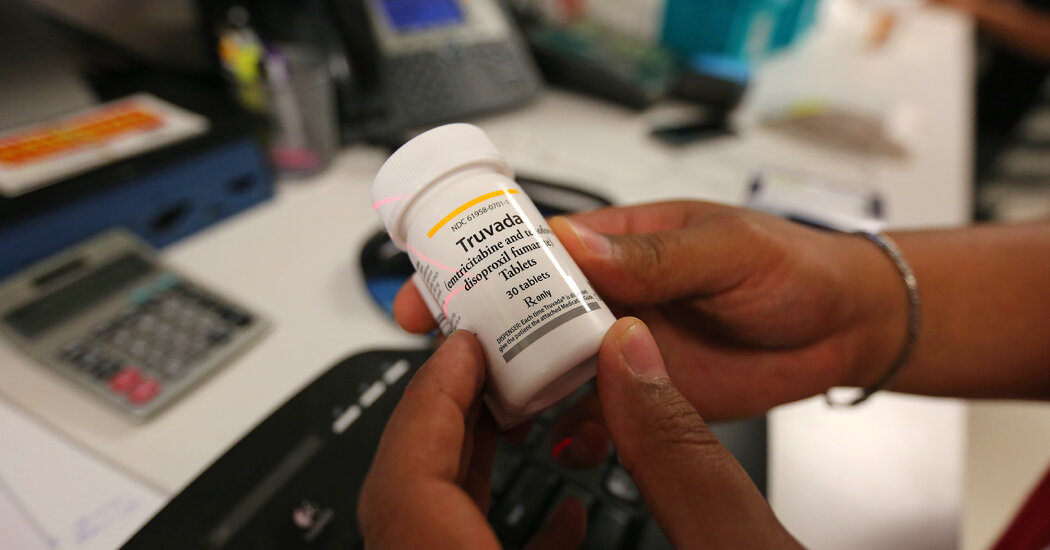
The NewsA federal appeals court on Monday temporarily blocked a lower court decision that overturned the Affordable Care Act’s requirement that all health plans fully cover certain preventive health services.The move by the U.S. Court of Appeals for the Fifth Circuit in New Orleans will put on hold a decision from March that had threatened insurance coverage for recommended services like depression screenings for teenagers and drugs that prevent transmission of H.I.V. The Justice Department had appealed the decision, and the appeals court’s stay will stand while the appeals process plays out.Why It Matters: Preventive health services are popular.The ruling earlier this spring overturned one of the most popular requirements of the Affordable Care Act by taking away the financial barriers to a range of preventive services. It had taken effect immediately nationwide and had the potential to affect roughly 150 million Americans enrolled in private health insurance, either through employer-sponsored plans or through the Obamacare marketplaces.While the case is under review, full coverage for preventive services will be legally required.Background: The Affordable Care Act under fire — again.Earlier this year, Judge Reed O’Connor of the Federal District Court for the Northern District of Texas ruled that insurers did not have to cover any of the services that had been recommended by the United States Preventive Services Task Force since 2010. His reasoning: The task force is not appointed by Congress and therefore did not have the constitutional authority to decide what services a health insurer must cover.That ruling had built upon previous ones: In 2018, Judge O’Connor had ruled that the A.C.A. was unconstitutional (though the Supreme Court later overturned that decision). Last September, he ruled that the A.C.A.’s mandate that employers cover a daily H.I.V. prevention pill called PrEP violated a company’s religious freedoms.What’s Next: A march toward the Supreme Court.For now, employers will still be required to provide no-cost coverage for preventive services. But the Fifth Circuit is conservative-leaning, and the case could eventually end up at the Supreme Court as yet another challenge to the Obamacare health law.

Read more →

World Health Organization Warns Against Using Artificial Sweeteners

Continued consumption doesn’t reduce weight and could increase the risk of Type 2 diabetes, cardiovascular diseases and mortality in adults, the W.H.O. said on Monday.The World Health Organization on Monday warned against using artificial sweeteners to control body weight or reduce the risk of noncommunicable diseases, saying that long-term use is not effective and could pose health risks.These alternatives to sugar, when consumed long term, do not serve to reduce body fat in either adults or children, the W.H.O. said in a recommendation, adding that continued consumption could increase the risk of Type 2 diabetes, cardiovascular diseases and mortality in adults.“The recommendation applies to all people except individuals with pre-existing diabetes and includes all synthetic and naturally occurring or modified nonnutritive sweeteners that are not classified as sugars found in manufactured foods and beverages, or sold on their own to be added to foods and beverages by consumers,” the W.H.O. said.The W.H.O. recommendation is based on a review of available evidence, the agency said, and is part of a set of guidelines for healthy diets being rolled out.Some examples of the sweeteners include aspartame, saccharin, sucralose and stevia. The W.H.O.’s announcement contradicts previous studies that have said these sweeteners don’t offer any health benefits but also do not cause harm.Nutrition research is constantly evolving and findings are being updated with stronger data, said Stephanie McBurnett, a registered dietitian and nutrition educator with the Physicians Committee for Responsible Medicine. Examining the effects of saturated fats and other parts of people’s diets may provide more insight into the overall reasons behind some health issues that have been blamed on sugar.“It’s not surprising to me that the World Health Organization didn’t find really any difference in health benefits between a regular soda and a diet soda,” said Ms. Burnett, who is also a licensed dietitian and nutritionist. “They’re both processed foods.” She added, “If you look at what’s driving these chronic diseases like heart disease, diabetes, obesity, sugar is not always the only factor.”The recommendation from the W.H.O. does not directly affect any individual country’s policy. The U.S. Food and Drug Administration, for example, might take this guidance into account and institute its own concerns or tweak labeling, Ms. McBurnett said. But it is not under any obligation to do so, either.The F.D.A. did not immediately respond to a request for comment.The W.H.O.’s recommendation is currently considered conditional, the organization said.“This signals that policy decisions based on this recommendation may require substantive discussion in specific country contexts, linked for example to the extent of consumption in different age groups,” the statement said.The recommendation doesn’t extend as far as personal care and hygiene products that include artificial sugars such as toothpaste, skin creams and medications, the W.H.O. said. it also doesn’t include low-calorie sugars and sugar alcohols, which come from sugar itself.“People need to consider other ways to reduce free sugars intake, such as consuming food with naturally occurring sugars, like fruit, or unsweetened food and beverages,” said Francesco Branca, the W.H.O. director for nutrition and food safety. He said that non-sugar sweeteners “are not essential dietary factors and have no nutritional value. People should reduce the sweetness of the diet altogether, starting early in life, to improve their health.”

Read more →

Monkeypox viruses relatively stable on surfaces

The virus remains infectious on steel surfaces for up to 30 days, but can be effectively inactivated by alcohol-based disinfectants.
Smallpox viruses are notorious for their ability to remain infectious in the environment for a very long time. A study conducted by the Department of Molecular and Medical Virology at Ruhr University Bochum, Germany, has shown that temperature is a major factor in this process: at room temperature, a monkeypox virus that is capable of replicating can survive on a stainless steel surface for up to eleven days, and at four degrees Celsius for up to a month. Consequently, it’s very important to disinfect surfaces. According to the study, alcohol-based disinfectants are very effective against monkeypox viruses, whereas hydrogen peroxide-based disinfectants have proved inadequate. The team published their findings in the Journal of Infectious Diseases on 2 May 2023.
Weeks of monitoring
Since 2022, the monkeypox virus has been transmitted more and more frequently from one human host to another. Although infections primarily result from direct physical contact, it’s also possible to contract the virus through contaminated surfaces, for example in the household or in hospital rooms. “Smallpox viruses are notorious for their ability to remain infectious in the environment for a very long time,” explains Dr. Toni Meister from the Department for Molecular and Medical Virology at Ruhr University Bochum. “For monkeypox, however, we didn’t know the exact time frames until now.”
The researchers therefore studied them by applying the virus to sanitised stainless steel plates and storing them at different temperatures: at four degrees, at 22 degrees, which roughly corresponds to room temperature, and at 37 degrees. They determined the amount of infectious virus after different periods of time, ranging from 15 minutes to several days to weeks.
Viruses remain infectious for a long time
Regardless of the temperature, there was little change in the amount of infectious virus during the first few days. At 22 and 37 degrees, the virus concentration dropped significantly only after five days. At 37 degrees, no virus capable of reproducing was detected after six to seven days, at 22 degrees it took ten to eleven days until infection was no longer possible. At four degrees, the amount of virus only dropped sharply after 20 days, and after 30 days there was no longer any danger of infection. “This is consistent with our experience that people can still contract monkeypox from surfaces in the household after almost two weeks,” points out Professor Eike Steinmann, Head of the Department for Molecular and Medical Virology.
In order to reduce the risk of infection in the event of an outbreak, it is therefore extremely important to disinfect surfaces. This is why the researchers tested the effectiveness of five common disinfectants. They found that alcohol-based or aldehyde-based disinfectants reliably reduced the risk of infection. A hydrogen peroxide-based disinfectant, however, didn’t inactivate the virus effectively enough in the study. “Our results support the WHO’s recommendation to use alcohol-based surface disinfectants,” concludes Toni Meister.

Read more →

Human DNA is everywhere. That's a boon for science — and an ethical quagmire

On the beach. In the ocean. Traveling along riverways. In muggy Florida and chilly Ireland. Even floating through the air.
We cough, spit, shed and flush our DNA into all of these places and countless more. Signs of human life can be found nearly everywhere, short of isolated islands and remote mountaintops, according to a new University of Florida study.
That ubiquity is both a scientific boon and an ethical dilemma, say the UF researchers who sequenced this widespread DNA. The DNA was of such high quality that the scientists could identify mutations associated with disease and determine the genetic ancestry of nearby populations. They could even match genetic information to individual participants who had volunteered to have their errant DNA recovered.
David Duffy, the UF professor of wildlife disease genomics who led the project, says that ethically handled environmental DNA samples could benefit fields from medicine and environmental science to archaeology and criminal forensics. For example, researchers could track cancer mutations from wastewater or spot undiscovered archaeological sites by checking for hidden human DNA. Or detectives could identify suspects from the DNA floating in the air of a crime scene.
But this level of personal information must be handled extremely carefully. Now, scientists and regulators must grapple with the ethical dilemmas inherent in accidentally — or intentionally — sweeping up human genetic information, not from blood samples but from a scoop of sand, a vial of water or a person’s breath.
Published May 15 in Nature Ecology and Evolution, the paper by Duffy’s group outlines the relative ease of collecting human DNA nearly everywhere they looked.

“We’ve been consistently surprised throughout this project at how much human DNA we find and the quality of that DNA,” Duffy said. “In most cases the quality is almost equivalent to if you took a sample from a person.”
Because of the ability to potentially identify individuals, the researchers say that ethical guardrails are necessary for this kind of research. The study was conducted with approval from the institutional review board of UF, which ensures that ethical guidelines are adhered to during research studies.
“It’s standard in science to make these sequences publicly available. But that also means if you don’t screen out human information, anyone can come along and harvest this information,” Duffy said. “That raises issues around consent. Do you need to get consent to take those samples? Or institute some controls to remove human information?”
Duffy’s team at UF’s Whitney Laboratory for Marine Bioscience and Sea Turtle Hospital has successfully used environmental DNA, or eDNA, to study endangered sea turtles and the viral cancers they are susceptible to. They’ve plucked useful DNA out of turtle tracks in the sand, greatly accelerating their research program.
The scientists knew that human eDNA would end up in their turtle samples and probably many other places they looked. With modern genetic sequencing technology, it’s now straightforward to sequence the DNA of every organism in an environmental sample. The questions were how much human DNA there would be and whether it was intact enough to harbor useful information.

The team found quality human DNA in the ocean and rivers surrounding the Whitney Lab, both near town and far from human settlement, as well as in sand from isolated beaches. In a test facilitated by the National Park Service, the researchers traveled to part of a remote island never visited by people. It was free of human DNA, as expected. But they were able to retrieve DNA from voluntary participants’ footprints in the sand and could sequence parts of their genomes, with permission from the anonymous participants.
Duffy also tested the technique in his native Ireland. Tracing along a river that winds through town on its way to the ocean, Duffy found human DNA everywhere but the remote mountain stream where the river starts, far from civilization.
The scientists also collected room air samples from a veterinary hospital. They recovered DNA matching the staff, the animal patient and common animal viruses.
Now that it’s clear human eDNA can be readily sampled, Duffy says it’s time for policymakers and scientific communities to take issues around consent and privacy seriously and balance them against the possible benefits of studying this errant DNA.
“Any time we make a technological advance, there are beneficial things that the technology can be used for and concerning things that the technology can be used for. It’s no different here,” Duffy said. “These are issues we are trying to raise early so policy makers and society have time to develop regulations.”

Read more →

Most species, including humans, who experience early life adversity suffer as adults. How are gorillas different?

There’s something most species — from baboons to humans to horses — have in common: When they suffer serious adversity early in life, they’re more likely to experience hardship later on in life.
When researchers from the Dian Fossey Gorilla Fund and the University of Michigan decided to look at this question in gorillas, they weren’t sure what they would find.
Previous studies by the Fossey Fund revealed that young gorillas are surprisingly resilient to losing their mothers, in contrast to what has been found in many other species. But losing your mother is only one of many potential bad things that can happen to young animals.
“Assuming that you survive something that we consider early life adversity, it’s often still the case that you will be less healthy or you will have fewer kids or your lifespan will be shorter — no matter what species you are,” said U-M anthropologist Stacy Rosenbaum, senior author on the study. “There’s this whole range of things that happens to you that seems to just make your life worse in adulthood.”
But instead, the researchers found that gorillas who survived past age 6 were largely unaffected by difficulties they encountered as infants or juveniles. The study is published in the journal Current Biology.
Like other species, humans also deal with early life adversity, and the effects of this can follow us into adulthood, such as a shorter lifespan or health complications, Rosenbaum said. But in humans, it’s difficult to tease out whether we, for example, develop cancer or die early as adults because of an adverse event early in life per se, or whether it’s because of a multitude of behavioral, environmental and cultural factors — or a combination of all of the above.

Studying these early adverse events in nonhuman species could help researchers understand how such events affect humans, and how to mitigate them.
“When you look at animals, you remove a lot of the variation that we have in humans. For example, they are all eating similar diets, they all get exercise as part of their daily lives, they don’t have the opportunity to engage in behaviors with negative health outcomes like smoking,” said Robin Morrison, a researcher with the Dian Fossey Gorilla Fund and lead author on the study.
But despite this, in most species it is still the case that early adversity can have negative effects in adulthood, which suggests that there is some kind of deeper biological mechanism there that we don’t understand very well, Morrison said. That gorillas show a different pattern suggests these early life adversities can be overcome. Understanding why and how this happens can have significant implications for our own species, she said.
Like humans, gorillas live a long time and have a small number of offspring that they heavily invest in. This makes them a good comparative animal model for understanding the ramifications of early life adverse events. The researchers looked at 55 years of long-term data collected in 253 wild mountain gorillas, 135 of which were male and 118 female. These gorillas live in Volcanoes National Park in Rwanda, and have been monitored for more than five decades by the Dian Fossey Gorilla Fund.
The researchers identified six different kinds of early life adversity: losing a father or mother, experiencing the death of a group member by infanticide, social group instability, having few age-mates in the social group, and having a competing sibling who was born soon after them. The data included information about how many of these early adversities each gorilla experienced and at what age, as well as how long each gorilla lived.

The researchers looked at what happened when a gorilla experienced none, one, two or three or more adverse events. They found that the more of these adverse events gorillas experienced before age 6, the more likely they were to die as juveniles. But if, despite experiencing early adversity, they survived until age 6 — past their juvenile stage — the researchers found no evidence that their lifespans were shorter, no matter how many adverse events the gorillas suffered.
In fact, if a gorilla experienced three or more forms of adversity, it actually lived longer; this group of animals had a 70% reduction in the risk of death across adulthood. But this was driven by greater longevity in males specifically, and the researchers suspect the trend was due to something called viability selection. This means that if a gorilla was strong enough to survive difficult early life events, it might just be a “higher-quality individual,” and thus more likely to have a longer life span.
“I was expecting to see that these gorillas would have short lifespans and would not do very well as adults,” Rosenbaum said. “We found that these events are definitely associated with a much higher risk of death when you’re young. But if you survive to age 6, there’s no evidence that those shorten your lifespan at all. This is quite different from what we see in other species.”
The researchers have some theories about why these mountain gorillas were so resilient. Gorillas have very tight-knit social groups and prior studies have shown that when a young gorilla loses its mom, it doesn’t actually become more isolated: other gorillas fill the gap in social companionship.
“The youngster actually increases its time near other gorillas after the loss of its mom and in particular the highest-ranking adult male, even if he isn’t their biological father,” Morrison said. “These strong networks might provide critical social buffering, as has been shown in humans. The quality of our social relationships is a very important predictor of our health and longevity — in some cases, more important than genetics or lifestyle.”
Another reason they may be relatively buffered from the consequences of adversity is that mountain gorillas live in a resource-rich environment compared to many other wild primates. It may be easier for a gorilla to survive difficult circumstances if they are not also constantly dealing with the stress of finding enough food and water, Rosenbaum said.
“For comparison, savanna baboons — who were the inspiration for this analysis — live in this highly seasonal environment where they go through extreme droughts. They sometimes will have to walk miles to get to a water hole. They’re often struggling for every single calorie they take in,” she said. “That’s not the world that mountain gorillas live in. They’re often described as living in a giant salad bowl.”
The researchers’ findings suggest that species similar to our own can have significant resilience to early life adversity. The results also raise important questions about the biological roots of sensitivity to early experiences, and the protective mechanisms that contribute to resilience in gorillas.
“I don’t think we should assume that the long-term negative effects of early life adversity are universal,” Rosenbaum said. “We tend to talk about this as if it’s a ubiquitous experience, and a given that your adulthood is going to be compromised if you live through early adversity.
“But I don’t think it’s nearly that cut-and-dry, even in the human literature. I think the data are a lot more complex for humans and this research would suggest that they might be more complex for other animals, too. And I actually think that that’s a hopeful story.”

Read more →

Porous crystals made from plant extracts purify water from pharmaceutical pollutants

Researchers from Stockholm University have developed porous crystals made from pomegranate extract to capture and degrade pharmaceutical molecules found in local municipal wastewater. The research is published in the scientific journal Nature Water.
Pharmaceutical compounds affect the human body to improve our health, but they can also have unintentional adverse effects for the wellbeing of wildlife. Hence wastewater treatment plants are facing the challenge of removing emerging organic contaminants (EOCs) such as active pharmaceutical ingredients, and therefore new materials and technologies are required.
One strategy for removing pollutants from water is by using porous materials that behave like sponges. Metal-organic frameworks, so called MOFs, are a type of nanoporous material that are made of metal ions and organic molecules. Most MOFs are made using synthetic organic molecules. But now researchers from the Department of Materials and Environmental Chemistry, Stockholm University, have managed to develop new porous MOFs using a naturally occurring molecule found in plants — ellagic acid.
“Ellagic acid is one of the main building units of naturally occurring polyphenols known as tannins, which are common in fruits, berries, nuts, and tree bark. By combining ellagic acid, which was extracted from either pomegranate peel or tree bark, with zirconium ions, we developed a new highly porous MOF which we named SU-102,” says Erik Svensson Grape, PhD student at the Department of Materials and Environmental Chemistry.
In order to test the performance of SU-102, water that had already been purified at a local wastewater treatment facility was further treated with the new MOF. The results showed that SU-102 removed many of the pharmaceutical pollutants that were not fully removed by the wastewater treatment facility. In addition to capturing the pharmaceutical pollutants, SU-102 was also used to break down pollutants using light in a process known as photodegradation.
“This has been a very exciting project as we got the opportunity to work directly with water samples from the treatment plant, thereby finding an application where our material could be put to use towards a very pressing environmental issue. We hope one day that SU-102 will be used on a bigger scale and also for other environmental applications,” says Erik Svensson Grape at Stockholm University.

Read more →

From molecular to whole-brain scale in a simple animal, study reveals serotonin's effects

Because serotonin is one of the primary chemicals the brain uses to influence mood and behavior, it is also the most common target of psychiatric drugs. To improve those drugs and to invent better ones, scientists need to know much more about how the molecule affects brain cells and circuits both in health and amid disease. In a new study, researchers at The Picower Institute for Learning and Memory at MIT working in a simple animal model present a comprehensive accounting of how serotonin affects behavior from the scale of individual molecules all the way to the animal’s whole brain.
“There have been major challenges in rationally developing psychiatric drugs that target the serotonergic system,” said Steve Flavell, associate professor in The Picower Institute and MIT’s Department of Brain and Cognitive Sciences, and senior author of the study in Cell. “The system is wildly complex. There are many different types of serotonergic neurons with widespread projections throughout the brain and serotonin acts through many different receptors, which are often activated in concert to change the way that neural circuits work.”
These same complexities that scientists face in people are all afoot in the nematode worm C. elegans, but to a more manageably limited degree. C. elegans has only 302 neurons (rather than billions) and only six serotonin receptors (rather than the 14 found in people). Moreover, all C. elegans neurons and their connections have been mapped out and its cells are accessible for genetic manipulation. Finally, Flavell’s team has developed imaging technologies that enable them to track and map neural activity across the worm’s brain simultaneously. For all these reasons, the lab was able to produce a novel study revealing how the far-reaching molecular activity of serotonin changes brain-wide activity and behavior.
“These results provide a global view of how serotonin acts on a diverse set of receptors distributed across a connectome to modulate brain-wide activity and behavior,” the research team wrote in Cell.
The study’s co-lead authors are Picower Institute postdoc Ugur Dag, MIT Brain and Cognitive Sciences graduate student Di Kang, and former research technician Ijeoma Nwabudike, who is now a MD-PhD student at Yale.
Slowing for savoring
Flavell showed in Cell in 2013 that C. elegans uses serotonin to slow down when it reaches a patch of food and traced its source to a neuron called NSM. In the new study, the team used their many new capabilities developed since then at MIT to examine serotonin’s effects comprehensively.

First, they focused on identifying the functional roles of the worm’s six serotonin receptors. To do that they created 64 different mutant strains covering the different combinations of knocking out the various receptors. For instance, one strain would have just one receptor knocked out while another strain would have all but that one missing and another would be missing three. In each of these worms the team stimulated serotonin release from the NSM neuron to prompt slowing behaviors. Analysis of all the resulting data revealed at least two key findings: One was that three receptors primarily drove the slowing behavior. The second was that the other three receptors “interacted” with the receptors that drive slowing and modulated how they function. These complex interactions between serotonin receptors in the control of behavior is likely to be directly relevant to psychiatric drugs that target these receptors, Flavell said.
The researchers also gained other important insights into serotonin’s actions. One was that different receptors respond to different patterns of serotonin release in live animals. For example, the SER-4 receptor only responded to sudden increases in serotonin release by the NSM neuron. But, the MOD-1 receptor responded to continuous “tonic” changes in serotonin release by NSM. This suggests that different serotonin receptors are engaged at different times in the live animal.
Brain-wide mapping
Having teased out the roles of the serotonin receptors in the control of C. elegans behavior, the research team then used their imaging technologies to see how serotonin’s effects worked at a circuit level. For instance, they fluorescently tagged each receptor gene in each neuron across the brain so that they could see all the specific cells that expressed each receptor, providing a brain-wide map of where the serotonin receptors are located in C. elegans. About half of the worm’s neurons express serotonin receptors with some neurons expressing as many as five different types.
Finally, the team used their ability to track all neuron activity (based on their calcium fluctuations) and all behaviors to watch how the serotonergic neuron NSM affected other cells’ activity as worms freely explored their surroundings. About half of the neurons across the worm’s brain changed activity when serotonin was released. Since they knew which exact neurons they were recording from, the research team asked whether knowing which serotonin receptors each cell expressed could predict how they responded to serotonin. Indeed, knowing which receptors were expressed in each neuron and its input neurons gave strong predictive power of how each neuron was impacted by serotonin.

“We performed brain-wide calcium imaging in freely-moving animals with knowledge of cellular identity during serotonin release, providing, for the first time, a view of how serotonin release is associated with changes in activity across the defined cell types of an animal’s brain,” the researchers concluded.
All these findings shed light on the kinds of complexities and opportunities facing drug developers, Flavell noted. The study’s findings show how the effects of targeting one serotonin receptor could depend on how other receptors or the cell types that express them are functioning. In particular, the study highlights how the serotonin receptors act in concert to change the activity states of neural circuits.
In addition to Flavell, Dag, Nwabudike and Kang, the paper’s other authors are Matthew Gomes, Jungsoo Kim, Adam Atanas, Eric Bueno, Cassi Estrem, Sarah Pugliese, Ziyu Wang and Emma Towlson.
Study funders included the National Institutes of Health, the National Science Foundation, the McKnight Foundation, the Alfred P. Sloan Foundation, the Picower Institute and the JPB Foundation.

Read more →

Dementia study reveals how toxic proteins spread through brain

Fresh insights into the spread of damaging proteins that build up in the brains of people with Alzheimer’s disease could hold the key to stopping the condition progressing, a study says.
Researchers have discovered that synapses, which send essential signals through the brain, are also transporting toxic proteins known as tau around the brain.
Large clumps of the protein tau — called tangles — form in brain cells and are one of the defining features of Alzheimer’s disease. As these tangles spread through the brain during the disease there is a decline in brain function.
Led by the University of Edinburgh, the study focused on synapses, connections which allow the flow of chemical and electrical messages between brain cells and are vital to healthy brain function. Alzheimer’s disease attacks synapses and their loss strongly predicts reduced memory and thinking abilities.
In the study, scientists examined more than one million synapses from 42 people using powerful microscopy techniques to visualise proteins within individual synapses.
The team discovered that small clumps of the protein tau — known as tau oligomers — are found within the synapses of people who died of Alzheimer’s disease.
Tangles of tau oligomers were seen inside both ends of the synapse — from the brain cell sending signals and the brain cell receiving signals.
In a mouse model of the disease, the oligomers jumped from one side of the synapse to the other, spreading the toxic tau through the brain.
Lowering oligomeric tau at synapses may be a promising strategy to stop disease progression in future, experts say.
Alzheimer’s disease is the most common form of dementia, with currently around 900,000 people with the condition in the UK. This figure is projected to rise to nearly 1.6 million in 2040. It can cause severe memory loss and there is currently no cure.
Lead researcher, Professor Tara-Spires Jones of the UK Dementia Research Institute at the University of Edinburgh, said: “We have known for over 30 years that tangles spread through the brain during Alzheimer’s disease, but how they spread has remained a mystery. Wherever tangles appear in the brain, neuron death follows, contributing to the decline in cognitive ability. Stopping the spread of toxic tau is a promising strategy to stop the disease in its tracks.”

Read more →

New study illustrates unique genetic landscape in Newfoundland and Labrador with links to Ireland and England

A new study by RCSI University of Medicine and Health Sciences, based in Dublin, Ireland, and Sequence Bio, a genomics and precision medicine company based in St. John’s, Newfoundland and Labrador (NL), Canada, has produced the most detailed genetic analysis of people living in the Canadian province to date, demonstrating a unique founder population structure that could be used for the identification and study of health-related genetic variants.
The study, titled ‘Newfoundland and Labrador: A mosaic founder population of an Irish and British diaspora from 300 years ago’, has been published in the Nature journal Communications Biology.
By studying the genetic profiles of 1,807 volunteering individuals from Sequence Bio’s Newfoundland and Labrador Genome Project (NLGP), and comparing the resulting fine-scale genetic structure of NL to reference datasets for Ireland and England, scientists showed that a significant proportion of the European-derived population of NL can be traced back to settlers who primarily migrated from South-East Ireland and South-West England around three centuries ago.
“In looking at the ways Newfoundlanders and Labradorians are genetically related to each other, and to present day Irish and English individuals, we were able to show that European ancestry in NL is mainly descended from Irish and English settlers in the time of the late 1700s to early 1800s,” explains Dr Edmund Gilbert, a Lecturer at the School of Pharmacy and Biomolecular Sciences in RCSI and FutureNeuro, the Science Foundation Ireland (SFI) Research Centre for Chronic and Rare Neurological Diseases.
Dr Gilbert, the first author on the study, used well-characterised population reference datasets like the Irish DNA Atlas to link English and Irish ancestry in NL to specific regions in Ireland, and to track how social and geographical isolation influenced NL communities at the level of their DNA.
Dr Gerald Mugford, Director of Research at Sequence Bio commented on the study: “Through this expert collaboration with RCSI, we now have a much deeper understanding of the ancestry of the current NL population and the origins of genetic variants that could be meaningful for disease gene discovery in the province.”
Further analysis of the genetic data also shows multiple population bottlenecks, or reductions in population size, happening independently in the region around 300 years ago due to geographical isolation and tendency for people to settle with others from the same country of origin and religious affiliation.
Professor Gianpiero Cavalleri, Professor of Human Genetics at RCSI School of Pharmacy and Biomolecular Science and Deputy Director of the SFI FutureNeuro Research Centre, helped lead the comparative study of genomes from Canada, Ireland and England. He said, “The genetic analysis supports the historical accounts that around 25,000 European settlers came to NL in the 18th and 19th centuries, mainly from Ireland — predominantly Waterford, Wexford, south Kilkenny, southeast Tipperary, and southeast Cork — and from Dorset and Devon in England as well as fishing ports such as Dartmouth, Plymouth, or Southampton.
“In the study, we could see that Catholic background in Newfoundland and Labrador is still today strongly associated with Irish genetic ancestry as is Protestant background with English genetic ancestry.”
Dr. Michael Phillips, the study’s Senior Author commented: “Our findings support NL’s population structure as a unique genetic landscape with founder effects.” He also noted the potential clinical and health-related importance of these patterns. “Because NL resembles that of other isolated island populations, there may be an opportunity to study the genetic makeup of specific subpopulations in NL to identify rare genetic variants that contribute to the risk and severity of certain diseases.”
The study was produced in collaboration with researchers from the Genealogical Society of Ireland, Trinity College Dublin, the US National Human Genome Research Institute, and the Weatherall Institute of Molecular Medicine in Oxford.

Read more →