US and Mexico sound alarm over cosmetic surgery-linked fungal outbreak

Published18 minutes agoShareclose panelShare pageCopy linkAbout sharingImage source, ABRAHAM PINEDABy Laura GozziBBC NewsUS and Mexican authorities are urging the World Health Organization (WHO) to declare a public health emergency over a fungal outbreak linked to cosmetic operations in Mexico.The Centers for Disease Control and Prevention (CDC) said two people who got surgeries involving epidural anaesthesia have died of meningitis.Almost 400 people in the US and Mexico are being monitored. Two cosmetic clinics in the Mexican city of Matamoros have been shut.Authorities in both the US and Mexico have urged people who had surgeries involving epidural anaesthesia at either the River Side Surgical Center or Clinica K-3 since January to get evaluated, even if they are currently asymptomatic. The CDC said it had already identified 25 people in the US with “suspected” or “probable” cases of fungal meningitis. Many US citizens travel to Mexico for cosmetic procedures such as liposuction, breast augmentation and Brazilian butt lifts, which all require the injection of an anaesthetic into the area around the spinal column. The CDC’s Dallas Smith said that medications used during anaesthesia in the current outbreak may have been contaminated either in the epidural itself or in other medications that are added in conjunction during the surgeries like morphine. “There’s a shortage currently in Mexico, and there could be potential for a black market that could have contaminated medicine,” said Mr Smith.Last October, a batch of a local anaesthetic commonly used for operations such as Caesarean births was found to have been infected by the same fungus, leading to the death of 39 people in the Mexican state of Durango.The most common early symptom of fungal meningitis is headaches, followed by symptoms like fever, vomiting, neck pain, and blurred vision. Fungal meningitis is not contagious and can be treated with antifungal medicines – but it can can quickly become life-threatening once symptoms begin. Americans often travel to Mexico for low-cost medical services.The WHO declares a public health emergency when a disease spreads between countries and may a co-ordinated international response may be required to bring it under control.More on this storyKidnapped Americans were in Mexico for tummy tuckPublished7 March

Read more →

Bird brains can flick switch to perceive Earth's magnetic field

Earth’s magnetic field, generated by the flow of molten iron in the planet’s inner core, extends out into space and protects us from cosmic radiation emitted by the Sun. It is also, remarkably, used by animals like salmon, sea turtles and migratory birds for navigation.
But how? And why? A new study from researchers at Western’s Advanced Facility for Avian Research (AFAR), home to the world’s first hypobaric climatic wind tunnel for bird flight, explores a brain region called cluster N that migratory birds use to perceive Earth’s magnetic field. The team discovered the region is activated very flexibly, meaning these birds have an ability to process, or ignore, geomagnetic information, just as you may attend to music when you are interested or tune it out when you are not.
More specifically, the research team led by psychology PhD candidate Madeleine Brodbeck and AFAR co-director Scott MacDougall-Shackleton studied white-throated sparrows and found they were able to activate cluster N at night when they were motivated to migrate (to avoid prey and fly during cooler periods) and make it go dormant when they were resting at a stopover site
This is the first demonstration of this brain region functioning in a North American bird species, as all prior research in this area was completed in Europe.
“This brain region is super important for activating the geomagnetic compass, especially for songbirds when they migrate at night,” said Brodbeck. “Almost all previous work on this specific brain function was done at one lab in Europe, so it was great to replicate it in a North American bird like the white-throated sparrow.”
Earth’s magnetic field, likely first investigated and identified by German mathematician Carl Friedrich Gauss in the 1830s, has long fascinated physicists, aerospace engineers and even science fiction writers like Frank Herbert and Stephen King. Brodbeck, a bird psychologist, is equally intrigued.
“Magnetic fields are really fun to think about because they’re invisible to humans. We can’t see them or sense them, but most animals perceive them in some way,” said Brodbeck. “For birds, using Earth’s magnetic field to know if they’re going towards a pole or towards the equator is obviously really helpful for orientation and migration. It’s incredible that they can activate their brain in this way, and we can’t.”
Understanding the physical mechanisms of how animals make their way around in the world is a fundamentally important question for researchers, says MacDougall-Shackleton, a psychology professor and cognitive neuroscientist.
“If we want to understand bird migration or how other animals move from one place to another, we need to know how they do it. And more importantly, we need to know what we’re doing, as humans, that might influence them,” said MacDougall-Shackleton.
The findings were published in the journal, European Journal of Neuroscience.
“Birds don’t just use their magnetic compass. We know they pay attention to the Sun and the stars as cues too. And we also know that things like lights at night, or windows in buildings, and all these things that we put in the world disrupt their migrations,” said MacDougall-Shackleton. “This type of basic research informs us and lets us know the full suite of ways that animals perceive the world when they’re migrating and what we as humans need to do to minimize our impact.”

Read more →

Nanorobotic system presents new options for targeting fungal infections

Infections caused by fungi, such as Candida albicans, pose a significant global health risk due to their resistance to existing treatments, so much so that the World Health Organization has highlighted this as a priority issue.
Although nanomaterials show promise as antifungal agents, current iterations lack the potency and specificity needed for quick and targeted treatment, leading to prolonged treatment times and potential off-target effects and drug resistance.
Now, in a groundbreaking development with far-reaching implications for global health, a team of researchers jointly led by Hyun (Michel) Koo of the University of Pennsylvania School of Dental Medicine and Edward Steager of Penn’s School of Engineering and Applied Science has created a microrobotic system capable of rapid, targeted elimination of fungal pathogens.
“Candidae forms tenacious biofilm infections that are particularly hard to treat,” Koo says. “Current antifungal therapies lack the potency and specificity required to quickly and effectively eliminate these pathogens, so this collaboration draws from our clinical knowledge and combines Ed’s team and their robotic expertise to offer a new approach.”
The team of researchers is a part of Penn Dental’s Center for Innovation & Precision Dentistry, an initiative that leverages engineering and computational approaches to uncover new knowledge for disease mitigation and advance oral and craniofacial health care innovation.
For this paper, published in Advanced Materials, the researchers capitalized on recent advancements in catalytic nanoparticles, known as nanozymes, and they built miniature robotic systems that could accurately target and quickly destroy fungal cells. They achieved this by using electromagnetic fields to control the shape and movements of these nanozyme microrobots with great precision.

“The methods we use to control the nanoparticles in this study are magnetic, which allows us to direct them to the exact infection location,” Steager says. “We use iron oxide nanoparticles, which have another important property, namely that they’re catalytic.”
Steager’s team developed the motion, velocity, and formations of nanozymes, which resulted in enhanced catalytic activity, much like the enzyme peroxidase, which helps break down hydrogen peroxide into water and oxygen. This directly allows the generation of high amounts of reactive oxygen species (ROS), compounds that have proven biofilm-destroying properties, at the site of infection.
However, the truly pioneering element of these nanozyme assemblies was an unexpected discovery: their strong binding affinity to fungal cells. This feature enables a localized accumulation of nanozymes precisely where the fungi reside and, consequently, targeted ROS generation.
“Our nanozyme assemblies show an incredible attraction to fungal cells, particularly when compared to human cells,” Steager says. “This specific binding interaction paves the way for a potent and concentrated antifungal effect without affecting other uninfected areas.”
Coupled with the nanozyme’s inherent maneuverability, this results in a potent antifungal effect, demonstrating the rapid eradication of fungal cells within an unprecedented 10-minute window.
Looking forward, the team sees the potential of this unique nanozyme-based robotics approach, as they incorporate new methods to automate control and delivery of nanozymes. The promise it holds for antifungal therapy is just the beginning. Its precise targeting, rapid action suggest potential for treating other types of stubborn infections.
“We’ve uncovered a powerful tool in the fight against pathogenic fungal infections,” Koo says. “What we have achieved here is a significant leap forward, but it’s also just the first step. The magnetic and catalytic properties combined with unexpected binding specificity to fungi open exciting opportunities for an automated ‘target-bind-and-kill’ antifungal mechanism. We are eager to delve deeper and unlock its full potential.”
This robotics approach opens up a new frontier in the fight against fungal infections and marks a pivotal point in antifungal therapy. With a new tool in their arsenal, medical and dental professionals are closer than ever to effectively combating these difficult pathogens.

Read more →

Researchers show that IgA fine tunes the body's interactions with microbes

IgA deficiency is the most common primary immune deficiency worldwide, but its presentation has puzzled physcians and researchers. Some with the disorder present with symptoms like recurrent infections, autoimmune disease, or allergies, whereas others have no symptoms at all and only become aware of their IgA-deficient status through an incidental finding on a blood test. This variability has raised the question among researchers: Why aren’t many of those with IgA deficiency sicker?
A new study by researchers at Children’s Hospital of Philadelphia (CHOP) has begun to answer that question, demonstrating that IgA acts as a “tuner” that regulates the number of microbes the body sees every day, restraining the systemic immune response to these commensal microbes and limiting the development of systemic immune dysregulation.
“Right now, if we identify IgA deficiency in a patient through a blood test, we have no way of knowing whether the patient will become symptomatic if they aren’t already, and we don’t know whether or when they might go on to develop a more serious immune deficiency,” said Sarah E. Henrickson, MD, PhD, an assistant professor and attending physician in the Division of Allergy and Immunology at CHOP and co-senior author of the paper, which was published today in Science Immunology. “Our paper lays the groundwork for being able to answer these critically important questions by providing a lens into how IgA and the microbiome interact and how an imbalance in that interaction could lead to symptomatic disease.”
IgA (short for Immunoglobulin A) is an antibody protein that is part of the immune system and plays a role in fighting disease. It is found mainly in the respiratory and digestive tracts, but it can also be found in blood, saliva, tears, and breastmilk. To be diagnosed with IgA deficiency, patients must be over 4 years of age and have no IgA as determined through a blood test, as well as normal serum levels of IgG and IgM, without other known causes of immune deficiency.
Some researchers have suggested that perhaps IgM provides a “backup” role in some patients with IgA deficiency, explaining why some patients are asymptomatic. However, how secretory IgA and IgM work together in the mucosal system and whether their roles were redundant or distinct remained unclear.
To investigate this further, the researchers analyzed samples from 19 pediatric patients with IgA deficiency and 13 pediatric control patients, from 15 families, and they then complemented that analysis with studies of IgA deficient mice. They sought to answer two questions: how mucosal antibodies like IgA and IgM and system antibodies like IgG interact with mucosal microbes, and how IgA deficiency affects equilibrium of the immune system.
Analyzing both blood and fecal samples, the researchers measured antibody levels; identified the microbial targets of IgA, IgM, and IgG antibodies; and performed immune profiling to gauge the activation of the immune system. In doing so, they showed that although IgA, IgM and IgG target overlapping sets of microbes, the role of IgA is distinct from IgM in restraining commensal microbes in the gut, and IgM only modestly compensates for the absence of intestinal IgA.
They also determined that 26% of patients who were IgA deficient via blood tests had normal levels of IgA in their feces. Intriguingly, the patients with normal fecal IgA were less likely to develop immune dysregulation and clinical disease, as demonstrated through immune analysis of cytokine levels, whereas those deficient in both blood and fecal IgA were more likely to have elevated inflammatory cytokines and exhibit clinical symptoms.
To validate their findings, the researchers studied knockout mice who lacked IgA. Mirroring the findings in human patients, these mice exhibited elevated cytokines and immune dysregulation. The researchers also found live microbes in fat tissue of the knockout mice, which was not found in healthy control mice, providing further evidence for a role for IgA in modulating systemic microbial exposure.
“Based on these results, we propose that IgA supports the intestinal barrier to keep the proper balance of commensal microbes interacting with the immune system, acting as a tuner to keep the immune system in check,” said co-senior author Michael Silverman, MD, PhD, an Assistant Professor and attending physician in the Division of Infectious Diseases at CHOP. “Without IgA protecting the gut, commensal bacteria can get through, increasing a patient’s systemic exposure to these microbes and creating an inflammatory environment. Future studies with larger patient populations should investigate IgA levels in other target tissues and determine if these findings can be used to predict disease course and outcomes.”

Read more →

Protein-based nano-'computer' evolves in ability to influence cell behavior

The first protein-based nano-computing agent that functions as a circuit has been created by Penn State researchers. The milestone puts them one step closer to developing next-generation cell-based therapies to treat diseases like diabetes and cancer.
Traditional synthetic biology approaches for cell-based therapies, such as ones that destroy cancer cells or encourage tissue regeneration after injury, rely on the expression or suppression of proteins that produce a desired action within a cell. This approach can take time (for proteins to be expressed and degrade) and cost cellular energy in the process. A team of Penn State College of Medicine and Huck Institutes of the Life Sciences researchers are taking a different approach.
“We’re engineering proteins that directly produce a desired action,” said Nikolay Dokholyan, G. Thomas Passananti Professor and vice chair for research in the Department of Pharmacology. “Our protein-based devices or nano-computing agents respond directly to stimuli (inputs) and then produce a desired action (outputs).”
In a study published in Science Advances today (May 26) Dokholyan and bioinformatics and genomics doctoral student Jiaxing Chen describe their approach to creating their nano-computing agent. They engineered a target protein by integrating two sensor domains, or areas that respond to stimuli. In this case, the target protein responds to light and a drug called rapamycin by adjusting its orientation, or position in space.
To test their design, the team introduced their engineered protein into live cells in culture. By exposing the cultured cells to the stimuli, they used equipment to measure changes in cellular orientation after cells were exposed to the sensor domains’ stimuli.
Previously, their nano-computing agent required two inputs to produce one output. Now, Chen says there are two possible outputs and the output depends on which order the inputs are received. If rapamycin is detected first, followed by light, the cell will adopt one angle of cell orientation, but if the stimuli are received in a reverse order, then the cell adopts a different orientation angle. Chen says this experimental proof-of-concept opens the door for the development of more complex nano-computing agents.
“Theoretically, the more inputs you embed into a nano-computing agent, the more potential outcomes that could result from different combinations,” Chen said. “Potential inputs could include physical or chemical stimuli and outputs could include changes in cellular behaviors, such as cell direction, migration, modifying gene expression and immune cell cytotoxicity against cancer cells.”
The team plans to further develop their nano-computing agents and experiment with different applications of the technology. Dokholyan, a researcher with Penn State Cancer Institute and Penn State Neuroscience Institute, said their concept could someday form the basis of the next-generation cell-based therapies for various diseases, such as autoimmune diseases, viral infections, diabetes, nerve injury and cancer.
Yashavantha Vishweshwaraiah, Richard Mailman and Erdem Tabdanov of Penn State College of Medicine also contributed to this research. The authors declare no conflicts of interest.
This work was funded by the National Institutes of Health (grant 1R35GM134864) and the Passan Foundation.

Read more →

Ketamine Shows Promise for Hard-to-Treat Depression in New Study

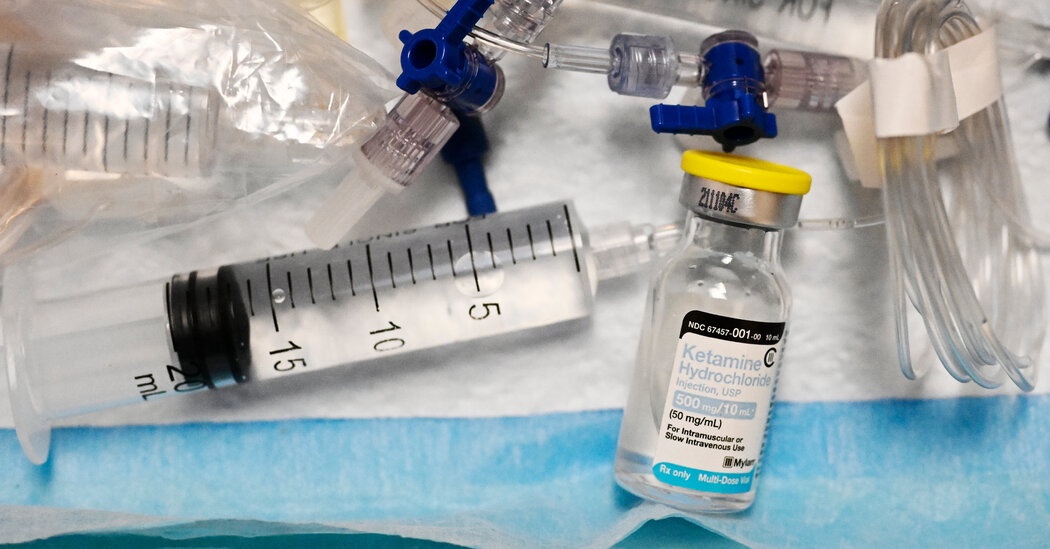
Research this week presents the most robust evidence to date that ketamine is at least as effective as electroconvulsive therapy for patients with treatment-resistant depression who do not have psychosis.A new study suggests that, for some patients, the anesthetic ketamine is a promising alternative to electroconvulsive therapy, or ECT, currently one of the quickest and most effective therapies for patients with difficult-to-treat depression. The study is the largest head-to-head comparison of the two treatments.Patients who don’t respond to at least two antidepressants — about one-third of clinically depressed patients — have a condition that clinicians refer to as “treatment-resistant.” Their options for relief are limited. Doctors typically recommend up to 12 sessions of ECT, which has a long-established efficacy, but is tainted by the stigma of historical misuse and frightening Hollywood images of people strapped to tables, writhing in agony. Today’s ECT is much safer and done under general anesthesia, but the procedure remains underutilized.The study, published on Wednesday in The New England Journal of Medicine, found that ketamine, when administered intravenously, was at least as effective as ECT in patients with treatment-resistant depression who do not have psychosis. (For people with psychosis, ketamine, even in very low doses, can worsen psychosis-like symptoms.)“The results were very surprising to us,” said Dr. Amit Anand, lead author of the study and a professor of psychiatry at Harvard Medical School who studies mood disorders at Mass General Brigham. His team had initially hypothesized that ketamine would be nearly as effective as ECT. Instead, Dr. Anand said, they found that ketamine performed even better than that.This is significant in part because some patients are uncomfortable with ECT’s potential side effects, such as temporary memory loss, muscle pain or weakness. (In rare cases it can result in permanent gaps in memory.)The study, which was sponsored by the Cleveland Clinic Foundation, shows that ketamine is easier to administer, with fewer adjustments during treatment and fewer patients dropping out, Dr. Anand said. “More importantly, it shows that ECT, as expected, is associated with memory problems, while ketamine is not.” Intravenous ketamine also has side effects, like dissociation, but this is “not usually an unpleasant experience for patients,” Dr. Anand said.Earlier studies have shown that both treatments can be effective in patients with hard-to-treat depression, but that research has primarily looked at the two therapies independently. Dr. Roger S. McIntyre, a professor of psychiatry and pharmacology at the University of Toronto who is not affiliated with the study, called it “groundbreaking.”“It’s this type of rigorous, randomized, real-world pragmatic data that is robust and very clinically meaningful,” Dr. McIntyre said.The researchers randomly assigned intravenous ketamine or ECT to 365 patients. Nearly half received ketamine twice a week while the others received ECT three times a week. By the end of the three-week treatment, 55 percent of those in the ketamine group and 41 percent of the patients in the ECT group reported a 50 percent or greater reduction in symptoms.Six months later, the quality-of-life scores for both groups were similar.One limitation of the study was that the number of ECT treatments may not have been sufficient because the treatment period was only three weeks, said Dr. Daniel F. Maixner, the ECT program director at Michigan Medicine at the University of Michigan, who was not affiliated with the study.The study subjects started their course of ECT by receiving electric currents on one side of the brain, which may require 10 or 12 sessions, as opposed to the nine used in the study, he added.“If there’s more improvement to be had, you continue,” Dr. Maixner said.Patients who start out bilaterally, stimulating both sides at the same time, often need fewer sessions. If the patients had completed more ECT sessions, then a greater proportion of them may have responded to the treatment, Dr. Anand said, but that also would have likely caused more side effects.A small number of patients in both groups — under 33 percent — went into remission, meaning they had only mild depressive symptoms. This suggests that additional treatments would be needed in order for the patients to maintain any relief.Continued treatment, however, comes with additional risks. With ketamine, for example, longer treatment “increases the likelihood of both drug dependence and cognitive adverse effects, including dissociation, paranoia and other psychotic symptoms,” Dr. Robert Freedman, a professor of psychiatry at the University of Colorado, wrote in an editorial published with the study.Previous evidence suggests that ECT remission rates can be much higher — often at least 60 percent — but these studies may have included a higher percentage of inpatients as well as patients with psychotic depression, for which ECT appears to be particularly effective.Researchers and clinicians are using intravenous ketamine off label because it has not been approved by the Food and Drug Administration for treatment of mood disorders, unlike its cousin esketamine, also known as Spravato, which is administered nasally. Among clinicians, intravenous ketamine is widely considered to be as effective or more so than esketamine for treatment-resistant depression, Dr. Anand said.Unfortunately, because intravenous ketamine is a generic medicine, “it is unlikely that anyone is going to try to get F.D.A. approval for it to make it more reimbursable for insurers,” he added.Later this year, Dr. Anand and his colleagues will recruit patients for a larger study comparing ECT to intravenous ketamine in 1,500 acutely suicidal and depressed patients, most of whom are likely to be inpatients. They will also look at how the effects differ by age groups, Dr. Anand said.Dr. Maixner, at Michigan Medicine, said that research suggests that intravenous ketamine, which he has also used to treat patients, may have some emerging and strong benefits for hard-to-treat depression, which “gives people options.”

Read more →

Plants remove cancer causing toxins from air

A ground-breaking study has revealed that plants can efficiently remove toxic gasoline fumes, including cancer causing compounds such as benzene, from indoor air.
The study was led by University of Technology Sydney (UTS) bioremediation researcher Associate Professor Fraser Torpy, in partnership with leading Australian plantscaping solutions company Ambius.
The researchers found that the Ambius small green wall, containing a mix of indoor plants, was highly effective at removing harmful, cancer-causing pollutants, with 97 per cent of the most toxic compounds removed from the surrounding air in just eight hours.
Poor indoor air quality is responsible for 6.7 million premature deaths globally, according to the World Health Organisation. Most people spend 90% of their time indoors at home, school or the workplace, so adopting new strategies to improve air quality is critical.
Ambius General Manager Johan Hodgson said the research presented new evidence into the critical role played by indoor plants and green walls in cleaning the air we breathe quickly and sustainably.
“We know that indoor air quality is often significantly more polluted than outdoor air, which in turn impacts mental and physical health. But the great news is this study has shown that something as simple as having plants indoors can make a huge difference,” Mr Hodgson said.

Previous studies on indoor plants have shown they can remove a broad range of indoor air contaminants, however this is the first study into the ability of plants to clean up gasoline vapors, which are one of the largest sources of toxic compounds in buildings worldwide.
Offices and residential apartment buildings often connect directly to parking garages, either by doors or elevator shafts, making it difficult to avoid harmful gasoline-related compounds seeping into work and residential areas. Many buildings are also exposed to gasoline fumes from nearby roads and highways.
Breathing gasoline fumes can lead to lung irritation, headaches and nausea, and has been linked to an increased risk of cancer, asthma and other chronic diseases from longer term exposure, contributing to decreased life expectancy.
Associate Professor Torpy said the study results, based on measurements from a sealed chamber, had far exceeded their expectations when it came to removing gasoline pollutants from the air.
“This is the first time plants have been tested for their ability to remove gasoline-related compounds, and the results are astounding.

“Not only can plants remove the majority of pollutants from the air in a matter of hours, they remove the most harmful gasoline-related pollutants from the air most efficiently, for example, known carcinogen benzene is digested at a faster rate than less harmful substances, like alcohols.
“We also found that the more concentrated the toxins in the air, the faster and more effective the plants became at removing the toxins, showing that plants adapt to the conditions they’re growing in,” Associate Professor Torpy said.
Mr Hodgson said the findings confirmed feedback they’d received after installing plants in hundreds of office buildings across the nation.
“At Ambius, we see over and over again the effects plants have in improving health, wellbeing, productivity and office attendance for the thousands of businesses we work with. This new research proves that plants should not just be seen as ‘nice to have’, but rather a crucial part of every workplace wellness plan.
“The bottom line is that the best, most cost effective and most sustainable way to combat harmful indoor air contaminants in your workplace and home is to introduce plants,” Mr Hodgson said.
Further information: https://www.ambiusindoorplants.com.au/ambius-capability/ambius-and-uts-research-study

Read more →

Early toilets reveal dysentery in Old Testament Jerusalem

A new analysis of ancient faeces taken from two Jerusalem latrines dating back to the biblical Kingdom of Judah has uncovered traces of a single-celled microorganism Giardia duodenalis — a common cause of debilitating diarrhoea in humans.
A research team led by the University of Cambridge say it is the oldest example we have of this diarrhoea-causing parasite infecting humans anywhere on the planet. The study is published in the journal Parasitology.
“The fact that these parasites were present in sediment from two Iron Age Jerusalem cesspits suggests that dysentery was endemic in the Kingdom of Judah,” said study lead author Dr Piers Mitchell from Cambridge’s Department of Archaeology.
“Dysentery is a term that describes intestinal infectious diseases caused by parasites and bacteria that trigger diarrhoea, abdominal cramps, fever and dehydration. It can be fatal, particularly for young children.”
“Dysentery is spread by faeces contaminating drinking water or food, and we suspected it could have been a big problem in early cities of the ancient Near East due to over-crowding, heat and flies, and limited water available in the summer,” said Mitchell.
The faecal samples came from the sediment underneath toilets found in two building complexes excavated to the south of the Old City, which date back to the 7th century BCE when Jerusalem was a capital of Judah.

During this time, Judah was a vassal state under the control of the Assyrian Empire, which at its height stretched from the Levant to the Persian Gulf, incorporating much of modern-day Iran and Iraq. Jerusalem would have been a flourishing political and religious hub estimated to have had between 8,000 and 25,000 residents.
Both toilets had carved stone seats almost identical in design: a shallow curved surface for sitting, with a large central hole for defecation and an adjacent hole at the front for male urination. “Toilets with cesspits from this time are relatively rare and were usually made only for the elite,” said Mitchell.
One was from a lavishly decorated estate at Armon ha-Natziv, surrounded by an ornamental garden. The site, excavated in 2019, probably dates from the days of King Manasseh, a client king for the Assyrians who ruled for fifty years in the mid-7th century.
The site of the other toilet, known as the House of Ahiel, was a domestic building made up of seven rooms, housing an upper-class family at the time. Date of construction is hard to pin down, with some placing it around the 8th century BCE.
However, its destruction is safely dated to 586 BCE, when Babylonian ruler Nebuchadnezzar II brutally sacked Jerusalem for a second time after its citizens refused to pay their agreed tribute, bringing to an end the Kingdom of Judah.

Ancient medical texts from Mesopotamia during the first and second millennium BCE describe diarrhoea affecting the populations of what is now the Near and Middle East. One example reads: “If a person eats bread and drinks beer and subsequently his stomach is colicky, he has cramps and has a flowing of the bowels, setu has gotten him.”
The cuneiform word often used in these texts to describe diarrhoea was sà si-sá. Some texts also included recommended incantations for reciting to increase the chances of recovery.
“These early written sources do not provide causes of diarrhoea, but they encourage us to apply modern techniques to investigate which pathogens might have been involved,” said Mitchell. “We know for sure that Giardia was one of those infections responsible.”
The team investigated the two-and-a-half-thousand year-old decomposed biblical period faeces by applying a bio-molecular technique called “ELISA,” in which antibodies bind onto the proteins uniquely produced by particular species of single-celled organisms.
“Unlike the eggs of other intestinal parasites, the protozoa that cause dysentery are fragile and extremely hard to detect in ancient samples through microscopes without using antibodies,” said co-author and Cambridge PhD candidate Tianyi Wang.
The researchers tested for Entamoeba, Giardia and Cryptosporidium: three parasitic microorganisms that are among the most common causes of diarrhoea in humans, and behind outbreaks of dysentery. Tests for Entamoeba and Cryptosporidium were negative, but those for Giardia were repeatedly positive.
Previous research has dated traces of the Entamoeba parasite, which also causes dysentery, as far back as Neolithic Greece over 4,000 years ago. Previous work has also shown that users of ancient Judean toilets were infected by other intestinal parasites including whipworm, tapeworm and pinworm.
This research was undertaken through a collaboration between the University of Cambridge, Tel Aviv University, and the Israel Antiquities Authority.

Read more →

Hundreds of Thousands Have Lost Medicaid Coverage Since Pandemic Protections Expired

As states begin to drop people from their Medicaid programs, early data shows that many recipients are losing their coverage for procedural reasons.Hundreds of thousands of low-income Americans have lost Medicaid coverage in recent weeks as part of a sprawling unwinding of a pandemic-era policy that prohibited states from removing people from the program.Early data shows that many people lost coverage for procedural reasons, such as when Medicaid recipients did not return paperwork to verify their eligibility or could not be located. The large number of terminations on procedural grounds suggests that many people may be losing their coverage even though they are still qualified for it. Many of those who have been dropped have been children.From the outset of the pandemic until this spring, states were barred from kicking people off Medicaid under a provision in a coronavirus relief package passed by Congress in 2020. The guarantee of continuous coverage spared people from regular eligibility checks during the public health crisis and caused enrollment in Medicaid to soar to record levels.But the policy expired at the end of March, setting in motion a vast bureaucratic undertaking across the country to verify who remains eligible for coverage. In recent weeks, states have begun releasing data on who has lost coverage and why, offering a first glimpse of the punishing toll that the so-called unwinding is taking on some of the poorest and most vulnerable Americans.So far, at least 19 states have started to remove people from the rolls. A precise total of how many people have lost coverage is not yet known.In Arkansas, more than 1.1 million people — over a third of the state’s residents — were on Medicaid at the end of March. In April, the first month that states could begin removing people from the program, about 73,000 people lost coverage, including about 27,000 children 17 and under.Among those who were dropped was Melissa Buford, a diabetic with high blood pressure who makes about $35,000 a year at a health clinic in eastern Arkansas helping families find affordable health insurance. Her two adult sons also lost their coverage.Like more than 5,000 others in the state, Ms. Buford, 51, was no longer eligible for Medicaid because her income had gone up. A notice she received informing her that she did not qualify made her so upset that she threw it in a trash can.But a majority of those who lost coverage in Arkansas were dropped for procedural reasons.Daniel Tsai, a senior official at the Centers for Medicare and Medicaid Services who is helping to oversee the unwinding process for the Biden administration, said that more outreach was needed to help those who lost coverage that way. He said federal officials were in regular contact with state officials around the country to review early data on the unwinding and check whether people who lost coverage had a fair shot to prove their eligibility.Gov. Sarah Huckabee Sanders of Arkansas, a Republican, has framed the unwinding as a necessary process that will save money and allow Medicaid to function within its intended scope.“We’re simply removing ineligible participants from the program to reserve resources for those who need them and follow the law,” Ms. Sanders wrote in an opinion essay in The Wall Street Journal this month. She added that “some Democrats and activist reporters oppose Arkansas’s actions because they want to keep people dependent on the government.”Medicaid, which is financed jointly by the federal government and the states, has become an increasingly far-reaching component of the American safety net. Early this year, 93 million people — more than one in four Americans — were enrolled in Medicaid or the Children’s Health Insurance Program, up from 71 million before the pandemic.What has played out in Arkansas so far offers evidence of the widespread disruption that the unwinding process is likely to cause in households across the country in the coming months, forcing Americans to find new insurance or figure out how to regain Medicaid coverage that they lost for procedural reasons. The federal government has projected that about 15 million people will lose coverage, including nearly seven million people who are expected to be dropped despite still being eligible.Among the biggest looming questions is how the process will affect children. In Florida, for instance, a boy in remission from leukemia and in need of a biopsy recently lost his coverage.Researchers at the Georgetown University Center for Children and Families estimated before the unwinding that more than half of children in the United States were covered by Medicaid or CHIP. Many children who lose coverage will be dropped for procedural reasons even though they are still eligible, said Joan Alker, the center’s executive director.“Those kids have nowhere else to turn for coverage,” she said. “Medicaid is the single largest insurer for children. This is hugely consequential for them.”In Arkansas, many of the children who lost Medicaid were “the poorest of the poor,” said Loretta Alexander, the health policy director for Arkansas Advocates for Children and Families. She added that losing coverage would be especially harmful for young children who need regular developmental checkups early in life.Most states are taking around a year to complete the unwinding, with each one using its own approach to removing people from Medicaid. But in Arkansas, legislation passed in 2021 required state officials to complete the process in just six months. State officials checked the eligibility of children with Medicaid coverage early in the process because they make up a substantial share of those who are enrolled, according to Gavin Lesnick, a spokesman for the state’s Department of Human Services.In her opinion essay, Ms. Sanders pointed to the campaign that the state has waged to alert residents to the unwinding, called Renew Arkansas.“We hired extra staff and enlisted volunteers to help,” she wrote. “We texted, emailed and called tens of thousands of Arkansans who likely are now ineligible for Medicaid, and we have made a special effort to reach out to those with disabilities, those who have moved, those with afflictions like cancer, those receiving dialysis and women who are pregnant.”Local health workers like Ms. Buford are trying to help people regain coverage if they still qualify for it. She said that she had worked with 50 to 75 Medicaid recipients who had lost coverage in April, helping them fill out forms or answering their questions about how to verify their eligibility.Other states have also removed a large number of Medicaid recipients for procedural reasons. In Indiana, nearly 90 percent of the roughly 53,000 people who lost Medicaid in the first month of the state’s unwinding were booted on those grounds. In Florida, where nearly 250,000 people lost Medicaid coverage, procedural reasons were to blame for a vast majority.In addition to taking different approaches to removing people from Medicaid, states are also releasing data about their progress in different ways, making it difficult to compare their strategies in the early stages of the unwinding. “We’re comparing apples to oranges to tangerines,” Ms. Alker said.Some people who lose Medicaid coverage are expected to get health insurance through their employer. Others are likely to turn to the Affordable Care Act’s marketplaces to sign up for private insurance, and many of them will be eligible for plans with no premiums.Debra Miller, 54, of Bullhead City, Ariz., lost Medicaid coverage in April after her roughly $25,000 annual salary as a Burger King cook left her ineligible. Ms. Miller, a single mother with diabetes and hypothyroidism, worked with an insurance counselor at North Country HealthCare, a network of federally funded health clinics, to enroll in a marketplace plan with a roughly $70 monthly premium.“It’s a struggle because it’s a new bill that I haven’t had before,” she said. Her new plan, she added, does not include vision insurance, leaving her worried about paying for eye appointments she needs as a diabetic.Ms. Buford said that for some people in Arkansas, marketplace coverage would be too expensive.“You have a car, mortgage, kids, food,” she said. “You really don’t have that much left to pay that much for health insurance.”Ms. Buford said that her job helping others find health insurance in underserved areas was a calling inspired by watching her grandmother struggle to afford her medications and rely on food pantries. Ms. Buford went to a community college near her hometown so she could take care of her sick father, who passed away in his 40s. “I love my job because I’m able to help people,” she said.Now that she has lost her Medicaid coverage, Ms. Buford said she hoped to find an affordable marketplace plan in the near future. The family plan offered by the clinic where she works is too costly, she said.“I’m grateful for what I have because someone else doesn’t have what I have,” Ms. Buford said. “I just wish I could have kept my Medicaid.”

Read more →

Neuralink: Elon Musk's brain chip firm says US approval won for human study

Published13 minutes agoShareclose panelShare pageCopy linkAbout sharingImage source, ReutersBy James FitzGeraldBBC NewsElon Musk’s brain-chip firm says it has received approval from the US Food and Drugs Administration (FDA) to conduct its first tests on humans. The billionaire’s Neuralink implant company wants to help restore people’s vision and mobility by connecting brains with computers.It says it does not have immediate plans to start recruiting participants. Mr Musk’s previous ambitions to begin tests came to nothing.The regulator itself is yet to comment.An earlier bid by Neuralink to win FDA approval was rejected on safety grounds, according to a report in March by the Reuters news agency that cited multiple current and former employees. What is Neuralink?Neuralink hopes to use its microchips to treat conditions such as paralysis and blindness, and to help certain disabled people use computers and mobile technology.The chips – which have been tested in monkeys – are designed to interpret signals produced in the brain and relay information to devices via Bluetooth. Mr Musk has also previously suggested that the proposed technology could help ease concerns about humans being displaced by AI.Announcing Thursday’s news on Twitter, Neuralink talked of an “important first step that will one day allow our technology to help many people”.The approval was “the result of incredible work by the Neuralink team in close collaboration with the FDA”, it said.The firm promised more information “soon” on plans to sign up trial participants.Its website promises that “safety, accessibility and reliability” are all priorities during its engineering process.Experts have cautioned that Neuralink’s brain implants will require extensive testing to overcome technical and ethical challenges if they are to become widely available.The company – which was co-founded by Mr Musk in 2016 – has repeatedly overestimated the speed at which it can execute its plans.Its initial aim was to start planting chips in human brains in 2020, in order to honour a pledge made the year before. It later vowed to get started in 2022.The business was dealt another setback in December last year, after reportedly coming under investigation for alleged animal welfare violations in its work. It earlier denied similar claims.Its announcement on FDA approval for human tests follows recent news of a similar breakthrough involving brain implants by Swiss researchers.A paralysed man from the Netherlands was able to walk simply by thinking about it – thanks to a system of implants which wirelessly transmit his thoughts to his legs and feet.This video can not be playedTo play this video you need to enable JavaScript in your browser.More on this storyMicrochips are to be tested in human brainsPublished25 January 2022Elon Musk reveals brain-hacking plansPublished17 July 2019Brain implants help paralysed man to walk againPublished1 day ago

Read more →