New drug delays progression of glioma, a deadly brain cancer

In an international study co-led by UCLA, scientists have shown that a new targeted therapy drug can extend the amount of time people with a subtype of glioma are on treatment without their cancer worsening. The finding suggests a possible new treatment option for people with the slow-growing but deadly brain tumor.
The team found the drug vorasidenib more than doubled progression-free survival in people with recurrent grade 2 glioma with IDH1 and IDH2 mutations. Compared with people who received a placebo, those who took vorasidenib went for nearly 17 more months without their cancer worsening, delaying the time before they needed to begin chemotherapy and radiation.
The results were published in the New England Journal of Medicine and presented today at the annual meeting of the American Society Clinical Oncology in Chicago.
The type of glioma studied in the paper, recurrent grade 2 glioma with IDH1 and IDH2 mutations, tends to affect younger people, often those in their 30s. The current standard treatment, a combination of radiation and chemotherapy, can cause neurological deficits that make it hard for patients to learn, remember new things, concentrate or make everyday decisions — all of which can be especially challenging for people who have young families or are in the early years of their professional lives.
Dr. Timothy Cloughesy, a professor of neuro-oncology at the David Geffen School of Medicine at UCLA and co-senior author of the study, said the availability of a treatment that enables patients to go for longer periods of time between chemotherapy and radiation treatments could have a major impact.
“We’re always concerned about the delayed effects of radiation,” said Cloughesy, who is also a member of the UCLA Jonsson Comprehensive Cancer Center. “Having the ability to hold off on getting radiation therapy to the brain with an effective therapy is really critical and very meaningful to this population of patients.”
Vorasidenib is classified as a dual inhibitor of mutant IDH1/2, meaning that it prevents the formation and accumulation of the onco-metabolite 2-Hydroxyglutarate, or 2-HG, that occurs when genetically altered versions of two enzymes, IDH1 and IDH2, are present in a tumor. 2-HG is thought to be responsible for the formation and maintenance of IDH-mutant gliomas.

The study is also the first clinical trial to analyze a targeted therapy drug specifically developed to treat brain cancer.
Targeted therapies are designed to target specific molecules that are involved in the growth and spread of cancer cells. Unlike chemotherapy and other therapies that can affect both cancerous and healthy cells, targeted therapies only attack cancer cells with the mutated target while minimizing damage to normal cells.
While there has been great progress in using targeted therapies to treat many types of cancer, development of targeted therapies for brain tumors has been especially challenging because of the difficulty of getting through the blood-brain barrier. Vorasidenib is a brain-penetrant inhibitor, which means that it has the ability to cross the blood-brain barrier.
The study involved 331 people aged 12 and older who had been diagnosed with recurrent grade 2 glioma with the IDH1 and IDH2 mutations and who had undergone brain tumor surgery. From that group, 168 were randomly assigned to receive vorasidenib and 163 received placebos.
Among those who received vorasidenib, the disease did not progress for an average of 27.7 months, significantly longer than the 11.1 months for those who received the placebo. And among those who received vorasidenib, 85.6% went for 18 months before their next treatment, while 83.4% went for 24 months between treatments.

The disease progressed in just 28% of people receiving vorasidenib, compared to 54% of those receiving placebos. And as of September 2022, which was 30 months after the study began, 72% of patients who were in the vorasidenib group were still taking the drug and their disease had not progressed.
For patients who were originally in the placebo group whose cancer began to progress during the study, doctors permitted a switch to vorasidenib. The researchers observed limited adverse side effects from vorasidenib. “This is the first targeted treatment that shows unequivocal efficacy in this population and is precedent-setting for this disease,” Cloughesy said.
Benjamin Ellingson, director of the UCLA Brain Tumor Imaging Laboratory and a member of the Jonsson Cancer Center, was a key participant in the research that led to the clinical trial. He was involved in the radiographic evaluation of tumors in the study, which confirmed that there was a benefit of the targeted therapy. The study’s first author is Dr. Ingo Mellinghoff of Memorial Sloan-Kettering Cancer Center. The co-senior author is Dr. Patrick Wen of the Dana-Farber Cancer Institute.
The study was sponsored by Servier Pharmaceuticals, which manufactures vorasidenib. The drug has not yet been approved by the FDA for clinical use.

Read more →

How to Be Friends With Your Sibling

Sisters Audrey Findlay, 75, and Barbara Rowe, 63, start every weekday with an 8 a.m. phone call. An hour or so later, they head to work together at Findlay Rowe, the gift shop they opened 12 years ago. (Previously, they worked at the same health care company for 13 years, where Ms. Findlay was the general manager and Ms. Rowe was the payroll manager.)At 5 or 6 p.m., the sisters leave work and head to their homes — four houses apart. And after dinner, they reconvene for an hourlong stroll, slipping easily into what their adult children (they have nine between them) affectionately call their “twin talk.”“One of us will begin a sentence, not finish it, and the other will already be answering,” Ms. Findlay said.The sisters do have their arguments, as would be expected from two people who frequently spend the bulk of their days together. But they are committed to staying close and being there for each other.“Our dad was an orphan, and he felt very strongly about family,” Ms. Rowe said. “We can have a knock-down, drag-out fight, and the next day it’s like: ‘Well, where are we going to dinner?’”More than 80 percent of Americans grow up with at least one sibling, and research suggests those relationships can offer benefits well into adulthood. A 2019 study that focused on people in their mid-60s, for example, found that warmth between adult siblings may provide a buffer against loneliness and help boost well-being.Elias Williams for The New York TimesElias Williams for The New York TimesWhile there isn’t a lot of research on how well most adults get along with their siblings, data from the 2015 book “Adult Sibling Relationships,” co-written by Geoffrey Greif, a professor at the University of Maryland School of Social Work, offers some clues. In qualitative interviews with 262 adults, 64 percent said they considered themselves to be a “good friend” to at least one of their siblings, and 45 percent said they considered at least one of their siblings to be among their best friends.Yet 70 percent said they had ups and downs with their siblings over the course of their lives, Dr. Greif said in an interview, and 8 percent said they were never close.“Sibling relationships, like all family relationships, have a certain amount of ambivalence and ambiguity,” Dr. Greif said — an obvious statement, perhaps, but one he believes is important for siblings to bear in mind, so they don’t set an “impossible standard” for what a solid relationship entails.And he and other therapists who focus on family relationships believe that it is possible to bolster an adult sibling connection, even if you do not have (or even aspire to) the kind of intense bond that Ms. Findlay and Ms. Rowe share. Here are three strategies that can help.Give each other permission to change.Nicholas Gant, 40, and his sister Gaybrielle LeAnn, 37, were extremely close as young children — Mr. Gant taught his baby sister to walk and talk, as family lore goes. But during adolescence, they drifted apart. Ms. LeAnn described her brother as a talented singer who was kind and charismatic; she said this created a “natural magnetic field” around him that sometimes made it difficult for her to find her own voice.Both attended historically Black colleges and universities, or H.B.C.U.s., an experience that they said taught them the importance of building community — and helped them “recognize our need for each other,” Mr. Gant said. He and Ms. LeAnn spent their 20s and 30s not only learning about themselves but making it a point to show up for and understand the other sibling, too: If Mr. Gant, who is a singer, has a show, his sister is in the audience. When Ms. LeAnn had a recent celebration to mark eight years since she survived life-threatening blood clots, her brother was there.“I feel like we really found each other again,” Mr. Gant said. “We sort of fell in love again as siblings.”Ms. LeAnn credits their “capacity to grow and love each other as individuals, and not just as blood relatives” with helping to make them “great friends.”That willingness to see and embrace a sibling’s growth is important, said Nedra Glover Tawwab, a therapist based in Charlotte, N.C., and the author of “Drama Free: A Guide to Managing Unhealthy Family Relationships.”“Sometimes there is a version of you that they remember,” Ms. Tawwab said. For example, an older sibling might continue to think of a younger sibling as the “baby” — even if that baby is 60 years old. “You have to allow people to evolve and not treat them as you have always treated them,” she said.To get a better sense of who your sibling is, Whitney Goodman, a licensed marriage and family therapist based in Miami, suggested periodically asking questions like: “What are you into now?” and “What is going on in your life that I don’t know about?”Dustin ChambersDustin Chambers“I like people to come back to themselves and think about: How much have I changed, how much have I grown? And how do I want my sibling to see me?” Ms. Goodman said. Then consider: “How can I extend the same grace to them?”Be mindful of how your parents affect your dynamic.All of the therapists interviewed for this story noted that no matter how loving parents may be, they can complicate sibling bonds. Dr. Greif said it can help to ask yourself: “Am I being ‘triangulated’ with my sibling and my mother or father?” By which he means: Have you fallen into a pattern of communication with your parent or parents that is shaping how you feel about your sibling, even if that is not anyone’s intention?To avoid that kind of interference, the experts said you can establish a simple ground rule: When you speak to your parents or spend time with them, you will not talk about your siblings — particularly if the conversation takes the form of gossip.You might also want to explore whether perceived parental favoritism is affecting your relationship with a sibling. Survey data suggests 40 percent of Americans feel like their parents had a favorite child, and studies have shown it can be a roadblock to sibling closeness.“In the research, favoritism from parents is one of the biggest influences on how that sibling relationship is going to function, especially in childhood,” Ms. Goodman said. “That’s the most finite resource, right? A parent’s attention. And siblings can absolutely carry that into adulthood.”Families should not shy away from discussing parental favoritism, Ms. Goodman said, though she acknowledged that having those conversations is easier said than done. Adult siblings can benefit from attending therapy together (with or without their parents), even if it is to address things that happened years ago, she said.Dr. Kramer agreed that having those kinds of direct conversations can help “repair years of resentment” between siblings, “if people are willing to talk about these sorts of things and to be honest with their perceptions — and be gentle with one another.”Make time to enjoy each other’s company.Growing up, Ken LoCicero, 54, and Ricky LoCicero, 58, were best friends and roommates. In adulthood, they found a grueling way to spend time together: They ran 50 marathons together in 50 states, a pursuit that took more than 20 years.Dustin ChambersThat may be an extreme example of carving out time for each other. But, Ms. Goodman said, siblings sometimes lose sight of the fact that their relationship, like any other, requires attention and care. “We often expect family relationships to thrive simply because someone is related to us, but it doesn’t work like that,” she said.Siblings should find ways to have fun together, said Laurie Kramer, a professor of applied psychology at Northeastern University who runs a program that teaches young siblings strategies for getting along. “It’s really hard when all your interactions are about problems one of you is having,” or when you are arguing about who is going to take care of a parent’s needs, she said. “Find moments where you can really enjoy one another.”Sometimes, it is enough to take out old photos and spend a few minutes reminiscing, Dr. Kramer added.The LoCicero brothers relished race days, and how they were often able to bring their wives and children along and make a weekend out of it. But they savored the hours they spent training and planning together just as much. Sometimes they ran in silence. Other times, they talked about work, marriage and kids. (The LoCiceros also have a sister with whom they are good friends and a brother who died from pancreatic cancer 15 years ago, a painful loss that brought them even closer.)Even though their 50-marathon quest has been completed, the brothers still talk on the phone or see each other every few days, and live only seven miles apart. “Kenny, I know, is always going to be available, accessible, willing to listen,” Ricky said. And he believes there is nothing that could change that bond.“With Ricky, there’s nothing I would not say out loud,” echoed Ken. To know how committed his brother is to their relationship, and to feel that they can be honest and vulnerable with each other is, he said, “a gift.”

Read more →

Hundreds Were Mistakenly Told They Might Have Cancer, Test Company Says

Grail, which makes a blood test for cancer, said a vendor’s software issue caused inaccurate letters to be sent to about 400 customers last month.A company that developed a blood test that detects dozens of types of cancer has acknowledged that about 400 of its customers were mistakenly told last month that they might have the disease.The company, Grail, said in an emailed statement on Sunday that a vendor it works with had sent hundreds of letters with incorrect test results because of a “software configuration issue” that has since been resolved.The letters went to customers who had recently purchased Grail’s Galleri test, which uses a blood draw to detect a cancer signal shared by 50 types of cancer and is available only by prescription.The problem was not caused by inaccurate test results, Grail said. More than half of the people who received the letter in error had not yet had their blood drawn for the test, the company said.The vendor, PWNHealth, notified Grail on May 19 that an “inaccurate form letter” had been sent to roughly 400 customers from May 10 to May 18, Grail said in its statement. The inaccurate messages were reported by The Financial Times.After Grail was notified about the problem, it contacted the affected customers by phone and email, the company said. “No patient health information has been disclosed or breached due to this issue, and no patient harm or adverse events have been reported,” it said.PWNHealth said in an emailed statement that, after it learned about the problem, it found that a system used to send template messages to people had a “misconfiguration.” The company did not specify how it learned about the issue.“We addressed the underlying problem within an hour of becoming aware of it and have implemented additional processes to ensure it does not happen again,” the company said. “In partnership with Grail, we started contacting impacted individuals within 36 hours.”The test result letters were erroneously sent out amid a regulatory battle between the United States and Grail’s parent company, Illumina, the leading maker of gene-sequencing machines. Illumina acquired Grail in August 2021.In April, the Federal Trade Commission ordered Illumina to divest itself of Grail because the acquisition could “stifle competition and innovation” in cancer testing, raising prices and shrinking choices for consumers.Illumina said it would appeal the F.T.C. ruling and a similar regulatory challenge by the European Union. The company said in April that winning both appeals would allow it to make the Galleri test more widely available, as well as more affordable and profitable.If its appeals fail, Illumina will “move expeditiously to divest” itself of Grail, the company said.

Read more →

For These Bird Flu Researchers, Work Is a Day at the Very ‘Icky’ Beach

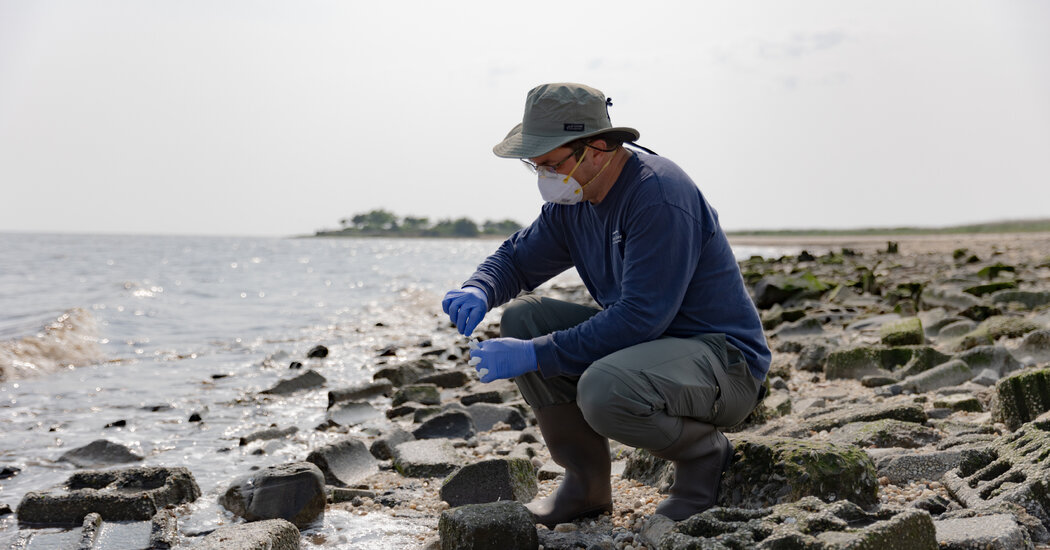
The H5N1 virus poses “a great unknown threat” to birds and humans alike. Understanding and thwarting it begins with excrement collection.It was a glorious day for field work on the shores of the Delaware Bay. The late afternoon sun cast a warm glow over the gently sloping beach. The receding tide revealed a smattering of shells. The dune grasses rustled in the breeze. The beach vines were in bloom. And the bird droppings were fresh and plentiful.“Here’s one,” said Pamela McKenzie, a researcher at St. Jude Children’s Research Hospital in Memphis, pointing a gloved finger at one tiny white splotch and then another. “There’s one, there’s one, there’s one.”For the next two hours, Dr. McKenzie and her colleagues crept along the shore, scooping up avian excrement. Their goal: to stay a step ahead of bird flu, a group of avian-adapted viruses that experts have long worried could evolve to spread easily among humans and potentially set off the next pandemic.Every spring, this part of southern New Jersey becomes a bird-flu hot spot. Shorebirds winging their way north alight on local beaches to rest and refuel, excreting virus along the way. And every year for the last four decades, scientists from St. Jude have flown into town to pick up after them.The work requires patience — waiting for the movements of the birds and the movements of the tides to align — keen eyes and resilient knees, sturdy enough to withstand hours of shuffling and squatting along the sometimes rugged shorelines. “They’re not nice, sandy beaches,” Lisa Kercher, a member of the St. Jude team. “They’re thick, muddy, icky beaches that are full of bird poop.”Swabbing some beach bird fecal samples to test for avian flu.Hannah Beier for The New York TimesBut these dropping-covered shores are helping scientists learn more about how avian influenza evolves, how it behaves in the wild and what it might take for these bird viruses to become a global public health threat. These scientific questions, which have driven the St. Jude team for decades, have become even more urgent as the United States grapples with its largest bird flu outbreak in history, caused by a new, highly pathogenic version of a virus known as H5N1.“Delaware Bay has turned into an influenza gold mine,” said Robert Webster, the St. Jude influenza expert who first discovered the hot spot in 1985. He has been back, or his colleagues have, every year since. “And we will continue to mine that gold mine until we’ve found the answers.”Beaches for the birdsIn June, the southern New Jersey shore fills up with vacationing families, their colorful beach umbrellas sprouting up across the sand.But in May, the beaches belong to the birds. Hundreds of thousands of migrating shorebirds and gulls make pit stops here en route to their summer breeding grounds, some arriving, bedraggled and depleted, after days-long journeys from South America. “They’re in a desperate need to replenish their weight,” said Lawrence Niles, a wildlife biologist who leads local shorebird conservation projects through his company, Wildlife Restoration Projects.Fortunately, the birds arrive just as hordes of horseshoe crabs are hauling themselves up onto shore, laying eggs by the thousands. The birds might spend two weeks gorging on the gelatinous green eggs, “almost doubling their body weight,” Dr. Niles said. During that time, they blanket the beaches, mingle with local birds and, like children in an overcrowded classroom, give each other the flu.Ruddy turnstones along the beach at Maurice River.Hannah Beier for The New York TimesWild water birds — including ducks, gulls and shorebirds — are the natural reservoirs for influenza A viruses, which come in a variety of subtypes. Generally, wild birds carry relatively benign versions of these viruses, which pose little immediate threat to birds or people. But flu viruses can change quickly, accumulating new mutations and swapping genetic material. These changes can, and sometimes do, turn a ho-hum virus into a lethal one, like the version of H5N1 that is currently circulating.Much of the time, flu circulates in shorebirds and gulls at low levels, often turning up in fewer than one percent of samples. But at the Delaware Bay in May and early June, it explodes, passing easily from bird to bird. Over the years, the St. Jude team has found it in 12 percent of their samples, on average, though that figure has climbed as high as 33 percent. They have found almost every subtype of influenza A, in addition to novel remixes, which can emerge when an animal is infected by more than one version of the virus at once.To keep an eye on what’s circulating, the St. Jude scientists work closely with Dr. Niles and his colleagues, who use the spring stopover as an opportunity to assess the health of the shorebirds, which face a variety of threats, from climate change to the over-harvesting of horseshoe crabs. Dr. Niles and his team typically head out to the beaches first to count, catch, examine and tag the birds. They then relay the birds’ whereabouts to the flu-hunting avian-clean-up crew. “We will then go out and pick up the poop,” Dr. Kercher said.‘A unique year’Horseshoe crabs on the beach. They lay their eggs by the thousands, and birds feast on the eggs.Hannah Beier for The New York TimesBut on the team’s first full day of field work this spring, by the time the conservationists had finished their work, the tide was roaring back in. So for hours, the St. Jude scientists bided their time, waiting for the water to recede and hoping that they would still be able to find some flocks. “We are at the mercy of the birds, and the birds don’t tell us what they’re doing,” Dr. Kercher said.It was nearly 4 p.m. when they finally rumbled down a gravel road, past the pine forests and the marshes, and arrived at one local beach, where shorebirds had been spotted earlier.Dr. McKenzie, clad in black joggers and a hooded, gray waffle-knit top, climbed out of the car and surveyed the beach. Horseshoe crabs stretched out along the high-tide line. In the distance, a flock of small birds scuttled around in the water. Dr. McKenzie lifted her binoculars. Bingo: They were ruddy turnstones, sandpipers whose tricolor markings are sometimes compared to those of a calico cat. These birds, the St. Jude team has learned, are especially likely to carry flu viruses.The scientists donned gloves and masks, a recently added safety precaution. “It’s not something that we’ve done in the past,” Dr. McKenzie said, “but this is a unique year.”The new H5N1 strain first showed up in North America in late 2021 and spread rapidly across the continent. It led to the death of nearly 60 million farmed birds, killed scores of wild ones and even felled some unlucky mammals, from red foxes to gray seals.Pamela McKenzie of St. Jude Children’s Research Hospital.Hannah Beier for The New York TimesThe St. Jude team found no trace of H5N1 at the Delaware Bay last spring. But at the time, the virus had not yet made its way to the shorebirds’ South American wintering grounds. By this spring, it had, which means that the birds could bring it back with them. “We absolutely are worried it’s going to show up,” Dr. Kercher said.So the scientists were doubling down on their surveillance, aiming to collect 1,000 fecal samples instead of their standard 600. They began picking their way down the beach, eyes cast down as they searched for the right white splotches. Not any droppings would do; it had to be fresh excrement, ideally from ruddy turnstones and red knots, another sandpiper species. The scientists have become good at telling the two types of droppings apart. “The turnstones are mostly logs,” Dr. McKenzie said. “The red knots kind of have more of a splat.”When the scientists spotted a suitable splotch, they dropped to their knees and unsheathed round-tipped swabs. Sometimes it took a few tries to successfully collect a sample. “It’s not the easiest technique with these tools,” said Patrick Seiler, a member of the research team. “In the blowing wind, trying to scoop up poop and put it in a little vial.”Flu cluesThey stowed the samples in a small plastic cooler, of a kind that a vacationer might bring to these same beaches. Later, the samples would be shipped back to the lab in Memphis for testing and analysis.Typically, the researchers sequence the viruses they find, looking for notable mutations and charting their evolution over time, and then select a subset to study in different kinds of cells and animal models. Over the past few decades, this work has helped the scientists learn more about what “run-of-the-mill” bird flu viruses look like and how they behave, said Richard Webby, an influenza expert on the St. Jude team.Packing bird fecal samples into a cooler not unlike those that human beachgoers might bring to the same beaches.Hannah Beier for The New York TimesIt has also helped them spot outliers. “And that leads us on a chase,” Dr. Webby said, which can end up revealing “something about the fundamental biology of these viruses.” In 2009, some of the viruses they found turned out to be surprisingly good at spreading among ferrets. Further study of those viruses helped the researchers identify genetic mutations that might facilitate the airborne transmission of flu among mammals.If the team finds H5N1 this year, Dr. Webby and his colleagues will look for changes that the virus might have acquired as it moved through the shorebirds, as well as any that might make it more dangerous to humans or resistant to vaccines and treatments. The virus has already evolved markedly since its arrival in North America, Dr. Webby and his colleagues reported in a recent paper, which was based on analysis of viral samples isolated from birds outside of the Delaware Bay region. The new variants they found have not gained the ability to spread easily among mammals, but some are capable of causing serious neurological symptoms in mammals that become infected.If the virus shows up in this year’s Delaware Bay samples, it will be yet another sign that H5N1 is becoming increasingly entrenched in North America. It could also spell trouble for some of the shorebirds, especially the red knots, whose numbers have dropped precipitously in recent decades. For these birds, H5N1 is “a great unknown threat,” Dr. Niles said.And so, although the excrement collection process remains as unglamorous as ever, the stakes feel high as the scientists work their way down the beach.All they can say is that they haven’t found the new H5N1 virus yet. “But that doesn’t mean that we won’t,” Dr. McKenzie said, carefully scooping up the scatological clues the birds had left behind. “I guess we will find out.”Hannah Beier for The New York Times

Read more →

Parkinson's disease drug ropinirole safely slowed the progression of ALS for over 6 months in a clinical trial

Amyotrophic lateral sclerosis (ALS), also known as Lou Gehrig’s disease, is a fatal motor neuron disease that causes people to gradually lose control of their muscles. There is no cure, and current treatments focus on reducing symptoms and providing supportive care. Reporting June 1 in the journal Cell Stem Cell, researchers from Japan show in an early clinical trial that the Parkinson’s disease drug ropinirole is safe to use in ALS patients and delayed disease progression by 27.9 weeks on average.
Some patients were more responsive to ropinirole treatment than others, and the researchers were able to predict clinical responsiveness in vitro using motor neurons derived from patient stem cells.
“ALS is totally incurable, and it’s a very difficult disease to treat,” says senior author and physiologist Hideyuki Okano of the Keio University School of Medicine in Tokyo. “We previously identified ropinirole as a potential anti-ALS drug in vitro by iPSC drug discovery, and with this trial, we have shown that it is safe to use in ALS patients and that it potentially has some therapeutic effect, but to confirm its effectiveness we need more studies, and we are now planning a phase 3 trial for the near future.”
To test ropinirole’s safety and effectiveness in patients with sporadic (i.e., non-familial) ALS, the team recruited 20 patients receiving care at Keio University Hospital in Japan. None of the patients carried genes predisposing to the disease, and, on average, they had been living with ALS for 20 months.
The trial was double blinded for the first 24 weeks, meaning that the patients and doctors did not know which patients were receiving ropinirole and which were receiving a placebo. Then, for the following 24 weeks, all patients who wished to continue were knowingly administered ropinirole. Many patients dropped out along the way — partially due to the COVID-19 pandemic — so only 7/13 ropinirole-treated and 1/7 placebo-followed-by-ropinirole-treated patients were monitored for the full year. However, no patients dropped out due to safety reasons.
To determine whether the drug was effective at slowing the progression of ALS, the team monitored a variety of different measures throughout the trial and for 4 weeks after treatment concluded. These included changes in the patients’ self-reported physical activity and ability to eat and drink independently, activity data from wearable devices, and physician-measured changes in mobility, muscle strength, and lung function.

“We found that ropinirole is safe and tolerable for ALS patients and shows therapeutic promise at helping them sustain daily activity and muscle strength,” says first author Satoru Morimoto, a neurologist at the Keio University School of Medicine in Tokyo.
Patients who received ropinirole during both phases of the trial were more physically active than patients in the placebo group. They also showed slower rates of decline in mobility, muscle strength, and lung function, and they were more likely to survive.
The benefits of ropinirole relative to the placebo became increasingly pronounced as the trial progressed. However, placebo group patients who began taking ropinirole halfway through the trial did not experience these improvements, which suggests that ropinirole treatment may only be useful if treatment is started earlier and administered over a longer duration.
Next, the researchers investigated the mechanisms behind ropinirole’s effects and looked for molecular markers of the disease. To do this, they generated induced pluripotent stem cells from the patients’ blood and grew these cells into motor neurons in the lab. Compared to healthy motor neurons, they found that motor neurons from ALS patients showed distinct differences in structure, gene expression, and metabolite concentrations, but ropinirole treatment reduced these differences.
Specifically, motor neurons grown from ALS patients had shorter neurites compared to healthy motor neurons, but these axons grew to a more normal length when the cells were treated with ropinirole. The team also identified 29 genes related to cholesterol synthesis that tended to be upregulated in motor neurons from ALS patients, but ropinirole treatment suppressed their gene expressions over time. They also identified lipid peroxide as a good surrogate marker for estimating the effect of ropinirole both in vitro and clinically.
“We found a very striking correlation between a patient’s clinical response and the response of their motor neurons in vitro,” says Morimoto. “Patients whose motor neurons responded robustly to ropinirole in vitro had a much slower clinical disease progression with ropinirole treatment, while suboptimal responders showed much more rapid disease progression despite taking ropinirole.”
The researchers say that this suggests that this method — of growing and testing motor neurons from patient-derived induced pluripotent stem cells — could be used clinically to predict how effective the drug would be for a given patient. It’s unclear why some patients are more responsive to ropinirole than others, but the researchers think that it’s probably due to genetic differences that they hope to pinpoint in future studies.

Read more →

Multi-cancer blood test shows real promise in NHS study

Published7 hours agoShareclose panelShare pageCopy linkAbout sharingImage source, Getty ImagesBy Michelle RobertsDigital health editorA blood test for more than 50 types of cancer has shown real promise in a major NHS trial, researchers say.The test correctly revealed two out of every three cancers among 5,000 people who had visited their GP with suspected symptoms, in England or Wales. In 85% of those positive cases, it also pinpointed the original site of cancer.The Galleri test looks for distinct changes in bits of genetic code that leak from different cancers. Spotting treatable cancer early can save lives. What is the Galleri test?NHS launches world first trial of blood test for 50 cancer typesThe test remains very much a “work in progress”, the researchers, from Oxford University, say, but could increase the number of cancers identified. Often, patients have symptoms, such as weight loss, with a range of possible causes and require multiple tests and hospital visits.More than 350 of those in the study – the biggest of its kind in patients with suspected cancer symptoms – were subsequently diagnosed with cancer, using traditional methods such as scans and biopsies. About:75% of those testing positive on the blood test were found to have cancer2.5% of those testing negative were found to have cancerAlthough not accurate enough to “rule in or rule out cancer”, the test was really useful for patients lead researcher Prof Mark Middleton told BBC News.”The test was 85% accurate in detecting the source of the cancer – and that can be really helpful because so many times it is not immediately obvious when you have got the patient in front of you what test is needed to see whether their symptoms are down to cancer,” he said.”With that prediction from the test, we can decide whether to order a scope or a scan and make sure we are giving the right test the first time.”The findings will be presented at the American Society of Clinical Oncology conference, in Chicago, and published in The Lancet Oncology journal. ‘More research’The NHS has also been using the Galleri test, developed by Californian company Grail, in thousands of people without symptoms, to see if it can detect hidden cancers. Initial results are expected this year – and, if successful, the NHS in England plans to extend the rollout to a further one million people in 2024 and 2025.The test is particularly good at finding hard-to-spot cancers such as head and neck, bowel, lung, pancreatic, and throat cancers. Dr David Crosby, from Cancer Research UK, said: “The findings from the study suggest this test could be used to support GPs to make clinical assessments – but much more research is needed, in a larger trial, to see if it could improve GP assessment and ultimately patient outcomes.”More on this storyNHS trials blood test to detect cancer earlyPublished12 November 2021Multi-cancer test – how does it work?Published13 September 2021Blood test for 50 cancers to be trialled by NHSPublished27 November 2020

Read more →

Biden Is Said to Pick Mandy Cohen to Lead C.D.C.

The president’s choice for the job, Dr. Mandy Cohen, would replace Dr. Rochelle Walensky, who is stepping down at the end of the month.President Biden plans to name Dr. Mandy Cohen, a former North Carolina health secretary who steered her state through the tumultuous first two years of the coronavirus pandemic, as the next director of the Centers for Disease Control and Prevention, according to two people familiar with the selection process.The selection of Dr. Cohen, which was first reported by The Washington Post, is not final. The White House is still putting together the necessary paperwork to make the appointment official, according to another person familiar with the selection process. But Dr. Cohen is the leading candidate, this person said.The White House declined to comment. Dr. Cohen did not immediately respond to a request for comment.If chosen by Mr. Biden, Dr. Cohen, an internist, would replace Dr. Rochelle P. Walensky, an infectious disease expert who announced last month that she would step down at the end of June. Dr. Walensky led the C.D.C. through difficult times; the agency had grown demoralized under President Donald J. Trump and drew fierce criticism under both Mr. Trump and Mr. Biden.As secretary of North Carolina’s Department of Health and Human Services under Gov. Roy Cooper from 2017 to 2021, Dr. Cohen established herself as a familiar and steady voice who maintained the public’s trust despite deep political divisions, people who worked with her said.Addressing graduating students at Guilford College in North Carolina last month, Dr. Cohen made trust the theme of her commencement speech. “Change happens at the pace of trust,” she said, adding that while it was possible to motivate people to change their behavior by scaring them, “fear will only get you so far.”One point in Dr. Cohen’s favor is that, unlike Dr. Walensky, she has previous experience in the federal government. Before becoming North Carolina’s health secretary, she held several posts in the Obama administration, including serving as chief operating officer and chief of staff at the Centers for Medicare and Medicaid Services. Dr. Cohen is currently an executive at Aledade, a company that offers support to physicians and community health clinics.Although Congress passed legislation last year requiring that the C.D.C. director be subject to Senate confirmation, the provision does not take effect until 2025, so Dr. Cohen could begin serving right away.“Mandy Cohen used a steady hand to help my administration lead North Carolina through the pandemic to be among the states with the lowest deaths and job losses per capita,” Mr. Cooper, a Democrat, said in a statement. “She is a brilliant, talented and battle-tested leader who would be a fantastic C.D.C. director.”Public health experts who know Dr. Cohen or have worked with her said her experience leading North Carolina’s pandemic response and her years at federal agencies would be a tremendous asset for a C.D.C. director. The C.D.C. has repeatedly come under fire during the pandemic for its muddled messaging, but Dr. Cohen drew praise as a clear communicator.“North Carolina is a purple state, which is relevant when, you know, we were in a public health emergency that was extremely politicized,” said Dr. Neel Shah, the chief medical officer of Maven Clinic, a digital health care provider, who has known Dr. Cohen since they were both medical residents at Massachusetts General Hospital. He said Dr. Cohen “did an outstanding job of having an impact in that kind of climate.”In the public health community, Dr. Cohen has a reputation for creating innovative programs, including a workaround to allow state governments to use Medicaid dollars to help low-income people with housing, food security and other needs that can affect their health.“People talk about North Carolina with a measure of excitement in their voice,” said Dr. Joshua M. Sharfstein, the vice dean for public health practice and community engagement at the Johns Hopkins Bloomberg School of Public Health, who worked closely with Dr. Cohen when he was Maryland’s health secretary and she was a federal official.The pandemic revealed a deep rift between public health and medicine, and Dr. Cohen is trying to bridge that divide, in part by having primary care physicians deliver preventive care, Dr. Sharfstein said.“There’s a lot of opportunity at the intersection of health care and public health, and C.D.C. has not really been able to take advantage of those opportunities,” he said.

Read more →

Eye drops slow nearsightedness progression in kids

The results of a new clinical trial suggest that the first drug therapy to slow the progression of nearsightedness in kids could be on the horizon.
The three-year study found that a daily drop in each eye of a low dose of atropine, a drug used to dilate pupils, was better than a placebo at limiting eyeglass prescription changes and inhibiting elongation of the eye in nearsighted children aged 6 to 10.
That elongation leads to myopia, or nearsightedness, which starts in young kids and continues to get worse into the teen years before leveling off in most people. In addition to requiring life-long vision correction, nearsightedness increases the risk for retinal detachment, macular degeneration, cataracts and glaucoma later in life — and most corrective lenses don’t do anything to stop myopia progression.
“The idea of keeping eyeballs smaller isn’t just so people’s glasses are thinner — it would also be so that in their 70s they don’t suffer visual impairment,” said lead study author Karla Zadnik, professor and dean of the College of Optometry at The Ohio State University.
“This is exciting work for the myopia research community, which I’ve been part of for 35 years. We’ve talked about treatment and control for decades,” she said. “And it’s exciting to think that there could be options in the future for millions of children we know are going to be myopic.”
The results of the CHAMP (Childhood Atropine for Myopia Progression) trial are published today (June 1, 2023) in JAMA Ophthalmology.

About one in three adults worldwide is nearsighted, and the global prevalence of myopia is predicted to increase to 50% by 2050. Though one federally approved contact lens can slow progression of nearsightedness, no pharmaceutical products are approved in the United States or Europe to treat myopia.
Animal studies years ago hinted at atropine’s ability to slow the growth of the eye, but the full-strength drug’s interference with near vision and concerns about pupil dilation hindered early considerations of its potential as a human therapy for myopia. More recent research has suggested a low dose of atropine might be the ticket.
This new double-masked, randomized phase 3 trial assessed the safety and effectiveness of two low-dose solutions, with atropine concentrations of either .01% or .02%, versus placebo. Treatment for each of the 489 children aged 6 to 10 assessed for the drug’s effectiveness consisted of one daily drop per eye at bedtime, which minimized the disruption of any blurring effects atropine might have on vision.
Researchers were a bit surprised to find that the most significant improvements at all time points compared to placebo resulted from the solution containing .01% of atropine. Though the .02% atropine formulation was also better at slowing progression of myopia than placebo, the results were less consistent.
“The .01% story is clearer and more obvious in terms of significantly slowing both the growth of the eye as well as then resulting in a lower glasses prescription,” Zadnik said.

Including a measure of the eye’s growth was a key component of the study because “the field is actually moving toward axial elongation being as important as, or more important than, the glasses prescription in terms of the most meaningful outcome,” she said. “If we’re trying to slow eye growth to prevent bad outcomes for people in their 80s, measuring the eye growth directly is really important.”
The drugs’ safety was assessed in a larger sample of 573 participants that also included children as young as 3 and up to age 16. Both low-dose formulations were safe and well tolerated. The most common side effects were sensitivity to light, allergic conjunctivitis, eye irritation, dilated pupils and blurred vision, although reports of these side effects were few.
The CHAMP trial was the first study of low-dose atropine to include placebo controls for three years and to involve a large, diverse population recruited from 26 clinical sites in North America and five countries in Europe. In a second section of the trial, researchers are evaluating how the eyes respond when the treatment is over.
The experimental drug is made without preservatives and, if federally approved as a therapy, would be distributed in single-use packaging for convenience and to prevent contamination. Off-label low-dose atropine that can currently be obtained at compounding pharmacies may contain preservatives that can lead to dry eye and corneal irritation, researchers noted.
The experimental product studied in the CHAMP trial is manufactured by Vyluma, a New Jersey development-stage biopharmaceutical company with a focus on pharmaceutical treatments for refractive errors of the eye. A subsidiary of Nevakar Inc., Vyluma sponsored the trial, has submitted a New Drug Application to the FDA to seek approval in the U.S. and has partnered with two companies to commercialize the product outside the United States..
Zadnik led the study as a paid expert consultant to Vyluma. Jennifer Fogt, assistant professor at Ohio State, also worked on the trial. Additional co-authors Erica Schulman of SUNY College of Optometry; Ian Flitcroft of the Center for Eye Research in Dublin, Ireland; Louis Blumenfeld of Eye Physicians of Central Florida; and Tung Fong, Eric Lang, Houman Hemmati and Simon Chandler of Vyluma represented the CHAMP trial group investigators.

Read more →

Eating disorder group pulls chatbot sharing diet advice

Published9 hours agoShareclose panelShare pageCopy linkAbout sharingImage source, Getty ImagesBy Chelsea BaileyBBC News, WashingtonA US organisation that supports people with eating disorders has suspended use of a chatbot after reports it shared harmful advice.The National Eating Disorder Association (Neda) recently closed its live helpline and directed people seeking help to other resources, including the chatbot.The AI bot, named “Tessa,” has been taken down, the association said. It will be investigating reports about the bot’s behaviour. In recent weeks, some social media users posted screenshots of their experience with the chatbot online. They said the bot continued to recommend behaviours like calorie restriction and dieting, even after it was told the user had an eating disorder. For patients already struggling with stigma around their weight, further encouragement to shed pounds can lead to disordered eating behaviours like bingeing, restricting or purging, according to the American Academy of Family Physicians. “Every single thing Tessa suggested were things that led to the development of my eating disorder,” Sharon Maxwell, a weight inclusive activist, wrote in a widely viewed post on Instagram detailing an interaction with the bot, which she said told her to monitor her weight daily and maintain a calorie deficit. “If I had accessed this chatbot when I was in the throes of my eating disorder, I would not have gotten help.” In a statement shared with US media outlets, Neda CEO Liz Thompson said the advice the chatbot shared “is against our policies and core beliefs as an eating disorder organisation”. The association had planned to close its human-staffed helpline on 1 June 2023, and dismissed the staffers and volunteers who had maintained the information and treatment options helpline, which was launched in 1999. Officials quoted by NPR cited growing legal liabilities among the reasons for the switch. Is the world prepared for the coming AI storm?BBC Reel: Why we are still smarter than machinesNearly 10% of Americans will be diagnosed with an eating disorder in their lifetime. The disorders often thrive in secrecy and treatment can be costly, or unavailable in many parts of the country. Knowing this, Ellen Fitzsimmons-Craft, a professor of psychiatry at Washington University’s medical school, and her team set out to create a cognitive-behavioural tool that could offer prevention strategies for people with eating disorders. She told BBC News the chatbot she designed was based on proven interventions that have been found to be effective in reducing eating disorders and related behaviours. “It was never intended to be a replacement for the helpline,” she said. “It was an entirely different service.” Ms Fitzsimmons-Craft and her team gave the programme to Neda and a technology firm to deploy to clients last year. Since then, she said she believes a “bug” or flaw has been introduced into her original design to make the algorithm function more like recent AI tools like ChatGPT. (Neda has said the bot is not run by ChatGPT and does not have the same functions). “Our study absolutely never had that feature,” she said. “It is not the programme that we developed, tested and have shown to be effective.” The BBC has reached out to Neda and the health technology firm Cass for comment. Abbie Harper, a former helpline staffer, told BBC News that days after helpline staff officially unionised, workers were told they would no longer have jobs. “In the middle of our regular Friday staff meeting, the CEO and chairman of the board popped in to let us know we were being replaced with a chatbot and our jobs were being eliminated,” she said. “Our jaws hit the floor. We knew Tessa existed, mainly for folks that had body images issues, but it has these pre-programmed responses. It’s not a person who’s engaged in empathetic active listening to you.” Ms Harper, who is also recovering from an eating disorder, said talking to someone who shared her experience with the illness was a key step to her recovery and to combatting the stigma and shame she felt. A bot, she said, cannot offer the same support. More on this storyAI ‘godfather’ feels ‘lost’ over life’s workPublished1 day agoAI could lead to extinction, experts warnPublished2 days agoCan an AI chatbot be funnier than Stephen Colbert?Published3 May

Read more →

Preventing truck crashes needs to take 'dashcam' approach to driver 'microsleeps'

Researchers using dashcam footage of real-world collisions involving large trucks to analyze driver and vehicle behavior has found that anti-drowsiness alarms or similar technologies to prevent falling asleep at the wheel need to go beyond a focus on monitoring the drivers’ eyes, and consider other microsleep behaviors including a relaxation of back and neck muscles and abnormal activity of the vehicle itself.
A study reporting the researchers’ findings was published April 13 in the journal Accident Analysis and Prevention.
Traffic accidents involving large trucks in the United States have increased 47 percent according to the National Safety Council, and in 2021, these vehicles were responsible for nine percent of all vehicles involved in fatal crashes. Several studies worldwide have highlighted in particular the severity of collisions related to drowsy driving and their substantial risk of fatality.
A major risk here comes from what researchers term “microsleeps.” A microsleep is a brief episode of sleep that lasts for just a few seconds and can occur involuntarily during wakefulness. It can lead to impaired cognitive and motor performance, including slower reaction times, decreased attention, and even complete loss of consciousness. Microsleep episodes can have a significant impact on driving performance and increase the likelihood of dozing off while driving. In 2022, National Police Agency of Japan announced that falling asleep at the wheel was to be included in the same category of “forward inattention” as distraction, which has been the most frequent cause of fatal traffic accidents in the country for over ten years.
A great deal of research into typical microsleep behaviors has investigated one or more aspects of the problem such as eye closure or changes in pupil diameter. No study has yet performed an analysis that takes a more holistic approach considering multiple aspects of the problem, combining the driver’s eye and mouth movements as well as their entire body and vehicle driving behavior. Most such studies have also only considered driver performance during computer simulations. No research has yet looked at actual collisions of large trucks.
“But in recent years, there has been an explosion in the use of dashcam video recorders,” said Hajime Kumagai, lead author of the paper and a specialist in sleep medicine with the Graduate School of Biomedical and Health Sciences at Hiroshima University.

“This means that a great many traffic accidents, and their possible relationship to episodes of microsleeping have been recorded. This inspired us to employ dashcam footage to investigate microsleep-related behaviors immediately prior to real-world truck collisions.”
In total, the researchers reviewed 3,120 seconds of video footage from interior and exterior dashcams across 52 cases from truck collisions in Japan that had actually happened. They analysed the footage from one minute before the crash right up until the crash. In each incident, the person at the wheel had been a professional driver, and all crashes occurred on either urban roads or highways.
The footage was visually analyzed in a second-by-second manner to simultaneously evaluate any eye changes and microsleep-related activity including the driver’s actions to try to prevent falling asleep (anti-sleepiness behaviors), behavioral signs of microsleep, and abnormal vehicle behavior.
The researchers concluded that the key signs of microsleep include behaviors suggesting a creeping sleepiness, such as the absence of body movement, relaxation of antigravity muscles (the muscles such as back and neck muscles, as well as calves and quadriceps used to support ourselves against the force of gravity), eyes being half-closed, and closure of the eyes for one second or more.
“Up to now, technologies used to attempt to detect and counter falling asleep at the wheel have focused mainly on monitoring the driver’s eyes,” said Toshiaki Shiomi, a co-author of the study. “What we found means that it is crucial to monitor not just the eyes but also the driver’s whole body, as well as vehicle behavior in order to reliably detect microsleep-related activity.”
This should also help in avoiding false alarms by ensuring a clear distinction between microsleep-related and non-microsleep-related behaviors.
Developing advanced safety systems that can detect and alert drivers of potential microsleep episodes involving a whole-of-body approach combined with monitoring of the vehicle for typical microsleep-related abnormal vehicle maneuvers could be an effective intervention for reducing accidents in the trucking industry.
The team hopes now to support work developing such advanced safety systems. These might include technologies that monitor both the inside and outside of the truck using cameras or other sensors, as well as deployment of algorithms that can analyze such data in real-time to detect signs of sleepiness or fatigue. These systems could then alert drivers with an alarm when they are at risk of falling asleep at the wheel.

Read more →