Hospice Is a Profitable Business, but Nonprofits Mostly Do a Better Job
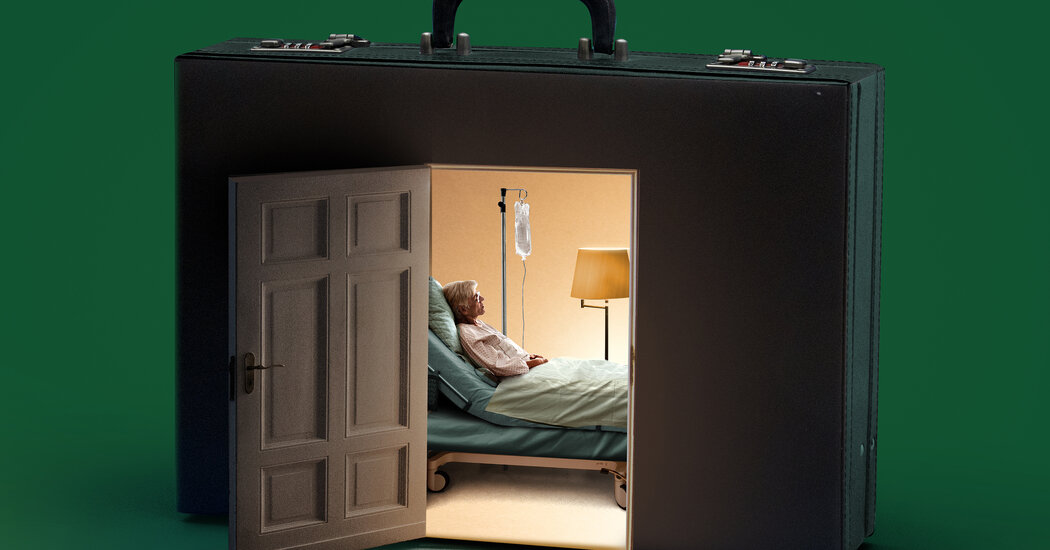
Nearly three-quarters of hospice organizations are now for-profit. Complaints of fraud and profiteering are growing.In the nearly 20 years that Megan Stainer worked in nursing homes in and around Detroit, she could almost always tell which patients near death were receiving care from nonprofit hospice organizations and which from for-profit hospices.“There were really stark differences,” said Ms. Stainer, 45, a licensed practical nurse. Looking at their medical charts, “the nonprofit patients always had the most visits: nurses, chaplains, social workers.”The nonprofit hospices responded quickly when the nursing home staff requested supplies and equipment. By contrast, she said, “if you called and said, ‘I need a specialized bed,’ with for-profits it could take days — days when the patient is in a bed that’s uncomfortable.”Ms. Stainer, now a private duty nurse and certified death doula in Hamburg, Mich., also found nonprofits more willing to keep patients enrolled and for-profits more prone to “live discharge” — removing patients from hospice ostensibly because they no longer met the criteria for declining health, then re-enrolling them later.“It seemed like people were being discharged when they still needed their services,” Ms. Stainer said. “There never seemed to be a logical reason.” But long enrollments and live discharges can help hospices boost profits and avoid financial penalties, analysts have pointed out.Researchers have for years reported that there are, indeed, substantial differences overall between for-profit and nonprofit hospices; a new study based on family caregivers’ experiences provides additional evidence.Medicare began covering hospice care four decades ago, when most hospices were nonprofit community organizations relying heavily on volunteers. It has since become a growth industry dominated by for-profit businesses.In 2001, 1,185 nonprofit hospices and just 800 for-profits provided care for Americans with terminal illnesses who were expected to die within six months. Twenty years later, almost three-quarters of the nation’s 5,000-plus hospices were for-profits, many affiliated with regional or national chains.The shift was probably inevitable, said Ben Marcantonio, interim chief executive of the National Hospice and Palliative Care Organization, which represents both types along with some government hospices. Roughly half of Americans who die each year now turn to hospice. The number of Medicare beneficiaries enrolling in hospice rose to 1.7 million in 2020 from 580,000 in 2001.“The growth of for-profit providers is largely responding to growing need,” Mr. Marcantonio said. “It’s evolved within a health care system that not only accepts but encourages for-profit providers. To think hospice would be exempt from that forever probably wasn’t realistic.”Yet the proliferation of for-profit hospices has stoked fears that dying patients and their families are being shortchanged to improve companies’ bottom lines.The most recent report from MedPAC, the independent agency advising Congress on Medicare spending, found that in 2020, for-profits received 20.5 percent more from Medicare than they spent providing services. The margin for nonprofits, whose daily per-patient expenditures are higher, averaged 5.8 percent.“We’re not going to get profiteering out of the business until we make changes,” said Larry Atkins, chief policy officer of the National Partnership for Healthcare and Hospice Innovation, which represents about 100 nonprofit hospices.He acknowledged, only a bit grudgingly, that “there are a lot of sophisticated players on the for-profit side that do a decent job.”Barbara Reiss discovered that in 2017, when her 85-year-old mother was dying of cancer at her home in River Ridge, La. A for-profit hospice proved “very responsive to us,” she said, even when the family called for advice at 2 a.m. The hospice provided all the necessary supplies and drugs and sent nurses regularly.“When we were really having trouble, they came,” Ms. Reiss said. Her mother died peacefully, and the family turned to the same for-profit hospice three years later, when her father died in assisted living at 95.But numerous studies have documented that as a group, nonprofits provide better care. All hospices within a geographic area receive the same daily payment per Medicare beneficiary, but patients enrolled in nonprofits receive more visits from nurses, social workers and therapists, according to a 2019 study by the consulting firm Milliman.For-profits are more likely to discharge patients before they die, a particularly distressing experience for families. “It violates the implicit contract hospice makes, to care for patients through the end of life,” Dr. Atkins said.Dr. Joan Teno, a Brown University health policy researcher, and her team reported in 2015 on these “burdensome transitions,” in which patients were discharged, hospitalized and then readmitted to hospice.That happened to 12 percent of patients in for-profits affiliated with national chains, and to 18 percent of patients enrolled in for-profits that weren’t chain-affiliated — but to only 1.4 percent of patients in nonprofit hospices.Dr. Teno’s latest study, undertaken with RAND Corporation, analyzes the family caregiver surveys that Medicare introduced in 2016. Using data from 653,208 respondents from 2017 to 2019, the researchers ranked about 31 percent of for-profit hospices as “low performers,” scoring well below the national average, compared with 12.5 percent of nonprofits.More than a third of nonprofits, but only 22 percent of for-profits, were “high performers.” In 2019, the Department of Health and Human Services’ inspector general’s office also reported that most hospices it identified as low-performing were for-profits.Apart from such differences, the hospice industry has been plagued by fraud in several states. Investigations by The Los Angeles Times in 2020 and by the state auditor found that scores of new for-profit hospices were getting certified and billing Medicare in California.The number far outstripped need, and dozens of hospices shared common addresses, the auditor noted, concluding that “numerous indicators suggest large-scale hospice fraud and abuse” in Los Angeles County. Last year, the state imposed a moratorium on hospice licenses.In November, national hospice associations urged Medicare to take action in Nevada, Arizona and Texas, where similar patterns of growth and abuse have emerged.Researchers and critics have also raised alarms about private equity firms acquiring hospice organizations and, intending to resell them within a few years, reducing costs through measures like cutting staff. Most of those acquisitions were previously nonprofits.Advocates, researchers and industry leaders have long lists of reforms they think will fight fraud and improve services, from strengthening the way Medicare conducts quality surveys to shifting from a per-diem payment model to more individualized reimbursement.“It’s clear we need to strengthen oversight, but we must also modernize payment programs to meet the needs of patients and make it harder for people to game the system,” Representative Earl Blumenauer, an Oregon Democrat who has long been involved in end-of-life legislation, said in an email.Meanwhile, families seeking reliable, compassionate hospice care for loved ones need to undertake research, at a time when they shouldn’t have to, to select a provider. “It’s not as simple as avoiding all for-profits,” Dr. Teno said. “Because of the variations, you have to really look at the data.”The Medicare.gov website notes not only which hospices are nonprofit but also other quality measures. (The National Hospice Locator also provides such information, and the CaringInfo site from the National Hospice and Palliative Care Organization offers general guidance.)Dr. Teno advised caution if more than 40 percent of a hospice’s patients have dementia or are in assisted living facilities or nursing homes, both associated with higher profit margins.Quality hospices provide not only “routine home care,” the most common type of hospice service, but also higher levels of care when needed, including inpatient services. Look for a hospice with a four- or five-star rating, she added, although some geographic regions lack one.Most family caregivers still give hospice care high approval ratings, despite its changes and problems, but the need for improvement is clear.“It’s a small segment of the health care system, but it’s such an important one,” Dr. Teno said. “If you screw it up, people don’t forget.”

Read more →
Harald zur Hausen, Nobelist Who Found Cause of Cervical Cancer, Dies at 87

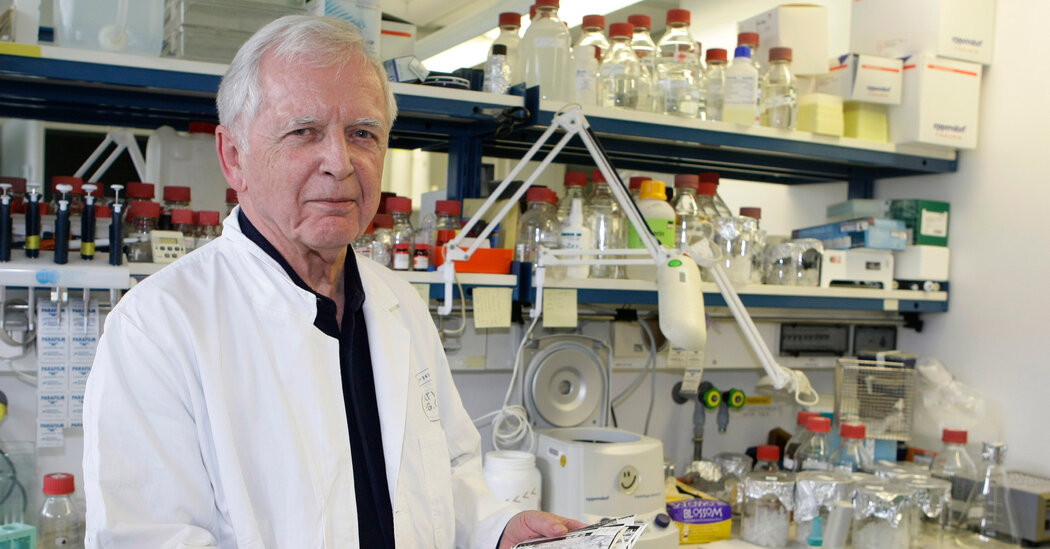
When he proposed that the human papillomavirus caused cervical cancer, he was ridiculed. He persevered, and today a vaccine exists.Dr. Harald zur Hausen, a German virologist who won the Nobel Prize in Medicine in 2008 for his discovery that the seemingly benign human papillomavirus, known for causing warts, also caused cervical cancer, died on May 29 at his home in Heidelberg, Germany. He was 87.His death was announced by the German Cancer Research Center in Heidelberg, which Dr. zur Hausen led for two decades. Josef Puchta, the center’s former administrative director and a longtime colleague and friend, said that Dr. zur Hausen had suffered a stroke in May.Dr. zur Hausen’s discovery paved the way for vaccines against human papillomavirus, or HPV, a sexually transmitted disease that can also cause other cancers, including of the vagina, vulva, penis, anus and back of the throat.More than 600,000 people develop an HPV-related cancer every year, according to the National Cancer Institute. Vaccination can prevent as many as 90 percent of those cancers.Dr. zur Hausen leaves “a huge legacy, “Dr. Margaret Stanley, an HPV researcher at the University of Cambridge said in an interview: a lifesaving vaccine and lifesaving tests to detect the virus.Colleagues remembered Dr. zur Hausen as courteous, considerate and respectful — not always a given in high-profile research laboratories, they noted — and more than one described him as a “gentleman.”He was also doggedly devoted to his research, and he could be “unshakable” when he had an idea, said Timo Bund, a scientist at the German Cancer Research Center. Dr. zur Hausen’s hypothesis that HPV caused cervical cancer contradicted the prevailing wisdom of “almost the full scientific world,” Dr. Bund said, and took him a decade to prove.When he first proposed the notion, in the 1970s, many scientists believed that cervical cancer was caused by the herpes simplex virus. But Dr. zur Hausen could find no sign of herpes in the biopsies of cervical cancer patients. When he presented those results at a scientific conference in 1974, he was “intensively criticized,” he recalled in an autobiographical article in the Annual Review of Virology.The HPV vaccine can prevent as much as 90 percent of all HPV-related cancers. Dr. zur Hausen’s discovery of the link between HPV and cancer paved the way for the vaccine.Charles Rex Arbogast/Associated PressDr. zur Hausen had been intrigued by reports that genital warts could, in rare cases, turn into cancer. He began to look for human papillomavirus DNA in cells from cervical cancer patients using a gene probe, a short piece of single-stranded DNA designed to bind to a specific sequence in the HPV genome.The work proved challenging, in part because it became clear that there were many different types of HPV, each of which has its own genetic sequence and not all of which cause cancer.Dr. zur Hausen was undeterred. “I think he never doubted in any way that this was correct,” said Michael Boshart, a geneticist at Ludwig-Maximilians-University of Munich who was a Ph.D. student on the research team.Finally, in 1983, Dr. zur Hausen and his colleagues announced that they had found a new type of HPV in cervical cancer cells. The next year, they reported another. About 70 percent of cervical cancer biopsies, they found, contained one of these two viruses.Other scientists soon confirmed the findings. “I felt some satisfaction in this situation, because up to this moment several colleagues had ridiculed our research, saying, ‘Everyone knows that warts and papillomaviruses are harmless,’” Dr. zur Hausen wrote in the Annual Review of Virology.Dr. zur Hausen shared clones of the viral DNA freely with other researchers. “Most scientists are selfish and hang on to their stuff,” Dr. Stanley said. “Because he gave them out to the papillomavirus community, there was an absolute explosion of work.”That research helped accelerate scientific understanding of the viruses as well as the development of vaccines. The first HPV vaccine was approved in 2006. Dr. zur Hausen won the Nobel two years later, sharing the prize with the two French virologists who had discovered H.I.V.He became an ardent advocate for the vaccine, which is highly effective but which many children do not receive. He argued that the vaccine, which was initially promoted primarily for girls, should also be given to boys, which health officials now recommend.Dr. zur Hausen received the Nobel Prize in Medicine at the annual Nobel ceremony in Stockholm in 2008. He shared the prize with the two French virologists who had discovered H.I.V.Olivier Morin/Agence France-Presse — Getty ImagesDr. zur Hausen was born on March 11, 1936, in Gelsenkirchen, Germany, the youngest of Melanie and Eduard zur Hausen’s four children. His father was an officer in the German Army.The industrial area where he grew up was heavily bombed in World War II. “As a consequence, all schools closed in the beginning of 1943, which was obviously bad for education but welcomed by many of the children,” Dr. zur Hausen recalled. It would be nearly two years before he returned to school.He decided to study medicine, earned his degree from the University of Düsseldorf in 1960, and became interested in the origins of cancer. His peripatetic research career took him to Children’s Hospital of Philadelphia for several years and then to multiple German universities. In the 1960s and early ’70s, he conducted research on the Epstein-Barr virus and lymphoma.In 1972, he moved to the University of Erlangen–Nuremberg, where he began his work on cervical cancer. He later continued that work at the University of Freiburg.It was at the University of Erlangen–Nuremberg that he met the biologist Ethel-Michele de Villiers, who became his wife and his close scientific collaborator.Nobody “influenced my personal life and my scientific career more,” Dr. zur Hausen wrote in the Annual Review of Virology. “She has repeatedly stated, mockingly, that we two split our activities: She does the work, and I do the talking. Indeed, a large proportion of experimental data obtained during several decades as well as a number of excellent ideas are hers. Looking at her work and her intellectual input and proposals, frequently underestimated by several of her colleagues, I see she has a point in saying this.”She survives him, as do three sons from a previous marriage, Jan Dirk, Axel and Gerrit. Friends and colleagues said they knew almost nothing about that marriage, noting that Dr. zur Hausen was an intensely private person.He became the scientific director of the German Cancer Research Center in 1983 and held that position until 2003. But he never stopped conducting research, and in recent years he turned his attention to breast, colon and other cancers.“He was retired from his directorship,” Dr. Puchta said, “but not from his science.”

Read more →

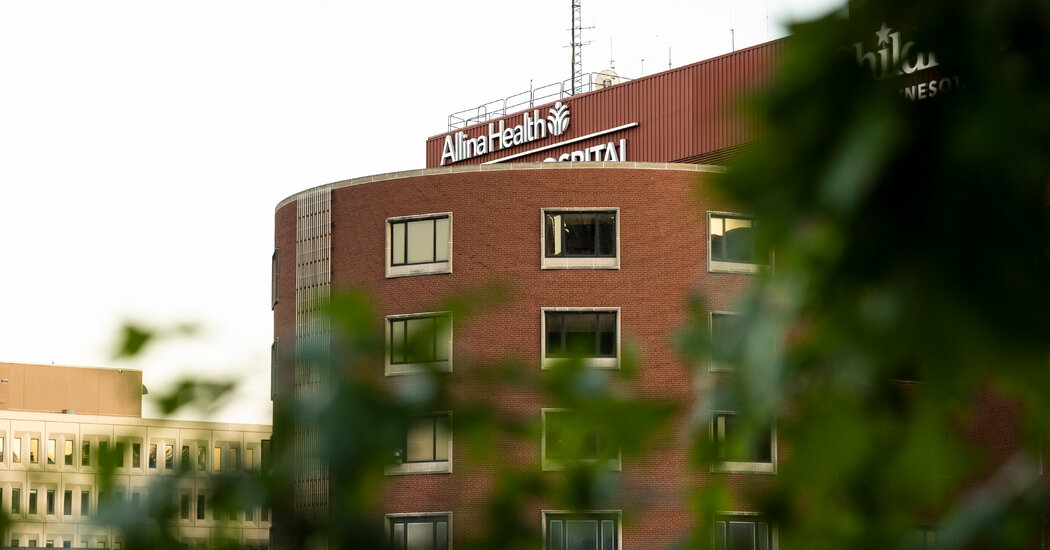
Allina Health Pauses Policy of Cutting Off Care for Patients in Debt

Allina Health, a large health system in the Midwest, had withheld care for patients who had $4,500 in medical bills.Allina Health, a large nonprofit health system based in Minnesota, announced on Friday that it would stop withholding care from patients with outstanding medical debt as it “re-examines” its policy of cutting off services for those who have accrued at least $4,500 in outstanding bills.The health system will now temporarily halt this practice but will not restore care for indebted patients who have already lost access.Although Allina’s hospitals treated anyone in emergency rooms, other services were cut off for indebted patients, including children and those with chronic illnesses like diabetes and depression, The New York Times reported last week. Patients weren’t allowed back until they had paid off their debt entirely.Allina’s chief executive, Lisa Shannon, called the move a “thoughtful pause” while the company re-examined the policy.Dr. Matt Hoffman, an Allina primary care physician in Vadnais Heights, Minn., said he was encouraged by the change and hopeful that Allina would eventually make more significant reforms to how it treats indebted patients.“I hope this is not just a temporary pause until the heat is off,” Dr. Hoffman said. “I hope they do the right thing, and reinstate the patients who were already terminated.”Minnesota Public Radio first reported on the policy change.Allina Health owns 13 hospitals and more than 90 clinics in Minnesota and Wisconsin. Thanks to its nonprofit status, Allina avoided roughly $266 million in state, local and federal taxes in 2020, according to the Lown Institute, a think tank that studies health care.Attorney General Keith Ellison of Minnesota has asked patients to contact his office if they have been affected by Allina’s policies.“I read The New York Times article with great concern and am reviewing it closely,” Mr. Ellison said in a statement to a local television station, KARE 11. “Allina is bound under the Hospital Agreement to refrain from aggressive billing practices and provide charity care when patients need and qualify for it, as all Minnesota hospitals are.”

Read more →

Are You Exposed to Too Much Noise? Here’s How to Check.

Noise can damage your heart as well as your hearing, but there are ways to measure your exposure and reduce your risk.Chronic noise exposure is not just a nuisance, scientists say. It’s a health risk.In fact, mounting research suggests that, as average noise levels climb, so do the risks of overreactions in your body that contribute to cardiovascular disease and other health issues.For a project on the harmful effects of noise, New York Times journalists used a Larson Davis Sound Level Meter, a professional sound measurement device, to assess noise exposure in communities around the United States. But you don’t need a fancy device to get a sense of your own noise exposure.Try this websiteYou can search your ZIP code in an online noise map developed by the Transportation Department. But keep in mind that the map uses 2018 data and accounts only for transport-related noise — and, like all modeled data, it is based on approximations — so it pales in comparison with on-the-ground measurements.But if you have 15 minutes to spare, there’s a better way to check noise exposure wherever you live, work or gather.Download this appThe NIOSH Sound Level Meter app for iOS, designed by the National Institute for Occupational Safety and Health at the Centers for Disease Control and Prevention, was developed by acoustics engineers and medical experts to help workers prevent hearing loss, but its measurements are just as helpful for detecting systemic risks.The app’s accuracy was verified in an acoustics laboratory and published in a scientific journal. Note that it measures sound energy — it does not record or share audio.(The app isn’t available on Android devices, developers said, because the fragmented Android device marketplace made it too difficult to verify the app’s accuracy in the lab. There are other apps available — like Decibel Pro, SPL Meter and Decibel X — but those were not developed at the C.D.C.)Record a 15-minute averageThe NIOSH Sound Level Meter app gathers noise readings immediately, but needs several minutes to collect accurate averages.NIOSHWhen you open the app, you’ll see noise levels immediately in large numerals. But, by pressing the “play” icon, the app will begin to collect measurements over time. Leave the app open for several minutes — the “Total Run Time” line tracks how long it has been collecting sound readings.When it comes to interpreting your sound exposure, the decibel figure on the “LAeq” line will be the most useful. It shows the average sound pressure over the given time period — and if you ran the app for a full 24 hours, the metric would be comparable with the metric used in many studies.A 15-minute recording is likely to represent the average noise exposure for the hour, said Edmund Seto, an associate professor of environmental health at the University of Washington who is studying noise across America. If you aren’t using a calibrated external microphone for optimal readings — and we assume that you’re not — the developers say running repeated tests in the same space should offer you a representative sample.Be sure to press the “reset” button — the one with the return arrow — between tests. A more detailed user manual can be found here.What those numbers meanThe health risks of noise exposure can be hard to interpret since they differ based on source and sound qualities.As a general rule of thumb, the World Health Organization considers average road traffic noise levels above 53 decibels and average aircraft noise levels above 45 dB to be associated with adverse health outcomes, though their metrics are weighted slightly differently than the average on your screen.Nighttime noise is considered particularly harmful because it can fragment your sleep and prompt a stress response, even if you don’t remember waking up. The W.H.O. has long recommended less than 30 dB of nighttime noise inside your bedroom for high-quality sleep.How to protect yourselfWithout major regulatory changes, outside noise levels are unlikely to change. Still, health experts say you can take some steps to protect yourself.Replace old windows with double-pane glass. You can apply foam insulation to noisy rooms — like those with whirring clothes dryers — to reduce their noise emissions.When it comes to nighttime noise, it’s best to sleep in rooms as far away from the roadway as possible and to invest in heavy window drapes and thick rugs to reduce vibration.Buy yourself some earplugs, too.Contribute your findings to researchIf you’d like to help researchers improve their noise models, add your measurements to the Noise Across America study portal at the University of Washington. Dr. Seto is eager to hear from you.

Read more →

Does Noise Affect Your Life? We Want to Know.

Noise is a vast — and largely unrecognized — threat to your health. The Times is collecting personal stories and noise measurements from readers like you.Noise affects everybody differently.Some city dwellers feel as if they’ve habituated to the commotion — until they try to fall asleep in the countryside, to the chorus of crickets. Other people live in rural communities that, once quiet, face the cacophony of bitcoin-mining operations.Still more have tried and failed to soundproof their homes, living at the mercy of a neighbor’s stereo, a gas-powered leaf blower or a straight-pipe motorcycle several blocks away.The New York Times explored the harmful effects of noise in a recent project that aimed to unpack the noise levels and sound qualities that can lead to long-term health consequences. Now, we want to hear about the role noise plays in your everyday life.We will not publish any part of your submission without contacting you first. We may use your contact information to follow up with you.

Read more →

New model offers a way to speed up drug discovery

Huge libraries of drug compounds may hold potential treatments for a variety of diseases, such as cancer or heart disease. Ideally, scientists would like to experimentally test each of these compounds against all possible targets, but doing that kind of screen is prohibitively time-consuming.
In recent years, researchers have begun using computational methods to screen those libraries in hopes of speeding up drug discovery. However, many of those methods also take a long time, as most of them calculate each target protein’s three-dimensional structure from its amino-acid sequence, then use those structures to predict which drug molecules it will interact with.
Researchers at MIT and Tufts University have now devised an alternative computational approach based on a type of artificial intelligence algorithm known as a large language model. These models — one well-known example is ChatGPT — can analyze huge amounts of text and figure out which words (or, in this case, amino acids) are most likely to appear together. The new model, known as ConPLex, can match target proteins with potential drug molecules without having to perform the computationally intensive step of calculating the molecules’ structures.
Using this method, the researchers can screen more than 100 million compounds in a single day — much more than any existing model.
“This work addresses the need for efficient and accurate in silico screening of potential drug candidates, and the scalability of the model enables large-scale screens for assessing off-target effects, drug repurposing, and determining the impact of mutations on drug binding,” says Bonnie Berger, the Simons Professor of Mathematics, head of the Computation and Biology group in MIT’s Computer Science and Artificial Intelligence Laboratory (CSAIL), and one of the senior authors of the new study.
Lenore Cowen, a professor of computer science at Tufts University, is also a senior author of the paper, which appears this week in the Proceedings of the National Academy of Sciences. Rohit Singh, a CSAIL research scientist, and Samuel Sledzieski, an MIT graduate student, are the lead authors of the paper, and Bryan Bryson, an associate professor of biological engineering at MIT and a member of the Ragon Institute of MGH, MIT, and Harvard, is also an author. In addition to the paper, the researchers have made their model available online for other scientists to use.

Making predictions
In recent years, computational scientists have made great advances in developing models that can predict the structures of proteins based on their amino-acid sequences. However, using these models to predict how a large library of potential drugs might interact with a cancerous protein, for example, has proven challenging, mainly because calculating the three-dimensional structures of the proteins requires a great deal of time and computing power.
An additional obstacle is that these kinds of models don’t have a good track record for eliminating compounds known as decoys, which are very similar to a successful drug but don’t actually interact well with the target.
“One of the longstanding challenges in the field has been that these methods are fragile, in the sense that if I gave the model a drug or a small molecule that looked almost like the true thing, but it was slightly different in some subtle way, the model might still predict that they will interact, even though it should not,” Singh says.
Researchers have designed models that can overcome this kind of fragility, but they are usually tailored to just one class of drug molecules, and they aren’t well-suited to large-scale screens because the computations take too long.

The MIT team decided to take an alternative approach, based on a protein model they first developed in 2019. Working with a database of more than 20,000 proteins, the language model encodes this information into meaningful numerical representations of each amino-acid sequence that capture associations between sequence and structure.
“With these language models, even proteins that have very different sequences but potentially have similar structures or similar functions can be represented in a similar way in this language space, and we’re able to take advantage of that to make our predictions,” Sledzieski says.
In their new study, the researchers applied the protein model to the task of figuring out which protein sequences will interact with specific drug molecules, both of which have numerical representations that are transformed into a common, shared space by a neural network. They trained the network on known protein-drug interactions, which allowed it to learn to associate specific features of the proteins with drug-binding ability, without having to calculate the 3D structure of any of the molecules.
“With this high-quality numerical representation, the model can short-circuit the atomic representation entirely, and from these numbers predict whether or not this drug will bind,” Singh says. “The advantage of this is that you avoid the need to go through an atomic representation, but the numbers still have all of the information that you need.”
Another advantage of this approach is that it takes into account the flexibility of protein structures, which can be “wiggly” and take on slightly different shapes when interacting with a drug molecule.
High affinity
To make their model less likely to be fooled by decoy drug molecules, the researchers also incorporated a training stage based on the concept of contrastive learning. Under this approach, the researchers give the model examples of “real” drugs and imposters and teach it to distinguish between them.
The researchers then tested their model by screening a library of about 4,700 candidate drug molecules for their ability to bind to a set of 51 enzymes known as protein kinases.
From the top hits, the researchers chose 19 drug-protein pairs to test experimentally. The experiments revealed that of the 19 hits, 12 had strong binding affinity (in the nanomolar range), whereas nearly all of the many other possible drug-protein pairs would have no affinity. Four of these pairs bound with extremely high, sub-nanomolar affinity (so strong that a tiny drug concentration, on the order of parts per billion, will inhibit the protein).
While the researchers focused mainly on screening small-molecule drugs in this study, they are now working on applying this approach to other types of drugs, such as therapeutic antibodies. This kind of modeling could also prove useful for running toxicity screens of potential drug compounds, to make sure they don’t have any unwanted side effects before testing them in animal models.
“Part of the reason why drug discovery is so expensive is because it has high failure rates. If we can reduce those failure rates by saying upfront that this drug is not likely to work out, that could go a long way in lowering the cost of drug discovery,” Singh says.
The research was funded by the National Institutes of Health, the National Science Foundation, and the Phillip and Susan Ragon Foundation.

Read more →

Mouse models of adolescent binge drinking reveal key long-lasting brain changes

Heavy alcohol consumption may cause permanent dysregulation of neurons, or brain cells, in adolescents, according to a new study in mice. The findings suggest that exposure to binge-levels of alcohol during adolescence, when the brain is still developing, lead to long-lasting changes in the brain’s ability to signal and communicate — potentially setting the stage for long-term behavioral changes and hinting towards the mechanisms of alcohol-induced cognitive changes in humans.
“What we’re seeing here,” said Nikki Crowley, assistant professor in biology and biomedical engineering and Huck Early Chair in Neurobiology and Neural Engineering, “is that if adolescent binge drinking knocks neurons off this trajectory, they might not be able to get back, even if the alcohol consumption stops.”
The prefrontal cortex is a key brain region for executive functioning, risk assessment and decision-making. According to Crowley, it’s not fully formed in adolescents and is still maturing in humans until around age 25. Disruptions to its development in young people may have serious and long-lasting consequences, added Crowley.
“Heavy binge drinking is problematic for everyone, and should be avoided, but adolescent brains appear to be particularly vulnerable to the consequences, which in humans, will follow them for decades,” Crowley said.
The team, led by Avery Sicher, a doctoral student in Penn State’s neuroscience program, used a model of adolescent ethanol exposure in mice to understand how different populations of neurons in the cortex, the outermost layer of the brain, are changed by voluntary binge alcohol consumption. In this model, mice are known to consume alcohol in patterns that approximate human binge drinking — defined by the National Institute on Alcohol Abuse and Alcoholism as a pattern of alcohol consumption that leads to a blood alcohol concentration of 0.08% or higher, usually in about two hours. Binge drinking is considered to be one of the most dangerous patterns of alcohol misuse, and understanding its impact on the developing brain can help inform treatment.
Sicher and her colleagues gave mice access to alcohol during a 30-day period. Due to their faster development and shorter lifespan, this corresponded to roughly ages 11-18 in human years. They then looked at the electrophysiological properties of different neurons throughout the prefrontal cortex to understand how adolescent binge drinking influenced the wiring and firing of these circuits. Sicher et al. used whole-cell patch clamp electrophysiology, combined with techniques such as optogenetics, which allowed the team to isolate individual neurons and record measurements related to intrinsic excitability, such as the resting membrane potential and the ability for each neuron to fire action potentials. This allowed them to understand how these neurons had changed their ability to signal with other neurons.
They found that somatostatin neurons, a key population of cells that provides inhibition of neurotransmitter release from other cell types throughout the brain and helps to “dampen the noise,” appeared to be permanently dysregulated in the mice that binge drank as compared to mice that were only provided water throughout development. Somatostatin neurons release both inhibitory neurotransmitters, like GABA, as well as inhibitory peptides like somatostatin, and proper functioning of these neurons is necessary for a healthy brain. The neurons were more excitable — meaning they were signaling too much and dampening the activity of other key neurons — as far out as 30 days after the mice stopped drinking alcohol, when the mice have transitioned into adulthood.
“Neurons have a relatively fixed developmental trajectory — they need to get where they are going and sync up with the right partners during specific periods of development in order to function properly,” explained Crowley.
David Starnes, an undergraduate biology student in Schreyer’s Honor College, performed somatostatin cell counts to quantify cell density before and after ethanol consumption. He found that while the electrophysiology data suggested these neurons wire differently, the number of SST neurons does not appear to change as a result of binge drinking.
Other authors on the paper include Keith Griffith, a research technician in the lab and former undergraduate in Engineering Science and Mechanics, Grace Smith, a graduate student in Biomedical Engineering, Dakota Brockway, a graduate student in neuroscience, and Nigel Dao, a former research technician in the lab and current doctoral student at New York University. This research was supported by the National Institutes of Health and the Huck Institutes of the Life Sciences at Penn State.

Read more →

Lancet study: More than 100 million people in India diabetic

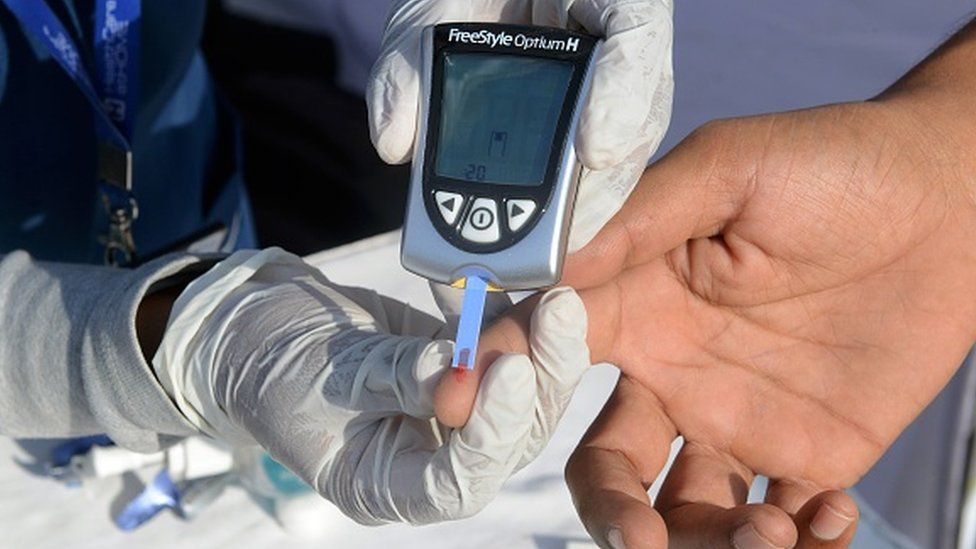
Published49 minutes agoShareclose panelShare pageCopy linkAbout sharingImage source, Getty ImagesA new study published in Lancet estimates that 101 million people in India – 11.4% of the country’s population – are living with diabetes.A survey commissioned by the health ministry also found that 136 million people – or 15.3% of the people – could be living with pre-diabetes. Type 2 diabetes is the most common form of the condition.People have high blood sugars because they are unable to make enough insulin, a hormone, or respond to it properly.The latest study, published in The Lancet Diabetes and Endocrinology, is considered to be the first to comprehensively cover every state to assess the country’s burden of non-communicable diseases.Diabetes is ‘five separate diseases’Fears Covid could trigger diabetes surge in IndiaResearchers said they found that the prevalence of diabetes in India’s population was much higher than previously estimated. The WHO had estimated 77 million people suffering from diabetes, and nearly 25 million were pre-diabetics, at a higher risk of developing diabetes in near future. “It is a ticking time bomb,” Dr RM Anjana, lead author of the study and managing director at Dr Mohan’s Diabetes Specialities Centre, told The Indian Express newspaper. “If you have pre-diabetes, conversion to diabetes is very, very fast in our population; more than 60% of people with pre-diabetes end up converting to diabetes in the next five years,” she said.Image source, AFPThe decade-long study was conducted by the Madras Diabetes Research Foundation with the Indian Council of Medical Research (ICMR) and involved 113,000 participants over the age of 20 from every state in India.Data collected in 2008 was extrapolated for 2021 using demographics in the latest National Family Health Survey, the most comprehensive household survey of health and social indicators by the government.The highest prevalence of diabetes was observed in Goa (26.4%), Puducherry (26.3%) and Kerala (25.5%). The study warned of a sharp rise in diabetes in states like Uttar Pradesh, Madhya Pradesh, Bihar and Arunachal Pradesh where the prevalence was lower.Diabetes: South Asia Time BombAlso diabetes was more frequent in urban than rural areas, the study found. “Changing lifestyles, improved standards of living, migration to cities, erratic working hours, sedentary habits, stress, pollution, change in food habits and easy availability of fast food are some of the reasons why diabetes is rising in India,” Rahul Baxi, a consultant diabetologist at Bombay Hospital, told the BBC.Dr Baxi said that diabetes was “no more a disease of the affluent or of those living in cities”.”I see a good number of patients travelling from smaller towns. The prevalence of pre-diabetes is even higher and many people are undiagnosed for a long time.”Image source, AFPDr Baxi said he had been seeing a lot of younger patients over the last few years. “I have seen some cases of children of my patients who just checked their glucose levels at home because their parents were checking and they found the levels high!,” he said.Diabetes affects about one in 11 adults worldwide and increases the risk of heart attack, stroke, blindness, kidney failure and limb amputation.It is normally split into type 1 and type 2. Type 1 diabetes is a disease of the immune system. It errantly attacks the body’s insulin factories (beta-cells) so there is not enough of the hormone to control blood sugar levels.Type 2 diabetes is largely seen as a disease of poor lifestyle as body fat can affect the way the insulin works.BBC News India is now on YouTube. Click here to subscribe and watch our documentaries, explainers and features.Read more India stories from the BBC:The divisive debate over California’s anti-caste billDelhi: The city where it is dangerous to breatheWhy it took 42 years to convict a 90-year-old in IndiaHaunting images of deadly India train crash in 2002How did three trains collide in India? ‘My mother was missing, I got a picture of the body’

Read more →

NASA’s Apollo 11 Moon Quarantine Was Mostly for Show, Study Says

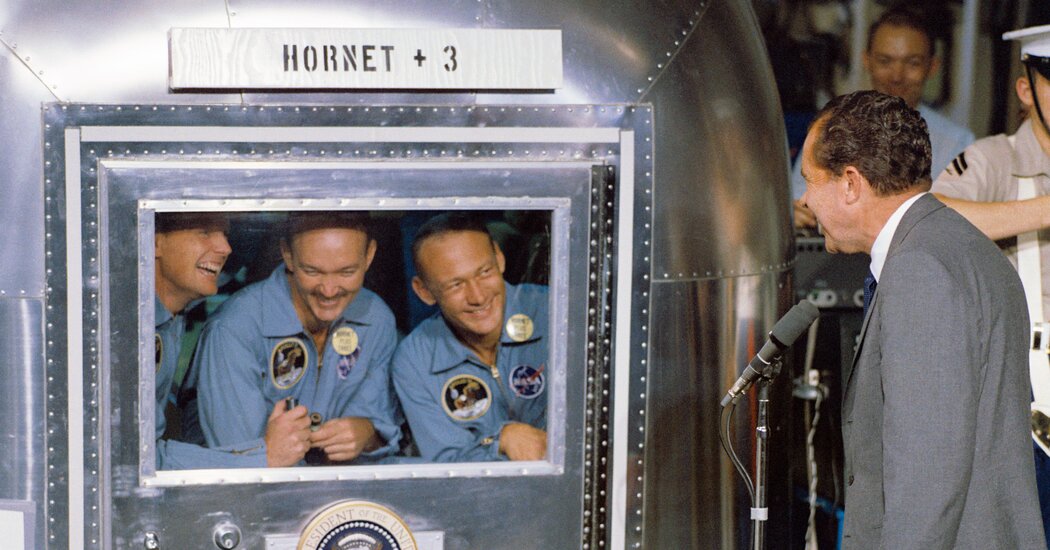
A review of archives suggests that efforts to protect Earth from contamination by any organism brought back from the lunar surface were mostly for show.When the astronauts of Apollo 11 went to the moon in July 1969, NASA was worried about their safety during the complex flight. The agency was also worried about what the spacefarers might bring back with them.For years before Apollo 11, officials had been concerned that the moon might harbor microorganisms. What if moon microbes survived the return trip and caused lunar fever on Earth?To manage the possibility, NASA planned to quarantine the people, instruments, samples and space vehicles that had come into contact with lunar material.But in a paper published this month in the science history journal Isis, Dagomar Degroot, an environmental historian at Georgetown University, demonstrates that these “planetary protection” efforts were inadequate, to a degree not widely known before.“The quarantine protocol looked like a success,” Dr. Degroot concludes in the study, “only because it was not needed.”Dr. Degroot’s archival work also shows NASA officials knew that lunar germs could pose an existential (if low-probability) threat and that their lunar quarantine probably wouldn’t keep Earth safe if such a threat did exist. They oversold their ability to neutralize that threat anyway.This space age narrative, Dr. Degroot’s paper claims, is an example of the tendency in scientific projects to downplay existential risks, which are unlikely and difficult to deal with, in favor of focusing on smaller, likelier problems. It also offers useful lessons as NASA and other space agencies prepare to collect samples from Mars and other worlds in the solar system for study on Earth.In the 1960s, no one knew whether the moon harbored life. But scientists were concerned enough that the National Academy of Sciences held a high-level conference in 1964 to discuss moon-Earth contamination. “They agreed that the risk was real and that the consequences could be profound,” Dr. Degroot said.Quarantine control officers delivering the first of the Apollo 11 sample boxes at the Lunar Receiving Laboratory.JSC/NASAThe second Apollo 11 sample return container in the vacuum laboratory of the Lunar Receiving Laboratory.NASAA technician at the Lunar Receiving Laboratory examining mice that had been inoculated with lunar sample material collected during the Apollo 11 mission.NASAThe scientists also agreed that quarantine for anything returning from the moon was both necessary and futile: Humans would probably fail to contain a microscopic threat. The best earthlings could do was slow the microbes’ release until scientists developed a countermeasure.Despite those conclusions, NASA publicly maintained that it could protect the planet. It spent tens of millions of dollars on a sophisticated quarantine facility, the Lunar Receiving Laboratory. “But in spite of all this beautiful complexity, there were just basic, fundamental mistakes,” Dr. Degroot said.NASA officials were well aware that the lab wasn’t perfect. Dr. Degroot’s paper details many of the findings from inspections and tests that revealed gloveboxes and sterilizing autoclaves that cracked, leaked or flooded.In the weeks after the Apollo 11 crew returned, 24 workers were exposed to the lunar material that the facility’s infrastructure was supposed to protect them from; they had to be quarantined. The failures of containment were “largely hidden from the public,” Dr. Degroot wrote.Emergency procedures for the lab — like what to do in the case of fire or medical troubles — also involved breaking isolation.“This ended up being an example of planetary protection security theater,” said Jordan Bimm, a historian of science at the University of Chicago who was not involved in Dr. Degroot’s research.The Apollo 11 astronauts’ very return to Earth also put the planet at risk. Their vehicle, for instance, was designed to vent itself on the way down, and the astronauts were to open their hatch in the ocean.In a 1965 memo, a NASA official stated that the agency was morally obligated to prevent potential contamination, even if it meant changing the mission’s weight, cost or schedule. But four years later, on return to Earth, the spacecraft vented anyway, and the capsule’s interior met the Pacific.“If lunar organisms capable of reproducing in the Earth’s ocean had been present, we would have been toast,” said John Rummel, who served two terms as NASA’s planetary protection officer.The Apollo 11 astronauts waiting for a helicopter pickup from their life raft.NASAThe likelihood that such organisms did exist was very small. But the consequences if they did were huge — and the Apollo program essentially accepted them on behalf of the planet.This tendency to downplay existential risk — instead prioritizing likelier threats with lower consequences — shows up in fields like climate change, nuclear weapons and artificial intelligence, Dr. Degroot said.In the Apollo mission, officials were not just downplaying the risks; they were not transparent about them.“Failure is part of learning,” Dr. Bimm said of the inadequate quarantine.Understanding what didn’t work will be important as NASA prepares to bring samples back from Mars, a place much more likely than the moon to harbor life, in the 2030s.NASA has learned a lot about planetary protection since Apollo, said Nick Benardini, the agency’s current planetary protection officer. It is building in protections from the start and holding workshops to understand scientific gaps, and it is already working on a Mars sample laboratory.The agency also plans to be straight with the public. “Risk communications and communication as a whole is highly important,” Dr. Benardini said. After all, he noted, “what’s at stake is Earth’s biosphere.”It’s hard to imagine the biosphere at risk from alien organisms, but the chances are not zero. “Low-likelihood and high-consequence risks really matter,” Dr. Degroot said. “Mitigating them is one of the most important things that governments can do.”

Read more →