Rising monkey and pig populations pose human disease risk

Exploding populations of wild pigs and macaque monkeys in Southeast Asia are threatening native forests and disease outbreaks in livestock and people, according to research led by The University of Queensland.
Dr Matthew Luskin, from UQ’s School of the Environment, and his team collated and analysed species population data from across the region, some of it collected with a network of cameras.
“Macaques and wild pigs are taking over Southeast Asia’s disturbed forests,” Dr Luskin said.
“Humans are largely to blame for this by altering forests with logging and establishing palm oil farms which provide food and ideal breeding conditions for these animals.
“We saw that wild boar and macaque numbers were 400 per cent higher in forests near the plantations than in untouched environments.
“These animals take full advantage of the farmland, raiding crops and thriving on calorie-rich foods.”
Setting and monitoring the camera traps provided Dr Luskin with an up-close experience of the exploding numbers.

“I encountered huge troops of macaques in Thailand, Malaysia, and Indonesia — they were everywhere in the forest edges, following us and interfering with our equipment,” Dr Luskin said.
“At first it was frustrating but then was eerie as we became completely surrounded.”
Dr Luskin said there were significant human health risks in the rising pig and macaque populations.
“The wildlife origins of the COVID-19 pandemic show that mammals in human-modified ecosystems often host high pathogen loads and pose serious zoonotic disease risks,” he said.
“Both pigs and macaques are recognised as carriers of diseases that can be transmitted to people and they’re the most common species in a region considered to be the global zoonotic disease hotspot.”
Collaborator, Professor Carlos Peres from the University of East Anglia (UK), said abnormally high populations of wildlife species that are disease reservoirs often occur in human-modified tropical forests.

“This study again shows that densely settled rural areas in Southeast Asia may be a source of future human epidemics,” he said.
University of East Anglia and Southern University of Science and Technology (China) PhD candidate, Jonathan Moore, said the immediate effects of the population explosions could be seen on native flora in the affected regions.
“Both pigs and macaques trigger negative cascading impacts in these pristine ecosystems,” Mr Moore said.
“They kill the seeds and seedlings of native plants and eat bird and reptile eggs.
“The Malaysian pigs alone were found to reduce rainforest tree regeneration by 62 per cent.”
The researchers say action is needed to minimise population expansions of wild pigs and macaques.
“Efforts to manage the populations of these species have failed in the past because of their rapid reproductive capacity and public outcry,” Dr Luskin said.
“Nobody favours needless killing of wildlife but the negative social and ecological impacts from hyperabundant pest species does demand ethical and urgent management solutions.”

Read more →

The device that can remotely and accurately monitor breathing: Tested on cane toads

Constant monitoring of vital health signs is needed in a variety of clinical environments such as intensive care units, for patients with critical health conditions, health monitoring in aged care facilities and prisons, or in safety monitoring situations where drowsiness can cause accidents.
This is now mostly achieved via wired or invasive contact systems. However, these are either inconvenient or, for patients with burns or for infants with insufficient skin area, are unsuitable.
Scientists at the University of Sydney Nano Institute and the NSW Smart Sensing Network have now developed a photonic radar system that allows for highly precise, non-invasive monitoring.
The research is published today in Nature Photonics.
Using their newly developed and patented radar system, the researchers monitored cane toads and were able accurately to detect pauses in breathing patterns remotely. The system was also used on devices that simulate human breathing.
The scientists say this demonstrates a proof of principle for using photonic radar that could enable the vital-sign monitoring of multiple patients from a single, centralised station.

The University of Sydney Pro-Vice-Chancellor (Research) and lead for this research Professor Ben Eggleton said: “Our guiding principle here is to overcome comfort and privacy issues, while delivering highly accurate vital sign monitoring.”
An advantage to this approach is the ability to detect vital signs from a distance, eliminating the need for physical contact with patients. This not only enhances patient comfort but reduces the risk of cross-contamination, making it valuable in settings where infection control is crucial.
“Photonic radar uses a light-based, photonics system — rather than traditional electronics — to generate, collect and process the radar signals. This approach allows for very wideband generation of radio frequency (RF) signals, offering highly precise and simultaneous, multiple tracking of subjects,” said lead author Ziqian Zhang, a PhD student in the School of Physics.
“Our system combined this approach with LiDAR — light detection and ranging. This hybrid approach delivered a vital sign detection system with a resolution down to six millimetres with micrometre-level accuracy. This is suitable for clinical environments.”
Alternate approaches to non-contact monitoring have typically relied on optical sensors, using infrared and visible wavelength cameras.

“Camera-based systems have two problems. One is high sensitivity to variations in lighting conditions and skin colour. The other is with patient privacy, with high-resolution images of patients being recorded and stored in cloud computing infrastructure,” said Professor Eggleton who is also the co-Director of the NSW Smart Sensing Network.
Radio frequency (RF) detection technology can remotely monitor vital signs without the need for visual recording, providing built-in privacy protection. Signal analysis, including identification of health signatures, can be performed with no requirement for cloud storage of information.
Co-author Dr Yang Liu, a former PhD student in Professor Eggleton’s team, now based at EPFL in Switzerland, said: “A real innovation in our approach is complementarity: our demonstrated system has the capability to simultaneously enable radar and LiDAR detection. This has inbuilt redundancy; if either system encounters a fault, the other continues to function.”
Conventional RF radar systems, which rely entirely on electronics, have narrow RF bandwidth and therefore have lower-range resolution. This means they cannot separate closely located targets or distinguish them in a cluttered environment.
Relying solely on LiDAR, which uses much shorter light wavelengths, provides improved range and resolution, but has limited penetration abilities through objects such as clothes.
“Our proposed system maximises the utility of both approaches through integrating the photonic and radio frequency technologies,” Mr Zhang said.
Working with collaborators and partners in the NSW Smart Sensing Network, the researchers hope this research provides a platform to develop a cost-effective, high-resolution and rapid-response vital sign monitoring system with application in hospitals and corrective services.
“A next step is to miniaturise the system and integrate it into photonic chips that could be used in handheld devices,” Mr Zhang said.

Read more →

Label date, not phrasing, drives consumer decisions to toss food

Up to half of consumers may decide to pour perfectly good milk down the drain based solely on their glance at the date label on the carton, a new study suggests.
Researchers using eye-tracking technology found that 50% of study participants declared their intent to throw away milk based on the date stamped on the container — without ever even looking at the label phrasing in front of the date.
Each participant saw one of three phrasing options: “Sell by,” “Best if used by” or “Use by” a given date, as well as containers with no label at all.
“We asked them if they intended to discard it, and if they said yes, it didn’t matter which phrase was there,” said senior study author Brian Roe, professor of agricultural, environment and development economics at The Ohio State University.
“As soon as we changed the printed date, that was a huge mover of whether or not they would discard or not. So we documented both where their eyes were and what they said was going to happen. And in both cases, it’s all about the date, and the phrase is second fiddle.”
Policymakers and industry leaders are working toward settling on a universal two-phrase system — one when quality, but not safety, is the concern, and a second phrase for items where safety may be a concern, Roe said. To date, they haven’t landed on what those phrases would be.

“If you’re going to have an education campaign, it helps to have a set of phrases out there that people can cling to — but in the end, so few actually look at the phrase. They look at the date,” he said. “The date signifies a point after which you can expect quality to degrade. If you can get firms to push that date further out, then people are going to be willing to use the milk, or whatever it is, for a few more days, and waste a lot less food.”
The study was published recently in the journal Waste Management.
Food is wasted throughout the production process, but most of it happens at the consumer level: In the United States, consumer waste accounts for more than 48% of surplus food, according to the nonprofit ReFED.
Researchers chose milk for the study because it is widely consumed and represents about 12% of all food wasted by U.S. consumers.
Each of the 68 study participants viewed two flights of milk samples. The first featured images of eight half-empty milk containers with the same phrasing preceding a variety of dates that ranged from six days after to a week before the study day, presented alongside two physical samples each of fresh milk or poor-quality milk that the research team had allowed to go slightly sour. The second featured unlabeled milk containers alongside physical samples of good- or poor-quality milk.

In each presentation, numbering labels implied that the physical samples had been poured from corresponding containers that appeared in the images.
Data from eye-tracking technology showed that overall, participants spent more time fixing their eyes on the date compared to the phrase, looked at the date more frequently and laid their eyes on the date 44% faster than on the phrase.
When participants did glance at the phrase, the type of phrase had no significant effect on how long they fixed their eyes on the words.
Though the quality of the milk affected participants’ intent to throw it away — with souring milk having about a third higher discard probability than fresher milk — the quality factor did not influence what participants spent the most time looking at on the label.
“The milk was intentionally made to smell a bit sour, and it didn’t really fundamentally change the fact that people really focus on the date,” Roe said.
The finding aligned with previous studies led by Roe in which the intention to throw away food was driven by the label date and not the phrase.
“But we were a bit surprised that over half of the viewing sessions featured no attention on the phrase whatsoever,” he said. “The date is more salient — you have to reference it against the calendar. It’s more actionable than the phrase is.
“For policy reasons, it’s still important to narrow the phrases down to two choices. But that’s only the beginning — there needs to be a broader conversation about pushing those date horizons back to help minimize food waste.”
This work was supported by the Van Buren Program, the Robert E. Jacobson Research and Service Fund in Agricultural Economics, the USDA National Institute of Food and Agriculture, and the Ohio State Department of Food Science and Technology FoodSURE program.
Co-authors, all from Ohio State, were Aishwarya Badiger, Talia Katz and Christopher Simons.

Read more →

Static electricity attracts ticks to hosts

Ticks can be attracted across air gaps several times larger than themselves by the static electricity that their hosts naturally accumulate, researchers at the University of Bristol have discovered.
This likely greatly increases their efficiency at finding hosts to parasitise because ticks are not capable of jumping, and therefore this is the only mechanism by which they would be able to make contact with hosts that are beyond the reach of their tiny legs.
The findings, published today in Current Biology, are the first known example of static electricity being implicated in the attachment of an animal to another animal.
Ticks carry a lot of nasty diseases, including Lyme disease, that make many people’s and animal’s lives miserable, and can even cause death. Therefore there is a huge social and economic benefit to trying to reduce the ability of ticks to attach onto people and the animals humans rely upon.
Lead author Sam England from Bristol’s School of Biological Sciences explained: “We knew that many animals, including humans, can accumulate quite significant electrostatic charges.
“We see this when we get a static shock after bouncing on a trampoline, or when rubbing a balloon on our hair, for example. But this electrostatic charging also happens to animals in nature when they rub against objects in their environment like grass, sand, or other animals. These charges are surprisingly high, and can be equivalent to hundreds if not thousands of volts — more than you get out of your plug sockets at home! Importantly, static charges exert forces on other static charges, either attractive or repulsive depending whether they are positive or negative.

“We wondered whether the static charges that mammals, birds, and reptiles naturally accumulate could be high enough that parasitic ticks could be lifted through the air by electrostatic attraction onto these animals, therefore improving their efficiency at finding hosts to feed on.”
The team initially tested the idea by bringing statically charged rabbit fur and other materials close to ticks and observing whether they were attracted to them.
They witnessed the ticks being readily pulled through the air across air gaps of several millimetres or centimetres (the equivalent of humans jumping up several flights of stairs) by these charged surfaces, and so investigated further.
Sam continued: “First, we used previous measurements of the typical charge carried by animals to mathematically predict the strength of the electric field that is generated between a charged animal and the grass that ticks like to sit on and wait for hosts to pass by.
“Then, we placed ticks underneath an electrode, with an air gap in between, and increased the charge on the electrode until the ticks were attracted onto the electrode. By doing this we were able to determine the minimum electric field strength at which the ticks could be attracted. This minimum electric field was within the order of magnitude predicted by the mathematical calculations of the electric field between a charged animal and grass, therefore it is likely that ticks in nature are attracted onto their hosts by static electricity.”
There are several wider implications and potential applications to these findings. Firstly, the phenomenon likely applies to many other parasitic species that want to make contact and attach to their hosts, such as mites, fleas, or lice, and so it could be a universal mechanism for animals to make contact with and attach onto each other.
Beyond the purely scientific implications, the discovery opens the door for new technologies to be developed to minimise tick bites in humans, pets, and farm animals, such as developing anti-static sprays.
Sam concluded: “We have now discovered that ticks can be lifted across air gaps several times larger than themselves by the static electricity that other animals naturally build up. This makes it easier for them to find and attach onto animals that they want to latch onto and feed from. Until now, we had no idea that an animal could benefit from static electricity in this way, and it really opens up one’s imagination as to how many invisible forces like this could be helping animals and plants live their lives.”
Now the team plan to investigate whether the ticks are capable of sensing the approaching electrostatic charge of their prospective hosts.

Read more →

Lessons learned from first genetically-modified pig heart into human patient

A new study published today in The Lancet has revealed the most extensive analysis to date on what led to the eventual heart failure in the world’s first successful transplant of a genetically-modified pig heart into a human patient. This groundbreaking procedure was conducted by University of Maryland School of Medicine (UMSOM) physician-scientists back in January 2022 and marked an important milestone for medical science.
The patient, 57-year-old David Bennett, Sr., was treated at the University of Maryland Medical Center. He experienced strong cardiac function with no obvious signs of acute rejection for nearly seven weeks after the surgery. A sudden onset of heart failure led to his death two months after the transplant. Since then, the transplant team has been conducting extensive studies into the physiologic processes that led to the heart failure to identify factors that can be prevented in future transplants to improve the odds of longer-term success.
“Our paper provides crucial insight into how a multitude of factors likely played a role in the functional decline of the transplanted heart,” said study lead author Muhammad M. Mohiuddin, MD, Professor of Surgery and Scientific/Program Director of the Cardiac Xenotransplantation Program at UMSOM. “Our goal is to continue moving this field forward as we prepare for clinical trials of xenotransplants involving pig organs.”
Mr. Bennett, who was in end-stage heart failure and nearing the end of his life, did not qualify for a traditional heart transplant. The procedure was authorized by the U.S. Food and Drug Administration under its expanded access (compassionate use) provision.
“We were determined to shed light on what led to the heart transplant dysfunction in Mr. Bennett, who performed a heroic act by volunteering to be the first in the world,” said study co-author Bartley Griffith, MD, Professor of Surgery and The Thomas E. and Alice Marie Hales Distinguished Professor in Transplantation at UMSOM. “We want our next patient to not only survive longer with a xenotransplant but to return to normal life and thrive for months or even years.”
To better understand the processes that led to dysfunction of the pig heart transplant, the research team performed extensive testing on the limited available tissues in the patient. They carefully mapped out the sequence of events that led to the heart failure demonstrating that the heart functioned well on imaging tests like echocardiography until day 47 after surgery.
The new study confirms that no signs of acute rejection occurred during the first several weeks after the transplant. Likely, several overlapping factors led to heart failure in Mr. Bennett, including his poor state of health prior to the transplant that led him to become severely immunocompromised. This limited the use of an effective anti-rejection regimen used in preclinical studies for xenotransplantation. As a result, the researchers found, the patient was likely more vulnerable to rejection of the organ from antibodies made by the immune system. The researchers found indirect evidence of antibody-mediated rejection based on histology, immunohistochemical staining and single cell RNA analysis.
The use of an intravenous immunoglobulin, IVIG, a drug that contains antibodies, may also have contributed to damage to the heart muscle cells. It was given to the patient twice during the second month after the transplant to help prevent infection, likely also triggering an anti-pig immune response. The research team found evidence of immunoglobulin antibodies targeting the pig vascular endothelium layer of the heart.
Lastly, the new study investigated the presence of a latent virus, called porcine cytomegalovirus (PCMV), in the pig heart, which may have contributed to the dysfunction of the transplant. Activation of the virus may have occurred after the patient’s anti-viral treatment regimen was reduced to address other health issues. This may have initiated an inflammatory response causing cell damage. However, there is no evidence that the virus infected the patient or spread to organs beyond the heart. Improved PCMV testing protocols have been developed for sensitive detection and exclusion of latent viruses for future xenotransplants.
Other UMSOM faculty co-authors of this study include: Avneesh K Singh, PhD, Alison Grazioli, MD, Kapil Saharia, MD, Tianshu Zhang, MD, and Christine Lau, MD.
“Valuable lessons can be learned from this groundbreaking surgery and the courageous first patient, Mr. Bennett, that will better inform us for future xenotransplants,” said UMSOM Dean Mark T. Gladwin, MD, Vice President for Medical Affairs, University of Maryland, Baltimore, and the John Z. and Akiko K. Bowers Distinguished Professor. “In the future, our team of surgeon-scientists will utilize newly designed immune cell assays to monitor the patient more precisely in the days, weeks, and months following the xenotransplant. This will provide stricter control of the earliest signs of rejection and the promise of a truly lifesaving innovation.”
Disclosures: Members of Program in Cardiac Xenotransplantation at UMSOM received research funding from United Therapeutics Corporation. Revivicor, Inc., provided the pigs, and Kiniksa Pharmaceuticals provided anti-CD40 antibodies. The University of Maryland School of Medicine and the University of Maryland Medical Center supported the remaining costs.

Read more →

Sunak's 15-year plan to 'transform' NHS workforce

More doctors and nurses will be trained and thousands of new roles will be created to work alongside them, as part of a major NHS England workforce plan.Speaking at a launch event, Prime Minister Rishi Sunak said the plan would focus on three main principles – train, retain and reform.

Read more →

Covid pandemic linked to surge in child and teen diabetes

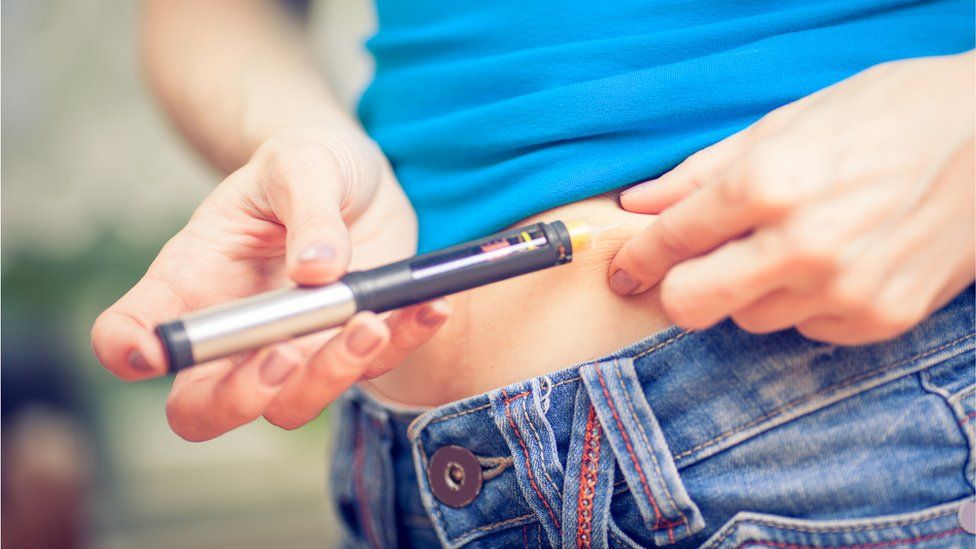
Published23 minutes agoShareclose panelShare pageCopy linkAbout sharingImage source, Getty ImagesBy Michelle RobertsDigital health editorThere has been an unusual rise in the number of children and teenagers around the world diagnosed with type 1 diabetes since Covid, say researchers. A new study in JAMA Network Open journal has collated available data from different countries, including the UK, on more than 38,000 young people diagnosed during the pandemic. The authors describe the increase in cases of diabetes as “substantial”. More work is needed to understand why the rise is happening, they say.Some of the rise could be attributed to catch-up – from backlogs and delays when health services were shut – but does not explain all of the newly diagnosed cases, say scientists.Before the pandemic, the incidence rate of childhood type 1 diabetes was already increasing – by about 3% a year.The recent study found:there was a 14% rise in the rate during the first year of the pandemic, compared to before Covid in the second year of Covid, the rate was up about 27% on pre-pandemic levelsResearchers from the University of Toronto say, regardless of the cause, more resources and support may be needed for the growing number of children and adolescents affected by type 1 diabetes.What is type 1 diabetes?People with the condition have to closely monitor their blood sugar level and take insulin to control it because their body cannot do this automaticallyThat is because insulin-producing cells in the pancreas are mistakenly destroyed by the body’s immune systemIt occurs in children and adults, but the causes are not fully known and there is currently no cureWhat’s behind the rise?Experts say it is unclear what has triggered the surge in cases, but there are some theories. One such theory, is that Covid can trigger a reaction in some children which increases the risk of diabetes. But among the studies looking for this type of autoimmune reaction – where the body starts to attack some of its own healthy cells – not all have found evidence to support this theory. Another hypothesis is that exposure to some germs in childhood can help guard against a number of conditions, including diabetes. Some scientists believe it is possible that lockdowns and physical distancing during Covid meant many children did not get sufficient exposure to germs and missed out on this additional protection. Hilary Nathan, Policy Director at type 1 diabetes charity JDRFUK, said: “This research reflects a life-changing reality for so many families here in the UK.”She urged people to look out for the symptoms of type 1 diabetes: tiredness, thirst, needing to go to the toilet to urinate more often, and weight loss or increasing thinness – collectively known as the four Ts. “Knowing these signs and getting an early diagnosis and swift treatment can be life-saving,” she said. Theo, now 9, was diagnosed with type 1 diabetes a year ago. It happened just a few months after he caught Covid. His mum, Jo, says it came as a shock: “I didn’t know anything about diabetes. “I thought it was a misdiagnosis because he wasn’t poorly with it. We’re very lucky that we caught it early. “You’re trying to process that your child’s going through this. You’re being taught all this scientific facts about the condition…to keep them alive. If you don’t do it, you know, there’s severe consequences to it.”Theo, who lives in Sheffield, now has an insulin pump and is managing his diabetes well. Artificial pancreas recommended on NHSSniffer dog smells blood sugar levelsDr Faye Riley, from Diabetes UK, said: “Research worldwide has identified higher than expected numbers of diabetes diagnoses in the wake of the Covid-19 pandemic. This study adds to the evidence.”Future studies that examine longer-term trends will be important to disentangle the impact of the pandemic from natural fluctuations in incidence of type 1 over time, as well as establishing the range of factors that could be behind any apparent rise.”More on this story’I was living with diabetes without knowing it’Published20 February 2021Fears Covid could trigger diabetes surge in IndiaPublished11 August 2021Related Internet LinksJAMA Network OpenThe BBC is not responsible for the content of external sites.

Read more →

Energy insecurity is an underappreciated social and environmental determinant of health

In light of climate change and the impending transition to clean energy, many long-standing programs to address energy insecurity need to be refreshed. A new paper published online in the journal Health Affairs provides growing documentation of the connections between energy insecurity and poor health. The paper, by Diana Hernandez, PhD, associate professor of sociomedical sciences at Columbia University Mailman School of Public Health, also offers an overview of current policy initiatives and discusses ways that current policies can be improved upon.
The average U.S. household allocates 3.1 percent of its income to energy expenses but for low-income households, this figure is upward of 8.1 percent, according to Hernandez. “This financial hardship often means that for low-income households there are fewer financial resources available for other basic needs such as housing, food, clothing, child care, medical expenses, digital access, and transportation.”
Disconnection of electric or gas service is considered the crisis point of energy insecurity and is disproportionately high among households below the poverty level and headed by persons of color. Nearly 15 percent of households received at least one disconnection notice during the prior twelve months, Earlier research by Hernandez was the first known prevalence study of shutoffs in the U.S.
Energy insecurity or the “inability to adequately meet basic household energy needs has profound implications for health and health equity,” says Dr. Hernandez, who is also managing director of the Energy Opportunity Lab’s Domestic Program at the Center for Global Energy Policy in Columbia’s School of International and Policy Affairs. “Energy insecurity encompasses much more than electricity, gas, or other power sources used for lighting, cooling, and heating. Instead, there are three primary dimensions of energy insecurity — the physical, economic, and coping which reflect financial hardship, housing quality issues and the adaptive strategies people use to manage unaffordable bills and subpar living conditions.”
Hernandez makes the following key points: As of 2020 more than thirty million U.S. households were energy insecure. Low-income households and those composed of people of color are disproportionately affected by energy insecurity. Structural racism, poor housing conditions, inflation, climate change, and the clean energy transition contribute to and exacerbate energy insecurity. Energy insecurity adversely affects physical and mental health and can be fatal. Policy and programmatic solutions exist to reduce and eliminate energy insecurity.Home renters, rural dwellers, residents of houses built before 1980 with inadequate insulation, and people living in the Northeast and Southern regions were at greatest risk of experiencing energy insecurity as well as mobile home occupants and households with children compared to those with an elderly resident, according to Dr. Hernandez. “The latter is, in part, because of shutoff protections for seniors.”
“The somewhat good news is that there is hope for addressing energy insecurity now with recent world events including the COVID-19 pandemic, global social unrest and the war in Ukraine which may spur further investments in renewable energy,” noted Hernandez.
The policy brief was supported by the Robert Wood Johnson Foundation (grants 78975 and 84643); Alfred P. Sloan Foundation, and National Institute of Environmental Health Sciences Center for Environmental Health and Justice in Northern Manhattan (grant P30 ES009089).
Addendum: This energy insecurity dashboard(link is external and opens in a new window) provides state-level estimates on energy insecurity using government-sponsored survey data (the Census’ Household Pulse Survey, which has been tracking energy insecurity regularly throughout the pandemic; and the Residential Energy Consumption Survey, which was administered in 2020 and is the basis of the estimates reported in the policy brief.)

Read more →

How the motion of DNA controls gene activity

Performing cutting-edge science requires thinking outside the box and bringing together different scientific disciplines. Sometimes this even means being in the right place at the right time. For David Brückner, postdoctoral researcher and NOMIS fellow at ISTA, all the above-mentioned things came into effect as he attended an on-campus lecture by Professor Thomas Gregor from Princeton University. Inspired by the talk, Brückner reached out with an idea: to physically interpret the specific data sets Gregor presented. Now, the results of their collaboration are published in Science. They highlight the stochastic (random) motion of two specific gene elements on a chromosome, which have to come into contact for the gene to become active in 3D space.
How DNA fits into a cell nucleus
Living organisms like humans are built on genes that are stored in the DNA — our molecular blueprint. DNA is a polymer, a huge molecule of smaller individual parts (monomers). It is located in every cell’s nucleus. “Depending on the organism, the DNA polymer can be up to meters long, yet the size of the nucleus is on the order of microns,” Brückner explains. To fit into the tiny nucleus, DNA gets compacted by being coiled as if on a spool and further compressed into the well-known shape of chromosomes, which we all encountered in a biology textbook.
“Despite being heavily condensed, chromosomes are not static; they are jiggling around all the time,” the physicist continues. These dynamics are very important. Whenever a specific gene has to be activated, two regions on the polymer called “enhancer” and “promoter” need to come into close contact and bind to each other. Only when this happens, a cellular machinery reads off the gene’s information and forms the RNA molecule, which eventually gives rise to proteins that are essential for all the processes a living organism requires.
Depending on the organism, the enhancer and promoter can be quite far from each other on the chromosome. “With previously used methods, you could get a static view of the distance between these elements, but not how the system evolves over time,” Brückner explains. Intrigued by this missing information, the scientists set out to get a dynamic look at how these elements are organized and how they move in 3D space in real time.
Visualizing gene regions
To achieve this goal, the experimental scientists from Princeton established a method to track those two DNA elements over a certain time period in a fly embryo. Through genetic manipulation, the DNA elements were fluorescently labeled, with the enhancer region illuminating in green and the promoter in blue. Using live imaging (time-lapse microscopy of living cells) the scientists were able to visualize the fluorescent spots in fly embryos to see how they were moving around to find each other.

Once the two spots came into proximity, the gene was activated and an additional red light turned on as the RNA was also tagged with red fluorophores. Brückner excitedly adds, “We got a visual readout of when the enhancer and promoter got in contact. That gave us a lot of information about their trajectories.”
DNA is densely packed and exhibits fast motion
The challenge then was how to analyze this huge data set of stochastic motion. His background in theoretical physics allowed Brückner to extract statistics to understand the typical behavior of the system. He applied two simplified, different physical models to cut through the data.
One was the Rouse model. It assumes that every monomer of the polymer is an elastic spring. It predicts a loose structure and fast diffusion — a random movement, where occasionally the gene regions encounter each other. The other model is called the “fractal globule.” It predicts a very compact structure and therefore slow diffusion. “Surprisingly, we found in the data that the system is described by a combination of these two models — a highly dense structure you would expect based on the fractal globule model, and diffusion which is described by the statistics from the Rouse model,” Brückner explains.
Due to the combination of dense packing and fast motion, the binding of these two gene regions depends much less on their distance along the chromosome than previously anticipated. “If such a system is in a fluid and dynamic state all the time, long-distance communication is much better than we might have thought,” Brückner adds.
This study brings together the worlds of biology and physics. For physicists, it is interesting, because the scientists tested the dynamics of a complex biological system with physical theories that have been around for a long time; and for biologists, it gives insights into the characteristics of a chromosome, which might help to understand gene interaction and gene activation in more detail.

Read more →

Combining maths with music leads to higher scores, suggests review of 50 years of research

Children do better at maths when music is a key part of their lessons, an analysis of almost 50 years of research on the topic has revealed.
It is thought that music can make maths more enjoyable, keep students engaged and help any ease fear or anxiety they have about maths. Motivation may be increased and pupils may appreciate maths more, the peer-reviewed article in Educational Studies details.
Techniques for integrating music into maths lessons range from clapping to pieces with different rhythms when learning numbers and fractions, to using maths to design musical instruments.
Previous research has shown that children who are better at music also do better at maths. But whether teaching music to youngsters actually improves their maths has been less clear.
To find out more, Turkish researcher Dr. Ayça Akin, from the Department of Software Engineering, Antalya Belek University, searched academic databases for research on the topic published between 1975 and 2022.
She then combined the results of 55 studies from around the world, involving almost 78,000 young people from kindergarten pupils to university students, to come up with an answer.

Three types of musical intervention were included the meta-analysis: standardised music interventions (typical music lessons, in which children sing and listen to, and compose, music), instrumental musical interventions (lessons in which children learn how to play instruments, either individually or as part of a band) and music-maths integrated interventions, in which music is integrated into maths lessons.
Students took maths tests before and after taking part in the intervention and the change in their scores was compared with that of youngsters who didn’t take part in an intervention.
The use of music, whether in separate lessons or as part of maths classes, was associated with greater improvement in maths over time.
The integrated lessons had the biggest effect, with around 73% of students who had integrated lessons doing significantly better than youngsters who didn’t have any type of musical intervention.
Some 69% of students who learned how to play instruments and 58% of students who had normal music lessons improved more than pupils with no musical intervention.

The results also indicate that music helps more with learning arithmetic than other types of maths and has a bigger impact on younger pupils and those learning more basic mathematical concepts.
Dr Akin, who carried out the research while at Turkey’s National Ministry of Education and Antalya Belek University, points out that maths and music have much in common, such as the use of symbols symmetry. Both subjects also require abstract thought and quantitative reasoning.
Arithmetic may lend itself particularly well to being taught through music because core concepts, such as fractions and ratios, are also fundamental to music. For example, musical notes of different lengths can be represented as fractions and added together to create several bars of music.
Integrated lessons may be especially effective because they allow pupils to build connections between the maths and music and provide extra opportunities to explore, interpret and understand maths.
Plus, if they are more enjoyable than traditional maths lessons, any anxiety students feel about maths may be eased.
Limitations of the analysis include the relatively small number of studies available for inclusion. This meant it wasn’t possible to look at the effect of factors such as gender, socio-economic status and length of musical instruction on the results.
Dr Akin, who is now based at Antalya Belek University, concludes that while musical instruction overall has a small to moderate effect on achievement in maths, integrated lessons have a large impact.
She adds: “Encouraging mathematics and music teachers to plan lessons together could help ease students’ anxiety about mathematics, while also boosting achievement.”

Read more →